Posted on

Bold Bridal Makeup vs Soft Glam: Choosing Your Style

bold bridal makeup vs soft glam

Choosing between bold bridal makeup vs soft glam is a common style decision once the dress and venue are set. Both can look beautiful, and the right one depends on your features, your wedding, and how you want to feel.

At Brittany Brown Beauty, Brittany Brown draws on 11+ years in the makeup industry and her “enhance, don’t mask” approach. Every look she builds aims for the same result: you look like yourself, but elevated.

This guide compares both styles so you can walk into your trial with a clear idea of what you want.

What Defines Bold Bridal Makeup

Bold bridal makeup puts definition first. It usually means stronger color or contrast on the lips, eyes, or both, with a more noticeable finish. Think of a deep lip, a dramatic eye, or sharper contour that stays visible in photos and from across the room.

Bold does not have to mean heavy. Brittany sees makeup as an art form and a way to express your individual style, so a bolder look can still work with your features instead of covering them. A bold lip with soft, glowing skin, for example, keeps the focus on one feature and leaves the rest natural.

Brittany builds each bridal look around your skin, your dress, and your venue instead of a fixed package look. If you love a bolder style, tell her at your trial so you can test how much color and definition feels right.

What Defines Soft Glam
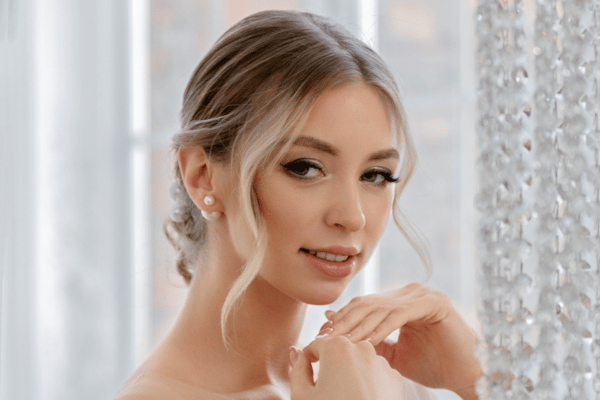
Soft Glam Makeup

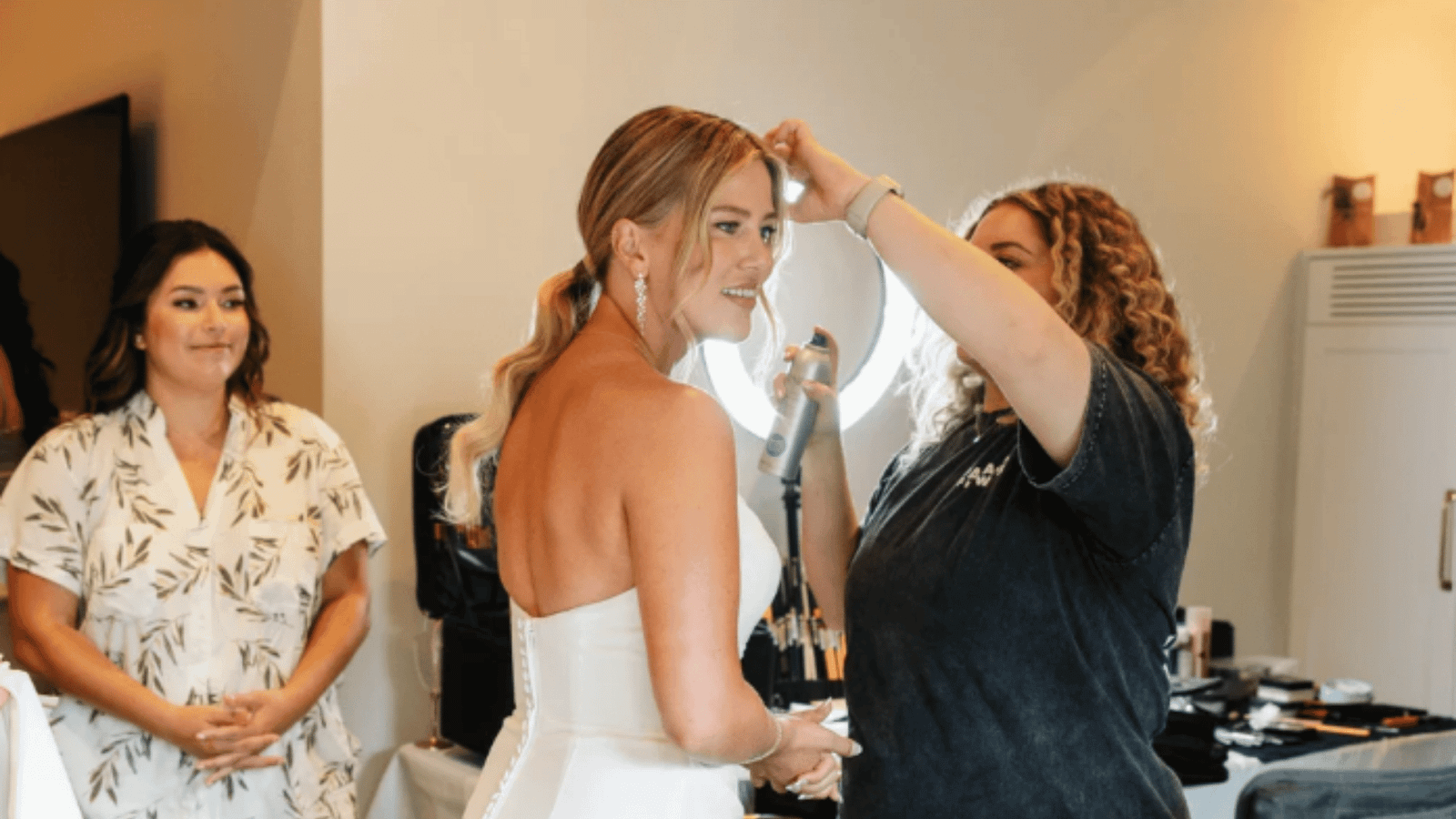
Soft glam sits between natural and dramatic. It looks polished and photo-ready, with defined eyes, flattering color, and glowing skin, but nothing feels heavy or harsh. Brittany’s approach centers on enhancing natural features through soft shadows and subtle highlights, and her signature no-makeup-makeup look focuses on glowing skin and warm, bronzed contour instead of heavy coverage.

Soft glam suits brides who want to feel dressed up without feeling like they are wearing a lot of makeup. Brides have described Brittany’s work as natural and “you but elevated,” and that phrase captures what soft glam aims for. If you are also considering a more understated finish, comparing soft glam vs. natural bridal makeup and what actually photographs better can help you decide how much definition you prefer.

Head-to-Head: Photos, Durability, and Personality Fit

Bold bridal makeup is defined and statement-making. The focus is strong color or contrast on the lips or eyes, and it stands out in portraits and group shots. Soft glam is polished, glowing, and natural. The focus is skin, soft shadows, and subtle highlights, and it looks refined both up close and from a distance.

For personality fit, bold suits brides who love color and a dramatic moment. Soft glam suits brides who want to look like themselves, but elevated. At your trial, a bold look is a chance to test how much color feels right, and a soft glam look is a chance to test how much definition feels right.

Both styles hold up best with careful prep. Brittany starts with unrushed skincare and base preparation, applies professional products suited to Southern California conditions and your skin type, and finishes with setting techniques. If dryness or flaky patches are a concern, addressing them before the wedding can help your foundation sit more evenly. These tips on skin prep for dry or flaky patches before your wedding offer additional guidance.

No one can promise how any look will wear after a full day, which is why a trial matters for both styles.

Which One Is Right for You
Best Bridal Makeup for Oily, Dry, and Acne-Prone Skin

The best choice comes from a few simple questions:

  • How do you usually wear makeup? If you wear bold lips or dramatic eyes often, a bold bridal look may feel natural. If you prefer a lighter routine, soft glam is likely to feel more familiar.
  • What does your dress look like? A simple silhouette can carry a bold lip well, while a detailed gown may pair better with softer makeup. Consider the fabric, embellishments, and overall silhouette when choosing your finish. This guide to bridal makeup for different wedding dresses can help you coordinate your look with your gown. If you are wearing a strapless or off-shoulder design, the neckline also affects how your shoulders and collarbone frame the finished look, as explained in this guide to bridal makeup for strapless and off-shoulder necklines.
  • Where is your venue? Outdoor and coastal settings bring sunlight, humidity, and wind, so the plan should suit the setting. A ceremony in bright sunshine may call for different adjustments from one held under gray skies. For the latter, these tips on bridal makeup for rainy or overcast wedding days explain how softer light can affect your makeup choices. For coastal celebrations, working with a bridal makeup artist in Laguna Beach, CA can also help you plan around the local setting.
  • How do you want to feel? Pick the look that makes you feel confident and relaxed.
  • How do you want your photos to look years from now? Think about whether you want a timeless soft finish or a statement look.

The size and style of your celebration can also influence your getting-ready plans. Brides organizing a destination wedding with hair and makeup in Southern California may need to coordinate services with travel and venue logistics, while couples planning a smaller celebration can explore elopement hair and makeup in Orange County.

If you cannot decide, a trial helps. Brittany strongly recommends a bridal trial. She tests the look and product formulas directly on your skin, works through adjustments, and makes sure you know what to expect on your wedding day. Some brides choose a middle ground, such as a soft glam base with one bolder feature. Bring reference photos and tell Brittany about any skin sensitivities, reactions, or recent treatments.

Brittany is fully mobile, so she comes to your home, hotel suite, resort room, or estate with a complete professional kit, including studio-quality lighting and seating. Setup takes about 15 to 20 minutes. You skip the salon commute, your getting-ready party stays together, and the timeline stays intact. Her general guidance is roughly 60 to 90 minutes for the bride and 45 to 60 minutes per bridesmaid. For larger parties, she brings additional artists so everyone finishes on schedule without cutting corners on the bride’s application. Brides also receive a complimentary touch-up kit with lipstick, powder, and blotting sheets.

Book Your Bridal Makeup Consultation

Brittany offers mobile bridal makeup throughout Orange County, with each look tailored to your preferences and wedding style. Browse her bridal makeup portfolio for inspiration and learn more about Brittany and her approach to makeup. For more details, visit the bridal makeup artist in Orange County, CA service page.

Ready to choose between bold bridal makeup and soft glam? Schedule a consultation to discuss your preferred look, wedding details, and availability.

Frequently Asked Questions

1. What’s the best way to prep my skin for bold bridal makeup vs soft glam?

Both styles start the same way. Begin a consistent skincare routine at least four weeks before your wedding, skip new skincare products or treatments in the final 10 days, and stay hydrated in the week leading up to the event, especially in summer. At your trial, tell Brittany about any skin sensitivities, reactions, or recent treatments so she can plan around them.

2. How long will bold bridal makeup vs soft glam last through the ceremony and reception?

Wear time depends on your skin, the weather, and how much time you spend outdoors, so no one can promise an exact result. Careful prep, professional products suited to the conditions, and final setting techniques all help either style hold through the ceremony, photography, and reception. A trial lets you test the plan on your own skin. Brittany also gives brides a complimentary touch-up kit for quick refreshes.

3. Can bold bridal makeup vs soft glam be adjusted for my specific skin tone or type?

Brittany builds each look around your skin, your dress, and your venue, so the plan changes from bride to bride. She also adjusts technique for different ages and skin types, including mature skin, where some formulas can settle into fine lines or look heavy. Your trial is the best place to test products and confirm the look feels like you.

4. Can I combine bold bridal makeup with soft glam?

Yes. You can combine elements of both styles to create a look that suits your personality. For example, you might choose soft, glowing skin and subtle contour with a more dramatic eye or a deeper lip color. Discuss your preferred features during the trial so Brittany can balance the look without making it feel too heavy.

5. Does bold bridal makeup look better than soft glam in outdoor wedding photos?

Neither style is automatically better. Bold makeup can create stronger definition in portraits, while soft glam offers a more understated finish. The result depends on your features, the lighting, your skin, and the overall look you want. Testing your preferred style during a trial helps you see how it appears in different lighting before the wedding day.

Posted on

Bridal Beauty for Corona del Mar’s Flower Streets Estates

bridal beauty for corona del mar flower streets

At a private estate wedding in Corona del Mar’s Flower Streets, the bridal suite is a room in someone’s home. The room may not have been designed for hair and makeup, so the available space, lighting, and sea air all become part of the morning’s planning.

That makes a private property different from a hotel ballroom or a dedicated wedding venue, which may have a designated preparation area and an established routine. At a private home, the team works with the rooms available and the conditions of the day. The coastal setting can affect hair, makeup, lighting, and timing, which is why bridal beauty for Corona del Mar’s Flower Streets benefits from planning well before the wedding morning.

For these weddings, Brittany Brown Beauty considers the property’s layout, available natural light, and getting-ready schedule when planning bridal hair and makeup. Knowing where the group will prepare and how the morning will unfold helps the team make practical decisions before arriving on site.

What Makes the Flower Streets a Sought-After Setting

The Flower Streets are residential streets in Corona del Mar named for flowers and plants, with names such as Marigold, Poppy, and Poinsettia. The naming dates back to at least the early 1920s. The neighborhood sits on the Southern California coast, and the setting brings an ocean-influenced atmosphere that suits a coastal wedding.

For a wedding, the appeal often comes from the private setting. A home or estate-style property can offer more flexibility than a fixed venue schedule, so a couple can shape the morning around their own plans. Depending on the property, outdoor areas and natural surroundings can become part of the day as well. Every property is different, so the details of space, light, and access are worth confirming early.

This setting has a direct effect on the bridal beauty plan. Where the bride gets ready, how much natural light reaches that space, and how exposed the property is to the coast all influence the hair, the makeup, and the order in which they happen.

Building the Look for a Private Estate Wedding

Planning hair and makeup at a private home starts with the property itself. A few questions shape the plan:

  • How much getting-ready space is available, and how many people need it?
  • Where does natural light enter, and what artificial light will be needed?
  • Where will the beauty team set up, and how can the area stay organized while several people get ready?
  • How will hair and makeup be timed around the rest of the wedding morning?
  • How will the bride move between the getting-ready space and the ceremony?
  • What will the weather and coastal conditions be like?

The final look also needs to work with the setting and the photography. A look that reads well in soft indoor light may need a different finish outdoors, and strong midday sun can flatten features while softer morning or late-afternoon light tends to flatter. We plan with both in mind.

Coastal Bluff Conditions

Coastal conditions vary with how close a property sits to the water and how exposed it is. Sea air carries moisture, wind moves hair and tests how secure a style is, and sun exposure affects how makeup wears and photographs. Natural light also changes through the day, so a look planned in morning light may meet very different light by late afternoon. If the day involves moving between indoor and outdoor spaces, the style and finish need to handle both.

None of this means coastal conditions will ruin hair or makeup. It means the artist can plan for them. Technique, hairstyle structure, and how the makeup is finished and set can all be chosen with the property in mind.

Our article on bridal makeup for windy coastal ceremonies explains how layered setting and careful planning help makeup hold up near the water. Light matters just as much. Our article on getting ready at Crystal Cove shows how coastal golden-hour light changes the way makeup reads. Crystal Cove is a different location from the Flower Streets, but the same principle applies: coastal light affects bridal makeup, and the plan should account for it.

Mobile Setup in a Private Home

A mobile service suits a private estate because the beauty team comes to the getting-ready location. The bride does not need to leave the property for hair and makeup, and the setup can be planned around the room or area available. The property does not have to function like a salon.

Lighting is part of that setup. We bring professional lighting to support consistent makeup application, rather than depending only on the light in whatever room is available. Hair and makeup are coordinated within the wedding morning schedule, so each person moves through services without long gaps or overlaps.

Every space has limits, so the setup works best with planning. Before the wedding morning, it helps to settle a few practical points with the planner or the property owner:

  • The room or area where the team will set up.
  • How and when the team can access the property, including arrival and parking.
  • Where natural light enters the room, and where mirrors and seating can go.
  • A clear surface for products and a place to plug in styling tools.
  • A backup indoor space if wind or weather changes the plan.

Timeline for a Full Getting-Ready Experience

Timing matters because everyone getting ready shares the same morning. Several things decide when hair and makeup should begin: how many people need services, when the bride wants to be finished, and when photography or a first look is scheduled. If the ceremony is at another location, travel time counts too. Time for final touch-ups and getting dressed comes after hair and makeup, and buffer time covers unexpected delays.

As a general guide, our wedding day beauty timeline suggests starting about four to six hours before the ceremony, with more time for larger parties or detailed styling. The exact schedule depends on the number of people and the complexity of the services. We build it backward from the ceremony, then add a buffer of at least 30 to 60 minutes.

What Brittany Brown Beauty Brings to Flower Streets Weddings

The service is mobile and on location. We bring the hair and makeup to the property, plan the setup around the available space, and consider both natural and artificial light. Coastal conditions come into the plan from the start, and the schedule fits the wedding timeline rather than the other way around.

Hair and makeup are planned around the bride’s desired look and the setting. Our article on how your wedding venue can influence your bridal hairstyle explains why estate settings, which can span several spaces with different light and movement, often call for structured styles or extra internal support.

The convenience matters too. The bride stays at the property through the whole process, in a private space, with her party nearby. That makes the morning easier to manage.

Booking timing deserves attention as well. Popular wedding dates and busy wedding periods may book earlier, particularly when hair and makeup are needed for the bride and members of the bridal party. Reaching out once the date and location are set gives everyone room to plan.

Plan Your Flower Streets Wedding Beauty

Private estate weddings benefit from planning the getting-ready space, lighting, timeline, hair, makeup, and coastal conditions in advance. Brittany Brown Beauty provides mobile bridal hair and makeup in Orange County, San Diego, and surrounding areas, so we can build the plan around your property and your day. Click the button below to schedule a consultation online.

Frequently Asked Questions

What makes bridal beauty for Corona del Mar’s Flower Streets different from other Orange County venues?

Some Orange County wedding venues have a set getting-ready area. A private property may not, so the space, light, and flow of the morning are planned property by property. The coastal setting adds sea air, wind, and changing light to that plan.

How far in advance should I book bridal hair and makeup for a Flower Streets wedding?

Book your bridal makeup artist several months ahead, especially for popular dates or large bridal parties. Once you secure your artist, schedule your trial two to four months before the wedding. Contact us when you confirm your date and location, and we can check availability.

Does the venue affect my makeup or hair plan?

Yes. The property’s exposure to wind and sun, the light in the getting-ready space, and whether you will move between indoors and outdoors all shape the plan. Photography matters too, since the finished look has to work in the light you will be photographed in.

Can a mobile bridal hair and makeup artist work from a private home or estate?

Yes. A mobile makeup artist in Orange County works on location by design. We bring the setup, including lighting, to the property and plan around the space available. It helps to confirm access and the getting-ready area with the property owner or planner in advance.

What should I consider when planning my getting-ready space?

Choose a room with enough space for everyone who needs services, and try to keep it calm, because foot traffic slows down a busy morning. Look for a spot near natural light, with seating and a clear surface for products. Having a backup indoor space ready also helps if the wind or weather changes.

Posted on

Bridal Makeup for the Mother of the Groom

bridal makeup for the mother of the groom

Bridal makeup for the mother of the groom deserves the same care as the bride’s look. She stands in family portraits, greets guests, and appears in photos from the ceremony through the reception.

At Brittany Brown Beauty, Brittany Brown has 11+ years in the makeup industry, and mature makeup is a named specialty. She says, “I also love to do mature makeup,” and she loves helping moms, aunts, and grandmas feel beautiful and special.

This guide explains how to plan a look that feels elegant, comfortable, and like yourself, but elevated.

How Mother-of-the-Groom Makeup Differs From Bridal Makeup

A bride often wants a look built around her dress, her theme, and her own idea of bridal beauty. A mother of the groom may have different goals. She often wants to look polished and rested in photos, feel comfortable for a long day, and honor the occasion without stealing attention from the couple.

Technique also changes. Brittany explains that formulas that look great on younger skin can settle into fine lines or look heavy on mature skin. She adjusts her products and application for each client instead of using one fixed approach. Her “enhance, don’t mask” philosophy guides the work. The goal is to bring out your features and let your natural radiance show.

For mature clients, thoughtful product selection and application can make a noticeable difference. Brittany’s approach aligns with these tips on bridal makeup for mature skin, including what works and what to skip. Using suitable formulas and avoiding excessive layering can also help prevent makeup from settling into fine lines.

Brittany specializes in corrective beauty, bridal, print, and mature makeup. Her approach focuses on soft shadows and subtle highlights. She says corrective beauty makeup comes naturally to her. She also believes that small, subtle changes can make a powerful difference, especially for mature skin. For clients concerned about uneven pigmentation or scarring, her guide to corrective makeup for scarring and hyperpigmentation explains how makeup can create a more balanced finish without heavy coverage.

Building an Elegant, Age-Appropriate Look

special event makeup image 4

Three planning areas shape a mother-of-the-groom look.

Coordinating With the Day’s Formality

The style of the wedding sets the tone for your makeup. A formal evening ceremony in a resort ballroom calls for a different finish than a relaxed afternoon celebration at a garden estate.

  • Ask about the dress code: Knowing whether the wedding is black-tie, formal, or relaxed helps you choose the right level of definition.
  • Share your outfit: Photos of your dress, jewelry, and hair plan help Brittany choose colors that suit the whole look. Choosing the right foundation shade is especially important when you want your complexion to look natural alongside your outfit and in photographs. These tips on choosing the right foundation shade for your wedding day can help explain what to consider.
  • Think about the time of day: Morning, afternoon, and evening light all show makeup differently.
  • Bring reference photos: Images of looks you love give Brittany a clear starting point for the conversation.

Complementing, Not Competing With the Bride

The best mother-of-the-groom look fits into the wedding without pulling focus. It looks polished and cohesive next to the bride and the rest of the wedding party.

  • Aim for soft and radiant: Brittany’s no-makeup-makeup style focuses on glowing skin and warm, bronzed contour instead of heavy coverage.
  • Keep the finish consistent with the group: Brittany designs a bridal party so the whole group looks cohesive, instead of treating each person in isolation.
  • Choose colors you love: Lip and eye colors that suit your skin tone and outfit look natural and flattering.
  • Talk through your preferences: Tell Brittany what you like and what you would rather skip, so the final look feels like you.

Every client’s features, skin tone, and personal preferences are different, so the same approach will not suit everyone. Brittany’s work across different bridal clients, including her approach to bridal makeup for Asian brides in Orange County, reflects the importance of tailoring makeup to the individual rather than following a fixed look.

Longevity Through Photos and Reception

A mother of the groom spends hours on her feet, hugging guests, and posing for photos. Careful prep and thoughtful product choices help the look hold up through a long day.

  • Start with unrushed prep: Brittany begins with skincare, primer, and base preparation so every layer sits on a steady surface.
  • Match the application to your skin: Brittany uses professional products suited to Southern California conditions and to your specific skin type. Skin can behave differently depending on whether it is oily, dry, or acne-prone, so the right product selection matters. These recommendations for the best bridal makeup for oily, dry, and acne-prone skin explain why individual skin needs should guide the application.
  • Choose a suitable foundation: Foundation should provide the finish and coverage you prefer without looking unnecessarily heavy. For more information about options suited to mature skin, see this guide to the best foundations for mature skin in 2026.
  • Finish with setting techniques: Final setting techniques help the look hold through the ceremony, photography, and reception, though no one can promise exactly how any look will wear after a full day.
  • Ask about a trial: Brittany strongly recommends a bridal trial because it lets her test products on the skin and work through adjustments. Ask her whether you can include your own look.
  • Share skin sensitivities: Tell Brittany about any skin sensitivities, reactions, or recent treatments.

Skin prep helps too. Start a consistent skincare routine at least four weeks before the wedding, skip new skincare products or treatments in the final 10 days, and stay hydrated in the week leading up to the event.

Makeup can also look different in person than it does in professional photographs because lighting, camera settings, and the finish of the products all affect the final result. Understanding why bridal makeup looks different in photos and how to get it right can help you discuss the balance between a natural appearance in person and a polished look on camera.

Booking as Part of the Family’s Beauty Package

Brittany offers coordinated hair and makeup for bridesmaids, mothers of the bride and groom, and other members of the wedding party. Booking everyone together keeps the getting-ready morning organized and the looks cohesive. Mothers who are planning their own look can also explore the guidance on mother-of-the-bride makeup in Orange County, which covers similar considerations for family members attending the wedding.

Because Brittany is fully mobile, she comes to your home, hotel suite, resort room, or estate. She arrives with a complete professional kit, including studio-quality lighting and seating, and sets up in about 15 to 20 minutes. Your getting-ready party stays together, you skip the salon commute, and the timeline stays intact. For larger parties, she brings additional artists so everyone finishes on schedule without cutting corners on the bride’s application. She plans the schedule in advance during booking.

Before securing your date, it helps to discuss the number of people needing services, the timeline, and the look you have in mind. These suggestions on what to ask your bridal makeup artist before booking can help you prepare for that conversation.

Brittany trained at Empire Academy of Makeup in Orange County. One bride describes her as kind and communicative, and says she works extremely well with other vendors. You can see examples of her work in the portfolio and read more about her background on the About page.

Wedding dates in Orange County can book well in advance, especially on peak spring and fall weekends, so reach out as soon as the venue is confirmed. A signed contract and deposit secure your date. To start planning, Contact Brittany Brown to talk through your wedding party.

Frequently Asked Questions

1. How is bridal makeup for the mother of the groom different from standard bridal makeup?

The goals and the technique differ. A mother of the groom often wants to look polished, rested, and comfortable through a long day of photos and greetings. Brittany adjusts her products and application for mature skin, since some formulas can settle into fine lines or look heavy. She also coordinates the look with the rest of the wedding party so everyone looks cohesive.

2. What products work best for bridal makeup for the mother of the groom?

The best products depend on your skin, your outfit, and the setting, so Brittany chooses them for each client. She uses professional products suited to Southern California conditions and to your specific skin type, and she keeps the focus on your features. Tell Brittany about any skin sensitivities, reactions, or recent treatments so she can plan around them.

3. How far in advance should I book a trial for bridal makeup for the mother of the groom?

Reach out as soon as the wedding venue is confirmed, since Orange County wedding dates can book well in advance. Brittany strongly recommends a bridal trial before the wedding day so she can test the look and make adjustments. When you reach out, ask whether a trial can include the mother of the groom and when it should happen.

4. Should the mother of the groom coordinate her makeup with the mother of the bride?

The two looks do not need to match exactly. Instead, they can complement each other and the wedding style. Discussing preferred colors and matching the level of formality can create a cohesive look in family portraits. This approach also allows each person to express her individual style.

5. What should the mother of the groom bring to her makeup appointment?

Bring a photo of your outfit, any accessories that may influence your look, and a few makeup references you like. It also helps to share your usual makeup routine, preferred coverage, and any skin sensitivities or concerns. These details give the artist a clear starting point for creating a comfortable, flattering look.

Posted on

How to Explain Your Vision to Your Makeup Artist During a Trial

explain your vision to your makeup artist during

Learning to explain your vision to your makeup artist during a trial is a useful thing to do before your wedding. The trial is your chance to test the look, ask questions, and make adjustments while there is still time.

At Brittany Brown Beauty, Brittany Brown brings 11+ years in the makeup industry to every bride, built on her “enhance, don’t mask” approach. The goal is simple: you look like yourself, but elevated.

This guide shows how to describe what you want, so your trial is productive and your wedding-day look feels right.

Why Communication Matters as Much as the Products Used

Even the best products cannot read your mind. Two people can say “natural” and picture very different looks. One may imagine barely-there skin, while another expects soft definition and a warm glow. Clear communication closes that gap.

Brittany strongly recommends a bridal trial for this reason. She tests the look and products directly on your skin. You can discuss adjustments and see how everything works before your wedding day. Learn more about what happens during a bridal makeup trial and what brides should expect to feel more prepared for your appointment.

One bride describes Brittany as open, honest, and thorough in her communication. This kind of two-way conversation helps make a trial successful. The number of appointments you need depends on your vision and any adjustments required. Read more about how many bridal trials you actually need to plan your wedding preparations with confidence.

Your wedding is a once-in-a-lifetime event that will be photographed throughout the day. Spending a little time on communication now helps you feel calm and confident later.

How to Describe What You Want

You do not need professional makeup language. A few simple habits help Brittany understand your vision quickly.

Using Reference Photos Effectively

explain your vision to your makeup artist during

Photos are one of the fastest ways to share your taste. They work best when they show you what you love and why.

  • Bring a small set of images: A handful of photos is easier to discuss than dozens. If you are unsure what else to bring, this guide on what to bring to your bridal makeup trial can help you organize your references and prepare for the appointment.
  • Point out what you like in each one: It might be the glow on the skin, the softness of the eyes, or the color of the lips.
  • Choose photos that resemble you: Skin tone, eye shape, and features differ from person to person, so a look will not read the same on everyone.
  • Include your dress and venue: Photos of both help Brittany plan a look that suits the whole day. Lighting can change how makeup appears in photographs, particularly around sunset. If your wedding includes golden-hour portraits, getting ready at Crystal Cove with golden-hour light in mind offers a useful example of why the setting should be part of the conversation.
  • Remember that photos can be edited: Filters and retouching change how makeup appears, so use photos as inspiration and ask Brittany how a look will translate to real skin.

Describing Feeling, Not Just Look

Sometimes the best way to explain your vision is to describe how you want to feel. Brittany’s work centers on the client’s experience, so feeling words give her a lot to work with.

  • Say how you want to feel: Calm, confident, glowing, and polished are all useful descriptions.
  • Describe how you usually wear makeup: Tell Brittany whether you wear makeup daily, rarely, or only for special events.
  • Share what “like yourself” means to you: Your idea of a natural look is personal, and Brittany’s no-makeup-makeup style focuses on glowing skin and warm, bronzed contour instead of heavy coverage.
  • Mention how you want to look in photos: Some brides want a soft, romantic finish, while others prefer more definition.

Your venue can also influence the balance you choose. For example, if you are planning a celebration at Newport Ridge Estate, discussing the setting alongside your references can help you plan a look that suits the overall wedding. The guide to bridal makeup for Newport Ridge Estate weddings provides another reference for thinking about your makeup in relation to the venue.

Being Honest About What You Don’t Like

Honest feedback helps more than polite silence. The aim is a look that feels like you, so tell Brittany what is not working.

  • Name the details you dislike: Heavy lips, dark brows, or a very matte finish are all worth mentioning.
  • Speak up during the trial: Adjustments are easiest at this stage.
  • Share your comfort level: If a product feels heavy or the look feels like too much, say so.
  • Disclose skin sensitivities: Tell Brittany about any skin sensitivities, reactions, or recent treatments so she can plan around them.
  • Ask questions: If you are unsure about a term or a technique, ask Brittany to explain.

If your concerns involve uneven-looking skin, discoloration, or specific areas you would like to address, bring them up during the trial. Learning about corrective makeup, what it is, and who it is for can also help you describe the result you hope to achieve. Your makeup artist can then discuss appropriate techniques without losing sight of your preferred finish.

What Happens After You Share Your Vision

explain your vision to your makeup artist during

Once Brittany understands your vision, she tests the look on your skin and works through any adjustments with you. You can see how the makeup looks in person and decide what to change. She builds each look around your skin, your dress, and your venue instead of a fixed package look.

Brittany also adjusts technique for different ages and skin types, including mature skin, where some formulas can settle into fine lines or look heavy. Skin tone is another important consideration when choosing products and building a balanced base. Brides with deeper skin tones can explore guidance on building a radiant bridal makeup base for deep skin tones and discuss their preferences with Brittany during the trial.

Skin prep is part of the conversation too. Brittany recommends the following:

  • Start a consistent skincare routine at least four weeks before the wedding.
  • Avoid new skincare products or treatments in the final 10 days.
  • Stay hydrated in the week leading up to the wedding, especially in summer.

A consistent routine gives your skin time to settle before the event. For a more detailed schedule, see how to prep your skin 30 days before your wedding. If you experience dry or flaky patches, address those concerns early and discuss them at your trial; this guide to skin prep for dry or flaky patches before your wedding offers more specific preparation advice.

On your wedding day, Brittany’s bridal hair and makeup services bring the preparation to your location. She arrives with a complete professional kit, including studio-quality lighting and seating, and sets up in about 15 to 20 minutes. You skip the salon commute, and your getting-ready party stays together. Her general guidance is roughly 60 to 90 minutes for the bride and 45 to 60 minutes per bridesmaid, and she plans the timeline in advance during booking. Brides also receive a complimentary touch-up kit with lipstick, powder, and blotting sheets.

You can see examples of Brittany’s bridal work in the portfolio and read about her training at Empire Academy of Makeup on the About page. Wedding dates can book well in advance, especially spring and fall weekends in Orange County, so reach out as soon as your venue is confirmed. A signed contract and deposit secure your date. To start planning, Contact Brittany Brown to talk through your wedding.

Frequently Asked Questions

1. When should I start preparing to explain your vision to your makeup artist?

Start gathering reference photos and thinking about the feeling you want as soon as you book your artist. For your skin, begin a consistent skincare routine at least four weeks before the wedding. Planning early gives you time to refine your ideas before the trial.

2. What should I avoid in the days leading up to my wedding?

Avoid new skincare products or treatments in the final 10 days before the wedding. Stay hydrated in the week leading up to the event, especially in summer. If you have any skin sensitivities, reactions, or recent treatments, tell Brittany at your trial so she can plan around them.

3. What should I bring up with my artist about explaining your vision to your makeup artist during?

Bring reference photos, a description of how you want to feel, and a clear list of what you do and do not like. Share photos of your dress and venue, and mention any skin sensitivities or recent treatments. Open communication helps Brittany build a look that feels like you.

4. How can I explain the difference between natural and soft glam makeup to my artist?

Use reference photos to show the level of coverage, eye definition, contour, and lip color you prefer. Explain which details you like and which feel too heavy for your taste. Since terms such as “natural” and “soft glam” can mean different things to different people, specific examples help Brittany understand your vision and tailor the look to you.

5. What if I don’t like my makeup during the bridal trial?

Be honest with your feedback. Explain what feels wrong, whether it is the foundation finish, eye makeup, lip color, or overall intensity. Brittany can discuss adjustments and test different options during the trial. Speaking up early gives you time to refine the look before your wedding day and feel more confident about the final result.

Posted on

Skin Prep for Dry or Flaky Patches Before Your Wedding

Skin Prep for Dry or Flaky Patches Before Your Wedding

Foundation does not hide dry skin. It sits on top of it. A rough patch beside the nose, a flaky area near the brows, or tight skin across the cheeks can look minor in the mirror and still catch light, grab powder, and break up foundation once makeup goes on. Skin prep for dry or flaky patches before a wedding works best as a slow, steady habit, not a last-minute rescue.

Dry patches can affect how foundation blends, where powder settles, and how the finished makeup looks in photos. At Brittany Brown Beauty, we consider skin condition alongside product choice when planning bridal makeup. Starting your skin prep several weeks before the wedding gives you time to maintain a consistent routine and identify anything that leaves your skin feeling uncomfortable.

Getting your skin ready does not mean trying to change it before the wedding. The goal is comfortable, well-prepared skin. Dry patches may not disappear completely, and no routine can promise how makeup will look. Steady care over several weeks, a short list of things to avoid, and honest information for your artist can still help makeup sit more evenly.

Why Dry Patches Show Up More Under Makeup

Makeup sits on the surface of the skin, so surface texture matters. Smooth skin lets foundation spread evenly. Where skin feels rough or looks like it is lifting, foundation can gather in small ridges or look uneven, and concealer can settle into dry areas and draw attention to them.

Powder adds to the problem. It sets makeup and softens shine, but over a dry area it can make the skin look drier and make flakes more noticeable. Makeup can also catch on loose texture. A sponge or brush that drags across a rough spot can lift product or leave streaks.

Layering is the other common issue. When a dry patch shows, the natural reaction is to add more foundation, more concealer, and more powder. Thicker layers usually make texture more visible, not less, and close-up photos and flash tend to show it clearly.

An artist can adjust products and placement, but the skin on the day sets the starting point. Skin that has been cared for consistently gives the artist more to work with. That is why preparation matters before the makeup begins.

Building a Hydration-First Routine for Dry or Flaky Patches

Consistency matters more than variety. Skin that knows its routine tends to be easier to work with than skin that has seen three new products in a month. When a bride switches cleansers, adds new creams, and tries masks all at once, it becomes hard to tell what is helping and what is causing trouble. A familiar routine, kept steady, is easier on the skin and easier for an artist to read.

A useful benchmark is a routine that stays consistent for roughly four weeks before your trial. Many brides schedule a trial two to four months before the wedding, so that four-week window often starts earlier than expected.

Brides who begin several months ahead have the most flexibility. Our 90-day skin prep timeline shows how to pace changes. Anything new belongs in that early window, not close to the wedding.

Weeks Out: Gentle Exfoliation

Some brides already include gentle exfoliation in their routine. If that is you, keep doing what you already do with the products you already use. The wedding period is not the time to experiment with a stronger scrub, a new acid, a peel, or an unfamiliar tool. These can leave skin tight, red, or flakier than before, which works against the goal.

If you do not exfoliate now, the weeks before a wedding are not the time to start. And if your skin starts to feel tight or irritated, pull back rather than push through, and mention it to your artist.

For a closer look at the final month, see our 30-day skin prep guidance.

Days Out: Layering Hydration

In the days before the wedding, keep the same routine morning and night. Layering hydration here means using the hydrating steps already in your routine, such as a moisturizer you know well, and applying them consistently. It does not mean adding more products. Skin that feels comfortable often takes makeup more evenly than skin that feels tight.

The final 10 days should be a particularly low-experiment period. Skip new products and routine changes. If something starts bothering your skin, tell your artist rather than swapping in something unfamiliar.

Day-Of: Priming Dry Areas

On the morning of the wedding, arrive with clean, comfortable skin and follow any skin-prep instructions your artist has given you. Keep the morning simple. There is no need to add steps.

Your artist handles priming. Based on how your skin looks and feels that day, the artist may adjust the primer, foundation, concealer, and powder placement. To make those choices well, your artist needs accurate information about dry spots, reactive or sensitive areas, and any products that have irritated your skin before.

The best time to share that information is at your bridal makeup trial. Your artist can see how makeup behaves on your skin and plan the wedding-day application around it.

On the day, avoid piling extra product onto areas that already show texture. Lighter layers and careful placement usually look better than heavier coverage. For makeup choices that suit dry skin, see our guidance on bridal makeup for dry skin.

What to Avoid If Your Skin Is Prone to Dryness

Most of the mistakes are avoidable, and most come from trying to fix too much too late:

  • New skincare products shortly before the wedding. Skin needs time to show how it reacts.
  • Aggressive exfoliation. Harsh scrubbing can leave skin flakier and less comfortable.
  • Last-minute skincare experiments. Masks, treatments, and new steps close to the wedding add risk without a chance to adjust.
  • Products that have caused irritation before. Tell your artist about them so they can be avoided in your makeup too.
  • Excess powder on dry-looking areas. Powder can emphasize dryness, so it works better in small amounts and in the right places.
  • Trying to completely change your skin right before the wedding. Comfortable and well prepared is a realistic goal. A new complexion is not.

These points share one rule: avoid new products during the final 10 days. Familiar products and a steady routine give you and your artist the clearest picture of how your skin will take makeup.

Plan Your Bridal Makeup Trial

A trial is the right time to talk through your skin condition, your skincare routine, any sensitivities, and your makeup preferences. That conversation helps your artist plan the application before the wedding. Brittany Brown Beauty provides mobile bridal hair and makeup in Orange County, San Diego, and surrounding areas. Click the button below to schedule a consultation online.

Frequently Asked Questions

When should I start prepping for dry or flaky patches before my wedding?

Start thinking about it three to twelve months ahead, but focus on consistency rather than a start date. Aim for a steady routine for about four weeks before your trial, and give yourself extra time if you want to introduce anything new. If you are closer to the wedding, simplify and keep to products you already use.

What should I avoid in the days leading up to my wedding?

Avoid anything unfamiliar. That includes new skincare products, new tools, and stronger exfoliation than you normally use. During the final 10 days, hold your routine steady so your skin looks and feels as predictable as possible on the day.

What should I bring up with my artist about dry or flaky skin?

Tell your artist where you notice dryness, which areas feel sensitive, and which products have caused irritation in the past. Share your current routine and anything you have used recently. This helps your artist choose products and placement that suit your skin that day.

Can dry patches affect how my foundation looks on my wedding day?

Yes. Texture can change how foundation spreads and settles, and powder over dry areas can make them more visible. A comfortable, well-cared-for base gives your artist more room to work, although no routine can promise a particular result.

Should I change my skincare routine before my bridal makeup trial?

In most cases, no. One of the most useful bridal makeup trial tips is to arrive with your usual routine, because the trial shows how makeup behaves on your real skin. If you want to change something, do it early and tell your artist what you added.

Posted on

How to Choose the Right Blush Shade for Your Skin Tone

How to Choose the Right Blush Shade for Your Skin Tone

To choose the right blush shade for your skin, start with the color your cheeks turn naturally after a brisk walk. Look for a blush in that same color family, then consider your undertone, skin depth, and the rest of your wedding makeup. The goal is to recreate your natural flush with a little more definition.

Blush can look different depending on your complexion, the lighting, and the other shades in your makeup. At Brittany Brown Beauty, we consider these details when choosing a blush color and deciding how much to apply. A shade that complements your natural coloring can bring warmth and dimension to your face without overpowering the rest of your look.

The best blush shade should feel like a natural fit, working with your skin tone and tying your bridal makeup together.

Why Blush Shade Is Easy to Get Wrong

A blush that looks right in the pan can look completely different on your face. Natural coloring and undertone come first: the same blush can look rosy on one person and dull on another. The foundation underneath matters too, because a base that is slightly too light, too heavy, or too matte can mute the blush on top. Light changes the result again, since daylight, warm indoor bulbs, and camera flash each show color differently. Finally, the rest of the makeup and the way the blush is applied decide whether the color looks natural or out of place.

Most blush mistakes follow a few patterns:

  • Too gray. Muted mauves and browns with a gray cast can look flat or dusty on the cheeks.
  • Too bright. Very bright pinks and corals can sit on top of the skin instead of blending in, and they can stand out more under flash.
  • Too warm. A strongly orange shade can look like a patch of bronzer, and on a cool or pink undertone it can turn orange.
  • Too cool. Blue-leaning pinks can look chalky or ashy on some skin, especially with golden or olive undertones.
  • Too strong for the rest of the look. Heavy color on the cheeks pulls attention away from soft eyes and lips.

None of these shades is wrong on its own. The mistake is a mismatch with the person wearing it and the makeup around it.

Matching Blush to Undertone

Skin tone and undertone are different things. Skin tone is how light or deep your skin looks on the surface, and it can shift with the seasons or a little sun. Undertone is the subtle color beneath the surface, and it stays the same. Two brides with the same skin depth can have different undertones, which is why one blush can look natural on one and off on the other.

Undertones usually fall into three groups:

  • Warm: a golden, yellow, or peachy cast. Peach, coral, warm rose, and terracotta blushes often sit comfortably.
  • Cool: a pink, red, or bluish cast. Soft pink, rose, berry, and cooler mauve often look natural.
  • Neutral: a mix of the two. Neutral undertones often have a wide range, including dusty rose and soft peach-pink.

Undertone is a starting point, not a rule. Skin depth, the finish you want, your dress, the lighting at your venue, and your own taste all affect the final choice. If you are not sure which undertone you have, our article on matching bridal makeup to your skin undertone explains how to find out.

Overall coloring plays a part, too. Hair color, brow depth, and eye color change how much contrast the face carries, and that affects how much color the cheeks can hold before blush looks faint or heavy. Darker hair, for example, creates stronger contrast around the face, so a bride with dark brown hair may need a little more pigment on the cheeks to keep the look balanced. Undertone should still lead the choice. Brides with dark hair can find more ideas in our bridal makeup ideas for brunettes in Orange County.

Fair and Light Skin

Soft pinks, delicate peach, muted rose, and light apricot tend to look natural on fair and light skin because they add warmth without overpowering. Undertone helps narrow it down. A fair bride with a pink undertone may look best in soft rose, while one with a golden undertone may prefer peach or apricot.

Intensity matters more than the exact shade. Fair skin shows color quickly, so a highly pigmented blush usually needs a light hand. Start with a small amount, blend it outward, and add more only where the cheeks still look flat. Deeper or brighter shades can still work when they are sheer and well blended, but they take more care.

Medium and Olive Skin

Medium and olive complexions often look good in peach, warm rose, terracotta, soft coral, and mauve with a little warmth in it. These shades add color without turning gray or too pink against the skin. Medium skin with a cool undertone can still look lovely in rose and softer berry tones, since undertone still guides the choice.

Olive skin deserves a note. It often carries a subtle green or golden cast, so cool, blue-leaning pinks can look gray or muted instead of fresh. A warm rose or a terracotta-leaning peach often looks more natural. Swatch on the cheek rather than the hand, because the hand rarely matches the face.

Deep Skin Tones

Deeper skin tones often look best in blush with enough pigment and richness to show up without looking harsh. Light, chalky, or very frosted shades can sit on top of the skin and look gray, while a richly pigmented shade blends in and reads as color.

Berry, rich rose, coral, plum, deep peach, and terracotta are all good places to start. Undertone still matters. Warm undertones often suit coral and terracotta, while cool undertones may lean toward berry and plum.

This is about pigment, color balance, and placement, not about using more makeup. A small amount of well-pigmented blush, blended with soft edges, gives color without heaviness.

Placement Tips for a Natural Flush

Where blush sits changes the feel of the whole makeup look. On the apples of the cheeks, it looks fresh and soft. Swept a little higher toward the temples, it looks more lifted and defined.

Face shape can guide placement, but it is not a rule. On a longer face, blush placed a little more horizontally across the cheeks can add width. On a rounder face, angling it up toward the temples can add lift. Rounder, softer placement can also flatter more angular features.

How Much Blush to Use

Build blush in thin layers. Start with less than you think you need, blend the edges until no line shows, and stop when the cheeks look like a natural flush. Blush can look stronger up close than it does from a few feet away, so check it from a distance as you go.

Blush, Bronzer, and Highlighter Together

Each product has a separate job. Blush adds color, bronzer adds warmth and dimension around the edges of the face, and highlighter adds light to the high points. When all three land in the same spot, the color turns muddy. Keep the blush where the color should sit, the bronzer slightly lower and further out, and the highlighter on top of the cheekbone. Brides who skip bronzer or highlighter can let blush do more of the work.

Keeping Blush in Balance With the Rest of the Look

Blush should support the other products, not compete with them. A soft eye and a natural lip can handle a little more color on the cheeks. A bold lip or a dramatic eye usually calls for a softer cheek. If you are still weighing your options, our article on soft glam vs. natural bridal makeup shows how each style photographs, and it is a good source of bridal makeup ideas. Either way, the finished look should still feel like you, just more polished.

How Lighting and Photos Change Blush

Lighting changes how visible blush looks. Bright daylight at an outdoor ceremony can wash out a soft shade, while flash and warm reception lighting can make the same shade look stronger. That is why it helps to see your blush in daylight, indoors, and in photographs before the wedding.

Testing Your Blush at a Bridal Makeup Trial

A bridal makeup trial is a reliable way to settle a blush choice. It lets you and your artist see the shade on your actual skin, next to the rest of the makeup, and adjust before the wedding day. If you are planning a wedding in Orange County, a trial also helps you choose the right blush shade for your skin with your dress and overall look in mind.

Testing is especially useful when:

  • You are trying a new product.
  • You are choosing between noticeably different shades, such as a soft peach and a deeper rose.
  • You have concerns about skin sensitivity. Tell your artist about any sensitivities, reactions, or recent treatments so products can be chosen with that in mind.
  • You want to confirm how the color looks in photographs and different lighting.
  • Longevity matters because you have a long wedding day ahead.

No blush can be promised to look the same throughout the ceremony and reception. Wear depends on your skin type, the products used, the weather, and how active the day is. At a trial, you can wear the makeup for a few hours, see how the blush settles, and change the product or placement if needed. Our article on what to expect during a bridal makeup trial explains how the appointment works and what to bring.

Schedule a Consultation

Brittany Brown Beauty provides mobile bridal hair and makeup services for weddings and special events, with a strong presence in Orange County and surrounding areas. A consultation or bridal makeup trial is a good way to find the blush shade that suits your coloring, your dress, and your wedding-day look. Click the button below to schedule a consultation online.

Frequently Asked Questions

How should I prep my skin before choosing a blush shade?

Skin prep helps blush apply evenly and look its best. Keep your routine consistent before the wedding and avoid new products or treatments in the final 10 days. Arrive at your trial with minimal makeup so your artist can assess your natural skin and coloring.

How long will my blush last through the ceremony and reception?

There is no set wear time we can promise. How long blush lasts depends on your skin type, the products used, how they are applied, the weather, and how active your day is. Heat, humidity, hugs, and happy tears all play a part. A trial helps you see how the makeup approach holds up over several hours, so any adjustments can be made before the wedding day.

How will my blush look in wedding photos? 

Blush can appear softer or more noticeable depending on the lighting, camera, foundation, and overall makeup. A shade that looks subtle in person may photograph differently under bright outdoor light or flash. Testing the blush during your trial helps you see how the color works on your actual skin and alongside the rest of your makeup.

Should my blush match my lipstick and other wedding makeup?

Your blush does not need to exactly match your lipstick, but the colors should work together. A warm peach or coral blush can complement warm-toned lips, while rose, mauve, or berry shades may work well with cooler lip colors. The overall makeup should feel balanced rather than having one color compete with another.

Can my blush be matched to my specific skin tone and skin type? 

Yes. Blush selection can be adjusted for your skin tone, undertone, and skin type, along with the finish you prefer, your overall makeup, and your personal taste. A cream formula and a powder can behave differently on dry or oily skin, and a matte and a satin finish can change how defined the color looks. A trial lets you compare options on your own skin.

Posted on

Corrective Makeup: What It Is and Who It’s For

Corrective Makeup

Corrective makeup focuses on specific areas of the face that may need more coverage, balance, or color correction. Instead of applying heavy coverage everywhere, the goal is to use the right technique and product where it is actually needed. This can include adjusting discoloration, softening the appearance of scarring, balancing redness, or creating a more even base.

At Brittany Brown Beauty, corrective makeup is a named specialty. Brittany Brown has 12 years of experience in bridal and print makeup, with a particular focus on corrective beauty and mature makeup. Her approach is about working with the skin rather than covering the entire face with layers of makeup.

Corrective makeup can be especially useful for mature brides, mothers of the bride or groom, and anyone who wants a more even complexion while keeping the finished makeup looking natural.

Defining Corrective Makeup

Corrective makeup starts with observation. Before any product goes on, the artist looks closely at the skin in good light. The goal is to see which areas are already even and which need extra attention, such as redness around the nose, shadowing under the eyes, or uneven tone along the cheeks.

From there, five elements work together:

  • Color correction: A corrector in an opposing shade cancels out unwanted tones. A green-toned corrector can offset redness. A peach or orange-toned corrector can offset blue or purple tones, such as shadowing under the eyes. Deeper skin tones often call for deeper orange or red-toned correctors.
  • Coverage: Coverage goes where it is needed. Everything else stays light.
  • Blending: Soft, well-blended edges keep corrected areas from looking like patches.
  • Texture: Thin layers and careful skin prep help makeup sit smoothly instead of settling into lines.
  • Placement: Placing a small amount of product in the right spot does more than spreading a lot of it everywhere.

For example, a bride with redness around her nose and cheeks does not need a full-coverage foundation over her whole face. A small amount of corrector on the red areas, a thin layer of foundation over it, and light blending outward usually look more natural. The rest of her skin keeps its softness.

That is why corrective makeup does not mean heavy or cakey makeup. The aim is a balanced, even-looking complexion that still suits the client and the occasion. The finish should look like her skin on a very good day.

Who Benefits Most

Corrective makeup suits anyone who wants a more even-looking complexion without heavy coverage. That includes brides with scarring, discoloration, or redness, and mature clients such as mothers of the bride or groom. It does not belong to one age group. A bride in her twenties may want help with uneven tone. A mother of the groom may want a smooth, comfortable base that holds up in photographs. The common thread is a client who wants her skin to look even without looking made up.

Brides With Scarring or Discoloration

Makeup can visually soften the appearance of areas such as acne scarring, marks left behind after breakouts, or uneven pigmentation, often called hyperpigmentation. The key word is appearance. Makeup does not change the skin itself, and results vary from person to person.

A corrective approach layers color correction and concealing only over those areas, then blends the edges so the rest of the face stays natural. Texture is handled with restraint, because piling on product tends to draw more attention to it. Our article on how corrective makeup approaches scarring and hyperpigmentation walks through this in more detail.

Brides With Redness or Uneven Tone

Visible redness is one of the most common reasons clients ask about a corrective approach. The artist usually works in stages. First comes careful skin prep. Then a small amount of color corrector goes on the red areas, followed by a base chosen for the client’s undertone. A final light blend ties everything together.

Product choice matters here. A formula that is too thick can stand out on the face, especially in photos. Redness can usually be softened in appearance, but it cannot always be hidden completely. Some may still show through, and a natural finish matters more than total coverage. The goal is a calmer-looking, more even tone, not a flawless mask.

Anyone Wanting a More Even, Confident Base

Corrective makeup is not only for significant discoloration or visible scarring. Many clients simply want a more balanced base. They may notice a little shadowing, a few uneven patches, or areas where makeup tends to look patchy by midday.

Applying the same techniques on a smaller scale helps the makeup look refined on camera while staying natural in person. For clients who prefer a “no-makeup-makeup” finish, this precision is often what makes the look work.

How a Corrective Approach Differs From Heavy Coverage

Corrective makeup is about where and how products are applied, not about using more of them. Heavy coverage means putting more makeup across the whole face. A corrective approach means using the right product only where it is needed.

ApproachHeavy coverageCorrective approach
Product placementEven layer over the entire faceTargeted areas only
LayeringMany layers to hide concernsCoverage built gradually, in thin layers
Facial structureFlat, because dimension is coveredNatural highlights and shadows stay visible
FinishCan look cakey or mask-likeLooks like skin, only more even
In photosCan look heavy under flash and bright lightLooks balanced and natural

Heavy foundation can flatten the face. When the same product goes everywhere, the natural dimension of the cheekbones, forehead, and jawline disappears. Extra layers can also settle into fine lines and look heavier as the day goes on. This is especially true for mature skin, where formulas that look good on younger skin can sit differently.

A corrective approach works in the opposite order. The artist applies a light base first, then adds coverage only where it is needed. If an area still needs more, the artist builds it gradually. In coastal Orange County, humidity and sea air add another reason to work in thin layers, because the makeup has to hold up through a long day.

Choosing the right shade matters too. A base that is too light or too dark creates the very unevenness the makeup is meant to soften. Our article on choosing the right foundation shade for your wedding day explains how to check undertone and depth.

These principles are at the center of mature skin bridal makeup. We explain them further in Bridal Makeup for Mature Skin: What Works and What to Skip.

Planning Corrective Makeup for Your Wedding

Corrective makeup is best planned during a consultation or bridal trial, especially for clients with specific concerns about discoloration, scarring, redness, mature skin, or coverage. Seeing the makeup on real skin, in real light, allows Brittany to discuss the finish you want and determine the right approach before the wedding day.

Brittany Brown Beauty is a mobile bridal hair and makeup service based in Orange County and serving San Diego. For clients searching for a corrective makeup artist in Orange County, Brittany comes to your location, whether that is a home, hotel suite, or venue. To discuss your makeup needs and plan a trial, click the button below to schedule a consultation online.

Frequently Asked Questions

How is corrective makeup different from standard bridal makeup?

Bridal makeup at Brittany Brown Beauty is already built around the bride’s skin, dress, and venue. Bridal corrective makeup adds a closer assessment of specific areas, such as redness, discoloration, or shadowing, and treats them with targeted color correction before the base goes on. The finish still looks natural and suits the overall bridal look.

What products work best for corrective makeup?

A corrective makeup routine may include a color corrector, lightweight concealer, buildable foundation, and a light setting product. The best choices depend on your skin type and concerns. See our best foundations for mature skin in 2026 for ideas. A trial helps identify what works best for your skin.

How far in advance should I book a trial for corrective makeup?

Schedule your bridal makeup trial 2 to 4 months before the wedding, and contact Brittany Brown Beauty once your venue is confirmed. For corrective makeup, an earlier trial allows more time for adjustments. Share any skin sensitivities or recent treatments, and avoid new skincare products or treatments during the final 10 days. Read What Happens During a Bridal Makeup Trial and what to bring to your bridal makeup trial to prepare.

Can corrective makeup cover acne scars or hyperpigmentation?

Corrective makeup can visually soften the appearance of both, but it cannot erase them or change the skin underneath. For hyperpigmentation, color correction and careful blending can help even out the look of the area. For acne scarring, makeup can reduce how noticeable the color differences are, though raised or indented texture may still be visible up close. The result depends on the skin, the product choices, and the finish the client wants.

Is corrective makeup suitable for mature skin?

Yes. Mature skin often benefits from a corrective approach because it uses less product and places it with care. Lightweight formulas, thin layers, and precise placement help the makeup sit comfortably and stay natural-looking. Mature makeup is one of Brittany’s named specialties, and she works with brides, mothers of the bride, and mothers of the groom.

Posted on

Corrective Makeup for Scarring and Hyperpigmentation

corrective makeup for scarring and hyperpigmentation

Every bride, mother of the bride, and client I sit down with has different skin, and I mean that beyond just tone or type. Scarring, hyperpigmentation, redness, and uneven texture are all things I work with regularly, and they’re areas I genuinely enjoy working in. Corrective beauty makeup comes naturally to me, I don’t have to think about it, I just do it. It’s one of the parts of this work that feels most rewarding.

Quick answer: corrective makeup for scarring and hyperpigmentation is a technique-based approach, built on color theory, layering, and setting, that visually evens out tone and texture for the day without masking your natural features. It’s not a medical treatment and it doesn’t change your skin permanently, it’s about how light and color are managed on the surface for however long your event lasts. Here’s how the process actually works.

What Corrective Makeup Actually Means

Corrective makeup isn’t about covering skin up or hiding it under layers of heavy product. It’s a more deliberate, technique-driven approach to evening out visible tone and texture, things like scarring, hyperpigmentation, redness, or discoloration, so the skin looks smooth and balanced in person and in photos. Little subtle changes on the skin can be very powerful, and that’s really the guiding idea behind corrective work: small, precise adjustments rather than broad, heavy coverage.

This is also where the enhance, don’t mask philosophy applies directly. The goal is never to erase who you are or flatten your natural features. It’s to bring balance to the skin so your features, not the areas you’re self-conscious about, are what stand out.

How Correction Works

Corrective makeup relies on a specific set of techniques, not just a heavier hand with foundation.

Color-Correcting Theory Basics

Color correction uses the color wheel to neutralize specific tones before foundation goes on. Certain shades are used to counteract redness, others to soften darker discoloration or hyperpigmentation, depending on what the skin actually needs. This step happens before base makeup, not instead of it, and it’s what allows the final coverage to stay lighter overall.

Layering for Even Coverage Without Heaviness

Once I neutralize the skin tone, I build coverage in thin layers rather than applying it all at once in a thick single pass. This keeps the final result looking like skin, not like a mask, while still achieving even, balanced coverage over scarring or uneven pigmentation. I use layering to create precise coverage, concentrating product only where it’s actually needed instead of applying it uniformly across the whole face.

Setting to Prevent Breakthrough

The final step is setting the work so it holds through the day, without discoloration or redness breaking back through as hours pass. This matters especially for long events like weddings, where makeup needs to look consistent from getting-ready photos through the reception, not just in the first hour.

Why This Is One of Brittany’s Named Specialties

Corrective beauty makeup is one of my named specialties, alongside bridal, print, and mature-skin makeup, and it’s an area I’ve built real depth in over 11+ years of hands-on bridal and print work. I also love to do mature makeup. I love to make moms, aunts, grandmas, and everyone in between feel beautiful and special too. Formulas and techniques that work beautifully on younger skin don’t always translate the same way to more mature complexions, and corrective work for scarring or hyperpigmentation often overlaps with that same skill set, adjusting technique to what a specific client’s skin actually needs rather than defaulting to one approach for everyone.

If you’d like to see how Brittany Brown Beauty approaches this kind of work, take a look at the portfolio, or read more about the background behind it on the about page. When you’re ready to talk through your own skin and what you’re hoping for, reach out through the contact page.

Frequently Asked Questions

1. How is corrective makeup for scarring and hyperpigmentation different from standard bridal makeup? 

Standard bridal makeup focuses on an overall look built around skin, dress, and venue. Corrective makeup adds a specific technical layer to that process, using color-correcting theory and precise layering to address particular areas of concern like scarring or hyperpigmentation, so the artist targets coverage instead of applying it uniformly.

2. What products work best for corrective makeup for scarring and hyperpigmentation? 

The right approach depends entirely on the individual’s skin, the type of discoloration or scarring, and the client’s skin type. Rather than relying on a single product recommendation that works for everyone, I assess your needs in person, since what works well for one skin concern may not be the right choice for another.

3. How far in advance should I book a trial for corrective makeup for scarring and hyperpigmentation? 

A trial is especially valuable for corrective work, since it’s the appointment where I test color correction and layering directly on your skin and adjust the approach as needed. Reaching out as soon as you confirm your date is the best way to make sure there’s time for a proper trial before the event itself.

Posted on

Bridal Makeup for Windy Coastal Ceremonies

Bluff-top venues, beachfront estates, and harbor-view ceremonies are some of the most beautiful settings Orange County and San Diego have to offer, but they come with a variable a lot of brides don’t think about until the day itself: wind. Between sea breeze, shifting temperatures, and salt air, a coastal ceremony asks more of your makeup than a sheltered indoor venue does. After 11+ years of hands-on bridal work along this coastline, planning around wind is simply part of how I approach any oceanfront wedding.

Quick answer: makeup for a windy coastal ceremony holds up best with proper setting and sealing layers, hair and makeup planned together rather than separately, and extra attention to lips and eyes, which sea air affects first. None of this changes the overall goal, a natural, glowing look that still feels like you. A trial is still the best way to see how it all performs together before the big day. Here’s how it comes together.

How Wind Affects Makeup Application and Wear

Wind does a few things to makeup that stillness doesn’t. It can dry out skin and lips faster, shift hair into the face and onto fresh products, and carry fine salt particles from sea air that interact with makeup over the course of a long day. None of this is dramatic on its own, but combined, it means a coastal ceremony calls for a more deliberate approach to application and setting than an indoor venue would.

This is also where experience with this specific coastline matters. Choosing formulas and techniques that hold up against Southern California’s coastal humidity, ocean air, and wind isn’t generic “long-lasting makeup” marketing, it’s a specific, repeatedly tested skill built from doing this kind of ceremony again and again.

Techniques That Hold Up

Here’s how I build a look that’s meant to handle wind and sea air, not just look good in a still photo.

Setting Spray and Sealing Layers

The final setting and sealing step is what locks a look in place for the day, and it matters even more at a windy coastal venue. Proper layering and sealing help the base, eyes, and lips resist the drying and shifting effects of wind, rather than relying on a single product to do all the work.

Hair-Makeup Coordination in Wind

Wind doesn’t just affect makeup, it affects how hair interacts with makeup throughout the day. If hair is expected to move in the breeze, that’s factored into where products are focused and how the finished look is set, so a few strands blowing across the face during photos doesn’t undo the whole application. Planning hair and makeup together, rather than as two separate services, makes a real difference at oceanfront venues.

Protecting Lips and Eyes From Sea Air

Lips and eyes tend to feel the effects of wind and salt air first, lips from drying out faster, eyes from wind-blown hair or fine particles in the air. Extra attention to hydration and sealing in these areas helps the whole look hold its shape and stay comfortable through a longer outdoor ceremony and reception.

What to Expect at a Coastal Venue

However dramatic the setting, the process on wedding morning stays the same. I arrive with a complete professional setup, including my own lighting and seating, so no venue limits the result, wind or otherwise. From there, it’s skin prep, application, and a setting process built specifically for coastal Southern California conditions rather than a generic approach borrowed from an inland venue.

No formula can promise identical performance for every skin type or every level of wind, which is exactly why a trial matters most for a coastal ceremony. A trial lets us test the look in advance, see how it holds, and adjust anything that needs it, so you’re not learning how your makeup handles wind for the first time on the wedding day itself. The result so many brides describe afterward is the same one I aim for every time, feeling like yourself, but elevated, even with the ocean breeze in your hair.

If you’d like to see real coastal and outdoor bridal looks from Brittany Brown Beauty, take a look at the portfolio, or read more about the experience behind it on the about page. When you’re ready to talk through your own coastal ceremony, reach out through the contact page.

Frequently Asked Questions

1. What’s the best way to prep my skin for bridal makeup for windy coastal ceremonies? 

Good prep starts before the wedding day. Avoiding new skincare products or treatments in the final 10 days before your wedding, keeping a consistent skincare routine for at least four weeks out, and staying well hydrated in the week leading up to the event all help create skin that holds up better against wind and sea air.

2. How long will bridal makeup for windy coastal ceremonies last through the ceremony and reception? 

Longevity depends on skin prep, formula choice, and setting technique working together, and wind is one more variable that’s factored into the plan. A trial is the most reliable way to see how a specific look performs in real coastal conditions before your wedding day.

3. Can bridal makeup for windy coastal ceremonies be adjusted for my specific skin tone or type?

Yes. I choose shade, formula, and technique based on your individual skin, including adjustments for mature skin or other specific concerns, rather than using a single approach for every bride. No formula works identically for all skin types, which is part of why the trial process exists.

Posted on

Waterproof Bridal Makeup for Beach and Outdoor Ceremonies

Bride receiving professional bridal makeup in Laguna Beach, California

Beach and outdoor ceremonies are some of the most beautiful weddings I get to work on, and they also come with a very real question every bride should ask early: will my makeup actually hold up out here? Between happy tears, sea air, sun, and the occasional coastal breeze, an outdoor Orange County or San Diego ceremony asks a lot more of your makeup than an indoor venue does. After 11+ years of hands-on bridal work along this coastline, building a look that holds up outdoors is something I plan for from the very first consultation.

Quick answer: a truly reliable waterproof bridal look comes down to three things, a waterproof base and concealer, smudge-proof eye makeup, and a long-wear lip formula, all applied with proper skin prep and setting technique. No formula is completely foolproof for every skin type or every condition, which is exactly why a trial run matters. Here’s how I approach it, checklist-style, so you know what to ask about and expect.

Why Waterproof Formulas Matter for Outdoor Ceremonies

Outdoor ceremonies expose your makeup to conditions an indoor venue simply doesn’t have: direct sun, humidity, sea air, wind, and often genuine tears during the vows. Regular formulas can break down faster under that combination, especially around the eyes and along the base. Waterproof and long-wear formulas resist breakdown, which matters most during the moments when you want your makeup to last, walking down the aisle, exchanging vows, and through however many happy tears the day brings.

This is also where the “enhance, don’t mask” philosophy stays front and center. Waterproof doesn’t mean heavier or more done-up. The goal is still a natural, glowing look that feels like you, just built with formulas and techniques that can handle the elements.

Building a Waterproof Look

A waterproof bridal look isn’t one single product decision, it’s a combination of choices across the whole face.

Waterproof Base and Concealer

The base is where durability starts. A properly prepped, well-set base and concealer are formulated to resist moisture and humidity better than standard everyday makeup, which matters most under direct coastal sun or near the water. This is one of the areas where genuine coastal-conditions experience makes a difference, since choosing the right base for Southern California humidity and sea air is different from choosing one for an indoor, climate-controlled venue.

Smudge-Proof Eye Makeup

Eyes are usually the first area to show wear during an emotional ceremony, so smudge-proof eye formulas and careful application matter here more than almost anywhere else on the face. The goal is a look that stays soft and natural through happy tears rather than shifting or smudging the moment emotions run high.

Long-Wear Lip Formulas

Wind, saltwater air, and hours between ceremony and reception can all wear down lip color faster outdoors. A long-wear lip formula, applied and set properly, helps color stay put through the ceremony, the receiving line, and photos, without needing constant reapplication.

What Waterproof Doesn’t Mean

It’s worth being upfront about this: manufacturers create waterproof and long-wear formulas to resist moisture and perform better in humidity and through tears, but no formula can promise the same results for every skin type or under every possible condition. Everyone’s skin behaves a little differently, and factors like oil production, sun exposure, and even how the day unfolds can all play a role. That’s exactly why a bridal trial matters so much for outdoor ceremonies specifically. A trial lets us test the actual formulas on your skin, in advance, so we can see how they perform and make any adjustments before the wedding day itself, rather than hoping for the best.

Brides often describe the result of this kind of prep the same way, feeling like themselves but elevated, confident that their makeup will still look like them by the time they’re dancing at the reception. That’s the outcome this whole process is built around.

If you’d like to see examples of past outdoor and coastal bridal looks, take a look at the portfolio, or read more about the experience behind it on the about page. When you’re ready to talk through your own outdoor ceremony, reach out through the contact page.

Frequently Asked Questions

1. What’s the best way to prep my skin for waterproof bridal makeup for beach and outdoor ceremonies? 

Good prep starts well before the wedding day. Avoiding new skincare products or treatments in the final 10 days before the wedding, keeping a consistent skincare routine for at least four weeks out, and staying well hydrated in the week leading up to the event all help create skin that holds waterproof formulas better and looks smooth under coastal sun.

2. How long will waterproof bridal makeup for beach and outdoor ceremonies last through the ceremony and reception? 

Longevity depends on skin prep, formula choice, and setting technique working together, and it can vary from bride to bride. A trial is the most reliable way to see how a specific look performs on your skin over several hours in real conditions. 

3. Can waterproof bridal makeup for beach and outdoor ceremonies be adjusted for my specific skin tone or type? 

Yes. Shade, formula, and technique are all chosen based on your individual skin, including adjustments for mature skin or other specific concerns, rather than a single fixed approach applied to everyone. No formula is described as working identically for all skin types, which is part of why fittings and trials matter.