When most people think about makeup artists, they picture weddings or glam looks. However, commercial makeup works in a very different way. It focuses on how a person looks on camera, not just in real life.
If you’re planning a photoshoot, campaign, or video project, this difference matters more than you think. The right makeup can improve your final images. At the same time, the wrong approach can create problems that even editing can’t fully fix.
So, let’s break it down in a simple way.
What Is Commercial Makeup?
Commercial makeup focuses on creating a clean, polished look that works well on camera. You’ll see it in advertising campaigns, brand photoshoots, product shoots, corporate headshots, and video production.
Unlike everyday makeup, this type of makeup must perform under strong lighting and high-resolution cameras. That changes everything.
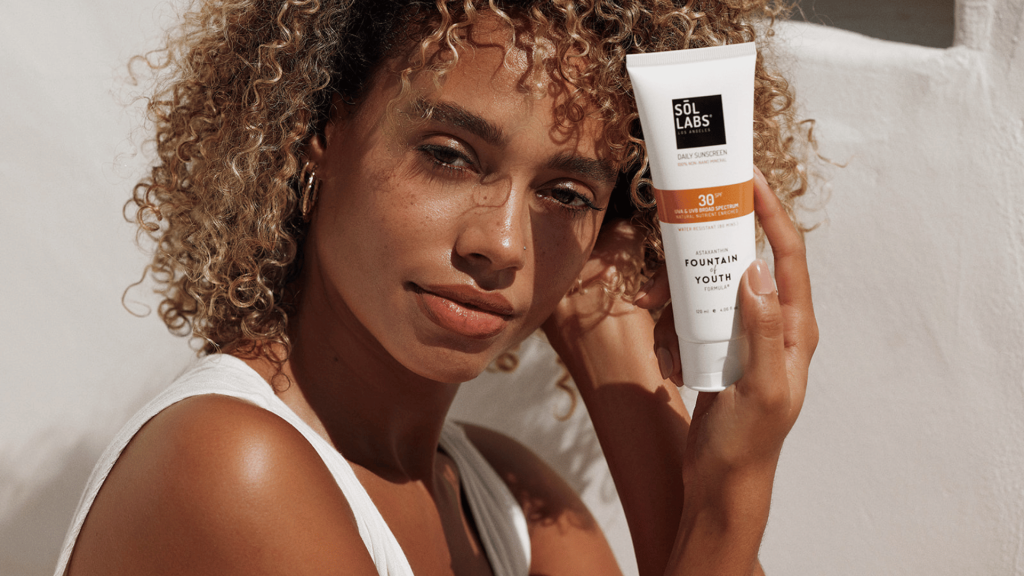
For example, in a skincare campaign, the makeup should enhance the model’s skin without hiding it. In a corporate shoot, it should look professional and consistent across every image. In both cases, the goal stays the same. The makeup supports the overall message instead of standing out on its own.
Because of this, commercial makeup is less about trends and more about control, balance, and consistency.
The Main Goal of Commercial Makeup
Commercial makeup always serves a purpose. It needs to look clean, even, and natural under different lighting conditions. At the same time, it should stay consistent throughout the shoot.
This matters because photos and videos often get captured over several hours. If the makeup changes, even slightly, it can affect the final result. Editors then need to spend more time fixing those inconsistencies.
So, a good commercial makeup artist focuses on technique. They build the makeup in thin layers, control shine, and adjust the look based on the camera setup. Every detail supports the final image.
What Is Bridal Makeup?
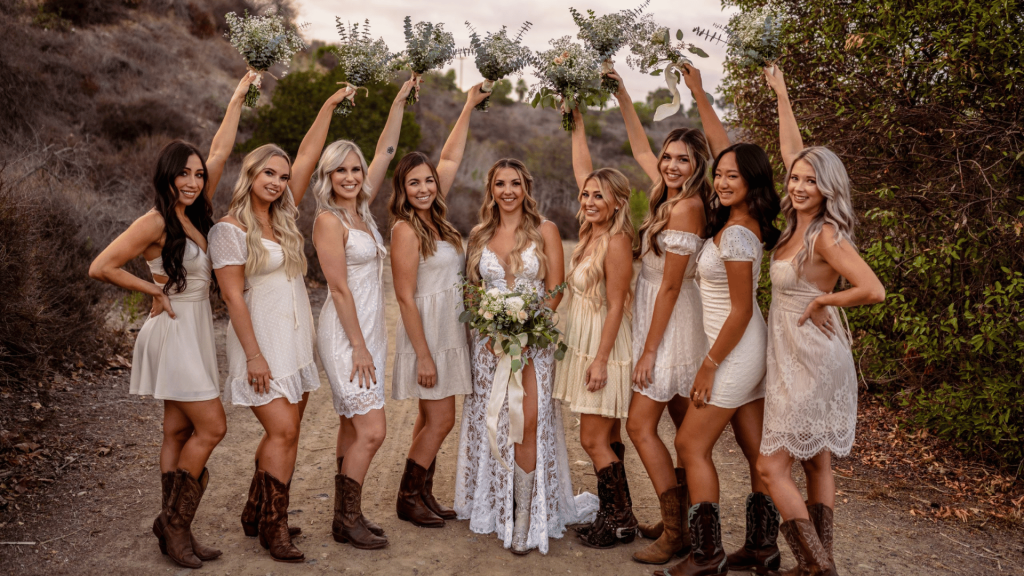
Bridal makeup works in a more personal way. It focuses on the bride’s features, comfort, and overall look for the wedding day.
Most bridal looks fall into soft glam or natural styles. They enhance the face without making it look too heavy. At the same time, they need to last for long hours, often 10 to 12 hours or more.
Unlike commercial makeup, the goal here is emotional. The bride wants to feel confident, look like herself, and still look great in photos. So, the makeup balances real-life appearance with camera performance.
What Is Fashion Makeup?
Fashion makeup moves in a completely different direction. It focuses on creativity and visual impact.
You’ll see it in editorial shoots, magazines, and runway shows. In these settings, makeup often becomes the main feature. Artists experiment with bold colors, shapes, and textures.
Because of that, fashion makeup does not need to look natural. Instead, it aims to stand out and create a strong visual statement.
Commercial Makeup vs Bridal Makeup
Although both require skill, they follow very different priorities.
Commercial makeup supports a brand or product. It stays controlled, balanced, and neutral so it doesn’t distract from the main focus. Bridal makeup, on the other hand, centers on the bride. It allows more glow, softness, and personal style.
There is also a difference in how the makeup holds up. Bridal makeup needs to last all day without major changes. Commercial makeup allows touch-ups between shots, so the artist can adjust it as needed.
Lighting also plays a role. Commercial makeup often works under strong studio lighting and high-definition cameras. Bridal makeup must handle a mix of natural light, indoor lighting, and flash photography.
Commercial Makeup vs Fashion Makeup
Commercial and fashion makeup may look similar at first, but they serve different goals.
Commercial makeup stays safe and controlled. It needs to appeal to a wide audience, so it avoids bold or extreme looks. Fashion makeup, however, pushes boundaries. It allows more creativity and often becomes the focus of the image.
In commercial work, the product or brand always comes first. In fashion work, the makeup itself can take center stage.
What a Commercial Makeup Artist Actually Does on Set
A commercial makeup artist does more than apply makeup at the start of a shoot. They stay involved throughout the process.
They check how the makeup looks on camera, not just in the mirror. If the lighting changes, they adjust the makeup to match. If shine appears, they control it. If the model’s skin looks uneven under high resolution, they fix it in real time.
They also make sure the makeup stays consistent across every shot. This is important for campaigns where multiple images need to match perfectly.
Because of this, commercial work requires attention to detail and the ability to work quickly under pressure.
Common Mistakes That Show Up on Camera
Certain mistakes become very obvious in photos and videos.
Too much shine can make the skin look oily under studio lights. At the same time, too much powder can make the skin look dry and flat. Balance is key.
Heavy foundation or strong contour can also create problems. While it may look fine in person, it often appears harsh on camera. High-resolution images pick up texture, so thick layers can look uneven.
Another common issue is ignoring lighting. Makeup that works in natural light may not work under studio lighting. That’s why checking the makeup on camera during the shoot is so important.
Why Brands Invest in Commercial Makeup Artists
Professional makeup makes a clear difference in final results.
When brands use a skilled commercial makeup artist, their images look more polished and consistent. Skin appears smoother, and the overall look feels more professional. As a result, they spend less time fixing issues in editing.
It also helps the shoot run more smoothly. The team doesn’t need to stop often to fix small problems. Everything stays on track.
So, while makeup may seem like a small part of a shoot, it actually plays a big role in the final outcome.
What This Means for Your Shoot
If you’re planning a photoshoot or campaign, it’s important to choose the right type of makeup.
Commercial makeup works best when you want clean, professional, camera-ready results. It keeps the focus on your brand and helps your visuals look consistent across platforms.
Bridal and fashion makeup each serve their own purpose. However, they don’t always translate well into commercial work.
So, matching the makeup style to your project is key.
Need a Commercial Makeup Artist for Your Shoot?
If you want your photos or videos to look polished and consistent, the right makeup makes a big difference.
We provide on-set commercial makeup services tailored to your lighting, shoot style, and brand needs. We focus on clean, camera-ready looks that last throughout the entire shoot.
Click the button below to schedule a consultation for your next project and make sure your visuals look right from the start.
Frequently Asked Questions
Commercial makeup is used for photoshoots, advertising campaigns, video production, and corporate content where the final result needs to look clean and professional on camera.
Yes. Commercial makeup focuses on camera results and brand consistency, while bridal makeup focuses on personal appearance and long wear.
Yes. They stay on set to adjust makeup, control shine, and keep everything consistent throughout the shoot.
They help create polished visuals, reduce editing time, and make sure the final images look professional.
Strong understanding of lighting, camera behavior, skin types, and the ability to adjust quickly during a shoot.