
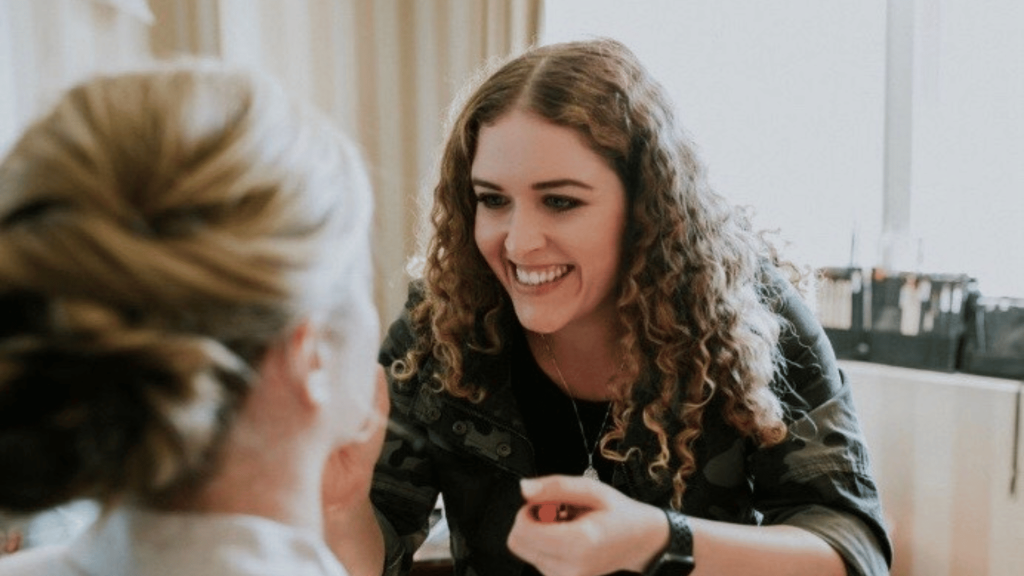
Bridal makeup should enhance your features, not cover them. However, many brides with mature skin worry about fine lines, dryness, or texture.
The truth is simple. The wrong technique can make these concerns more visible. On the other hand, the right approach can smooth, lift, and brighten your face without looking heavy.
This guide breaks down bridal makeup for mature skin in a clear, practical way. You’ll learn what actually works, what to avoid, and how to get a natural, polished look that photographs well.
How Mature Skin Changes the Way Makeup Sits
As skin matures, a few things change.
- Fine lines become more visible
- Skin can feel drier
- Texture may show more under makeup
Because of this, heavy makeup does not sit the same way. It can settle into lines and highlight texture.
So, instead of adding more product, you need to adjust how you apply it. Technique matters more than coverage.
What Works for Bridal Makeup on Mature Skin
Skin Prep Comes First
Good makeup starts with good skin prep.
Hydrated skin looks smoother and softer. It also helps foundation blend better.
Before makeup:
- Use a lightweight hydrating serum
- Follow with a moisturizer that suits your skin
- Let your skincare absorb fully before applying makeup
When your skin feels hydrated, you won’t need heavy foundation to even it out.
Lightweight, Buildable Coverage
Many brides think full coverage will hide everything. However, thick layers often do the opposite.
Instead:
- Use light to medium coverage foundation
- Apply thin layers
- Add coverage only where needed
This keeps your skin looking natural while still evening out tone.
Cream Products Over Powder
Cream products work better for mature skin.
- Cream blush blends into the skin
- Cream bronzer adds soft warmth
- Liquid highlighter gives a natural glow
Powder products can sit on top of the skin and make it look dry. So, use them carefully.
Soft Definition Instead of Harsh Lines
Strong contour or heavy eyeliner can look harsh.
Instead:
- Use soft contour to shape your face
- Choose neutral eyeshadow tones
- Blend eyeliner for a softer look
This keeps your makeup balanced and flattering.
Lifting Techniques That Make a Difference
Small changes in placement can lift your face.
- Apply blush slightly higher on the cheeks
- Blend eyeshadow upward at the outer corners
- Shape brows to open up your eyes
These steps create a subtle lifting effect without looking obvious.
Strategic Use of Powder
Powder still has a place, but you need to use it carefully.
- Set only areas that crease or get oily
- Avoid full-face powder
Too much powder can make skin look dry and flat. So, keep it minimal.
What to Skip for Mature Bridal Makeup
Heavy Full-Coverage Foundation
Thick foundation can settle into fine lines and make texture more visible.
Even if it looks smooth at first, it may not hold up well after a few hours.
Too Much Powder
Over-powdering removes natural glow. It can also make lines stand out more.
Harsh Contour and Dark Lines
Sharp contour or heavy eyeliner can make your features look heavier.
Soft blending works much better.
Glitter-Heavy Eyeshadow
Large glitter particles can highlight texture on the eyelids.
Instead, choose soft shimmer or satin finishes.
Very Matte or Very Shiny Finishes
- Very matte makeup can look dry
- Too much shine can highlight texture
Balance works best.
Bridal Makeup Tips for Mature Skin That Make a Real Difference
These small changes can improve your final look:
- Apply products in thin layers
- Blend everything well
- Focus on hydration before makeup
- Choose soft, neutral tones
Each step helps your makeup look smoother and more natural.
How to Make Mature Skin Look Good in Photos
Wedding photos capture a lot of detail. So, your makeup needs to handle that.
To get the best results:
- Add soft definition so your features don’t look flat
- Avoid heavy layers that show texture
- Balance glow and matte areas
This helps your skin look fresh both in person and on camera.
What to Test During Your Bridal Makeup Trial
A trial helps you see how your makeup really looks.
During your trial:
- Check how makeup sits after a few hours
- Take photos in natural and indoor light
- Adjust coverage, powder, and product types
If something feels too heavy or too dry, speak up. Small changes can make a big difference.
How to Choose the Right Makeup Artist for Mature Skin
Not every artist has experience with mature skin.
Look for:
- Real clients with similar skin
- Before-and-after photos without heavy filters
- A focus on skin prep and blending
An experienced artist will adjust techniques based on your skin, not follow a one-size approach.
Find the Right Bridal Look for Your Skin
Choosing the right bridal makeup can feel overwhelming, especially if your skin has changed over time.
We help brides create a look that fits their skin, their features, and their wedding style. During your trial, we adjust everything based on how your skin responds, so you feel confident on your wedding day.
Book your bridal makeup consultation to create a look that feels natural, smooth, and photo-ready.
Frequently Asked Questions
Light to medium coverage foundations work best. They even out your skin without settling into fine lines.
No, but use it only where needed. Too much powder can make skin look dry.
Focus on hydration, use thin layers, and avoid heavy products. This helps keep your skin smooth.
Soft, neutral tones with light definition work best. Avoid heavy liner and glitter.
Yes. With the right prep and technique, you can get a soft, polished look that still feels natural.
Related Articles:
1. Soft Glam vs Natural Bridal Makeup: What Actually Photographs Better?
2. Best Bridal Makeup for Oily, Dry, and Acne-Prone Skin
3. What to Ask Your Bridal Makeup Artist Before Booking
4. Why Bridal Makeup Looks Different in Photos and How to Get It Right
5. Bridal Makeup Trends 2026 in Orange County: What Brides Are Choosing