Posted on

Corrective Makeup for Scarring and Hyperpigmentation

corrective makeup for scarring and hyperpigmentation

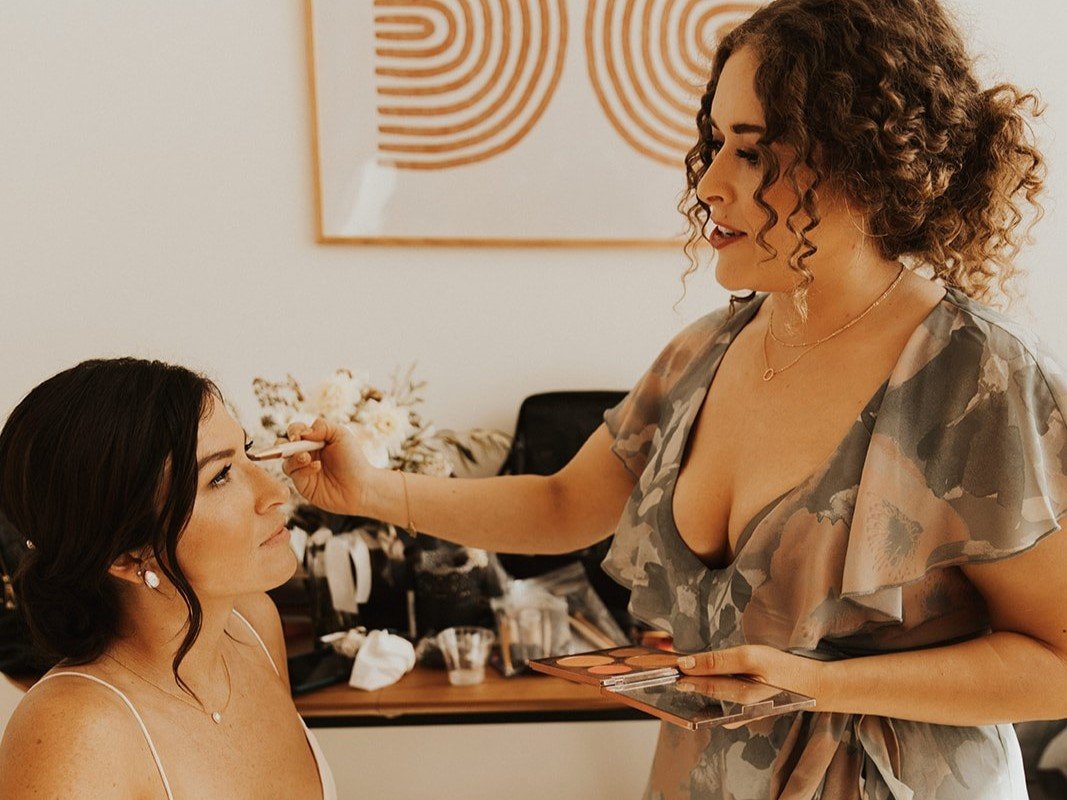
Every bride, mother of the bride, and client I sit down with has different skin, and I mean that beyond just tone or type. Scarring, hyperpigmentation, redness, and uneven texture are all things I work with regularly, and they’re areas I genuinely enjoy working in. Corrective beauty makeup comes naturally to me, I don’t have to think about it, I just do it. It’s one of the parts of this work that feels most rewarding.

Quick answer: corrective makeup for scarring and hyperpigmentation is a technique-based approach, built on color theory, layering, and setting, that visually evens out tone and texture for the day without masking your natural features. It’s not a medical treatment and it doesn’t change your skin permanently, it’s about how light and color are managed on the surface for however long your event lasts. Here’s how the process actually works.

What Corrective Makeup Actually Means

Corrective makeup isn’t about covering skin up or hiding it under layers of heavy product. It’s a more deliberate, technique-driven approach to evening out visible tone and texture, things like scarring, hyperpigmentation, redness, or discoloration, so the skin looks smooth and balanced in person and in photos. Little subtle changes on the skin can be very powerful, and that’s really the guiding idea behind corrective work: small, precise adjustments rather than broad, heavy coverage.

This is also where the enhance, don’t mask philosophy applies directly. The goal is never to erase who you are or flatten your natural features. It’s to bring balance to the skin so your features, not the areas you’re self-conscious about, are what stand out.

How Correction Works

Corrective makeup relies on a specific set of techniques, not just a heavier hand with foundation.

Color-Correcting Theory Basics

Color correction uses the color wheel to neutralize specific tones before foundation goes on. Certain shades are used to counteract redness, others to soften darker discoloration or hyperpigmentation, depending on what the skin actually needs. This step happens before base makeup, not instead of it, and it’s what allows the final coverage to stay lighter overall.

Layering for Even Coverage Without Heaviness

Once I neutralize the skin tone, I build coverage in thin layers rather than applying it all at once in a thick single pass. This keeps the final result looking like skin, not like a mask, while still achieving even, balanced coverage over scarring or uneven pigmentation. I use layering to create precise coverage, concentrating product only where it’s actually needed instead of applying it uniformly across the whole face.

Setting to Prevent Breakthrough

The final step is setting the work so it holds through the day, without discoloration or redness breaking back through as hours pass. This matters especially for long events like weddings, where makeup needs to look consistent from getting-ready photos through the reception, not just in the first hour.

Why This Is One of Brittany’s Named Specialties

Corrective beauty makeup is one of my named specialties, alongside bridal, print, and mature-skin makeup, and it’s an area I’ve built real depth in over 11+ years of hands-on bridal and print work. I also love to do mature makeup. I love to make moms, aunts, grandmas, and everyone in between feel beautiful and special too. Formulas and techniques that work beautifully on younger skin don’t always translate the same way to more mature complexions, and corrective work for scarring or hyperpigmentation often overlaps with that same skill set, adjusting technique to what a specific client’s skin actually needs rather than defaulting to one approach for everyone.

If you’d like to see how Brittany Brown Beauty approaches this kind of work, take a look at the portfolio, or read more about the background behind it on the about page. When you’re ready to talk through your own skin and what you’re hoping for, reach out through the contact page.

Frequently Asked Questions

1. How is corrective makeup for scarring and hyperpigmentation different from standard bridal makeup? 

Standard bridal makeup focuses on an overall look built around skin, dress, and venue. Corrective makeup adds a specific technical layer to that process, using color-correcting theory and precise layering to address particular areas of concern like scarring or hyperpigmentation, so the artist targets coverage instead of applying it uniformly.

2. What products work best for corrective makeup for scarring and hyperpigmentation? 

The right approach depends entirely on the individual’s skin, the type of discoloration or scarring, and the client’s skin type. Rather than relying on a single product recommendation that works for everyone, I assess your needs in person, since what works well for one skin concern may not be the right choice for another.

3. How far in advance should I book a trial for corrective makeup for scarring and hyperpigmentation? 

A trial is especially valuable for corrective work, since it’s the appointment where I test color correction and layering directly on your skin and adjust the approach as needed. Reaching out as soon as you confirm your date is the best way to make sure there’s time for a proper trial before the event itself.
Posted on

Choosing the Right Foundation Shade for Your Wedding Day

right foundation shade for your wedding day

Of all the small decisions that go into your wedding-day makeup, foundation shade might be the one with the biggest impact and the easiest to get wrong if it’s rushed. I’ve been doing bridal makeup for 11+ years now, and shade-matching is one of those things that looks simple until you’re standing in a dim bathroom mirror the morning of, trying to decide if a color reads right. It deserves more care than that, and it’s a big part of why I build shade confirmation into the process well before the wedding day itself.

My approach to foundation has always come back to the same philosophy: enhance, don’t mask. The right shade isn’t the one that changes how you look, it’s the one that disappears into your skin so completely that people just see you, glowing, on one of the most photographed days of your life. That’s the “like yourself, but elevated” feeling so many brides describe after their wedding and it starts with getting the shade right, not with piling on more product.

Why Wedding-Day Lighting Changes Shade-Matching

A shade that looks perfect under one type of lighting can look noticeably different under another. Store lighting, bathroom lighting, and phone-camera flash all render color differently than natural daylight, and natural daylight is what most photographers use throughout your wedding day, whether they’re capturing golden-hour portraits at Crystal Cove, harbor views in Newport Beach, or bright coastal scenes in San Diego.

That’s why I don’t rely on a quick shade match under artificial lighting. Instead, I check your foundation in natural daylight and, whenever possible, under lighting that closely matches your wedding day. That approach ensures the shade looks natural both in person and in your wedding photos.

How to Test and Confirm Your Shade

Getting the shade right isn’t about guessing at a bottle, it’s a process, and it’s one I go through carefully with every bride.

Testing in Natural Daylight

The most reliable way to confirm a shade is to apply a small amount along the jawline and blend it into the neck, then step into natural daylight near a window or outdoors to see how it actually reads against your skin. Artificial lighting can shift how warm, cool, or deep a shade appears, so daylight is the closest thing to a preview of how it will look in your ceremony and reception photos.

Checking Undertone, Not Just Depth

Depth (how light or dark a shade is) is only half the equation. Undertone whether your skin leans warm, cool, or neutral matters just as much, and it’s often where shade-matching goes wrong. A foundation can be the right depth and still look slightly off if the undertone doesn’t match, sometimes reading gray, orange, or pink against your natural skin. Part of what comes from years of hands-on bridal work is being able to spot that mismatch quickly and adjust, rather than defaulting to whatever depth looks “close enough.”

Why This Matters at Your Trial

This is exactly why I strongly recommend a bridal trial before the wedding day. A trial gives us the chance to test shade and formula directly on your skin, in real lighting, with time to adjust if something isn’t quite right instead of discovering an issue the morning of. It also gives us a chance to talk through any skin sensitivities or recent treatments, so the whole look is built around what your skin actually needs, not a guess. A trial isn’t about assuming something will go wrong; it’s about making sure nothing has to be figured out last-minute on a day that’s already full enough.

What Happens If Your Skin Tone Shifts Before the Wedding

It’s common for skin tone to shift a little between your trial and your wedding day a summer tan, more sun exposure, or even seasonal changes in skin can all play a role. This is one of the reasons I like to stay in touch with brides as the wedding date gets closer, especially if there’s been a noticeable change since the trial. If your tone has shifted, we can reassess and adjust the shade accordingly, rather than sticking rigidly to what was tested weeks or months earlier. The goal is always the same: a foundation that matches the skin you actually have on the day itself.

Built to Hold Up, Not Just Look Good at 9 AM

Southern California weddings come with their own conditions: heat, humidity, sea air, and long hours between getting-ready photos and the last dance. Shade matching is only part of the equation. I also apply and set each product to withstand those conditions throughout the day. I want every bride’s makeup to look the same in the reception photos as it did walking down the aisle, so I focus on proper skin prep, the right formulas for the day’s conditions, and a setting process that stands up to the coastal climate of Southern California instead of relying on a generic approach.

If you’d like to see how this comes together, you can browse real bridal looks in the portfolio, or read more about my background on the about page. When you’re ready to talk through your own wedding-day look, reach out through the contact page. I’d love to hear about your plans.

Frequently Asked Questions

1. What’s the best way to prep my skin for the right foundation shade for your wedding day? 

Good shade-matching starts with well-prepped skin. Avoiding new skincare products or treatments in the final 10 days before the wedding, keeping a consistent skincare routine for at least four weeks out, and staying well hydrated in the week leading up to the event all help create a smooth, even canvas for foundation to sit correctly and read true to your natural tone.

2. How long will the right foundation shade for your wedding day last through the ceremony and reception? 

Foundation and shade selection are just one part of longevity proper skin prep, formula choice, and setting techniques suited to Southern California heat and humidity all work together to help your look hold up through the ceremony, photos, and reception. A bridal trial is the best way to see how a specific formula and shade perform on your skin over several hours. 

3. Can the right foundation shade for your wedding day be adjusted for my specific skin tone or type? 

Yes. We select your foundation shade and formula based on your individual skin rather than a fixed package look. We consider your undertone, skin depth, and skin type, then adjust our products and techniques as needed for mature skin or other specific concerns. Every recommendation reflects what works best for your skin instead of following a one-size-fits-all approach.

Posted on

Bridal Makeup Artist in Irvine, CA: What Brides Should Know Before Booking

Bridal makeup artist in Irvine CA creating a natural wedding makeup look


Choosing the right bridal makeup artist in Irvine, CA is an important part of wedding planning. Your makeup should enhance your natural features, complement your wedding style, look beautiful in photographs, and remain comfortable throughout the celebration.

Before booking an artist, it helps to know what to review, which questions to ask, and how to prepare for your appointment.

Review the Artist’s Bridal Makeup Experience

Bridal makeup is different from everyday or special-event makeup. It must look polished in person, photograph well under different lighting conditions, and remain fresh for several hours.

Review the artist’s work before making a decision. The Brittany Brown Beauty portfolio provides examples of different bridal looks and makeup styles.

Look for results that match your preferred style, such as:

  • Soft and natural makeup
  • Classic bridal makeup
  • Modern soft glam
  • Defined eyes with neutral lips
  • Full-glam wedding makeup

A strong portfolio should show consistent work across different skin tones, face shapes, and bridal styles.

Choose a Bridal Look That Feels Like You

Your wedding makeup should help you feel confident without making you feel unlike yourself.

Some brides prefer fresh, natural-looking makeup. Others want more definition through contouring, lashes, eye makeup, or a stronger lip color.

Share inspiration photographs with your artist, but remain open to professional recommendations. Your selected look should complement your:

  • Skin tone
  • Face shape
  • Wedding dress
  • Hairstyle
  • Venue
  • Wedding theme

Brides who are still deciding between different finishes can read the guide to dewy vs. matte bridal makeup.

Schedule a Bridal Makeup Trial

A makeup trial gives you the opportunity to test your desired look before the wedding day.

During the appointment, the artist can evaluate your skin, understand your preferences, and test different products. You can also compare foundation finishes, eye makeup, lashes, and lip colors.

The guide explaining what happens during a bridal makeup trial can help you prepare for the appointment.

After the trial, wear the makeup for several hours. Review how it looks in:

  • Natural daylight
  • Indoor lighting
  • Flash photography
  • Phone photographs
  • Professional-style photographs

Communicate any requested changes before the wedding day.

Ask the Right Questions Before Booking

A consultation gives you an opportunity to understand the artist’s experience, services, pricing, and policies.

Important questions may include:

  • Do you specialize in bridal makeup?
  • Can you work with my skin type?
  • Is a bridal trial included?
  • Do you provide on-location services?
  • Can you accommodate my bridal party?
  • Which products and lashes are included?
  • How much time is required for each person?
  • Are there travel or early-start fees?

The article about what to ask your bridal makeup artist before booking provides additional questions to consider.

Understand What the Bridal Package Includes

Bridal packages can vary between makeup artists. Confirm exactly what is included before paying a deposit.

Ask whether your package covers:

  • Bridal makeup trial
  • Wedding-day makeup
  • Skin preparation
  • False lashes
  • Touch-up products
  • Travel to the venue
  • Bridesmaid makeup
  • Makeup for family members
  • Additional artist support
  • Early-morning appointments

Clear pricing and service details can help prevent unexpected costs later.

Book Early and Confirm Availability

Popular bridal makeup artists may receive bookings several months in advance. Spring, summer, and early fall wedding dates often fill quickly.

Once you select an artist, confirm the:

  • Wedding date
  • Appointment start time
  • Getting-ready location
  • Number of services
  • Bridal party size
  • Travel requirements
  • Estimated completion time

The makeup schedule should coordinate with your hairstylist, photographer, planner, and transportation arrangements.

Discuss Your Skin Type and Product Preferences

Tell your makeup artist about your skin type and any concerns that may affect product selection.

These may include:

  • Dryness
  • Oiliness
  • Sensitivity
  • Acne
  • Allergies
  • Product reactions
  • Recent skincare treatments

You should also mention whether you prefer vegan, cruelty-free, fragrance-free, or specific cosmetic products.

Providing this information early helps the artist select appropriate products and create a comfortable finish.

Consider Your Irvine Venue and Wedding Weather

Irvine weddings may take place in hotels, gardens, private estates, outdoor spaces, or nearby coastal venues.

The season, temperature, lighting, and location can affect how makeup looks and wears throughout the day.

An outdoor ceremony may require lightweight, waterproof, and heat-resistant products. An evening reception may benefit from slightly stronger definition so the makeup remains visible under lower lighting.

Brides planning an outdoor celebration can review these outdoor wedding makeup tips for heat and humidity.

Ask How the Makeup Will Last

Wedding makeup should remain polished through photographs, emotional moments, dining, warm weather, and dancing.

Professional artists may use:

  • Skin-preparation products
  • Long-wear foundation
  • Waterproof eye makeup
  • Setting powder
  • Setting spray
  • Layered application techniques

The article on how bridal makeup lasts throughout the wedding day explains the techniques used to support longer wear.

Ask whether your artist provides a small touch-up product for lipstick, powder, or other areas that may need refreshing.

Review the Booking Policies

Read the booking terms before confirming your appointment.

Review the policies covering:

  • Deposits
  • Final payments
  • Cancellations
  • Rescheduling
  • Travel charges
  • Service minimums
  • Late arrivals
  • Early start times

A written agreement should clearly explain the scheduled services, location, timing, and total cost.

Prepare Your Skin Before the Wedding

Well-prepared skin can help makeup look smoother and last longer.

Follow a consistent skincare routine in the weeks before your wedding. Avoid introducing strong or unfamiliar products immediately before the event because they may cause irritation, dryness, or breakouts.

Your makeup artist may also provide preparation instructions based on your skin type.

Visit the bridal beauty resources for additional skincare, makeup, and wedding preparation guides.

Prepare for the Wedding-Day Appointment

Wear a robe, button-down shirt, or another top that can be removed without disturbing your completed makeup or hairstyle.

Keep your inspiration photographs, accessories, dress details, and wedding colors nearby for reference.

Allow enough time for:

  • Makeup application
  • Final adjustments
  • Getting dressed
  • Bridal portraits
  • Unexpected delays

A well-planned schedule can create a calmer and more enjoyable wedding morning.

Book a Bridal Makeup Artist in Irvine, CA

The right makeup artist can help you feel confident, comfortable, and camera-ready throughout your wedding day.

Reviewing the artist’s portfolio, scheduling a trial, discussing your preferences, and confirming all service details can make the booking process easier.

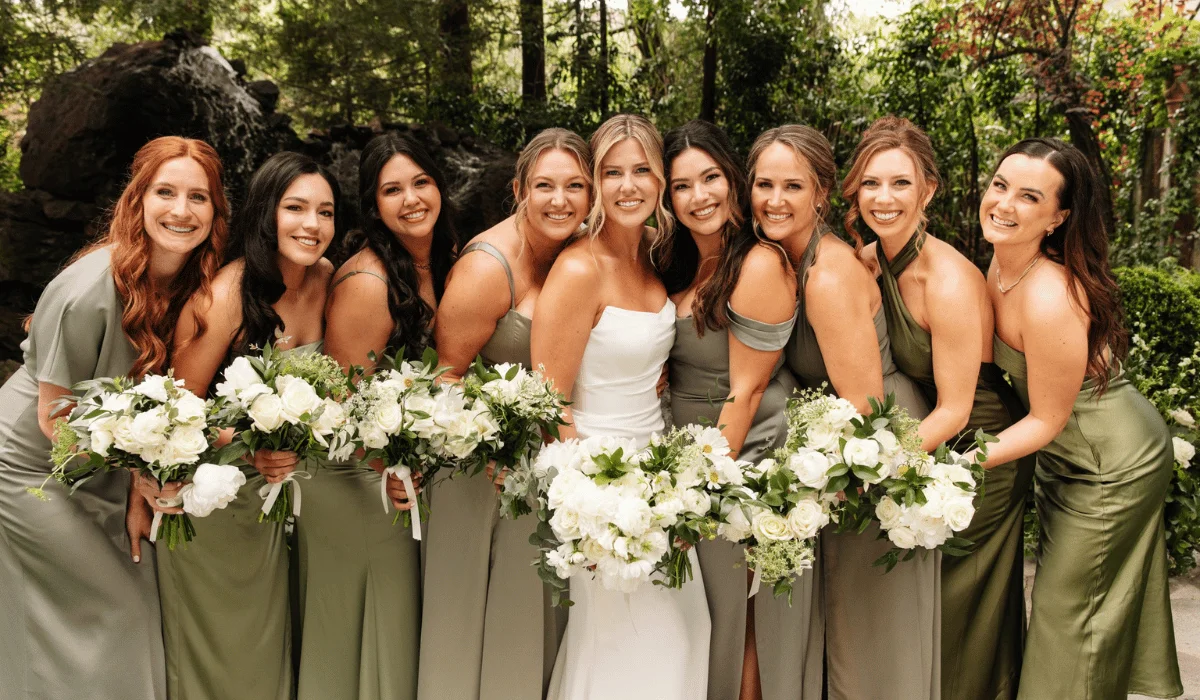
Brittany Brown Beauty provides professional bridal makeup services for brides in Irvine and surrounding Orange County communities. Each look is personalized around the bride’s features, skin type, wedding setting, and preferred style.

Explore bridal makeup services in Orange County or contact Brittany Brown Beauty to discuss availability for your wedding date.