Posted on

Corrective Makeup for Scarring and Hyperpigmentation

corrective makeup for scarring and hyperpigmentation

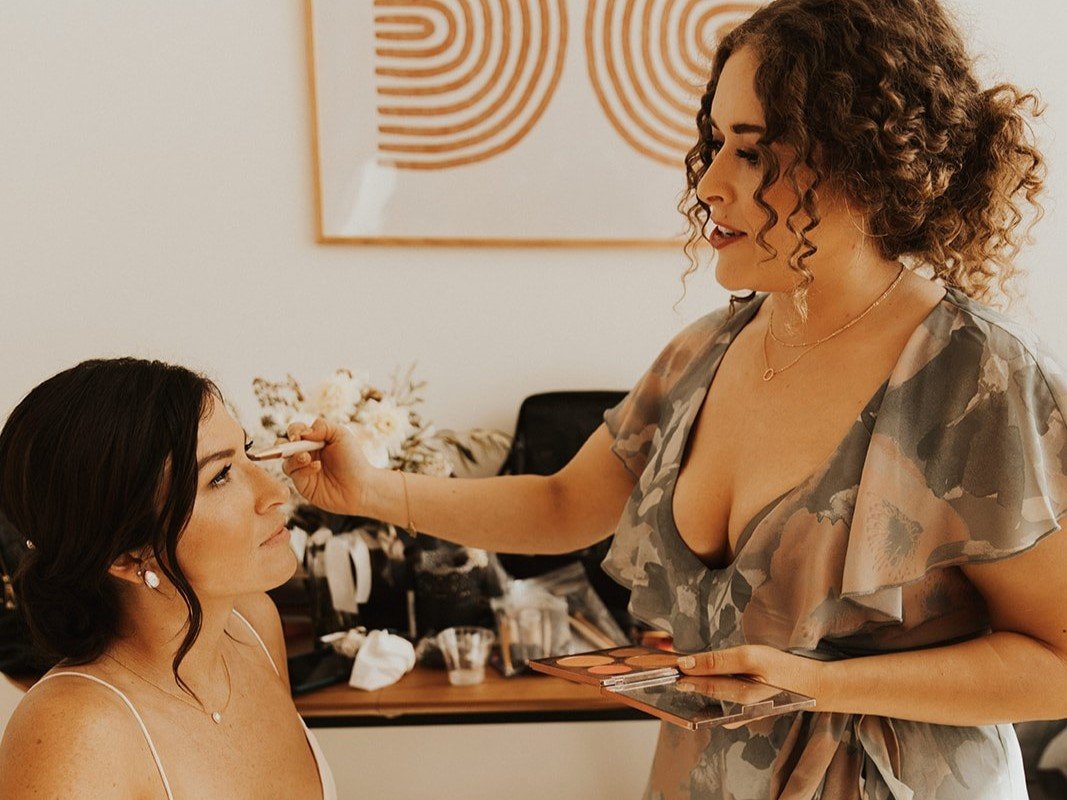
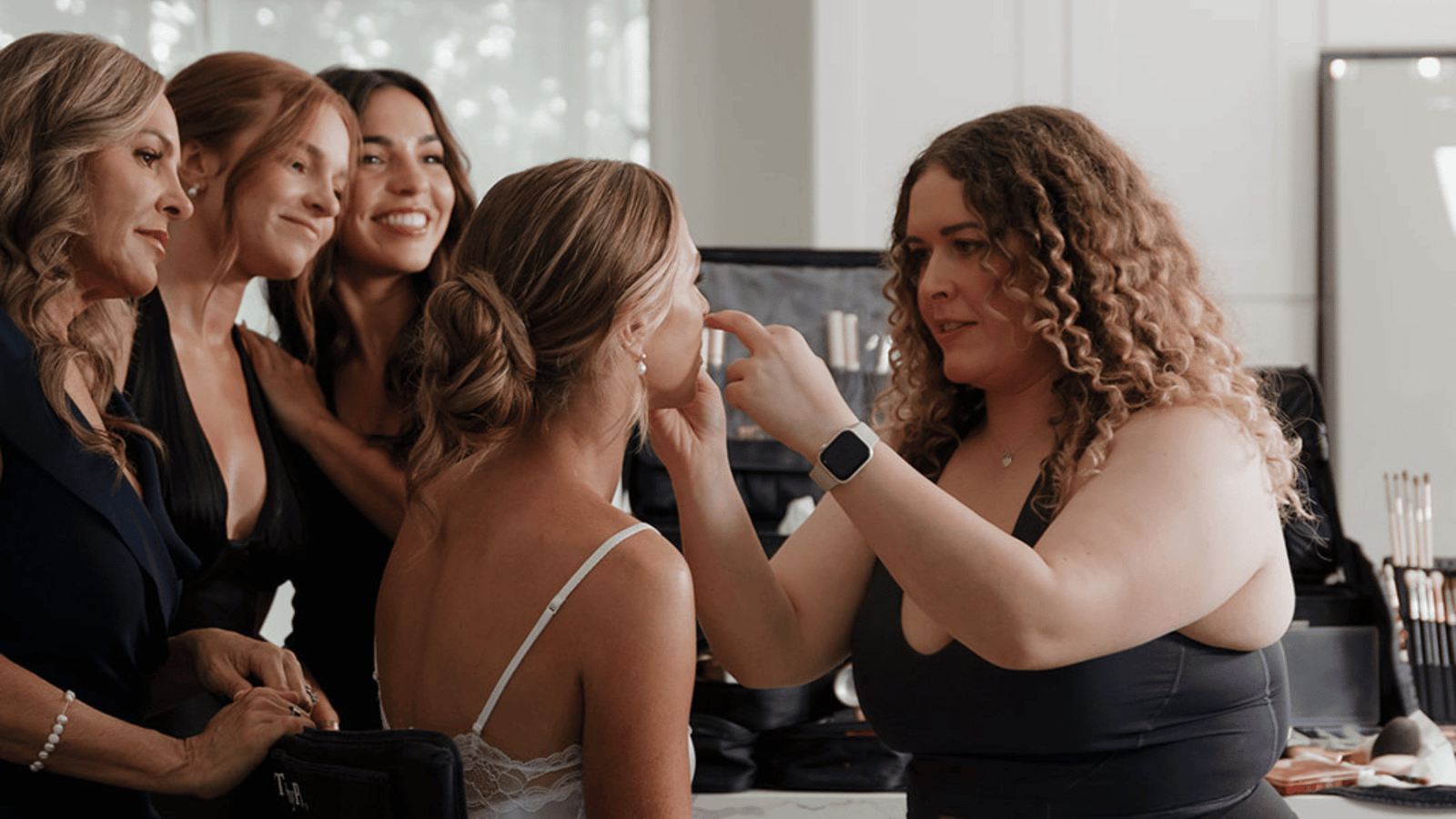
Every bride, mother of the bride, and client I sit down with has different skin, and I mean that beyond just tone or type. Scarring, hyperpigmentation, redness, and uneven texture are all things I work with regularly, and they’re areas I genuinely enjoy working in. Corrective beauty makeup comes naturally to me, I don’t have to think about it, I just do it. It’s one of the parts of this work that feels most rewarding.

Quick answer: corrective makeup for scarring and hyperpigmentation is a technique-based approach, built on color theory, layering, and setting, that visually evens out tone and texture for the day without masking your natural features. It’s not a medical treatment and it doesn’t change your skin permanently, it’s about how light and color are managed on the surface for however long your event lasts. Here’s how the process actually works.

What Corrective Makeup Actually Means

Corrective makeup isn’t about covering skin up or hiding it under layers of heavy product. It’s a more deliberate, technique-driven approach to evening out visible tone and texture, things like scarring, hyperpigmentation, redness, or discoloration, so the skin looks smooth and balanced in person and in photos. Little subtle changes on the skin can be very powerful, and that’s really the guiding idea behind corrective work: small, precise adjustments rather than broad, heavy coverage.

This is also where the enhance, don’t mask philosophy applies directly. The goal is never to erase who you are or flatten your natural features. It’s to bring balance to the skin so your features, not the areas you’re self-conscious about, are what stand out.

How Correction Works

Corrective makeup relies on a specific set of techniques, not just a heavier hand with foundation.

Color-Correcting Theory Basics

Color correction uses the color wheel to neutralize specific tones before foundation goes on. Certain shades are used to counteract redness, others to soften darker discoloration or hyperpigmentation, depending on what the skin actually needs. This step happens before base makeup, not instead of it, and it’s what allows the final coverage to stay lighter overall.

Layering for Even Coverage Without Heaviness

Once I neutralize the skin tone, I build coverage in thin layers rather than applying it all at once in a thick single pass. This keeps the final result looking like skin, not like a mask, while still achieving even, balanced coverage over scarring or uneven pigmentation. I use layering to create precise coverage, concentrating product only where it’s actually needed instead of applying it uniformly across the whole face.

Setting to Prevent Breakthrough

The final step is setting the work so it holds through the day, without discoloration or redness breaking back through as hours pass. This matters especially for long events like weddings, where makeup needs to look consistent from getting-ready photos through the reception, not just in the first hour.

Why This Is One of Brittany’s Named Specialties

Corrective beauty makeup is one of my named specialties, alongside bridal, print, and mature-skin makeup, and it’s an area I’ve built real depth in over 11+ years of hands-on bridal and print work. I also love to do mature makeup. I love to make moms, aunts, grandmas, and everyone in between feel beautiful and special too. Formulas and techniques that work beautifully on younger skin don’t always translate the same way to more mature complexions, and corrective work for scarring or hyperpigmentation often overlaps with that same skill set, adjusting technique to what a specific client’s skin actually needs rather than defaulting to one approach for everyone.

If you’d like to see how Brittany Brown Beauty approaches this kind of work, take a look at the portfolio, or read more about the background behind it on the about page. When you’re ready to talk through your own skin and what you’re hoping for, reach out through the contact page.

Frequently Asked Questions

1. How is corrective makeup for scarring and hyperpigmentation different from standard bridal makeup? 

Standard bridal makeup focuses on an overall look built around skin, dress, and venue. Corrective makeup adds a specific technical layer to that process, using color-correcting theory and precise layering to address particular areas of concern like scarring or hyperpigmentation, so the artist targets coverage instead of applying it uniformly.

2. What products work best for corrective makeup for scarring and hyperpigmentation? 

The right approach depends entirely on the individual’s skin, the type of discoloration or scarring, and the client’s skin type. Rather than relying on a single product recommendation that works for everyone, I assess your needs in person, since what works well for one skin concern may not be the right choice for another.

3. How far in advance should I book a trial for corrective makeup for scarring and hyperpigmentation? 

A trial is especially valuable for corrective work, since it’s the appointment where I test color correction and layering directly on your skin and adjust the approach as needed. Reaching out as soon as you confirm your date is the best way to make sure there’s time for a proper trial before the event itself.

Posted on

Questions to Ask During Your Bridal Makeup Trial

during your bridal makeup trial

A bridal makeup trial isn’t just about seeing a look on your face for the first time. It’s a working session, and one of the few chances you’ll have before the wedding day to ask real questions, test something, and adjust it if it’s not quite right. After 11+ years of doing bridal trials, I can say the brides who get the most out of theirs are usually the ones who come in with a few specific questions, not just a Pinterest board.

Quick answer: the most useful trial questions cover longevity, the products being used on your skin, and day-of logistics like timing and touch-ups. Bringing these up during the trial, not the morning of the wedding, gives your artist time to actually adjust the plan if something needs to change. Here’s what’s worth asking, and why.

Why the Trial Is Your Chance to Ask, Not Just Look

It’s easy to treat a trial as a photo opportunity, something to snap a picture of and compare to your inspiration board. But the real value of a trial is that it’s interactive. It’s the appointment where I test products directly on your skin, make adjustments in real time, and discuss any sensitivities, reactions, or recent treatments openly before they matter on the wedding day itself. If you only watch and don’t ask questions, you miss most of what a trial is actually for.

Coming in with a short list of questions helps make sure you cover everything important in the moment, especially if you’re nervous or excited and forget what you meant to bring up.

Key Questions to Bring

Here are the categories worth covering during your trial appointment.

About Longevity and Touch-Ups

Ask how the look will hold up over the course of your specific day, especially if you’re getting married outdoors or somewhere with coastal humidity, sea air, or wind. It’s also worth asking what kind of touch-ups you might need between the ceremony and reception, and what I provide versus what you might want to bring yourself.

About Products Used

Ask what products your artist plans to apply to your skin, particularly if you have known sensitivities or have had a reaction to a product in the past. This is exactly the kind of thing your artist should ask you about too, since sensitivity and recent-treatment disclosure are a standard part of the trial process. If you’ve had any facials, peels, or other treatments recently, mention them, even if your artist doesn’t bring them up directly.

About Day-Of Logistics

Ask how the timeline typically works on wedding morning, including roughly how long your application will take, when the artist plans to arrive, and how the artist coordinates things if you have a bridal party getting ready alongside you. Understanding the flow ahead of time makes the actual morning feel far less rushed.

What Good Answers Sound Like

A good answer to a longevity question should sound specific to your day, not a generic “it’ll last.” A good answer about products should be honest about what’s being used and open to adjusting if something doesn’t feel right on your skin. And a good answer about logistics should give you an actual sense of timing, not a vague reassurance. If an answer feels rushed or unclear, the trial is exactly the right moment to ask for a follow-up, not the wedding morning.

In the days and weeks around your trial, it’s also worth following some general prep guidance: avoid introducing new skincare products or treatments in the final 10 days before your wedding, keep a consistent skincare routine going for at least four weeks out, and stay well hydrated in the week leading up to the event, especially if it’s summer. None of this is medical advice, it’s simply practical prep that helps your skin hold makeup well and reduces the chance of an unexpected reaction close to the date.

If you’d like to see real trial and wedding-day results, take a look at the portfolio, or read more about the experience behind the process on the about page. When you’re ready to book your own trial, reach out through the contact page.

Frequently Asked Questions

1. When should I start prepping for your bridal makeup trial? 

A good rule of thumb is to start a consistent skincare routine at least four weeks before your trial or wedding, whichever comes first, and to stay hydrated in the week leading up to either appointment, especially during summer months.

2. What should I avoid in the days leading up to my wedding? 

Avoid trying new skincare products or treatments in the final 10 days before your wedding. This includes new facials, peels, or products you haven’t used before, since introducing something unfamiliar close to the date increases the chance of an unexpected skin reaction.

3. What should I bring up with my artist about during your bridal makeup trial? 

Mention any skin sensitivities, past reactions, or recent treatments, even if you’re not asked directly. Also bring up longevity concerns specific to your venue, questions about the products I use, and any timing or logistics questions about your wedding morning, so we can address everything before the day itself.

Posted on

How Many Bridal Trials Do You Actually Need

How Many Bridal Trials Do You Actually Need

One of the most common questions that comes up early in wedding planning is simple on the surface but harder to answer in a generic way: how many bridal trials do you actually need? The honest answer depends on your skin, your look, and how confident you feel walking out of that first session, but there’s a clear framework for making the decision instead of guessing.

Brittany Brown has run bridal trials for more than 11 years across Orange County and San Diego, and in that time a consistent pattern has held true. Most brides need one trial. Some benefit from a second. Very few need more than that, and when they do, it’s usually for a specific reason rather than general uncertainty.

Why One Trial Is Usually Enough

A single trial, done well, covers more ground than most brides expect. It’s where shade matching gets confirmed, where a bride can see how a look photographs versus how it looks in person, and where any skin sensitivities get discussed upfront so the right products are chosen from the start. That sensitive disclosure conversation matters as much as the makeup itself, since it shapes every product decision that follows, both at the trial and on the wedding day.

For most brides, one trial done with enough time before the wedding, ideally a few months out rather than the final weeks, is enough to lock in a formula, a finish, and a look that feels right. It also gives time to build a simple pre-wedding skin routine around what worked, typically a consistent 4-week routine leading into the wedding day, so the skin is in its best, most predictable state by the time makeup goes on.

When a Second Trial Might Be Worth It

A second trial tends to make sense in a few specific situations rather than as a default. Changing a major styling decision, a different hair style, a different dress silhouette, or a significant change in skin tone due to a spray tan or seasonal shift, is a common reason to book a follow-up. A second trial is also worth considering if the first one left any part of the look unresolved, whether that’s a lash style, a lip color, or an overall finish that needed more time to settle than one session allowed.

It’s rarely about the artist getting something wrong the first time. More often it’s about giving a bride the chance to see a look, sit with it, and come back with clearer feedback once she’s had time to think it over.

What Additional Trials Typically Cost and Involve

Additional trials typically have a separate price because each session requires the same time, products, and attention as an initial trial rather than a quick touch-up. What a second or third trial involves depends on the changes the bride wants to make. Sometimes it’s a full redo with a new direction entirely, and sometimes it’s a shorter, more targeted session focused on one or two specific elements from the first trial, like adjusting a highlight placement or trying a different lip finish.

The specifics, cost, timing, and what’s included, are best confirmed directly, since they can vary based on how far out the wedding is and what’s being adjusted.

How to Decide What’s Right for You

A useful way to think about it: if you leave your first trial feeling confident and only want to tweak a few small details, you likely don’t need a second one. Your makeup artist can usually note those adjustments and apply them on your wedding day. If you still feel unsure, can’t decide between two directions, or plan a major styling change after the trial, a second session is worth the investment.

One detail that applies no matter how many trials you book: avoid introducing new skincare or beauty products in the final 10 days before the wedding. Even products that have worked well for years can behave differently when paired with something new, and the final stretch before the wedding isn’t the time to find that out. Keeping the routine steady and familiar in those last 10 days protects the work done in the trial and gives the wedding-day makeup the most predictable base to work with.

Brides working through this decision can look at real trial-to-wedding-day transformations in the portfolio, or read more about Brittany’s approach and background on the About page. If you’re ready to book a first trial or talk through whether a second one makes sense for your situation, reaching out directly is the easiest next step.

Frequently Asked Questions

1. When should I start prepping for how many bridal trials do you actually need? 

Start thinking about it as soon as you book your artist, ideally three to twelve months before the wedding. Booking the first trial with enough lead time, rather than in the final weeks, leaves room for a second trial if one turns out to be worth it, without adding pressure close to the wedding date.

2. What should I avoid in the days leading up to my wedding? 

Avoid trying any new skincare, makeup, or beauty products in the final 10 days before the wedding. Sticking to a familiar, consistent routine, ideally one that’s been in place for about four weeks leading up to the day, keeps the skin predictable and protects the results from the trial.

3. What should I bring up with my artist about how many bridal trials do you actually need? 

Bring up any skin sensitivities, known reactions to specific products, and any major styling changes you’re considering, hair, dress, or tan. This kind of upfront disclosure gives your artist the clearest picture of whether one trial will cover everything or whether a second session makes sense for your specific plans.

Posted on

2027 Bridal Beauty Trend Predictions

2027 Bridal Beauty Trend Predictions

Every year brings a slightly different bridal beauty mood. Some years lean dramatically. Others lean stripped-back and natural. Predicting where 2027 is headed isn’t about guessing at random, it’s about watching what’s already shifting in real bookings, real trials, and real bridal requests happening right now.

Brittany Brown has spent years sitting across from brides during trials, which puts her in a good position to notice these shifts before they show up anywhere else. The questions brides ask, the reference photos they bring in, and the words they use to describe what they want all change gradually, and those small changes tend to show up in real bridal chairs a season or two before anyone calls them a trend.

Here’s what’s shaping up for 2027, based on patterns already showing up in Brittany’s consultations and trials across Orange County and San Diego weddings.

How These Predictions Were Shaped

These predictions come from actual conversations with brides, not runway shows or industry press releases. Trial requests, reference photos brides share, and the specific words they use to describe their vision all shift gradually from year to year. Those changes usually appear in real bookings a season or two before the industry starts calling them a “trend.”

Pair that with what’s happening more broadly in skincare and beauty, where the emphasis has moved toward healthier-looking skin over heavy coverage, and a clearer picture starts to form. 2027 looks like it’s building on a few threads that have already been gaining momentum through 2025 and 2026, rather than introducing something completely new.

Trends to Watch

Skin-First, Product-Light Application

Brides are asking for their skin to look like skin, just at its best. That’s different from asking for full coverage or a heavily matte finish. The requests coming in more and more sound like “I want to still look like me” rather than “I want a totally different face.”

This shows up as lighter foundation layers, more reliance on skin prep and hydration to do the heavy lifting, and finishes that catch light naturally instead of sitting flat. It’s a continuation of something that’s been building for a few years now, but 2027 looks like the point where it becomes the default rather than the exception.

Personalized Color Over One-Size-Fits-All Looks

Fewer brides are walking into a trial with a single Pinterest photo and asking for it to be recreated exactly. More are bringing in a handful of references and asking how those ideas translate to their own coloring, skin tone, and features.

That shift toward personalization means brides and artists now approach lip and eye color decisions less like a fixed formula and more like a process they customize for each individual bride. Expect more personalized color-matching conversations during trials and fewer requests for a single trending shade applied the same way across every bride.

Explore: The bridal portfolio featuring Brittany Brown Beauty’s work 

Multi-Day Wedding Beauty Planning

Weddings have been stretching across more than one day for a while now, welcome dinners, rehearsal events, farewell brunches, and 2027 looks like the year multi-day beauty planning becomes a standard part of the conversation rather than an add-on request.

That means brides are starting to think about a beauty arc across the whole weekend: something more relaxed for a welcome dinner, full glam for the ceremony, and maybe a lighter refresh for a next-day brunch. Booking a beauty team that can support that full arc, rather than just the one main event, is becoming part of the planning process earlier on.

What’s Likely to Fade

A few looks that have had a long run seem to be losing momentum. Heavily contoured, sculpted makeup that reads more editorial than bridal is being requested less often, especially among brides prioritizing that “still looks like me” feeling. Fully matte, flat finishes are also fading in favor of skin that has some natural light and movement to it.

Ultra-trend-driven requests, chasing whatever look is going viral that month, seem to be giving way to something more personal and less tied to a single viral reference. Brittany has noticed this shift firsthand in trials, where brides increasingly ask her to adapt a trend to suit them rather than asking to copy it exactly. That doesn’t mean trends stop influencing bridal beauty altogether. It just means brides seem to be filtering those trends through what actually suits them, rather than adopting them wholesale.

Schedule your bridal makeup consultation with Brittany Brown Beauty 

Frequently Asked Questions

1. What should I ask before booking a bridal beauty team for 2027?

Ask how the artist approaches personalization during a trial, how they handle multi-day wedding events if that applies, and what their process looks like for adjusting a look based on your specific skin and coloring. It’s also worth asking to see real client work, not just editorial or styled shoots, since that’s a better indicator of how a look will actually translate on a wedding day.

2. How far in advance should I book my wedding-day beauty team? 

Popular dates and peak wedding seasons fill up well in advance, so prioritize booking as early as possible once you confirm your venue and date. Reaching out early also gives you more time to plan around multi-day events if your wedding weekend includes more than just the ceremony.

3. What’s included once I sign a contract and pay a deposit?

That depends on the specific artist or team, since each provider sets different contract terms and service details. Review those details directly with the person you plan to book so you understand exactly what they will provide before your wedding day.

Posted on

The 90-Day Skin Prep Countdown Before Your Wedding

90-Day Skin Prep

Wedding-day skin doesn’t happen by accident. It’s the result of small, consistent decisions made in the weeks and months leading up to the makeup trial and the wedding itself. Ninety days gives enough room to build good habits, test anything new, and settle into a routine well before it matters most.

This isn’t about chasing a dramatic transformation. It’s about giving skin the time it needs to look and feel its best on the day it’s photographed more than any other day of a bride’s life. Here’s how that countdown breaks down, week by week, based on more than 11 years of guiding brides through this exact process.

At Brittany Brown Beauty, healthy, well-prepared skin is the foundation of long-lasting bridal makeup, which is why skin preparation is part of the planning process from the very beginning. 

Why Starting 90 Days Out Gives You Room to Adjust

Skin doesn’t respond to change overnight. A new product, a new routine, or a new treatment can take weeks to show its full effect, and sometimes that effect isn’t the one a bride was hoping for.

Starting the countdown 90 days out means there’s time to notice what’s working and adjust what isn’t. If a product causes irritation, there’s room to stop and recover before the trial. If a routine needs a few more weeks to show results, there’s still time for that to happen before the wedding.

This window also protects the trial itself. A trial is meant to show how makeup will perform on the actual skin a bride will have on her wedding day, not on skin that’s mid-adjustment to something brand new. Giving skin 90 days to settle means the trial reflects reality, not a temporary in-between state. Brittany Brown’s experience in bridal makeup has shown that thoughtful preparation often makes a greater difference than last-minute skincare trends or quick fixes.

The Countdown

90-60 Days: Building Healthy Habits

This early window is about consistency, not intensity. The goal is a simple, steady routine that supports the skin without introducing anything unpredictable.

A few habits worth focusing on during this stretch:

  • A consistent cleansing and moisturizing routine, done daily rather than occasionally.
  • Daily SPF, if it isn’t already part of the routine, since sun protection affects tone and texture over time.
  • Steady hydration and rest, which show up in how skin looks day to day more than most people expect.

This is also the time to start thinking about bigger skin goals, like addressing dryness or uneven texture, so there’s enough runway to see results before decisions need to be finalized.

60-30 Days: Introducing Treatments Carefully

If there’s a facial, treatment, or new product a bride wants to try before the wedding, this is the window to do it. Sixty to 30 days out leaves enough time to see how skin responds and to recover fully if something doesn’t agree with it.

New treatments and products can change how skin feels and looks in ways that aren’t always predictable. Testing them now, rather than closer to the wedding, means there’s time to course-correct if needed. It also means that by the time the trial rolls around, the skin has settled into whatever changes were made.

This is a good window to bring any planned treatments up with a makeup artist as well. Sharing what’s been introduced, and disclosing any known skin sensitivities, helps the artist plan the trial around accurate, current information rather than guessing.

30-0 Days: Simplifying and Protecting

In the final stretch, the goal shifts from building to protecting. This is the time to keep the routine steady and resist the urge to try anything new, no matter how tempting a product recommendation might be.

A well-known rule of thumb here: avoid introducing new products in the final 10 days before the wedding. Skin needs to be in its most stable, predictable state for both the trial and the wedding day itself, and new products are the most common way that stability gets disrupted at the worst possible time.

This window is also when the makeup trial typically happens. Coming in with a consistent routine, ideally one that’s been steady for at least four weeks, gives the most accurate picture of how makeup will perform. It also gives the artist real information to work with, rather than skin that’s reacting to something recent and unfamiliar.

Seeing how healthy, well-prepared skin photographs on real brides can also provide helpful inspiration. Browse our portfolio to explore bridal makeup looks created for a variety of skin tones, skin types, and wedding styles. 

What to Do If You’re Starting Later Than 90 Days

Not every bride finds this guide with a full 90 days to work with, and that’s completely fine. The core principles still apply, just on a shorter timeline.

The most important habit to prioritize first is consistency. Even a few weeks of a steady, simple routine puts skin in a more predictable state than switching products right before the wedding. If there’s less time, it’s better to skip new treatments altogether and focus on stability rather than trying to compress the full countdown into a shorter window.

Whatever the timeline, the same rule holds: nothing new in the final 10 days, and a trial that reflects the skin’s real, current condition. Being upfront about the timeline during a consultation also helps the artist adjust recommendations to fit the time actually available.

If you’re ready to create a skincare and makeup plan tailored to your wedding timeline, contact Brittany Brown Beauty to schedule your bridal makeup consultation or trial.

Frequently Asked Questions

1. When should I start prepping my skin for my wedding? 

Ninety days out is a helpful benchmark because it gives enough time to build habits, test anything new, and let skin settle before the trial. That said, starting later isn’t a problem. The priority at any point is consistency and giving skin enough time to stabilize before the wedding day.

2. What should I avoid in the days leading up to my wedding? 

The final 10 days before the wedding are not the time to try a new product, treatment, or routine change. Skin should stay in a stable, familiar state for both the trial and the big day. Trying new products this close to the wedding can introduce unnecessary unpredictability, so it’s best to stick with a routine that already works.

3. What should I bring up with my artist about my skin prep? 

Share a general overview of the routine you’ve followed over the past few weeks so your artist understands what your skin is accustomed to. Also mention any known sensitivities or past reactions before the trial. That information helps your artist plan around your skin’s specific needs and choose suitable products. Booking a consultation is a good way to start that conversation early.

Posted on

Bridal Makeup for Black Brides: Skin Tone, Undertone, and Long-Wear Tips

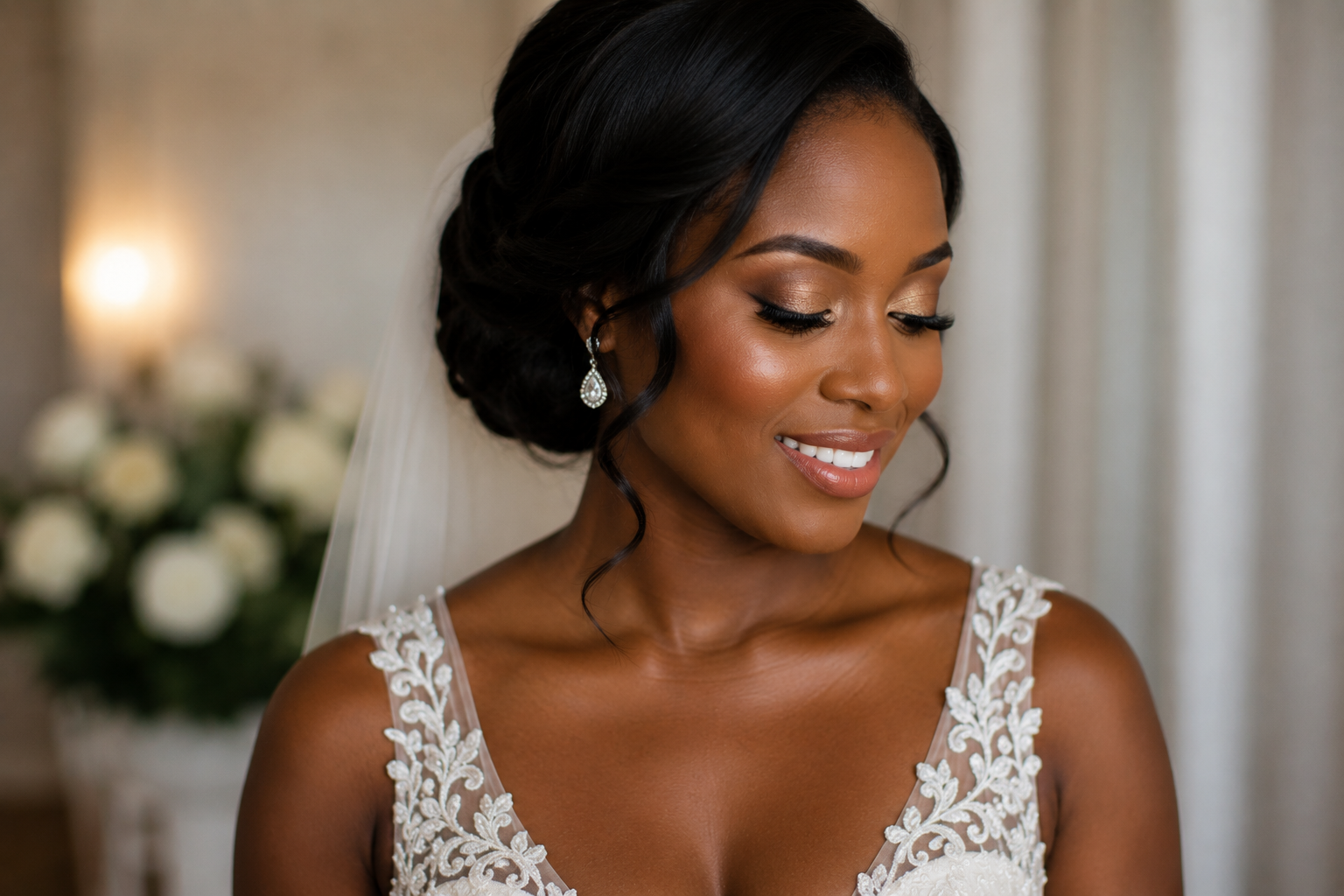
Black bride wearing professionally matched, long-lasting bridal makeup

Bridal makeup should enhance the bride’s complexion, features, and personal style without making her skin look dull, gray, overly orange, or lighter than her natural tone.

For Black brides, professional foundation matching, undertone selection, color balance, and long-wear preparation are especially important. Black skin includes a wide range of light, medium, deep, and rich complexions with warm, cool, neutral, golden, olive, red, and blue undertones.

Brittany Brown Beauty creates personalized bridal makeup based on each bride’s individual complexion, skin type, facial features, wedding style, venue, and preferred level of coverage.

Bridal Makeup Should Be Personalized

There is no single makeup style that works for every Black bride.

Some brides prefer lightweight, natural makeup with glowing skin. Others want soft glam, defined eyes, sculpted cheeks, or a bold lip color. The final look should reflect the bride rather than follow a standard formula.

A personalized bridal consultation may consider:

  • Skin depth
  • Skin undertone
  • Skin type
  • Areas of discoloration
  • Face shape
  • Eye shape
  • Brow structure
  • Wedding dress
  • Hairstyle
  • Venue lighting
  • Photography style
  • Personal makeup preferences

Browse the Brittany Brown Beauty bridal portfolio to explore different wedding makeup styles and finishes.

Understanding Skin Tone and Undertone

Skin tone describes how light or deep the complexion appears. Undertone refers to the color beneath the skin’s surface.

Two brides may have a similar skin depth but require completely different foundation shades because their undertones are different.

Common undertones include:

  • Warm
  • Cool
  • Neutral
  • Golden
  • Olive
  • Red
  • Blue
  • A combination of tones

Undertone affects the appearance of foundation, concealer, blush, bronzer, eyeshadow, and lipstick.

The guide to matching bridal makeup to your skin undertone explains how undertones influence wedding makeup choices.

Why Foundation Matching Matters

Foundation should match the bride’s natural complexion across the face, neck, chest, shoulders, and ears.

A shade that is too light may appear gray or ashy. A foundation that is too warm may look orange, while one that is too red may create an uneven finish.

A professional artist may evaluate the bride’s skin in:

  • Natural daylight
  • Indoor lighting
  • Professional photography lighting
  • Flash photography
  • The expected venue environment

The foundation should look consistent from different angles and under different lighting conditions.

Avoiding an Ashy or Gray Finish

An ashy finish can occur when complexion products are too light, too cool, or not correctly matched to the skin.

Some setting powders, sunscreens, primers, and concealers can also create a pale or gray cast in photographs.

To reduce this risk, the makeup application may include:

  • Correctly matched foundation
  • Concealer selected for the intended area
  • Setting powder tested on deeper skin
  • Products without an obvious white cast
  • Careful blending into the neck and chest
  • Flash photography testing during the trial

Powder should control shine without removing the natural depth and warmth of the complexion.

Correcting Discoloration

Some brides may have areas of hyperpigmentation, acne marks, darkness around the mouth, under-eye discoloration, or an uneven complexion.

Color correction can help balance these areas before foundation is applied.

Depending on the bride’s complexion, a makeup artist may use:

  • Peach corrector
  • Orange corrector
  • Red-orange corrector
  • Warm concealer
  • Neutralizing complexion products

The corrector should be applied in controlled amounts. Heavy layers may create texture or affect how the foundation wears.

The goal is not to cover every natural variation in the skin. It is to create a balanced complexion while maintaining realistic dimension.

Choosing the Right Foundation Coverage

Bridal foundation does not always need to be full coverage.

The best coverage level depends on the bride’s skin, comfort, photography plans, and preferred appearance.

Light Coverage

Light coverage allows more natural skin texture to remain visible. It may suit brides with relatively even complexions or those who rarely wear foundation.

Medium Coverage

Medium coverage creates a more polished finish while still allowing the skin to look natural. It is a popular option for soft-glam bridal makeup.

Full Coverage

Full coverage may help balance more noticeable discoloration, acne marks, or uneven areas. It should be applied in thin layers to avoid a heavy appearance.

The article on the best foundation types for bridal makeup provides additional guidance on selecting complexion products.

Dewy, Satin, or Matte Bridal Makeup

The right foundation finish depends on the bride’s skin type, wedding location, and preferred style.

Dewy Finish

A dewy finish creates a luminous and fresh appearance. It may suit dry or normal skin but requires careful placement to prevent excessive shine.

Satin Finish

A satin finish provides a balance between radiance and shine control. It often photographs naturally and works across many skin types.

Matte Finish

A matte finish can help control oil during warm weather, outdoor ceremonies, and long wedding days. It should not make the skin look flat or dry.

Black skin reflects light beautifully, so the complexion should maintain natural dimension rather than being covered with excessive matte powder.

Brides can compare the options in the guide to dewy vs. matte bridal makeup.

Natural Bridal Makeup for Black Brides

Natural bridal makeup focuses on even skin, soft definition, and colors that enhance the bride’s natural features.

This look may include:

  • Lightweight or medium foundation
  • Softly defined brows
  • Neutral eye makeup
  • Natural lashes
  • Warm blush
  • Subtle bronzer
  • Controlled highlighting
  • Nude, rose, brown, or berry lips

Natural makeup should still provide enough definition for professional photography.

The complexion, eyes, cheeks, and lips should remain visible under bright venue lighting and camera flash.

Soft-Glam Bridal Makeup

Soft glam adds more definition while maintaining a refined and wearable finish.

This style may include:

  • Medium complexion coverage
  • Soft contouring
  • Defined brows
  • Blended neutral eyeshadow
  • Controlled shimmer
  • Eyeliner
  • Wispy or individual lashes
  • Defined blush and bronzer
  • Nude, mauve, rose, or berry lips

Soft glam works well for many indoor, outdoor, hotel, garden, and coastal weddings.

It provides a polished appearance without requiring heavy eye makeup or dramatic contouring.

Full-Glam Bridal Makeup

Full glam is suitable for brides who prefer stronger definition and a more dramatic finish.

A full-glam look may include:

  • Higher complexion coverage
  • Sculpted contouring
  • Defined eye makeup
  • Metallic or smoky eyeshadow
  • Fuller lashes
  • Highlighted cheekbones
  • Strong blush
  • Bold or deep lip color

Full glam should still preserve the bride’s natural skin tone and facial structure.

The complexion should not be lightened, flattened, or covered with products that remove its natural richness.

Blush Colors for Black Brides

Blush should remain visible and vibrant on the bride’s complexion.

Very pale or chalky colors may disappear or create an ashy appearance. Richer shades often provide better balance and dimension.

Flattering bridal blush options may include:

  • Terracotta
  • Warm coral
  • Burnt orange
  • Deep peach
  • Berry
  • Plum
  • Brick
  • Cranberry
  • Rich rose
  • Warm red

The correct shade depends on the bride’s undertone, eye makeup, lip color, and desired intensity.

Blush should be tested in photographs because camera lighting may reduce its appearance.

Bronzer and Contour

Bronzer and contour serve different purposes.

Bronzer adds warmth to the complexion, while contour creates depth and structure.

On deeper skin tones, contour products should be deep enough to create visible definition without appearing gray or muddy. Bronzer should add warmth without turning orange.

Application may focus on:

  • Cheekbones
  • Forehead
  • Jawline
  • Temples
  • Nose
  • Collarbone
  • Shoulders

The placement should complement the bride’s natural face shape rather than changing it completely.

Highlighter for Deeper Skin Tones

Highlighter can add dimension to the complexion, but the shade should blend naturally with the bride’s skin.

Possible options include:

  • Warm gold
  • Bronze
  • Copper
  • Rose gold
  • Deep champagne
  • Golden peach

Very pale silver or icy highlighters may appear chalky on some deeper complexions.

Highlighter should be applied carefully to areas such as the cheekbones, brow bone, inner corners of the eyes, and collarbone.

The final effect should look radiant rather than glittery or textured.

Eye Makeup Colors

Black brides can wear a wide range of bridal eye makeup colors.

Popular options include:

  • Bronze
  • Copper
  • Gold
  • Champagne
  • Chocolate brown
  • Burgundy
  • Plum
  • Berry
  • Emerald
  • Navy
  • Rose gold
  • Black

Neutral tones can create natural or soft-glam looks, while jewel tones and metallic shades can add more drama.

The color selection should complement the bride’s dress, accessories, eye shape, skin undertone, and wedding setting.

Eyeliner and Lashes

Eyeliner can add definition and help the eyes remain visible in photographs.

Options may include:

  • Soft brown liner
  • Black liner
  • Tightlining
  • Winged eyeliner
  • Smudged outer-corner liner
  • Defined lower lash line

False lashes should suit the bride’s eye shape and comfort level.

Possible lash styles include:

  • Individual lashes
  • Half lashes
  • Wispy lashes
  • Natural strip lashes
  • Graduated lashes
  • Fuller dramatic lashes

The lashes should enhance the eyes without hiding the eyeshadow or feeling excessively heavy.

Lip Colors for Black Brides

Black brides can wear natural, soft, bright, or deep lip colors depending on their style.

Popular bridal lip shades include:

  • Caramel nude
  • Brown nude
  • Rose brown
  • Mauve
  • Terracotta
  • Berry
  • Plum
  • Burgundy
  • Brick red
  • Classic red
  • Deep red
  • Wine

A nude lip should provide enough contrast to prevent the mouth from disappearing into the complexion.

Lip liner can add definition and help adjust the depth of lighter lipstick shades.

For extended wear, the bride may receive a touch-up color for use after dining.

Long-Wear Makeup Preparation

Wedding makeup should remain polished through photographs, tears, heat, dining, dancing, and several hours of celebration.

Long-lasting makeup begins with skin preparation.

The process may include:

  • Cleansing
  • Lightweight hydration
  • Skin-specific primer
  • Controlled color correction
  • Thin complexion layers
  • Waterproof eye products
  • Long-wear lip products
  • Setting powder
  • Setting spray

Products should be selected according to the bride’s actual skin type rather than using the same routine for everyone.

Long-Wear Tips for Oily Skin

For oily skin, the artist may focus on shine control without making the complexion look dry.

Techniques may include:

  • Lightweight moisturizer
  • Oil-controlling primer
  • Thin foundation layers
  • Targeted setting powder
  • Waterproof eye makeup
  • Long-wear lip products
  • Blotting products

Powder may be concentrated around the forehead, nose, chin, and other areas where oil appears first.

Long-Wear Tips for Dry Skin

Dry skin requires preparation that supports a smooth complexion.

The artist may use:

  • Hydrating skincare
  • Lightweight moisturizer
  • Smoothing primer
  • Flexible foundation
  • Cream complexion products
  • Limited powder
  • Hydrating setting spray

Excessive powder can emphasize dryness and texture, so it should be applied only where needed.

Long-Wear Tips for Combination Skin

Combination skin may require different products across different parts of the face.

For example, the artist may use:

  • Hydrating products on dry areas
  • Oil-control primer through the center of the face
  • Flexible foundation
  • Targeted setting powder
  • Controlled highlighter placement

This customized approach can help the complexion remain balanced throughout the day.

Makeup for Flash Photography

Professional flash can reveal foundation mismatch, powder buildup, discoloration, or products that create a white cast.

During the bridal trial, take photographs using:

  • Natural daylight
  • Indoor lighting
  • Phone flash
  • Professional-style flash
  • Side lighting
  • Direct front lighting

Review the face, neck, chest, and shoulders together.

The makeup should look consistent without visible lines, gray areas, or overly bright under-eye concealer.

Matching the Face, Neck, and Body

The face should not appear lighter or warmer than the rest of the visible skin.

Depending on the wedding dress, the makeup artist may blend or balance complexion products across the:

  • Jawline
  • Neck
  • Chest
  • Shoulders
  • Ears
  • Upper back

Body makeup may be considered for visible discoloration or uneven areas, but it should be transfer-resistant and suitable for the dress fabric.

Preparing the Skin Before the Wedding

A consistent skincare routine can help makeup apply more smoothly.

In the weeks before the wedding:

  • Use products suitable for your skin
  • Keep the skin hydrated
  • Avoid unfamiliar treatments near the wedding
  • Do not over-exfoliate
  • Mention allergies and sensitivities
  • Follow professional preparation instructions
  • Protect the skin from excessive sun exposure

Avoid aggressive facials, peels, or new products immediately before the wedding because they may cause irritation, dryness, or breakouts.

Schedule a Bridal Makeup Trial

A bridal makeup trial allows the bride and artist to test foundation shades, complexion products, eye makeup, lashes, and lip colors before the wedding.

During the trial, discuss:

  • Skin concerns
  • Foundation shade
  • Undertone
  • Coverage level
  • Complexion finish
  • Color correction
  • Eye makeup
  • Lash style
  • Blush
  • Bronzer
  • Highlighter
  • Lip color
  • Product sensitivities

Bring photographs of the dress, hairstyle, accessories, venue, and preferred makeup looks.

Read more about what happens during a bridal makeup trial.

Questions to Ask Your Makeup Artist

Before booking, ask questions that help you understand the artist’s experience and approach.

Useful questions include:

  • Do you carry foundation shades for deep complexions?
  • How do you identify undertones?
  • Can you correct hyperpigmentation without heavy coverage?
  • Which setting powders do you use on deeper skin tones?
  • Can we test the makeup with flash photography?
  • Can you customize blush, bronzer, and highlighter shades?
  • Is a bridal trial available?
  • Do you provide makeup for bridesmaids and family members?
  • Are lashes included?
  • Do you provide on-location services?

Clear communication helps the artist understand the bride’s expectations before the wedding day.

Frequently Asked Questions

What foundation finish is best for Black brides?

The best finish depends on the bride’s skin type, preferences, venue, and expected weather. Dewy, satin, and matte finishes can all work when correctly matched and applied.

How can bridal makeup avoid looking ashy?

Foundation, concealer, powder, and sunscreen should be matched and tested carefully. Products that are too light or create a white cast should be avoided.

What blush colors look good on deeper skin?

Terracotta, coral, berry, plum, brick, cranberry, and rich rose shades can provide visible color. The best choice depends on the bride’s undertone and complete makeup look.

Should under-eye concealer be much lighter?

Under-eye concealer can be slightly brighter than the foundation, but an excessively light shade may appear gray or create a visible contrast in photographs.

How can makeup last through a long wedding day?

Skin-specific preparation, thin product layers, waterproof formulas, targeted powder, and professional setting techniques can improve wear time.

Is a bridal makeup trial necessary?

A trial allows the bride to test foundation matching, undertone, coverage, lashes, colors, comfort, and flash photography before the wedding day.

Personalized Bridal Makeup for Black Brides

Bridal makeup for Black brides should protect the natural depth, warmth, and dimension of the complexion while enhancing the bride’s individual features.

Brittany Brown Beauty creates personalized bridal makeup based on each bride’s skin tone, undertone, skin type, preferred style, wedding venue, and photography plans.

Explore bridal makeup services in Orange County or contact Brittany Brown Beauty to discuss your wedding date, bridal party, location, and preferred makeup look.