Posted on

How Far in Advance Should You Book Hair and Makeup in Orange County

how far in advance should you book hair

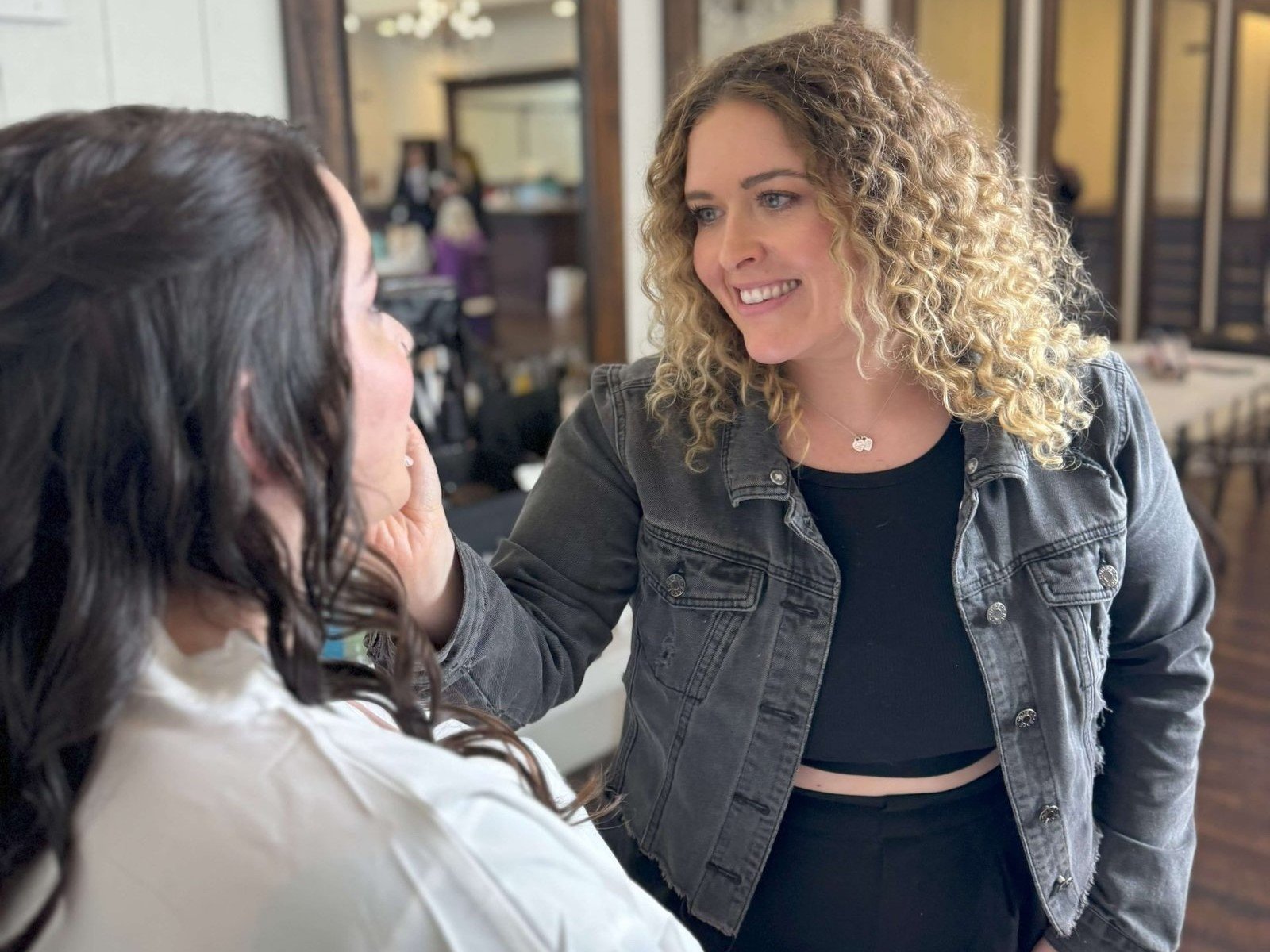
One of the most common questions I hear from engaged couples is some version of “when should we actually book hair and makeup?” It’s a fair question, and the honest answer is that it depends on your wedding date, your venue, and how in-demand your specific weekend is. Booking too late can mean losing your first-choice artist entirely, so it’s worth understanding the general timeline before you get too far into vendor research.

Quick answer: For most Orange County and San Diego weddings, reach out as soon as you book your venue, especially if you’re planning a spring or fall wedding. Popular weekends often fill well in advance, while off-peak dates usually offer more flexibility. Your wedding date becomes official once you sign the contract and submit the required deposit. Here’s how to think through the timing.

Why Booking Timelines Vary by Season

Not every wedding date carries the same level of demand. Orange County’s wedding season has clear peaks, and beauty vendors who work with a high volume of brides during those peaks tend to book those weekends earliest. San Diego follows a similar pattern, with its own defined peak season. Outside of those windows, there’s typically more room to book closer to your date without the same pressure.

This is why “how far in advance should I book” doesn’t have one universal answer. A Saturday in peak season and a weekday or off-season date can have very different booking realities, even within the same general area.

Recommended Booking Windows

Here’s a general breakdown of how timing tends to play out across the year.

Peak Spring and Fall Weekends

Spring and fall are peak wedding seasons across Orange County, and popular venues and dates in that window book out well in advance. Once your venue is confirmed, reaching out promptly is the best way to make sure your preferred artist is still available for your date. For San Diego specifically, peak wedding season runs March through June and September through November, and booking a mobile artist six to twelve months ahead is a good general guideline for that market.

Off-Peak Booking Flexibility

Winter and summer weekdays, or dates outside the peak spring and fall windows, generally offer more flexibility. That doesn’t mean there’s no reason to plan ahead, but it does mean there’s often more breathing room if your date falls outside the busiest stretch of the calendar.

What Happens if You Book Last-Minute

Booking close to your wedding date isn’t impossible, but it does narrow your options. Popular dates often fill quickly, and artists with limited weekend availability may no longer have openings. A shorter timeline also leaves less room for a proper trial before the wedding. If you’re working with a shorter runway, it’s still worth reaching out directly to ask about availability instead of assuming nothing is left.

What Secures Your Date Once You Decide

Once you choose your beauty team, sign the contract and submit the required deposit to reserve your wedding date. This standard practice extends across the wedding industry and protects both you and your artist by putting the agreement in writing before anyone reserves the date. Because every vendor sets different deposit amounts, refund timelines, and cancellation policies, confirm those details directly before you book.

Beyond the booking process, take time to read what past clients say about working with the artist. Trustindex collects and verifies the reviews displayed on this site, confirming that they originated on Google. Reading verified third-party reviews gives you a more complete picture of a vendor before you sign a contract.

If you’d like to see examples of Brittany Brown’s work, take a look at the portfolio, or learn more about the artist behind it on the about page. When you’re ready to check availability for your date, reach out through the contact page.

Frequently Asked Questions

1. What should I ask before booking how far in advance should you book hair? 

Ask about availability for your specific date, whether the artist includes or recommends a trial, what the contract and deposit process looks like, and how the artist handles group or bridal party bookings for a larger wedding party. Getting clear answers upfront makes the rest of the planning process much smoother.

2. How far in advance should I secure how far in advance should you book hair? 

For peak spring and fall Orange County weekends, reaching out as soon as your venue is confirmed is the safest approach. For San Diego weddings specifically, six to twelve months ahead is a reasonable guideline during peak season, which runs March through June and September through November. Off-peak dates generally allow more flexibility.

3. What’s included once I sign a contract and pay a deposit? 

Signing a contract and paying a deposit secures your date and puts the working agreement in writing. Before signing, confirm the specific inclusions, payment schedule, and policy details directly with your vendor, since those details can vary.

Posted on

Braided Bridal Hairstyles for Boho and Classic Weddings

braided bridal hairstyles for boho and classic weddings

Braids show up across nearly every bridal style category, from relaxed beach ceremonies to formal ballroom receptions, because the technique itself adapts so easily to different moods. A loose, textured braid reads completely differently than a sleek, structured one, even though both start with the same basic technique. Choosing the right braid comes down to matching the style, the hold, and the finish to your specific wedding.

Brittany Brown builds every braided bridal style around the bride’s venue, timeline, and hair type, factoring in arrival, prep, and setting time so the braid holds its shape from the first walk down the aisle through the last dance.

Braids for Boho Weddings

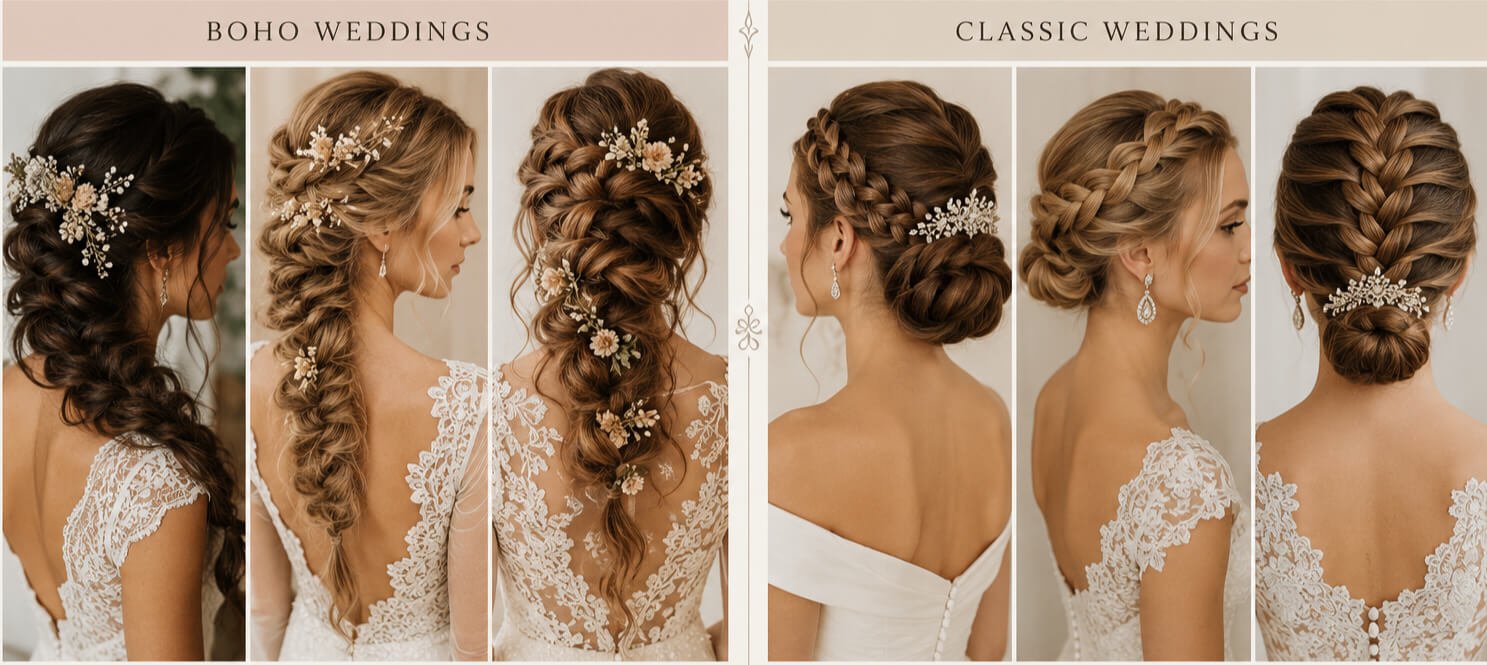
Boho bridal hair leans into texture, movement, and a relaxed, undone quality, and braids fit naturally into that aesthetic. Loose Dutch braids, fishtail braids, and braided crowns all work well here, especially when paired with soft waves, face-framing pieces, or a few strategically pulled sections that keep the style from looking too tight or precise.

This category tends to favor braids with visible texture rather than a flawless, uniform weave. Slightly loosened strands along the edges of a braid, a bit of volume at the crown, and soft baby hairs left down around the face all contribute to that effortless boho feel without looking unfinished.

Boho styles also pair especially well with outdoor coastal weddings around Orange County and San Diego, since braids naturally resist wind and sea air better than fully loose styles. A braided crown or a low, loose side braid can hold its shape through an entire beachfront ceremony without needing constant readjustment.

Braids for Classic, Formal Weddings

Classic bridal hair calls for a more structured, polished approach, and braids adapt well to that formality too. A sleek braided updo, a tightly woven French braid leading into a low bun, or a precise braided halo all bring in texture and detail without sacrificing the clean, elegant finish a formal wedding calls for.

Here, the braid tends to sit closer to the head, with less deliberate texture pulled loose along the edges. Smooth, controlled sections and a polished finish keep the overall look feeling refined, which suits ballroom receptions, formal churches, and black-tie evening weddings especially well.

Classic braided styles also tend to hold up beautifully through a long reception, since the tighter weave and structured base give the style a strong foundation that resists movement over several hours of dancing and celebrating.

Head-to-Head: Texture, Formality, and Hold

Boho and classic braided hairstyles share the same foundation, but they create distinctly different looks. Boho braids embrace softness, texture, and movement, making them a natural choice for outdoor ceremonies and destination weddings. Classic braids focus on smoothness and structure, offering a refined finish that complements formal venues and black-tie celebrations. Regardless of the style, braids provide more grip and stability than fully loose hairstyles, helping them maintain their shape throughout a Southern California wedding day. 

Both styles rely on the same underlying principle: a woven structure gives hair more to hold onto than a fully loose style does, which makes braids a practical choice for Southern California weddings regardless of which aesthetic a bride chooses.

Choosing the Right Braid for Your Venue

Venue and setting play a bigger role in braid selection than many brides expect going in. An outdoor beach ceremony calls for a different approach than an indoor ballroom, mostly because of how each environment interacts with humidity, wind, and sea air over the course of the day.

For outdoor, coastal, or garden venues, a looser boho braid tends to perform best, since the woven structure holds its shape even as wind and moisture move through the hair. These settings also tend to suit softer, more textured finishes that don’t rely on being perfectly smooth to look intentional.

For indoor, formal, or evening venues, a tighter classic braid gives a more polished, camera-ready finish that holds up well through hours of movement on the dance floor. Because indoor venues typically shield hair from direct wind and coastal humidity, a sleeker braid has an easier time holding its precise shape from ceremony through reception.

Whichever direction a bride leans, the styling process itself matters just as much as the braid style chosen. Backcombing at the base, securing the braid with enough hidden pins, and testing the placement ahead of time all help a braided style survive a full Southern California wedding day, not just the first hour of photos.

Browse the portfolio to see braided styles across both boho and classic weddings, learn more about Brittany Brown Beauty’s approach to bridal hair, or contact the team to schedule a consultation or trial for your wedding day.

Frequently Asked Questions

1. How long do braided bridal hairstyles for boho and classic weddings typically take on wedding morning? 

Braided styles generally take a bit longer than simple updos, since the braiding itself adds time beyond building volume or curling hair. Most braided bridal styles take about 45 minutes to an hour, factoring in arrival and prep time before styling begins.

2. Will braided bridal hairstyles for boho and classic weddings hold up in Southern California humidity? 

Yes, and braids tend to hold up especially well compared to fully loose styles. The woven structure gives humidity and sea air less opportunity to loosen the overall shape, though a well-prepped base underneath and a few supporting pins still help any braided style stay secure through a full outdoor ceremony and reception.

3. What accessories pair well with braided bridal hairstyles for boho and classic weddings? 

It depends on the style. Boho braids pair naturally with floral accents, hair vines, and delicate pins tucked along the woven sections. Classic braids pair well with tiaras or structured combs, since the tighter, more polished base gives an accessory a stable, even surface to sit against.

Posted on

How to Choose Bridal Makeup That Matches Your Dress Neckline

Choose Bridal Makeup That Matches Your Dress Neckline

The dress usually gets chosen first. The shoes, the veil, the jewelry, all of it tends to build around that one decision. Makeup should follow the same logic, but it’s often the part that gets planned last, sometimes based on a single inspiration photo that has nothing to do with the dress itself.

That disconnect is worth avoiding. A neckline changes how much skin is visible, where the eye naturally lands, and how much visual “space” the face has to work with. A look that’s perfect for a strapless ballgown can feel unbalanced on a high-neck illusion gown, not because either look is wrong, but because they’re solving for different proportions.

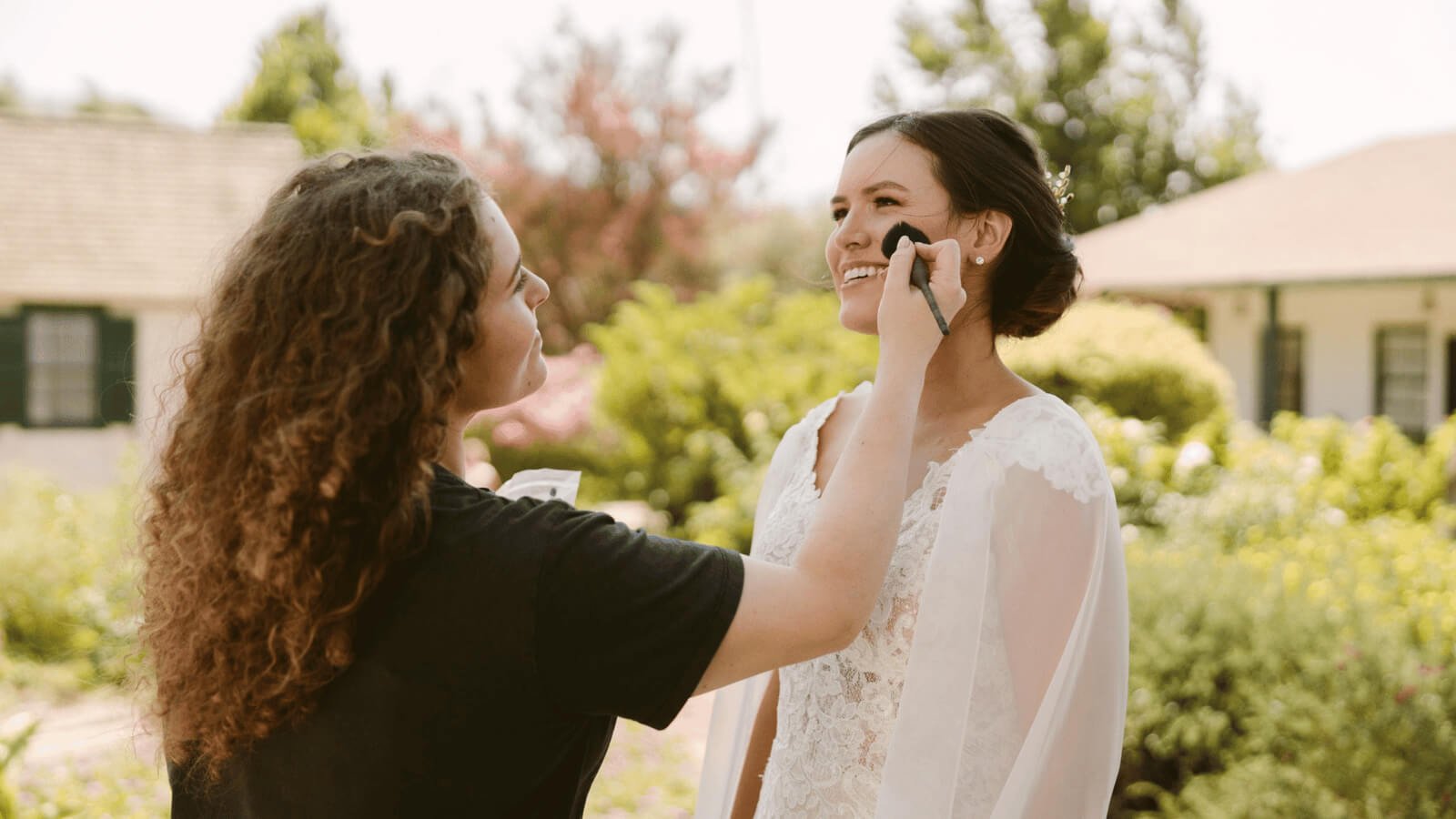
Brittany Brown has spent more than 11 years building bridal looks around dresses of every silhouette, and the neckline is one of the first things she considers before a single product goes on the skin. Her approach comes back to the same idea regardless of dress style: enhance, don’t mask. Here’s how that plays out across different necklines, so the makeup and the dress work together instead of competing.

Why Neckline Should Inform Your Makeup Choices

A neckline determines how much skin is on display and, by extension, how much visual weight the face carries in the overall look. A strapless dress puts shoulders, collarbone, and neck fully on display, which spreads the eye across a wider area. A high collar removes all of that, which concentrates attention almost entirely on the face.

Neither is better than the other, but they call for different decisions. More exposed skin can support a bolder, more dramatic makeup moment, since there’s more of the body sharing visual focus. Less exposed skin means the face has to carry more of the look on its own, which usually calls for more intentional, but not necessarily heavier, choices near the eyes and lips.

This is part of why a single “bridal makeup look” doesn’t really exist as a universal formula. What works is understanding the dress first, then building the makeup to complement it.

Matching Makeup to Neckline Type

Strapless and Off-Shoulder

With shoulders, collarbone, and upper chest all visible, strapless and off-shoulder dresses give a look more room to breathe. This is where a slightly bolder lip or a more defined eye tends to feel balanced rather than overdone, since there’s more exposed skin elsewhere to offset it.

Bronzed, glowing skin often works especially well with this silhouette, since the shoulders and chest are part of the overall picture in photos. A cohesive glow from face to shoulders tends to photograph more seamlessly than makeup that stops abruptly at the jawline.

High-Neck and Illusion

High necklines cover the collarbone and often part of the neck, which shifts nearly all the visual focus to the face. Every choice near it, from brow shape to lip color, carries more weight than it would with a more open neckline.

This calls for a bit more intention in the details: a defined eye paired with a softer, luminous base, or an elevated lip shade with more depth than a barely-there nude. Soft glam tends to balance well against the formality of a structured collar or lace neckline, keeping the look polished without competing with all the detail already happening near the face.

Sweetheart and V-Neck

Sweetheart and V-neck styles sit in between the two extremes, showing some skin at the chest while still keeping the shoulders and neck relatively open. This middle ground gives some flexibility, supporting either a soft, romantic look or something with a bit more definition, depending on the rest of the dress and overall styling.

Because these necklines are so common, they’re also where personal preference tends to matter most. There’s rarely a single “correct” answer here, more a range of options that all work, with the final decision coming down to what feels most like the bride herself.

Bringing It Together With Your Dress and Venue

Neckline is one piece of the puzzle, but it doesn’t stand alone. Fabric texture, lace detailing, venue lighting, and even the time of day all factor into a finished look. A lace high-neck dress at an outdoor evening wedding calls for different considerations than a sleek strapless gown at a bright daytime venue, even though both might fall into similar makeup categories on paper.

This is exactly why a trial matters. It’s the opportunity to see how a look actually translates once it’s on, next to the real dress, under lighting similar to the wedding day. Skin can respond differently than expected, colors can read differently in person than in photos, and small adjustments made during a trial often make the biggest difference on the actual day.

The goal through all of it stays the same regardless of neckline: a bride who looks like herself, just elevated. That’s the outcome most brides describe after their makeup comes together the way it’s supposed to, and it’s the standard every look is built around.

For a closer look at how different necklines and silhouettes influence the finished look,explore Brittany Brown Beauty or browse the portfolio. If you’d like personalized guidance on choosing makeup that complements your wedding dress, contact to discuss your vision and wedding day plans.

Frequently Asked Questions

1. What’s the best way to prep my skin before choosing bridal makeup for my dress neckline?

A consistent routine with moisturizer and SPF in the weeks leading up to the wedding gives foundation a smooth, even base to work with, regardless of neckline style. Bigger skincare changes are best avoided close to the wedding date. A trial is the best time to confirm the skin is ready and responding well to the products being used.

2. How long will bridal makeup matched to my neckline last through the ceremony and reception?

With the right prep and setting technique, a well-built look can hold through a full day of ceremony, photos, and reception, regardless of dress style. Wear time can vary based on skin type, venue, and weather, which is part of why testing everything during a trial is worth the time before the wedding day arrives.

3. Can this be adjusted for my specific skin tone or type?

Yes. Every neckline recommendation here serves as a starting point, not a fixed formula. During the trial, the artist selects eye intensity, lip shade, and finish based on the individual bride so the final look complements her coloring and skin needs instead of following a generic template.

Posted on

Bridesmaid Hair and Makeup in Orange County: What to Plan Before the Wedding Day

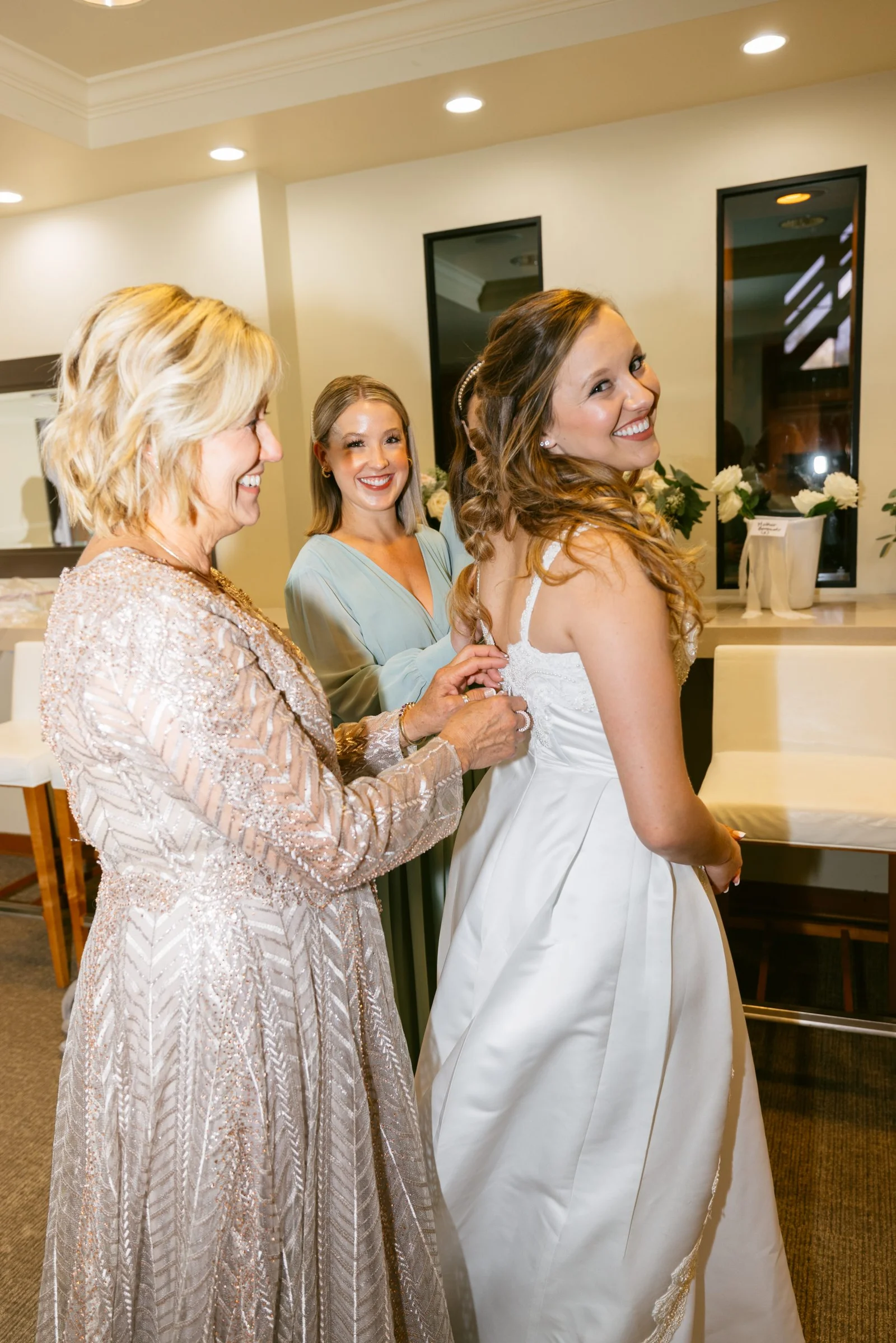
Bride getting ready with her bridal party in Orange County

Bridesmaid hair and makeup should support the bride’s overall wedding vision while allowing each member of the bridal party to feel comfortable and polished. Planning the services in advance can help the wedding morning stay organized, reduce delays, and create a coordinated appearance in photographs.

Brittany Brown Beauty provides personalized bridesmaid hair and makeup in Orange County. Each look can be adjusted according to the bridesmaid’s features, hair texture, skin type, dress, and preferred level of styling.

Decide on the Overall Bridal Party Look

The bride should decide how coordinated she wants the bridal party to appear.

Some weddings use the same hairstyle and makeup style for every bridesmaid. Others allow each person to choose from a small group of approved looks.

A consistent direction may include:

  • Similar makeup intensity
  • Coordinated lip colors
  • Approved hairstyle options
  • Matching hair accessories
  • Similar lash styles
  • A shared complexion finish
  • A clear level of formality

The bridal party does not need to look identical. A coordinated approach can still allow each bridesmaid’s individual features and hair texture to guide the final result.

Confirm the Number of Services Early

The beauty team needs an accurate count of everyone receiving hair, makeup, or both.

Confirm whether services are needed for:

  • Bridesmaids
  • Maid or matron of honor
  • Junior bridesmaids
  • Mother of the bride
  • Mother of the groom
  • Sisters
  • Other family members
  • The bride

A final service count helps determine how many artists are needed and how early the team must begin.

Late additions can affect the timeline, staffing, and total cost, so the count should be confirmed before the schedule is finalized.

Decide Who Is Paying

Bridesmaid beauty services may be paid for by the bride, the wedding couple, or each bridesmaid individually.

The payment plan should be explained clearly before appointments are booked.

Confirm:

  • Who is responsible for payment
  • The cost of hair services
  • The cost of makeup services
  • Whether lashes are included
  • Travel charges
  • Early-start fees
  • Gratuity arrangements
  • Deposit requirements
  • The final payment date

Clear communication helps prevent confusion on the wedding day.

Choose Hair and Makeup Options

Bridesmaids may have different hair lengths, textures, face shapes, and makeup preferences.

Instead of selecting one exact look for everyone, the bride may provide a group of approved options.

Possible hairstyles include:

  • Soft waves
  • Hollywood waves
  • Half-up, half-down styles
  • Textured low buns
  • Sleek buns
  • Braided updos
  • Polished ponytails
  • Natural curls
  • Short-hair styling

Possible makeup directions include:

  • Natural makeup
  • Soft-glam makeup
  • Neutral eye makeup
  • Defined eyes with a natural lip
  • Radiant complexion makeup
  • Matte or satin-finish makeup

The options should complement the wedding style, bridesmaid dresses, accessories, and venue.

Consider Each Bridesmaid’s Hair Texture

Hair texture affects which styles will hold well and how much preparation time is needed.

The beauty team should know whether bridesmaids have:

  • Straight hair
  • Wavy hair
  • Curly hair
  • Coily hair
  • Fine hair
  • Thick hair
  • Short hair
  • Hair extensions
  • Recently treated or colored hair

Some styles may require extensions, extra preparation, or a different technique.

Bridesmaids should not be expected to force their hair into a style that does not suit its natural texture or length. A coordinated set of flexible options usually creates a better result.

Plan for Hair Extensions and Accessories

Hair extensions may be used to add volume, length, or fullness to certain hairstyles.

If extensions are needed, confirm:

  • Whether the artist provides them
  • Whether the bridesmaid must purchase them
  • The correct color match
  • Whether they should be washed beforehand
  • How they should be transported
  • Whether an additional fee applies

Hair accessories should also be prepared before the appointment.

These may include:

  • Decorative pins
  • Hair combs
  • Pearl clips
  • Floral pieces
  • Ribbons
  • Bridesmaid headbands
  • Matching accessories

Each item should be labeled and kept with the correct person.

Select Makeup That Works for Different Skin Tones

Bridesmaids may have a wide range of skin tones and undertones.

Foundation, concealer, blush, bronzer, highlighter, and lip color should be selected for each person individually.

A professional makeup artist should consider:

  • Skin depth
  • Undertone
  • Skin type
  • Areas of discoloration
  • Sensitivity
  • Preferred coverage
  • Dress color
  • Photography conditions

The bridal party can still look coordinated without using the same foundation or lip shade on everyone.

Choose the Right Makeup Coverage

Not every bridesmaid will want the same level of coverage.

Light Coverage

Light coverage allows natural skin texture to remain visible. It may suit bridesmaids who rarely wear foundation or prefer a minimal look.

Medium Coverage

Medium coverage creates a polished finish while still allowing the skin to look natural. It is a common choice for wedding photography.

Full Coverage

Full coverage may help balance more noticeable discoloration, acne marks, or uneven areas. It should be applied in thin layers to avoid a heavy appearance.

The final result should feel comfortable and reflect the bridesmaid’s preferences within the wedding’s approved beauty direction.

Decide on False Lashes

False lashes can add eye definition and help makeup remain visible in photographs.

Options may include:

  • Individual lashes
  • Half lashes
  • Natural strip lashes
  • Wispy lashes
  • Fuller strip lashes

The bride may choose one general lash style or allow the artist to select the best option for each eye shape.

Bridesmaids who wear contact lenses or have sensitive eyes should tell the artist before the application begins.

Coordinate Makeup With Bridesmaid Dresses

Makeup should complement the bridesmaid dresses without matching them too closely.

Examples include:

  • Blush dresses with rose, champagne, taupe, or mauve makeup
  • Navy dresses with bronze, neutral brown, rose, or soft gold tones
  • Green dresses with warm brown, bronze, peach, plum, or gold
  • Burgundy dresses with berry, bronze, plum, or neutral makeup
  • Black dresses with classic neutral makeup or a stronger lip
  • Champagne dresses with rose, peach, soft gold, or neutral colors

The complete look should also consider jewelry, flowers, venue lighting, and the bride’s makeup style.

Create a Detailed Wedding-Day Timeline

A clear beauty timeline is one of the most important parts of bridal-party planning.

The schedule should include:

  • Artist arrival and setup
  • Start time for each person
  • Hair appointment order
  • Makeup appointment order
  • Time for touch-ups
  • Time to get dressed
  • Photographer arrival
  • Bridal portraits
  • First-look photographs
  • Travel to the ceremony
  • Final completion time

Each appointment should include a small buffer for delays.

The bride should not be scheduled last if there is no extra time before photography. Her services should be completed early enough for dressing, portraits, and final adjustments.

Decide the Order of Appointments

The order should be based on the complete wedding schedule rather than personal preference alone.

People who may need to be ready earlier include:

  • Mothers participating in early photographs
  • Bridesmaids helping the bride get dressed
  • Bridesmaids leaving early for venue setup
  • Anyone with longer or more detailed hair services
  • Anyone requiring both hair and makeup
  • The maid or matron of honor

Avoid scheduling all long services at the end of the timeline.

Prepare the Getting-Ready Space

The beauty team needs enough space, lighting, and access to work efficiently.

The preparation area should include:

  • Tables or clear work surfaces
  • Comfortable chairs
  • Electrical outlets
  • Natural or bright lighting
  • Mirrors
  • Room for hair and makeup tools
  • Access to water
  • Good ventilation
  • Enough space for the bridal party

Keep food, drinks, clothing, and personal bags away from the artists’ work areas.

The room should also be tidy before the photographer arrives.

Hair Preparation Instructions

Bridesmaids should follow the hairstylist’s instructions before the wedding.

Depending on the planned style and hair type, they may be asked to arrive with:

  • Clean, dry hair
  • Hair washed the previous day
  • No heavy oils
  • No wet hair
  • No strong styling products
  • Extensions prepared and labeled
  • Hair detangled
  • Accessories ready

Each bridesmaid should know the instructions before the wedding morning.

Arriving with wet hair when a dry style is planned can delay the entire schedule.

Skin Preparation Instructions

Bridesmaids should maintain a consistent skincare routine before the wedding.

They should avoid strong or unfamiliar products immediately before the event.

On the wedding day, they may be asked to arrive with:

  • A clean face
  • No heavy skincare products
  • No makeup
  • Contact lenses already inserted
  • Allergies and sensitivities disclosed
  • Any required prescription products applied

The artist can then prepare the skin according to its actual needs.

Plan for Outdoor Orange County Weddings

Orange County weddings may take place at beaches, gardens, hotels, resorts, private estates, and outdoor venues.

The beauty plan should consider:

  • Warm temperatures
  • Coastal humidity
  • Ocean air
  • Direct sunlight
  • Wind
  • Long photography sessions

Professional artists may use waterproof eye products, long-wear complexion products, setting techniques, anti-humidity hair products, and secure pins.

For windy or coastal venues, controlled waves, half-up styles, and secure updos may be more practical than very loose styling.

Keep the Bridal Party on Schedule

The bridal party should understand that the beauty timeline is part of the full wedding schedule.

To avoid delays:

  • Everyone should arrive on time
  • Hair should be prepared correctly
  • Inspiration photos should be selected in advance
  • Accessories should be labeled
  • Payments should be organized
  • Food should be eaten before the appointment
  • Phone calls and interruptions should be limited
  • Changes should be discussed before the wedding day

One late appointment can affect every service that follows.

Plan for Touch-Ups

Professional hair and makeup should last for several hours, but small touch-ups may still be helpful.

Useful items include:

  • Lip color
  • Lip liner
  • Blotting papers
  • Pressed powder
  • Tissues
  • Cotton swabs
  • Bobby pins
  • Small hairspray
  • Lash adhesive
  • Fashion tape

The maid of honor or another designated person can carry a shared bridal-party touch-up kit.

Consider Trials for Bridesmaids

A trial is not always necessary for every bridesmaid.

It may be useful when a bridesmaid:

  • Has specific skin sensitivities
  • Has concerns about foundation matching
  • Wants a detailed hairstyle
  • Uses extensions
  • Has very short or highly textured hair
  • Has had a previous reaction to makeup products
  • Feels uncertain about the selected look

The bride should discuss trial options and pricing with the beauty artist in advance.

Review the Booking Agreement

Before confirming services, review the agreement carefully.

Important details may include:

  • Deposit requirements
  • Final payment date
  • Service minimums
  • Travel charges
  • Parking expenses
  • Early-start fees
  • Additional artist fees
  • Cancellation policy
  • Rescheduling terms
  • Late-arrival policy
  • Final service count deadline

The agreement should identify the wedding date, location, number of services, start time, and required completion time.

Questions to Ask the Hair and Makeup Artist

Useful questions include:

  • How many artists will be needed?
  • How long does each hair service take?
  • How long does each makeup service take?
  • Are false lashes included?
  • Are hair accessories placed by the stylist?
  • Can the team work with different hair textures?
  • Can makeup be customized for different skin tones?
  • Are extensions available?
  • Are travel or parking fees required?
  • What time should services begin?
  • When is the final service count due?
  • What happens if someone cancels?

Clear answers help the bride plan the beauty schedule accurately.

Frequently Asked Questions

How far in advance should bridesmaid hair and makeup be booked?

Bridal-party beauty services should be reserved as soon as the wedding date, location, and approximate service count are known. Popular Orange County wedding dates may book early.

Should every bridesmaid have the same hairstyle?

Not necessarily. A selection of coordinated styles can create a consistent look while allowing for different hair lengths, textures, and comfort levels.

Should every bridesmaid wear the same makeup?

The overall intensity and color direction may be coordinated, but foundation, blush, lashes, and lip shades should be adjusted for each person’s complexion and features.

How long does bridesmaid hair and makeup take?

The time varies according to the selected styles, hair texture, makeup complexity, and number of artists. The complete timeline should be confirmed with the beauty team.

Can bridesmaids choose only hair or only makeup?

This depends on the wedding’s beauty plan and the artist’s booking requirements. The bride should confirm which services are optional before reservations are made.

Who should be scheduled first?

The order depends on the photography schedule, responsibilities, service length, and who must be ready earliest. The beauty team can help create an efficient order.

What should bridesmaids wear while getting ready?

A robe, button-down shirt, or another top that can be removed without disturbing completed hair and makeup is usually suitable.

Book Bridesmaid Hair and Makeup in Orange County

Organized bridesmaid hair and makeup can help the wedding morning feel calmer and keep the complete bridal party ready for photographs and the ceremony.

Brittany Brown Beauty provides personalized bridal-party hair and makeup services throughout Orange County. Each look can be adapted to the bridesmaid’s skin tone, features, hair texture, dress, and preferences while supporting the bride’s overall wedding vision.