Posted on

Bridal Makeup for Windy Coastal Ceremonies

Bridal Makeup for Windy Coastal Ceremonies

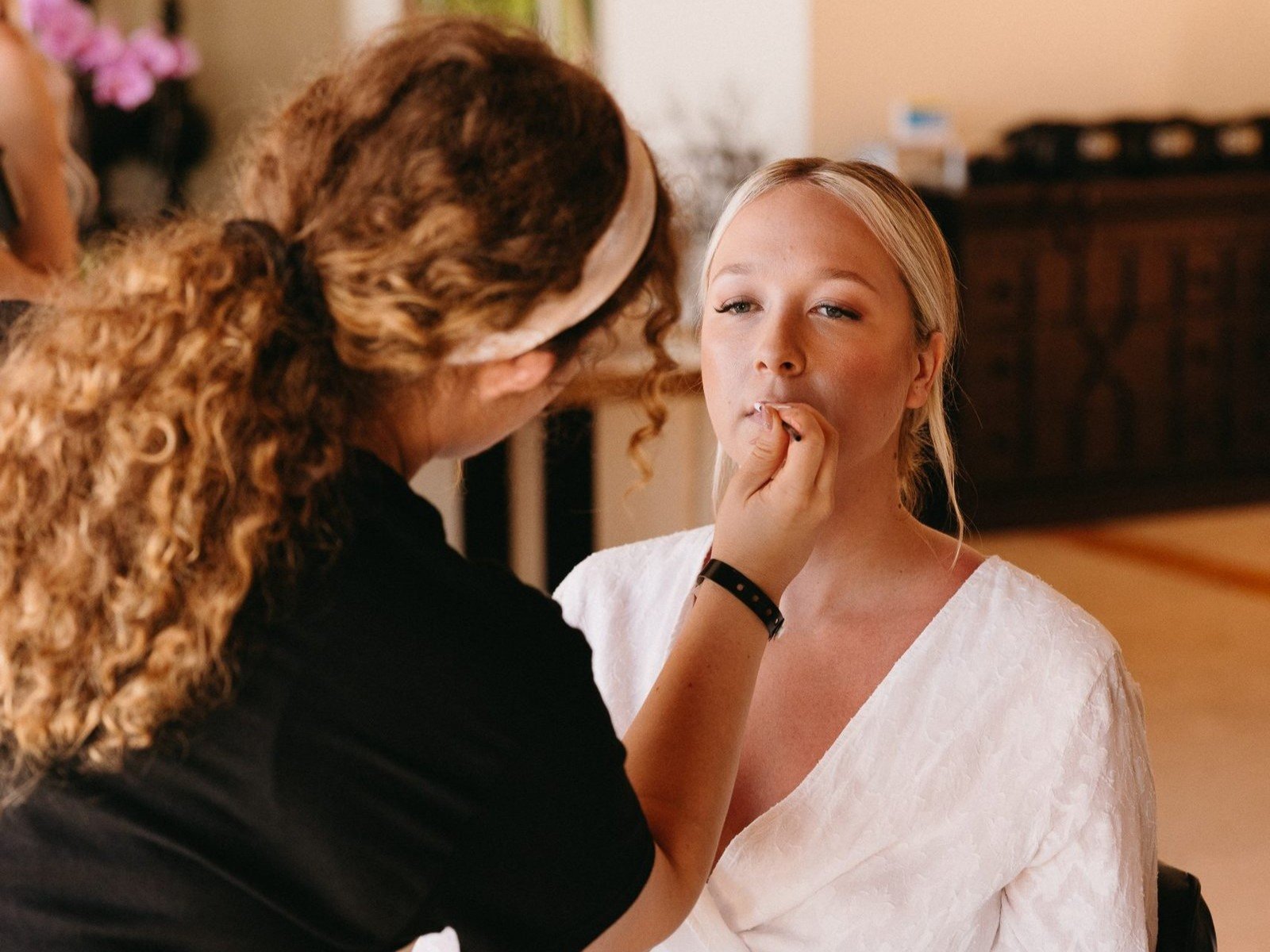
Bluff-top venues, beachfront estates, and harbor-view ceremonies are some of the most beautiful settings Orange County and San Diego have to offer, but they come with a variable a lot of brides don’t think about until the day itself: wind. Between sea breeze, shifting temperatures, and salt air, a coastal ceremony asks more of your makeup than a sheltered indoor venue does. After 11+ years of hands-on bridal work along this coastline, planning around wind is simply part of how I approach any oceanfront wedding.

Quick answer: makeup for a windy coastal ceremony holds up best with proper setting and sealing layers, hair and makeup planned together rather than separately, and extra attention to lips and eyes, which sea air affects first. None of this changes the overall goal, a natural, glowing look that still feels like you. A trial is still the best way to see how it all performs together before the big day. Here’s how it comes together.

How Wind Affects Makeup Application and Wear

Wind does a few things to makeup that stillness doesn’t. It can dry out skin and lips faster, shift hair into the face and onto fresh products, and carry fine salt particles from sea air that interact with makeup over the course of a long day. None of this is dramatic on its own, but combined, it means a coastal ceremony calls for a more deliberate approach to application and setting than an indoor venue would.

This is also where experience with this specific coastline matters. Choosing formulas and techniques that hold up against Southern California’s coastal humidity, ocean air, and wind isn’t generic “long-lasting makeup” marketing, it’s a specific, repeatedly tested skill built from doing this kind of ceremony again and again.

Techniques That Hold Up

Here’s how I build a look that’s meant to handle wind and sea air, not just look good in a still photo.

Setting Spray and Sealing Layers

The final setting and sealing step is what locks a look in place for the day, and it matters even more at a windy coastal venue. Proper layering and sealing help the base, eyes, and lips resist the drying and shifting effects of wind, rather than relying on a single product to do all the work.

Hair-Makeup Coordination in Wind

Wind doesn’t just affect makeup, it affects how hair interacts with makeup throughout the day. If hair is expected to move in the breeze, that’s factored into where products are focused and how the finished look is set, so a few strands blowing across the face during photos doesn’t undo the whole application. Planning hair and makeup together, rather than as two separate services, makes a real difference at oceanfront venues.

Protecting Lips and Eyes From Sea Air

Lips and eyes tend to feel the effects of wind and salt air first, lips from drying out faster, eyes from wind-blown hair or fine particles in the air. Extra attention to hydration and sealing in these areas helps the whole look hold its shape and stay comfortable through a longer outdoor ceremony and reception.

What to Expect at a Coastal Venue

However dramatic the setting, the process on wedding morning stays the same. I arrive with a complete professional setup, including my own lighting and seating, so no venue limits the result, wind or otherwise. From there, it’s skin prep, application, and a setting process built specifically for coastal Southern California conditions rather than a generic approach borrowed from an inland venue.

No formula can promise identical performance for every skin type or every level of wind, which is exactly why a trial matters most for a coastal ceremony. A trial lets us test the look in advance, see how it holds, and adjust anything that needs it, so you’re not learning how your makeup handles wind for the first time on the wedding day itself. The result so many brides describe afterward is the same one I aim for every time, feeling like yourself, but elevated, even with the ocean breeze in your hair.

If you’d like to see real coastal and outdoor bridal looks from Brittany Brown Beauty, take a look at the portfolio, or read more about the experience behind it on the about page. When you’re ready to talk through your own coastal ceremony, reach out through the contact page.

Frequently Asked Questions

1. What’s the best way to prep my skin for bridal makeup for windy coastal ceremonies? 

Good prep starts before the wedding day. Avoiding new skincare products or treatments in the final 10 days before your wedding, keeping a consistent skincare routine for at least four weeks out, and staying well hydrated in the week leading up to the event all help create skin that holds up better against wind and sea air.

2. How long will bridal makeup for windy coastal ceremonies last through the ceremony and reception? 

Longevity depends on skin prep, formula choice, and setting technique working together, and wind is one more variable that’s factored into the plan. A trial is the most reliable way to see how a specific look performs in real coastal conditions before your wedding day.

3. Can bridal makeup for windy coastal ceremonies be adjusted for my specific skin tone or type?

Yes. I choose shade, formula, and technique based on your individual skin, including adjustments for mature skin or other specific concerns, rather than using a single approach for every bride. No formula works identically for all skin types, which is part of why the trial process exists.
Posted on

Questions to Ask During Your Bridal Makeup Trial

during your bridal makeup trial

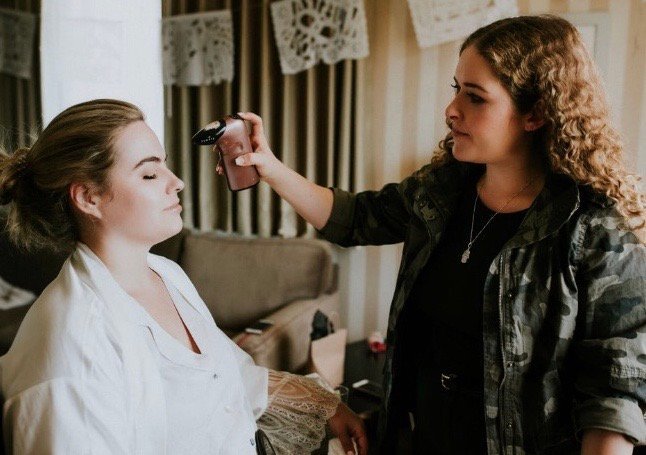
A bridal makeup trial isn’t just about seeing a look on your face for the first time. It’s a working session, and one of the few chances you’ll have before the wedding day to ask real questions, test something, and adjust it if it’s not quite right. After 11+ years of doing bridal trials, I can say the brides who get the most out of theirs are usually the ones who come in with a few specific questions, not just a Pinterest board.

Quick answer: the most useful trial questions cover longevity, the products being used on your skin, and day-of logistics like timing and touch-ups. Bringing these up during the trial, not the morning of the wedding, gives your artist time to actually adjust the plan if something needs to change. Here’s what’s worth asking, and why.

Why the Trial Is Your Chance to Ask, Not Just Look

It’s easy to treat a trial as a photo opportunity, something to snap a picture of and compare to your inspiration board. But the real value of a trial is that it’s interactive. It’s the appointment where I test products directly on your skin, make adjustments in real time, and discuss any sensitivities, reactions, or recent treatments openly before they matter on the wedding day itself. If you only watch and don’t ask questions, you miss most of what a trial is actually for.

Coming in with a short list of questions helps make sure you cover everything important in the moment, especially if you’re nervous or excited and forget what you meant to bring up.

Key Questions to Bring

Here are the categories worth covering during your trial appointment.

About Longevity and Touch-Ups

Ask how the look will hold up over the course of your specific day, especially if you’re getting married outdoors or somewhere with coastal humidity, sea air, or wind. It’s also worth asking what kind of touch-ups you might need between the ceremony and reception, and what I provide versus what you might want to bring yourself.

About Products Used

Ask what products your artist plans to apply to your skin, particularly if you have known sensitivities or have had a reaction to a product in the past. This is exactly the kind of thing your artist should ask you about too, since sensitivity and recent-treatment disclosure are a standard part of the trial process. If you’ve had any facials, peels, or other treatments recently, mention them, even if your artist doesn’t bring them up directly.

About Day-Of Logistics

Ask how the timeline typically works on wedding morning, including roughly how long your application will take, when the artist plans to arrive, and how the artist coordinates things if you have a bridal party getting ready alongside you. Understanding the flow ahead of time makes the actual morning feel far less rushed.

What Good Answers Sound Like

A good answer to a longevity question should sound specific to your day, not a generic “it’ll last.” A good answer about products should be honest about what’s being used and open to adjusting if something doesn’t feel right on your skin. And a good answer about logistics should give you an actual sense of timing, not a vague reassurance. If an answer feels rushed or unclear, the trial is exactly the right moment to ask for a follow-up, not the wedding morning.

In the days and weeks around your trial, it’s also worth following some general prep guidance: avoid introducing new skincare products or treatments in the final 10 days before your wedding, keep a consistent skincare routine going for at least four weeks out, and stay well hydrated in the week leading up to the event, especially if it’s summer. None of this is medical advice, it’s simply practical prep that helps your skin hold makeup well and reduces the chance of an unexpected reaction close to the date.

If you’d like to see real trial and wedding-day results, take a look at the portfolio, or read more about the experience behind the process on the about page. When you’re ready to book your own trial, reach out through the contact page.

Frequently Asked Questions

1. When should I start prepping for your bridal makeup trial? 

A good rule of thumb is to start a consistent skincare routine at least four weeks before your trial or wedding, whichever comes first, and to stay hydrated in the week leading up to either appointment, especially during summer months.

2. What should I avoid in the days leading up to my wedding? 

Avoid trying new skincare products or treatments in the final 10 days before your wedding. This includes new facials, peels, or products you haven’t used before, since introducing something unfamiliar close to the date increases the chance of an unexpected skin reaction.

3. What should I bring up with my artist about during your bridal makeup trial? 

Mention any skin sensitivities, past reactions, or recent treatments, even if you’re not asked directly. Also bring up longevity concerns specific to your venue, questions about the products I use, and any timing or logistics questions about your wedding morning, so we can address everything before the day itself.

Posted on

How Many Bridal Trials Do You Actually Need

How Many Bridal Trials Do You Actually Need

One of the most common questions that comes up early in wedding planning is simple on the surface but harder to answer in a generic way: how many bridal trials do you actually need? The honest answer depends on your skin, your look, and how confident you feel walking out of that first session, but there’s a clear framework for making the decision instead of guessing.

Brittany Brown has run bridal trials for more than 11 years across Orange County and San Diego, and in that time a consistent pattern has held true. Most brides need one trial. Some benefit from a second. Very few need more than that, and when they do, it’s usually for a specific reason rather than general uncertainty.

Why One Trial Is Usually Enough

A single trial, done well, covers more ground than most brides expect. It’s where shade matching gets confirmed, where a bride can see how a look photographs versus how it looks in person, and where any skin sensitivities get discussed upfront so the right products are chosen from the start. That sensitive disclosure conversation matters as much as the makeup itself, since it shapes every product decision that follows, both at the trial and on the wedding day.

For most brides, one trial done with enough time before the wedding, ideally a few months out rather than the final weeks, is enough to lock in a formula, a finish, and a look that feels right. It also gives time to build a simple pre-wedding skin routine around what worked, typically a consistent 4-week routine leading into the wedding day, so the skin is in its best, most predictable state by the time makeup goes on.

When a Second Trial Might Be Worth It

A second trial tends to make sense in a few specific situations rather than as a default. Changing a major styling decision, a different hair style, a different dress silhouette, or a significant change in skin tone due to a spray tan or seasonal shift, is a common reason to book a follow-up. A second trial is also worth considering if the first one left any part of the look unresolved, whether that’s a lash style, a lip color, or an overall finish that needed more time to settle than one session allowed.

It’s rarely about the artist getting something wrong the first time. More often it’s about giving a bride the chance to see a look, sit with it, and come back with clearer feedback once she’s had time to think it over.

What Additional Trials Typically Cost and Involve

Additional trials typically have a separate price because each session requires the same time, products, and attention as an initial trial rather than a quick touch-up. What a second or third trial involves depends on the changes the bride wants to make. Sometimes it’s a full redo with a new direction entirely, and sometimes it’s a shorter, more targeted session focused on one or two specific elements from the first trial, like adjusting a highlight placement or trying a different lip finish.

The specifics, cost, timing, and what’s included, are best confirmed directly, since they can vary based on how far out the wedding is and what’s being adjusted.

How to Decide What’s Right for You

A useful way to think about it: if you leave your first trial feeling confident and only want to tweak a few small details, you likely don’t need a second one. Your makeup artist can usually note those adjustments and apply them on your wedding day. If you still feel unsure, can’t decide between two directions, or plan a major styling change after the trial, a second session is worth the investment.

One detail that applies no matter how many trials you book: avoid introducing new skincare or beauty products in the final 10 days before the wedding. Even products that have worked well for years can behave differently when paired with something new, and the final stretch before the wedding isn’t the time to find that out. Keeping the routine steady and familiar in those last 10 days protects the work done in the trial and gives the wedding-day makeup the most predictable base to work with.

Brides working through this decision can look at real trial-to-wedding-day transformations in the portfolio, or read more about Brittany’s approach and background on the About page. If you’re ready to book a first trial or talk through whether a second one makes sense for your situation, reaching out directly is the easiest next step.

Frequently Asked Questions

1. When should I start prepping for how many bridal trials do you actually need? 

Start thinking about it as soon as you book your artist, ideally three to twelve months before the wedding. Booking the first trial with enough lead time, rather than in the final weeks, leaves room for a second trial if one turns out to be worth it, without adding pressure close to the wedding date.

2. What should I avoid in the days leading up to my wedding? 

Avoid trying any new skincare, makeup, or beauty products in the final 10 days before the wedding. Sticking to a familiar, consistent routine, ideally one that’s been in place for about four weeks leading up to the day, keeps the skin predictable and protects the results from the trial.

3. What should I bring up with my artist about how many bridal trials do you actually need? 

Bring up any skin sensitivities, known reactions to specific products, and any major styling changes you’re considering, hair, dress, or tan. This kind of upfront disclosure gives your artist the clearest picture of whether one trial will cover everything or whether a second session makes sense for your specific plans.

Posted on

What to Bring to Your Bridal Makeup Trial

What to Bring to Your Bridal Makeup Trial

A bridal makeup trial gives you one real chance to test your wedding-day look before it counts. Walking in prepared helps your artist understand your skin, your vision, and your day, so the two of you can spend the appointment refining details instead of starting from scratch. A little planning ahead turns your trial from a guessing game into a working session that sets you up with a look you already trust.

At Brittany Brown Beauty, more than 11 years of Orange County bridal makeup experience shape how each trial runs, starting with what a bride brings in and how her skin has been prepping in the weeks before.

Why Preparation Makes Your Trial More Productive

Your artist can only work with what you bring, so preparation directly shapes how useful your trial turns out to be. When you arrive with inspiration photos, sensitivity notes, and a sense of your dress, your artist can skip the guesswork and start building your actual look right away.

Skin prep matters just as much as what you bring in your bag. Brittany Brown Beauty recommends starting a consistent skincare routine about four weeks before your trial, since hydrated, well-prepped skin holds makeup better and photographs more evenly. That same four-week window also gives your skin time to settle if a product doesn’t agree with it, well before your trial or your wedding day.

In the final 10 days before your trial or your wedding, avoid introducing any new skincare or beauty products. New products can trigger unexpected reactions like redness, breakouts, or sensitivity, and your artist needs to see your skin’s true baseline, not the effects of something you tried once.

What to Bring

Inspiration Photos

Bring a handful of photos that capture the look you want, whether you save them from Pinterest, Instagram, or magazines. Include a mix of full-face looks and close-up detail shots, since eyes, lips, and overall finish often come from different references. Photos give your artist a shared visual language, so you spend your trial adjusting a real starting point instead of describing an idea from scratch.

If you feel unsure about your exact style, bring a range of photos anyway. Seeing what you gravitate toward, and what you rule out, helps your artist narrow down your preferences just as effectively as a single clear reference would.

Your Dress or a Photo of It

Your dress sets the tone for your whole look, so bring it or a clear photo of it if you can. Neckline, fabric, and embellishments all influence how your artist balances your makeup, from how dramatic your eyes should look to how your skin should shine or stay matte.

If your dress lives at a bridal salon and traveling with it isn’t realistic, a few clear photos from different angles work well as a substitute. Your artist mainly needs to see color, formality, and overall style to build a cohesive look around it.

Any Skincare or Sensitivity Notes

Come ready to share your skin type, any known allergies, and any products or ingredients that have caused irritation in the past. Brittany Brown Beauty asks every bride to complete a sensitivity disclosure before her trial, so your artist can choose products that suit your skin from the very first application.

Mention any skin concerns you’re currently managing too, like dryness, redness, or breakouts, since these all shape which products and techniques your artist reaches for. The clearer your notes, the fewer surprises you’ll run into on your actual wedding day.

What Not to Worry About Bringing

Brides sometimes feel like they need to arrive with a long list of products, tools, or backup makeup, but a trial doesn’t require any of that. Your artist brings a full kit built to handle a wide range of skin types and tones, so you don’t need to supply foundation shades, brushes, or specific brands.

You also don’t need a finalized hairstyle or a complete vision for your whole wedding-day look before you walk in. Your trial exists precisely to help you figure those details out, so an open mind about color, finish, and overall style often serves you better than a rigid plan.

Skip bringing heavy makeup on the day of your trial. Your artist can see your skin’s natural texture and tone more clearly when you arrive with a clean or lightly made-up face, which makes it easier to build your look accurately from the start.

Ready to book your trial? Explore the portfolio for inspiration, learn more about Brittany Brown Beauty’s approach to bridal makeup, or contact the team directly to schedule your appointment.

Frequently Asked Questions

1. When should I start prepping for what to bring to your bridal makeup trial? 

Start gathering inspiration photos and thinking about your dress a few weeks before your appointment, but begin your skincare routine earlier, about four weeks out, so your skin has time to settle into a consistent routine before your trial.

2. What should I avoid in the days leading up to my wedding? 

Avoid trying any new skincare or beauty products in the final 10 days before your wedding. New products can cause unexpected reactions, and your artist needs your skin to reflect its true, consistent baseline on the big day, not the effects of something untested.

3. What should I bring up with my artist about what to bring to your bridal makeup trial? 

Mention any skin sensitivities, allergies, or products that have caused irritation in the past, along with any specific concerns like dryness or breakouts. Sharing this information upfront, alongside your sensitivity disclosure, helps your artist choose the right products and techniques for your skin from your very first trial.

Posted on

Bridal Makeup Artist in Irvine, CA: What Brides Should Know Before Booking

Bridal makeup artist in Irvine CA creating a natural wedding makeup look


Choosing the right bridal makeup artist in Irvine, CA is an important part of wedding planning. Your makeup should enhance your natural features, complement your wedding style, look beautiful in photographs, and remain comfortable throughout the celebration.

Before booking an artist, it helps to know what to review, which questions to ask, and how to prepare for your appointment.

Review the Artist’s Bridal Makeup Experience

Bridal makeup is different from everyday or special-event makeup. It must look polished in person, photograph well under different lighting conditions, and remain fresh for several hours.

Review the artist’s work before making a decision. The Brittany Brown Beauty portfolio provides examples of different bridal looks and makeup styles.

Look for results that match your preferred style, such as:

  • Soft and natural makeup
  • Classic bridal makeup
  • Modern soft glam
  • Defined eyes with neutral lips
  • Full-glam wedding makeup

A strong portfolio should show consistent work across different skin tones, face shapes, and bridal styles.

Choose a Bridal Look That Feels Like You

Your wedding makeup should help you feel confident without making you feel unlike yourself.

Some brides prefer fresh, natural-looking makeup. Others want more definition through contouring, lashes, eye makeup, or a stronger lip color.

Share inspiration photographs with your artist, but remain open to professional recommendations. Your selected look should complement your:

  • Skin tone
  • Face shape
  • Wedding dress
  • Hairstyle
  • Venue
  • Wedding theme

Brides who are still deciding between different finishes can read the guide to dewy vs. matte bridal makeup.

Schedule a Bridal Makeup Trial

A makeup trial gives you the opportunity to test your desired look before the wedding day.

During the appointment, the artist can evaluate your skin, understand your preferences, and test different products. You can also compare foundation finishes, eye makeup, lashes, and lip colors.

The guide explaining what happens during a bridal makeup trial can help you prepare for the appointment.

After the trial, wear the makeup for several hours. Review how it looks in:

  • Natural daylight
  • Indoor lighting
  • Flash photography
  • Phone photographs
  • Professional-style photographs

Communicate any requested changes before the wedding day.

Ask the Right Questions Before Booking

A consultation gives you an opportunity to understand the artist’s experience, services, pricing, and policies.

Important questions may include:

  • Do you specialize in bridal makeup?
  • Can you work with my skin type?
  • Is a bridal trial included?
  • Do you provide on-location services?
  • Can you accommodate my bridal party?
  • Which products and lashes are included?
  • How much time is required for each person?
  • Are there travel or early-start fees?

The article about what to ask your bridal makeup artist before booking provides additional questions to consider.

Understand What the Bridal Package Includes

Bridal packages can vary between makeup artists. Confirm exactly what is included before paying a deposit.

Ask whether your package covers:

  • Bridal makeup trial
  • Wedding-day makeup
  • Skin preparation
  • False lashes
  • Touch-up products
  • Travel to the venue
  • Bridesmaid makeup
  • Makeup for family members
  • Additional artist support
  • Early-morning appointments

Clear pricing and service details can help prevent unexpected costs later.

Book Early and Confirm Availability

Popular bridal makeup artists may receive bookings several months in advance. Spring, summer, and early fall wedding dates often fill quickly.

Once you select an artist, confirm the:

  • Wedding date
  • Appointment start time
  • Getting-ready location
  • Number of services
  • Bridal party size
  • Travel requirements
  • Estimated completion time

The makeup schedule should coordinate with your hairstylist, photographer, planner, and transportation arrangements.

Discuss Your Skin Type and Product Preferences

Tell your makeup artist about your skin type and any concerns that may affect product selection.

These may include:

  • Dryness
  • Oiliness
  • Sensitivity
  • Acne
  • Allergies
  • Product reactions
  • Recent skincare treatments

You should also mention whether you prefer vegan, cruelty-free, fragrance-free, or specific cosmetic products.

Providing this information early helps the artist select appropriate products and create a comfortable finish.

Consider Your Irvine Venue and Wedding Weather

Irvine weddings may take place in hotels, gardens, private estates, outdoor spaces, or nearby coastal venues.

The season, temperature, lighting, and location can affect how makeup looks and wears throughout the day.

An outdoor ceremony may require lightweight, waterproof, and heat-resistant products. An evening reception may benefit from slightly stronger definition so the makeup remains visible under lower lighting.

Brides planning an outdoor celebration can review these outdoor wedding makeup tips for heat and humidity.

Ask How the Makeup Will Last

Wedding makeup should remain polished through photographs, emotional moments, dining, warm weather, and dancing.

Professional artists may use:

  • Skin-preparation products
  • Long-wear foundation
  • Waterproof eye makeup
  • Setting powder
  • Setting spray
  • Layered application techniques

The article on how bridal makeup lasts throughout the wedding day explains the techniques used to support longer wear.

Ask whether your artist provides a small touch-up product for lipstick, powder, or other areas that may need refreshing.

Review the Booking Policies

Read the booking terms before confirming your appointment.

Review the policies covering:

  • Deposits
  • Final payments
  • Cancellations
  • Rescheduling
  • Travel charges
  • Service minimums
  • Late arrivals
  • Early start times

A written agreement should clearly explain the scheduled services, location, timing, and total cost.

Prepare Your Skin Before the Wedding

Well-prepared skin can help makeup look smoother and last longer.

Follow a consistent skincare routine in the weeks before your wedding. Avoid introducing strong or unfamiliar products immediately before the event because they may cause irritation, dryness, or breakouts.

Your makeup artist may also provide preparation instructions based on your skin type.

Visit the bridal beauty resources for additional skincare, makeup, and wedding preparation guides.

Prepare for the Wedding-Day Appointment

Wear a robe, button-down shirt, or another top that can be removed without disturbing your completed makeup or hairstyle.

Keep your inspiration photographs, accessories, dress details, and wedding colors nearby for reference.

Allow enough time for:

  • Makeup application
  • Final adjustments
  • Getting dressed
  • Bridal portraits
  • Unexpected delays

A well-planned schedule can create a calmer and more enjoyable wedding morning.

Book a Bridal Makeup Artist in Irvine, CA

The right makeup artist can help you feel confident, comfortable, and camera-ready throughout your wedding day.

Reviewing the artist’s portfolio, scheduling a trial, discussing your preferences, and confirming all service details can make the booking process easier.

Brittany Brown Beauty provides professional bridal makeup services for brides in Irvine and surrounding Orange County communities. Each look is personalized around the bride’s features, skin type, wedding setting, and preferred style.

Explore bridal makeup services in Orange County or contact Brittany Brown Beauty to discuss availability for your wedding date.