Posted on

Corrective Makeup for Scarring and Hyperpigmentation

corrective makeup for scarring and hyperpigmentation

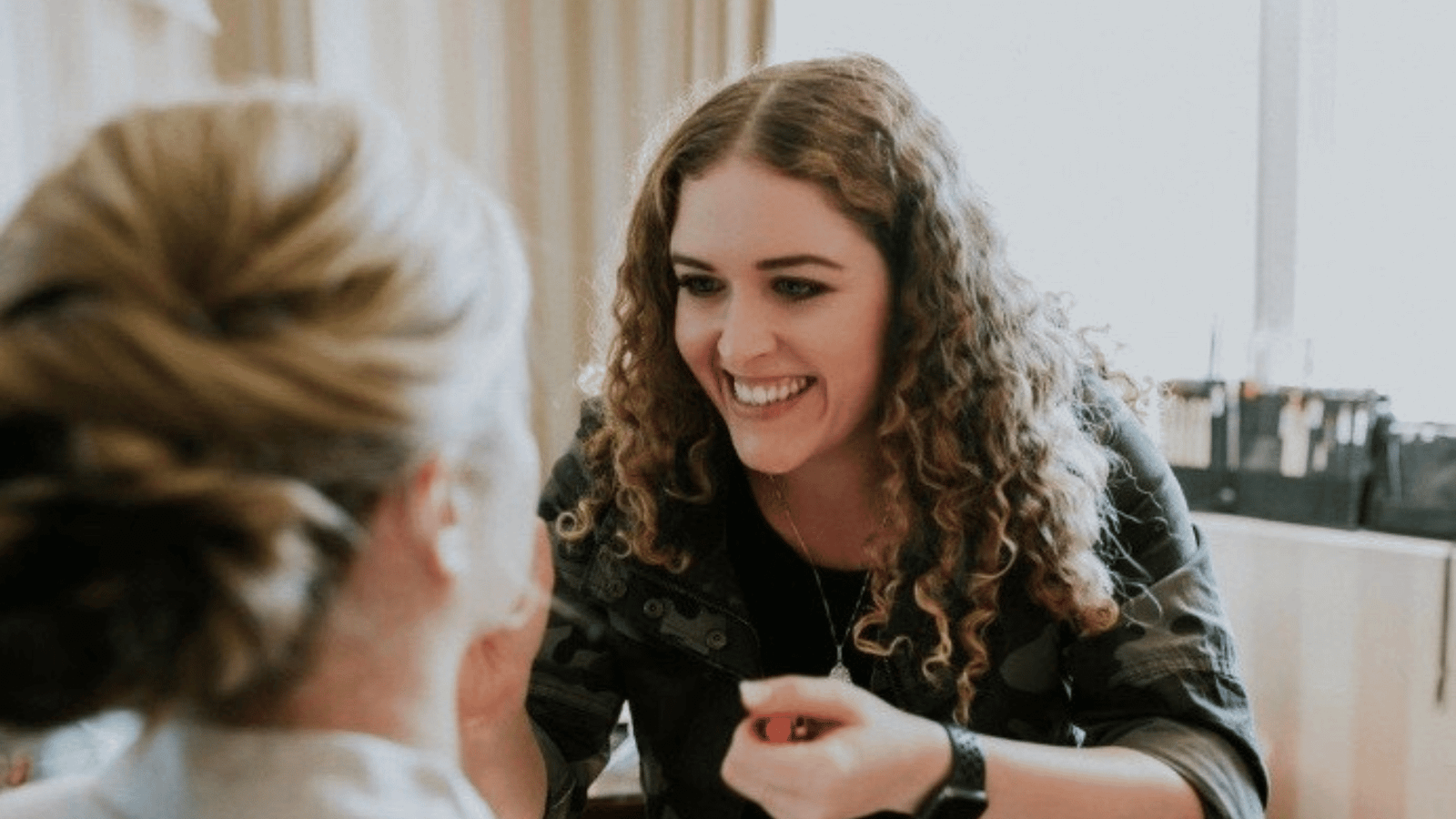
Every bride, mother of the bride, and client I sit down with has different skin, and I mean that beyond just tone or type. Scarring, hyperpigmentation, redness, and uneven texture are all things I work with regularly, and they’re areas I genuinely enjoy working in. Corrective beauty makeup comes naturally to me, I don’t have to think about it, I just do it. It’s one of the parts of this work that feels most rewarding.

Quick answer: corrective makeup for scarring and hyperpigmentation is a technique-based approach, built on color theory, layering, and setting, that visually evens out tone and texture for the day without masking your natural features. It’s not a medical treatment and it doesn’t change your skin permanently, it’s about how light and color are managed on the surface for however long your event lasts. Here’s how the process actually works.

What Corrective Makeup Actually Means

Corrective makeup isn’t about covering skin up or hiding it under layers of heavy product. It’s a more deliberate, technique-driven approach to evening out visible tone and texture, things like scarring, hyperpigmentation, redness, or discoloration, so the skin looks smooth and balanced in person and in photos. Little subtle changes on the skin can be very powerful, and that’s really the guiding idea behind corrective work: small, precise adjustments rather than broad, heavy coverage.

This is also where the enhance, don’t mask philosophy applies directly. The goal is never to erase who you are or flatten your natural features. It’s to bring balance to the skin so your features, not the areas you’re self-conscious about, are what stand out.

How Correction Works

Corrective makeup relies on a specific set of techniques, not just a heavier hand with foundation.

Color-Correcting Theory Basics

Color correction uses the color wheel to neutralize specific tones before foundation goes on. Certain shades are used to counteract redness, others to soften darker discoloration or hyperpigmentation, depending on what the skin actually needs. This step happens before base makeup, not instead of it, and it’s what allows the final coverage to stay lighter overall.

Layering for Even Coverage Without Heaviness

Once I neutralize the skin tone, I build coverage in thin layers rather than applying it all at once in a thick single pass. This keeps the final result looking like skin, not like a mask, while still achieving even, balanced coverage over scarring or uneven pigmentation. I use layering to create precise coverage, concentrating product only where it’s actually needed instead of applying it uniformly across the whole face.

Setting to Prevent Breakthrough

The final step is setting the work so it holds through the day, without discoloration or redness breaking back through as hours pass. This matters especially for long events like weddings, where makeup needs to look consistent from getting-ready photos through the reception, not just in the first hour.

Why This Is One of Brittany’s Named Specialties

Corrective beauty makeup is one of my named specialties, alongside bridal, print, and mature-skin makeup, and it’s an area I’ve built real depth in over 11+ years of hands-on bridal and print work. I also love to do mature makeup. I love to make moms, aunts, grandmas, and everyone in between feel beautiful and special too. Formulas and techniques that work beautifully on younger skin don’t always translate the same way to more mature complexions, and corrective work for scarring or hyperpigmentation often overlaps with that same skill set, adjusting technique to what a specific client’s skin actually needs rather than defaulting to one approach for everyone.

If you’d like to see how Brittany Brown Beauty approaches this kind of work, take a look at the portfolio, or read more about the background behind it on the about page. When you’re ready to talk through your own skin and what you’re hoping for, reach out through the contact page.

Frequently Asked Questions

1. How is corrective makeup for scarring and hyperpigmentation different from standard bridal makeup? 

Standard bridal makeup focuses on an overall look built around skin, dress, and venue. Corrective makeup adds a specific technical layer to that process, using color-correcting theory and precise layering to address particular areas of concern like scarring or hyperpigmentation, so the artist targets coverage instead of applying it uniformly.

2. What products work best for corrective makeup for scarring and hyperpigmentation? 

The right approach depends entirely on the individual’s skin, the type of discoloration or scarring, and the client’s skin type. Rather than relying on a single product recommendation that works for everyone, I assess your needs in person, since what works well for one skin concern may not be the right choice for another.

3. How far in advance should I book a trial for corrective makeup for scarring and hyperpigmentation? 

A trial is especially valuable for corrective work, since it’s the appointment where I test color correction and layering directly on your skin and adjust the approach as needed. Reaching out as soon as you confirm your date is the best way to make sure there’s time for a proper trial before the event itself.

Posted on

Choosing the Right Foundation Shade for Your Wedding Day

right foundation shade for your wedding day

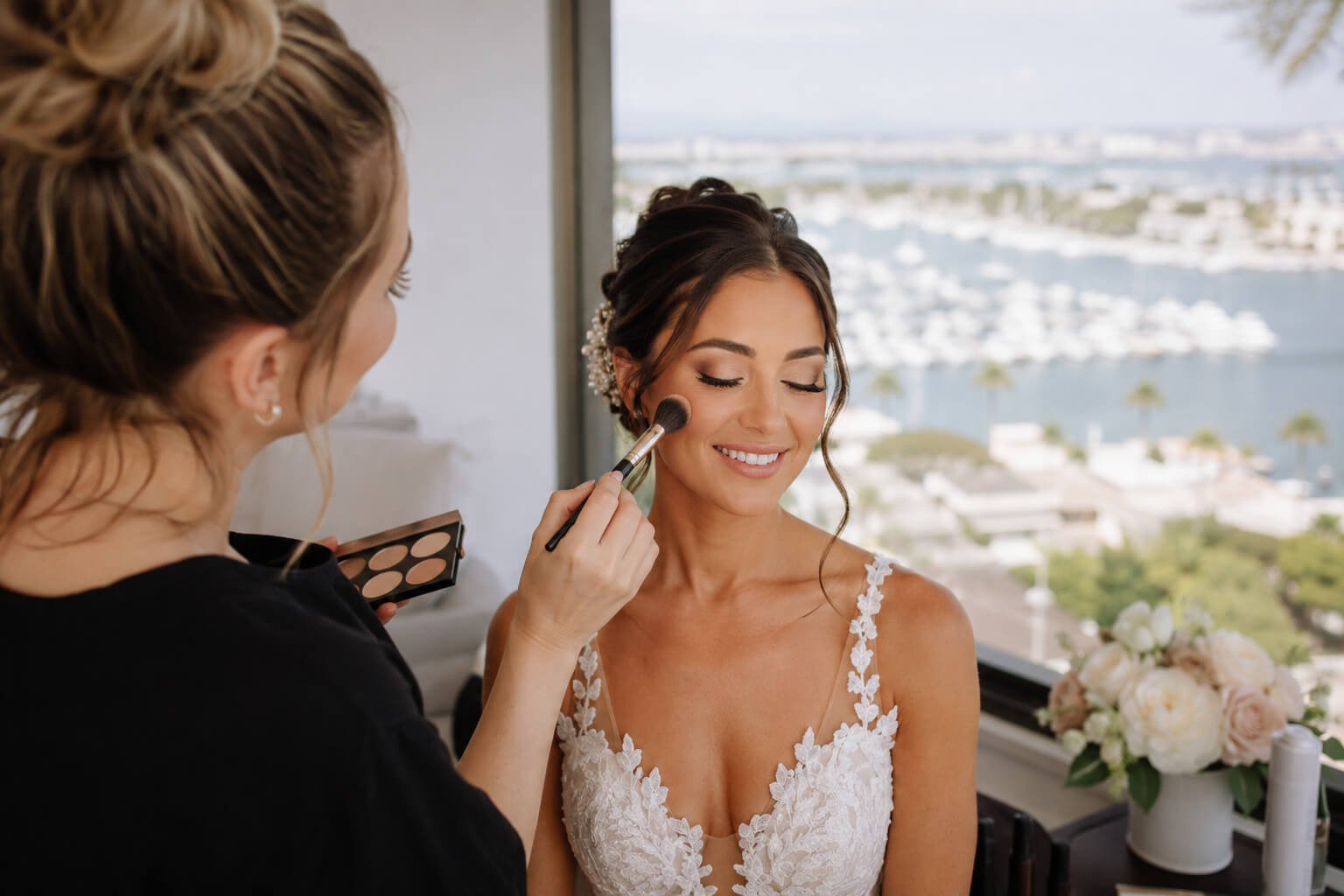
Of all the small decisions that go into your wedding-day makeup, foundation shade might be the one with the biggest impact and the easiest to get wrong if it’s rushed. I’ve been doing bridal makeup for 11+ years now, and shade-matching is one of those things that looks simple until you’re standing in a dim bathroom mirror the morning of, trying to decide if a color reads right. It deserves more care than that, and it’s a big part of why I build shade confirmation into the process well before the wedding day itself.

My approach to foundation has always come back to the same philosophy: enhance, don’t mask. The right shade isn’t the one that changes how you look, it’s the one that disappears into your skin so completely that people just see you, glowing, on one of the most photographed days of your life. That’s the “like yourself, but elevated” feeling so many brides describe after their wedding and it starts with getting the shade right, not with piling on more product.

Why Wedding-Day Lighting Changes Shade-Matching

A shade that looks perfect under one type of lighting can look noticeably different under another. Store lighting, bathroom lighting, and phone-camera flash all render color differently than natural daylight, and natural daylight is what most photographers use throughout your wedding day, whether they’re capturing golden-hour portraits at Crystal Cove, harbor views in Newport Beach, or bright coastal scenes in San Diego.

That’s why I don’t rely on a quick shade match under artificial lighting. Instead, I check your foundation in natural daylight and, whenever possible, under lighting that closely matches your wedding day. That approach ensures the shade looks natural both in person and in your wedding photos.

How to Test and Confirm Your Shade

Getting the shade right isn’t about guessing at a bottle, it’s a process, and it’s one I go through carefully with every bride.

Testing in Natural Daylight

The most reliable way to confirm a shade is to apply a small amount along the jawline and blend it into the neck, then step into natural daylight near a window or outdoors to see how it actually reads against your skin. Artificial lighting can shift how warm, cool, or deep a shade appears, so daylight is the closest thing to a preview of how it will look in your ceremony and reception photos.

Checking Undertone, Not Just Depth

Depth (how light or dark a shade is) is only half the equation. Undertone whether your skin leans warm, cool, or neutral matters just as much, and it’s often where shade-matching goes wrong. A foundation can be the right depth and still look slightly off if the undertone doesn’t match, sometimes reading gray, orange, or pink against your natural skin. Part of what comes from years of hands-on bridal work is being able to spot that mismatch quickly and adjust, rather than defaulting to whatever depth looks “close enough.”

Why This Matters at Your Trial

This is exactly why I strongly recommend a bridal trial before the wedding day. A trial gives us the chance to test shade and formula directly on your skin, in real lighting, with time to adjust if something isn’t quite right instead of discovering an issue the morning of. It also gives us a chance to talk through any skin sensitivities or recent treatments, so the whole look is built around what your skin actually needs, not a guess. A trial isn’t about assuming something will go wrong; it’s about making sure nothing has to be figured out last-minute on a day that’s already full enough.

What Happens If Your Skin Tone Shifts Before the Wedding

It’s common for skin tone to shift a little between your trial and your wedding day a summer tan, more sun exposure, or even seasonal changes in skin can all play a role. This is one of the reasons I like to stay in touch with brides as the wedding date gets closer, especially if there’s been a noticeable change since the trial. If your tone has shifted, we can reassess and adjust the shade accordingly, rather than sticking rigidly to what was tested weeks or months earlier. The goal is always the same: a foundation that matches the skin you actually have on the day itself.

Built to Hold Up, Not Just Look Good at 9 AM

Southern California weddings come with their own conditions: heat, humidity, sea air, and long hours between getting-ready photos and the last dance. Shade matching is only part of the equation. I also apply and set each product to withstand those conditions throughout the day. I want every bride’s makeup to look the same in the reception photos as it did walking down the aisle, so I focus on proper skin prep, the right formulas for the day’s conditions, and a setting process that stands up to the coastal climate of Southern California instead of relying on a generic approach.

If you’d like to see how this comes together, you can browse real bridal looks in the portfolio, or read more about my background on the about page. When you’re ready to talk through your own wedding-day look, reach out through the contact page. I’d love to hear about your plans.

Frequently Asked Questions

1. What’s the best way to prep my skin for the right foundation shade for your wedding day? 

Good shade-matching starts with well-prepped skin. Avoiding new skincare products or treatments in the final 10 days before the wedding, keeping a consistent skincare routine for at least four weeks out, and staying well hydrated in the week leading up to the event all help create a smooth, even canvas for foundation to sit correctly and read true to your natural tone.

2. How long will the right foundation shade for your wedding day last through the ceremony and reception? 

Foundation and shade selection are just one part of longevity proper skin prep, formula choice, and setting techniques suited to Southern California heat and humidity all work together to help your look hold up through the ceremony, photos, and reception. A bridal trial is the best way to see how a specific formula and shade perform on your skin over several hours. 

3. Can the right foundation shade for your wedding day be adjusted for my specific skin tone or type? 

Yes. We select your foundation shade and formula based on your individual skin rather than a fixed package look. We consider your undertone, skin depth, and skin type, then adjust our products and techniques as needed for mature skin or other specific concerns. Every recommendation reflects what works best for your skin instead of following a one-size-fits-all approach.

Posted on

Bridal Makeup at the Resort at Pelican Hill: What to Know

bridal makeup at the resort at pelican hill

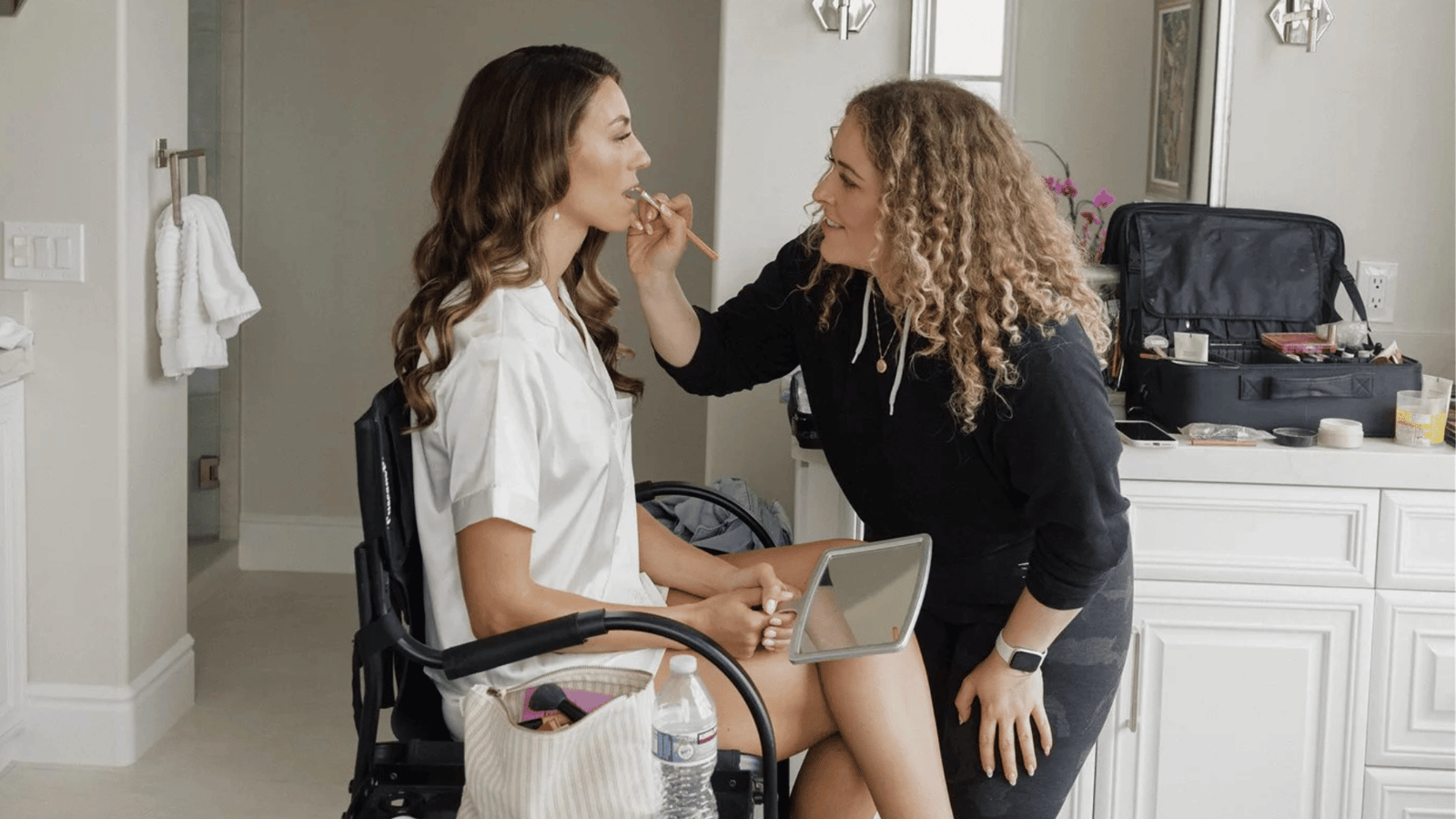
Perched above Newport Coast with sweeping ocean views, Pelican Hill is one of Southern California’s most iconic wedding venues. While the scenery is unforgettable, the coastal setting also creates unique conditions that can influence how bridal makeup wears throughout the day.

With more than 11 years of bridal makeup experience, Brittany Brown understands how coastal venues like Pelican Hill can affect the way makeup wears from the ceremony through the final dance. Here’s what to consider when planning bridal makeup for a Pelican Hill wedding.

What Makes Pelican Hill a Unique Makeup Environment

Pelican Hill is bright. Between the ocean light bouncing off the bluffs and the resort’s airy, sunlit rooms, makeup gets tested in a way it wouldn’t in a dimmer venue.

That brightness is flattering in photos, but it also means makeup needs to hold up under natural daylight, not just under warm indoor lighting. Products that look soft and blended indoors can read differently once a bride steps outside toward the coastline for portraits.

This is one of the reasons a fully mobile setup matters here. Bringing in professional, adjustable lighting means the makeup gets built to match how it will actually look outdoors, not just how it looks under whatever light happens to be in the getting-ready suite.

There’s also a scale factor. Pelican Hill hosts large, formal weddings often enough that timelines involve bigger bridal parties, more photography blocks, and more moving pieces overall. A makeup plan here has to work within that bigger picture, not just for the bride alone.

Planning Around the Venue

Resort Lighting and Room Setup

Getting-ready suites at Pelican Hill are beautiful, but resort lighting is built for ambiance, not makeup application. Overhead fixtures and warm-toned lamps can shift how colors read once a bride is out in daylight.

Because of that, a mobile artist who brings their own lighting setup has a real advantage here. It’s not about convenience alone. It’s about seeing true color and finish while application is happening, so nothing looks off once the bride is outside.

Room layout matters too. Suites at Pelican Hill are spacious, but they’re often shared with bridesmaids, family members, and photographers documenting the morning. A mobile setup that’s compact and self-contained keeps the space workable for everyone, without makeup application competing for room with the rest of the getting-ready timeline.

Coastal Bluff Conditions for Outdoor Portions

Pelican Hill’s bluff-top setting means wind and ocean humidity are part of the day, especially for outdoor ceremonies or bluff portraits. Makeup built for this venue needs to hold through both.

A long-wear, properly set base matters more here than at a fully indoor venue. So does a plan for touch-ups between the ceremony and reception, since coastal air can affect skin differently than an air-conditioned ballroom would.

Wind is worth planning for separately from humidity. Bluff-top ceremony sites can have a steady breeze even on a calm day elsewhere in Orange County. That affects hair more visibly than makeup, but it also means makeup should be able to hold through a bride touching her face, adjusting a veil, or simply being outside longer than planned for photos.

Time of day changes things too. A late-afternoon ceremony facing the ocean means direct light and warmer tones as the sun moves lower, while a midday event calls for makeup that can handle harsher, more direct sun. Knowing the ceremony time in advance helps shape those decisions ahead of the wedding day.

Timeline Considerations for a Resort Wedding

Resort weddings tend to run on a tighter, more layered schedule than backyard or private-estate weddings. Between resort check-in times, photography blocks, and vendor coordination, the makeup timeline needs to fit into a day that isn’t fully in the couple’s control.

Booking early matters for this reason too. Pelican Hill is a popular venue during peak wedding season, and a fully mobile bridal artist needs enough lead time to confirm arrival windows that work with the resort’s own schedule.

It also helps to build in buffer time. Resort weddings often involve valet arrival windows, security check-ins, and coordination with the venue’s own event staff, all of which can shift a morning timeline by 15 or 20 minutes without warning. A makeup schedule with a built-in cushion tends to hold up better than one planned down to the exact minute.

What Brittany Brown Beauty Has Learned Working This Venue

After multiple weddings at Pelican Hill, a few patterns have held true. Natural, luminous finishes photograph better here than heavy matte looks, especially with so much daylight involved. Long-wear setting techniques matter more given the coastal air. And flexibility in timing matters, since resort logistics can shift the schedule even with careful planning.

Working closely with the bridal party’s other vendors has made a difference too. Coordinating with the photographer’s shot list, for example, helps prioritize when the bride’s makeup needs to be fully finished versus when there’s still room for last touches. That kind of coordination tends to matter more at a venue with as many moving parts as Pelican Hill.

None of this changes the core approach. It’s still about enhancing what’s already there, not building a different face for the venue. It just means accounting for light, air, and timeline in a way that’s specific to Pelican Hill.

For brides curious what this looks like in practice, the portfolio includes looks built for coastal Orange County venues like this one. To talk through a specific wedding date, reaching out directly is the best next step.

Frequently Asked Questions

1. What makes bridal makeup at the Resort at Pelican Hill different from other Orange County venues?

The combination of bright coastal daylight and bluff-top wind and humidity sets it apart from most inland Orange County wedding venues. Makeup needs to be built to hold up outdoors, not just look good in the getting-ready suite.

2. How far in advance should I book for bridal makeup at the Resort at Pelican Hill?

Pelican Hill is a popular venue during peak wedding season, so booking early is worth prioritizing. Earlier booking also allows more time to plan a timeline that works with the resort’s own scheduling.

3. Does the venue affect my makeup or hair plan?

Yes. Lighting, wind, and humidity at a coastal bluff venue like Pelican Hill can all affect how makeup and hair hold up through the day. That’s part of why working with a mobile bridal artist familiar with the venue can be helpful for planning ahead.

Posted on

The Best Bridal Makeup Looks for High-Neck Wedding Dresses

Best Bridal Makeup Looks

High-neck wedding dresses have a quiet kind of drama. Lace collars, illusion necklines, and structured mock-necks draw the eye upward before anything else. That means the makeup has to hold its own against a lot of visual detail happening near the face.

Getting this balance right takes more than picking a pretty look from an inspiration photo. It takes understanding how a high neckline changes the proportions of the whole bridal look, and choosing makeup that works with the dress instead of competing with it.

Brittany Brown has spent more than 11 years building bridal looks around dresses just like this. Her approach comes down to one idea: enhance, don’t mask. The goal is always a bride who looks like herself, just elevated. Here’s how that philosophy plays out specifically for high-neck styles.

Why High Necklines Shift the Makeup Focus Upward

A high neckline covers the collarbone and often part of the neck itself. That’s a lot of skin that would normally draw the eye downward on a strapless or sweetheart gown.

Once that area is covered, the face becomes the main focal point of the entire look. Every detail near it, from brow shape to skin finish to lip color, carries more visual weight than it would with a more open neckline.

This is why makeup for high-neck dresses often needs a slightly different balance than makeup built for other silhouettes. Nothing has to change dramatically. But small decisions, like how much shimmer goes on the eyes or how bold the lip is, matter more here because there’s less going on elsewhere in the frame.

Best Looks to Try

Statement Eyes With a Softer Base

Since the eyes sit closest to a high collar, they’re often the first place worth adding intention. A defined eye, whether that’s a soft smoky effect or a precise winged liner, gives the face a clear focal point that photographs well against the structure of the neckline.

Pairing that with a softer base keeps the whole look from feeling heavy. A luminous, natural-finish foundation lets the eyes stand out without the rest of the face competing for attention.

This combination tends to work especially well with lace or illusion necklines, where there’s already a lot of texture happening near the face. A stronger eye and a softer base keep the makeup from adding even more visual noise on top of that detail.

An Elevated Lip for a Polished Finish

A high neckline often calls for a lip color with a bit more presence than a barely-there nude. This doesn’t mean bold or dark. It means a shade with enough depth to feel intentional, like a rosy mauve, a soft berry, or a warm terracotta, depending on skin tone and overall styling.

The lip becomes a natural finishing point for the whole face when there’s less skin showing elsewhere. A well-chosen lip color pulls the look together and keeps it from feeling unfinished, especially in photos where the neckline is fully visible.

This is also where individual coloring matters most. What reads as elevated on one bride can look completely different on another, which is part of why lip color is one of the details tested and adjusted during a trial.

Balancing a Structured Neckline With Soft Glam

Structured necklines, like mock-necks or high collars with boning, have a formal, tailored quality. Pairing that structure with equally sharp, heavy makeup can feel like too much polish stacked on top of more polish.

Soft glam offers a better balance. Think diffused eyeshadow instead of hard lines, a soft-focus glow instead of full matte, and blush placed to warm the face rather than sculpt it aggressively.

The result feels intentional without fighting the formality of the dress. It’s a look that photographs as elevated, not overdone, which fits the “like yourself, but elevated” feeling most brides are actually looking for.

What to Avoid With High-Neck Styles

A few choices tend to work against high-neck dresses more than they work with them:

  • Heavy contour that competes with the collar. Sharp, sculpted lines near the jaw can feel visually busy next to a structured neckline. A softer contour keeps the focus on the whole face rather than one feature.
  • Overly matte skin under structured necklines. A flat matte finish can look harsh against the texture of lace or beading near the collar. A soft, natural glow tends to feel more cohesive.
  • Skipping a proper trial. High-neck dresses often come with more fabric and detail near the face, so there’s less room for a makeup misstep to go unnoticed. A trial is the time to test how a look holds up and how skin responds to the products used, well before the wedding day itself.

None of these are hard rules. They’re patterns worth being aware of, then adjusting based on the specific dress, skin, and bride.

How Brittany Brown Beauty Approaches This Look

Every high-neck look starts with the dress itself. Details like lace pattern, collar height, and fabric texture all inform decisions about eye intensity, lip color, and finish.

From there, the process leans on Brittany’s enhance, don’t mask philosophy. The goal isn’t to create a dramatically different face. It’s to bring out what’s already there, in a way that photographs beautifully against a more structured silhouette.

A trial appointment is where this comes together. It’s the opportunity to test the full look, check how it holds up over several hours, and make sure the skin responds well to everything used. Brides consistently describe the result the same way: familiar, but elevated. That feeling is the actual goal behind every decision made in the chair.

For anyone curious what this looks like in practice, the portfolio includes a range of bridal looks built around different neckline styles. And for brides ready to talk through their own dress and vision, reaching out directly is the easiest next step.

Frequently Asked Questions

1. What’s the best way to prep my skin for this kind of look? 

Skin prep matters more with high-neck dresses, since the face carries more visual focus. A consistent routine with moisturizer and SPF in the weeks before the wedding gives foundation a smooth, even base to work with. Bigger skincare changes, like a new treatment or product, are best avoided close to the wedding date. Testing everything during a trial helps confirm the skin is ready and responds well to the products chosen.

2. How long will this makeup last through the ceremony and reception?

With the right prep and setting technique, a well-built look can hold through a full day of ceremony, photos, and reception. Wear time depends on factors like skin type, weather, and how the look is set, which is exactly why a trial is so useful. It’s a chance to test the products under real conditions before the wedding day arrives.

3. Can this look be adjusted for my specific skin tone or type?

Yes. Every recommendation here is a starting point, not a fixed formula. Eye intensity, lip shade, and finish are all chosen based on the individual bride during the trial, so the final look fits her coloring and skin needs rather than a generic template.

Posted on

Bridal Makeup for Lace, Satin, and Modern Wedding Dresses

Bride wearing bridal makeup designed to complement lace, satin, and modern wedding dress styles

The right bridal makeup should complement the wedding dress without competing with it. Lace, satin, and modern wedding dresses each create a different visual effect, so the makeup should reflect the fabric, silhouette, neckline, accessories, venue, and overall wedding style.

A romantic lace gown may pair beautifully with softly blended eye makeup, fresh skin, and rose-toned lips. A smooth satin dress may support polished complexion makeup, defined eyes, and a refined lip color. A modern wedding dress may work with clean eyeliner, sculpted cheeks, natural skin, or a stronger statement lip.

Brittany Brown Beauty provides personalized bridal makeup services in Orange County based on the bride’s complexion, features, dress, wedding setting, photography, and preferred level of coverage.

Why the Wedding Dress Matters When Choosing Makeup

The wedding dress is one of the most visually important parts of the bridal look.

Its fabric, shape, detailing, color, and neckline can influence whether the makeup should feel:

  • Natural
  • Romantic
  • Classic
  • Soft glam
  • Full glam
  • Minimal
  • Vintage-inspired
  • Modern
  • Editorial
  • Dramatic

The goal is not to match the makeup to the dress literally. Instead, the makeup should support the same level of formality, softness, structure, and detail.

For example, extremely dramatic makeup may compete with a delicate lace gown. Very minimal makeup may feel less balanced beside a highly structured satin ball gown. A modern minimalist dress may work beautifully with either clean natural makeup or one stronger feature, such as graphic eyeliner or a red lip.

Begin With the Bride’s Personal Style

The wedding dress should guide the makeup, but the bride should still feel recognizable.

Before selecting the final look, consider:

  • How much makeup the bride normally wears
  • Which facial features she prefers to emphasize
  • Whether she likes matte or luminous skin
  • Whether she normally wears eyeliner
  • Her comfort level with false lashes
  • Her preferred foundation coverage
  • Her favorite lip colors
  • The formality of the wedding
  • The wedding photography style

A bride who normally wears minimal makeup may feel uncomfortable with heavy contouring or full smoky eyes. A bride who regularly wears defined makeup may feel unfinished with an extremely sheer application.

The most successful look connects the wedding dress with the bride’s everyday preferences.

Bridal Makeup for Lace Wedding Dresses

Lace wedding dresses often create a romantic, detailed, traditional, or vintage-inspired appearance.

Lace may be:

  • Soft and delicate
  • Bold and graphic
  • Floral
  • Beaded
  • Vintage-inspired
  • Sheer
  • Textured
  • Combined with tulle or chiffon

Because lace already contains visible texture and detail, the makeup should usually feel softly balanced rather than overly sharp.

Suitable makeup choices may include:

  • Natural or satin-finish foundation
  • Softly defined eyebrows
  • Taupe, champagne, rose, or mauve eyeshadow
  • Blended eyeliner
  • Individual or wispy lashes
  • Rose, peach, or dusty-pink blush
  • Soft bronzer
  • Controlled highlighter
  • Nude, rose, mauve, or berry lips

The exact style should also reflect the lace pattern, neckline, dress color, and wedding venue.

Romantic Makeup for Soft Lace Dresses

Soft floral lace often works well with romantic makeup.

A suitable look may include:

  • Lightweight or medium complexion coverage
  • Luminous or satin-finish skin
  • Soft brown eye definition
  • Champagne or rose-gold shimmer
  • Natural-looking lashes
  • Peach or rose blush
  • A rose, mauve, or pink-nude lip

The makeup should feel elegant and polished while allowing the texture of the lace to remain one of the main visual features.

Very harsh contouring, graphic liner, or extremely dark eyeshadow may compete with delicate floral detailing.

Makeup for Structured Lace Gowns

Some lace gowns are more dramatic and structured.

They may include:

  • Corset bodices
  • Fitted silhouettes
  • Defined patterns
  • Long trains
  • High necklines
  • Heavy embellishment

These dresses can support slightly stronger makeup, including:

  • Medium or full coverage
  • Defined brows
  • Soft smoky eyes
  • Fuller lashes
  • Sculpted cheekbones
  • A deeper rose, berry, or neutral lip

The makeup can have more structure while still maintaining soft blending.

Makeup for Vintage-Inspired Lace Dresses

Vintage-inspired lace dresses may suit makeup influenced by a particular period.

Possible choices include:

  • Soft matte or satin skin
  • Defined eyeliner
  • Individual lashes
  • Rose blush
  • Classic red lips
  • Berry lips
  • Champagne or soft brown eyeshadow
  • Carefully shaped brows

The final look should feel inspired by the dress rather than like a costume.

A 1920s-style lace gown may suit softly smoky eyes and a deeper lip, while a 1950s-inspired dress may pair with clean eyeliner and classic red or rose lipstick.

Makeup for Bohemian Lace Dresses

Bohemian lace dresses often feature relaxed silhouettes, flowing sleeves, crochet details, floral patterns, or lightweight fabrics.

A bohemian bridal makeup look may include:

  • Natural skin texture
  • Lightweight foundation
  • Freckles left visible
  • Warm neutral eyeshadow
  • Soft lashes
  • Peach or rose blush
  • Light bronzer
  • Nude, terracotta, peach, or rose lips

The makeup should feel fresh and intentional without becoming overly structured.

This style can work particularly well for beach, garden, estate, woodland, and destination weddings.

Bridal Makeup for Satin Wedding Dresses

Satin wedding dresses have a smooth, polished surface that reflects light.

They often create a classic, elegant, formal, or modern appearance.

Because satin has fewer visible textures than lace, the complexion and makeup details may become more noticeable.

Suitable choices may include:

  • Smooth medium coverage
  • Satin or softly matte foundation
  • Defined brows
  • Neutral or softly smoky eyes
  • Carefully blended contour
  • Polished lashes
  • Rose, mauve, nude, berry, or red lips

The makeup should look clean and refined without appearing overly powdered.

Why Complexion Finish Matters With Satin

Satin reflects light, so excessive facial shine may compete with the dress in photographs.

At the same time, a completely flat matte complexion may feel too severe beside the fabric’s natural sheen.

A satin-finish complexion often creates a balanced result because it provides:

  • Controlled radiance
  • Natural dimension
  • Moderate shine control
  • A polished photographic finish

Brides comparing foundation options can review the guide to dewy vs. matte bridal makeup.

Makeup for a Classic Satin Ball Gown

A satin ball gown often creates a formal and traditional appearance.

It may include:

  • A structured bodice
  • A full skirt
  • A long train
  • A corset
  • A cathedral veil
  • Minimal or detailed embellishment

A balanced makeup look may include:

  • Medium or full complexion coverage
  • Defined eyebrows
  • Neutral or softly smoky eyes
  • Individual or fuller lashes
  • Soft contouring
  • Rose or mauve blush
  • A polished nude, berry, rose, or red lip

The makeup should have enough definition to remain visible in full-length photographs and formal portraits.

Makeup for a Minimal Satin Dress

A simple satin dress may have clean lines, a slip silhouette, a square neckline, thin straps, or minimal embellishment.

Suitable makeup options include:

  • Fresh natural skin
  • Satin-finish complexion
  • Defined brows
  • Clean eyeliner
  • Soft neutral eyes
  • Individual lashes
  • A carefully placed blush
  • A nude, brown, berry, or red lip

A minimalist satin gown can support either understated makeup or one stronger feature.

For example, the bride may choose natural eyes and a red lip, or a nude lip with defined eyeliner.

Makeup for a Fitted Satin Dress

A fitted satin gown often feels sleek, polished, and dramatic.

The makeup may include:

  • Medium complexion coverage
  • Softly sculpted cheekbones
  • Defined eye makeup
  • Individual or wispy lashes
  • Satin or softly matte skin
  • A mauve, nude, berry, or classic red lip

The final look should match the dress’s structure without becoming too heavy.

Bridal Makeup for Modern Wedding Dresses

Modern wedding dresses may feature clean lines, architectural shapes, square necklines, one-shoulder designs, capes, jumpsuits, asymmetrical details, or unconventional silhouettes.

Modern bridal makeup can range from very natural to bold and editorial.

Possible directions include:

  • Clean natural skin
  • Soft-glam complexion
  • Defined eyebrows
  • Minimal neutral eyeshadow
  • Graphic or softly structured eyeliner
  • Sculpted cheeks
  • Individual lashes
  • A nude, brown, berry, or red lip

The makeup should feel deliberate and polished.

Makeup for a Minimalist Modern Dress

A minimalist modern dress may contain very few embellishments.

Because the design is simple, makeup details may become more noticeable.

A suitable look may include:

  • Even natural skin
  • Defined brows
  • Clean eyeliner
  • Natural lashes
  • Soft contour
  • A neutral lip
  • A classic red lip
  • Controlled highlighting

The goal is intentional simplicity rather than an unfinished appearance.

Makeup for an Architectural Wedding Dress

Architectural gowns may include sharp folds, structured shoulders, sculptural skirts, or geometric necklines.

These dresses may support stronger makeup structure, such as:

  • Defined brows
  • Clean eyeliner
  • Sculpted cheeks
  • A satin or matte complexion
  • A polished nude or statement lip

The makeup should reflect the clean design without feeling harsh.

Makeup for a Modern Bridal Jumpsuit

A bridal jumpsuit may create a clean, fashion-forward, or relaxed look.

Suitable makeup options include:

  • Fresh skin with clean eyeliner
  • Soft-glam makeup with a nude lip
  • Defined eyes with natural lashes
  • A sleek complexion with red lipstick
  • Soft contouring with a brown or mauve lip

The hairstyle should also support the outfit, whether the bride chooses a sleek ponytail, bun, waves, or short-hair styling.

Match Makeup to the Dress Neckline

The neckline affects how much attention is placed on the face, neck, shoulders, and chest.

Strapless Dresses

A strapless dress exposes the shoulders, collarbones, upper chest, and neck.

Foundation should blend naturally beyond the jawline when needed.

The look may include:

  • Balanced complexion coverage
  • Defined eyes
  • Visible blush
  • Soft contour
  • A polished lip color

Any body makeup or highlighting should match the face and photograph naturally.

High-Neck Dresses

A high neckline places more visual attention on the face.

The makeup may need slightly more definition through:

  • The eyes
  • Eyebrows
  • Cheeks
  • Lips

A polished complexion and defined eye makeup can help the face remain balanced beside fabric or lace near the neck.

Square-Neck Dresses

Square necklines often feel modern, structured, or vintage-inspired.

They may work well with:

  • Defined brows
  • Clean eyeliner
  • Neutral eyeshadow
  • Soft contouring
  • Satin-finish skin
  • A defined lip color

Off-the-Shoulder Dresses

Off-the-shoulder designs often create a romantic and elegant appearance.

They may pair with:

  • Glowing or satin-finish skin
  • Softly defined eyes
  • Rose, peach, or mauve blush
  • Natural lashes
  • Nude, berry, or rose lips

The face, neck, chest, and shoulders should appear balanced in color.

One-Shoulder Dresses

One-shoulder gowns create an asymmetrical and fashion-focused look.

The makeup may include:

  • Balanced complexion coverage
  • Defined eyes
  • Structured brows
  • Sculpted cheeks
  • A modern nude or statement lip

The hairstyle and makeup should work together to maintain visual balance.

Consider the Color of the Dress

Wedding dresses may be bright white, ivory, cream, champagne, blush, nude, silver, gold, or another color.

Bright White Dresses

Bright white can create strong contrast against the complexion.

Visible blush, accurate foundation matching, and a defined lip can prevent the face from appearing washed out.

Ivory and Cream Dresses

Ivory and cream have warmer undertones.

They may complement:

  • Peach
  • Rose
  • Bronze
  • Champagne
  • Warm brown
  • Soft gold
  • Warm nude lips

Champagne Dresses

Champagne gowns may work well with:

  • Bronze eyeshadow
  • Rose-gold tones
  • Warm blush
  • Soft brown eyeliner
  • Peach, rose, or warm nude lips

Blush Dresses

Blush wedding dresses may suit:

  • Mauve
  • Rose
  • Taupe
  • Champagne
  • Soft brown
  • Berry
  • Pink-nude lips

The makeup should complement the gown without matching its color too closely.

Match Makeup to Dress Embellishments

Dress embellishments can help guide the makeup colors and finish.

Pearl Details

Pearls may pair with:

  • Luminous or satin skin
  • Champagne eyeshadow
  • Soft pink or rose blush
  • Natural lashes
  • Rose or nude lips

Gold Details

Gold embroidery or accessories may complement:

  • Bronze eyeshadow
  • Warm brown
  • Peach blush
  • Terracotta
  • Rose-gold tones
  • Warm nude lips

Silver Details

Silver embellishments may work with:

  • Taupe
  • Mauve
  • Cool brown
  • Soft gray
  • Champagne
  • Rose or berry lips

Crystal or Sequin Details

Reflective embellishments should be balanced with controlled highlighter.

Too much shimmer on the eyes, cheeks, and dress may create competing reflective elements in photographs.

Choose Eye Makeup That Supports the Dress

The eye makeup should reflect the dress’s level of detail and structure.

Suitable bridal eye looks may include:

  • Soft neutral eyes
  • Champagne shimmer
  • Bronze eyeshadow
  • Rose-gold tones
  • Mauve eyeshadow
  • Soft smoky eyes
  • Defined eyeliner
  • Natural lashes
  • Fuller lashes

A simple modern dress may support stronger eyeliner or a softly smoky eye.

A detailed lace gown may feel more balanced with blended neutral eye makeup.

The guide to bridal eye makeup styles can help brides compare natural, soft-glam, and more defined options.

Choose the Right Foundation Coverage

The best foundation coverage depends on the bride’s skin, comfort level, photography, and wedding setting.

Light Coverage

Light coverage may suit brides who:

  • Prefer minimal makeup
  • Want freckles to remain visible
  • Have relatively even skin
  • Feel uncomfortable wearing heavier products

Medium Coverage

Medium coverage can create a polished and even complexion while maintaining a natural appearance.

Full Coverage

Full coverage may help balance visible discoloration, acne marks, or uneven areas.

For a natural result, it should be applied in thin layers rather than one heavy application.

Coordinate Makeup With the Hairstyle

The hairstyle and makeup should feel like parts of the same complete look.

Soft Waves

Soft waves may suit:

  • Romantic lace dresses
  • Natural makeup
  • Soft-glam makeup
  • Warm neutral eyes
  • Rose or nude lips

Sleek Bun

A sleek bun may work with:

  • Satin dresses
  • Modern gowns
  • Defined brows
  • Clean eyeliner
  • Sculpted cheeks
  • A statement lip

Textured Low Bun

A textured low bun may complement:

  • Lace gowns
  • Romantic makeup
  • Soft lashes
  • Satin-finish skin
  • Rose or mauve lips

Polished Ponytail

A polished ponytail may suit:

  • Modern dresses
  • Bridal jumpsuits
  • Square necklines
  • Defined eyes
  • Clean complexion makeup

Select a Lip Color

Lip color should balance the dress, eye makeup, complexion, and overall bridal style.

Popular options include:

  • Pink nude
  • Peach nude
  • Rose
  • Mauve
  • Soft berry
  • Warm brown
  • Muted coral
  • Classic red
  • Deep berry

A lace dress may pair well with rose, mauve, or berry shades.

A satin gown may support a polished nude, rose, berry, or red lip.

A modern dress may work with a neutral brown, muted nude, berry, or statement red.

Very pale lip colors may appear less visible in professional photographs.

Consider the Wedding Venue

The venue should influence both the dress and makeup plan.

Beach Weddings

Lightweight lace, chiffon, satin, and modern dresses may pair with waterproof eye products, controlled shine, and soft lip colors.

Garden Weddings

Romantic lace gowns may work with fresh skin, rose or peach blush, softly defined eyes, and natural lashes.

Hotel Weddings

Formal satin gowns may support soft glam, defined eyes, sculpted cheeks, and polished lips.

Estate Weddings

Lace, satin, and modern gowns can all work at estate venues. The makeup intensity should match the dress and event formality.

Courthouse Weddings

Modern dresses, jumpsuits, and short gowns may pair with clean skin, defined brows, eyeliner, and a modern lip color.

Consider Photography and Lighting

The makeup and dress will be photographed together in different environments.

Photography may include:

  • Natural window light
  • Direct outdoor sunlight
  • Shade
  • Golden-hour portraits
  • Indoor lighting
  • Professional flash
  • Evening reception lighting

Satin and embellished dresses may reflect more light than soft lace or matte fabrics.

The makeup should provide enough facial definition without appearing overly heavy in close-up photographs.

Schedule a Bridal Makeup Trial

A bridal makeup trial allows the bride to see how the makeup works with the dress before the wedding.

Bring:

  • Clear photographs of the dress
  • A close-up of the fabric
  • A picture of the neckline
  • Fabric samples when available
  • Jewelry
  • Veil
  • Hair accessories
  • Bouquet inspiration
  • Hairstyle photographs
  • Makeup inspiration
  • Venue photographs

During the trial, discuss:

  • Foundation coverage
  • Complexion finish
  • Eye makeup
  • Eyeliner
  • Lashes
  • Brow shape
  • Blush
  • Contour
  • Highlighter
  • Lip color
  • Dress fabric
  • Neckline
  • Photography conditions

The guide explaining what happens during a bridal makeup trial can help the bride prepare.

Test the Complete Look

When possible, review the trial makeup with important parts of the bridal look.

Consider how the makeup appears with:

  • The dress color
  • Dress fabric
  • Neckline
  • Jewelry
  • Veil
  • Hairstyle
  • Hair accessories
  • Natural light
  • Indoor lighting
  • Phone photographs
  • Flash photographs

A makeup style that looks attractive by itself may appear different when combined with the dress and accessories.

Common Mistakes to Avoid

Common mistakes may include:

  • Choosing makeup without considering the dress fabric
  • Selecting eye makeup that competes with detailed lace
  • Using excessive highlighter with satin or crystal embellishment
  • Wearing a lip color that disappears beside a bright white dress
  • Ignoring the neckline
  • Using a foundation shade that does not match the body
  • Choosing a trend that does not reflect the bride
  • Testing makeup without dress photographs
  • Skipping the bridal trial
  • Creating a look that does not suit the venue

The complete bridal look should feel coordinated rather than assembled from unrelated ideas.

Questions to Ask the Makeup Artist

Useful questions include:

  • Which makeup style works best with my dress?
  • Should the look be natural, soft glam, or full glam?
  • Which complexion finish suits the fabric?
  • How should the neckline affect the makeup?
  • Which lip colors complement the dress shade?
  • Should my eye makeup be stronger or softer?
  • Will the makeup photograph well with satin or lace?
  • Should the face, neck, and chest be blended?
  • Can I test multiple lip colors?
  • Should I bring my veil and jewelry?
  • Are false lashes included?
  • How long should the complete look last?

Frequently Asked Questions

What makeup works best with a lace wedding dress?

Softly blended eye makeup, natural or satin-finish skin, rose or mauve blush, defined lashes, and a polished neutral or berry lip can complement lace.

What makeup works with a satin wedding dress?

Smooth complexion makeup, defined brows, neutral eyes, controlled highlighting, and a polished nude, rose, berry, or red lip can work well with satin.

What makeup suits a modern wedding dress?

Fresh skin, clean eyeliner, structured brows, sculpted cheeks, individual lashes, and a neutral or statement lip can complement modern dresses.

Should bridal makeup match the dress color?

The makeup should complement the dress rather than copy its color exactly.

Does the neckline affect bridal makeup?

Yes. High necklines place more attention on the face, while strapless and low-neck dresses may require additional attention to blending the neck, chest, and shoulders.

Should makeup be stronger with a formal satin gown?

A formal satin gown may support more eye, cheek, or lip definition, but the final intensity should still reflect the bride’s comfort and preferences.

Should I bring my wedding dress photos to the trial?

Yes. Bring clear photographs of the full dress, neckline, fabric, color, and embellishments.

Can red lipstick work with lace or satin?

Yes. Red lipstick can complement vintage lace, classic satin, minimalist gowns, and modern dresses when it suits the bride’s style.

Book Bridal Makeup for Your Wedding Dress

Bridal makeup for a wedding dress should enhance the bride’s features while supporting the gown’s fabric, neckline, color, embellishments, venue, and photography.

Brittany Brown Beauty creates personalized bridal looks for lace, satin, modern, and other wedding-dress styles throughout Orange County.

Explore the bridal hair and makeup portfolio to view real bridal looks, or contact Brittany Brown Beauty to discuss the wedding date, dress style, venue, and preferred makeup look.

Posted on

How to Choose Bridal Makeup for Your Wedding Dress Style

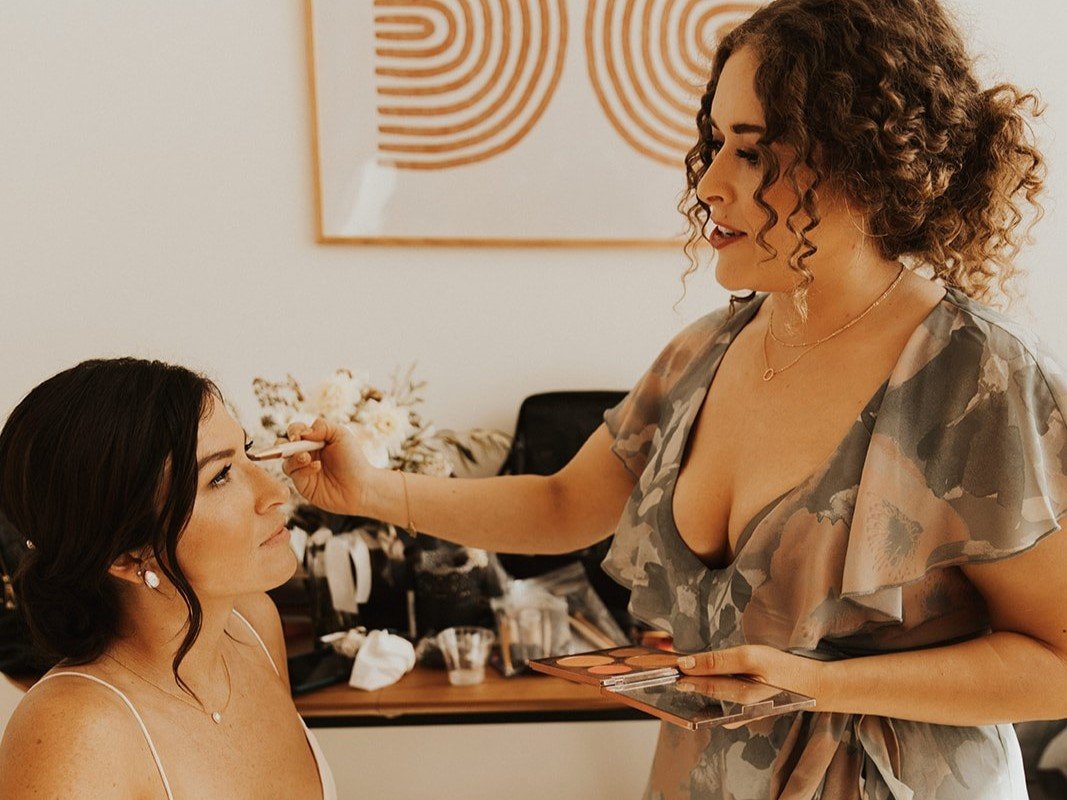
Bride with elegant bridal makeup matched to her wedding dress style for a timeless wedding day look

Choosing bridal makeup is not only about selecting colors that look attractive. The makeup should complement the wedding dress, hairstyle, accessories, venue, photography, and the bride’s personal style.

A simple wedding dress may pair beautifully with natural or softly polished makeup, while a structured satin gown may support more defined eyes, sculpted cheeks, or a classic lip. A romantic lace dress may suit softer colors and glowing skin, while a modern minimalist gown may work with clean lines and carefully balanced makeup.

Brittany Brown Beauty provides personalized bridal makeup services in Orange County based on the bride’s features, skin type, dress, wedding setting, and preferred level of coverage.

Why the Wedding Dress Should Influence Bridal Makeup

The wedding dress creates the main visual direction for the complete bridal look.

Its fabric, neckline, structure, color, embellishment, and overall style can influence whether the makeup should feel:

  • Natural
  • Romantic
  • Classic
  • Modern
  • Soft glam
  • Full glam
  • Vintage-inspired
  • Minimal
  • Dramatic
  • Fashion-forward

The makeup should not compete with the dress. It should help create balance between the bride’s face, clothing, hairstyle, jewelry, and accessories.

Start With Your Personal Makeup Style

The wedding dress is important, but the bride should still feel recognizable.

A bride who normally wears minimal makeup may feel uncomfortable with heavy contouring, dark smoky eyes, or very full lashes. A bride who regularly wears defined makeup may feel unfinished with an extremely sheer application.

Before selecting the bridal look, consider:

  • How much makeup you normally wear
  • Which features you prefer to emphasize
  • Which colors you feel comfortable wearing
  • Whether you prefer matte or glowing skin
  • Whether you normally wear eyeliner
  • Whether you feel comfortable in false lashes
  • Your preferred lip colors
  • The level of coverage you usually enjoy

The final look should connect the wedding dress with the bride’s real style.

Match Makeup to a Classic Ball Gown

A ball gown often creates a formal and traditional bridal appearance.

These dresses may include:

  • Full skirts
  • Structured bodices
  • Corset details
  • Satin fabrics
  • Lace overlays
  • Beading
  • Long trains
  • Formal veils

A balanced makeup look may include:

  • Medium or full complexion coverage
  • Defined brows
  • Neutral or softly smoky eyes
  • Individual or wispy lashes
  • Soft contouring
  • Rose or mauve blush
  • A polished nude, rose, berry, or red lip

The makeup should feel refined enough to support the scale and formality of the dress.

A very minimal makeup look may appear less balanced beside a highly detailed or dramatic ball gown, especially in full-length photographs.

Bridal Makeup for an A-Line Wedding Dress

A-line dresses are versatile because they can feel classic, romantic, modern, or relaxed depending on the fabric and details.

Suitable makeup options may include:

  • Natural bridal makeup
  • Soft-glam makeup
  • Satin-finish skin
  • Soft brown or champagne eyeshadow
  • Defined lashes
  • Peach, rose, or mauve blush
  • Nude or softly colored lips

The makeup direction should also consider whether the dress is made from lace, satin, chiffon, tulle, or another material.

A clean satin A-line gown may support more polished makeup, while a soft chiffon design may pair well with lighter and more romantic colors.

Bridal Makeup for a Mermaid or Fitted Dress

Mermaid, trumpet, and fitted wedding dresses often create a more dramatic and structured silhouette.

These dresses may support:

  • Defined eye makeup
  • Soft smoky eyes
  • Fuller lashes
  • Sculpted cheekbones
  • Medium or full foundation coverage
  • A satin or softly matte finish
  • A more noticeable lip color

The makeup does not need to be heavy, but it should have enough structure to match the dress.

A softly defined eye with balanced contouring can create a polished look without overpowering the bride.

Bridal Makeup for a Minimalist Wedding Dress

Minimalist dresses often feature:

  • Clean lines
  • Smooth fabric
  • Limited embellishment
  • Simple necklines
  • Modern tailoring
  • Structured silhouettes

Because the dress contains fewer decorative details, every part of the beauty look may become more noticeable.

Suitable makeup directions include:

  • Fresh natural skin
  • Soft-glam complexion
  • Defined brows
  • Clean eyeliner
  • Individual lashes
  • Carefully placed blush
  • Neutral or statement lips

A minimalist gown can work with very natural makeup, but it can also support a bold lip or stronger eyeliner when the bride wants a modern editorial appearance.

The goal is intentional simplicity rather than an unfinished look.

Bridal Makeup for a Lace Wedding Dress

Lace dresses often feel romantic, detailed, traditional, or vintage-inspired.

Makeup that complements lace may include:

  • Soft satin or luminous skin
  • Rose, mauve, taupe, or champagne eyeshadow
  • Softly blended eyeliner
  • Natural or wispy lashes
  • Rose or dusty-pink blush
  • Neutral, rose, or berry lips

Very harsh contouring or extremely graphic eye makeup may compete with delicate lace details.

A softly blended look can support the texture and romance of the fabric.

Bridal Makeup for a Satin Wedding Dress

Satin creates a smooth, polished, and often formal appearance.

The fabric reflects light, which can make the overall bridal look feel elegant and structured.

Suitable makeup may include:

  • Satin or softly matte foundation
  • Defined brows
  • Neutral eyeshadow
  • Soft contouring
  • Polished lashes
  • Rose, nude, mauve, or classic red lips

Because satin has a clean surface, uneven foundation, excessive powder, or overly reflective highlighter may become more noticeable in photographs.

A carefully balanced complexion can complement the fabric’s smooth finish.

Bridal Makeup for a Chiffon or Flowing Dress

Chiffon dresses often feel soft, relaxed, romantic, and lightweight.

They may suit outdoor, beach, garden, destination, or informal weddings.

Makeup options may include:

  • Lightweight foundation
  • Natural or satin-finish skin
  • Soft brown or peach eye makeup
  • Individual lashes
  • Warm blush
  • Light bronzer
  • Nude, peach, rose, or coral lips

The makeup should feel polished while maintaining the softness and movement of the dress.

Bridal Makeup for a Beaded or Embellished Dress

Beaded gowns may include crystals, sequins, pearls, metallic embroidery, or detailed appliqué.

The makeup should support the dress without adding too many competing reflective elements.

A suitable look may include:

  • Even complexion coverage
  • Controlled highlighting
  • Neutral or softly metallic eyeshadow
  • Defined lashes
  • Balanced blush
  • A polished lip color

If the dress includes silver details, cool taupe, champagne, mauve, or soft gray tones may work well.

If the dress includes gold or warm embellishment, bronze, warm brown, peach, rose gold, or soft gold may provide balance.

Bridal Makeup for a Bohemian Wedding Dress

Bohemian wedding dresses may include:

  • Soft lace
  • Crochet details
  • Flowing sleeves
  • Lightweight fabrics
  • Floral elements
  • Relaxed silhouettes
  • Nature-inspired accessories

A bohemian bridal look may include:

  • Natural skin texture
  • Lightweight foundation
  • Warm neutral eyeshadow
  • Soft lashes
  • Peach or rose blush
  • Light bronzer
  • Freckles left visible
  • Nude, terracotta, rose, or peach lips

The makeup should feel relaxed and polished rather than overly structured.

Bridal Makeup for a Vintage-Inspired Dress

Vintage-inspired gowns may reference different periods, so the makeup should reflect the specific dress rather than using one general vintage look.

Possible directions include:

  • Soft matte skin
  • Defined eyeliner
  • Individual lashes
  • Rose blush
  • Classic red lips
  • Berry lips
  • Soft brown or champagne eyeshadow
  • Carefully shaped brows

A 1920s-inspired dress may suit a deeper lip and softly smoky eyes, while a 1950s-inspired gown may pair with clean eyeliner and a classic lip.

The look should be inspired by the era without feeling like a costume.

Bridal Makeup for a Modern Wedding Dress

Modern dresses may feature:

  • Architectural shapes
  • Structured shoulders
  • Square necklines
  • Clean fabrics
  • Asymmetrical details
  • Capes
  • Jumpsuits
  • Unusual silhouettes

Modern bridal makeup may include:

  • Clean, even skin
  • Defined brows
  • Graphic or softly structured eyeliner
  • Neutral eyes
  • Sculpted cheekbones
  • Individual lashes
  • A nude, brown, berry, or red lip

The exact look should depend on whether the bride wants a minimal, sophisticated, or fashion-focused result.

Match Makeup to the Wedding Dress Neckline

The neckline influences how much of the bride’s neck, shoulders, chest, and face will be visible.

Strapless Wedding Dress

A strapless dress exposes the shoulders, collarbones, neck, and upper chest.

Foundation and complexion products should blend naturally beyond the jawline when needed.

Makeup may include:

  • Balanced complexion coverage
  • Defined eyes
  • Visible blush
  • Soft contouring
  • A polished lip color

The bride may also choose subtle body makeup or highlighting, but it should match the face and photograph naturally.

Sweetheart Neckline

A sweetheart neckline creates a romantic and feminine shape.

It may pair well with:

  • Soft-glam makeup
  • Rose or peach blush
  • Defined lashes
  • Champagne or neutral eyeshadow
  • Nude, rose, or mauve lips

The curved neckline often works beautifully with a softly balanced makeup look.

High-Neck Wedding Dress

A high neckline places more visual attention on the face.

The makeup may need slightly more definition through the:

  • Eyes
  • Brows
  • Cheeks
  • Lips

A polished complexion and defined eye makeup can prevent the face from appearing lost beside detailed fabric near the neck.

V-Neck Wedding Dress

A V-neck creates a vertical line that draws attention toward the face and neckline.

Suitable makeup may include:

  • Defined cheekbones
  • Soft eye definition
  • Balanced blush
  • A polished lip
  • Natural highlighting

The complexion should blend smoothly into the neck and chest.

Off-the-Shoulder Wedding Dress

Off-the-shoulder dresses create a romantic and elegant appearance.

They may suit:

  • Glowing or satin-finish skin
  • Softly defined eyes
  • Rose, peach, or mauve blush
  • Natural lashes
  • Nude, berry, or rose lips

The makeup should support the exposed shoulders and neckline without creating an obvious color difference between the face and body.

Square-Neck Wedding Dress

Square necklines often feel structured, modern, or vintage-inspired.

They may work with:

  • Defined brows
  • Clean eyeliner
  • Neutral eyeshadow
  • Soft contouring
  • Polished skin
  • A defined lip color

The makeup can reflect the clean geometry of the neckline while remaining soft enough for a wedding.

One-Shoulder Wedding Dress

One-shoulder gowns create an asymmetrical and fashion-forward appearance.

The makeup may include:

  • Balanced complexion coverage
  • Defined eyes
  • Structured brows
  • Sculpted cheeks
  • A modern nude or statement lip

The hairstyle and makeup should work together so the complete look does not feel visually unbalanced.

Consider the Color of the Wedding Dress

Not every wedding dress is pure white.

Common shades include:

  • Bright white
  • Soft white
  • Ivory
  • Cream
  • Champagne
  • Blush
  • Nude
  • Silver
  • Gold
  • Pastel colors

The dress color can affect how makeup shades appear.

Bright White Dresses

Bright white may create stronger contrast against the skin.

Balanced foundation matching, visible blush, and a defined lip can prevent the complexion from appearing washed out.

Ivory and Cream Dresses

Ivory and cream fabrics have warmer undertones.

They may complement:

  • Peach
  • Rose
  • Bronze
  • Champagne
  • Warm brown
  • Soft gold
  • Warm nude lips

Champagne Wedding Dresses

Champagne dresses may pair well with:

  • Bronze eyeshadow
  • Rose-gold tones
  • Warm blush
  • Soft brown eyeliner
  • Peach, rose, or warm nude lips

Blush Wedding Dresses

Blush gowns may suit:

  • Mauve
  • Rose
  • Taupe
  • Champagne
  • Soft brown
  • Berry
  • Pink nude

The makeup should complement the dress without matching the pink tone too closely.

Match Makeup to Dress Embellishments

Dress details can help guide makeup colors.

Pearl Details

Pearl embellishments may pair well with:

  • Luminous skin
  • Champagne eyeshadow
  • Soft pink or rose blush
  • Natural lashes
  • Rose or nude lips

Gold Details

Gold embroidery or accessories may complement:

  • Bronze eyeshadow
  • Warm brown
  • Peach blush
  • Terracotta
  • Warm nude
  • Rose-gold tones

Silver Details

Silver embellishments may work with:

  • Taupe
  • Mauve
  • Cool brown
  • Soft gray
  • Champagne
  • Rose or berry lips

Floral Details

Floral appliqué may support:

  • Soft blush
  • Romantic eye makeup
  • Natural lashes
  • Fresh skin
  • Rose, peach, berry, or mauve lips

Coordinate Makeup With Bridal Accessories

The makeup should also work with the bride’s jewelry, veil, hair accessories, and bouquet.

Consider:

  • Gold or silver jewelry
  • Pearl earrings
  • Statement earrings
  • Hair combs
  • Crowns or tiaras
  • Floral accessories
  • Veil length
  • Bouquet colors
  • Shoes
  • Gloves
  • Capes

A highly embellished dress with statement jewelry may benefit from more balanced makeup.

A simple dress with minimal accessories may support a stronger lip or more defined eye look.

Match the Makeup to the Hairstyle

Hair and makeup should feel like parts of the same complete look.

Loose Waves

Loose waves may suit:

  • Natural makeup
  • Soft glam
  • Warm neutral eyes
  • Glowing skin
  • Rose or nude lips

Sleek Bun

A sleek bun may support:

  • Defined brows
  • Clean eyeliner
  • Sculpted cheeks
  • Polished skin
  • A stronger lip color

Textured Low Bun

A textured bun often pairs well with:

  • Romantic eye makeup
  • Soft lashes
  • Satin-finish skin
  • Rose or mauve blush
  • Neutral lips

Half-Up Hairstyle

A half-up style may work with natural, romantic, or soft-glam makeup.

High Bun

A high bun can create a more formal or fashion-focused appearance.

The guide comparing low buns and high buns for brides can help with hairstyle planning.

Choose Eye Makeup That Supports the Dress

The eyes carry much of the expression in wedding photographs.

Suitable eye-makeup directions may include:

  • Soft neutral eyes
  • Bronze eyeshadow
  • Champagne shimmer
  • Rose-gold tones
  • Mauve eyeshadow
  • Soft smoky eyes
  • Defined eyeliner
  • Natural lashes
  • Fuller lashes

A simple dress may support stronger eye definition.

A highly detailed dress may look more balanced with softly blended neutral eye makeup.

The guide to bridal eye makeup styles can help compare natural, soft-glam, and more defined options.

Select the Right Complexion Finish

The foundation finish should complement both the dress and the bride’s skin.

Dewy Finish

A dewy finish may suit:

  • Romantic dresses
  • Chiffon gowns
  • Garden weddings
  • Beach weddings
  • Brides with dry or normal skin

Satin Finish

A satin finish is versatile and may complement:

  • Lace dresses
  • Satin gowns
  • A-line dresses
  • Ball gowns
  • Modern dresses

Matte Finish

A matte finish may suit:

  • Structured gowns
  • Formal weddings
  • Warm-weather weddings
  • Brides with oily skin
  • Long wedding schedules

Brides can review dewy vs. matte bridal makeup when selecting the complexion finish.

Select a Lip Color That Complements the Dress

Lip color should balance the wedding dress, eye makeup, skin tone, and overall bridal style.

Popular options include:

  • Pink nude
  • Peach nude
  • Rose
  • Mauve
  • Soft berry
  • Warm brown
  • Muted coral
  • Classic red
  • Deep berry

A dramatic dress does not always require a bold lip.

Likewise, a simple dress can support a stronger lip when the bride wants one feature to stand out.

Very pale lip colors may appear less visible in professional photographs.

Consider the Wedding Venue

The dress and makeup should both suit the setting.

Beach Wedding

A lightweight dress may pair with natural makeup, waterproof eye products, controlled shine, and soft lip colors.

Garden Wedding

Romantic dresses may work with fresh skin, rose or peach blush, soft eyes, and natural lashes.

Hotel Wedding

Formal dresses may support soft glam, defined eyes, structured cheeks, and a polished lip.

Estate Wedding

Estate weddings may allow classic, romantic, natural, or full-glam makeup depending on the dress.

Courthouse Wedding

A minimalist dress, jumpsuit, or short gown may pair with clean skin, defined brows, eyeliner, and a modern lip.

Destination Wedding

Destination makeup should account for travel, weather, lighting, and the complete wedding schedule.

Consider Photography and Lighting

The dress and makeup will be photographed together in different environments.

Photography may include:

  • Natural window light
  • Direct outdoor sunlight
  • Shade
  • Golden-hour portraits
  • Indoor lighting
  • Professional flash
  • Evening reception lighting

A highly reflective dress may affect how light appears around the face.

The makeup should maintain enough definition without looking heavy in close-up photographs.

Schedule a Bridal Makeup Trial

A bridal trial allows the bride to see how the makeup works with the dress and accessories before the wedding.

Bring:

  • Photographs of the wedding dress
  • A picture of the neckline
  • Fabric samples when available
  • Jewelry
  • Hair accessories
  • Veil
  • Bouquet inspiration
  • Hairstyle photographs
  • Makeup inspiration
  • Venue photographs

During the trial, discuss:

  • Foundation coverage
  • Complexion finish
  • Eye makeup
  • Eyeliner
  • Lashes
  • Brow shape
  • Blush
  • Contour
  • Highlighter
  • Lip color
  • Dress style
  • Photography conditions

The guide explaining what happens during a bridal makeup trial can help with preparation.

Test the Complete Bridal Look

When possible, test the makeup with elements of the complete bridal style.

Review how the makeup looks with:

  • The dress color
  • Neckline
  • Jewelry
  • Veil
  • Hairstyle
  • Hair accessories
  • Natural light
  • Indoor light
  • Phone photographs
  • Flash photographs

A makeup style that looks attractive by itself may feel different when combined with the wedding dress and accessories.

Common Mistakes to Avoid

Common mistakes may include:

  • Choosing makeup without considering the dress
  • Copying inspiration that does not suit the bride
  • Using a foundation shade that does not match the body
  • Selecting a lip color that disappears beside the dress
  • Wearing eye makeup that competes with heavy embellishment
  • Using excessive highlighter with reflective fabric
  • Ignoring the neckline
  • Testing the makeup without dress photographs
  • Skipping the bridal trial
  • Following a trend that does not match the wedding style

The complete look should feel coordinated rather than assembled from unrelated ideas.

Questions to Ask the Makeup Artist

Useful questions include:

  • Which makeup style complements my dress?
  • Should the makeup be natural, soft glam, or full glam?
  • Which complexion finish suits the fabric and venue?
  • How should the neckline affect the makeup?
  • Which lip colors work with the dress color?
  • Should the eye makeup be stronger or softer?
  • Will the makeup photograph well with the dress?
  • Should the face, neck, and chest be blended?
  • Can I test multiple lip colors during the trial?
  • Should I bring my veil and jewelry?
  • Are false lashes included?
  • How long should the full look last?

Frequently Asked Questions

Should bridal makeup match the wedding dress exactly?

No. The makeup should complement the dress rather than copy its colors or details exactly.

What makeup works with a lace wedding dress?

Softly blended eyes, natural or satin-finish skin, rose or mauve blush, defined lashes, and a polished neutral or berry lip can complement lace.

What makeup works with a simple wedding dress?

Natural makeup, soft glam, clean eyeliner, or a stronger lip can all work. A simple dress allows the bride to keep the complete look minimal or make one beauty feature more noticeable.

Should makeup be stronger with a ball gown?

A formal ball gown may support more eye, cheek, or lip definition, but the final intensity should still suit the bride.

Does the neckline affect bridal makeup?

Yes. A high neckline places more focus on the face, while strapless and low-neck dresses may require more attention to blending the face, neck, chest, and shoulders.

What makeup works with an ivory wedding dress?

Warm rose, peach, champagne, bronze, soft brown, mauve, and warm nude tones may complement ivory fabric.

Should I bring a dress photo to the makeup trial?

Yes. Bring clear photographs of the dress, neckline, color, fabric, and details so the artist can understand the complete wedding style.

Can I wear red lipstick with a wedding dress?

Yes. A classic red lip can work with minimalist, vintage-inspired, satin, structured, or traditional dresses when it suits the bride’s preferences.

Book Bridal Makeup That Complements Your Wedding Dress

Bridal makeup for a wedding dress style should enhance the bride’s features while supporting the dress, neckline, accessories, venue, and photography.

Brittany Brown Beauty creates personalized bridal looks based on the bride’s complexion, preferences, wedding outfit, and complete celebration style.

Explore the bridal hair and makeup portfolio to view real bridal looks, or contact Brittany Brown Beauty to discuss the wedding dress, venue, date, and preferred makeup style.

Posted on

Wedding Day Beauty Timeline for Bridal Hair and Makeup

Wedding Day Beauty Timeline for Bridal Hair and Makeup

A wedding day beauty timeline often looks simple on paper, but real mornings rarely follow a perfect plan. Many brides focus on how the hair and makeup will look, but the timing behind it is what shapes the entire morning.

When the schedule is not planned properly, everything starts to shift. Photography gets delayed, the dress time gets rushed, and makeup touch-ups become stressful instead of calm. Bridal hair and makeup always take longer than expected, and without a clear structure, the morning can feel chaotic instead of smooth.

A clear wedding day beauty timeline helps control that flow. It sets realistic timing for hair, makeup, and everything that follows so the day stays on track.

Why Wedding Day Beauty Timeline Matters

A proper bridal hair and makeup timeline is not just about organization. It directly affects how the whole wedding day unfolds.

Hair and makeup are usually the first major service of the day, but they connect to almost everything else.

  • Photography often starts right after styling is complete
  • Ceremony timing depends on when the bride is fully ready
  • Stress increases when there is no clear structure
  • Makeup wear time affects how fresh it looks later in the day
  • Small delays in the morning often affect the full schedule

When timing is off, even a perfect makeup application can feel rushed or unfinished. On the other hand, a well-planned morning creates space for calm, detail-focused work and better final results.

Typical Wedding Day Beauty Timeline Breakdown

Every wedding morning schedule varies slightly, but most follow a similar structure. Understanding each stage helps avoid confusion on the day.

Morning Skin Prep and Setup

The day usually starts with light skin prep and setup before any makeup or hair begins.

This stage often includes:

  • Cleansing and hydrating the skin
  • Applying basic skincare products
  • Prepping the face for makeup
  • Setting up lighting and working space
  • Quick discussion of final look changes if needed

Even small delays here can shift the entire timeline later, especially when multiple people are involved.

A clean, calm start usually leads to a smoother application process.

Hair Styling First or Makeup First?

One of the most common timeline decisions is whether hair or makeup starts first.

In most real wedding settings, hair often starts first when:

  • The hairstyle is complex or requires heat styling
  • The bride has long or thick hair
  • Extensions or padding are involved

Makeup may start first when:

  • Hair styling is simple or fast
  • The bride has sensitive skin and prefers minimal heat exposure early
  • Multiple people are being worked on in rotation

The order is less important than maintaining flow. What matters is avoiding downtime between steps so the morning does not stretch longer than needed.

Bridal Makeup Application

The bridal makeup timing depends on skin type, desired look, and lighting conditions.

On average, bridal makeup takes:

  • 60 to 90 minutes for a full bridal look
  • 30 to 45 minutes for bridesmaids or mothers (depending on complexity)

During this stage, attention is given to:

  • Base application and blending
  • Eye makeup shaping based on eye structure
  • Lip colour selection and layering
  • Setting products for long wear

This is also where lighting plays a major role. Makeup can look different under natural light, indoor light, and photography lighting, so adjustments are often made during the process.

For deeper understanding, see: bridal makeup styles like soft glam vs natural bridal looks.

Bridesmaids and Additional People

The total wedding day schedule for bride is heavily influenced by how many people are included in the morning.

Each additional person adds time, even if their look is simple.

Typical impact:

  • Each bridesmaid: +30 to 45 minutes
  • Mother of bride/groom: +30 to 45 minutes
  • Extra styling or changes: additional buffer needed

When group timing is not planned properly, the bride often ends up getting dressed too early or too late, which affects photography flow.

A well-structured timeline always accounts for group order, not just individual services.

Final Touch-Ups Before Getting Dressed

Once hair and makeup are complete, a short final stage is needed before dressing begins.

This includes:

  • Checking makeup under different lighting
  • Adjusting shine or powder if needed
  • Securing hair placement and accessories
  • Final spray for hold and longevity
  • Quick review of overall balance in the look

This stage is often rushed when earlier timing runs over, but it plays a key role in how polished the final result appears.

How Long Bridal Hair and Makeup Really Take

One of the most common planning mistakes is underestimating total time.

A realistic breakdown of how long bridal hair and makeup takes is:

  • Bridal makeup: 60–90 minutes
  • Bridal hair: 60–120 minutes depending on style
  • Bridesmaids or family: 30–45 minutes each
  • Buffer time: 30–60 minutes minimum

Total morning preparation for a bride with a small group can easily reach 4–6 hours.

This is why starting early is not optional. It is the only way to avoid rushed decisions and timing pressure.

Common Wedding Timeline Mistakes

Underestimating Total Time

Many brides plan based on ideal conditions, not real-world timing. Hair texture, skin preparation, and group size all add extra time.

When underestimated, the entire schedule compresses and creates stress.

Booking Photography Too Early

Photography is often scheduled before hair and makeup are fully complete.

This leads to:

  • Rushed finishing steps
  • Missed detail shots
  • Makeup being applied under pressure

A better approach is to schedule photography after full preparation is complete.

Ignoring Buffer Time

Even small delays build up quickly. A 10-minute delay in the morning can turn into 45 minutes by midday.

Buffer time protects the schedule from collapsing when something runs slightly late.

Not Considering Lighting Changes

Makeup can look different depending on:

  • Indoor lighting
  • Natural daylight
  • Camera flash

Without planning for this, final photos may not reflect how the makeup was intended to look. See related topic: makeup for photography and lighting conditions.

Overloading Morning Schedule

Too many people or too many services in a short time creates pressure.

This often results in:

  • Less attention to detail
  • Faster application
  • Increased stress for the bride

A controlled schedule always produces better final results than a packed one.

How Timing Affects Hair and Makeup Results

Timing does not only affect logistics. It also affects how the final look performs.

  • Makeup needs time to set properly before photography
  • Hair structure improves after styling settles
  • Skin oil levels change over time, affecting shine
  • Long wear makeup performs better when not rushed
  • Touch-ups are easier when time is not tight

A well-planned wedding prep timeline allows makeup to settle naturally, which improves both durability and appearance.

How to Build a Real Wedding Day Beauty Timeline

A practical wedding day beauty timeline should always be built backwards from ceremony time.

Step-by-step approach:

  1. Start with ceremony time
  2. Add dressing and final outfit time
  3. Include hair and makeup completion time
  4. Add time for bridesmaids and family
  5. Include photographer arrival time
  6. Add buffer time for delays
  7. Confirm final start time for hair and makeup

This reverse planning method prevents unrealistic schedules and helps create a calm morning flow.

Plan Your Wedding Morning With Confidence

A structured wedding day beauty timeline is easier to build when hair, makeup, and photography are planned together from the start.

At Brittany Brown Beauty, we work with brides to create realistic schedules that consider styling time, lighting conditions, photography flow, and long-wear performance. This ensures the morning runs smoothly and the final look holds throughout the day.

Booking a consultation early helps create a clear, stress-free timeline tailored to the wedding schedule, so every part of the morning stays on track without last-minute pressure.

Frequently Asked Questions

1. How early should bridal hair and makeup start on the wedding day?

Bridal hair and makeup usually need to start 4 to 6 hours before the ceremony, depending on group size and complexity. Larger bridal parties or detailed styling may require even more time. Starting early helps avoid rushing and keeps the morning schedule stable.

2. How long does bridal hair and makeup take on average?

Bridal makeup typically takes 60 to 90 minutes, while bridal hair can take 60 to 120 minutes depending on the style. When bridesmaids or family members are included, the total preparation time can extend to 4 to 6 hours or more.

3. What should be done first on the wedding morning, hair or makeup?

There is no fixed rule, but hair often starts first when styling is complex or involves heat tools. Makeup may start first when hair is simpler or when multiple people are being styled at the same time. The best order depends on the overall schedule and group size.

4. Why is buffer time important in a wedding day beauty timeline?

Buffer time prevents small delays from affecting the entire wedding schedule. Even a short delay in hair or makeup can shift photography, dressing time, and ceremony preparation. Adding at least 30 to 60 minutes of buffer time helps keep the day on track.

5. How does timing affect the final bridal hair and makeup look?

Timing affects how makeup settles, how hair holds, and how fresh the overall look appears in photos. When the schedule is rushed, details may be missed and the finish can look less refined. A well-planned timeline allows both hair and makeup to set properly before photography begins.

Related Articles:

  1. How Wedding Lighting Affects Your Bridal Makeup
  2. How to Match Bridal Makeup to Your Skin Undertone
  3. Bridal Eye Makeup Styles: How to Choose the Right Look for Your Wedding
  4. Bridal Makeup Trends 2026 in Orange County
  5. How to Make Bridal Makeup Last All Day Without Touch-Ups
  6. Brittany Brown Bridal Makeup Routine: How It Lasts All Day 
  7. Bridal Makeup for Mature Skin: What Works and What to Skip
  8. Best Foundation Types for Bridal Makeup
  9. Bridal Makeup Trial Mistakes That Change Your Final Look
Posted on

Bridal Makeup for Hooded Eyes: What Works Best for Wedding Day

Bridal Makeup for Hooded Eyes

A bride sits down for her makeup trial with a folder full of inspiration photos. Every image shows a stunning eye look, deep crease work, dramatic liner, bold lash volume. The artist recreates the look beautifully. Then the bride opens her eyes and almost all of it disappears.

This is one of the most common experiences for brides with hooded eyes. What photographs beautifully on a different eye shape can vanish once hooded lids fall forward and cover the work. On a wedding day, that gap between expectation and reality can feel genuinely stressful.

Bridal makeup for hooded eyes is not simply a variation on standard eye makeup. It requires different placement logic, different product choices, and a completely different approach to how the finished look reads in photographs, across a twelve-hour day, and under the specific lighting conditions of a venue.

The goal is not to fight the eye shape. The goal is to design a look that works with it, one that stays visible, photographs well, and still looks balanced when a bride is laughing, crying, and dancing all evening.

What Are Hooded Eyes and Why Do They Affect Bridal Makeup?

Hooded eyes have a fold of skin that sits low and covers part or most of the mobile lid. When the eyes are open, this hood reduces the amount of visible lid space. The crease, if it can be seen at all, appears lower or is hidden entirely.

This affects makeup in a very direct way. Eyeshadow applied to the mobile lid gets covered when the eyes are open. Liner placed along the lash line sits under the hood and compresses rather than defines. A crease color placed at the socket can end up sitting far above the visible eye area, creating a shadow that looks disconnected from the lash line.

For everyday makeup, this is manageable. For a wedding day, it requires specific planning. A bridal look has to hold up through a ceremony, a reception, close-up portraits, wide venue shots, and emotional moments. Makeup that looks correct in the chair but disappears in every photograph is not serving the bride well.

Why Bridal Makeup for Hooded Eyes Requires a Different Approach

Reduced Visible Lid Space

The most immediate challenge is that there is less visible canvas to work with. Many techniques that create drama on a non-hooded eye, such as foiled shimmer all over the lid, a deep cut crease, or a graphic liner shape, rely on the lid being visible when the eyes are open. On a hooded eye, these placements either disappear or look heavy in ways that were not intended.

Placement has to shift upward. Work often needs to extend above where the natural crease appears to fall so that when the hood drops into place, something is still visible. This is a significant departure from standard eye makeup logic and one reason why experience with hooded eye shapes matters for a bridal artist.

Increased Risk of Smudging and Creasing

A wedding day runs long. Most brides are in makeup for ten to fourteen hours, sometimes longer. During that time, the skin above and around the eye is moving constantly, blinking, expressing emotion, squinting in outdoor light, and reacting to heat and humidity.

The hood of the eye sits against the skin beneath it. That contact point creates friction and heat, which accelerates product transfer. Shadow migrates onto the lower hood. Liner smudges. Mascara tracks downward. In humid summer conditions or warm indoor venues, this can happen within hours.

Long-wear primers, waterproof formulas, and setting sprays are not optional for hooded eyes on a wedding day. They form the base the entire eye look depends on.

Photography Considerations

Bridal photography captures a range of moments, wide reception shots from across a room, ceremony images from a distance, and close-up portraits where every detail is visible. Makeup for hooded eyes has to read well at all of these distances.

What looks balanced and defined in person can flatten in photographs. Soft blending that looks elegant in the mirror can disappear under flash. Colors that appear rich in natural light can look washed out in indoor photography. A bridal makeup plan for hooded eyes has to account for how the final look will translate across different photographic conditions, not just how it appears during the trial.

Eye Makeup Techniques That Work Well for Hooded Eyes

Shadow Placement Above the Natural Crease

On a hooded eye, the visible crease is not where shadow work should stop. Placing deeper tones above the natural crease, sometimes significantly above it, ensures definition remains visible once the eye is open and the hood drops into position.

The exact placement depends on how much hood is present and how much mobile lid remains visible. Some brides with moderate hoods need a small upward shift. Others with deeper hoods need the entire transition zone mapped higher. This is one of the first things a skilled bridal artist evaluates during a trial, and the adjustment can make the difference between eye makeup that reads clearly and eye makeup that disappears.

Softly Lifted Eye Shapes

A technique that angles shadow upward toward the outer corner, creating a gentle visual lift, works well for hooded eyes in a bridal context. The shape follows the direction of the brow bone, pulling focus upward and outward rather than straight across the lid.

This does not require a heavy-handed approach. A soft wash of color angled in the right direction creates more visible definition than a precise crease technique placed at the socket. The lift is subtle, but it registers in photographs and gives the eye more openness.

Strategic Outer-Corner Definition

Concentrating deeper color at the outer corner and diffusing it upward creates definition without requiring the entire lid to carry the look. This approach photographs well because the definition sits in an area less affected by the hood.

For brides who want a more dramatic look, building intensity outward gives the eye shape and dimension without the risks that come from applying heavy shadow across a lid that will be partially covered. The outer corner becomes the anchor point for the look rather than the crease.

Controlled Shimmer Placement

Shimmer on a hooded eye needs careful placement. Applied across the entire lid, shimmer can emphasize the weight of the hood and make the eye look heavier rather than brighter. Placed in the inner corner or along the center of the visible lid, shimmer adds light exactly where it is most effective.

For wedding photography, a small amount of strategic shimmer catches light well. The goal is to create glow where it will register in images rather than applying shimmer broadly and having it read as flat or heavy. Matte shades do most of the structural work. Shimmer serves as an accent.

Eyeliner Techniques for Hooded Eyes

Why Thick Eyeliner Often Creates Problems

A thick band of liner along the upper lash line reduces visible lid space further. On a hooded eye, the hood already sits close to or against the lash line. Adding a thick liner compresses the remaining space and can make the eyes look smaller rather than more defined.

This is one of the most common mistakes in hooded eye makeup and one of the easiest to make, because thick liner often looks striking in editorial images that are usually shot on different eye shapes.

Thin Liner and Tightlining

A thin liner placed close to the lash roots gives definition without reducing visible lid space. Tightlining, applying liner to the waterline and inner lash line, adds density to the lash line without creating a visible band above it. This makes lashes look fuller and the eye more defined without the drawbacks of heavy upper liner.

For many hooded-eye brides, tightlining combined with fine liner and well-placed lashes creates a cleaner and more balanced result than traditional liner styles.

Soft Wing Placement

A wing that follows the natural eye shape rather than a fixed angled direction works better for hooded eyes. The classic liner wing often points upward at a sharp angle. On a hooded eye, that angle can disappear under the fold or look disconnected from the eye shape.

A softer wing that follows the natural line of the lower lash line stays more visible and looks intentional rather than forced. The wing should always be checked with the eyes open to ensure it sits in the right position before it is finalized.

Choosing Wedding-Day Lashes for Hooded Eyes

Lash Styles That Create Lift

Lashes with length and curl in the center and outer corner create the appearance of a more open eye. They lift the gaze visually and add definition that registers in photographs even when lid space is limited. For hooded-eye brides, lashes are often doing a significant portion of the work that crease shadow cannot.

Styles that flare outward toward the outer corner are particularly effective. They direct the eye’s focus upward and outward, complementing the lifted shadow placement used elsewhere in the look.

Why Heavy Lashes Can Hide Eye Makeup

Very dense, heavy lash bands can weigh down the upper lid and bring the hood even lower. A lash that adds too much volume across the entire lid can undo the lifting effect of carefully placed shadow. For hooded eyes, a lash that creates dimension and curl is more effective than one that adds mass.

Wispy or natural-finish lashes with longer fibers at specific points tend to work better than thick, uniform-density styles. The goal is height and separation rather than volume.

Balancing Comfort and Visibility

A bride wearing lashes for twelve hours needs them to stay comfortable. Heavy lash bands become uncomfortable and can pull the lid downward over time, making hooding worse as the day progresses. Lighter lash styles that are properly adhered with a high-quality adhesive stay comfortable and maintain their position through the entire day.

The trial is the right time to assess how lashes feel after several hours, not on the wedding day itself.

Lash Choices for Photography

Lashes with longer fibers catch light and create a more dramatic effect in photographs than they appear to in person. For hooded-eye brides, a lash that looks understated in the mirror can read beautifully in images. This is worth discussing with the artist before the trial, particularly if the bridal look is intended to be more natural in person but still show well in photographs.

Bridal Makeup Styles That Usually Work Well for Hooded Eyes

Soft Glam

Soft glam translates well for hooded eyes because it prioritizes blended definition over sharp precision. The look uses deeper shades to shape the eye and add dimension, without relying on graphic liner or a distinct cut crease that would disappear under the hood.

For brides who want presence and polish in wedding photos, soft glam delivers drama through depth and lash volume rather than visible lid detail. It suits a wide range of venues and photographs well in both natural and flash conditions.

For a deeper comparison of this approach against a more pared-back look, soft glam vs natural bridal makeup breaks down how each style reads in photography.

Natural Bridal Makeup

A natural look works particularly well when it is built with the right techniques for the eye shape. Rather than reducing the makeup further, the goal is to create a look that appears effortless but has enough structure to stay visible in photographs. Light shimmer on the inner corner, a well-placed matte transition shade, and strong lashes give the natural look definition without obvious makeup.

The risk for hooded eyes is going too minimal. A look that appears barely there in the mirror can disappear entirely in photographs. The artist should build enough structure so the eye reads as defined even in wide shots.

Romantic Bridal Makeup

Romantic looks, warm browns, soft mauves, and rose tones, sit well on hooded eyes because the color palette works with blended, diffused placement rather than precise lines. The softness of the technique suits the eye shape. Warm tones also add dimension without requiring sharp contrast that could feel too strong over a long wedding day.

Photography consideration: romantic tones look different under warm versus cool lighting. For candlelit or warm-toned evening venues, these palettes photograph beautifully. In cooler or daylight conditions, they may need slightly more depth to show clearly.

Modern Bridal Makeup

Modern bridal looks that use graphic liner or negative space techniques require more careful adaptation for hooded eyes. The look can be achieved, but the placement logic changes significantly. A modern cat-eye, for example, may need reshaping so the defining line sits where it remains visible rather than where a standard cat-eye would usually fall.

Brides pursuing a more editorial bridal look should factor additional time into the trial to test whether specific techniques work with their eye shape.

For a broader look at the full range of options, bridal eye makeup styles and how to choose the right one covers each style in detail.

Common Bridal Makeup Mistakes for Hooded Eyes

Copying Makeup From a Different Eye Shape

Bringing inspiration images without considering the eye shape in those photos is the most common starting point for problems. Most bridal inspiration images feature non-hooded eyes, and the techniques used on those eyes, such as precise crease work, visible lid shimmer, and sharp liner, are not directly transferable.

The solution is not to abandon inspiration images. They are still useful for communicating mood, color direction, and overall level of glamour. A skilled artist will interpret the inspiration for the specific eye shape rather than copying it exactly.

Choosing Excessively Thick Liner

A thick liner often feels like a natural choice when the goal is visible definition. On a hooded eye, it creates the opposite effect. The liner sits under the hood and makes the eye look heavier rather than more open.

Thin liner, tightlining, and lash density can create the same level of definition without reducing visible lid space.

Using Lashes That Are Too Dense

Very full lash styles can weigh down the lid and make hooded eyes look heavier than intended. They can also feel uncomfortable over a long wedding day.

Choosing lashes based only on how they look in packaging often leads to this mistake. Testing lashes during the trial and photographing the result with eyes open helps prevent issues on the wedding day.

Ignoring Long-Wear Performance

Eye makeup on hooded eyes has more contact with the skin. The hood presses against the lid, creating heat and friction. Without long-wear primers and setting products, shadow can migrate, liner can transfer, and mascara can smudge by mid-afternoon.

Product selection for longevity is part of the makeup design itself. Even the most precise application will not hold up if the base is not built for long wear.

Skipping Trial Photos

The biggest mistake is not photographing the trial look with eyes open. In the mirror, hooded-eye makeup can look minimal. In photographs, the same look can appear polished and defined.

The opposite is also true. A look that feels strong in the mirror can flatten in images. Testing under lighting similar to the wedding venue and reviewing photos is the only reliable way to judge the final result.

How Wedding Lighting Changes Eye Makeup for Hooded Eyes

Outdoor Weddings

Natural daylight is the most honest light source for makeup. In direct sunlight, colors appear as they truly are, but contrast can be harsh. Outdoor ceremony settings often involve a mix of shade and sunlight, which means the eye look needs enough definition to read clearly in both conditions.

Brides with hooded eyes at outdoor weddings benefit from slightly deeper definition at the outer corner and along the lash line. This creates a shadow that still registers in photographs, even when the eye is partially closed or squinting in bright light. Very light or neutral eye looks can become almost invisible in wide outdoor shots.

Indoor Weddings

Indoor venues vary widely, from bright churches with large windows to dimly lit ballrooms. In lower light, eye makeup needs more depth and contrast to remain visible. Soft blended looks that appear balanced in bright conditions can flatten in dim reception spaces.

Warm indoor lighting also affects color. Cool-toned shadows can appear dull or muddy, while warm and neutral tones tend to hold better and stay defined under tungsten and LED lighting.

Evening Weddings

Evening events with mixed artificial lighting require eye makeup with enough pigment to stand out under warm and colored light sources. Candlelight and soft bulbs absorb light rather than reflecting it. For hooded eyes, minimal eye definition can read as no definition at all in photographs taken in these conditions.

Evening bridal makeup for hooded eyes often needs more depth than expected in a makeup room. The goal is how it photographs at the venue, not how it appears during application.

Flash Photography

Flash can reduce contrast and flatten dimension. A look that appears naturally sculpted may lose definition under flash because added light fills in shadows. For hooded eyes, this is especially important because the makeup relies on placement and blending rather than visible lid space.

Building slightly more intensity than feels necessary, then testing with flash during the trial, is the most reliable approach.

For a full breakdown of how venue lighting interacts with bridal makeup, see how wedding lighting affects your bridal makeup. For a deeper explanation of why results differ in photos, why bridal makeup looks different in photos covers this in detail.

Why a Bridal Makeup Trial Matters for Hooded Eyes

For most eye shapes, a trial is a helpful preview. For hooded eyes, it is close to essential.

During a trial, an experienced bridal artist can assess how much visible lid space is actually available, where shadow placement needs to shift, which liner technique creates the best definition without compression, and which lash style creates lift without adding heaviness. None of these decisions can be made reliably without seeing the specific eye shape in person.

Beyond placement, the trial is the opportunity to test long-wear performance. Shadow can be applied, and after several hours, the bride and artist can assess whether any creasing or transfer has occurred. Adjustments to primer, setting products, or formulas can be made before the wedding day rather than discovered during it.

The trial is also the right time to take photographs. An artist who evaluates the look only in the mirror is missing half of the picture. Photographing with eyes open, from both close distance and across the room, confirms whether the placement decisions are producing the intended result in images.

Lash comfort deserves attention during the trial as well. A lash that feels manageable for two hours can become uncomfortable by hour eight. Testing lash adhesion and comfort during a full trial length is the most reliable way to confirm the right choice.

For a complete picture of what to expect, what happens during a bridal makeup trial walks through the process in detail. And for the errors that can compromise even a well-planned trial, bridal makeup trial mistakes that change your final look is worth reading before scheduling one.

Book a Bridal Makeup Consultation

Hooded eyes do not need more makeup. They need makeup designed specifically for the eye shape, with thoughtful placement, the right product selection, and techniques that account for how the look performs across a full wedding day.

Photography, venue lighting, wear time, and lash selection all influence the final result. A look that works well in one lighting condition may need adjustment in another. A product that holds for two hours may not hold for twelve. These are not details that can be decided the morning of the wedding.

At Brittany Brown Beauty, bridal consultations and trials include a full assessment of the eye shape and how specific techniques translate for each bride. Rather than applying the same eye makeup approach to every client, the look is designed around how the face reads in person, in photographs, and across the specific conditions of the wedding.

Reach out to schedule a consultation and bridal makeup trial before the wedding day. Starting early allows time to test placement, assess long-wear performance, evaluate photographs, and make adjustments so that on the day itself everything performs as planned.

Frequently Asked Questions

1. What bridal eye makeup works best for hooded eyes?

Placement above the natural crease, outer-corner definition, and strategic shimmer placement create the most visible results. Soft, blended techniques tend to photograph better than precise or graphic approaches, because they translate more reliably across different lighting conditions and remain visible when the hood of the eye drops over the lid.

2. Should brides with hooded eyes wear eyeliner?

Yes, but the approach matters. Thin liner along the upper lash line and tightlining tend to work better than thick liner bands, which reduce visible lid space further. The wing shape, if used, should follow the natural direction of the eye rather than a standard angular direction, and should always be checked with the eyes open before it is finalized.

3. Do hooded eyes need false lashes for wedding makeup?

False lashes are not strictly necessary, but they are highly effective for hooded eyes. Well-chosen lashes create definition and lift that compensates for limited visible lid space. Wispy or curl-forward styles work better than heavy, dense bands, which can weigh down the lid. Mascara alone can work for brides who prefer a minimal look, but lashes genuinely add to the result in photographs.

4. How can bridal makeup stay visible on hooded eyes throughout the day?

Long-wear eye primer is the foundation of any hooded-eye bridal look. Beyond primer, waterproof formulas for liner and mascara, setting powder on the hood and lid, and a finishing setting spray all extend wear significantly. The contact point between the hood and the lid generates friction and heat that accelerates product breakdown, so every product choice should prioritize longevity.

5. Does hooded eye makeup photograph differently than it looks in a mirror?

Often, yes — and usually in a more positive direction. A look that appears minimal in the mirror can read as defined and polished in photographs. The key is testing it with photographs taken during the trial, with eyes open, rather than relying entirely on mirror assessment. Flash photography in particular can flatten shadows, so testing under similar conditions to the actual venue gives the most accurate preview.

Related Articles:

  1. How Wedding Lighting Affects Your Bridal Makeup
  2. How to Match Bridal Makeup to Your Skin Undertone
  3. Bridal Eye Makeup Styles: How to Choose the Right Look for Your Wedding
  4. Bridal Makeup Trends 2026 in Orange County
  5. How to Make Bridal Makeup Last All Day Without Touch-Ups
  6. Brittany Brown Bridal Makeup Routine: How It Lasts All Day 
  7. Bridal Makeup for Mature Skin: What Works and What to Skip
  8. Best Foundation Types for Bridal Makeup
  9. Bridal Makeup Trial Mistakes That Change Your Final Look
Posted on

How Wedding Lighting Affects Your Bridal Makeup

How Wedding Lighting Affects Your Bridal Makeup

A bride books her makeup trial on a Tuesday afternoon. The artist works in a well-lit studio, the mirror says the foundation is flawless, the contour looks sculpted, and the skin has the most beautiful glow. Wedding day arrives. The ceremony is held inside a candlelit church. By the time the couple walks back down the aisle, the same makeup that looked polished and dimensional in the studio reads flat and washed out. The photographs confirm it.

This is not uncommon. Bridal makeup is designed to be worn in a specific environment, under specific lighting conditions, often captured by a camera that sees light very differently from the human eye. Most brides select a makeup look based on how it appears in a trial room or on a Pinterest board, without ever stopping to consider how that look will behave in the venue where they will spend eight or more hours of their wedding day.

Lighting is not a finishing detail. It is one of the primary factors that determines whether bridal makeup looks stunning or falls flat, both in person and in photographs.

Why Lighting Changes the Appearance of Bridal Makeup

Light does not simply illuminate a face. It interacts with every product applied to the skin, changing color, texture, and finish in ways that can dramatically alter the final result.

Natural light reveals everything. Outdoors, sunlight shows skin texture, product buildup, and blending edges with unforgiving clarity. A foundation that looks smooth inside can show pore texture, fine lines, and cakey patches the moment a bride steps outside. Natural light is also directional, especially at midday, which creates shadows and highlights that exaggerate any imperfections in the makeup.

Artificial light manipulates color. Most indoor wedding venues use warm-toned bulbs. Those warm tones absorb cool and neutral shades and can make certain blush colors, lip shades, and contour products disappear entirely. A cool-toned taupe contour that photographs beautifully in daylight can become invisible under warm ballroom lighting. Conversely, warm-toned bronzers may read as muddy orange in daylight but appear rich and natural under warm bulbs.

Flash photography is its own category of challenge. Camera flash is a burst of bright white light that hits the face at close range and bounces off whatever it encounters. Products with reflective particles, high-shine finishes, or SPF compounds can cause flashback, where certain areas of the face appear unnaturally bright or white in photographs. A dewy highlight that looks luminous to the eye can blow out entirely in a flash photo.

The human eye adjusts constantly to ambient light. Cameras do not adjust the same way. This is why makeup that appears balanced in a mirror can look uneven, washed out, too heavy, or patchy in professional photographs. The makeup artist is essentially working for two audiences simultaneously: the guests who see the bride in real life and the camera that captures everything in still images. Both require thoughtful product choices.

Bridal Makeup for Outdoor Weddings

Outdoor weddings present some of the most demanding conditions for bridal makeup, and the time of day matters as much as the setting itself.

Midday Sun

Harsh midday light is the least flattering for almost every skin type. It comes directly from above, creating shadows under the nose, chin, and eyes, while simultaneously flattening facial features. It also exposes texture more than any other light source.

Foundation selection becomes critical here. Heavy, full-coverage formulas can look thick and obvious outdoors, particularly when skin begins to warm up and move throughout the day. A foundation that provides strong coverage with a semi-matte or natural finish tends to perform better in full sun than one with a dewy or satin finish, which can start to look greasy quickly once warmth is added.

Powder placement should be precise rather than all-over. Setting powder on high-movement areas like the center of the forehead, the nose, and the chin helps control shine without making the rest of the skin look flat. Over-powdering in full sunlight can make skin appear dry and textured in photos even when it looks fine to the naked eye.

Blending matters more outdoors than anywhere else. Foundation edges along the jaw and hairline, any transition from contour to skin, and the edges of eye shadow are all visible in bright daylight in a way they simply are not indoors.

Golden Hour Ceremonies

Ceremonies timed around golden hour, typically the 60 minutes before sunset, are among the most photographically beautiful conditions for bridal portraits. The light is warm, soft, and flattering. It also strongly shifts color perception.

Under golden light, cool tones disappear. Blushes in rose, berry, or mauve can wash out completely, making the cheeks look flat in photos. Warm peachy-coral blushes and bronzer work with golden light rather than against it. Lip colors with warm undertones, such as terracotta, warm nude, and brick red, photograph more richly in golden light than cooler pink or berry shades.

One consideration many brides miss: because golden hour light is so flattering, there is a temptation to apply less makeup assuming the light will do the work. In practice, golden light can reduce the visible definition of eye makeup and brow shaping. Eyes that appear defined in neutral studio light may look softer and less distinct under warm golden tones. A slightly deeper eye look tends to remain visible.

Beach Weddings

Beach settings introduce two lighting challenges that do not exist in most other venues: reflective light and humidity.

Water and white sand act as natural reflectors, bouncing light upward onto the face from below. This underlight is completely opposite to how makeup is typically applied and can reveal the underside of the chin, the lower lids, and facial features in unflattering ways if the makeup is not adjusted for it. It can also create a washed-out effect across the face by eliminating natural shadow.

Humidity accelerates the breakdown of almost every makeup product. Foundations slide, powders dissolve, and anything with a liquid or cream formula may not last the ceremony without proper setting. A beach wedding in Orange County, where marine layer, salt air, and summer humidity all factor in, requires a completely different product approach than an inland or mountain wedding. This article on beach wedding makeup covers the specific product strategies and application techniques worth reviewing before planning a coastal ceremony look.

Long-wear primer, waterproof eye products, and a strong-hold setting spray are not optional in these conditions. Shine control products also need to be chosen for longevity rather than appearance alone. A powder that looks matte in a studio may not remain effective when skin is warm, humid, and exposed to ocean air.

Bridal Makeup for Indoor Weddings

Indoor venues are not automatically easier to work with than outdoor settings. The type of artificial lighting used varies significantly between venues, and each creates distinct challenges.

Hotel Ballrooms

Most hotel ballrooms use warm-toned overhead lighting with occasional uplighting for ambiance. Under warm artificial light, makeup can look different from how it appeared in daylight. Cool-toned foundations may look slightly ashy. Cool-toned contour can disappear. Blushes that looked vibrant in natural light may appear muted.

Foundation undertone becomes particularly important here. A bride who selects a cool-neutral foundation in a studio may find it reads differently once she is surrounded by warm amber lighting for several hours. Warm or neutral-warm foundations tend to look more natural under warm ballroom light than purely cool ones.

The intensity of the lighting also matters. If the ballroom uses dimmer switches and keeps the reception atmosphere low and moody, makeup needs slightly more definition than it would in a bright environment. What reads as natural in a well-lit space can look faded and undefined in dim warm light.

Churches

Church lighting is perhaps the most varied of any venue category. Some churches have large windows that flood the space with natural light during a daytime ceremony. Others rely entirely on stained glass, candles, or overhead fixtures. Some older churches use fluorescent lighting, which is one of the harshest environments for bridal makeup.

Fluorescent or cool-toned overhead lighting tends to wash out skin tones and make makeup appear flat. It accentuates redness, can make certain foundations appear slightly pink or gray, and reduces the dimensional effect of contouring and highlighting. In churches with this type of lighting, slightly more defined contouring and a warmer foundation undertone can help maintain dimension and warmth.

Stained glass light is unpredictable. Colored light from church windows can cast tints across the face during photographs, and the effect varies throughout the ceremony as the sun moves. This is a case where working with a photographer who has experience in that specific venue makes a significant difference.

Luxury Venues

Estate properties, historic buildings, and upscale event spaces often feature a combination of natural light, chandeliers, and layered ambient lighting. The effect is usually warm and luxurious, which favors warm-toned makeup across the board. If the venue relies heavily on candlelight, the same principles apply as for evening weddings, discussed below.

Bridal Makeup for Evening and Night Weddings

Evening weddings shift the lighting environment entirely toward artificial sources. Candlelight, string lights, chandeliers, and dim venue lighting all behave in ways that require specific makeup adjustments.

Candlelight is among the most romantic lighting conditions, but it is also very dim and very warm. Under candlelight, faces can appear soft to the point of losing definition. Contouring that appears subtle in the afternoon can fade to near-invisible in a candlelit ballroom. This is why brides marrying in the evening often benefit from slightly stronger definition than they might choose for a daytime ceremony. Not heavier in the sense of dramatic or theatrical, but more intentional in placement and blending.

String lights, while beautiful in photographs, create uneven pools of light and shadow. Depending on their placement, they can create a flattering glow or an unpredictable dappled effect. The safe approach is makeup that remains readable in both lit and shadowed areas, which tends to favor slightly warmer tones and more defined eye work.

Evening weddings almost always involve flash photography during the reception. Guests use phone cameras, venue photographers work in lower light, and flash becomes the primary light source for many of the candid images from the night. This brings flashback risk back into the equation. SPF-containing products and highly reflective highlighters need to be used with caution. A subtle, press-powder highlighter placed only on the highest points of the cheekbones and brow bone tends to photograph better under flash than liquid or loose highlighters applied broadly across the face.

Foundation intensity also behaves differently at night. A natural or light-coverage foundation that looks polished in daylight may not hold up as the night goes on and flash photography takes over as the dominant lighting condition. Medium-coverage formulas with a semi-matte finish tend to remain consistent across more hours and lighting shifts.

How Wedding Photography Influences Makeup Choices

Photography is where bridal makeup is most often misunderstood. The camera does not see what the eye sees. It processes light differently, captures differently, and produces results that can diverge dramatically from what appeared perfect during application.

Flashback is one of the most discussed issues, and for good reason. It occurs when a product reflects camera flash in a way that creates an unnaturally bright or white appearance in photographs. The most common culprit is SPF. Many foundations, primers, and setting powders contain broad-spectrum SPF, which is genuinely useful for skin protection but can cause significant flashback under direct flash. Physical sunscreen ingredients, particularly titanium dioxide and zinc oxide, are highly reflective compounds. In daylight photographs, this is less of an issue because the light is diffuse. Under direct camera flash, those same compounds can make a bride’s face appear washed out or patchy white in photos.

This does not mean SPF products should be avoided entirely on the wedding day. It means they need to be selected carefully and layered strategically. A moisturizer with SPF worn under a flash-safe foundation with no physical SPF is a different outcome than layering multiple SPF-containing products on top of each other. The cumulative effect of layered SPF is where flashback risk increases most significantly.

HD photography and video are standard at modern weddings. High-definition cameras capture texture, blending lines, and product buildup with much greater accuracy than standard cameras. Makeup that looks smooth to the eye can show visible texture or cakey patches in high-resolution photographs. This is one of the reasons airbrush foundation has remained popular for bridal work. The compressed air application creates an even, thin film of product with no brush marks or buildup zones, which performs consistently in HD photography. That said, airbrush is not automatically the right choice for every skin type. Understanding the difference between airbrush and traditional foundation for bridal use comes down to skin type, coverage needs, and venue conditions.

The camera captures more honestly than the human eye in other ways too. Blush that appears healthy and flushed in real life can appear as a patch of color in photographs if placement is too concentrated. Contour that looks subtle in person can read as a dark stripe if the shade is too cool or the blending is not extended far enough. These differences between real-life and camera perception are exactly why bridal makeup looks different in photos even when application was flawless in person. The relationship between makeup and photography is not about applying more product. It is about applying the right products in the right formulas with placement and blending adapted for how a camera reads the face.

Why Makeup Trials Should Replicate Wedding Conditions

The makeup trial is one of the most valuable tools a bride has, but only if it reflects the actual wedding day conditions. Most trials happen in a studio or well-lit home, while weddings take place in very different environments.

A trial that ignores venue lighting is essentially testing a different version of the final look. The makeup might translate well, or it might not. Without seeing it in real conditions, there is no clear answer.

After the trial, the most useful step is taking photos in lighting similar to the venue. For outdoor weddings, step into natural daylight. For evening ballroom settings, use indoor warm lighting with flash. These images give a more accurate idea of how the makeup will appear on the wedding day.

Ceremony timing also plays a role. A midday outdoor wedding needs makeup that holds under harsh light. An evening reception requires a softer, more controlled approach that works with low warm lighting and flash photography. These adjustments affect intensity, finish, and sometimes color choices.

What actually happens during a bridal makeup trial goes beyond testing shades. It is a process of observing how the skin reacts to products over time and how the final look reads in real lighting conditions. Brides who treat it as a final result instead of a test phase often run into trial mistakes that can change the final look without realizing it until the wedding day.

Venue walkthroughs with the photographer can also make a difference. Seeing the ceremony space, light sources, and portrait areas helps both bride and artist make more accurate decisions instead of guessing.

Common Lighting Mistakes Brides Make

Choosing Pinterest Looks Without Considering Venue Lighting

Many brides choose a look from Pinterest without thinking about where the wedding takes place. A dewy studio look photographed under controlled lighting will not behave the same in midday sun or an outdoor garden ceremony. Lighting changes everything, so the same makeup can look completely different in real life.

The better approach is to match inspiration images with similar lighting conditions. Look for photos taken in bright outdoor light, warm indoor venues, or candlelit evening settings. This gives a more realistic expectation of how makeup will appear on the wedding day.

Ignoring Photography Requirements

Wedding photos capture the day more than mirrors ever will. Makeup that looks good in person can still fail under flash, lose definition, or create unwanted shine on camera.

At the trial, test the look using flash photography. Review the images and check how skin, eyes, and overall balance appear under camera lighting.

Relying Only on Indoor Lighting for Foundation Choice

Bathroom and vanity lighting do not reflect real wedding conditions. A foundation that looks perfect indoors can shift in outdoor light or flash photography.

If the wedding is outdoors, test foundation near natural light. If it is an evening event, test under warm indoor lighting with flash. Lighting should guide the final shade and finish decision.

Overusing Glow Products for Outdoor Weddings

Highlighters and dewy finishes that look fresh indoors can turn overly shiny in strong natural light, especially in warm weather.

Outdoor weddings work better with controlled glow. A soft, targeted highlight on high points of the face creates dimension without excess shine.

Going Too Matte for Evening Weddings

A fully matte finish can look flat under dim lighting and flash photography. It removes depth from the face and can appear lifeless in photos.

Evening makeup works best with a balanced finish. Controlled glow placed in specific areas helps the face stay defined without looking shiny.

Book a Bridal Makeup Consultation

Lighting is one of the most overlooked factors in bridal makeup planning. Many brides choose a look based on inspiration photos or how it appears during a trial, without considering how it will perform under their actual wedding lighting.

Venue lighting, ceremony timing, photography style, and skin type all influence which products, finishes, and colors work best. A daytime outdoor ceremony requires a different approach than an evening reception, and makeup that looks beautiful in person may not always translate the same way in photographs.

At Brittany Brown Beauty, these details are considered from the start. During consultations and trials, venue conditions, timing, photography, and skin type help guide makeup decisions so the final look performs well both in person and on camera.

If you have not tested your bridal look under conditions similar to your wedding day, schedule a consultation and makeup trial to create a look suited for your venue, lighting, and photography style.

Frequently Asked Questions

1. Does bridal makeup need to change for outdoor weddings?

Yes. Outdoor weddings place makeup under natural light, which reveals texture and blending more than indoor settings. Foundations should focus on long wear and a natural finish rather than high-shine or overly dewy looks. Powder placement, blending, and product choice all need more precision outdoors. In heat or humidity, waterproof primer and setting spray also help maintain makeup through the day.

2. Why does my makeup look different in wedding photos?

Cameras process light differently than the human eye. Camera flash creates bright, direct light that can cause certain products to reflect unusually, particularly those containing SPF or fine shimmer. HD photography also captures texture and blending more precisely than what appears in a mirror. Shade choices, product finish, and placement that look correct in person may read differently once photographed under flash or in natural light.

3. Is matte or dewy makeup better for outdoor weddings?

A semi-matte or natural finish usually works better for outdoor ceremonies than a fully dewy look. Direct sunlight can break down dewy products faster, which may turn shiny or greasy over time. On the other hand, a full matte finish can look flat in outdoor photos. A natural to semi-matte base with controlled highlighter on key areas tends to hold up best in outdoor conditions.

4. How does flash photography affect bridal makeup?

Flash creates a burst of bright white direct light that bounces off reflective surfaces. Products containing physical SPF ingredients, glitter, or high concentrations of shimmer can reflect flash abnormally, appearing white or overexposed in photographs. This is called flashback. Avoiding heavy SPF layering in foundation and setting products and choosing finely-milled pressed highlighters over liquid or loose formulas significantly reduces this risk.

5. Should my makeup trial match my wedding venue lighting?

Yes. The trial is most useful when it tests the makeup in conditions similar to the actual wedding. After the trial, photograph the look in lighting that resembles the ceremony venue, whether outdoors in sun or indoors under warm or cool artificial light. Review those photographs before finalizing the look. Adjustments made after seeing how the makeup performs in context are far more effective than changes made based only on mirror appearance.

Related Articles:

  1. How to Match Bridal Makeup to Your Skin Undertone
  2. Bridal Eye Makeup Styles: How to Choose the Right Look for Your Wedding
  3. Bridal Makeup Trends 2026 in Orange County
  4. How to Make Bridal Makeup Last All Day Without Touch-Ups
  5. Brittany Brown Bridal Makeup Routine: How It Lasts All Day 
  6. Bridal Makeup for Mature Skin: What Works and What to Skip
  7. Best Foundation Types for Bridal Makeup
  8. Bridal Makeup Trial Mistakes That Change Your Final Look
Posted on

Bridal Makeup Trial Mistakes That Change Your Final Look

Bridal Makeup Trial Mistakes That Change Your Final Look

The bridal makeup trial is not a formality. It directly shapes what a bride sees in her wedding photos for the rest of her life. Yet many brides treat the trial as a casual appointment rather than a critical planning session.

Small mistakes during the trial create real problems on the wedding day. A shade tested under salon lighting looks wrong in an outdoor venue. A finish that felt fresh for two hours may not survive eight. Preferences left vague during the consultation lead to surprises when it is too late to change anything.

Wedding day conditions are different from studio conditions. There is emotion, movement, different lighting at every venue, heat, humidity, and hours of wear. Every trial decision needs to account for all of that. When it does not, the final look often falls short of what the bride expected.

These are the most common bridal makeup trial mistakes that change the final look, and how to avoid each one.

Arriving with Unprepared Skin

Some brides arrive at the trial without prepping their skin beforehand. They skip moisturizing, forget SPF, or come directly from another appointment without cleansing.

Skin condition on the day of the trial directly affects how products apply. Dry patches cause foundation to cling and flake. Excess oil without a proper primer base causes the makeup to break down faster than it would on a prepared surface.

The trial is meant to show how the finished look will hold up. If skin is not prepared the same way it will be on the wedding day, the test is not accurate. The artist ends up making decisions based on conditions that will not repeat.

Brides should follow the same skincare routine before the trial that they plan to use on the wedding day. This includes moisturizer, SPF if worn daily, and any regular serum or treatment. A consistent base gives the trial its value. Learn more about how to prep your skin 30 days before your wedding.

Changing Skincare or Treatments Right Before the Trial

A trial booked two or three weeks before the wedding is not the time to try a new chemical peel, start a new retinol, or switch to a different moisturizer.

New skincare treatments change the skin’s texture and sensitivity quickly. A peel performed a week before the trial may leave the skin reactive, flaky, or red. That affects how the foundation sits, how blending works, and whether the finish reads as intended.

When the skin behaves differently at the trial than it will on the wedding day, the results cannot be trusted. The artist adjusts techniques and products for a skin condition that is temporary.

Brides should keep their skincare stable for at least three to four weeks before both the trial and the wedding. Any new treatments should be tested earlier, with enough time for the skin to settle and normalize before either appointment. This is especially important for brides with oily, dry, or acne-prone skin.

Not Wearing the Right Outfit Color During the Trial

Many brides arrive at the trial in casual clothes. A dark top, a colorful jacket, or a printed shirt affects how the artist reads the overall makeup tone against the final bridal look.

Makeup is not judged in isolation. The balance between the face and the outfit is part of what makes the look work. A warm-toned blush that looks right against a navy shirt may look too saturated against a white gown.

The artist makes color and finish decisions during the trial based on what they see in front of them. If the outfit color gives a false reference point, those decisions are based on incomplete information.

Brides should wear white, ivory, or champagne at the trial to match the actual gown color. If the exact shade of the dress is known, dressing close to it gives the most accurate visual reference. This small detail changes how confidently tone and finish decisions can be made.

Bringing Too Many Conflicting Inspiration Photos

Arriving with ten or fifteen different inspiration images is one of the most common bridal makeup trial mistakes. Each photo may show a different skin tone, a different finish, a different lighting condition, and a different aesthetic direction.

Conflicting references pull the consultation in multiple directions. The artist cannot build one coherent look from seven different looks. The result is often a trial that tries to compromise between too many ideas and delivers none of them clearly.

Brides should narrow inspiration down to two or three images that share a consistent direction. The goal is to identify a finish preference, a color family, and a coverage level, not to recreate a specific photo from a magazine.

The best approach is to come with a clear idea of one element that matters most, such as the eye look, the lip color, or the skin finish, and let the artist guide the rest based on what suits the individual features and the venue.

Not Testing Makeup Under Different Lighting Conditions

Makeup applied under salon lighting may look completely different in natural sunlight, indoor reception lighting, or flash photography. Many brides do not check how the look translates across lighting changes during the trial.

Foundation with a white cast that is invisible under warm studio lights appears grey or ashy in natural daylight and even more stark in flash photos. A lip color that looks rich indoors may appear washed out in bright outdoor settings.

The wedding day involves multiple lighting environments, from getting-ready rooms to ceremony spaces to reception halls. A trial that only checks one lighting condition does not give an accurate picture of how the final look will perform.

Brides should step outside or stand near a window during the trial to check the look in natural light. Testing under flash photography, even with a phone camera, catches foundation mismatches before the wedding day. This is especially important because bridal makeup looks different in photos than it does in person.

Not Speaking Clearly About Comfort Versus Coverage Expectations

Some brides want full coverage but are uncomfortable with how it feels on the skin. Others request a natural look but feel underdone when they see the result. These conflicting expectations come from not separating the desire for a certain aesthetic from the physical comfort required to wear it for ten or more hours.

Heavy coverage can feel tight or mask-like over a long day. Light coverage may not hold up through emotion, heat, or humidity. Neither is wrong on its own, but the expectation needs to match the reality of wearing it.

Brides should communicate both what they want to look like and what they need to feel comfortable in. Saying both things separately helps the artist find a product approach that balances coverage with wearability. If full-day comfort is the priority, that is worth stating directly.

For brides unsure about coverage options, comparing airbrush makeup versus traditional application can help clarify which method suits the skin type and the desired finish.

Skipping Hair and Makeup Coordination During the Trial

Many brides book the makeup trial and the hair trial separately, or skip the hair trial altogether before the makeup trial. This means the final makeup look is evaluated without knowing how the hair will frame the face.

The hair volume, placement, and style directly affect how the makeup reads. A full updo exposes the face completely, which means brow shape, cheekbone definition, and eye balance carry more visual weight. Soft curls around the face create a different frame and change how the same makeup looks on camera.

Makeup decisions made without the hair reference may need adjustment once hair is added on the wedding day. That creates last-minute changes under time pressure, which is exactly what the trial is meant to prevent.

Brides should try to coordinate at least one appointment where both makeup and hair are done together. Even a general idea of the hair direction helps the makeup artist make more accurate decisions about symmetry, color placement, and overall balance. The venue plays a role in this decision too; read more about how your wedding venue should influence your bridal hairstyle.

Not Considering Wedding Venue Conditions During Trial Decisions

The venue determines a lot about which products and finishes will perform well. An outdoor beach wedding in summer heat is a completely different environment from an indoor cathedral wedding in the evening. Choosing a finish, foundation, or setting technique without thinking about the venue conditions is a setup for a look that does not last.

High humidity causes certain foundations to slide and break down faster. Direct sunlight washes out color and magnifies shine. A matte finish that looks polished in a cool indoor venue may appear flat or cakey under harsh outdoor lighting.

Brides should share venue details at the trial. The location, the season, the time of day, and the general environment all affect product selection. An artist who knows the venue conditions can choose formulas and setting techniques that match what the day will actually demand.

For brides with outdoor weddings, outdoor wedding makeup tips that last in heat and humidity cover the specific techniques that help makeup hold up throughout the day.

What a Bridal Makeup Trial Should Actually Achieve

A well-run bridal makeup trial covers more than just the look. It is a full evaluation of how the makeup will perform on the wedding day. Each of these areas should be checked before the appointment ends.

Clear Skin Assessment

The artist should assess skin type, texture, and any areas that need special attention, such as hyperpigmentation, uneven tone, or sensitivity. Product selection builds on this foundation.

Realistic Wear Test

The look should be worn for several hours after the trial to see how it holds up in real conditions. Brides should check how the foundation sits, whether the eyes crease, and how the lip color fades after eating and drinking.

Photography Check

A quick photo test under natural and indoor light should be part of every trial. The camera catches foundation tone mismatches and flash oxidation that the eye misses in person. Choosing between dewy versus matte bridal makeup also becomes clearer once the finish is photographed.

Comfort Check Over Long Hours

The look should feel comfortable and not restrictive. If anything feels too heavy or causes irritation during the trial, it will feel worse after eight hours on the wedding day.

Final Adjustment Planning

The trial is also the time to decide what, if anything, needs to change. Any adjustments should be noted clearly so the wedding day appointment begins with a clear, confirmed direction.

Common Misunderstandings Brides Have About Trials

Thinking the Trial Is the Final Look Without Changes

The trial is a test, not the finished product. It is normal and expected to adjust shades, coverage levels, or techniques after the trial. Brides who treat the trial as unchangeable miss the opportunity to refine the look before it matters most.

Assuming Trending Makeup Will Always Suit the Wedding Environment

A makeup trend that works for editorial photos or social media content may not translate well to a beach ceremony or a candlelit reception. Trends are designed for specific conditions and cameras. What photographs beautifully in a studio may look out of place at an outdoor venue in full afternoon light.

Brides should evaluate whether a trend suits the venue and the overall wedding aesthetic, not just whether it looks good in an inspiration photo.

Believing Heavier Makeup Lasts Longer

More product does not mean longer wear. Heavy layers of foundation without the right primer and setting combination break down faster than a lighter, well-set application. Long-lasting bridal makeup depends on the right product formula and application technique, not on the quantity applied.

Setting techniques, skin prep, and product compatibility matter far more than how much is on the face. The Brittany Brown bridal makeup routine explains how the right approach keeps makeup intact through a full wedding day.

Book a Bridal Makeup Consultation

Bridal makeup trials should never be rushed or treated casually. The trial is where every important decision gets made, from product selection and skin prep to finish, coverage, and long-wear strategy. Getting those decisions right requires reviewing skin condition, venue environment, lighting, and photography needs all at once.

At Brittany Brown Beauty, every bridal consultation and trial evaluates all of these factors before anything is confirmed. The goal is a look that holds up through the full wedding day, photographs accurately in every light, and feels right for the bride wearing it.

Browse the bridal makeup portfolio to see the range of bridal looks created for real weddings. Read what brides say about the trial and wedding day experience.

Schedule a bridal makeup consultation and trial before the wedding day to avoid common mistakes and secure a long-lasting, photo-ready result.

Frequently Asked Questions

1. What should I avoid before a bridal makeup trial?

Avoid introducing any new skincare products, treatments, or procedures in the weeks before the trial. Do not come with heavy skincare products applied immediately before the appointment. Skip sun exposure and facials within 48 hours of the trial. Arrive with skin in its normal, stable condition so the artist can make accurate product decisions.

2. How long does a bridal makeup trial take?

A bridal makeup trial typically takes two to three hours. This allows time for the initial consultation, product application, adjustments, and a photography check. Brides should plan to wear the look for a few hours afterward to evaluate how it holds up over time.

3. What should I bring to my bridal makeup trial?

Bring photos of your wedding dress or wear a similar color, two to three specific inspiration images that reflect your preferred direction, and any makeup products you currently use or want incorporated. Also bring your skincare routine details so the artist understands your skin history.

4. Can I change my bridal makeup after the trial?

Yes. The trial is specifically designed to allow changes. Adjustments to color, coverage, finish, or technique should be discussed and noted immediately after the trial. Most artists expect refinements and welcome clear feedback before the wedding day appointment is confirmed.

5. Why does bridal makeup look different on the wedding day?

Lighting, emotion, venue conditions, and skin state on the wedding day all differ from the trial setting. Flash photography, outdoor light, and temperature affect how colors read and how products perform. This is why testing makeup under different light conditions during the trial matters, and why knowing the venue details in advance helps the artist prepare for the actual environment.

Related Articles:

  1. How to Match Bridal Makeup to Your Skin Undertone
  2. Bridal Eye Makeup Styles: How to Choose the Right Look for Your Wedding
  3. Bridal Makeup Trends 2026 in Orange County
  4. How to Make Bridal Makeup Last All Day Without Touch-Ups
  5. Brittany Brown Bridal Makeup Routine: How It Lasts All Day 
  6. Bridal Makeup for Mature Skin: What Works and What to Skip
  7. Best Foundation Types for Bridal Makeup