Posted on

Bridal Makeup for Freckled Skin: Enhancing, Not Hiding

bridal makeup for freckled skin

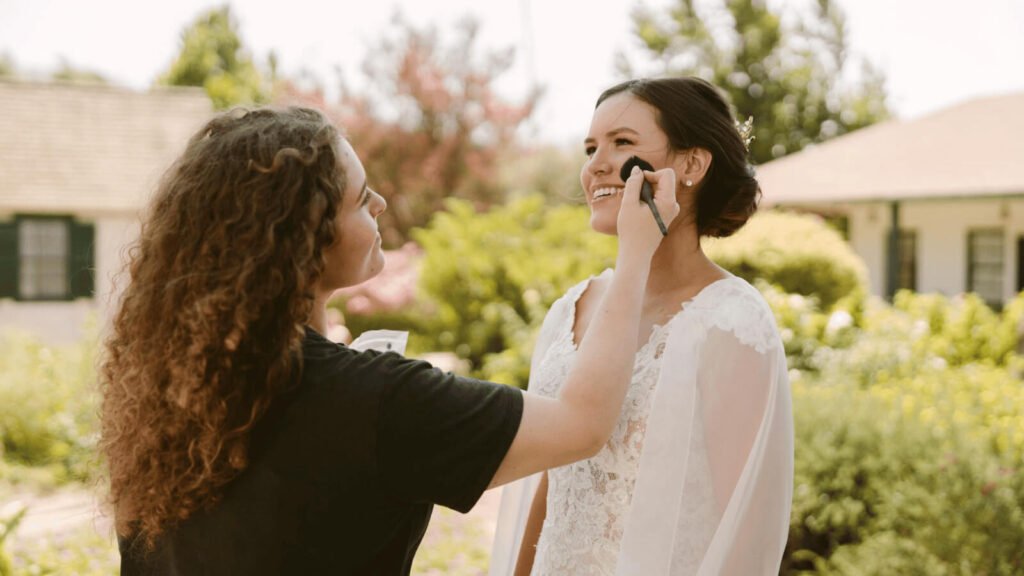
Freckles are part of what makes a face yours. They appear in childhood photos, under the summer sun, and in the way your family recognizes you across a crowded room. Still, many brides with freckles feel pressured to cover them on their wedding day. They assume bridal makeup means full coverage, but it doesn’t have to. This guide explores bridal makeup for freckled skin, from the philosophy behind it to the techniques that let your freckles shine through.

Brittany Brown has been a mobile bridal hair and makeup artist for more than 11 years. She serves brides across Orange County and San Diego. Her approach is simple: enhance, don’t mask. If you’re looking for bridal makeup ideas for freckled skin, this guide offers practical tips and a plan for your consultation.

Why “Enhancing, Not Hiding” Matters for Freckled Skin

Brittany believes beauty celebrates your individuality and reflects the confidence that makes you unique. She sees makeup as a way to bring out your natural radiance, not cover it. For brides with freckles, that philosophy has a very practical meaning. Freckles give the skin dimension and personality, and heavy coverage tends to flatten both.

Brittany’s signature style is the “no-makeup-makeup” look: glowing skin, soft shadows, subtle highlights, and warm, bronzed contour. Freckles fit that style naturally. When she builds a sheer, even base and leaves the freckles in place, the skin looks fresh and real, and the result still looks like you, only polished. If you have fair or cool-toned skin that often comes with freckles, her guide to makeup for redheads and fair, cool-toned complexions is a useful companion read.

Here are five reasons this approach works well for freckled brides:

  1. Freckles add natural dimension: A sheer base keeps that depth visible in photos instead of smoothing it away.
  2. Lighter layers look more like skin: Thin product often looks softer and more believable up close.
  3. You recognize yourself: Your partner, your family, and your friends will see the bride they know, only polished.
  4. Your wedding photos can reflect how you really look: Years from now, you may see the same face you see in the mirror today.
  5. The look suits your whole day: A natural finish moves comfortably from the ceremony to portraits to the reception.

Brittany builds every bridal look around the individual, not around a fixed template. She starts with your skin, your features, your dress, and your venue, then decides how much coverage you want and where. That conversation matters most for freckled skin, because the right amount of coverage differs for every bride.

Building Sheer, Breathable Coverage
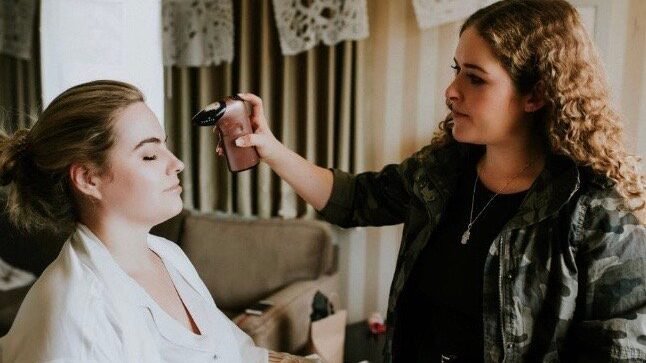
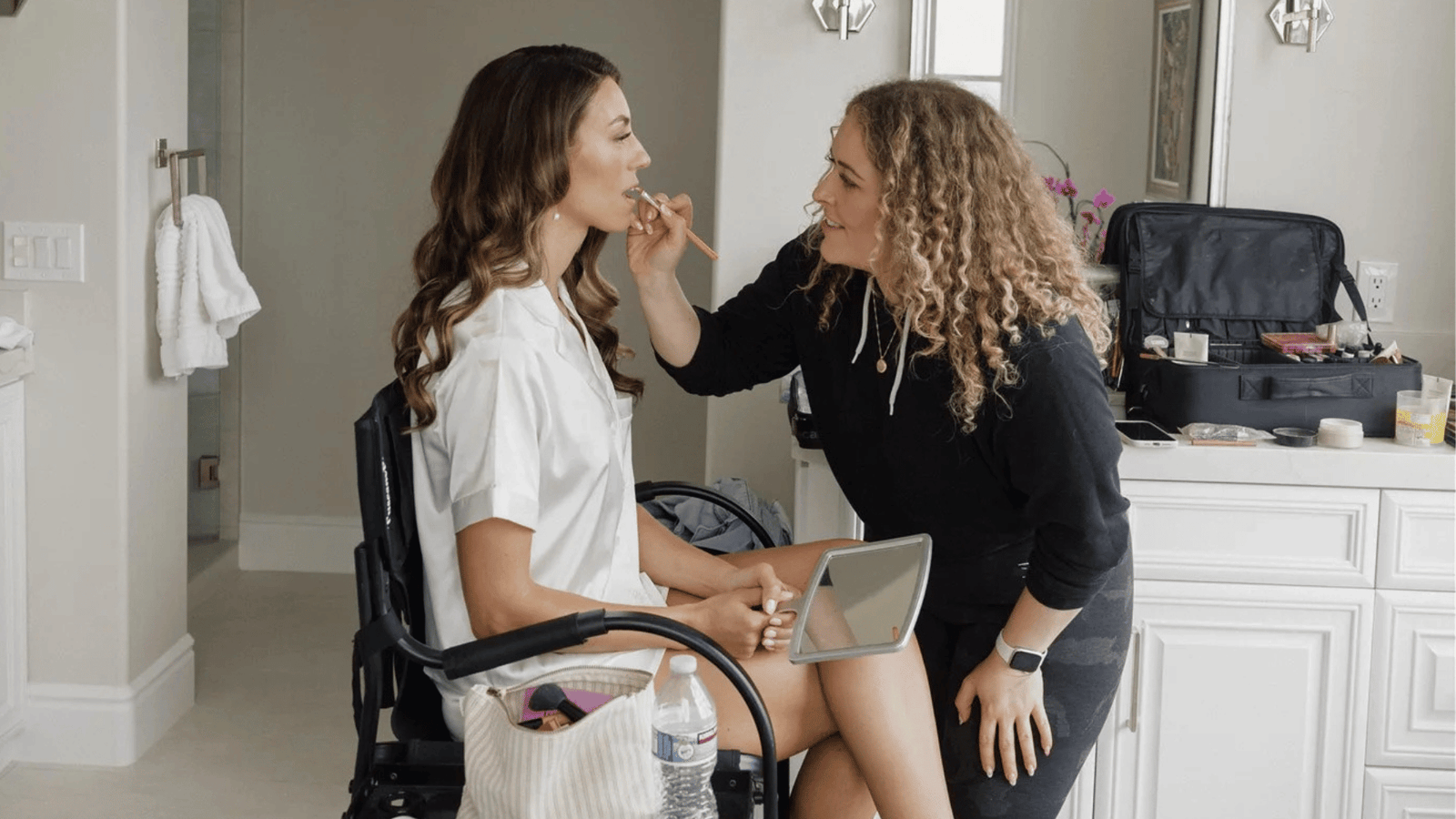
Because Brittany works on location, the process begins in a space where you already feel comfortable. She arrives at your hotel suite, private home, resort room, or estate with a complete professional kit, including her own studio-quality lighting and seating, so the application does not depend on the light the room happens to have. Setup takes about 15 to 20 minutes. For the bride, application usually takes roughly 60 to 90 minutes, and Brittany plans that time into your schedule in advance.

Skin prep comes first, and Brittany never rushes it. She applies skincare and primer, then builds the base with intention. If you want to get ahead of that step, see how to prep your skin 30 days before your wedding. The three steps below show how she keeps freckles visible while still giving you a polished, camera-ready finish.

Choosing Light-to-Medium Coverage Formulas

The base sets the tone for the whole look, so formula choice matters. For freckled skin, Brittany generally reaches for lighter coverage and builds from there. She can always add more where you want it, but she cannot easily take away a heavy layer once it sits on the skin.

A few principles guide her choices:

  • Start sheer, then build: Brittany adds products in thin layers. Thin layers let her control exactly where coverage goes and keep the skin looking like skin.
  • Match the formula to your skin type: Oily, dry, and combination skin each respond differently to products, so she picks formulas that suit yours instead of using one go-to product for every bride. Her post on dewy vs matte bridal makeup explains how finish and skin type work together.
  • Match the formula to the weather: She chooses products suited to Southern California conditions, including warm weather, humidity, and sea air. Coastal venues in Newport Coast, Newport Beach, and Corona del Mar can bring direct sun and ocean air, so product choice matters as much as the look itself.
  • Adjust for age: Formulas that look flawless on younger skin can settle into fine lines or look heavy on a more mature complexion. Brittany has experience with mature skin and adjusts both product and technique, so a bride of any age can get a finish that looks radiant and not heavy.

Brittany does not claim that any single formula works for every bride or every skin type. She tests products on your actual skin, which is one of the main reasons she recommends a trial (more on that below). Shade accuracy matters just as much as formula, and her guide to choosing the right foundation shade for your wedding day covers what to look for.

Letting Freckles Show Through Concealer

Concealer is where many freckled brides worry most. Standard concealer technique aims to erase marks, which defeats the purpose here. Brittany uses concealer with a lighter, more targeted touch.

She places it only where it helps. Common spots include the inner corners of the eyes, around the nose, and over any area where you feel you need more brightness or evenness. She leaves freckles on the cheeks, nose, and forehead alone, unless you ask her to soften specific spots. A few careful placements often do more than a full coat. If you are curious about when targeted correction makes sense, read corrective makeup: what it is and who it’s for.

Brittany also pays attention to the edges. Hard lines of concealer can catch light and look obvious in photos, so she blends carefully and keeps the transition seamless. The goal is skin that looks even without looking covered.

Here are three questions to think about before your appointment:

  1. Which freckles do you love most? Show Brittany your favorites so she knows what to protect.
  2. Which areas feel uneven or tired to you? Those areas deserve the targeted concealer.
  3. How visible do you want your freckles in photos? Some brides want them front and center, and others prefer a soft, blurred look. Both work, and both fit the brand’s natural approach.

Setting Without Flattening Texture

Setting locks makeup in place, but heavy powder can mute the natural variation in freckled skin and leave it looking flat. Brittany sets the look with care, using setting techniques and sealing products that help the makeup hold through the ceremony, photography, and reception without removing the glow. Her guide to long-wear makeup techniques for textured skin goes deeper on this balance.

She applies setting products only where the skin needs them. Areas that tend to shine, such as the center of the face, get more attention. Areas where you want to keep a healthy glow, such as the tops of the cheeks, stay luminous. That balance keeps your freckles visible and gives your skin a lit-from-within look that can photograph beautifully. If your photographer will deliver both color and black-and-white images, see how to get bridal makeup that photographs well in color and black and white.

A wedding day is long, and you will hug guests, take portraits, and probably shed happy tears. One of Brittany’s San Diego brides described her makeup as staying flawless all day, even through the happy tears. Results still depend on your skin, the weather, and how much you hug and dance, and Brittany does not promise that makeup will last a set number of hours without a refresh. Instead, every bride receives a complimentary touch-up kit with lipstick, powder, and blotting sheets, so a quick refresh stays easy during a long day. For more on how she approaches longevity, read how to make bridal makeup last all day without touch-ups.

If you want your hair done in the same appointment, Brittany also offers bridal hair styling, so your hair and makeup can come together in one timeline.

When Brides Ask to Fully Cover Freckles
Not every bride wants her freckles on display, and that is a completely valid choice. Some brides have always felt self-conscious about them. Others simply want a more polished, airbrushed finish for their wedding photos. Brittany welcomes that conversation and never pushes you toward a look that does not feel right.

Her philosophy shapes how she handles it. She believes makeup should make you feel confident, so she works toward the look you want while staying honest about what each level of coverage will do. A few things help when you are deciding:

  1. Tell her how you feel about your freckles: An honest conversation helps Brittany choose the right level of coverage from the start.
  2. Ask to see options: A trial lets you compare a sheer base with a fuller one on your own skin, so you decide based on what you see, not what you imagine.
  3. Think about the whole look: Fuller coverage can change how the rest of your makeup reads. Brittany balances eyes, cheeks, and lips so the whole face feels cohesive. If you lean toward a bolder finish, fuller coverage can pair well with defined eyes and a polished lip.
  4. Consider a middle path: Many brides land between the two extremes, with a lightly softened base that keeps a hint of freckles showing. You do not have to choose all or nothing.
  5. Trust your gut: If you look in the mirror and feel like the best version of yourself, the look works.

Fuller coverage also means more product on the skin, so the base needs attention to how it wears over a long day. That is one more reason a trial helps. Brittany can see how the coverage looks in different light and how it feels after a few hours, and you can decide whether to keep it, lighten it, or change it.

Plan Your Natural Bridal Makeup Look

Natural bridal makeup should help you look like yourself while feeling confident and radiant on your wedding day. Explore Brittany’s training at Empire Academy of Makeup in Orange County and her approach on the About page. Her portfolio also features bridal looks ranging from soft and natural to polished and bold.

A bridal makeup trial helps you find the look that feels right for you. Brittany tests your preferred products, makes adjustments, and discusses any skin sensitivities, reactions, or recent treatments. If you have skin concerns, her guide on how to talk to your makeup artist about skin sensitivities can help you prepare. Brides with freckles can also use the trial to decide how much coverage they want while keeping their natural features visible. Read what to expect during a bridal makeup trial for more details.

When contacting Brittany, include your wedding date, venue, preferred makeup style, and inspiration photos. A signed contract and deposit secure your date. Spring and fall weekends can book quickly in Orange County and San Diego, so reaching out once your venue is confirmed is a good idea. Booking 6 to 12 months ahead during busy seasons can give you more time to plan.

When you’re ready to discuss your natural bridal makeup look and wedding-day beauty needs, contact Brittany Brown Beauty through the inquiry form. Visit the Brittany Brown Beauty website to explore bridal hair and makeup services for you and your wedding party. If you’re booking for a larger group, mention the party size so Brittany can plan the schedule accordingly.

Frequently Asked Questions

1. What’s the best way to prep my skin for bridal makeup for freckled skin?

Start a consistent skincare routine at least four weeks before your wedding. Keep it simple and stay hydrated in the week leading up to the event, especially in summer. Avoid new skincare products or treatments during the final 10 days. If you want to try something new, do it well before your trial so Brittany can see how your skin responds.

2. How long will bridal makeup for freckled skin last through the ceremony and reception?

Longevity depends on your skin, the weather, and your wedding schedule. Brittany carefully preps your skin and selects products suited to your skin type and Southern California conditions. She also uses setting techniques to help your makeup hold through the ceremony, photos, and reception. While she cannot promise a specific wear time, every bride receives a complimentary touch-up kit with lipstick, powder, and blotting sheets.

3. Can bridal makeup for freckled skin be adjusted for my specific skin tone or type?

Yes. Brittany tailors each look to your skin tone, skin type, features, dress, and venue. She selects products and techniques that suit your complexion, including mature skin. If you have sensitivities or recent skin treatments, share them during your trial so she can plan accordingly.

4. How can I achieve natural-looking bridal makeup while allowing my freckles to show through?

Let Brittany know you want your freckles to remain visible. She applies a sheer base in thin layers and adds concealer only where needed. This helps even out your complexion without hiding your natural features. Bring photos of looks you love to help communicate your preferred coverage. Your trial gives you time to test and refine the result.

5. Should I schedule a bridal makeup trial to test sheer coverage and makeup longevity on freckled skin?

Yes, Brittany strongly recommends a trial. You can compare different coverage levels and see how the makeup looks in various lighting. You’ll also notice how it feels and wears after a few hours. This gives you time to make adjustments before your wedding day and feel more confident about your final look.
Posted on

Full-Glam Bridal Makeup: What to Expect

full-glam bridal makeup

Full-glam bridal makeup sits at the bold end of wedding beauty. It brings fuller coverage, defined eyes, sculpted cheekbones, and a polished finish that photographs beautifully from the aisle to the last dance. If you are gathering bridal makeup ideas and wondering what a glam look involves from start to finish, this guide walks you through it.

As a mobile bridal makeup artist, Brittany Brown has spent more than 11 years working with brides across Orange County and San Diego. Her approach stays the same whether a bride wants a soft, natural finish or a dramatic one: enhance, don’t mask. A glam look should still look like you, only elevated.

What Defines a Full-Glam Bridal Look

Full glam is a step up in intensity from the “no-makeup-makeup” style Brittany is known for. The skin looks smooth and even. The eyes carry more depth and definition. The cheeks, jawline, and nose show sculpted dimensions. The lips are polished and pronounced.

What separates a glam look from a heavy one is balance. A glam bride still needs to recognize herself in the mirror. Brittany builds each full-glam look around the bride’s own features, skin, dress, and venue. She does not apply a fixed template. Soft shadows, subtle highlights, and well-placed contour bring out what is already there, which is why brides often describe the result as feeling like themselves, but elevated.

A full-glam look usually includes these elements:

  • Fuller, even coverage that smooths the look of the complexion for close-up photos
  • Defined eyes with more shadow depth than an everyday or soft bridal look
  • Warm, sculpted contour with highlights placed to catch light
  • A confident lip chosen to suit your skin tone, dress, and bouquet
  • A finish that holds up through the ceremony, portraits, and reception

Many brides pick full glam because they love the look of dramatic makeup in photos and want to feel like the most polished version of themselves. Others choose it because they usually wear bold makeup and want their wedding look to match. Both are great reasons.

Choosing the lip and the overall color story starts with your skin’s undertone, since the same shade can look very different on warm, cool, and neutral skin. Brittany explains how to match bridal makeup to your skin undertone in a separate guide, which is a helpful read before your consultation.

The Application Process

Because Brittany works on location, the process starts before the first brush touches your skin. She arrives at your chosen spot, whether that is a hotel suite, a private home, a resort room, or an estate. She brings a complete professional kit with her own studio-quality lighting and seating, so the application does not depend on whatever light the room happens to have, and you skip the salon commute on a morning that is already full.

Setup takes about 15 to 20 minutes. For the bride, application usually takes roughly 60 to 90 minutes, and Brittany plans that time into your schedule in advance. Each step below builds on the one before it.

Building Coverage in Layers

Skin prep comes first, and Brittany does not rush it. She applies skincare and primer, then builds the base. A full-glam look often calls for more coverage than a natural one, so she adds product in thin layers. Thin layers let her control where coverage goes and keep the skin looking like skin.

Layering matters for a few reasons. It lets Brittany even out areas that need it, such as redness or shadows, without covering your features. It also avoids a heavy, flat look, which tends to show up quickly in photos taken in daylight or with flash. If you are curious how formula choice affects the finish, her guide to the best foundation types for bridal makeup breaks down the options.

Skin type changes the plan. Oily, dry, and combination skin each respond differently to products, and so does mature skin. Formulas that look flawless on younger skin can settle into fine lines or look heavy on a more mature complexion. Brittany adjusts both product and technique for each bride, which is part of why she works so often with the mothers, aunts, and grandmothers in a bridal party too. Brides with texture or visible pores can also read about long-wear makeup techniques for textured skin.

Dramatic Eyes and Defined Contour

Eyes carry most of the drama in a full-glam look. Brittany is known for enhancing natural features through soft shadows that flatter each bride’s eye shape. In a glam application, she deepens that shading and adds more definition while keeping the blend smooth. The goal is depth that frames your eyes without overpowering your face. If you are drawn to a darker, smokier eye, she covers when a smokey eye works and when to skip it.

Contour and highlight follow the same principle. Brittany favors warm, bronzed contour that adds dimension without looking harsh. She places highlight where light naturally hits the face. Small, careful adjustments can change a lot, and in a glam look a few deliberate choices shape the whole face. Her contouring dos and don’ts for brides explain how to keep that sculpting looking natural in photos.

Your dress and the setting guide these choices. A strapless gown, a high neckline, an open back, and a veil each change which features the camera sees first. Bring photos of your dress, hairstyle plans, and any looks you love to your consultation or trial so Brittany can plan eyes, contour, and lips as one cohesive picture. You can also see how she approaches bridal makeup for different wedding dresses.

Setting for All-Day Intensity

A wedding day is long. You will hug dozens of guests, take portraits, and probably cry happy tears. Setting is the final stage of application, where Brittany uses setting techniques and sealing products to help the look hold through the ceremony, photography, and reception. She chooses products suited to Southern California conditions such as warm weather, humidity, and sea air, and to your specific skin type.

One of Brittany’s San Diego brides described her makeup as staying flawless all day, even through the happy tears. Results vary with skin, weather, and how much you hug and dance, and Brittany does not promise that makeup will last without a single refresh. Instead, every bride receives a complimentary touch-up kit with lipstick, powder, and blotting sheets, so a quick refresh is easy during a long day. You can read more about how Brittany’s bridal makeup routine lasts all day.

If hair is part of your plan, Brittany also offers bridal hair styling, so your hair and makeup can come together in one appointment and one timeline.

Is Full Glam Right for Every Venue and Dress Style?

Full glam can work with almost any wedding style, but the best look depends on the setting, your dress, and how you want to feel. A few questions help you decide.

What is your venue’s light like? Outdoor ceremonies in bright sun, seaside venues, and candlelit ballrooms all show makeup differently. Coastal venues in Newport Coast, Newport Beach, and Corona del Mar bring direct sun, ocean air, and humidity, so product choice matters as much as the look itself. A resort setting such as the Resort at Pelican Hill or a bluff-top garden venue can handle a polished, high-definition glam look beautifully. Brittany plans around the real conditions at your venue, and her post on how wedding lighting affects your bridal makeup explains why the same look can read differently from one venue to the next.

What does your dress say? A dramatic ballgown or a structured, formal gown often pairs well with a bolder face. A minimal slip dress or a boho gown can still suit glam, but you may want to keep the lip softer or the eye more blended so the whole look feels like one picture.

How do you want to feel? This question matters most. If you want to look in the mirror and feel dramatic, polished, and camera-ready, full glam may be right for you. If you picture yourself looking fresh and barely-there, a softer look may feel more like you. Some brides land in between, with glam eyes and a soft lip, or a defined face with a natural eye. Brittany builds custom looks, so you can choose a middle path.

What do your photos need? Full glam shows especially well in photography. If large portrait sessions, a formal photographer, or a video team are part of your day, a defined look helps your features hold up on camera. Brittany works well alongside photographers, planners, and other vendors, which keeps the morning running smoothly.

Brides of every age can wear full glam too. Mature skin often benefits from lighter layers and different textures, and Brittany adjusts her technique so the finish looks radiant and not heavy.

The best way to decide is to test it. Brittany strongly recommends a bridal makeup trial. During your trial, Brittany tests your chosen look and products on your skin, then makes adjustments as needed. It’s also the time to discuss skin sensitivities, reactions, or recent treatments so she can plan accordingly. You’ll see how the makeup looks in different lighting and feels after a few hours. If you’d prefer a softer or bolder finish, there’s time to refine it before the wedding day. If you want to know what the appointment looks like, read what happens during a bridal makeup trial.

Book Your Full-Glam Bridal Makeup

Planning a full-glam bridal look for your Orange County or San Diego wedding? Brittany Brown Beauty offers personalized, on-location makeup services to help you achieve a polished look that reflects your style. If you’re looking for an Orange County bridal makeup artist who comes to your getting-ready location, Brittany brings her professional kit and studio-quality lighting to you.

Explore the About page to learn about Brittany’s background and approach, then browse the portfolio for examples of her work, from soft and natural makeup to more defined, full-glam looks.

Wedding dates are secured with a signed contract and deposit. Spring and fall weekends in Orange County, along with peak wedding seasons in San Diego from March through June and September through November, can book quickly. Reaching out 6 to 12 months ahead is a good way to discuss availability before your preferred date is taken.

When you’re ready to get started, contact Brittany Brown with your wedding details and questions. You can also visit the Brittany Brown Beauty to explore bridal hair and makeup, bridal party services, and other offerings.

Frequently Asked Questions

1. What’s the best way to prep my skin for full-glam bridal makeup?

Start a consistent skincare routine at least four weeks before your wedding, and keep it simple. Stay hydrated in the week leading up to the event, especially in summer. Avoid trying new skincare products or treatments during the final 10 days before your wedding. An unexpected reaction is the last thing you want. If you’d like to test something new, do so well before your trial. That way, Brittany can assess how your skin responds. Be sure to share any sensitivities or recent treatments with her during your trial.

2. How long will full-glam bridal makeup last through the ceremony and reception?

Durability depends on your skin, the weather, and your day. Brittany carefully preps your skin and selects products suited to your skin type and Southern California conditions. She uses setting techniques to help your makeup last through the ceremony, photos, and reception. Although she cannot guarantee a specific wear time, every bride receives a complimentary touch-up kit with lipstick, powder, and blotting sheets for quick refreshes. A trial also helps you see how the look holds up before the wedding day.

3. Can full-glam bridal makeup be adjusted for my specific skin tone or type?

Yes. Brittany builds every bridal look around the individual, including your skin tone, skin type, features, dress, and venue. She chooses products and techniques to suit your skin, and she has particular experience with mature skin, where product choice and application differ. If you have sensitivities or have had recent skin treatments, tell her at your trial so she can plan around them.

4. How can I prepare my skin for a full-glam bridal makeup look?

Focus on wedding week and the morning itself. Keep your routine gentle, drink plenty of water, and hold off on new products or treatments. Arrive for your trial and wedding morning with clean, moisturized skin, and Brittany handles the rest, starting with skincare and primer before she builds your look.

5. Should I schedule a bridal makeup trial to make sure my full-glam look lasts throughout the wedding day?

Yes, Brittany strongly recommends one. A trial lets her test products on your skin, work through any adjustments, and make sure you know what to expect on your wedding day. It also gives you time to check the look in different light and decide whether you want it bolder or softer. It is the best way to feel confident that your look suits you and wears well through your day.

Posted on

Natural Bridal Makeup for Brides Who Rarely Wear Makeup

natural bridal makeup for brides who rarely wear

If your everyday routine involves sunscreen, maybe a swipe of mascara and not much else, the idea of wedding-day makeup can feel like a big leap. You may worry about looking heavy, looking unlike yourself or feeling uncomfortable in your own face for the biggest day of your life. Those worries are common, and they are fair.

Natural bridal makeup for brides who rarely wear makeup is built around a simple idea: you should still look like you when you walk down the aisle. This guide explains how that works, what to expect from the process and how to prepare if you are planning your wedding beauty in Orange County or San Diego.

Why ‘Enhance, Don’t Mask’ Works Especially Well Here

Brittany Brown, the artist behind Brittany Brown Beauty, describes her approach this way: beauty is a celebration of your individuality, and her job is to enhance your natural beauty rather than mask it. That philosophy fits a bride who rarely wears makeup better than almost any other approach.

Here is why. A bride who seldom wears makeup already knows what her face looks like and how she feels in it. Heavy coverage can break that connection. When makeup sits thickly on the skin, many brides feel like they are looking at someone else in the mirror and in their photos. An approach that works with your features instead of covering them keeps that familiarity intact.

Brittany has more than 11 years of experience in the makeup industry, and her signature style is the “no-makeup-makeup” look: glowing skin, soft shadows, subtle highlights and warm, bronzed contour in place of heavy coverage. She has said that little subtle changes on the skin can be very powerful, and that idea matters most for brides who prefer a light touch. A few well-placed adjustments often do more than a full face of product.

Brides describe the result in similar words. Several clients have said they felt like themselves, but elevated. That phrase captures the goal well. You are not becoming a different person. You are looking like the best, most polished version of the person you already are.

It also helps in photographs. Your wedding photos will be part of your life for decades, and many brides want to recognize themselves in them years later. A natural, skin-first look tends to feel timeless because it does not depend on a trend. Lighting still plays a role, though, and flash can change how skin and color appear on camera, so it is worth reading about how flash photography changes the way bridal makeup reads before you finalize your look.

Building Confidence With a Light Hand

Wearing makeup for the first time in a long while, or for the first time in a full-day setting, takes some adjustment. The good news is that a natural look is built in layers, and each layer is a chance to say what feels right and what does not.

Starting With Skin, Not Product

Everything begins with the skin. Skin prep, primer and base preparation come first, and they are done without rushing, because a smooth, well-prepared surface helps the rest of the look sit comfortably. For a bride who rarely wears makeup, this stage matters even more. When the skin looks fresh and even, you need far less product on top of it.

You can help by building a consistent skincare routine at least four weeks before the wedding and staying hydrated in the week leading up to the event, especially in summer. Brittany also advises avoiding new skincare products or treatments in the final 10 days before the wedding. New products close to the date can cause surprises, and surprises are the last thing you want on the morning of your wedding. For a week-by-week approach, see how to prep your skin 30 days before your wedding.

If you have any skin sensitivities, reactions or recent treatments, tell your artist. Brittany asks about these during the trial so she can choose products with your skin in mind. If you are not sure how to bring it up, this guide on how to talk to your makeup artist about skin sensitivities can help.

The goal is glowing skin that still looks like skin. Soft, luminous and fresh tends to read as natural, while a heavy matte finish can read as makeup. That said, the right finish depends on your skin, and dewy vs. matte bridal makeup explains how to decide what works best for you. Oily, dry and breakout-prone skin each behave differently under makeup, so the advice on bridal makeup for oily, dry and acne-prone skin is worth a look.

For Southern California weddings, where heat, sea air and humidity can affect how makeup wears, product choices matter too. Brittany selects primers, foundations and setting products with coastal and outdoor conditions in mind.

Introducing Color Gradually

Color is where many makeup-shy brides feel the most nervous, so it helps to approach it slowly. A natural look does not mean no color. It means color that looks like it belongs on your face.

Think in soft steps. Warm, subtle shadow adds definition to the eyes without looking dramatic. A gentle bronzed contour shapes the face the way natural light would. A hint of color on the cheeks and a lip shade close to your natural tone round out the look. Brittany is known for soft shadows, subtle highlights and sculpted, almond-shaped eyes, all of which suit this approach.

If you would like to try more color, you can do it in stages. Start with the lightest version of a look and add intensity only if you want it. Many brides find that a slightly deeper lip or a touch more definition around the eyes feels right once they see it in the mirror. Others decide they love the lightest version best. Either choice is the right one, because the look is yours.

Your dress, your venue and the time of day also shape these choices. A golden-hour ceremony, an indoor reception and a bright outdoor setting each call for slightly different finishes, and your artist can adjust with that in mind.

What a Trial Feels Like for a Makeup-Shy Bride

A bridal makeup trial is strongly recommended, and it can be especially helpful if you rarely wear makeup. It is an appointment before the wedding where Brittany tests your look and products on your skin, works through adjustments and helps you know what to expect on the wedding day. If you want a step-by-step picture of the appointment, read what happens during a bridal makeup trial.

For a bride who is not used to makeup, the trial takes away the unknown. You get to see the look in a mirror, sit with it, and decide how it feels. You can say, “A little less here,” or “I would like more definition there,” and Brittany can adjust right away. There is no pressure to love the first version.

The trial also gives you a chance to see how the look feels on your skin. Because products are tested on your actual skin instead of assumed to work, it is a practical way to notice comfort concerns before the wedding day and to talk through how the look sits and wears. A trial is not an allergy test, so if you have a history of reactions to cosmetics or skincare, check with a dermatologist beforehand. If you wear contacts, have sensitive eyes or simply dislike the feeling of makeup, the trial is the right moment to say so.

You do not need to know makeup terms to have a good trial. Bring photos of looks you like, bring your dress details if you have them, and describe how you want to feel. Words like “fresh,” “calm” and “like me” are more useful than any product name. If you want a checklist, see what to bring to your bridal makeup trial.

What to Communicate to Your Artist

A good artist listens first. The more clearly you describe your preferences, the closer the first application will land. You do not need to be an expert. A few honest answers go a long way.

Consider sharing the following:

  • How you wear makeup now. Tell your artist what you use on an ordinary day, even if the answer is “almost nothing.”
  • What you want to avoid. If you dislike the feeling of foundation, a shimmery eye or a bold lip, say so.
  • What you love about your face. Many brides know exactly which feature they want to keep front and center.
  • Photos of looks you like. Photos you love, and photos you do not, both help.
  • Your skin concerns and sensitivities. Mention any reactions, recent treatments or areas you feel self-conscious about.
  • Your dress, venue and photographer. Details like neckline, setting and lighting help shape the finish.
  • Your wedding-day plans. Let your artist know how long you will be wearing the look and what kind of day it will be.

Brides often say that Brittany’s communication stands out. Reviews describe her as open, honest and thorough throughout the working relationship, and that kind of clear, two-way conversation is what makes a natural look possible. If something feels off during the trial, say it right then. Good artists want that feedback. If putting a vision into words feels hard, how to explain your vision to your makeup artist during a trial offers practical ways to do it.

Mature brides, and brides who have not worn makeup in years, may want to mention that, too. Brittany has particular experience with mature skin and knows that formulas that look lovely on younger skin can settle into fine lines or look heavy on a more mature complexion. She adjusts her technique accordingly.

Plan Your Natural Bridal Makeup

Your wedding makeup should feel comfortable, look like you, and fit naturally into your wedding-day plans. Brittany Brown Beauty offers mobile, on-location services, with Brittany bringing her professional kit, studio-quality lighting, and seating to your hotel suite, private home, resort room, or estate. You can get ready with your wedding party without adding a salon commute to your morning.

Setup usually takes 15 to 20 minutes. Bridal makeup typically takes 60 to 90 minutes, while each bridesmaid or other wedding party member usually needs 45 to 60 minutes. For larger groups, additional artists can help everyone finish on schedule without rushing the bride’s application.

Spring and fall weekends in Orange County book quickly, so reaching out once your venue is confirmed is a good idea. For busy wedding seasons in Orange County and San Diego, booking 6 to 12 months ahead can give you a better chance of securing your date. A signed contract and deposit confirm your booking.

Brittany also provides a complimentary touch-up kit with lipstick, powder, and blotting sheets, giving you a few essentials for refreshing your makeup throughout the day.

You can explore Brittany’s work in the portfolio, learn more about her background and training at Empire Academy of Makeup on the About page, or visit the Brittany Brown Beauty home page to explore bridal and event services.

When you’re ready to discuss your wedding plans, contact Brittany Brown Beauty through the inquiry form. Brittany will get back to you as soon as possible.

Frequently Asked Questions

1. How can I achieve a natural bridal makeup look if I rarely wear makeup?

Start by choosing an artist whose style is built around enhancing, not covering. Then be specific about what you want: glowing skin, soft color and a finish that still looks like you. Share photos, mention what you dislike and say how you usually wear makeup.
Skin prep is the next step. A consistent skincare routine starting at least four weeks out, plenty of water in the week before the wedding and no new products or treatments in the final 10 days all help your skin look its best. From there, a trial lets you test the look and adjust it until it feels right.

2. Should I schedule a bridal makeup trial if I prefer a minimal makeup look?

Yes. Brittany strongly recommends a trial, and it is especially useful for brides who prefer minimal makeup. A light look still involves choices about base, tone, shadow and lip, and the trial lets you make those choices with the product on your own skin. It also helps you know exactly what to expect on the wedding day, so nothing feels unfamiliar when you look in the mirror.

3. What’s the best way to prepare my skin for natural bridal makeup for brides who rarely wear?

Keep it simple and consistent. Begin a steady skincare routine at least four weeks before the wedding, stay hydrated in the week leading up to the event and avoid trying new skincare products or treatments in the final 10 days. Tell your artist about any skin sensitivities, reactions or recent treatments at your trial. If you have specific skin concerns, talk with a qualified skincare professional about them.

4. How long will natural bridal makeup for brides who rarely wear last through the ceremony and reception?

Makeup longevity depends on your skin, the weather, the setting, and the products used. For that reason, no one can guarantee a specific number of hours. Brittany carefully preps your skin and selects products suited to Southern California conditions, including heat, humidity, and sea air. She then sets your makeup to help it last through the ceremony, photos, and reception.
Clients have shared that their makeup stayed in place all day, even through happy tears. A trial lets you see how your look wears and what to expect. You’ll also receive a complimentary touch-up kit for quick refreshes throughout the day.

5. Can natural bridal makeup for brides who rarely wear be adjusted for my specific skin tone or type?

Yes. Bridal makeup here is custom, built around your skin, your dress and your venue instead of a fixed package look. Products are chosen with your individual skin in mind, and the trial gives you a chance to test the look on your own skin and adjust as needed. Brittany also adapts her technique for mature skin. For brides with deeper complexions, bridal makeup for deep skin tones and building a radiant base goes into more detail. If you have particular sensitivities or recent treatments, mention them at your trial so they can be considered.

Posted on

Getting-Ready Photo Makeup: What Photographers Look For

getting-ready photo makeup

Getting-ready photos capture a different side of the wedding. The camera moves in close on your eyes, your lips and your skin. It also catches candid moments, such as a mother zipping a dress or a bridesmaid handing you a bouquet. All of this happens before you leave for the ceremony.

Getting-ready photo makeup has to work in those frames and still look natural in the room. Lighting, timing and the photographer’s schedule all shape how the application is planned. Makeup is one piece of the picture, not the only thing that decides how the photos turn out.

Brittany Brown Beauty approaches bridal makeup with one idea: enhance the bride’s features instead of masking them. For getting-ready photos, that means a finish that still looks like you, with your features defined thoughtfully for the camera. This article shows how to plan for it.

Why Getting-Ready Photos Have Their Own Makeup Considerations

Ceremony and reception photos are usually taken at a distance, with movement and planned lighting. Getting-ready photos are often closer and quieter. The camera stays near your face while the light does most of the work.

Several things make this stage distinct:

  • Close-up shots: The photographer may capture your eyes, lips, hands and skin finish in detail.
  • Candid moments: Photographs may include the application itself and the final touch-ups.
  • Soft window light: Natural light from a window reveals blending, coverage and finish clearly.
  • Mixed lighting: A getting-ready room might combine window light, overhead bulbs and lamps.
  • Changing light: Light shifts as the sun moves. A bright corner at the start may look softer later.

The finish needs to look right in person and on camera. A look that seems balanced across the room can read differently in a close portrait. The article on why bridal makeup looks different in photos explains why. For that reason, the bride, makeup artist, photographer and schedule work best together.

Photographers have different styles and shot lists. Some photograph the entire application. Others prefer detail shots first and portraits after the makeup is complete. No single lighting setup or makeup look suits every photographer. Ask yours how they plan to work.

What Photographers Ask For

Photographers communicate different needs before and during the getting-ready session. The points below are common possibilities, not universal requirements. Your photographer’s plan comes first.

Skin That Reads Well in Soft, Indirect Light

Natural window light shows skin honestly. It can reveal how foundation was blended, how much coverage was applied and what the finish looks like up close. That makes careful application more useful than extra product.

A few approaches help makeup read well in this kind of light:

  • Build coverage in controlled layers: Apply a thin layer, check it, then add more only where the skin needs it. Adding product automatically can look heavy in close-ups.
  • Blend around the face and jawline: Side light from a window can show edges. Careful blending at the hairline, jaw and neck helps the base look continuous.
  • Choose a finish for your skin and plans: Matte, satin and dewy finishes all work for some brides. The right choice depends on your skin, your preferences, the lighting and the photography plan.
  • Use powder selectively: Set the areas that need it, such as the center of the face. Not every face needs heavy powder.
  • Check near a window when practical: Natural light is a useful test. Do not rely on one lighting condition alone, since the wedding day includes several.

Consider a bride with dry patches near the jawline. In window light, a thick base could emphasize them, while a lighter, well-blended layer lets her skin look like skin. Natural texture, pores and fine lines are part of real skin. They are not problems to hide. The goal is a smooth, even finish that still looks like skin. No one can promise a flawless result. The article on how wedding lighting affects bridal makeup shows how different light changes the same makeup.

Avoiding Heavy Product Buildup Before Application Finishes

Repeated layers over existing makeup can change the final finish. Extra product on top of product can look cakey and may shift when you move.

  • Let skincare settle: Give moisturizer and other products a few minutes to absorb before makeup begins, where appropriate.
  • Apply complexion products in manageable layers: Thin passes are easier to blend and adjust than one thick coat.
  • Use concealer and powder selectively: Place them where they are needed, not across the whole face.
  • Avoid unnecessary touch-ups early: Wait until the makeup is complete before fixing small things. Early fixes can add buildup.
  • Keep hands, brushes and tools clean: Clean tools apply product more evenly and are more comfortable on the skin.

Freshly applied makeup also needs protection. Wear a robe or a button-up top while you wait, so you do not pull anything over your face. Handle accessories gently. Ask the artist when it is a good time to put on jewelry or veils. Try not to touch your face while chatting or checking your phone.

Candid photographs are part of the day. A photographer can capture real behind-the-scenes moments during application. The completed look is then photographed after the final check. You do not need to avoid all candid photos while makeup is in progress.

If you have sensitive skin, keep your pre-wedding routine familiar. Raise any product concerns during your trial. A trial helps assess comfort and the planned look, but it cannot guarantee that a reaction will never occur. The overview of what happens during a bridal makeup trial explains what to expect.

Timing Application Around the Shot List

The makeup schedule works best when it accounts for the photographer’s planned images. Ask your photographer a few things in advance:

  • When do detail shots happen? Photographers may shoot the dress, rings or invitations before makeup, during it or afterward.
  • When should the makeup be finished? Plan time for final checks and touch-ups before portraits.
  • How much time do you need to dress? Allow time to change outfits, put on jewelry and prepare for photographs.
  • What are the key times? Share the ceremony time, the departure time and any important photo moments in advance.

Here is one example of how a morning might flow. It is an illustration, not a standard. Detail shots come first, then makeup application, then a final check near the window. You then get dressed, add jewelry and move to portraits. Your photographer and artist can reorder these steps to suit the day.

A rushed final application is easy to avoid. Build in extra time in case dressing or photography runs long. A short delay early on can push the makeup finish later than planned.

The schedule depends on the wedding timeline and the complexity of the makeup. It also depends on party size and the photographer’s plan. It is not a fixed formula. The guide to building your wedding morning timeline with your beauty team shows how to plan backward from the ceremony.

How Brittany Brown Beauty Coordinates With Photographers

Clear communication between the bride, the makeup artist and the photographer makes the morning smoother. A few details are worth sharing ahead of time. Useful details include the ceremony schedule, the planned getting-ready photos and the light in the room. Add the time the bride needs to be ready.

With those details, the artist can plan the application and final checks around the agreed schedule. The bride’s preferred look stays at the center. Brittany provides mobile bridal hair and makeup across Orange County, San Diego and surrounding areas. Planning getting-ready photo makeup in Orange County starts with the room where you will get ready.

Brittany’s photoshoot work offers a useful reference point. On commercial shoots, she reviews the lighting setup and the photographer’s direction. She then adapts her technique to how light falls on the face. Her article on commercial makeup for photoshoots describes that approach. Weddings are different, so the bridal plan comes from the details you share.

Bridal makeup ideas for the camera do not need to look dramatically different from your everyday style. The aim is a finish that suits your features, your preferences and the photographic conditions. Read more about Brittany on the About page. Browse the portfolio to see finished looks. As an Orange County bridal makeup artist, Brittany can use a few saved looks to understand the finish you want.

Preparing for Your Getting-Ready Makeup

A little preparation makes the wedding morning calmer. Treat this list as guidance, not strict rules.

  • Keep your skincare routine familiar. Unfamiliar products just before the wedding can change how makeup sits or cause a reaction.
  • Share sensitivities at your trial. Tell the artist about known sensitivities and product concerns early.
  • Bring reference photos. Choose photos that show the finish you like, and stay open to adjustments for lighting and your own features.
  • Confirm the key details. Check the ceremony time, the getting-ready location and the photo schedule.
  • Set aside a clean space. A table near good light gives the artist a place to work.
  • Keep the area organized. A tidy room lets the photographer work without interruptions.
  • Leave time for final checks. Check the makeup before you put on accessories or pose for completed-look photographs.

Avoid aggressive treatments or new skincare steps right before the wedding. They add variables close to the wedding. For longer-term preparation, see the guide to prepping your skin 30 days before your wedding. If you have questions about any of this, send them through the contact page.

Planning Your Wedding Makeup

During a consultation, share your wedding date, venue, getting-ready location, ceremony time and preferred makeup style. These details help Brittany assess availability and understand what your day needs. Click the button below to schedule a consultation online.

Frequently Asked Questions

1. What’s the best way to prep my skin for getting-ready photo makeup?

Keep your routine familiar and gentle. Use the products you already know, and give them time to settle before makeup begins. Skip new products and harsh treatments close to the wedding. Mention any sensitivities at your trial. The skin prep timeline covers longer-term planning.

2. How long will getting-ready photo makeup last through the ceremony and reception?

Application time and wear time are different things. How long makeup lasts depends on the products, your skin, the weather and how active the day is. No specific duration can be promised. Plan a few touch-ups. The article on making bridal makeup last without touch-ups explains the factors.

3. Can getting-ready photo makeup be adjusted for my specific skin tone or type?

Yes. Shade, finish and coverage can be adjusted to your skin and your preferences. Dry, oily and combination skin may call for different products or amounts. No single product suits everyone, so share your usual routine and any sensitivities.

4. Should my makeup be finished before getting-ready photos begin?

Not always. Photographers capture different stages, such as details before makeup, candid moments during application and portraits after. Discuss the shot list ahead of time, so you and the artist know which stage each photo covers.

5. Does natural window light change how bridal makeup should be applied?

It can. Window light shows blending, coverage and finish clearly, so careful blending at the edges matters. Check the look in other light too, since a finish that suits one setup may not suit another.

Posted on

Bridal Makeup for Second-Day Brunch and Post-Wedding Events

bridal makeup for second-day brunch and post-wedding events

The wedding is over, and a brunch table is waiting. Maybe a farewell breakfast, time with family or a few more photos with the guests who traveled to see you. You want to look like yourself, a little more polished, without sitting through a second full makeup application.

Bridal makeup for second-day brunch and post-wedding events can be lighter and quicker without feeling unfinished. The plan comes down to a few choices. Think about skin preparation, products you already own, softer definition and the time you have that morning.

Brittany Brown Beauty approaches makeup with one idea: enhance natural features instead of masking them. The same idea works the day after the wedding. This article gives you specific ways to build that look.

Why Day-Two Makeup Should Feel Different

A post-wedding event has a different setting, schedule and mood than the wedding. Those differences shape the makeup plan.

Start with light. Brunch usually happens in daylight, which shows color and texture more honestly than evening reception lighting. The article on morning ceremonies versus evening receptions explains how time of day changes what makeup looks like. A base that felt right under warm reception lights may look heavier at a sunny table.

Next, consider the occasion. A relaxed gathering may call for less coverage or softer definition around the eyes and lips. Some brides enjoy that. Others want a bold lip at brunch, and that is fine. Neither choice is more correct.

Your outfit, hairstyle and accessories give useful direction. A crisp white sundress, a casual knit and a hat each suggest a different level of polish. Photo plans matter too. If a photographer is joining you, plan for a little more definition.

You do not have to recreate your wedding-day makeup or follow a trend. A familiar style can still feel special with a few deliberate changes. Try a different lip shade or a lighter eye. Lighter makeup does not mean less polished makeup. It means makeup chosen for the setting.

Building a Lighter Day-Two Look

These five bridal makeup ideas cover the practical decisions. Use the ones that fit your morning.

  1. Reuse suitable wedding-day products, carefully.
  2. Soften your eyes and lips for daylight, or keep them bold if you prefer.
  3. Follow a short application order to save time.
  4. Match the look to the venue and the schedule.
  5. Prepare a small touch-up kit for photos and conversation.

1. Reusing Wedding-Day Products

By the wedding, most brides have a go-to foundation, concealer, blush and lipstick. Reusing what you know can save time and money. Choose items that still suit your skin today, not only the ones you used yesterday.

A product that felt comfortable on the wedding day may not feel the same the next morning. A long day, travel, salty air, and changes in sleep and hydration can all affect how skin responds. Check how your skin feels before you commit to a full application.

Use a smaller amount of foundation. Spread it thinly, then add coverage only where you want it, such as around the nose or over a blemish. Concealer can do the targeted work, so the rest of the face needs less.

Do not layer new product over yesterday’s makeup residue. Cleanse gently first. Then reapply cream or powder products with a light touch, since extra layers can look heavier in daylight.

Check your products and tools before reuse. Look at the texture and smell of each item. Wash brushes and sponges, or use clean ones. Skip any product that has touched something unclean, and skip disposable applicators used on the wedding day. Stop using anything that has caused irritation. No product is suitable for every person, and your skin is the best guide.

2. Softening Eyes and Lips for Daytime

If your wedding look included strong liner or a smoky eye, you can soften it instead of starting over. Use a lighter hand. Blend the edge so the color diffuses outward. A smudged lash line with a neutral shadow can keep the shape of the look without the intensity.

You can also keep what you love. Lashes, mascara and defined eyes are not off-limits during the day. If you enjoyed how you looked in them, keep them. The guide to dewy and matte bridal makeup can help you choose a finish that suits the light.

For lips, choose a shade that suits your outfit and the polish you want. With a pale outfit, a warm rose can look fresh. With a darker outfit, a deeper berry holds its own. A wedding-day lip color may work just as well at brunch if it still flatters your outfit. A bride who wore a classic red can wear it again with a lighter eye. The article on red lip bridal makeup covers how to wear it.

Adjust cheek color to match the light. Blush in a slightly softer tone can look fresh in daylight. Bronzer and highlight depend on your preferred finish. Shimmer is fine if you like it. Just keep it where light naturally hits, such as the tops of the cheeks.

3. Quick Application for a Relaxed Morning

A short order of application keeps the morning calm. This sequence works for many people.

  • Skin first: Cleanse, then use the moisturizer you normally use.
  • Complexion: Even it out where you want it. Use a thin layer of foundation or only concealer.
  • Cheeks: Add color next. Cream blush blends quickly and looks soft.
  • Eyes: Define them with mascara, a soft liner or both.
  • Lips: Apply color, then blot once if you like a lighter finish.
  • Final check: Look at the result in natural light, near a window if you can.

Prepare your products and tools the night before. Lay them out on a clean surface. Put a mirror near the best light. Then the morning is about application, not searching.

Know the difference between a quick refresh and a complete application. A refresh cleans the skin, adds a little coverage and brings back color. A complete application builds each step. Pick the one that matches your event. Time varies by person, so there is no fixed number to aim for.

4. Adjusting Makeup to the Venue and Schedule

The venue changes the plan. Think through how you will see and be seen.

  • Outdoor brunch: Direct sun shows texture and any heavy base. A lighter base and softer cheek color often look natural. Shade and bright light can look different, so check both. Wind can blow hair across your lips, so choose a lip finish that stays comfortable near your hair. See natural bridal makeup in outdoor photography for more on this.
  • Restaurant gathering: Indoor light is often warmer and dimmer. A little more definition on the eyes or lips can keep your face from looking washed out.
  • Hotel event: Hotels often mix daylight with warm bulbs. Look at your makeup in more than one spot before you leave.
  • Casual family breakfast: There may be little time and little formal lighting. A quick refresh with cheek color and lip color can be enough.

Think about the schedule as well. A short brunch needs less planning than a long afternoon of photos and visiting. No one can say exactly how makeup will wear. The setting, your skin and the hours involved all affect it.

5. Keeping the Look Comfortable Through Photos and Socializing

Plan your touch-ups without carrying a full kit. A few items go a long way. A lip color, a small mirror and blotting papers, if they suit your skin, cover most needs.

What you need depends on the products you used, your skin and the weather. It also depends on how long the event runs. A two-hour brunch may need one lip touch-up. A full day of photos and visiting may need more. The article on making bridal makeup last without touch-ups covers the factors that affect wear.

Do not plan around a set number of hours. Instead, choose products you trust and check in with a mirror at natural pauses, such as before photos.

What to Skip the Day After

Day two does not need strict rules. A few habits are worth rethinking, though.

  • The full wedding-day routine out of habit: Prefer a lighter finish? Then skip the steps you do not need.
  • More foundation or powder over buildup: Refresh the skin first. Extra layers over residue can look heavy.
  • Unfamiliar products right before the event: New products can change how makeup sits or cause a reaction. Save experiments for another day.
  • Aggressive exfoliation or a new skincare routine: Do not compensate for the previous day with harsh treatments. Gentle and familiar is a safer choice.
  • Assuming sensitive-skin labels guarantee comfort: A product labeled for sensitive skin can still cause a reaction in some people.
  • Packing too many products: A few planned touch-ups are usually enough.

If you notice persistent or significant irritation, stop using the suspected product. Seek appropriate professional advice if you need it. A makeup trial helps assess product comfort and the planned look. It cannot guarantee that a reaction will never occur. An overview of what happens during a bridal makeup trial explains what a trial involves.

Planning Makeup for Your Post-Wedding Event

If you are planning bridal makeup for second-day brunch and post-wedding events in Orange County, mention it at your consultation. Share your wedding-day makeup preferences, the second-day events, your outfit, the location and the preparation time you will have. That helps your Orange County bridal makeup artist suggest products and a lighter plan that fit you.

Browse the portfolio to see finished looks and note which finishes you like. The About page explains Brittany’s collaborative approach to consultations. You can also reach us through the contact page. Click the button below to schedule a consultation online.

Frequently Asked Questions

1. What’s the best way to prep my skin for bridal makeup for second-day brunch and post-wedding events?

Keep it gentle and familiar. Cleanse off the previous day’s makeup, then use the moisturizer and other products you normally use. Give them a few minutes to settle before makeup. Skip new products or harsh treatments. The guide to prepping your skin 30 days before your wedding covers longer-term routines.

2. How long will bridal makeup for second-day brunch and post-wedding events last through the ceremony and reception?

The ceremony and reception belong to the wedding day. Day-two makeup is a separate application for a different event. Wear time depends on the products, your skin, the environment and the length of the event. No set number of hours can be promised. Plan touch-ups based on how the day unfolds.

3. Can bridal makeup for second-day brunch and post-wedding events be adjusted for my specific skin tone or type?

Yes. Shade, finish and coverage can all be adjusted to your skin. Dry skin, oily skin and everything between may need different products or amounts. Share your usual routine and any sensitivities. Do not assume any single product works for every skin type.

4. Do brides need a separate makeup artist appointment for a day-after brunch?

Many brides apply a lighter look themselves using products from the wedding day. The available information does not confirm that Brittany offers day-after appointments. If you want an artist for a second-day event, ask at your consultation. Availability depends on the date, schedule and booking terms.

5.Can brides reuse wedding-day lipstick and other makeup products?

Often, yes. Check that each product is clean, unchanged in texture and smell, and has not caused irritation. Use a clean applicator, not a disposable one from the wedding day. Colors can look different in daylight, so check in a window before you leave.

Posted on

How Flash Photography Changes the Way Bridal Makeup Reads

how flash photography changes the way bridal makeup

Your makeup can look flawless in the mirror and still surprise you in a flash photo. A pale cast across the forehead, a glowing patch on the cheekbone, or a lip that looks flatter than it did a minute earlier all happen because a camera flash behaves very differently from the light in your getting-ready room.

In short, makeup that reads well under flash uses a light, skin-like base, selective powder, and a soft glow instead of shimmer, and it gets tested with flash before the wedding. I am Brittany Brown, a mobile bridal hair and makeup artist based in Orange County and serving San Diego. After 11 years of working with brides, models, and everyday women, I have watched how the same look changes between natural light, studio light, and a photographer’s flash. This guide explains what flash does to makeup, how I adjust for flash-heavy receptions, and what to test before the wedding.

Why Flash Can Wash Out or Overexpose Makeup

A flash delivers a short, bright burst of light aimed straight at your face. Natural light wraps around you and softens as it moves across your features. Flash does the opposite. It flattens shadows, bounces off anything reflective, and shows every product on the skin exactly as it sits.

That direct burst creates a few common surprises:

  • Washed-out color: Strong light can fade blush, bronzer, and soft contour, so a look that feels balanced in the mirror can read pale on camera.
  • Flat dimension: Flash fills in shadow, and subtle sculpting can disappear.
  • Hot spots: Shine on the forehead, nose, and cheekbones can turn into bright patches.
  • Visible texture and edges: Heavy layers, uneven blending, and powder buildup show more clearly under direct light.
  • A pale or ashy cast: Some ingredients reflect light back at the lens and can lighten the skin in a photo.

Flash matters most at receptions. Many ceremonies take place in daylight, and golden-hour light in places like Crystal Cove in Newport Coast can be very flattering. After sunset, the photographer often relies on flash for dancing, toasts, and candid moments. Your makeup has to look beautiful in both kinds of light, which means planning for the harder one. For a wider view of how venue light changes your look, see how wedding lighting affects your bridal makeup, and why bridal makeup looks different in photos and how to get it right covers the topic beyond flash.

My approach to bridal beauty has always been to enhance, not mask. That philosophy helps here, because thick, heavy coverage often reads worse under flash than a soft, natural-but-enhanced finish. A light, skin-like base with glowing skin and warm, bronzed contour holds up well under direct light and keeps you looking like yourself, but elevated. If you are choosing between a polished finish and a softer one, soft glam vs natural bridal makeup compares how each tends to photograph.

Adjusting for Flash-Heavy Reception Photography

When a couple tells me the reception will include a lot of flash, I adjust the plan before the wedding morning. I do not use one fixed formula for every bride, because the right choices depend on your skin, your dress, your venue, and your photographer’s style. These three areas deserve the most attention.

Avoiding SPF Flashback

Flashback is the pale, ghostly cast that appears in flash photos when certain ingredients reflect light straight back to the camera. Some sunscreens and some powders can cause it. You will not see it in the mirror, and you may not see it in photos taken without flash, which is why it surprises so many brides.

I do not give medical or dermatological advice, and I never tell a bride to skip sun protection. Decisions about sunscreen belong to you and your own skincare professional, and sun protection matters for outdoor ceremonies in Southern California. What I can do is plan the makeup around it. My post on sunscreen under makeup for outdoor Southern California ceremonies covers the daytime side of this in more detail.

  1. Tell me what you wear. Share the sun protection and skincare products you use, so we can include them in your trial.
  2. Test them under flash. Take flash photos with your phone while wearing your real routine, which removes the guesswork.
  3. Let each layer settle. A short pause between skincare and makeup helps the base sit more like skin.
  4. Adjust the rest of the look. If we see a pale cast at the trial, we change the makeup products around it, and you can discuss your skincare choices with your own professional.

Avoid introducing new skincare products or treatments in the final 10 days, so the trial and the wedding day use the same routine.

Setting Powder and Flash Interaction

Setting powder keeps makeup comfortable and controls shine, but it plays a big role under flash. Too much powder, or a powder that reflects light, can leave the face looking pale, dry, or heavy in photos. Too little can leave shine that glows white under direct light.

I set selectively:

  • Place powder where shine appears. The center of the face usually needs the most setting product, and drier areas need less.
  • Press instead of sweeping. Pressing product into the skin helps it sit smoothly, and sweeping can leave a visible layer.
  • Keep the finish soft. A completely matte face can look flat and chalky under flash, so I leave the skin looking alive.
  • Seal the look. Final setting and sealing techniques lock everything in place for durability through the ceremony, photography, and reception.

I cannot promise that any look will last without a single touch-up, because no honest artist can make that guarantee. However, professional products suited to Southern California conditions and your skin, careful preparation, and long-wear techniques can all help your makeup stay in place longer. Every bride also receives a complimentary touch-up kit with lipstick, powder, and blotting sheets, so a quick refresh stays easy between photo moments. If you want to see how I think about wear time from start to finish, my bridal makeup routine and how it lasts all day walks through it.

Highlighter Placement Under Flash

Highlighter adds glow, and glow is central to the no-makeup-makeup look. Under flash, though, highlighter works differently. A product with large flecks of shimmer can catch the burst and show up as a bright, uneven patch on the cheekbone, nose, or brow bone.

Here is how I handle it:

  • Choose a glow, not a glitter. I pick finishes that look like healthy skin, and I keep shimmer minimal.
  • Place it on the high points only. A small amount on the cheekbones and the inner corners of the eyes adds dimension without drawing the lens.
  • Blend the edges. Soft, diffused edges look natural. Hard lines show up under direct light.
  • Build in thin layers. I add a little, look at the result, and add more only if the skin asks for it.

I specialize in enhancing natural features through soft shadows and subtle highlights, and those small choices matter most when a flash removes every shadow. As I have found, little subtle changes on the skin can be very powerful.

Contour follows the same rule. Flash fills in shadow, so a soft, blended contour keeps some shape while heavy sculpting can look harsh or patchy. My contouring dos and don’ts for brides explains how I keep it subtle.

What to Test Before the Big Day

The most reliable way to know how your makeup reads under flash is to test it. I strongly recommend a bridal makeup trial. A trial lets us test products on your skin, work through any adjustments, and make sure you walk into your wedding day knowing exactly what to expect. If you want to know how the appointment runs, what happens during a bridal makeup trial walks through it.

For a bride who expects flash-heavy photography, the trial does extra work. Bring these ideas with you:

  1. Take flash photos. Use your phone’s flash and photograph your face straight on, from the side, and from a slight angle. Compare the results with photos taken in natural light.
  2. Look for a pale cast. Check your forehead, cheeks, and under-eye area for any lightening that does not appear in the mirror.
  3. Check shine and highlight. See whether your highlighter reads as a glow or as a bright patch.
  4. Test your skincare and sun protection. Wear the products you plan to use on the wedding day, so the photos show your real routine.
  5. Review color. See whether your lip and cheek color stay visible or fade under the flash.
  6. Wear the look for a couple of hours. Notice how it feels and how it holds up as time passes.
  7. Share any skin concerns. Tell me about any skin sensitivities, reactions, or recent treatments, so we plan around them. Testing products directly on your skin also lets us notice how your skin responds before the wedding.

Many brides get more from the trial when they arrive prepared, and bridal makeup trial mistakes that change your final look points out what to avoid so the result carries over to the wedding day.

Then talk with your photographer. Ask whether they use direct flash, bounce flash, or off-camera lighting at the reception, and ask for sample photos from past weddings. A photographer who bounces light off a ceiling creates a very different effect from one who aims a flash straight at the face, and that detail helps me choose the right depth and finish. Clients often mention in their reviews that I work well alongside photographers, planners, and other wedding vendors, and I am happy to coordinate directly with your team. If you want to understand the photographer’s side, what photographers wish makeup artists knew about lighting is a useful read.

Camera-first work shapes my bridal approach. In commercial and production work, I manage shine, keep color accurate under changing light, and keep texture looking smooth, even in close-up images. Those habits carry into every bridal look. You can see how a natural, glowing look translates on camera in my portfolio.

Plan Your Bridal Makeup

Start planning once your wedding date and venue are confirmed. Brittany Brown Beauty offers mobile bridal makeup services throughout Orange County and San Diego, bringing professional products, lighting, and seating to your getting-ready location. For larger bridal parties, additional artists can help keep your schedule on track.

Learn more about Brittany’s experience and training on the About page or explore all available services on the Brittany Brown Beauty homepage. If you’re getting married in Irvine, Tustin, or Lake Forest, visit the page for a bridal makeup artist in Irvine, CA.

Ready to plan your wedding-day look? Contact Brittany Brown Beauty with your date and venue to discuss your plans and check availability. Your date is secured with a signed contract and deposit.

Frequently Asked Questions

1. What’s the best way to prep my skin for bridal makeup that will be photographed with flash?

Start a consistent skincare routine at least four weeks before the wedding, avoid new skincare products or treatments in the final 10 days, and drink plenty of water in the week before, especially in summer. These are everyday care habits, not medical advice, so check with your own skincare professional if you have specific concerns. On the wedding morning, I prep your skin without rushing, and I ask you to share the products you use so we can test them under flash at your trial.

2. How long will bridal makeup last under flash photography through the ceremony and reception?

I cannot promise that any look will last without a touch-up, because no honest artist can. I prep your skin carefully, choose professional products suited to Southern California conditions and your skin, and finish the look with setting and sealing techniques designed for durability through the ceremony, photos, and reception. Your trial shows us how the look holds up before the wedding. Every bride also receives a complimentary touch-up kit with lipstick, powder, and blotting sheets for a quick refresh.

3. Can bridal makeup for flash photography be adjusted for my specific skin tone or type?

Yes. I build every look around your individual skin, your dress, and your venue instead of a fixed package look. Different skin tones, undertones, ages, and skin types call for different product and technique choices, and flash can show each of them differently. That includes mature skin, where some formulas settle into fine lines or feel heavy, so I choose textures and techniques that suit more mature complexions. Your trial lets us test the look under flash on your real skin and refine it.

4. How can I prevent bridal makeup from looking washed out in flash photography?

Keep the look natural and enhanced rather than heavy, with a skin-like base, soft contour, and minimal shimmer for a glowing finish. Set selectively to avoid excess powder. Test your skincare and sun protection under flash during your trial to catch any pale cast early. Then discuss the reception lighting with your photographer so I can adjust the depth and finish accordingly.

5. Should I test my bridal makeup under flash photography during my trial?

Yes, I recommend it. A trial already gives us a chance to test products on your skin and make adjustments, and adding flash photos takes only a few extra minutes. You take photos with your phone straight on and from several angles, compare them with natural light photos, and check for a pale cast, uneven highlight, or faded color. If anything looks off, we change it before the wedding day.

Posted on

Bridal Makeup That Photographs Well in Color and Black-and-White

bridal makeup that photographs well in color and

Your wedding photos will live far longer than your wedding day. You will print them, frame them, and share them for decades, and many photographers deliver a gallery in full color along with a set of black-and-white favorites. A makeup look that glows in color can read very differently once the color disappears, so it helps to plan for both from the start.

In short, makeup that works in both formats keeps a real dimension in the face, uses lip and cheek colors with different depths, and gets tested in both color and black-and-white before the wedding. I am Brittany Brown, a mobile bridal hair and makeup artist based in Orange County and serving San Diego. After 11 years of hands-on work with brides, I have seen how the same look can change from one frame to the next. This guide explains why makeup reads differently in black-and-white, how I build a look that works in both formats, and what to ask your photographer before the wedding.

Why Some Makeup Reads Differently in Black-and-White

Color photos show hue, which is the actual shade of your lip, cheek, and eye color. Black-and-white photos remove hue and keep only value, which is how light or dark each area appears. Two shades that look completely different in color can turn into almost the same gray tone once the color drops out. If you want a broader look at this, my post on why bridal makeup looks different in photos and how to get it right covers the topic beyond black-and-white.

That shift explains most of the surprises brides notice in their galleries. Here are the most common ones:

  • Blush and lip color can blend together. A soft pink cheek and a rosy lip may share a similar depth, so they can merge into one flat tone instead of reading as two distinct features.
  • Bronzers can look heavy. Warm color that looks like a gentle glow in color can read as a dark smudge when only value remains.
  • Shimmer can look uneven. Light-reflecting finishes catch the light and can show as bright patches in black-and-white, especially in direct sun.
  • Flat, matte coverage can lose dimension. Without enough variation in light and shadow, the face can look two-dimensional.

The setting adds another layer. Southern California light is bright, and coastal venues add reflected light, sea air, and breeze. Golden-hour light at Crystal Cove in Newport Coast, direct sun at a bluff-top venue in Corona del Mar, and harbor-reflective light in Newport Beach all change how skin and color appear on camera. The same conditions apply at San Diego waterfront venues. Because I bring my own studio-quality lighting and seating to every appointment, I apply your makeup in consistent, controlled light and then plan the look around the light your photographer will use.

Building a Look That Works in Both

My approach to bridal beauty has always been to enhance, not mask. That philosophy helps most here. A soft, natural-but-enhanced look, with glowing skin and warm, bronzed contour in place of heavy coverage, tends to translate well because it keeps real dimension in your face. It is the no-makeup-makeup look, and it supports what my brides say most often: they look like themselves, but elevated. If you are weighing a more polished finish against a softer one, soft glam vs natural bridal makeup compares how each tends to photograph.

Each of the following ideas shapes my work on a bride who wants her photos to look beautiful in both formats.

Contrast and Depth Without Over-Contouring

Black-and-white photography depends on light and shadow, so a little depth helps. A face with no variation can look flat, and a face with too much can look harsh. I aim for the middle: soft shadows, subtle highlights, and gentle sculpting that follows your natural bone structure.

Here is how I approach depth:

  1. Start with skin that looks like skin. Glowing, even skin photographs well in both formats. I prep your skin without rushing, because a smooth surface helps every product that follows sit more naturally.
  2. Sculpt softly. Warm, blended contour adds shape without creating hard lines. Heavy contour can be photographed as a dark stripe in black-and-white, so I keep the edges diffused.
  3. Place highlights with care. A subtle highlight on the high points of the face adds dimension. I choose a finish that glows rather than glitters, since large flecks of shimmer can show as bright spots under strong light.
  4. Define the eyes with soft shadows. I specialize in enhancing natural features through soft shadows and subtle highlights, which gives the eyes depth without a heavy, dark frame.
  5. Balance the brows. Well-shaped brows add structure to the face in both color and black-and-white.

Strong sculpting that looks dramatic in a mirror can look severe on camera, so over-contouring is a mistake worth avoiding. Little subtle changes on the skin can be very powerful, and a lighter hand usually photographs better. My contouring dos and don’ts for brides goes into more detail.

Finish and texture play a part as well. Dewy skin catches more light and matte skin absorbs it, and both read differently once color is removed, so the right balance depends on your skin and your venue. I explain how to choose in dewy vs matte bridal makeup. Black-and-white can also make raised or uneven texture more noticeable, because it relies on light and shadow. If that is a concern for you, bridal makeup for acne scarring and uneven texture explains how I approach it.

Lip and Cheek Color Choices

Lip and cheek color deserve the most thought, because color turns into value in black-and-white. If your lip and cheek share a similar depth, they can look like one continuous tone. If your lip is very deep and your cheek is very pale, the lip can dominate the whole frame.

A few guidelines help me choose:

  • Pick a lip with clear depth. A lip shade that sits slightly deeper than your natural lip color gives the mouth definition in both formats. A shade that matches your skin too closely can disappear in black-and-white.
  • Choose a cheek color that supports the lip. I look for a cheek tone that adds a healthy flush without competing with the lip or blending into it.
  • Keep the finish comfortable. A lip that feels comfortable lets you eat, laugh, and hug without constant attention.
  • Match the look to the dress and the day. Your dress color, bouquet, and venue all influence which tones look best together.

Your skin tone and undertone matter too, which is why I plan color around the individual rather than a fixed palette. I build each look around your skin, your dress, and your venue, and the right shade for you depends on all three. Foundation shade is the starting point for all of it, and choosing the right foundation shade for your wedding day explains what to look for. If you have darker hair, bridal makeup ideas for brunettes in Orange County, CA offers color and finish ideas to consider.

Testing Your Look in Both Formats

A bridal makeup trial is the best way to see how your look behaves before the wedding. I strongly recommend one. A trial lets us test products on your skin, work through any adjustments, and make sure you walk into your wedding day knowing exactly what to expect. If you are not sure how to describe what you want, how to explain your vision to your makeup artist during a trial can help you prepare, and what happens during a bridal makeup trial walks through the appointment itself.

For a bride who wants strong black-and-white results, the trial does extra work:

  • Take photos in different lighting. Step near a window, move outdoors if possible, and photograph the look from several angles. Bring your phone.
  • Convert the photos to black-and-white. Most phones can do this in a few taps. Compare your color and black-and-white versions side by side to see how your lip, cheek, and eye color translate.
  • Adjust what you notice. If your lip blends with your cheek, or your contour looks too dark, we change it on the spot.
  • Check comfort and wear. Stay in the look for a couple of hours if you can, so we see how it feels and how it holds up.
  • Share any skin concerns. Tell me about any skin sensitivities, reactions, or recent treatments, so we plan around them. Testing products directly on your skin also gives us a chance to notice how your skin responds before the wedding day.

This kind of testing replaces guesswork with real information, and it is one of the simplest ways to feel calm on your wedding morning.

What to Ask Your Photographer in Advance

airbrush makeup vs traditional

Your photographer controls how your makeup appears in the final gallery, so a short conversation before the wedding pays off. Photographers have different editing styles, and some lean toward bright, airy tones while others prefer deep, moody contrast. Knowing their style helps me choose the right depth and finish for you.

Consider asking these questions:

  1. Can I see a sample gallery in both color and black-and-white? Look at how skin, lips, and shadows appear in each format.
  2. Do you use flash during portraits or the reception? Flash can bounce off certain finishes, so I plan the texture and set of your makeup around it.
  3. What is your editing style? A bright, high-key edit and a deep, high-contrast edit call for different amounts of depth in the makeup.
  4. When will you take portraits? Midday sun, golden hour, and indoor light all affect how makeup reads, so the portrait schedule helps me plan.
  5. Which images do you usually convert to black-and-white? Ask which moments they favor, such as close-up portraits or candid reception shots.
  6. Will you photograph the getting-ready sequence? Tell me if you want those moments captured, because that shapes the order of the morning.

Clear communication between your artist and photographer makes the day smoother. Clients often mention in their reviews that I work well alongside other wedding vendors, and I am happy to coordinate directly with your photographer or planner. Bring the answers to your trial, and we can adjust the plan together.

For production and editorial shoots, I rely on a similar set of skills: controlling shine, keeping color accurate under changing light, and keeping texture looking smooth even in close-up images. Those camera-first habits carry into my bridal work and help your skin look camera-ready in any format. You can see examples of my work in my portfolio, which shows how a natural, glowing look translates on camera.

Plan Your Bridal Makeup

Once your wedding date and venue are confirmed, reach out to discuss your bridal makeup plans and availability. Spring and fall weekends in Orange County and Newport book quickly, so early booking is recommended.

Brittany Brown Beauty offers mobile bridal makeup, with setup taking approximately 15 to 20 minutes. Bridal application typically takes 60 to 90 minutes, while each bridesmaid needs around 45 to 60 minutes. Every bride also receives a complimentary touch-up kit with lipstick, powder, and blotting sheets. You can coordinate your look with the bridal hair and makeup services.

Learn more about Brittany’s experience on the About page or explore additional services on the Brittany Brown Beauty homepage.

Ready to plan your wedding-day look? Contact Brittany Brown Beauty with your date, venue, and makeup preferences to discuss your vision and check availability. Your date is secured with a signed contract and deposit.

Frequently Asked Questions

1. What’s the best way to prep my skin for bridal makeup that photographs well in color and black-and-white?

Start a consistent skincare routine at least four weeks before the wedding. Avoid new skincare products or treatments during the final 10 days. Drink plenty of water in the week before, especially during summer. These are everyday care habits, not medical advice. Check with your skincare professional if you have specific concerns. On the wedding morning, I prep your skin without rushing. A smooth, well-prepared surface helps your makeup look natural in both color and black-and-white photos.

2. How long will bridal makeup that photographs well in color and black-and-white last through the ceremony and reception?

I cannot promise any look will last without a single touch-up. No honest artist can. What I can do is prepare your skin carefully and choose professional products suited to your skin and Southern California conditions. I finish with setting and sealing techniques designed for lasting wear through the ceremony, photos, and reception. Your trial lets us test how the look holds up before the wedding. Every bride also receives a complimentary touch-up kit with lipstick, powder, and blotting sheets for quick refreshes.

3. Can bridal makeup that photographs well in color and black-and-white be adjusted for my specific skin tone or type?

Yes. I build every look around your skin, dress, and venue rather than using a fixed package look. Different skin tones, undertones, ages, and skin types need different products and techniques. I adjust each look accordingly. This includes mature skin, where some formulas can settle into fine lines or feel heavy. I choose textures and techniques that suit mature complexions. Your trial lets us test the look on your skin and make any needed adjustments.

4. How can I make sure my bridal makeup looks balanced in both color and black-and-white photos?

Keep the look natural and enhanced rather than heavy. Soft contour, subtle highlights, and lip and cheek colors with different depths help maintain definition in black-and-white photos. Testing is equally important. At your trial, we photograph your makeup in different lighting and convert the images to black-and-white. This shows how your lip, cheek, and eye colors translate. It also helps to ask your photographer for sample galleries in both formats before the wedding.

5. Should I test my bridal makeup in both color and black-and-white photos during the trial?

Yes, I recommend it. Your trial already gives us time to test products and make adjustments. A black-and-white check takes only a few extra minutes. We photograph the look from several angles and in different lighting. Then we convert the images and compare them side by side. If your lip color blends into your cheek or your contour looks too dark, we can adjust it before the wedding day.

Posted on

Bridal Makeup Color Palettes by Wedding Season

bridal makeup color palettes by wedding season

The season you marry in shapes more than your flowers and your guest list. It changes the light, the temperature, and the mood of your photos, and your makeup should work with all of it. In short, spring leans soft and fresh, summer leans warm and bronzed, and fall and winter lean rich and deep. These bridal makeup color palettes by wedding season come from Brittany Brown, a mobile bridal hair and makeup artist with 11+ years of hands-on experience in Orange County. The goal is a look that feels like yourself, but elevated, whatever month you choose.

Brittany follows an “enhance, don’t mask” philosophy at Brittany Brown Beauty. Season gives her a starting point for color, but your features, your skin, and your style always lead the look.

Why Seasonal Palettes Matter for Bridal Makeup

Color reads differently in different light. Soft spring daylight, strong summer sun, and the low, warm glow of a fall evening each change how blush, lip color, and eyeshadow appear on camera. A shade that looks perfect in a spring garden can look flat or too cool at a candlelit winter reception.

Your wedding setting plays a part too. Brittany works with a wide range of venues across Orange County and San Diego, from coastal bluffs to resort suites to private estates. Sea air, humidity, and direct sun all affect how products wear, so she chooses formulas with those conditions in mind. In San Diego, peak wedding seasons run March through June and September through November, which is worth knowing as you think about timing and light.

Seasonal palettes are a guide, not a rulebook. Your skin tone, your dress, your flowers, and your personal taste matter as much as the calendar. Brittany uses the season to narrow the options, then tailors the final look to you. That approach keeps the result natural and radiant, which matches the no-makeup-makeup style many of her brides ask for.

Palette Guide by Season

Each season below includes a starting point for eyes, cheeks, and lips. Think of these as ideas to bring to your consultation, not fixed formulas.

Spring: Soft Pinks and Greens

Spring weddings often feel fresh and light, with soft daylight and garden-style florals. Palettes in this season lean gently and clean.

Eyes: Soft champagne, warm taupe, and light brown shades add definition without heaviness. If your florals include greens, a hint of soft olive or muted sage in the crease can echo them quietly.

Cheeks: A soft pink or peachy-pink blush adds a healthy flush that photographs well in natural light.

Lips: Rosy nudes and soft pinks keep the look fresh and wearable.

Spring light can be bright, and in that kind of light glowing, smooth skin often stands out more than heavy color. Brittany builds around glowing skin and keeps color soft so the look still feels like you. If you are unsure which finish suits your skin, this guide to dewy vs. matte bridal makeup is a helpful place to start.

Summer: Bronze and Coral

Summer weddings bring heat, strong sun, and long days outdoors. Warm, sunlit tones suit the season, and Brittany’s signature warm, bronzed contour fits naturally here.

Eyes: Golden bronze, warm copper, and soft brown shades catch the light beautifully. A touch of shimmer on the lid can work well in golden-hour photos.

Cheeks: Coral and warm peach blush echo a sun-kissed glow.

Lips: Coral, warm rose, and peachy nudes feel bright without looking overdone.

Summer also asks for more of your products. Heat and humidity affect how makeup wears, so Brittany pays close attention to prep, product choice, and setting techniques. Her guide to outdoor wedding makeup tips that last in heat and humidity goes deeper if your ceremony is outside. Staying hydrated in the week leading up to the wedding helps too, especially in summer. As a courtesy and safety net, Brittany provides every bride with a complimentary touch-up kit, with lipstick, powder, and blotting sheets, for a quick refresh during the day.

Fall and Winter: Berry and Neutral Tones

Cooler months call for richer color and a cozier mood. Evening ceremonies, candlelight, and deeper florals all support a slightly more dramatic palette.

Eyes: Warm browns, soft plum, muted bronze, and deep neutral tones add depth. Soft shadows and subtle highlights keep the eyes defined without feeling heavy.

Cheeks: Soft rose, dusty mauve, or a warm berry-tinted blush suits deeper seasonal light.

Lips: Berry, deep rose, and warm mauve shades look striking against fall and winter palettes. A neutral lip works well if you want the eyes to take the lead.

Fall is also a busy time for Orange County and San Diego weddings, so dates book out well in advance. Brittany suggests reaching out as soon as your venue is confirmed. If you are marrying near the water, a bridal makeup artist in Newport Beach can plan around the coastal light and conditions at your venue.

Keeping Any Palette Bridal-Appropriate

A seasonal palette should still look like a bridal look. A few simple guidelines help keep it timeless.

Choose one focal point: Let either the eyes or the lips lead, not both at once. A softer eye pairs well with a deeper berry lip, and a bolder eye pairs well with a neutral lip.

Think about your dress and flowers: Your gown color, your bouquet, and your venue all influence which tones look best. Bring photos or swatches to your consultation so Brittany can see the full picture. Jewelry and accessories can nudge the look too, since a warm gold piece and a cool silver one may call for slightly different tones. This guide to matching your bridal makeup to your bouquet and color palette shows how the pieces work together. Hair color can also guide your choices, and these bridal makeup ideas for brunettes in Orange County are a good example.

Consider the camera: Wedding photos and video catch details that you may not notice in the mirror. Brittany focuses on camera-ready, photography-ready skin, with soft shadows and subtle highlights that look natural in person and in photos.

Respect your skin tone and age: The same palette can look very different on different complexions. Your undertone is a big part of that, and this guide to matching bridal makeup to your skin undertone explains how to read it. Your base shade matters too, so see choosing the right foundation shade for your wedding day. Brittany adjusts shades, formulas, and techniques for each client, and she has deep experience with mature skin, where formulas that look lovely on younger skin can settle into fine lines or look heavy. Her guide to bridal makeup for mature skin covers what works and what to skip. If you are a mother of the bride or a bridesmaid who wants the same care, she tailors your look as well. For concerns like redness or uneven tone, she also specializes in corrective beauty makeup, explaining what corrective makeup is and who it’s for.

Test it at your trial: Brittany strongly recommends a bridal makeup trial. She tests your look and product formulas directly on your skin, works through adjustments, and makes sure you walk into your wedding day knowing exactly what to expect. This is the best time to test your seasonal palette and to mention any skin sensitivities, reactions, or recent treatments. It also helps to avoid new skincare products or treatments in the final 10 days before the wedding.

Plan Your Bridal Makeup Look

Your makeup palette and hairstyle should complement each other and suit your wedding style. Whether you’re planning a spring garden wedding, a summer beach celebration, or a fall evening event, Brittany Brown Beauty can help you choose a bridal makeup look that enhances your natural features.

As a mobile bridal makeup artist serving Orange County and San Diego, Brittany brings her professional kit and setup to your chosen location. Hair styling is also available, allowing you to coordinate your overall bridal look.

Explore Brittany’s portfolio to find inspiration, learn more about her experience, or get in touch to discuss your wedding date and bridal makeup vision. Brittany will get back to you as soon as she can and answer your questions along the way.

Frequently Asked Questions

1. What’s the best way to prep my skin for bridal makeup color palettes by wedding season?

Start a consistent skincare routine at least four weeks before your wedding, and stay hydrated in the final week, especially for summer dates. Avoid new skincare products or treatments in the last 10 days. Good prep gives any seasonal palette a smoother base, and Brittany handles skin and base prep first on the day, without rushing.

2. How long will bridal makeup color palettes by wedding season last through the ceremony and reception?

Wear time depends on your skin, the products, the weather, and your day’s schedule. Brittany chooses products and setting techniques suited to Southern California conditions, but she cannot promise an exact number of hours. Every bride receives a complimentary touch-up kit with lipstick, powder, and blotting sheets for a quick refresh.

3. Can bridal makeup color palettes by wedding season be adjusted for my specific skin tone or type?

Yes. Brittany tailors every look to the individual, including shade, formula, and technique. Seasonal palettes are a starting point, and your trial is the time to test them on your own skin. Share any sensitivities or recent treatments, and she will adjust her approach.

4. How can I choose a bridal makeup color palette that complements my wedding dress and accessories?

Start with your gown color, fabric, and neckline, then think about your jewelry and your bouquet. Bring photos or swatches of your dress and flowers to your consultation so Brittany can see the full picture. She then tailors shade and finish to your skin tone and your style. Your trial is the best time to see how the palette looks with your look as a whole.

5. Should I schedule a bridal makeup trial to test my seasonal color palette before the wedding?

Yes. Brittany strongly recommends a trial. She tests your look and product formulas directly on your skin, works through any adjustments, and makes sure you know what to expect on the day. Book it well before the final 10 days, when you should avoid new skincare products or treatments, and mention any sensitivities, reactions, or recent treatments at the appointment.

Posted on

Contouring Dos and Don’ts for Brides: Photos and In Person

contouring dos and don'ts for brides

A contour that looks balanced in the mirror can look much stronger in a wedding photo. A shadow near the cheekbone may deepen under certain lighting, while a contour that seems barely visible during the getting-ready process can become more noticeable in close-up photos. That is why bridal contour needs a lighter touch than simply following a contouring trend or copying a placement chart.

Contouring for a wedding takes more than choosing where to place a darker shade. The amount, placement, and blending all affect how the face looks in person and on camera. At Brittany Brown Beauty, we consider the bride’s features, the overall makeup look, and the lighting when deciding how much definition to add.

The right amount of contour should work with the foundation, blush, bronzer, and eye makeup rather than compete with them. When the placement and blending are right, contour can add dimension without making the makeup look heavy up close.

Why Bridal Contour Is Different From Everyday Contour

Everyday contour is judged in a mirror, at a short distance, under one kind of light. Wedding makeup has to work in many more situations. Photographers shoot close-ups and wide shots. The light changes from the getting-ready room to the ceremony to the reception. Flash and natural light show makeup in different ways, and the camera angle shifts with every pose.

That is why heavy contour can look one way in person and another in photographs. Cameras can flatten the face, and some definition may read softer on camera than it does in the room. Stronger is not automatically better, though. Flash and close-up shots can make a heavy or poorly blended contour look harsh. Our article on why bridal makeup looks different in photos explains more about these factors.

Bridal makeup has to work both in person and in photographs. That calls for controlled blending and a result that still looks natural up close. No single contour technique suits every bride, so the approach depends on your features, your skin, and the setting.

Dos: What Works for Photos and In Person

These habits help natural bridal contour hold together in person and in wedding photos. They apply to wedding makeup contour of any intensity, from soft to more defined.

Do Match the Intensity to the Rest of the Makeup

Contour should make sense next to your foundation, blush, bronzer, eye makeup, and lip color. A soft, natural look usually calls for a lighter hand. A bolder eye or lip may support a bit more definition. Whatever the balance, the pieces should read as one look.

Do Build Gradually

Thin layers give the artist more control. It is often easier to add definition than to take it away, so building slowly leaves room to adjust intensity as the look comes together. This does not guarantee a particular result, but it makes adjustments easier. Skin condition matters too. Dry or textured areas may hold product differently than smooth areas, so preparation and formulas matter. Our guide to bridal makeup for different skin types covers how skin type can shape the application.

Do Blend Beyond the Initial Placement

Contour looks most natural when it fades softly into the surrounding complexion. Blending beyond the first placement softens the edges, so the contour reads as shadow instead of a line. The same goes for the areas around it, such as foundation and blush.

Do Consider Your Face Shape Without Following a Rigid Template

Face shape can influence where contour sits. There is no single contour map that every bride needs to follow, though. Your bone structure, your features, and the look you want all matter more than a template. A good artist adjusts placement to you.

Do Check the Makeup Under Different Lighting

Look at your makeup in the getting-ready environment, and where practical, under lighting that resembles your wedding setting. Window light, indoor light, and flash can each show contour differently. Photography is part of this check, which is one reason it belongs in the trial process.

Do Keep the Overall Look Balanced

Contour should support the rest of the makeup instead of becoming the main feature. If the eyes are the focus, contour can stay softer. Our article on bridal eye makeup styles shows how different eye looks change the balance of the whole face. It is also a good source of bridal makeup ideas.

Don’ts: Common Contouring Mistakes

These common mistakes can make contour look heavy, harsh, or out of place.

Don’t Copy a Contour Map Without Considering Your Features

Online diagrams are starting points, not universal instructions. They assume a certain face, and your features may not match. Copying one exactly can put contour where it does not suit you.

Don’t Use Too Much Product at Once

Too much product at once makes blending harder and makes contour more noticeable. A heavy first layer can be difficult to soften later. Start light and add only where the face needs it.

Don’t Leave Hard Lines

Hard edges can make contour look like makeup. In photographs, they may read as stripes. Soft transitions keep the result believable at close range.

Don’t Match Contour to Your Foundation Shade

Foundation and contour do different jobs. Foundation evens the complexion, while contour adds depth. Treating them as the same shade family can leave the result looking flat or muddy, depending on your skin and the formulas. Exact shade choices vary with complexion, undertone, and product, so it is better to test them than to follow a fixed rule.

Don’t Judge the Finished Look Only in One Mirror

One mirror shows one kind of light from one distance. Lighting, camera distance, and viewing angle can all change how contour appears. Step back, move to a window, and look at photos from the trial before you decide.

Don’t Chase a Completely Different Facial Shape

Contour cannot create a new face, and trying to do so can look unnatural. Our approach is enhance, don’t mask. The bride should still look like herself, with definition that supports her natural features. A few small, well-placed touches often do more than a dramatic change.

Testing Your Contour at the Trial

A bridal makeup trial is the best place to test contouring for bridal makeup. You and your artist can see the look in person, check how it photographs, and adjust it before the wedding. Topics worth talking through include:

  • How much definition you prefer, from soft to more defined.
  • Where the contour sits, and whether the placement feels natural on you.
  • How the contour looks in person and in photographs.
  • How it works with your foundation, blush, eyes, and lips.
  • How it looks under different lighting.
  • What you like and what you want changed.

A trial is also the place to see how the makeup wears and feels on your own skin over several hours. No one can promise how contour will last through an entire wedding day, so the trial is the best way to plan for it. If you have concerns about sensitivity, tell your artist before the trial.

Plan Your Bridal Makeup Trial

Your trial is the time to put these contouring dos and don’ts to work and to choose contour placement and intensity before the wedding. It gives your artist a chance to discuss your preferred level of definition, your overall makeup style, and how the look photographs. Brittany Brown Beauty provides mobile bridal hair and makeup in Orange County, San Diego, and surrounding areas. Click the button below to schedule a consultation online.

Frequently Asked Questions

1. How should brides prepare their skin before contouring?

Keep a consistent skincare routine well before the wedding, and avoid new skincare or makeup products during the final 10 days. Arrive with clean, comfortable skin. Tell your artist about any sensitivities so the products can be chosen with that in mind.

2. How long does bridal contour last?

No specific number of hours can be promised. Wear depends on skin type, preparation, the formulas used, layering, setting, weather, and how active the day is. Wearing your look for several hours at a trial gives you a better idea of how it holds up on your skin.

3. Can contour be adjusted for different skin tones and features?

Yes. Shade, formula, placement, and intensity can all be adjusted for the individual bride. The right choices depend on your complexion, your features, and the look you want. A trial lets you compare options on your own face.

4. How much contour is right for wedding photos?

It depends on your features, the lighting, and the camera distance. The aim is enough definition to add dimension while staying soft enough to look natural in person. The main contouring dos and don’ts for brides come down to blending, balance, and testing, and photos from your trial show whether the level feels right.

5. Should brides test contour at the bridal makeup trial?

Yes. The trial lets you see how the contour looks in person and in photographs, and how it works with the rest of your makeup. It also gives you a chance to say what you like and what you would change.

Posted on

Bridal Makeup for Acne Scarring and Uneven Texture

Some brides worry about how acne scarring and uneven skin texture will look on their wedding day, especially in close-up photographs. That concern is understandable, but it does not have to take over your planning. With more than 11 years of hands-on bridal experience in Orange County, I have worked with many skin types and complexion concerns, and I approach each look with technique rather than heavy coverage.

At Brittany Brown Beauty, I believe in enhancing your natural beauty rather than masking it, so you look like yourself, but elevated.

This guide explains how makeup techniques can soften the appearance of discoloration and uneven texture while creating a natural-looking finish. It focuses on appearance and comfort rather than treating skin conditions. If you have questions about your skin or are considering a treatment, consult your doctor or a qualified skincare professional.

Why Texture Changes How Foundation Should Be Applied

Acne scarring and uneven texture can affect how light moves across your face. Raised or indented areas may catch light or create small shadows, while foundation can settle into certain areas and make them more noticeable. Applying more coverage everywhere does not necessarily solve the problem.

I take a different approach. Instead of covering your entire face with thick layers of product, I build coverage gradually and place it where it helps most. Corrective beauty makeup is a technique I particularly enjoy because small, targeted adjustments can make a meaningful difference to the overall finish.

The goal is skin that still looks like skin, only more even and polished. This is the no-makeup-makeup approach at work.

Here is what I keep in mind:

  • Avoid unnecessary layers: Heavy coverage can emphasize texture rather than soften its appearance.
  • Be selective with shimmer: Strong shimmer and glitter can draw attention to uneven areas under certain lighting conditions.
  • Build coverage gradually: Thin, deliberate layers give me more control over the finish.
  • Prepare the skin carefully: The way makeup sits on the skin depends partly on the preparation underneath.
  • Adjust for each person: Every complexion is different, so I do not use one fixed approach for everyone.

I do not promise that makeup will make acne scars or uneven texture disappear. What I focus on is a carefully planned application that helps you feel confident in person and in photographs.

For more information about targeted coverage, read my guide to corrective makeup and who it is for. It explains how specific makeup techniques can help address the appearance of uneven tone and other complexion concerns without automatically applying heavy coverage everywhere.

Techniques That Help Create a More Even Finish

Schedule a Consultation

These three techniques form the core of how I approach uneven texture. Each helps me balance coverage and finish while keeping the makeup looking natural.

Priming for Smoother Application

A polished base starts with preparation. On your wedding morning, I begin with skincare, primer, and base preparation, and I take that step slowly on purpose. A well-prepared surface can help foundation apply more evenly and reduce the appearance of patchiness.

You can start preparing your skin well before your wedding. My guide to the 90-day skin prep countdown before your wedding walks through a longer preparation timeline.

These basics are useful for many brides:

  • Maintain a consistent skincare routine in the weeks before your wedding.
  • Stick with products your skin already tolerates comfortably.
  • Stay hydrated, especially in the week leading up to the event.
  • Avoid introducing new skincare products or treatments during the final 10 days.
  • Avoid picking at scars or breakouts, which can irritate the skin.

I choose primers and foundations based on your skin, preferred finish, and wedding conditions, including Southern California heat, humidity, and sea air. I do not claim that any single product suits every skin type. Testing products on your skin and assessing the finish at your trial help us make more informed choices.

Color-Correcting Acne Scarring

Acne scarring can involve discoloration as well as changes in skin texture. Marks may appear red, pink, or darker than the surrounding skin, and uneven color can draw attention even when foundation is otherwise well blended.

Color correction can help neutralize the appearance of discoloration before foundation is applied.

Here is how I approach it:

  1. Assess the area: I look at where discoloration appears and how its color compares with the surrounding skin.
  2. Choose a suitable correcting shade: The appropriate color depends on the complexion and the discoloration being addressed.
  3. Apply sparingly: A small, precise application gives me more control than spreading a large amount of product across the area.
  4. Blend the edges: The corrector should blend into the surrounding skin without a visible line.
  5. Build the base gradually: Once the color looks more balanced, I use thin layers of foundation where additional coverage is helpful.

The shade and amount vary from bride to bride. I choose them based on the skin in front of me rather than following a universal formula.

If you have fair skin and want more guidance on choosing complementary shades, read my bridal makeup for fair skin: product and shade guide.

It is also important to distinguish between discoloration and physical texture. Color correction can soften the appearance of uneven color, but it cannot fill indentations or remove raised scars. My approach accounts for both concerns without promising that either will disappear completely.

Setting Without Emphasizing Texture

Setting products help makeup wear well, but excessive powder can create a dry finish or make uneven texture more noticeable. I prefer to set selectively rather than automatically covering the entire face with powder.

My approach looks like this:

  1. Focus on areas that need it: The T-zone and areas prone to creasing or excess shine may need more attention.
  2. Keep the high points soft: Cheekbones and other areas where light naturally falls can retain a gentle glow.
  3. Use a light hand: I apply only as much product as the finish requires.
  4. Finish thoughtfully: Appropriate setting techniques help support the makeup through the ceremony, photographs, and reception.

Your skin’s response to products and the conditions of your wedding day both influence the finished look. I do not promise that makeup will last for a specific number of hours, since skin, weather, and activity all play a part.

I do plan each application carefully, and every bride receives a complimentary touch-up kit containing lipstick, powder, and blotting sheets for a quick refresh when needed.

What to Discuss at Your Bridal Makeup Trial

Your trial is the best place to talk through your skin concerns and decide how much coverage feels right. I strongly recommend one because it lets me test products on your skin, make adjustments, and help you understand what to expect before the wedding day.

It also gives us an opportunity to assess the finished makeup in natural light and photographs, where uneven texture may appear different from how it looks in a mirror.

Please bring up the following:

  • Areas of your skin you would like softened and features you want to highlight.
  • Any skin sensitivities, previous reactions, or recent treatments.
  • Past experiences with makeup that felt heavy, cakey, or uncomfortable.
  • Your preferred level of coverage and finish.
  • Photos of your dress, hairstyle, and makeup looks you admire.
  • Any questions about products, techniques, or how the makeup may appear in photographs.

Honest feedback helps most. If something feels heavy or does not look like you, tell me so we can discuss adjustments. I would rather address a concern during your trial than leave you uncertain on your wedding morning.

If you are unsure how to explain the look you have in mind, my guide to what to explain to your makeup artist during a trial offers tips for communicating your preferences with reference photos and clear feedback.

You may also find my article on avoiding makeup that settles into fine lines useful. Although acne scarring and fine lines are different concerns, both illustrate why product placement, application technique, and the amount of coverage matter when creating a natural-looking finish.

After the trial, pay attention to how the makeup looks and feels. If you notice a concern, contact me so we can discuss adjustments before the wedding.

What to Expect on Your Wedding Morning

Schedule a Consultation

Because I am fully mobile, I come to you with a complete professional kit, including studio-quality lighting and seating. This allows me to assess your complexion clearly, even when the room’s lighting is not ideal.

You avoid the salon commute, your getting-ready party can stay together, and your morning can follow the schedule you have planned.

My process begins with skin and base preparation, followed by foundation, targeted coverage, and finishing techniques suited to your look. I adjust the application as needed rather than applying the same amount of product across every area of your face.

I generally plan around 60 to 90 minutes for the bride’s makeup and 45 to 60 minutes for each bridesmaid’s makeup, adjusting for the size of the group and the services required. For larger parties, I can bring additional artists so everyone is ready on schedule without cutting corners on the bride’s application.

I trained at Empire Academy of Makeup in Orange County, and my work has been featured in Voyage LA Magazine and SDVoyager. You can learn more about my background and see examples of my soft, natural style in the Brittany Brown Beauty portfolio.

Plan Your Bridal Makeup

Acne scarring and uneven texture do not mean you have to abandon the bridal makeup look you love. The goal is to find an approach that balances coverage, finish, and your personal preferences without adding unnecessary products.

During a consultation, we can discuss your skin concerns, the level of coverage you prefer, your wedding venue, and the look you want to achieve. We can also talk about whether a bridal trial would help you assess the makeup in person and in photographs before the big day.

If you are planning other wedding-day beauty services, you can explore my bridal hair and makeup services to learn more about the options available for your wedding party.

Spring and fall weekends in Orange County book out well in advance, so I encourage you to get in touch once your venue and date are confirmed. Your date is secured with a signed contract and a deposit. To discuss your wedding plans and availability, contact Brittany Brown Beauty.

Frequently Asked Questions

1. How should I prepare my skin before bridal makeup for acne scarring and uneven texture?

Maintain a consistent skincare routine in the weeks before your wedding and stick with products your skin already tolerates comfortably. Avoid introducing unfamiliar products and treatments during the final 10 days. On your wedding morning, I begin with skincare, primer, and base preparation to help create a more even-looking surface for makeup.

2. How long will bridal makeup for acne scarring and uneven texture last through the ceremony and reception?

Wear time depends on your skin, the weather, and how active your day is, so I do not promise a set number of hours. I plan carefully with appropriate preparation, product choices, and finishing techniques to support the overall look. Every bride also receives a complimentary touch-up kit with lipstick, powder, and blotting sheets for a quick refresh.

3. Can the makeup be adjusted for my skin tone and type?

Yes. I adjust the amount of coverage, correcting shades, and finishing techniques according to your complexion, skin, and preferences. I do not use one fixed look for everyone. Your bridal trial lets me assess how the makeup looks on your skin and make adjustments before the wedding day.

4. Will my acne scars show in wedding photographs?

Makeup can soften the appearance of discoloration and help create a more even-looking complexion, but it cannot guarantee that physical texture will disappear. I use targeted color correction, thin layers, and selective setting to create a natural-looking finish. Reviewing the makeup in photographs during your trial helps you understand what to expect.

5. Should I get a skin treatment before my wedding to improve texture?

That is a question for your doctor or a qualified skincare professional, since I do not provide medical advice or treatment recommendations. Avoid experimenting with unfamiliar skincare products or treatments during the final 10 days before your wedding. If you have had a recent treatment, tell me during your trial so I can plan your makeup carefully.