Posted on

Questions to Ask During Your Bridal Makeup Trial

during your bridal makeup trial

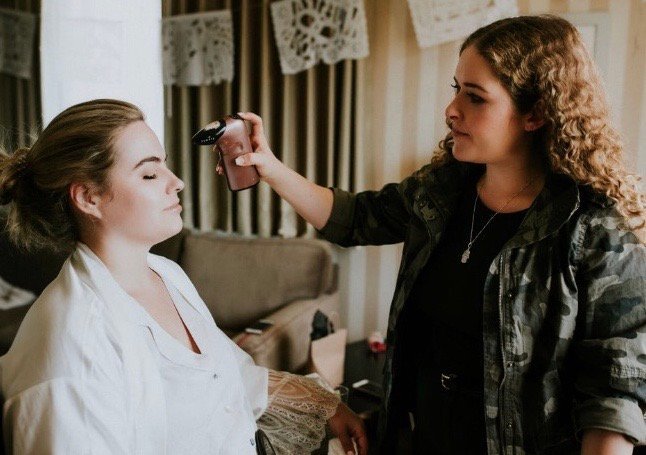
A bridal makeup trial isn’t just about seeing a look on your face for the first time. It’s a working session, and one of the few chances you’ll have before the wedding day to ask real questions, test something, and adjust it if it’s not quite right. After 11+ years of doing bridal trials, I can say the brides who get the most out of theirs are usually the ones who come in with a few specific questions, not just a Pinterest board.

Quick answer: the most useful trial questions cover longevity, the products being used on your skin, and day-of logistics like timing and touch-ups. Bringing these up during the trial, not the morning of the wedding, gives your artist time to actually adjust the plan if something needs to change. Here’s what’s worth asking, and why.

Why the Trial Is Your Chance to Ask, Not Just Look

It’s easy to treat a trial as a photo opportunity, something to snap a picture of and compare to your inspiration board. But the real value of a trial is that it’s interactive. It’s the appointment where I test products directly on your skin, make adjustments in real time, and discuss any sensitivities, reactions, or recent treatments openly before they matter on the wedding day itself. If you only watch and don’t ask questions, you miss most of what a trial is actually for.

Coming in with a short list of questions helps make sure you cover everything important in the moment, especially if you’re nervous or excited and forget what you meant to bring up.

Key Questions to Bring

Here are the categories worth covering during your trial appointment.

About Longevity and Touch-Ups

Ask how the look will hold up over the course of your specific day, especially if you’re getting married outdoors or somewhere with coastal humidity, sea air, or wind. It’s also worth asking what kind of touch-ups you might need between the ceremony and reception, and what I provide versus what you might want to bring yourself.

About Products Used

Ask what products your artist plans to apply to your skin, particularly if you have known sensitivities or have had a reaction to a product in the past. This is exactly the kind of thing your artist should ask you about too, since sensitivity and recent-treatment disclosure are a standard part of the trial process. If you’ve had any facials, peels, or other treatments recently, mention them, even if your artist doesn’t bring them up directly.

About Day-Of Logistics

Ask how the timeline typically works on wedding morning, including roughly how long your application will take, when the artist plans to arrive, and how the artist coordinates things if you have a bridal party getting ready alongside you. Understanding the flow ahead of time makes the actual morning feel far less rushed.

What Good Answers Sound Like

A good answer to a longevity question should sound specific to your day, not a generic “it’ll last.” A good answer about products should be honest about what’s being used and open to adjusting if something doesn’t feel right on your skin. And a good answer about logistics should give you an actual sense of timing, not a vague reassurance. If an answer feels rushed or unclear, the trial is exactly the right moment to ask for a follow-up, not the wedding morning.

In the days and weeks around your trial, it’s also worth following some general prep guidance: avoid introducing new skincare products or treatments in the final 10 days before your wedding, keep a consistent skincare routine going for at least four weeks out, and stay well hydrated in the week leading up to the event, especially if it’s summer. None of this is medical advice, it’s simply practical prep that helps your skin hold makeup well and reduces the chance of an unexpected reaction close to the date.

If you’d like to see real trial and wedding-day results, take a look at the portfolio, or read more about the experience behind the process on the about page. When you’re ready to book your own trial, reach out through the contact page.

Frequently Asked Questions

1. When should I start prepping for your bridal makeup trial? 

A good rule of thumb is to start a consistent skincare routine at least four weeks before your trial or wedding, whichever comes first, and to stay hydrated in the week leading up to either appointment, especially during summer months.

2. What should I avoid in the days leading up to my wedding? 

Avoid trying new skincare products or treatments in the final 10 days before your wedding. This includes new facials, peels, or products you haven’t used before, since introducing something unfamiliar close to the date increases the chance of an unexpected skin reaction.

3. What should I bring up with my artist about during your bridal makeup trial? 

Mention any skin sensitivities, past reactions, or recent treatments, even if you’re not asked directly. Also bring up longevity concerns specific to your venue, questions about the products I use, and any timing or logistics questions about your wedding morning, so we can address everything before the day itself.
Posted on

Avoiding Makeup That Settles Into Fine Lines

avoiding makeup that settles into fine lines

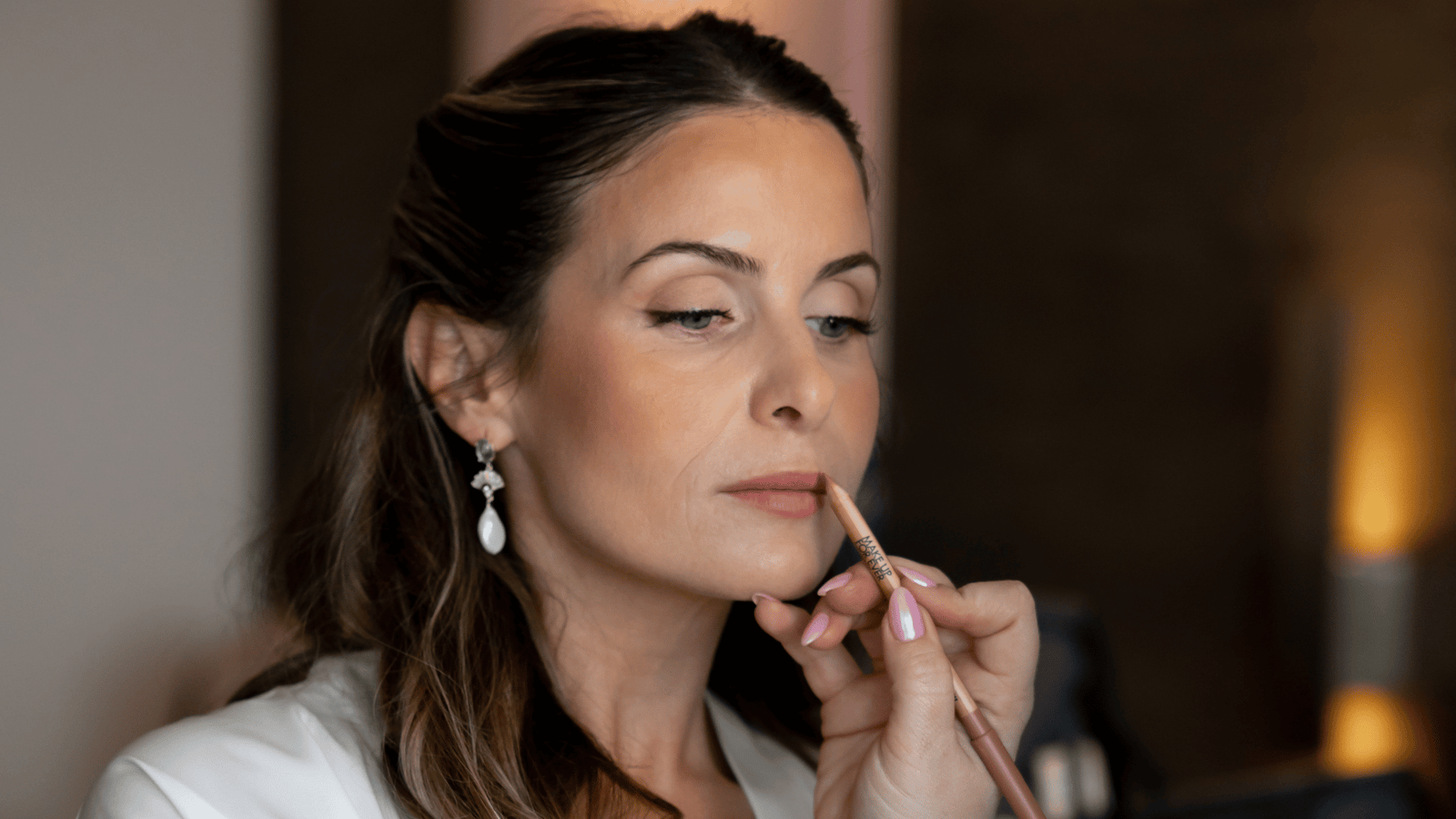
Makeup that settles into fine lines ranks among the most common frustrations brides bring up in a trial, and it’s also one of the most fixable. The right formulas, the right layering, and the right setting technique change everything about how skin looks in photos and in person, all day long. This isn’t about hiding fine lines or erasing texture. It’s about choosing products and techniques that actually work with mature skin instead of fighting it.

Brittany Brown brings more than 11 years of hands-on bridal and print makeup experience to this exact challenge, and she considers mature makeup one of her favorite parts of the job. On her about page, she’s spoken openly about loving mature makeup and about corrective work as one of her core strengths, an approach that treats every skin type as something to enhance rather than something to correct into a different look entirely.

Why Certain Formulas and Techniques Cause Settling

Settling happens when foundation, concealer, or powder collects inside fine lines instead of sitting smoothly across the skin’s surface. A few common culprits explain most of it.

Heavy, matte formulas often carry the biggest share of the blame. These formulas grip onto texture as they dry, and once they set, they emphasize every line and crease instead of blurring them. Naturally drier or mature skin types often have a harder time wearing heavy matte finishes for several hours without them emphasizing texture.

Dry or under-prepped skin causes just as many problems. When skin lacks enough moisture underneath makeup, foundation has nowhere smooth to sit, so it clings to dry patches and fine lines instead of gliding over them. Skipping a proper prep routine before foundation application sets the whole look up to fail, no matter how good the products are.

Applying too much product at once compounds both issues. Thick layers take longer to set, sit heavier on the skin, and give fine lines more surface area to trap. A base built in layers, rather than one heavy application, holds its shape far better over time.

Over-powdering rounds out the list. Powder absorbs oil and locks foundation in place, but too much of it dehydrates the surface of the skin. As the day goes on, that dryness pulls makeup into fine lines rather than keeping it smooth.

Techniques That Prevent It

Prepping Skin Before Foundation

Skin prep sets the entire foundation for how makeup wears throughout the day, and this step matters even more for mature or drier skin types. A well-hydrated base gives the foundation something smooth to grip, rather than forcing it to settle into dry, uneven texture.

Brittany Brown Beauty builds this preparation into every bridal appointment, adjusting products and techniques based on each bride’s skin type and specific concerns. For brides planning ahead, starting a consistent skincare routine about four weeks before a trial gives skin time to reach a more hydrated, even baseline before makeup application even begins.

Applying in Thin, Buildable Layers

Instead of applying a full layer of foundation in one pass, building coverage gradually gives far better results on mature skin. Thin layers set faster and sit closer to the skin, which leaves fine lines with far less surface area to catch product.

This technique also gives an artist more control over coverage. Areas that need a little more attention get an extra thin layer, while smoother areas stay light, which keeps the whole face looking balanced instead of uniformly heavy. Brittany brings this same layering approach to her print and editorial work, where cameras pick up even the smallest amount of excess texture or product, and examples of that work appear throughout her portfolio.

Setting Without Over-Powdering

Setting makeup matters, but the goal is control, not elimination of every trace of shine. A light, targeted application, focused on the T-zone or other areas prone to oil, holds makeup in place without stripping moisture from the rest of the face.

Setting sprays formulated for a dewy or natural finish work well here too, since they lock foundation in place without adding the dry, powdery texture that tends to settle into lines as the day goes on. The right combination of a light powder touch and a good setting spray keeps makeup looking fresh from the ceremony through the last dance.

What to Do If Settling Happens Anyway

Even with the best prep and application, a long wedding day involves talking, laughing, crying, and hours of movement, so some settling can still show up by the evening. A few quick fixes handle it without undoing the whole look.

A damp makeup sponge works well for touch-ups. Gently pressing, rather than rubbing, over any areas where foundation has gathered helps blend product back into the skin without removing it entirely. Rubbing tends to disturb the rest of the makeup underneath, so a light patting motion works far better.

A small amount of hydrating setting spray refreshes the skin’s surface too. A light mist reintroduces moisture, softens any areas that look dry or cakey, and helps the whole face look more cohesive again.

Bringing a few essentials for touch-ups, like a travel-size setting spray or a compact, gives brides an easy way to refresh their look between the ceremony and reception without needing a full makeup redo.

Booking a trial ahead of the wedding remains the best way to catch any settling issues before the big day. A trial run reveals exactly how a bride’s skin behaves with a given formula over several hours, which gives plenty of time to adjust products or techniques well before the wedding itself. 

Brittany walks every bride through this process personally, drawing on years of experience with mature and corrective makeup to build a look that holds up through an entire day of photos, celebration, and movement. Reach out to schedule a trial and talk through your skin’s specific needs before your wedding day.

Frequently Asked Questions

1. How is avoiding makeup that settles into fine lines different from standard bridal makeup?

Standard bridal makeup often prioritizes long wear and heavy coverage, which can work against mature or drier skin types. Avoiding settling calls for lighter layering, targeted setting, and formulas chosen specifically for how they interact with fine lines and skin texture, rather than a one-size-fits-all approach.

2. What products work best for avoiding makeup that settles into fine lines?

Formulas with a dewy or satin finish generally outperform heavy matte formulas on mature skin, since they blend more smoothly into texture instead of gripping onto it. Lightweight, buildable foundations, hydrating primers, and setting sprays designed for a natural finish all work together to keep makeup looking smooth rather than settled.

3. How far in advance should I book a trial for avoiding makeup that settles into fine lines?

Booking a trial several months before the wedding gives the most flexibility, especially if adjustments to skincare routine or product choice turn out to be needed. Starting a consistent skincare routine about four weeks before the trial itself also helps skin reach a more hydrated, stable baseline before testing any makeup application.