Posted on

Makeup for Bridesmaids: Keeping Everyone’s Look Cohesive

makeup for bridesmaids

Bridesmaids often have different ideas about wedding makeup. Some prefer light coverage and neutral shades, while others feel more comfortable with defined eyes or stronger lip color. Their skin tones, features, and usual makeup preferences can also vary.

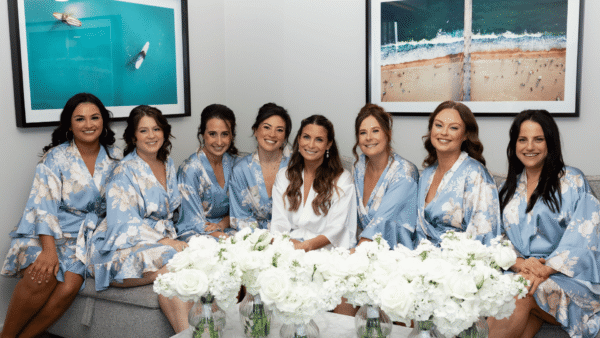
The challenge is bringing these looks together without making everyone wear the same makeup. A shared color palette and overall style can keep the bridal party coordinated. Each person can still have makeup that suits her.

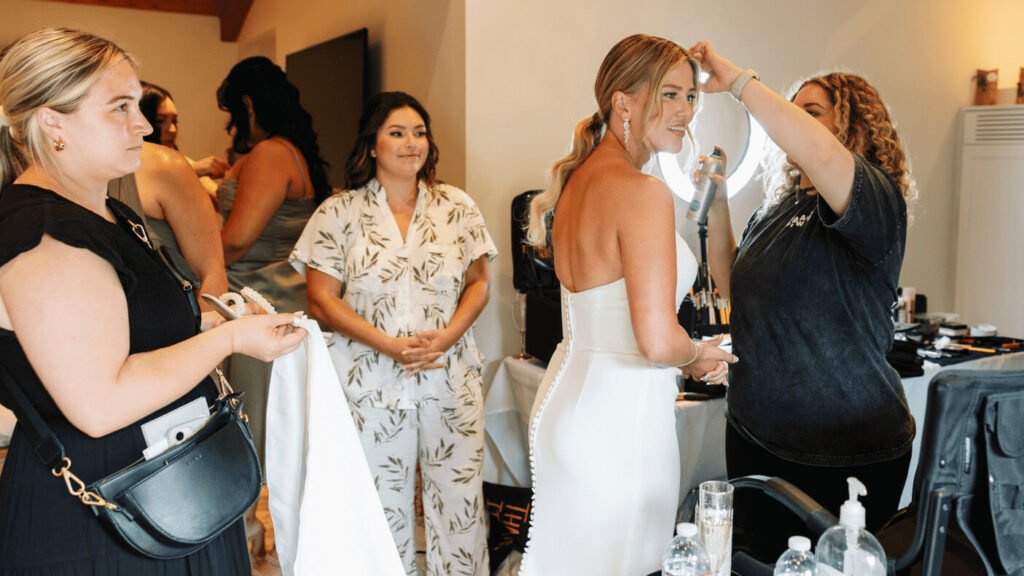
Brittany Brown Beauty provides mobile bridal hair and makeup across Orange County, San Diego, and surrounding areas. Brittany works with the bride to agree on the overall look, then adjusts the makeup for each bridesmaid. This helps the group look coordinated while allowing each person to feel comfortable with her makeup.

Why Cohesion Matters More Than Identical Makeup

Group photos can make differences in makeup intensity more noticeable. A bold lip beside a completely bare lip may look disconnected. Giving everyone identical makeup creates another problem. The same shades and techniques rarely suit every face.

A shared style gives the party a consistent appearance while leaving room for individual choices. Three elements help bring the looks together:

  • Color family: Choose warm peach and coral tones or cooler rose and berry shades. Repeat these colors across the cheeks, lips, and eyes.
  • Finish: Keep the overall finish consistent, such as satin skin or a softly matte look.
  • Intensity: Give everyone a similar level of definition. One bridesmaid can wear more eye makeup without looking completely different from the others.

Using identical products and techniques is unnecessary. Foundation must match each person’s skin tone and undertone. Blush placement also depends on cheekbones and face shape. The shared style should come from the overall appearance, not identical product choices.

The wedding setting also affects the makeup plan. Bright daylight reveals more detail than warm indoor lighting. Dresses and flowers help determine which colors will work together. Blush-pink dresses with white flowers create a different palette from deep green dresses with burgundy blooms. Read about how wedding lighting affects bridal makeup. The guide to matching bridal makeup to your bouquet and color palette offers more color ideas.

Small adjustments help each bridesmaid look balanced. A blush that looks soft on one complexion may appear strong on another. Pale pink lipstick may also look washed out against deeper skin. Adjusting the shade or amount keeps the overall look connected.

Building a Cohesive Look Across Different Features

Three decisions help shape the bridal party’s makeup: the color palette, the level of definition, and the bride’s own look. Each gives the artist room to make individual adjustments.

One Palette, Multiple Skin Tones

A shared palette provides a color direction, not one shade for everyone. The artist can choose different tones within that palette to suit each complexion.

For example, a warm, rosy palette could include:

  • Blush: Fair skin may suit a soft rose. Medium skin may suit a warm rose-peach. Deeper skin may look beautiful in a richer rose or berry shade.
  • Lips: Choose lip colors with similar warmth rather than identical shades. A rosy nude and a deeper rose can still complement each other.
  • Bronzer and complexion products: Match these products to each person’s skin. Some bridesmaids may need only a little warmth, while others may prefer a deeper bronzer. Foundation and concealer should match individual undertones.
  • Eyes: Repeat similar colors or finishes across the party. Soft taupe or champagne shades can connect the looks. The artist can adjust their depth to suit each person’s features.

No single shade works equally well on every bridesmaid. The artist should consider each person’s complexion and undertone before choosing products. Read more about matching bridal makeup to your skin undertone.

Adjusting Intensity, Not Concept

The color palette can stay consistent while the makeup intensity changes. Each bridesmaid can choose how much definition she wants within the agreed style.

For example:

  • Eyes: One bridesmaid may prefer a light wash of eyeshadow. Another may want more definition along the lash line. Both can use the same color family.
  • Lips: Some bridesmaids feel comfortable with a natural lip. Others may prefer a deeper shade from the same palette.
  • Lashes and eyeliner: One person may choose natural lashes and softly blended liner. Another may prefer fuller lashes and a more defined line.

Individual features also affect these choices. A bridesmaid with hooded eyes may need different eyeshadow placement. Someone with prominent eyelids may suit another approach. Fuller lips may also need less color to achieve the desired balance.

The artist can adjust the amount of makeup without changing the overall direction. For soft rose tones and satin skin, everyone can follow that style. A bridesmaid who wants more definition can receive additional eye makeup. Someone who prefers less can wear lighter layers.

Looking at the bridal party together helps maintain balance. A makeup style that looks subtle on its own may appear stronger beside another person’s look. The artist should consider how the finished makeup will appear in group photos.

Coordinating With the Bride’s Look

The bride’s makeup provides the starting point for the bridal party. Bridesmaid looks should complement hers without competing for attention. Group photos should feel connected while keeping the bride as the focus.

Start by discussing the bride’s preferred makeup style. Then decide whether the bridesmaids should wear softer makeup or similar levels of definition. The dress colors, bouquets, venue, and photography style can help guide that decision.

Consider a bride who prefers natural makeup, soft eyeshadow, and a sheer lip. Her bridesmaids could wear softly defined eyes and similar lip tones. This keeps the group polished without making their makeup more noticeable than hers.

A bride who prefers defined eyes and a deeper lip creates a different starting point. Her bridesmaids can use the same colors with lighter application. Very understated makeup may look disconnected beside a much bolder bridal look.

Ask the bride whether she wants matching intensity or slightly softer bridesmaid makeup. The wedding setting can help settle the choice. Deep jewel-tone dresses at an evening venue may suit stronger definition. Pastel dresses at a morning garden ceremony may call for softer makeup. This guide to bold bridal makeup vs. soft glam can help the bride choose her preferred style.

Handling Bridesmaid Requests for Something Different

Bridesmaids rarely have identical makeup preferences. Discussing those preferences before the wedding helps avoid last-minute disagreements. It also gives the artist time to plan each look.

Ask each bridesmaid a few simple questions:

  • What makeup do you usually wear?
  • How much foundation coverage do you prefer?
  • Do you feel comfortable wearing false lashes?
  • Would you rather have a natural lip, rosy tint, or deeper color?
  • Do you prefer no eyeliner, a soft line, or more definition?
  • Are there any textures or finishes you dislike?

A bridesmaid who rarely wears makeup may prefer light coverage and a natural finish. Someone who enjoys defined eyes may want stronger liner or fuller lashes. Both preferences can work within the same color palette.

Reference photos can make these conversations easier. Ask the bride to share examples of the overall style she likes. Each bridesmaid can also bring one or two makeup references. Photos show the desired finish and intensity more clearly than words like “natural” or “glam.”

Browse the Brittany Brown Beauty portfolio for examples of finished bridal looks. You can also read about explaining your vision to your makeup artist during a trial.

Give the artist enough time to review everyone’s preferences. A rushed appointment leaves less room for adjustments. Discussing the details beforehand helps the morning run according to plan.

Brittany’s approach focuses on enhancing natural features rather than masking them. She brings that approach to every bridesmaid, regardless of makeup preference. Brittany has more than 11 years of experience in the makeup industry. Read more about her background and approach on the About page.

Preparing for Wedding-Day Makeup

A little preparation helps the bridal party arrive ready for makeup. Share these tips with everyone before the wedding:

  • Stick to a familiar skincare routine. Use products your skin already tolerates in the weeks before the wedding. See how to prep your skin 30 days before your wedding for a suggested timeline.
  • Avoid new products close to the wedding. A new serum, mask, or treatment can cause unexpected redness or affect how makeup sits. Avoid introducing unfamiliar products during the final 10 days.
  • Mention sensitivities and past reactions. Tell the artist about any known sensitivities or previous product reactions. This gives you time to discuss suitable options. Ask your dermatologist about concerns that go beyond makeup.
  • Discuss your usual routine and preferences. Let the artist know which skincare products you use and what makeup feels comfortable to wear.

Each person also needs enough time for makeup application. The bride typically needs around 90 minutes. Each bridesmaid usually needs 45 to 60 minutes. For five bridesmaids, one artist may need four to five hours for the bridal party alone. Brittany can arrange additional artists for larger parties. This helps everyone get ready without rushing the bride’s application. She discusses the timing during booking.

A makeup trial can also help, especially when someone has concerns about product comfort or appearance. Brittany strongly recommends a trial for the bride, but it is not required. Bridesmaids can also arrange trials when they want to test a look or discuss specific concerns. The artist can assess the makeup and make adjustments during the appointment. However, a trial cannot guarantee that a reaction will not occur later. Always disclose known sensitivities, even if you have completed a trial.

Brides typically book their wedding date 6 to 12 months in advance. The bridal trial usually takes place 2 to 4 months before the wedding. Read how many bridal trials you actually need for more guidance.

Planning Makeup for Your Bridal Party?

Give Brittany the details of your wedding day, including the date, venue, and number of people needing makeup. Share your preferred bridal party style and any individual preferences too. Brittany Brown Beauty can discuss your makeup plans and check availability. Click the button below to schedule a consultation online.

Frequently Asked Questions

1. What’s the best way to prep my skin for makeup for bridesmaids?

Keep to the routine your skin already knows. Avoid trying unfamiliar products or treatments in the days before the wedding. Share any sensitivities or past product reactions with the artist ahead of time. If you have skin concerns beyond makeup, ask your dermatologist.

2. How long will makeup for bridesmaids last through the ceremony and reception?

No fixed wear time applies to everyone. Wear depends on skin preparation, products, application, skin condition, weather and the day’s schedule. A humid outdoor ceremony asks more of makeup than a cool indoor one. Tell the artist about the venue and schedule so the plan fits. You can also ask what, if anything, to carry for touch-ups.

3. Can makeup for bridesmaids be adjusted for my specific skin tone or type?

Yes. The artist chooses shades and formulas for your skin tone, undertone and skin type. The amount and definition adjust to your preferences too. The shared palette stays, and the details change from person to person. No single product suits everyone, so tell the artist if your skin runs dry, oily or sensitive.

4. How can a bridal party coordinate different makeup preferences?

Start with one shared direction, such as a color family, a finish and an overall level of definition. Collect each bridesmaid’s preferences on coverage, lashes, lip color and eyeliner before the wedding. Photos of looks each person likes make the plan clearer. The artist then adjusts the amount of product while keeping the direction consistent.

5. Should bridesmaids have a makeup trial?

Not every bridesmaid needs one. The bride’s trial usually sets the overall direction. A bridesmaid with concerns about comfort, appearance or wear may benefit from one. A trial lets the artist and client assess the makeup and adjust it. Ask about options when you schedule your consultation.
Posted on

Bridal Hair for Cathedral-Length Veils

bridal hair for cathedral-length veils

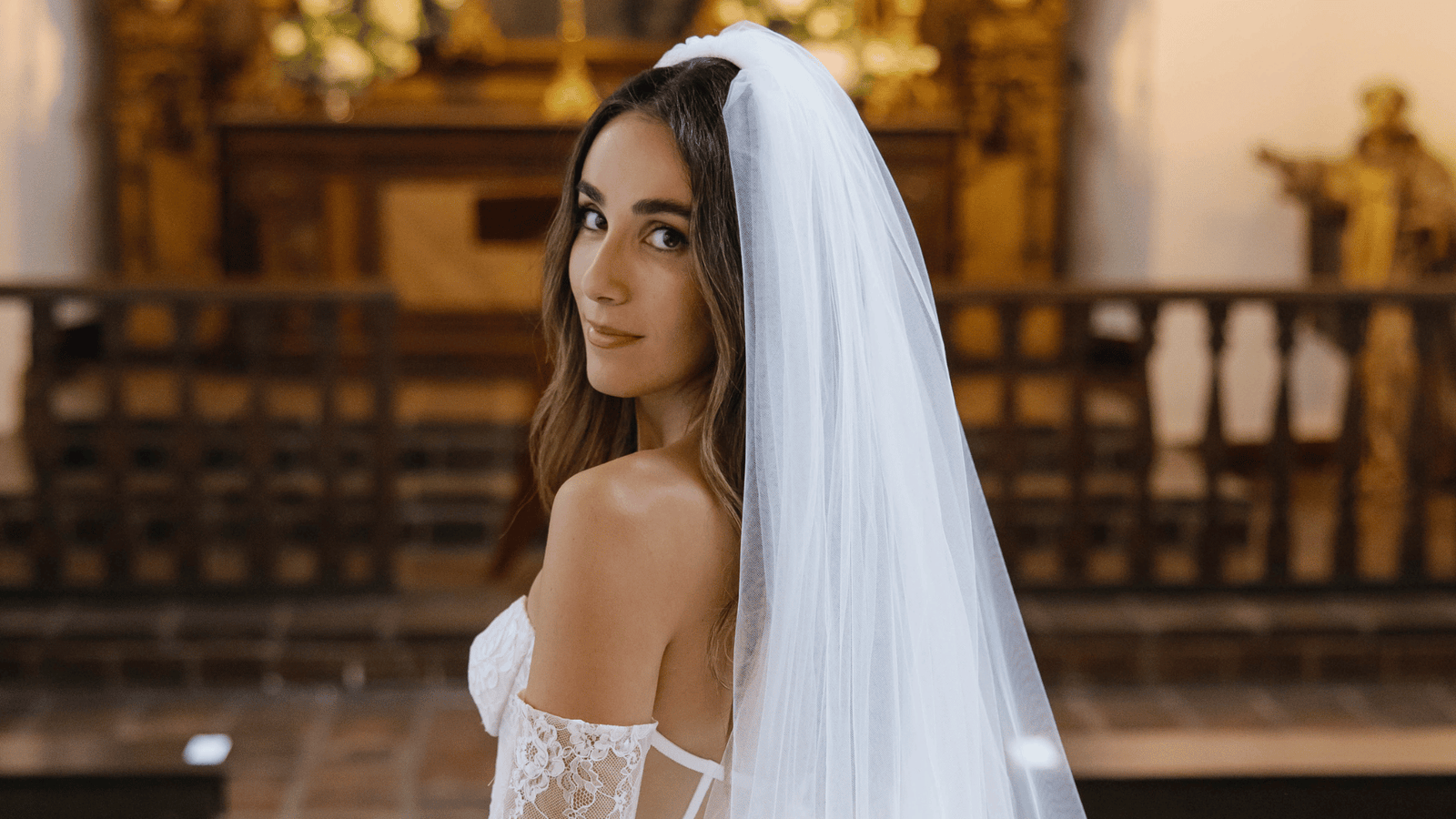
A cathedral-length veil changes how a hairstyle is built. It is long, often heavy and always moving. Bridal hair for cathedral-length veils works best when the style and the veil are planned as one look. This article covers attachment, hairstyle choices, Southern California weather, trial prep and removal at the reception. It works as a planning guide for bridal hairstyles in Orange County and San Diego.

Brittany Brown Beauty provides mobile bridal hair and makeup across Orange County, San Diego and surrounding areas. Brittany styles brides where they get ready. The plan can include your real room, schedule and veil. The advice below is general. Your veil, hair and venue decide the details. You can read more about Brittany’s background on the About page.

How a Cathedral-Length Veil Affects Your Hairstyle

A cathedral veil usually reaches roughly three yards, and some run longer. It extends past the hem of the gown and often trails behind it. That length changes four things a stylist has to plan for.

  • Length: The veil pulls backward and downward from the point where it is attached. A longer veil means more leverage on that point.
  • Weight: Layers of tulle, a lace edge, beading or pearls all add weight. Two veils of the same length can behave very differently.
  • Movement: A long veil catches air, swings during a walk and shifts when someone steps on it. Each movement tugs the hair underneath.
  • Coverage: Sheer tulle shows hair through it, but the veil still softens or hides parts of the style. Detail at the back may read differently once the veil is placed.

A shorter veil rests lightly and moves less. Our look at bridal hair with a veil for every length covers those options. A cathedral veil asks more of the hairstyle. The hair under it needs a firm base, and the base needs a place for the comb to sit.

That is why the hairstyle and the veil should be planned together. A style chosen first may leave no good spot for the comb. A veil chosen first may be too heavy for a loose, soft style. Bring both into the same conversation, ideally before the trial, so the stylist can test them as a pair.

Some decisions depend on the individual veil. The comb size, the fabric and the trim all matter. Some depend on the hair, such as length, density and texture. Brittany treats these as questions to answer at the trial, not rules to apply to every bride.

Choosing a Hairstyle That Works With Your Veil

Collect wedding hair ideas that show the back and sides. Then check that the veil and the hairstyle can both deliver the look. A sleek, polished back needs a different plan than soft movement near the face.

Where to Attach a Heavier Veil

Attachment placement affects three things. It affects stability, the hairstyle’s look from behind and how easily the veil comes out. No single position is right for every bride.

Most veils attach with a small comb. Some use a loop, a clip or a double comb. Look at yours before the trial. Note how wide the comb is, how long the teeth are and if it is sewn to the tulle. Those details tell the stylist which placements are realistic.

A higher placement near the crown can give lift and lets the veil fall from the top of the head. It also puts the comb in view from some angles, so the stylist may need to cover it with hair. A lower placement just above or below a bun can hide the comb. It can also pull on the bun as the veil moves.

Stability comes from what the comb is anchored to, not only where it sits. A comb pushed into loose, smooth hair can slide. A comb set into a firm section often grips better. Stylists commonly build that section with a small twisted or braided base, then pin through and around the comb. Hair type changes the method, so test it.

Placement also changes the picture. A comb set too high can flatten crown volume. One set too low may drag the style downward. The veil placement guide for every bridal hairstyle shows how position shifts with each style.

Hairstyles That Can Support a Long Veil

Several styles can work with a cathedral veil. None is always the most secure. Each has trade-offs you can discuss at the trial.

  • Structured updo: Hair is pinned up in sections, which gives the comb firm material to grip. Sections also spread the veil’s weight. Removal is straightforward when the comb sits in an accessible spot.
  • Low bun: A bun at the nape gives the veil a clear place just above it. The veil falls behind the bun, so the bun stays visible from the side. Weight can pull on the bun, so the base needs real support. The comparison of low buns and high buns for brides explains the difference.
  • Chignon: A chignon is a smooth, folded style, often low. Its clean lines show through tulle, which suits brides who want a polished back. The smoothness leaves less texture for pins to grip, so the stylist plans the anchor carefully.
  • Half-up style: The top section is secured and the rest falls loose. The comb goes into the pinned section. The loose lengths soften the look but move freely, so they react more to wind and weight.
  • Fully down: Loose waves are possible with this length. They are the most demanding option, because the veil has less structure to attach to. This option needs the most testing at the trial.

Your hair shapes the choice. Long hair gives room for a substantial base but adds its own weight. Shoulder-length hair may limit how much can be pinned. Dense hair holds pins well and can hide a comb easily. Fine hair needs a different approach, since pins may slip and volume can drop.

Texture and natural movement matter too. Curly hair may need its pattern preserved while still creating a stable base. Straight, slippery hair may need added grip. Wavy hair often bends into a style with less effort. The stylist adjusts preparation and setting to the texture rather than using one routine for everyone.

You can keep visible detail even with a long veil over the top. A braid or a textured twist at the back still reads through sheer tulle. Attach the veil above the detail and it falls behind the style, leaving the detail in view. Attach it below the detail and the tulle covers more of it. Look at photos of the style from the back before deciding. The portfolio shows finished looks from several angles.

Weather and Setting Choices in Southern California

Conditions vary a lot across Orange County and San Diego. A bluff above the ocean can be breezy. A garden a few miles inland may be warm and still. A hotel ballroom may be air conditioned, and stepping outside changes things quickly. For bridal hair for cathedral-length veils in Orange County, ask the venue about ceremony time and exposure. Conditions differ by location.

Sea air and humidity can soften curls and add frizz. Heat can make hair feel heavy and cause structured styles to settle. Wind can lift a long veil and tug it sideways. None of these conditions means trouble is certain. They are reasons to plan the structure.

Several choices help. A firmer, sectioned base resists loosening better than a soft one. Curls that cool before they are pinned often hold their shape longer than curls brushed out hot. A veil attached to a stable section moves less in wind. A stylist may add pins in places that carry the veil’s pull. The right amount of support depends on the day.

Wind is worth its own plan. Read how updos and down styles compare at windy coastal venues before you decide. Ask the photographer or planner where the ceremony faces and when the wind usually rises.

Moving between indoor and outdoor spaces matters as well. Temperature and humidity can shift within minutes. Plan veil checks after the move, not before it. No style stays untouched through every condition. The goal is a hairstyle that handles the likely conditions and a clear plan for small fixes.

Removing the Veil After the Ceremony

Decide how the veil comes off before the wedding day. A removal that was never tested can disturb the style, bend the comb or snag the tulle. Many brides remove a cathedral veil after the ceremony and formal photos so they can move freely. The reception hairstyle then has to stay intact.

The stylist can show how the attachment releases. In many cases the helper first removes any pins that cross the comb, then lifts the comb out. The order matters. Removing the wrong pin first can pull hair out of place. Ask the stylist to point out which pins to take out and which to leave.

Afterward, the hairstyle may need small tweaks. The crown may be flatter after hours under weight. A few strands may have loosened. Matching pins on hand allow quick repairs. Some brides want a second look with a different accessory. Our article on second-look bridal hair for the reception covers that idea.

Choose a helper before the day. A bridesmaid, a mother or the planner can handle it. Bring that person to the trial if possible, so that person can practice the release. Ask the stylist to leave brief written notes or a photo of the pinned arrangement. Confirm who stores the veil afterward and where it goes. The tulle should stay away from food, shoes and chairs.

Test removal at the trial, especially if you plan to keep the hairstyle for the reception. If the style loosens when the veil comes out, the stylist can adjust the base. That is far easier to fix at a trial than on the wedding day.

What to Bring to Your Hair Trial

A trial is where the veil and the hairstyle meet. Brittany strongly recommends one, though it is not required. Bring these items so the stylist can test the whole look.

  • The cathedral-length veil, if available: Its weight and fabric set the level of support the hair needs. A substitute veil can mislead the test.
  • The comb, pins or other attachments: The design of the attachment determines where and how it can anchor.
  • Photos of hairstyles from several angles: The back view matters most under a long veil. Side and top views show shape.
  • Photos of the gown, neckline and back details: The neckline affects how high or low the style sits. Back details, such as buttons or lace, can snag a veil.
  • Hair accessories: Combs, pins and decorative pieces compete with the veil for space. Test them together.
  • Ceremony and reception details: Outdoor exposure, the venue and reception plans shape the setting and the removal plan.
  • The expected wedding-day schedule and removal plan: This shows how long the style must hold and who handles the veil.

Ask what to do with your hair beforehand, and follow that plan. The trial then matches the wedding day more closely.

Brittany’s wedding-day process starts with early arrival and setup of her kit and lighting. She then preps, styles to your vision and sets the look. The trial lets you rehearse the styling and the veil. You see how the veil goes in, how long placement takes and how the style looks after movement.

Using the Trial to Plan Wedding-Morning Timing

Use the trial to map the morning. The bride’s appointment typically runs about 90 minutes. The hair portion varies. Length, density, texture, the style and any extensions all affect it. Ask how long your hair took at the trial.

Veil placement comes last. It follows the hair and makeup and works best after the gown is on. That keeps lace and buttons from catching the tulle. Allow a few minutes after placement for the stylist to smooth the veil before photos.

Work backward from the first photographs. Set the start time so the style has time to settle. Give the photographer the removal time, so veil shots happen before the comb comes out. Share the plan with the planner too. A written schedule helps everyone involved.

Planning Your Wedding Hairstyle?

Share your wedding date, venue, veil details and getting-ready location. Brittany Brown Beauty will check availability and talk through the hairstyle. If you have a photo of the veil or its comb, send it along. You can also reach us through the contact page. Click the button below to schedule a consultation online.

1. How long does bridal hair for cathedral-length veils typically take on wedding morning?

Brittany plans about 90 minutes for the bride’s appointment, and the hair portion varies. Hair length, density and texture matter, as does the style. An updo with a reinforced base can take longer than a simple half-up. Veil placement is a short final step. Confirm your own timing at the trial, then build the morning schedule around it.

2. Will bridal hair for cathedral-length veils hold up in Southern California humidity?

It can hold up well with planning, but no style is immune. Humidity softens curls and adds frizz, particularly near the coast. A firm base, curls cooled before pinning and a well-anchored comb all help. The Southern California humidity article covers more. Venue, time of day and your hair type still affect the result.

3. What accessories pair well with bridal hair for cathedral-length veils?

Simple pieces usually work best. A small pin or a slim headpiece can sit in front of the veil comb without crowding it. Heavy embellishments add weight and compete for space. Keep decorative pieces away from the comb area. Bring any accessory to the trial. The explainer on combs, pins and tiaras shows how each one works.

4. Can the hairstyle stay intact when the veil comes off for the reception?

Often yes, if the removal is planned and practiced. The helper releases the comb and removes only the pins the stylist points out. The crown may need a quick touch-up afterward. Keep a few matching pins nearby. Ask to rehearse the release at the trial, so the style is tested without the veil.

5. What if the cathedral veil has not arrived before the hair trial?

Wait if you can. The veil’s weight and comb change the plan. If the trial must happen first, ask the seller for the comb type, the fabric and the trim. A veil of similar length and weight is better than none, but treat that test as a rough draft. Plan a short follow-up check once yours arrives.

Posted on

Bridal Makeup for the Mother of the Groom

bridal makeup for the mother of the groom

Bridal makeup for the mother of the groom deserves the same care as the bride’s look. She stands in family portraits, greets guests, and appears in photos from the ceremony through the reception.

At Brittany Brown Beauty, Brittany Brown has 11+ years in the makeup industry, and mature makeup is a named specialty. She says, “I also love to do mature makeup,” and she loves helping moms, aunts, and grandmas feel beautiful and special.

This guide explains how to plan a look that feels elegant, comfortable, and like yourself, but elevated.

How Mother-of-the-Groom Makeup Differs From Bridal Makeup

A bride often wants a look built around her dress, her theme, and her own idea of bridal beauty. A mother of the groom may have different goals. She often wants to look polished and rested in photos, feel comfortable for a long day, and honor the occasion without stealing attention from the couple.

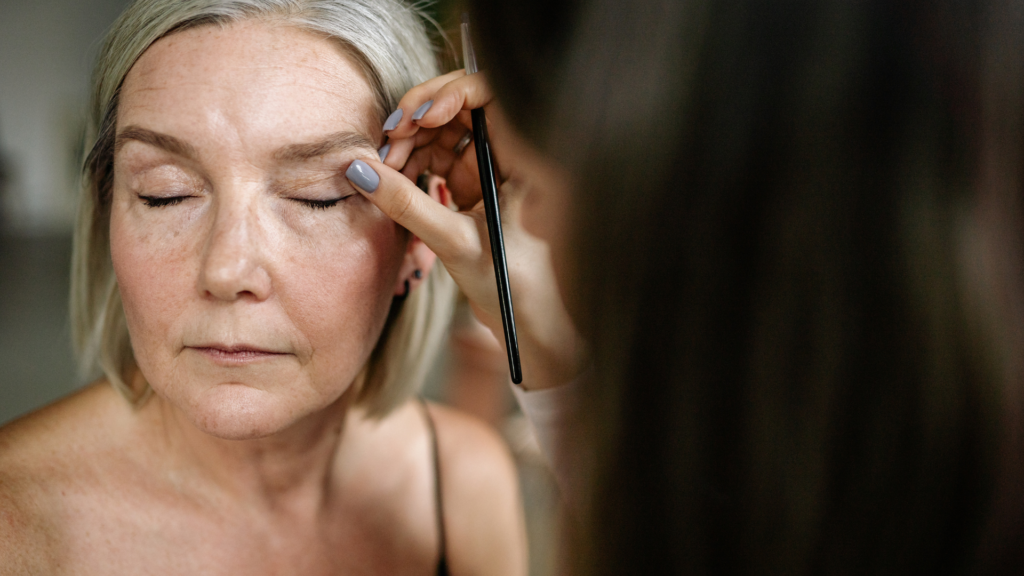
Technique also changes. Brittany explains that formulas that look great on younger skin can settle into fine lines or look heavy on mature skin. She adjusts her products and application for each client instead of using one fixed approach. Her “enhance, don’t mask” philosophy guides the work. The goal is to bring out your features and let your natural radiance show.

For mature clients, thoughtful product selection and application can make a noticeable difference. Brittany’s approach aligns with these tips on bridal makeup for mature skin, including what works and what to skip. Using suitable formulas and avoiding excessive layering can also help prevent makeup from settling into fine lines.

Brittany specializes in corrective beauty, bridal, print, and mature makeup. Her approach focuses on soft shadows and subtle highlights. She says corrective beauty makeup comes naturally to her. She also believes that small, subtle changes can make a powerful difference, especially for mature skin. For clients concerned about uneven pigmentation or scarring, her guide to corrective makeup for scarring and hyperpigmentation explains how makeup can create a more balanced finish without heavy coverage.

Building an Elegant, Age-Appropriate Look

special event makeup image 4

Three planning areas shape a mother-of-the-groom look.

Coordinating With the Day’s Formality

The style of the wedding sets the tone for your makeup. A formal evening ceremony in a resort ballroom calls for a different finish than a relaxed afternoon celebration at a garden estate.

  • Ask about the dress code: Knowing whether the wedding is black-tie, formal, or relaxed helps you choose the right level of definition.
  • Share your outfit: Photos of your dress, jewelry, and hair plan help Brittany choose colors that suit the whole look. Choosing the right foundation shade is especially important when you want your complexion to look natural alongside your outfit and in photographs. These tips on choosing the right foundation shade for your wedding day can help explain what to consider.
  • Think about the time of day: Morning, afternoon, and evening light all show makeup differently.
  • Bring reference photos: Images of looks you love give Brittany a clear starting point for the conversation.

Complementing, Not Competing With the Bride

The best mother-of-the-groom look fits into the wedding without pulling focus. It looks polished and cohesive next to the bride and the rest of the wedding party.

  • Aim for soft and radiant: Brittany’s no-makeup-makeup style focuses on glowing skin and warm, bronzed contour instead of heavy coverage.
  • Keep the finish consistent with the group: Brittany designs a bridal party so the whole group looks cohesive, instead of treating each person in isolation.
  • Choose colors you love: Lip and eye colors that suit your skin tone and outfit look natural and flattering.
  • Talk through your preferences: Tell Brittany what you like and what you would rather skip, so the final look feels like you.

Every client’s features, skin tone, and personal preferences are different, so the same approach will not suit everyone. Brittany’s work across different bridal clients, including her approach to bridal makeup for Asian brides in Orange County, reflects the importance of tailoring makeup to the individual rather than following a fixed look.

Longevity Through Photos and Reception

A mother of the groom spends hours on her feet, hugging guests, and posing for photos. Careful prep and thoughtful product choices help the look hold up through a long day.

  • Start with unrushed prep: Brittany begins with skincare, primer, and base preparation so every layer sits on a steady surface.
  • Match the application to your skin: Brittany uses professional products suited to Southern California conditions and to your specific skin type. Skin can behave differently depending on whether it is oily, dry, or acne-prone, so the right product selection matters. These recommendations for the best bridal makeup for oily, dry, and acne-prone skin explain why individual skin needs should guide the application.
  • Choose a suitable foundation: Foundation should provide the finish and coverage you prefer without looking unnecessarily heavy. For more information about options suited to mature skin, see this guide to the best foundations for mature skin in 2026.
  • Finish with setting techniques: Final setting techniques help the look hold through the ceremony, photography, and reception, though no one can promise exactly how any look will wear after a full day.
  • Ask about a trial: Brittany strongly recommends a bridal trial because it lets her test products on the skin and work through adjustments. Ask her whether you can include your own look.
  • Share skin sensitivities: Tell Brittany about any skin sensitivities, reactions, or recent treatments.

Skin prep helps too. Start a consistent skincare routine at least four weeks before the wedding, skip new skincare products or treatments in the final 10 days, and stay hydrated in the week leading up to the event.

Makeup can also look different in person than it does in professional photographs because lighting, camera settings, and the finish of the products all affect the final result. Understanding why bridal makeup looks different in photos and how to get it right can help you discuss the balance between a natural appearance in person and a polished look on camera.

Booking as Part of the Family’s Beauty Package

Brittany offers coordinated hair and makeup for bridesmaids, mothers of the bride and groom, and other members of the wedding party. Booking everyone together keeps the getting-ready morning organized and the looks cohesive. Mothers who are planning their own look can also explore the guidance on mother-of-the-bride makeup in Orange County, which covers similar considerations for family members attending the wedding.

Because Brittany is fully mobile, she comes to your home, hotel suite, resort room, or estate. She arrives with a complete professional kit, including studio-quality lighting and seating, and sets up in about 15 to 20 minutes. Your getting-ready party stays together, you skip the salon commute, and the timeline stays intact. For larger parties, she brings additional artists so everyone finishes on schedule without cutting corners on the bride’s application. She plans the schedule in advance during booking.

Before securing your date, it helps to discuss the number of people needing services, the timeline, and the look you have in mind. These suggestions on what to ask your bridal makeup artist before booking can help you prepare for that conversation.

Brittany trained at Empire Academy of Makeup in Orange County. One bride describes her as kind and communicative, and says she works extremely well with other vendors. You can see examples of her work in the portfolio and read more about her background on the About page.

Wedding dates in Orange County can book well in advance, especially on peak spring and fall weekends, so reach out as soon as the venue is confirmed. A signed contract and deposit secure your date. To start planning, Contact Brittany Brown to talk through your wedding party.

Frequently Asked Questions

1. How is bridal makeup for the mother of the groom different from standard bridal makeup?

The goals and the technique differ. A mother of the groom often wants to look polished, rested, and comfortable through a long day of photos and greetings. Brittany adjusts her products and application for mature skin, since some formulas can settle into fine lines or look heavy. She also coordinates the look with the rest of the wedding party so everyone looks cohesive.

2. What products work best for bridal makeup for the mother of the groom?

The best products depend on your skin, your outfit, and the setting, so Brittany chooses them for each client. She uses professional products suited to Southern California conditions and to your specific skin type, and she keeps the focus on your features. Tell Brittany about any skin sensitivities, reactions, or recent treatments so she can plan around them.

3. How far in advance should I book a trial for bridal makeup for the mother of the groom?

Reach out as soon as the wedding venue is confirmed, since Orange County wedding dates can book well in advance. Brittany strongly recommends a bridal trial before the wedding day so she can test the look and make adjustments. When you reach out, ask whether a trial can include the mother of the groom and when it should happen.

4. Should the mother of the groom coordinate her makeup with the mother of the bride?

The two looks do not need to match exactly. Instead, they can complement each other and the wedding style. Discussing preferred colors and matching the level of formality can create a cohesive look in family portraits. This approach also allows each person to express her individual style.

5. What should the mother of the groom bring to her makeup appointment?

Bring a photo of your outfit, any accessories that may influence your look, and a few makeup references you like. It also helps to share your usual makeup routine, preferred coverage, and any skin sensitivities or concerns. These details give the artist a clear starting point for creating a comfortable, flattering look.