Posted on

Bridal Makeup for Lace, Satin, and Modern Wedding Dresses

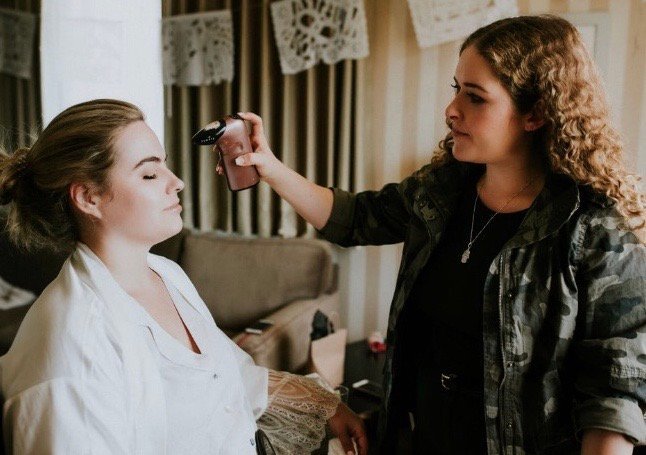
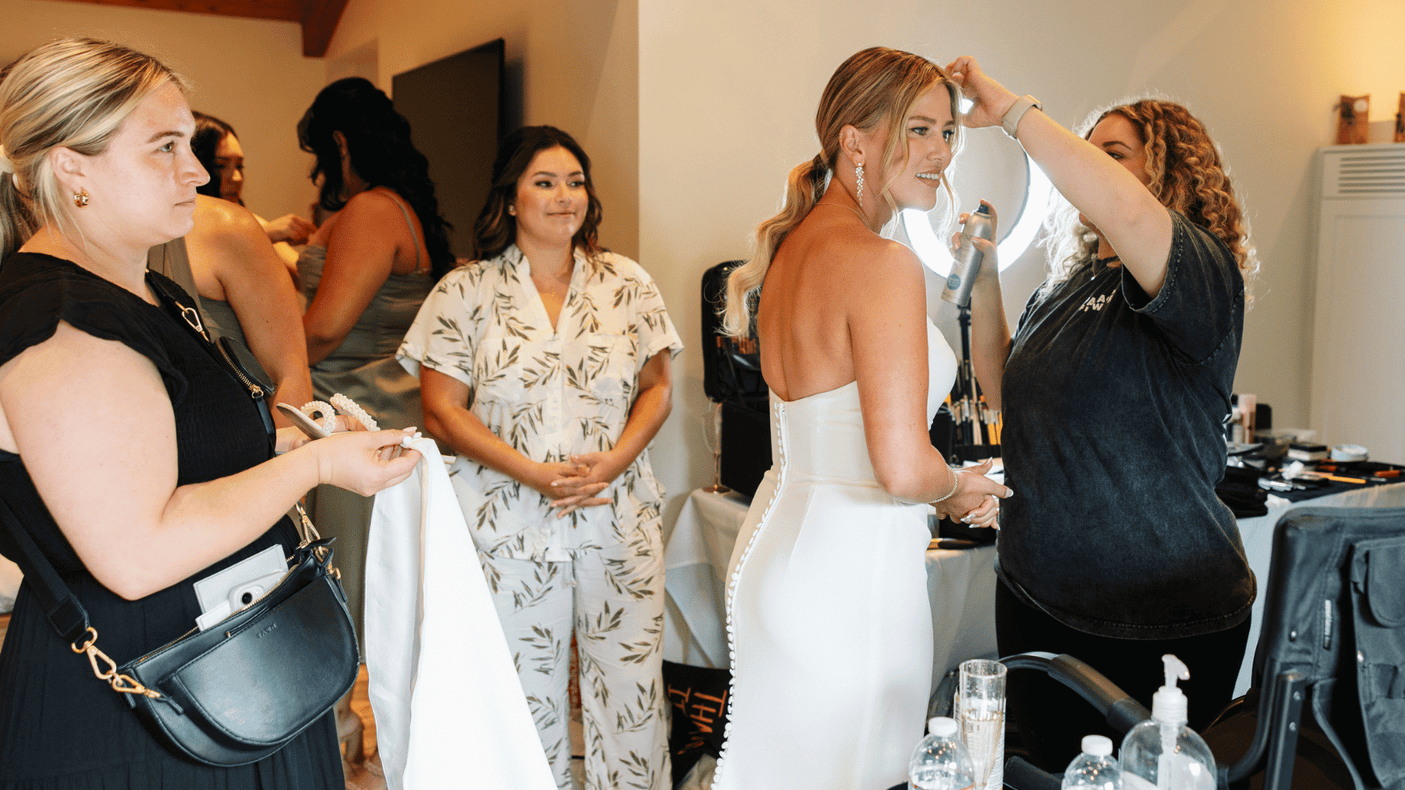
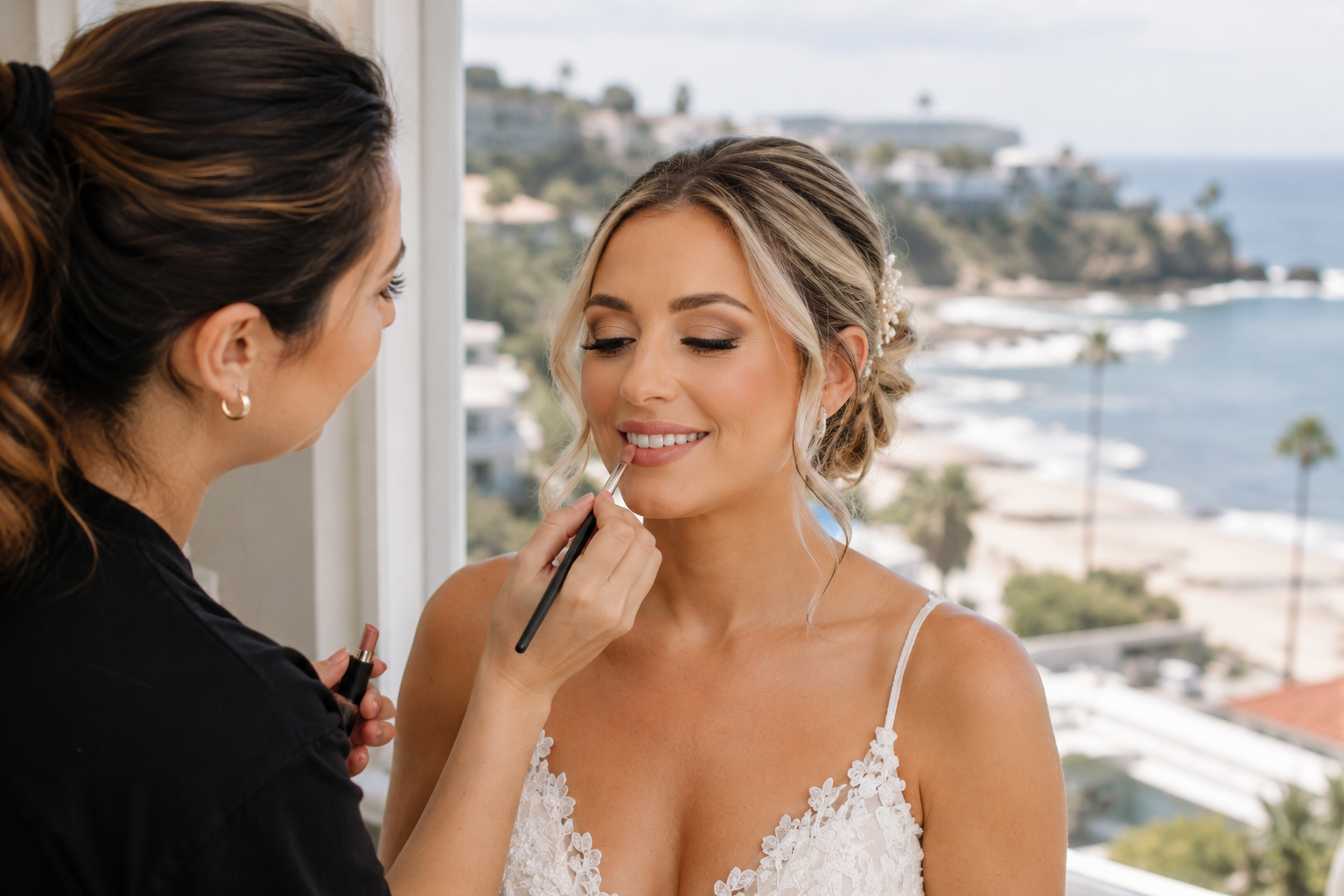
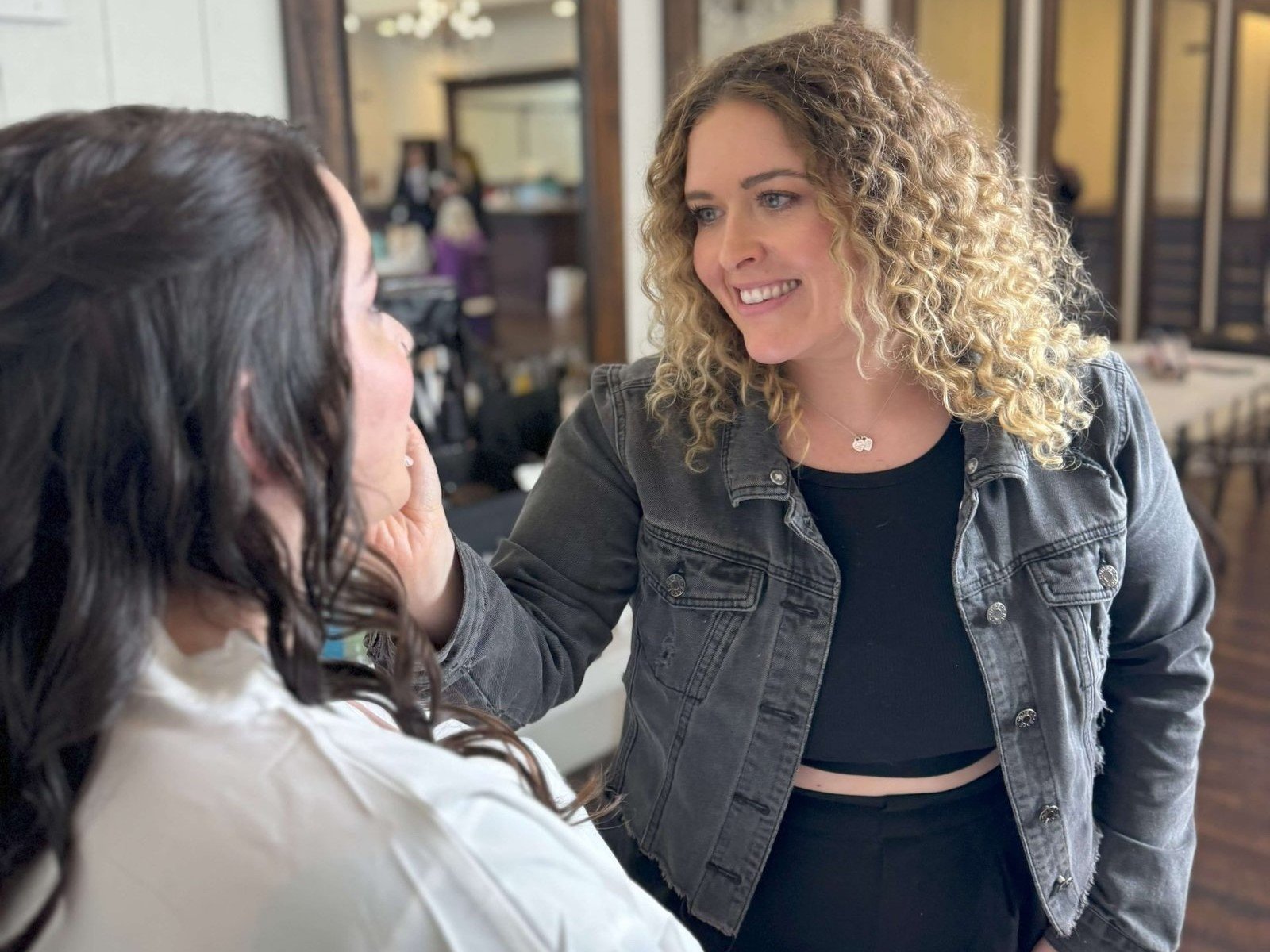
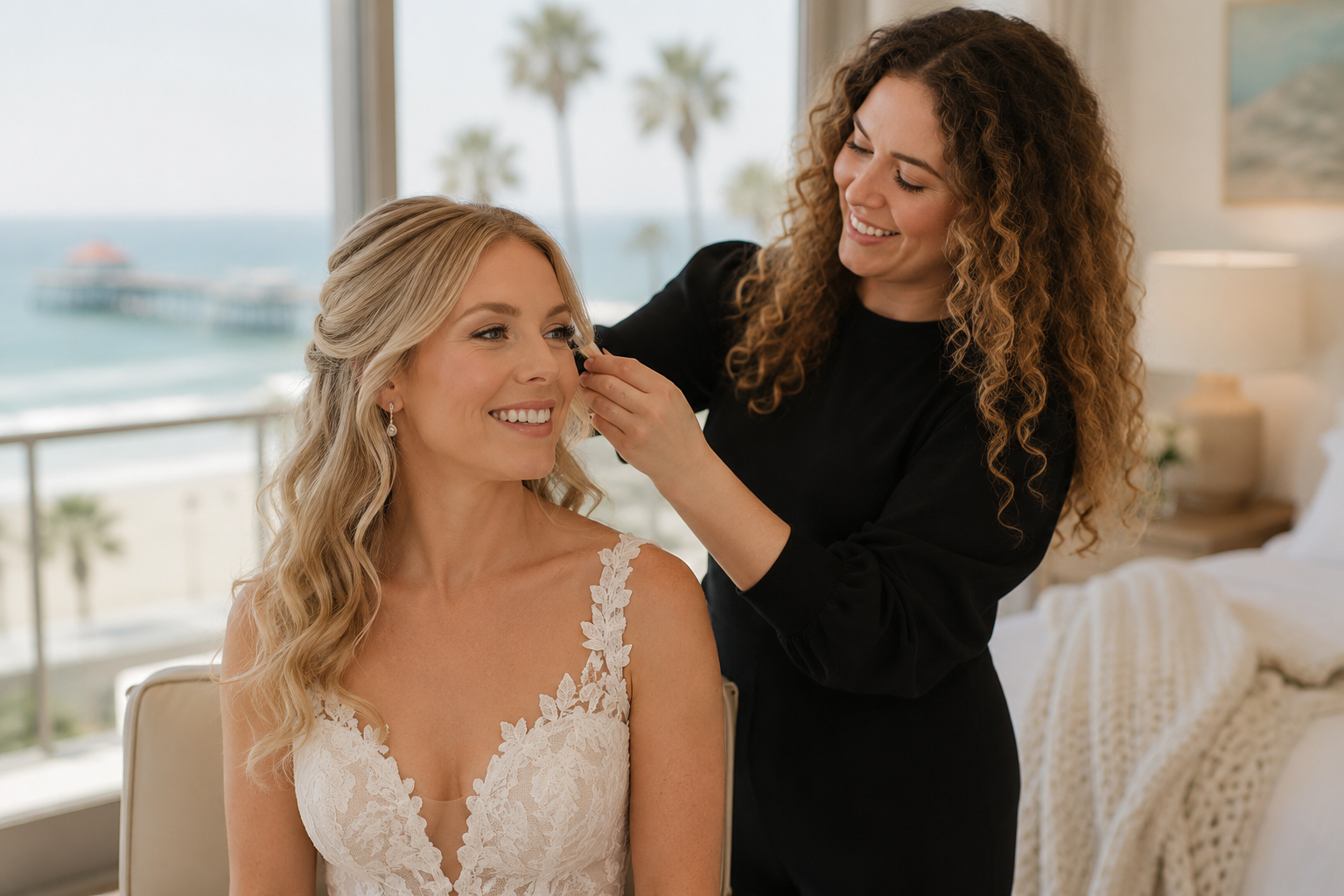
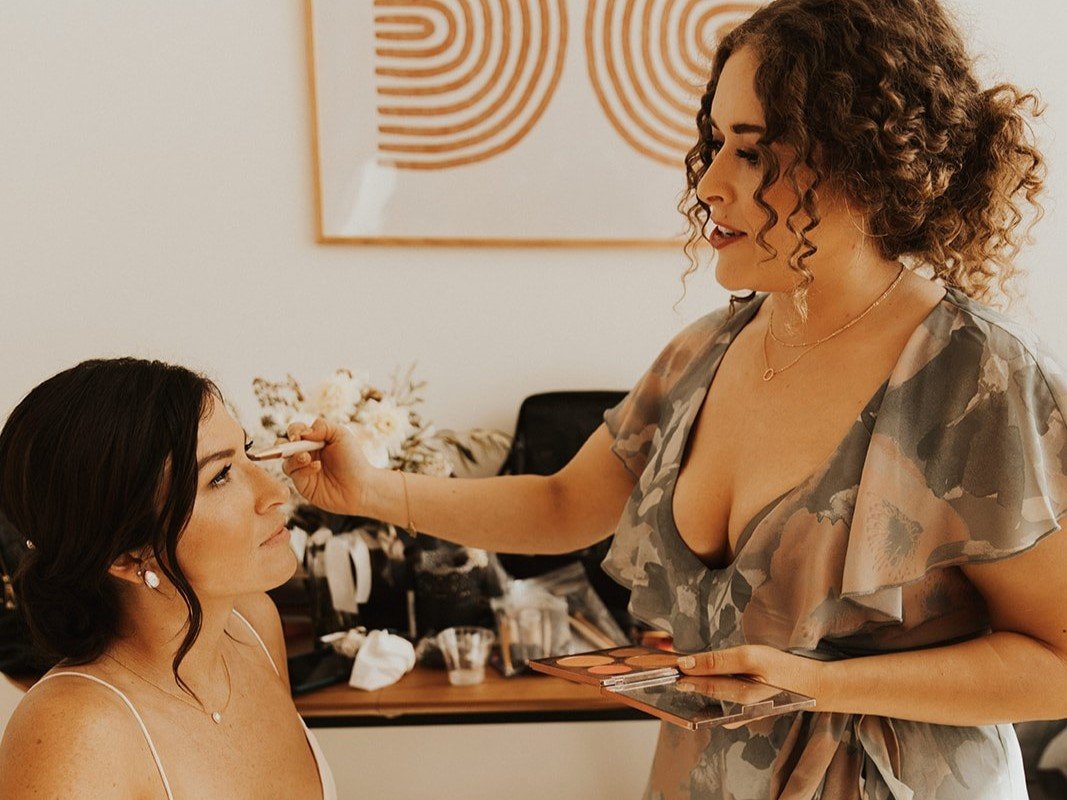
Bride wearing bridal makeup designed to complement lace, satin, and modern wedding dress styles

The right bridal makeup should complement the wedding dress without competing with it. Lace, satin, and modern wedding dresses each create a different visual effect, so the makeup should reflect the fabric, silhouette, neckline, accessories, venue, and overall wedding style.

A romantic lace gown may pair beautifully with softly blended eye makeup, fresh skin, and rose-toned lips. A smooth satin dress may support polished complexion makeup, defined eyes, and a refined lip color. A modern wedding dress may work with clean eyeliner, sculpted cheeks, natural skin, or a stronger statement lip.

Brittany Brown Beauty provides personalized bridal makeup services in Orange County based on the bride’s complexion, features, dress, wedding setting, photography, and preferred level of coverage.

Why the Wedding Dress Matters When Choosing Makeup

The wedding dress is one of the most visually important parts of the bridal look.

Its fabric, shape, detailing, color, and neckline can influence whether the makeup should feel:

  • Natural
  • Romantic
  • Classic
  • Soft glam
  • Full glam
  • Minimal
  • Vintage-inspired
  • Modern
  • Editorial
  • Dramatic

The goal is not to match the makeup to the dress literally. Instead, the makeup should support the same level of formality, softness, structure, and detail.

For example, extremely dramatic makeup may compete with a delicate lace gown. Very minimal makeup may feel less balanced beside a highly structured satin ball gown. A modern minimalist dress may work beautifully with either clean natural makeup or one stronger feature, such as graphic eyeliner or a red lip.

Begin With the Bride’s Personal Style

The wedding dress should guide the makeup, but the bride should still feel recognizable.

Before selecting the final look, consider:

  • How much makeup the bride normally wears
  • Which facial features she prefers to emphasize
  • Whether she likes matte or luminous skin
  • Whether she normally wears eyeliner
  • Her comfort level with false lashes
  • Her preferred foundation coverage
  • Her favorite lip colors
  • The formality of the wedding
  • The wedding photography style

A bride who normally wears minimal makeup may feel uncomfortable with heavy contouring or full smoky eyes. A bride who regularly wears defined makeup may feel unfinished with an extremely sheer application.

The most successful look connects the wedding dress with the bride’s everyday preferences.

Bridal Makeup for Lace Wedding Dresses

Lace wedding dresses often create a romantic, detailed, traditional, or vintage-inspired appearance.

Lace may be:

  • Soft and delicate
  • Bold and graphic
  • Floral
  • Beaded
  • Vintage-inspired
  • Sheer
  • Textured
  • Combined with tulle or chiffon

Because lace already contains visible texture and detail, the makeup should usually feel softly balanced rather than overly sharp.

Suitable makeup choices may include:

  • Natural or satin-finish foundation
  • Softly defined eyebrows
  • Taupe, champagne, rose, or mauve eyeshadow
  • Blended eyeliner
  • Individual or wispy lashes
  • Rose, peach, or dusty-pink blush
  • Soft bronzer
  • Controlled highlighter
  • Nude, rose, mauve, or berry lips

The exact style should also reflect the lace pattern, neckline, dress color, and wedding venue.

Romantic Makeup for Soft Lace Dresses

Soft floral lace often works well with romantic makeup.

A suitable look may include:

  • Lightweight or medium complexion coverage
  • Luminous or satin-finish skin
  • Soft brown eye definition
  • Champagne or rose-gold shimmer
  • Natural-looking lashes
  • Peach or rose blush
  • A rose, mauve, or pink-nude lip

The makeup should feel elegant and polished while allowing the texture of the lace to remain one of the main visual features.

Very harsh contouring, graphic liner, or extremely dark eyeshadow may compete with delicate floral detailing.

Makeup for Structured Lace Gowns

Some lace gowns are more dramatic and structured.

They may include:

  • Corset bodices
  • Fitted silhouettes
  • Defined patterns
  • Long trains
  • High necklines
  • Heavy embellishment

These dresses can support slightly stronger makeup, including:

  • Medium or full coverage
  • Defined brows
  • Soft smoky eyes
  • Fuller lashes
  • Sculpted cheekbones
  • A deeper rose, berry, or neutral lip

The makeup can have more structure while still maintaining soft blending.

Makeup for Vintage-Inspired Lace Dresses

Vintage-inspired lace dresses may suit makeup influenced by a particular period.

Possible choices include:

  • Soft matte or satin skin
  • Defined eyeliner
  • Individual lashes
  • Rose blush
  • Classic red lips
  • Berry lips
  • Champagne or soft brown eyeshadow
  • Carefully shaped brows

The final look should feel inspired by the dress rather than like a costume.

A 1920s-style lace gown may suit softly smoky eyes and a deeper lip, while a 1950s-inspired dress may pair with clean eyeliner and classic red or rose lipstick.

Makeup for Bohemian Lace Dresses

Bohemian lace dresses often feature relaxed silhouettes, flowing sleeves, crochet details, floral patterns, or lightweight fabrics.

A bohemian bridal makeup look may include:

  • Natural skin texture
  • Lightweight foundation
  • Freckles left visible
  • Warm neutral eyeshadow
  • Soft lashes
  • Peach or rose blush
  • Light bronzer
  • Nude, terracotta, peach, or rose lips

The makeup should feel fresh and intentional without becoming overly structured.

This style can work particularly well for beach, garden, estate, woodland, and destination weddings.

Bridal Makeup for Satin Wedding Dresses

Satin wedding dresses have a smooth, polished surface that reflects light.

They often create a classic, elegant, formal, or modern appearance.

Because satin has fewer visible textures than lace, the complexion and makeup details may become more noticeable.

Suitable choices may include:

  • Smooth medium coverage
  • Satin or softly matte foundation
  • Defined brows
  • Neutral or softly smoky eyes
  • Carefully blended contour
  • Polished lashes
  • Rose, mauve, nude, berry, or red lips

The makeup should look clean and refined without appearing overly powdered.

Why Complexion Finish Matters With Satin

Satin reflects light, so excessive facial shine may compete with the dress in photographs.

At the same time, a completely flat matte complexion may feel too severe beside the fabric’s natural sheen.

A satin-finish complexion often creates a balanced result because it provides:

  • Controlled radiance
  • Natural dimension
  • Moderate shine control
  • A polished photographic finish

Brides comparing foundation options can review the guide to dewy vs. matte bridal makeup.

Makeup for a Classic Satin Ball Gown

A satin ball gown often creates a formal and traditional appearance.

It may include:

  • A structured bodice
  • A full skirt
  • A long train
  • A corset
  • A cathedral veil
  • Minimal or detailed embellishment

A balanced makeup look may include:

  • Medium or full complexion coverage
  • Defined eyebrows
  • Neutral or softly smoky eyes
  • Individual or fuller lashes
  • Soft contouring
  • Rose or mauve blush
  • A polished nude, berry, rose, or red lip

The makeup should have enough definition to remain visible in full-length photographs and formal portraits.

Makeup for a Minimal Satin Dress

A simple satin dress may have clean lines, a slip silhouette, a square neckline, thin straps, or minimal embellishment.

Suitable makeup options include:

  • Fresh natural skin
  • Satin-finish complexion
  • Defined brows
  • Clean eyeliner
  • Soft neutral eyes
  • Individual lashes
  • A carefully placed blush
  • A nude, brown, berry, or red lip

A minimalist satin gown can support either understated makeup or one stronger feature.

For example, the bride may choose natural eyes and a red lip, or a nude lip with defined eyeliner.

Makeup for a Fitted Satin Dress

A fitted satin gown often feels sleek, polished, and dramatic.

The makeup may include:

  • Medium complexion coverage
  • Softly sculpted cheekbones
  • Defined eye makeup
  • Individual or wispy lashes
  • Satin or softly matte skin
  • A mauve, nude, berry, or classic red lip

The final look should match the dress’s structure without becoming too heavy.

Bridal Makeup for Modern Wedding Dresses

Modern wedding dresses may feature clean lines, architectural shapes, square necklines, one-shoulder designs, capes, jumpsuits, asymmetrical details, or unconventional silhouettes.

Modern bridal makeup can range from very natural to bold and editorial.

Possible directions include:

  • Clean natural skin
  • Soft-glam complexion
  • Defined eyebrows
  • Minimal neutral eyeshadow
  • Graphic or softly structured eyeliner
  • Sculpted cheeks
  • Individual lashes
  • A nude, brown, berry, or red lip

The makeup should feel deliberate and polished.

Makeup for a Minimalist Modern Dress

A minimalist modern dress may contain very few embellishments.

Because the design is simple, makeup details may become more noticeable.

A suitable look may include:

  • Even natural skin
  • Defined brows
  • Clean eyeliner
  • Natural lashes
  • Soft contour
  • A neutral lip
  • A classic red lip
  • Controlled highlighting

The goal is intentional simplicity rather than an unfinished appearance.

Makeup for an Architectural Wedding Dress

Architectural gowns may include sharp folds, structured shoulders, sculptural skirts, or geometric necklines.

These dresses may support stronger makeup structure, such as:

  • Defined brows
  • Clean eyeliner
  • Sculpted cheeks
  • A satin or matte complexion
  • A polished nude or statement lip

The makeup should reflect the clean design without feeling harsh.

Makeup for a Modern Bridal Jumpsuit

A bridal jumpsuit may create a clean, fashion-forward, or relaxed look.

Suitable makeup options include:

  • Fresh skin with clean eyeliner
  • Soft-glam makeup with a nude lip
  • Defined eyes with natural lashes
  • A sleek complexion with red lipstick
  • Soft contouring with a brown or mauve lip

The hairstyle should also support the outfit, whether the bride chooses a sleek ponytail, bun, waves, or short-hair styling.

Match Makeup to the Dress Neckline

The neckline affects how much attention is placed on the face, neck, shoulders, and chest.

Strapless Dresses

A strapless dress exposes the shoulders, collarbones, upper chest, and neck.

Foundation should blend naturally beyond the jawline when needed.

The look may include:

  • Balanced complexion coverage
  • Defined eyes
  • Visible blush
  • Soft contour
  • A polished lip color

Any body makeup or highlighting should match the face and photograph naturally.

High-Neck Dresses

A high neckline places more visual attention on the face.

The makeup may need slightly more definition through:

  • The eyes
  • Eyebrows
  • Cheeks
  • Lips

A polished complexion and defined eye makeup can help the face remain balanced beside fabric or lace near the neck.

Square-Neck Dresses

Square necklines often feel modern, structured, or vintage-inspired.

They may work well with:

  • Defined brows
  • Clean eyeliner
  • Neutral eyeshadow
  • Soft contouring
  • Satin-finish skin
  • A defined lip color

Off-the-Shoulder Dresses

Off-the-shoulder designs often create a romantic and elegant appearance.

They may pair with:

  • Glowing or satin-finish skin
  • Softly defined eyes
  • Rose, peach, or mauve blush
  • Natural lashes
  • Nude, berry, or rose lips

The face, neck, chest, and shoulders should appear balanced in color.

One-Shoulder Dresses

One-shoulder gowns create an asymmetrical and fashion-focused look.

The makeup may include:

  • Balanced complexion coverage
  • Defined eyes
  • Structured brows
  • Sculpted cheeks
  • A modern nude or statement lip

The hairstyle and makeup should work together to maintain visual balance.

Consider the Color of the Dress

Wedding dresses may be bright white, ivory, cream, champagne, blush, nude, silver, gold, or another color.

Bright White Dresses

Bright white can create strong contrast against the complexion.

Visible blush, accurate foundation matching, and a defined lip can prevent the face from appearing washed out.

Ivory and Cream Dresses

Ivory and cream have warmer undertones.

They may complement:

  • Peach
  • Rose
  • Bronze
  • Champagne
  • Warm brown
  • Soft gold
  • Warm nude lips

Champagne Dresses

Champagne gowns may work well with:

  • Bronze eyeshadow
  • Rose-gold tones
  • Warm blush
  • Soft brown eyeliner
  • Peach, rose, or warm nude lips

Blush Dresses

Blush wedding dresses may suit:

  • Mauve
  • Rose
  • Taupe
  • Champagne
  • Soft brown
  • Berry
  • Pink-nude lips

The makeup should complement the gown without matching its color too closely.

Match Makeup to Dress Embellishments

Dress embellishments can help guide the makeup colors and finish.

Pearl Details

Pearls may pair with:

  • Luminous or satin skin
  • Champagne eyeshadow
  • Soft pink or rose blush
  • Natural lashes
  • Rose or nude lips

Gold Details

Gold embroidery or accessories may complement:

  • Bronze eyeshadow
  • Warm brown
  • Peach blush
  • Terracotta
  • Rose-gold tones
  • Warm nude lips

Silver Details

Silver embellishments may work with:

  • Taupe
  • Mauve
  • Cool brown
  • Soft gray
  • Champagne
  • Rose or berry lips

Crystal or Sequin Details

Reflective embellishments should be balanced with controlled highlighter.

Too much shimmer on the eyes, cheeks, and dress may create competing reflective elements in photographs.

Choose Eye Makeup That Supports the Dress

The eye makeup should reflect the dress’s level of detail and structure.

Suitable bridal eye looks may include:

  • Soft neutral eyes
  • Champagne shimmer
  • Bronze eyeshadow
  • Rose-gold tones
  • Mauve eyeshadow
  • Soft smoky eyes
  • Defined eyeliner
  • Natural lashes
  • Fuller lashes

A simple modern dress may support stronger eyeliner or a softly smoky eye.

A detailed lace gown may feel more balanced with blended neutral eye makeup.

The guide to bridal eye makeup styles can help brides compare natural, soft-glam, and more defined options.

Choose the Right Foundation Coverage

The best foundation coverage depends on the bride’s skin, comfort level, photography, and wedding setting.

Light Coverage

Light coverage may suit brides who:

  • Prefer minimal makeup
  • Want freckles to remain visible
  • Have relatively even skin
  • Feel uncomfortable wearing heavier products

Medium Coverage

Medium coverage can create a polished and even complexion while maintaining a natural appearance.

Full Coverage

Full coverage may help balance visible discoloration, acne marks, or uneven areas.

For a natural result, it should be applied in thin layers rather than one heavy application.

Coordinate Makeup With the Hairstyle

The hairstyle and makeup should feel like parts of the same complete look.

Soft Waves

Soft waves may suit:

  • Romantic lace dresses
  • Natural makeup
  • Soft-glam makeup
  • Warm neutral eyes
  • Rose or nude lips

Sleek Bun

A sleek bun may work with:

  • Satin dresses
  • Modern gowns
  • Defined brows
  • Clean eyeliner
  • Sculpted cheeks
  • A statement lip

Textured Low Bun

A textured low bun may complement:

  • Lace gowns
  • Romantic makeup
  • Soft lashes
  • Satin-finish skin
  • Rose or mauve lips

Polished Ponytail

A polished ponytail may suit:

  • Modern dresses
  • Bridal jumpsuits
  • Square necklines
  • Defined eyes
  • Clean complexion makeup

Select a Lip Color

Lip color should balance the dress, eye makeup, complexion, and overall bridal style.

Popular options include:

  • Pink nude
  • Peach nude
  • Rose
  • Mauve
  • Soft berry
  • Warm brown
  • Muted coral
  • Classic red
  • Deep berry

A lace dress may pair well with rose, mauve, or berry shades.

A satin gown may support a polished nude, rose, berry, or red lip.

A modern dress may work with a neutral brown, muted nude, berry, or statement red.

Very pale lip colors may appear less visible in professional photographs.

Consider the Wedding Venue

The venue should influence both the dress and makeup plan.

Beach Weddings

Lightweight lace, chiffon, satin, and modern dresses may pair with waterproof eye products, controlled shine, and soft lip colors.

Garden Weddings

Romantic lace gowns may work with fresh skin, rose or peach blush, softly defined eyes, and natural lashes.

Hotel Weddings

Formal satin gowns may support soft glam, defined eyes, sculpted cheeks, and polished lips.

Estate Weddings

Lace, satin, and modern gowns can all work at estate venues. The makeup intensity should match the dress and event formality.

Courthouse Weddings

Modern dresses, jumpsuits, and short gowns may pair with clean skin, defined brows, eyeliner, and a modern lip color.

Consider Photography and Lighting

The makeup and dress will be photographed together in different environments.

Photography may include:

  • Natural window light
  • Direct outdoor sunlight
  • Shade
  • Golden-hour portraits
  • Indoor lighting
  • Professional flash
  • Evening reception lighting

Satin and embellished dresses may reflect more light than soft lace or matte fabrics.

The makeup should provide enough facial definition without appearing overly heavy in close-up photographs.

Schedule a Bridal Makeup Trial

A bridal makeup trial allows the bride to see how the makeup works with the dress before the wedding.

Bring:

  • Clear photographs of the dress
  • A close-up of the fabric
  • A picture of the neckline
  • Fabric samples when available
  • Jewelry
  • Veil
  • Hair accessories
  • Bouquet inspiration
  • Hairstyle photographs
  • Makeup inspiration
  • Venue photographs

During the trial, discuss:

  • Foundation coverage
  • Complexion finish
  • Eye makeup
  • Eyeliner
  • Lashes
  • Brow shape
  • Blush
  • Contour
  • Highlighter
  • Lip color
  • Dress fabric
  • Neckline
  • Photography conditions

The guide explaining what happens during a bridal makeup trial can help the bride prepare.

Test the Complete Look

When possible, review the trial makeup with important parts of the bridal look.

Consider how the makeup appears with:

  • The dress color
  • Dress fabric
  • Neckline
  • Jewelry
  • Veil
  • Hairstyle
  • Hair accessories
  • Natural light
  • Indoor lighting
  • Phone photographs
  • Flash photographs

A makeup style that looks attractive by itself may appear different when combined with the dress and accessories.

Common Mistakes to Avoid

Common mistakes may include:

  • Choosing makeup without considering the dress fabric
  • Selecting eye makeup that competes with detailed lace
  • Using excessive highlighter with satin or crystal embellishment
  • Wearing a lip color that disappears beside a bright white dress
  • Ignoring the neckline
  • Using a foundation shade that does not match the body
  • Choosing a trend that does not reflect the bride
  • Testing makeup without dress photographs
  • Skipping the bridal trial
  • Creating a look that does not suit the venue

The complete bridal look should feel coordinated rather than assembled from unrelated ideas.

Questions to Ask the Makeup Artist

Useful questions include:

  • Which makeup style works best with my dress?
  • Should the look be natural, soft glam, or full glam?
  • Which complexion finish suits the fabric?
  • How should the neckline affect the makeup?
  • Which lip colors complement the dress shade?
  • Should my eye makeup be stronger or softer?
  • Will the makeup photograph well with satin or lace?
  • Should the face, neck, and chest be blended?
  • Can I test multiple lip colors?
  • Should I bring my veil and jewelry?
  • Are false lashes included?
  • How long should the complete look last?

Frequently Asked Questions

What makeup works best with a lace wedding dress?

Softly blended eye makeup, natural or satin-finish skin, rose or mauve blush, defined lashes, and a polished neutral or berry lip can complement lace.

What makeup works with a satin wedding dress?

Smooth complexion makeup, defined brows, neutral eyes, controlled highlighting, and a polished nude, rose, berry, or red lip can work well with satin.

What makeup suits a modern wedding dress?

Fresh skin, clean eyeliner, structured brows, sculpted cheeks, individual lashes, and a neutral or statement lip can complement modern dresses.

Should bridal makeup match the dress color?

The makeup should complement the dress rather than copy its color exactly.

Does the neckline affect bridal makeup?

Yes. High necklines place more attention on the face, while strapless and low-neck dresses may require additional attention to blending the neck, chest, and shoulders.

Should makeup be stronger with a formal satin gown?

A formal satin gown may support more eye, cheek, or lip definition, but the final intensity should still reflect the bride’s comfort and preferences.

Should I bring my wedding dress photos to the trial?

Yes. Bring clear photographs of the full dress, neckline, fabric, color, and embellishments.

Can red lipstick work with lace or satin?

Yes. Red lipstick can complement vintage lace, classic satin, minimalist gowns, and modern dresses when it suits the bride’s style.

Book Bridal Makeup for Your Wedding Dress

Bridal makeup for a wedding dress should enhance the bride’s features while supporting the gown’s fabric, neckline, color, embellishments, venue, and photography.

Brittany Brown Beauty creates personalized bridal looks for lace, satin, modern, and other wedding-dress styles throughout Orange County.

Explore the bridal hair and makeup portfolio to view real bridal looks, or contact Brittany Brown Beauty to discuss the wedding date, dress style, venue, and preferred makeup look.

Posted on

How to Choose Bridal Makeup for Your Wedding Dress Style

Bride with elegant bridal makeup matched to her wedding dress style for a timeless wedding day look

Choosing bridal makeup is not only about selecting colors that look attractive. The makeup should complement the wedding dress, hairstyle, accessories, venue, photography, and the bride’s personal style.

A simple wedding dress may pair beautifully with natural or softly polished makeup, while a structured satin gown may support more defined eyes, sculpted cheeks, or a classic lip. A romantic lace dress may suit softer colors and glowing skin, while a modern minimalist gown may work with clean lines and carefully balanced makeup.

Brittany Brown Beauty provides personalized bridal makeup services in Orange County based on the bride’s features, skin type, dress, wedding setting, and preferred level of coverage.

Why the Wedding Dress Should Influence Bridal Makeup

The wedding dress creates the main visual direction for the complete bridal look.

Its fabric, neckline, structure, color, embellishment, and overall style can influence whether the makeup should feel:

  • Natural
  • Romantic
  • Classic
  • Modern
  • Soft glam
  • Full glam
  • Vintage-inspired
  • Minimal
  • Dramatic
  • Fashion-forward

The makeup should not compete with the dress. It should help create balance between the bride’s face, clothing, hairstyle, jewelry, and accessories.

Start With Your Personal Makeup Style

The wedding dress is important, but the bride should still feel recognizable.

A bride who normally wears minimal makeup may feel uncomfortable with heavy contouring, dark smoky eyes, or very full lashes. A bride who regularly wears defined makeup may feel unfinished with an extremely sheer application.

Before selecting the bridal look, consider:

  • How much makeup you normally wear
  • Which features you prefer to emphasize
  • Which colors you feel comfortable wearing
  • Whether you prefer matte or glowing skin
  • Whether you normally wear eyeliner
  • Whether you feel comfortable in false lashes
  • Your preferred lip colors
  • The level of coverage you usually enjoy

The final look should connect the wedding dress with the bride’s real style.

Match Makeup to a Classic Ball Gown

A ball gown often creates a formal and traditional bridal appearance.

These dresses may include:

  • Full skirts
  • Structured bodices
  • Corset details
  • Satin fabrics
  • Lace overlays
  • Beading
  • Long trains
  • Formal veils

A balanced makeup look may include:

  • Medium or full complexion coverage
  • Defined brows
  • Neutral or softly smoky eyes
  • Individual or wispy lashes
  • Soft contouring
  • Rose or mauve blush
  • A polished nude, rose, berry, or red lip

The makeup should feel refined enough to support the scale and formality of the dress.

A very minimal makeup look may appear less balanced beside a highly detailed or dramatic ball gown, especially in full-length photographs.

Bridal Makeup for an A-Line Wedding Dress

A-line dresses are versatile because they can feel classic, romantic, modern, or relaxed depending on the fabric and details.

Suitable makeup options may include:

  • Natural bridal makeup
  • Soft-glam makeup
  • Satin-finish skin
  • Soft brown or champagne eyeshadow
  • Defined lashes
  • Peach, rose, or mauve blush
  • Nude or softly colored lips

The makeup direction should also consider whether the dress is made from lace, satin, chiffon, tulle, or another material.

A clean satin A-line gown may support more polished makeup, while a soft chiffon design may pair well with lighter and more romantic colors.

Bridal Makeup for a Mermaid or Fitted Dress

Mermaid, trumpet, and fitted wedding dresses often create a more dramatic and structured silhouette.

These dresses may support:

  • Defined eye makeup
  • Soft smoky eyes
  • Fuller lashes
  • Sculpted cheekbones
  • Medium or full foundation coverage
  • A satin or softly matte finish
  • A more noticeable lip color

The makeup does not need to be heavy, but it should have enough structure to match the dress.

A softly defined eye with balanced contouring can create a polished look without overpowering the bride.

Bridal Makeup for a Minimalist Wedding Dress

Minimalist dresses often feature:

  • Clean lines
  • Smooth fabric
  • Limited embellishment
  • Simple necklines
  • Modern tailoring
  • Structured silhouettes

Because the dress contains fewer decorative details, every part of the beauty look may become more noticeable.

Suitable makeup directions include:

  • Fresh natural skin
  • Soft-glam complexion
  • Defined brows
  • Clean eyeliner
  • Individual lashes
  • Carefully placed blush
  • Neutral or statement lips

A minimalist gown can work with very natural makeup, but it can also support a bold lip or stronger eyeliner when the bride wants a modern editorial appearance.

The goal is intentional simplicity rather than an unfinished look.

Bridal Makeup for a Lace Wedding Dress

Lace dresses often feel romantic, detailed, traditional, or vintage-inspired.

Makeup that complements lace may include:

  • Soft satin or luminous skin
  • Rose, mauve, taupe, or champagne eyeshadow
  • Softly blended eyeliner
  • Natural or wispy lashes
  • Rose or dusty-pink blush
  • Neutral, rose, or berry lips

Very harsh contouring or extremely graphic eye makeup may compete with delicate lace details.

A softly blended look can support the texture and romance of the fabric.

Bridal Makeup for a Satin Wedding Dress

Satin creates a smooth, polished, and often formal appearance.

The fabric reflects light, which can make the overall bridal look feel elegant and structured.

Suitable makeup may include:

  • Satin or softly matte foundation
  • Defined brows
  • Neutral eyeshadow
  • Soft contouring
  • Polished lashes
  • Rose, nude, mauve, or classic red lips

Because satin has a clean surface, uneven foundation, excessive powder, or overly reflective highlighter may become more noticeable in photographs.

A carefully balanced complexion can complement the fabric’s smooth finish.

Bridal Makeup for a Chiffon or Flowing Dress

Chiffon dresses often feel soft, relaxed, romantic, and lightweight.

They may suit outdoor, beach, garden, destination, or informal weddings.

Makeup options may include:

  • Lightweight foundation
  • Natural or satin-finish skin
  • Soft brown or peach eye makeup
  • Individual lashes
  • Warm blush
  • Light bronzer
  • Nude, peach, rose, or coral lips

The makeup should feel polished while maintaining the softness and movement of the dress.

Bridal Makeup for a Beaded or Embellished Dress

Beaded gowns may include crystals, sequins, pearls, metallic embroidery, or detailed appliqué.

The makeup should support the dress without adding too many competing reflective elements.

A suitable look may include:

  • Even complexion coverage
  • Controlled highlighting
  • Neutral or softly metallic eyeshadow
  • Defined lashes
  • Balanced blush
  • A polished lip color

If the dress includes silver details, cool taupe, champagne, mauve, or soft gray tones may work well.

If the dress includes gold or warm embellishment, bronze, warm brown, peach, rose gold, or soft gold may provide balance.

Bridal Makeup for a Bohemian Wedding Dress

Bohemian wedding dresses may include:

  • Soft lace
  • Crochet details
  • Flowing sleeves
  • Lightweight fabrics
  • Floral elements
  • Relaxed silhouettes
  • Nature-inspired accessories

A bohemian bridal look may include:

  • Natural skin texture
  • Lightweight foundation
  • Warm neutral eyeshadow
  • Soft lashes
  • Peach or rose blush
  • Light bronzer
  • Freckles left visible
  • Nude, terracotta, rose, or peach lips

The makeup should feel relaxed and polished rather than overly structured.

Bridal Makeup for a Vintage-Inspired Dress

Vintage-inspired gowns may reference different periods, so the makeup should reflect the specific dress rather than using one general vintage look.

Possible directions include:

  • Soft matte skin
  • Defined eyeliner
  • Individual lashes
  • Rose blush
  • Classic red lips
  • Berry lips
  • Soft brown or champagne eyeshadow
  • Carefully shaped brows

A 1920s-inspired dress may suit a deeper lip and softly smoky eyes, while a 1950s-inspired gown may pair with clean eyeliner and a classic lip.

The look should be inspired by the era without feeling like a costume.

Bridal Makeup for a Modern Wedding Dress

Modern dresses may feature:

  • Architectural shapes
  • Structured shoulders
  • Square necklines
  • Clean fabrics
  • Asymmetrical details
  • Capes
  • Jumpsuits
  • Unusual silhouettes

Modern bridal makeup may include:

  • Clean, even skin
  • Defined brows
  • Graphic or softly structured eyeliner
  • Neutral eyes
  • Sculpted cheekbones
  • Individual lashes
  • A nude, brown, berry, or red lip

The exact look should depend on whether the bride wants a minimal, sophisticated, or fashion-focused result.

Match Makeup to the Wedding Dress Neckline

The neckline influences how much of the bride’s neck, shoulders, chest, and face will be visible.

Strapless Wedding Dress

A strapless dress exposes the shoulders, collarbones, neck, and upper chest.

Foundation and complexion products should blend naturally beyond the jawline when needed.

Makeup may include:

  • Balanced complexion coverage
  • Defined eyes
  • Visible blush
  • Soft contouring
  • A polished lip color

The bride may also choose subtle body makeup or highlighting, but it should match the face and photograph naturally.

Sweetheart Neckline

A sweetheart neckline creates a romantic and feminine shape.

It may pair well with:

  • Soft-glam makeup
  • Rose or peach blush
  • Defined lashes
  • Champagne or neutral eyeshadow
  • Nude, rose, or mauve lips

The curved neckline often works beautifully with a softly balanced makeup look.

High-Neck Wedding Dress

A high neckline places more visual attention on the face.

The makeup may need slightly more definition through the:

  • Eyes
  • Brows
  • Cheeks
  • Lips

A polished complexion and defined eye makeup can prevent the face from appearing lost beside detailed fabric near the neck.

V-Neck Wedding Dress

A V-neck creates a vertical line that draws attention toward the face and neckline.

Suitable makeup may include:

  • Defined cheekbones
  • Soft eye definition
  • Balanced blush
  • A polished lip
  • Natural highlighting

The complexion should blend smoothly into the neck and chest.

Off-the-Shoulder Wedding Dress

Off-the-shoulder dresses create a romantic and elegant appearance.

They may suit:

  • Glowing or satin-finish skin
  • Softly defined eyes
  • Rose, peach, or mauve blush
  • Natural lashes
  • Nude, berry, or rose lips

The makeup should support the exposed shoulders and neckline without creating an obvious color difference between the face and body.

Square-Neck Wedding Dress

Square necklines often feel structured, modern, or vintage-inspired.

They may work with:

  • Defined brows
  • Clean eyeliner
  • Neutral eyeshadow
  • Soft contouring
  • Polished skin
  • A defined lip color

The makeup can reflect the clean geometry of the neckline while remaining soft enough for a wedding.

One-Shoulder Wedding Dress

One-shoulder gowns create an asymmetrical and fashion-forward appearance.

The makeup may include:

  • Balanced complexion coverage
  • Defined eyes
  • Structured brows
  • Sculpted cheeks
  • A modern nude or statement lip

The hairstyle and makeup should work together so the complete look does not feel visually unbalanced.

Consider the Color of the Wedding Dress

Not every wedding dress is pure white.

Common shades include:

  • Bright white
  • Soft white
  • Ivory
  • Cream
  • Champagne
  • Blush
  • Nude
  • Silver
  • Gold
  • Pastel colors

The dress color can affect how makeup shades appear.

Bright White Dresses

Bright white may create stronger contrast against the skin.

Balanced foundation matching, visible blush, and a defined lip can prevent the complexion from appearing washed out.

Ivory and Cream Dresses

Ivory and cream fabrics have warmer undertones.

They may complement:

  • Peach
  • Rose
  • Bronze
  • Champagne
  • Warm brown
  • Soft gold
  • Warm nude lips

Champagne Wedding Dresses

Champagne dresses may pair well with:

  • Bronze eyeshadow
  • Rose-gold tones
  • Warm blush
  • Soft brown eyeliner
  • Peach, rose, or warm nude lips

Blush Wedding Dresses

Blush gowns may suit:

  • Mauve
  • Rose
  • Taupe
  • Champagne
  • Soft brown
  • Berry
  • Pink nude

The makeup should complement the dress without matching the pink tone too closely.

Match Makeup to Dress Embellishments

Dress details can help guide makeup colors.

Pearl Details

Pearl embellishments may pair well with:

  • Luminous skin
  • Champagne eyeshadow
  • Soft pink or rose blush
  • Natural lashes
  • Rose or nude lips

Gold Details

Gold embroidery or accessories may complement:

  • Bronze eyeshadow
  • Warm brown
  • Peach blush
  • Terracotta
  • Warm nude
  • Rose-gold tones

Silver Details

Silver embellishments may work with:

  • Taupe
  • Mauve
  • Cool brown
  • Soft gray
  • Champagne
  • Rose or berry lips

Floral Details

Floral appliqué may support:

  • Soft blush
  • Romantic eye makeup
  • Natural lashes
  • Fresh skin
  • Rose, peach, berry, or mauve lips

Coordinate Makeup With Bridal Accessories

The makeup should also work with the bride’s jewelry, veil, hair accessories, and bouquet.

Consider:

  • Gold or silver jewelry
  • Pearl earrings
  • Statement earrings
  • Hair combs
  • Crowns or tiaras
  • Floral accessories
  • Veil length
  • Bouquet colors
  • Shoes
  • Gloves
  • Capes

A highly embellished dress with statement jewelry may benefit from more balanced makeup.

A simple dress with minimal accessories may support a stronger lip or more defined eye look.

Match the Makeup to the Hairstyle

Hair and makeup should feel like parts of the same complete look.

Loose Waves

Loose waves may suit:

  • Natural makeup
  • Soft glam
  • Warm neutral eyes
  • Glowing skin
  • Rose or nude lips

Sleek Bun

A sleek bun may support:

  • Defined brows
  • Clean eyeliner
  • Sculpted cheeks
  • Polished skin
  • A stronger lip color

Textured Low Bun

A textured bun often pairs well with:

  • Romantic eye makeup
  • Soft lashes
  • Satin-finish skin
  • Rose or mauve blush
  • Neutral lips

Half-Up Hairstyle

A half-up style may work with natural, romantic, or soft-glam makeup.

High Bun

A high bun can create a more formal or fashion-focused appearance.

The guide comparing low buns and high buns for brides can help with hairstyle planning.

Choose Eye Makeup That Supports the Dress

The eyes carry much of the expression in wedding photographs.

Suitable eye-makeup directions may include:

  • Soft neutral eyes
  • Bronze eyeshadow
  • Champagne shimmer
  • Rose-gold tones
  • Mauve eyeshadow
  • Soft smoky eyes
  • Defined eyeliner
  • Natural lashes
  • Fuller lashes

A simple dress may support stronger eye definition.

A highly detailed dress may look more balanced with softly blended neutral eye makeup.

The guide to bridal eye makeup styles can help compare natural, soft-glam, and more defined options.

Select the Right Complexion Finish

The foundation finish should complement both the dress and the bride’s skin.

Dewy Finish

A dewy finish may suit:

  • Romantic dresses
  • Chiffon gowns
  • Garden weddings
  • Beach weddings
  • Brides with dry or normal skin

Satin Finish

A satin finish is versatile and may complement:

  • Lace dresses
  • Satin gowns
  • A-line dresses
  • Ball gowns
  • Modern dresses

Matte Finish

A matte finish may suit:

  • Structured gowns
  • Formal weddings
  • Warm-weather weddings
  • Brides with oily skin
  • Long wedding schedules

Brides can review dewy vs. matte bridal makeup when selecting the complexion finish.

Select a Lip Color That Complements the Dress

Lip color should balance the wedding dress, eye makeup, skin tone, and overall bridal style.

Popular options include:

  • Pink nude
  • Peach nude
  • Rose
  • Mauve
  • Soft berry
  • Warm brown
  • Muted coral
  • Classic red
  • Deep berry

A dramatic dress does not always require a bold lip.

Likewise, a simple dress can support a stronger lip when the bride wants one feature to stand out.

Very pale lip colors may appear less visible in professional photographs.

Consider the Wedding Venue

The dress and makeup should both suit the setting.

Beach Wedding

A lightweight dress may pair with natural makeup, waterproof eye products, controlled shine, and soft lip colors.

Garden Wedding

Romantic dresses may work with fresh skin, rose or peach blush, soft eyes, and natural lashes.

Hotel Wedding

Formal dresses may support soft glam, defined eyes, structured cheeks, and a polished lip.

Estate Wedding

Estate weddings may allow classic, romantic, natural, or full-glam makeup depending on the dress.

Courthouse Wedding

A minimalist dress, jumpsuit, or short gown may pair with clean skin, defined brows, eyeliner, and a modern lip.

Destination Wedding

Destination makeup should account for travel, weather, lighting, and the complete wedding schedule.

Consider Photography and Lighting

The dress and makeup will be photographed together in different environments.

Photography may include:

  • Natural window light
  • Direct outdoor sunlight
  • Shade
  • Golden-hour portraits
  • Indoor lighting
  • Professional flash
  • Evening reception lighting

A highly reflective dress may affect how light appears around the face.

The makeup should maintain enough definition without looking heavy in close-up photographs.

Schedule a Bridal Makeup Trial

A bridal trial allows the bride to see how the makeup works with the dress and accessories before the wedding.

Bring:

  • Photographs of the wedding dress
  • A picture of the neckline
  • Fabric samples when available
  • Jewelry
  • Hair accessories
  • Veil
  • Bouquet inspiration
  • Hairstyle photographs
  • Makeup inspiration
  • Venue photographs

During the trial, discuss:

  • Foundation coverage
  • Complexion finish
  • Eye makeup
  • Eyeliner
  • Lashes
  • Brow shape
  • Blush
  • Contour
  • Highlighter
  • Lip color
  • Dress style
  • Photography conditions

The guide explaining what happens during a bridal makeup trial can help with preparation.

Test the Complete Bridal Look

When possible, test the makeup with elements of the complete bridal style.

Review how the makeup looks with:

  • The dress color
  • Neckline
  • Jewelry
  • Veil
  • Hairstyle
  • Hair accessories
  • Natural light
  • Indoor light
  • Phone photographs
  • Flash photographs

A makeup style that looks attractive by itself may feel different when combined with the wedding dress and accessories.

Common Mistakes to Avoid

Common mistakes may include:

  • Choosing makeup without considering the dress
  • Copying inspiration that does not suit the bride
  • Using a foundation shade that does not match the body
  • Selecting a lip color that disappears beside the dress
  • Wearing eye makeup that competes with heavy embellishment
  • Using excessive highlighter with reflective fabric
  • Ignoring the neckline
  • Testing the makeup without dress photographs
  • Skipping the bridal trial
  • Following a trend that does not match the wedding style

The complete look should feel coordinated rather than assembled from unrelated ideas.

Questions to Ask the Makeup Artist

Useful questions include:

  • Which makeup style complements my dress?
  • Should the makeup be natural, soft glam, or full glam?
  • Which complexion finish suits the fabric and venue?
  • How should the neckline affect the makeup?
  • Which lip colors work with the dress color?
  • Should the eye makeup be stronger or softer?
  • Will the makeup photograph well with the dress?
  • Should the face, neck, and chest be blended?
  • Can I test multiple lip colors during the trial?
  • Should I bring my veil and jewelry?
  • Are false lashes included?
  • How long should the full look last?

Frequently Asked Questions

Should bridal makeup match the wedding dress exactly?

No. The makeup should complement the dress rather than copy its colors or details exactly.

What makeup works with a lace wedding dress?

Softly blended eyes, natural or satin-finish skin, rose or mauve blush, defined lashes, and a polished neutral or berry lip can complement lace.

What makeup works with a simple wedding dress?

Natural makeup, soft glam, clean eyeliner, or a stronger lip can all work. A simple dress allows the bride to keep the complete look minimal or make one beauty feature more noticeable.

Should makeup be stronger with a ball gown?

A formal ball gown may support more eye, cheek, or lip definition, but the final intensity should still suit the bride.

Does the neckline affect bridal makeup?

Yes. A high neckline places more focus on the face, while strapless and low-neck dresses may require more attention to blending the face, neck, chest, and shoulders.

What makeup works with an ivory wedding dress?

Warm rose, peach, champagne, bronze, soft brown, mauve, and warm nude tones may complement ivory fabric.

Should I bring a dress photo to the makeup trial?

Yes. Bring clear photographs of the dress, neckline, color, fabric, and details so the artist can understand the complete wedding style.

Can I wear red lipstick with a wedding dress?

Yes. A classic red lip can work with minimalist, vintage-inspired, satin, structured, or traditional dresses when it suits the bride’s preferences.

Book Bridal Makeup That Complements Your Wedding Dress

Bridal makeup for a wedding dress style should enhance the bride’s features while supporting the dress, neckline, accessories, venue, and photography.

Brittany Brown Beauty creates personalized bridal looks based on the bride’s complexion, preferences, wedding outfit, and complete celebration style.

Explore the bridal hair and makeup portfolio to view real bridal looks, or contact Brittany Brown Beauty to discuss the wedding dress, venue, date, and preferred makeup style.

Posted on

Natural Bridal Makeup for Outdoor Photography

Bride wearing natural bridal makeup for outdoor wedding photography with soft glam beauty and flawless skin

Natural bridal makeup for an outdoor wedding should look soft and effortless while still providing enough definition for professional photography. Bright sunlight, changing weather, wind, heat, humidity, and long photography sessions can all affect how makeup appears and wears throughout the wedding day.

A successful natural bridal look does not mean avoiding makeup or using only a small amount of product. It involves carefully selected complexion products, balanced eye definition, natural-looking lashes, controlled highlighting, and colors that remain visible in outdoor photographs.

Brittany Brown Beauty creates personalized bridal makeup based on the bride’s features, skin type, wedding location, photography conditions, and preferred level of coverage.

What Is Natural Bridal Makeup?

Natural bridal makeup enhances the bride’s features without creating a heavy or overly dramatic appearance.

The look may include:

  • Lightweight or medium foundation
  • Natural skin texture
  • Softly defined eyebrows
  • Neutral eyeshadow
  • Thin or softly blended eyeliner
  • Natural-looking lashes
  • Warm blush
  • Light bronzer
  • Controlled highlighting
  • Nude, peach, rose, or mauve lips

The finished makeup should feel like an elevated version of the bride’s everyday appearance.

Natural bridal makeup can still include professional complexion correction, waterproof eye products, false lashes, setting powder, and long-wear techniques. The difference is that each product is applied in balanced layers.

Why Outdoor Photography Changes the Makeup Plan

Outdoor wedding photography can include bright sunlight, shaded portraits, golden-hour images, cloudy conditions, sunset photographs, and professional flash.

Each lighting condition affects how makeup appears.

Bright natural light may make skin texture, foundation matching, powder, and highlighting more noticeable. It can also reduce the visible contrast around the eyes, cheeks, and lips.

For this reason, natural outdoor bridal makeup usually needs:

  • Even complexion coverage
  • Subtle eye definition
  • Visible blush
  • Balanced bronzer
  • Controlled shine
  • A defined lip color
  • Proper foundation matching

The look should remain natural at close range while still showing clearly in photographs.

Natural Does Not Mean Invisible

Very minimal makeup may look attractive in a mirror but appear less defined in professional photographs.

Outdoor sunlight can reduce facial contrast. Without enough definition, the eyes may appear smaller, the cheeks may lose color, and pale lip shades may blend into the complexion.

A natural camera-ready look may use slightly more:

  • Blush
  • Eyeliner
  • Lash definition
  • Brow structure
  • Lip color
  • Complexion correction

The application should still be softly blended so the makeup does not appear heavy.

Match the Look to the Outdoor Venue

The wedding location should influence the makeup plan.

Beach Weddings

Beach ceremonies may involve ocean air, wind, humidity, direct sunlight, and sand.

A beach bridal look may include:

  • Lightweight foundation
  • Waterproof eye products
  • Natural lashes
  • Controlled powder
  • Soft bronzer
  • Peach or rose blush
  • Long-wear lip color
  • Setting spray

Brides planning a coastal ceremony can review the guide to outdoor wedding makeup that lasts in heat and humidity.

Garden Weddings

Garden weddings often suit fresh skin, neutral eye makeup, warm blush, natural lashes, and softly defined lips.

The makeup should remain polished during outdoor portraits while complementing flowers, greenery, and natural surroundings.

Estate Weddings

Private estates may include both outdoor and indoor settings.

The makeup should work across:

  • Bright ceremony light
  • Shaded portraits
  • Indoor preparation
  • Flash photography
  • Evening reception lighting

A satin or natural complexion finish can provide balance across these conditions.

Vineyard Weddings

Vineyard weddings may involve warm temperatures, dry air, long outdoor periods, and photography during changing daylight.

Long-wear complexion products, waterproof eye makeup, controlled powder, and a defined lip color can support the full schedule.

Outdoor Resort Weddings

Resort weddings may combine poolside areas, gardens, terraces, coastal views, indoor ballrooms, and evening receptions.

The makeup should transition naturally between each setting.

Choose the Right Foundation Coverage

Foundation coverage should be selected according to the bride’s skin, comfort level, and photography preferences.

Light Coverage

Light coverage allows more natural skin texture to remain visible.

It may suit brides who:

  • Rarely wear foundation
  • Have relatively even skin
  • Prefer a minimal appearance
  • Want freckles to remain visible
  • Feel uncomfortable in heavier products

Spot concealing can be used where additional correction is needed.

Medium Coverage

Medium coverage creates an even complexion while maintaining a natural appearance.

It is often suitable for outdoor wedding photography because it can balance redness, discoloration, or uneven areas without looking overly heavy.

Full Coverage

Full coverage may help balance acne marks, visible discoloration, or uneven skin tone.

For a natural result, full coverage should be built in lightweight layers rather than applied heavily across the entire face.

The artist may customize coverage by using more product only where needed.

Foundation Matching in Natural Light

Foundation must match both the bride’s skin depth and undertone.

A shade that is too light may appear pale or gray in photographs. A foundation that is too warm may look orange, while an overly cool shade may create a visible difference between the face and body.

Foundation should blend naturally into the:

  • Jawline
  • Neck
  • Ears
  • Chest
  • Shoulders

Outdoor sunlight may make small foundation mismatches more visible than indoor lighting.

The artist should also consider whether the bride will wear a strapless dress, low neckline, open back, or another style that exposes more skin.

Dewy, Satin, or Matte Finish

The correct complexion finish depends on the bride’s skin type, wedding location, expected temperature, and preferred appearance.

Dewy Finish

A dewy finish creates a luminous and fresh appearance.

It may work well for dry or normal skin, but excess shine should be controlled carefully during outdoor photography.

Highlighting products should be applied strategically rather than across the entire face.

Satin Finish

A satin finish balances radiance and shine control.

It often works well for outdoor weddings because the skin can look healthy without appearing overly glossy in sunlight.

Matte Finish

A matte finish can help control oil during warm weather or long outdoor ceremonies.

The skin should still maintain natural dimension through blush, bronzer, and carefully placed highlighting.

Brides comparing complexion options can read the guide to dewy vs. matte bridal makeup.

Prepare the Skin for Outdoor Makeup

Skin preparation affects how naturally the makeup applies and how well it lasts.

In the weeks before the wedding:

  • Follow a consistent skincare routine
  • Use products suitable for the skin type
  • Keep the skin hydrated
  • Avoid aggressive treatments near the wedding
  • Do not over-exfoliate
  • Avoid testing strong unfamiliar products
  • Mention allergies and sensitivities
  • Follow the artist’s preparation instructions

The goal is calm, balanced skin rather than introducing several new treatments immediately before the wedding.

Visit the bridal beauty resources for additional preparation guidance.

Use Lightweight Complexion Layers

Natural bridal makeup usually looks more realistic when complexion products are applied in thin layers.

The artist may use:

  • Lightweight moisturizer
  • Skin-specific primer
  • Color corrector
  • Thin foundation layers
  • Targeted concealer
  • Carefully placed powder
  • Setting spray

Layering allows the artist to add coverage where needed without hiding the bride’s natural skin texture.

Heavy foundation applied in one layer may become more visible in bright sunlight.

Control Shine Without Flattening the Skin

Outdoor heat and sunlight can increase visible shine, especially around the forehead, nose, upper lip, and chin.

Shine control may involve:

  • Lightweight primer
  • Oil-control products
  • Targeted setting powder
  • Blotting papers
  • Long-wear foundation
  • Setting spray

Powder should be applied strategically.

Too much powder can make the skin look dry or textured in close-up photographs. The goal is to control unwanted shine while preserving a healthy finish.

Natural Eye Makeup for Outdoor Photography

Natural bridal eye makeup should define the eyes without looking overly dark or dramatic.

Popular shades include:

  • Soft brown
  • Taupe
  • Champagne
  • Bronze
  • Rose gold
  • Mauve
  • Soft peach
  • Warm neutral shades

The artist may use:

  • A light base shade
  • Soft crease definition
  • A slightly deeper outer corner
  • Subtle shimmer
  • Thin eyeliner
  • Waterproof mascara
  • Natural-looking lashes

The eye makeup should be adjusted according to the bride’s eye shape.

Eyeliner That Looks Soft on Camera

Eyeliner can help the eyes remain visible in outdoor photographs.

Possible options include:

  • Thin brown eyeliner
  • Soft black eyeliner
  • Smudged pencil liner
  • Tightlining
  • Small outward extension
  • Dark eyeshadow used as liner

A thick or sharply defined line may feel too dramatic for some natural bridal looks.

Softly blended eyeliner can add definition without overpowering the eyes.

False Lashes for a Natural Bridal Look

False lashes are optional, but they can provide additional definition in photographs.

Natural options may include:

  • Individual lashes
  • Half lashes
  • Wispy lashes
  • Lightweight strip lashes
  • Graduated lashes

The lashes should suit the bride’s eye shape and comfort level.

Very heavy lashes may hide the eyes or make the look feel less natural.

Define the Brows Softly

Brows frame the face and affect how the eyes appear in photographs.

The artist may:

  • Fill sparse areas
  • Improve symmetry
  • Define the natural shape
  • Set the hairs in place
  • Match the brow color to the bride’s features

The brows should look polished without appearing overly dark, square, or sharply drawn.

Blush for Outdoor Wedding Photography

Blush is important because bright sunlight can reduce visible facial color.

Suitable shades may include:

  • Soft peach
  • Warm rose
  • Dusty pink
  • Mauve
  • Coral
  • Soft berry

The correct shade depends on the bride’s skin tone, undertone, lip color, and wedding style.

Blush may appear slightly stronger in person than expected but become more balanced in photographs.

Bronzer and Contour

Bronzer can add warmth to the complexion, while contour can create subtle structure.

For natural bridal makeup, these products should be softly blended.

Bronzer may be applied around the:

  • Forehead
  • Cheekbones
  • Jawline
  • Sides of the face

Contour should not create harsh lines that become visible in bright outdoor light.

The goal is natural dimension rather than dramatic sculpting.

Use Highlighter Carefully

Highlighter can create a fresh glow, but outdoor sunlight may intensify reflective products.

Excess highlighter may look oily or overly shiny in photographs.

A natural application may focus on:

  • Upper cheekbones
  • Inner corners of the eyes
  • Brow bone
  • A small amount on the bridge of the nose
  • Cupid’s bow

Highly glittery or metallic highlighters may be less suitable for a soft natural look.

Choose a Lip Color That Remains Visible

Very pale nude lip colors may disappear in outdoor photographs.

Natural bridal lip options include:

  • Pink nude
  • Peach nude
  • Rose
  • Mauve
  • Soft berry
  • Warm brown
  • Muted coral

Lip liner can help define the shape and improve wear time.

The final lip color should complement the bride’s complexion, blush, eye makeup, dress, and flowers.

Waterproof and Long-Wear Products

Outdoor ceremonies may involve heat, humidity, wind, happy tears, and extended photography.

Long-wear preparation may include:

  • Waterproof mascara
  • Waterproof eyeliner
  • Long-wear foundation
  • Transfer-resistant lip color
  • Secure lash adhesive
  • Targeted setting powder
  • Setting spray

Waterproof does not mean the makeup should feel heavy. The artist can still maintain a soft finish through lightweight application.

Plan for Heat and Humidity

Heat may increase oil production and perspiration, while humidity can affect both complexion products and eye makeup.

The artist may adjust:

  • Primer
  • Foundation formula
  • Powder placement
  • Eye products
  • Lash adhesive
  • Setting spray
  • Lip products

Heavy skincare and thick makeup layers may move more easily in warm conditions.

Thin, controlled layers often create a more flexible finish.

Plan for Wind

Wind can affect both the bride’s hair and makeup experience.

Strong wind may cause:

  • Hair to move across the face
  • Eyes to water
  • Lashes to lift
  • Veils to shift
  • Dust or sand to contact the skin
  • Lip products to transfer onto hair

A secure hairstyle, waterproof eye products, strong lash adhesive, and balanced lip texture may help reduce these issues.

Consider the Time of Day

Outdoor lighting changes throughout the wedding day.

Morning Weddings

Morning light may appear cool, soft, or bright depending on the location.

Natural makeup with balanced skin, soft eyes, and warm blush can photograph well.

Midday Weddings

Midday sunlight can be strong and create sharper shadows.

Complexion matching, shine control, and enough eye and cheek definition become especially important.

Golden-Hour Weddings

Golden-hour light is warm and soft.

Bronze, champagne, rose, peach, and warm neutral tones can complement this lighting.

Sunset and Evening Weddings

Makeup may need slightly stronger definition if the ceremony transitions into darker evening photography.

The look should work under both natural light and flash.

Coordinate With the Photographer

The photographer’s lighting style can influence how the makeup appears.

Useful details include:

  • Whether most photographs will be outdoors
  • Whether flash will be used
  • Whether portraits are planned at midday
  • Whether golden-hour photography is scheduled
  • Whether indoor reception portraits are included
  • Whether the editing style is bright, warm, moody, or natural

The makeup should remain balanced across the expected photography conditions.

Schedule a Bridal Makeup Trial

A bridal trial allows the bride to test the natural outdoor makeup look before the wedding.

During the trial, discuss:

  • Foundation coverage
  • Complexion finish
  • Eye definition
  • Eyeliner
  • False lashes
  • Brow shape
  • Blush
  • Bronzer
  • Highlighter
  • Lip color
  • Product sensitivities
  • Venue conditions
  • Photography schedule

Bring photographs of the dress, venue, flowers, hairstyle, and makeup inspiration.

The guide explaining what happens during a bridal makeup trial can help with preparation.

Test the Makeup in Different Lighting

After the trial, review the makeup in:

  • Natural window light
  • Direct outdoor light
  • Shade
  • Indoor lighting
  • Phone photographs
  • Professional camera photographs
  • Flash photography

A makeup look may appear different as the lighting changes.

Testing it in several conditions can help identify whether more definition or shine control is needed.

Wear the Trial Makeup for Several Hours

The bride should observe how the trial makeup wears over time.

Review:

  • Foundation separation
  • Shine
  • Dryness
  • Creasing
  • Lash comfort
  • Lip color wear
  • Blush visibility
  • Overall comfort

The bride can then discuss any adjustments with the artist before the wedding day.

Plan the Wedding-Day Timeline

The beauty schedule should include:

  • Artist arrival and setup
  • Skin preparation
  • Makeup application
  • Hairstyling
  • Getting dressed
  • Detail photography
  • First-look photographs
  • Travel to the ceremony
  • Final touch-ups
  • Unexpected delays

The bride’s makeup should be completed early enough for dressing and photography without feeling rushed.

Prepare a Suitable Getting-Ready Space

The artist needs a clean and practical workspace.

The preparation area should include:

  • Natural or bright lighting
  • A table or clear surface
  • A comfortable chair
  • Electrical outlets
  • Ventilation
  • Access to water
  • Enough room for equipment
  • A clean floor

Food, drinks, clothing, and personal items should be kept away from the artist’s tools.

Create a Touch-Up Kit

A small touch-up kit may include:

  • Lip color
  • Lip liner
  • Blotting papers
  • Pressed powder
  • Tissues
  • Cotton swabs
  • Lash adhesive
  • Small mirror

Blot excess shine before applying additional powder.

Repeatedly adding heavy powder can create visible texture.

Mistakes to Avoid

Common outdoor bridal makeup mistakes may include:

  • Selecting the wrong foundation shade
  • Applying too much powder
  • Using excessive highlighter
  • Wearing an extremely pale lip color
  • Skipping waterproof eye products
  • Applying heavy skincare before makeup
  • Trying unfamiliar products close to the wedding
  • Ignoring the weather forecast
  • Choosing makeup without considering photography
  • Skipping the bridal trial

Planning around the actual venue and schedule can help avoid these issues.

Questions to Ask the Makeup Artist

Useful questions include:

  • How will the makeup be adjusted for outdoor photography?
  • Which foundation finish suits my skin?
  • Will the products withstand heat and humidity?
  • Are waterproof eye products used?
  • Are false lashes included?
  • How much coverage is recommended?
  • How should I prepare my skin?
  • What should I bring to the trial?
  • Will I receive a touch-up lip color?
  • Can the makeup work in both daylight and flash?
  • Do you provide on-location services?
  • How long will the appointment take?

Brittany Brown Beauty provides on-location bridal makeup services in Orange County for beach, garden, resort, estate, hotel, and other wedding settings.

Frequently Asked Questions

Will natural bridal makeup show in outdoor photographs?

Yes, when the complexion, eyes, brows, cheeks, and lips include enough balanced definition. Natural makeup should still be structured for photography.

Should outdoor bridal makeup be matte?

Not necessarily. Dewy, satin, and matte finishes can all work. The correct choice depends on the bride’s skin type, weather, lighting, and preferred appearance.

Is foundation necessary for a natural bridal look?

Foundation is optional, but lightweight or medium coverage may help create an even complexion for photography. Spot concealing may also be used.

Should I wear false lashes outdoors?

False lashes are optional. Individual, half, or lightweight lashes can add definition without making the look appear overly dramatic.

How can bridal makeup last in heat?

Skin-specific preparation, thin complexion layers, waterproof products, controlled powder, and setting spray can support longer wear.

Will highlighter look too shiny outdoors?

It can if applied heavily. Strategic placement and a subtle formula can create glow without excessive reflection.

What lip color works best for outdoor photography?

Rose, peach, mauve, warm nude, soft berry, and muted coral shades can create natural definition. Very pale nude shades may appear less visible.

Is a bridal trial important for an outdoor wedding?

A trial can help test coverage, finish, lashes, colors, product comfort, and wear time under lighting similar to the wedding environment.

Book Natural Bridal Makeup for an Outdoor Wedding

Natural bridal makeup for outdoor photography should enhance the bride’s features, remain comfortable in real weather conditions, and create enough definition for professional photographs.

Brittany Brown Beauty provides personalized on-location bridal makeup throughout Orange County. Each look is planned around the bride’s skin type, features, wedding venue, photography conditions, and preferred level of coverage.

Explore the bridal hair and makeup portfolio or contact Brittany Brown Beauty to discuss the wedding date, outdoor venue, beauty preferences, and photography schedule.

Posted on

Destination Wedding Hair and Makeup in Southern California

Bride with natural glam destination wedding hair and makeup in Southern California outdoor wedding setting

A destination wedding in Southern California may include an oceanfront ceremony, private estate, luxury resort, vineyard, garden, hotel, or intimate outdoor venue. The location can create a beautiful setting, but it also introduces practical considerations involving travel, weather, photography, scheduling, and wedding-party preparation.

Professional destination wedding hair and makeup in Southern California should be planned around the bride’s features, hair texture, skin type, venue, wedding schedule, climate, and preferred beauty style.

Brittany Brown Beauty provides personalized on-location bridal beauty services for weddings across Orange County and surrounding Southern California destinations. Each look is designed to complement the bride while remaining polished throughout the ceremony, photographs, travel, and reception.

What Is Destination Wedding Hair and Makeup?

Destination wedding hair and makeup refers to professional beauty services provided at or near the wedding location when the bride, bridal party, or artist must travel.

The services may take place at:

  • A hotel room
  • A bridal suite
  • A private residence
  • A vacation rental
  • A resort
  • A coastal venue
  • A vineyard
  • A garden venue
  • A private estate
  • A wedding preparation suite

The booking may include only the bride or extend to bridesmaids, mothers, family members, and other wedding participants.

Why Destination Wedding Beauty Requires Extra Planning

Destination weddings often involve more logistics than local appointments.

The beauty plan may need to account for:

  • Artist travel time
  • Hotel or venue access
  • Parking
  • Early-morning starts
  • Multiple service locations
  • Bridal-party service counts
  • Weather conditions
  • Outdoor photography
  • Ceremony travel
  • Touch-up requirements
  • Additional artists
  • Accommodation or travel expenses

Confirming these details early helps create a realistic beauty schedule.

Choose an On-Location Hair and Makeup Artist

An on-location artist travels to the bride rather than requiring the wedding party to visit a salon.

This can help keep the preparation process organized by allowing the bride and bridal party to remain together at the hotel, venue, estate, or rental property.

On-location services may reduce:

  • Unnecessary travel
  • Transportation delays
  • Parking complications
  • Risk of damaging completed hair
  • Stress before the ceremony
  • Separation between bridal-party members

Review the Orange County bridal makeup services for more information about personalized on-location bridal beauty.

Select a Look That Matches the Destination

The wedding destination should influence the beauty direction.

A beach ceremony may require different products and hairstyling techniques than a formal hotel ballroom, vineyard, garden, or private estate.

The artist may consider:

  • Venue style
  • Ceremony setting
  • Dress design
  • Wedding colors
  • Photography style
  • Time of day
  • Expected weather
  • Hair accessories
  • Veil placement
  • Reception formality

The goal is to create a bridal look that feels connected to the location without becoming overly themed.

Natural Destination Wedding Makeup

Natural bridal makeup works well for coastal ceremonies, gardens, outdoor venues, and brides who prefer a softer appearance.

A natural look may include:

  • Lightweight or medium foundation
  • Softly defined brows
  • Neutral eyeshadow
  • Thin eyeliner
  • Natural-looking lashes
  • Warm blush
  • Light bronzer
  • Controlled highlighter
  • Nude, peach, rose, or mauve lips

Natural makeup should still include enough definition for professional photography.

Soft-Glam Destination Wedding Makeup

Soft glam creates a polished appearance while maintaining a refined and wearable finish.

This style may include:

  • Medium complexion coverage
  • Soft contouring
  • Defined brows
  • Blended neutral eyeshadow
  • Individual or wispy lashes
  • Balanced blush
  • Controlled highlighting
  • Rose, berry, mauve, or neutral lips

Soft glam can work well for resorts, hotels, estates, vineyards, garden venues, and evening receptions.

Full-Glam Destination Wedding Makeup

Some destination brides prefer a stronger beauty look.

A full-glam application may include:

  • Higher complexion coverage
  • Sculpted contouring
  • Detailed eye makeup
  • Metallic or smoky eyeshadow
  • Fuller lashes
  • Defined cheekbones
  • Strong blush
  • Bold or deeper lip color

The final intensity should reflect the bride’s personal style, outfit, venue, and photography.

Bridal Hairstyles for Destination Weddings

The hairstyle should suit the location, hair texture, weather, veil, and complete wedding schedule.

Popular destination wedding hairstyles include:

  • Soft waves
  • Hollywood waves
  • Half-up, half-down styles
  • Textured low buns
  • Sleek buns
  • Braided updos
  • Polished ponytails
  • Natural curls
  • Romantic loose updos
  • Short-hair styling

A secure hairstyle may be more suitable for coastal or windy venues, while softer waves may work well for protected indoor settings.

Browse the bridal hair and makeup portfolio for inspiration from real bridal looks.

Beach Destination Weddings

Southern California beach weddings may involve wind, ocean air, humidity, bright sunlight, sand, and outdoor photography.

A beach wedding beauty plan may include:

  • Waterproof eye makeup
  • Long-wear foundation
  • Controlled setting powder
  • Setting spray
  • Anti-humidity hair products
  • Secure pins
  • Flexible-hold hairspray
  • Carefully placed veil attachments
  • A small touch-up kit

Very loose curls may change in strong coastal wind, so the bride may prefer a half-up style, textured bun, or more controlled waves.

The guide to outdoor wedding makeup in heat and humidity provides additional information for outdoor celebrations.

Resort and Hotel Weddings

Hotels and resorts may provide a controlled indoor environment for preparation, but the wedding may still include outdoor ceremonies, balconies, gardens, pool areas, or coastal photographs.

The artist should confirm:

  • Hotel access
  • Room number
  • Valet or self-parking instructions
  • Artist arrival procedures
  • Available lighting
  • Electrical outlets
  • Table space
  • Required completion time
  • Travel between the hotel and venue

The preparation room should be organized before the artist arrives.

Garden and Estate Weddings

Garden and estate weddings often suit romantic beauty styles.

Possible makeup and hair combinations include:

  • Satin-finish skin with soft waves
  • Rose-toned makeup with a textured bun
  • Natural makeup with a half-up hairstyle
  • Soft-glam makeup with romantic curls
  • Neutral eyes with floral hair accessories
  • Polished skin with a low chignon

The hairstyle should remain secure enough for outdoor movement, photography, and the reception.

Vineyard and Countryside Weddings

Vineyard and countryside weddings may include warm temperatures, sunlight, uneven walking surfaces, and long outdoor photography sessions.

The beauty plan may include:

  • Lightweight complexion layers
  • Waterproof eye products
  • Long-wear lip color
  • Shine control
  • Secure curls or updos
  • Flexible-hold products
  • Touch-up powder
  • Lip products for reapplication

The bride should also consider how the beauty look will transition from daylight into evening reception lighting.

Foundation Matching for Destination Photography

Foundation should match both the bride’s skin depth and undertone.

A foundation that is too light may appear pale or gray in photographs. A shade that is too warm may appear orange, while a shade that is too cool may create a visible mismatch.

Foundation should blend naturally into the:

  • Jawline
  • Neck
  • Chest
  • Ears
  • Shoulders

Professional photographs, sunlight, and flash may make small shade differences more noticeable.

Choose the Right Coverage

The best foundation coverage depends on the bride’s skin, comfort level, venue, and preferred finish.

Light Coverage

Light coverage allows more natural skin texture to remain visible. It may suit brides who prefer minimal makeup.

Medium Coverage

Medium coverage creates a polished and even complexion while maintaining a natural appearance.

Full Coverage

Full coverage may help balance noticeable discoloration, acne marks, or uneven areas. It should be applied in lightweight layers to avoid a heavy result.

The artist can customize coverage across different areas of the face instead of applying the same amount everywhere.

Select the Best Complexion Finish

The complexion finish should be selected according to skin type and wedding conditions.

Dewy Finish

A dewy finish creates a luminous appearance. It may suit dry or normal skin but requires controlled application in warm or humid weather.

Satin Finish

A satin finish offers a balance between radiance and shine control. It often photographs naturally and works for many skin types.

Matte Finish

A matte finish can help control oil during outdoor ceremonies or warm-weather weddings. The skin should still maintain natural dimension.

Read the guide to dewy vs. matte bridal makeup when comparing foundation finishes.

Eye Makeup for Destination Weddings

Eye makeup should provide definition without feeling disconnected from the rest of the bridal look.

Popular shades include:

  • Soft brown
  • Taupe
  • Bronze
  • Champagne
  • Rose gold
  • Mauve
  • Plum
  • Soft gold
  • Warm neutral colors

Waterproof mascara, eyeliner, and lash adhesive may be helpful for warm weather, emotional moments, and long wedding schedules.

False Lashes

False lashes are optional, but they can help the eyes remain visible in professional photographs.

Options may include:

  • Individual lashes
  • Half lashes
  • Natural strip lashes
  • Wispy lashes
  • Graduated lashes
  • Fuller lashes

The lash style should be selected according to the bride’s eye shape, makeup intensity, and comfort.

Prepare for Southern California Weather

Southern California weather may vary according to the location, season, elevation, and proximity to the coast.

Possible conditions include:

  • Strong sunlight
  • Warm temperatures
  • Coastal humidity
  • Ocean wind
  • Dry inland heat
  • Cooler evenings
  • Sudden temperature changes

The beauty artist may adjust products and techniques based on the expected environment.

Schedule a Bridal Hair and Makeup Trial

A trial allows the bride to test her complete beauty look before the wedding.

During the trial, discuss:

  • Foundation coverage
  • Complexion finish
  • Eye makeup
  • Eyeliner
  • Lash style
  • Blush and contour
  • Lip color
  • Hairstyle
  • Hair texture
  • Extensions
  • Veil placement
  • Hair accessories
  • Product sensitivities
  • Weather conditions

Bring photographs of the dress, venue, hairstyle ideas, accessories, and makeup inspiration.

The guide explaining what happens during a bridal makeup trial can help the bride prepare.

Plan the Wedding-Day Timeline

Destination wedding beauty schedules should include more time than the application alone.

The timeline may need to account for:

  • Artist arrival and setup
  • Hair preparation
  • Makeup application
  • Bridal-party services
  • Getting dressed
  • Detail photographs
  • First-look photographs
  • Travel to the ceremony
  • Venue access
  • Touch-ups
  • Unexpected delays

The bride’s hair and makeup should be completed early enough for dressing and photography without creating unnecessary waiting time.

Confirm the Number of Services

The beauty team needs an accurate service count.

Confirm whether services are required for:

  • The bride
  • Bridesmaids
  • Maid or matron of honor
  • Mother of the bride
  • Mother of the groom
  • Sisters
  • Family members
  • Other wedding participants

A larger group may require additional artists or an earlier start time.

Bridal Party Hair and Makeup

Bridal-party services should complement the wedding style while allowing each person’s features, skin tone, and hair texture to guide the final result.

The bride may select:

  • One shared makeup direction
  • Several approved hairstyle options
  • Coordinated lip colors
  • Similar lash intensity
  • Matching accessories
  • A shared complexion finish

The bridal party does not need to look identical to appear coordinated.

Prepare the Getting-Ready Location

The artist needs a practical workspace.

The preparation area should include:

  • Natural or bright lighting
  • Tables or clear surfaces
  • Comfortable chairs
  • Electrical outlets
  • Mirrors
  • Ventilation
  • Access to water
  • Enough room for the service team
  • A clean floor and workspace

Food, drinks, clothing, and luggage should be kept away from the artist’s tools.

Prepare the Hair

Follow the hairstylist’s preparation instructions.

Depending on the selected style and hair type, the bride may be asked to arrive with:

  • Clean, dry hair
  • Hair washed the previous day
  • No heavy oils
  • No wet hair
  • Minimal styling products
  • Extensions prepared
  • Accessories labeled
  • Hair detangled

Inform the artist about extensions, recent chemical treatments, natural texture, or difficulty holding curls.

Prepare the Skin

A consistent skincare routine can help makeup apply more smoothly.

Before the wedding:

  • Use familiar skincare products
  • Keep the skin hydrated
  • Avoid aggressive treatments
  • Do not over-exfoliate
  • Avoid testing strong new products
  • Mention allergies or sensitivities
  • Follow the artist’s preparation instructions

Visit the bridal beauty resources for more wedding beauty guidance.

Travel and Artist Fees

Destination wedding bookings may involve costs beyond the standard hair and makeup services.

Possible charges may include:

  • Travel mileage
  • Parking
  • Valet fees
  • Toll charges
  • Early-start fees
  • Additional artist fees
  • Accommodation
  • Flights
  • Rental transportation
  • Service minimums

All travel and service details should be confirmed in writing before the booking is finalized.

Review the Booking Agreement

The booking agreement should identify:

  • Wedding date
  • Preparation location
  • Ceremony location
  • Number of services
  • Artist arrival time
  • Required completion time
  • Deposit
  • Final payment date
  • Travel expenses
  • Parking costs
  • Cancellation policy
  • Rescheduling policy
  • Service minimums
  • Additional artist requirements

Clear information helps prevent confusion as the wedding approaches.

Create a Destination Wedding Touch-Up Kit

A practical touch-up kit may include:

  • Lip color
  • Lip liner
  • Blotting papers
  • Pressed powder
  • Tissues
  • Cotton swabs
  • Lash adhesive
  • Bobby pins
  • Mini hairspray
  • Small mirror

Blotting excess shine before applying powder can help maintain a natural finish.

Consider Touch-Up Services

Some destination weddings include several locations, extended photography, outdoor ceremonies, or long receptions.

The bride may ask whether the artist offers:

  • Final touch-ups before departure
  • Veil placement
  • Hairstyle changes
  • Makeup changes
  • Ceremony touch-ups
  • Reception touch-ups
  • Extended artist attendance

Availability and pricing should be confirmed before booking.

Questions to Ask Before Booking

Useful questions include:

  • Do you provide on-location services?
  • Which Southern California areas do you serve?
  • Are travel fees required?
  • Is a service minimum required?
  • How many artists will be needed?
  • How early will services begin?
  • Are false lashes included?
  • Can you work with different skin tones?
  • Can you style different hair textures?
  • Are extensions supported?
  • Can the artist stay for touch-ups?
  • What workspace is required?
  • What happens if the location changes?
  • When is the final service count due?

Review the guide on questions to ask a bridal makeup artist for additional booking considerations.

Frequently Asked Questions

How far in advance should destination wedding hair and makeup be booked?

Destination services should be booked after the wedding date and preparation location are confirmed. Popular wedding dates and larger bridal parties may require earlier reservations.

Can the artist travel to a hotel, resort, or rental property?

On-location services may be available depending on the destination, schedule, service count, and booking terms. Confirm access, parking, room details, and workspace requirements.

Is a bridal trial necessary for a destination wedding?

A trial can help finalize the complete beauty look, test products, evaluate wear time, and confirm the hairstyle before travel.

How many artists are needed for a bridal party?

The number depends on the service count, required completion time, hairstyle complexity, and makeup schedule.

What hairstyle works best for a beach destination wedding?

Controlled waves, half-up styles, textured buns, and secure updos may perform well in coastal conditions. The best choice depends on hair texture and expected wind.

Will the makeup last through an outdoor ceremony?

Professional skin preparation, waterproof products, thin complexion layers, targeted powder, and setting spray can support longer wear in outdoor conditions.

Are travel expenses included in the service price?

Travel policies vary. Mileage, parking, accommodation, airfare, or other costs should be reviewed before the booking is confirmed.

Book Destination Wedding Hair and Makeup in Southern California

Destination wedding hair and makeup should complement the bride’s personal style, support the wedding setting, and remain polished throughout travel, photography, the ceremony, and the reception.

Brittany Brown Beauty provides personalized on-location bridal beauty services for weddings across Orange County and surrounding Southern California destinations. Each look is created around the bride’s features, skin type, hair texture, outfit, venue, and wedding schedule.

Explore the bridal hair and makeup portfolio or contact Brittany Brown Beauty to discuss the wedding destination, service count, preparation location, and preferred bridal look.

Posted on

Elopement Hair and Makeup in Orange County

Bride with soft-glam makeup and an elegant low updo at a coastal Orange County elopement

Elopements offer a more intimate way to celebrate a wedding, but the smaller guest list does not make professional beauty preparation less important. The bride may still spend several hours taking photographs, traveling between locations, exchanging vows outdoors, and celebrating afterward.

Brittany Brown Beauty provides personalized elopement hair and makeup in Orange County. Each look is planned around the bride’s features, skin type, hair texture, wedding outfit, ceremony location, photography schedule, and preferred level of styling.

Personalized Beauty for an Intimate Wedding

An elopement look should feel appropriate for the bride and the setting rather than following one standard formula.

Some brides prefer a natural complexion and soft waves. Others choose a sleek bun, defined eyes, fuller lashes, or a more glamorous finish.

The beauty plan may consider:

  • Skin type and undertone
  • Hair length and texture
  • Wedding dress or outfit
  • Ceremony setting
  • Time of day
  • Weather conditions
  • Photography style
  • Travel between locations
  • Hair accessories
  • Personal beauty preferences

The goal is to create a polished look that feels comfortable, photographs well, and remains secure throughout the celebration.

Explore the Brittany Brown Beauty bridal portfolio for examples of personalized bridal hair and makeup.

Why Professional Hair and Makeup Can Be Helpful

Elopements often have smaller timelines and fewer vendors. That can make preparation feel simpler, but it can also leave less room for delays.

Professional hair and makeup can help by providing:

  • A clear getting-ready schedule
  • Products selected for photography
  • Long-wear makeup techniques
  • Hairstyling suited to the venue
  • Support for coastal or outdoor conditions
  • A polished appearance from multiple camera angles
  • Less pressure on the bride to style herself

A professional application can also allow the bride to relax before the ceremony instead of managing products, tools, and last-minute adjustments.

Natural Elopement Makeup

Natural makeup is a popular choice for intimate ceremonies because it looks fresh and personal.

A natural elopement look may include:

  • Lightweight or medium foundation
  • Softly defined brows
  • Neutral eyeshadow
  • Thin eyeliner
  • Natural-looking lashes
  • Warm blush
  • Light bronzer
  • Subtle highlighting
  • Nude, rose, peach, or mauve lips

Natural makeup should still provide enough definition for professional photographs. The eyes, cheeks, and lips need to remain visible in outdoor light and camera images.

Soft-Glam Elopement Makeup

Soft glam provides more definition while maintaining an elegant and wearable finish.

This look may include:

  • Medium complexion coverage
  • Soft contouring
  • Defined brows
  • Blended neutral eyeshadow
  • Controlled shimmer
  • Individual or wispy lashes
  • Defined blush
  • Rose, berry, mauve, or neutral lips

Soft glam works well for hotels, private estates, coastal resorts, garden ceremonies, and sunset photography.

Full-Glam Elopement Makeup

Some brides want a more dramatic look even for a small ceremony.

A full-glam application may include:

  • Higher complexion coverage
  • Sculpted contouring
  • Detailed eye makeup
  • Metallic or smoky eyeshadow
  • Fuller lashes
  • Highlighted cheekbones
  • Strong blush
  • Bold or deep lip color

The final intensity should match the dress, venue, and bride’s normal style.

Elopement Hairstyles

The hairstyle should suit the ceremony location, weather, hair texture, and planned photography.

Popular options include:

  • Soft waves
  • Hollywood waves
  • Half-up, half-down styles
  • Textured low buns
  • Sleek buns
  • Braided updos
  • Polished ponytails
  • Natural curls
  • Short-hair styling
  • Romantic loose updos

A coastal ceremony may benefit from a more secure style, while an indoor city elopement may support softer waves or a polished blowout.

Beach and Coastal Elopements

Orange County includes many coastal settings where wind, humidity, sunlight, and ocean air may affect the finished look.

For a beach elopement, the artist may use:

  • Waterproof eye products
  • Long-wear complexion products
  • Controlled setting powder
  • Setting spray
  • Anti-humidity hair products
  • Secure pins
  • Flexible hold products
  • Strategic veil placement

The guide to outdoor wedding makeup in heat and humidity includes additional preparation details for Southern California conditions.

Garden and Estate Elopements

Garden and private-estate ceremonies often suit romantic, softly polished beauty looks.

Possible options include:

  • Fresh or satin-finish skin
  • Soft brown or rose eye makeup
  • Natural lashes
  • Peach or rose blush
  • Loose curls
  • Half-up hairstyles
  • Textured buns
  • Floral or pearl accessories

The finished look should complement the surroundings without appearing overly casual.

Courthouse and City Elopements

Courthouse or city elopements may include photographs near government buildings, hotels, restaurants, or architectural locations.

A polished city look may include:

  • Satin or natural-finish foundation
  • Defined brows
  • Neutral or softly smoky eyes
  • A sleek bun or ponytail
  • Structured waves
  • A stronger lip color
  • Clean, modern styling

The beauty plan should account for walking, transportation, and possible outfit changes.

Match the Look to the Wedding Outfit

The neckline, fabric, accessories, and formality of the outfit can guide the hair and makeup choices.

Examples include:

  • A simple white dress with natural makeup and soft waves
  • A satin gown with polished hair and soft-glam makeup
  • A jumpsuit with a sleek ponytail and defined eyes
  • A lace dress with romantic curls and rose-toned makeup
  • A modern mini dress with a bun and classic lip color
  • A dramatic gown with fuller lashes and stronger contouring

The complete look should feel balanced rather than allowing one element to overpower the rest.

Foundation Matching for Photography

Foundation should match both the skin tone and undertone.

A shade that is too light may look pale or gray. A shade that is too warm may appear orange, while an overly cool shade may create a visible mismatch.

Foundation should blend naturally into the:

  • Jawline
  • Neck
  • Chest
  • Ears
  • Shoulders

Professional photographs may make small shade differences more visible, especially in direct sunlight or flash.

Choose the Right Coverage

The best coverage level depends on the bride’s skin, comfort, and preferred appearance.

Light Coverage

Light coverage allows more natural skin texture to remain visible. It may suit brides who rarely wear foundation or prefer a minimal look.

Medium Coverage

Medium coverage creates a polished finish while still allowing the skin to look natural. It is a common choice for elopement photography.

Full Coverage

Full coverage may help balance noticeable discoloration, acne marks, or uneven areas. It should be applied in thin layers so the result remains flexible.

Select the Right Complexion Finish

The finish should reflect the bride’s skin type and ceremony environment.

Dewy Finish

A dewy finish creates a fresh and luminous appearance. It may work well for dry or normal skin but requires careful shine control outdoors.

Satin Finish

A satin finish balances radiance and shine control. It often photographs naturally and works across many skin types.

Matte Finish

A matte finish can help control oil during warm weather or long outdoor sessions. It should still preserve natural dimension.

Brides can review dewy vs. matte bridal makeup before selecting a finish.

Eye Makeup for Elopement Photography

Eye makeup should create enough definition for the camera while remaining comfortable and appropriate for the bride.

Popular colors include:

  • Taupe
  • Soft brown
  • Bronze
  • Champagne
  • Rose gold
  • Mauve
  • Plum
  • Soft gold

The artist may adjust eyeshadow placement, eyeliner thickness, and lash style according to the bride’s eye shape.

False Lashes

False lashes are optional.

Suitable options may include:

  • Individual lashes
  • Half lashes
  • Natural strip lashes
  • Wispy lashes
  • Graduated lashes
  • Fuller lashes for a dramatic look

The style should enhance the eyes without feeling heavy or hiding the eye makeup.

Bridal Hair Accessories and Veils

Even a small ceremony may include a veil, comb, floral piece, headband, or decorative pins.

Bring all accessories to the appointment so the stylist can confirm:

  • Placement
  • Security
  • Balance
  • Compatibility with the hairstyle
  • Removal for later photographs
  • How the accessory works with the veil

The artist should know whether the veil will remain in place during travel or be added at the ceremony location.

Schedule a Hair and Makeup Preview

A preview allows the bride to test the complete look before the elopement.

During the appointment, discuss:

  • Foundation coverage
  • Complexion finish
  • Eye makeup
  • Eyeliner
  • Lashes
  • Lip color
  • Hairstyle
  • Hair texture
  • Accessories
  • Veil placement
  • Product sensitivities
  • Expected weather

The guide explaining what happens during a bridal makeup trial can help with preparation.

Plan the Elopement Timeline

A small wedding still needs a realistic beauty schedule.

The timeline should include:

  • Artist arrival and setup
  • Hair preparation
  • Makeup application
  • Dressing
  • Detail photographs
  • First-look photographs
  • Travel to the ceremony
  • Parking or venue access
  • Ceremony time
  • Portrait session
  • Celebration or dinner afterward

Build extra time into the schedule so travel, weather, or venue delays do not create unnecessary stress.

On-Location Hair and Makeup

On-location services allow the bride to prepare at a hotel, private residence, rental property, bridal suite, or venue.

Before the appointment, confirm:

  • Complete address
  • Parking instructions
  • Room access
  • Artist arrival time
  • Available lighting
  • Table or workspace
  • Electrical outlets
  • Required completion time
  • Travel to the ceremony

Brittany Brown Beauty provides on-location bridal services across Orange County, including support for special events and smaller weddings. Review the Orange County bridal makeup services for additional details.

Prepare the Hair

Follow the hairstylist’s instructions before the appointment.

Depending on the planned style and hair type, the bride may be asked to arrive with:

  • Clean, dry hair
  • Hair washed the previous day
  • No heavy oils
  • No wet hair
  • Minimal styling products
  • Extensions prepared
  • Accessories labeled

Tell the stylist about extensions, natural texture, recent chemical treatments, or difficulty holding curls.

Prepare the Skin

A consistent skincare routine can help makeup apply more smoothly.

Before the elopement:

  • Use familiar skincare products
  • Keep the skin hydrated
  • Avoid aggressive treatments
  • Do not over-exfoliate
  • Avoid trying strong new products
  • Mention allergies and sensitivities
  • Follow the artist’s preparation instructions

Visit the bridal beauty resources for more preparation guidance.

Long-Wear Makeup

Elopement makeup may need to last through travel, vows, photographs, outdoor conditions, dinner, and evening celebrations.

Professional long-wear techniques may include:

  • Skin-specific preparation
  • Thin foundation layers
  • Waterproof eye products
  • Long-wear lip products
  • Targeted setting powder
  • Setting spray
  • Small touch-up products

The makeup should remain comfortable and flexible rather than feeling heavy.

Touch-Up Kit

A simple touch-up kit may include:

  • Lip color
  • Lip liner
  • Blotting papers
  • Pressed powder
  • Tissues
  • Cotton swabs
  • Bobby pins
  • Mini hairspray
  • Small mirror

Blot excess shine before adding powder to avoid creating visible texture.

Can Family Members Book Services?

Some elopements include parents, siblings, witnesses, or a small group of close friends.

Hair and makeup services may also be arranged for:

  • Mother of the bride
  • Mother of the groom
  • Sisters
  • Witnesses
  • Close friends
  • Other family members

The service count should be confirmed early so the schedule remains realistic.

Review the Booking Details

Before confirming services, review:

  • Deposit requirements
  • Final payment date
  • Travel charges
  • Parking expenses
  • Early-start fees
  • Service minimums
  • Additional artist fees
  • Cancellation policy
  • Rescheduling terms
  • Start and completion times

The agreement should clearly identify the date, location, services, and schedule.

Frequently Asked Questions

Is professional hair and makeup worth booking for an elopement?

It can be valuable when the day includes professional photography, outdoor conditions, travel, or a long timeline. It also allows the bride to prepare without styling herself.

Should elopement makeup be natural?

Natural makeup is popular, but the correct style depends on the bride. Soft glam and full glam can also work beautifully for intimate weddings.

What hairstyle works best for a beach elopement?

Secure buns, half-up styles, controlled waves, and textured updos may perform well in coastal conditions. The best option depends on hair texture and wind.

Can the artist travel to a hotel or rental property?

On-location services may be available throughout Orange County. Confirm the address, parking, access, workspace, and travel details before booking.

Is a bridal trial necessary for an elopement?

A trial is useful for testing the complete look, products, hairstyle, accessories, and wear time. It can reduce uncertainty on the wedding day.

How long should elopement hair and makeup last?

Professional preparation and setting techniques can help the look remain polished through travel, the ceremony, portraits, and any celebration afterward.

Book Elopement Hair and Makeup in Orange County

Elopement hair and makeup should reflect the bride’s personal style, complement the ceremony setting, and remain polished throughout photographs and celebrations.

Brittany Brown Beauty provides personalized on-location bridal beauty services for intimate weddings and elopements across Orange County.

Explore the bridal hair and makeup portfolio or contact Brittany Brown Beauty to discuss the elopement date, location, schedule, and preferred look.

Posted on

Rehearsal Dinner Hair and Makeup: Should You Book a Separate Look?

Bride wearing polished rehearsal dinner hair and makeup

Rehearsal dinner hair and makeup can help the bride feel polished and confident at the beginning of the wedding weekend. It also creates an opportunity to wear a look that feels different from the wedding-day style without competing with it.

Brittany Brown Beauty provides personalized hair and makeup services for brides and wedding events throughout Orange County. Each look can be planned around the bride’s outfit, venue, photography schedule, skin type, hair texture, and preferred level of formality.

What Is Rehearsal Dinner Hair and Makeup?

Rehearsal dinner hair and makeup refers to professional beauty services booked specifically for the wedding rehearsal, welcome dinner, or pre-wedding celebration.

The event may be:

  • A formal dinner
  • A restaurant gathering
  • A private estate celebration
  • A hotel event
  • A beachside welcome party
  • A casual family gathering
  • A cocktail reception

The beauty look should suit the event rather than feel like a repeat of the wedding-day style.

Should You Book a Separate Look?

A separate look may be useful when the rehearsal dinner is an important part of the wedding weekend and will include professional photography, speeches, family gatherings, or a formal outfit.

Booking separate hair and makeup can help when:

  • The event has a formal dress code
  • Professional photos are planned
  • The bride wants a polished but different appearance
  • The rehearsal and dinner take place at separate venues
  • The event begins early and lasts several hours
  • The bride wants to test a softer or more modern style
  • The wedding weekend includes several high-profile events

A separate booking is not required for every bride. The decision depends on the schedule, budget, event style, and personal preferences.

How the Rehearsal Look Should Differ From the Wedding Look

The rehearsal dinner look should complement the wedding-day style without copying it exactly.

Possible differences include:

  • Softer foundation coverage
  • A different lip color
  • Less dramatic lashes
  • A more relaxed hairstyle
  • Stronger evening eye makeup
  • A sleek ponytail instead of an updo
  • Loose waves instead of structured curls
  • A natural glow instead of full bridal glam

The goal is to create variety across the wedding weekend while keeping the bride’s overall beauty style consistent.

Natural Rehearsal Dinner Makeup

Natural makeup works well for casual dinners, outdoor venues, and brides who prefer a softer appearance.

A natural look may include:

  • Lightweight foundation
  • Softly defined brows
  • Neutral eyeshadow
  • Thin eyeliner
  • Natural-looking lashes
  • Warm blush
  • Light bronzer
  • Rose, peach, nude, or mauve lips

The makeup should still provide enough definition for photographs, especially if the event includes evening lighting.

Soft-Glam Makeup

Soft glam is a popular choice for rehearsal dinners because it feels polished without looking too formal.

This style may include:

  • Medium complexion coverage
  • Soft contouring
  • Defined brows
  • Blended neutral eyeshadow
  • Controlled shimmer
  • Individual or wispy lashes
  • Defined blush
  • Rose, berry, mauve, or neutral lips

Soft glam works well for restaurants, hotels, estates, cocktail receptions, and formal family dinners.

Full-Glam Rehearsal Dinner Makeup

Some brides prefer a more dramatic look for the rehearsal dinner, especially when the wedding-day makeup will be soft and natural.

A full-glam look may include:

  • Higher complexion coverage
  • Sculpted contouring
  • Detailed eye makeup
  • Metallic or smoky eyeshadow
  • Fuller lashes
  • Highlighted cheekbones
  • Strong blush
  • Bold or deep lip color

The overall look should still suit the event, outfit, and venue.

Rehearsal Dinner Hairstyles

The hairstyle can help make the rehearsal look feel distinct from the wedding-day style.

Popular options include:

  • Soft waves
  • Hollywood waves
  • Sleek ponytail
  • Textured ponytail
  • Half-up, half-down style
  • Low bun
  • High bun
  • Braided updo
  • Polished blowout
  • Natural curls

A relaxed hairstyle may suit a beach or garden dinner, while a sleek ponytail or structured bun may work well for a formal restaurant or hotel event.

Consider the Outfit

The rehearsal dinner outfit should guide both the hair and makeup direction.

For example:

  • A white mini dress may pair well with soft waves and natural makeup
  • A satin gown may suit polished hair and soft-glam makeup
  • A jumpsuit may work with a sleek ponytail and defined eyes
  • A floral dress may complement fresh skin and romantic curls
  • A black dress may support classic makeup or a bold lip
  • A colorful outfit may work best with balanced, neutral makeup

The neckline, earrings, hair accessories, and overall formality should also be considered.

Match the Look to the Venue

The venue affects how the beauty look should be planned.

Beach or Coastal Venue

Use lightweight complexion products, waterproof eye makeup, anti-humidity hair products, and a secure but relaxed hairstyle.

Restaurant or Hotel

A polished blowout, waves, bun, or ponytail can work well with soft-glam or classic makeup.

Garden or Estate

Soft curls, half-up styles, fresh skin, warm blush, and romantic eye makeup may suit the setting.

Cocktail Reception

A sleek hairstyle, defined eyes, and a stronger lip color can create a modern evening look.

Consider Photography and Lighting

Rehearsal dinner photography may include:

  • Natural daylight
  • Indoor restaurant lighting
  • Sunset portraits
  • Flash photography
  • Candlelight
  • Evening reception lighting

Makeup should remain balanced in each condition.

The artist may adjust foundation finish, powder placement, blush intensity, eye definition, and lip color according to the expected lighting.

Choose the Right Foundation Finish

The best finish depends on the bride’s skin type and the venue.

Dewy Finish

A dewy finish creates a fresh, luminous appearance. It may suit dry or normal skin but should be controlled carefully in warm or humid conditions.

Satin Finish

A satin finish offers a balance between glow and shine control. It often photographs naturally and works across many skin types.

Matte Finish

A matte finish can help control oil during warm weather or long evening events. It should still preserve natural dimension in the skin.

Brides can review dewy vs. matte bridal makeup when comparing complexion finishes.

Schedule a Trial or Preview

A rehearsal dinner appointment may also help the bride explore colors and styles before the wedding day.

However, it should not automatically replace a full bridal trial.

During a dedicated bridal preview, the bride can test:

  • Foundation coverage
  • Complexion finish
  • Eye makeup
  • Lashes
  • Lip color
  • Hairstyle
  • Veil placement
  • Accessories
  • Wear time

The guide on what happens during a bridal makeup trial explains how a full preview works.

Plan the Timing Carefully

The rehearsal dinner beauty schedule should allow time for:

  • Hair preparation
  • Makeup application
  • Getting dressed
  • Travel to the rehearsal
  • Ceremony practice
  • Family photos
  • Travel to the dinner venue
  • Final touch-ups
  • Unexpected delays

If the rehearsal takes place before the dinner, the hairstyle and makeup should be designed to last through both events.

Prepare the Hair

Follow the hairstylist’s preparation instructions.

Depending on the planned style and hair type, the bride may be asked to arrive with:

  • Clean, dry hair
  • Hair washed the previous day
  • No heavy oils
  • No wet hair
  • Minimal styling products
  • Extensions prepared
  • Accessories available

Tell the stylist about hair texture, extensions, recent treatments, and any difficulty holding curls.

Prepare the Skin

A consistent skincare routine can help makeup apply smoothly.

Before the event:

  • Use familiar skincare products
  • Keep the skin hydrated
  • Avoid aggressive treatments
  • Do not over-exfoliate
  • Avoid trying strong new products
  • Mention allergies or sensitivities
  • Follow the artist’s preparation instructions

For more wedding preparation advice, browse the bridal beauty resources.

Long-Wear Makeup for the Rehearsal Dinner

The makeup may need to last through the rehearsal, dinner, photographs, speeches, and post-dinner celebrations.

Long-wear preparation may include:

  • Skin-specific primer
  • Thin foundation layers
  • Waterproof eye products
  • Long-wear lip products
  • Targeted setting powder
  • Setting spray
  • Small touch-up products

Professional preparation should support durability without making the makeup feel heavy.

Plan for Warm or Coastal Conditions

Orange County rehearsal dinners may take place near the beach, at outdoor restaurants, in gardens, or at private estates.

Conditions may include:

  • Warm temperatures
  • Coastal humidity
  • Ocean air
  • Wind
  • Direct sunlight
  • Long outdoor periods

For outdoor events, the artist may use waterproof products, anti-humidity hair products, controlled powder, and secure styling.

The article on outdoor wedding makeup in heat and humidity provides additional preparation guidance.

Keep Touch-Ups Simple

A small touch-up kit may include:

  • Lip color
  • Lip liner
  • Blotting papers
  • Pressed powder
  • Tissues
  • Cotton swabs
  • Bobby pins
  • Mini hairspray
  • Small mirror

Avoid repeatedly applying heavy powder. Blotting excess shine first usually creates a more natural result.

Should Bridesmaids or Mothers Book Services Too?

Some rehearsal dinners include professional hair and makeup for mothers, bridesmaids, or other family members.

This may be helpful when:

  • The dinner is formal
  • Professional family photos are planned
  • The event has a coordinated dress code
  • The bridal party is giving speeches
  • The celebration is part of a destination wedding weekend

The number of services should be confirmed early so enough time and artist support can be arranged.

Review the Booking Details

Before confirming the appointment, review:

  • Service pricing
  • Deposit requirements
  • Final payment date
  • Travel charges
  • Parking expenses
  • Early-start fees
  • Additional artist fees
  • Cancellation policy
  • Rescheduling terms
  • Start and completion times

The agreement should clearly identify the event date, location, number of services, and schedule.

Questions to Ask Before Booking

Useful questions include:

  • How long will hair and makeup take?
  • Can the look differ from my wedding-day style?
  • Can the artist travel to the hotel or venue?
  • Are lashes included?
  • Can extensions or accessories be added?
  • Which products are used for long wear?
  • Will I receive a touch-up lip color?
  • Can family members book services?
  • Are travel or parking fees required?
  • What time should the appointment begin?

The guide on questions to ask a bridal makeup artist can help with the booking process.

Frequently Asked Questions

Is professional hair and makeup necessary for a rehearsal dinner?

It is optional. A separate booking may be useful for formal dinners, professional photography, destination weddings, or brides who want a distinct wedding-weekend look.

Should the rehearsal dinner look be simpler than the wedding look?

It often is, but it does not have to be. Some brides choose natural rehearsal makeup and full bridal glam, while others reverse the approach.

Can the rehearsal dinner appointment replace a bridal trial?

It may help test certain colors or products, but it does not always replace a dedicated bridal preview where the complete wedding-day look is finalized.

How long should rehearsal dinner hair and makeup last?

Professional preparation and long-wear products can help the look remain polished through the rehearsal, photographs, dinner, and evening celebrations.

Can hair and makeup be done at the hotel?

On-location services may be available depending on the date, schedule, and booking terms. Confirm the address, room access, parking, and workspace in advance.

Should the bride wear the same hairstyle at both events?

A different hairstyle can make each event feel distinct. For example, the bride may wear waves at the rehearsal dinner and an updo on the wedding day.

Book Rehearsal Dinner Hair and Makeup

A separate rehearsal dinner look can help the bride feel polished while creating a distinct style for the beginning of the wedding weekend.

Brittany Brown Beauty provides personalized hair and makeup for weddings and pre-wedding events throughout Orange County. Each look is planned around the bride’s features, outfit, venue, photography, and preferred style.

Explore the bridal hair and makeup portfolio or contact Brittany Brown Beauty to discuss the rehearsal dinner date, location, schedule, and requested services.

Posted on

Engagement Photo Makeup in Orange County: How to Look Natural on Camera

Natural engagement photo makeup for an outdoor Orange County photoshoot

Engagement photographs should feel natural, personal, and true to the couple. Professional makeup can help create a polished appearance without making the bride-to-be look overly made up or unlike herself.

Brittany Brown Beauty provides personalized engagement photo makeup in Orange County. Each look is created around the client’s skin type, facial features, outfit, photoshoot location, lighting, and preferred level of coverage.

Why Engagement Photo Makeup Is Different

Engagement photo makeup must look balanced both in person and on camera.

Makeup that looks very light in a mirror may appear less noticeable in photographs. At the same time, overly heavy foundation, contouring, or powder can look obvious in close-up images.

A professional application aims to:

  • Even the complexion
  • Enhance natural features
  • Add definition to the eyes
  • Keep the skin looking fresh
  • Reduce unwanted shine
  • Maintain realistic skin texture
  • Complement the outfit and location
  • Last throughout the photoshoot

The goal is a refined version of the client’s everyday appearance.

Choose a Natural, Camera-Ready Look

Natural makeup does not mean using almost no product. It means applying products carefully so the finished result feels soft and believable.

A natural engagement photo look may include:

  • Lightweight or medium foundation
  • Softly defined brows
  • Neutral eyeshadow
  • Thin eyeliner
  • Natural-looking lashes
  • Warm blush
  • Subtle bronzer
  • Controlled highlighting
  • Nude, rose, peach, or mauve lip color

The makeup should provide enough definition for the camera while remaining comfortable for the client.

Match the Makeup to the Photoshoot Style

The makeup direction should reflect the mood and location of the engagement session.

Beach Photoshoots

For Orange County beach sessions, the makeup may include lightweight complexion products, waterproof eye makeup, controlled powder, and soft, fresh colors.

Garden or Park Sessions

Garden and park photos may suit luminous skin, neutral eyes, warm blush, and soft lip colors.

Urban Photoshoots

A downtown or architectural setting may support slightly stronger eye definition, a polished complexion, or a more noticeable lip color.

Indoor Studio Sessions

Studio lighting may require more complexion balance and slightly stronger definition through the eyes, cheeks, and lips.

The final look should support the setting without becoming a separate visual focus.

Consider the Time of Day

Lighting changes throughout the day.

Morning light may be soft and even, while midday sunlight can create stronger shadows and more visible shine. Golden-hour sessions usually produce warm, flattering light, and evening sessions may need slightly more makeup definition.

The artist may adjust:

  • Foundation finish
  • Powder placement
  • Eye definition
  • Blush intensity
  • Highlighter
  • Lip color

The photographer’s planned lighting and location can help guide these choices.

Foundation Matching for Photography

Foundation should match both the skin tone and undertone.

A shade that is too light may appear pale or gray. A shade that is too warm may look orange, while an overly pink or cool shade may create an uneven result.

Foundation should blend naturally into the:

  • Jawline
  • Neck
  • Chest
  • Ears
  • Shoulders

Professional photographs may reveal differences that are less noticeable in normal indoor lighting.

Choose the Right Coverage

The best coverage level depends on the client’s skin, comfort, and photography preferences.

Light Coverage

Light coverage allows more natural skin texture to remain visible. It may suit clients with relatively even skin who prefer minimal makeup.

Medium Coverage

Medium coverage creates a polished finish while still allowing the skin to look natural. It is often a strong choice for engagement photography.

Full Coverage

Full coverage may help balance noticeable discoloration, acne marks, or uneven areas. It should be applied in thin layers to avoid a heavy appearance.

The goal is even skin, not a flat or artificial finish.

Dewy, Satin, or Matte Finish

The right complexion finish depends on the client’s skin type and the photoshoot environment.

Dewy Finish

A dewy finish creates a fresh, luminous appearance. It can work well for dry or normal skin but should be controlled carefully in direct sunlight.

Satin Finish

A satin finish balances radiance and shine control. It often photographs naturally and works across many skin types.

Matte Finish

A matte finish can help control oil during warm weather or outdoor sessions. It should still preserve natural dimension in the skin.

The finish should look healthy rather than overly shiny or completely flat.

Eye Makeup That Looks Natural on Camera

Eye makeup should create definition without looking too dramatic.

Popular options include:

  • Taupe
  • Soft brown
  • Bronze
  • Champagne
  • Rose gold
  • Mauve
  • Warm neutral shades

The artist may use a softly defined outer corner, thin eyeliner, curled lashes, and lightweight false lashes to help the eyes remain visible in photographs.

The exact placement should be adjusted according to the client’s eye shape.

False Lashes for Engagement Photos

False lashes are optional.

Suitable choices may include:

  • Individual lashes
  • Half lashes
  • Natural strip lashes
  • Wispy lashes
  • Lightweight graduated lashes

Heavy lashes may feel uncomfortable or overpower a natural makeup look.

The best option should enhance the eyes while allowing the client to feel like herself.

Brow Definition

Brows help frame the face and create balance in photographs.

The makeup artist may:

  • Fill sparse areas
  • Improve symmetry
  • Define the natural shape
  • Set the hairs in place
  • Use a color that suits the client’s hair and complexion

The brows should look polished without appearing overly dark or sharply drawn.

Blush, Bronzer, and Highlighter

Color can appear lighter in photographs than it does in person.

Blush should provide enough warmth to remain visible on camera. Suitable shades may include:

  • Soft peach
  • Warm rose
  • Dusty pink
  • Mauve
  • Coral
  • Berry

Bronzer can add warmth, while contour may create subtle definition.

Highlighter should be applied carefully. Excess shimmer can reflect strongly in direct sunlight or flash photography.

Lip Colors That Photograph Well

Lip color should complement the complexion, outfit, and complete makeup look.

Popular engagement photo shades include:

  • Pink nude
  • Peach nude
  • Rose
  • Mauve
  • Soft berry
  • Warm brown
  • Classic red

Very pale nude shades may make the lips disappear in photographs. A slightly deeper lip color can add definition while still looking natural.

Lip liner may help improve shape and wear time.

Prepare the Skin Before the Photoshoot

A consistent skincare routine can help makeup apply more smoothly.

In the days before the session:

  • Use familiar skincare products
  • Keep the skin hydrated
  • Avoid aggressive treatments
  • Do not over-exfoliate
  • Avoid trying strong new products
  • Mention allergies or sensitivities
  • Follow the artist’s preparation instructions

Avoid scheduling intense facials, peels, or extractions immediately before the photoshoot.

What to Wear to the Makeup Appointment

Wear a button-down shirt, robe, or another top that can be removed without disturbing the completed makeup or hairstyle.

Bring:

  • Photos of the planned outfits
  • Makeup inspiration
  • Jewelry
  • Hair accessories
  • Preferred lip products
  • Details about the photoshoot location
  • The photographer’s schedule

This information helps the artist create a look that works with the complete session.

Coordinate Makeup With the Outfit

The makeup should complement the clothing rather than match it exactly.

Examples include:

  • White or cream outfits with soft rose, peach, bronze, or neutral makeup
  • Blue outfits with taupe, bronze, champagne, or rose tones
  • Green outfits with warm brown, gold, bronze, peach, or plum
  • Black outfits with neutral makeup or a stronger lip color
  • Pastel outfits with soft pink, mauve, champagne, or peach
  • Warm-toned outfits with bronze, terracotta, rose, or brown shades

If the session includes more than one outfit, the makeup should work across all planned colors.

Plan for Outdoor Orange County Conditions

Orange County engagement sessions may take place at beaches, parks, gardens, resorts, city locations, or private properties.

Outdoor conditions may include:

  • Warm temperatures
  • Coastal humidity
  • Ocean air
  • Wind
  • Direct sunlight
  • Long walking distances
  • Multiple locations

Professional products and setting techniques can help the makeup remain polished throughout the session.

Keep Touch-Ups Simple

A small touch-up kit may include:

  • Lip color
  • Lip liner
  • Blotting papers
  • Pressed powder
  • Tissues
  • Cotton swabs
  • Small mirror

Avoid repeatedly adding heavy powder, as this can create texture in close-up photographs.

Blotting excess shine before applying a small amount of powder usually creates a more natural result.

Schedule Enough Time

The makeup appointment should be scheduled early enough to allow time for:

  • Skin preparation
  • Makeup application
  • Hairstyling
  • Getting dressed
  • Travel to the location
  • Parking
  • Photographer setup
  • Unexpected delays

Rushing can make the preparation process stressful and reduce time for final adjustments.

Consider a Bridal Makeup Preview

An engagement session can also serve as an opportunity to test a possible bridal makeup direction.

The look does not need to be identical to the wedding-day makeup. However, it can help the client understand:

  • Preferred foundation coverage
  • Suitable complexion finish
  • Comfortable lash styles
  • Favorite eye colors
  • Lip color preferences
  • How the makeup photographs

This information can be useful when planning the bridal trial.

Questions to Ask the Makeup Artist

Useful questions include:

  • How will the makeup be adjusted for photography?
  • Which foundation finish suits my skin?
  • Are false lashes included?
  • Can the look remain natural while still showing on camera?
  • How should I prepare my skin?
  • How long will the appointment take?
  • Do you provide on-location services?
  • Can the makeup work with multiple outfits?
  • Will I receive a touch-up lip color?
  • Can the look help guide my future bridal trial?

Clear communication helps the artist understand the client’s preferences and photoshoot plans.

Frequently Asked Questions

Should engagement photo makeup be heavier than everyday makeup?

It may include slightly more definition than everyday makeup so the features remain visible on camera. The final look can still appear soft and natural.

Is foundation necessary for engagement photos?

Foundation is not required for every client, but lightweight or medium coverage can help create a more even complexion and balanced photographs.

Should I wear false lashes?

False lashes are optional. Individual or lightweight lashes can add subtle definition without creating a dramatic appearance.

What makeup finish photographs best?

Dewy, satin, and matte finishes can all photograph well when selected according to the skin type, lighting, and location.

How long should the makeup last?

Professional preparation and long-wear products can help the makeup remain polished throughout the photoshoot, travel, outfit changes, and outdoor conditions.

Can engagement makeup be used as a bridal makeup test?

It can help identify preferred colors, coverage, lashes, and finishes, but a separate bridal trial may still be useful for testing the complete wedding-day look.

Book Engagement Photo Makeup in Orange County

Engagement photo makeup should feel natural, polished, and suited to both the client’s features and the camera.

Brittany Brown Beauty provides personalized engagement photo makeup throughout Orange County. Each look is designed around the client’s skin, outfit, location, lighting, and preferred style so the final photographs feel authentic and refined.

Posted on

Bridesmaid Hair and Makeup in Orange County: What to Plan Before the Wedding Day

Bride getting ready with her bridal party in Orange County

Bridesmaid hair and makeup should support the bride’s overall wedding vision while allowing each member of the bridal party to feel comfortable and polished. Planning the services in advance can help the wedding morning stay organized, reduce delays, and create a coordinated appearance in photographs.

Brittany Brown Beauty provides personalized bridesmaid hair and makeup in Orange County. Each look can be adjusted according to the bridesmaid’s features, hair texture, skin type, dress, and preferred level of styling.

Decide on the Overall Bridal Party Look

The bride should decide how coordinated she wants the bridal party to appear.

Some weddings use the same hairstyle and makeup style for every bridesmaid. Others allow each person to choose from a small group of approved looks.

A consistent direction may include:

  • Similar makeup intensity
  • Coordinated lip colors
  • Approved hairstyle options
  • Matching hair accessories
  • Similar lash styles
  • A shared complexion finish
  • A clear level of formality

The bridal party does not need to look identical. A coordinated approach can still allow each bridesmaid’s individual features and hair texture to guide the final result.

Confirm the Number of Services Early

The beauty team needs an accurate count of everyone receiving hair, makeup, or both.

Confirm whether services are needed for:

  • Bridesmaids
  • Maid or matron of honor
  • Junior bridesmaids
  • Mother of the bride
  • Mother of the groom
  • Sisters
  • Other family members
  • The bride

A final service count helps determine how many artists are needed and how early the team must begin.

Late additions can affect the timeline, staffing, and total cost, so the count should be confirmed before the schedule is finalized.

Decide Who Is Paying

Bridesmaid beauty services may be paid for by the bride, the wedding couple, or each bridesmaid individually.

The payment plan should be explained clearly before appointments are booked.

Confirm:

  • Who is responsible for payment
  • The cost of hair services
  • The cost of makeup services
  • Whether lashes are included
  • Travel charges
  • Early-start fees
  • Gratuity arrangements
  • Deposit requirements
  • The final payment date

Clear communication helps prevent confusion on the wedding day.

Choose Hair and Makeup Options

Bridesmaids may have different hair lengths, textures, face shapes, and makeup preferences.

Instead of selecting one exact look for everyone, the bride may provide a group of approved options.

Possible hairstyles include:

  • Soft waves
  • Hollywood waves
  • Half-up, half-down styles
  • Textured low buns
  • Sleek buns
  • Braided updos
  • Polished ponytails
  • Natural curls
  • Short-hair styling

Possible makeup directions include:

  • Natural makeup
  • Soft-glam makeup
  • Neutral eye makeup
  • Defined eyes with a natural lip
  • Radiant complexion makeup
  • Matte or satin-finish makeup

The options should complement the wedding style, bridesmaid dresses, accessories, and venue.

Consider Each Bridesmaid’s Hair Texture

Hair texture affects which styles will hold well and how much preparation time is needed.

The beauty team should know whether bridesmaids have:

  • Straight hair
  • Wavy hair
  • Curly hair
  • Coily hair
  • Fine hair
  • Thick hair
  • Short hair
  • Hair extensions
  • Recently treated or colored hair

Some styles may require extensions, extra preparation, or a different technique.

Bridesmaids should not be expected to force their hair into a style that does not suit its natural texture or length. A coordinated set of flexible options usually creates a better result.

Plan for Hair Extensions and Accessories

Hair extensions may be used to add volume, length, or fullness to certain hairstyles.

If extensions are needed, confirm:

  • Whether the artist provides them
  • Whether the bridesmaid must purchase them
  • The correct color match
  • Whether they should be washed beforehand
  • How they should be transported
  • Whether an additional fee applies

Hair accessories should also be prepared before the appointment.

These may include:

  • Decorative pins
  • Hair combs
  • Pearl clips
  • Floral pieces
  • Ribbons
  • Bridesmaid headbands
  • Matching accessories

Each item should be labeled and kept with the correct person.

Select Makeup That Works for Different Skin Tones

Bridesmaids may have a wide range of skin tones and undertones.

Foundation, concealer, blush, bronzer, highlighter, and lip color should be selected for each person individually.

A professional makeup artist should consider:

  • Skin depth
  • Undertone
  • Skin type
  • Areas of discoloration
  • Sensitivity
  • Preferred coverage
  • Dress color
  • Photography conditions

The bridal party can still look coordinated without using the same foundation or lip shade on everyone.

Choose the Right Makeup Coverage

Not every bridesmaid will want the same level of coverage.

Light Coverage

Light coverage allows natural skin texture to remain visible. It may suit bridesmaids who rarely wear foundation or prefer a minimal look.

Medium Coverage

Medium coverage creates a polished finish while still allowing the skin to look natural. It is a common choice for wedding photography.

Full Coverage

Full coverage may help balance more noticeable discoloration, acne marks, or uneven areas. It should be applied in thin layers to avoid a heavy appearance.

The final result should feel comfortable and reflect the bridesmaid’s preferences within the wedding’s approved beauty direction.

Decide on False Lashes

False lashes can add eye definition and help makeup remain visible in photographs.

Options may include:

  • Individual lashes
  • Half lashes
  • Natural strip lashes
  • Wispy lashes
  • Fuller strip lashes

The bride may choose one general lash style or allow the artist to select the best option for each eye shape.

Bridesmaids who wear contact lenses or have sensitive eyes should tell the artist before the application begins.

Coordinate Makeup With Bridesmaid Dresses

Makeup should complement the bridesmaid dresses without matching them too closely.

Examples include:

  • Blush dresses with rose, champagne, taupe, or mauve makeup
  • Navy dresses with bronze, neutral brown, rose, or soft gold tones
  • Green dresses with warm brown, bronze, peach, plum, or gold
  • Burgundy dresses with berry, bronze, plum, or neutral makeup
  • Black dresses with classic neutral makeup or a stronger lip
  • Champagne dresses with rose, peach, soft gold, or neutral colors

The complete look should also consider jewelry, flowers, venue lighting, and the bride’s makeup style.

Create a Detailed Wedding-Day Timeline

A clear beauty timeline is one of the most important parts of bridal-party planning.

The schedule should include:

  • Artist arrival and setup
  • Start time for each person
  • Hair appointment order
  • Makeup appointment order
  • Time for touch-ups
  • Time to get dressed
  • Photographer arrival
  • Bridal portraits
  • First-look photographs
  • Travel to the ceremony
  • Final completion time

Each appointment should include a small buffer for delays.

The bride should not be scheduled last if there is no extra time before photography. Her services should be completed early enough for dressing, portraits, and final adjustments.

Decide the Order of Appointments

The order should be based on the complete wedding schedule rather than personal preference alone.

People who may need to be ready earlier include:

  • Mothers participating in early photographs
  • Bridesmaids helping the bride get dressed
  • Bridesmaids leaving early for venue setup
  • Anyone with longer or more detailed hair services
  • Anyone requiring both hair and makeup
  • The maid or matron of honor

Avoid scheduling all long services at the end of the timeline.

Prepare the Getting-Ready Space

The beauty team needs enough space, lighting, and access to work efficiently.

The preparation area should include:

  • Tables or clear work surfaces
  • Comfortable chairs
  • Electrical outlets
  • Natural or bright lighting
  • Mirrors
  • Room for hair and makeup tools
  • Access to water
  • Good ventilation
  • Enough space for the bridal party

Keep food, drinks, clothing, and personal bags away from the artists’ work areas.

The room should also be tidy before the photographer arrives.

Hair Preparation Instructions

Bridesmaids should follow the hairstylist’s instructions before the wedding.

Depending on the planned style and hair type, they may be asked to arrive with:

  • Clean, dry hair
  • Hair washed the previous day
  • No heavy oils
  • No wet hair
  • No strong styling products
  • Extensions prepared and labeled
  • Hair detangled
  • Accessories ready

Each bridesmaid should know the instructions before the wedding morning.

Arriving with wet hair when a dry style is planned can delay the entire schedule.

Skin Preparation Instructions

Bridesmaids should maintain a consistent skincare routine before the wedding.

They should avoid strong or unfamiliar products immediately before the event.

On the wedding day, they may be asked to arrive with:

  • A clean face
  • No heavy skincare products
  • No makeup
  • Contact lenses already inserted
  • Allergies and sensitivities disclosed
  • Any required prescription products applied

The artist can then prepare the skin according to its actual needs.

Plan for Outdoor Orange County Weddings

Orange County weddings may take place at beaches, gardens, hotels, resorts, private estates, and outdoor venues.

The beauty plan should consider:

  • Warm temperatures
  • Coastal humidity
  • Ocean air
  • Direct sunlight
  • Wind
  • Long photography sessions

Professional artists may use waterproof eye products, long-wear complexion products, setting techniques, anti-humidity hair products, and secure pins.

For windy or coastal venues, controlled waves, half-up styles, and secure updos may be more practical than very loose styling.

Keep the Bridal Party on Schedule

The bridal party should understand that the beauty timeline is part of the full wedding schedule.

To avoid delays:

  • Everyone should arrive on time
  • Hair should be prepared correctly
  • Inspiration photos should be selected in advance
  • Accessories should be labeled
  • Payments should be organized
  • Food should be eaten before the appointment
  • Phone calls and interruptions should be limited
  • Changes should be discussed before the wedding day

One late appointment can affect every service that follows.

Plan for Touch-Ups

Professional hair and makeup should last for several hours, but small touch-ups may still be helpful.

Useful items include:

  • Lip color
  • Lip liner
  • Blotting papers
  • Pressed powder
  • Tissues
  • Cotton swabs
  • Bobby pins
  • Small hairspray
  • Lash adhesive
  • Fashion tape

The maid of honor or another designated person can carry a shared bridal-party touch-up kit.

Consider Trials for Bridesmaids

A trial is not always necessary for every bridesmaid.

It may be useful when a bridesmaid:

  • Has specific skin sensitivities
  • Has concerns about foundation matching
  • Wants a detailed hairstyle
  • Uses extensions
  • Has very short or highly textured hair
  • Has had a previous reaction to makeup products
  • Feels uncertain about the selected look

The bride should discuss trial options and pricing with the beauty artist in advance.

Review the Booking Agreement

Before confirming services, review the agreement carefully.

Important details may include:

  • Deposit requirements
  • Final payment date
  • Service minimums
  • Travel charges
  • Parking expenses
  • Early-start fees
  • Additional artist fees
  • Cancellation policy
  • Rescheduling terms
  • Late-arrival policy
  • Final service count deadline

The agreement should identify the wedding date, location, number of services, start time, and required completion time.

Questions to Ask the Hair and Makeup Artist

Useful questions include:

  • How many artists will be needed?
  • How long does each hair service take?
  • How long does each makeup service take?
  • Are false lashes included?
  • Are hair accessories placed by the stylist?
  • Can the team work with different hair textures?
  • Can makeup be customized for different skin tones?
  • Are extensions available?
  • Are travel or parking fees required?
  • What time should services begin?
  • When is the final service count due?
  • What happens if someone cancels?

Clear answers help the bride plan the beauty schedule accurately.

Frequently Asked Questions

How far in advance should bridesmaid hair and makeup be booked?

Bridal-party beauty services should be reserved as soon as the wedding date, location, and approximate service count are known. Popular Orange County wedding dates may book early.

Should every bridesmaid have the same hairstyle?

Not necessarily. A selection of coordinated styles can create a consistent look while allowing for different hair lengths, textures, and comfort levels.

Should every bridesmaid wear the same makeup?

The overall intensity and color direction may be coordinated, but foundation, blush, lashes, and lip shades should be adjusted for each person’s complexion and features.

How long does bridesmaid hair and makeup take?

The time varies according to the selected styles, hair texture, makeup complexity, and number of artists. The complete timeline should be confirmed with the beauty team.

Can bridesmaids choose only hair or only makeup?

This depends on the wedding’s beauty plan and the artist’s booking requirements. The bride should confirm which services are optional before reservations are made.

Who should be scheduled first?

The order depends on the photography schedule, responsibilities, service length, and who must be ready earliest. The beauty team can help create an efficient order.

What should bridesmaids wear while getting ready?

A robe, button-down shirt, or another top that can be removed without disturbing completed hair and makeup is usually suitable.

Book Bridesmaid Hair and Makeup in Orange County

Organized bridesmaid hair and makeup can help the wedding morning feel calmer and keep the complete bridal party ready for photographs and the ceremony.

Brittany Brown Beauty provides personalized bridal-party hair and makeup services throughout Orange County. Each look can be adapted to the bridesmaid’s skin tone, features, hair texture, dress, and preferences while supporting the bride’s overall wedding vision.

Posted on

Mother of the Bride Makeup in Orange County: Elegant Looks That Photograph Well

Mother of the bride wearing elegant professional makeup at an Orange County wedding

The mother of the bride plays an important role throughout the wedding day. Her makeup should feel polished, comfortable, and appropriate for the celebration while still looking natural in person and flattering in professional photographs.

Brittany Brown Beauty provides personalized mother of the bride makeup in Orange County. Each look is created around the client’s skin type, features, outfit, wedding colors, venue, and preferred level of coverage.

Personalized Makeup for the Mother of the Bride

There is no single makeup style that works for every mother of the bride.

Some clients prefer a soft, natural look with lightweight foundation and neutral colors. Others want more definition through eyeliner, lashes, contouring, or a stronger lip color.

The final look may be influenced by:

  • Skin type and texture
  • Skin tone and undertone
  • Eye shape
  • Face shape
  • Hair color
  • Dress color
  • Jewelry
  • Wedding setting
  • Photography style
  • Personal makeup preferences

The goal is to create an elegant look that feels refined without making the client feel overly made up.

Browse the Brittany Brown Beauty portfolio for examples of bridal and special-event makeup styles.

Natural Mother of the Bride Makeup

Natural makeup is suitable for clients who prefer a fresh, understated finish.

This look may include:

  • Lightweight or medium foundation
  • Softly defined brows
  • Neutral eyeshadow
  • Thin eyeliner
  • Natural-looking lashes
  • Warm blush
  • Subtle bronzer
  • Rose, nude, or mauve lipstick

Natural makeup should still provide enough definition for photographs. Very light makeup may disappear under professional lighting, so the eyes, cheeks, and lips should remain visible without appearing heavy.

Soft-Glam Makeup

Soft glam offers more definition than a natural look while maintaining a polished and elegant appearance.

A soft-glam application may include:

  • Medium complexion coverage
  • Soft contouring
  • Defined brows
  • Blended neutral eyeshadow
  • Controlled shimmer
  • Eyeliner
  • Individual or wispy lashes
  • Defined blush
  • Rose, berry, mauve, or neutral lips

This style works well for formal weddings, hotels, estates, ballrooms, garden venues, and evening receptions.

Classic and Timeless Makeup

Classic makeup is designed to remain elegant in photographs for many years.

A timeless mother of the bride look may include:

  • Satin-finish foundation
  • Neutral brown or taupe eyeshadow
  • Defined upper lash line
  • Soft lashes
  • Rose or peach blush
  • Natural contour
  • Rose, mauve, berry, or red lipstick

Avoiding overly strong trends can help the makeup remain flattering in wedding photographs long after the event.

Makeup That Complements the Dress

The makeup should coordinate with the mother of the bride’s dress without matching it too closely.

For example:

  • Navy dresses may pair well with taupe, bronze, champagne, rose, or mauve makeup
  • Green dresses may suit warm brown, bronze, gold, plum, or peach tones
  • Blush or rose dresses may work with soft brown, rose, champagne, and mauve shades
  • Burgundy dresses may complement bronze, plum, berry, or neutral eye makeup
  • Black dresses may support classic neutral makeup or a stronger lip color
  • Silver or gray dresses may pair well with taupe, charcoal, rose, or cool neutral shades

Jewelry, hairstyle, and venue lighting should also be considered when selecting the final colors.

Foundation Matching for Mature Skin

Foundation should match both the skin tone and undertone.

A shade that is too light may look pale or gray in photographs. A shade that is too warm may appear orange, while an overly pink shade may create an uneven result.

Foundation should blend naturally into the:

  • Jawline
  • Neck
  • Chest
  • Ears
  • Shoulders

A professional makeup artist can select the coverage and finish according to the client’s skin rather than applying the same products to every person.

Choosing the Right Coverage

The best foundation coverage depends on skin condition, comfort, and personal preference.

Light Coverage

Light coverage allows natural skin texture to remain visible. It may suit clients with relatively even complexions who prefer minimal makeup.

Medium Coverage

Medium coverage creates a polished finish while still allowing the skin to look natural. It is often suitable for wedding photography.

Full Coverage

Full coverage may help balance more noticeable redness, discoloration, or uneven areas. It should be applied in thin layers so the result does not look heavy.

The goal is to create an even complexion without covering every natural detail in the skin.

Makeup for Mature Skin Texture

Mature skin may have fine lines, dryness, visible texture, or changes in firmness.

Makeup should be applied in a way that supports the skin rather than emphasizing these areas.

Helpful techniques may include:

  • Hydrating skin preparation
  • Lightweight primer
  • Thin foundation layers
  • Controlled concealer
  • Cream or finely milled complexion products
  • Limited powder
  • Soft blush placement
  • Strategic highlighting

Heavy foundation and excessive powder may settle into fine lines or make the skin appear dry.

The best approach is usually smooth, flexible coverage with powder applied only where needed.

Under-Eye Makeup and Concealer

The under-eye area may require brightening, but the concealer should not be excessively light.

A shade that is much lighter than the foundation can appear unnatural or overly bright in photographs.

The artist may use:

  • Lightweight color correction
  • Hydrating concealer
  • Thin product layers
  • Soft setting powder
  • Careful blending around fine lines

The goal is to reduce visible darkness while maintaining a natural transition between the under-eye area and the rest of the complexion.

Eye Makeup That Photographs Well

Eye makeup should create definition without overpowering the face.

Popular colors include:

  • Taupe
  • Soft brown
  • Bronze
  • Champagne
  • Rose gold
  • Mauve
  • Plum
  • Charcoal
  • Soft gold

The makeup artist may adjust placement according to the client’s eye shape, eyelid structure, and comfort level.

A softly defined outer corner, controlled eyeliner, and carefully selected lashes can help the eyes remain visible in photographs.

Eyeliner for an Elegant Look

Eyeliner can add structure to the eyes.

Options may include:

  • Soft brown liner
  • Black liner
  • Thin upper-lash definition
  • Tightlining
  • Small winged liner
  • Smudged pencil liner
  • Defined outer corners

Very thick eyeliner can make the eye area appear smaller. A thinner or softly blended application often creates a more refined result.

Waterproof products may be used to help the makeup withstand tears and long wedding-day wear.

False Lashes

False lashes are optional and should be selected according to the client’s eye shape and comfort.

Suitable options may include:

  • Individual lashes
  • Half lashes
  • Lightweight strip lashes
  • Wispy lashes
  • Natural graduated lashes

Heavy or dense lashes may hide the eye makeup or feel uncomfortable.

Individual or lightweight lashes can provide subtle definition while maintaining a natural appearance.

Brow Definition

Brows frame the face and can help create a finished look.

The makeup artist may:

  • Fill sparse areas
  • Improve symmetry
  • Define the natural shape
  • Set the hairs in place
  • Use a color that matches the client’s hair and complexion

The brows should look structured without becoming overly dark or sharply drawn.

Blush for a Fresh Appearance

Blush adds warmth and life to the complexion.

Flattering shades may include:

  • Soft peach
  • Warm rose
  • Dusty pink
  • Mauve
  • Coral
  • Berry
  • Neutral rose

The best shade depends on the client’s undertone, dress, lip color, and overall makeup style.

Blush should remain visible in photographs, as bright lighting and camera flash may reduce its appearance.

Bronzer and Contour

Bronzer adds warmth, while contour creates subtle depth and definition.

For the mother of the bride, these products are usually applied softly to maintain a natural finish.

Placement may include:

  • Cheekbones
  • Forehead
  • Temples
  • Jawline
  • Nose
  • Neck or chest when needed

The colors should blend naturally without appearing muddy, gray, or overly orange.

Highlighter

Highlighter can create a fresh, radiant effect when applied carefully.

Possible shades include:

  • Champagne
  • Soft gold
  • Rose gold
  • Golden peach
  • Warm pearl

Very glittery products may emphasize texture. A finely milled or subtle highlighter often creates a more flattering finish.

It may be applied to the cheekbones, inner eye corners, brow bone, or collarbone.

Lip Colors for the Mother of the Bride

Lip color should complement the complexion, dress, and overall makeup.

Popular choices include:

  • Rose nude
  • Pink nude
  • Mauve
  • Soft berry
  • Warm rose
  • Peach
  • Plum
  • Classic red
  • Brick red

Very pale nude shades may wash out the complexion in photographs. A slightly deeper rose, mauve, or berry color can add definition while remaining elegant.

A lip liner may be used to improve shape and help the color last longer.

Long-Wear Wedding Makeup

The mother of the bride may wear her makeup from early preparation through the ceremony, photographs, dinner, and reception.

Long-lasting makeup may include:

  • Skin-specific preparation
  • Long-wear foundation
  • Waterproof eye products
  • Thin complexion layers
  • Targeted setting powder
  • Setting spray
  • Transfer-resistant lip products
  • Small touch-up products

The makeup should remain comfortable and flexible rather than feeling heavy.

Makeup for Outdoor Orange County Weddings

Orange County weddings may take place at beaches, gardens, hotels, resorts, private estates, and outdoor venues.

Outdoor conditions may include:

  • Warm temperatures
  • Coastal humidity
  • Ocean air
  • Direct sunlight
  • Wind
  • Extended photography

Product selection should reflect the venue and expected weather.

For outdoor weddings, the artist may use waterproof formulas, long-wear complexion products, controlled powder, and setting spray.

Makeup That Works in Professional Photography

Wedding photography may include:

  • Natural daylight
  • Indoor lighting
  • Flash photography
  • Outdoor portraits
  • Sunset photographs
  • Evening reception lighting

Makeup should remain balanced under each condition.

A professional application considers:

  • Foundation matching
  • Shine control
  • Under-eye brightness
  • Eye definition
  • Blush intensity
  • Lip color
  • Neck and chest blending

The face should not appear noticeably lighter or darker than the rest of the visible skin.

Coordinating With the Bride and Bridal Party

The mother of the bride’s makeup should complement the wedding style without copying the bride’s look.

The bride may prefer a coordinated color direction for the entire bridal party. However, each person’s makeup should still be customized to her features, skin type, age, and comfort level.

A coordinated approach can create a consistent appearance in group photographs while allowing each person to look individual.

Preparing the Skin Before the Wedding

A consistent skincare routine can help makeup apply more smoothly.

In the weeks before the wedding:

  • Use familiar skincare products
  • Keep the skin hydrated
  • Avoid aggressive treatments close to the wedding
  • Do not over-exfoliate
  • Mention allergies and sensitivities
  • Follow the artist’s preparation instructions

Avoid introducing strong or unfamiliar products immediately before the wedding because they may cause irritation, dryness, or breakouts.

What to Bring to the Makeup Appointment

Keep the following items available:

  • A photograph of the dress
  • Jewelry
  • Hair accessories
  • Makeup inspiration
  • Preferred lipstick
  • Eyeglasses if worn
  • Contact lenses
  • Details about the venue
  • The wedding-day schedule

Wear a robe, button-down shirt, or another top that can be removed without disturbing the finished hair and makeup.

Planning the Bridal-Party Timeline

The mother of the bride’s appointment should be included in the complete wedding-day beauty schedule.

The timeline should consider:

  • Artist setup
  • Makeup appointments
  • Hairstyling
  • Getting dressed
  • Family photographs
  • Bridal portraits
  • Travel to the ceremony
  • Final touch-ups

The mother of the bride should be ready early enough to help with final wedding preparations and participate in scheduled photographs without feeling rushed.

Frequently Asked Questions

What type of makeup is best for the mother of the bride?

The best makeup depends on the client’s skin, features, dress, venue, and personal style. Natural, classic, and soft-glam looks are all suitable options.

Should the mother of the bride wear false lashes?

False lashes are optional. Individual or lightweight lashes can add definition while maintaining a natural and comfortable appearance.

What foundation finish works best for mature skin?

A natural, satin, or softly radiant finish often works well. The correct option depends on whether the skin is dry, oily, normal, or combination.

How can makeup avoid settling into fine lines?

Hydrating preparation, lightweight products, thin layers, controlled concealer, and limited powder can help maintain a smoother finish.

Should the makeup match the dress?

The makeup should complement the dress rather than match it exactly. Neutral, warm, cool, or softly colorful tones can be selected according to the outfit and jewelry.

How long should mother of the bride makeup last?

Professional preparation, long-wear products, waterproof formulas, and setting techniques can help the makeup remain polished through the ceremony, photographs, dinner, and reception.

Can the mother of the groom receive makeup services too?

Yes. Coordinated makeup services may also be arranged for the mother of the groom, bridesmaids, and other family members.

Book Mother of the Bride Makeup in Orange County

Mother of the bride makeup should feel elegant, comfortable, and appropriate for both the wedding setting and professional photography.

Brittany Brown Beauty provides personalized makeup services for mothers, bridesmaids, and wedding-party members throughout Orange County. Each look is created around the client’s complexion, features, dress, venue, and preferences.

Explore the bridal hair and makeup portfolio or contact Brittany Brown Beauty to discuss the wedding date, location, bridal-party size, and requested services.

Posted on

Bridal Makeup for Black Brides: Skin Tone, Undertone, and Long-Wear Tips

Black bride wearing professionally matched, long-lasting bridal makeup

Bridal makeup should enhance the bride’s complexion, features, and personal style without making her skin look dull, gray, overly orange, or lighter than her natural tone.

For Black brides, professional foundation matching, undertone selection, color balance, and long-wear preparation are especially important. Black skin includes a wide range of light, medium, deep, and rich complexions with warm, cool, neutral, golden, olive, red, and blue undertones.

Brittany Brown Beauty creates personalized bridal makeup based on each bride’s individual complexion, skin type, facial features, wedding style, venue, and preferred level of coverage.

Bridal Makeup Should Be Personalized

There is no single makeup style that works for every Black bride.

Some brides prefer lightweight, natural makeup with glowing skin. Others want soft glam, defined eyes, sculpted cheeks, or a bold lip color. The final look should reflect the bride rather than follow a standard formula.

A personalized bridal consultation may consider:

  • Skin depth
  • Skin undertone
  • Skin type
  • Areas of discoloration
  • Face shape
  • Eye shape
  • Brow structure
  • Wedding dress
  • Hairstyle
  • Venue lighting
  • Photography style
  • Personal makeup preferences

Browse the Brittany Brown Beauty bridal portfolio to explore different wedding makeup styles and finishes.

Understanding Skin Tone and Undertone

Skin tone describes how light or deep the complexion appears. Undertone refers to the color beneath the skin’s surface.

Two brides may have a similar skin depth but require completely different foundation shades because their undertones are different.

Common undertones include:

  • Warm
  • Cool
  • Neutral
  • Golden
  • Olive
  • Red
  • Blue
  • A combination of tones

Undertone affects the appearance of foundation, concealer, blush, bronzer, eyeshadow, and lipstick.

The guide to matching bridal makeup to your skin undertone explains how undertones influence wedding makeup choices.

Why Foundation Matching Matters

Foundation should match the bride’s natural complexion across the face, neck, chest, shoulders, and ears.

A shade that is too light may appear gray or ashy. A foundation that is too warm may look orange, while one that is too red may create an uneven finish.

A professional artist may evaluate the bride’s skin in:

  • Natural daylight
  • Indoor lighting
  • Professional photography lighting
  • Flash photography
  • The expected venue environment

The foundation should look consistent from different angles and under different lighting conditions.

Avoiding an Ashy or Gray Finish

An ashy finish can occur when complexion products are too light, too cool, or not correctly matched to the skin.

Some setting powders, sunscreens, primers, and concealers can also create a pale or gray cast in photographs.

To reduce this risk, the makeup application may include:

  • Correctly matched foundation
  • Concealer selected for the intended area
  • Setting powder tested on deeper skin
  • Products without an obvious white cast
  • Careful blending into the neck and chest
  • Flash photography testing during the trial

Powder should control shine without removing the natural depth and warmth of the complexion.

Correcting Discoloration

Some brides may have areas of hyperpigmentation, acne marks, darkness around the mouth, under-eye discoloration, or an uneven complexion.

Color correction can help balance these areas before foundation is applied.

Depending on the bride’s complexion, a makeup artist may use:

  • Peach corrector
  • Orange corrector
  • Red-orange corrector
  • Warm concealer
  • Neutralizing complexion products

The corrector should be applied in controlled amounts. Heavy layers may create texture or affect how the foundation wears.

The goal is not to cover every natural variation in the skin. It is to create a balanced complexion while maintaining realistic dimension.

Choosing the Right Foundation Coverage

Bridal foundation does not always need to be full coverage.

The best coverage level depends on the bride’s skin, comfort, photography plans, and preferred appearance.

Light Coverage

Light coverage allows more natural skin texture to remain visible. It may suit brides with relatively even complexions or those who rarely wear foundation.

Medium Coverage

Medium coverage creates a more polished finish while still allowing the skin to look natural. It is a popular option for soft-glam bridal makeup.

Full Coverage

Full coverage may help balance more noticeable discoloration, acne marks, or uneven areas. It should be applied in thin layers to avoid a heavy appearance.

The article on the best foundation types for bridal makeup provides additional guidance on selecting complexion products.

Dewy, Satin, or Matte Bridal Makeup

The right foundation finish depends on the bride’s skin type, wedding location, and preferred style.

Dewy Finish

A dewy finish creates a luminous and fresh appearance. It may suit dry or normal skin but requires careful placement to prevent excessive shine.

Satin Finish

A satin finish provides a balance between radiance and shine control. It often photographs naturally and works across many skin types.

Matte Finish

A matte finish can help control oil during warm weather, outdoor ceremonies, and long wedding days. It should not make the skin look flat or dry.

Black skin reflects light beautifully, so the complexion should maintain natural dimension rather than being covered with excessive matte powder.

Brides can compare the options in the guide to dewy vs. matte bridal makeup.

Natural Bridal Makeup for Black Brides

Natural bridal makeup focuses on even skin, soft definition, and colors that enhance the bride’s natural features.

This look may include:

  • Lightweight or medium foundation
  • Softly defined brows
  • Neutral eye makeup
  • Natural lashes
  • Warm blush
  • Subtle bronzer
  • Controlled highlighting
  • Nude, rose, brown, or berry lips

Natural makeup should still provide enough definition for professional photography.

The complexion, eyes, cheeks, and lips should remain visible under bright venue lighting and camera flash.

Soft-Glam Bridal Makeup

Soft glam adds more definition while maintaining a refined and wearable finish.

This style may include:

  • Medium complexion coverage
  • Soft contouring
  • Defined brows
  • Blended neutral eyeshadow
  • Controlled shimmer
  • Eyeliner
  • Wispy or individual lashes
  • Defined blush and bronzer
  • Nude, mauve, rose, or berry lips

Soft glam works well for many indoor, outdoor, hotel, garden, and coastal weddings.

It provides a polished appearance without requiring heavy eye makeup or dramatic contouring.

Full-Glam Bridal Makeup

Full glam is suitable for brides who prefer stronger definition and a more dramatic finish.

A full-glam look may include:

  • Higher complexion coverage
  • Sculpted contouring
  • Defined eye makeup
  • Metallic or smoky eyeshadow
  • Fuller lashes
  • Highlighted cheekbones
  • Strong blush
  • Bold or deep lip color

Full glam should still preserve the bride’s natural skin tone and facial structure.

The complexion should not be lightened, flattened, or covered with products that remove its natural richness.

Blush Colors for Black Brides

Blush should remain visible and vibrant on the bride’s complexion.

Very pale or chalky colors may disappear or create an ashy appearance. Richer shades often provide better balance and dimension.

Flattering bridal blush options may include:

  • Terracotta
  • Warm coral
  • Burnt orange
  • Deep peach
  • Berry
  • Plum
  • Brick
  • Cranberry
  • Rich rose
  • Warm red

The correct shade depends on the bride’s undertone, eye makeup, lip color, and desired intensity.

Blush should be tested in photographs because camera lighting may reduce its appearance.

Bronzer and Contour

Bronzer and contour serve different purposes.

Bronzer adds warmth to the complexion, while contour creates depth and structure.

On deeper skin tones, contour products should be deep enough to create visible definition without appearing gray or muddy. Bronzer should add warmth without turning orange.

Application may focus on:

  • Cheekbones
  • Forehead
  • Jawline
  • Temples
  • Nose
  • Collarbone
  • Shoulders

The placement should complement the bride’s natural face shape rather than changing it completely.

Highlighter for Deeper Skin Tones

Highlighter can add dimension to the complexion, but the shade should blend naturally with the bride’s skin.

Possible options include:

  • Warm gold
  • Bronze
  • Copper
  • Rose gold
  • Deep champagne
  • Golden peach

Very pale silver or icy highlighters may appear chalky on some deeper complexions.

Highlighter should be applied carefully to areas such as the cheekbones, brow bone, inner corners of the eyes, and collarbone.

The final effect should look radiant rather than glittery or textured.

Eye Makeup Colors

Black brides can wear a wide range of bridal eye makeup colors.

Popular options include:

  • Bronze
  • Copper
  • Gold
  • Champagne
  • Chocolate brown
  • Burgundy
  • Plum
  • Berry
  • Emerald
  • Navy
  • Rose gold
  • Black

Neutral tones can create natural or soft-glam looks, while jewel tones and metallic shades can add more drama.

The color selection should complement the bride’s dress, accessories, eye shape, skin undertone, and wedding setting.

Eyeliner and Lashes

Eyeliner can add definition and help the eyes remain visible in photographs.

Options may include:

  • Soft brown liner
  • Black liner
  • Tightlining
  • Winged eyeliner
  • Smudged outer-corner liner
  • Defined lower lash line

False lashes should suit the bride’s eye shape and comfort level.

Possible lash styles include:

  • Individual lashes
  • Half lashes
  • Wispy lashes
  • Natural strip lashes
  • Graduated lashes
  • Fuller dramatic lashes

The lashes should enhance the eyes without hiding the eyeshadow or feeling excessively heavy.

Lip Colors for Black Brides

Black brides can wear natural, soft, bright, or deep lip colors depending on their style.

Popular bridal lip shades include:

  • Caramel nude
  • Brown nude
  • Rose brown
  • Mauve
  • Terracotta
  • Berry
  • Plum
  • Burgundy
  • Brick red
  • Classic red
  • Deep red
  • Wine

A nude lip should provide enough contrast to prevent the mouth from disappearing into the complexion.

Lip liner can add definition and help adjust the depth of lighter lipstick shades.

For extended wear, the bride may receive a touch-up color for use after dining.

Long-Wear Makeup Preparation

Wedding makeup should remain polished through photographs, tears, heat, dining, dancing, and several hours of celebration.

Long-lasting makeup begins with skin preparation.

The process may include:

  • Cleansing
  • Lightweight hydration
  • Skin-specific primer
  • Controlled color correction
  • Thin complexion layers
  • Waterproof eye products
  • Long-wear lip products
  • Setting powder
  • Setting spray

Products should be selected according to the bride’s actual skin type rather than using the same routine for everyone.

Long-Wear Tips for Oily Skin

For oily skin, the artist may focus on shine control without making the complexion look dry.

Techniques may include:

  • Lightweight moisturizer
  • Oil-controlling primer
  • Thin foundation layers
  • Targeted setting powder
  • Waterproof eye makeup
  • Long-wear lip products
  • Blotting products

Powder may be concentrated around the forehead, nose, chin, and other areas where oil appears first.

Long-Wear Tips for Dry Skin

Dry skin requires preparation that supports a smooth complexion.

The artist may use:

  • Hydrating skincare
  • Lightweight moisturizer
  • Smoothing primer
  • Flexible foundation
  • Cream complexion products
  • Limited powder
  • Hydrating setting spray

Excessive powder can emphasize dryness and texture, so it should be applied only where needed.

Long-Wear Tips for Combination Skin

Combination skin may require different products across different parts of the face.

For example, the artist may use:

  • Hydrating products on dry areas
  • Oil-control primer through the center of the face
  • Flexible foundation
  • Targeted setting powder
  • Controlled highlighter placement

This customized approach can help the complexion remain balanced throughout the day.

Makeup for Flash Photography

Professional flash can reveal foundation mismatch, powder buildup, discoloration, or products that create a white cast.

During the bridal trial, take photographs using:

  • Natural daylight
  • Indoor lighting
  • Phone flash
  • Professional-style flash
  • Side lighting
  • Direct front lighting

Review the face, neck, chest, and shoulders together.

The makeup should look consistent without visible lines, gray areas, or overly bright under-eye concealer.

Matching the Face, Neck, and Body

The face should not appear lighter or warmer than the rest of the visible skin.

Depending on the wedding dress, the makeup artist may blend or balance complexion products across the:

  • Jawline
  • Neck
  • Chest
  • Shoulders
  • Ears
  • Upper back

Body makeup may be considered for visible discoloration or uneven areas, but it should be transfer-resistant and suitable for the dress fabric.

Preparing the Skin Before the Wedding

A consistent skincare routine can help makeup apply more smoothly.

In the weeks before the wedding:

  • Use products suitable for your skin
  • Keep the skin hydrated
  • Avoid unfamiliar treatments near the wedding
  • Do not over-exfoliate
  • Mention allergies and sensitivities
  • Follow professional preparation instructions
  • Protect the skin from excessive sun exposure

Avoid aggressive facials, peels, or new products immediately before the wedding because they may cause irritation, dryness, or breakouts.

Schedule a Bridal Makeup Trial

A bridal makeup trial allows the bride and artist to test foundation shades, complexion products, eye makeup, lashes, and lip colors before the wedding.

During the trial, discuss:

  • Skin concerns
  • Foundation shade
  • Undertone
  • Coverage level
  • Complexion finish
  • Color correction
  • Eye makeup
  • Lash style
  • Blush
  • Bronzer
  • Highlighter
  • Lip color
  • Product sensitivities

Bring photographs of the dress, hairstyle, accessories, venue, and preferred makeup looks.

Read more about what happens during a bridal makeup trial.

Questions to Ask Your Makeup Artist

Before booking, ask questions that help you understand the artist’s experience and approach.

Useful questions include:

  • Do you carry foundation shades for deep complexions?
  • How do you identify undertones?
  • Can you correct hyperpigmentation without heavy coverage?
  • Which setting powders do you use on deeper skin tones?
  • Can we test the makeup with flash photography?
  • Can you customize blush, bronzer, and highlighter shades?
  • Is a bridal trial available?
  • Do you provide makeup for bridesmaids and family members?
  • Are lashes included?
  • Do you provide on-location services?

Clear communication helps the artist understand the bride’s expectations before the wedding day.

Frequently Asked Questions

What foundation finish is best for Black brides?

The best finish depends on the bride’s skin type, preferences, venue, and expected weather. Dewy, satin, and matte finishes can all work when correctly matched and applied.

How can bridal makeup avoid looking ashy?

Foundation, concealer, powder, and sunscreen should be matched and tested carefully. Products that are too light or create a white cast should be avoided.

What blush colors look good on deeper skin?

Terracotta, coral, berry, plum, brick, cranberry, and rich rose shades can provide visible color. The best choice depends on the bride’s undertone and complete makeup look.

Should under-eye concealer be much lighter?

Under-eye concealer can be slightly brighter than the foundation, but an excessively light shade may appear gray or create a visible contrast in photographs.

How can makeup last through a long wedding day?

Skin-specific preparation, thin product layers, waterproof formulas, targeted powder, and professional setting techniques can improve wear time.

Is a bridal makeup trial necessary?

A trial allows the bride to test foundation matching, undertone, coverage, lashes, colors, comfort, and flash photography before the wedding day.

Personalized Bridal Makeup for Black Brides

Bridal makeup for Black brides should protect the natural depth, warmth, and dimension of the complexion while enhancing the bride’s individual features.

Brittany Brown Beauty creates personalized bridal makeup based on each bride’s skin tone, undertone, skin type, preferred style, wedding venue, and photography plans.

Explore bridal makeup services in Orange County or contact Brittany Brown Beauty to discuss your wedding date, bridal party, location, and preferred makeup look.