Posted on

Rehearsal Dinner Hair and Makeup: Should You Book a Separate Look?

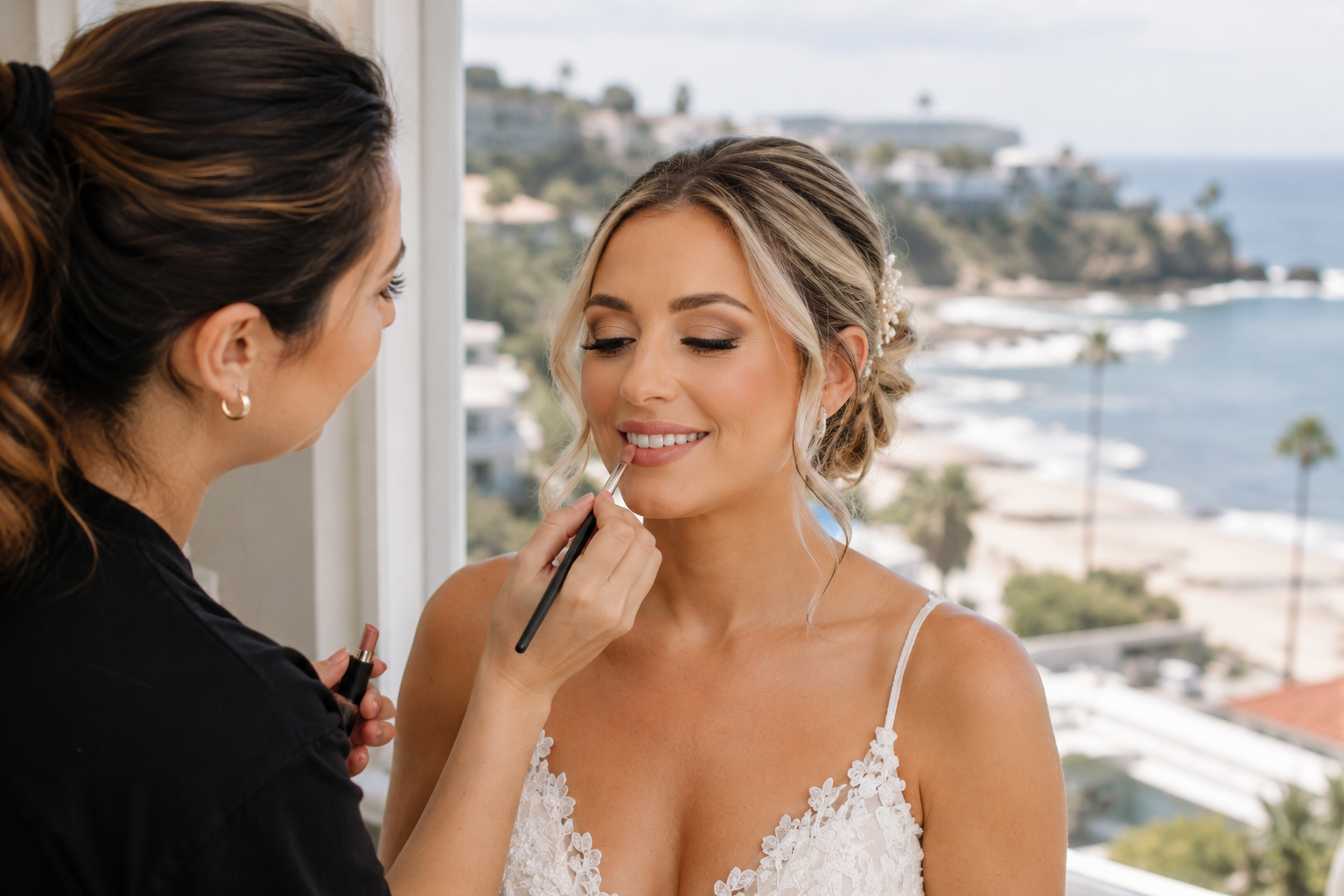
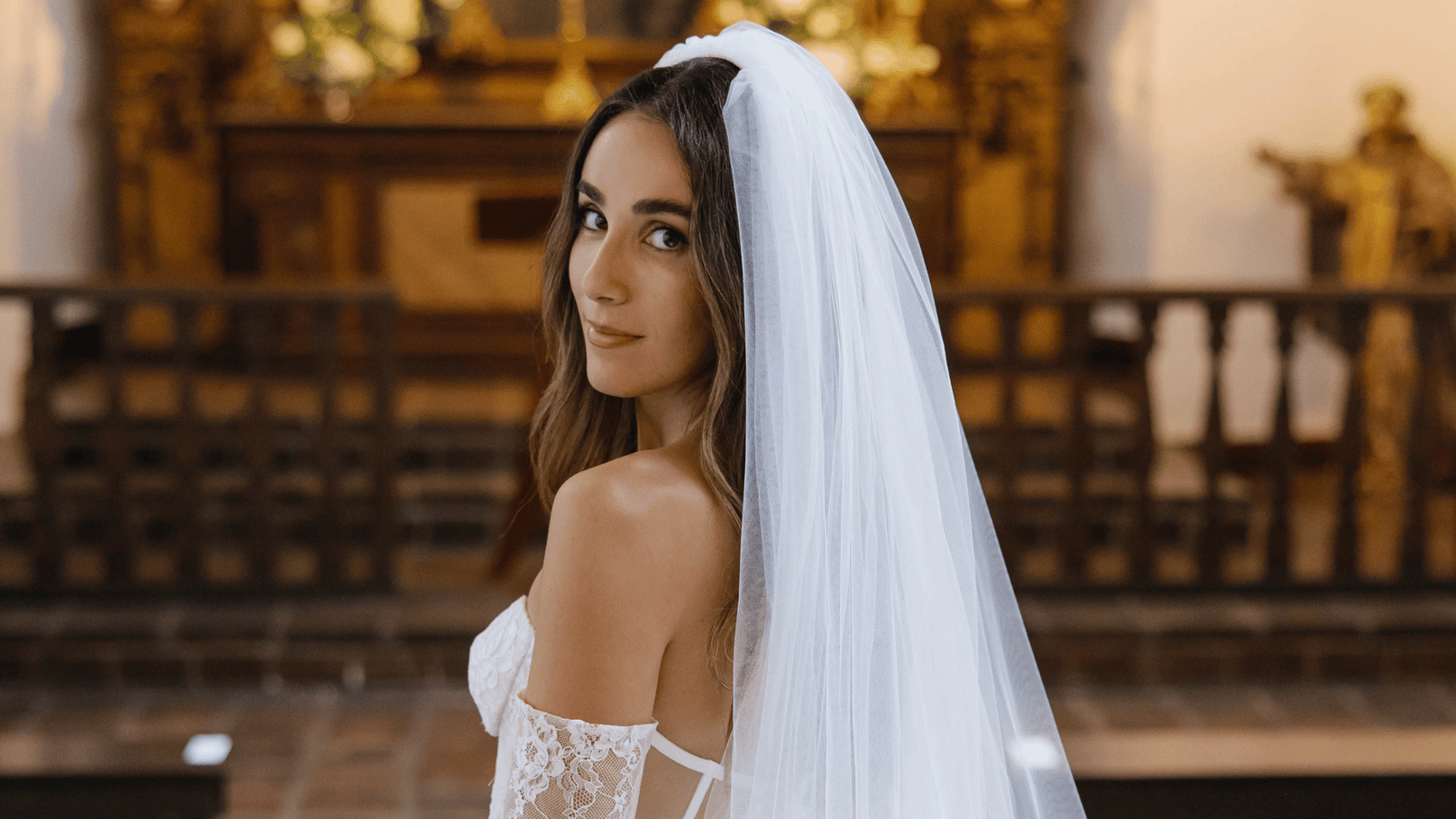
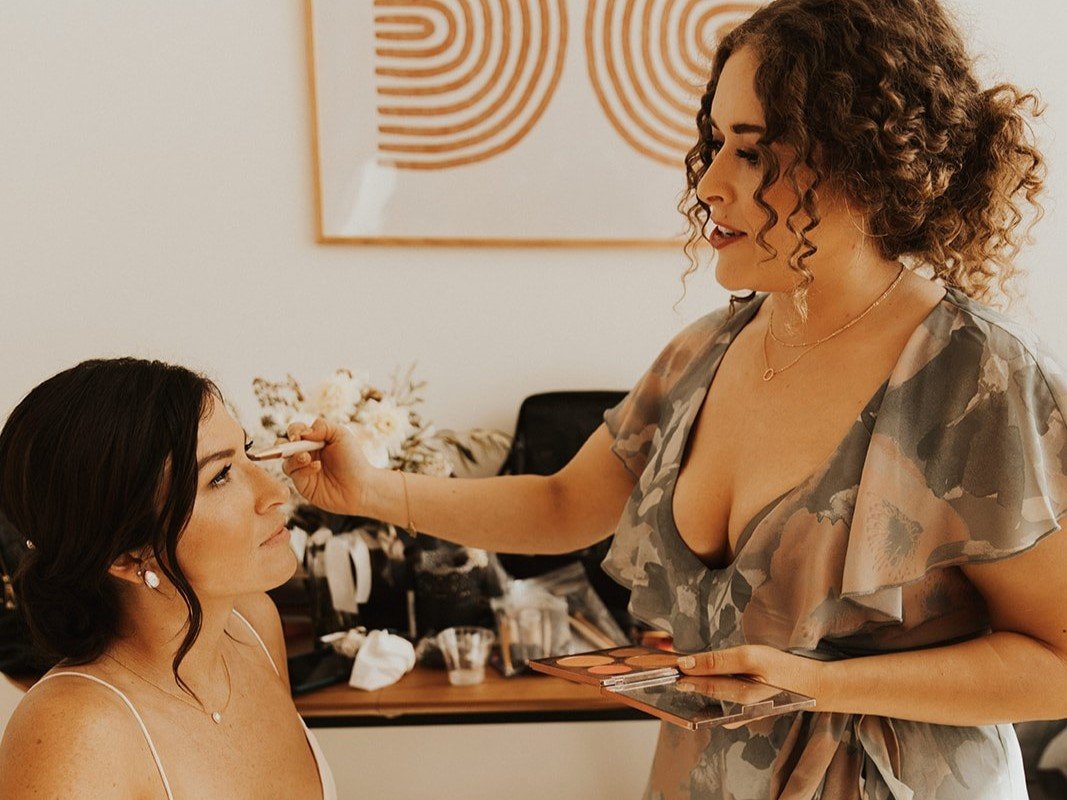
Bride wearing polished rehearsal dinner hair and makeup

Rehearsal dinner hair and makeup can help the bride feel polished and confident at the beginning of the wedding weekend. It also creates an opportunity to wear a look that feels different from the wedding-day style without competing with it.

Brittany Brown Beauty provides personalized hair and makeup services for brides and wedding events throughout Orange County. Each look can be planned around the bride’s outfit, venue, photography schedule, skin type, hair texture, and preferred level of formality.

What Is Rehearsal Dinner Hair and Makeup?

Rehearsal dinner hair and makeup refers to professional beauty services booked specifically for the wedding rehearsal, welcome dinner, or pre-wedding celebration.

The event may be:

  • A formal dinner
  • A restaurant gathering
  • A private estate celebration
  • A hotel event
  • A beachside welcome party
  • A casual family gathering
  • A cocktail reception

The beauty look should suit the event rather than feel like a repeat of the wedding-day style.

Should You Book a Separate Look?

A separate look may be useful when the rehearsal dinner is an important part of the wedding weekend and will include professional photography, speeches, family gatherings, or a formal outfit.

Booking separate hair and makeup can help when:

  • The event has a formal dress code
  • Professional photos are planned
  • The bride wants a polished but different appearance
  • The rehearsal and dinner take place at separate venues
  • The event begins early and lasts several hours
  • The bride wants to test a softer or more modern style
  • The wedding weekend includes several high-profile events

A separate booking is not required for every bride. The decision depends on the schedule, budget, event style, and personal preferences.

How the Rehearsal Look Should Differ From the Wedding Look

The rehearsal dinner look should complement the wedding-day style without copying it exactly.

Possible differences include:

  • Softer foundation coverage
  • A different lip color
  • Less dramatic lashes
  • A more relaxed hairstyle
  • Stronger evening eye makeup
  • A sleek ponytail instead of an updo
  • Loose waves instead of structured curls
  • A natural glow instead of full bridal glam

The goal is to create variety across the wedding weekend while keeping the bride’s overall beauty style consistent.

Natural Rehearsal Dinner Makeup

Natural makeup works well for casual dinners, outdoor venues, and brides who prefer a softer appearance.

A natural look may include:

  • Lightweight foundation
  • Softly defined brows
  • Neutral eyeshadow
  • Thin eyeliner
  • Natural-looking lashes
  • Warm blush
  • Light bronzer
  • Rose, peach, nude, or mauve lips

The makeup should still provide enough definition for photographs, especially if the event includes evening lighting.

Soft-Glam Makeup

Soft glam is a popular choice for rehearsal dinners because it feels polished without looking too formal.

This style may include:

  • Medium complexion coverage
  • Soft contouring
  • Defined brows
  • Blended neutral eyeshadow
  • Controlled shimmer
  • Individual or wispy lashes
  • Defined blush
  • Rose, berry, mauve, or neutral lips

Soft glam works well for restaurants, hotels, estates, cocktail receptions, and formal family dinners.

Full-Glam Rehearsal Dinner Makeup

Some brides prefer a more dramatic look for the rehearsal dinner, especially when the wedding-day makeup will be soft and natural.

A full-glam look may include:

  • Higher complexion coverage
  • Sculpted contouring
  • Detailed eye makeup
  • Metallic or smoky eyeshadow
  • Fuller lashes
  • Highlighted cheekbones
  • Strong blush
  • Bold or deep lip color

The overall look should still suit the event, outfit, and venue.

Rehearsal Dinner Hairstyles

The hairstyle can help make the rehearsal look feel distinct from the wedding-day style.

Popular options include:

  • Soft waves
  • Hollywood waves
  • Sleek ponytail
  • Textured ponytail
  • Half-up, half-down style
  • Low bun
  • High bun
  • Braided updo
  • Polished blowout
  • Natural curls

A relaxed hairstyle may suit a beach or garden dinner, while a sleek ponytail or structured bun may work well for a formal restaurant or hotel event.

Consider the Outfit

The rehearsal dinner outfit should guide both the hair and makeup direction.

For example:

  • A white mini dress may pair well with soft waves and natural makeup
  • A satin gown may suit polished hair and soft-glam makeup
  • A jumpsuit may work with a sleek ponytail and defined eyes
  • A floral dress may complement fresh skin and romantic curls
  • A black dress may support classic makeup or a bold lip
  • A colorful outfit may work best with balanced, neutral makeup

The neckline, earrings, hair accessories, and overall formality should also be considered.

Match the Look to the Venue

The venue affects how the beauty look should be planned.

Beach or Coastal Venue

Use lightweight complexion products, waterproof eye makeup, anti-humidity hair products, and a secure but relaxed hairstyle.

Restaurant or Hotel

A polished blowout, waves, bun, or ponytail can work well with soft-glam or classic makeup.

Garden or Estate

Soft curls, half-up styles, fresh skin, warm blush, and romantic eye makeup may suit the setting.

Cocktail Reception

A sleek hairstyle, defined eyes, and a stronger lip color can create a modern evening look.

Consider Photography and Lighting

Rehearsal dinner photography may include:

  • Natural daylight
  • Indoor restaurant lighting
  • Sunset portraits
  • Flash photography
  • Candlelight
  • Evening reception lighting

Makeup should remain balanced in each condition.

The artist may adjust foundation finish, powder placement, blush intensity, eye definition, and lip color according to the expected lighting.

Choose the Right Foundation Finish

The best finish depends on the bride’s skin type and the venue.

Dewy Finish

A dewy finish creates a fresh, luminous appearance. It may suit dry or normal skin but should be controlled carefully in warm or humid conditions.

Satin Finish

A satin finish offers a balance between glow and shine control. It often photographs naturally and works across many skin types.

Matte Finish

A matte finish can help control oil during warm weather or long evening events. It should still preserve natural dimension in the skin.

Brides can review dewy vs. matte bridal makeup when comparing complexion finishes.

Schedule a Trial or Preview

A rehearsal dinner appointment may also help the bride explore colors and styles before the wedding day.

However, it should not automatically replace a full bridal trial.

During a dedicated bridal preview, the bride can test:

  • Foundation coverage
  • Complexion finish
  • Eye makeup
  • Lashes
  • Lip color
  • Hairstyle
  • Veil placement
  • Accessories
  • Wear time

The guide on what happens during a bridal makeup trial explains how a full preview works.

Plan the Timing Carefully

The rehearsal dinner beauty schedule should allow time for:

  • Hair preparation
  • Makeup application
  • Getting dressed
  • Travel to the rehearsal
  • Ceremony practice
  • Family photos
  • Travel to the dinner venue
  • Final touch-ups
  • Unexpected delays

If the rehearsal takes place before the dinner, the hairstyle and makeup should be designed to last through both events.

Prepare the Hair

Follow the hairstylist’s preparation instructions.

Depending on the planned style and hair type, the bride may be asked to arrive with:

  • Clean, dry hair
  • Hair washed the previous day
  • No heavy oils
  • No wet hair
  • Minimal styling products
  • Extensions prepared
  • Accessories available

Tell the stylist about hair texture, extensions, recent treatments, and any difficulty holding curls.

Prepare the Skin

A consistent skincare routine can help makeup apply smoothly.

Before the event:

  • Use familiar skincare products
  • Keep the skin hydrated
  • Avoid aggressive treatments
  • Do not over-exfoliate
  • Avoid trying strong new products
  • Mention allergies or sensitivities
  • Follow the artist’s preparation instructions

For more wedding preparation advice, browse the bridal beauty resources.

Long-Wear Makeup for the Rehearsal Dinner

The makeup may need to last through the rehearsal, dinner, photographs, speeches, and post-dinner celebrations.

Long-wear preparation may include:

  • Skin-specific primer
  • Thin foundation layers
  • Waterproof eye products
  • Long-wear lip products
  • Targeted setting powder
  • Setting spray
  • Small touch-up products

Professional preparation should support durability without making the makeup feel heavy.

Plan for Warm or Coastal Conditions

Orange County rehearsal dinners may take place near the beach, at outdoor restaurants, in gardens, or at private estates.

Conditions may include:

  • Warm temperatures
  • Coastal humidity
  • Ocean air
  • Wind
  • Direct sunlight
  • Long outdoor periods

For outdoor events, the artist may use waterproof products, anti-humidity hair products, controlled powder, and secure styling.

The article on outdoor wedding makeup in heat and humidity provides additional preparation guidance.

Keep Touch-Ups Simple

A small touch-up kit may include:

  • Lip color
  • Lip liner
  • Blotting papers
  • Pressed powder
  • Tissues
  • Cotton swabs
  • Bobby pins
  • Mini hairspray
  • Small mirror

Avoid repeatedly applying heavy powder. Blotting excess shine first usually creates a more natural result.

Should Bridesmaids or Mothers Book Services Too?

Some rehearsal dinners include professional hair and makeup for mothers, bridesmaids, or other family members.

This may be helpful when:

  • The dinner is formal
  • Professional family photos are planned
  • The event has a coordinated dress code
  • The bridal party is giving speeches
  • The celebration is part of a destination wedding weekend

The number of services should be confirmed early so enough time and artist support can be arranged.

Review the Booking Details

Before confirming the appointment, review:

  • Service pricing
  • Deposit requirements
  • Final payment date
  • Travel charges
  • Parking expenses
  • Early-start fees
  • Additional artist fees
  • Cancellation policy
  • Rescheduling terms
  • Start and completion times

The agreement should clearly identify the event date, location, number of services, and schedule.

Questions to Ask Before Booking

Useful questions include:

  • How long will hair and makeup take?
  • Can the look differ from my wedding-day style?
  • Can the artist travel to the hotel or venue?
  • Are lashes included?
  • Can extensions or accessories be added?
  • Which products are used for long wear?
  • Will I receive a touch-up lip color?
  • Can family members book services?
  • Are travel or parking fees required?
  • What time should the appointment begin?

The guide on questions to ask a bridal makeup artist can help with the booking process.

Frequently Asked Questions

Is professional hair and makeup necessary for a rehearsal dinner?

It is optional. A separate booking may be useful for formal dinners, professional photography, destination weddings, or brides who want a distinct wedding-weekend look.

Should the rehearsal dinner look be simpler than the wedding look?

It often is, but it does not have to be. Some brides choose natural rehearsal makeup and full bridal glam, while others reverse the approach.

Can the rehearsal dinner appointment replace a bridal trial?

It may help test certain colors or products, but it does not always replace a dedicated bridal preview where the complete wedding-day look is finalized.

How long should rehearsal dinner hair and makeup last?

Professional preparation and long-wear products can help the look remain polished through the rehearsal, photographs, dinner, and evening celebrations.

Can hair and makeup be done at the hotel?

On-location services may be available depending on the date, schedule, and booking terms. Confirm the address, room access, parking, and workspace in advance.

Should the bride wear the same hairstyle at both events?

A different hairstyle can make each event feel distinct. For example, the bride may wear waves at the rehearsal dinner and an updo on the wedding day.

Book Rehearsal Dinner Hair and Makeup

A separate rehearsal dinner look can help the bride feel polished while creating a distinct style for the beginning of the wedding weekend.

Brittany Brown Beauty provides personalized hair and makeup for weddings and pre-wedding events throughout Orange County. Each look is planned around the bride’s features, outfit, venue, photography, and preferred style.

Explore the bridal hair and makeup portfolio or contact Brittany Brown Beauty to discuss the rehearsal dinner date, location, schedule, and requested services.

Posted on

Engagement Photo Makeup in Orange County: How to Look Natural on Camera

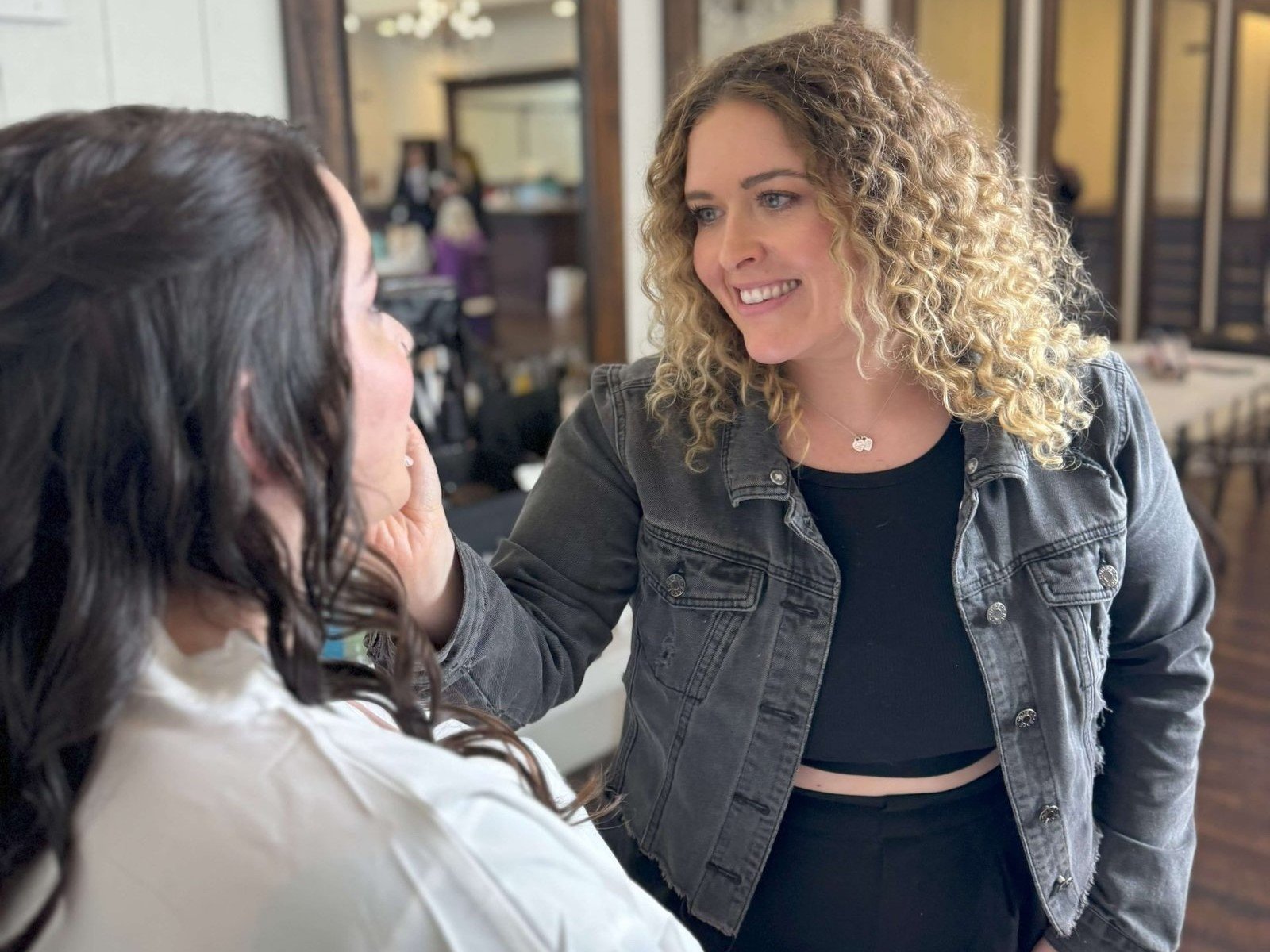
Natural engagement photo makeup for an outdoor Orange County photoshoot

Engagement photographs should feel natural, personal, and true to the couple. Professional makeup can help create a polished appearance without making the bride-to-be look overly made up or unlike herself.

Brittany Brown Beauty provides personalized engagement photo makeup in Orange County. Each look is created around the client’s skin type, facial features, outfit, photoshoot location, lighting, and preferred level of coverage.

Why Engagement Photo Makeup Is Different

Engagement photo makeup must look balanced both in person and on camera.

Makeup that looks very light in a mirror may appear less noticeable in photographs. At the same time, overly heavy foundation, contouring, or powder can look obvious in close-up images.

A professional application aims to:

  • Even the complexion
  • Enhance natural features
  • Add definition to the eyes
  • Keep the skin looking fresh
  • Reduce unwanted shine
  • Maintain realistic skin texture
  • Complement the outfit and location
  • Last throughout the photoshoot

The goal is a refined version of the client’s everyday appearance.

Choose a Natural, Camera-Ready Look

Natural makeup does not mean using almost no product. It means applying products carefully so the finished result feels soft and believable.

A natural engagement photo look may include:

  • Lightweight or medium foundation
  • Softly defined brows
  • Neutral eyeshadow
  • Thin eyeliner
  • Natural-looking lashes
  • Warm blush
  • Subtle bronzer
  • Controlled highlighting
  • Nude, rose, peach, or mauve lip color

The makeup should provide enough definition for the camera while remaining comfortable for the client.

Match the Makeup to the Photoshoot Style

The makeup direction should reflect the mood and location of the engagement session.

Beach Photoshoots

For Orange County beach sessions, the makeup may include lightweight complexion products, waterproof eye makeup, controlled powder, and soft, fresh colors.

Garden or Park Sessions

Garden and park photos may suit luminous skin, neutral eyes, warm blush, and soft lip colors.

Urban Photoshoots

A downtown or architectural setting may support slightly stronger eye definition, a polished complexion, or a more noticeable lip color.

Indoor Studio Sessions

Studio lighting may require more complexion balance and slightly stronger definition through the eyes, cheeks, and lips.

The final look should support the setting without becoming a separate visual focus.

Consider the Time of Day

Lighting changes throughout the day.

Morning light may be soft and even, while midday sunlight can create stronger shadows and more visible shine. Golden-hour sessions usually produce warm, flattering light, and evening sessions may need slightly more makeup definition.

The artist may adjust:

  • Foundation finish
  • Powder placement
  • Eye definition
  • Blush intensity
  • Highlighter
  • Lip color

The photographer’s planned lighting and location can help guide these choices.

Foundation Matching for Photography

Foundation should match both the skin tone and undertone.

A shade that is too light may appear pale or gray. A shade that is too warm may look orange, while an overly pink or cool shade may create an uneven result.

Foundation should blend naturally into the:

  • Jawline
  • Neck
  • Chest
  • Ears
  • Shoulders

Professional photographs may reveal differences that are less noticeable in normal indoor lighting.

Choose the Right Coverage

The best coverage level depends on the client’s skin, comfort, and photography preferences.

Light Coverage

Light coverage allows more natural skin texture to remain visible. It may suit clients with relatively even skin who prefer minimal makeup.

Medium Coverage

Medium coverage creates a polished finish while still allowing the skin to look natural. It is often a strong choice for engagement photography.

Full Coverage

Full coverage may help balance noticeable discoloration, acne marks, or uneven areas. It should be applied in thin layers to avoid a heavy appearance.

The goal is even skin, not a flat or artificial finish.

Dewy, Satin, or Matte Finish

The right complexion finish depends on the client’s skin type and the photoshoot environment.

Dewy Finish

A dewy finish creates a fresh, luminous appearance. It can work well for dry or normal skin but should be controlled carefully in direct sunlight.

Satin Finish

A satin finish balances radiance and shine control. It often photographs naturally and works across many skin types.

Matte Finish

A matte finish can help control oil during warm weather or outdoor sessions. It should still preserve natural dimension in the skin.

The finish should look healthy rather than overly shiny or completely flat.

Eye Makeup That Looks Natural on Camera

Eye makeup should create definition without looking too dramatic.

Popular options include:

  • Taupe
  • Soft brown
  • Bronze
  • Champagne
  • Rose gold
  • Mauve
  • Warm neutral shades

The artist may use a softly defined outer corner, thin eyeliner, curled lashes, and lightweight false lashes to help the eyes remain visible in photographs.

The exact placement should be adjusted according to the client’s eye shape.

False Lashes for Engagement Photos

False lashes are optional.

Suitable choices may include:

  • Individual lashes
  • Half lashes
  • Natural strip lashes
  • Wispy lashes
  • Lightweight graduated lashes

Heavy lashes may feel uncomfortable or overpower a natural makeup look.

The best option should enhance the eyes while allowing the client to feel like herself.

Brow Definition

Brows help frame the face and create balance in photographs.

The makeup artist may:

  • Fill sparse areas
  • Improve symmetry
  • Define the natural shape
  • Set the hairs in place
  • Use a color that suits the client’s hair and complexion

The brows should look polished without appearing overly dark or sharply drawn.

Blush, Bronzer, and Highlighter

Color can appear lighter in photographs than it does in person.

Blush should provide enough warmth to remain visible on camera. Suitable shades may include:

  • Soft peach
  • Warm rose
  • Dusty pink
  • Mauve
  • Coral
  • Berry

Bronzer can add warmth, while contour may create subtle definition.

Highlighter should be applied carefully. Excess shimmer can reflect strongly in direct sunlight or flash photography.

Lip Colors That Photograph Well

Lip color should complement the complexion, outfit, and complete makeup look.

Popular engagement photo shades include:

  • Pink nude
  • Peach nude
  • Rose
  • Mauve
  • Soft berry
  • Warm brown
  • Classic red

Very pale nude shades may make the lips disappear in photographs. A slightly deeper lip color can add definition while still looking natural.

Lip liner may help improve shape and wear time.

Prepare the Skin Before the Photoshoot

A consistent skincare routine can help makeup apply more smoothly.

In the days before the session:

  • Use familiar skincare products
  • Keep the skin hydrated
  • Avoid aggressive treatments
  • Do not over-exfoliate
  • Avoid trying strong new products
  • Mention allergies or sensitivities
  • Follow the artist’s preparation instructions

Avoid scheduling intense facials, peels, or extractions immediately before the photoshoot.

What to Wear to the Makeup Appointment

Wear a button-down shirt, robe, or another top that can be removed without disturbing the completed makeup or hairstyle.

Bring:

  • Photos of the planned outfits
  • Makeup inspiration
  • Jewelry
  • Hair accessories
  • Preferred lip products
  • Details about the photoshoot location
  • The photographer’s schedule

This information helps the artist create a look that works with the complete session.

Coordinate Makeup With the Outfit

The makeup should complement the clothing rather than match it exactly.

Examples include:

  • White or cream outfits with soft rose, peach, bronze, or neutral makeup
  • Blue outfits with taupe, bronze, champagne, or rose tones
  • Green outfits with warm brown, gold, bronze, peach, or plum
  • Black outfits with neutral makeup or a stronger lip color
  • Pastel outfits with soft pink, mauve, champagne, or peach
  • Warm-toned outfits with bronze, terracotta, rose, or brown shades

If the session includes more than one outfit, the makeup should work across all planned colors.

Plan for Outdoor Orange County Conditions

Orange County engagement sessions may take place at beaches, parks, gardens, resorts, city locations, or private properties.

Outdoor conditions may include:

  • Warm temperatures
  • Coastal humidity
  • Ocean air
  • Wind
  • Direct sunlight
  • Long walking distances
  • Multiple locations

Professional products and setting techniques can help the makeup remain polished throughout the session.

Keep Touch-Ups Simple

A small touch-up kit may include:

  • Lip color
  • Lip liner
  • Blotting papers
  • Pressed powder
  • Tissues
  • Cotton swabs
  • Small mirror

Avoid repeatedly adding heavy powder, as this can create texture in close-up photographs.

Blotting excess shine before applying a small amount of powder usually creates a more natural result.

Schedule Enough Time

The makeup appointment should be scheduled early enough to allow time for:

  • Skin preparation
  • Makeup application
  • Hairstyling
  • Getting dressed
  • Travel to the location
  • Parking
  • Photographer setup
  • Unexpected delays

Rushing can make the preparation process stressful and reduce time for final adjustments.

Consider a Bridal Makeup Preview

An engagement session can also serve as an opportunity to test a possible bridal makeup direction.

The look does not need to be identical to the wedding-day makeup. However, it can help the client understand:

  • Preferred foundation coverage
  • Suitable complexion finish
  • Comfortable lash styles
  • Favorite eye colors
  • Lip color preferences
  • How the makeup photographs

This information can be useful when planning the bridal trial.

Questions to Ask the Makeup Artist

Useful questions include:

  • How will the makeup be adjusted for photography?
  • Which foundation finish suits my skin?
  • Are false lashes included?
  • Can the look remain natural while still showing on camera?
  • How should I prepare my skin?
  • How long will the appointment take?
  • Do you provide on-location services?
  • Can the makeup work with multiple outfits?
  • Will I receive a touch-up lip color?
  • Can the look help guide my future bridal trial?

Clear communication helps the artist understand the client’s preferences and photoshoot plans.

Frequently Asked Questions

Should engagement photo makeup be heavier than everyday makeup?

It may include slightly more definition than everyday makeup so the features remain visible on camera. The final look can still appear soft and natural.

Is foundation necessary for engagement photos?

Foundation is not required for every client, but lightweight or medium coverage can help create a more even complexion and balanced photographs.

Should I wear false lashes?

False lashes are optional. Individual or lightweight lashes can add subtle definition without creating a dramatic appearance.

What makeup finish photographs best?

Dewy, satin, and matte finishes can all photograph well when selected according to the skin type, lighting, and location.

How long should the makeup last?

Professional preparation and long-wear products can help the makeup remain polished throughout the photoshoot, travel, outfit changes, and outdoor conditions.

Can engagement makeup be used as a bridal makeup test?

It can help identify preferred colors, coverage, lashes, and finishes, but a separate bridal trial may still be useful for testing the complete wedding-day look.

Book Engagement Photo Makeup in Orange County

Engagement photo makeup should feel natural, polished, and suited to both the client’s features and the camera.

Brittany Brown Beauty provides personalized engagement photo makeup throughout Orange County. Each look is designed around the client’s skin, outfit, location, lighting, and preferred style so the final photographs feel authentic and refined.

Posted on

Bridal Makeup Artist in Irvine, CA: What Brides Should Know Before Booking

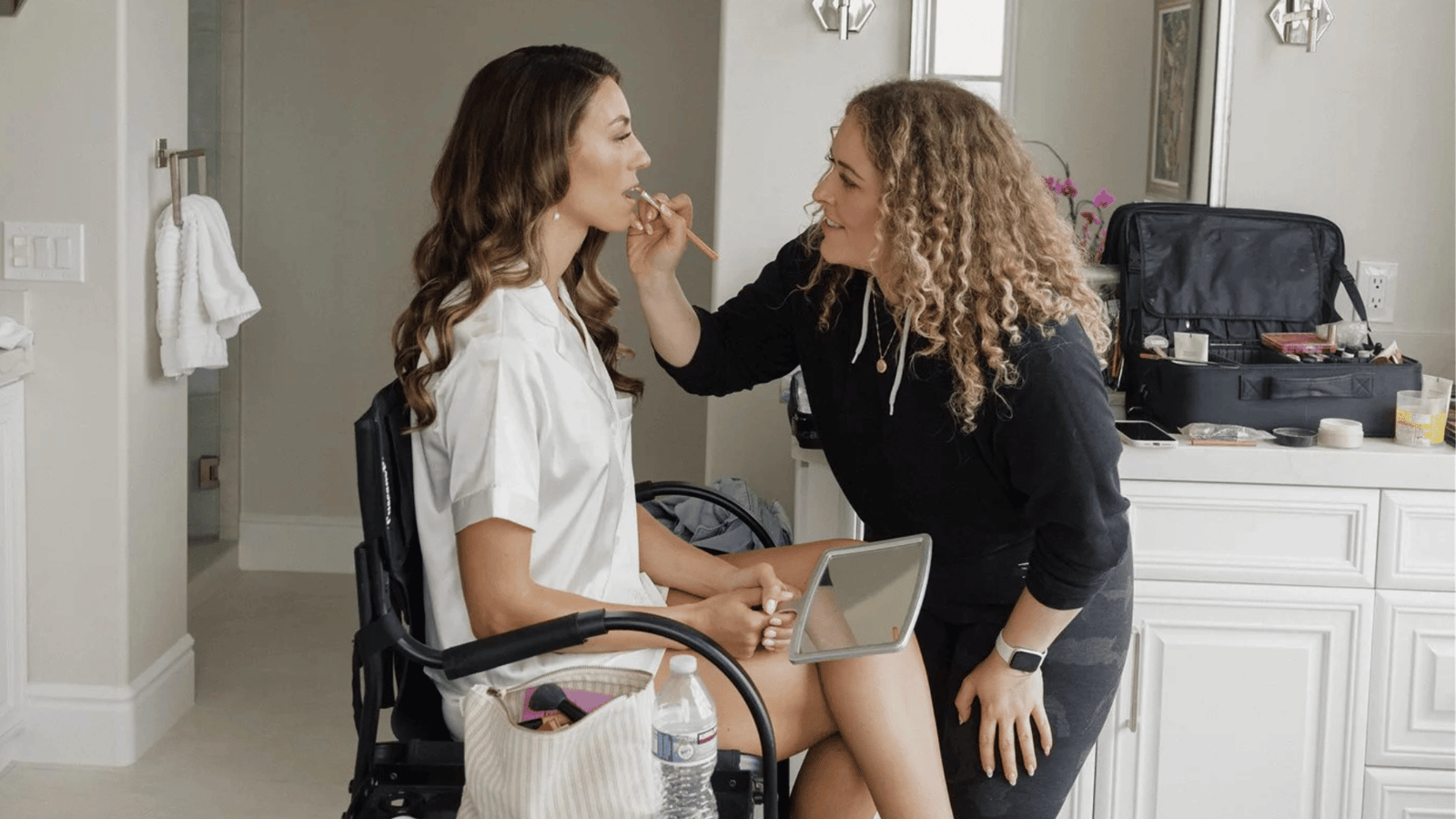
Bridal makeup artist in Irvine CA creating a natural wedding makeup look


Choosing the right bridal makeup artist in Irvine, CA is an important part of wedding planning. Your makeup should enhance your natural features, complement your wedding style, look beautiful in photographs, and remain comfortable throughout the celebration.

Before booking an artist, it helps to know what to review, which questions to ask, and how to prepare for your appointment.

Review the Artist’s Bridal Makeup Experience

Bridal makeup is different from everyday or special-event makeup. It must look polished in person, photograph well under different lighting conditions, and remain fresh for several hours.

Review the artist’s work before making a decision. The Brittany Brown Beauty portfolio provides examples of different bridal looks and makeup styles.

Look for results that match your preferred style, such as:

  • Soft and natural makeup
  • Classic bridal makeup
  • Modern soft glam
  • Defined eyes with neutral lips
  • Full-glam wedding makeup

A strong portfolio should show consistent work across different skin tones, face shapes, and bridal styles.

Choose a Bridal Look That Feels Like You

Your wedding makeup should help you feel confident without making you feel unlike yourself.

Some brides prefer fresh, natural-looking makeup. Others want more definition through contouring, lashes, eye makeup, or a stronger lip color.

Share inspiration photographs with your artist, but remain open to professional recommendations. Your selected look should complement your:

  • Skin tone
  • Face shape
  • Wedding dress
  • Hairstyle
  • Venue
  • Wedding theme

Brides who are still deciding between different finishes can read the guide to dewy vs. matte bridal makeup.

Schedule a Bridal Makeup Trial

A makeup trial gives you the opportunity to test your desired look before the wedding day.

During the appointment, the artist can evaluate your skin, understand your preferences, and test different products. You can also compare foundation finishes, eye makeup, lashes, and lip colors.

The guide explaining what happens during a bridal makeup trial can help you prepare for the appointment.

After the trial, wear the makeup for several hours. Review how it looks in:

  • Natural daylight
  • Indoor lighting
  • Flash photography
  • Phone photographs
  • Professional-style photographs

Communicate any requested changes before the wedding day.

Ask the Right Questions Before Booking

A consultation gives you an opportunity to understand the artist’s experience, services, pricing, and policies.

Important questions may include:

  • Do you specialize in bridal makeup?
  • Can you work with my skin type?
  • Is a bridal trial included?
  • Do you provide on-location services?
  • Can you accommodate my bridal party?
  • Which products and lashes are included?
  • How much time is required for each person?
  • Are there travel or early-start fees?

The article about what to ask your bridal makeup artist before booking provides additional questions to consider.

Understand What the Bridal Package Includes

Bridal packages can vary between makeup artists. Confirm exactly what is included before paying a deposit.

Ask whether your package covers:

  • Bridal makeup trial
  • Wedding-day makeup
  • Skin preparation
  • False lashes
  • Touch-up products
  • Travel to the venue
  • Bridesmaid makeup
  • Makeup for family members
  • Additional artist support
  • Early-morning appointments

Clear pricing and service details can help prevent unexpected costs later.

Book Early and Confirm Availability

Popular bridal makeup artists may receive bookings several months in advance. Spring, summer, and early fall wedding dates often fill quickly.

Once you select an artist, confirm the:

  • Wedding date
  • Appointment start time
  • Getting-ready location
  • Number of services
  • Bridal party size
  • Travel requirements
  • Estimated completion time

The makeup schedule should coordinate with your hairstylist, photographer, planner, and transportation arrangements.

Discuss Your Skin Type and Product Preferences

Tell your makeup artist about your skin type and any concerns that may affect product selection.

These may include:

  • Dryness
  • Oiliness
  • Sensitivity
  • Acne
  • Allergies
  • Product reactions
  • Recent skincare treatments

You should also mention whether you prefer vegan, cruelty-free, fragrance-free, or specific cosmetic products.

Providing this information early helps the artist select appropriate products and create a comfortable finish.

Consider Your Irvine Venue and Wedding Weather

Irvine weddings may take place in hotels, gardens, private estates, outdoor spaces, or nearby coastal venues.

The season, temperature, lighting, and location can affect how makeup looks and wears throughout the day.

An outdoor ceremony may require lightweight, waterproof, and heat-resistant products. An evening reception may benefit from slightly stronger definition so the makeup remains visible under lower lighting.

Brides planning an outdoor celebration can review these outdoor wedding makeup tips for heat and humidity.

Ask How the Makeup Will Last

Wedding makeup should remain polished through photographs, emotional moments, dining, warm weather, and dancing.

Professional artists may use:

  • Skin-preparation products
  • Long-wear foundation
  • Waterproof eye makeup
  • Setting powder
  • Setting spray
  • Layered application techniques

The article on how bridal makeup lasts throughout the wedding day explains the techniques used to support longer wear.

Ask whether your artist provides a small touch-up product for lipstick, powder, or other areas that may need refreshing.

Review the Booking Policies

Read the booking terms before confirming your appointment.

Review the policies covering:

  • Deposits
  • Final payments
  • Cancellations
  • Rescheduling
  • Travel charges
  • Service minimums
  • Late arrivals
  • Early start times

A written agreement should clearly explain the scheduled services, location, timing, and total cost.

Prepare Your Skin Before the Wedding

Well-prepared skin can help makeup look smoother and last longer.

Follow a consistent skincare routine in the weeks before your wedding. Avoid introducing strong or unfamiliar products immediately before the event because they may cause irritation, dryness, or breakouts.

Your makeup artist may also provide preparation instructions based on your skin type.

Visit the bridal beauty resources for additional skincare, makeup, and wedding preparation guides.

Prepare for the Wedding-Day Appointment

Wear a robe, button-down shirt, or another top that can be removed without disturbing your completed makeup or hairstyle.

Keep your inspiration photographs, accessories, dress details, and wedding colors nearby for reference.

Allow enough time for:

  • Makeup application
  • Final adjustments
  • Getting dressed
  • Bridal portraits
  • Unexpected delays

A well-planned schedule can create a calmer and more enjoyable wedding morning.

Book a Bridal Makeup Artist in Irvine, CA

The right makeup artist can help you feel confident, comfortable, and camera-ready throughout your wedding day.

Reviewing the artist’s portfolio, scheduling a trial, discussing your preferences, and confirming all service details can make the booking process easier.

Brittany Brown Beauty provides professional bridal makeup services for brides in Irvine and surrounding Orange County communities. Each look is personalized around the bride’s features, skin type, wedding setting, and preferred style.

Explore bridal makeup services in Orange County or contact Brittany Brown Beauty to discuss availability for your wedding date.

Posted on

Bridal Makeup Trial Mistakes That Change Your Final Look

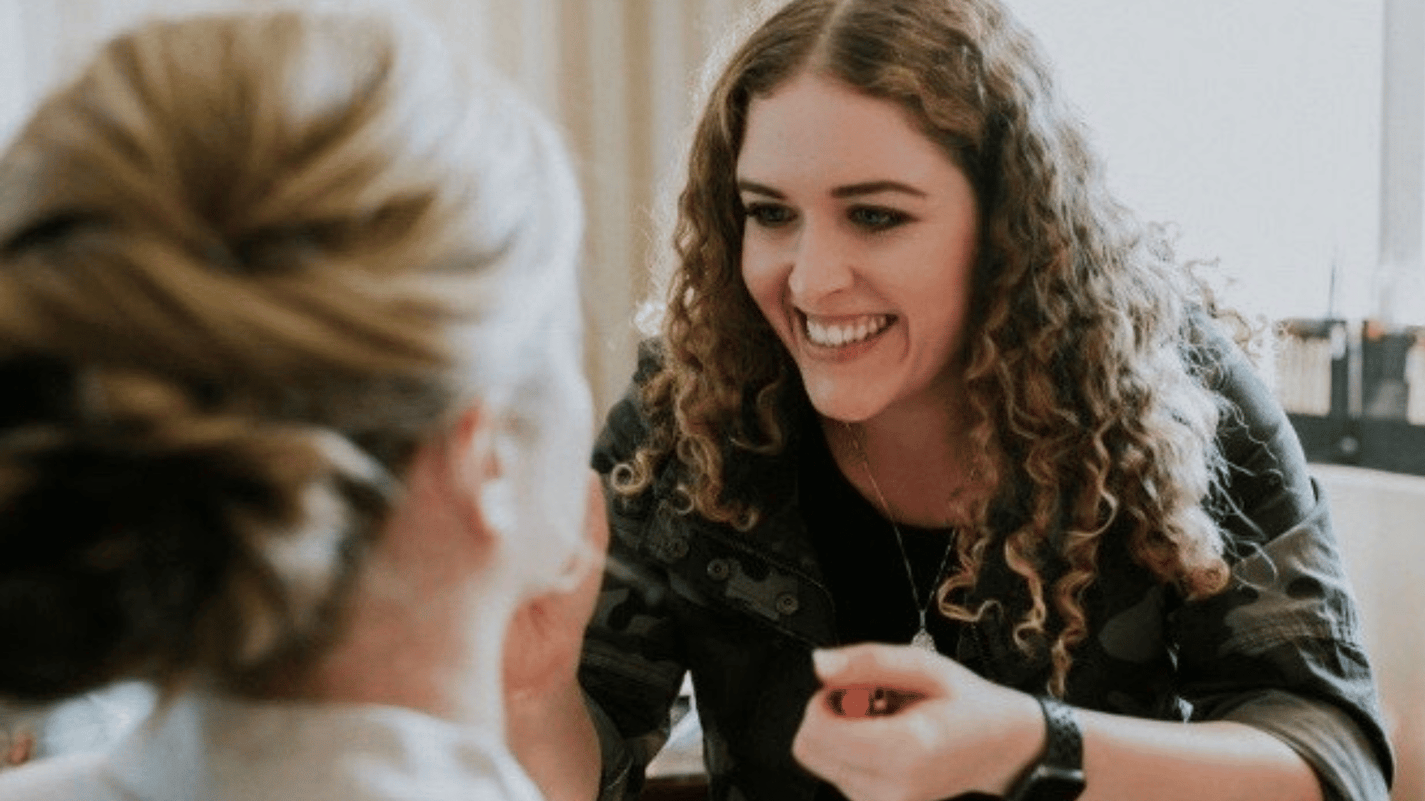
Bridal Makeup Trial Mistakes That Change Your Final Look

The bridal makeup trial is not a formality. It directly shapes what a bride sees in her wedding photos for the rest of her life. Yet many brides treat the trial as a casual appointment rather than a critical planning session.

Small mistakes during the trial create real problems on the wedding day. A shade tested under salon lighting looks wrong in an outdoor venue. A finish that felt fresh for two hours may not survive eight. Preferences left vague during the consultation lead to surprises when it is too late to change anything.

Wedding day conditions are different from studio conditions. There is emotion, movement, different lighting at every venue, heat, humidity, and hours of wear. Every trial decision needs to account for all of that. When it does not, the final look often falls short of what the bride expected.

These are the most common bridal makeup trial mistakes that change the final look, and how to avoid each one.

Arriving with Unprepared Skin

Some brides arrive at the trial without prepping their skin beforehand. They skip moisturizing, forget SPF, or come directly from another appointment without cleansing.

Skin condition on the day of the trial directly affects how products apply. Dry patches cause foundation to cling and flake. Excess oil without a proper primer base causes the makeup to break down faster than it would on a prepared surface.

The trial is meant to show how the finished look will hold up. If skin is not prepared the same way it will be on the wedding day, the test is not accurate. The artist ends up making decisions based on conditions that will not repeat.

Brides should follow the same skincare routine before the trial that they plan to use on the wedding day. This includes moisturizer, SPF if worn daily, and any regular serum or treatment. A consistent base gives the trial its value. Learn more about how to prep your skin 30 days before your wedding.

Changing Skincare or Treatments Right Before the Trial

A trial booked two or three weeks before the wedding is not the time to try a new chemical peel, start a new retinol, or switch to a different moisturizer.

New skincare treatments change the skin’s texture and sensitivity quickly. A peel performed a week before the trial may leave the skin reactive, flaky, or red. That affects how the foundation sits, how blending works, and whether the finish reads as intended.

When the skin behaves differently at the trial than it will on the wedding day, the results cannot be trusted. The artist adjusts techniques and products for a skin condition that is temporary.

Brides should keep their skincare stable for at least three to four weeks before both the trial and the wedding. Any new treatments should be tested earlier, with enough time for the skin to settle and normalize before either appointment. This is especially important for brides with oily, dry, or acne-prone skin.

Not Wearing the Right Outfit Color During the Trial

Many brides arrive at the trial in casual clothes. A dark top, a colorful jacket, or a printed shirt affects how the artist reads the overall makeup tone against the final bridal look.

Makeup is not judged in isolation. The balance between the face and the outfit is part of what makes the look work. A warm-toned blush that looks right against a navy shirt may look too saturated against a white gown.

The artist makes color and finish decisions during the trial based on what they see in front of them. If the outfit color gives a false reference point, those decisions are based on incomplete information.

Brides should wear white, ivory, or champagne at the trial to match the actual gown color. If the exact shade of the dress is known, dressing close to it gives the most accurate visual reference. This small detail changes how confidently tone and finish decisions can be made.

Bringing Too Many Conflicting Inspiration Photos

Arriving with ten or fifteen different inspiration images is one of the most common bridal makeup trial mistakes. Each photo may show a different skin tone, a different finish, a different lighting condition, and a different aesthetic direction.

Conflicting references pull the consultation in multiple directions. The artist cannot build one coherent look from seven different looks. The result is often a trial that tries to compromise between too many ideas and delivers none of them clearly.

Brides should narrow inspiration down to two or three images that share a consistent direction. The goal is to identify a finish preference, a color family, and a coverage level, not to recreate a specific photo from a magazine.

The best approach is to come with a clear idea of one element that matters most, such as the eye look, the lip color, or the skin finish, and let the artist guide the rest based on what suits the individual features and the venue.

Not Testing Makeup Under Different Lighting Conditions

Makeup applied under salon lighting may look completely different in natural sunlight, indoor reception lighting, or flash photography. Many brides do not check how the look translates across lighting changes during the trial.

Foundation with a white cast that is invisible under warm studio lights appears grey or ashy in natural daylight and even more stark in flash photos. A lip color that looks rich indoors may appear washed out in bright outdoor settings.

The wedding day involves multiple lighting environments, from getting-ready rooms to ceremony spaces to reception halls. A trial that only checks one lighting condition does not give an accurate picture of how the final look will perform.

Brides should step outside or stand near a window during the trial to check the look in natural light. Testing under flash photography, even with a phone camera, catches foundation mismatches before the wedding day. This is especially important because bridal makeup looks different in photos than it does in person.

Not Speaking Clearly About Comfort Versus Coverage Expectations

Some brides want full coverage but are uncomfortable with how it feels on the skin. Others request a natural look but feel underdone when they see the result. These conflicting expectations come from not separating the desire for a certain aesthetic from the physical comfort required to wear it for ten or more hours.

Heavy coverage can feel tight or mask-like over a long day. Light coverage may not hold up through emotion, heat, or humidity. Neither is wrong on its own, but the expectation needs to match the reality of wearing it.

Brides should communicate both what they want to look like and what they need to feel comfortable in. Saying both things separately helps the artist find a product approach that balances coverage with wearability. If full-day comfort is the priority, that is worth stating directly.

For brides unsure about coverage options, comparing airbrush makeup versus traditional application can help clarify which method suits the skin type and the desired finish.

Skipping Hair and Makeup Coordination During the Trial

Many brides book the makeup trial and the hair trial separately, or skip the hair trial altogether before the makeup trial. This means the final makeup look is evaluated without knowing how the hair will frame the face.

The hair volume, placement, and style directly affect how the makeup reads. A full updo exposes the face completely, which means brow shape, cheekbone definition, and eye balance carry more visual weight. Soft curls around the face create a different frame and change how the same makeup looks on camera.

Makeup decisions made without the hair reference may need adjustment once hair is added on the wedding day. That creates last-minute changes under time pressure, which is exactly what the trial is meant to prevent.

Brides should try to coordinate at least one appointment where both makeup and hair are done together. Even a general idea of the hair direction helps the makeup artist make more accurate decisions about symmetry, color placement, and overall balance. The venue plays a role in this decision too; read more about how your wedding venue should influence your bridal hairstyle.

Not Considering Wedding Venue Conditions During Trial Decisions

The venue determines a lot about which products and finishes will perform well. An outdoor beach wedding in summer heat is a completely different environment from an indoor cathedral wedding in the evening. Choosing a finish, foundation, or setting technique without thinking about the venue conditions is a setup for a look that does not last.

High humidity causes certain foundations to slide and break down faster. Direct sunlight washes out color and magnifies shine. A matte finish that looks polished in a cool indoor venue may appear flat or cakey under harsh outdoor lighting.

Brides should share venue details at the trial. The location, the season, the time of day, and the general environment all affect product selection. An artist who knows the venue conditions can choose formulas and setting techniques that match what the day will actually demand.

For brides with outdoor weddings, outdoor wedding makeup tips that last in heat and humidity cover the specific techniques that help makeup hold up throughout the day.

What a Bridal Makeup Trial Should Actually Achieve

A well-run bridal makeup trial covers more than just the look. It is a full evaluation of how the makeup will perform on the wedding day. Each of these areas should be checked before the appointment ends.

Clear Skin Assessment

The artist should assess skin type, texture, and any areas that need special attention, such as hyperpigmentation, uneven tone, or sensitivity. Product selection builds on this foundation.

Realistic Wear Test

The look should be worn for several hours after the trial to see how it holds up in real conditions. Brides should check how the foundation sits, whether the eyes crease, and how the lip color fades after eating and drinking.

Photography Check

A quick photo test under natural and indoor light should be part of every trial. The camera catches foundation tone mismatches and flash oxidation that the eye misses in person. Choosing between dewy versus matte bridal makeup also becomes clearer once the finish is photographed.

Comfort Check Over Long Hours

The look should feel comfortable and not restrictive. If anything feels too heavy or causes irritation during the trial, it will feel worse after eight hours on the wedding day.

Final Adjustment Planning

The trial is also the time to decide what, if anything, needs to change. Any adjustments should be noted clearly so the wedding day appointment begins with a clear, confirmed direction.

Common Misunderstandings Brides Have About Trials

Thinking the Trial Is the Final Look Without Changes

The trial is a test, not the finished product. It is normal and expected to adjust shades, coverage levels, or techniques after the trial. Brides who treat the trial as unchangeable miss the opportunity to refine the look before it matters most.

Assuming Trending Makeup Will Always Suit the Wedding Environment

A makeup trend that works for editorial photos or social media content may not translate well to a beach ceremony or a candlelit reception. Trends are designed for specific conditions and cameras. What photographs beautifully in a studio may look out of place at an outdoor venue in full afternoon light.

Brides should evaluate whether a trend suits the venue and the overall wedding aesthetic, not just whether it looks good in an inspiration photo.

Believing Heavier Makeup Lasts Longer

More product does not mean longer wear. Heavy layers of foundation without the right primer and setting combination break down faster than a lighter, well-set application. Long-lasting bridal makeup depends on the right product formula and application technique, not on the quantity applied.

Setting techniques, skin prep, and product compatibility matter far more than how much is on the face. The Brittany Brown bridal makeup routine explains how the right approach keeps makeup intact through a full wedding day.

Book a Bridal Makeup Consultation

Bridal makeup trials should never be rushed or treated casually. The trial is where every important decision gets made, from product selection and skin prep to finish, coverage, and long-wear strategy. Getting those decisions right requires reviewing skin condition, venue environment, lighting, and photography needs all at once.

At Brittany Brown Beauty, every bridal consultation and trial evaluates all of these factors before anything is confirmed. The goal is a look that holds up through the full wedding day, photographs accurately in every light, and feels right for the bride wearing it.

Browse the bridal makeup portfolio to see the range of bridal looks created for real weddings. Read what brides say about the trial and wedding day experience.

Schedule a bridal makeup consultation and trial before the wedding day to avoid common mistakes and secure a long-lasting, photo-ready result.

Frequently Asked Questions

1. What should I avoid before a bridal makeup trial?

Avoid introducing any new skincare products, treatments, or procedures in the weeks before the trial. Do not come with heavy skincare products applied immediately before the appointment. Skip sun exposure and facials within 48 hours of the trial. Arrive with skin in its normal, stable condition so the artist can make accurate product decisions.

2. How long does a bridal makeup trial take?

A bridal makeup trial typically takes two to three hours. This allows time for the initial consultation, product application, adjustments, and a photography check. Brides should plan to wear the look for a few hours afterward to evaluate how it holds up over time.

3. What should I bring to my bridal makeup trial?

Bring photos of your wedding dress or wear a similar color, two to three specific inspiration images that reflect your preferred direction, and any makeup products you currently use or want incorporated. Also bring your skincare routine details so the artist understands your skin history.

4. Can I change my bridal makeup after the trial?

Yes. The trial is specifically designed to allow changes. Adjustments to color, coverage, finish, or technique should be discussed and noted immediately after the trial. Most artists expect refinements and welcome clear feedback before the wedding day appointment is confirmed.

5. Why does bridal makeup look different on the wedding day?

Lighting, emotion, venue conditions, and skin state on the wedding day all differ from the trial setting. Flash photography, outdoor light, and temperature affect how colors read and how products perform. This is why testing makeup under different light conditions during the trial matters, and why knowing the venue details in advance helps the artist prepare for the actual environment.

Related Articles:

  1. How to Match Bridal Makeup to Your Skin Undertone
  2. Bridal Eye Makeup Styles: How to Choose the Right Look for Your Wedding
  3. Bridal Makeup Trends 2026 in Orange County
  4. How to Make Bridal Makeup Last All Day Without Touch-Ups
  5. Brittany Brown Bridal Makeup Routine: How It Lasts All Day 
  6. Bridal Makeup for Mature Skin: What Works and What to Skip
  7. Best Foundation Types for Bridal Makeup
Posted on

Best Foundation Types for Bridal Makeup

Best Foundation Types for Bridal Makeup

Your wedding day foundation does more than even out your complexion. It creates the base for every part of your bridal makeup, and the wrong formula can affect how your makeup looks, feels, and wears throughout the day. Many brides spend months planning the dress, venue, flowers, and photography, yet foundation selection often becomes an afterthought.

Everyday makeup allows for quick fixes. If your skin gets oily, you can blot it. If coverage starts to fade, you can touch it up. Wedding makeup works differently. From getting-ready photos to the final dance, your foundation needs to withstand hours of wear, changing temperatures, bright photography, happy tears, and countless face-to-face interactions.

That is why choosing the right foundation is one of the most important decisions in bridal makeup. The best foundation is not necessarily the fullest coverage or the most expensive formula. It is the one that works with your skin type, wedding environment, and wear expectations while still looking natural in person and in photographs.

What Makes a Foundation Suitable for Bridal Makeup?

Not every foundation that looks great in a mirror translates well to a wedding. A few specific qualities separate foundations that work on a wedding day from those that just work in general.

Long Wear Performance

Bridal makeup needs to last. Not four hours. Not six. We are talking about a full day and often into the evening. A foundation that starts breaking down by mid-afternoon is not a bridal foundation, regardless of how it looks at the start.

Flash Photography Compatibility

Professional cameras with flash can expose problems that your eye does not catch. Certain formulas, particularly those with high SPF or optical brighteners, create a white cast in photos. You look perfect in the mirror and ghostly in every image. This is one of the most common bridal makeup regrets, and it is entirely preventable with the right foundation choice and a proper trial run.

Comfort During Extended Wear

Heavy, cakey foundation becomes uncomfortable quickly. If your skin feels suffocated by 2pm, you are going to touch your face, which disturbs the makeup. Foundations that feel weightless even at full coverage are far more practical for weddings.

Resistance to Real Conditions

Heat, humidity, tears, sweat, and contact with hair, veil, or a partner during photos all challenge your foundation. The formula needs to handle those variables without sliding, separating, or oxidizing to an unexpected shade.

The Main Foundation Types Used in Bridal Makeup

Liquid Foundation

Liquid foundation is the most common choice for bridal makeup because it offers the most flexibility. It comes in every finish, every coverage level, and works across most skin types when chosen carefully.

Benefits: Buildable coverage, smooth blendability, and a wide range of formulas designed for long wear. Many high-performance liquid foundations include skin-conditioning ingredients that keep the complexion comfortable throughout the day.

Ideal skin types: Liquid foundation works across all skin types, but the finish matters. Matte-finish liquids suit oily skin. Hydrating or luminous liquid formulas suit dry and mature skin.

Common bridal applications: Liquid foundation is typically applied with a brush or a damp sponge, both of which allow for precise control over coverage and finish. It layers well under powder if needed.

Potential drawbacks: Lower-quality liquid foundations can oxidize over the course of a day, shifting slightly darker or more orange. The formula that looks ideal in the morning should still match by evening.

Matte Foundation

Matte foundation delivers a flat, shine-free finish that photographs cleanly and holds up exceptionally well in humid or warm conditions.

Best situations for use: Outdoor summer weddings, beach weddings, and any environment where shine control matters. Matte formulas also perform well for brides who naturally produce a lot of oil throughout the day.

Why it works well for oily skin: The formula itself absorbs excess sebum rather than sitting on top of it. This reduces the need for blotting or powder touch-ups during the reception.

Considerations for dry skin: Matte foundation can emphasize texture and fine lines on dry skin, and it may look flat or powdery by mid-event. A hydrating primer underneath can help, but this is something to test at trial rather than assume.

Radiant or Dewy Foundation

Radiant foundations add a soft luminosity to the skin, giving a healthy, lit-from-within glow that reads beautifully in photos.

Benefits for mature and dry skin: Dry skin and skin with fine lines often responds poorly to matte finishes. Radiant formulas keep the skin looking plump and alive rather than flat. For mature skin especially, this finish tends to be more flattering both in person and in photographs.

How it photographs: Dewy foundations catch light in a way that can look beautiful in well-lit photos. However, they require careful setting to avoid looking overly shiny under strong lighting, particularly direct flash.

When additional setting techniques may be required: Brides with normal or oily skin who want a radiant finish often need a light setting powder on the high-shine zones while keeping the luminosity on the cheekbones and under the eyes.

Satin Finish Foundation

Satin finish sits between matte and radiant, and many experienced bridal makeup artists default to this category for good reason. It photographs naturally, avoids the flat look of a full matte, and does not require the same level of setting management as a dewy formula.

Why many bridal makeup artists prefer it: Satin foundation tends to be forgiving across different skin types. It reads as natural skin in photos rather than a specific finish. You look like yourself, just with an even complexion and no distractions.

Balance between matte and radiant: The slight sheen of a satin foundation adds dimension without reflecting light strongly enough to cause problems under flash. It handles moderate oil production reasonably well and does not cling to dry patches the way a matte formula can.

Airbrush Foundation

Airbrush foundation is applied using a compressor and gun, which delivers ultra-fine droplets of foundation onto the skin in a buildable, lightweight layer.

How it works: The formula is thinner than traditional foundation and creates a very even, seamless coverage. The skin texture reads through slightly, which gives a natural appearance rather than a masked look.

Longevity benefits: Airbrush formulas, particularly silicone-based versions, are among the longest-wearing options available. They resist sweat, humidity, and touch well, making them practical for warm conditions.

Pros: Lightweight feel, long wear, seamless coverage, photographable finish, minimal touch-up required.

Cons: Requires a trained artist to apply correctly. Coverage is harder to adjust once applied. Some silicone-based airbrush foundations can look slightly flat under certain lighting.

Situations where it performs best: Summer weddings, outdoor ceremonies, humid climates, and brides who prioritize low-maintenance wear during the reception.

Best Foundation Types by Skin Type

Oily Skin

The priority for oily skin is oil control and longevity. Matte or satin finish liquid foundations work best, ideally ones with a long-wear or transfer-resistant formula. Silicone-based airbrush foundation is also a strong option.

Avoid heavy moisturizing bases and anything labelled dewy or luminous. A mattifying primer underneath the foundation adds another layer of protection. Setting powder on the T-zone and a reliable setting spray are worth including regardless of which foundation formula you choose.

Read: How to Prep Oily Skin for Wedding Makeup

Dry Skin

Dry skin needs hydration and a foundation that does not cling to flaky or uneven texture. Hydrating liquid foundations with a satin or radiant finish work well. Avoid powder foundations and heavy matte formulas, both of which emphasize dryness and can make the skin look older than it is.

Preparation matters enormously for dry skin. Thorough moisturizing the night before and morning of the wedding, along with a hydrating primer, gives the foundation a smooth surface to sit on.

Combination Skin

Combination skin needs a targeted approach rather than a one-formula solution. A satin finish foundation often works across the face as a base, with a matte setting powder applied only to the oilier areas.

The goal is to balance the two zones rather than treat the whole face as if it belongs to one skin type. Applying a mattifying formula everywhere often leaves dry areas looking chalky. Applying something too rich everywhere causes the oily zones to break down quickly.

Mature Skin

Mature skin tends to need coverage and hydration together. Lightweight to medium coverage liquid foundations with a satin or radiant finish tend to work best. Full coverage formulas can look heavy and settle into lines.

Avoid powder foundations on mature skin. The application technique matters here as much as the formula. Pressing and patting foundation into the skin rather than dragging it across the surface gives a more natural result.

Acne-Prone Skin

Acne-prone skin often benefits from medium to full coverage, but the formula needs to be non-comedogenic. Matte formulas often suit acne-prone skin because they reduce excess shine without adding any additional oil.

Color-correcting under the foundation can reduce the appearance of redness without requiring additional layers of coverage. Setting the foundation with a light translucent powder helps control oil throughout the day.

Foundation Finish vs Foundation Coverage

These two things get confused constantly, and confusing them leads to disappointing results.

Coverage describes how much the foundation masks or neutralizes. Light coverage evens the skin without hiding much. Medium coverage addresses redness and discoloration but leaves some texture visible. Full coverage hides most imperfections and provides a completely even base.

Finish describes the sheen or texture of the foundation surface once it dries. Matte is flat and shine-free. Satin has a soft sheen. Radiant or dewy has a visible glow.

These are entirely separate decisions. You can have a full coverage matte foundation, or a light coverage radiant formula. Brides often say they want “full coverage” when what they mean is a smooth, even finish. Understanding the difference helps your makeup artist choose the right product rather than piling on coverage you may not actually need.

Foundation and Wedding Photography

How your foundation looks in your photographer’s images is a completely different question from how it looks in a mirror. Several factors affect this.

Flashback: Certain ingredients, particularly titanium dioxide and zinc oxide found in physical SPFs, reflect flash back toward the camera. This creates a white, overexposed look around the face. Any foundation with a high SPF can cause this. It only appears in flash photography, not regular light.

HD and high-resolution photography: Modern cameras pick up texture, uneven blending, and tone mismatches that older cameras did not. This means lightweight, buildable formulas often photograph better than thick ones.

Real-world testing matters: The only reliable way to check how your foundation performs in photographs is to have it applied at a trial, step into the venue conditions, and have someone photograph you with a flash. What looks good on a phone camera in natural light is not a reliable test.

Foundation Selection Based on Wedding Environment

Outdoor Weddings

Outdoor ceremonies involve sun, wind, and variable temperatures. Matte or satin finishes hold up more reliably than dewy formulas, which can look wet or sweaty under direct sunlight. A good setting spray designed for outdoor wear adds extra staying power.

Beach Weddings

Sand, salt air, humidity, and intense light all challenge foundation. Airbrush foundation is a practical choice here due to its sweat and humidity resistance. If airbrush is not available, a silicone-based long-wear liquid with a matte finish is a strong alternative. Blotting papers and a setting spray are essential for touch-ups.

Summer Weddings

Heat causes everything to melt faster. Radiant or very dewy finishes are risky in summer unless paired with strong setting products. Powder touch-ups should be available throughout the day. Read: Summer Bridal Makeup Prep

Indoor Weddings

Indoor venues offer more controlled conditions. Temperature is regulated, wind is not a factor, and UV exposure is minimal. Radiant and satin finishes photograph beautifully indoors. However, ballrooms with many guests can still become warm, so long-wear formulas are still worth prioritizing.

Destination Weddings

Destination weddings combine several challenges at once. You are in a new climate, often warmer or more humid than you are used to. Products that worked well in your trial may need adjustment for the destination conditions. Testing in similar conditions before the trip, or doing a trial at the destination, is the most reliable approach.

Common Foundation Mistakes Brides Make

Choosing based on trends. A foundation that looks stunning on your favorite influencer may not suit your skin type, undertone, or the conditions of your wedding.

Copying influencer recommendations without context. Influencer content rarely discloses skin type, lighting conditions, camera settings, or editing software. The product may be excellent but irrelevant to your situation.

Prioritizing coverage over wearability. Heavy coverage can look cakey, feel uncomfortable, and break down more dramatically than lighter formulas. Coverage that moves and breathes often looks better for longer.

Skipping makeup trials. A trial is not an optional extra. It is the only way to know how your foundation performs after six hours, under flash, and in real conditions.

Wearing unfamiliar products on the wedding day. Nothing new goes on your face on the wedding day. Every product should have been tested, ideally during a full trial run.

Why Makeup Trials Matter

A makeup trial is not about previewing the look. It is a functional test of products and techniques under real conditions.

Evaluating wear time means seeing how the foundation holds up four to six hours after application, not just at the moment it goes on. Checking at the end of the trial tells you far more than checking at the two-hour mark.

Checking photography performance means having someone photograph you in actual lighting, with flash if your photographer will be using it. If flashback appears or the foundation looks grey in photos, adjustments can be made before the wedding.

Assessing comfort means paying attention to whether the foundation feels heavy, tight, or irritating over time. Skin that feels uncomfortable by mid-trial will feel worse on a longer wedding day.

Adjusting products before the wedding is the whole point. A trial gives you and your makeup artist the information needed to refine the approach. It is easier to switch foundations a month out than to discover a problem the morning of your wedding.

Book a Bridal Makeup Consultation

There is no single foundation that works for every bride, and there should not be. The right choice depends on your skin type, your wedding venue and conditions, the finish you want, and how long you need your makeup to last.

At Brittany Brown Beauty, each bride receives a personalized assessment during the consultation and makeup trial. Rather than working from a standard formula, the approach starts with your skin. Factors like oiliness, dryness, texture, undertone, and sensitivity all affect which products will perform best on your day. The trial run tests those choices under real conditions so that adjustments can be made before anything is finalized.

If you are planning your wedding makeup and want to know which foundation formula, finish, and application method will actually work for you, a consultation and trial appointment is where that process begins.

Schedule your bridal makeup consultation and trial with Brittany Brown Beauty before your wedding day. Walk in knowing your foundation has already been tested, adjusted, and confirmed to hold up exactly the way you need it to.

Frequently Asked Questions

1. What is the best foundation type for a summer outdoor wedding?

For a summer outdoor wedding, long-wear matte or satin finish liquid foundations perform best. They handle heat and humidity more reliably than radiant or dewy formulas. Silicone-based airbrush foundation is another excellent option for outdoor conditions. Pairing any formula with a mattifying primer and a finishing spray gives the best chance of lasting through the ceremony and reception.

2. How do I know if my foundation will cause flashback in wedding photos?

The easiest way to check is to apply your foundation and have someone photograph you using a flash in a dark or low-light room. White or grey areas around the face in the photo indicate flashback. Foundations with SPF 30 or higher are the most common culprits. If flashback appears, switch to a formula without SPF and apply sun protection separately before the foundation goes on.

3. Can I wear a dewy foundation for my wedding if I have oily skin?

It is not recommended. Dewy foundations add luminosity to skin that already produces natural oils, which speeds up shine and breakdown. Brides with oily skin generally achieve better results with a matte or satin finish, strong setting powder on the T-zone, and a finishing spray. A skilled artist can add strategic highlighter to the high points of the face rather than using a dewy base formula across the whole complexion.

4. How long should bridal foundation last?

Foundation for a wedding should ideally last 10 to 12 hours with minimal touch-up. This is achievable with the right formula paired with appropriate primer, setting powder, and setting spray. The formula, preparation, and setting approach all need to work together. A makeup trial helps evaluate this performance before the wedding day.

5. Do I need different foundation for the ceremony and reception?

In most cases, no. One well-chosen formula, properly set, should carry through both with occasional touch-ups. However, if your ceremony is outdoors and the reception is indoors, or if there is a significant time gap and venue change, your makeup artist may recommend refreshing certain areas. Raise this question at your trial so you can plan accordingly.

Related Articles:

  1. How to Match Bridal Makeup to Your Skin Undertone
  2. Bridal Eye Makeup Styles: How to Choose the Right Look for Your Wedding
  3. Bridal Makeup Trends 2026 in Orange County
  4. How to Make Bridal Makeup Last All Day Without Touch-Ups
  5. Brittany Brown Bridal Makeup Routine: How It Lasts All Day 
  6. Bridal Makeup for Mature Skin: What Works and What to Skip
Posted on

Airbrush Makeup vs Traditional: What Work Best

airbrush makeup vs traditional

Brides and commercial clients often assume the choice between airbrush and traditional makeup comes down to coverage alone. In practice, the better option depends on lighting conditions, skin texture, filming schedules, humidity, and how the makeup needs to perform over time. This article explains how airbrush makeup vs traditional makeup behaves under real working conditions so you can make a decision based on wear and camera performance rather than trend-driven advice.

At Brittany Brown Beauty, we evaluate skin preparation, venue conditions, and photography style before deciding which method makes the most sense. A beachfront ceremony in Orange County requires a different approach than a twelve-hour commercial shoot under studio lighting. The makeup process has to support movement, temperature changes, and close-range photography without separating or appearing overly textured.

Understanding the Difference Between Airbrush and Traditional Makeup

Airbrush makeup is applied through a compressor system that diffuses thin layers of product across the skin. Traditional makeup uses brushes, sponges, and manual layering techniques to build coverage and texture directly onto the face. Both methods can photograph well when the application matches the client’s skin condition and environment. Problems usually appear when clients choose a technique based on social media images instead of considering how the makeup will react to weather, flash photography, or long production timelines.

When Airbrush Makeup Performs Best

Airbrush makeup works well in controlled conditions where lightweight, even coverage is the priority. Brides with balanced skin texture often prefer the finish because it creates a refined surface that photographs cleanly in natural light. The thin layers can also hold up well in moderate heat when the skin has been properly prepared beforehand. However, airbrush makeup is not automatically more durable than traditional formulas, despite how it is often marketed.

One common mistake is assuming airbrush makeup can correct dry skin or heavy texture on its own. In reality, airbrush formulas tend to emphasize flaking when the skin barrier is dehydrated. Over-exfoliating during the week before the wedding frequently causes uneven absorption, which becomes visible once the makeup sets. We often adjust skin preparation timelines for Orange County brides dealing with coastal dryness and sun exposure because surface texture affects how finely the product diffuses across the skin.

Airbrush makeup can also become limiting when touch-ups are needed throughout the day. Spot correcting areas around the nose or chin requires careful blending to avoid disrupting the original finish. For large bridal parties or commercial productions with changing lighting setups, flexibility during maintenance matters as much as the initial application itself.

When Traditional Makeup Works Better

Traditional makeup gives artists more direct control over structure, coverage placement, and finish variation. This matters for hooded eyes, mature skin, acne scarring, and complex lighting conditions where dimension can disappear on camera. Natural makeup still needs contour balance, shadow placement, and controlled contrast or facial features flatten in photography. Many clients mistake minimal makeup for less product, when the real goal is strategic placement that remains believable in person and on camera.

Traditional formulas also adapt more easily during long schedules. Commercial clients often move between indoor lighting, exterior sun exposure, and high-definition filming in a single day. Cream and powder layering techniques allow adjustments without rebuilding the entire complexion. At Brittany Brown Beauty, we document product placement and finish changes during commercial work so continuity remains consistent across multiple shooting days.

Another misconception is that traditional makeup always looks heavier. Heavy makeup usually comes from excessive product buildup, not the application method itself. Thin, controlled layers applied with proper skin preparation often create a more natural finish than poorly matched airbrush formulas. The technique matters less than how the makeup interacts with texture, oil production, and lighting.

Choosing the Right Option for Your Event

The better choice depends on your environment and priorities rather than a universal standard. Airbrush makeup can perform beautifully for brides seeking lightweight longevity in stable weather conditions with minimal texture concerns. Traditional makeup often provides better adaptability for photography-heavy events, mature skin, or situations where touch-ups will be necessary throughout the day.

Trial appointments are where these differences become clear. Pinterest references rarely account for individual face shape, undertone variation, or the effect of professional photography equipment. During consultations, we test how products react under direct light, examine texture from multiple angles, and discuss how the makeup needs to wear over the full event timeline. The goal is not following a trend. The goal is choosing a method that performs reliably from the first photograph through the final hours of wear.

Why Technique Matters More Than Labels

Clients sometimes ask whether one method is more professional than the other. The reality is that poor color matching, rushed skin preparation, and incorrect layering create more visible problems than the choice between airbrush and traditional makeup alone. Experienced artists adjust formulas according to flash reflection, humidity levels, and how close cameras will be to the skin. A bridal ceremony at midday requires different product balance than editorial photography shot under controlled studio lighting. At Brittany Brown Beauty, we choose products and application methods according to performance rather than category labels. That process helps prevent oxidation, patchiness around movement areas, and makeup separation during long wear. Consistency matters more than marketing terminology when photographs will document the event permanently.

Careful testing before the event allows adjustments while there is still time to correct skin concerns.

Ready to Plan Your Bridal Look?

Long-lasting bridal makeup depends on preparation, layering, and choosing application techniques that match real lighting, weather, and photography conditions. At Brittany Brown Beauty, we create makeup looks designed to remain balanced, camera-ready, and consistent throughout the full wedding or production timeline.

Ready to plan your bridal look? Book a consultation at Brittany Brown Beauty.

1. Is airbrush makeup better for weddings in hot weather?

Airbrush makeup can perform well in moderate heat when skin preparation is balanced correctly. However, extreme heat and dehydration can still affect wear time and texture.

2. Does traditional makeup last as long as airbrush makeup?

Traditional makeup can last just as long when layering, skin prep, and setting techniques are handled properly.

3. Can airbrush makeup cover acne texture?

Airbrush makeup can even out discoloration, but raised texture may still remain visible under direct lighting and photography.

4. Why does natural makeup sometimes disappear in photos?

Natural makeup still requires structure and contrast. Without enough definition, facial features can appear flat on camera.

5. Should brides change skincare routines before the wedding?

Introducing new exfoliants or treatments too close to the event often creates irritation or uneven texture that affects makeup application.

Related Articles:

Posted on

Beach Wedding Makeup in Orange County, CA

Beach Wedding Makeup

Orange County beach weddings create a specific set of makeup challenges. Salt air, reflective sunlight, humidity, and long photography schedules can break down makeup faster than most brides expect. This article explains how Beach Wedding Makeup should be adjusted for coastal conditions so your makeup remains balanced, visible, and consistent throughout the day.

At Brittany Brown Beauty, we approach Beach Wedding Makeup by looking at the full environment rather than following trend-based looks. Coastal lighting, humidity, skin texture, and photography conditions all influence how softness, dimension, and shine appear throughout the day and in photos.

Why Beach Wedding Makeup Requires a Different Approach

Beach lighting behaves differently from indoor venue lighting. Direct sunlight removes depth from the face, while ocean reflection can exaggerate shine and uneven texture in photographs. Makeup that appears balanced in a hotel room mirror may disappear completely once you step onto the sand.

Long wear on the coast depends on skin preparation, product layering, and strategic texture control. Brides often assume heavier makeup lasts longer outdoors, but excess product usually separates faster in heat and humidity. Controlled layering creates better durability than thickness.

Orange County beaches create constant temperature changes throughout the day. Makeup needs flexibility so it wears evenly from cool marine air to direct afternoon sunlight without becoming dry or overly reflective.

Skin Preparation Matters More Than Coverage

Many long-wear problems begin before makeup application starts. Over-exfoliating during the week of the wedding often creates invisible irritation that causes foundation to separate around the nose, chin, and mouth. Brides sometimes introduce stronger skincare products too close to the event because they want smoother skin, but reactive texture becomes more visible under beach lighting.

Hydration matters, but overly rich skincare can shorten wear time near the coast. Heavy creams mixed with humidity and sunscreen frequently create slippage around the T-zone. We typically prepare skin with balanced hydration so makeup adheres properly without becoming overly emollient underneath.

SPF is another area where brides make mistakes. Some formulas leave flashback in photography or create excess shine under direct sunlight. Beach Wedding Makeup needs sunscreen compatibility tested before the wedding day rather than guessed during the event itself. Trial appointments help identify how products respond under natural light and camera exposure.

Eye Makeup Needs Structure to Stay Visible

Natural bridal makeup is often misunderstood in beach environments. Brides frequently reference minimal Pinterest looks that photograph well only under controlled studio lighting. In outdoor coastal light, makeup without structure can flatten the eyes and remove definition from the face entirely.

Hooded eyes need strategic placement above the crease so makeup remains visible when the eyes are open. Lighter washes of color placed too low disappear quickly in photographs. Lash definition also matters more outdoors because sunlight softens contrast around the eyes.

Many brides assume waterproof products alone solve wear issues. In reality, placement and blending determine whether makeup survives heat without becoming heavy or cracked. At Brittany Brown Beauty, we adjust eye makeup intensity according to ceremony timing and coastal weather conditions.

Complexion Makeup Should Resist Heat Without Looking Heavy

Beach brides often request full coverage because they are worried about redness, shine, or long photography timelines. In practice, excessive coverage usually becomes more visible as temperatures rise. Thick foundation tends to separate around movement areas first, especially near the mouth and sides of the nose.

Long-lasting complexion makeup depends more on thin, controlled layers than maximum coverage. Strategic correction allows the skin to maintain dimension while reducing unnecessary product buildup. This matters particularly during close-up photography, where heavy texture becomes more noticeable in natural daylight.

Cream and powder balance also affects longevity. Too much powder can age the complexion by evening, while insufficient setting creates excess reflection under flash photography later in the reception. Beach Wedding Makeup should transition smoothly from daytime ceremony lighting into nighttime photography without requiring complete reapplication.

For commercial productions and destination weddings, we document products and placement carefully so continuity remains consistent across long shooting days. That same process helps bridal clients maintain a polished look through changing coastal conditions.

Planning Makeup Around the Full Wedding Timeline

Beach ceremonies rarely happen in isolation. Brides move between preparation spaces, transportation, outdoor ceremonies, portraits, and receptions, often across several hours. Makeup decisions should support the entire schedule rather than only the ceremony itself.

Touch-up planning matters more than most brides expect. Wind, humidity, eating, and extended photography gradually affect even professionally applied makeup. Instead of carrying unnecessary products, brides benefit from targeted touch-up items selected for their specific skin behavior and event timeline.

Trial appointments are also where expectations become realistic. A makeup look that feels soft in indoor lighting may appear significantly lighter outside near the ocean. During bridal trials, we evaluate how makeup performs in natural light so adjustments happen before the wedding day rather than during it.

Weather forecasts also should not determine makeup decisions alone. Coastal conditions in Orange County can shift within hours, particularly during late spring and early summer mornings. Makeup designed only for heat may become overly matte once marine layers return. Beach Wedding Makeup performs best when it is balanced for both humidity and changing light instead of tailored to a temperature reading.

Ready to Plan Your Bridal Look?

Long-lasting Beach Wedding Makeup depends on preparation, layering, and makeup that is adjusted for real coastal conditions. At Brittany Brown Beauty, we create bridal looks designed to remain balanced, camera-ready, and consistent throughout the full wedding timeline.

Ready to plan your bridal look? Book a consultation at Brittany Brown Beauty.

1.How far in advance should I schedule my beach wedding makeup trial?

Most brides benefit from scheduling their trial two to four months before the wedding so adjustments can be made without last-minute changes.

2.Does beach humidity require heavier makeup?

No. Heavy makeup often separates faster in humid coastal conditions. Controlled layering typically performs better over long wear periods.

3.Will natural makeup disappear in beach photography?

It can if structure is missing. Outdoor sunlight reduces facial contrast, so definition around the eyes and complexion still matters.

4.Should I change my skincare routine before the wedding?

Avoid introducing aggressive exfoliants or unfamiliar treatments close to the wedding date. Irritation becomes more visible in direct sunlight and photography.

5.Can Beach Wedding Makeup last through both ceremony and reception?

Yes, when makeup is designed for the full timeline, including lighting transitions, humidity changes, and photography requirements.

Related Articles:

Posted on

Bridal Makeup Ideas for Brunettes in Orange County, CA

Bridal Makeup for Brunettes

Brides with brunette hair often find that makeup inspiration online either washes them out in photographs or pushes the look too dark for daylight ceremonies. Hair depth changes how foundation, blush, bronzer, and eye makeup register on camera, especially during outdoor weddings in Orange County where bright sun and reflective surfaces intensify contrast. This article explains how bridal makeup for brunettes can be adjusted for lighting, skin tone, and wear time so the final look remains balanced in person and in photographs.

At Brittany Brown Beauty, we approach brunette bridal makeup by looking at the full composition of the face rather than following trend-based looks. Hair color matters because it changes how softness, dimension, and contrast appear in photos.

Understanding Contrast in Bridal Makeup for Brunettes

Brunette hair naturally creates stronger facial contrast, which means makeup placement needs more structure than many brides expect. Soft makeup can still photograph beautifully, but it cannot disappear into the features under professional lighting. One common mistake is copying makeup designed for blondes or lighter contrast faces without adjusting depth around the eyes and cheeks. At Brittany Brown Beauty, we study how hair color, brow density, and skin undertone interact before finalizing a bridal look. This becomes especially important during outdoor ceremonies where direct California sunlight can flatten dimension across the face.

Skin Preparation Matters More Than Product Quantity

Brides often assume heavier makeup creates longer wear, but excess product usually separates faster in heat and humidity. Bridal makeup for brunettes benefits more from balanced skin preparation than additional coverage because darker hair already frames the face strongly. Over exfoliating during the week before the wedding is one of the most common causes of uneven foundation texture. Skin that is irritated reflects light unpredictably and can appear patchy in close photography. At Brittany Brown Beauty, we adjust prep based on oil production, dehydration levels, and ceremony timing rather than using the same routine for every bride.

Choosing Eye Makeup That Holds Definition

Natural Eye Makeup for Brunettes

Natural bridal makeup still requires visible structure around the eyes or the lash line disappears in professional images. Many brides believe neutral makeup means avoiding definition entirely, but cameras reduce depth significantly under soft lighting conditions. Hooded eyes also need shadow placement slightly above the crease so dimension remains visible when the eyes are open. Brown, taupe, and muted bronze tones usually photograph more naturally on brunettes than cool gray shadows. In Orange County venues with ocean reflection or bright open-air lighting, these warmer tones prevent the complexion from looking overly pale.

Soft Glam Without Excess Weight

Soft glam works well for brides who want more polish without the density associated with full editorial makeup. The mistake many brides make is adding shimmer across the entire lid, which can emphasize texture and reflect flash photography unevenly. Strategic satin finishes near the center of the eye usually create more controlled light balance. At Brittany Brown Beauty, we also test lash density carefully because overly dramatic lashes can cast shadows under the eyes during midday ceremonies. Brunettes often need slightly more separation and lift rather than additional thickness.

Full Glam for Evening Ceremonies

Evening weddings allow deeper contrast, but balance still matters. Very dark smoky eyes paired with strong contour can compete with brunette hair instead of complementing it. Brides sometimes assume nighttime makeup must automatically be heavier, though photography lighting often exaggerates saturation after sunset. Controlled depth near the lash line usually translates more cleanly than excessive black shadow. For ballroom receptions and formal venues, we focus on maintaining skin texture so the complexion still resembles real skin under high resolution photography.

Lip and Cheek Balance for Brunette Brides

Brunettes can typically carry richer lip and blush tones without overpowering the face, but undertone matching matters more than intensity alone. Cool brunette tones usually pair better with rose, berry, or neutral mauve shades, while warmer brunettes photograph well with muted terracotta or soft peach tones. One myth worth correcting is the idea that nude lipstick works universally for bridal makeup. Beige shades that are too pale can drain warmth from brunette features under flash photography. At Brittany Brown Beauty, we test lip color in both indoor and outdoor lighting before confirming the final combination for wedding day wear.

Brow Shape and Photography

Brows frame brunette features more prominently because darker hair naturally increases definition around the eyes. Brides often fill brows too heavily after seeing social media tutorials, but excessive density can harden facial expression in photography. Sparse application with shape usually reads more polished on camera than sharp outlines or overly dark pomades. Brow color should also relate to skin undertone rather than matching hair exactly. Cooler brunettes often need softer ash depth, while warmer brunettes benefit from brown tones that prevent redness. At Brittany Brown Beauty, we photograph brow adjustments during trials because asymmetry that looks minor in person becomes more noticeable in resolution images.

Why Trial Sessions Matter

Pinterest references rarely account for face shape, brow structure, or the way professional cameras interpret depth and texture. A bridal trial is less about recreating a single image and more about identifying what translates consistently across different conditions. During trials, we document placement, finish, and wear behavior so adjustments can be made before the wedding day. This process becomes especially valuable for destination weddings and long event timelines common throughout Orange County. Bridal makeup for brunettes works best when the final design is built around the individual bride rather than around trend images alone.

Ready to Plan Your Bridal Look?

Bridal makeup should hold up under real lighting, real photography, and real wear conditions. The most effective bridal makeup for brunettes is balanced, intentional, and customized to your features rather than copied from a trend board.

Ready to plan your bridal look? Schedule a consultation with Brittany Brown Beauty.

Frequently Asked Questions

1.How far in advance should bridal makeup trials be booked?

Most brides schedule trials two to four months before the wedding date so adjustments can be made without rushing decisions.

2.Does bridal makeup for brunettes need darker foundation or contour?

No. Hair depth affects facial contrast, but complexion products should still match natural skin tone and undertone accurately.

3.What makeup finishes photograph best outdoors in Orange County?

Soft satin finishes usually perform better than heavy shimmer because they reflect sunlight more evenly.

4.Can natural bridal makeup still show up in professional photos?

Yes. Natural makeup still needs structure and definition so features remain visible under photography lighting.

5.Should brides change skincare routines before the wedding?

Major skincare changes close to the wedding date often increase irritation, dryness, or unexpected texture issues.

Related Articles:

Posted on

Summer Bridal Makeup Prep: How to Get Your Skin Ready

Summer Bridal Makeup Prep

Summer weddings bring soft light, outdoor ceremonies, and naturally radiant photos. At the same time, heat and humidity change how skin behaves under makeup. This is why skin preparation becomes just as important as the makeup itself.

For bridal makeup to last through long hours, dancing, and warm weather conditions, the skin needs to be stable, balanced, and properly supported before the wedding day. Without that foundation, even high-quality makeup can struggle to hold.

Why Summer Changes Bridal Makeup Performance

Summer affects skin in very specific ways. Heat increases sebum production, humidity traps moisture on the surface, and sweating creates movement under makeup layers.

When oil production increases, foundation tends to break down faster around the T-zone. In humid weather, powders can start to separate instead of staying smooth, which leads to patchy areas in photos.

This is why bridal makeup for hot weather depends heavily on skin preparation. Product choice matters, but skin condition determines how long everything lasts.

What Brides Should Focus on 6–8 Weeks Before the Wedding

The 6–8 week period is where real skin improvement happens. The goal is not to experiment with aggressive treatments but to stabilize the skin.

During this stage, consistency matters more than intensity. The skin should be kept calm, hydrated, and balanced so it can respond well to makeup later.

Oily skin needs balance without stripping. Dry skin needs improved moisture retention so foundation does not cling to texture. Both skin types benefit from proper hydration, but the approach must match the skin’s condition.

This stage plays a major role in how to prep skin for bridal makeup because it sets the base for everything that follows.

Common Mistakes Before the Wedding Day

One of the biggest mistakes is introducing new skincare products too close to the wedding. Skin does not adapt instantly, and reactions often appear after a few days.

Over-exfoliation is another issue. When the skin barrier is weakened, foundation can cling unevenly and break apart faster, especially in heat. Instead of smooth skin, the result becomes patchy makeup that settles into dry areas.

Heavy layering of skincare before the wedding day also creates problems. Thick serums, multiple moisturizers, or oily primers can sit on the skin and prevent makeup from adhering properly, reducing bridal makeup longevity in summer.

Simple Wedding Skin Prep Routine That Actually Works

A wedding skin prep routine does not need complexity. It needs stability and repetition.

Cleansing should remove oil and buildup without stripping the skin barrier. When the skin feels tight after cleansing, it often produces more oil later, which affects makeup wear time.

Moisturizing must match skin type. Even oily skin requires hydration because dehydration can trigger excess oil production. Dry skin benefits from barrier-supporting moisturizers that reduce visible texture under foundation.

When the skin is balanced like this, glowing skin for wedding makeup becomes easier to achieve without heavy products.

Why Over-Exfoliating Makes Foundation Patchy

Exfoliation is often overused in bridal skincare routines. While it can smooth texture, too much of it damages the protective skin barrier.

Once the barrier is compromised, the skin loses its ability to hold moisture evenly. Foundation then sits inconsistently, clings to dry patches, and separates faster when exposed to heat or humidity.

Controlled exfoliation spaced properly before the wedding helps maintain smoothness without weakening the skin.

Hydration vs Overloading the Skin

Hydration supports makeup longevity, but too many skincare layers can have the opposite effect.

Well-hydrated skin allows foundation to blend evenly and stay flexible throughout the day. However, when multiple products sit underneath makeup, especially oils and heavy creams, the skin becomes unstable under summer conditions.

That instability often leads to sliding makeup or early breakdown, especially during outdoor ceremonies.

Why Sunscreen Matters for Bridal Makeup in Summer

Sunscreen is essential for wedding skin prep routines, especially for outdoor and summer ceremonies.

However, formula choice matters. Thick or greasy sunscreens can interfere with makeup adhesion, while lightweight formulas create protection without disrupting foundation layers.

The right sunscreen supports skin health without affecting makeup performance, especially under bright natural light and photography.

Why Skin Barrier Health Matters More Than Trends

Many skincare routines focus on trends, but bridal skin preparation depends on barrier health.

A strong skin barrier holds moisture better, reacts less to heat, and supports smoother makeup application. A weak barrier leads to uneven texture, sensitivity, and faster makeup breakdown.

This is why skincare stability is prioritized over experimental treatments before a wedding.

How Bridal Makeup Trials Connect to Skin Prep

A bridal makeup trial is not only about testing colors and styles. It also reveals how the skin behaves under makeup over time.

During a trial, skin response is observed under real conditions such as heat, product layering, and wear duration. This helps identify whether adjustments are needed in skincare or preparation before the wedding day.

This connection between trial and skin prep is essential for achieving reliable bridal makeup longevity in summer conditions.

Read: What Happens During a Bridal Makeup Trial? What Brides Should Expect

What Brides Often Get Wrong from Pinterest Skincare Routines

Pinterest skincare routines often look appealing but are not always realistic for wedding timelines.

A common issue is starting multiple active treatments too close to the wedding. This can overwhelm the skin and cause sensitivity or breakouts.

Another mistake is copying routines without considering skin type or climate. What works in cooler conditions may not hold up in summer humidity, especially under long-wear makeup.

Get a Personalized Bridal Makeup and Skin Prep Consultation

Successful bridal makeup starts with skin that is prepared, balanced, and stable. When the skin barrier is supported and the routine is consistent, makeup performs better throughout the entire wedding day.

At Brittany Brown Beauty, bridal makeup is planned around skin condition, weather, and photography needs rather than trends. Each bride’s skin is evaluated during the trial process to understand how it responds to products, heat, and wear time. This helps shape a tailored approach that supports long-lasting, photo-ready results.

Click the button below to schedule your consultation.

Frequently Asked Questions

1. When should bridal skin prep start before the wedding?

The ideal time is 6 to 8 weeks before the wedding to allow the skin to adjust and stabilize properly.

2. Why does makeup break down faster in summer?

Heat and humidity increase oil and sweat production, which weakens makeup layers and causes faster breakdown.

3. Should exfoliation be done right before the wedding?

No. Exfoliation should be completed a few days earlier to avoid sensitivity and uneven texture.

4. Can oily skin skip moisturizer before makeup?

No. Oily skin still needs hydration because dehydration can increase oil production and affect makeup wear.

5. How does a makeup trial improve wedding day results?

A trial shows how makeup behaves over time on the skin, helping adjust skincare and application for better longevity.

Related Articles:

  1. How to Match Bridal Makeup to Your Skin Undertone
  2. Bridal Eye Makeup Styles: How to Choose the Right Look for Your Wedding
  3. Bridal Makeup Trends 2026 in Orange County
  4. How to Make Bridal Makeup Last All Day Without Touch-Ups
  5. Brittany Brown Bridal Makeup Routine: How It Lasts All Day 
  6. Bridal Makeup for Mature Skin: What Works and What to Skip
Posted on

Bridal Eye Makeup Styles: How to Choose the Right Look for Your Wedding

Bridal Eye Makeup Styles

Weddings bring a lot of visual focus to the face, and the eyes carry most of that expression. They show emotion, softness, and detail in every photo and every close moment throughout the day. That is why bridal eye makeup styles need more than just a pretty color choice. They need balance, structure, and a clear understanding of how your features naturally look in different light.

The right eye makeup does not change who you are. It brings out your eyes in a way that feels natural in person and still holds definition in photographs. From soft glam bridal eye makeup to more defined bridal makeup for photography, each style creates a different effect depending on your eye shape, skin tone, and wedding setting.

Choosing the right look goes beyond following trends. The real focus sits on what feels comfortable on your face and still holds its shape from the first look to the final dance. That starts with understanding the main bridal eye makeup styles brides usually choose.

Why bridal eye makeup matters in your overall bridal look

Your eye makeup shapes how every other detail on your face reads. Even small changes in softness or definition can shift the entire expression, especially in wedding photos where every feature becomes more noticeable.

During a wedding day, the eyes stay in focus through close conversations, vows, and photography. Because of that, bridal eye makeup carries more weight than everyday makeup choices. Placement, balance, and blending all influence how your features translate in both real moments and camera work.

A well-planned wedding eye makeup look that lasts all day also protects consistency. It keeps the eyes from fading out in natural light or becoming too harsh under flash, so your expression stays steady from morning prep through the final dance.

Main bridal eye makeup styles every bride considers

Most bridal looks fall into three directions: natural, soft glam, and full glam. Each one creates a different mood, and the right choice depends on your features and wedding setting.

Natural bridal eye makeup

Natural bridal eye makeup focuses on soft tones, light blending, and minimal contrast. It enhances your features without changing them too much.

This works well if you want a fresh, effortless finish or if your dress already has strong details. However, “natural” still needs structure. Without definition, eyes can disappear in photos, especially under bright lighting.

A well-done natural look still includes soft definition at the lash line, gentle shading in the crease, and carefully placed lashes that do not overpower the face.

Soft glam bridal eye makeup

Soft glam bridal eye makeup is the most requested style for modern brides. It balances definition and softness, which makes it ideal for both photography and real-life viewing.

This style uses blended shadows, soft shimmer placement, and more structured lashes. It defines the eyes without looking heavy.

Soft glam bridal eye makeup also adapts well to different wedding themes, whether indoor receptions or outdoor ceremonies. It gives enough depth for camera-ready bridal eye makeup while still feeling romantic.

Full glam bridal eye makeup

Full glam focuses on stronger contrast, deeper shadows, and more defined eyeliner. It works well for evening weddings, dramatic dresses, or brides who prefer a bold presence.

However, placement matters a lot here. If eyeliner becomes too thick or shimmer is placed incorrectly, it can reduce eye size in photos instead of enhancing it.

That is why full glam needs careful adjustment based on eye shape and lighting conditions.

Read: Soft Glam vs Natural Bridal Makeup: What Actually Photographs Better?

How eye shape changes your bridal eye makeup

Bridal eye makeup for different eye shapes is never one-size-fits-all. The same eyeliner or shadow technique can completely change how your eyes look.

For example, almond eyes can carry most styles easily, so balance becomes the focus. Round eyes often benefit from elongated liner to add shape. Hooded eyes need strategic placement above the crease so makeup stays visible when the eye is open. Monolids rely heavily on lash styling and gradient shading to create depth.

When eyeliner sits too low or too thick on the lash line, it can make eyes appear smaller. On the other hand, lifting the outer corner slightly can create a more open and lifted effect.

Because of this, bridal eye makeup for different eye shapes always needs adjustment, not repetition of trends.

Eye color and how it subtly guides makeup choices

Eye color does not limit your look, but it can guide contrast and warmth.

Brides with brown eyes often carry deeper tones beautifully, especially bronze, gold, and warm neutrals. Blue eyes tend to stand out with soft browns, peach tones, and muted taupes. Green eyes respond well to warm plums, soft browns, and champagne shades.

Still, placement and blending matter more than color alone. A well-structured eye design always matters more than matching eye shadow to eye color.

Wedding lighting and its impact on eye makeup

Lighting changes everything.

Natural daylight shows every blend, edge, and texture clearly. Indoor lighting softens contrast, which can make eye makeup appear lighter than expected. Flash photography brings another layer, especially when shimmer is involved.

Heavy shimmer placed on mobile lids can reflect flash strongly and create uneven brightness in photos. That is why bridal makeup for photography needs careful shimmer placement, usually in the inner corners or slightly diffused across the lid.

At the same time, matte depth in the crease helps maintain structure when lighting flattens the face in photos.

Lash styles and how they change your final bridal look

Lashes define how your eyes read in photos. Light lashes create softness, while dense lashes add drama and intensity.

If lashes are too heavy, they can overpower natural features and close the eye area. If they are too light, the eyes may not stand out in photography.

For soft glam bridal eye makeup, medium-density lashes with varied lengths usually create the most balanced result. This allows the eyes to stay visible without losing softness.

Humidity and long wear also matter. Some lash styles hold shape better through heat, tears, and long hours of wear, which is essential for wedding day conditions.

Matching eye makeup with dress and hairstyle

Eye makeup should not sit in isolation. It needs to connect with your dress style and hairstyle.

A heavily embellished dress often pairs better with balanced eye makeup so the look does not feel overloaded. Minimal dresses allow more flexibility with eye definition or shimmer placement.

Hair also changes perception. Soft waves tend to support romantic eye looks, while tight buns or sleek styles often suit more structured eye definition.

Everything works together as one visual story, not separate parts.

Common mistakes brides make when choosing eye makeup

One common mistake is choosing looks only from photos without considering eye shape. What looks beautiful on one person can behave very differently on another face.

Another issue comes from expecting makeup to look identical in all lighting. Eye makeup changes throughout the day depending on sun, shade, and flash.

Some brides also choose overly heavy shimmer because it looks good in close-up photos, but it can become too reflective in real wedding lighting.

Finally, many brides underestimate how lash density affects softness. A small change in lash style can shift the entire mood of the makeup.

Why Pinterest inspiration does not always translate directly

Pinterest images often show controlled lighting, specific angles, and sometimes heavy editing. These images do not reflect real movement, real skin texture, or full-day wear.

A saved photo might look perfect, but the eye shape, bone structure, and even brow placement may be completely different from yours.

That is why copying a look directly rarely works. Instead, it helps to use inspiration as direction, not instruction.

Why bridal trials matter for eye makeup decisions

A bridal trial allows space to test placement, adjust intensity, and see how makeup behaves on your skin throughout the day.

Eye makeup often needs fine tuning. Small changes in eyeliner angle or lash choice can shift the entire expression of the face.

During a trial, you also see how makeup reacts to your natural skin oils and how it holds under different lighting. This step removes guesswork and builds confidence before the wedding day.

Book Your Bridal Makeup Consultation Today

Your bridal eye makeup should feel like an extension of your features, not a mask over them. When it is planned with your eye shape, lighting, and full bridal look in mind, it holds its place beautifully from the first photo to the last dance.

At Brittany Brown Beauty, bridal eye makeup is never built from a fixed formula. Each look is shaped around your eye structure, face balance, and overall wedding style, with a focus on long-lasting, photo-ready results.

If you are ready to design a bridal eye makeup look that fits your face, style, and wedding setting, you can book a bridal makeup consultation with us to begin planning your look with intention.

Frequently Asked Questions

1. What is the best bridal eye makeup style for most brides?

Soft glam usually works best because it balances definition and softness while staying camera-ready.

2. How do I know which eye makeup suits my eye shape?

Your eye shape determines eyeliner placement, shadow depth, and lash style. A makeup artist adjusts these based on whether your eyes are round, hooded, almond, or monolid.

3. Does bridal eye makeup look different in photos?

Yes, especially under flash and indoor lighting. That is why wedding eye makeup that lasts all day needs careful layering and placement.

4. Should I choose eye makeup based on my eye color?

Eye color can guide tones, but structure matters more than color matching. Placement and blending always make a bigger impact.

5. Why do I need a bridal trial for eye makeup?

A trial helps adjust intensity, test longevity, and refine placement so your final look feels consistent and comfortable on the wedding day.

Related Articles:

  1. What to Ask Your Bridal Makeup Artist Before Booking
  2. Soft Glam vs Natural Bridal Makeup: What Actually Photographs Better?
  3. Best Bridal Makeup for Oily, Dry, and Acne-Prone Skin
  4. Bridal Makeup Trends 2026 in Orange County: What Brides Are Choosing
  5. Bridal Makeup for Mature Skin: What Works and What to Skip
  6. How to Prep Your Skin 30 Days Before Your Wedding