Posted on

Questions to Ask During Your Bridal Makeup Trial

during your bridal makeup trial

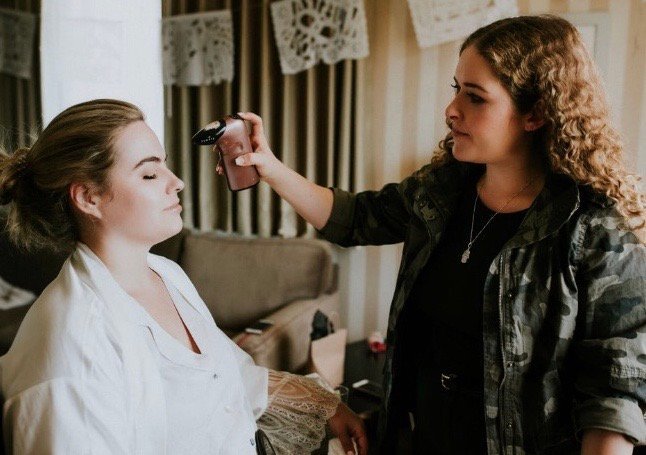
A bridal makeup trial isn’t just about seeing a look on your face for the first time. It’s a working session, and one of the few chances you’ll have before the wedding day to ask real questions, test something, and adjust it if it’s not quite right. After 11+ years of doing bridal trials, I can say the brides who get the most out of theirs are usually the ones who come in with a few specific questions, not just a Pinterest board.

Quick answer: the most useful trial questions cover longevity, the products being used on your skin, and day-of logistics like timing and touch-ups. Bringing these up during the trial, not the morning of the wedding, gives your artist time to actually adjust the plan if something needs to change. Here’s what’s worth asking, and why.

Why the Trial Is Your Chance to Ask, Not Just Look

It’s easy to treat a trial as a photo opportunity, something to snap a picture of and compare to your inspiration board. But the real value of a trial is that it’s interactive. It’s the appointment where I test products directly on your skin, make adjustments in real time, and discuss any sensitivities, reactions, or recent treatments openly before they matter on the wedding day itself. If you only watch and don’t ask questions, you miss most of what a trial is actually for.

Coming in with a short list of questions helps make sure you cover everything important in the moment, especially if you’re nervous or excited and forget what you meant to bring up.

Key Questions to Bring

Here are the categories worth covering during your trial appointment.

About Longevity and Touch-Ups

Ask how the look will hold up over the course of your specific day, especially if you’re getting married outdoors or somewhere with coastal humidity, sea air, or wind. It’s also worth asking what kind of touch-ups you might need between the ceremony and reception, and what I provide versus what you might want to bring yourself.

About Products Used

Ask what products your artist plans to apply to your skin, particularly if you have known sensitivities or have had a reaction to a product in the past. This is exactly the kind of thing your artist should ask you about too, since sensitivity and recent-treatment disclosure are a standard part of the trial process. If you’ve had any facials, peels, or other treatments recently, mention them, even if your artist doesn’t bring them up directly.

About Day-Of Logistics

Ask how the timeline typically works on wedding morning, including roughly how long your application will take, when the artist plans to arrive, and how the artist coordinates things if you have a bridal party getting ready alongside you. Understanding the flow ahead of time makes the actual morning feel far less rushed.

What Good Answers Sound Like

A good answer to a longevity question should sound specific to your day, not a generic “it’ll last.” A good answer about products should be honest about what’s being used and open to adjusting if something doesn’t feel right on your skin. And a good answer about logistics should give you an actual sense of timing, not a vague reassurance. If an answer feels rushed or unclear, the trial is exactly the right moment to ask for a follow-up, not the wedding morning.

In the days and weeks around your trial, it’s also worth following some general prep guidance: avoid introducing new skincare products or treatments in the final 10 days before your wedding, keep a consistent skincare routine going for at least four weeks out, and stay well hydrated in the week leading up to the event, especially if it’s summer. None of this is medical advice, it’s simply practical prep that helps your skin hold makeup well and reduces the chance of an unexpected reaction close to the date.

If you’d like to see real trial and wedding-day results, take a look at the portfolio, or read more about the experience behind the process on the about page. When you’re ready to book your own trial, reach out through the contact page.

Frequently Asked Questions

1. When should I start prepping for your bridal makeup trial? 

A good rule of thumb is to start a consistent skincare routine at least four weeks before your trial or wedding, whichever comes first, and to stay hydrated in the week leading up to either appointment, especially during summer months.

2. What should I avoid in the days leading up to my wedding? 

Avoid trying new skincare products or treatments in the final 10 days before your wedding. This includes new facials, peels, or products you haven’t used before, since introducing something unfamiliar close to the date increases the chance of an unexpected skin reaction.

3. What should I bring up with my artist about during your bridal makeup trial? 

Mention any skin sensitivities, past reactions, or recent treatments, even if you’re not asked directly. Also bring up longevity concerns specific to your venue, questions about the products I use, and any timing or logistics questions about your wedding morning, so we can address everything before the day itself.
Posted on

How Many Bridal Trials Do You Actually Need

How Many Bridal Trials Do You Actually Need

One of the most common questions that comes up early in wedding planning is simple on the surface but harder to answer in a generic way: how many bridal trials do you actually need? The honest answer depends on your skin, your look, and how confident you feel walking out of that first session, but there’s a clear framework for making the decision instead of guessing.

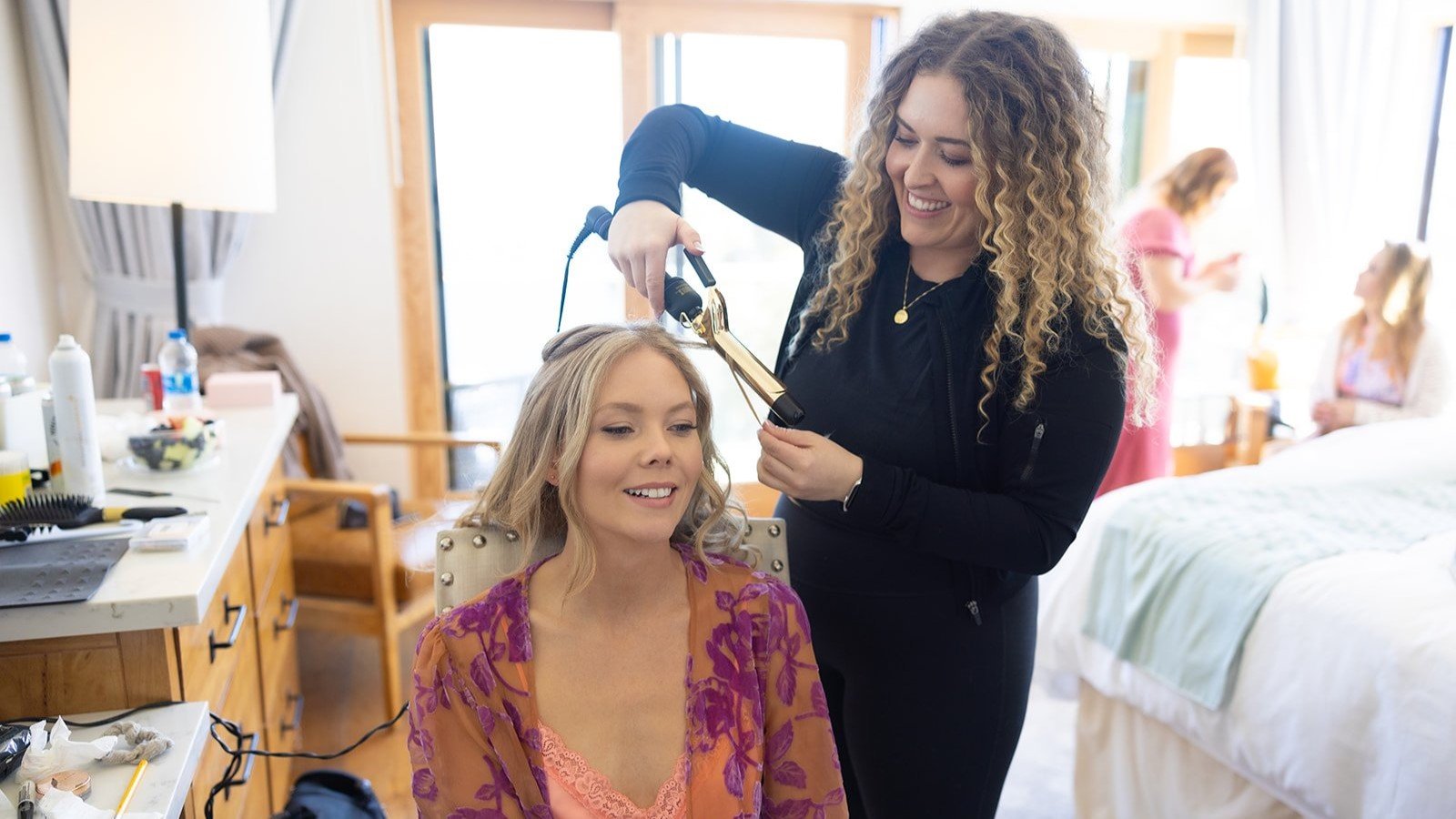
Brittany Brown has run bridal trials for more than 11 years across Orange County and San Diego, and in that time a consistent pattern has held true. Most brides need one trial. Some benefit from a second. Very few need more than that, and when they do, it’s usually for a specific reason rather than general uncertainty.

Why One Trial Is Usually Enough

A single trial, done well, covers more ground than most brides expect. It’s where shade matching gets confirmed, where a bride can see how a look photographs versus how it looks in person, and where any skin sensitivities get discussed upfront so the right products are chosen from the start. That sensitive disclosure conversation matters as much as the makeup itself, since it shapes every product decision that follows, both at the trial and on the wedding day.

For most brides, one trial done with enough time before the wedding, ideally a few months out rather than the final weeks, is enough to lock in a formula, a finish, and a look that feels right. It also gives time to build a simple pre-wedding skin routine around what worked, typically a consistent 4-week routine leading into the wedding day, so the skin is in its best, most predictable state by the time makeup goes on.

When a Second Trial Might Be Worth It

A second trial tends to make sense in a few specific situations rather than as a default. Changing a major styling decision, a different hair style, a different dress silhouette, or a significant change in skin tone due to a spray tan or seasonal shift, is a common reason to book a follow-up. A second trial is also worth considering if the first one left any part of the look unresolved, whether that’s a lash style, a lip color, or an overall finish that needed more time to settle than one session allowed.

It’s rarely about the artist getting something wrong the first time. More often it’s about giving a bride the chance to see a look, sit with it, and come back with clearer feedback once she’s had time to think it over.

What Additional Trials Typically Cost and Involve

Additional trials typically have a separate price because each session requires the same time, products, and attention as an initial trial rather than a quick touch-up. What a second or third trial involves depends on the changes the bride wants to make. Sometimes it’s a full redo with a new direction entirely, and sometimes it’s a shorter, more targeted session focused on one or two specific elements from the first trial, like adjusting a highlight placement or trying a different lip finish.

The specifics, cost, timing, and what’s included, are best confirmed directly, since they can vary based on how far out the wedding is and what’s being adjusted.

How to Decide What’s Right for You

A useful way to think about it: if you leave your first trial feeling confident and only want to tweak a few small details, you likely don’t need a second one. Your makeup artist can usually note those adjustments and apply them on your wedding day. If you still feel unsure, can’t decide between two directions, or plan a major styling change after the trial, a second session is worth the investment.

One detail that applies no matter how many trials you book: avoid introducing new skincare or beauty products in the final 10 days before the wedding. Even products that have worked well for years can behave differently when paired with something new, and the final stretch before the wedding isn’t the time to find that out. Keeping the routine steady and familiar in those last 10 days protects the work done in the trial and gives the wedding-day makeup the most predictable base to work with.

Brides working through this decision can look at real trial-to-wedding-day transformations in the portfolio, or read more about Brittany’s approach and background on the About page. If you’re ready to book a first trial or talk through whether a second one makes sense for your situation, reaching out directly is the easiest next step.

Frequently Asked Questions

1. When should I start prepping for how many bridal trials do you actually need? 

Start thinking about it as soon as you book your artist, ideally three to twelve months before the wedding. Booking the first trial with enough lead time, rather than in the final weeks, leaves room for a second trial if one turns out to be worth it, without adding pressure close to the wedding date.

2. What should I avoid in the days leading up to my wedding? 

Avoid trying any new skincare, makeup, or beauty products in the final 10 days before the wedding. Sticking to a familiar, consistent routine, ideally one that’s been in place for about four weeks leading up to the day, keeps the skin predictable and protects the results from the trial.

3. What should I bring up with my artist about how many bridal trials do you actually need? 

Bring up any skin sensitivities, known reactions to specific products, and any major styling changes you’re considering, hair, dress, or tan. This kind of upfront disclosure gives your artist the clearest picture of whether one trial will cover everything or whether a second session makes sense for your specific plans.