
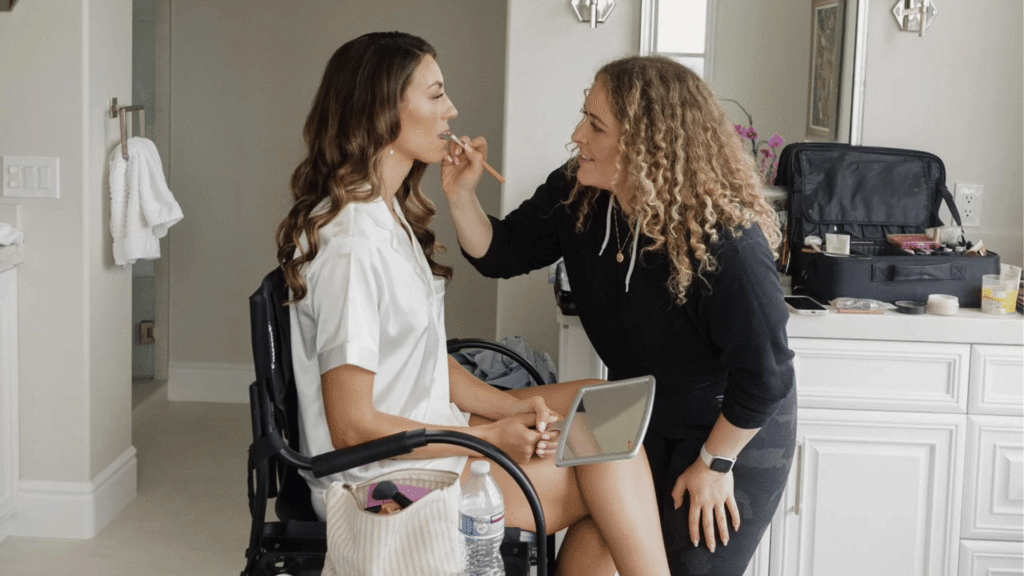
A bridal makeup trial is not just a quick makeup appointment before the wedding. It is the moment where your wedding look starts becoming real.
This is where you figure out what actually suits your face, skin, dress, lighting, and comfort level. It also helps you avoid surprises on the wedding day. Many brides walk into a trial thinking they only need to “pick a makeup look.” In reality, there is much more happening behind the scenes.
The trial helps your makeup artist understand how your skin behaves, how certain products wear over time, and what adjustments need to happen before the wedding.
When done properly, a bridal makeup trial removes uncertainty. You stop guessing how you will look and start feeling confident about the final result.
Why a Bridal Makeup Trial Matters So Much
Wedding makeup is very different from regular event makeup.
Your makeup needs to last through photos, lighting changes, heat, hugs, tears, and long hours without feeling uncomfortable. At the same time, it still needs to look natural in person.
That balance takes planning.
Without a trial, your wedding day becomes the testing day. That creates pressure for both the bride and the artist. A trial gives both sides time to adjust details calmly before the wedding arrives.
It also helps prevent common issues like:
- foundation looking too heavy in photos
- lashes feeling uncomfortable
- makeup fading too quickly
- colors not matching the dress or bridal style
- the look feeling too dramatic or too soft
Small changes during the trial often make the biggest difference later.
What Brides Should Bring to the Makeup Trial
The more context your artist has, the better the final look will feel.
Bring inspiration photos, but choose them carefully. Instead of saving heavily filtered images, focus on looks that resemble your skin tone, eye shape, and overall features.
It also helps to bring:
- photos of your wedding dress
- veil or hair accessory ideas
- hairstyle inspiration
- examples of makeup you dislike
- reference photos in natural lighting
If you already know your wedding colors or flower palette, share those too. Soft details like this help create a more cohesive bridal look.
What Happens at the Start of the Appointment
The first part of the trial usually involves conversation, not makeup.
Your artist will ask questions about your wedding venue, timeline, dress, photography style, and how you normally wear makeup. This step matters because bridal makeup should still feel like you.
For example, a bride who never wears heavy foundation may feel uncomfortable in full glam makeup, even if it looks good in photos.
Your skin type also gets evaluated during this stage. Oily, dry, textured, or acne-prone skin all require different product choices and application methods.
A good trial feels collaborative, not rushed.
Skin Prep Usually Happens First
Before makeup starts, the skin needs preparation.
This does not mean using dozens of products. In fact, too much skincare can create problems during makeup application. Your artist will usually prep the skin based on what it needs that day.
Dry skin may need hydration. Oily skin may need oil control. Sensitive skin may require lighter products.
Skin prep affects how foundation sits, how long it lasts, and how natural it looks throughout the day.
This is also why many artists ask brides to avoid trying new skincare products before the trial.
Read: Best Bridal Makeup for Oily, Dry, and Acne-Prone Skin
The Makeup Application Process Takes Longer Than Regular Makeup
A bridal makeup trial usually takes more time than a normal makeup appointment because adjustments happen throughout the process.
Your artist may test:
- different foundation finishes
- lash styles
- lip tones
- contour intensity
- eye makeup depth
- highlight placement
Sometimes a bride realizes halfway through that she prefers softer eyes or less coverage. The trial creates room for those changes.
This process is normal. Bridal makeup is rarely perfect on the very first attempt because every face, skin type, and comfort level is different.
Photos Matter More Than the Mirror
One of the biggest surprises during bridal trials is how differently makeup appears in photos.
Certain foundations may look beautiful in person but appear shiny under flash photography. Some soft makeup styles may disappear slightly on camera.
That is why your artist will often recommend checking the makeup in:
- natural daylight
- indoor lighting
- phone photos
- flash photography
Looking at the makeup from multiple angles also helps you see whether the balance feels right.
A bridal look should work both in real life and in photos.
Read: Why Bridal Makeup Looks Different in Photos
Honesty During the Trial Is Extremely Important
Many brides stay quiet during the trial because they do not want to seem difficult.
However, the trial is exactly where feedback should happen.
If the lashes feel heavy, say it. If the lip color feels too dark, mention it. If the skin looks too matte or too glowy, speak up early.
Small adjustments during the appointment prevent disappointment later.
A good makeup artist expects feedback and uses it to refine the look.
Wear the Makeup for Several Hours If Possible
The makeup may look perfect immediately after application, but the real test happens later.
Try wearing the makeup for several hours after the trial. This helps you see:
- how the skin texture changes
- whether oil breaks through
- if the foundation separates
- whether lashes remain comfortable
- how the lip color fades
Some brides realize after a few hours that they want more glow, less powder, or lighter eye makeup.
This information helps finalize the wedding day plan properly.
Your Hair Trial Can Affect Makeup Decisions
Hair and makeup should work together.
Soft waves often pair differently with makeup than sleek buns or lifted updos. Dress style also changes the balance of the makeup.
For example, dramatic eye makeup with a detailed dress and statement hairstyle can sometimes feel overwhelming altogether.
This is why many brides schedule hair and makeup trials close together.
When everything works together, the bridal look feels complete instead of disconnected.
Read: How to Choose the Right Bridal Hairstyle for Your Wedding Day
Common Bridal Makeup Trial Mistakes
One common mistake is arriving without inspiration or direction. Your artist does not need a perfect plan, but some visual references help avoid confusion.
Another mistake is choosing makeup based only on trends. A look may appear beautiful online but feel completely wrong in person.
Some brides also judge the makeup too quickly before seeing it in proper lighting or after the full look comes together.
Lastly, many brides forget to test comfort. Bridal makeup should not only photograph well. You should also feel comfortable wearing it for an entire day.
What Happens After the Trial
After the appointment, your artist usually notes product choices, adjustments, timing, and final preferences for the wedding day.
This step matters because it creates consistency later. Instead of starting from scratch on the wedding morning, your artist already understands what works for your skin and style.
You should also take notes yourself. Pay attention to what you loved, what felt uncomfortable, and how the makeup wore over time.
The goal is refinement, not perfection on the first attempt.
Your Bridal Makeup Should Feel Like You, Just More Polished
The best bridal makeup does not make you look like someone else. It simply enhances your features in a way that lasts well, photographs beautifully, and still feels comfortable after hours of wear.
At Brittany Brown Beauty, we use bridal trials to build a look around your skin type, wedding setting, and personal style instead of copying trends that may not suit you.
Every adjustment during the trial helps create a wedding day look that feels balanced, natural, and confident.
Take a look at our bridal portfolio to see real brides, different makeup styles, and before-and-after transformations from actual wedding days.
Click the button below to schedule your bridal makeup consultation.
Frequently Asked Questions
Most bridal makeup trials take between 1.5 to 3 hours depending on the complexity of the look and adjustments made during the appointment.
Yes, especially if you are also doing a hair trial. Clean, dry hair usually works best unless your stylist gives different instructions.
Most brides schedule their trial around 2 to 4 months before the wedding.
Yes. Many brides make small adjustments after seeing the makeup in different lighting or after wearing it for several hours.
Wear a light-colored top similar to your wedding dress tone if possible. This helps you visualize the final bridal look more accurately.
Related Articles:
- Dewy vs Matte Bridal Makeup: What Works Best for Your Skin
- What to Ask Your Bridal Makeup Artist Before Booking
- Bridal Makeup Trends 2026 in Orange County
- How to Prep Your Skin 30 Days Before Your Wedding
- Why Bridal Makeup Looks Different in Photos and How to Get It Right
- Bridal Makeup for Mature Skin: What Works and What to Skip
- How to Make Bridal Makeup Last All Day Without Touch-Ups