Posted on

How to Prep Combination Skin for Long-Wear Bridal Makeup

prep combination skin for long-wear bridal makeup

If your forehead gets shiny by noon while your cheeks feel tight by dinner, you already know what combination skin feels like. You may also wonder how that skin will behave on a wedding day that starts early, runs for many hours and happens in front of a camera.

This guide explains how to prep combination skin for long-wear bridal makeup in a simple, practical way. It follows the same prep habits Brittany Brown Beauty shares with brides, and it fits a timeline of three to twelve months before your wedding. Everything here focuses on appearance and comfort, so treat it as makeup-prep guidance and not medical advice.

Why Combination Skin Needs a Two-Zone Prep Strategy

Combination skin usually means different areas of your face behave differently. Many people notice more shine across the forehead, nose and chin, while the cheeks feel normal or dry. Your own pattern may look different, and that is fine.

That difference creates a real challenge for makeup. A single approach across the whole face rarely suits both zones. A rich, hydrating step may feel lovely on dry cheeks and then make the T-zone look slick by the time photos start. A mattifying step may control shine in one area and leave another area looking dull or textured.

A two-zone strategy solves this by treating each area on its own terms. Instead of choosing one product for the whole face, you think in sections: where skin needs more comfort and where it needs more balance. Your makeup artist does the same thing during application, so the prep you do at home sets up the work she does on the day.

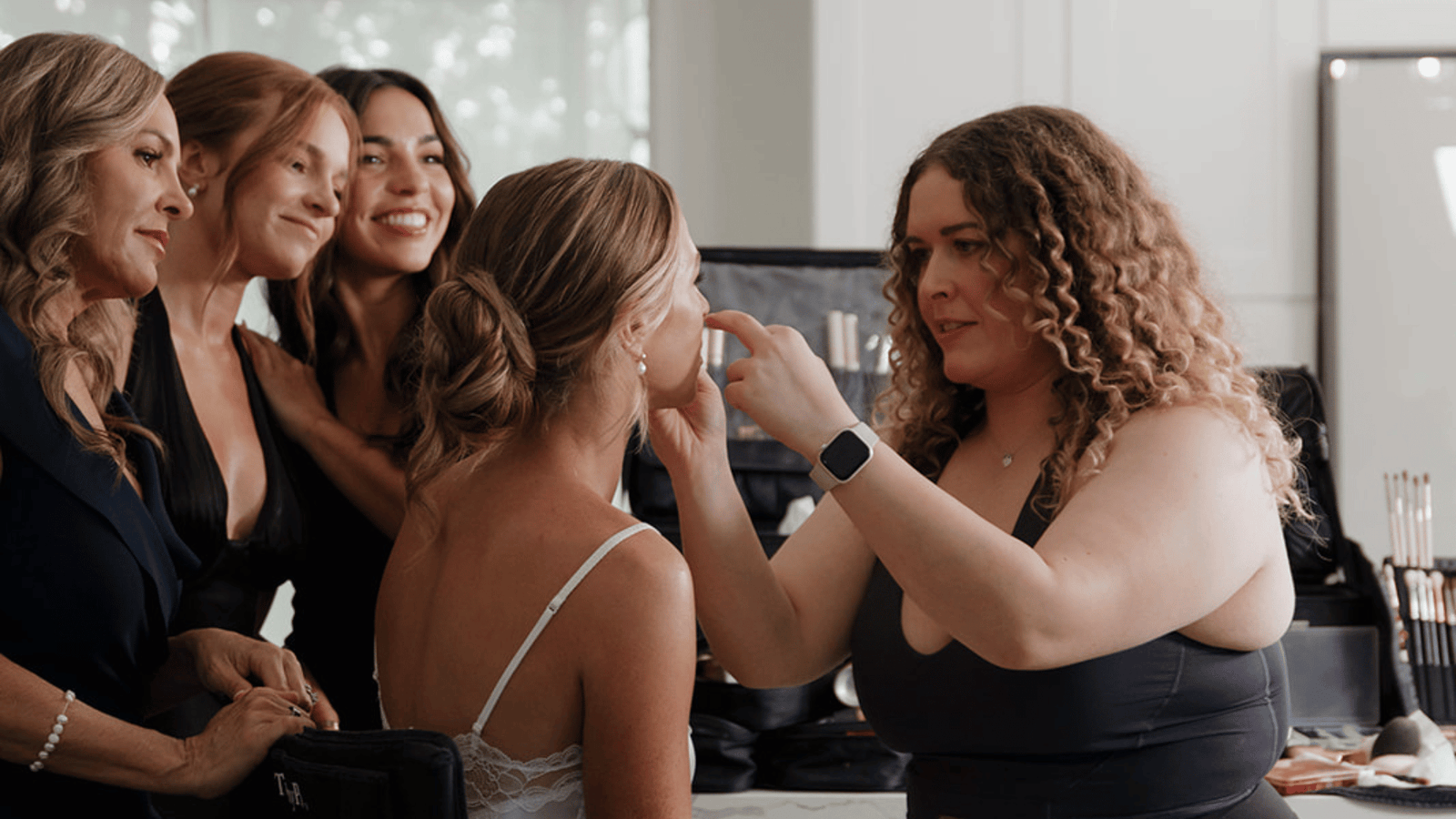
Brittany Brown, the founder of Brittany Brown Beauty, has more than 11 years of experience in the makeup industry and trained at Empire Academy of Makeup in Orange County. Her signature approach is to enhance natural features and not mask them, which starts with the skin itself. When the skin looks fresh and even, the final look needs less product, and it feels more like you, but elevated. If you want to see how that approach plays out across a full wedding day, read Brittany Brown’s bridal makeup routine and how it lasts all day.

Southern California conditions add another layer. Many Orange County and San Diego weddings happen near the coast, where heat, humidity, sea air and direct sun can all change how skin looks over a long day. Brittany picks primers, foundations and setting products with those conditions in mind, and your prep gives her a better starting point.

Building the Routine
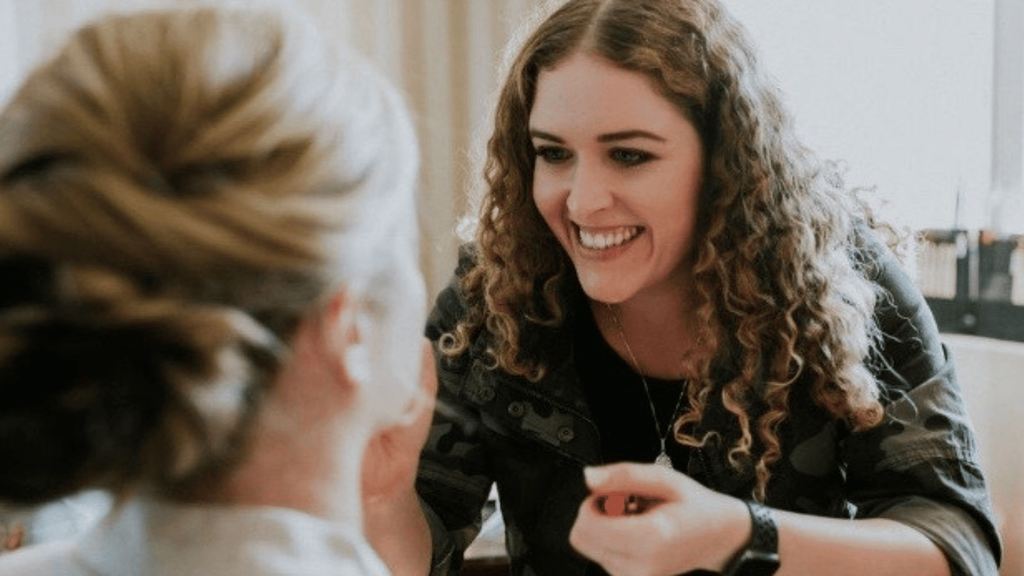
A good bridal skincare routine does not need to be complicated. It needs to be consistent. Brittany asks brides to start a steady routine at least four weeks before the wedding, and that timeline works well for combination skin because it gives you time to see how your skin responds to your habits. For a broader look at the final month, see how to prep your skin 30 days before your wedding.

Here is the simple framework to follow:

  • Start at least four weeks out. Choose a routine you can repeat every morning and evening.
  • Keep it steady. Skin looks calmer and more predictable when you do not change things constantly.
  • Hydrate. Drink plenty of water in the week leading up to the wedding, especially in summer.
  • Hold off on anything new in the final 10 days. New products and treatments close to the date can cause surprises.

If you are three to twelve months out, you have room to be patient. Use the early months to figure out what your skin likes, and use the final month to settle into a routine you trust. If you are considering a facial, facials before your wedding and when to schedule them can help you plan the timing around that 10-day window.

Balancing Oily and Dry Zones

The goal of a balanced routine is comfort in every zone. You want your cheeks to feel soft and your T-zone to feel fresh, with neither area fighting the other.

A few habits help:

  • Cleanse gently. Harsh, stripping cleansers can leave skin feeling tight, and some skin responds by looking oilier afterward. A gentle approach keeps both zones more even.
  • Moisturize every zone. Oily areas still benefit from lightweight hydration. Dry areas may want a little more. You can apply a lighter layer to the T-zone and a slightly richer layer to the cheeks if that feels right to you.
  • Wear sun protection. If sunscreen is already part of your day, keep it there. It is a simple habit that fits any bridal timeline.
  • Skip the experiments. A wedding countdown is not the time to try a dramatic new regimen. Steady and simple beats trendy and complicated.

Pay attention to how your skin feels during the day, not only in the mirror in the morning. Notice when your T-zone starts to shine, whether your cheeks feel tight by evening, and how your skin changes in warm weather. That information helps you and your artist later. If one zone is the bigger concern, these guides on prepping oily skin for wedding makeup that lasts all day and skin prep for dry or flaky patches before your wedding go deeper on each side of combination skin.

If you have specific skin concerns, talk with a qualified skincare professional about them. A makeup artist can adjust products and technique, but she does not diagnose or treat skin conditions.

Priming Differently by Area

Primer is where the two-zone idea shows up most clearly in makeup. Skin prep, primer and base preparation come first in Brittany’s process, and she does them without rushing. A well-prepared surface helps the rest of the look sit comfortably and wear well.

For combination skin, that often means choosing different support for different areas. A smoothing, shine-balancing step may suit the forehead, nose and chin, while a more comfortable, hydrating step may suit the cheeks. Your artist decides which products to use based on your skin on the day and what she learns at your trial, so the choice is guided by your skin and not by a one-size-fits-all formula. If you are curious how the base itself factors in, best foundation types for bridal makeup is a helpful read.

You do not need to buy primers ahead of time. In fact, it is better not to. New products close to the wedding add risk, and your artist already brings a professional kit with products chosen for coastal and outdoor Southern California conditions. Save your energy for the routine and bring your questions to the trial. If you are tempted to try something new late in the game, what happens if you try a new product too close to your wedding explains why waiting is the safer choice.

Brittany does not name specific brands in her bridal prep guidance, and you do not need to chase one. What matters most is that the products match your skin and that you test them before the wedding day.

What to Flag at Your Trial

A bridal makeup trial is the best place to turn your skin prep into a real plan. Brittany strongly recommends it. During the trial, she tests your look and products on your skin, works through adjustments and helps you know exactly what to expect on your wedding day. For a full walkthrough, see what happens during a bridal makeup trial.

For combination skin, the trial gives you a chance to see how the look behaves across both zones. Brittany asks brides to disclose any skin sensitivities, reactions or recent treatments, and this is the moment to be open about them. If you are unsure how to raise it, how to talk to your makeup artist about skin sensitivities offers some practical wording.

Consider sharing these points:

  • Where you get shiny and how quickly. Tell her which areas look oily first and what time of day it usually happens.
  • Where you feel dry or tight. Name the areas where makeup tends to cling, flake or settle.
  • Your current routine. Share the steps you follow now so she can see what your skin already does.
  • Sensitivities and reactions. Mention anything your skin has reacted to in the past.
  • Recent treatments. Say so if you have had any, and mention any you plan to have before the wedding.
  • Your wedding setting. Share whether you will be indoors, outdoors, near the water or in the sun.
  • Your priorities. Tell her whether you want a soft glow, a more matte finish or something in between.

A trial also lets you notice how the look feels on your skin during the hours that follow. Many brides find it helpful to pay attention to how the makeup sits after an hour or two, and then to share what they notice. Brittany can use that feedback to adjust the plan. If your skin has visible texture, long-wear makeup techniques for textured skin explains what can help makeup sit more smoothly.

How This Prep Translates to Wedding-Day Longevity
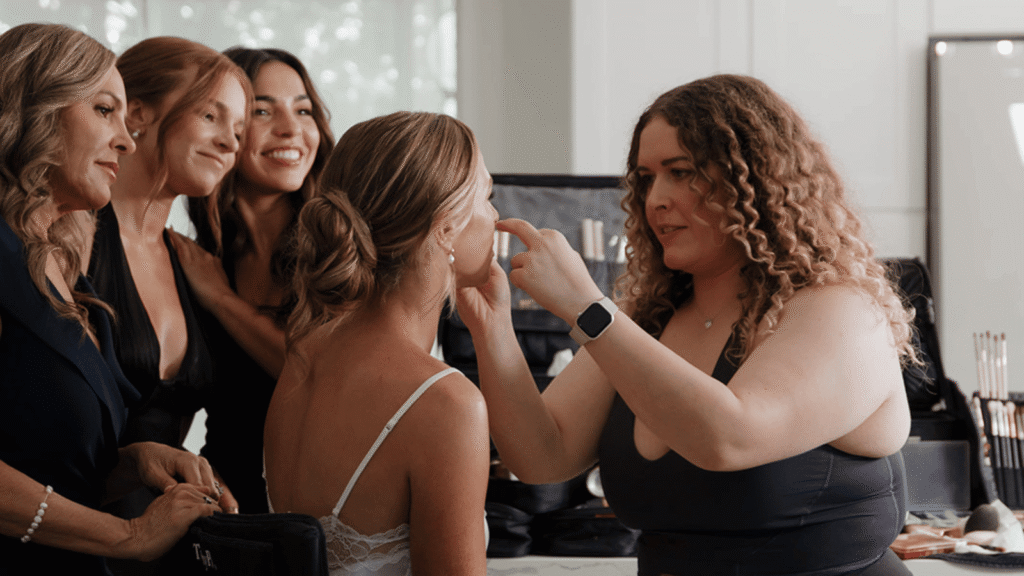
No honest artist can promise exactly how many hours makeup will last, because wear depends on your skin, the weather, the setting and the products. What good prep does is give your makeup the best possible chance to look fresh through the ceremony, the photos and the reception.

Here is how your preparation connects to the wedding day:

Steady skin looks more predictable. When you follow the same routine for weeks, your skin settles into a pattern. That predictability helps your artist plan which products and techniques to use where.

No new products means fewer surprises. By avoiding new skincare in the final 10 days, you reduce the chance of a reaction or an unexpected change in how your skin looks or feels.

Hydration supports comfort. Drinking water in the week before the wedding helps your skin feel its best, especially during warm months.

The trial removes guesswork. Because Brittany tests products on your real skin, you know how the look performs for you. That is better than assuming a product will work because it worked for someone else.

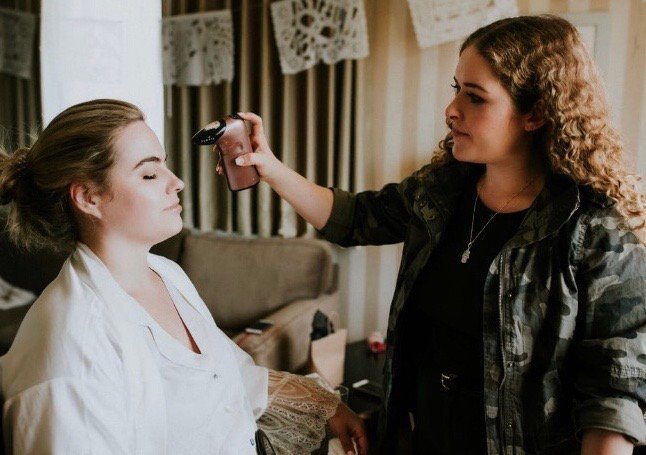
A calm morning protects the process. On the wedding day, Brittany starts with skin prep and base preparation, then applies her look using professional products suited to your skin and to Southern California conditions. She then uses final setting techniques to help the look hold through the day. She does not rush any of it, because a smooth, prepared surface sets up everything that follows.

Brides often tell Brittany that their makeup stayed put all day, even through happy tears. Those results come from careful prep, thoughtful product choices and a process built around the individual, and they do not come from a single trick.

Brittany also gives every bride a complimentary touch-up kit with lipstick, powder and blotting sheets. With good prep and product choices, the goal is that you will not need to think about your makeup during the event. If you want a quick refresh during a long day, though, the kit gives you an easy way to do it. Blotting sheets in particular suit combination skin, because they let you manage shine in the T-zone without disturbing the rest of your makeup.

Plan Your Bridal Makeup and Skin Prep

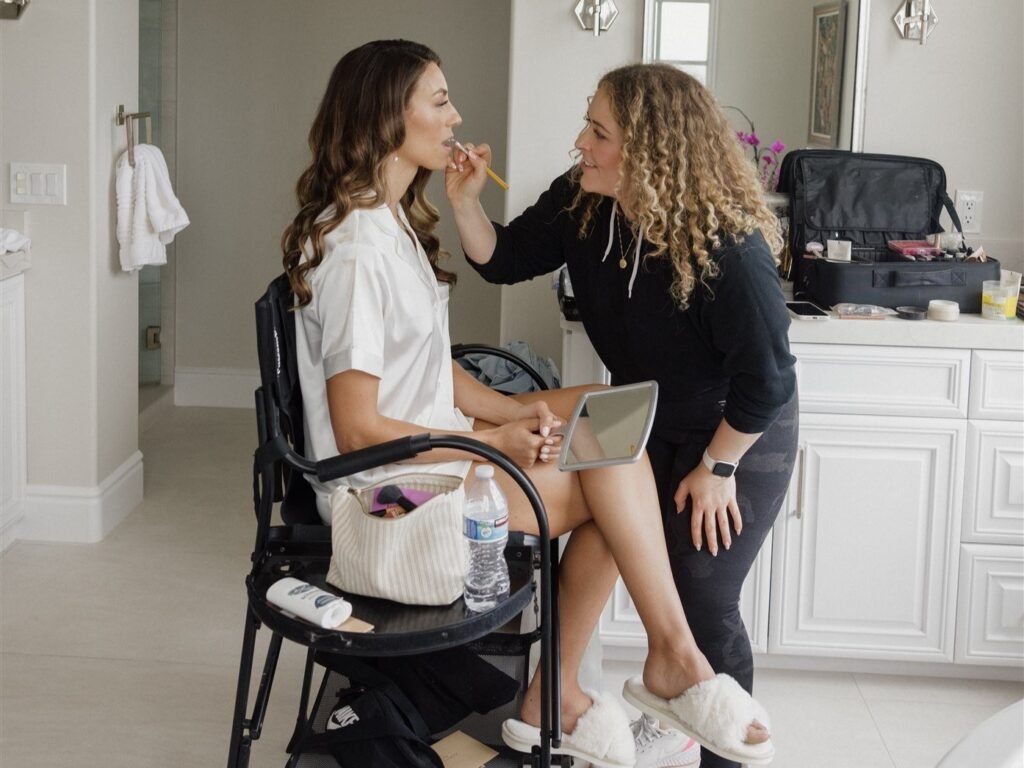
Your wedding makeup should start with a plan that considers your skin, preferred look, and wedding-day setting. Brittany Brown Beauty offers mobile, on-location services, with Brittany bringing her professional kit, studio-quality lighting, and seating to your hotel suite, private home, resort room, or estate. This allows her to prepare and apply your makeup in a well-lit space without requiring you to travel to a salon.

The process follows a clear order:

  1. Arrival and setup: Brittany sets up her station, which usually takes 15 to 20 minutes.
  2. Skin and base preparation: She prepares your skin with skincare, primer, and base products.
  3. Makeup application: She creates your chosen look using professional products suited to your skin and the wedding setting.
  4. Final setting: She uses setting techniques to help your makeup last through the ceremony, photos, and reception.

Bridal makeup typically takes 60 to 90 minutes, while each bridesmaid usually needs about 45 to 60 minutes. Timing depends on your bridal party size, and Brittany brings additional artists for larger groups so everyone can finish on schedule without rushing the bride’s application. On-location services also let your bridal party get ready together without a salon commute.

Once your venue and date are confirmed, reach out to discuss availability. Spring and fall weekends in Orange County and busy wedding seasons in San Diego can book quickly, so booking 6 to 12 months ahead is a good idea. Securing your date early also gives you time to arrange a trial and follow your skin preparation routine without feeling rushed. A signed contract and deposit secure your booking.

Browse the portfolio to see Brittany’s work, visit the About page to learn about her background and training at Empire Academy of Makeup, or explore the Brittany Brown Beauty for bridal hair, makeup, and event services.

When you’re ready to discuss your wedding makeup and preparation plans, contact Brittany Brown Beauty.

Frequently Asked Questions

1. When should I start prepping for combination skin for long-wear bridal makeup?

Start a consistent skincare routine at least four weeks before your wedding. If you are three to twelve months out, you can use the extra time to learn how your skin behaves across a full day and to settle on habits you can keep. The key is to keep the routine steady, so your skin has time to settle before the big day.

2. When should I start preparing combination skin for long-wear bridal makeup?

Beyond the skincare routine, add a bridal makeup trial to your timeline, because Brittany strongly recommends it. Schedule it once your date and venue are set, so you can test the look on your own skin and adjust anything well before the wedding. Booking your artist early gives you the most flexibility for both the trial and the wedding day.

3. What should I avoid in the days leading up to my wedding?

Avoid trying new skincare products or treatments in the final 10 days. New products close to the date can cause surprises, and you want your skin to feel familiar and comfortable. Also keep hydrating in the week leading up to the event, especially in summer. If you have a treatment on your calendar, share the timing with your artist at your trial.

4. What should I avoid changing in my skincare routine during the final 10 days before my wedding?

Try not to add, swap or start anything new. That includes new products, replacements for products you already use and new treatments. Stick with the steady routine you built over the previous weeks. If you have a concern about your skin, speak with a qualified skincare professional instead of experimenting close to the wedding.

5. What should I bring up with my artist about prep combination skin for long-wear bridal makeup?

Let Brittany know where your skin gets oily, where it feels dry, and how it changes throughout the day. Share your current skincare routine, along with any sensitivities, reactions, or recent treatments.
Your wedding setting matters too. Mention whether you’ll be indoors, outdoors, near the water, or in direct sunlight. Also, let her know if you prefer a soft glow or a more matte finish. Brittany uses these details during your trial to test products and develop a plan suited to your skin and wedding conditions.
Posted on

What Happens If You Try a New Product Too Close to Your Wedding

what happens if you try a new product

A new serum or a viral foundation can look tempting in the weeks before your wedding. Here is what happens if you try a new product too close to the big day, and how to test products without risking your wedding-day skin. In short, a new product can change how your skin looks, feels, and wears makeup, and the final weeks leave little time to adjust, so stick with products your skin already knows. This guide comes from Brittany Brown, a mobile bridal hair and makeup artist in Orange County with 11+ years of hands-on experience.

This guide is educational and focuses on appearance and comfort. It does not give medical advice. For questions about your skin’s health, talk with your doctor or dermatologist.

Brittany follows an “enhance, don’t mask” philosophy at Brittany Brown Beauty. She wants your skin to look like itself, but elevated, and a steady routine helps her get there.

Why New Products Are Riskiest in the Final Weeks

Your skin needs time to show you how it responds to anything new. In the final weeks, you have no time left to adjust. A product that surprises your skin leaves you and your artist with fewer options.

Brittany gives brides three simple guidelines:

  1. Start a consistent skincare routine at least four weeks before the wedding. A steady routine gives your skin time to settle before your trial and the wedding.
  2. Avoid new skincare products or treatments in the final 10 days. This window protects the skin you want to see on your wedding day.
  3. Stay hydrated in the week leading up to the event, especially in summer. Hydration supports a smooth, fresh look.

Your bridal makeup trial fits into this timeline too. Brittany strongly recommends a trial, where she tests your look and product formulas directly on your skin and works through any adjustments. She also asks every bride to share any skin sensitivities, reactions, or recent treatments. You can read more about what happens during a bridal makeup trial if you have never had one.

“New” covers more than a serum. A different moisturizer, sunscreen, cleanser, body lotion, or hair product can all count, so when in doubt, treat it as new and ask your artist. If you are thinking about active ingredients such as retinol or exfoliating products, her guide to the retinol and exfoliation timeline before your wedding day goes deeper on timing.

What Can Go Wrong

A new product can change how your skin looks, feels, and wears makeup. These are some of the surprises that can happen.

Unexpected Reactions or Breakouts

  1. Redness or irritation: Skin can look flushed or feel uncomfortable after a product it has never met. Redness shows up in photos, and it can change how foundation and blush look.
  2. A surprise breakout: Skin texture can change for many reasons, and a new product is one possible factor. A breakout close to the wedding adds stress you do not need, and a doctor or dermatologist is the right person to ask about what is causing it.
  3. Dryness or flaking: Some products leave skin feeling tight or dry. Dry patches can catch under foundation and look uneven.
  4. Skin that feels different than you expect: Even without a visible reaction, your skin may feel oilier, tighter, or more sensitive than usual.

If you notice a reaction that concerns you, stop using the product and ask your doctor or dermatologist. Seek urgent care right away for symptoms such as facial swelling or trouble breathing. Your makeup artist can plan around what you tell her, but she does not diagnose or treat skin conditions.

If you are working with scarring or uneven texture, a product change can make those areas harder to plan around, and her guide to bridal makeup for acne scarring and uneven texture explains how she approaches them.

Products That Don’t Wear the Same Under Makeup

  1. Pilling or balling: Some skincare layers may not sit well under primer or foundation. They can roll into small flakes as makeup goes on.
  2. A different finish: A new moisturizer or sunscreen may make skin look shinier or more matte than your usual products do. That changes how the base looks and wears.
  3. Makeup that shifts or settles: A product that works well alone can behave differently under makeup, especially in coastal Southern California conditions like humidity, sea air, and heat.
  4. Color that looks off: A new product may change how your foundation reads on your skin. A shade that matched in your trial could look different if your routine changes afterward. Her guide to choosing the right foundation shade for your wedding day explains how she approaches shade.

Brittany cannot promise an exact wear time for any look, because skin, weather, and products all play a part. She chooses her products and setting techniques with your skin and your venue in mind, and she provides every bride with a complimentary touch-up kit with lipstick, powder, and blotting sheets.

Realistic Recovery Time If Something Goes Wrong

  1. Recovery time varies: Every person’s skin responds differently, so no single number applies to everyone.
  2. Stop and ask the right person: If a product bothers your skin, stop using it and check with your doctor, dermatologist, or esthetician about what to do next.
  3. Tell your artist right away: Share the product name, the date you started using it, and how your skin looks and feels. This helps Brittany plan your prep and your look.
  4. Return to your steady routine: Go back to the products your skin already knows, and avoid adding anything else new.
  5. Plan around your trial: If a reaction happens before your trial, tell Brittany so she can adjust the plan or the timing.

The sooner you spot a problem, the more time you have to adjust. That is the strongest reason to finish your product experiments early.

If you have already bought something new and you are not sure when to start it, it is fine to hold off. Saving a product until after the wedding costs you very little, and your skin gets to stay in a routine it already knows.

The Safer Way to Test Something New

You can still try new products. The key is to test them early and test them in the right place.

  1. Test early: As a planning suggestion built on Brittany’s four-week guideline, try new skincare well before the four-week mark, so your routine settles before your trial and your wedding.
  2. Add one product at a time: One change at a time makes it easy to tell what your skin likes and what it does not.
  3. Share your history: Tell your artist about any products, fragrances, or textures that have bothered your skin before.
  4. Disclose recent treatments: Facials, peels, and other treatments change how skin looks and wears makeup. Brittany asks about them at your trial, and sharing them earlier gives her more time to plan.
  5. Use the trial to test makeup: For makeup, the trial is the best place to experiment. Brittany tests your look and product formulas on your skin, so you do not need to try many new makeup products on your own.
  6. Lock your routine in the final 10 days: Stick with products your skin already knows, and save any new purchases for after the wedding.

If you are curious about testing a skincare product on a small area first, that is a question for your dermatologist or esthetician, who can tell you how to do it for your skin and which products it makes sense for. Bring the product name and ingredient list to your appointment, and note any fragrances or ingredients that have caused trouble before.

Skin changes with age, too. Brittany has deep experience with mature skin and adjusts her technique, since formulas that look great on younger skin can settle into fine lines or look heavy on a more mature complexion. Her guide to bridal makeup for mature skin covers what works and what to skip. If you are a mother of the bride or a bridesmaid who wants the same care, share your skin details just as a bride would.

When you do meet for your trial, being able to describe what you like helps. Her tips on how to explain your vision to your makeup artist during a trial and her list of what to bring to your bridal makeup trial can help you get the most from the appointment.

Plan Your Bridal Makeup Trial

A trial gives you a calm, low-pressure way to see your wedding-day look before the wedding. Brittany tests your look and products on your skin, works through adjustments, and makes sure you walk into your wedding day knowing exactly what to expect. Her clients often describe the result as feeling like themselves, but elevated.

Brittany travels to your chosen location with a complete professional kit, including her own studio-quality lighting and seating, so your getting-ready party stays together and the timeline stays intact. Dates are secured with a signed contract and a deposit, so reach out as soon as your venue is confirmed.

Browse her portfolio to see her bridal work, or read about her background and training. When you are ready, contact Brittany to share your date, your venue, and anything you want her to know about your skin.

Frequently Asked Questions

1. When should I start prepping for what happens if you try a new product?

Start as soon as you book your artist. Decide which products you want to try and test them early. Brittany recommends establishing a consistent skincare routine at least four weeks before the wedding. This gives your skin time to adjust and avoids last-minute experiments.

2. What should I avoid in the days leading up to my wedding?

Avoid new skincare products and new treatments in the final 10 days before your wedding. Stay hydrated in the week leading up to the event, especially in summer. If you are unsure whether something counts as new, ask your artist, or check with your doctor, dermatologist, or esthetician.

3. What should I bring up with my artist about what happens if you try a new product?

Tell your artist the name of any new product, the date you started using it, and how your skin looked and felt afterward. Mention any sensitivities, reactions, or recent treatments, along with products that have bothered your skin before. Brittany asks about these details at your trial, and sharing them earlier gives her more time to plan.

4. How long before my wedding should I stop experimenting with new skincare products?

Brittany advises avoiding new skincare products in the final 10 days before the wedding. She also suggests having a consistent routine in place at least four weeks out. To stay on the safe side, it makes sense to finish testing new products before the four-week mark.

5. What should I tell my makeup artist if a new product changes how my skin looks or feels?

Share the product name, when you started using it, and what changed. Describe how your skin looks and feels, such as redness, dryness, or a different texture. Stop using the product, and ask your doctor or dermatologist if you have concerns. Brittany can then adjust your prep and your look around what you tell her.

Posted on

Facials Before Your Wedding: What to Schedule and When

facials before your wedding

A facial can feel like the perfect pre-wedding treat, but the timing matters as much as the treatment. If you are weighing facials before your wedding, this guide explains when to book them and how to keep your skin calm for your trial and your wedding day. In short, plan any facial well before the final 10 days, choose familiar treatments as the date gets closer, and tell your artist about it. This guide comes from Brittany Brown, a mobile bridal hair and makeup artist in Orange County with 11+ years of hands-on experience.

This guide is educational and focuses on appearance and comfort. It does not give medical advice. For questions about your skin’s health, talk with your doctor, dermatologist, or licensed esthetician.

Brittany follows an “enhance, don’t mask” philosophy at Brittany Brown Beauty. She wants your skin to look like itself, but elevated, and good planning helps her get there.

Why Facial Timing Matters as Much as the Treatment Itself

Skin can look and feel different right after a treatment. It may seem glowing, or it may look flushed or feel sensitive for a short time, depending on the treatment and your skin. That change affects how makeup applies and how it looks in photos. A facial that goes well but lands too close to the wedding leaves you and your artist with less room to adjust.

Brittany’s skin prep guidance comes down to three points. Start a consistent skincare routine at least four weeks before the wedding. Avoid new skincare products or treatments in the final 10 days. Stay hydrated in the week leading up to the event, especially in summer. Your facial schedule works best when it fits inside those guidelines.

Makeup sits on top of whatever your skin is doing that day, so calm, comfortable skin gives your artist the most reliable starting point. Brittany plans prep and product choices around your skin, which is why it helps to share what you have been doing to it. Her guide to avoiding makeup that settles into fine lines shows how much a smooth, well-prepared base matters.

Your bridal makeup trial matters here too. Brittany strongly recommends a trial, where she tests your look and products directly on your skin and works through any adjustments. She also asks every bride to share any skin sensitivities, reactions, or recent treatments. A facial counts as a recent treatment, so plan your dates with your trial in mind. If you have never had a trial, you can read about what happens during a bridal makeup trial so you know what to expect.

Recommended Scheduling

Use the timeline below as a planning guide. Your esthetician knows your skin best, so confirm the final dates with her. The timing windows here are general planning suggestions built around Brittany’s four-week and 10-day guidelines, not medical rules.

4-6 Weeks Out for More Intensive Treatments

If you want a more intensive facial, a window of roughly four to six weeks before your wedding is a common planning target. This gives your skin time to settle before your trial and well before the 10-day cutoff. It also lines up with Brittany’s suggestion to have a consistent skincare routine in place at least four weeks out. Ask your esthetician whether that window suits the specific treatment you are considering.

Ask her how long your skin may need to settle after the treatment. Then schedule it so your skin has that time, plus a buffer. If you plan to try something you have never had before, book it early and tell your artist about it before your trial.

A longer lead time also helps if you have a trial coming up. Your trial is the moment your artist sees how your base products behave on your skin, so you want your skin to be in a steady, familiar state by then. If a treatment leaves your skin looking different than usual, mention it when you book the trial.

1-2 Weeks Out for a Gentle Maintenance Facial

A gentle, familiar facial can fit closer to the wedding. Choose a treatment you have had before and know your skin handles well. Aim for at least two weeks before the wedding, so the appointment falls before the final 10 days, when Brittany advises avoiding new skincare products and treatments. A facial one week out would land inside that window, so check with your esthetician and your artist before booking anything that close.

Keep the goal simple. A maintenance facial should leave your skin feeling fresh and comfortable, not different. Skip anything that is new to you at this stage.

Why Not to Book One the Week Of

The final week belongs to rest, hydration, and your steady routine. A treatment that close to the wedding leaves no time to see how your skin responds, and no time to fix a surprise. Even a treatment you love can leave your skin looking or feeling different than you expect.

Brittany advises against new skincare products or treatments in the final 10 days for this reason. If you feel tempted to squeeze in a facial the week of your wedding, talk with your esthetician and your artist first. A calm, consistent week often serves your skin better than a last-minute change.

If your skin reacts strongly to any treatment, contact the provider who did it, or a medical professional, rather than waiting for your trial. Seek urgent care right away for symptoms such as facial swelling or trouble breathing. Your makeup artist can adjust her approach, but she cannot diagnose or treat a skin reaction.

Choosing the Right Treatment for Your Skin

The right facial depends on your skin, your schedule, and your comfort level. Think about what you want your skin to do on the wedding day. Many brides want a smooth, fresh, glowing base, which suits Brittany’s natural, radiant approach to makeup. If you are unsure whether you want a dewy or a more matte finish, this comparison of dewy vs. matte bridal makeup can help you decide, and it may shape how you talk to your esthetician about the look you want your skin to support.

Keep these points in mind as you choose:

  • Pick what you know: A treatment you have had before carries fewer surprises than a brand-new one.
  • Share your goals with your esthetician: Tell her your wedding date and your trial date so she can recommend a timeline.
  • Tell her about past reactions: Mention any products or treatments that have bothered your skin before.
  • Match the treatment to your timeline: Save more intensive options for the four-to-six-week window, and keep anything close to the wedding gentle and familiar.
  • Ask about your skin type and age: Brittany adjusts her makeup technique for mature skin, where formulas that look great on younger skin can settle into fine lines or look heavy. Your esthetician can also tailor a treatment to your skin’s needs. Her guide to bridal makeup for mature skin covers what works and what to skip.

Skin that looks different after a treatment can also change how a foundation shade reads, so a match chosen at the wrong moment may not feel right later. Her guide to choosing the right foundation shade for your wedding day explains how she approaches shade, and your trial is the best time to confirm it on your own skin. If you have concerns such as redness or uneven tone, Brittany specializes in corrective beauty makeup, and you can learn what corrective makeup is and who it is for.

After your facial, share the details with Brittany. Tell her the date, the type of treatment, and how your skin felt afterward. That information helps her plan your prep, your products, and your trial. You can send it when you contact Brittany about your date.

If you are still deciding who to book, these questions to ask before hiring a bridal makeup artist can help you ask about skin prep, trials, and how an artist handles sensitivities before you commit.

Plan Your Bridal Makeup Consultation

Your wedding makeup should reflect your personal style while complementing your skin, wedding setting, and overall vision. Brittany Brown Beauty takes a personalized approach to bridal makeup, with time to discuss your skin prep routine, preferred finish, and the look you want for your wedding day.

From coastal ceremonies to waterfront celebrations, your venue and getting-ready arrangements are important parts of the planning process. If you’re searching for a bridal makeup artist in Orange County or planning a waterfront wedding with a bridal makeup artist in Newport Beach, Brittany can discuss your preferences and help you plan your bridal look.

Brittany is fully mobile and brings her professional kit, studio-quality lighting, and seating to your chosen location, so you and your bridal party can get ready comfortably. Each bride also receives a complimentary touch-up kit with lipstick, powder, and blotting sheets.

Explore Brittany’s portfolio to see examples of her bridal work, or learn more about her background and training.

Ready to plan your wedding-day makeup? Contact Brittany Brown Beauty with your wedding date, venue, and makeup preferences to discuss your vision and check availability.

Frequently Asked Questions

1. When should I start prepping for facials before your wedding?

Start planning as soon as you book your artist. Decide which treatments you want and map them onto your calendar. Brittany recommends establishing a consistent skincare routine at least four weeks before the wedding. Schedule any intensive facial around that time, and confirm the best timing with your esthetician.

2. What should I avoid in the days leading up to my wedding?

Avoid new skincare products and new treatments in the final 10 days before your wedding. Stay hydrated in the week leading up to the event, especially in summer. If you are unsure whether something counts as new, ask your artist, or check with your doctor, dermatologist, or esthetician.

3. What should I bring up with my artist about facials before your wedding?

Tell your artist the date and type of any facial or treatment you have had or plan to have. Share how your skin felt afterward, and mention any products or treatments that have bothered your skin before. Brittany asks about skin sensitivities, past reactions, and recent treatments during the trial. Sharing these details in advance gives her more time to plan.

4.Should I get a facial before my bridal makeup trial?

Only if it fits your timeline. If you want a facial, schedule it well before your trial so your skin has time to settle, and tell Brittany about it. At the trial, she tests your look and products directly on your skin and works through any adjustments. Avoid booking anything new in the final 10 days before the wedding.

5.How can I maintain my skincare routine after a facial and before my wedding?

Keep your routine steady and simple. Brittany suggests a consistent routine for at least four weeks before the wedding and no new products in the final 10 days. Stay hydrated, and follow any aftercare your esthetician gives you. If you have questions about your skin after a treatment, ask your esthetician or your dermatologist.

Posted on

How to Talk to Your Makeup Artist About Skin Sensitivities

talk to your makeup artist about skin sensitivities

Your wedding-day skin should feel comfortable as well as look good. The easiest way to get there is an honest conversation with your makeup artist well before the big day. If you want to talk to your makeup artist about skin sensitivities but are not sure what to say or when to say it, this guide walks you through it. In short, share any known reactions, recent treatments, and problem products as early as you can, ideally before your trial. This guide comes from Brittany Brown, a mobile bridal hair and makeup artist in Orange County with 11+ years of hands-on experience.

This guide is educational and focused on appearance and comfort. It is not medical advice, and it does not replace a conversation with your doctor or dermatologist about any health concern.

Brittany follows an “enhance, don’t mask” philosophy at Brittany Brown Beauty. Her goal is a look that feels like yourself, but elevated. Sharing the right details helps her choose products and techniques that suit your skin, so you can enjoy getting ready instead of wondering how your makeup will behave. If you are still looking for the right fit, this list of questions to ask before hiring a bridal makeup artist is a good place to start.

Why This Conversation Should Happen Before the Trial

The bridal makeup trial is the best time to test your look, and the conversation about your skin should come first. Brittany strongly recommends a trial for every bride. During the appointment, she tests the chosen look and product formulas directly on your skin, works through any adjustments, and makes sure you walk into your wedding day knowing exactly what to expect. You can read more about what happens during a bridal makeup trial if you have never had one.

A trial works best when your artist already knows about your skin. If she learns about a sensitivity only after products are on your face, the appointment loses time and the test becomes less useful. Telling her ahead of time lets her plan the products, prep, and techniques before you sit down.

The earlier you raise it, the better. An early conversation leaves time to adjust your skincare routine, schedule treatments sensibly, and book your trial on a date that makes sense.

Brittany asks every bride to share any skin sensitivities, reactions, or recent treatments during the trial, and earlier notice only makes planning easier. You can mention them in your very first message when you reach out about your date.

What to Share

You do not need to use technical language. Plain, specific details are the most helpful. Think about what you have noticed on your own skin and what has happened in the past.

Known Allergies or Reactions

Tell your artist about anything your skin has reacted to before. This might include a certain fragrance, a type of adhesive, a product category, or a texture that has bothered you. Describe what happened in your own words. For example, you might say that a certain foundation made your skin feel itchy, or that your skin turned red after using a specific product.

Share the name of the product if you remember it. If you do not, describe it as best you can. Even a rough description gives your artist a starting point.

If you have a reaction that concerns you or you are unsure what caused it, your doctor or dermatologist is the right person to ask. Your makeup artist can work around what you tell her, but she is there to help with your makeup, not to diagnose or treat skin conditions. If a product ever causes a strong reaction, stop using it and check with a medical professional. Seek urgent care right away for symptoms such as facial swelling or trouble breathing.

Recent Treatments or Procedures

Let your artist know about any recent or upcoming skin treatments, such as facials, peels, or other professional services. Skin can look and feel different after a treatment, and that affects how makeup applies and wears.

Include the dates if you can. A treatment from last week may call for a different approach than one from three months ago. Knowing the timeline helps your artist decide how to prep your skin and which products to use.

Brittany also advises avoiding new skincare products or treatments in the final 10 days before the wedding. If you plan to schedule anything close to your date, bring it up early so you can plan around it together.

Products That Have Caused Issues Before

Make a short list of products that have bothered your skin in the past, whether they are skincare, makeup, or hair products. Also mention products you love and use often. Your favorites tell your artist what your skin tolerates well and what kind of finish you enjoy.

If you wear a specific skincare routine daily, share the basics. Your artist can build your skin prep around it so the base looks smooth and holds well through the day. Brittany suggests starting a consistent skincare routine at least four weeks before the wedding, which gives your skin time to settle into a steady pattern before your trial and the big day.

If you have concerns such as redness or uneven tone, mention those too. Brittany specializes in corrective beauty makeup, and this overview of what corrective makeup is and who it is for explains how it works.

How This Information Shapes Your Trial

Once your artist knows about your skin, she can plan the trial around you. Brittany uses what you share to choose products and techniques that suit your skin type and your comfort level. Details like your skin tone and undertone also guide the base, which is covered in her guide to choosing the right foundation shade for your wedding day. She also considers your venue, since weddings along the Southern California coast often involve sea air, humidity, and sun that change how makeup wears. For summer dates in particular, see her tips on bridal makeup for humid summer weddings in Orange County.

At the trial, she tests the look and the products directly on your skin. You can see how the makeup looks in person, how it feels, and how it wears. If something feels off, you can tell her right then, and she can adjust the formula, the technique, or the look itself. Your skin type and sensitivities can also shape the finish that suits you best, and this comparison of dewy vs. matte bridal makeup is a helpful read before your appointment.

Skin changes with age, too. Brittany has deep experience with mature skin and adjusts her technique for it, because formulas that look great on younger skin can settle into fine lines or look heavy on a more mature complexion. If you are a mother of the bride or a bridal party member who wants the same care, share your skin concerns just as you would for a bridal look. Her guide to bridal makeup for mature skin explains what works and what to skip.

No makeup artist can honestly promise that a product is right for every skin type, because every person’s skin is different. Brittany’s approach is a careful process instead: she listens to what you tell her, tests the products on your skin at the trial, and adjusts where needed. That approach keeps the focus on you as an individual and helps you feel calm and confident on the day.

Let’s Plan Your Bridal Makeup Experience

If you are planning your wedding and want a makeup artist who listens, Brittany would love to hear from you. She travels to your chosen location with a complete professional kit, including her own studio-quality lighting and seating, so you can get ready in comfort with your bridal party. She also provides complimentary touch-up kits for brides, with lipstick, powder, and blotting sheets.

If you are looking for a bridal makeup artist in Orange County, or planning a waterfront celebration with a bridal makeup artist in Newport Beach, she would be glad to help. Browse Brittany’s portfolio to see her bridal work, or read about her background and training. When you are ready, reach out through the contact page to share your date, your venue, and anything you want her to know about your skin.

Frequently Asked Questions

1. When should I start prepping to talk to your makeup artist about skin sensitivities?

Start thinking about it as soon as you book your artist. Write down any reactions, recent treatments, and problem products you remember. Then share them before your trial. Brittany also suggests starting a consistent skincare routine at least four weeks before the wedding, so your skin has time to settle.

2. What should I avoid in the days leading up to my wedding?

Avoid new skincare products and new treatments in the final 10 days before the wedding. Staying hydrated in the week leading up to the event also helps, especially in summer. If you are unsure whether something counts as new, ask your artist or check with your doctor or dermatologist.

3. What should I bring up with my artist about talking to your makeup artist about skin sensitivities?

Bring up any skin sensitivities, reactions, or recent treatments. Mention products that have bothered your skin before, along with the ones you use and enjoy. Tell her your skin type as you understand it, and share anything about your skin that you feel unsure about.

4. When should I tell my makeup artist about skin sensitivities before my bridal makeup trial?

Tell her as early as you can, ideally when you book or at least before the trial appointment. Brittany asks about sensitivities, reactions, and recent treatments during the trial, and earlier notice gives her more time to plan the products and prep for your appointment.

5. How can I test new makeup products before my wedding without disrupting my skin prep routine?

The bridal trial is the best place to test new makeup. Brittany tests the look and the product formulas on your skin during the appointment, so you do not need to try many new products on your own. Because she advises avoiding new skincare products in the final 10 days before the wedding, schedule your trial well ahead of that window and keep your routine steady afterward.

Posted on

Retinol and Exfoliation Timeline Before Your Wedding Day

retinol and exfoliation timeline before your wedding day

Makeup can show what a skincare routine is doing to the skin. Foundation, concealer, and powder all sit on the surface, so changes in texture or comfort can become noticeable once makeup goes on.

There is no single retinol and exfoliation timeline before your wedding day that works for every bride. Skin and skincare routines vary too much for that. What we can share is Brittany Brown Beauty’s bridal-prep approach: keep an established routine consistent, avoid new skincare and makeup products during the final 10 days, and tell your makeup artist what you use.

Brittany Brown Beauty is a mobile bridal hair and makeup service serving Orange County, San Diego, and surrounding areas. The business is led by Orange County bridal makeup artist Brittany Brown, who has more than 12 years of hands-on bridal and commercial makeup experience. Our philosophy is to enhance, not mask, and comfortable, well-prepared skin is part of that approach. We are makeup artists, not medical providers, so this timeline focuses on how skin looks and feels under makeup. If you use a prescribed product, follow guidance from your qualified healthcare professional before making changes to your routine.

Why Timing Retinol and Exfoliation Matters So Much

Retinol before a wedding and exfoliation before a wedding are common questions for a reason. Skin can feel different when a routine changes, and makeup can behave differently on areas that look dry, flaky, tight, or irritated. Foundation may catch, concealer may settle, and powder may make texture easier to see. None of this is certain for any one bride, and retinol or exfoliation will not cause these changes in everyone.

Last-minute product changes make it harder to know how skin will respond. A routine your skin already knows is predictable. A new routine, started close to the wedding, is not. That is why we focus on consistency rather than dramatic changes right before the wedding.

Your makeup artist also needs accurate information. Which products you use, how often, how long you have used them, and whether anything has changed all help us plan the application. The bridal makeup trial is where that conversation happens, and it lets us see how your skin behaves under makeup. In the final weeks, the aim is simple: keep a familiar routine and communicate clearly.

A Safe Timeline

Treat this bridal skincare timeline as a checklist built on our bridal-prep practices, not a medical schedule. Your own routine and any professional advice come first.

8+ Weeks Out: Fine to Continue as Usual

This is the stage when brides generally have the most time to see how their established routine affects their skin. If your routine is already comfortable, keep it consistent. Brides who are several months away can use our 90-day skin prep countdown to pace their planning.

If you are thinking about changing or adding an active skincare product, decide early. It is not something to experiment with right before a wedding. If a product is medically prescribed, follow your healthcare professional’s instructions.

A practical checklist for this stage:

  • Keep your current routine if it already works for you and feels comfortable.
  • Notice how your skin looks and feels from week to week.
  • If you want to try something new, decide early rather than close to the wedding.
  • Follow your healthcare professional’s guidance for anything prescribed.
  • Write down the products you use so you can share them with your artist.

2-3 Weeks Out: Scale Back Frequency

This heading is not a medical instruction. At this stage, the focus is on reviewing your routine, not overhauling it. If your routine is established, do not make major changes just because the wedding is near, unless a qualified professional advises it. Whether to reduce how often you use any product is a decision for you and your skincare professional. We do not set a retinol or exfoliation frequency for anyone.

A practical checklist for this stage:

  • Keep your routine familiar.
  • Watch how your skin feels and looks.
  • Avoid unnecessary product changes.
  • Tell your makeup artist about any sensitivities.
  • Plan ahead instead of trying to fix skin at the last minute.

Our guide on how to prep your skin 30 days before your wedding covers the final month in more detail.

Final 10 Days: Pause Active Ingredients

Brittany Brown Beauty recommends avoiding new skincare and makeup products during the final 10 days before the wedding. That is our bridal-prep guidance. It is not a universal rule about retinol or exfoliation, and it is not a reason to stop a treatment you already use.

If retinol or exfoliating products are part of an established routine, talk with the appropriate healthcare professional about any changes. Do not stop a prescribed treatment because of a beauty article. In this window, pausing means pausing experiments. The practical goal is predictable, comfortable skin before bridal makeup begins.

A concise checklist for the final 10 days:

  • Do not introduce new skincare or makeup products, including new active products.
  • Stay with the routine your skin already knows.
  • Check with your healthcare professional before changing any established or prescribed routine.
  • Tell your artist about any sensitivity or any product that has bothered your skin.

For a fuller list of what to share before your appointment, see what to bring to your bridal makeup trial.

What Happens If You Overdo It Too Close to the Date

Overworking the skin shortly before makeup can leave it looking or feeling less comfortable for application. Retinol and exfoliation do not inevitably cause this, and not every bride will notice any of it. When it does happen, the appearance-related effects can include:

  • Dryness.
  • Visible flaking.
  • Tight-looking skin.
  • Uneven makeup texture.
  • Makeup catching on rough areas.

Trying to correct skin right before the wedding often creates more uncertainty than benefit. A new product added in a hurry is hard to judge, which adds uncertainty.

If you notice a change, tell your artist early instead of adding another product. We can adjust prep, base products, and placement based on what your skin looks and feels like, though we cannot promise how makeup will look on any given day. If a concern stays with you, speak with a qualified healthcare professional.

Plan Your Bridal Makeup Trial

Your trial is the best time to talk through your skincare routine, including any retinol or exfoliation, your sensitivities, and your wedding-day skin preparation. That information helps your makeup artist plan the application appropriately. Brittany Brown Beauty provides mobile bridal hair and makeup services in Orange County, San Diego, and surrounding areas. Click the button below to schedule a consultation online.

Frequently Asked Questions

1. When should brides start planning skincare before the wedding?

Three to twelve months out is a good time to settle on a routine you are comfortable with. We suggest keeping that routine consistent for roughly four weeks before your trial. Many brides schedule a trial two to four months before the wedding, so that four-week window often starts earlier than expected.

2. What should brides avoid close to the wedding?

Avoid new skincare and makeup products during the final 10 days. Skip last-minute experiments and anything that has bothered your skin before. The goal is comfortable, well-prepared skin, not a sudden change.

3. What should you tell your makeup artist about retinol or exfoliation?

Share which products you use, how often, and how long you have used them. Mention any recent changes, any sensitivities, and anything that has irritated your skin in the past. Bring this to your bridal makeup trial so the application can be planned around it. Complete information is one of the most useful bridal makeup trial tips we can give.

4. Is there one retinol and exfoliation timeline before your wedding day that works for everyone?

No. Routines, skin, and any prescribed products differ from bride to bride. Our bridal-prep guidance is to stay consistent, avoid new products in the final 10 days, and communicate with your artist. For any change to an established or prescribed routine, ask a qualified healthcare professional.

5. What if skin looks dry or flaky close to the wedding?

Tell your artist as soon as you notice it. Keep to the gentle routine your skin already knows, and avoid adding new products to fix it. Your artist can adjust prep, primer, foundation, and powder placement around what the skin looks like that day.

Posted on

Sunscreen Under Makeup for Outdoor Southern California Ceremonies

sunscreen under makeup for outdoor southern california ceremonies

Outdoor ceremonies in Southern California bring beautiful light, ocean air, and hours in the open. They also raise a practical question for many brides: how do you wear sunscreen under makeup without losing the polished, natural look you want? With more than 11 years of hands-on bridal experience in Orange County, I help brides plan for these details every season.

At Brittany Brown Beauty, I believe in enhancing your natural beauty rather than masking it, so you look like yourself, but elevated.

This guide is educational and focuses on makeup appearance and comfort. It does not replace advice from your doctor or a skincare professional. If you have questions about sun protection or which sunscreen is suitable for your skin, consult a qualified professional.

Why SPF Matters for Outdoor Orange County Weddings

An outdoor wedding in Orange County or San Diego often means spending extended periods in direct sunlight, coastal humidity, and sea air. Ceremonies, portraits, and cocktail hours can all happen outside, so your skin may be exposed to the elements for much longer than on a typical day.

From a makeup standpoint, comfortable, well-prepared skin gives every later layer a better surface to sit on. Dryness, irritation, or an uneven-looking base can affect how makeup appears on camera. I do not make medical claims about sunscreen or recommend a specific formula for everyone. My role is to understand your existing routine and plan your makeup around it.

That is why I ask every bride what she uses. If sunscreen is part of your routine, tell me early. Planning around it helps us identify potential issues with shine, visible residue, or products that do not layer well together.

The venue matters, too. Some weddings move between outdoor ceremonies and indoor receptions, bringing different lighting conditions throughout the day. If you are getting married near Fashion Island, my guide to makeup for indoor and outdoor weddings in the Fashion Island area explores how the setting can influence your bridal makeup plan.

For more advice on preparing for coastal conditions, read my guide to outdoor wedding makeup tips that last in heat and humidity.

Wearing SPF Without Compromising Your Makeup

sunscreen under makeup for outdoor southern california ceremonies

Sunscreen and makeup can work together when you consider the products, application order, and time needed for each layer to settle. The following three areas are common sources of questions.

Choosing a Formula That Photographs Well

Flashback is the pale or overly bright appearance that can show up in flash photography. Some sunscreen formulas leave a visible white cast or a shiny finish, and these effects may be more noticeable in photographs than in the mirror.

Because weddings include portraits, candid moments, and sometimes flash photography, it is worth testing your products before the big day.

I do not recommend one sunscreen formula for every bride because skin and product preferences differ. Instead, I look at how your chosen sunscreen sits on your skin and how it works underneath your makeup. Follow the product’s directions for application and sun protection, and bring the sunscreen you regularly use to your bridal trial.

Here is what to do before your trial:

  • Bring the sunscreen you intend to wear on your wedding day.
  • Apply it according to its directions so we can assess how it layers with your usual skincare and makeup.
  • Review photographs taken in natural light and, where appropriate, with flash.
  • Tell me about any skin sensitivities, previous reactions, or recent treatments.
  • Avoid introducing unfamiliar products close to the wedding.

My post on how wedding lighting affects your bridal makeup explains why a look can appear different from one setting to the next.

Layering SPF Under Primer

Order matters when you layer skincare and makeup. In general, skincare comes first, sunscreen follows, and primer and makeup are applied afterward. Allow the products to settle according to their directions before moving on to the next step. Rushing the process can contribute to pilling, sliding, or a patchy-looking base.

On your wedding morning, I begin with skincare, primer, and base preparation, and I take that step slowly on purpose. A well-prepared surface helps the base look smoother and more even.

If you apply your own sunscreen before I arrive, a few habits can help:

  • Follow the sunscreen label for the amount needed, application method, and timing.
  • Allow the product to settle as directed before makeup application.
  • Tell me which sunscreen you used and when you applied it.
  • Avoid experimenting with unfamiliar skincare or makeup products that morning.
  • Let me know if your skin feels uncomfortable or if the products appear to pill.

I adjust my primer and base choices to suit your skin and the conditions of the day, including Southern California heat, humidity, and sea air. I do not claim that any single product suits every skin type. Testing your actual products during the trial helps us identify how they work together.

Reapplication During a Long Outdoor Day

A long outdoor wedding may require sunscreen reapplication, depending on your product, sun exposure, and activities. Follow the sunscreen label and the guidance of your doctor or skincare professional. Makeup planning should accommodate sun protection rather than replace or compromise it.

Talk with me at your trial about how you expect to manage reapplication. Adding products over finished makeup may change its appearance, so planning ahead helps you understand your options and avoid unnecessary disruption.

I also provide every bride with a complimentary touch-up kit containing lipstick, powder, and blotting sheets. These items give you a convenient way to refresh your makeup between photographs and celebrations, although they are not substitutes for sunscreen.

I do not promise that makeup will last a specific number of hours because skin, weather, and activity all play a part. I plan carefully so each look is built around the conditions and the finish you want.

My guide to summer bridal makeup prep and getting your skin ready offers additional ideas for preparing for warm-weather weddings.

What Brittany Brown Beauty Builds Into the Application

sunscreen under makeup for outdoor southern california ceremonies

Because I am fully mobile, I come to you, whether that is a private home, hotel suite, resort room, or estate. I arrive with a complete professional kit, including studio-quality lighting and seating, so I can assess your skin clearly even when the room’s lighting is not ideal. Setup typically takes about 15 to 20 minutes.

You avoid the salon commute, your getting-ready party can stay together, and your morning can follow the schedule you have planned.

The morning follows a clear process:

  1. Arrival and setup: I prepare my station, lighting, and seating.
  2. Skin and base preparation: I begin with skincare, primer, and base preparation without rushing.
  3. Makeup application: I apply your chosen look with products selected for your skin and the conditions you expect to encounter.
  4. Setting and finishing: I complete the application with appropriate finishing techniques to support the look throughout the day.

The makeup style you choose also influences the products and finish. Some brides prefer a soft, natural appearance, while others want more definition and stronger color. My guide to bold bridal makeup vs. soft glam can help you decide which direction suits your personal style.

I generally plan around 60 to 90 minutes for the bride and 45 to 60 minutes for each bridesmaid’s makeup, adjusting according to the size of the group and the services required. For larger parties, I can bring additional artists so everyone is ready on schedule without cutting corners on the bride’s application.

Good preparation supports the entire process. I suggest maintaining a consistent skincare routine in the weeks before your wedding and avoiding new skincare products or treatments during the final 10 days. If you have specific concerns about dryness, irritation, or a skin condition, seek guidance from a qualified skincare professional.

Plan Your Bridal Makeup

Your wedding makeup should complement your skin, suit your wedding setting, and help you feel confident throughout the day. From discussing sunscreen compatibility to choosing your preferred finish, Brittany Brown Beauty takes a personalized approach to creating a bridal look that reflects your style.

A consultation is an opportunity to discuss your wedding date, getting-ready location, skin preferences, and makeup goals. If you are traveling to Southern California, you can also explore the guide to booking a bridal trial as an out-of-town bride to help coordinate your plans.

Ready to plan your wedding-day look? Contact Brittany Brown Beauty with your wedding date, venue, and makeup preferences to discuss your plans and check availability. Spring and fall weekends in Orange County book out well in advance, so reaching out once your venue and date are confirmed is a good place to start. Your date is secured with a signed contract and deposit.

Frequently Asked Questions

1. When should I start preparing my skin for an outdoor wedding?

Start a consistent skincare routine several weeks before your wedding, and discuss any specific skin concerns with a qualified skincare professional. Bring the sunscreen you intend to use to your bridal trial so we can assess how it layers with your makeup. Stick with products your skin already tolerates comfortably and avoid introducing unfamiliar products close to the wedding.

2. What should I avoid in the days leading up to my wedding?

Avoid experimenting with new skincare products and treatments during the final 10 days. Stick with a routine your skin tolerates comfortably, and avoid picking at irritated areas. If you have a skin condition or concerns about a treatment, speak with a qualified professional before making changes.

3. What should I tell my makeup artist about sunscreen?

Tell your artist which sunscreen you use, how you plan to apply it, and whether you anticipate needing reapplication during the event. Mention any skin sensitivities, previous reactions, or recent treatments, and share details about your venue, ceremony time, and how much time you expect to spend outdoors. These details help your artist plan your makeup thoughtfully.

4. Can I reapply sunscreen without disrupting my bridal makeup?

Reapplication requires planning because different sunscreen products and makeup combinations behave differently. Discuss your options with your makeup artist before the wedding, and follow the sunscreen label and your skincare professional’s guidance. Sun protection remains important, so do not reduce the recommended sunscreen application just to preserve the makeup finish.

5. Should I test my sunscreen before my bridal makeup trial?

Bring the sunscreen you already use to your trial so we can check how it layers with your makeup and appears in natural light and photographs. Testing ahead of time gives you an opportunity to identify visible cast, excess shine, or product pilling before your wedding day.

Posted on

Should You Book Your Hair and Makeup Trial on the Same Day

should you book your hair and makeup trial

Deciding whether to book your hair and makeup trial on the same day is a common planning question. A trial lets you test the look, ask questions, and make adjustments while there is still time.

At Brittany Brown Beauty, Brittany Brown has 11+ years in the makeup industry, and she offers hair styling as part of her bridal hair and makeup services. Her “enhance, don’t mask” approach keeps the goal simple: you look like yourself, but elevated.

This guide walks through the considerations on each side so you can choose what fits your schedule and know what to ask your artist.

The Case for Combining Both Trials

Booking hair and makeup together can make planning simpler, especially when you want to see how the two looks work together before the wedding.

  • You see the complete picture: Hair shapes the face, and makeup finishes it, so planning both together shows how they balance.
  • It can save a trip: One appointment is easier to fit around work, travel, or a busy planning season.
  • You can plan your accessories together: Share photos of any veil, pins, combs, or clips so the whole look can be planned at once.
  • You can share your dress details: Photos of your neckline and fabric help Brittany plan both parts of the look.

The makeup portion also gives you a chance to see how products and finishes look on your skin. Understanding what happens during a bridal makeup trial and what brides should expect can help you prepare for the appointment and decide what you want to discuss.

The Case for Separating Them

bridal makeup for brides who wear glasses

Some brides may prefer two shorter visits. Splitting the appointments can give each part more attention.

  • Each look gets focus: You can spend a full appointment on one service without feeling rushed.
  • You can adjust between visits: If you want changes to your makeup, you have time to rethink before moving on to your hair.
  • Planning stays flexible: Hair and makeup choices sometimes shift as your dress or venue details come together.
  • You may feel more comfortable: A shorter session can be easier if you want to take your time with decisions.

The tradeoff is an extra appointment, so consider your schedule and how much time you want to spend deciding. For brides planning their trial in San Diego, this guide to a bridal hair and makeup trial in San Diego offers additional context for arranging the appointment.

What Most Brides Choose and Why

There is no single right answer. The best choice depends on your schedule, your questions, and how many ideas you want to test.

What matters most is that you have a trial at all. Brittany strongly recommends a bridal trial. She tests the look and product formulas directly on your skin, works through adjustments, and makes sure you walk into your wedding day knowing what to expect. Whether you combine or separate your hair and makeup planning, the trial is where you confirm the look feels like you.

You can also use the appointment to compare makeup finishes and foundation shades. For example, deciding between dewy and matte bridal makeup can help you communicate the finish you prefer, while choosing the right foundation shade for your wedding day is an opportunity to consider how the base looks on your skin.

Making the Decision for Your Own Timeline

Best Foundations

A few questions can help you decide:

  • How much time do you have? A packed calendar may favor one visit, while a flexible schedule leaves room for two.
  • How many ideas do you want to test? Several hair or makeup options may call for more time.
  • Are you traveling for the trial? A single trip is often easier if you live far from the area. If you are traveling to Orange County or San Diego for wedding preparations, these tips on booking a bridal trial as an out-of-town bride can help you plan your appointment around your trip.
  • How do you feel about decisions? If you like to take your time, separate visits may feel more relaxed.
  • What is your wedding timeline? Booking well before the wedding leaves room for adjustments. Brittany plans the schedule in advance during booking, so reach out early to talk through your options.

Whichever path you choose, prepare your skin on the same timeline. Start a consistent skincare routine at least four weeks before the wedding, skip new skincare products or treatments in the final 10 days, and stay hydrated in the week leading up to the event, especially in summer. This 30-day skin-prep guide before your wedding can help you organize your routine. If you have dry or flaky patches, these suggestions for skin prep before your wedding offer additional guidance.

Brittany is based in Orange County and serves brides across the region. If your wedding is in Corona del Mar, you can learn more about her local bridal makeup services. Couples planning a smaller celebration can also explore elopement hair and makeup in Orange County when deciding how to coordinate their getting-ready plans.

On your wedding day, Brittany brings her complete professional kit to your home, hotel suite, resort room, or estate. It includes studio-quality lighting and seating. Setup takes about 15 to 20 minutes. You can skip the salon commute and enjoy getting ready together with your bridal party.

Her general guidance is roughly 60 to 90 minutes for the bride and 45 to 60 minutes per bridesmaid. For larger bridal parties, she brings additional artists so everyone finishes on schedule without cutting corners on the bride’s application. Brides also receive a complimentary touch-up kit with lipstick, powder, and blotting sheets.

Brittany trained at Empire Academy of Makeup in Orange County, and one bride describes her as open, honest, and thorough in her communication. You can see examples of her bridal work in the portfolio and read more about her background on the About page.

Plan Your Bridal Hair and Makeup Trials

Deciding whether to book your hair and makeup trials together or separately depends on your schedule and the looks you want to try. Brittany can discuss your preferences, wedding plans, and appointment options to help you choose the best approach. Spring and fall wedding dates in Orange County can book quickly, so reach out once your venue is confirmed. A signed contract and deposit secure your date. Schedule a free consultation to discuss your trials and wedding-day arrangements.

Frequently Asked Questions

1. When should I start preparing for my hair and makeup trial?

Start thinking about your trial as soon as you book your artist. For your skin, begin a consistent skincare routine at least four weeks before the wedding. Gather reference photos of hair and makeup you love early, so you can talk through your vision when you meet.

2. What should I avoid in the days leading up to my wedding?

Avoid new skincare products or treatments in the final 10 days before the wedding. Stay hydrated in the week leading up to the event, especially in summer. If you have any skin sensitivities, reactions, or recent treatments, tell Brittany at your trial so she can plan around them.

3. What should I bring up with my artist when deciding whether to book both trials together?

Ask how hair and makeup are handled during the appointment, how much time to allow, and whether you can test different options. Bring reference photos for both hair and makeup, photos of your dress and accessories, and mention any skin sensitivities or recent treatments. Open communication helps Brittany plan a look that feels like you.

4. Can I try more than one hairstyle or makeup look during a combined trial?

That depends on the time available and the number of looks you want to compare. Tell Brittany your priorities before the appointment so you can decide which options to test first. Trying too many variations in one session may make it harder to evaluate each look properly, so focus on the styles you are most interested in.

5. How do I decide whether one longer appointment or two shorter trials will suit me better?

Consider your travel schedule, how many details you want to test, and whether you prefer to review hair and makeup together or separately. A combined trial offers a view of the complete look, while separate appointments provide more time to focus on each service. Discuss your schedule and preferences with Brittany before booking.

Posted on

How to Explain Your Vision to Your Makeup Artist During a Trial

explain your vision to your makeup artist during

Learning to explain your vision to your makeup artist during a trial is a useful thing to do before your wedding. The trial is your chance to test the look, ask questions, and make adjustments while there is still time.

At Brittany Brown Beauty, Brittany Brown brings 11+ years in the makeup industry to every bride, built on her “enhance, don’t mask” approach. The goal is simple: you look like yourself, but elevated.

This guide shows how to describe what you want, so your trial is productive and your wedding-day look feels right.

Why Communication Matters as Much as the Products Used

Even the best products cannot read your mind. Two people can say “natural” and picture very different looks. One may imagine barely-there skin, while another expects soft definition and a warm glow. Clear communication closes that gap.

Brittany strongly recommends a bridal trial for this reason. She tests the look and products directly on your skin. You can discuss adjustments and see how everything works before your wedding day. Learn more about what happens during a bridal makeup trial and what brides should expect to feel more prepared for your appointment.

One bride describes Brittany as open, honest, and thorough in her communication. This kind of two-way conversation helps make a trial successful. The number of appointments you need depends on your vision and any adjustments required. Read more about how many bridal trials you actually need to plan your wedding preparations with confidence.

Your wedding is a once-in-a-lifetime event that will be photographed throughout the day. Spending a little time on communication now helps you feel calm and confident later.

How to Describe What You Want

You do not need professional makeup language. A few simple habits help Brittany understand your vision quickly.

Using Reference Photos Effectively

explain your vision to your makeup artist during

Photos are one of the fastest ways to share your taste. They work best when they show you what you love and why.

  • Bring a small set of images: A handful of photos is easier to discuss than dozens. If you are unsure what else to bring, this guide on what to bring to your bridal makeup trial can help you organize your references and prepare for the appointment.
  • Point out what you like in each one: It might be the glow on the skin, the softness of the eyes, or the color of the lips.
  • Choose photos that resemble you: Skin tone, eye shape, and features differ from person to person, so a look will not read the same on everyone.
  • Include your dress and venue: Photos of both help Brittany plan a look that suits the whole day. Lighting can change how makeup appears in photographs, particularly around sunset. If your wedding includes golden-hour portraits, getting ready at Crystal Cove with golden-hour light in mind offers a useful example of why the setting should be part of the conversation.
  • Remember that photos can be edited: Filters and retouching change how makeup appears, so use photos as inspiration and ask Brittany how a look will translate to real skin.

Describing Feeling, Not Just Look

Sometimes the best way to explain your vision is to describe how you want to feel. Brittany’s work centers on the client’s experience, so feeling words give her a lot to work with.

  • Say how you want to feel: Calm, confident, glowing, and polished are all useful descriptions.
  • Describe how you usually wear makeup: Tell Brittany whether you wear makeup daily, rarely, or only for special events.
  • Share what “like yourself” means to you: Your idea of a natural look is personal, and Brittany’s no-makeup-makeup style focuses on glowing skin and warm, bronzed contour instead of heavy coverage.
  • Mention how you want to look in photos: Some brides want a soft, romantic finish, while others prefer more definition.

Your venue can also influence the balance you choose. For example, if you are planning a celebration at Newport Ridge Estate, discussing the setting alongside your references can help you plan a look that suits the overall wedding. The guide to bridal makeup for Newport Ridge Estate weddings provides another reference for thinking about your makeup in relation to the venue.

Being Honest About What You Don’t Like

Honest feedback helps more than polite silence. The aim is a look that feels like you, so tell Brittany what is not working.

  • Name the details you dislike: Heavy lips, dark brows, or a very matte finish are all worth mentioning.
  • Speak up during the trial: Adjustments are easiest at this stage.
  • Share your comfort level: If a product feels heavy or the look feels like too much, say so.
  • Disclose skin sensitivities: Tell Brittany about any skin sensitivities, reactions, or recent treatments so she can plan around them.
  • Ask questions: If you are unsure about a term or a technique, ask Brittany to explain.

If your concerns involve uneven-looking skin, discoloration, or specific areas you would like to address, bring them up during the trial. Learning about corrective makeup, what it is, and who it is for can also help you describe the result you hope to achieve. Your makeup artist can then discuss appropriate techniques without losing sight of your preferred finish.

What Happens After You Share Your Vision

explain your vision to your makeup artist during

Once Brittany understands your vision, she tests the look on your skin and works through any adjustments with you. You can see how the makeup looks in person and decide what to change. She builds each look around your skin, your dress, and your venue instead of a fixed package look.

Brittany also adjusts technique for different ages and skin types, including mature skin, where some formulas can settle into fine lines or look heavy. Skin tone is another important consideration when choosing products and building a balanced base. Brides with deeper skin tones can explore guidance on building a radiant bridal makeup base for deep skin tones and discuss their preferences with Brittany during the trial.

Skin prep is part of the conversation too. Brittany recommends the following:

  • Start a consistent skincare routine at least four weeks before the wedding.
  • Avoid new skincare products or treatments in the final 10 days.
  • Stay hydrated in the week leading up to the wedding, especially in summer.

A consistent routine gives your skin time to settle before the event. For a more detailed schedule, see how to prep your skin 30 days before your wedding. If you experience dry or flaky patches, address those concerns early and discuss them at your trial; this guide to skin prep for dry or flaky patches before your wedding offers more specific preparation advice.

On your wedding day, Brittany’s bridal hair and makeup services bring the preparation to your location. She arrives with a complete professional kit, including studio-quality lighting and seating, and sets up in about 15 to 20 minutes. You skip the salon commute, and your getting-ready party stays together. Her general guidance is roughly 60 to 90 minutes for the bride and 45 to 60 minutes per bridesmaid, and she plans the timeline in advance during booking. Brides also receive a complimentary touch-up kit with lipstick, powder, and blotting sheets.

You can see examples of Brittany’s bridal work in the portfolio and read about her training at Empire Academy of Makeup on the About page. Wedding dates can book well in advance, especially spring and fall weekends in Orange County, so reach out as soon as your venue is confirmed. A signed contract and deposit secure your date. To start planning, Contact Brittany Brown to talk through your wedding.

Frequently Asked Questions

1. When should I start preparing to explain your vision to your makeup artist?

Start gathering reference photos and thinking about the feeling you want as soon as you book your artist. For your skin, begin a consistent skincare routine at least four weeks before the wedding. Planning early gives you time to refine your ideas before the trial.

2. What should I avoid in the days leading up to my wedding?

Avoid new skincare products or treatments in the final 10 days before the wedding. Stay hydrated in the week leading up to the event, especially in summer. If you have any skin sensitivities, reactions, or recent treatments, tell Brittany at your trial so she can plan around them.

3. What should I bring up with my artist about explaining your vision to your makeup artist during?

Bring reference photos, a description of how you want to feel, and a clear list of what you do and do not like. Share photos of your dress and venue, and mention any skin sensitivities or recent treatments. Open communication helps Brittany build a look that feels like you.

4. How can I explain the difference between natural and soft glam makeup to my artist?

Use reference photos to show the level of coverage, eye definition, contour, and lip color you prefer. Explain which details you like and which feel too heavy for your taste. Since terms such as “natural” and “soft glam” can mean different things to different people, specific examples help Brittany understand your vision and tailor the look to you.

5. What if I don’t like my makeup during the bridal trial?

Be honest with your feedback. Explain what feels wrong, whether it is the foundation finish, eye makeup, lip color, or overall intensity. Brittany can discuss adjustments and test different options during the trial. Speaking up early gives you time to refine the look before your wedding day and feel more confident about the final result.

Posted on

Skin Prep for Dry or Flaky Patches Before Your Wedding

Skin Prep for Dry or Flaky Patches Before Your Wedding

Foundation does not hide dry skin. It sits on top of it. A rough patch beside the nose, a flaky area near the brows, or tight skin across the cheeks can look minor in the mirror and still catch light, grab powder, and break up foundation once makeup goes on. Skin prep for dry or flaky patches before a wedding works best as a slow, steady habit, not a last-minute rescue.

Dry patches can affect how foundation blends, where powder settles, and how the finished makeup looks in photos. At Brittany Brown Beauty, we consider skin condition alongside product choice when planning bridal makeup. Starting your skin prep several weeks before the wedding gives you time to maintain a consistent routine and identify anything that leaves your skin feeling uncomfortable.

Getting your skin ready does not mean trying to change it before the wedding. The goal is comfortable, well-prepared skin. Dry patches may not disappear completely, and no routine can promise how makeup will look. Steady care over several weeks, a short list of things to avoid, and honest information for your artist can still help makeup sit more evenly.

Why Dry Patches Show Up More Under Makeup

Makeup sits on the surface of the skin, so surface texture matters. Smooth skin lets foundation spread evenly. Where skin feels rough or looks like it is lifting, foundation can gather in small ridges or look uneven, and concealer can settle into dry areas and draw attention to them.

Powder adds to the problem. It sets makeup and softens shine, but over a dry area it can make the skin look drier and make flakes more noticeable. Makeup can also catch on loose texture. A sponge or brush that drags across a rough spot can lift product or leave streaks.

Layering is the other common issue. When a dry patch shows, the natural reaction is to add more foundation, more concealer, and more powder. Thicker layers usually make texture more visible, not less, and close-up photos and flash tend to show it clearly.

An artist can adjust products and placement, but the skin on the day sets the starting point. Skin that has been cared for consistently gives the artist more to work with. That is why preparation matters before the makeup begins.

Building a Hydration-First Routine for Dry or Flaky Patches

Consistency matters more than variety. Skin that knows its routine tends to be easier to work with than skin that has seen three new products in a month. When a bride switches cleansers, adds new creams, and tries masks all at once, it becomes hard to tell what is helping and what is causing trouble. A familiar routine, kept steady, is easier on the skin and easier for an artist to read.

A useful benchmark is a routine that stays consistent for roughly four weeks before your trial. Many brides schedule a trial two to four months before the wedding, so that four-week window often starts earlier than expected.

Brides who begin several months ahead have the most flexibility. Our 90-day skin prep timeline shows how to pace changes. Anything new belongs in that early window, not close to the wedding.

Weeks Out: Gentle Exfoliation

Some brides already include gentle exfoliation in their routine. If that is you, keep doing what you already do with the products you already use. The wedding period is not the time to experiment with a stronger scrub, a new acid, a peel, or an unfamiliar tool. These can leave skin tight, red, or flakier than before, which works against the goal.

If you do not exfoliate now, the weeks before a wedding are not the time to start. And if your skin starts to feel tight or irritated, pull back rather than push through, and mention it to your artist.

For a closer look at the final month, see our 30-day skin prep guidance.

Days Out: Layering Hydration

In the days before the wedding, keep the same routine morning and night. Layering hydration here means using the hydrating steps already in your routine, such as a moisturizer you know well, and applying them consistently. It does not mean adding more products. Skin that feels comfortable often takes makeup more evenly than skin that feels tight.

The final 10 days should be a particularly low-experiment period. Skip new products and routine changes. If something starts bothering your skin, tell your artist rather than swapping in something unfamiliar.

Day-Of: Priming Dry Areas

On the morning of the wedding, arrive with clean, comfortable skin and follow any skin-prep instructions your artist has given you. Keep the morning simple. There is no need to add steps.

Your artist handles priming. Based on how your skin looks and feels that day, the artist may adjust the primer, foundation, concealer, and powder placement. To make those choices well, your artist needs accurate information about dry spots, reactive or sensitive areas, and any products that have irritated your skin before.

The best time to share that information is at your bridal makeup trial. Your artist can see how makeup behaves on your skin and plan the wedding-day application around it.

On the day, avoid piling extra product onto areas that already show texture. Lighter layers and careful placement usually look better than heavier coverage. For makeup choices that suit dry skin, see our guidance on bridal makeup for dry skin.

What to Avoid If Your Skin Is Prone to Dryness

Most of the mistakes are avoidable, and most come from trying to fix too much too late:

  • New skincare products shortly before the wedding. Skin needs time to show how it reacts.
  • Aggressive exfoliation. Harsh scrubbing can leave skin flakier and less comfortable.
  • Last-minute skincare experiments. Masks, treatments, and new steps close to the wedding add risk without a chance to adjust.
  • Products that have caused irritation before. Tell your artist about them so they can be avoided in your makeup too.
  • Excess powder on dry-looking areas. Powder can emphasize dryness, so it works better in small amounts and in the right places.
  • Trying to completely change your skin right before the wedding. Comfortable and well prepared is a realistic goal. A new complexion is not.

These points share one rule: avoid new products during the final 10 days. Familiar products and a steady routine give you and your artist the clearest picture of how your skin will take makeup.

Plan Your Bridal Makeup Trial

A trial is the right time to talk through your skin condition, your skincare routine, any sensitivities, and your makeup preferences. That conversation helps your artist plan the application before the wedding. Brittany Brown Beauty provides mobile bridal hair and makeup in Orange County, San Diego, and surrounding areas. Click the button below to schedule a consultation online.

Frequently Asked Questions

When should I start prepping for dry or flaky patches before my wedding?

Start thinking about it three to twelve months ahead, but focus on consistency rather than a start date. Aim for a steady routine for about four weeks before your trial, and give yourself extra time if you want to introduce anything new. If you are closer to the wedding, simplify and keep to products you already use.

What should I avoid in the days leading up to my wedding?

Avoid anything unfamiliar. That includes new skincare products, new tools, and stronger exfoliation than you normally use. During the final 10 days, hold your routine steady so your skin looks and feels as predictable as possible on the day.

What should I bring up with my artist about dry or flaky skin?

Tell your artist where you notice dryness, which areas feel sensitive, and which products have caused irritation in the past. Share your current routine and anything you have used recently. This helps your artist choose products and placement that suit your skin that day.

Can dry patches affect how my foundation looks on my wedding day?

Yes. Texture can change how foundation spreads and settles, and powder over dry areas can make them more visible. A comfortable, well-cared-for base gives your artist more room to work, although no routine can promise a particular result.

Should I change my skincare routine before my bridal makeup trial?

In most cases, no. One of the most useful bridal makeup trial tips is to arrive with your usual routine, because the trial shows how makeup behaves on your real skin. If you want to change something, do it early and tell your artist what you added.

Posted on

Questions to Ask During Your Bridal Makeup Trial

during your bridal makeup trial

A bridal makeup trial isn’t just about seeing a look on your face for the first time. It’s a working session, and one of the few chances you’ll have before the wedding day to ask real questions, test something, and adjust it if it’s not quite right. After 11+ years of doing bridal trials, I can say the brides who get the most out of theirs are usually the ones who come in with a few specific questions, not just a Pinterest board.

Quick answer: the most useful trial questions cover longevity, the products being used on your skin, and day-of logistics like timing and touch-ups. Bringing these up during the trial, not the morning of the wedding, gives your artist time to actually adjust the plan if something needs to change. Here’s what’s worth asking, and why.

Why the Trial Is Your Chance to Ask, Not Just Look

It’s easy to treat a trial as a photo opportunity, something to snap a picture of and compare to your inspiration board. But the real value of a trial is that it’s interactive. It’s the appointment where I test products directly on your skin, make adjustments in real time, and discuss any sensitivities, reactions, or recent treatments openly before they matter on the wedding day itself. If you only watch and don’t ask questions, you miss most of what a trial is actually for.

Coming in with a short list of questions helps make sure you cover everything important in the moment, especially if you’re nervous or excited and forget what you meant to bring up.

Key Questions to Bring

Here are the categories worth covering during your trial appointment.

About Longevity and Touch-Ups

Ask how the look will hold up over the course of your specific day, especially if you’re getting married outdoors or somewhere with coastal humidity, sea air, or wind. It’s also worth asking what kind of touch-ups you might need between the ceremony and reception, and what I provide versus what you might want to bring yourself.

About Products Used

Ask what products your artist plans to apply to your skin, particularly if you have known sensitivities or have had a reaction to a product in the past. This is exactly the kind of thing your artist should ask you about too, since sensitivity and recent-treatment disclosure are a standard part of the trial process. If you’ve had any facials, peels, or other treatments recently, mention them, even if your artist doesn’t bring them up directly.

About Day-Of Logistics

Ask how the timeline typically works on wedding morning, including roughly how long your application will take, when the artist plans to arrive, and how the artist coordinates things if you have a bridal party getting ready alongside you. Understanding the flow ahead of time makes the actual morning feel far less rushed.

What Good Answers Sound Like

A good answer to a longevity question should sound specific to your day, not a generic “it’ll last.” A good answer about products should be honest about what’s being used and open to adjusting if something doesn’t feel right on your skin. And a good answer about logistics should give you an actual sense of timing, not a vague reassurance. If an answer feels rushed or unclear, the trial is exactly the right moment to ask for a follow-up, not the wedding morning.

In the days and weeks around your trial, it’s also worth following some general prep guidance: avoid introducing new skincare products or treatments in the final 10 days before your wedding, keep a consistent skincare routine going for at least four weeks out, and stay well hydrated in the week leading up to the event, especially if it’s summer. None of this is medical advice, it’s simply practical prep that helps your skin hold makeup well and reduces the chance of an unexpected reaction close to the date.

If you’d like to see real trial and wedding-day results, take a look at the portfolio, or read more about the experience behind the process on the about page. When you’re ready to book your own trial, reach out through the contact page.

Frequently Asked Questions

1. When should I start prepping for your bridal makeup trial? 

A good rule of thumb is to start a consistent skincare routine at least four weeks before your trial or wedding, whichever comes first, and to stay hydrated in the week leading up to either appointment, especially during summer months.

2. What should I avoid in the days leading up to my wedding? 

Avoid trying new skincare products or treatments in the final 10 days before your wedding. This includes new facials, peels, or products you haven’t used before, since introducing something unfamiliar close to the date increases the chance of an unexpected skin reaction.

3. What should I bring up with my artist about during your bridal makeup trial? 

Mention any skin sensitivities, past reactions, or recent treatments, even if you’re not asked directly. Also bring up longevity concerns specific to your venue, questions about the products I use, and any timing or logistics questions about your wedding morning, so we can address everything before the day itself.