Posted on

Questions to Ask During Your Bridal Makeup Trial

during your bridal makeup trial

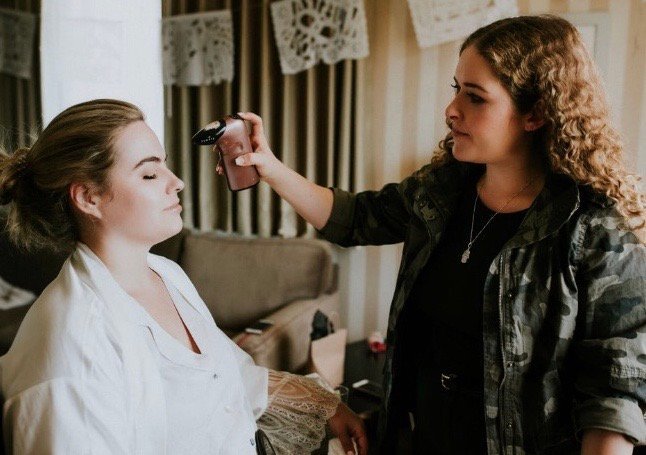
A bridal makeup trial isn’t just about seeing a look on your face for the first time. It’s a working session, and one of the few chances you’ll have before the wedding day to ask real questions, test something, and adjust it if it’s not quite right. After 11+ years of doing bridal trials, I can say the brides who get the most out of theirs are usually the ones who come in with a few specific questions, not just a Pinterest board.

Quick answer: the most useful trial questions cover longevity, the products being used on your skin, and day-of logistics like timing and touch-ups. Bringing these up during the trial, not the morning of the wedding, gives your artist time to actually adjust the plan if something needs to change. Here’s what’s worth asking, and why.

Why the Trial Is Your Chance to Ask, Not Just Look

It’s easy to treat a trial as a photo opportunity, something to snap a picture of and compare to your inspiration board. But the real value of a trial is that it’s interactive. It’s the appointment where I test products directly on your skin, make adjustments in real time, and discuss any sensitivities, reactions, or recent treatments openly before they matter on the wedding day itself. If you only watch and don’t ask questions, you miss most of what a trial is actually for.

Coming in with a short list of questions helps make sure you cover everything important in the moment, especially if you’re nervous or excited and forget what you meant to bring up.

Key Questions to Bring

Here are the categories worth covering during your trial appointment.

About Longevity and Touch-Ups

Ask how the look will hold up over the course of your specific day, especially if you’re getting married outdoors or somewhere with coastal humidity, sea air, or wind. It’s also worth asking what kind of touch-ups you might need between the ceremony and reception, and what I provide versus what you might want to bring yourself.

About Products Used

Ask what products your artist plans to apply to your skin, particularly if you have known sensitivities or have had a reaction to a product in the past. This is exactly the kind of thing your artist should ask you about too, since sensitivity and recent-treatment disclosure are a standard part of the trial process. If you’ve had any facials, peels, or other treatments recently, mention them, even if your artist doesn’t bring them up directly.

About Day-Of Logistics

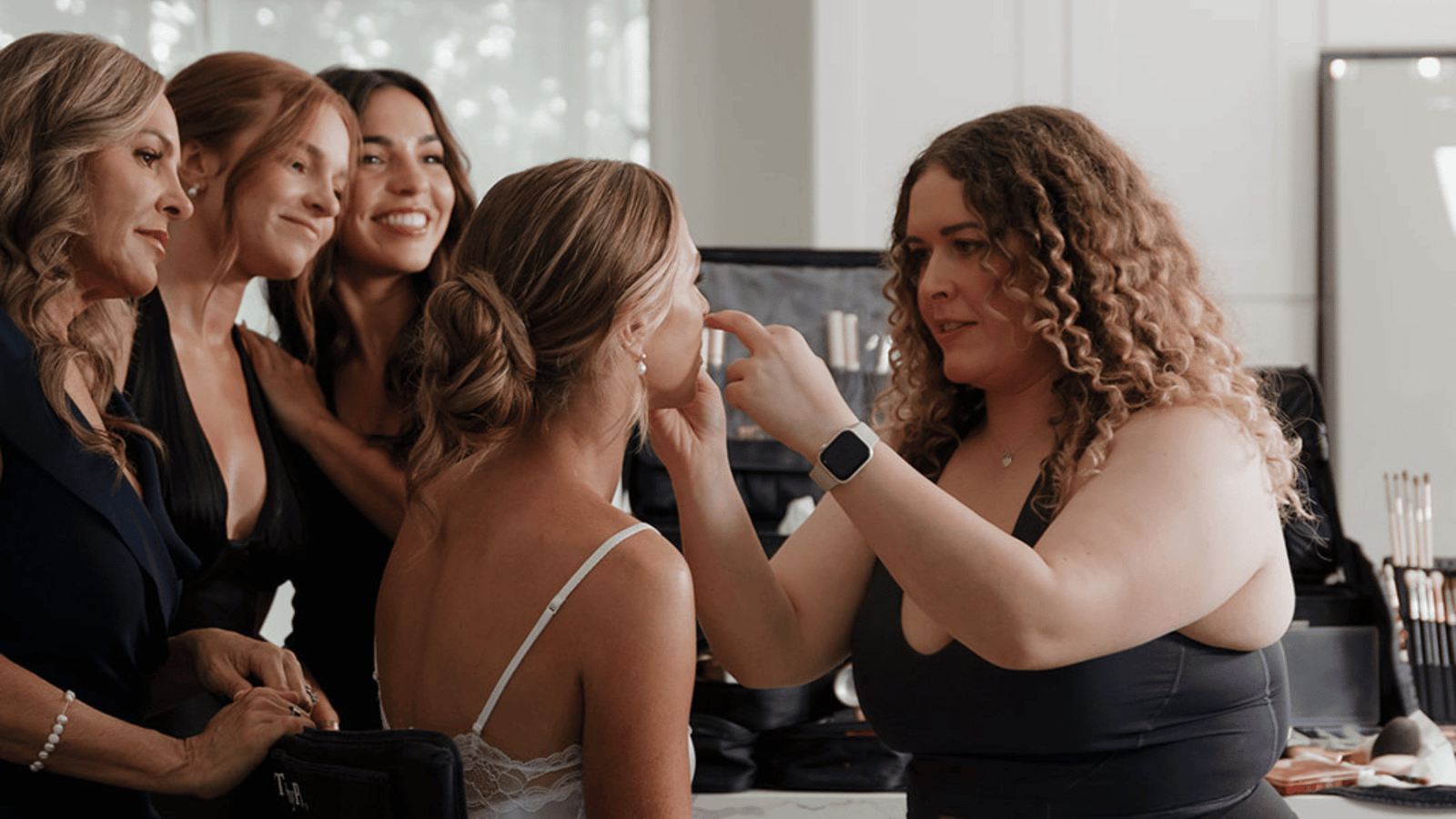
Ask how the timeline typically works on wedding morning, including roughly how long your application will take, when the artist plans to arrive, and how the artist coordinates things if you have a bridal party getting ready alongside you. Understanding the flow ahead of time makes the actual morning feel far less rushed.

What Good Answers Sound Like

A good answer to a longevity question should sound specific to your day, not a generic “it’ll last.” A good answer about products should be honest about what’s being used and open to adjusting if something doesn’t feel right on your skin. And a good answer about logistics should give you an actual sense of timing, not a vague reassurance. If an answer feels rushed or unclear, the trial is exactly the right moment to ask for a follow-up, not the wedding morning.

In the days and weeks around your trial, it’s also worth following some general prep guidance: avoid introducing new skincare products or treatments in the final 10 days before your wedding, keep a consistent skincare routine going for at least four weeks out, and stay well hydrated in the week leading up to the event, especially if it’s summer. None of this is medical advice, it’s simply practical prep that helps your skin hold makeup well and reduces the chance of an unexpected reaction close to the date.

If you’d like to see real trial and wedding-day results, take a look at the portfolio, or read more about the experience behind the process on the about page. When you’re ready to book your own trial, reach out through the contact page.

Frequently Asked Questions

1. When should I start prepping for your bridal makeup trial? 

A good rule of thumb is to start a consistent skincare routine at least four weeks before your trial or wedding, whichever comes first, and to stay hydrated in the week leading up to either appointment, especially during summer months.

2. What should I avoid in the days leading up to my wedding? 

Avoid trying new skincare products or treatments in the final 10 days before your wedding. This includes new facials, peels, or products you haven’t used before, since introducing something unfamiliar close to the date increases the chance of an unexpected skin reaction.

3. What should I bring up with my artist about during your bridal makeup trial? 

Mention any skin sensitivities, past reactions, or recent treatments, even if you’re not asked directly. Also bring up longevity concerns specific to your venue, questions about the products I use, and any timing or logistics questions about your wedding morning, so we can address everything before the day itself.
Posted on

The 90-Day Skin Prep Countdown Before Your Wedding

90-Day Skin Prep

Wedding-day skin doesn’t happen by accident. It’s the result of small, consistent decisions made in the weeks and months leading up to the makeup trial and the wedding itself. Ninety days gives enough room to build good habits, test anything new, and settle into a routine well before it matters most.

This isn’t about chasing a dramatic transformation. It’s about giving skin the time it needs to look and feel its best on the day it’s photographed more than any other day of a bride’s life. Here’s how that countdown breaks down, week by week, based on more than 11 years of guiding brides through this exact process.

At Brittany Brown Beauty, healthy, well-prepared skin is the foundation of long-lasting bridal makeup, which is why skin preparation is part of the planning process from the very beginning. 

Why Starting 90 Days Out Gives You Room to Adjust

Skin doesn’t respond to change overnight. A new product, a new routine, or a new treatment can take weeks to show its full effect, and sometimes that effect isn’t the one a bride was hoping for.

Starting the countdown 90 days out means there’s time to notice what’s working and adjust what isn’t. If a product causes irritation, there’s room to stop and recover before the trial. If a routine needs a few more weeks to show results, there’s still time for that to happen before the wedding.

This window also protects the trial itself. A trial is meant to show how makeup will perform on the actual skin a bride will have on her wedding day, not on skin that’s mid-adjustment to something brand new. Giving skin 90 days to settle means the trial reflects reality, not a temporary in-between state. Brittany Brown’s experience in bridal makeup has shown that thoughtful preparation often makes a greater difference than last-minute skincare trends or quick fixes.

The Countdown

90-60 Days: Building Healthy Habits

This early window is about consistency, not intensity. The goal is a simple, steady routine that supports the skin without introducing anything unpredictable.

A few habits worth focusing on during this stretch:

  • A consistent cleansing and moisturizing routine, done daily rather than occasionally.
  • Daily SPF, if it isn’t already part of the routine, since sun protection affects tone and texture over time.
  • Steady hydration and rest, which show up in how skin looks day to day more than most people expect.

This is also the time to start thinking about bigger skin goals, like addressing dryness or uneven texture, so there’s enough runway to see results before decisions need to be finalized.

60-30 Days: Introducing Treatments Carefully

If there’s a facial, treatment, or new product a bride wants to try before the wedding, this is the window to do it. Sixty to 30 days out leaves enough time to see how skin responds and to recover fully if something doesn’t agree with it.

New treatments and products can change how skin feels and looks in ways that aren’t always predictable. Testing them now, rather than closer to the wedding, means there’s time to course-correct if needed. It also means that by the time the trial rolls around, the skin has settled into whatever changes were made.

This is a good window to bring any planned treatments up with a makeup artist as well. Sharing what’s been introduced, and disclosing any known skin sensitivities, helps the artist plan the trial around accurate, current information rather than guessing.

30-0 Days: Simplifying and Protecting

In the final stretch, the goal shifts from building to protecting. This is the time to keep the routine steady and resist the urge to try anything new, no matter how tempting a product recommendation might be.

A well-known rule of thumb here: avoid introducing new products in the final 10 days before the wedding. Skin needs to be in its most stable, predictable state for both the trial and the wedding day itself, and new products are the most common way that stability gets disrupted at the worst possible time.

This window is also when the makeup trial typically happens. Coming in with a consistent routine, ideally one that’s been steady for at least four weeks, gives the most accurate picture of how makeup will perform. It also gives the artist real information to work with, rather than skin that’s reacting to something recent and unfamiliar.

Seeing how healthy, well-prepared skin photographs on real brides can also provide helpful inspiration. Browse our portfolio to explore bridal makeup looks created for a variety of skin tones, skin types, and wedding styles. 

What to Do If You’re Starting Later Than 90 Days

Not every bride finds this guide with a full 90 days to work with, and that’s completely fine. The core principles still apply, just on a shorter timeline.

The most important habit to prioritize first is consistency. Even a few weeks of a steady, simple routine puts skin in a more predictable state than switching products right before the wedding. If there’s less time, it’s better to skip new treatments altogether and focus on stability rather than trying to compress the full countdown into a shorter window.

Whatever the timeline, the same rule holds: nothing new in the final 10 days, and a trial that reflects the skin’s real, current condition. Being upfront about the timeline during a consultation also helps the artist adjust recommendations to fit the time actually available.

If you’re ready to create a skincare and makeup plan tailored to your wedding timeline, contact Brittany Brown Beauty to schedule your bridal makeup consultation or trial.

Frequently Asked Questions

1. When should I start prepping my skin for my wedding? 

Ninety days out is a helpful benchmark because it gives enough time to build habits, test anything new, and let skin settle before the trial. That said, starting later isn’t a problem. The priority at any point is consistency and giving skin enough time to stabilize before the wedding day.

2. What should I avoid in the days leading up to my wedding? 

The final 10 days before the wedding are not the time to try a new product, treatment, or routine change. Skin should stay in a stable, familiar state for both the trial and the big day. Trying new products this close to the wedding can introduce unnecessary unpredictability, so it’s best to stick with a routine that already works.

3. What should I bring up with my artist about my skin prep? 

Share a general overview of the routine you’ve followed over the past few weeks so your artist understands what your skin is accustomed to. Also mention any known sensitivities or past reactions before the trial. That information helps your artist plan around your skin’s specific needs and choose suitable products. Booking a consultation is a good way to start that conversation early.