Posted on

Eye Makeup Techniques for Hooded or Mature Eyes

eye makeup techniques for hooded or mature eyes

Eye makeup that looks stunning on a flat, taut lid often behaves completely differently on hooded or mature eyes, where the eyelid space shifts, folds, and moves in ways standard tutorials rarely account for. Rather than treating this as a limitation, it’s simply a different set of techniques, ones built around placement, product choice, and an understanding of how the eye actually looks when open, blinking, and in motion.

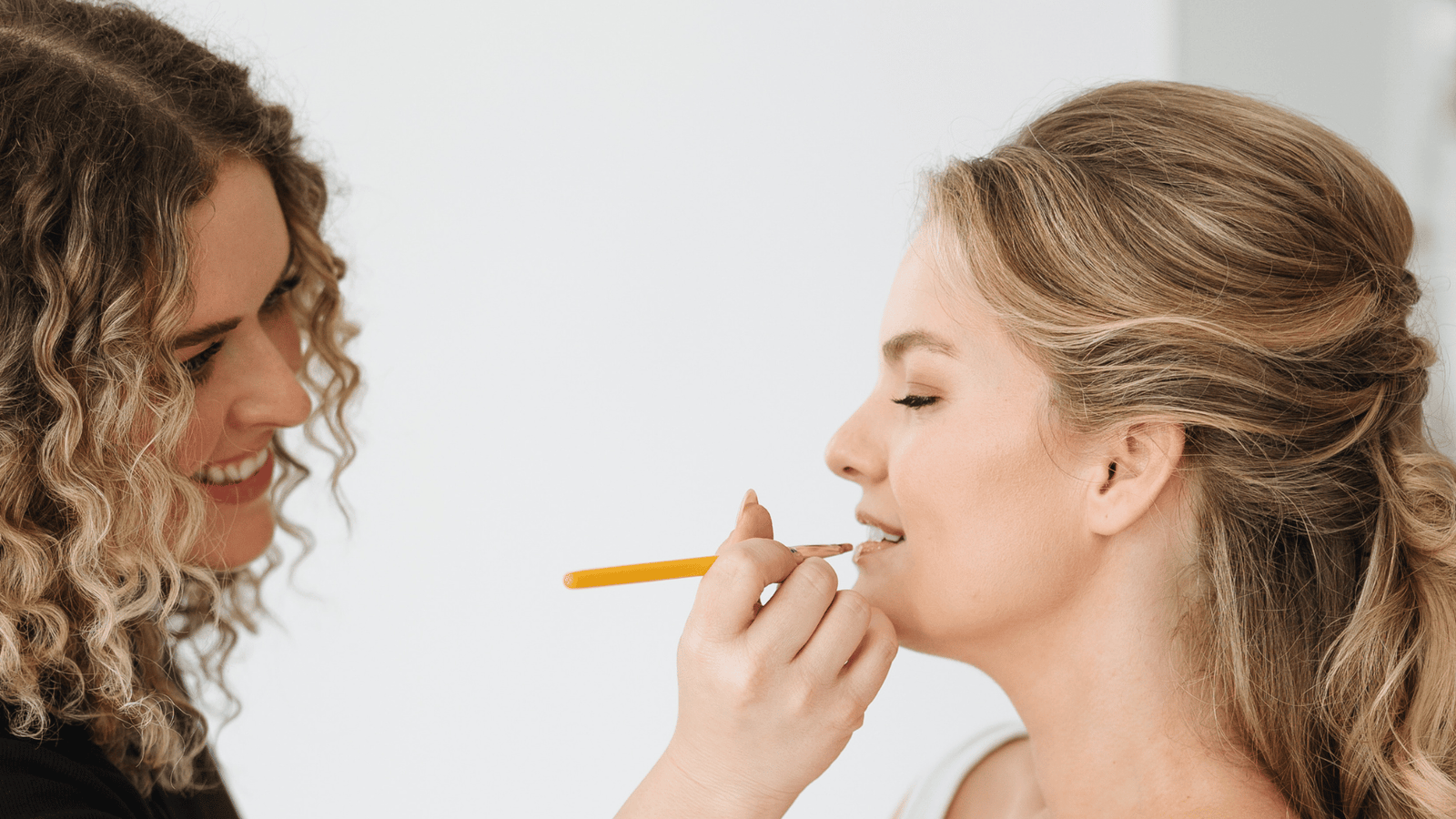
Mature and hooded-eye makeup is a specialty Brittany Brown has refined deliberately over 11+ years of hands-on bridal and print work. It’s an area she’s passionate about, requiring precision and a true understanding of corrective technique, and it’s become one of the strengths clients specifically seek her out for.

Why Standard Eye Techniques Change With Age

Most mainstream eye makeup tutorials are built around a flat, visible lid space, where color placed close to the lash line stays visible when the eyes are open. On hooded or mature eyes, that same placement can disappear entirely into a fold the moment the eyes open, which is why a technique that looks perfect with eyes closed can look unfinished or muddled the moment a bride or client is actually looking forward.

Skin texture and movement patterns shift too, which affects how long products stay put and how they read in photos. None of this is about correcting a flaw. It’s about adjusting technique to match how the eye actually functions, so the final look holds up in motion, in conversation, and in every photo taken throughout the day.

Techniques That Work

Placement for Visibility When Eyes Are Open

The most important adjustment is building color and definition based on where the eye reads when open, not where it looks best with eyes shut. That often means shifting the darkest values slightly higher and further out than a standard tutorial would suggest, so the depth and shape stay visible instead of vanishing into a hood. Makeup artists check the eyes throughout the application and blend with them open instead of waiting until the final step.

Avoiding Product Creasing

Hooded and mature lids tend to fold and move more than flatter lids, which makes creasing a common issue when makeup artists use the wrong products or apply too much product. Applying lightweight, longwear formulas in thin layers and pairing them with an eye primer suited to the individual’s skin helps color stay smooth and even instead of settling into the fold throughout the day. Powder products generally hold up better in this area than heavier cream formulas because they are less likely to shift.

Softening Rather Than Sharpening Lines

Hard, sharply defined lines tend to emphasize the fold rather than the eye shape itself, while softer, diffused edges let the eye’s natural shape lead the look. This is a deliberate technique choice rather than a workaround, soft transitions read as polished and intentional rather than undefined, and they photograph with more depth than a harsh line tends to on this eye shape.

What to Test at Your Trial

A trial is the right place to see exactly how these techniques translate to an individual’s specific eye shape and skin, since hooded and mature eyes vary enough from person to person that no single formula works universally. It’s worth testing how a chosen liner or shadow placement looks both with eyes open and through natural blinking and expression, not just in a single still pose, and checking how the finish holds up over a few hours rather than just the first ten minutes.

This is also where the “enhance, don’t mask” approach matters most. The goal isn’t to impose a one-size-fits-all technique, but to find the placement, formula, and finish that work with an individual’s eye shape rather than against it, so the final look feels natural, polished, and entirely her own.

Anyone curious about how this specialty comes together in real client work can look through examples in the portfolio, or read more about Brittany’s background and approach on the About page. For those ready to book a trial focused specifically on hooded or mature eye techniques, getting in touch directly is the best way to start that conversation.

Frequently Asked Questions

1. How is eye makeup techniques for hooded or mature eyes different from standard bridal makeup? 

The core difference is placement and product choice rather than a completely different overall look. Makeup artists place color and definition where they remain visible with the eyes open, using lightweight, longwear formulas and soft blending instead of techniques designed for a flat, fully visible lid.

2. What products work best for eye makeup techniques for hooded or mature eyes? 

Lightweight, longwear eyeshadow formulas, a proper eye primer, and powder-based products tend to perform more reliably than heavy cream formulas, since they’re less likely to settle into creases or shift throughout the day. The right specific products depend on individual skin and eye shape, which is exactly what a trial is for.

3. How far in advance should I book a trial for eye makeup techniques for hooded or mature eyes? 

Booking a trial a few months ahead of a wedding or event, rather than in the final weeks, gives enough time to test placement, product wear, and finish, and to make any adjustments before the actual day. This is especially helpful for hooded and mature eyes, since it can take a little extra time to dial in the exact placement that works best.

Posted on

Preparing Makeup for 4K Video and Close-Up Content

preparing makeup for 4k video and close-up content

4K resolution changes what a camera captures at the skin level. Texture, product buildup, and pigment shifts that read as invisible in standard photography become fully visible in high-resolution video, especially in close-up or macro shots where the lens sits inches from the face. Preparing makeup for this kind of content requires a different technical approach than standard bridal or event work, one built around light absorption, pigment control, texture smoothing, and sustained durability across take after take.

Brittany Brown works with photographers, brands, and production teams across Southern California who need makeup that holds up to this level of scrutiny, applying techniques developed specifically for how skin behaves under high-resolution lenses and continuous lighting setups.

Why 4K Video Reveals What Photos Don’t

Still photography captures a single frame under a single lighting setup, which gives an artist and a photographer some margin for how skin texture or product finish reads in the final image. Video removes that margin. A 4K camera captures continuous motion under sustained lighting, often across multiple angles and takes, which means any texture, shine, or product inconsistency gets recorded repeatedly rather than in one controlled instant.

Light absorption becomes a critical factor here. Certain formulas reflect light in ways that read as a subtle glow in a still photo but appear as visible shine or a flat, product-heavy finish once captured on video and played back at full resolution. Pigment can shift too, since some formulas that look neutral under a photography flash pick up warm or cool casts under continuous LED or tungsten lighting used on video sets.

Close-up and macro shots amplify all of this further. Any unevenness in texture, any visible edge where foundation meets skin, or any buildup around fine lines or pores becomes far more apparent when a lens sits close enough to capture individual skin details rather than a full-face composition.

Techniques for Extreme Close-Ups

Texture-Smoothing Without Looking Filtered

Close-up video calls for smoothing skin texture without creating the flat, artificial look that comes from over-applying products. The goal is a natural, even surface that still reads as real skin under a macro lens, not a heavily filtered or masked appearance that looks disconnected from the rest of the face and body on camera.

This usually comes down to product choice and application technique working together. Lightweight, buildable formulas applied in thin layers smooth texture more effectively than a single heavy application, since thin layers sit closer to the skin’s actual surface rather than sitting on top of it in a way that reads as separate from the skin underneath.

Avoiding Visible Product Buildup

Product buildup tends to collect in predictable places: around the nose, along the hairline, in fine lines, and anywhere touch-ups happen repeatedly across a long shoot day. In 4K resolution, this buildup shows up as a visibly different texture or color from the surrounding skin, which pulls attention away from whatever the shot is actually meant to showcase.

Minimizing buildup means applying product with control from the start and managing touch-ups carefully throughout a shoot, rather than layering more product on top of what’s already there each time the camera stops rolling. A light touch during retouching, focused only on areas that actually need it, keeps the overall look consistent from the first take to the last.

Monitoring Playback During the Shoot

Because video reveals issues that aren’t always visible to the naked eye standing a few feet away, checking playback on set matters as much as the initial application. Reviewing footage on a monitor during breaks in filming shows exactly how makeup reads under the production’s actual lighting and camera setup, not just how it looks in person.

This step catches issues early, whether that’s a slight sheen building up under hot lights, a color shift under a particular lighting setup, or texture that needs additional smoothing before the next take. Adjusting in real time, based on what the camera actually captures, keeps the look consistent across an entire shoot rather than only in the first few minutes.

What Changes Between Video and Still Photography Makeup

Still photography makeup and video makeup share a foundation, but several key differences separate the two once cameras and lighting setups come into play.

Durability requirements shift significantly. A still photography session might involve a shorter shoot window with breaks between setups, while video work, especially close-up and macro content, often means continuous filming under hot lights for extended periods. Makeup needs to hold its finish and pigment consistency across that entire span, not just for a few individual frames.

Lighting interaction changes too. Photography flash freezes a single moment, while video lighting stays constant and often includes movement, whether that’s a subject turning their head or a camera repositioning for a different angle. Makeup needs to read consistently across every angle that constant lighting hits, not just one flattering position.

Finish expectations also differ. A slightly heavier, more sculpted finish can work well in a still photograph, where a single frame gets chosen and edited from dozens of options. Video doesn’t offer that same selectivity, since every frame gets seen in sequence, which puts more pressure on a natural, consistent finish that holds up in motion rather than one built around a single, static best angle.

Photographers, brands, and production teams interested in working with Brittany Brown Beauty can review commercial and editorial work in the portfolio, learn more about her background in print and production makeup, or get in touch to discuss an upcoming shoot.

Frequently Asked Questions

1. How does preparing makeup for 4K video and close-up content differ from bridal makeup applications? 

Bridal makeup focuses on a full day of wear across natural light shifts and emotional moments like a ceremony or first look. Video and close-up production work focuses on sustained durability under continuous lighting, pigment consistency across multiple takes and camera angles, and texture that holds up to the scrutiny of a macro lens, which calls for a more technical, camera-specific application approach.

2. What should a brand or photographer expect when booking preparing makeup for 4k video and close-up content? 

Expect a consultation ahead of the shoot to understand lighting setup, shot list, and the level of close-up or macro work involved, since these details shape product and technique choices. On set, expect attention to texture smoothing, minimal product buildup, and monitoring of how makeup reads on playback throughout the shoot, not just during initial application.

3. How is makeup adjusted for lighting during preparing makeup for 4k video and close-up content? 

Adjustments typically account for how each lighting setup, whether LED, tungsten, or natural light, affects pigment and light absorption on camera. Brittany Brown Beauty selects formulas and finishes based on how they perform under the specific lighting conditions, while playback monitoring during the shoot helps identify and correct any color shifts or unwanted shine in real time.

Posted on

Getting Ready at Crystal Cove: Makeup for Golden-Hour Light

getting ready at crystal cove

Crystal Cove State Park sits along the Newport Coast with 3.2 miles of undeveloped coastline, a historic district of vintage beach cottages, and some of the most sought-after golden-hour light in Orange County. Couples choose it for the wild, unspoiled shoreline and the view out toward Catalina Island, but that same natural beauty comes with a lighting challenge most indoor venues never present: warm, shifting sunset light that changes the way makeup reads by the minute.

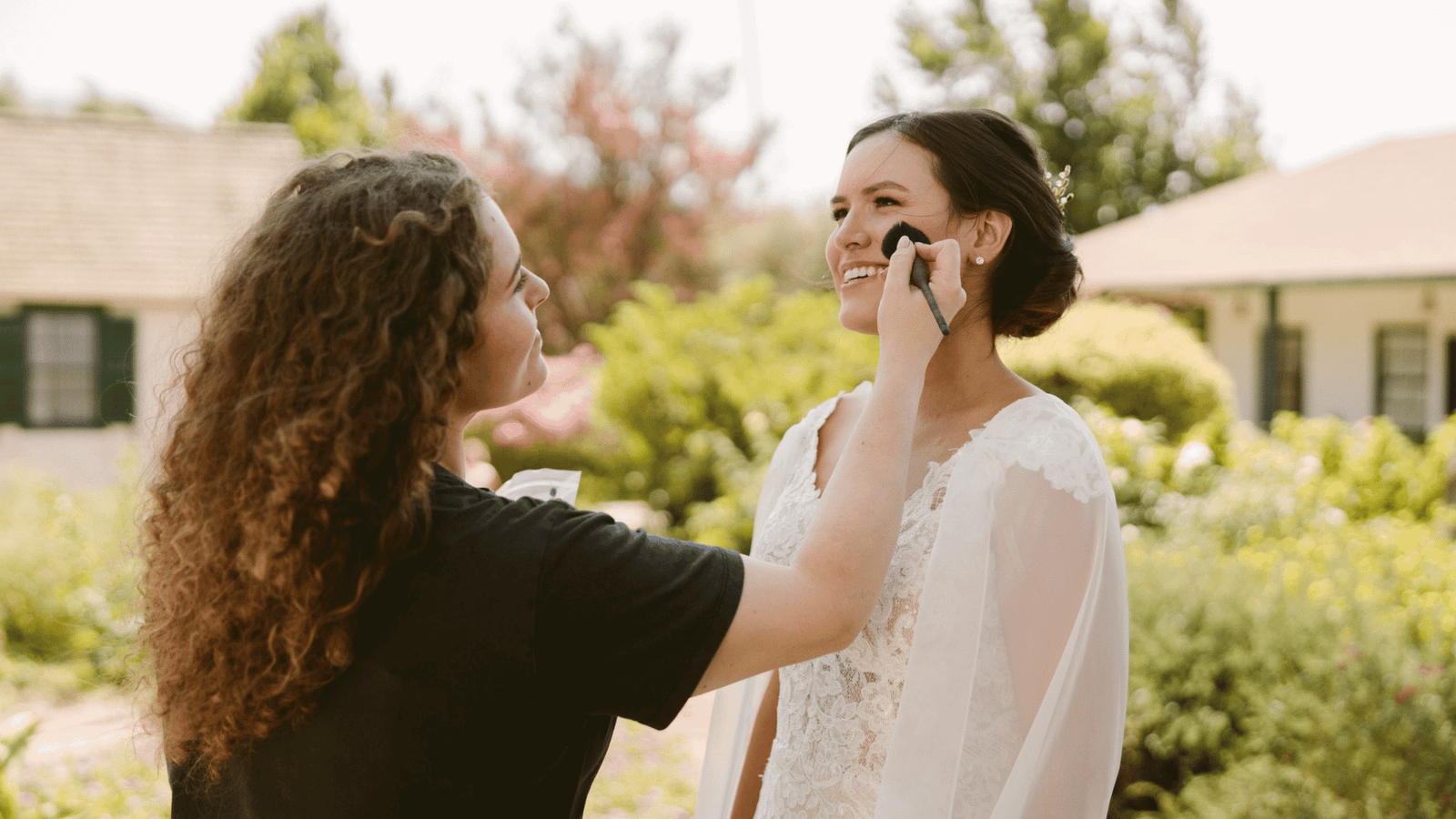
Getting ready at Crystal Cove calls for a makeup plan that reflects the venue’s natural light from the very beginning. As a fully mobile Orange County and San Diego bridal makeup artist, Brittany Brown brings professional lighting to every appointment and applies your makeup under conditions that mirror the soft outdoor light you’ll see at sunset instead of relying on the limited lighting in a small cottage room.

Why Golden Hour Changes the Makeup Plan

Golden hour bathes everything in warm, amber-toned light, and skin, makeup, and photos all respond to that shift. Colors that look neutral or even slightly cool under daylight can suddenly read as flat or gray once the sun drops and warmer tones take over. Makeup that hasn’t been adjusted for this light often looks slightly off in photos, even when it looked great standing in front of a mirror an hour earlier.

At a venue like Crystal Cove, this matters even more because so much of the wedding day happens outdoors. Ceremonies at North Beach, South Beach, or the Cultural Deck all sit right along the coastline, fully exposed to shifting natural light from the moment the ceremony starts through sunset portraits. A makeup look needs to hold its own through all of that, not just the well-lit getting-ready hour.

Because Crystal Cove doesn’t offer much in the way of dedicated indoor prep space, many brides get ready in one of the property’s small historic cottages, a nearby hotel, or a rented space close to the park. Whatever the location, natural light indoors rarely matches golden-hour light outdoors, which is exactly why testing a look under real lighting conditions, rather than guessing, makes such a difference here.

Building a Look for This Light

Warm-Toned Adjustments for Golden Light

Golden light flatters warm undertones and can wash out or dull anything too cool or ashy. Foundation, blush, and lip color all benefit from leaning slightly warmer than they might for an indoor or midday wedding, since the sunset light naturally amplifies gold, peach, and soft coral tones rather than pink or blue-based ones.

This doesn’t mean piling on bronzer or warmth across the whole face. A few strategic adjustments, like a warmer-toned blush or a lip color with a touch more gold underneath, go much further than an entirely different color palette. The goal stays the same as any bridal look: enhancing natural features, just calibrated for the specific light this venue delivers at the end of the day.

Avoiding Overly Matte Finishes in Warm Light

Heavy matte finishes tend to flatten skin under golden-hour light instead of letting it catch that warm glow the way dewier finishes do. A fully matte face can end up looking dull or lifeless in sunset photos, even when it looked polished in flatter daylight earlier that afternoon.

A soft, natural finish with a bit of luminosity in the right areas, like the high points of the cheeks or the bridge of the nose, lets skin interact with golden light instead of blocking it out. That doesn’t mean skipping oil control entirely, especially with coastal humidity in play, but the goal shifts toward a finish that glows rather than one that goes completely flat.

Timing Application Around Sunset

Because golden hour only lasts so long, timing matters just as much as color choice. A makeup look finished too early risks looking slightly different by the time the sun drops and the light turns warm, while one rushed too close to sunset leaves no room to adjust if something needs tweaking.

Working backward from the ceremony time and expected sunset window helps determine exactly when application should happen, along with how much time to build in for touch-ups before golden hour hits. This kind of timing usually gets mapped out well before the wedding day itself, during the planning conversations that happen ahead of a Crystal Cove booking.

What to Expect Getting Ready at Crystal Cove

Because Crystal Cove doesn’t offer much dedicated indoor space, a fully mobile setup makes a real difference here. Brittany Brown Beauty brings professional lighting to every appointment, which means your makeup gets built under consistent, accurate conditions no matter how small a cottage room is or how the natural light happens to fall that morning. You get a full trial run under the same kind of controlled lighting your artist relies on for every wedding, so nothing gets left to chance once you step outside.

Crystal Cove also books up well ahead of peak wedding season, which tends to run through the late spring and summer months when the weather and light cooperate most reliably. Securing your date, and your artist, early gives you the best shot at coordinating timing between your venue, your photographer’s golden-hour window, and your getting-ready schedule.

Ready to plan your Crystal Cove wedding-day makeup? Browse the portfolio for examples of coastal, golden-hour looks, learn more about Brittany Brown Beauty’s mobile approach, or reach out to start planning your timeline.

Frequently Asked Questions

1. What makes getting ready at Crystal Cove different from other Orange County venues? 

Crystal Cove combines a historic cottage district with an undeveloped coastline, which means very little dedicated indoor prep space compared to a hotel or ballroom venue. That makes a fully mobile artist especially valuable, since professional lighting can travel to whatever small cottage room, nearby hotel, or rented space a bride ends up using.

2. How far in advance should I book for getting ready at Crystal Cove? 

Crystal Cove tends to book up quickly for peak wedding season, especially through the late spring and summer months when weather and golden-hour timing line up most consistently. Booking your makeup artist several months ahead helps lock in your date and gives enough time to plan your timeline around sunset.

3. Does the venue affect my makeup or hair plan? 

Yes. A coastal, golden-hour venue like Crystal Cove calls for warmer color choices, a finish that catches light rather than flattening it, and careful timing so your look peaks right as the sun drops. Humidity and sea air also factor into how hair and makeup hold up through an outdoor ceremony and sunset photos, which is why the venue gets discussed early in the planning process.

Posted on

Bridal Makeup for Black Brides: Skin Tone, Undertone, and Long-Wear Tips

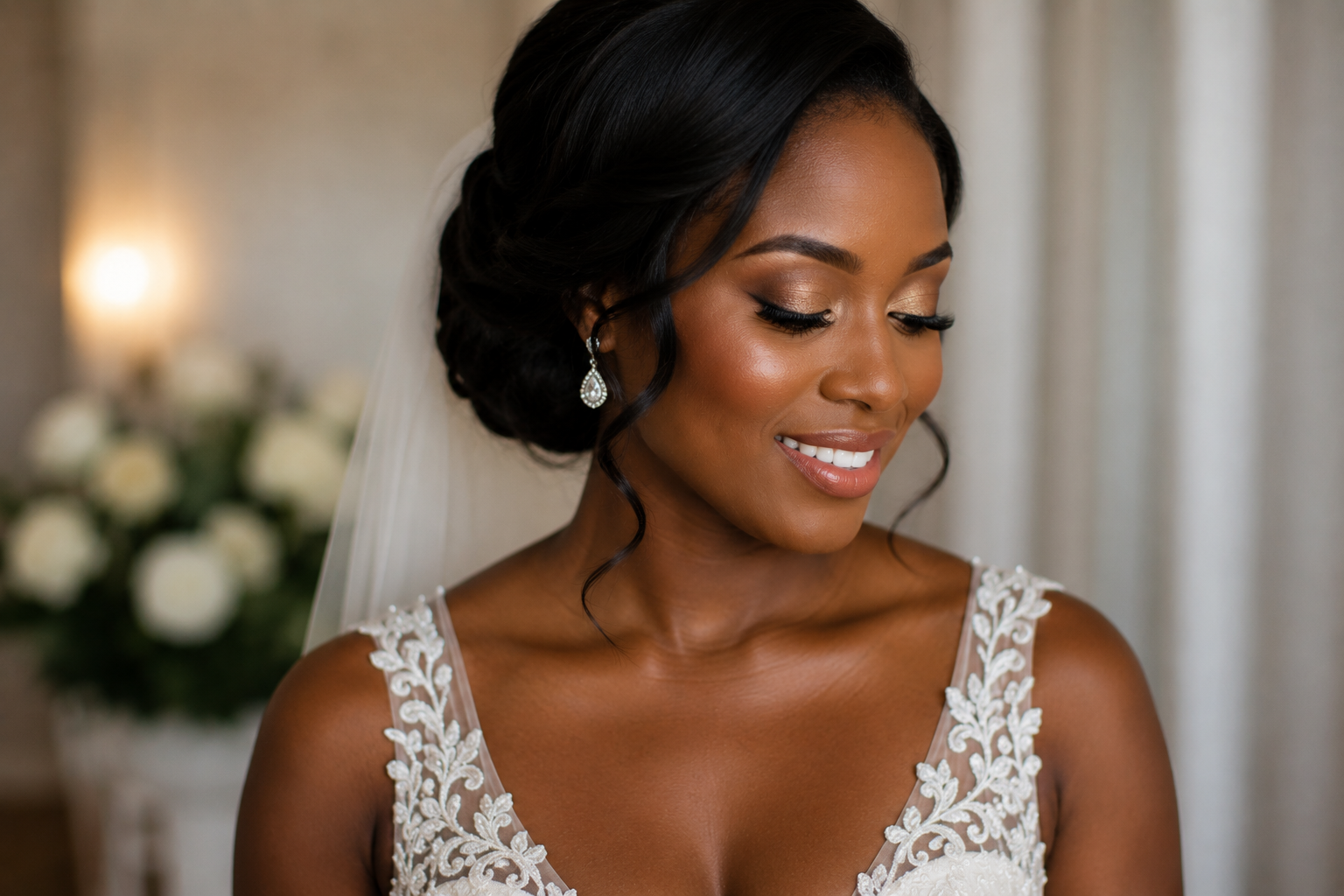
Black bride wearing professionally matched, long-lasting bridal makeup

Bridal makeup should enhance the bride’s complexion, features, and personal style without making her skin look dull, gray, overly orange, or lighter than her natural tone.

For Black brides, professional foundation matching, undertone selection, color balance, and long-wear preparation are especially important. Black skin includes a wide range of light, medium, deep, and rich complexions with warm, cool, neutral, golden, olive, red, and blue undertones.

Brittany Brown Beauty creates personalized bridal makeup based on each bride’s individual complexion, skin type, facial features, wedding style, venue, and preferred level of coverage.

Bridal Makeup Should Be Personalized

There is no single makeup style that works for every Black bride.

Some brides prefer lightweight, natural makeup with glowing skin. Others want soft glam, defined eyes, sculpted cheeks, or a bold lip color. The final look should reflect the bride rather than follow a standard formula.

A personalized bridal consultation may consider:

  • Skin depth
  • Skin undertone
  • Skin type
  • Areas of discoloration
  • Face shape
  • Eye shape
  • Brow structure
  • Wedding dress
  • Hairstyle
  • Venue lighting
  • Photography style
  • Personal makeup preferences

Browse the Brittany Brown Beauty bridal portfolio to explore different wedding makeup styles and finishes.

Understanding Skin Tone and Undertone

Skin tone describes how light or deep the complexion appears. Undertone refers to the color beneath the skin’s surface.

Two brides may have a similar skin depth but require completely different foundation shades because their undertones are different.

Common undertones include:

  • Warm
  • Cool
  • Neutral
  • Golden
  • Olive
  • Red
  • Blue
  • A combination of tones

Undertone affects the appearance of foundation, concealer, blush, bronzer, eyeshadow, and lipstick.

The guide to matching bridal makeup to your skin undertone explains how undertones influence wedding makeup choices.

Why Foundation Matching Matters

Foundation should match the bride’s natural complexion across the face, neck, chest, shoulders, and ears.

A shade that is too light may appear gray or ashy. A foundation that is too warm may look orange, while one that is too red may create an uneven finish.

A professional artist may evaluate the bride’s skin in:

  • Natural daylight
  • Indoor lighting
  • Professional photography lighting
  • Flash photography
  • The expected venue environment

The foundation should look consistent from different angles and under different lighting conditions.

Avoiding an Ashy or Gray Finish

An ashy finish can occur when complexion products are too light, too cool, or not correctly matched to the skin.

Some setting powders, sunscreens, primers, and concealers can also create a pale or gray cast in photographs.

To reduce this risk, the makeup application may include:

  • Correctly matched foundation
  • Concealer selected for the intended area
  • Setting powder tested on deeper skin
  • Products without an obvious white cast
  • Careful blending into the neck and chest
  • Flash photography testing during the trial

Powder should control shine without removing the natural depth and warmth of the complexion.

Correcting Discoloration

Some brides may have areas of hyperpigmentation, acne marks, darkness around the mouth, under-eye discoloration, or an uneven complexion.

Color correction can help balance these areas before foundation is applied.

Depending on the bride’s complexion, a makeup artist may use:

  • Peach corrector
  • Orange corrector
  • Red-orange corrector
  • Warm concealer
  • Neutralizing complexion products

The corrector should be applied in controlled amounts. Heavy layers may create texture or affect how the foundation wears.

The goal is not to cover every natural variation in the skin. It is to create a balanced complexion while maintaining realistic dimension.

Choosing the Right Foundation Coverage

Bridal foundation does not always need to be full coverage.

The best coverage level depends on the bride’s skin, comfort, photography plans, and preferred appearance.

Light Coverage

Light coverage allows more natural skin texture to remain visible. It may suit brides with relatively even complexions or those who rarely wear foundation.

Medium Coverage

Medium coverage creates a more polished finish while still allowing the skin to look natural. It is a popular option for soft-glam bridal makeup.

Full Coverage

Full coverage may help balance more noticeable discoloration, acne marks, or uneven areas. It should be applied in thin layers to avoid a heavy appearance.

The article on the best foundation types for bridal makeup provides additional guidance on selecting complexion products.

Dewy, Satin, or Matte Bridal Makeup

The right foundation finish depends on the bride’s skin type, wedding location, and preferred style.

Dewy Finish

A dewy finish creates a luminous and fresh appearance. It may suit dry or normal skin but requires careful placement to prevent excessive shine.

Satin Finish

A satin finish provides a balance between radiance and shine control. It often photographs naturally and works across many skin types.

Matte Finish

A matte finish can help control oil during warm weather, outdoor ceremonies, and long wedding days. It should not make the skin look flat or dry.

Black skin reflects light beautifully, so the complexion should maintain natural dimension rather than being covered with excessive matte powder.

Brides can compare the options in the guide to dewy vs. matte bridal makeup.

Natural Bridal Makeup for Black Brides

Natural bridal makeup focuses on even skin, soft definition, and colors that enhance the bride’s natural features.

This look may include:

  • Lightweight or medium foundation
  • Softly defined brows
  • Neutral eye makeup
  • Natural lashes
  • Warm blush
  • Subtle bronzer
  • Controlled highlighting
  • Nude, rose, brown, or berry lips

Natural makeup should still provide enough definition for professional photography.

The complexion, eyes, cheeks, and lips should remain visible under bright venue lighting and camera flash.

Soft-Glam Bridal Makeup

Soft glam adds more definition while maintaining a refined and wearable finish.

This style may include:

  • Medium complexion coverage
  • Soft contouring
  • Defined brows
  • Blended neutral eyeshadow
  • Controlled shimmer
  • Eyeliner
  • Wispy or individual lashes
  • Defined blush and bronzer
  • Nude, mauve, rose, or berry lips

Soft glam works well for many indoor, outdoor, hotel, garden, and coastal weddings.

It provides a polished appearance without requiring heavy eye makeup or dramatic contouring.

Full-Glam Bridal Makeup

Full glam is suitable for brides who prefer stronger definition and a more dramatic finish.

A full-glam look may include:

  • Higher complexion coverage
  • Sculpted contouring
  • Defined eye makeup
  • Metallic or smoky eyeshadow
  • Fuller lashes
  • Highlighted cheekbones
  • Strong blush
  • Bold or deep lip color

Full glam should still preserve the bride’s natural skin tone and facial structure.

The complexion should not be lightened, flattened, or covered with products that remove its natural richness.

Blush Colors for Black Brides

Blush should remain visible and vibrant on the bride’s complexion.

Very pale or chalky colors may disappear or create an ashy appearance. Richer shades often provide better balance and dimension.

Flattering bridal blush options may include:

  • Terracotta
  • Warm coral
  • Burnt orange
  • Deep peach
  • Berry
  • Plum
  • Brick
  • Cranberry
  • Rich rose
  • Warm red

The correct shade depends on the bride’s undertone, eye makeup, lip color, and desired intensity.

Blush should be tested in photographs because camera lighting may reduce its appearance.

Bronzer and Contour

Bronzer and contour serve different purposes.

Bronzer adds warmth to the complexion, while contour creates depth and structure.

On deeper skin tones, contour products should be deep enough to create visible definition without appearing gray or muddy. Bronzer should add warmth without turning orange.

Application may focus on:

  • Cheekbones
  • Forehead
  • Jawline
  • Temples
  • Nose
  • Collarbone
  • Shoulders

The placement should complement the bride’s natural face shape rather than changing it completely.

Highlighter for Deeper Skin Tones

Highlighter can add dimension to the complexion, but the shade should blend naturally with the bride’s skin.

Possible options include:

  • Warm gold
  • Bronze
  • Copper
  • Rose gold
  • Deep champagne
  • Golden peach

Very pale silver or icy highlighters may appear chalky on some deeper complexions.

Highlighter should be applied carefully to areas such as the cheekbones, brow bone, inner corners of the eyes, and collarbone.

The final effect should look radiant rather than glittery or textured.

Eye Makeup Colors

Black brides can wear a wide range of bridal eye makeup colors.

Popular options include:

  • Bronze
  • Copper
  • Gold
  • Champagne
  • Chocolate brown
  • Burgundy
  • Plum
  • Berry
  • Emerald
  • Navy
  • Rose gold
  • Black

Neutral tones can create natural or soft-glam looks, while jewel tones and metallic shades can add more drama.

The color selection should complement the bride’s dress, accessories, eye shape, skin undertone, and wedding setting.

Eyeliner and Lashes

Eyeliner can add definition and help the eyes remain visible in photographs.

Options may include:

  • Soft brown liner
  • Black liner
  • Tightlining
  • Winged eyeliner
  • Smudged outer-corner liner
  • Defined lower lash line

False lashes should suit the bride’s eye shape and comfort level.

Possible lash styles include:

  • Individual lashes
  • Half lashes
  • Wispy lashes
  • Natural strip lashes
  • Graduated lashes
  • Fuller dramatic lashes

The lashes should enhance the eyes without hiding the eyeshadow or feeling excessively heavy.

Lip Colors for Black Brides

Black brides can wear natural, soft, bright, or deep lip colors depending on their style.

Popular bridal lip shades include:

  • Caramel nude
  • Brown nude
  • Rose brown
  • Mauve
  • Terracotta
  • Berry
  • Plum
  • Burgundy
  • Brick red
  • Classic red
  • Deep red
  • Wine

A nude lip should provide enough contrast to prevent the mouth from disappearing into the complexion.

Lip liner can add definition and help adjust the depth of lighter lipstick shades.

For extended wear, the bride may receive a touch-up color for use after dining.

Long-Wear Makeup Preparation

Wedding makeup should remain polished through photographs, tears, heat, dining, dancing, and several hours of celebration.

Long-lasting makeup begins with skin preparation.

The process may include:

  • Cleansing
  • Lightweight hydration
  • Skin-specific primer
  • Controlled color correction
  • Thin complexion layers
  • Waterproof eye products
  • Long-wear lip products
  • Setting powder
  • Setting spray

Products should be selected according to the bride’s actual skin type rather than using the same routine for everyone.

Long-Wear Tips for Oily Skin

For oily skin, the artist may focus on shine control without making the complexion look dry.

Techniques may include:

  • Lightweight moisturizer
  • Oil-controlling primer
  • Thin foundation layers
  • Targeted setting powder
  • Waterproof eye makeup
  • Long-wear lip products
  • Blotting products

Powder may be concentrated around the forehead, nose, chin, and other areas where oil appears first.

Long-Wear Tips for Dry Skin

Dry skin requires preparation that supports a smooth complexion.

The artist may use:

  • Hydrating skincare
  • Lightweight moisturizer
  • Smoothing primer
  • Flexible foundation
  • Cream complexion products
  • Limited powder
  • Hydrating setting spray

Excessive powder can emphasize dryness and texture, so it should be applied only where needed.

Long-Wear Tips for Combination Skin

Combination skin may require different products across different parts of the face.

For example, the artist may use:

  • Hydrating products on dry areas
  • Oil-control primer through the center of the face
  • Flexible foundation
  • Targeted setting powder
  • Controlled highlighter placement

This customized approach can help the complexion remain balanced throughout the day.

Makeup for Flash Photography

Professional flash can reveal foundation mismatch, powder buildup, discoloration, or products that create a white cast.

During the bridal trial, take photographs using:

  • Natural daylight
  • Indoor lighting
  • Phone flash
  • Professional-style flash
  • Side lighting
  • Direct front lighting

Review the face, neck, chest, and shoulders together.

The makeup should look consistent without visible lines, gray areas, or overly bright under-eye concealer.

Matching the Face, Neck, and Body

The face should not appear lighter or warmer than the rest of the visible skin.

Depending on the wedding dress, the makeup artist may blend or balance complexion products across the:

  • Jawline
  • Neck
  • Chest
  • Shoulders
  • Ears
  • Upper back

Body makeup may be considered for visible discoloration or uneven areas, but it should be transfer-resistant and suitable for the dress fabric.

Preparing the Skin Before the Wedding

A consistent skincare routine can help makeup apply more smoothly.

In the weeks before the wedding:

  • Use products suitable for your skin
  • Keep the skin hydrated
  • Avoid unfamiliar treatments near the wedding
  • Do not over-exfoliate
  • Mention allergies and sensitivities
  • Follow professional preparation instructions
  • Protect the skin from excessive sun exposure

Avoid aggressive facials, peels, or new products immediately before the wedding because they may cause irritation, dryness, or breakouts.

Schedule a Bridal Makeup Trial

A bridal makeup trial allows the bride and artist to test foundation shades, complexion products, eye makeup, lashes, and lip colors before the wedding.

During the trial, discuss:

  • Skin concerns
  • Foundation shade
  • Undertone
  • Coverage level
  • Complexion finish
  • Color correction
  • Eye makeup
  • Lash style
  • Blush
  • Bronzer
  • Highlighter
  • Lip color
  • Product sensitivities

Bring photographs of the dress, hairstyle, accessories, venue, and preferred makeup looks.

Read more about what happens during a bridal makeup trial.

Questions to Ask Your Makeup Artist

Before booking, ask questions that help you understand the artist’s experience and approach.

Useful questions include:

  • Do you carry foundation shades for deep complexions?
  • How do you identify undertones?
  • Can you correct hyperpigmentation without heavy coverage?
  • Which setting powders do you use on deeper skin tones?
  • Can we test the makeup with flash photography?
  • Can you customize blush, bronzer, and highlighter shades?
  • Is a bridal trial available?
  • Do you provide makeup for bridesmaids and family members?
  • Are lashes included?
  • Do you provide on-location services?

Clear communication helps the artist understand the bride’s expectations before the wedding day.

Frequently Asked Questions

What foundation finish is best for Black brides?

The best finish depends on the bride’s skin type, preferences, venue, and expected weather. Dewy, satin, and matte finishes can all work when correctly matched and applied.

How can bridal makeup avoid looking ashy?

Foundation, concealer, powder, and sunscreen should be matched and tested carefully. Products that are too light or create a white cast should be avoided.

What blush colors look good on deeper skin?

Terracotta, coral, berry, plum, brick, cranberry, and rich rose shades can provide visible color. The best choice depends on the bride’s undertone and complete makeup look.

Should under-eye concealer be much lighter?

Under-eye concealer can be slightly brighter than the foundation, but an excessively light shade may appear gray or create a visible contrast in photographs.

How can makeup last through a long wedding day?

Skin-specific preparation, thin product layers, waterproof formulas, targeted powder, and professional setting techniques can improve wear time.

Is a bridal makeup trial necessary?

A trial allows the bride to test foundation matching, undertone, coverage, lashes, colors, comfort, and flash photography before the wedding day.

Personalized Bridal Makeup for Black Brides

Bridal makeup for Black brides should protect the natural depth, warmth, and dimension of the complexion while enhancing the bride’s individual features.

Brittany Brown Beauty creates personalized bridal makeup based on each bride’s skin tone, undertone, skin type, preferred style, wedding venue, and photography plans.

Explore bridal makeup services in Orange County or contact Brittany Brown Beauty to discuss your wedding date, bridal party, location, and preferred makeup look.