Thick hair gets plenty of compliments, but it also brings a few questions on wedding morning. Will the style hold its shape? Could the weight pull a pin loose halfway through the ceremony? And what happens if a coastal breeze undoes the work before the first dance? If any of these concerns sound familiar, you are not alone.
The good news is that bridal hairstyles for thick, heavy hair can look polished, romantic, and comfortable with the right plan. In short, thick hair does best with a secure, well-sectioned foundation, a style placed to balance its weight, and a finish built for coastal air. As a mobile bridal hair and makeup artist based in Orange County and serving San Diego, I build every style around your hair texture, your dress, and your venue. This guide covers why thick hair needs its own approach, which styles work well with volume, and what to talk through before your wedding day.
Why Thick Hair Has Its Own Styling Challenges
Thick hair carries more weight than fine or medium hair, and that weight changes how a style behaves over several hours. A style that sits neatly in a mirror at 9:00 AM has to survive a ceremony, portraits, a reception, and plenty of hugs. Heavy hair pulls on pins, strains elastics, and can slide out of a shape that looks perfect at first. If your hair is on the finer side, my guide to bridal hairstyles for fine or thin hair covers the opposite set of challenges.
Southern California weddings often happen near the coast, and that matters here. Newport Beach weddings near the harbor, bluff-top celebrations in Corona del Mar, and ocean-view resort weddings in Newport Coast and Laguna Niguel all bring sea air, humidity, and breeze. Moisture can make a smooth finish look frizzy, and dense hair has more surface for that to show on. Wind can pull loose sections out of place. Those same conditions apply to San Diego waterfront venues. I go deeper on this in bridal hairstyles that hold up in Southern California humidity, and if you are marrying on the sand, bridal hairstyles for beach weddings adds more detail.
Three challenges come up most often with thick hair:
- Weight: Heavy hair needs a secure foundation, or the style slips as the day goes on.
- Bulk: A large, dense style can look top-heavy or feel uncomfortable if nobody plans the shape around your proportions.
- Humidity and wind: Coastal air can soften a style, so the finish and the structure both matter.
None of these challenges means you have to give up the style you picture. They mean your hair needs a plan that accounts for weight and weather from the start.
Styles That Work With Volume
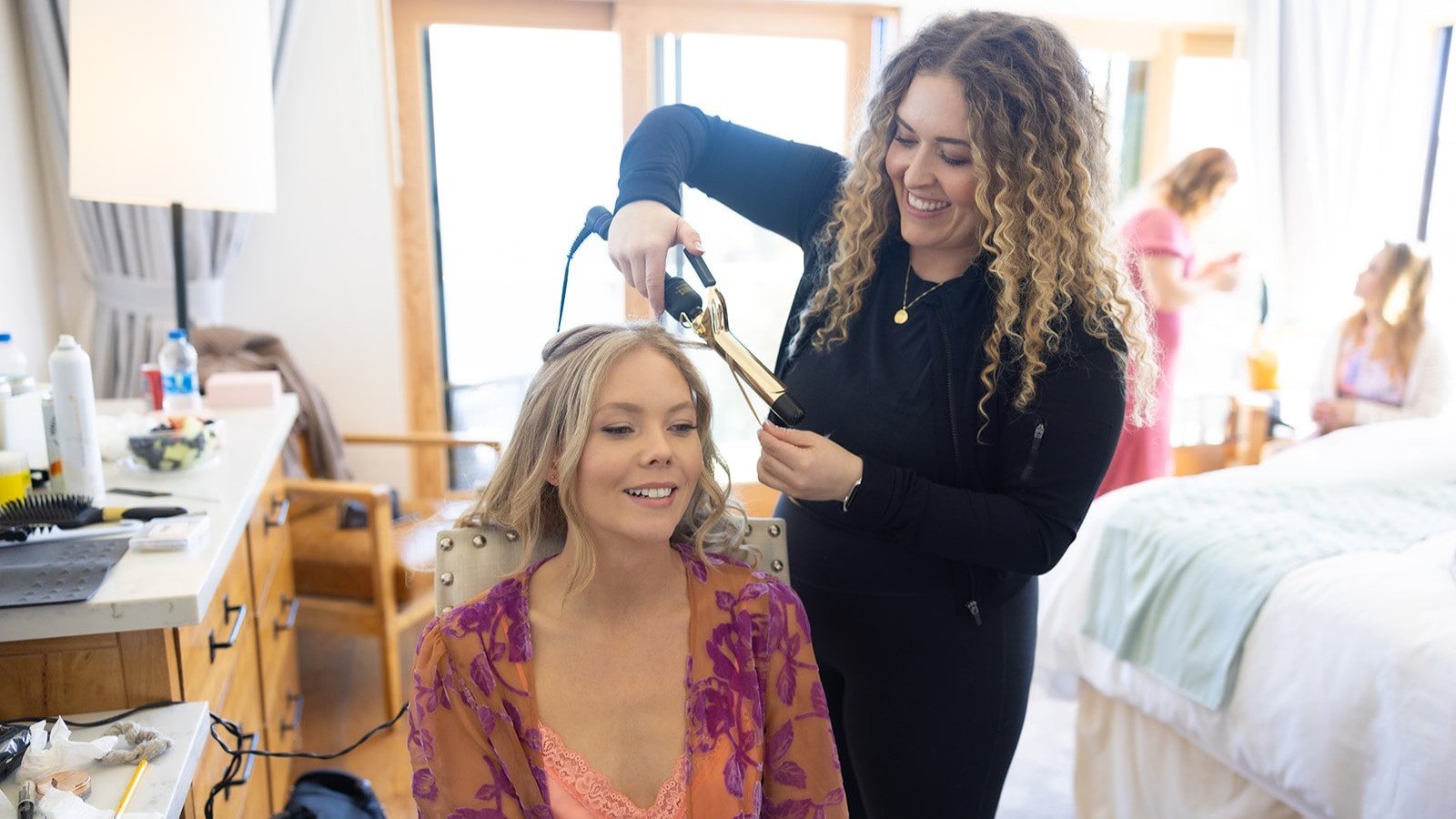
My approach to bridal beauty has always been to enhance, not mask. For thick hair, that means working with your natural volume rather than fighting it. A great hair-do is much more than a hairstyle. It expresses your personality and style, and your hair should look like you, but elevated.
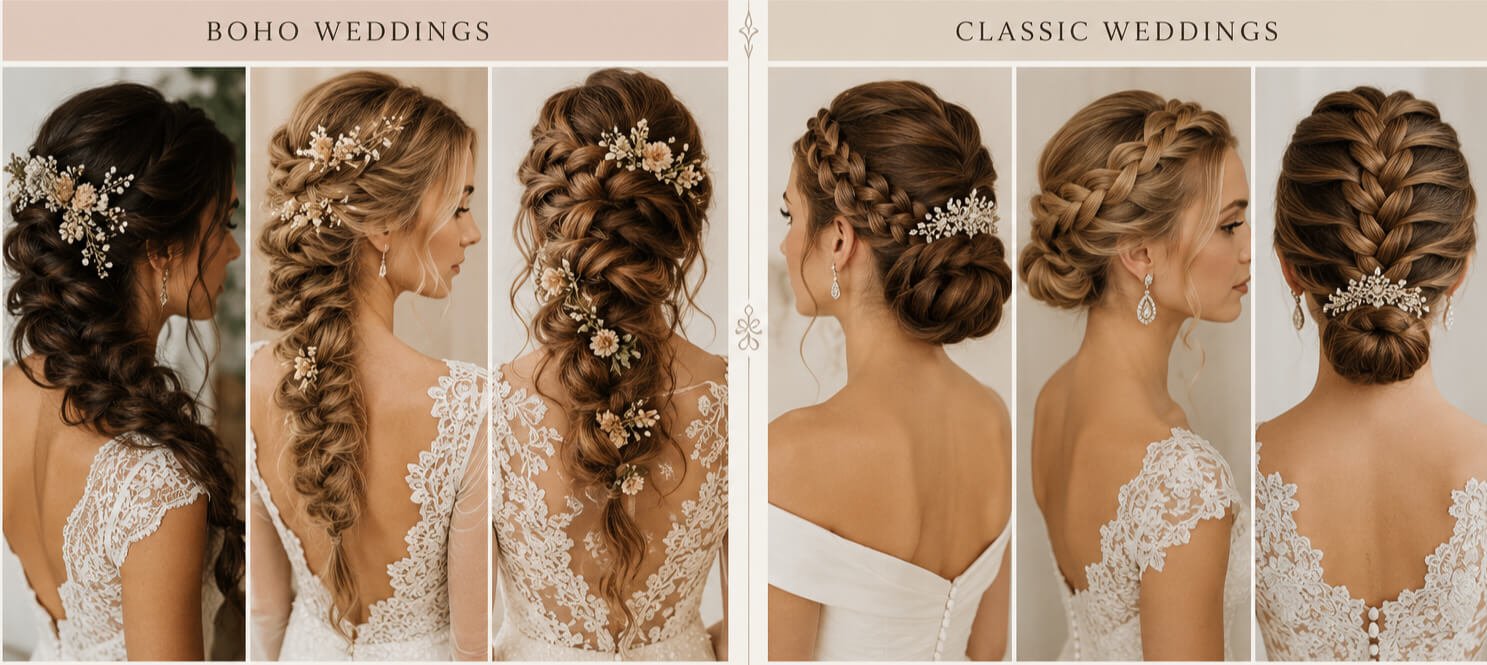
Many brides with thick hair choose from a few reliable categories: structured updos, low and sculpted styles, braided or twisted designs, and half-up looks with soft waves. Each one can work beautifully. The right choice depends on your hair length, your neckline, your veil, and how much time you will spend outdoors. If you are still deciding, how to choose the right bridal hairstyle for your wedding day can help you narrow it down. Let’s look at how I approach the most common requests.
Half-up and softer styles deserve a mention, since many brides with thick hair want to wear some of it down. A half-up look lets the lower layer carry its natural weight while the top section is anchored securely, and soft waves tend to hold up better than a tight, smooth finish. The trade-off is that loose lengths move more in the wind, so we decide together how much to leave down based on your venue.
Structured Updos That Manage Weight
An updo gives thick hair a place to rest. When I build an elegant updo for a bride with heavy hair, I focus on the foundation first. A well-anchored base spreads the weight across several points instead of asking a few pins to carry everything. That approach keeps the style stable when you move, dance, or turn your head for photos.
A few updo options suit thick hair well:
- Low chignon: A low, sculpted knot sits close to the neck, feels comfortable, and handles volume gracefully.
- Twisted or braided updo: Twists and braids organize thick hair into sections, which adds texture and keeps the weight under control.
- Sleek bun: A polished bun with a smooth finish gives a clean, classic look that pairs well with simple necklines.
- Textured, softer updo: A relaxed shape with a few face-framing pieces keeps the look romantic rather than rigid.
If you want a high style, we will talk about proportion. Thick hair piled high can look large or feel heavy on the head, so we often choose a mid or low placement that balances your dress and your veil. For more on twists and plaits, see my post on braided bridal hairstyles for boho and classic weddings. If your ceremony is exposed to wind, updo vs down hairstyles for windy coastal venues compares the two options.
Thinning and Sectioning Technique
Sectioning is the quiet technique that makes thick-hair styling work. Instead of treating your hair as one large mass, I divide it into manageable sections and work through them one at a time. Each section gets smoothed, shaped, and secured before the next, so the weight spreads evenly and the finished style sits well.
Sectioning also helps control bulk. When I layer pieces thoughtfully, the style keeps its fullness where you want it and avoids an overly dense look at the base. If you want layers or thinning in your hair itself to reduce bulk, that is a haircut decision, so schedule it with your regular stylist well ahead of your wedding, not in the final days.
A trial gives us time to test the sectioning plan on your real hair. We can see how your hair responds to the style, how it feels after an hour or two, and whether any area needs more support. That kind of testing takes the guesswork out of your wedding morning.
Products for Smooth, Manageable Styling
Thick hair often needs help staying smooth, especially in coastal air. I use professional products suited to Southern California conditions and to your specific hair, and I choose them based on what your hair needs. A smoothing product can tame frizz, a lightweight hold product can add control without stiffness, and a finishing spray can help the style keep its shape. Heavy, sticky layers rarely help thick hair, because too much product can weigh a style down or leave it feeling stiff.
I never promise that any style will last without a single adjustment, because no honest artist can promise that. What I can do is choose products carefully, build a secure foundation, and finish your hair with techniques designed for durability through the ceremony, photos, and reception. Heat adds another variable, and bridal hairstyling for outdoor ceremonies in the heat explains how I plan for a long, sunny day.
Your own preparation helps, too. Ask your artist how they want your hair prepped, since many prefer clean, dry, product-free hair, and share how your hair behaves on humid days. That information shapes the plan.
What to Discuss With Your Stylist
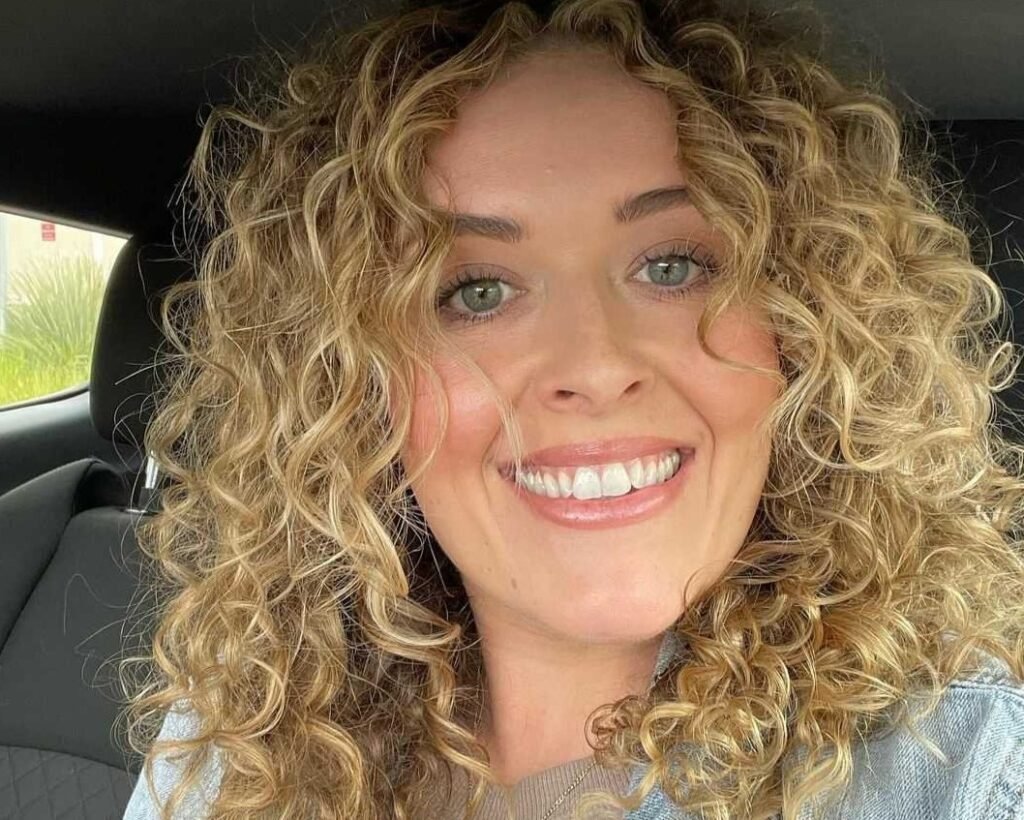
The more your artist knows about your hair, your dress, and your day, the better the plan turns out. A bridal trial gives you the chance to test the look and make adjustments before the wedding morning, and I strongly recommend one. A trial lets us work through any changes and make sure you walk into your wedding day knowing exactly what to expect.
Bring these details to your consultation or trial:
- Your dress photos, especially the neckline and back, since they affect where the style sits.
- Your veil or hair accessories, so we can test how they sit on thick hair and how they anchor.
- Inspiration photos of styles you love, plus any you dislike.
- Your venue, your ceremony time, and how long you will spend outdoors.
- Your hair history, including how your hair handles humidity, wind, and heat.
- Any skin sensitivities, reactions, or recent treatments, so we plan around them.
- Your comfort needs, such as whether a tight style gives you headaches.
- Your bridal party plans, so your hair and your bridesmaids’ styles work together.
Veils deserve extra attention with thick hair, because the comb or clip needs a secure spot in dense hair and the placement changes with the style. I cover the options in bridal hair with a veil and what works with every veil length. Bring the real veil to your trial rather than a substitute, since weight and length change how it sits.
Also ask about timing. I plan roughly 60 to 90 minutes for the bride and 45 to 60 minutes per bridesmaid, and I adjust the schedule for group size during booking. Thick hair can need extra attention, so we build that into your morning plan early instead of rushing at the end.
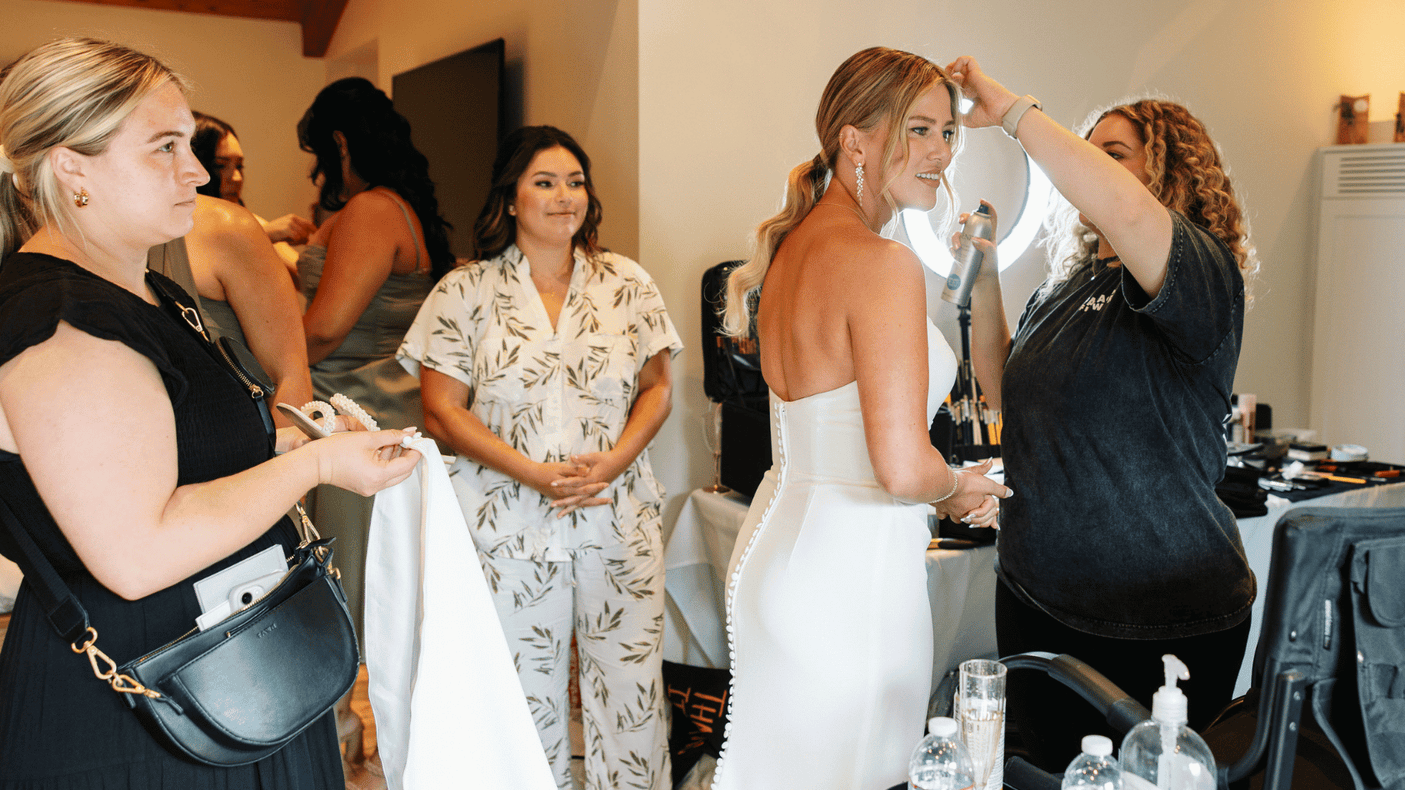
On the day, I arrive at your location with a complete professional kit and set up in about 15 to 20 minutes. I bring my own studio-quality lighting and seating, so your getting-ready space does not limit the result. Skin prep, application, and setting follow a calm, unhurried order, and your hair gets the same careful attention. Because I come to you, you skip the salon commute, your bridal party stays together, and the timeline stays intact. Hair and makeup come together as part of my bridal hair and makeup services.
Plan Your Bridal Hairstyle
Start planning your wedding hairstyle once your date and venue are confirmed. Spring and fall weekends in Orange County and Newport book quickly, so early booking is recommended. Your date is secured with a signed contract and deposit.
Browse my portfolio for bridal hair and makeup inspiration, learn about my experience and training on the About page, or explore bridal party services on my homepage.
Ready to plan your wedding-day hairstyle? Contact Brittany Brown Beauty with your wedding date, venue, and hairstyle ideas to discuss your vision and check availability.
Frequently Asked Questions
Timing depends on your hair length, chosen style, and bridal party size. I allow roughly 60 to 90 minutes for the bride and 45 to 60 minutes per bridesmaid. I adjust the schedule for group size during booking. Thick hair often needs extra planning. We discuss your preferred style at the trial and build enough time into your morning. For larger bridal parties, I bring additional artists to keep everyone on schedule.
Humidity affects every hair type, and thick hair can show it quickly. I cannot promise any style will stay perfect all day. However, I plan for coastal conditions from the start. I choose professional products suited to Southern California humidity. I also build a secure base to distribute the weight and use setting techniques for lasting hold. Your trial lets us test how the style looks and feels before the wedding.
Veils, combs, pins, and hairpieces can all work with thick hair. The key is planning their placement. Bring every accessory to your trial so we can test how it sits and stays in place. Thick hair provides a strong base for accessories. However, heavier styles need secure placement to prevent shifting. If you plan to wear a veil outdoors, mention it early. Wind can catch a veil quickly.
Start with a secure foundation. Structured styling and careful sectioning distribute the weight evenly. This prevents any single pin from carrying too much. Choose a style that suits your venue. A bluff-top or harbor setting brings more wind than an indoor ballroom. Attend your trial and share how your hair behaves in humidity. Also, let me know how long you expect to spend outdoors. On the day, I use products suited to coastal conditions. Every bride also receives a complimentary makeup touch-up kit with lipstick, powder, and blotting sheets.
Several styles work well with thick hair. These include low chignons, twisted or braided updos, sleek buns, and half-up styles with soft waves. The best choice depends on your hair length, neckline, veil, and venue. Low and mid-height styles often balance heavy hair comfortably. High updos may need extra planning for weight and proportion. At your trial, we test your preferred styles on your natural hair. Together, we choose one that feels secure, comfortable, and like you.