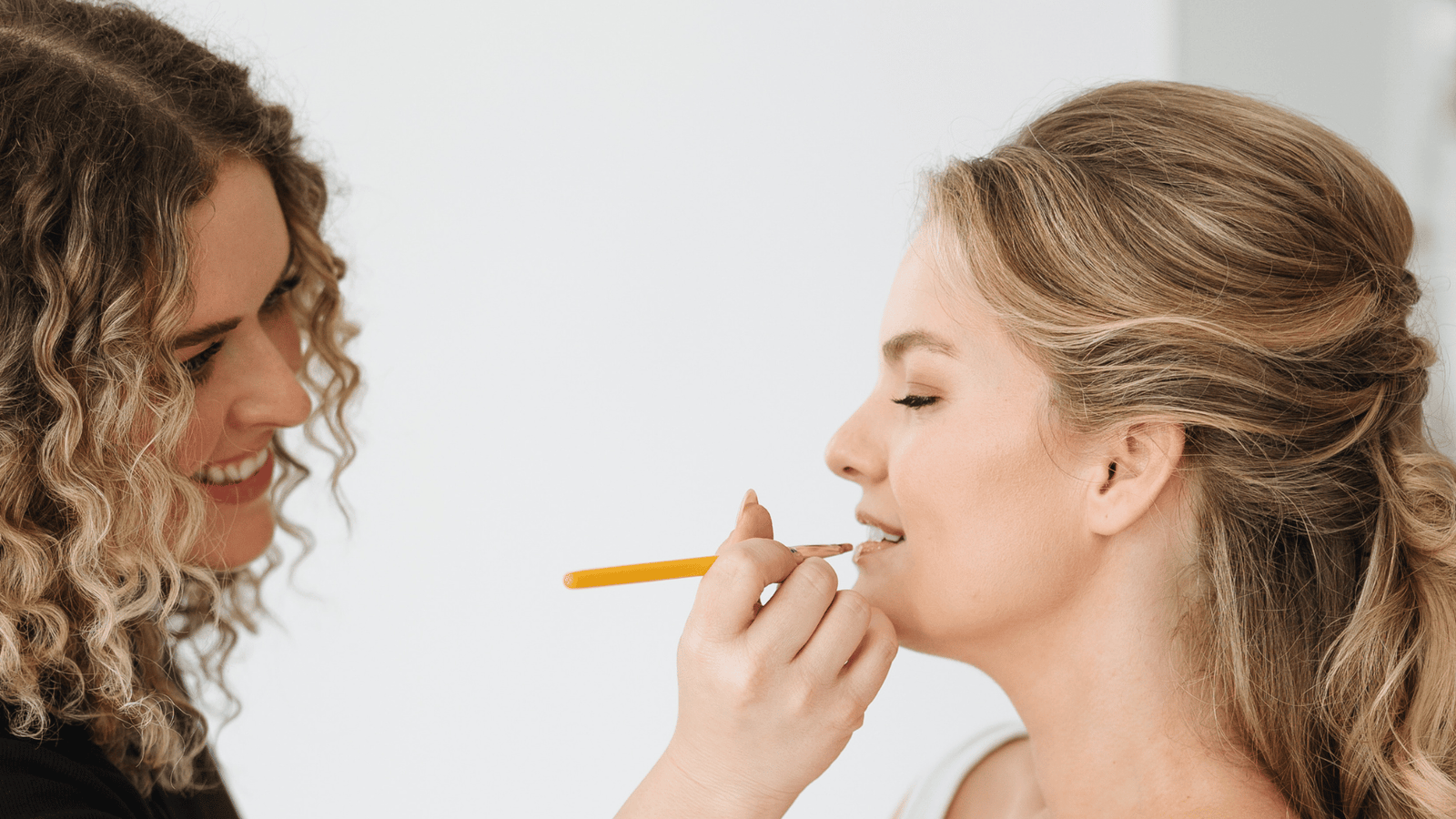
Weddings bring a lot of visual focus to the face, and the eyes carry most of that expression. They show emotion, softness, and detail in every photo and every close moment throughout the day. That is why bridal eye makeup styles need more than just a pretty color choice. They need balance, structure, and a clear understanding of how your features naturally look in different light.
The right eye makeup does not change who you are. It brings out your eyes in a way that feels natural in person and still holds definition in photographs. From soft glam bridal eye makeup to more defined bridal makeup for photography, each style creates a different effect depending on your eye shape, skin tone, and wedding setting.
Choosing the right look goes beyond following trends. The real focus sits on what feels comfortable on your face and still holds its shape from the first look to the final dance. That starts with understanding the main bridal eye makeup styles brides usually choose.
Why bridal eye makeup matters in your overall bridal look
Your eye makeup shapes how every other detail on your face reads. Even small changes in softness or definition can shift the entire expression, especially in wedding photos where every feature becomes more noticeable.
During a wedding day, the eyes stay in focus through close conversations, vows, and photography. Because of that, bridal eye makeup carries more weight than everyday makeup choices. Placement, balance, and blending all influence how your features translate in both real moments and camera work.
A well-planned wedding eye makeup look that lasts all day also protects consistency. It keeps the eyes from fading out in natural light or becoming too harsh under flash, so your expression stays steady from morning prep through the final dance.
Main bridal eye makeup styles every bride considers
Most bridal looks fall into three directions: natural, soft glam, and full glam. Each one creates a different mood, and the right choice depends on your features and wedding setting.
Natural bridal eye makeup
Natural bridal eye makeup focuses on soft tones, light blending, and minimal contrast. It enhances your features without changing them too much.
This works well if you want a fresh, effortless finish or if your dress already has strong details. However, “natural” still needs structure. Without definition, eyes can disappear in photos, especially under bright lighting.
A well-done natural look still includes soft definition at the lash line, gentle shading in the crease, and carefully placed lashes that do not overpower the face.
Soft glam bridal eye makeup
Soft glam bridal eye makeup is the most requested style for modern brides. It balances definition and softness, which makes it ideal for both photography and real-life viewing.
This style uses blended shadows, soft shimmer placement, and more structured lashes. It defines the eyes without looking heavy.
Soft glam bridal eye makeup also adapts well to different wedding themes, whether indoor receptions or outdoor ceremonies. It gives enough depth for camera-ready bridal eye makeup while still feeling romantic.
Full glam bridal eye makeup
Full glam focuses on stronger contrast, deeper shadows, and more defined eyeliner. It works well for evening weddings, dramatic dresses, or brides who prefer a bold presence.
However, placement matters a lot here. If eyeliner becomes too thick or shimmer is placed incorrectly, it can reduce eye size in photos instead of enhancing it.
That is why full glam needs careful adjustment based on eye shape and lighting conditions.
Read: Soft Glam vs Natural Bridal Makeup: What Actually Photographs Better?
How eye shape changes your bridal eye makeup
Bridal eye makeup for different eye shapes is never one-size-fits-all. The same eyeliner or shadow technique can completely change how your eyes look.
For example, almond eyes can carry most styles easily, so balance becomes the focus. Round eyes often benefit from elongated liner to add shape. Hooded eyes need strategic placement above the crease so makeup stays visible when the eye is open. Monolids rely heavily on lash styling and gradient shading to create depth.
When eyeliner sits too low or too thick on the lash line, it can make eyes appear smaller. On the other hand, lifting the outer corner slightly can create a more open and lifted effect.
Because of this, bridal eye makeup for different eye shapes always needs adjustment, not repetition of trends.
Eye color and how it subtly guides makeup choices
Eye color does not limit your look, but it can guide contrast and warmth.
Brides with brown eyes often carry deeper tones beautifully, especially bronze, gold, and warm neutrals. Blue eyes tend to stand out with soft browns, peach tones, and muted taupes. Green eyes respond well to warm plums, soft browns, and champagne shades.
Still, placement and blending matter more than color alone. A well-structured eye design always matters more than matching eye shadow to eye color.
Wedding lighting and its impact on eye makeup
Lighting changes everything.
Natural daylight shows every blend, edge, and texture clearly. Indoor lighting softens contrast, which can make eye makeup appear lighter than expected. Flash photography brings another layer, especially when shimmer is involved.
Heavy shimmer placed on mobile lids can reflect flash strongly and create uneven brightness in photos. That is why bridal makeup for photography needs careful shimmer placement, usually in the inner corners or slightly diffused across the lid.
At the same time, matte depth in the crease helps maintain structure when lighting flattens the face in photos.
Lash styles and how they change your final bridal look
Lashes define how your eyes read in photos. Light lashes create softness, while dense lashes add drama and intensity.
If lashes are too heavy, they can overpower natural features and close the eye area. If they are too light, the eyes may not stand out in photography.
For soft glam bridal eye makeup, medium-density lashes with varied lengths usually create the most balanced result. This allows the eyes to stay visible without losing softness.
Humidity and long wear also matter. Some lash styles hold shape better through heat, tears, and long hours of wear, which is essential for wedding day conditions.
Matching eye makeup with dress and hairstyle
Eye makeup should not sit in isolation. It needs to connect with your dress style and hairstyle.
A heavily embellished dress often pairs better with balanced eye makeup so the look does not feel overloaded. Minimal dresses allow more flexibility with eye definition or shimmer placement.
Hair also changes perception. Soft waves tend to support romantic eye looks, while tight buns or sleek styles often suit more structured eye definition.
Everything works together as one visual story, not separate parts.
Common mistakes brides make when choosing eye makeup
One common mistake is choosing looks only from photos without considering eye shape. What looks beautiful on one person can behave very differently on another face.
Another issue comes from expecting makeup to look identical in all lighting. Eye makeup changes throughout the day depending on sun, shade, and flash.
Some brides also choose overly heavy shimmer because it looks good in close-up photos, but it can become too reflective in real wedding lighting.
Finally, many brides underestimate how lash density affects softness. A small change in lash style can shift the entire mood of the makeup.
Why Pinterest inspiration does not always translate directly
Pinterest images often show controlled lighting, specific angles, and sometimes heavy editing. These images do not reflect real movement, real skin texture, or full-day wear.
A saved photo might look perfect, but the eye shape, bone structure, and even brow placement may be completely different from yours.
That is why copying a look directly rarely works. Instead, it helps to use inspiration as direction, not instruction.
Why bridal trials matter for eye makeup decisions
A bridal trial allows space to test placement, adjust intensity, and see how makeup behaves on your skin throughout the day.
Eye makeup often needs fine tuning. Small changes in eyeliner angle or lash choice can shift the entire expression of the face.
During a trial, you also see how makeup reacts to your natural skin oils and how it holds under different lighting. This step removes guesswork and builds confidence before the wedding day.
Book Your Bridal Makeup Consultation Today
Your bridal eye makeup should feel like an extension of your features, not a mask over them. When it is planned with your eye shape, lighting, and full bridal look in mind, it holds its place beautifully from the first photo to the last dance.
At Brittany Brown Beauty, bridal eye makeup is never built from a fixed formula. Each look is shaped around your eye structure, face balance, and overall wedding style, with a focus on long-lasting, photo-ready results.
If you are ready to design a bridal eye makeup look that fits your face, style, and wedding setting, you can book a bridal makeup consultation with us to begin planning your look with intention.
Frequently Asked Questions
1. What is the best bridal eye makeup style for most brides? Soft glam usually works best because it balances definition and softness while staying camera-ready.
2. How do I know which eye makeup suits my eye shape? Your eye shape determines eyeliner placement, shadow depth, and lash style. A makeup artist adjusts these based on whether your eyes are round, hooded, almond, or monolid.
3. Does bridal eye makeup look different in photos? Yes, especially under flash and indoor lighting. That is why wedding eye makeup that lasts all day needs careful layering and placement.
4. Should I choose eye makeup based on my eye color? Eye color can guide tones, but structure matters more than color matching. Placement and blending always make a bigger impact.
5. Why do I need a bridal trial for eye makeup? A trial helps adjust intensity, test longevity, and refine placement so your final look feels consistent and comfortable on the wedding day.
Related Articles:
- What to Ask Your Bridal Makeup Artist Before Booking
- Soft Glam vs Natural Bridal Makeup: What Actually Photographs Better?
- Best Bridal Makeup for Oily, Dry, and Acne-Prone Skin
- Bridal Makeup Trends 2026 in Orange County: What Brides Are Choosing
- Bridal Makeup for Mature Skin: What Works and What to Skip
- How to Prep Your Skin 30 Days Before Your Wedding