Posted on

Eye Makeup Techniques for Hooded or Mature Eyes

eye makeup techniques for hooded or mature eyes

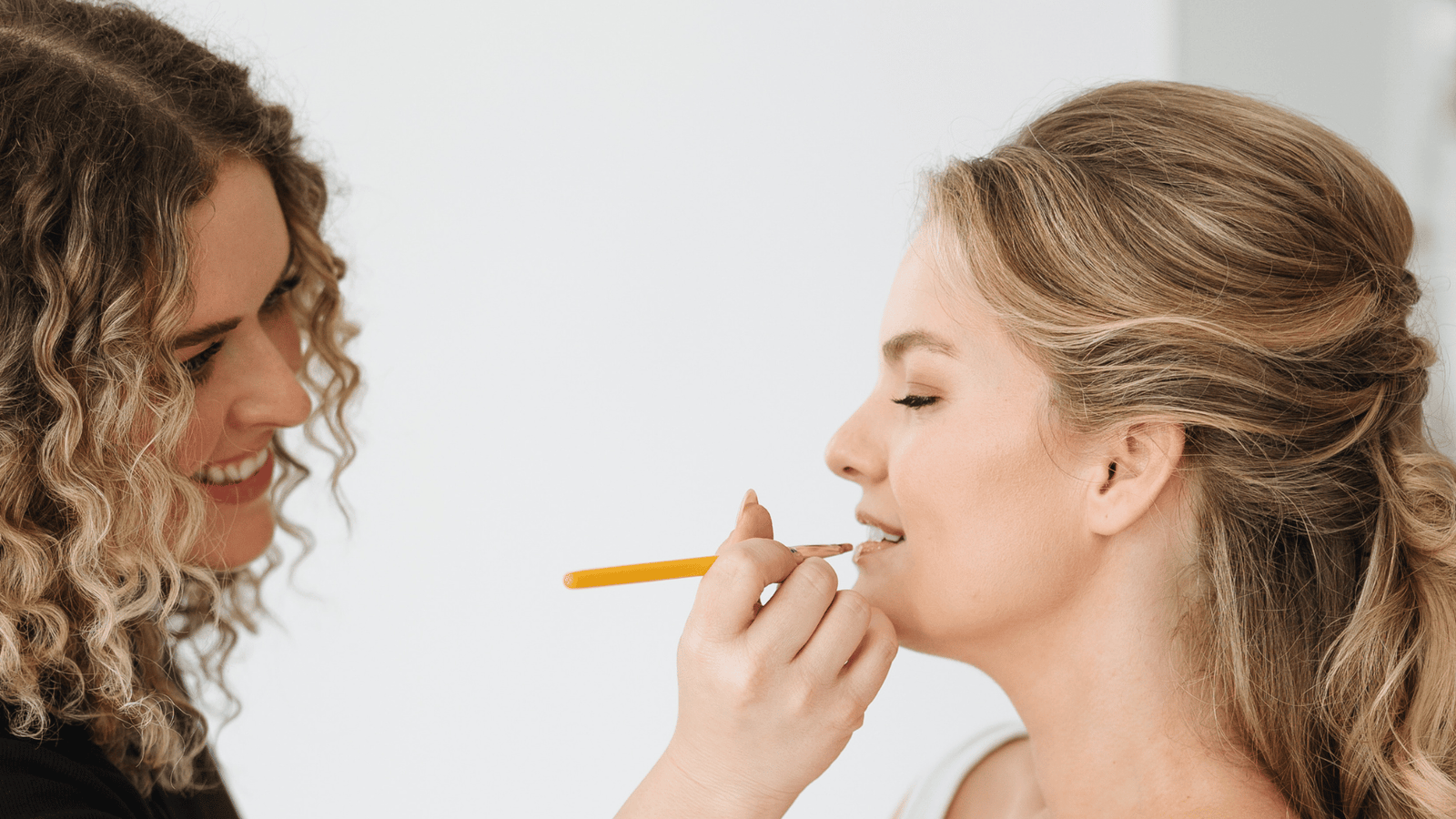
Eye makeup that looks stunning on a flat, taut lid often behaves completely differently on hooded or mature eyes, where the eyelid space shifts, folds, and moves in ways standard tutorials rarely account for. Rather than treating this as a limitation, it’s simply a different set of techniques, ones built around placement, product choice, and an understanding of how the eye actually looks when open, blinking, and in motion.

Mature and hooded-eye makeup is a specialty Brittany Brown has refined deliberately over 11+ years of hands-on bridal and print work. It’s an area she’s passionate about, requiring precision and a true understanding of corrective technique, and it’s become one of the strengths clients specifically seek her out for.

Why Standard Eye Techniques Change With Age

Most mainstream eye makeup tutorials are built around a flat, visible lid space, where color placed close to the lash line stays visible when the eyes are open. On hooded or mature eyes, that same placement can disappear entirely into a fold the moment the eyes open, which is why a technique that looks perfect with eyes closed can look unfinished or muddled the moment a bride or client is actually looking forward.

Skin texture and movement patterns shift too, which affects how long products stay put and how they read in photos. None of this is about correcting a flaw. It’s about adjusting technique to match how the eye actually functions, so the final look holds up in motion, in conversation, and in every photo taken throughout the day.

Techniques That Work

Placement for Visibility When Eyes Are Open

The most important adjustment is building color and definition based on where the eye reads when open, not where it looks best with eyes shut. That often means shifting the darkest values slightly higher and further out than a standard tutorial would suggest, so the depth and shape stay visible instead of vanishing into a hood. Makeup artists check the eyes throughout the application and blend with them open instead of waiting until the final step.

Avoiding Product Creasing

Hooded and mature lids tend to fold and move more than flatter lids, which makes creasing a common issue when makeup artists use the wrong products or apply too much product. Applying lightweight, longwear formulas in thin layers and pairing them with an eye primer suited to the individual’s skin helps color stay smooth and even instead of settling into the fold throughout the day. Powder products generally hold up better in this area than heavier cream formulas because they are less likely to shift.

Softening Rather Than Sharpening Lines

Hard, sharply defined lines tend to emphasize the fold rather than the eye shape itself, while softer, diffused edges let the eye’s natural shape lead the look. This is a deliberate technique choice rather than a workaround, soft transitions read as polished and intentional rather than undefined, and they photograph with more depth than a harsh line tends to on this eye shape.

What to Test at Your Trial

A trial is the right place to see exactly how these techniques translate to an individual’s specific eye shape and skin, since hooded and mature eyes vary enough from person to person that no single formula works universally. It’s worth testing how a chosen liner or shadow placement looks both with eyes open and through natural blinking and expression, not just in a single still pose, and checking how the finish holds up over a few hours rather than just the first ten minutes.

This is also where the “enhance, don’t mask” approach matters most. The goal isn’t to impose a one-size-fits-all technique, but to find the placement, formula, and finish that work with an individual’s eye shape rather than against it, so the final look feels natural, polished, and entirely her own.

Anyone curious about how this specialty comes together in real client work can look through examples in the portfolio, or read more about Brittany’s background and approach on the About page. For those ready to book a trial focused specifically on hooded or mature eye techniques, getting in touch directly is the best way to start that conversation.

Frequently Asked Questions

1. How is eye makeup techniques for hooded or mature eyes different from standard bridal makeup? 

The core difference is placement and product choice rather than a completely different overall look. Makeup artists place color and definition where they remain visible with the eyes open, using lightweight, longwear formulas and soft blending instead of techniques designed for a flat, fully visible lid.

2. What products work best for eye makeup techniques for hooded or mature eyes? 

Lightweight, longwear eyeshadow formulas, a proper eye primer, and powder-based products tend to perform more reliably than heavy cream formulas, since they’re less likely to settle into creases or shift throughout the day. The right specific products depend on individual skin and eye shape, which is exactly what a trial is for.

3. How far in advance should I book a trial for eye makeup techniques for hooded or mature eyes? 

Booking a trial a few months ahead of a wedding or event, rather than in the final weeks, gives enough time to test placement, product wear, and finish, and to make any adjustments before the actual day. This is especially helpful for hooded and mature eyes, since it can take a little extra time to dial in the exact placement that works best.
Posted on

Preparing Makeup for 4K Video and Close-Up Content

preparing makeup for 4k video and close-up content

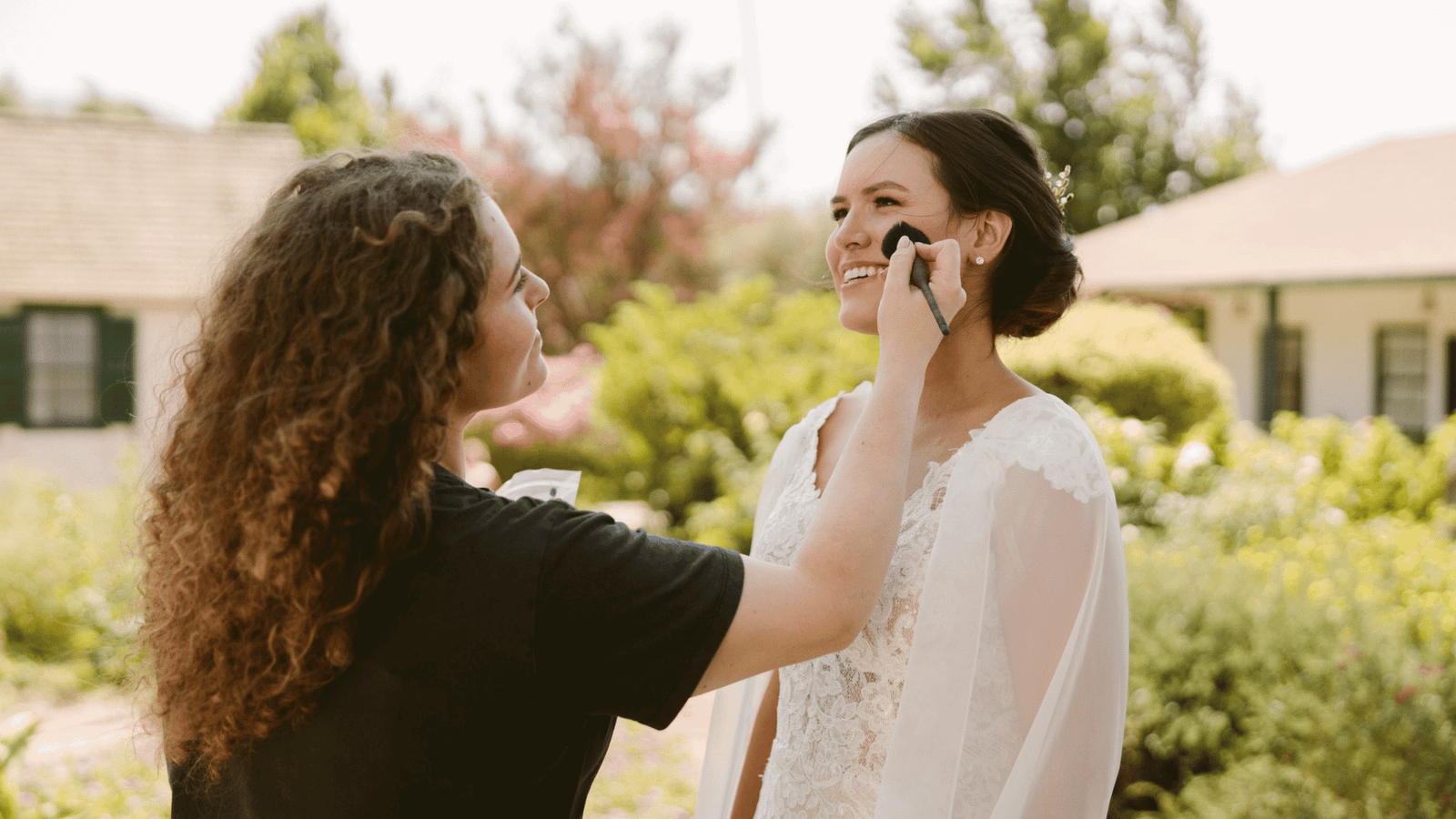
4K resolution changes what a camera captures at the skin level. Texture, product buildup, and pigment shifts that read as invisible in standard photography become fully visible in high-resolution video, especially in close-up or macro shots where the lens sits inches from the face. Preparing makeup for this kind of content requires a different technical approach than standard bridal or event work, one built around light absorption, pigment control, texture smoothing, and sustained durability across take after take.

Brittany Brown works with photographers, brands, and production teams across Southern California who need makeup that holds up to this level of scrutiny, applying techniques developed specifically for how skin behaves under high-resolution lenses and continuous lighting setups.

Why 4K Video Reveals What Photos Don’t

Still photography captures a single frame under a single lighting setup, which gives an artist and a photographer some margin for how skin texture or product finish reads in the final image. Video removes that margin. A 4K camera captures continuous motion under sustained lighting, often across multiple angles and takes, which means any texture, shine, or product inconsistency gets recorded repeatedly rather than in one controlled instant.

Light absorption becomes a critical factor here. Certain formulas reflect light in ways that read as a subtle glow in a still photo but appear as visible shine or a flat, product-heavy finish once captured on video and played back at full resolution. Pigment can shift too, since some formulas that look neutral under a photography flash pick up warm or cool casts under continuous LED or tungsten lighting used on video sets.

Close-up and macro shots amplify all of this further. Any unevenness in texture, any visible edge where foundation meets skin, or any buildup around fine lines or pores becomes far more apparent when a lens sits close enough to capture individual skin details rather than a full-face composition.

Techniques for Extreme Close-Ups

Texture-Smoothing Without Looking Filtered

Close-up video calls for smoothing skin texture without creating the flat, artificial look that comes from over-applying products. The goal is a natural, even surface that still reads as real skin under a macro lens, not a heavily filtered or masked appearance that looks disconnected from the rest of the face and body on camera.

This usually comes down to product choice and application technique working together. Lightweight, buildable formulas applied in thin layers smooth texture more effectively than a single heavy application, since thin layers sit closer to the skin’s actual surface rather than sitting on top of it in a way that reads as separate from the skin underneath.

Avoiding Visible Product Buildup

Product buildup tends to collect in predictable places: around the nose, along the hairline, in fine lines, and anywhere touch-ups happen repeatedly across a long shoot day. In 4K resolution, this buildup shows up as a visibly different texture or color from the surrounding skin, which pulls attention away from whatever the shot is actually meant to showcase.

Minimizing buildup means applying product with control from the start and managing touch-ups carefully throughout a shoot, rather than layering more product on top of what’s already there each time the camera stops rolling. A light touch during retouching, focused only on areas that actually need it, keeps the overall look consistent from the first take to the last.

Monitoring Playback During the Shoot

Because video reveals issues that aren’t always visible to the naked eye standing a few feet away, checking playback on set matters as much as the initial application. Reviewing footage on a monitor during breaks in filming shows exactly how makeup reads under the production’s actual lighting and camera setup, not just how it looks in person.

This step catches issues early, whether that’s a slight sheen building up under hot lights, a color shift under a particular lighting setup, or texture that needs additional smoothing before the next take. Adjusting in real time, based on what the camera actually captures, keeps the look consistent across an entire shoot rather than only in the first few minutes.

What Changes Between Video and Still Photography Makeup

Still photography makeup and video makeup share a foundation, but several key differences separate the two once cameras and lighting setups come into play.

Durability requirements shift significantly. A still photography session might involve a shorter shoot window with breaks between setups, while video work, especially close-up and macro content, often means continuous filming under hot lights for extended periods. Makeup needs to hold its finish and pigment consistency across that entire span, not just for a few individual frames.

Lighting interaction changes too. Photography flash freezes a single moment, while video lighting stays constant and often includes movement, whether that’s a subject turning their head or a camera repositioning for a different angle. Makeup needs to read consistently across every angle that constant lighting hits, not just one flattering position.

Finish expectations also differ. A slightly heavier, more sculpted finish can work well in a still photograph, where a single frame gets chosen and edited from dozens of options. Video doesn’t offer that same selectivity, since every frame gets seen in sequence, which puts more pressure on a natural, consistent finish that holds up in motion rather than one built around a single, static best angle.

Photographers, brands, and production teams interested in working with Brittany Brown Beauty can review commercial and editorial work in the portfolio, learn more about her background in print and production makeup, or get in touch to discuss an upcoming shoot.

Frequently Asked Questions

1. How does preparing makeup for 4K video and close-up content differ from bridal makeup applications? 

Bridal makeup focuses on a full day of wear across natural light shifts and emotional moments like a ceremony or first look. Video and close-up production work focuses on sustained durability under continuous lighting, pigment consistency across multiple takes and camera angles, and texture that holds up to the scrutiny of a macro lens, which calls for a more technical, camera-specific application approach.

2. What should a brand or photographer expect when booking preparing makeup for 4k video and close-up content? 

Expect a consultation ahead of the shoot to understand lighting setup, shot list, and the level of close-up or macro work involved, since these details shape product and technique choices. On set, expect attention to texture smoothing, minimal product buildup, and monitoring of how makeup reads on playback throughout the shoot, not just during initial application.

3. How is makeup adjusted for lighting during preparing makeup for 4k video and close-up content? 

Adjustments typically account for how each lighting setup, whether LED, tungsten, or natural light, affects pigment and light absorption on camera. Brittany Brown Beauty selects formulas and finishes based on how they perform under the specific lighting conditions, while playback monitoring during the shoot helps identify and correct any color shifts or unwanted shine in real time.

Posted on

Top Wedding Makeup Trends in Orange County for 2025

Wedding Makeup Orange County

Top Wedding Makeup Trends in Orange County for 2025

Planning your 2025 wedding in Orange County? Between the perfect venue and the dream dress, your bridal look is the thread that ties it all together. And if you want to feel fresh, modern, and timeless in your photos, knowing what’s trending (and what’s fading) is key.

This year’s wedding makeup trends in Orange County blend soft glam with statement features, skin-first beauty, and a heavy dose of personalization. Below, we’ll break down the top looks local brides are loving, and how to adapt each one to fit your style and skin tone.

✨ 1. Clean Skin, Sculpted Finish

Gone are the days of thick, cakey foundation. 2025 brides are asking for lightweight, breathable coverage that shows off their natural skin, with just enough sculpting to define cheekbones and jawlines on camera.

Think:

  • Skin tints or serum foundations
  • Strategic concealing, not full-face coverage
  • Cream bronzers and blush for a natural flush
  • Radiant but controlled glow, no over-highlighting

This trend works beautifully for OC beach weddings, where natural light and salty air demand makeup that looks fresh, not forced.

???? 2. Monochrome Magic: One Shade, All Over

A consistent tone across eyes, lips, and cheeks is making a serious comeback, and it’s perfect for creating a harmonious bridal look.

Popular color palettes in 2025:

  • Peach + apricot for spring and golden-hour weddings
  • Rose + mauve tones for a romantic feel
  • Bronze + terracotta for that sunkissed Cali energy

The best part? Monochrome glam flatters every skin tone, and it keeps your look cohesive in every single photo.

????️ 3. Soft Glam, Bold Eyes

If you want to turn up the volume without going full glam, this trend’s for you.

Soft skin, sculpted brows, and bold eyes are dominating Orange County weddings this year, especially for brides who want to make a statement during golden hour portraits.

Key elements:

  • Defined brows (not over-laminated)
  • Smokey or winged liner
  • Faux lashes or lash extensions
  • Shimmery lids or softly sculpted eyes and neutral tones

Pro tip: This look pairs well with sleek buns or center-parted waves.

???? 4. The Gloss Is Back

After years of matte lipsticks ruling the aisle, lip gloss is officially back in bridal beauty. And no, we’re not talking about sticky drugstore gloss.

Today’s glosses are:

  • Lightweight and hydrating
  • Designed to stay in place
  • Paired with long-wear liner or stain for longevity

From pinky-nudes to warm caramel or sheer shimmer, glossy lips give brides a fresh, kissable finish that reads beautifully in HD photography.

???? 5. “No-Makeup” Makeup for Elopements + Micro Weddings

Micro weddings and backyard elopements aren’t going anywhere, and with them comes a rise in ultra-minimal bridal glam.

The “no-makeup” makeup look prioritizes clean, glowing skin, soft lashes, and barely-there lips, a perfect fit for casual, barefoot brides or those going for a laid-back luxury vibe.

It’s especially popular among second-day looks or civil ceremony outfits, where less really is more.

????️ 6. Editorial-Inspired Hair & Makeup Combos

We’re seeing more brides lean into high-fashion energy, combining timeless makeup with editorial-inspired hair looks for a stunning contrast.

Some trending pairings:

  • Soft sculpted glam + loose-structured waves
  • Neutral shimmery lids + low-twisted bun with face-framing pieces
  • Dewy radiant skin + sleek half-up, half-down ponytail with volume

If you want your wedding photos to look straight out of a magazine, this is your lane.

???? Testing Trends at Your Bridal Trial

Love one of these looks but unsure how it’ll feel on you? That’s exactly what your bridal trial is for.

When you book a trial, we’ll:

  • Try your favorite trend in natural light
  • Adjust the tones and finishes to your skin
  • Test for comfort and longevity
  • Snap photos from multiple angles so you can see how it reads on camera

From there, we customize the look to match your venue, dress, vibe, and vision, ensuring you feel like the best version of you.

???? Real Client Words

“Brittany is AMAZING!!! I truly cannot recommend her enough. She is so sweet and fun and gave me EXACTLY the look I wanted.”
– Alexandra H., Orange County bride

???? Final Thoughts: Make the Trend Your Own

Trends are a fun place to start, but your final look should feel timeless and personal. Whether you want sculpted glam, glossy lips, or minimal elegance, the right artist will help you find that sweet spot between trendy and you.

If you’re planning a 2025 wedding and want to test your favorite looks in real time, let’s book your bridal trial. You’ll walk away with a look you love and the confidence to own every photo.