Few wedding-day decisions feel as personal as the one on top of your head. A flower crown feels soft and romantic. A veil feels classic and timeless. Both can look beautiful, and the right choice depends on your dress, your venue, and the way you want to feel when you walk down the aisle.
As a mobile bridal hair and makeup artist based in Orange County, I help brides make this choice every season. At Brittany Brown Beauty, I believe a great hairstyle is more than a hairstyle. It expresses your personality and style, and the accessory you pick is a big part of that.
This guide compares flower crowns and veils so you can decide with confidence. It also explains how each option works with Southern California coastal conditions such as humidity, sea air, and wind.
What a Flower Crown Offers
A flower crown brings softness, color, and a relaxed mood to your look. It suits brides who want their hair to feel natural and a little whimsical. It also pairs well with outdoor settings, such as gardens, bluff-top ceremonies, and backyard estates, where greenery and open air already set the scene.
Here is what a flower crown does well:
- It adds personality: You can echo your bouquet, color palette, or wedding season in a single accessory.
- It frames your face: A crown draws attention upward and gives your portraits a soft, romantic border.
- It works with many hairstyles: You can pair one with loose waves, a half-up style, a braid, or a low updo. If you like the half-up idea, see these half-up, half-down bridal hairstyles.
- It feels relaxed: Brides who want a laid-back, effortless look often love how a crown complements their overall style.
A flower crown also asks you to consider a few practical details. Fresh flowers respond to heat, sun, and moisture, so talk with your florist about which blooms hold their shape in warm weather.
Artificial or dried options give you another choice, and many brides prefer them for their appearance and practicality. Whichever you choose, bring the crown or a clear photo of it to your bridal trial. Your crown affects how I build your hairstyle, so I like to plan around it from the start.
Weight and size matter, too. A larger crown needs a hairstyle that supports it, while a delicate crown can sit comfortably in many styles. For more inspiration, browse these braided bridal hairstyles for boho and classic weddings.
Your natural hair texture also influences how a crown sits and how the hairstyle is shaped around it. If you have curls or textured hair, my guide to styling curly and textured hair for your wedding day offers ideas for working with your natural texture rather than fighting against it.
When I know what you plan to wear, I can shape your hair to complement the accessory instead of trying to fit everything together on the morning of your wedding.
What a Veil Offers
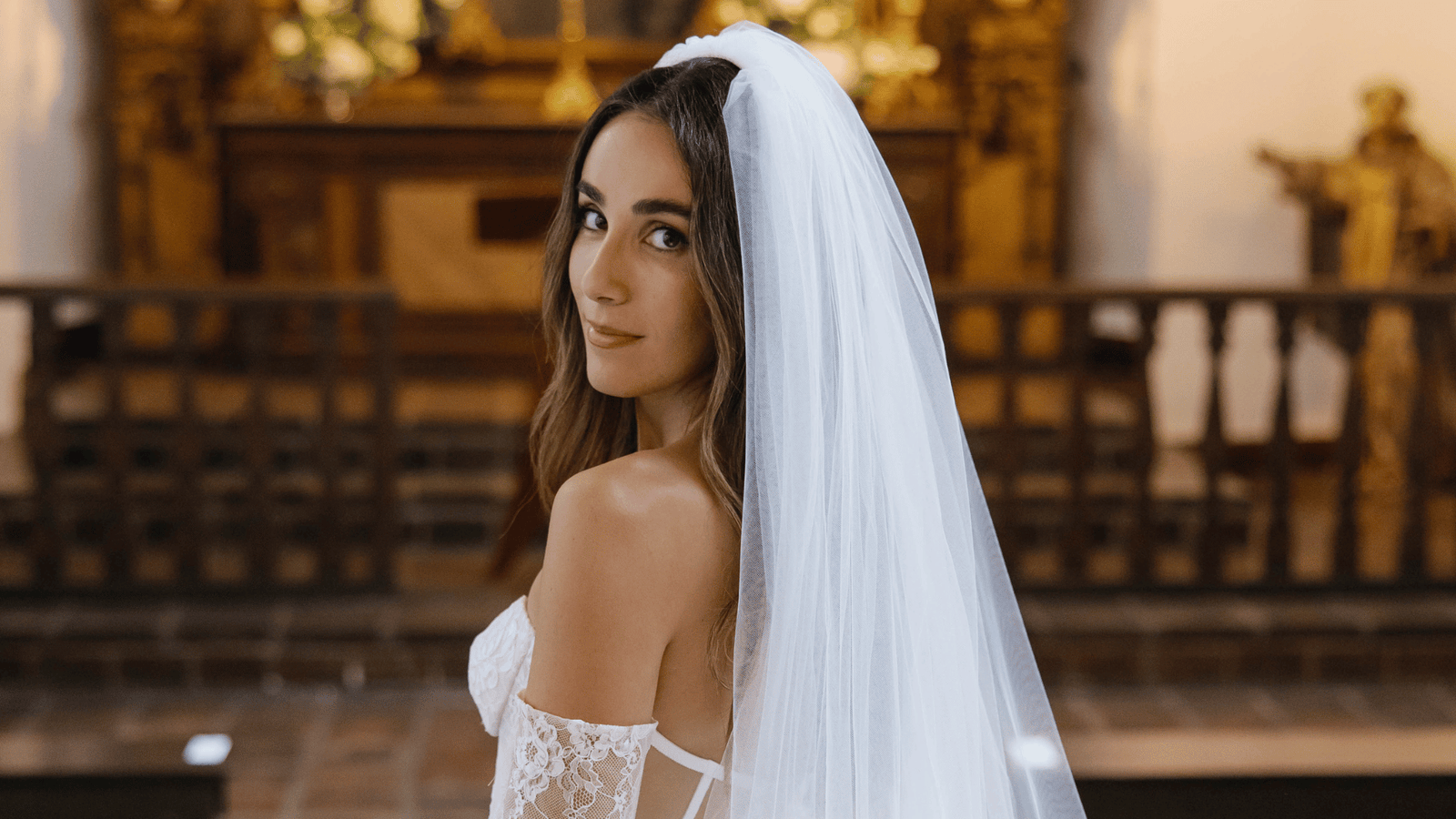
A veil brings a sense of ceremony. It marks the moment clearly and gives your photographs movement and drama. For many brides, putting on the veil is the moment the wedding starts to feel real.
Here is what a veil does well:
- It feels classic: A veil carries a timeless look that suits traditional, formal, and modern weddings alike.
- It adds movement: A veil catches light and air, creating beautiful moments in photographs, especially during your walk down the aisle and your portraits.
- It comes in many lengths and styles: From short and delicate to long and cathedral length, you can choose an option that suits your dress and venue.
- It can come off: Many brides remove their veil after the ceremony and formal photographs, giving them more freedom to move around and dance at the reception.
A veil also deserves a plan for wind. Coastal Orange County weddings often include breezes off the water, and a long veil can move more than you expect. That movement looks lovely in photographs, but it also means placement matters. Where the veil attaches to your hairstyle affects how it sits, how it moves, and how comfortable it feels.
My veil placement guide for every bridal hairstyle walks through the options. I plan your hairstyle so the veil has a secure place to sit, and I like to see the veil itself before your wedding day.
Your choice of hairstyle matters just as much. An updo can provide a stable base for a veil, while wearing your hair down creates a softer look that may need a different attachment approach. My guide to updo vs. down hairstyles for windy coastal venues can help you compare the options and decide which suits your venue and preferred style.
Your dress matters here as well. A detailed back or an elaborate neckline may call for a simpler veil, while a clean, minimal gown gives a more dramatic veil room to shine. Bring a photo of your dress to your trial so we can consider the full look together.
Head-to-Head: Formality, Photos, and Practicality
Both accessories can look stunning, so the real question is which one fits your wedding and feels most like you. Here is how I compare them with my brides.
Formality: A veil usually reads as more traditional and formal. A flower crown usually feels more romantic and relaxed. If your wedding is a black-tie evening at an oceanfront resort, a veil may feel like a natural fit. If you are planning a garden ceremony with a soft, organic mood, a crown may suit you better. Neither choice is wrong, and some brides combine styles in ways that work beautifully.
Photos: A flower crown frames your face and looks lovely in close portraits. A veil creates movement and a sense of occasion, adding drama to wider shots and aisle photographs. Talk with your photographer about the images you want most, since that can help guide your decision. If you love the idea of dramatic movement shots, a veil gives your photographer plenty to work with. If you picture soft, close portraits, a crown can be an equally beautiful choice.
Practicality: A veil can come off when you are ready to celebrate. A flower crown typically stays on for much of the day, so comfort matters.
Wear your preferred accessory for a while during your trial, if possible, to see how it feels after more than a few minutes. Think about hugs, dancing, and car rides, too, since these can affect how an accessory sits and feels.
Coastal conditions: Humidity, sea air, and wind can affect both hair and accessories. Fresh blooms respond to heat and moisture, while a long veil responds to wind.I consider these conditions when choosing a hairstyle that provides a secure foundation for your accessory. Weather and activity can affect how long a style holds, so I cannot guarantee it will remain exactly the same for a set number of hours. Careful planning helps your hair and accessories work together as beautifully as possible.
Your personal style: At the end of the day, you should feel like yourself, but elevated. If you picture yourself in a crown and feel excited, pay attention to that reaction. If you imagine walking down the aisle in a veil and it feels right, that matters, too. Your accessory should complement your personality rather than make you feel like someone else.
Can You Wear Both?
Yes, and many brides do. Wearing both takes a little planning, but it can look beautiful when you build the look with care.
One popular approach is to wear a veil for the ceremony and formal photos, then remove it and add a flower crown for the reception. That gives you two distinct looks in one day. Another approach is to place a small floral piece or a few flowers in an updo and attach a veil beneath it. This creates a softer floral detail alongside the traditional veil.
A few things help when you combine accessories:
- Keep one as the star: When both a crown and a veil are large or detailed, they can compete. Let one lead and the other support it.
- Plan the placement: The veil needs a secure attachment point, and the crown or floral pieces need room, too. A well-planned hairstyle helps both accessories sit comfortably.
- Think about removal: If you plan to take the veil off after the ceremony, your hairstyle should still look finished without it.
- Test the full look: Bring both accessories to your trial so we can try them together and make adjustments.
Hair length can also affect how you create your preferred look. If you want fuller waves, a longer braid, or more volume beneath a crown, extensions may be worth discussing. My guide to hair extensions for brides: when and how to use them explains some of the considerations before deciding whether extensions are right for you.
The flow of your wedding morning matters as well. As a fully mobile artist, I come to the place where you are getting ready, whether that is a private home, a hotel suite, or another location that works for your day. I arrive with a complete professional kit, including studio-quality lighting and seating, and setup usually takes about 15 to 20 minutes. Because I come to you, you avoid a salon commute, your getting-ready party can stay together, and your morning can follow the schedule you have planned.
I also offer coordinated hair styling and makeup services for bridesmaids and mothers of the bride and groom, helping your group achieve a cohesive look. You can explore my bridal hair and makeup services to learn more about the options available for your wedding party.
For larger bridal parties, I can bring additional artists to help everyone get ready on schedule while allowing sufficient time for the bride’s application.
Why a Bridal Hair and Makeup Trial Matters
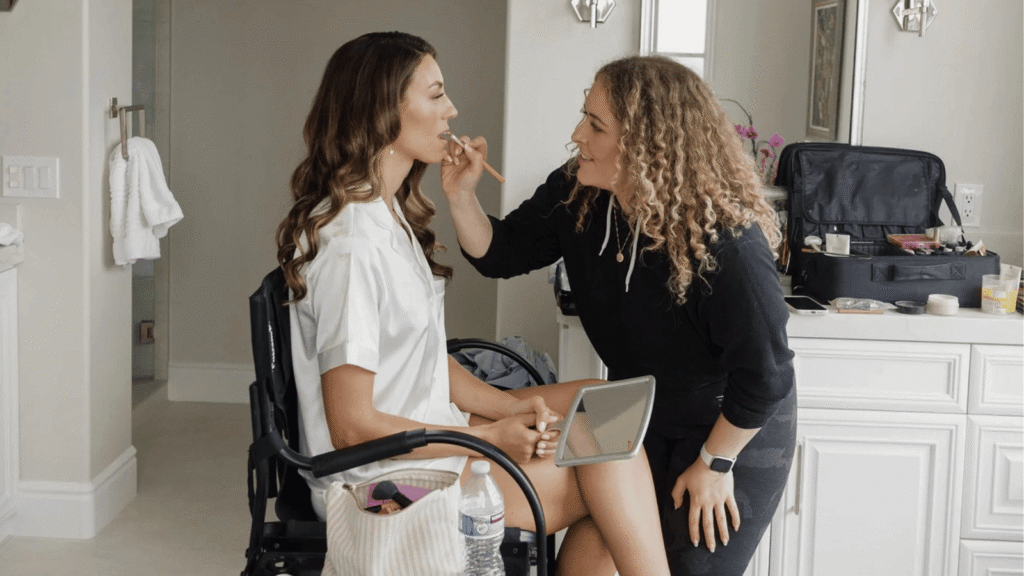
I strongly recommend a bridal trial. It gives us time to test your look, work through adjustments, and make sure you walk into your wedding day knowing what to expect.
A trial is also the best time to try your crown or veil with your chosen hairstyle. We can check how the accessory sits, whether it feels comfortable, and how the hairstyle looks with and without it. If you plan to change accessories between the ceremony and reception, we can discuss how to make that transition work with your chosen style.
Communication is important here. Save inspiration photos that show the hairstyle, accessory placement, and overall finish you like. It also helps to explain what you want to avoid, whether that means too much volume, a hairstyle that feels overly structured, or loose pieces around your face.
For more guidance, read my article on how to explain your vision to your makeup artist during a trial. Although the guide focuses on communicating your makeup preferences, the same preparation can help you explain your overall bridal beauty vision.
Your hair’s condition and shape are worth discussing during this appointment, too. If you are considering a trim before the wedding, my guide to how often you should get a haircut or trim before your wedding can help you plan ahead without leaving a major hair change until the last minute.
You can also browse my portfolio to see examples of the soft, natural bridal styles I love to create, and learn more about my background, including my 11+ years of experience in the beauty industry.
Spring and fall weekends in Orange County book out well in advance, so I encourage you to reach out as soon as your venue is confirmed. Your date is secured with a signed contract and a deposit.
Plan Your Bridal Hair Today
Choosing between a flower crown and a veil depends on your hairstyle, dress, and overall wedding style. Brittany can discuss your preferences, hair length and texture, and accessory placement to help you find a look that brings everything together.
With more than 11 years of experience in the beauty industry, Brittany takes a personalized approach to bridal hair and makeup, focusing on enhancing your natural features while reflecting your style. A bridal trial can also help you see how your chosen accessories work with your hairstyle before the wedding day.
Contact Brittany Brown Beauty to discuss your wedding date, venue, getting-ready location, and preferred style.
Frequently Asked Questions
Timing depends on your hairstyle, hair type, accessories, and wedding party size. I plan everything with you in advance. Setup typically takes 15 to 20 minutes after I arrive. I usually allow 60 to 90 minutes for the bride and 45 to 60 minutes per bridesmaid. The exact timing depends on the services needed. A crown or veil can also affect your hairstyle. We account for these details during your trial and wedding-morning planning.
Coastal humidity, sea air, and wind can affect your hair and accessories. I plan your hairstyle around the conditions at your venue. Fresh flowers can react to heat and moisture. Ask your florist about blooms suited to your wedding conditions. Artificial or dried flowers are other options. Wind can also move a veil, so secure placement matters. I design your hairstyle to support your accessory, but no style can be guaranteed to stay exactly the same for a set number of hours.
A flower crown pairs beautifully with simple earrings and a clean neckline. This keeps the focus on the crown and your face. A veil works well with delicate earrings, a hairpin, or a decorative comb. The best choice depends on your hairstyle. If you want both a crown and a veil, let one take the lead. Keep the other relatively simple. Bring your planned accessories to your trial so we can test the complete look together.
Both can suit a coastal wedding. A flower crown creates a relaxed, romantic look. A veil adds movement and a sense of occasion. Wind is an important factor when choosing a veil. Heat and moisture can also affect fresh flowers. Consider your personal style, hairstyle, and venue conditions before deciding. We can test your chosen accessory with your hairstyle during your trial.
Yes, bring your veil or flower crown if you already have one. If you have not purchased it yet, bring photos of the styles you are considering. A photo of your dress can also help. During your trial, I can assess the accessory’s placement and adjust your hairstyle as needed. This helps you see how the complete look will come together on your wedding day.