Posted on

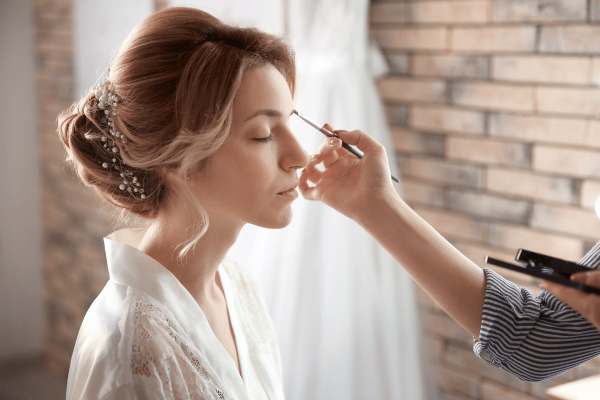
Should You Book Your Hair and Makeup Trial on the Same Day

should you book your hair and makeup trial

Deciding whether to book your hair and makeup trial on the same day is a common planning question. A trial lets you test the look, ask questions, and make adjustments while there is still time.

At Brittany Brown Beauty, Brittany Brown has 11+ years in the makeup industry, and she offers hair styling as part of her bridal hair and makeup services. Her “enhance, don’t mask” approach keeps the goal simple: you look like yourself, but elevated.

This guide walks through the considerations on each side so you can choose what fits your schedule and know what to ask your artist.

The Case for Combining Both Trials

Booking hair and makeup together can make planning simpler, especially when you want to see how the two looks work together before the wedding.

  • You see the complete picture: Hair shapes the face, and makeup finishes it, so planning both together shows how they balance.
  • It can save a trip: One appointment is easier to fit around work, travel, or a busy planning season.
  • You can plan your accessories together: Share photos of any veil, pins, combs, or clips so the whole look can be planned at once.
  • You can share your dress details: Photos of your neckline and fabric help Brittany plan both parts of the look.

The makeup portion also gives you a chance to see how products and finishes look on your skin. Understanding what happens during a bridal makeup trial and what brides should expect can help you prepare for the appointment and decide what you want to discuss.

The Case for Separating Them
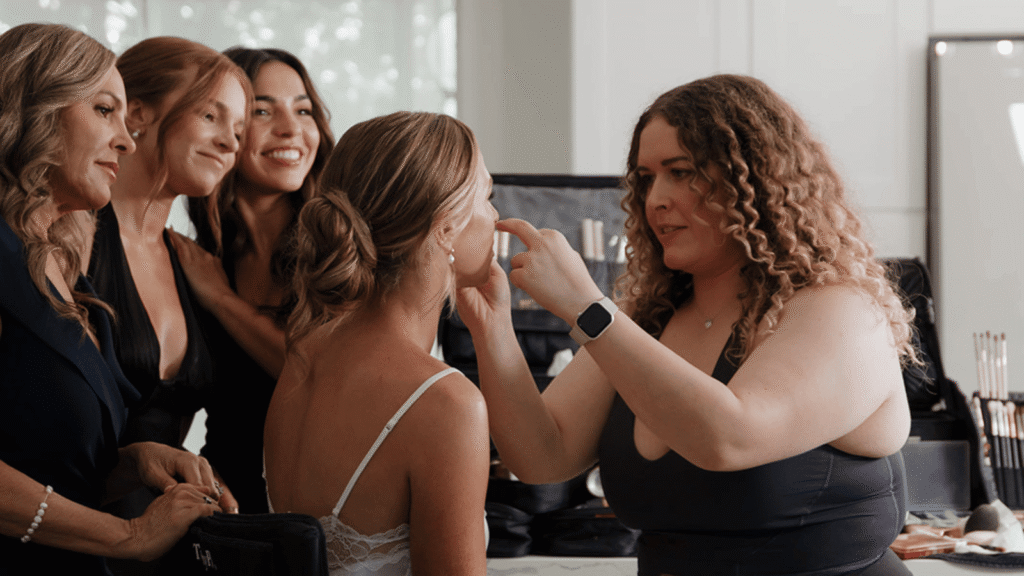
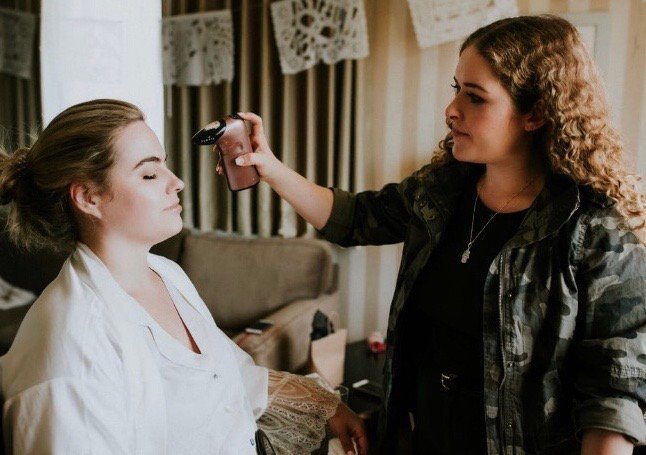
bridal makeup for brides who wear glasses

Some brides may prefer two shorter visits. Splitting the appointments can give each part more attention.

  • Each look gets focus: You can spend a full appointment on one service without feeling rushed.
  • You can adjust between visits: If you want changes to your makeup, you have time to rethink before moving on to your hair.
  • Planning stays flexible: Hair and makeup choices sometimes shift as your dress or venue details come together.
  • You may feel more comfortable: A shorter session can be easier if you want to take your time with decisions.

The tradeoff is an extra appointment, so consider your schedule and how much time you want to spend deciding. For brides planning their trial in San Diego, this guide to a bridal hair and makeup trial in San Diego offers additional context for arranging the appointment.

What Most Brides Choose and Why

There is no single right answer. The best choice depends on your schedule, your questions, and how many ideas you want to test.

What matters most is that you have a trial at all. Brittany strongly recommends a bridal trial. She tests the look and product formulas directly on your skin, works through adjustments, and makes sure you walk into your wedding day knowing what to expect. Whether you combine or separate your hair and makeup planning, the trial is where you confirm the look feels like you.

You can also use the appointment to compare makeup finishes and foundation shades. For example, deciding between dewy and matte bridal makeup can help you communicate the finish you prefer, while choosing the right foundation shade for your wedding day is an opportunity to consider how the base looks on your skin.

Making the Decision for Your Own Timeline
Best Foundations

A few questions can help you decide:

  • How much time do you have? A packed calendar may favor one visit, while a flexible schedule leaves room for two.
  • How many ideas do you want to test? Several hair or makeup options may call for more time.
  • Are you traveling for the trial? A single trip is often easier if you live far from the area. If you are traveling to Orange County or San Diego for wedding preparations, these tips on booking a bridal trial as an out-of-town bride can help you plan your appointment around your trip.
  • How do you feel about decisions? If you like to take your time, separate visits may feel more relaxed.
  • What is your wedding timeline? Booking well before the wedding leaves room for adjustments. Brittany plans the schedule in advance during booking, so reach out early to talk through your options.

Whichever path you choose, prepare your skin on the same timeline. Start a consistent skincare routine at least four weeks before the wedding, skip new skincare products or treatments in the final 10 days, and stay hydrated in the week leading up to the event, especially in summer. This 30-day skin-prep guide before your wedding can help you organize your routine. If you have dry or flaky patches, these suggestions for skin prep before your wedding offer additional guidance.

Brittany is based in Orange County and serves brides across the region. If your wedding is in Corona del Mar, you can learn more about her local bridal makeup services. Couples planning a smaller celebration can also explore elopement hair and makeup in Orange County when deciding how to coordinate their getting-ready plans.

On your wedding day, Brittany brings her complete professional kit to your home, hotel suite, resort room, or estate. It includes studio-quality lighting and seating. Setup takes about 15 to 20 minutes. You can skip the salon commute and enjoy getting ready together with your bridal party.

Her general guidance is roughly 60 to 90 minutes for the bride and 45 to 60 minutes per bridesmaid. For larger bridal parties, she brings additional artists so everyone finishes on schedule without cutting corners on the bride’s application. Brides also receive a complimentary touch-up kit with lipstick, powder, and blotting sheets.

Brittany trained at Empire Academy of Makeup in Orange County, and one bride describes her as open, honest, and thorough in her communication. You can see examples of her bridal work in the portfolio and read more about her background on the About page.

Plan Your Bridal Hair and Makeup Trials

Deciding whether to book your hair and makeup trials together or separately depends on your schedule and the looks you want to try. Brittany can discuss your preferences, wedding plans, and appointment options to help you choose the best approach. Spring and fall wedding dates in Orange County can book quickly, so reach out once your venue is confirmed. A signed contract and deposit secure your date. Schedule a free consultation to discuss your trials and wedding-day arrangements.

Frequently Asked Questions

1. When should I start preparing for my hair and makeup trial?

Start thinking about your trial as soon as you book your artist. For your skin, begin a consistent skincare routine at least four weeks before the wedding. Gather reference photos of hair and makeup you love early, so you can talk through your vision when you meet.

2. What should I avoid in the days leading up to my wedding?

Avoid new skincare products or treatments in the final 10 days before the wedding. Stay hydrated in the week leading up to the event, especially in summer. If you have any skin sensitivities, reactions, or recent treatments, tell Brittany at your trial so she can plan around them.

3. What should I bring up with my artist when deciding whether to book both trials together?

Ask how hair and makeup are handled during the appointment, how much time to allow, and whether you can test different options. Bring reference photos for both hair and makeup, photos of your dress and accessories, and mention any skin sensitivities or recent treatments. Open communication helps Brittany plan a look that feels like you.

4. Can I try more than one hairstyle or makeup look during a combined trial?

That depends on the time available and the number of looks you want to compare. Tell Brittany your priorities before the appointment so you can decide which options to test first. Trying too many variations in one session may make it harder to evaluate each look properly, so focus on the styles you are most interested in.

5. How do I decide whether one longer appointment or two shorter trials will suit me better?

Consider your travel schedule, how many details you want to test, and whether you prefer to review hair and makeup together or separately. A combined trial offers a view of the complete look, while separate appointments provide more time to focus on each service. Discuss your schedule and preferences with Brittany before booking.
Posted on

Bridal Makeup for Brides Who Wear Glasses

bridal makeup for brides who wear glasses

Bridal makeup for brides who wear glasses starts with one simple idea: your frames are part of your look, so your makeup should work with them. Lenses can change how eye makeup appears, and frames add lines around the eyes and brows that shape the whole face.

At Brittany Brown Beauty, Brittany Brown draws on 11+ years in the makeup industry and her “enhance, don’t mask” approach. The goal stays the same for every bride: you look like yourself, but elevated.

This guide explains how to plan your makeup if you wear glasses on your wedding day.

Why Glasses Change Your Eye Makeup Plan

Glasses sit directly in front of your eyes, so they affect how makeup reads in person and in photos. Lenses can make eyes look larger or smaller depending on the prescription. Frames can cover part of the eye area, rest on the cheeks or brow, and catch light in photos.

Because of this, an eye look planned without your glasses in mind may not look the way you expect once the frames are on. Brittany builds each bridal look around your skin, your dress, and your venue instead of a fixed package look, and your glasses are one more detail in that plan. Her approach centers on enhancing natural features through soft shadows and subtle highlights. Exploring different bridal eye makeup styles can help you decide how much definition will work with your frames.

Brittany’s signature no-makeup-makeup style centers on glowing skin and warm, bronzed contour instead of heavy coverage. That lighter approach lets your eyes and your frames work together. Brides who prefer a softer finish can also explore these natural bridal makeup looks for inspiration.

Natural Makeup

Adjusting Application for Frames and Lenses

Three areas deserve extra attention when you wear glasses.

Eyeshadow That Doesn’t Get Lost Behind Lenses

  1. Plan the look with your frames on: Wear your glasses at your trial so Brittany can see how the eye makeup reads behind the lenses.
  2. Use soft shadows and subtle highlights: These add dimension and definition without looking overdone behind glass.
  3. Choose the level of definition you want: Some brides like a soft, natural eye, while others prefer more depth. Share your preference at your trial.
  4. Check the look from a few angles: Lenses can change how the eye area looks, so review the makeup in a mirror and in photos.

Mascara and Lash Choices That Don’t Smudge Frames

  1. Mention how your lashes sit: Long lashes can touch the lens, so tell Brittany what feels comfortable with your glasses.
  2. Tell Brittany how your glasses fit: Where the lenses sit in relation to your lashes can shape the plan.
  3. Use the trial to test comfort: Brittany strongly recommends a bridal trial. She tests the look and product formulas directly on your skin, works through adjustments, and makes sure you know what to expect on your wedding day. Understanding what happens during a bridal makeup trial can help you prepare for the appointment.
  4. Share your skin and eye-area details: Tell Brittany about any skin sensitivities, reactions, or recent treatments so she can plan around them.
  5. Keep the finish natural: Brittany’s no-makeup-makeup approach centers on glowing skin instead of heavy coverage.

Brow Shaping With Frame Lines in Mind

  1. Notice where your frames sit: The top edge of your glasses relates to your brows, so the two should look balanced together.
  2. Bring photos of yourself in your glasses: Pictures of how you normally look help Brittany plan brows that suit your frames.
  3. Aim for a natural, polished brow: The brow should frame the eye and work with the frame, not compete with it.
  4. Make adjustments at the trial: Adjustments are easiest at this stage, so speak up if anything feels off.

What to Bring to Your Trial If You Wear Glasses

  1. Your wedding-day glasses: Bring the exact pair you plan to wear.
  2. A backup pair, if you have one: Some brides switch between pairs, so it helps to see both.
  3. Reference photos: Images of looks you love give Brittany a clear starting point.
  4. Photos of your dress and venue: Your gown and setting shape the finish. Your neckline matters, too, especially if your dress exposes your shoulders or collarbone. These ideas for bridal makeup with strapless and off-shoulder necklines can help you consider the overall balance.
  5. Photos of you in your glasses: Everyday photos show how you already wear your frames.
  6. Your skincare routine: Note what you currently use so you can share it with Brittany.

It also helps to prepare a few questions about your preferred style, product choices, and how your glasses affect the finished look. These suggestions on questions to ask during your bridal makeup trial can help you get more out of the appointment.

If you’re still comparing artists, consider asking about their experience with your preferred style, trial process, and wedding-day schedule. This guide to questions to ask before hiring a bridal makeup artist can help you prepare for the booking conversation.

Brides who live outside the area may need to fit the trial around a visit to Orange County or San Diego. If travel affects your planning, these tips on booking a bridal trial as an out-of-town bride can help you organize the appointment in advance.

Brides often describe Brittany’s work as natural and “you but elevated,” which fits the goal when your glasses are part of who you are.

On the wedding day, Brittany is fully mobile and comes to your home, hotel suite, resort room, or estate with a complete professional kit, including studio-quality lighting and seating. Setup takes about 15 to 20 minutes. You skip the salon commute, and your getting-ready party stays together.

Careful prep, professional products suited to Southern California conditions and your skin type, and final setting techniques help the look hold through the ceremony, photography, and reception, though no one can promise exactly how any look will wear after a full day. For outdoor celebrations, it’s worth considering how wind and moisture may affect your makeup. These tips on bridal makeup for windy coastal ceremonies and waterproof bridal makeup for beach and outdoor ceremonies offer additional guidance for planning around outdoor conditions.

Brides with mature skin may also want to discuss how foundation and eye makeup sit around fine lines. Brittany adjusts her application for different ages and skin types, and these tips on bridal makeup for mature skin offer more guidance on choosing a flattering finish.

Every bride also receives a complimentary touch-up kit with lipstick, powder, and blotting sheets.

Plan on roughly 60 to 90 minutes for the bride and 45 to 60 minutes per bridesmaid. For larger bridal parties, she brings additional artists so everyone finishes on schedule without cutting corners on the bride’s application.

Brittany trained at Empire Academy of Makeup in Orange County. You can see examples of her bridal work in the portfolio and read more about her background on the About page.

Plan Your Wedding-Day Makeup

Your glasses, preferred makeup style, dress, and venue all help shape your wedding-day look. Brittany can discuss your preferences and help you choose makeup that complements your features and works well with your frames. Spring and fall wedding dates in Orange County can book quickly, so reach out once your venue is confirmed. A signed contract and deposit secure your date. Schedule a free consultation to discuss your makeup ideas and availability.

Frequently Asked Questions

1. What’s the best way to prep my skin for bridal makeup for brides who wear glasses?

Start a consistent skincare routine at least four weeks before your wedding, skip new skincare products or treatments in the final 10 days, and stay hydrated in the week leading up to the event, especially in summer. At your trial, tell Brittany about any skin sensitivities, reactions, or recent treatments so she can plan around them. Bring your glasses so she can plan the look with them on.

2. How long will bridal makeup for brides who wear glasses last through the ceremony and reception?

Wear time depends on your skin, the weather, and how much time you spend outdoors, so no one can promise an exact result. Careful prep, professional products suited to the conditions, and final setting techniques all help the look hold through the ceremony, photography, and reception. A trial lets you test the plan on your own skin. Brittany also gives every bride a complimentary touch-up kit for quick refreshes.

3. Can bridal makeup for brides who wear glasses be adjusted for my specific skin tone or type?

Yes. Brittany tailors each look to your skin, dress, and venue. She also adjusts her techniques for different ages and skin types. For mature skin, some formulas may settle into fine lines or feel too heavy. Your trial lets you test products with your glasses on and make sure the look feels right for you.

4. Should I choose different eye makeup if my glasses have thick frames?

Your frames can influence how much eye definition is visible, but you do not necessarily need to change your preferred style. Try your usual glasses during the makeup trial and check how eyeshadow, liner, and brows look behind the lenses. Brittany can help adjust the level of definition to complement your frames and personal style.

5. How can I prevent my glasses from disturbing my bridal makeup?

Make sure your glasses fit comfortably and sit where they normally would before the makeup application is finalized. During the trial, check whether the frames touch your cheeks or lashes and whether they leave marks on your nose. These details help you and your artist identify any areas that may need adjustments before the wedding day.

Posted on

Matching Your Bridal Makeup to Your Bouquet and Color Palette

matching your bridal makeup to your bouquet and

Matching your bridal makeup to your bouquet and color palette helps your whole look feel connected, from the flowers in your hands to the colors on your face. It does not mean copying every shade. It means choosing tones that sit comfortably next to your wedding colors.

At Brittany Brown Beauty, Brittany Brown draws on 11+ years in the makeup industry and her “enhance, don’t mask” approach. Every look aims for the same result: you look like yourself, but elevated.

This list shows how to translate your wedding palette into makeup choices that feel natural and photo-ready.

Why Color-Coordinating Makeup Works

Your bouquet, dress, and decor all appear in the same photos as your face. When your makeup colors work with those tones, the whole image feels cohesive. When they clash, the eye goes to the clash instead of to you.

Coordination should stay subtle. Brittany builds each bridal look around your skin, your dress, and your venue instead of a fixed package look. Your palette becomes one more detail in that plan, alongside your features and your own sense of style.

  1. Start with your skin: The best shades suit your skin tone and undertone first. Understanding how to match bridal makeup to your skin undertone can help you choose colors that complement your complexion rather than simply matching your flowers.
  2. Look at your whole palette: Consider your bouquet, bridesmaid dresses, and decor together.
  3. Use color as a supporting detail: Makeup should complement your colors, not compete with them.
  4. Keep it feeling like you: Brittany’s no-makeup-makeup look centers on glowing skin and warm, bronzed contour instead of heavy coverage, so color accents stay soft.
  5. Consider your dress neckline: Your gown influences how makeup, skin, and accessories appear together in photographs. For strapless and off-shoulder dresses, these ideas for bridal makeup with strapless and off-shoulder necklines can help you coordinate the overall look.
What to Bring to Your Bridal Makeup Trial

Translating Bouquet Colors Into Makeup Choices

Share photos of your bouquet, your dress, and your color swatches at your trial. Brittany can then show you how each idea looks on your skin. Brittany strongly recommends a bridal trial. She tests the look and product formulas directly on your skin, works through adjustments, and makes sure you know what to expect on your wedding day. If you are unsure how to communicate the colors and finish you have in mind, understanding what happens during a bridal makeup trial and what brides should expect can help you prepare for the appointment.

Warm Palettes: Blush, Peach, Terracotta

  1. Echo the warmth in your lips: Soft pink, peachy, or rosy lip colors can sit naturally beside warm bouquets.
  2. Keep your eyes soft and warm: Gentle shadows and subtle highlights add definition without competing with your flowers.
  3. Ask about warm contour: Warm, bronzed contour is part of Brittany’s signature look, so talk with her about how it fits your palette.
  4. Test shades on your skin: A color that looks right on a swatch can look different on you, so check it at your trial.

Cool Palettes: Lavender, Sage, Dusty Blue

  1. Choose lip colors that suit your skin: Cool palettes pair well with soft, flattering lip shades, and the right one depends on your undertone.
  2. Keep the eyes refined: Soft shadows and subtle highlights keep the look polished next to cooler colors.
  3. Avoid matching too literally: A lavender bouquet does not require lavender makeup. Sometimes a neutral look lets the flowers stand out.
  4. Check the look in a different light: Natural light and indoor light can show cool and warm tones differently. If your wedding is likely to have overcast conditions, planning for bridal makeup on rainy or overcast wedding days can help you think about how softer light may affect your makeup and wedding photos.

Neutral and Monochrome Palettes

  1. Focus on skin and structure: With a simple palette, glowing skin and soft definition carry the look.
  2. Choose one feature to highlight: A soft lip or defined eye can add interest without crowding a minimalist palette.
  3. Think about your dress: Your gown color is part of the palette, so bring photos of it.
  4. Share how you want to feel: Calm, confident, glowing, and polished are all useful ways to describe the look you want.
Brittany Brown Bridal Makeup Routine

Keeping the Look Timeless, Not Trend-Locked

Color trends change, but wedding photos last. A look rooted in your own features is less tied to a single trend than one built around a popular color.

  1. Choose shades you would wear again: Colors that feel like you will still feel like you in future years.
  2. Keep the base natural: The no-makeup-makeup approach centers on glowing skin instead of heavy coverage.
  3. Let the glow lead: Brides often describe Brittany’s work as natural and “you but elevated,” a look rooted in your own features rather than a single trend.
  4. Choose a finish that suits your skin: A dewy finish can emphasize radiance, while a matte finish may help manage visible shine. Comparing dewy vs. matte bridal makeup and what works best for your skin can help you select a finish that complements both your complexion and your wedding palette.
  5. Consider your skin’s texture: Makeup should complement your skin rather than make fine lines or uneven texture more noticeable. Brides with mature skin can explore bridal makeup for mature skin and what works best, while these tips on avoiding makeup that settles into fine lines offer additional guidance on choosing a comfortable, flattering finish.
  6. Prep for the whole day: Brittany starts with unrushed skincare and base preparation and uses professional products suited to Southern California conditions and your skin type. Final setting techniques help the look hold through the ceremony, photography, and reception, though no one can promise exactly how any look will wear after a full day.
  7. Keep your touch-up kit close: Every bride receives a complimentary touch-up kit with lipstick, powder, and blotting sheets.
  8. Prepare your skin early: Start a consistent skincare routine at least four weeks before the wedding, skip new skincare products or treatments in the final 10 days, and stay hydrated in the week leading up to the event, especially in summer.

Because Brittany is fully mobile, she comes to your home, hotel suite, resort room, or estate with a complete professional kit, including studio-quality lighting and seating. Setup takes about 15 to 20 minutes. You skip the salon commute, your getting-ready party stays together, and the timeline stays intact.

Plan on roughly 60 to 90 minutes for the bride and 45 to 60 minutes per bridesmaid. For larger bridal parties, she brings additional artists so everyone finishes on schedule without cutting corners on the bride’s application.

If you are traveling to Orange County for your wedding, it helps to coordinate your trial with your other wedding appointments. This guide to booking a bridal trial as an out-of-town bride can help you plan ahead. Before booking, it is also useful to review these questions to ask before hiring a bridal makeup artist so you understand the artist’s process and what to expect.

Brittany trained at Empire Academy of Makeup in Orange County. You can see examples of her bridal work in the portfolio and read more about her background on the About page.

Plan Your Wedding-Day Makeup

Your bouquet, color palette, dress, and venue can all influence your wedding-day makeup. Brittany works with brides to discuss their preferences and create a look that complements their overall wedding style. Spring and fall dates in Orange County can book quickly, so it’s best to reach out once your venue is confirmed. A signed contract and deposit secure your date. Schedule a free consultation to discuss your makeup preferences and availability.

Frequently Asked Questions

1. How should I prepare my skin when matching bridal makeup to my bouquet and color palette?

Start a consistent skincare routine at least four weeks before your wedding. Avoid new skincare products or treatments during the final 10 days. Stay hydrated during the week before your wedding, especially in summer. At your trial, tell Brittany about any skin sensitivities, reactions, or recent treatments. Bring bouquet photos and color swatches to help guide your makeup choices.

2. How long will makeup coordinated with my bouquet and color palette last through the ceremony and reception?

Wear time depends on your skin, the weather, and time spent outdoors. Careful prep, suitable professional products, and setting techniques help makeup last through the ceremony, photos, and reception. A trial lets you test the look on your skin. Brittany also provides every bride with a complimentary touch-up kit for quick refreshes.

3. Can my bridal makeup be adjusted for my skin tone and type while complementing my wedding colors?

Yes. Brittany builds each look around your skin, your dress, and your venue, so shades and finishes change from bride to bride. Your bouquet can inspire the color choices, but the makeup should still complement your natural complexion and personal preferences. A trial is the best place to test the shades and confirm that the look feels like you.

4. Should my makeup exactly match the colors in my bridal bouquet?

No. Your makeup does not need to reproduce every shade in the bouquet. Instead, choose complementary tones that work with your skin, dress, and overall palette. For example, a bouquet with peach and blush flowers may pair well with warm rosy lips, while a lavender bouquet can work beautifully with neutral eye makeup and a flattering lip shade.

5. How can I make sure my makeup and bouquet look cohesive in wedding photos?

Bring photos of your bouquet, dress, and wedding color palette to your makeup trial. Discuss where your portraits will take place and whether the lighting will be natural, shaded, or indoors. Testing the makeup in different lighting can help you choose colors that complement the flowers without competing with them.

Posted on

Bronzy, Sun-Kissed Bridal Makeup for Tan Skin

bronzy sun-kissed bridal makeup for tan skin

Bronzy, sun-kissed bridal makeup for tan skin is about warmth that looks like it belongs to you. Tan skin often already has natural depth and glow, so the right plan builds on it instead of covering it.

At Brittany Brown Beauty, Brittany Brown draws on 11+ years in the makeup industry and her “enhance, don’t mask” approach. Her signature no-makeup-makeup look centers on glowing skin and warm, bronzed contour, so brides look like themselves, but elevated.

This guide explains how to plan a bronzy look that feels radiant and wedding-ready.

Why Tan Skin Calls for a Different Bronzer Approach

Tan skin does not need to be made darker. It needs warmth and dimension that match the skin you already have. Bronzers that are too deep, too orange, or too heavy can sit on top of the skin instead of blending into it, and they can look different in photos than they do in the mirror.

Light can change the result too. Sunlight, shade, and indoor lighting all show warmth differently, so a shade that looks right in one spot may read differently in another. Understanding how wedding lighting affects your bridal makeup can help you plan for a finish that looks balanced in different settings. That is why Brittany builds each bridal look around your skin, your dress, and your venue instead of a fixed package look.

Skin tone is only part of the picture. Your undertone, your natural glow, and the way you like to wear makeup all shape the plan. Learning how to match bridal makeup to your skin undertone can help you understand which shades complement your complexion. Brittany adjusts her technique for different skin types and ages, so the look is chosen for you.

Building the Sun-Kissed Look

Best Natural Bridal Makeup

Three planning areas shape a bronzy bridal look.

Bronzer Placement and Depth

Brittany’s approach to warm, bronzed contour focuses on enhancing your features with soft shadows and subtle highlights instead of heavy coverage. The foundation underneath also matters, since the right formula helps create an even base without hiding your natural skin. Exploring the best foundation types for bridal makeup can help you understand the options to discuss during your trial.

  • Keep the base light: Thin, even layers let your natural skin and glow show through.
  • Aim for warmth that adds shape: Soft warmth along the face can add dimension without looking heavy.
  • Build depth gradually: Adding color in light layers lets you stop at the level that feels right.
  • Choose the depth with Brittany at your trial: Brittany strongly recommends a bridal trial. She tests the look and formulas directly on your skin, works through adjustments, and makes sure you know what to expect on your wedding day.

Warm-Toned Eye and Lip Pairings

Eyes and lips shape how the bronzed skin reads in photos. The goal is a look that feels cohesive, not matched piece by piece. The right eye makeup can bring out the warmth in your complexion without overpowering the rest of the look. These bridal eye makeup styles and tips for choosing the right look can help you decide how much definition suits your style.

  • Consider soft, warm eye shades: Gentle shadows and subtle highlights add definition while keeping the look natural.
  • Choose lip colors that suit your skin and dress: Share photos of your dress and any lip colors you love.
  • Decide how much definition you want: Some brides prefer a soft, glowing finish, while others like a stronger feature.
  • Bring reference photos: Images of looks you love give Brittany a clear starting point for the conversation.

Hair color can also influence how the overall look comes together. Brides with darker hair who want to coordinate their complexion, eyes, and lip color can explore these bridal makeup ideas for brunettes in Orange County for additional inspiration.

Avoiding an Overly Orange Cast

An orange cast can come from a shade that is too intense or placed too heavily. Careful planning helps reduce the risk.

  • Test shades on your skin: A color that looks natural on one person can look different on another, so test it at your trial.
  • Check the look in a different light: Natural light and indoor light can show warmth differently.
  • Keep the application light: Soft layers blend more easily than heavy ones.
  • Speak up if anything feels too intense: Adjustments are easiest at the trial.
  • Share your skin details: Tell Brittany about any skin sensitivities, reactions, or recent treatments.

Skin prep supports the finish too. Start a consistent skincare routine at least four weeks before the wedding, skip new skincare products or treatments in the final 10 days, and stay hydrated in the week leading up to the event, especially in summer. Following a 30-day skin-prep plan before your wedding gives you time to establish a routine and discuss any concerns before the big day.

Keeping It Wedding-Appropriate, Not Vacation-Casual

Skin Prep for Dry or Flaky Patches Before Your Wedding

A bronzy bridal look should feel polished and photo-ready. It should look like you on your best day, not like a beach getaway.

  • Keep the finish refined: Glowing skin with soft definition looks elegant and natural.
  • Balance warmth across the face: Cheeks, eyes, and lips should feel cohesive.
  • Plan for the whole day: The look has to work for the ceremony, portraits, and reception.
  • Think about your dress and venue: Your gown color and setting shape how the warmth reads.
  • Choose the finish that suits you: Some brides prefer a fresh, dewy glow, while others want less visible shine. Comparing dewy vs. matte bridal makeup and what works best for your skin can help you decide which finish feels right for your complexion and wedding style.
  • Prep for coastal conditions: Brittany uses professional products suited to Southern California conditions, including heat, humidity, and sea air, and to your skin type. For an outdoor celebration, these outdoor wedding makeup tips for lasting wear in heat and humidity offer more guidance on preparing for changing conditions. Final setting techniques help the look hold through the ceremony, photography, and reception, though no one can promise how any look will wear after a full day.

Because Brittany is fully mobile, she comes to your home, hotel suite, resort room, or estate with a complete professional kit, including studio-quality lighting and seating. Setup takes about 15 to 20 minutes. You skip the salon commute, your getting-ready party stays together, and the timeline stays intact.

Her general guidance is roughly 60 to 90 minutes for the bride and 45 to 60 minutes per bridesmaid. For larger bridal parties, she brings additional artists so everyone finishes on schedule without cutting corners on the bride’s application. Brides also receive a complimentary touch-up kit with lipstick, powder, and blotting sheets.

Brides have described Brittany’s work as natural and “you but elevated.” She trained at Empire Academy of Makeup in Orange County. You can see examples of her bridal work in the portfolio and read more about her background on the About page.

Plan Your Bridal Trial

A bridal trial lets you see how your chosen makeup tones, foundation, and finish work with your complexion before the wedding day. Brittany offers bridal hair and makeup trials in San Diego, giving you time to share inspiration, try your preferred look, and make adjustments as needed. Schedule a consultation to discuss your style, wedding details, and availability.

Frequently Asked Questions

1. What’s the best way to prep my skin for bronzy sun-kissed bridal makeup for tan skin?

Start a consistent skincare routine at least four weeks before your wedding, skip new skincare products or treatments in the final 10 days, and stay hydrated in the week leading up to the event, especially in summer. At your trial, tell Brittany about any skin sensitivities, reactions, or recent treatments so she can plan around them.

2. How long will bronzy sun-kissed bridal makeup for tan skin last through the ceremony and reception?

Wear time depends on your skin, the weather, and how much time you spend outdoors, so no one can promise an exact result. Careful prep, professional products suited to the conditions, and final setting techniques all help the look hold through the ceremony, photography, and reception. A trial lets you test the plan on your own skin. Brittany also gives brides a complimentary touch-up kit for quick refreshes.

3. Can bronzy sun-kissed bridal makeup for tan skin be adjusted for my specific skin tone or type?

Brittany builds each look around your skin, your dress, and your venue, so the plan changes from bride to bride. She also adjusts technique for different ages and skin types, including mature skin, where some formulas can settle into fine lines or look heavy. Your trial is the best place to test products and confirm the look feels like you.

4. How do I keep bronzy bridal makeup from looking too dark in wedding photos?

Choose bronzer and contour shades that complement your natural complexion rather than trying to make your skin darker. Build the color gradually and check the finish under different lighting conditions. Your makeup artist can adjust the depth and placement during your trial so the result looks balanced in person and in photographs.

5. Should I choose a dewy or matte finish for bronzy bridal makeup on tan skin?

Both finishes can work well. A dewy finish enhances the skin’s natural radiance, while a more matte finish can help manage visible shine in warm weather. Your skin type, venue, and personal preferences should guide the choice. Testing your preferred finish during the trial helps you find a balance between warmth, glow, and comfort.

Posted on

Makeup for Brand Campaigns vs Bridal Makeup: What Changes

makeup for brand campaigns vs bridal makeup

Makeup for brand campaigns vs bridal makeup can seem similar from the outside, but the goals, the technique, and the working relationship are very different. Photographers, brands, and production clients need makeup that holds up under lights, lenses, and long shooting days. At Brittany Brown Beauty, Brittany Brown has worked in the makeup industry for more than 11 years, including print and production work, and she offers commercial, editorial, and production makeup as a service line separate from her bridal work.

Understanding what commercial makeup is and how it differs from bridal and fashion makeup helps clarify why the artist’s approach changes depending on the purpose of the shoot.

This comparison explains what changes between the two, so you know what to expect when booking an artist for a campaign.

What Brand Campaign Makeup Prioritizes

Campaign makeup is built for the camera first. The artist works from the creative director’s vision, the shot list, and the lighting plan, and the finished image is the measure of success. Makeup must also support the brand’s visual identity, so the products, colors, and finish should fit the intended look. Brittany’s approach to matching makeup to brand identity in commercial projects reflects the importance of aligning technical decisions with the client’s creative direction.

Brittany’s commercial work centers on five technical points:

  • Light absorption: Neutralizing shine and redness so high-resolution stills look clean and retouching stays simple.
  • Light management: Keeping digital sensors from over-highlighting oily areas, which protects the final images. Understanding what photographers wish makeup artists knew about lighting also helps explain why the lighting plan matters before application begins.
  • Pigment control: Keeping colors accurate under the varying light temperatures of studio and natural light.
  • Texture smoothing: Creating a finish that stays invisible even in extreme close-up 4K video.
  • Sustained durability: Layering formulas so makeup helps prevent breakdown during long outdoor sessions. These long-wear techniques used in commercial makeup for full-day productions address the need for a consistent finish through extended shoots.

On-set logistics are part of the job. Brittany brings a complete professional station with lighting and seating, coordinates with creative directors, and reviews lighting plans and shot lists before applying makeup. During the shoot, she provides continuous touch-ups while monitoring playback for visual accuracy. Her approach to commercial makeup for photoshoots includes adapting the makeup process to the needs of the production rather than relying on a fixed application routine.

Communication is just as important as technique. Following on-set etiquette when working with creative directors helps an artist respect the approved look, time touch-ups appropriately, and coordinate with the crew without interrupting the shoot. At wrap, Brittany handles talent cleanup and kit teardown efficiently so the crew can move on.

What Bridal Makeup Prioritizes

Bridal makeup is built around a person and a day. The look is planned around the bride’s skin, her dress, and her venue, and it has to feel right in person as well as in photos. Brittany’s “enhance, don’t mask” approach and her no-makeup-makeup style, with glowing skin and warm, bronzed contour instead of heavy coverage, guide the work.

The bridal process is personal and paced. Brittany recommends a trial, where she tests the look and formulas on the bride’s skin and works through adjustments before the wedding. On the wedding day, she travels to the getting-ready location, sets up with studio-quality lighting and seating, preps the skin, applies the look, and finishes it with setting techniques. She also offers coordinated hair and makeup for the bridal party, and brides receive a complimentary touch-up kit.

Head-to-Head: Technique, Timeline, and Client Relationship

The primary goal is the biggest difference. Campaign makeup aims for accurate, clean results on camera, so the creative director and the shot list shape the look. Bridal makeup aims for a look that feels natural and personal to the bride, planned around her skin, her dress, and her venue.

The technical focus differs too. Campaign work leans on light absorption, light management, pigment control, texture smoothing, and sustained durability. Bridal work leans on careful skin prep, a natural glow, and a look planned for the dress and venue.

Timelines and touch-ups also work differently. A campaign day runs through the shoot, with touch-ups timed around takes and playback. A bridal morning is planned in advance during booking, with Brittany’s general guidance at roughly 60 to 90 minutes for the bride, and brides receive a complimentary touch-up kit for the day.

Pre-event preparation is different as well. For a campaign, it means a review of the shot list and lighting plan. For a wedding, it is a recommended bridal trial. As for the working relationship, campaign work happens alongside the creative team and crew, while bridal work is one-on-one with the bride and her party.

For a closer look at how commercial teams coordinate before, during, and after production, this overview of what happens behind the scenes of a commercial beauty shoot provides more context about the collaboration involved.

How Brittany Brown Beauty Moves Between Both

makeup for brand campaigns vs bridal makeup

Brittany’s range covers bridal, print, production, corrective, and mature makeup. That mix lets her switch between a personal, relationship-driven bridal morning and a technical, fast-moving set. Her training at Empire Academy of Makeup in Orange County and 11+ years in the makeup industry support that range.

For campaigns and productions, expect a review of your lighting plan and shot list before makeup begins, a complete on-set station, steady touch-ups timed to the flow of the shoot, and a clean, efficient wrap. Brittany is based in Orange County and serves Orange County and San Diego, and she has been featured in Voyage LA Magazine and SDVoyager.

One past client who hired Brittany for shoots and special events described her as a pro who has created many of her favorite hair and makeup looks. You can see her range in the portfolio and read more about her background on the About page.

Discuss Your Project

Whether you’re planning a commercial campaign, editorial shoot, or wedding, start by discussing your goals and the look you want to achieve. Share your creative references, production requirements, or wedding details so Brittany can recommend the appropriate service and discuss the next steps. Schedule a consultation to discuss your project and availability.

Frequently Asked Questions

1. How does makeup for brand campaigns vs bridal makeup differ from bridal makeup application?

Campaign makeup focuses on the camera, lighting, and creative director’s vision. Artists manage shine, pigments, and skin texture for consistent results. They also perform touch-ups between setups. Bridal makeup focuses on the bride’s preferences, skin, dress, and venue. A trial helps finalize the look before the wedding.

2. What should a brand or photographer expect when booking makeup for brand campaigns vs bridal makeup?

The artist reviews the shot list and lighting plan before starting. Brittany brings a professional station with lighting and seating. She coordinates with creative directors and provides touch-ups throughout the shoot. She also monitors playback to check how makeup appears on camera. At wrap, she handles talent cleanup and kit teardown.

3. How is makeup adjusted for lighting during makeup for brand campaigns vs bridal makeup?

The artist selects products and finishes to suit the lighting. Brittany manages shine and redness while keeping colors accurate under different light temperatures. She layers products for lasting wear during long outdoor shoots. Playback monitoring helps her check skin texture and shine on screen. Bridal makeup, meanwhile, must look good in person and across different wedding settings.

4. What information should I provide before booking makeup for a brand campaign?

Share the creative brief, shot list, lighting plan, and brand references. Explain the intended visual style and content format, such as high-resolution photography or close-up video. Include the expected shoot duration. These details help the artist select suitable products, application techniques, and touch-up plans.

5. Can the same makeup artist handle both commercial campaigns and bridal makeup?

An experienced artist may offer both services but should adapt the approach to each project. Commercial campaigns require teamwork, lighting awareness, and brand consistency. Bridal makeup requires personal consultation and preparation for a full wedding day. Ask about the artist’s experience with both services and how each process differs.

Posted on

Bridal Makeup for the Mother of the Groom

bridal makeup for the mother of the groom

Bridal makeup for the mother of the groom deserves the same care as the bride’s look. She stands in family portraits, greets guests, and appears in photos from the ceremony through the reception.

At Brittany Brown Beauty, Brittany Brown has 11+ years in the makeup industry, and mature makeup is a named specialty. She says, “I also love to do mature makeup,” and she loves helping moms, aunts, and grandmas feel beautiful and special.

This guide explains how to plan a look that feels elegant, comfortable, and like yourself, but elevated.

How Mother-of-the-Groom Makeup Differs From Bridal Makeup

A bride often wants a look built around her dress, her theme, and her own idea of bridal beauty. A mother of the groom may have different goals. She often wants to look polished and rested in photos, feel comfortable for a long day, and honor the occasion without stealing attention from the couple.

Technique also changes. Brittany explains that formulas that look great on younger skin can settle into fine lines or look heavy on mature skin. She adjusts her products and application for each client instead of using one fixed approach. Her “enhance, don’t mask” philosophy guides the work. The goal is to bring out your features and let your natural radiance show.

For mature clients, thoughtful product selection and application can make a noticeable difference. Brittany’s approach aligns with these tips on bridal makeup for mature skin, including what works and what to skip. Using suitable formulas and avoiding excessive layering can also help prevent makeup from settling into fine lines.

Brittany specializes in corrective beauty, bridal, print, and mature makeup. Her approach focuses on soft shadows and subtle highlights. She says corrective beauty makeup comes naturally to her. She also believes that small, subtle changes can make a powerful difference, especially for mature skin. For clients concerned about uneven pigmentation or scarring, her guide to corrective makeup for scarring and hyperpigmentation explains how makeup can create a more balanced finish without heavy coverage.

Building an Elegant, Age-Appropriate Look

special event makeup image 4

Three planning areas shape a mother-of-the-groom look.

Coordinating With the Day’s Formality

The style of the wedding sets the tone for your makeup. A formal evening ceremony in a resort ballroom calls for a different finish than a relaxed afternoon celebration at a garden estate.

  • Ask about the dress code: Knowing whether the wedding is black-tie, formal, or relaxed helps you choose the right level of definition.
  • Share your outfit: Photos of your dress, jewelry, and hair plan help Brittany choose colors that suit the whole look. Choosing the right foundation shade is especially important when you want your complexion to look natural alongside your outfit and in photographs. These tips on choosing the right foundation shade for your wedding day can help explain what to consider.
  • Think about the time of day: Morning, afternoon, and evening light all show makeup differently.
  • Bring reference photos: Images of looks you love give Brittany a clear starting point for the conversation.

Complementing, Not Competing With the Bride

The best mother-of-the-groom look fits into the wedding without pulling focus. It looks polished and cohesive next to the bride and the rest of the wedding party.

  • Aim for soft and radiant: Brittany’s no-makeup-makeup style focuses on glowing skin and warm, bronzed contour instead of heavy coverage.
  • Keep the finish consistent with the group: Brittany designs a bridal party so the whole group looks cohesive, instead of treating each person in isolation.
  • Choose colors you love: Lip and eye colors that suit your skin tone and outfit look natural and flattering.
  • Talk through your preferences: Tell Brittany what you like and what you would rather skip, so the final look feels like you.

Every client’s features, skin tone, and personal preferences are different, so the same approach will not suit everyone. Brittany’s work across different bridal clients, including her approach to bridal makeup for Asian brides in Orange County, reflects the importance of tailoring makeup to the individual rather than following a fixed look.

Longevity Through Photos and Reception

A mother of the groom spends hours on her feet, hugging guests, and posing for photos. Careful prep and thoughtful product choices help the look hold up through a long day.

  • Start with unrushed prep: Brittany begins with skincare, primer, and base preparation so every layer sits on a steady surface.
  • Match the application to your skin: Brittany uses professional products suited to Southern California conditions and to your specific skin type. Skin can behave differently depending on whether it is oily, dry, or acne-prone, so the right product selection matters. These recommendations for the best bridal makeup for oily, dry, and acne-prone skin explain why individual skin needs should guide the application.
  • Choose a suitable foundation: Foundation should provide the finish and coverage you prefer without looking unnecessarily heavy. For more information about options suited to mature skin, see this guide to the best foundations for mature skin in 2026.
  • Finish with setting techniques: Final setting techniques help the look hold through the ceremony, photography, and reception, though no one can promise exactly how any look will wear after a full day.
  • Ask about a trial: Brittany strongly recommends a bridal trial because it lets her test products on the skin and work through adjustments. Ask her whether you can include your own look.
  • Share skin sensitivities: Tell Brittany about any skin sensitivities, reactions, or recent treatments.

Skin prep helps too. Start a consistent skincare routine at least four weeks before the wedding, skip new skincare products or treatments in the final 10 days, and stay hydrated in the week leading up to the event.

Makeup can also look different in person than it does in professional photographs because lighting, camera settings, and the finish of the products all affect the final result. Understanding why bridal makeup looks different in photos and how to get it right can help you discuss the balance between a natural appearance in person and a polished look on camera.

Booking as Part of the Family’s Beauty Package

Brittany offers coordinated hair and makeup for bridesmaids, mothers of the bride and groom, and other members of the wedding party. Booking everyone together keeps the getting-ready morning organized and the looks cohesive. Mothers who are planning their own look can also explore the guidance on mother-of-the-bride makeup in Orange County, which covers similar considerations for family members attending the wedding.

Because Brittany is fully mobile, she comes to your home, hotel suite, resort room, or estate. She arrives with a complete professional kit, including studio-quality lighting and seating, and sets up in about 15 to 20 minutes. Your getting-ready party stays together, you skip the salon commute, and the timeline stays intact. For larger parties, she brings additional artists so everyone finishes on schedule without cutting corners on the bride’s application. She plans the schedule in advance during booking.

Before securing your date, it helps to discuss the number of people needing services, the timeline, and the look you have in mind. These suggestions on what to ask your bridal makeup artist before booking can help you prepare for that conversation.

Brittany trained at Empire Academy of Makeup in Orange County. One bride describes her as kind and communicative, and says she works extremely well with other vendors. You can see examples of her work in the portfolio and read more about her background on the About page.

Wedding dates in Orange County can book well in advance, especially on peak spring and fall weekends, so reach out as soon as the venue is confirmed. A signed contract and deposit secure your date. To start planning, Contact Brittany Brown to talk through your wedding party.

Frequently Asked Questions

1. How is bridal makeup for the mother of the groom different from standard bridal makeup?

The goals and the technique differ. A mother of the groom often wants to look polished, rested, and comfortable through a long day of photos and greetings. Brittany adjusts her products and application for mature skin, since some formulas can settle into fine lines or look heavy. She also coordinates the look with the rest of the wedding party so everyone looks cohesive.

2. What products work best for bridal makeup for the mother of the groom?

The best products depend on your skin, your outfit, and the setting, so Brittany chooses them for each client. She uses professional products suited to Southern California conditions and to your specific skin type, and she keeps the focus on your features. Tell Brittany about any skin sensitivities, reactions, or recent treatments so she can plan around them.

3. How far in advance should I book a trial for bridal makeup for the mother of the groom?

Reach out as soon as the wedding venue is confirmed, since Orange County wedding dates can book well in advance. Brittany strongly recommends a bridal trial before the wedding day so she can test the look and make adjustments. When you reach out, ask whether a trial can include the mother of the groom and when it should happen.

4. Should the mother of the groom coordinate her makeup with the mother of the bride?

The two looks do not need to match exactly. Instead, they can complement each other and the wedding style. Discussing preferred colors and matching the level of formality can create a cohesive look in family portraits. This approach also allows each person to express her individual style.

5. What should the mother of the groom bring to her makeup appointment?

Bring a photo of your outfit, any accessories that may influence your look, and a few makeup references you like. It also helps to share your usual makeup routine, preferred coverage, and any skin sensitivities or concerns. These details give the artist a clear starting point for creating a comfortable, flattering look.

Posted on

How Far in Advance Should You Book Hair and Makeup in Orange County

how far in advance should you book hair

One of the most common questions I hear from engaged couples is some version of “when should we actually book hair and makeup?” It’s a fair question, and the honest answer is that it depends on your wedding date, your venue, and how in-demand your specific weekend is. Booking too late can mean losing your first-choice artist entirely, so it’s worth understanding the general timeline before you get too far into vendor research.

Quick answer: For most Orange County and San Diego weddings, reach out as soon as you book your venue, especially if you’re planning a spring or fall wedding. Popular weekends often fill well in advance, while off-peak dates usually offer more flexibility. Your wedding date becomes official once you sign the contract and submit the required deposit. Here’s how to think through the timing.

Why Booking Timelines Vary by Season

Not every wedding date carries the same level of demand. Orange County’s wedding season has clear peaks, and beauty vendors who work with a high volume of brides during those peaks tend to book those weekends earliest. San Diego follows a similar pattern, with its own defined peak season. Outside of those windows, there’s typically more room to book closer to your date without the same pressure.

This is why “how far in advance should I book” doesn’t have one universal answer. A Saturday in peak season and a weekday or off-season date can have very different booking realities, even within the same general area.

Recommended Booking Windows

Here’s a general breakdown of how timing tends to play out across the year.

Peak Spring and Fall Weekends

Spring and fall are peak wedding seasons across Orange County, and popular venues and dates in that window book out well in advance. Once your venue is confirmed, reaching out promptly is the best way to make sure your preferred artist is still available for your date. For San Diego specifically, peak wedding season runs March through June and September through November, and booking a mobile artist six to twelve months ahead is a good general guideline for that market.

Off-Peak Booking Flexibility

Winter and summer weekdays, or dates outside the peak spring and fall windows, generally offer more flexibility. That doesn’t mean there’s no reason to plan ahead, but it does mean there’s often more breathing room if your date falls outside the busiest stretch of the calendar.

What Happens if You Book Last-Minute

Booking close to your wedding date isn’t impossible, but it does narrow your options. Popular dates often fill quickly, and artists with limited weekend availability may no longer have openings. A shorter timeline also leaves less room for a proper trial before the wedding. If you’re working with a shorter runway, it’s still worth reaching out directly to ask about availability instead of assuming nothing is left.

What Secures Your Date Once You Decide

Once you choose your beauty team, sign the contract and submit the required deposit to reserve your wedding date. This standard practice extends across the wedding industry and protects both you and your artist by putting the agreement in writing before anyone reserves the date. Because every vendor sets different deposit amounts, refund timelines, and cancellation policies, confirm those details directly before you book.

Beyond the booking process, take time to read what past clients say about working with the artist. Trustindex collects and verifies the reviews displayed on this site, confirming that they originated on Google. Reading verified third-party reviews gives you a more complete picture of a vendor before you sign a contract.

If you’d like to see examples of Brittany Brown’s work, take a look at the portfolio, or learn more about the artist behind it on the about page. When you’re ready to check availability for your date, reach out through the contact page.

Frequently Asked Questions

1. What should I ask before booking how far in advance should you book hair? 

Ask about availability for your specific date, whether the artist includes or recommends a trial, what the contract and deposit process looks like, and how the artist handles group or bridal party bookings for a larger wedding party. Getting clear answers upfront makes the rest of the planning process much smoother.

2. How far in advance should I secure how far in advance should you book hair? 

For peak spring and fall Orange County weekends, reaching out as soon as your venue is confirmed is the safest approach. For San Diego weddings specifically, six to twelve months ahead is a reasonable guideline during peak season, which runs March through June and September through November. Off-peak dates generally allow more flexibility.

3. What’s included once I sign a contract and pay a deposit? 

Signing a contract and paying a deposit secures your date and puts the working agreement in writing. Before signing, confirm the specific inclusions, payment schedule, and policy details directly with your vendor, since those details can vary.

Posted on

Eye Makeup Techniques for Hooded or Mature Eyes

Brittany Brown Bridal Makeup Routine

Eye makeup that looks stunning on a flat, taut lid often behaves completely differently on hooded or mature eyes, where the eyelid space shifts, folds, and moves in ways standard tutorials rarely account for. Rather than treating this as a limitation, it’s simply a different set of techniques, ones built around placement, product choice, and an understanding of how the eye actually looks when open, blinking, and in motion.

Mature and hooded-eye makeup is a specialty Brittany Brown has refined deliberately over 11+ years of hands-on bridal and print work. It’s an area she’s passionate about, requiring precision and a true understanding of corrective technique, and it’s become one of the strengths clients specifically seek her out for.

Why Standard Eye Techniques Change With Age

Most mainstream eye makeup tutorials are built around a flat, visible lid space, where color placed close to the lash line stays visible when the eyes are open. On hooded or mature eyes, that same placement can disappear entirely into a fold the moment the eyes open, which is why a technique that looks perfect with eyes closed can look unfinished or muddled the moment a bride or client is actually looking forward.

Skin texture and movement patterns shift too, which affects how long products stay put and how they read in photos. None of this is about correcting a flaw. It’s about adjusting technique to match how the eye actually functions, so the final look holds up in motion, in conversation, and in every photo taken throughout the day.

Techniques That Work

Placement for Visibility When Eyes Are Open

The most important adjustment is building color and definition based on where the eye reads when open, not where it looks best with eyes shut. That often means shifting the darkest values slightly higher and further out than a standard tutorial would suggest, so the depth and shape stay visible instead of vanishing into a hood. Makeup artists check the eyes throughout the application and blend with them open instead of waiting until the final step.

Avoiding Product Creasing

Hooded and mature lids tend to fold and move more than flatter lids, which makes creasing a common issue when makeup artists use the wrong products or apply too much product. Applying lightweight, longwear formulas in thin layers and pairing them with an eye primer suited to the individual’s skin helps color stay smooth and even instead of settling into the fold throughout the day. Powder products generally hold up better in this area than heavier cream formulas because they are less likely to shift.

Softening Rather Than Sharpening Lines

Hard, sharply defined lines tend to emphasize the fold rather than the eye shape itself, while softer, diffused edges let the eye’s natural shape lead the look. This is a deliberate technique choice rather than a workaround, soft transitions read as polished and intentional rather than undefined, and they photograph with more depth than a harsh line tends to on this eye shape.

What to Test at Your Trial

A trial is the right place to see exactly how these techniques translate to an individual’s specific eye shape and skin, since hooded and mature eyes vary enough from person to person that no single formula works universally. It’s worth testing how a chosen liner or shadow placement looks both with eyes open and through natural blinking and expression, not just in a single still pose, and checking how the finish holds up over a few hours rather than just the first ten minutes.

This is also where the “enhance, don’t mask” approach matters most. The goal isn’t to impose a one-size-fits-all technique, but to find the placement, formula, and finish that work with an individual’s eye shape rather than against it, so the final look feels natural, polished, and entirely her own.

Anyone curious about how this specialty comes together in real client work can look through examples in the portfolio, or read more about Brittany’s background and approach on the About page. For those ready to book a trial focused specifically on hooded or mature eye techniques, getting in touch directly is the best way to start that conversation.

Frequently Asked Questions

1. How is eye makeup techniques for hooded or mature eyes different from standard bridal makeup? 

The core difference is placement and product choice rather than a completely different overall look. Makeup artists place color and definition where they remain visible with the eyes open, using lightweight, longwear formulas and soft blending instead of techniques designed for a flat, fully visible lid.

2. What products work best for eye makeup techniques for hooded or mature eyes? 

Lightweight, longwear eyeshadow formulas, a proper eye primer, and powder-based products tend to perform more reliably than heavy cream formulas, since they’re less likely to settle into creases or shift throughout the day. The right specific products depend on individual skin and eye shape, which is exactly what a trial is for.

3. How far in advance should I book a trial for eye makeup techniques for hooded or mature eyes? 

Booking a trial a few months ahead of a wedding or event, rather than in the final weeks, gives enough time to test placement, product wear, and finish, and to make any adjustments before the actual day. This is especially helpful for hooded and mature eyes, since it can take a little extra time to dial in the exact placement that works best.

Posted on

Preparing Makeup for 4K Video and Close-Up Content

4K resolution changes what a camera captures at the skin level. Texture, product buildup, and pigment shifts that read as invisible in standard photography become fully visible in high-resolution video, especially in close-up or macro shots where the lens sits inches from the face. Preparing makeup for this kind of content requires a different technical approach than standard bridal or event work, one built around light absorption, pigment control, texture smoothing, and sustained durability across take after take.

Brittany Brown works with photographers, brands, and production teams across Southern California who need makeup that holds up to this level of scrutiny, applying techniques developed specifically for how skin behaves under high-resolution lenses and continuous lighting setups.

Why 4K Video Reveals What Photos Don’t

Still photography captures a single frame under a single lighting setup, which gives an artist and a photographer some margin for how skin texture or product finish reads in the final image. Video removes that margin. A 4K camera captures continuous motion under sustained lighting, often across multiple angles and takes, which means any texture, shine, or product inconsistency gets recorded repeatedly rather than in one controlled instant.

Light absorption becomes a critical factor here. Certain formulas reflect light in ways that read as a subtle glow in a still photo but appear as visible shine or a flat, product-heavy finish once captured on video and played back at full resolution. Pigment can shift too, since some formulas that look neutral under a photography flash pick up warm or cool casts under continuous LED or tungsten lighting used on video sets.

Close-up and macro shots amplify all of this further. Any unevenness in texture, any visible edge where foundation meets skin, or any buildup around fine lines or pores becomes far more apparent when a lens sits close enough to capture individual skin details rather than a full-face composition.

Techniques for Extreme Close-Ups

Texture-Smoothing Without Looking Filtered

Close-up video calls for smoothing skin texture without creating the flat, artificial look that comes from over-applying products. The goal is a natural, even surface that still reads as real skin under a macro lens, not a heavily filtered or masked appearance that looks disconnected from the rest of the face and body on camera.

This usually comes down to product choice and application technique working together. Lightweight, buildable formulas applied in thin layers smooth texture more effectively than a single heavy application, since thin layers sit closer to the skin’s actual surface rather than sitting on top of it in a way that reads as separate from the skin underneath.

Avoiding Visible Product Buildup

Product buildup tends to collect in predictable places: around the nose, along the hairline, in fine lines, and anywhere touch-ups happen repeatedly across a long shoot day. In 4K resolution, this buildup shows up as a visibly different texture or color from the surrounding skin, which pulls attention away from whatever the shot is actually meant to showcase.

Minimizing buildup means applying product with control from the start and managing touch-ups carefully throughout a shoot, rather than layering more product on top of what’s already there each time the camera stops rolling. A light touch during retouching, focused only on areas that actually need it, keeps the overall look consistent from the first take to the last.

Monitoring Playback During the Shoot

Because video reveals issues that aren’t always visible to the naked eye standing a few feet away, checking playback on set matters as much as the initial application. Reviewing footage on a monitor during breaks in filming shows exactly how makeup reads under the production’s actual lighting and camera setup, not just how it looks in person.

This step catches issues early, whether that’s a slight sheen building up under hot lights, a color shift under a particular lighting setup, or texture that needs additional smoothing before the next take. Adjusting in real time, based on what the camera actually captures, keeps the look consistent across an entire shoot rather than only in the first few minutes.

What Changes Between Video and Still Photography Makeup

Still photography makeup and video makeup share a foundation, but several key differences separate the two once cameras and lighting setups come into play.

Durability requirements shift significantly. A still photography session might involve a shorter shoot window with breaks between setups, while video work, especially close-up and macro content, often means continuous filming under hot lights for extended periods. Makeup needs to hold its finish and pigment consistency across that entire span, not just for a few individual frames.

Lighting interaction changes too. Photography flash freezes a single moment, while video lighting stays constant and often includes movement, whether that’s a subject turning their head or a camera repositioning for a different angle. Makeup needs to read consistently across every angle that constant lighting hits, not just one flattering position.

Finish expectations also differ. A slightly heavier, more sculpted finish can work well in a still photograph, where a single frame gets chosen and edited from dozens of options. Video doesn’t offer that same selectivity, since every frame gets seen in sequence, which puts more pressure on a natural, consistent finish that holds up in motion rather than one built around a single, static best angle.

Photographers, brands, and production teams interested in working with Brittany Brown Beauty can review commercial and editorial work in the portfolio, learn more about her background in print and production makeup, or get in touch to discuss an upcoming shoot.

Frequently Asked Questions

1. How does preparing makeup for 4K video and close-up content differ from bridal makeup applications? 

Bridal makeup focuses on a full day of wear across natural light shifts and emotional moments like a ceremony or first look. Video and close-up production work focuses on sustained durability under continuous lighting, pigment consistency across multiple takes and camera angles, and texture that holds up to the scrutiny of a macro lens, which calls for a more technical, camera-specific application approach.

2. What should a brand or photographer expect when booking preparing makeup for 4k video and close-up content? 

Expect a consultation ahead of the shoot to understand lighting setup, shot list, and the level of close-up or macro work involved, since these details shape product and technique choices. On set, expect attention to texture smoothing, minimal product buildup, and monitoring of how makeup reads on playback throughout the shoot, not just during initial application.

3. How is makeup adjusted for lighting during preparing makeup for 4k video and close-up content? 

Adjustments typically account for how each lighting setup, whether LED, tungsten, or natural light, affects pigment and light absorption on camera. Brittany Brown Beauty selects formulas and finishes based on how they perform under the specific lighting conditions, while playback monitoring during the shoot helps identify and correct any color shifts or unwanted shine in real time.

Posted on

Getting Ready at Crystal Cove: Makeup for Golden-Hour Light

getting ready at crystal cove

Crystal Cove State Park sits along the Newport Coast with 3.2 miles of undeveloped coastline, a historic district of vintage beach cottages, and some of the most sought-after golden-hour light in Orange County. Couples choose it for the wild, unspoiled shoreline and the view out toward Catalina Island, but that same natural beauty comes with a lighting challenge most indoor venues never present: warm, shifting sunset light that changes the way makeup reads by the minute.

Getting ready at Crystal Cove calls for a makeup plan that reflects the venue’s natural light from the very beginning. As a fully mobile Orange County and San Diego bridal makeup artist, Brittany Brown brings professional lighting to every appointment and applies your makeup under conditions that mirror the soft outdoor light you’ll see at sunset instead of relying on the limited lighting in a small cottage room.

Why Golden Hour Changes the Makeup Plan

Golden hour bathes everything in warm, amber-toned light, and skin, makeup, and photos all respond to that shift. Colors that look neutral or even slightly cool under daylight can suddenly read as flat or gray once the sun drops and warmer tones take over. Makeup that hasn’t been adjusted for this light often looks slightly off in photos, even when it looked great standing in front of a mirror an hour earlier.

At a venue like Crystal Cove, this matters even more because so much of the wedding day happens outdoors. Ceremonies at North Beach, South Beach, or the Cultural Deck all sit right along the coastline, fully exposed to shifting natural light from the moment the ceremony starts through sunset portraits. A makeup look needs to hold its own through all of that, not just the well-lit getting-ready hour.

Because Crystal Cove doesn’t offer much in the way of dedicated indoor prep space, many brides get ready in one of the property’s small historic cottages, a nearby hotel, or a rented space close to the park. Whatever the location, natural light indoors rarely matches golden-hour light outdoors, which is exactly why testing a look under real lighting conditions, rather than guessing, makes such a difference here.

Building a Look for This Light

Warm-Toned Adjustments for Golden Light

Golden light flatters warm undertones and can wash out or dull anything too cool or ashy. Foundation, blush, and lip color all benefit from leaning slightly warmer than they might for an indoor or midday wedding, since the sunset light naturally amplifies gold, peach, and soft coral tones rather than pink or blue-based ones.

This doesn’t mean piling on bronzer or warmth across the whole face. A few strategic adjustments, like a warmer-toned blush or a lip color with a touch more gold underneath, go much further than an entirely different color palette. The goal stays the same as any bridal look: enhancing natural features, just calibrated for the specific light this venue delivers at the end of the day.

Avoiding Overly Matte Finishes in Warm Light

Heavy matte finishes tend to flatten skin under golden-hour light instead of letting it catch that warm glow the way dewier finishes do. A fully matte face can end up looking dull or lifeless in sunset photos, even when it looked polished in flatter daylight earlier that afternoon.

A soft, natural finish with a bit of luminosity in the right areas, like the high points of the cheeks or the bridge of the nose, lets skin interact with golden light instead of blocking it out. That doesn’t mean skipping oil control entirely, especially with coastal humidity in play, but the goal shifts toward a finish that glows rather than one that goes completely flat.

Timing Application Around Sunset

Because golden hour only lasts so long, timing matters just as much as color choice. A makeup look finished too early risks looking slightly different by the time the sun drops and the light turns warm, while one rushed too close to sunset leaves no room to adjust if something needs tweaking.

Working backward from the ceremony time and expected sunset window helps determine exactly when application should happen, along with how much time to build in for touch-ups before golden hour hits. This kind of timing usually gets mapped out well before the wedding day itself, during the planning conversations that happen ahead of a Crystal Cove booking.

What to Expect Getting Ready at Crystal Cove

Because Crystal Cove doesn’t offer much dedicated indoor space, a fully mobile setup makes a real difference here. Brittany Brown Beauty brings professional lighting to every appointment, which means your makeup gets built under consistent, accurate conditions no matter how small a cottage room is or how the natural light happens to fall that morning. You get a full trial run under the same kind of controlled lighting your artist relies on for every wedding, so nothing gets left to chance once you step outside.

Crystal Cove also books up well ahead of peak wedding season, which tends to run through the late spring and summer months when the weather and light cooperate most reliably. Securing your date, and your artist, early gives you the best shot at coordinating timing between your venue, your photographer’s golden-hour window, and your getting-ready schedule.

Ready to plan your Crystal Cove wedding-day makeup? Browse the portfolio for examples of coastal, golden-hour looks, learn more about Brittany Brown Beauty’s mobile approach, or reach out to start planning your timeline.

Frequently Asked Questions

1. What makes getting ready at Crystal Cove different from other Orange County venues? 

Crystal Cove combines a historic cottage district with an undeveloped coastline, which means very little dedicated indoor prep space compared to a hotel or ballroom venue. That makes a fully mobile artist especially valuable, since professional lighting can travel to whatever small cottage room, nearby hotel, or rented space a bride ends up using.

2. How far in advance should I book for getting ready at Crystal Cove? 

Crystal Cove tends to book up quickly for peak wedding season, especially through the late spring and summer months when weather and golden-hour timing line up most consistently. Booking your makeup artist several months ahead helps lock in your date and gives enough time to plan your timeline around sunset.

3. Does the venue affect my makeup or hair plan? 

Yes. A coastal, golden-hour venue like Crystal Cove calls for warmer color choices, a finish that catches light rather than flattening it, and careful timing so your look peaks right as the sun drops. Humidity and sea air also factor into how hair and makeup hold up through an outdoor ceremony and sunset photos, which is why the venue gets discussed early in the planning process.