
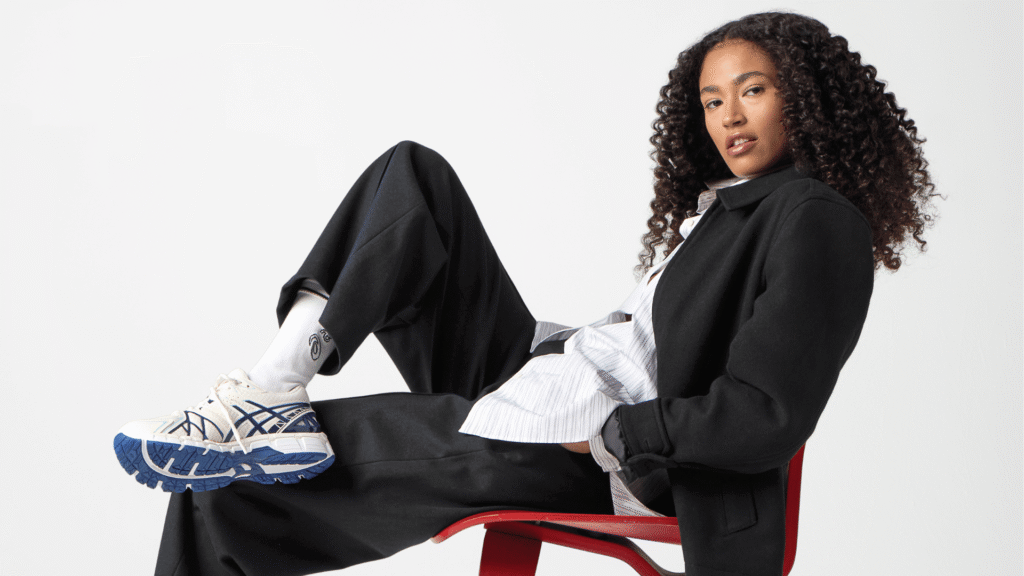
Commercial makeup for photoshoots requires a different level of precision compared to everyday beauty work. The environment is controlled, but the demands are high. Strong lighting setups, multiple camera angles, and long production days all influence how makeup appears on camera. What looks balanced in person can read very differently under studio conditions.
At Brittany Brown Beauty, we work within these conditions regularly, supporting brands, photographers, and creative teams on campaigns where consistency and camera performance are essential from the first frame to the last.
What Makes Commercial Makeup Different
Everyday and bridal makeup are designed for real-life wear and personal preference. Commercial makeup is designed for the camera.
Under high-resolution lenses, small details become more noticeable. Skin texture, product buildup, or uneven blending can appear more visible on screen than in person. At the same time, makeup that looks refined in a mirror can lose dimension under strong studio lighting.
We approach commercial makeup as a technical process. The goal is not just to enhance features but to create a finish that performs under specific lighting setups, camera settings, and production timing. That means understanding how products behave under heat, how they reflect light, and how they translate on a monitor.
Preparation Before the Shoot
Strong preparation sets the tone for the entire shoot day. Before we arrive on set, we review the lighting setup, mood boards, and direction from the photographer or creative director.
The brief plays a key role in shaping the approach. A skincare campaign often requires lightweight coverage and visible skin texture. A fashion shoot may call for stronger structure and more defined contrast. These details guide every product and technique choice.
We also review skin type, sensitivity, and any specific requirements for the talent in advance. For multi-day productions, where the same look must be repeated across different setups, we keep detailed notes on products, application order, and adjustments made during the shoot. This helps maintain consistency without relying on memory.
Building a Camera-Ready Base
The base is the most important part of commercial makeup. If it is not right, everything else is affected.
We start with skin preparation. Proper hydration and priming help makeup apply evenly, last longer, and perform better under studio lighting. It also reduces the need for heavy layering later in the process.
For foundation, we use lightweight, buildable formulas that allow control without adding unnecessary texture. We apply product in thin layers and assess it under actual lighting conditions rather than general room light.
Finishing products are chosen based on the lighting setup. Matte finishes often work best under strong, direct lighting where shine can become distracting. Softer lighting allows for a more natural glow. Even then, we apply powder carefully to avoid a flat or heavy result on camera.
Working With Lighting and Camera Conditions
Lighting is one of the most important factors in commercial makeup.
Strobe lighting can reduce facial dimension, which often requires more intentional structure in contour and highlight placement. Continuous lighting or natural light allows for a softer, more blended approach.
We adjust technique based on how the light interacts with the face, not just based on a standard routine. The goal is always balance on camera.
Color temperature also plays a major role. Artificial lighting can shift how foundation tones, blush, and lip colours appear on screen. Test shots are reviewed throughout the shoot so adjustments can be made early, before the look is finalised.
Long-Wear Makeup for Full Production Days
Commercial shoots often run for long hours, sometimes across multiple days. Makeup needs to hold up while staying manageable throughout the day.
Longevity starts with layering. Each step is set properly before the next is applied. This helps keep the makeup stable under heat and lighting.
Throughout the shoot, we make small adjustments between setups instead of waiting for visible breakdown. Shine control, coverage refinement, and lip touch-ups are handled as part of the workflow.
For multi-day productions, we document the full look in detail, including products, shades, and any custom mixes used. This allows the same result to be recreated accurately the next day.
Working With Photographers and Creative Teams
Commercial makeup is a collaborative process.
Photographers often notice details on the monitor that are not visible from the makeup chair. Small issues such as highlight intensity, colour shifts, or shine are quickly picked up through this feedback loop.
We take this input on board and make adjustments in real time. Most changes are subtle, but they play an important role in maintaining image quality.
Creative directors guide the overall visual direction of the shoot. Their feedback helps ensure the makeup stays aligned with the brand identity. The ability to adapt without losing the core structure of the look is essential in this environment.
Editorial vs Brand Shoot Makeup
Editorial and brand campaigns share similarities but serve different purposes.
With editorial work, there is more creative freedom, often focusing on mood, expression, and visual storytelling.
We adjust our approach based on the brief. Some campaigns call for clean, skin-focused finishes, while others require stronger definition or more stylised elements. The key is understanding the purpose of the final images before starting the application.
Why Consistency Matters in Campaign Work
A campaign is made up of multiple images, not a single shot. Those images need to feel visually consistent across print, digital, and social platforms.
Even small differences in makeup become noticeable when images are viewed side by side.
We maintain consistency through careful product selection, controlled application, and ongoing adjustments as lighting changes. We adapt the makeup to the environment while keeping the original look intact.
This approach helps ensure the final campaign feels cohesive from start to finish.
Planning a Brand Campaign or Photoshoot? Let’s Collaborate
Commercial makeup for photoshoots requires preparation, technical understanding, and adaptability. Every decision, from skin prep to final touch-ups, affects how the makeup performs on camera.
At Brittany Brown Beauty, we work with brands, photographers, and creative teams to deliver camera-ready makeup for commercial shoots and campaigns. If you are planning an upcoming project, click the button below to schedule a consultation to discuss your brief, timeline, and requirements in detail.
Frequently Asked Questions
Commercial makeup for photoshoots focuses on camera performance rather than everyday wear. It responds to studio lighting, high-resolution lenses, and long shooting conditions. The aim is to create a finish that stays consistent and clean across all campaign images.
Commercial makeup serves the camera, while bridal and everyday makeup focus on real-life viewing. On set, lighting and camera settings change how skin, texture, and colour appear. Because of this, artists use lighter layering, controlled finishes, and techniques that hold up under production conditions.
Longevity starts with proper skin preparation, thin product layering, and setting each step correctly. During the shoot, artists make small touch-ups between setups to manage shine, coverage, and lip wear. For multi-day shoots, they document products and application steps to maintain consistency.
Lighting affects how makeup reads on camera. Strong lighting can flatten facial structure, while softer lighting changes how colour and texture appear. Artists adjust contour, highlight, and finish based on the lighting setup and test shots to ensure the makeup translates correctly on screen.
Adjustments are a normal part of the process. Photographers and creative directors often give feedback that helps refine the look in real time. Small changes to shine, tone, or definition help ensure the final images match the creative direction of the shoot.