Posted on

What to Bring to Your Bridal Makeup Trial

What to Bring to Your Bridal Makeup Trial

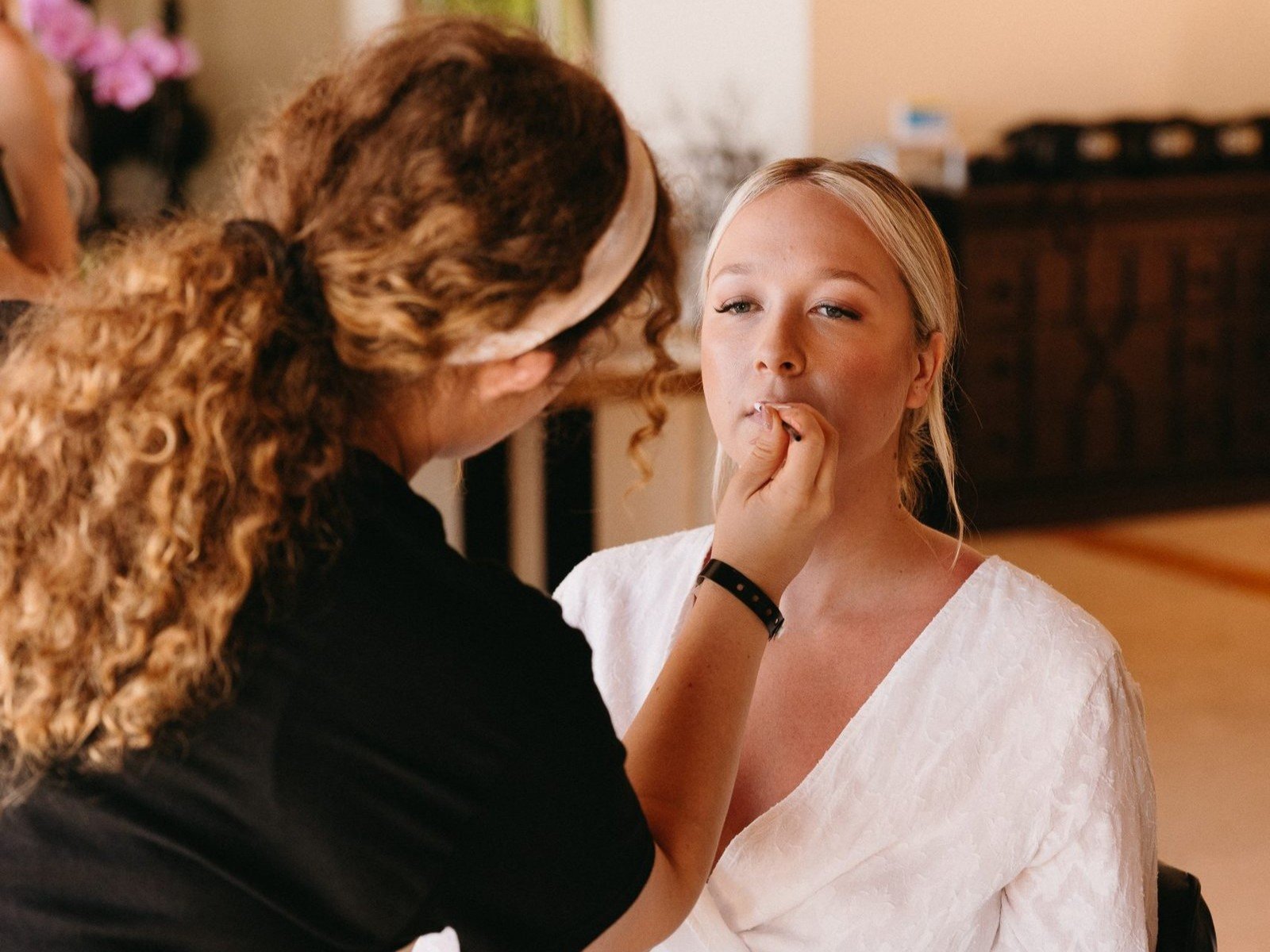
A bridal makeup trial gives you one real chance to test your wedding-day look before it counts. Walking in prepared helps your artist understand your skin, your vision, and your day, so the two of you can spend the appointment refining details instead of starting from scratch. A little planning ahead turns your trial from a guessing game into a working session that sets you up with a look you already trust.

At Brittany Brown Beauty, more than 11 years of Orange County bridal makeup experience shape how each trial runs, starting with what a bride brings in and how her skin has been prepping in the weeks before.

Why Preparation Makes Your Trial More Productive

Your artist can only work with what you bring, so preparation directly shapes how useful your trial turns out to be. When you arrive with inspiration photos, sensitivity notes, and a sense of your dress, your artist can skip the guesswork and start building your actual look right away.

Skin prep matters just as much as what you bring in your bag. Brittany Brown Beauty recommends starting a consistent skincare routine about four weeks before your trial, since hydrated, well-prepped skin holds makeup better and photographs more evenly. That same four-week window also gives your skin time to settle if a product doesn’t agree with it, well before your trial or your wedding day.

In the final 10 days before your trial or your wedding, avoid introducing any new skincare or beauty products. New products can trigger unexpected reactions like redness, breakouts, or sensitivity, and your artist needs to see your skin’s true baseline, not the effects of something you tried once.

What to Bring

Inspiration Photos

Bring a handful of photos that capture the look you want, whether you save them from Pinterest, Instagram, or magazines. Include a mix of full-face looks and close-up detail shots, since eyes, lips, and overall finish often come from different references. Photos give your artist a shared visual language, so you spend your trial adjusting a real starting point instead of describing an idea from scratch.

If you feel unsure about your exact style, bring a range of photos anyway. Seeing what you gravitate toward, and what you rule out, helps your artist narrow down your preferences just as effectively as a single clear reference would.

Your Dress or a Photo of It

Your dress sets the tone for your whole look, so bring it or a clear photo of it if you can. Neckline, fabric, and embellishments all influence how your artist balances your makeup, from how dramatic your eyes should look to how your skin should shine or stay matte.

If your dress lives at a bridal salon and traveling with it isn’t realistic, a few clear photos from different angles work well as a substitute. Your artist mainly needs to see color, formality, and overall style to build a cohesive look around it.

Any Skincare or Sensitivity Notes

Come ready to share your skin type, any known allergies, and any products or ingredients that have caused irritation in the past. Brittany Brown Beauty asks every bride to complete a sensitivity disclosure before her trial, so your artist can choose products that suit your skin from the very first application.

Mention any skin concerns you’re currently managing too, like dryness, redness, or breakouts, since these all shape which products and techniques your artist reaches for. The clearer your notes, the fewer surprises you’ll run into on your actual wedding day.

What Not to Worry About Bringing

Brides sometimes feel like they need to arrive with a long list of products, tools, or backup makeup, but a trial doesn’t require any of that. Your artist brings a full kit built to handle a wide range of skin types and tones, so you don’t need to supply foundation shades, brushes, or specific brands.

You also don’t need a finalized hairstyle or a complete vision for your whole wedding-day look before you walk in. Your trial exists precisely to help you figure those details out, so an open mind about color, finish, and overall style often serves you better than a rigid plan.

Skip bringing heavy makeup on the day of your trial. Your artist can see your skin’s natural texture and tone more clearly when you arrive with a clean or lightly made-up face, which makes it easier to build your look accurately from the start.

Ready to book your trial? Explore the portfolio for inspiration, learn more about Brittany Brown Beauty’s approach to bridal makeup, or contact the team directly to schedule your appointment.

Frequently Asked Questions

1. When should I start prepping for what to bring to your bridal makeup trial? 

Start gathering inspiration photos and thinking about your dress a few weeks before your appointment, but begin your skincare routine earlier, about four weeks out, so your skin has time to settle into a consistent routine before your trial.

2. What should I avoid in the days leading up to my wedding? 

Avoid trying any new skincare or beauty products in the final 10 days before your wedding. New products can cause unexpected reactions, and your artist needs your skin to reflect its true, consistent baseline on the big day, not the effects of something untested.

3. What should I bring up with my artist about what to bring to your bridal makeup trial? 

Mention any skin sensitivities, allergies, or products that have caused irritation in the past, along with any specific concerns like dryness or breakouts. Sharing this information upfront, alongside your sensitivity disclosure, helps your artist choose the right products and techniques for your skin from your very first trial.

Posted on

Summer Bridal Makeup Prep: How to Get Your Skin Ready

Summer Bridal Makeup Prep

Summer weddings bring soft light, outdoor ceremonies, and naturally radiant photos. At the same time, heat and humidity change how skin behaves under makeup. This is why skin preparation becomes just as important as the makeup itself.

For bridal makeup to last through long hours, dancing, and warm weather conditions, the skin needs to be stable, balanced, and properly supported before the wedding day. Without that foundation, even high-quality makeup can struggle to hold.

Why Summer Changes Bridal Makeup Performance

Summer affects skin in very specific ways. Heat increases sebum production, humidity traps moisture on the surface, and sweating creates movement under makeup layers.

When oil production increases, foundation tends to break down faster around the T-zone. In humid weather, powders can start to separate instead of staying smooth, which leads to patchy areas in photos.

This is why bridal makeup for hot weather depends heavily on skin preparation. Product choice matters, but skin condition determines how long everything lasts.

What Brides Should Focus on 6–8 Weeks Before the Wedding

The 6–8 week period is where real skin improvement happens. The goal is not to experiment with aggressive treatments but to stabilize the skin.

During this stage, consistency matters more than intensity. The skin should be kept calm, hydrated, and balanced so it can respond well to makeup later.

Oily skin needs balance without stripping. Dry skin needs improved moisture retention so foundation does not cling to texture. Both skin types benefit from proper hydration, but the approach must match the skin’s condition.

This stage plays a major role in how to prep skin for bridal makeup because it sets the base for everything that follows.

Common Mistakes Before the Wedding Day

One of the biggest mistakes is introducing new skincare products too close to the wedding. Skin does not adapt instantly, and reactions often appear after a few days.

Over-exfoliation is another issue. When the skin barrier is weakened, foundation can cling unevenly and break apart faster, especially in heat. Instead of smooth skin, the result becomes patchy makeup that settles into dry areas.

Heavy layering of skincare before the wedding day also creates problems. Thick serums, multiple moisturizers, or oily primers can sit on the skin and prevent makeup from adhering properly, reducing bridal makeup longevity in summer.

Simple Wedding Skin Prep Routine That Actually Works

A wedding skin prep routine does not need complexity. It needs stability and repetition.

Cleansing should remove oil and buildup without stripping the skin barrier. When the skin feels tight after cleansing, it often produces more oil later, which affects makeup wear time.

Moisturizing must match skin type. Even oily skin requires hydration because dehydration can trigger excess oil production. Dry skin benefits from barrier-supporting moisturizers that reduce visible texture under foundation.

When the skin is balanced like this, glowing skin for wedding makeup becomes easier to achieve without heavy products.

Why Over-Exfoliating Makes Foundation Patchy

Exfoliation is often overused in bridal skincare routines. While it can smooth texture, too much of it damages the protective skin barrier.

Once the barrier is compromised, the skin loses its ability to hold moisture evenly. Foundation then sits inconsistently, clings to dry patches, and separates faster when exposed to heat or humidity.

Controlled exfoliation spaced properly before the wedding helps maintain smoothness without weakening the skin.

Hydration vs Overloading the Skin

Hydration supports makeup longevity, but too many skincare layers can have the opposite effect.

Well-hydrated skin allows foundation to blend evenly and stay flexible throughout the day. However, when multiple products sit underneath makeup, especially oils and heavy creams, the skin becomes unstable under summer conditions.

That instability often leads to sliding makeup or early breakdown, especially during outdoor ceremonies.

Why Sunscreen Matters for Bridal Makeup in Summer

Sunscreen is essential for wedding skin prep routines, especially for outdoor and summer ceremonies.

However, formula choice matters. Thick or greasy sunscreens can interfere with makeup adhesion, while lightweight formulas create protection without disrupting foundation layers.

The right sunscreen supports skin health without affecting makeup performance, especially under bright natural light and photography.

Why Skin Barrier Health Matters More Than Trends

Many skincare routines focus on trends, but bridal skin preparation depends on barrier health.

A strong skin barrier holds moisture better, reacts less to heat, and supports smoother makeup application. A weak barrier leads to uneven texture, sensitivity, and faster makeup breakdown.

This is why skincare stability is prioritized over experimental treatments before a wedding.

How Bridal Makeup Trials Connect to Skin Prep

A bridal makeup trial is not only about testing colors and styles. It also reveals how the skin behaves under makeup over time.

During a trial, skin response is observed under real conditions such as heat, product layering, and wear duration. This helps identify whether adjustments are needed in skincare or preparation before the wedding day.

This connection between trial and skin prep is essential for achieving reliable bridal makeup longevity in summer conditions.

Read: What Happens During a Bridal Makeup Trial? What Brides Should Expect

What Brides Often Get Wrong from Pinterest Skincare Routines

Pinterest skincare routines often look appealing but are not always realistic for wedding timelines.

A common issue is starting multiple active treatments too close to the wedding. This can overwhelm the skin and cause sensitivity or breakouts.

Another mistake is copying routines without considering skin type or climate. What works in cooler conditions may not hold up in summer humidity, especially under long-wear makeup.

Get a Personalized Bridal Makeup and Skin Prep Consultation

Successful bridal makeup starts with skin that is prepared, balanced, and stable. When the skin barrier is supported and the routine is consistent, makeup performs better throughout the entire wedding day.

At Brittany Brown Beauty, bridal makeup is planned around skin condition, weather, and photography needs rather than trends. Each bride’s skin is evaluated during the trial process to understand how it responds to products, heat, and wear time. This helps shape a tailored approach that supports long-lasting, photo-ready results.

Click the button below to schedule your consultation.

Frequently Asked Questions

1. When should bridal skin prep start before the wedding?

The ideal time is 6 to 8 weeks before the wedding to allow the skin to adjust and stabilize properly.

2. Why does makeup break down faster in summer?

Heat and humidity increase oil and sweat production, which weakens makeup layers and causes faster breakdown.

3. Should exfoliation be done right before the wedding?

No. Exfoliation should be completed a few days earlier to avoid sensitivity and uneven texture.

4. Can oily skin skip moisturizer before makeup?

No. Oily skin still needs hydration because dehydration can increase oil production and affect makeup wear.

5. How does a makeup trial improve wedding day results?

A trial shows how makeup behaves over time on the skin, helping adjust skincare and application for better longevity.

Related Articles:

  1. How to Match Bridal Makeup to Your Skin Undertone
  2. Bridal Eye Makeup Styles: How to Choose the Right Look for Your Wedding
  3. Bridal Makeup Trends 2026 in Orange County
  4. How to Make Bridal Makeup Last All Day Without Touch-Ups
  5. Brittany Brown Bridal Makeup Routine: How It Lasts All Day 
  6. Bridal Makeup for Mature Skin: What Works and What to Skip