Posted on

Setting Spray Guide for Orange County Brides

setting spray guide for orange county brides

Setting spray is one of the most talked-about products in bridal makeup, and also one of the most misunderstood. Some brides think it works like a magic seal. Others skip it completely. The truth sits in the middle. A setting spray can help your look sit more smoothly and hold up better, but it works best as one step in a plan. With 11+ years of hands-on bridal experience in Orange County, I have learned that the plan matters more than any single product. 

At Brittany Brown Beauty, I believe in enhancing your natural beauty rather than masking it, and every step I take, including setting, supports a look that feels like you, but elevated.

Why Setting Spray Matters for Coastal Weddings

Southern California weddings come with real conditions. Coastal humidity, sea air, direct sun, and wind all affect how makeup wears. A look that stays put in a cool, dry room can behave differently on a bluff-top terrace or a sunny patio near the water. If your ceremony will be on the sand or in the open air, my guide to waterproof bridal makeup for beach and outdoor ceremonies goes into more detail.

Waterfront venues require their own considerations, too. Reflective light, open-air settings, and coastal breezes can affect how your makeup appears in photographs. For a location-specific example, read my guide to Lido Isle bridal makeup for waterfront weddings in Newport Beach.

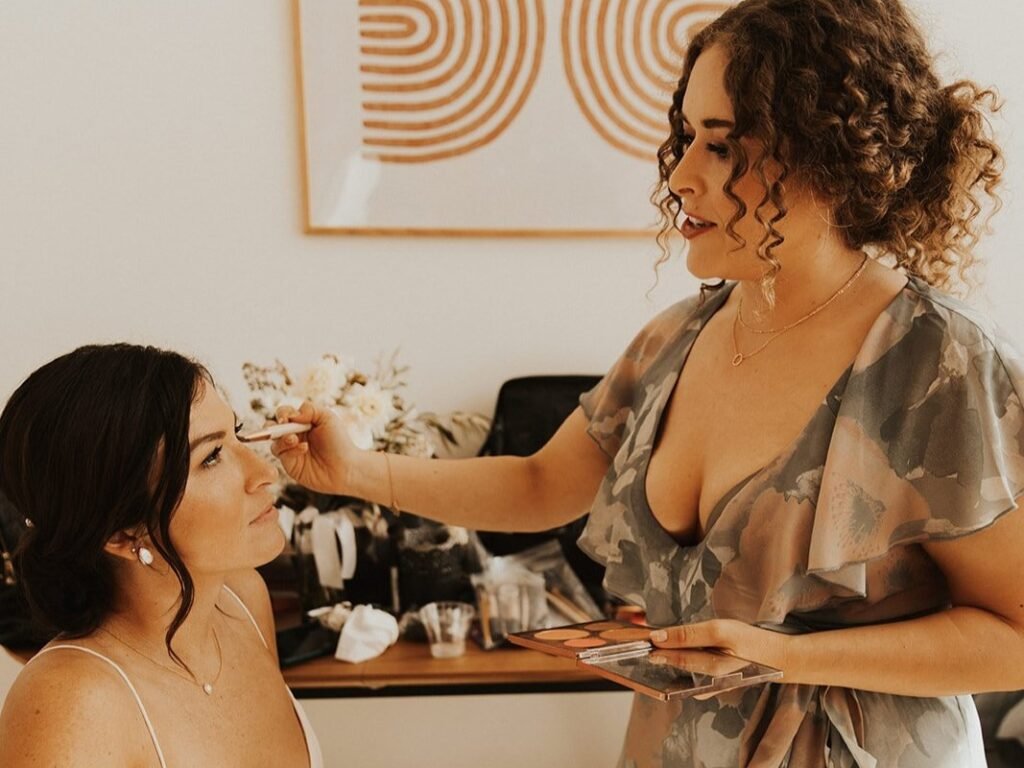
That is why I treat setting as part of the whole process instead of a last-second spritz. When I arrive at your getting-ready location, I set up my station with studio-quality lighting and seating, then start with skincare, primer, and base preparation. I take that first step slowly on purpose, because a well-prepared base gives every later layer a better surface to sit on. After I apply your look, I finish with setting techniques and sealants that help it hold through the ceremony, photos, and reception.

Setting spray is a finishing mist applied over makeup, and it plays a role in that final stage. It can soften the look of powder, help layers blend together, and give your skin a more unified finish. It does not replace good prep, thoughtful product choice, or a bridal trial.

Choosing the Right Setting Spray
setting spray guide for orange county brides

No single setting spray suits every bride. Skin, weather, venue, and personal style all shape the choice, and I never promise that one product works for everyone. Instead, I choose based on what I see on your skin and what your day will involve. Here is how I think it through.

Matte vs. Dewy Finish Sprays

The finish you want drives this choice more than anything else. A matte-leaning finish gives a softer, more velvety look and can suit brides who notice shine early in the day. A dewy-leaning finish keeps skin looking fresh and luminous, which fits the no-makeup-makeup look I love to create.

Neither option is better. The right choice depends on your skin and your taste. If your forehead and nose tend to shine, I may use a more controlled finish there while keeping a soft glow on your cheekbones. If your skin runs dry, I lean toward a finish that looks comfortable and fresh instead of flat. Glowing skin and shiny skin are different things, and finishing products help me keep that line clear.

Your preferred makeup style also influences the finish. Some brides prefer a natural, softly defined look, while others want stronger color and more dramatic definition. If you are still deciding between these approaches, my guide to bold bridal makeup vs. soft glam can help you work out how much definition you want.

If you are unsure which finish you prefer, bring photos of looks you love to your trial. We can test your options and compare them on your skin, in natural light and in photographs.

Layering Technique for All-Day Wear

Many brides picture a single heavy spray over the whole face. I prefer a layered approach. Each step in my process supports the next one: skincare, primer, base, soft color, powder where needed, and then setting. Applying thin layers in the right order gives me more control and keeps your skin looking like skin. You can read more about my full process in my bridal makeup routine and how it lasts all day.

A few principles guide my layering:

  • Prep first: Hydrated, prepared skin gives makeup a better foundation.
  • Thin layers: Building gradually keeps the finish soft and helps avoid a heavy look.
  • Light touch with powder: I place it where it helps and skip it where it does not.
  • Setting last: The spray ties the layers together instead of trying to fix them.

I do not guarantee how long any makeup will last, since skin, weather, and activity all play a part. What I can promise is a carefully built look. One San Diego bride shared that her makeup stayed beautiful through her happy tears, and that is the kind of real-day performance I plan for.

You can help your skin, too. Start a consistent skincare routine at least four weeks before your wedding, drink plenty of water in the week leading up to it, and avoid new skincare products and treatments in the final 10 days.

Reapplying During the Reception

With proper prep and product choice, the goal is for you to enjoy your day without checking your face every hour. Still, a long celebration deserves a safety net, so I give every bride a complimentary touch-up kit with lipstick, powder, and blotting sheets.

When you want a quick refresh, keep these tips in mind:

  • Blot before you add: Press a blotting sheet gently on shiny areas first. Adding more product over oil can look heavy.
  • Use powder sparingly: A small amount on the T-zone is usually enough.
  • Refresh your lips: Lipstick is a common spot to touch up after dinner and toasts.
  • Skip extra layers of spray: More spray may not help and can disturb the finish you already have.

Ask a bridesmaid or a trusted friend to hold the kit, so you can step away for a minute between photos and dancing.

Some brides also plan a different hairstyle for the reception, especially if they want a change from a formal ceremony look to something more relaxed for dancing. If that is part of your plan, my guide to second-look bridal hair transformations for the reception explains how to prepare for a hairstyle change. Coordinating your makeup touch-ups with the transition helps keep your overall look feeling cohesive.

What Setting Spray Can’t Fix

Setting spray has limits, and I would rather tell you that now than let you expect too much. It cannot rescue skin that did not get prepped, and it cannot make a heavy base look light. It also cannot predict how your skin will respond to a new product on your wedding morning.

Here is what setting spray cannot do:

  • Replace skin prep or a consistent skincare routine.
  • Fix a base that is too heavy or does not suit your skin.
  • Protect against every condition, including strong wind or heat.
  • Guarantee a specific number of hours of wear.

Skin reactions deserve a mention, too. Skin is personal, and I do not make blanket claims about any product being right for everyone. That is exactly why I strongly recommend a bridal makeup trial. A trial lets me test products on your skin, work through any adjustments, and make sure you walk into your wedding day knowing what to expect.

If you want a preview of the appointment, read what happens during a bridal makeup trial. Please tell me about any skin sensitivities, reactions, or recent treatments at your trial so I can plan around them.

Preparing for Your Bridal Makeup Trial
setting spray guide for orange county brides

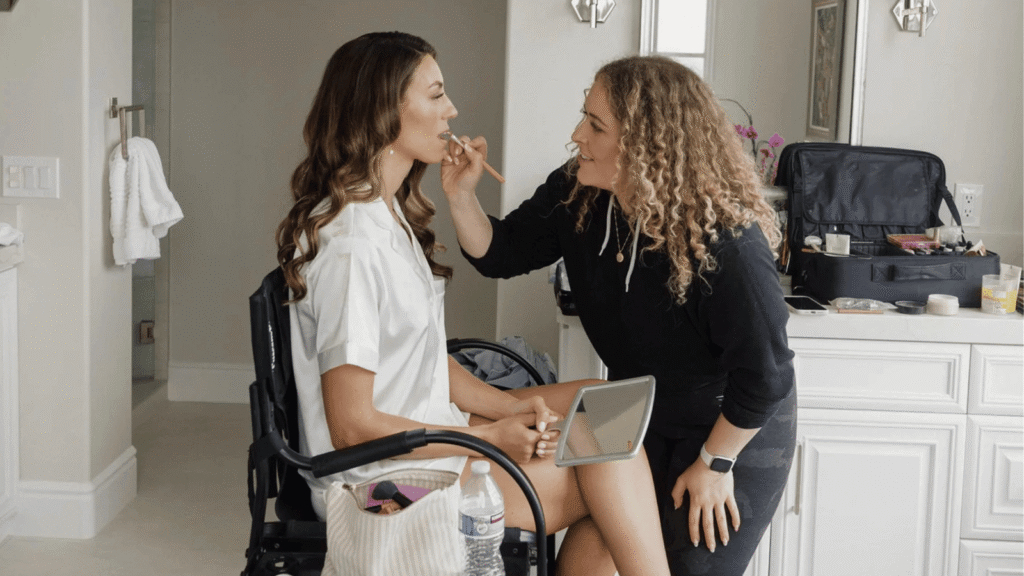
Your trial is also the best time to explain the finish you want, discuss your concerns about makeup wear, and make adjustments before the wedding. You do not need professional makeup terminology to communicate your preferences. Reference photos and clear feedback about what you like or dislike are often enough to get the conversation started.

My guide to how to explain your vision to your makeup artist during a trial offers practical advice for making that conversation productive.

It helps to arrive prepared. Bring inspiration photos, details about your dress and venue, and any products you already use and enjoy. My checklist on what to bring to your bridal makeup trial explains what to gather before your appointment.

Mature skin deserves a mention here as well. Some formulas settle into fine lines or look heavy on more mature complexions, so I adjust my technique and setting approach for brides and mothers of the bride and groom who want a soft, natural finish.

Because I am fully mobile, I come to you, whether that is a private home, hotel suite, resort room, or estate. You skip the salon commute, your whole getting-ready party stays together, and your timeline stays intact.

For larger bridal parties, I bring additional artists so everyone is ready on schedule without cutting corners on the bride’s application. You can see my soft, glowing style in my portfolio, and you can learn more about my background and training before you book.

Plan Your Wedding-Day Makeup

Your wedding makeup should look polished from the ceremony through the reception while still feeling like you. Brittany can discuss your skin type, preferred finish, venue, and wedding-day schedule to help plan a look that suits your needs. A bridal trial can also help you test your makeup and make adjustments before the big day.

If you’re comparing artists, review these questions to ask before hiring a bridal makeup artist to help you prepare for your consultation.

With more than 11 years of experience in the beauty industry, Brittany takes a personalized approach to bridal makeup, focusing on enhancing your natural features and reflecting your personal style.

Spring and fall weekends in Orange County can book quickly, so reach out once your venue is confirmed. A signed contract and deposit secure your date. Contact Brittany Brown Beauty to discuss your wedding plans and availability.

Frequently Asked Questions

1. How should I prepare my skin before using setting spray on my wedding day?

Start a consistent skincare routine at least four weeks before your wedding. Drink plenty of water, especially during the final week. Avoid new skincare products or treatments in the last 10 days. On your wedding morning, I begin with skincare and primer. This creates a smooth base for your makeup and setting products.

2. How long can setting spray help my bridal makeup last?

Wear time depends on your skin, the weather, and your activity level. I cannot promise a set number of hours. Instead, I focus on proper preparation and products suited to your skin and setting. Finishing techniques also help your makeup hold up. Every bride receives a complimentary touch-up kit with lipstick, powder, and blotting sheets.

3. Can setting spray be adjusted for my specific skin type?

Yes. I tailor my setting approach to your skin and preferred finish. Your features and personal style also guide my choices. I never rely on one fixed routine for everyone. During your bridal trial, we can test products and refine the finish before your wedding day.

4. Should I choose a matte or dewy setting spray for a coastal wedding?

Your skin type and preferred look can help guide the decision. A matte finish may suit brides who notice shine early. A dewy finish creates a fresh, luminous look. Coastal humidity, sea air, and sun can also affect your makeup. During your trial, we can test different options and choose what feels and looks best on you.

5. Can I bring my own setting spray to my bridal makeup trial?

Absolutely. Bring any products you already use and love. Photos of your favorite makeup looks are helpful, too. Please mention any skin sensitivities, previous reactions, or recent treatments. This information helps me assess which products work well with your skin. Together, we can plan a finish that suits your preferences.
Posted on

Should You Book Your Hair and Makeup Trial on the Same Day

should you book your hair and makeup trial

Deciding whether to book your hair and makeup trial on the same day is a common planning question. A trial lets you test the look, ask questions, and make adjustments while there is still time.

At Brittany Brown Beauty, Brittany Brown has 11+ years in the makeup industry, and she offers hair styling as part of her bridal hair and makeup services. Her “enhance, don’t mask” approach keeps the goal simple: you look like yourself, but elevated.

This guide walks through the considerations on each side so you can choose what fits your schedule and know what to ask your artist.

The Case for Combining Both Trials

Booking hair and makeup together can make planning simpler, especially when you want to see how the two looks work together before the wedding.

  • You see the complete picture: Hair shapes the face, and makeup finishes it, so planning both together shows how they balance.
  • It can save a trip: One appointment is easier to fit around work, travel, or a busy planning season.
  • You can plan your accessories together: Share photos of any veil, pins, combs, or clips so the whole look can be planned at once.
  • You can share your dress details: Photos of your neckline and fabric help Brittany plan both parts of the look.

The makeup portion also gives you a chance to see how products and finishes look on your skin. Understanding what happens during a bridal makeup trial and what brides should expect can help you prepare for the appointment and decide what you want to discuss.

The Case for Separating Them

bridal makeup for brides who wear glasses

Some brides may prefer two shorter visits. Splitting the appointments can give each part more attention.

  • Each look gets focus: You can spend a full appointment on one service without feeling rushed.
  • You can adjust between visits: If you want changes to your makeup, you have time to rethink before moving on to your hair.
  • Planning stays flexible: Hair and makeup choices sometimes shift as your dress or venue details come together.
  • You may feel more comfortable: A shorter session can be easier if you want to take your time with decisions.

The tradeoff is an extra appointment, so consider your schedule and how much time you want to spend deciding. For brides planning their trial in San Diego, this guide to a bridal hair and makeup trial in San Diego offers additional context for arranging the appointment.

What Most Brides Choose and Why

There is no single right answer. The best choice depends on your schedule, your questions, and how many ideas you want to test.

What matters most is that you have a trial at all. Brittany strongly recommends a bridal trial. She tests the look and product formulas directly on your skin, works through adjustments, and makes sure you walk into your wedding day knowing what to expect. Whether you combine or separate your hair and makeup planning, the trial is where you confirm the look feels like you.

You can also use the appointment to compare makeup finishes and foundation shades. For example, deciding between dewy and matte bridal makeup can help you communicate the finish you prefer, while choosing the right foundation shade for your wedding day is an opportunity to consider how the base looks on your skin.

Making the Decision for Your Own Timeline

Best Foundations

A few questions can help you decide:

  • How much time do you have? A packed calendar may favor one visit, while a flexible schedule leaves room for two.
  • How many ideas do you want to test? Several hair or makeup options may call for more time.
  • Are you traveling for the trial? A single trip is often easier if you live far from the area. If you are traveling to Orange County or San Diego for wedding preparations, these tips on booking a bridal trial as an out-of-town bride can help you plan your appointment around your trip.
  • How do you feel about decisions? If you like to take your time, separate visits may feel more relaxed.
  • What is your wedding timeline? Booking well before the wedding leaves room for adjustments. Brittany plans the schedule in advance during booking, so reach out early to talk through your options.

Whichever path you choose, prepare your skin on the same timeline. Start a consistent skincare routine at least four weeks before the wedding, skip new skincare products or treatments in the final 10 days, and stay hydrated in the week leading up to the event, especially in summer. This 30-day skin-prep guide before your wedding can help you organize your routine. If you have dry or flaky patches, these suggestions for skin prep before your wedding offer additional guidance.

Brittany is based in Orange County and serves brides across the region. If your wedding is in Corona del Mar, you can learn more about her local bridal makeup services. Couples planning a smaller celebration can also explore elopement hair and makeup in Orange County when deciding how to coordinate their getting-ready plans.

On your wedding day, Brittany brings her complete professional kit to your home, hotel suite, resort room, or estate. It includes studio-quality lighting and seating. Setup takes about 15 to 20 minutes. You can skip the salon commute and enjoy getting ready together with your bridal party.

Her general guidance is roughly 60 to 90 minutes for the bride and 45 to 60 minutes per bridesmaid. For larger bridal parties, she brings additional artists so everyone finishes on schedule without cutting corners on the bride’s application. Brides also receive a complimentary touch-up kit with lipstick, powder, and blotting sheets.

Brittany trained at Empire Academy of Makeup in Orange County, and one bride describes her as open, honest, and thorough in her communication. You can see examples of her bridal work in the portfolio and read more about her background on the About page.

Plan Your Bridal Hair and Makeup Trials

Deciding whether to book your hair and makeup trials together or separately depends on your schedule and the looks you want to try. Brittany can discuss your preferences, wedding plans, and appointment options to help you choose the best approach. Spring and fall wedding dates in Orange County can book quickly, so reach out once your venue is confirmed. A signed contract and deposit secure your date. Schedule a free consultation to discuss your trials and wedding-day arrangements.

Frequently Asked Questions

1. When should I start preparing for my hair and makeup trial?

Start thinking about your trial as soon as you book your artist. For your skin, begin a consistent skincare routine at least four weeks before the wedding. Gather reference photos of hair and makeup you love early, so you can talk through your vision when you meet.

2. What should I avoid in the days leading up to my wedding?

Avoid new skincare products or treatments in the final 10 days before the wedding. Stay hydrated in the week leading up to the event, especially in summer. If you have any skin sensitivities, reactions, or recent treatments, tell Brittany at your trial so she can plan around them.

3. What should I bring up with my artist when deciding whether to book both trials together?

Ask how hair and makeup are handled during the appointment, how much time to allow, and whether you can test different options. Bring reference photos for both hair and makeup, photos of your dress and accessories, and mention any skin sensitivities or recent treatments. Open communication helps Brittany plan a look that feels like you.

4. Can I try more than one hairstyle or makeup look during a combined trial?

That depends on the time available and the number of looks you want to compare. Tell Brittany your priorities before the appointment so you can decide which options to test first. Trying too many variations in one session may make it harder to evaluate each look properly, so focus on the styles you are most interested in.

5. How do I decide whether one longer appointment or two shorter trials will suit me better?

Consider your travel schedule, how many details you want to test, and whether you prefer to review hair and makeup together or separately. A combined trial offers a view of the complete look, while separate appointments provide more time to focus on each service. Discuss your schedule and preferences with Brittany before booking.

Posted on

Booking a Bridal Trial as an Out-of-Town Bride

booking a bridal trial as an out-of-town bride

Booking a bridal trial as an out-of-town bride takes a little more planning, but it is a useful way to walk into your wedding day knowing what to expect. A trial lets you test the look, ask questions, and make adjustments while there is still time.

At Brittany Brown Beauty, Brittany Brown has 11+ years in the makeup industry and a focus on looks that feel natural and radiant. Her “enhance, don’t mask” approach keeps the goal simple: you look like yourself, but elevated.

This guide covers how to plan a trial when you live outside Orange County or San Diego.

Why Out-of-Town Brides Need a Different Trial Timeline

Brides traveling from elsewhere may need to plan their trial around their trip. Brittany strongly recommends a bridal trial. She tests products on your skin, refines the look, and makes adjustments to help you feel prepared for your wedding day. Learn what happens during a bridal makeup trial to prepare and make the most of your appointment.

That value matters even more when you will not see your artist again until the wedding morning. Waiting until the last minute can leave little room for changes, so start the conversation early. Brittany plans the schedule in advance during booking.

Before choosing an artist, it is also worth discussing experience, the trial process, booking terms, and communication. These questions to ask before hiring a bridal makeup artist can help you prepare for your first conversation and understand what to expect.

Brittany is based in Orange County and serves Orange County and San Diego, so a trip to the area for your wedding is also a good time to think about your trial.

Planning Around Travel

bridal makeup for newport ridge estate weddings

Three planning options help long-distance brides fit a trial into a busy schedule.

Combining Your Trial With a Venue Visit

  1. Pair the trial with a venue walkthrough or tasting: If you are already visiting Orange County or San Diego to see your venue, a trial may fit into the same trip.
  2. Tell Brittany about your venue: Brittany builds each look around your skin, your dress, and your venue, so the setting shapes the plan.
  3. Bring photos of your dress: Your neckline, fabric, and color help guide the finish.
  4. Bring reference photos: Images of looks you love give Brittany a clear starting point.

The location of your wedding may also help you organize your visit. Brittany serves brides across the area, including those planning weddings with a bridal makeup artist in Newport Coast, a bridal makeup artist in Laguna Beach, or a bridal makeup artist in Newport Beach. Knowing your venue and travel dates early makes it easier to discuss appointment availability.

Booking a Trial Close to a Wedding-Related Trip

  1. Look at your travel plans: A dress fitting, a family event, or a planning trip near the area can create a natural window for a trial.
  2. Reach out as soon as you have dates: Contact Brittany once your travel plans are set so the schedule can be planned in advance.
  3. Allow time for adjustments: Booking well before the wedding leaves room for adjustments.
  4. Disclose your skin details: Tell Brittany about any skin sensitivities, reactions, or recent treatments at your trial.
  5. Keep your skincare routine steady: Start a consistent skincare routine at least four weeks before the wedding, and avoid new skincare products or treatments in the final 10 days. A 30-day skin-prep plan before your wedding can help you organize your preparation well before the appointment.

What to Do If You Can’t Make It Out for a Trial

  1. Reach out early: If travel is difficult, tell Brittany about your situation as soon as you can.
  2. Share clear photos and descriptions: Reference images, your dress details, and a description of how you want to feel give her a strong starting point.
  3. Be open about your skin: Mention your usual routine and any sensitivities so she can plan around them.
  4. Ask what is possible: Ask Brittany how she would approach your situation.

If you cannot attend a trial in person, it is especially helpful to discuss how adjustments would be handled before the wedding. Understanding common bridal makeup trial mistakes that can change your final look can also help you avoid leaving important decisions until the wedding morning.

Your wedding-day conditions are worth considering at this stage, too. For outdoor weddings, prepare for changing weather and discuss how it could affect your makeup. Read bridal makeup for rainy or overcast wedding days to understand how lighting and weather can influence your final look.

What Brittany Brown Beauty Recommends for Long-Distance Brides

Bridal Makeup for Mature Skin

Brittany’s advice for long-distance brides comes down to a few simple steps:

  1. Reach out early: Contact Brittany as soon as your venue is confirmed. Wedding dates can book well in advance, especially spring and fall weekends in Orange County. San Diego’s peak seasons run March through June and September through November, when booking 6 to 12 months ahead is recommended.
  2. Secure your date: A signed contract and deposit secure your wedding date.
  3. Plan your skin prep: Start a consistent skincare routine at least four weeks before the wedding, skip new products or treatments in the final 10 days, and stay hydrated in the week leading up to the event, especially in summer.
  4. Share what you want: Bring reference photos and describe how you want to feel on your wedding day.
  5. Trust the on-location process: Brittany is fully mobile and comes to your hotel suite, resort room, home, or estate with a complete professional kit, including studio-quality lighting and seating. Setup takes about 15 to 20 minutes, so you skip the salon commute and your getting-ready party stays together.
  6. Plan the morning: Brittany’s general guidance is roughly 60 to 90 minutes for the bride and 45 to 60 minutes per bridesmaid. For larger bridal parties, she brings additional artists so everyone finishes on schedule without cutting corners on the bride’s application.
  7. Keep your touch-up kit close: Brides receive a complimentary touch-up kit with lipstick, powder, and blotting sheets.

Brittany trained at Empire Academy of Makeup in Orange County. One bride describes her communication as open, honest, and thorough, which can make planning from a distance easier. Explore her bridal work in the portfolio and learn more about her background on the About page.

Brides planning a wedding elsewhere in the county can also learn more about working with a bridal makeup artist in Orange County, CA.

Arrange Your Bridal Trial

Planning your bridal trial around your wedding schedule helps make the process easier. Share your wedding date, venue, travel plans, and preferred makeup style with Brittany to discuss appointment options and availability. Schedule a consultation to discuss your bridal trial and wedding plans.

Frequently Asked Questions

1. When should I start prepping for booking a bridal trial as an out-of-town bride?

Start thinking about your trial as soon as you book your artist and know your travel dates. For your skin, begin a consistent skincare routine at least four weeks before the wedding. Gather reference photos early so you can talk through your vision when you meet.

2. What should I avoid in the days leading up to my wedding?

Avoid new skincare products or treatments in the final 10 days before the wedding. Stay hydrated in the week leading up to the event, especially in summer. If you have any skin sensitivities, reactions, or recent treatments, tell Brittany at your trial so she can plan around them.

3. What should I bring up with my artist about booking a bridal trial as an out-of-town bride?

Bring up your travel dates, your venue, your dress, and the look you want. Share reference photos, any skin sensitivities or recent treatments, and your questions about timing. Open communication helps Brittany plan a look that feels like you.

4. How much time should I leave between my bridal trial and wedding day?

Leave enough time to review the look and discuss any adjustments before your wedding. Booking the trial during an earlier venue visit or planning trip can give you more flexibility if you want to refine your preferences. Your ideal timing depends on your travel schedule and the artist’s availability.

5. Can I have a successful bridal makeup trial if I have limited time in Orange County?

Yes, with advance planning. Share your travel dates, venue, reference photos, and priorities with Brittany before your appointment. This helps you make the most of your time. Bring your questions and a clear idea of your desired look to make the session more productive.

Posted on

How to Explain Your Vision to Your Makeup Artist During a Trial

explain your vision to your makeup artist during

Learning to explain your vision to your makeup artist during a trial is a useful thing to do before your wedding. The trial is your chance to test the look, ask questions, and make adjustments while there is still time.

At Brittany Brown Beauty, Brittany Brown brings 11+ years in the makeup industry to every bride, built on her “enhance, don’t mask” approach. The goal is simple: you look like yourself, but elevated.

This guide shows how to describe what you want, so your trial is productive and your wedding-day look feels right.

Why Communication Matters as Much as the Products Used

Even the best products cannot read your mind. Two people can say “natural” and picture very different looks. One may imagine barely-there skin, while another expects soft definition and a warm glow. Clear communication closes that gap.

Brittany strongly recommends a bridal trial for this reason. She tests the look and products directly on your skin. You can discuss adjustments and see how everything works before your wedding day. Learn more about what happens during a bridal makeup trial and what brides should expect to feel more prepared for your appointment.

One bride describes Brittany as open, honest, and thorough in her communication. This kind of two-way conversation helps make a trial successful. The number of appointments you need depends on your vision and any adjustments required. Read more about how many bridal trials you actually need to plan your wedding preparations with confidence.

Your wedding is a once-in-a-lifetime event that will be photographed throughout the day. Spending a little time on communication now helps you feel calm and confident later.

How to Describe What You Want

You do not need professional makeup language. A few simple habits help Brittany understand your vision quickly.

Using Reference Photos Effectively

explain your vision to your makeup artist during

Photos are one of the fastest ways to share your taste. They work best when they show you what you love and why.

  • Bring a small set of images: A handful of photos is easier to discuss than dozens. If you are unsure what else to bring, this guide on what to bring to your bridal makeup trial can help you organize your references and prepare for the appointment.
  • Point out what you like in each one: It might be the glow on the skin, the softness of the eyes, or the color of the lips.
  • Choose photos that resemble you: Skin tone, eye shape, and features differ from person to person, so a look will not read the same on everyone.
  • Include your dress and venue: Photos of both help Brittany plan a look that suits the whole day. Lighting can change how makeup appears in photographs, particularly around sunset. If your wedding includes golden-hour portraits, getting ready at Crystal Cove with golden-hour light in mind offers a useful example of why the setting should be part of the conversation.
  • Remember that photos can be edited: Filters and retouching change how makeup appears, so use photos as inspiration and ask Brittany how a look will translate to real skin.

Describing Feeling, Not Just Look

Sometimes the best way to explain your vision is to describe how you want to feel. Brittany’s work centers on the client’s experience, so feeling words give her a lot to work with.

  • Say how you want to feel: Calm, confident, glowing, and polished are all useful descriptions.
  • Describe how you usually wear makeup: Tell Brittany whether you wear makeup daily, rarely, or only for special events.
  • Share what “like yourself” means to you: Your idea of a natural look is personal, and Brittany’s no-makeup-makeup style focuses on glowing skin and warm, bronzed contour instead of heavy coverage.
  • Mention how you want to look in photos: Some brides want a soft, romantic finish, while others prefer more definition.

Your venue can also influence the balance you choose. For example, if you are planning a celebration at Newport Ridge Estate, discussing the setting alongside your references can help you plan a look that suits the overall wedding. The guide to bridal makeup for Newport Ridge Estate weddings provides another reference for thinking about your makeup in relation to the venue.

Being Honest About What You Don’t Like

Honest feedback helps more than polite silence. The aim is a look that feels like you, so tell Brittany what is not working.

  • Name the details you dislike: Heavy lips, dark brows, or a very matte finish are all worth mentioning.
  • Speak up during the trial: Adjustments are easiest at this stage.
  • Share your comfort level: If a product feels heavy or the look feels like too much, say so.
  • Disclose skin sensitivities: Tell Brittany about any skin sensitivities, reactions, or recent treatments so she can plan around them.
  • Ask questions: If you are unsure about a term or a technique, ask Brittany to explain.

If your concerns involve uneven-looking skin, discoloration, or specific areas you would like to address, bring them up during the trial. Learning about corrective makeup, what it is, and who it is for can also help you describe the result you hope to achieve. Your makeup artist can then discuss appropriate techniques without losing sight of your preferred finish.

What Happens After You Share Your Vision

explain your vision to your makeup artist during

Once Brittany understands your vision, she tests the look on your skin and works through any adjustments with you. You can see how the makeup looks in person and decide what to change. She builds each look around your skin, your dress, and your venue instead of a fixed package look.

Brittany also adjusts technique for different ages and skin types, including mature skin, where some formulas can settle into fine lines or look heavy. Skin tone is another important consideration when choosing products and building a balanced base. Brides with deeper skin tones can explore guidance on building a radiant bridal makeup base for deep skin tones and discuss their preferences with Brittany during the trial.

Skin prep is part of the conversation too. Brittany recommends the following:

  • Start a consistent skincare routine at least four weeks before the wedding.
  • Avoid new skincare products or treatments in the final 10 days.
  • Stay hydrated in the week leading up to the wedding, especially in summer.

A consistent routine gives your skin time to settle before the event. For a more detailed schedule, see how to prep your skin 30 days before your wedding. If you experience dry or flaky patches, address those concerns early and discuss them at your trial; this guide to skin prep for dry or flaky patches before your wedding offers more specific preparation advice.

On your wedding day, Brittany’s bridal hair and makeup services bring the preparation to your location. She arrives with a complete professional kit, including studio-quality lighting and seating, and sets up in about 15 to 20 minutes. You skip the salon commute, and your getting-ready party stays together. Her general guidance is roughly 60 to 90 minutes for the bride and 45 to 60 minutes per bridesmaid, and she plans the timeline in advance during booking. Brides also receive a complimentary touch-up kit with lipstick, powder, and blotting sheets.

You can see examples of Brittany’s bridal work in the portfolio and read about her training at Empire Academy of Makeup on the About page. Wedding dates can book well in advance, especially spring and fall weekends in Orange County, so reach out as soon as your venue is confirmed. A signed contract and deposit secure your date. To start planning, Contact Brittany Brown to talk through your wedding.

Frequently Asked Questions

1. When should I start preparing to explain your vision to your makeup artist?

Start gathering reference photos and thinking about the feeling you want as soon as you book your artist. For your skin, begin a consistent skincare routine at least four weeks before the wedding. Planning early gives you time to refine your ideas before the trial.

2. What should I avoid in the days leading up to my wedding?

Avoid new skincare products or treatments in the final 10 days before the wedding. Stay hydrated in the week leading up to the event, especially in summer. If you have any skin sensitivities, reactions, or recent treatments, tell Brittany at your trial so she can plan around them.

3. What should I bring up with my artist about explaining your vision to your makeup artist during?

Bring reference photos, a description of how you want to feel, and a clear list of what you do and do not like. Share photos of your dress and venue, and mention any skin sensitivities or recent treatments. Open communication helps Brittany build a look that feels like you.

4. How can I explain the difference between natural and soft glam makeup to my artist?

Use reference photos to show the level of coverage, eye definition, contour, and lip color you prefer. Explain which details you like and which feel too heavy for your taste. Since terms such as “natural” and “soft glam” can mean different things to different people, specific examples help Brittany understand your vision and tailor the look to you.

5. What if I don’t like my makeup during the bridal trial?

Be honest with your feedback. Explain what feels wrong, whether it is the foundation finish, eye makeup, lip color, or overall intensity. Brittany can discuss adjustments and test different options during the trial. Speaking up early gives you time to refine the look before your wedding day and feel more confident about the final result.

Posted on

Bridal Makeup for Windy Coastal Ceremonies

Bluff-top venues, beachfront estates, and harbor-view ceremonies are some of the most beautiful settings Orange County and San Diego have to offer, but they come with a variable a lot of brides don’t think about until the day itself: wind. Between sea breeze, shifting temperatures, and salt air, a coastal ceremony asks more of your makeup than a sheltered indoor venue does. After 11+ years of hands-on bridal work along this coastline, planning around wind is simply part of how I approach any oceanfront wedding.

Quick answer: makeup for a windy coastal ceremony holds up best with proper setting and sealing layers, hair and makeup planned together rather than separately, and extra attention to lips and eyes, which sea air affects first. None of this changes the overall goal, a natural, glowing look that still feels like you. A trial is still the best way to see how it all performs together before the big day. Here’s how it comes together.

How Wind Affects Makeup Application and Wear

Wind does a few things to makeup that stillness doesn’t. It can dry out skin and lips faster, shift hair into the face and onto fresh products, and carry fine salt particles from sea air that interact with makeup over the course of a long day. None of this is dramatic on its own, but combined, it means a coastal ceremony calls for a more deliberate approach to application and setting than an indoor venue would.

This is also where experience with this specific coastline matters. Choosing formulas and techniques that hold up against Southern California’s coastal humidity, ocean air, and wind isn’t generic “long-lasting makeup” marketing, it’s a specific, repeatedly tested skill built from doing this kind of ceremony again and again.

Techniques That Hold Up

Here’s how I build a look that’s meant to handle wind and sea air, not just look good in a still photo.

Setting Spray and Sealing Layers

The final setting and sealing step is what locks a look in place for the day, and it matters even more at a windy coastal venue. Proper layering and sealing help the base, eyes, and lips resist the drying and shifting effects of wind, rather than relying on a single product to do all the work.

Hair-Makeup Coordination in Wind

Wind doesn’t just affect makeup, it affects how hair interacts with makeup throughout the day. If hair is expected to move in the breeze, that’s factored into where products are focused and how the finished look is set, so a few strands blowing across the face during photos doesn’t undo the whole application. Planning hair and makeup together, rather than as two separate services, makes a real difference at oceanfront venues.

Protecting Lips and Eyes From Sea Air

Lips and eyes tend to feel the effects of wind and salt air first, lips from drying out faster, eyes from wind-blown hair or fine particles in the air. Extra attention to hydration and sealing in these areas helps the whole look hold its shape and stay comfortable through a longer outdoor ceremony and reception.

What to Expect at a Coastal Venue

However dramatic the setting, the process on wedding morning stays the same. I arrive with a complete professional setup, including my own lighting and seating, so no venue limits the result, wind or otherwise. From there, it’s skin prep, application, and a setting process built specifically for coastal Southern California conditions rather than a generic approach borrowed from an inland venue.

No formula can promise identical performance for every skin type or every level of wind, which is exactly why a trial matters most for a coastal ceremony. A trial lets us test the look in advance, see how it holds, and adjust anything that needs it, so you’re not learning how your makeup handles wind for the first time on the wedding day itself. The result so many brides describe afterward is the same one I aim for every time, feeling like yourself, but elevated, even with the ocean breeze in your hair.

If you’d like to see real coastal and outdoor bridal looks from Brittany Brown Beauty, take a look at the portfolio, or read more about the experience behind it on the about page. When you’re ready to talk through your own coastal ceremony, reach out through the contact page.

Frequently Asked Questions

1. What’s the best way to prep my skin for bridal makeup for windy coastal ceremonies? 

Good prep starts before the wedding day. Avoiding new skincare products or treatments in the final 10 days before your wedding, keeping a consistent skincare routine for at least four weeks out, and staying well hydrated in the week leading up to the event all help create skin that holds up better against wind and sea air.

2. How long will bridal makeup for windy coastal ceremonies last through the ceremony and reception? 

Longevity depends on skin prep, formula choice, and setting technique working together, and wind is one more variable that’s factored into the plan. A trial is the most reliable way to see how a specific look performs in real coastal conditions before your wedding day.

3. Can bridal makeup for windy coastal ceremonies be adjusted for my specific skin tone or type?

Yes. I choose shade, formula, and technique based on your individual skin, including adjustments for mature skin or other specific concerns, rather than using a single approach for every bride. No formula works identically for all skin types, which is part of why the trial process exists.

Posted on

Questions to Ask During Your Bridal Makeup Trial

during your bridal makeup trial

A bridal makeup trial isn’t just about seeing a look on your face for the first time. It’s a working session, and one of the few chances you’ll have before the wedding day to ask real questions, test something, and adjust it if it’s not quite right. After 11+ years of doing bridal trials, I can say the brides who get the most out of theirs are usually the ones who come in with a few specific questions, not just a Pinterest board.

Quick answer: the most useful trial questions cover longevity, the products being used on your skin, and day-of logistics like timing and touch-ups. Bringing these up during the trial, not the morning of the wedding, gives your artist time to actually adjust the plan if something needs to change. Here’s what’s worth asking, and why.

Why the Trial Is Your Chance to Ask, Not Just Look

It’s easy to treat a trial as a photo opportunity, something to snap a picture of and compare to your inspiration board. But the real value of a trial is that it’s interactive. It’s the appointment where I test products directly on your skin, make adjustments in real time, and discuss any sensitivities, reactions, or recent treatments openly before they matter on the wedding day itself. If you only watch and don’t ask questions, you miss most of what a trial is actually for.

Coming in with a short list of questions helps make sure you cover everything important in the moment, especially if you’re nervous or excited and forget what you meant to bring up.

Key Questions to Bring

Here are the categories worth covering during your trial appointment.

About Longevity and Touch-Ups

Ask how the look will hold up over the course of your specific day, especially if you’re getting married outdoors or somewhere with coastal humidity, sea air, or wind. It’s also worth asking what kind of touch-ups you might need between the ceremony and reception, and what I provide versus what you might want to bring yourself.

About Products Used

Ask what products your artist plans to apply to your skin, particularly if you have known sensitivities or have had a reaction to a product in the past. This is exactly the kind of thing your artist should ask you about too, since sensitivity and recent-treatment disclosure are a standard part of the trial process. If you’ve had any facials, peels, or other treatments recently, mention them, even if your artist doesn’t bring them up directly.

About Day-Of Logistics

Ask how the timeline typically works on wedding morning, including roughly how long your application will take, when the artist plans to arrive, and how the artist coordinates things if you have a bridal party getting ready alongside you. Understanding the flow ahead of time makes the actual morning feel far less rushed.

What Good Answers Sound Like

A good answer to a longevity question should sound specific to your day, not a generic “it’ll last.” A good answer about products should be honest about what’s being used and open to adjusting if something doesn’t feel right on your skin. And a good answer about logistics should give you an actual sense of timing, not a vague reassurance. If an answer feels rushed or unclear, the trial is exactly the right moment to ask for a follow-up, not the wedding morning.

In the days and weeks around your trial, it’s also worth following some general prep guidance: avoid introducing new skincare products or treatments in the final 10 days before your wedding, keep a consistent skincare routine going for at least four weeks out, and stay well hydrated in the week leading up to the event, especially if it’s summer. None of this is medical advice, it’s simply practical prep that helps your skin hold makeup well and reduces the chance of an unexpected reaction close to the date.

If you’d like to see real trial and wedding-day results, take a look at the portfolio, or read more about the experience behind the process on the about page. When you’re ready to book your own trial, reach out through the contact page.

Frequently Asked Questions

1. When should I start prepping for your bridal makeup trial? 

A good rule of thumb is to start a consistent skincare routine at least four weeks before your trial or wedding, whichever comes first, and to stay hydrated in the week leading up to either appointment, especially during summer months.

2. What should I avoid in the days leading up to my wedding? 

Avoid trying new skincare products or treatments in the final 10 days before your wedding. This includes new facials, peels, or products you haven’t used before, since introducing something unfamiliar close to the date increases the chance of an unexpected skin reaction.

3. What should I bring up with my artist about during your bridal makeup trial? 

Mention any skin sensitivities, past reactions, or recent treatments, even if you’re not asked directly. Also bring up longevity concerns specific to your venue, questions about the products I use, and any timing or logistics questions about your wedding morning, so we can address everything before the day itself.

Posted on

How Many Bridal Trials Do You Actually Need

How Many Bridal Trials Do You Actually Need

One of the most common questions that comes up early in wedding planning is simple on the surface but harder to answer in a generic way: how many bridal trials do you actually need? The honest answer depends on your skin, your look, and how confident you feel walking out of that first session, but there’s a clear framework for making the decision instead of guessing.

Brittany Brown has run bridal trials for more than 11 years across Orange County and San Diego, and in that time a consistent pattern has held true. Most brides need one trial. Some benefit from a second. Very few need more than that, and when they do, it’s usually for a specific reason rather than general uncertainty.

Why One Trial Is Usually Enough

A single trial, done well, covers more ground than most brides expect. It’s where shade matching gets confirmed, where a bride can see how a look photographs versus how it looks in person, and where any skin sensitivities get discussed upfront so the right products are chosen from the start. That sensitive disclosure conversation matters as much as the makeup itself, since it shapes every product decision that follows, both at the trial and on the wedding day.

For most brides, one trial done with enough time before the wedding, ideally a few months out rather than the final weeks, is enough to lock in a formula, a finish, and a look that feels right. It also gives time to build a simple pre-wedding skin routine around what worked, typically a consistent 4-week routine leading into the wedding day, so the skin is in its best, most predictable state by the time makeup goes on.

When a Second Trial Might Be Worth It

A second trial tends to make sense in a few specific situations rather than as a default. Changing a major styling decision, a different hair style, a different dress silhouette, or a significant change in skin tone due to a spray tan or seasonal shift, is a common reason to book a follow-up. A second trial is also worth considering if the first one left any part of the look unresolved, whether that’s a lash style, a lip color, or an overall finish that needed more time to settle than one session allowed.

It’s rarely about the artist getting something wrong the first time. More often it’s about giving a bride the chance to see a look, sit with it, and come back with clearer feedback once she’s had time to think it over.

What Additional Trials Typically Cost and Involve

Additional trials typically have a separate price because each session requires the same time, products, and attention as an initial trial rather than a quick touch-up. What a second or third trial involves depends on the changes the bride wants to make. Sometimes it’s a full redo with a new direction entirely, and sometimes it’s a shorter, more targeted session focused on one or two specific elements from the first trial, like adjusting a highlight placement or trying a different lip finish.

The specifics, cost, timing, and what’s included, are best confirmed directly, since they can vary based on how far out the wedding is and what’s being adjusted.

How to Decide What’s Right for You

A useful way to think about it: if you leave your first trial feeling confident and only want to tweak a few small details, you likely don’t need a second one. Your makeup artist can usually note those adjustments and apply them on your wedding day. If you still feel unsure, can’t decide between two directions, or plan a major styling change after the trial, a second session is worth the investment.

One detail that applies no matter how many trials you book: avoid introducing new skincare or beauty products in the final 10 days before the wedding. Even products that have worked well for years can behave differently when paired with something new, and the final stretch before the wedding isn’t the time to find that out. Keeping the routine steady and familiar in those last 10 days protects the work done in the trial and gives the wedding-day makeup the most predictable base to work with.

Brides working through this decision can look at real trial-to-wedding-day transformations in the portfolio, or read more about Brittany’s approach and background on the About page. If you’re ready to book a first trial or talk through whether a second one makes sense for your situation, reaching out directly is the easiest next step.

Frequently Asked Questions

1. When should I start prepping for how many bridal trials do you actually need? 

Start thinking about it as soon as you book your artist, ideally three to twelve months before the wedding. Booking the first trial with enough lead time, rather than in the final weeks, leaves room for a second trial if one turns out to be worth it, without adding pressure close to the wedding date.

2. What should I avoid in the days leading up to my wedding? 

Avoid trying any new skincare, makeup, or beauty products in the final 10 days before the wedding. Sticking to a familiar, consistent routine, ideally one that’s been in place for about four weeks leading up to the day, keeps the skin predictable and protects the results from the trial.

3. What should I bring up with my artist about how many bridal trials do you actually need? 

Bring up any skin sensitivities, known reactions to specific products, and any major styling changes you’re considering, hair, dress, or tan. This kind of upfront disclosure gives your artist the clearest picture of whether one trial will cover everything or whether a second session makes sense for your specific plans.

Posted on

What to Bring to Your Bridal Makeup Trial

What to Bring to Your Bridal Makeup Trial

A bridal makeup trial gives you one real chance to test your wedding-day look before it counts. Walking in prepared helps your artist understand your skin, your vision, and your day, so the two of you can spend the appointment refining details instead of starting from scratch. A little planning ahead turns your trial from a guessing game into a working session that sets you up with a look you already trust.

At Brittany Brown Beauty, more than 11 years of Orange County bridal makeup experience shape how each trial runs, starting with what a bride brings in and how her skin has been prepping in the weeks before.

Why Preparation Makes Your Trial More Productive

Your artist can only work with what you bring, so preparation directly shapes how useful your trial turns out to be. When you arrive with inspiration photos, sensitivity notes, and a sense of your dress, your artist can skip the guesswork and start building your actual look right away.

Skin prep matters just as much as what you bring in your bag. Brittany Brown Beauty recommends starting a consistent skincare routine about four weeks before your trial, since hydrated, well-prepped skin holds makeup better and photographs more evenly. That same four-week window also gives your skin time to settle if a product doesn’t agree with it, well before your trial or your wedding day.

In the final 10 days before your trial or your wedding, avoid introducing any new skincare or beauty products. New products can trigger unexpected reactions like redness, breakouts, or sensitivity, and your artist needs to see your skin’s true baseline, not the effects of something you tried once.

What to Bring

Inspiration Photos

Bring a handful of photos that capture the look you want, whether you save them from Pinterest, Instagram, or magazines. Include a mix of full-face looks and close-up detail shots, since eyes, lips, and overall finish often come from different references. Photos give your artist a shared visual language, so you spend your trial adjusting a real starting point instead of describing an idea from scratch.

If you feel unsure about your exact style, bring a range of photos anyway. Seeing what you gravitate toward, and what you rule out, helps your artist narrow down your preferences just as effectively as a single clear reference would.

Your Dress or a Photo of It

Your dress sets the tone for your whole look, so bring it or a clear photo of it if you can. Neckline, fabric, and embellishments all influence how your artist balances your makeup, from how dramatic your eyes should look to how your skin should shine or stay matte.

If your dress lives at a bridal salon and traveling with it isn’t realistic, a few clear photos from different angles work well as a substitute. Your artist mainly needs to see color, formality, and overall style to build a cohesive look around it.

Any Skincare or Sensitivity Notes

Come ready to share your skin type, any known allergies, and any products or ingredients that have caused irritation in the past. Brittany Brown Beauty asks every bride to complete a sensitivity disclosure before her trial, so your artist can choose products that suit your skin from the very first application.

Mention any skin concerns you’re currently managing too, like dryness, redness, or breakouts, since these all shape which products and techniques your artist reaches for. The clearer your notes, the fewer surprises you’ll run into on your actual wedding day.

What Not to Worry About Bringing

Brides sometimes feel like they need to arrive with a long list of products, tools, or backup makeup, but a trial doesn’t require any of that. Your artist brings a full kit built to handle a wide range of skin types and tones, so you don’t need to supply foundation shades, brushes, or specific brands.

You also don’t need a finalized hairstyle or a complete vision for your whole wedding-day look before you walk in. Your trial exists precisely to help you figure those details out, so an open mind about color, finish, and overall style often serves you better than a rigid plan.

Skip bringing heavy makeup on the day of your trial. Your artist can see your skin’s natural texture and tone more clearly when you arrive with a clean or lightly made-up face, which makes it easier to build your look accurately from the start.

Ready to book your trial? Explore the portfolio for inspiration, learn more about Brittany Brown Beauty’s approach to bridal makeup, or contact the team directly to schedule your appointment.

Frequently Asked Questions

1. When should I start prepping for what to bring to your bridal makeup trial? 

Start gathering inspiration photos and thinking about your dress a few weeks before your appointment, but begin your skincare routine earlier, about four weeks out, so your skin has time to settle into a consistent routine before your trial.

2. What should I avoid in the days leading up to my wedding? 

Avoid trying any new skincare or beauty products in the final 10 days before your wedding. New products can cause unexpected reactions, and your artist needs your skin to reflect its true, consistent baseline on the big day, not the effects of something untested.

3. What should I bring up with my artist about what to bring to your bridal makeup trial? 

Mention any skin sensitivities, allergies, or products that have caused irritation in the past, along with any specific concerns like dryness or breakouts. Sharing this information upfront, alongside your sensitivity disclosure, helps your artist choose the right products and techniques for your skin from your very first trial.

Posted on

Bridal Makeup Artist in Irvine, CA: What Brides Should Know Before Booking

Bridal makeup artist in Irvine CA creating a natural wedding makeup look


Choosing the right bridal makeup artist in Irvine, CA is an important part of wedding planning. Your makeup should enhance your natural features, complement your wedding style, look beautiful in photographs, and remain comfortable throughout the celebration.

Before booking an artist, it helps to know what to review, which questions to ask, and how to prepare for your appointment.

Review the Artist’s Bridal Makeup Experience

Bridal makeup is different from everyday or special-event makeup. It must look polished in person, photograph well under different lighting conditions, and remain fresh for several hours.

Review the artist’s work before making a decision. The Brittany Brown Beauty portfolio provides examples of different bridal looks and makeup styles.

Look for results that match your preferred style, such as:

  • Soft and natural makeup
  • Classic bridal makeup
  • Modern soft glam
  • Defined eyes with neutral lips
  • Full-glam wedding makeup

A strong portfolio should show consistent work across different skin tones, face shapes, and bridal styles.

Choose a Bridal Look That Feels Like You

Your wedding makeup should help you feel confident without making you feel unlike yourself.

Some brides prefer fresh, natural-looking makeup. Others want more definition through contouring, lashes, eye makeup, or a stronger lip color.

Share inspiration photographs with your artist, but remain open to professional recommendations. Your selected look should complement your:

  • Skin tone
  • Face shape
  • Wedding dress
  • Hairstyle
  • Venue
  • Wedding theme

Brides who are still deciding between different finishes can read the guide to dewy vs. matte bridal makeup.

Schedule a Bridal Makeup Trial

A makeup trial gives you the opportunity to test your desired look before the wedding day.

During the appointment, the artist can evaluate your skin, understand your preferences, and test different products. You can also compare foundation finishes, eye makeup, lashes, and lip colors.

The guide explaining what happens during a bridal makeup trial can help you prepare for the appointment.

After the trial, wear the makeup for several hours. Review how it looks in:

  • Natural daylight
  • Indoor lighting
  • Flash photography
  • Phone photographs
  • Professional-style photographs

Communicate any requested changes before the wedding day.

Ask the Right Questions Before Booking

A consultation gives you an opportunity to understand the artist’s experience, services, pricing, and policies.

Important questions may include:

  • Do you specialize in bridal makeup?
  • Can you work with my skin type?
  • Is a bridal trial included?
  • Do you provide on-location services?
  • Can you accommodate my bridal party?
  • Which products and lashes are included?
  • How much time is required for each person?
  • Are there travel or early-start fees?

The article about what to ask your bridal makeup artist before booking provides additional questions to consider.

Understand What the Bridal Package Includes

Bridal packages can vary between makeup artists. Confirm exactly what is included before paying a deposit.

Ask whether your package covers:

  • Bridal makeup trial
  • Wedding-day makeup
  • Skin preparation
  • False lashes
  • Touch-up products
  • Travel to the venue
  • Bridesmaid makeup
  • Makeup for family members
  • Additional artist support
  • Early-morning appointments

Clear pricing and service details can help prevent unexpected costs later.

Book Early and Confirm Availability

Popular bridal makeup artists may receive bookings several months in advance. Spring, summer, and early fall wedding dates often fill quickly.

Once you select an artist, confirm the:

  • Wedding date
  • Appointment start time
  • Getting-ready location
  • Number of services
  • Bridal party size
  • Travel requirements
  • Estimated completion time

The makeup schedule should coordinate with your hairstylist, photographer, planner, and transportation arrangements.

Discuss Your Skin Type and Product Preferences

Tell your makeup artist about your skin type and any concerns that may affect product selection.

These may include:

  • Dryness
  • Oiliness
  • Sensitivity
  • Acne
  • Allergies
  • Product reactions
  • Recent skincare treatments

You should also mention whether you prefer vegan, cruelty-free, fragrance-free, or specific cosmetic products.

Providing this information early helps the artist select appropriate products and create a comfortable finish.

Consider Your Irvine Venue and Wedding Weather

Irvine weddings may take place in hotels, gardens, private estates, outdoor spaces, or nearby coastal venues.

The season, temperature, lighting, and location can affect how makeup looks and wears throughout the day.

An outdoor ceremony may require lightweight, waterproof, and heat-resistant products. An evening reception may benefit from slightly stronger definition so the makeup remains visible under lower lighting.

Brides planning an outdoor celebration can review these outdoor wedding makeup tips for heat and humidity.

Ask How the Makeup Will Last

Wedding makeup should remain polished through photographs, emotional moments, dining, warm weather, and dancing.

Professional artists may use:

  • Skin-preparation products
  • Long-wear foundation
  • Waterproof eye makeup
  • Setting powder
  • Setting spray
  • Layered application techniques

The article on how bridal makeup lasts throughout the wedding day explains the techniques used to support longer wear.

Ask whether your artist provides a small touch-up product for lipstick, powder, or other areas that may need refreshing.

Review the Booking Policies

Read the booking terms before confirming your appointment.

Review the policies covering:

  • Deposits
  • Final payments
  • Cancellations
  • Rescheduling
  • Travel charges
  • Service minimums
  • Late arrivals
  • Early start times

A written agreement should clearly explain the scheduled services, location, timing, and total cost.

Prepare Your Skin Before the Wedding

Well-prepared skin can help makeup look smoother and last longer.

Follow a consistent skincare routine in the weeks before your wedding. Avoid introducing strong or unfamiliar products immediately before the event because they may cause irritation, dryness, or breakouts.

Your makeup artist may also provide preparation instructions based on your skin type.

Visit the bridal beauty resources for additional skincare, makeup, and wedding preparation guides.

Prepare for the Wedding-Day Appointment

Wear a robe, button-down shirt, or another top that can be removed without disturbing your completed makeup or hairstyle.

Keep your inspiration photographs, accessories, dress details, and wedding colors nearby for reference.

Allow enough time for:

  • Makeup application
  • Final adjustments
  • Getting dressed
  • Bridal portraits
  • Unexpected delays

A well-planned schedule can create a calmer and more enjoyable wedding morning.

Book a Bridal Makeup Artist in Irvine, CA

The right makeup artist can help you feel confident, comfortable, and camera-ready throughout your wedding day.

Reviewing the artist’s portfolio, scheduling a trial, discussing your preferences, and confirming all service details can make the booking process easier.

Brittany Brown Beauty provides professional bridal makeup services for brides in Irvine and surrounding Orange County communities. Each look is personalized around the bride’s features, skin type, wedding setting, and preferred style.

Explore bridal makeup services in Orange County or contact Brittany Brown Beauty to discuss availability for your wedding date.