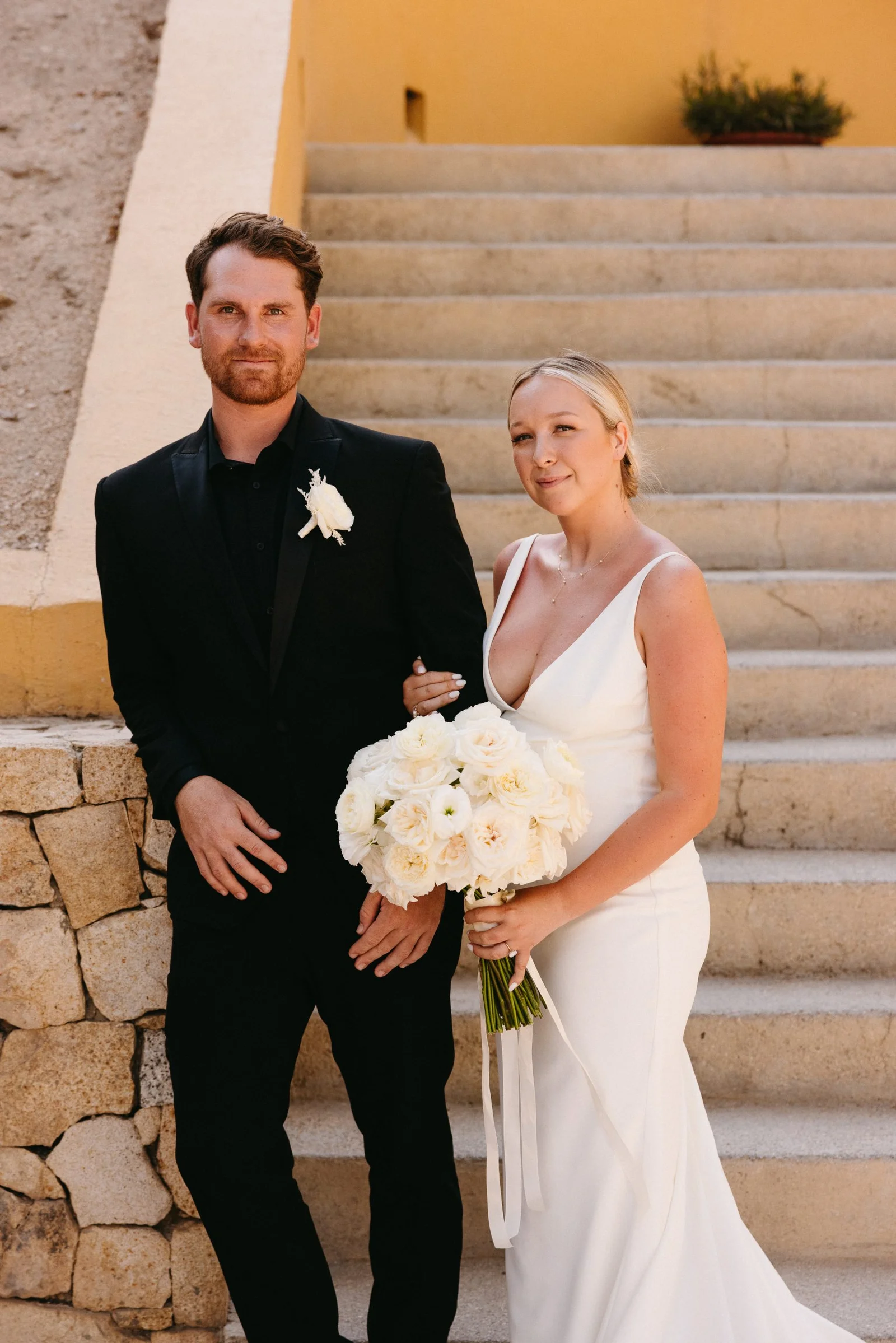
The right bridal makeup should complement the wedding dress without competing with it. Lace, satin, and modern wedding dresses each create a different visual effect, so the makeup should reflect the fabric, silhouette, neckline, accessories, venue, and overall wedding style.
A romantic lace gown may pair beautifully with softly blended eye makeup, fresh skin, and rose-toned lips. A smooth satin dress may support polished complexion makeup, defined eyes, and a refined lip color. A modern wedding dress may work with clean eyeliner, sculpted cheeks, natural skin, or a stronger statement lip.
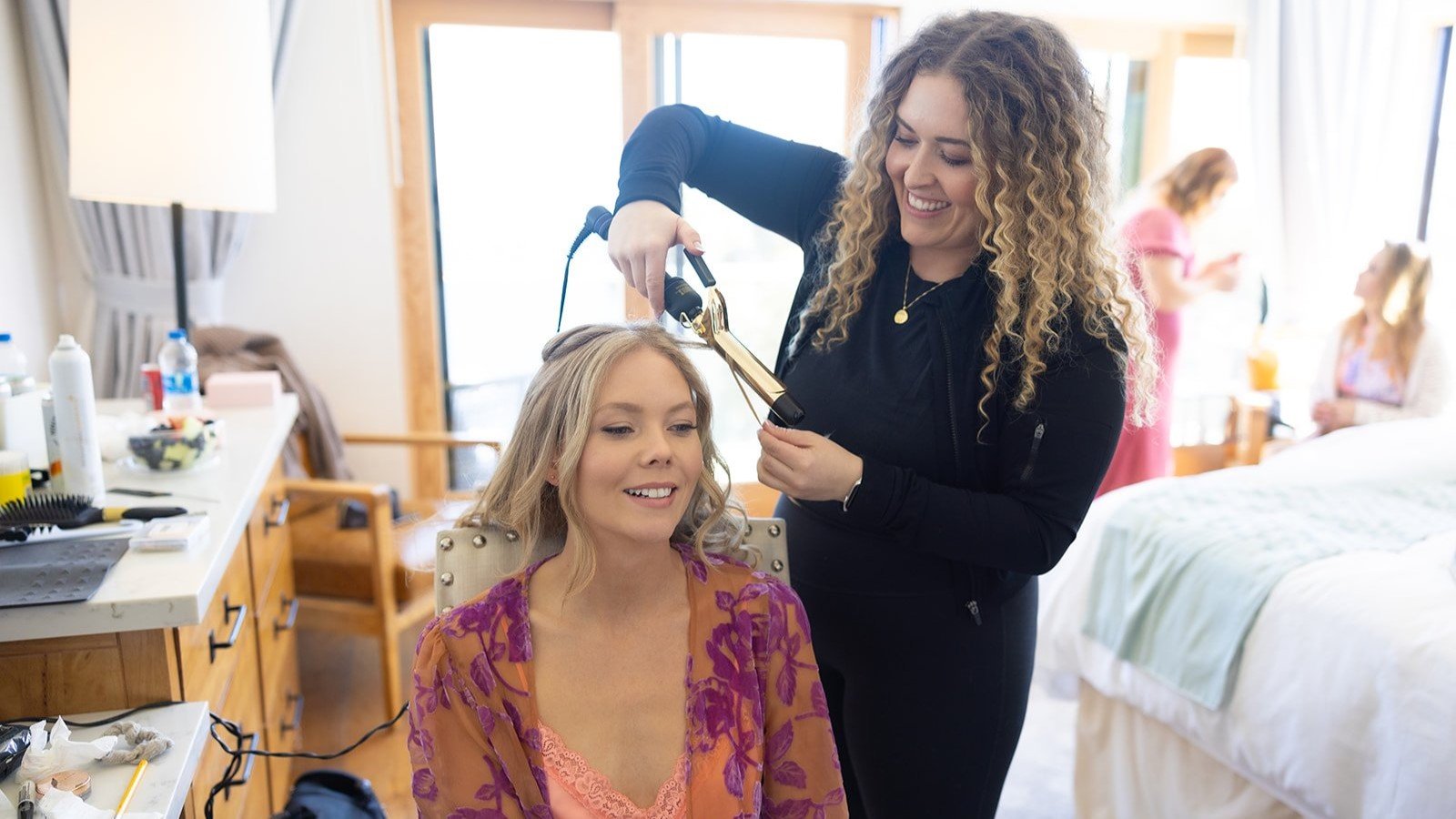
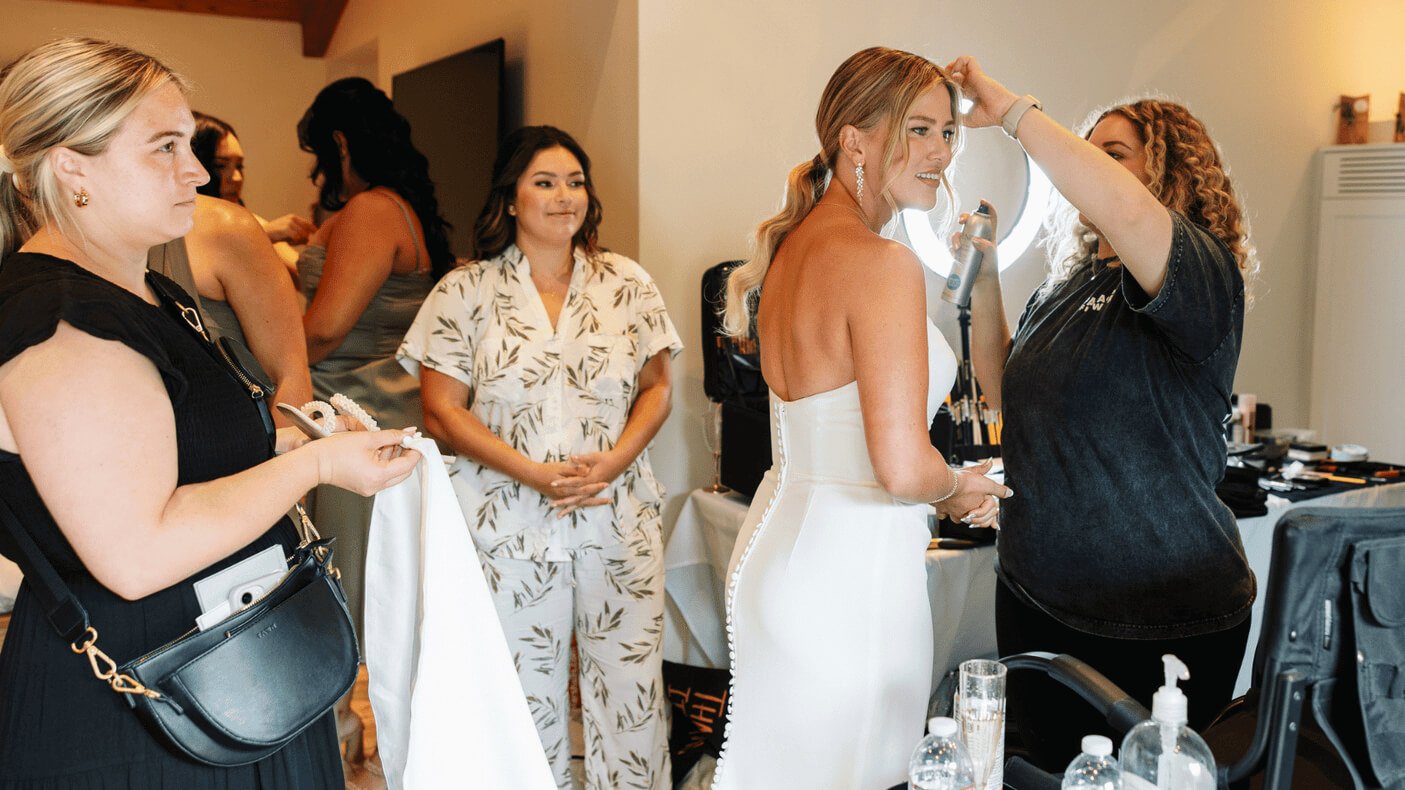
Brittany Brown Beauty provides personalized bridal makeup services in Orange County based on the bride’s complexion, features, dress, wedding setting, photography, and preferred level of coverage.
Why the Wedding Dress Matters When Choosing Makeup
The wedding dress is one of the most visually important parts of the bridal look.
Its fabric, shape, detailing, color, and neckline can influence whether the makeup should feel:
- Natural
- Romantic
- Classic
- Soft glam
- Full glam
- Minimal
- Vintage-inspired
- Modern
- Editorial
- Dramatic
The goal is not to match the makeup to the dress literally. Instead, the makeup should support the same level of formality, softness, structure, and detail.
For example, extremely dramatic makeup may compete with a delicate lace gown. Very minimal makeup may feel less balanced beside a highly structured satin ball gown. A modern minimalist dress may work beautifully with either clean natural makeup or one stronger feature, such as graphic eyeliner or a red lip.
Begin With the Bride’s Personal Style
The wedding dress should guide the makeup, but the bride should still feel recognizable.
Before selecting the final look, consider:
- How much makeup the bride normally wears
- Which facial features she prefers to emphasize
- Whether she likes matte or luminous skin
- Whether she normally wears eyeliner
- Her comfort level with false lashes
- Her preferred foundation coverage
- Her favorite lip colors
- The formality of the wedding
- The wedding photography style
A bride who normally wears minimal makeup may feel uncomfortable with heavy contouring or full smoky eyes. A bride who regularly wears defined makeup may feel unfinished with an extremely sheer application.
The most successful look connects the wedding dress with the bride’s everyday preferences.
Bridal Makeup for Lace Wedding Dresses
Lace wedding dresses often create a romantic, detailed, traditional, or vintage-inspired appearance.
Lace may be:
- Soft and delicate
- Bold and graphic
- Floral
- Beaded
- Vintage-inspired
- Sheer
- Textured
- Combined with tulle or chiffon
Because lace already contains visible texture and detail, the makeup should usually feel softly balanced rather than overly sharp.
Suitable makeup choices may include:
- Natural or satin-finish foundation
- Softly defined eyebrows
- Taupe, champagne, rose, or mauve eyeshadow
- Blended eyeliner
- Individual or wispy lashes
- Rose, peach, or dusty-pink blush
- Soft bronzer
- Controlled highlighter
- Nude, rose, mauve, or berry lips
The exact style should also reflect the lace pattern, neckline, dress color, and wedding venue.
Romantic Makeup for Soft Lace Dresses
Soft floral lace often works well with romantic makeup.
A suitable look may include:
- Lightweight or medium complexion coverage
- Luminous or satin-finish skin
- Soft brown eye definition
- Champagne or rose-gold shimmer
- Natural-looking lashes
- Peach or rose blush
- A rose, mauve, or pink-nude lip
The makeup should feel elegant and polished while allowing the texture of the lace to remain one of the main visual features.
Very harsh contouring, graphic liner, or extremely dark eyeshadow may compete with delicate floral detailing.
Makeup for Structured Lace Gowns
Some lace gowns are more dramatic and structured.
They may include:
- Corset bodices
- Fitted silhouettes
- Defined patterns
- Long trains
- High necklines
- Heavy embellishment
These dresses can support slightly stronger makeup, including:
- Medium or full coverage
- Defined brows
- Soft smoky eyes
- Fuller lashes
- Sculpted cheekbones
- A deeper rose, berry, or neutral lip
The makeup can have more structure while still maintaining soft blending.
Makeup for Vintage-Inspired Lace Dresses
Vintage-inspired lace dresses may suit makeup influenced by a particular period.
Possible choices include:
- Soft matte or satin skin
- Defined eyeliner
- Individual lashes
- Rose blush
- Classic red lips
- Berry lips
- Champagne or soft brown eyeshadow
- Carefully shaped brows
The final look should feel inspired by the dress rather than like a costume.
A 1920s-style lace gown may suit softly smoky eyes and a deeper lip, while a 1950s-inspired dress may pair with clean eyeliner and classic red or rose lipstick.
Makeup for Bohemian Lace Dresses
Bohemian lace dresses often feature relaxed silhouettes, flowing sleeves, crochet details, floral patterns, or lightweight fabrics.
A bohemian bridal makeup look may include:
- Natural skin texture
- Lightweight foundation
- Freckles left visible
- Warm neutral eyeshadow
- Soft lashes
- Peach or rose blush
- Light bronzer
- Nude, terracotta, peach, or rose lips
The makeup should feel fresh and intentional without becoming overly structured.
This style can work particularly well for beach, garden, estate, woodland, and destination weddings.
Bridal Makeup for Satin Wedding Dresses
Satin wedding dresses have a smooth, polished surface that reflects light.
They often create a classic, elegant, formal, or modern appearance.
Because satin has fewer visible textures than lace, the complexion and makeup details may become more noticeable.
Suitable choices may include:
- Smooth medium coverage
- Satin or softly matte foundation
- Defined brows
- Neutral or softly smoky eyes
- Carefully blended contour
- Polished lashes
- Rose, mauve, nude, berry, or red lips
The makeup should look clean and refined without appearing overly powdered.
Why Complexion Finish Matters With Satin
Satin reflects light, so excessive facial shine may compete with the dress in photographs.
At the same time, a completely flat matte complexion may feel too severe beside the fabric’s natural sheen.
A satin-finish complexion often creates a balanced result because it provides:
- Controlled radiance
- Natural dimension
- Moderate shine control
- A polished photographic finish
Brides comparing foundation options can review the guide to dewy vs. matte bridal makeup.
Makeup for a Classic Satin Ball Gown
A satin ball gown often creates a formal and traditional appearance.
It may include:
- A structured bodice
- A full skirt
- A long train
- A corset
- A cathedral veil
- Minimal or detailed embellishment
A balanced makeup look may include:
- Medium or full complexion coverage
- Defined eyebrows
- Neutral or softly smoky eyes
- Individual or fuller lashes
- Soft contouring
- Rose or mauve blush
- A polished nude, berry, rose, or red lip
The makeup should have enough definition to remain visible in full-length photographs and formal portraits.
Makeup for a Minimal Satin Dress
A simple satin dress may have clean lines, a slip silhouette, a square neckline, thin straps, or minimal embellishment.
Suitable makeup options include:
- Fresh natural skin
- Satin-finish complexion
- Defined brows
- Clean eyeliner
- Soft neutral eyes
- Individual lashes
- A carefully placed blush
- A nude, brown, berry, or red lip
A minimalist satin gown can support either understated makeup or one stronger feature.
For example, the bride may choose natural eyes and a red lip, or a nude lip with defined eyeliner.
Makeup for a Fitted Satin Dress
A fitted satin gown often feels sleek, polished, and dramatic.
The makeup may include:
- Medium complexion coverage
- Softly sculpted cheekbones
- Defined eye makeup
- Individual or wispy lashes
- Satin or softly matte skin
- A mauve, nude, berry, or classic red lip
The final look should match the dress’s structure without becoming too heavy.
Bridal Makeup for Modern Wedding Dresses
Modern wedding dresses may feature clean lines, architectural shapes, square necklines, one-shoulder designs, capes, jumpsuits, asymmetrical details, or unconventional silhouettes.
Modern bridal makeup can range from very natural to bold and editorial.
Possible directions include:
- Clean natural skin
- Soft-glam complexion
- Defined eyebrows
- Minimal neutral eyeshadow
- Graphic or softly structured eyeliner
- Sculpted cheeks
- Individual lashes
- A nude, brown, berry, or red lip
The makeup should feel deliberate and polished.
Makeup for a Minimalist Modern Dress
A minimalist modern dress may contain very few embellishments.
Because the design is simple, makeup details may become more noticeable.
A suitable look may include:
- Even natural skin
- Defined brows
- Clean eyeliner
- Natural lashes
- Soft contour
- A neutral lip
- A classic red lip
- Controlled highlighting
The goal is intentional simplicity rather than an unfinished appearance.
Makeup for an Architectural Wedding Dress
Architectural gowns may include sharp folds, structured shoulders, sculptural skirts, or geometric necklines.
These dresses may support stronger makeup structure, such as:
- Defined brows
- Clean eyeliner
- Sculpted cheeks
- A satin or matte complexion
- A polished nude or statement lip
The makeup should reflect the clean design without feeling harsh.
Makeup for a Modern Bridal Jumpsuit
A bridal jumpsuit may create a clean, fashion-forward, or relaxed look.
Suitable makeup options include:
- Fresh skin with clean eyeliner
- Soft-glam makeup with a nude lip
- Defined eyes with natural lashes
- A sleek complexion with red lipstick
- Soft contouring with a brown or mauve lip
The hairstyle should also support the outfit, whether the bride chooses a sleek ponytail, bun, waves, or short-hair styling.
Match Makeup to the Dress Neckline
The neckline affects how much attention is placed on the face, neck, shoulders, and chest.
Strapless Dresses
A strapless dress exposes the shoulders, collarbones, upper chest, and neck.
Foundation should blend naturally beyond the jawline when needed.
The look may include:
- Balanced complexion coverage
- Defined eyes
- Visible blush
- Soft contour
- A polished lip color
Any body makeup or highlighting should match the face and photograph naturally.
High-Neck Dresses
A high neckline places more visual attention on the face.
The makeup may need slightly more definition through:
- The eyes
- Eyebrows
- Cheeks
- Lips
A polished complexion and defined eye makeup can help the face remain balanced beside fabric or lace near the neck.
Square-Neck Dresses
Square necklines often feel modern, structured, or vintage-inspired.
They may work well with:
- Defined brows
- Clean eyeliner
- Neutral eyeshadow
- Soft contouring
- Satin-finish skin
- A defined lip color
Off-the-Shoulder Dresses
Off-the-shoulder designs often create a romantic and elegant appearance.
They may pair with:
- Glowing or satin-finish skin
- Softly defined eyes
- Rose, peach, or mauve blush
- Natural lashes
- Nude, berry, or rose lips
The face, neck, chest, and shoulders should appear balanced in color.
One-Shoulder Dresses
One-shoulder gowns create an asymmetrical and fashion-focused look.
The makeup may include:
- Balanced complexion coverage
- Defined eyes
- Structured brows
- Sculpted cheeks
- A modern nude or statement lip
The hairstyle and makeup should work together to maintain visual balance.
Consider the Color of the Dress
Wedding dresses may be bright white, ivory, cream, champagne, blush, nude, silver, gold, or another color.
Bright White Dresses
Bright white can create strong contrast against the complexion.
Visible blush, accurate foundation matching, and a defined lip can prevent the face from appearing washed out.
Ivory and Cream Dresses
Ivory and cream have warmer undertones.
They may complement:
- Peach
- Rose
- Bronze
- Champagne
- Warm brown
- Soft gold
- Warm nude lips
Champagne Dresses
Champagne gowns may work well with:
- Bronze eyeshadow
- Rose-gold tones
- Warm blush
- Soft brown eyeliner
- Peach, rose, or warm nude lips
Blush Dresses
Blush wedding dresses may suit:
- Mauve
- Rose
- Taupe
- Champagne
- Soft brown
- Berry
- Pink-nude lips
The makeup should complement the gown without matching its color too closely.
Match Makeup to Dress Embellishments
Dress embellishments can help guide the makeup colors and finish.
Pearl Details
Pearls may pair with:
- Luminous or satin skin
- Champagne eyeshadow
- Soft pink or rose blush
- Natural lashes
- Rose or nude lips
Gold Details
Gold embroidery or accessories may complement:
- Bronze eyeshadow
- Warm brown
- Peach blush
- Terracotta
- Rose-gold tones
- Warm nude lips
Silver Details
Silver embellishments may work with:
- Taupe
- Mauve
- Cool brown
- Soft gray
- Champagne
- Rose or berry lips
Crystal or Sequin Details
Reflective embellishments should be balanced with controlled highlighter.
Too much shimmer on the eyes, cheeks, and dress may create competing reflective elements in photographs.
Choose Eye Makeup That Supports the Dress
The eye makeup should reflect the dress’s level of detail and structure.
Suitable bridal eye looks may include:
- Soft neutral eyes
- Champagne shimmer
- Bronze eyeshadow
- Rose-gold tones
- Mauve eyeshadow
- Soft smoky eyes
- Defined eyeliner
- Natural lashes
- Fuller lashes
A simple modern dress may support stronger eyeliner or a softly smoky eye.
A detailed lace gown may feel more balanced with blended neutral eye makeup.
The guide to bridal eye makeup styles can help brides compare natural, soft-glam, and more defined options.
Choose the Right Foundation Coverage
The best foundation coverage depends on the bride’s skin, comfort level, photography, and wedding setting.
Light Coverage
Light coverage may suit brides who:
- Prefer minimal makeup
- Want freckles to remain visible
- Have relatively even skin
- Feel uncomfortable wearing heavier products
Medium Coverage
Medium coverage can create a polished and even complexion while maintaining a natural appearance.
Full Coverage
Full coverage may help balance visible discoloration, acne marks, or uneven areas.
For a natural result, it should be applied in thin layers rather than one heavy application.
Coordinate Makeup With the Hairstyle
The hairstyle and makeup should feel like parts of the same complete look.
Soft Waves
Soft waves may suit:
- Romantic lace dresses
- Natural makeup
- Soft-glam makeup
- Warm neutral eyes
- Rose or nude lips
Sleek Bun
A sleek bun may work with:
- Satin dresses
- Modern gowns
- Defined brows
- Clean eyeliner
- Sculpted cheeks
- A statement lip
Textured Low Bun
A textured low bun may complement:
- Lace gowns
- Romantic makeup
- Soft lashes
- Satin-finish skin
- Rose or mauve lips
Polished Ponytail
A polished ponytail may suit:
- Modern dresses
- Bridal jumpsuits
- Square necklines
- Defined eyes
- Clean complexion makeup
Select a Lip Color
Lip color should balance the dress, eye makeup, complexion, and overall bridal style.
Popular options include:
- Pink nude
- Peach nude
- Rose
- Mauve
- Soft berry
- Warm brown
- Muted coral
- Classic red
- Deep berry
A lace dress may pair well with rose, mauve, or berry shades.
A satin gown may support a polished nude, rose, berry, or red lip.
A modern dress may work with a neutral brown, muted nude, berry, or statement red.
Very pale lip colors may appear less visible in professional photographs.
Consider the Wedding Venue
The venue should influence both the dress and makeup plan.
Beach Weddings
Lightweight lace, chiffon, satin, and modern dresses may pair with waterproof eye products, controlled shine, and soft lip colors.
Garden Weddings
Romantic lace gowns may work with fresh skin, rose or peach blush, softly defined eyes, and natural lashes.
Hotel Weddings
Formal satin gowns may support soft glam, defined eyes, sculpted cheeks, and polished lips.
Estate Weddings
Lace, satin, and modern gowns can all work at estate venues. The makeup intensity should match the dress and event formality.
Courthouse Weddings
Modern dresses, jumpsuits, and short gowns may pair with clean skin, defined brows, eyeliner, and a modern lip color.
Consider Photography and Lighting
The makeup and dress will be photographed together in different environments.
Photography may include:
- Natural window light
- Direct outdoor sunlight
- Shade
- Golden-hour portraits
- Indoor lighting
- Professional flash
- Evening reception lighting
Satin and embellished dresses may reflect more light than soft lace or matte fabrics.
The makeup should provide enough facial definition without appearing overly heavy in close-up photographs.
Schedule a Bridal Makeup Trial
A bridal makeup trial allows the bride to see how the makeup works with the dress before the wedding.
Bring:
- Clear photographs of the dress
- A close-up of the fabric
- A picture of the neckline
- Fabric samples when available
- Jewelry
- Veil
- Hair accessories
- Bouquet inspiration
- Hairstyle photographs
- Makeup inspiration
- Venue photographs
During the trial, discuss:
- Foundation coverage
- Complexion finish
- Eye makeup
- Eyeliner
- Lashes
- Brow shape
- Blush
- Contour
- Highlighter
- Lip color
- Dress fabric
- Neckline
- Photography conditions
The guide explaining what happens during a bridal makeup trial can help the bride prepare.
Test the Complete Look
When possible, review the trial makeup with important parts of the bridal look.
Consider how the makeup appears with:
- The dress color
- Dress fabric
- Neckline
- Jewelry
- Veil
- Hairstyle
- Hair accessories
- Natural light
- Indoor lighting
- Phone photographs
- Flash photographs
A makeup style that looks attractive by itself may appear different when combined with the dress and accessories.
Common Mistakes to Avoid
Common mistakes may include:
- Choosing makeup without considering the dress fabric
- Selecting eye makeup that competes with detailed lace
- Using excessive highlighter with satin or crystal embellishment
- Wearing a lip color that disappears beside a bright white dress
- Ignoring the neckline
- Using a foundation shade that does not match the body
- Choosing a trend that does not reflect the bride
- Testing makeup without dress photographs
- Skipping the bridal trial
- Creating a look that does not suit the venue
The complete bridal look should feel coordinated rather than assembled from unrelated ideas.
Questions to Ask the Makeup Artist
Useful questions include:
- Which makeup style works best with my dress?
- Should the look be natural, soft glam, or full glam?
- Which complexion finish suits the fabric?
- How should the neckline affect the makeup?
- Which lip colors complement the dress shade?
- Should my eye makeup be stronger or softer?
- Will the makeup photograph well with satin or lace?
- Should the face, neck, and chest be blended?
- Can I test multiple lip colors?
- Should I bring my veil and jewelry?
- Are false lashes included?
- How long should the complete look last?
Frequently Asked Questions
What makeup works best with a lace wedding dress?
Softly blended eye makeup, natural or satin-finish skin, rose or mauve blush, defined lashes, and a polished neutral or berry lip can complement lace.
What makeup works with a satin wedding dress?
Smooth complexion makeup, defined brows, neutral eyes, controlled highlighting, and a polished nude, rose, berry, or red lip can work well with satin.
What makeup suits a modern wedding dress?
Fresh skin, clean eyeliner, structured brows, sculpted cheeks, individual lashes, and a neutral or statement lip can complement modern dresses.
Should bridal makeup match the dress color?
The makeup should complement the dress rather than copy its color exactly.
Does the neckline affect bridal makeup?
Yes. High necklines place more attention on the face, while strapless and low-neck dresses may require additional attention to blending the neck, chest, and shoulders.
Should makeup be stronger with a formal satin gown?
A formal satin gown may support more eye, cheek, or lip definition, but the final intensity should still reflect the bride’s comfort and preferences.
Should I bring my wedding dress photos to the trial?
Yes. Bring clear photographs of the full dress, neckline, fabric, color, and embellishments.
Can red lipstick work with lace or satin?
Yes. Red lipstick can complement vintage lace, classic satin, minimalist gowns, and modern dresses when it suits the bride’s style.
Book Bridal Makeup for Your Wedding Dress
Bridal makeup for a wedding dress should enhance the bride’s features while supporting the gown’s fabric, neckline, color, embellishments, venue, and photography.
Brittany Brown Beauty creates personalized bridal looks for lace, satin, modern, and other wedding-dress styles throughout Orange County.
Explore the bridal hair and makeup portfolio to view real bridal looks, or contact Brittany Brown Beauty to discuss the wedding date, dress style, venue, and preferred makeup look.