
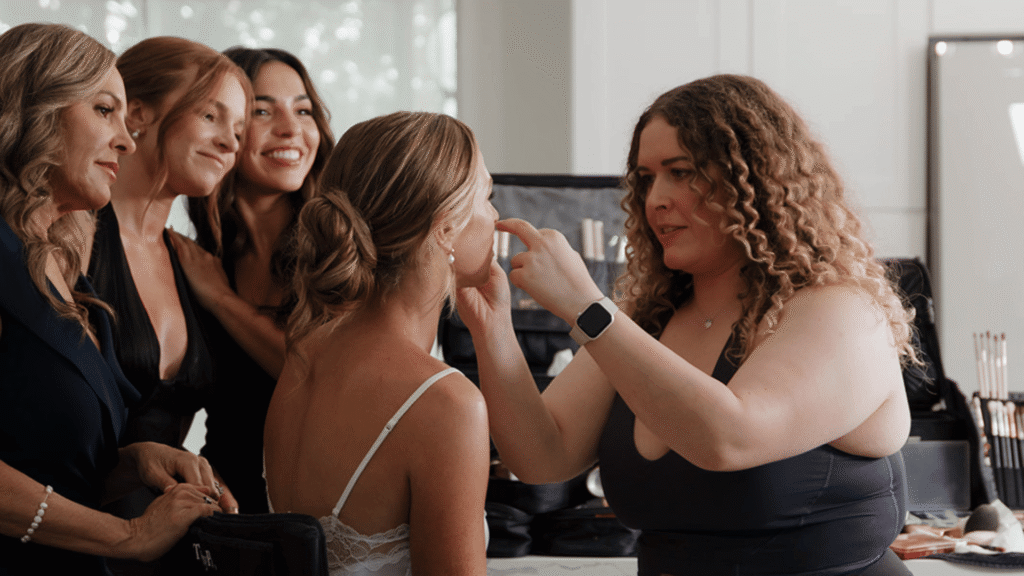
The bridal makeup trial is not a formality. It directly shapes what a bride sees in her wedding photos for the rest of her life. Yet many brides treat the trial as a casual appointment rather than a critical planning session.
Small mistakes during the trial create real problems on the wedding day. A shade tested under salon lighting looks wrong in an outdoor venue. A finish that felt fresh for two hours may not survive eight. Preferences left vague during the consultation lead to surprises when it is too late to change anything.
Wedding day conditions are different from studio conditions. There is emotion, movement, different lighting at every venue, heat, humidity, and hours of wear. Every trial decision needs to account for all of that. When it does not, the final look often falls short of what the bride expected.
These are the most common bridal makeup trial mistakes that change the final look, and how to avoid each one.
Arriving with Unprepared Skin
Some brides arrive at the trial without prepping their skin beforehand. They skip moisturizing, forget SPF, or come directly from another appointment without cleansing.
Skin condition on the day of the trial directly affects how products apply. Dry patches cause foundation to cling and flake. Excess oil without a proper primer base causes the makeup to break down faster than it would on a prepared surface.
The trial is meant to show how the finished look will hold up. If skin is not prepared the same way it will be on the wedding day, the test is not accurate. The artist ends up making decisions based on conditions that will not repeat.
Brides should follow the same skincare routine before the trial that they plan to use on the wedding day. This includes moisturizer, SPF if worn daily, and any regular serum or treatment. A consistent base gives the trial its value. Learn more about how to prep your skin 30 days before your wedding.
Changing Skincare or Treatments Right Before the Trial
A trial booked two or three weeks before the wedding is not the time to try a new chemical peel, start a new retinol, or switch to a different moisturizer.
New skincare treatments change the skin’s texture and sensitivity quickly. A peel performed a week before the trial may leave the skin reactive, flaky, or red. That affects how the foundation sits, how blending works, and whether the finish reads as intended.
When the skin behaves differently at the trial than it will on the wedding day, the results cannot be trusted. The artist adjusts techniques and products for a skin condition that is temporary.
Brides should keep their skincare stable for at least three to four weeks before both the trial and the wedding. Any new treatments should be tested earlier, with enough time for the skin to settle and normalize before either appointment. This is especially important for brides with oily, dry, or acne-prone skin.
Not Wearing the Right Outfit Color During the Trial
Many brides arrive at the trial in casual clothes. A dark top, a colorful jacket, or a printed shirt affects how the artist reads the overall makeup tone against the final bridal look.
Makeup is not judged in isolation. The balance between the face and the outfit is part of what makes the look work. A warm-toned blush that looks right against a navy shirt may look too saturated against a white gown.
The artist makes color and finish decisions during the trial based on what they see in front of them. If the outfit color gives a false reference point, those decisions are based on incomplete information.
Brides should wear white, ivory, or champagne at the trial to match the actual gown color. If the exact shade of the dress is known, dressing close to it gives the most accurate visual reference. This small detail changes how confidently tone and finish decisions can be made.
Bringing Too Many Conflicting Inspiration Photos
Arriving with ten or fifteen different inspiration images is one of the most common bridal makeup trial mistakes. Each photo may show a different skin tone, a different finish, a different lighting condition, and a different aesthetic direction.
Conflicting references pull the consultation in multiple directions. The artist cannot build one coherent look from seven different looks. The result is often a trial that tries to compromise between too many ideas and delivers none of them clearly.
Brides should narrow inspiration down to two or three images that share a consistent direction. The goal is to identify a finish preference, a color family, and a coverage level, not to recreate a specific photo from a magazine.
The best approach is to come with a clear idea of one element that matters most, such as the eye look, the lip color, or the skin finish, and let the artist guide the rest based on what suits the individual features and the venue.
Not Testing Makeup Under Different Lighting Conditions
Makeup applied under salon lighting may look completely different in natural sunlight, indoor reception lighting, or flash photography. Many brides do not check how the look translates across lighting changes during the trial.
Foundation with a white cast that is invisible under warm studio lights appears grey or ashy in natural daylight and even more stark in flash photos. A lip color that looks rich indoors may appear washed out in bright outdoor settings.
The wedding day involves multiple lighting environments, from getting-ready rooms to ceremony spaces to reception halls. A trial that only checks one lighting condition does not give an accurate picture of how the final look will perform.
Brides should step outside or stand near a window during the trial to check the look in natural light. Testing under flash photography, even with a phone camera, catches foundation mismatches before the wedding day. This is especially important because bridal makeup looks different in photos than it does in person.
Not Speaking Clearly About Comfort Versus Coverage Expectations
Some brides want full coverage but are uncomfortable with how it feels on the skin. Others request a natural look but feel underdone when they see the result. These conflicting expectations come from not separating the desire for a certain aesthetic from the physical comfort required to wear it for ten or more hours.
Heavy coverage can feel tight or mask-like over a long day. Light coverage may not hold up through emotion, heat, or humidity. Neither is wrong on its own, but the expectation needs to match the reality of wearing it.
Brides should communicate both what they want to look like and what they need to feel comfortable in. Saying both things separately helps the artist find a product approach that balances coverage with wearability. If full-day comfort is the priority, that is worth stating directly.
For brides unsure about coverage options, comparing airbrush makeup versus traditional application can help clarify which method suits the skin type and the desired finish.
Skipping Hair and Makeup Coordination During the Trial
Many brides book the makeup trial and the hair trial separately, or skip the hair trial altogether before the makeup trial. This means the final makeup look is evaluated without knowing how the hair will frame the face.
The hair volume, placement, and style directly affect how the makeup reads. A full updo exposes the face completely, which means brow shape, cheekbone definition, and eye balance carry more visual weight. Soft curls around the face create a different frame and change how the same makeup looks on camera.
Makeup decisions made without the hair reference may need adjustment once hair is added on the wedding day. That creates last-minute changes under time pressure, which is exactly what the trial is meant to prevent.
Brides should try to coordinate at least one appointment where both makeup and hair are done together. Even a general idea of the hair direction helps the makeup artist make more accurate decisions about symmetry, color placement, and overall balance. The venue plays a role in this decision too; read more about how your wedding venue should influence your bridal hairstyle.
Not Considering Wedding Venue Conditions During Trial Decisions
The venue determines a lot about which products and finishes will perform well. An outdoor beach wedding in summer heat is a completely different environment from an indoor cathedral wedding in the evening. Choosing a finish, foundation, or setting technique without thinking about the venue conditions is a setup for a look that does not last.
High humidity causes certain foundations to slide and break down faster. Direct sunlight washes out color and magnifies shine. A matte finish that looks polished in a cool indoor venue may appear flat or cakey under harsh outdoor lighting.
Brides should share venue details at the trial. The location, the season, the time of day, and the general environment all affect product selection. An artist who knows the venue conditions can choose formulas and setting techniques that match what the day will actually demand.
For brides with outdoor weddings, outdoor wedding makeup tips that last in heat and humidity cover the specific techniques that help makeup hold up throughout the day.
What a Bridal Makeup Trial Should Actually Achieve
A well-run bridal makeup trial covers more than just the look. It is a full evaluation of how the makeup will perform on the wedding day. Each of these areas should be checked before the appointment ends.
Clear Skin Assessment
The artist should assess skin type, texture, and any areas that need special attention, such as hyperpigmentation, uneven tone, or sensitivity. Product selection builds on this foundation.
Realistic Wear Test
The look should be worn for several hours after the trial to see how it holds up in real conditions. Brides should check how the foundation sits, whether the eyes crease, and how the lip color fades after eating and drinking.
Photography Check
A quick photo test under natural and indoor light should be part of every trial. The camera catches foundation tone mismatches and flash oxidation that the eye misses in person. Choosing between dewy versus matte bridal makeup also becomes clearer once the finish is photographed.
Comfort Check Over Long Hours
The look should feel comfortable and not restrictive. If anything feels too heavy or causes irritation during the trial, it will feel worse after eight hours on the wedding day.
Final Adjustment Planning
The trial is also the time to decide what, if anything, needs to change. Any adjustments should be noted clearly so the wedding day appointment begins with a clear, confirmed direction.
Common Misunderstandings Brides Have About Trials
Thinking the Trial Is the Final Look Without Changes
The trial is a test, not the finished product. It is normal and expected to adjust shades, coverage levels, or techniques after the trial. Brides who treat the trial as unchangeable miss the opportunity to refine the look before it matters most.
Assuming Trending Makeup Will Always Suit the Wedding Environment
A makeup trend that works for editorial photos or social media content may not translate well to a beach ceremony or a candlelit reception. Trends are designed for specific conditions and cameras. What photographs beautifully in a studio may look out of place at an outdoor venue in full afternoon light.
Brides should evaluate whether a trend suits the venue and the overall wedding aesthetic, not just whether it looks good in an inspiration photo.
Believing Heavier Makeup Lasts Longer
More product does not mean longer wear. Heavy layers of foundation without the right primer and setting combination break down faster than a lighter, well-set application. Long-lasting bridal makeup depends on the right product formula and application technique, not on the quantity applied.
Setting techniques, skin prep, and product compatibility matter far more than how much is on the face. The Brittany Brown bridal makeup routine explains how the right approach keeps makeup intact through a full wedding day.
Book a Bridal Makeup Consultation
Bridal makeup trials should never be rushed or treated casually. The trial is where every important decision gets made, from product selection and skin prep to finish, coverage, and long-wear strategy. Getting those decisions right requires reviewing skin condition, venue environment, lighting, and photography needs all at once.
At Brittany Brown Beauty, every bridal consultation and trial evaluates all of these factors before anything is confirmed. The goal is a look that holds up through the full wedding day, photographs accurately in every light, and feels right for the bride wearing it.
Browse the bridal makeup portfolio to see the range of bridal looks created for real weddings. Read what brides say about the trial and wedding day experience.
Schedule a bridal makeup consultation and trial before the wedding day to avoid common mistakes and secure a long-lasting, photo-ready result.
Frequently Asked Questions
Avoid introducing any new skincare products, treatments, or procedures in the weeks before the trial. Do not come with heavy skincare products applied immediately before the appointment. Skip sun exposure and facials within 48 hours of the trial. Arrive with skin in its normal, stable condition so the artist can make accurate product decisions.
A bridal makeup trial typically takes two to three hours. This allows time for the initial consultation, product application, adjustments, and a photography check. Brides should plan to wear the look for a few hours afterward to evaluate how it holds up over time.
Bring photos of your wedding dress or wear a similar color, two to three specific inspiration images that reflect your preferred direction, and any makeup products you currently use or want incorporated. Also bring your skincare routine details so the artist understands your skin history.
Yes. The trial is specifically designed to allow changes. Adjustments to color, coverage, finish, or technique should be discussed and noted immediately after the trial. Most artists expect refinements and welcome clear feedback before the wedding day appointment is confirmed.
Lighting, emotion, venue conditions, and skin state on the wedding day all differ from the trial setting. Flash photography, outdoor light, and temperature affect how colors read and how products perform. This is why testing makeup under different light conditions during the trial matters, and why knowing the venue details in advance helps the artist prepare for the actual environment.
Related Articles:
- How to Match Bridal Makeup to Your Skin Undertone
- Bridal Eye Makeup Styles: How to Choose the Right Look for Your Wedding
- Bridal Makeup Trends 2026 in Orange County
- How to Make Bridal Makeup Last All Day Without Touch-Ups
- Brittany Brown Bridal Makeup Routine: How It Lasts All Day
- Bridal Makeup for Mature Skin: What Works and What to Skip
- Best Foundation Types for Bridal Makeup