
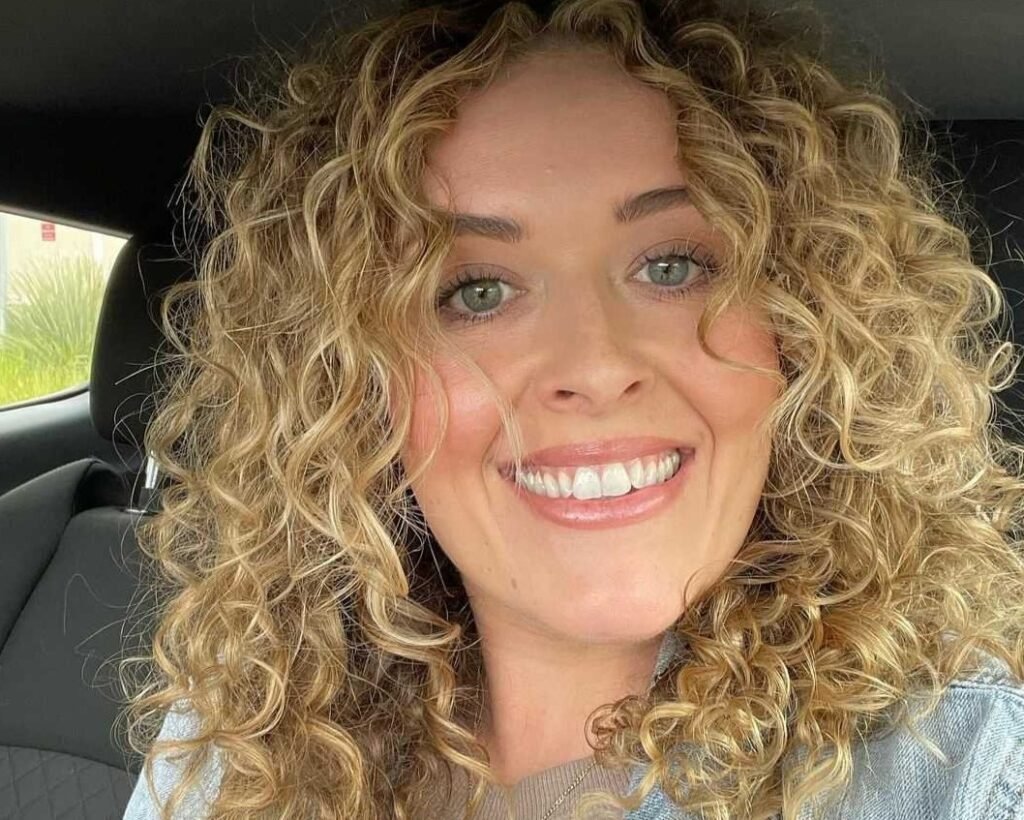
Your wedding-day skin should feel comfortable as well as look good. The easiest way to get there is an honest conversation with your makeup artist well before the big day. If you want to talk to your makeup artist about skin sensitivities but are not sure what to say or when to say it, this guide walks you through it. In short, share any known reactions, recent treatments, and problem products as early as you can, ideally before your trial. This guide comes from Brittany Brown, a mobile bridal hair and makeup artist in Orange County with 11+ years of hands-on experience.
This guide is educational and focused on appearance and comfort. It is not medical advice, and it does not replace a conversation with your doctor or dermatologist about any health concern.
Brittany follows an “enhance, don’t mask” philosophy at Brittany Brown Beauty. Her goal is a look that feels like yourself, but elevated. Sharing the right details helps her choose products and techniques that suit your skin, so you can enjoy getting ready instead of wondering how your makeup will behave. If you are still looking for the right fit, this list of questions to ask before hiring a bridal makeup artist is a good place to start.
Why This Conversation Should Happen Before the Trial
The bridal makeup trial is the best time to test your look, and the conversation about your skin should come first. Brittany strongly recommends a trial for every bride. During the appointment, she tests the chosen look and product formulas directly on your skin, works through any adjustments, and makes sure you walk into your wedding day knowing exactly what to expect. You can read more about what happens during a bridal makeup trial if you have never had one.
A trial works best when your artist already knows about your skin. If she learns about a sensitivity only after products are on your face, the appointment loses time and the test becomes less useful. Telling her ahead of time lets her plan the products, prep, and techniques before you sit down.
The earlier you raise it, the better. An early conversation leaves time to adjust your skincare routine, schedule treatments sensibly, and book your trial on a date that makes sense.
Brittany asks every bride to share any skin sensitivities, reactions, or recent treatments during the trial, and earlier notice only makes planning easier. You can mention them in your very first message when you reach out about your date.
What to Share
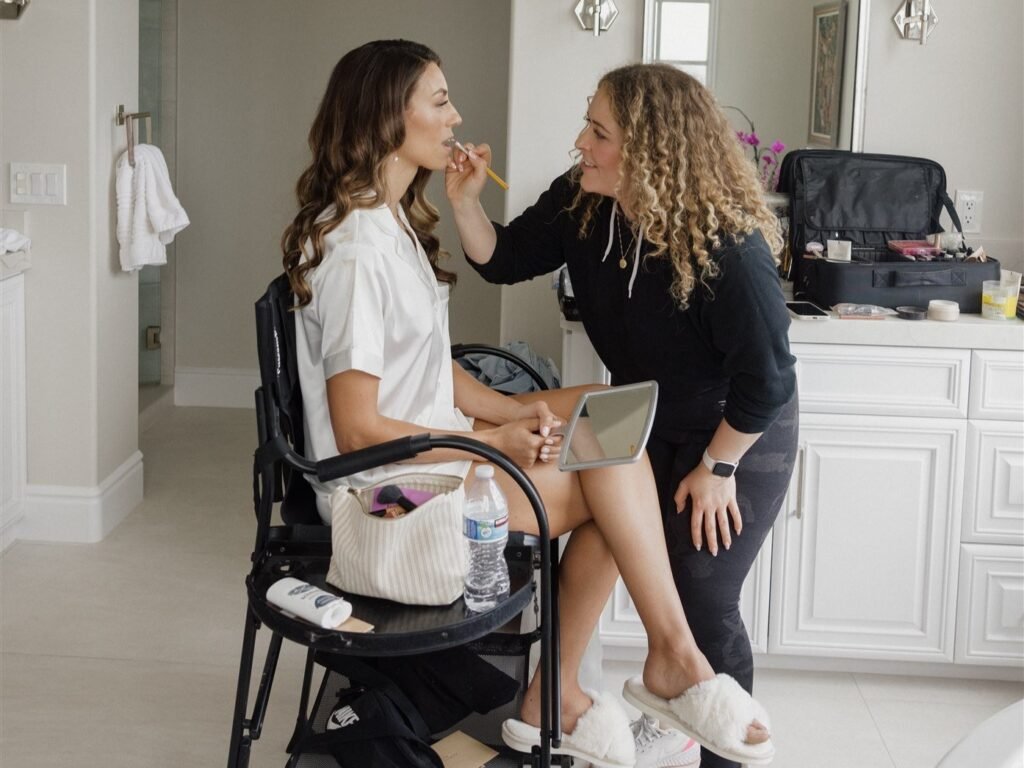
You do not need to use technical language. Plain, specific details are the most helpful. Think about what you have noticed on your own skin and what has happened in the past.
Known Allergies or Reactions
Tell your artist about anything your skin has reacted to before. This might include a certain fragrance, a type of adhesive, a product category, or a texture that has bothered you. Describe what happened in your own words. For example, you might say that a certain foundation made your skin feel itchy, or that your skin turned red after using a specific product.
Share the name of the product if you remember it. If you do not, describe it as best you can. Even a rough description gives your artist a starting point.
If you have a reaction that concerns you or you are unsure what caused it, your doctor or dermatologist is the right person to ask. Your makeup artist can work around what you tell her, but she is there to help with your makeup, not to diagnose or treat skin conditions. If a product ever causes a strong reaction, stop using it and check with a medical professional. Seek urgent care right away for symptoms such as facial swelling or trouble breathing.
Recent Treatments or Procedures
Let your artist know about any recent or upcoming skin treatments, such as facials, peels, or other professional services. Skin can look and feel different after a treatment, and that affects how makeup applies and wears.
Include the dates if you can. A treatment from last week may call for a different approach than one from three months ago. Knowing the timeline helps your artist decide how to prep your skin and which products to use.
Brittany also advises avoiding new skincare products or treatments in the final 10 days before the wedding. If you plan to schedule anything close to your date, bring it up early so you can plan around it together.
Products That Have Caused Issues Before
Make a short list of products that have bothered your skin in the past, whether they are skincare, makeup, or hair products. Also mention products you love and use often. Your favorites tell your artist what your skin tolerates well and what kind of finish you enjoy.
If you wear a specific skincare routine daily, share the basics. Your artist can build your skin prep around it so the base looks smooth and holds well through the day. Brittany suggests starting a consistent skincare routine at least four weeks before the wedding, which gives your skin time to settle into a steady pattern before your trial and the big day.
If you have concerns such as redness or uneven tone, mention those too. Brittany specializes in corrective beauty makeup, and this overview of what corrective makeup is and who it is for explains how it works.
How This Information Shapes Your Trial
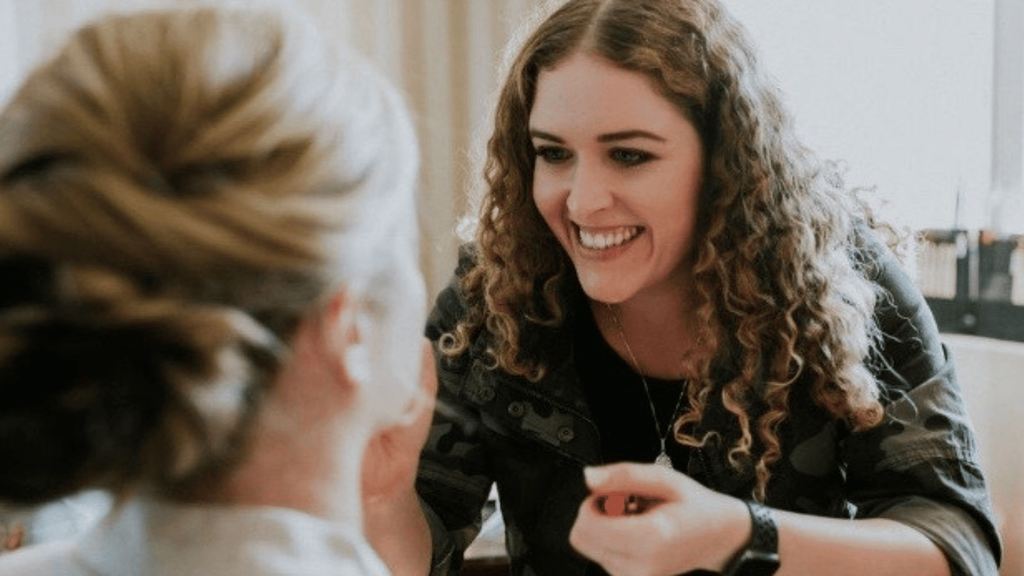
Once your artist knows about your skin, she can plan the trial around you. Brittany uses what you share to choose products and techniques that suit your skin type and your comfort level. Details like your skin tone and undertone also guide the base, which is covered in her guide to choosing the right foundation shade for your wedding day. She also considers your venue, since weddings along the Southern California coast often involve sea air, humidity, and sun that change how makeup wears. For summer dates in particular, see her tips on bridal makeup for humid summer weddings in Orange County.
At the trial, she tests the look and the products directly on your skin. You can see how the makeup looks in person, how it feels, and how it wears. If something feels off, you can tell her right then, and she can adjust the formula, the technique, or the look itself. Your skin type and sensitivities can also shape the finish that suits you best, and this comparison of dewy vs. matte bridal makeup is a helpful read before your appointment.
Skin changes with age, too. Brittany has deep experience with mature skin and adjusts her technique for it, because formulas that look great on younger skin can settle into fine lines or look heavy on a more mature complexion. If you are a mother of the bride or a bridal party member who wants the same care, share your skin concerns just as you would for a bridal look. Her guide to bridal makeup for mature skin explains what works and what to skip.
No makeup artist can honestly promise that a product is right for every skin type, because every person’s skin is different. Brittany’s approach is a careful process instead: she listens to what you tell her, tests the products on your skin at the trial, and adjusts where needed. That approach keeps the focus on you as an individual and helps you feel calm and confident on the day.
Let’s Plan Your Bridal Makeup Experience
If you are planning your wedding and want a makeup artist who listens, Brittany would love to hear from you. She travels to your chosen location with a complete professional kit, including her own studio-quality lighting and seating, so you can get ready in comfort with your bridal party. She also provides complimentary touch-up kits for brides, with lipstick, powder, and blotting sheets.
If you are looking for a bridal makeup artist in Orange County, or planning a waterfront celebration with a bridal makeup artist in Newport Beach, she would be glad to help. Browse Brittany’s portfolio to see her bridal work, or read about her background and training. When you are ready, reach out through the contact page to share your date, your venue, and anything you want her to know about your skin.
Frequently Asked Questions
Start thinking about it as soon as you book your artist. Write down any reactions, recent treatments, and problem products you remember. Then share them before your trial. Brittany also suggests starting a consistent skincare routine at least four weeks before the wedding, so your skin has time to settle.
Avoid new skincare products and new treatments in the final 10 days before the wedding. Staying hydrated in the week leading up to the event also helps, especially in summer. If you are unsure whether something counts as new, ask your artist or check with your doctor or dermatologist.
Bring up any skin sensitivities, reactions, or recent treatments. Mention products that have bothered your skin before, along with the ones you use and enjoy. Tell her your skin type as you understand it, and share anything about your skin that you feel unsure about.
Tell her as early as you can, ideally when you book or at least before the trial appointment. Brittany asks about sensitivities, reactions, and recent treatments during the trial, and earlier notice gives her more time to plan the products and prep for your appointment.
The bridal trial is the best place to test new makeup. Brittany tests the look and the product formulas on your skin during the appointment, so you do not need to try many new products on your own. Because she advises avoiding new skincare products in the final 10 days before the wedding, schedule your trial well ahead of that window and keep your routine steady afterward.