Posted on

Eyebrow Techniques for Sparse or Thinning Brows

eyebrow techniques for sparse or thinning brows

Brows frame the face. When they are sparse or have thinned over the years, many people feel the difference in the mirror and in photos. The good news is that a skilled artist can restore definition with soft, natural-looking technique, and the result should still look like you.

This guide covers eyebrow techniques for sparse or thinning brows, why brows change, how an artist builds definition, and what to expect if you plan a brow-focused trial before your wedding or special event in Orange County or San Diego. It is written for brides, mothers of the bride and groom, and anyone who wants a polished, natural finish.

Why Brows Change Over Time

Brows do not stay the same throughout life. Many people notice they look lighter, shorter or less defined than they once did. Over-plucking in earlier years, natural changes in hair growth and everyday habits can all play a part. Whatever the reason, sparse brows are common, and they are not something to feel self-conscious about. If your brows have thinned suddenly or you are concerned about hair loss, talk with a qualified professional. Makeup can change how brows look, but it does not address the cause.

Changes in the brows also change how the whole face reads. Softer, fuller brows can open up the eyes and balance the features. When the brows fade, the eyes can look less defined, and the rest of the makeup can feel like it is missing an anchor.

That is where technique matters. Brittany Brown, the artist behind Brittany Brown Beauty, has more than 11 years of experience in the makeup industry. Her specialties include corrective beauty makeup, bridal makeup, print makeup, and mature makeup. Across these styles, her focus remains on enhancing natural features. Brittany has said corrective beauty makeup comes naturally to her: “I don’t have to think about it; I just do it.” She also believes that “Little subtle changes on the skin can be very powerful.” Brows are a clear example of that idea. A few careful adjustments can change how the whole face looks. If you are new to the idea, corrective makeup: what it is and who it’s for explains how it works.

Brittany also loves working with mature clients. In her words, “I love to make moms, aunts, grandmas…etc feel beautiful and special as well.” Her approach follows the brand’s central idea: enhance natural beauty and do not mask it. For brows, that means building on what you have, not drawing on something that looks like it belongs to someone else. If you are considering mature skin more broadly, mature skin makeup and building coverage without looking heavy is a useful companion read.

Techniques That Add Definition Naturally
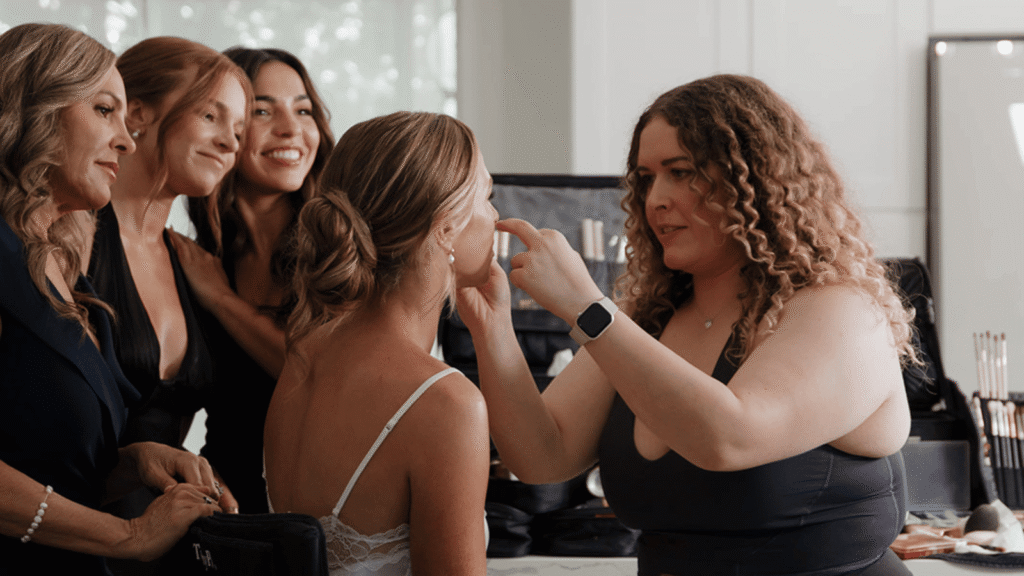
The aim with sparse or thinning brows is a look that reads as your own hair, only fuller and more defined. Heavy, solid lines can look harsh, especially on camera and in close-up photos. Soft layering looks more believable and flatters more faces.

Three ideas guide the work: fill the gaps with fine strokes, shape the brow around your current growth, and set the finish so it holds.

Filling With Hair-Like Strokes

The most natural way to fill a sparse brow is to mimic the hair that should be there. Instead of coloring in a solid block, an artist uses light, fine strokes that follow the direction of your natural hair growth.

A few principles shape this technique:

  • Follow the direction of growth. Brow hairs do not grow in one direction. They angle upward near the start of the brow, then flatten and sweep outward toward the tail. Strokes that follow this pattern look like real hair.
  • Use a light touch. Soft pressure creates delicate strokes. Pressing hard creates harsh lines that stand out.
  • Concentrate on the gaps. The goal is to fill sparse areas and leave your own hair visible. Real hair and filled strokes blend together when you build from what is already there.
  • Keep the start of the brow soft. A strong, dark beginning can look drawn on. A softer, fading start looks more natural.
  • Build gradually. Adding a little at a time lets you stop at the point that looks right, and it is easier to add than to remove.
  • Choose a tone that suits your coloring. A shade that fits your hair and skin looks natural, while one that is too dark or too warm can look obvious.

Brittany’s own style leans toward soft shadows and subtle definition, which suits this approach. The result is a brow with depth and shape that still looks like yours.

Shaping to Flatter Current Brow Growth

Shape matters as much as fullness. A well-placed shape lifts and balances the face, while a shape that fights your natural growth can look unnatural. If you are thinking about grooming before the event, eyebrow shaping before your wedding: what to know covers timing and what to avoid.

Instead of forcing a trendy brow shape, a good artist looks at your face and your existing brow first. She considers where your brow naturally begins, where it arches and where it ends. She also considers your eye shape, your forehead and how your features balance.

Consider these points:

  • Work with your natural arch. Your own brow shape is the best guide. Refining it usually looks better than redrawing it.
  • Balance the two brows. Few people have perfectly matching brows. An artist can soften the difference so the pair looks harmonious in photos.
  • Respect the tail. Many people with thinning brows lose density near the outer end. Extending and defining the tail gently can bring balance back to the face.
  • Match the shape to the occasion. A soft, natural brow suits a daytime outdoor ceremony. A slightly more defined brow can work for a formal evening event.
  • Think about mature features. As skin and brow position change over time, a softer, more natural shape often flatters better than a sharp, high arch.

This is a form of corrective makeup. The artist observes what is happening with your brows and adjusts the shape and fill to create balance, all while keeping the look natural. Brows also work together with the eyes, so eye makeup techniques for hooded or mature eyes and bridal eye makeup styles are worth reading if you are deciding on the full look.

Setting for All-Day Hold

A beautiful brow only helps if it stays put. Weddings and special events run for many hours, and Southern California conditions such as heat, humidity, sea air and direct sun can all affect makeup wear.

Setting is the final step. Brittany uses final setting techniques to help the look hold through the ceremony, photography and reception. For brows, that means choosing products that suit your skin and the setting, applying them in layers and locking them in so they stay in place.

No one can promise exactly how long makeup will last, because wear depends on your skin, the weather, the setting and the products. What careful technique can do is give your brows the best chance to look the way they did at the start of the day. A trial helps you see how the look holds up before the wedding, which is a good reason to book one. Because brows read differently on camera, it also helps to understand why bridal makeup looks different in photos and how to get it right.

Clients have shared that their makeup stayed in place all day, even through happy tears. Brittany also gives every bride a complimentary touch-up kit with lipstick, powder and blotting sheets for a quick refresh during a long day.

What to Expect if You Book a Brow-Focused Trial
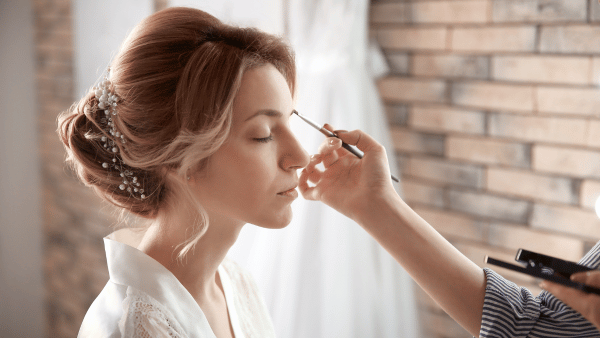
A bridal makeup trial is strongly recommended, and it is especially useful if your brows are an area you want to get right. During a trial, Brittany tests your look and products on your skin, works through adjustments and helps you know exactly what to expect on the day. For the full picture of the appointment, see what happens during a bridal makeup trial.

For a brow-focused trial, here is what the experience can look like:

  1. A conversation about your brows. You talk through what you like about them now and what you would like to change. Honest feedback is useful, so say what feels right and what does not.
  2. A look at your natural shape and growth. Brittany studies the brow you have, including where it grows, where it thins and how it relates to the rest of your face.
  3. Building the brow. She tests fill, shape and tone, and builds the brow gradually so you can see it take shape.
  4. Seeing it with the full look. The brow works together with the rest of your makeup. Seeing it as part of the whole face helps you decide whether you want more or less definition.
  5. Adjusting until it feels right. You can ask for a little more here or a little less there, and Brittany adjusts it on the spot.
  6. Noticing how it wears. Many brides pay attention to how the look feels and sits over the hours that follow, then share what they notice.

Brittany asks clients to disclose any skin sensitivities, reactions or recent treatments at the trial. If you have had a recent brow service, or if you have any concern about your skin or hair growth, mention it. If you have a concern about hair loss or your skin, talk with a qualified professional about it. A makeup artist can enhance the look of your brows, but she does not diagnose or treat any condition.

Bring a photo of a brow you like and a photo of a brow you do not. Photos from the past that show how your brows used to look can also help, as can photos of the dress, neckline and hairstyle that will go with the final look.

Plan Your Bridal Makeup and Brow Look

Your wedding makeup should reflect your personal style while complementing your features and wedding setting. Brittany Brown Beauty offers mobile, on-location services. Brittany brings her professional kit, studio-quality lighting, and seating directly to your hotel suite, private home, resort room, or estate. This creates a comfortable, well-lit space for your makeup and brow application without the need to travel to a salon.

The process follows a clear order:

  1. Arrival and setup: Brittany prepares her station, which usually takes 15 to 20 minutes.
  2. Skin and base preparation: She begins with skincare, primer, and base preparation.
  3. Makeup application: She creates your chosen look, including your brows, using professional products suited to your skin and the wedding setting.
  4. Final setting: She finishes with setting techniques to help your makeup last through the ceremony, photos, and reception.

Bridal makeup typically takes 60 to 90 minutes, while each wedding party member usually needs about 45 to 60 minutes. Brittany plans the schedule during booking and brings additional artists for larger groups so everyone can finish on time without rushing the bride’s application. Mothers of the bride and groom can also be included in the arrangements. If you’re planning makeup for family members, explore these guides on bridal makeup for the mother of the groom, bridal makeup for the grandmother of the bride, and bridal makeup for mature skin.

Once your venue and date are confirmed, reach out to discuss availability. Spring and fall weekends in Orange County and busy wedding seasons in San Diego can book quickly, so booking 6 to 12 months ahead is a good idea. A signed contract and deposit secure your date.

You can browse the portfolio to see Brittany’s work, visit the About page to learn about her background and training at Empire Academy of Makeup, or explore the Brittany Brown Beauty for bridal hair, makeup, and event services.

When you’re ready to discuss your wedding makeup and bridal party needs, contact Brittany Brown Beauty through the inquiry form.

Frequently Asked Questions

1. How can I create a natural-looking definition for sparse or thinning eyebrows?

Fill the gaps with light, hair-like strokes that follow the direction your brow hairs grow, and leave your own hair visible. Build the color gradually, keep the start of the brow soft and choose a tone that suits your coloring. Then shape the brow around your natural arch and set it so it holds. Soft, layered definition looks more natural than a solid line, and a trial lets you see the result before the big day.

2. When should I schedule a brow-focused makeup trial before my wedding or special event?

Schedule it after your date is secured and once you have a clear idea of your dress, hair and overall look. Booking early leaves you time to adjust anything you want to change. If you are planning a peak-season wedding, reach out as soon as your venue is confirmed, since popular dates book out well in advance. Brittany strongly recommends a trial, and she can talk through timing with you when you inquire.

3. How are eyebrow techniques for sparse or thinning brows different from standard bridal makeup?

Standard bridal makeup covers the whole face. Brow work for sparse or thinning brows is more focused. It involves studying your natural growth, building fullness with fine strokes and shaping the brow to balance your features. This overlaps with corrective beauty makeup, which Brittany describes as coming naturally to her. The rest of the look still follows the same approach: enhance your natural features and help you feel like yourself, but elevated.

4. What products work best for eyebrow techniques for sparse or thinning brows?

The right products depend on your coloring, skin type, and wedding setting. Brittany brings a complete professional kit and selects products suited to your skin and Southern California conditions, including heat, humidity, and sea air. You don’t need to purchase anything in advance.
Since every skin type is different, your trial is the best time to test products and find the combination that works best for you.

5. How far in advance should I book a trial for eyebrow techniques for sparse or thinning brows?

Book your artist once your venue is confirmed and your wedding date is secured with a signed contract and deposit. During busy seasons in Orange County and San Diego, booking a mobile artist 6 to 12 months in advance is a good idea.
Schedule your trial once you have a clearer idea of your desired look. This gives you enough time to test different options and make adjustments well before the wedding day.
Posted on

Choosing Blush and Bronzer for Mature Skin Tones

blush and bronzer for mature skin tones

Blush and bronzer go on near the end of makeup, but they affect the whole look. A soft flush can make skin look warm and rested. Too much color or the wrong texture can look patchy, heavy, or shiny. Shade, formula, amount, and placement all affect the finish.

These choices matter when applying blush and bronzer to mature skin. Fine lines and dry areas can make some products more noticeable. The answer is not always to use less color. Choosing products that suit the skin often makes a bigger difference.

Brittany Brown Beauty provides mobile bridal hair and makeup across Orange County, San Diego, and surrounding areas. This article covers shade selection, formulas, placement, and finish. It is written for mature brides, mothers of the bride or groom, and anyone interested in corrective makeup.

Mature makeup is one of Brittany’s specialties. In a published interview, she said, “I also love to do mature makeup.” She also said corrective beauty makeup “comes naturally to me.” Brittany brings these skills to her bridal work as a corrective makeup artist in Orange County. She has more than 11 years of experience in the makeup industry. Read more about her background on the About page. For more advice, see the guide to mature skin bridal makeup.

Why Formula Matters as Much as Shade

Shade often gets the most attention, but formula affects how color sits on the skin. Two blushes in the same pink can look quite different. One might be a cream, while the other is a powder.

Here is how three common formulas compare:

  • Powder: Fine particles sit on the skin’s surface. Powder is easy to control and build. However, too much can look dry or flat.
  • Cream: Cream blends into the skin and can create a natural-looking flush. It may move or slip on oily areas.
  • Liquid: Liquid blush is often sheer and stain-like. It sets quickly, so blend it promptly to avoid patches.

Skin preparation also affects the finish. Moisturized skin helps cream and liquid products blend smoothly. Dry patches can make powder look uneven. Give skincare a few minutes to settle before makeup application. Stick with your usual routine if it already works for your skin.

Some formulas can settle into fine lines or draw attention to dry areas. A rich cream near the eyes may collect in fine lines. Dry, heavily pigmented powder can cling to rough patches. The article on avoiding makeup that settles into fine lines explains this in more detail.

Consider your skin, preferred finish, and existing makeup when choosing a formula. Matching textures can help the products work well together. A dewy, creamy base often pairs well with cream blush. A base set with powder may work better with powder blush.

For example, a bride might have dry cheeks and a shiny center of the face. Her artist could apply cream blush to the cheeks and light powder bronzer around the edges. The best combination depends on her skin and the finish she wants.

What to Look For

Cream vs. Powder for Mature Skin

Both cream and powder formulas can work well on mature skin. The better choice depends on your skin and preferred finish.

How they apply. Apply cream with your fingertips, a sponge, or a dense brush. Work in small amounts because cream blends quickly. Use a soft brush for powder. It builds gradually, giving you more control over the color.

The finish they create. Cream often gives skin a satin or softly dewy finish. Powder can look matte or softly satin. The result depends on the formula, so test it on your skin.

When cream may help. Cream can suit dry or textured cheeks because it blends without a powdery finish. It also works well for a natural flush. Start with a thin layer.

When finely milled powder offers control. Finely milled powder has small, smooth particles. It can suit oilier skin and anyone who wants precise control over color. It can also sit well over a base that the artist has already set.

How to layer without a thick finish. Start with a thin layer and press it gently into the skin. Check the color before adding more. If needed, apply another thin layer from the same formula family. Some artists lightly dust powder over cream to help set it. Keep each layer sheer so your skin remains visible.

Placement for a Natural Lift

Blush and bronzer placement can change how your features look. Even small adjustments can affect the balance of your face.

  • Blush: Find the fullest part of your cheek and tap color there. Blend outward to avoid a concentrated patch.
  • Face shape and preference: A slightly upward blush placement can suit rounder faces. A more horizontal sweep may suit longer faces. Treat these as starting points, not fixed rules.
  • Bronzer: Apply bronzer around the temples and hairline. This adds warmth without creating a hollowed-out look.
  • Blending: Use a clean, fluffy brush along the cheekbones. Blend the edges until the blush, bronzer, and skin look connected.

Check your makeup from several angles. Look straight ahead, from both sides, and at a three-quarter angle. Check the finish near a window too. Natural light can reveal edges that indoor lighting hides.

No single placement technique works for everyone. A style that suits one face may not suit another. Your artist can adjust the placement to your features and preferences.

For example, someone with prominent cheekbones may prefer blush placed slightly lower. This can create a softer look. Someone with less pronounced cheekbones may prefer higher placement for more definition. Neither approach is a correction. It comes down to the look you prefer.

Avoiding Shimmer That Emphasizes Texture

A soft sheen and visible shimmer create different effects. Sheen reflects light evenly across the skin. Shimmer contains particles that catch the light.

Large shimmer particles can draw attention to fine lines and uneven texture. Flash photography may also create bright spots where those particles reflect light. A satin or softly luminous finish usually gives a more even reflection.

You can still add glow without covering your cheeks in shimmer. Apply a small amount of highlighting product to areas such as:

  • The high points of your cheekbones.
  • The brow bone, using a light touch.
  • Other areas where you want a subtle glow.

Matte products need careful application too. A dry, heavily applied matte blush can look flat on dry skin. A thin layer over well-prepared skin often gives a softer finish. Choose the finish that suits your skin rather than avoiding shine or matte altogether.

Building Warmth Without Looking Overdone

Blush adds color to the cheeks, while bronzer brings warmth to the face. Both should complement your other makeup rather than compete with it.

  • Match your complexion and undertone. Soft pinks and roses often suit cooler undertones. Peaches and warm corals often suit warmer undertones. Deeper skin tones can work well with berry or terracotta shades. See the guide to choosing the right blush shade.
  • Use bronzer for warmth, not contour. Choose a shade slightly deeper than your skin tone. Blend it softly for a sun-kissed finish rather than a sculpted effect.
  • Choose blush that complements your lip color. A coral lip can pair well with warm blush. A deeper berry lip may work better with rosy tones.
  • Apply color gradually. Start with a small amount and add more only when needed.
  • Check the complete makeup look. Assess blush and bronzer with foundation, eye makeup, and lip color in place. Lip color can change how blush looks against your complexion.
  • Consider the lighting. Daylight reveals more detail, while indoor lighting often looks warmer and softer. Photography can also change how makeup appears. Your artist may check test photos before settling on the finish. Read more about how wedding lighting affects bridal makeup.

A softer bridal look might use sheer peach cream blush and a little bronzer around the temples. A satin finish and subtle highlight keep the makeup understated. This combination can suit a daytime garden ceremony.

A more defined look might use a thin cream base with powder blush layered on top. Slightly deeper bronzer along the cheekbones and jawline adds definition. A soft highlight finishes the look. This approach can suit an evening or formal wedding.

Brittany has said, “Little subtle changes on the skin can be very powerful.” A small adjustment to blush shade or bronzer placement can change the overall look. Browse the bridal makeup portfolio for examples of finished looks.

Planning Your Bridal Makeup?

Choosing the right blush and bronzer can make a real difference to your bridal makeup, especially when you want a finish that suits mature skin. Share your wedding date, venue, and preferred look with Brittany Brown Beauty. Click the button below to schedule a consultation online.

Frequently Asked Questions

1. How is blush and bronzer for mature skin tones different from standard bridal makeup?

The goals are the same: a natural flush and warmth that look good in person and in photos. The technique adjusts. Formula choice, thin layers and careful blending matter more. The look still follows your taste and features.

2. What products work best for blush and bronzer for mature skin tones?

It depends on your skin and the finish you want. Some clients do well with cream blush. Others do better with a finely milled powder. A satin finish often looks smooth, and a shade close to your undertone usually looks natural. No product suits everyone, so the artist tests options on your skin.

3. How far in advance should I book a trial for blush and bronzer for mature skin tones?

A trial is typically scheduled 2 to 4 months before the wedding. That leaves time to adjust shades and formulas. Book your wedding date earlier, since dates fill up. The article on how far in advance to book hair and makeup in Orange County covers timing. A trial helps assess comfort and the look, but it cannot guarantee that a reaction will never occur.

4. Do mothers of the bride or groom need different blush and bronzer?

The same principles apply. Choose by skin, outfit and photo plans, not by role or age. One mother may want soft color, and another may want something bolder. Read about bridal makeup for the mother of the groom for more.

5. How does corrective makeup relate to blush and bronzer?

Corrective techniques use targeted color and coverage to even out areas of the skin. Blush and bronzer then tie the complexion together. Corrective makeup softens how a concern appears. It does not change the skin. The overview of corrective makeup and who it is for explains the approach.

Posted on

Makeup for Brides Over 40: What Changes and What Doesn’t

makeup for brides over 40

Makeup for brides over 40 does not come with a separate rulebook. A few techniques do change as skin matures. Your taste, your features and your vision for the day stay exactly where they were.

Foundation, concealer and powder can behave differently on mature skin. The usual answer is not less makeup. It is thinner layers, smarter placement and careful blending. That is the difference between a base that looks smooth in person and one that looks heavy in photographs.

Brittany Brown Beauty names mature makeup and corrective beauty as a particular focus. This article covers what an artist may adjust for mature skin bridal makeup. It also covers what stays your call and how to plan the look. Mothers of the bride or groom and clients who want corrective makeup will find it useful too.

What Genuinely Changes With Age

Not everyone over 40 sees the same changes. Genetics, sun exposure, climate and skin type all play a part. Some brides notice little difference in how makeup wears. Others notice a few specific things, and those are what an artist watches for.

Skin Texture and Base Coverage

Skin may feel drier over time, and fine lines can become more visible. Makeup does not create that texture, but heavy product can show it. Thick foundation tends to collect in lines and pores. Thin layers usually leave skin looking more like skin.

Placement matters as much as the formula. An artist might even out the nose and chin area, then sheer the product toward the temples and jaw. Coverage builds only where the face needs it. The edges at the hairline, jaw and ears get extra blending, so no line shows in photos.

A bride who wants full coverage can have it. The artist builds it in thin passes and lets each pass settle. The result looks fuller without looking heavy.

Concealer and Powder

Concealer can settle into lines when too much goes on, especially under the eyes. A small amount at the inner corner and darkest area, patted out, often works better than a full band. A flexible formula moves with the skin.

Powder follows the same logic. A full face of loose powder can emphasize dryness and sharpen fine lines. A small amount where shine or creasing appears keeps the rest of the skin natural. Pressing powder in with a puff, instead of sweeping it on with a brush, also helps. Oilier skin may need more powder, so the plan depends on you.

Eyes and Lashes

Eyelids can change shape over time. The visible lid space may look smaller, the skin may fold, and natural lashes may look thinner. Liner and shadow placement adjust to match.

Liner set close to the lash line defines the eye. A soft wing that follows the eye’s natural angle keeps it from pulling down. Our guide to eye makeup for hooded or mature eyes shows how placement shifts with lid shape. A bride who loves dark liner can keep it. The artist softens the edge with shadow instead of removing it.

Lashes can restore definition where natural lashes have thinned. The length and fullness depend on the look you want.

Cheeks and Lips

Blush and bronzer follow your bone structure, not a formula. A bride with high cheekbones may want blush along the bone. A bride with rounder cheeks may prefer it slightly higher and angled outward. Cream formulas blend into the skin and look soft, but a bride who prefers powder blush can have it.

Bronzer works best where sun would naturally touch, usually the outer edges of the face. A light hand keeps it from reading as contour. Lips may need more edge control, because lipstick can drift into fine lines around the mouth. A matching liner and a blotted first layer keep color where it belongs.

In Person Versus In Photographs

Makeup that looks balanced face to face can read differently on camera. Flash can bounce off powder and shimmer. Soft indoor light can flatten features. Outdoor sun shows texture clearly. A camera also brings the viewer closer, so edges and blending matter more. The artist adjusts powder, finish and definition with those conditions in mind.

What Stays Exactly the Same

Your style is still the starting point. Many brides over 40 assume they have to go lighter and quieter. Nothing in the makeup requires that. A classic red lip, a defined eye or full coverage works at 25 and at 55. The technique changes, not the permission.

A bride may want any of these:

  • A soft natural finish: This is a great choice when you choose it, not when it is assigned to you.
  • Defined eyes or a smoky eye: The artist blends the edges and chooses finishes that suit your lids.
  • A classic red lip: Lining the lips and blotting the first layer keep the color in place. The article on red lip bridal makeup helps you decide.
  • Luminous skin: Glow goes where light naturally hits, such as the high points of the cheeks.
  • Dramatic lashes or bold liner: The artist checks the fit against your lid shape and eye angle, then adjusts placement.

Choose by features and preferences, not by age. Start with what you wear and love. Then the artist adjusts how it goes on. A bride who wears a bold lip every day should see that lip on her wedding day. Taking it away would make her feel less like herself.

Recognizable matters in person and in photographs. Friends and family should see you, not a stranger. Photos of makeup you already wear help the artist match your usual style. The goal is you on your best day.

Location, light and weather still shape the finish. A coastal ceremony in afternoon sun asks for different decisions than an evening ballroom. Humidity, wind and heat affect how a finish wears. The photographer’s style matters too, especially if flash is expected.

Lighter makeup is not automatically better. Too little definition can leave features looking flat in photos. A bride over 40 can wear the same range of looks as any other bride. The artist simply chooses techniques that suit her skin.

Building a Look That Feels Like You

Planning starts with a conversation. The details below show how an artist might adapt a technique to a bride’s preferences. They are examples, not a script.

Skin Preparation

Keep your usual routine, as long as it suits your skin. Avoid introducing new products right before the wedding. A new product can change how makeup sits or cause a reaction. No routine can promise a specific makeup result. What helps is telling the artist what you use and how your skin feels that week.

If your skin tends to feel dry, the artist can allow time for moisturizer to settle before foundation. If it tends to be oily, the plan may include more targeted setting.

Foundation and Concealer

Coverage is a decision, not a default. Take a bride with redness around the nose who wants an even base. The artist might correct only that area, then use a sheer foundation elsewhere. Now take a bride planning a formal evening wedding who wants full coverage. The artist might build it in thin passes and check each pass in bright light.

Skin that shows texture on the cheeks may do better with little powder there and a cream blush. The artist keeps coverage where it is needed instead of defaulting to the lightest option.

Eyes

Bring examples of eye looks you wear. A bride who normally wears brown shadow without liner can keep that look. The artist might deepen the shade along the lash line so her eyes hold up in photos. A bride who rarely wears eye makeup might want soft definition. Warm matte shadow and a smudged lash line make eyes read in photos without looking made up.

Shadow finish is a choice too. Matte and satin finishes tend to blend easily. Shimmer can work in the center of the lid when the lid is smooth. Test it at the trial.

Color Choices for Cheeks and Lips

A bride who prefers a nude lip may want a shade slightly deeper than her natural lip color. That keeps her lips from fading in photos. Blush should suit her undertone and the dress color. Bring a favorite lipstick or blush so the artist can match what already feels like you.

Photography

Your makeup has to work in natural light and under the lighting expected at the venue. Daylight shows true color and texture. Warm ballroom lighting can shift colors and reduce contrast. Mixed lighting can affect how bridal makeup looks throughout the day. For example, a bright ceremony and a dim reception may call for a different balance of glow and matte finishes. To prepare, read how wedding lighting affects bridal makeup before your trial.

Tell the artist the ceremony time and the type of venue. Ask to see the look in different lighting conditions so the artist can make any necessary adjustments before the wedding day. Additionally, browse the portfolio and note what you like about each look, whether it’s the lip color, eye makeup or overall finish.
The Trial

A trial is the place to talk through your makeup habits. Share your usual routine and preferred finish. Name the areas you want to emphasize or soften. Add any product sensitivities and past makeup concerns. Brittany strongly recommends a trial, though it is not required.

The trial lets the artist assess the look and how it feels on your skin. It cannot guarantee that a reaction will never occur. If you have reacted to a product before, mention it early.

Why Experience Across Ages Matters Here

Technique comes from seeing how makeup behaves on many faces. An artist with experience working with different ages and skin textures can adapt when a product does not sit well. For example, she can adjust its placement or apply thinner layers rather than using the same formula and technique for everyone.

Brittany has more than a decade of experience in bridal and print makeup. Print work puts makeup under close photographic scrutiny, which is relevant to bridal photography. Her site lists mature makeup and corrective beauty among her named specialties.

As a corrective makeup artist in Orange County, Brittany uses targeted color correction, thin layers and careful blending. Heavy coverage is not the default. Her article on corrective makeup and who it is for explains the approach. Corrective makeup softens how a concern appears. It does not change the skin, so some texture may still show up close.

The About page describes consultations that offer alternatives for the look you want. It also describes working together to clarify your vision. Brittany travels to your getting-ready location across Orange County, San Diego and surrounding areas. Makeup for brides over 40 in Orange County happens where you are getting ready. Family members are welcome too.

Planning Your Bridal Makeup

Share your wedding date, venue, ceremony time, getting-ready location and preferred makeup style. These details help us check availability and plan the consultation. Mention any skin sensitivities or corrective concerns too. You can also send them through the contact page. Click the button below to schedule a consultation online.

Frequently Asked Questions

1. How is makeup for brides over 40 different from standard bridal makeup?

The goal is the same: makeup that looks like you and holds up in photos. The technique adjusts. Expect thinner layers, targeted coverage, selective powder and placement that follows your features. It is not a different style, and it does not mean a lighter palette.

2. What products work best for makeup for brides over 40?

It depends on your skin, so no single product suits everyone. Skin-like textures that blend easily often work well, and the artist tests them at the trial. Bring the products you already use. The guide to foundations for mature skin covers formula types in more detail.

3. How far in advance should I book a trial for makeup for brides over 40?

A trial is typically scheduled 2 to 4 months before the wedding. That leaves time to adjust the look if something needs changing. Book the wedding date itself earlier, since dates fill. The article on how many bridal trials you need helps you plan.

4. Should brides over 40 avoid certain makeup finishes?

There is no blanket list. Finish depends on your skin and the look you want. A very matte base on dry skin may emphasize texture, and chunky glitter can catch light unevenly. Both can still be worn if they suit you. Test any finish you are unsure about at the trial.

5. How can brides help bridal makeup photograph well on mature skin?

Keep some definition in the brows, eyes and lips, since cameras can flatten a face. Choose a powder you have tested with flash. Look at trial photos at full size, not only on a phone preview. Share the photographer’s style and the time of day, so the artist can plan the finish.

Posted on

Long-Wear Makeup Techniques for Textured Skin

long-wear makeup techniques for textured skin

Makeup that looks smooth at 9:00 AM and settles into lines by the ceremony is one of the most common worries I hear from brides, mothers of the bride, and mothers of the groom. Textured skin has real character, and the right technique lets that character show up as natural, radiant skin instead of fighting it with heavy coverage.

In short, long-wear makeup for textured skin works best with thin layers, a primer used sparingly, and setting product placed only where skin tends to shine. I am Brittany Brown, a mobile bridal hair and makeup artist based in Orange County and serving San Diego. In 11 years of working with brides, models, and everyday women, I have learned that the result comes down to a handful of choices: how you prep, how you layer, and where you set. This guide walks through each one, so you know what to expect before you sit in my chair.

Why Textured Skin Needs a Different Long-Wear Strategy

Textured skin can mean fine lines, visible pores, dry patches, or uneven areas that catch light. Every skin type has texture to some degree, and it often becomes more noticeable on camera and in bright Southern California light. Heavy, thick formulas that look great on smooth, younger skin can settle into fine lines or feel heavy on more mature complexions. That is why I do not use one fixed approach for every client. If settling is your biggest concern, my post on avoiding makeup that settles into fine lines goes deeper on it, and bridal makeup for acne scarring and uneven texture covers texture that comes from other causes.

My philosophy has always been to enhance, not mask. Trying to cover texture completely usually backfires, because thick layers collect in the very places you want to soften. A lighter, more deliberate approach looks more natural and tends to stay comfortable through a long day.

Mature makeup is a specialty of mine, and it is work I love. As I have said in interviews, “I also love to do mature makeup. I love to make moms, aunts, grandmas…etc feel beautiful and special as well.” If you are in that group, bridal makeup for mature skin: what works and what to skip is a good companion read. Corrective beauty makeup is another strength, and it comes naturally to me. I have also found that little subtle changes on the skin can be very powerful, and that is especially true on textured skin.

Coastal weather adds another layer to the plan. Humidity, sea air, and direct sun all affect how makeup wears. A bluff-top ceremony in Corona del Mar, a resort wedding in Newport Coast, or a waterfront celebration in San Diego each calls for slightly different product choices. I plan around your venue, your skin, and your timeline instead of repeating the same routine.

Three challenges come up most often with textured skin:

  • Settling: Product can collect in fine lines and around the eyes and mouth as the day goes on.
  • Uneven finish: Dry areas can look patchy, and oilier areas can look shiny, sometimes on the same face.
  • Heaviness: Too much product can look mask-like and feel uncomfortable during a long celebration.

Makeup can change how skin looks, but it does not change the skin itself. If a skin condition worries you, a skincare professional is the right person to ask, and I am glad to work with whatever your skin looks like on the day.

Techniques That Work

The techniques below reflect how I approach textured skin for bridal clients and for mothers of the bride and groom. Product choices change from person to person, so I never use a single formula for everyone. I also do not make promises about any specific product, because your skin and your venue decide what works best.

Priming to Smooth Without Filling

Skin prep sets up everything that follows. I start with skincare and primer, and I never rush this step. A well-prepared surface helps makeup sit more evenly and look more like skin.

Here is how I think about priming for textured skin:

  1. Hydrate first. Dry skin makes texture look more pronounced, so I begin with skincare that leaves your skin comfortable, not tight.
  2. Choose primer with purpose. A smoothing primer can soften the look of texture, and I place it where you need it most instead of covering the whole face with a thick layer.
  3. Let each layer settle. Rushing from one product to the next can make the base look patchy. A short pause lets each layer sit before I add the next.
  4. Use less than you think. A thin, even layer of primer works better than a heavy one, because excess product fills lines instead of smoothing them.

Prep at home matters too. Start a consistent skincare routine at least four weeks before the wedding, and skip new skincare products or treatments in the final 10 days. Drink plenty of water in the week leading up to the event, especially in summer. These are everyday care habits, not medical advice, so talk with your own skincare professional if you have specific concerns about your skin.

Layering for Coverage Without Cracking

Thin layers beat one thick layer every time. Layering lets me build coverage only where you want it, which keeps the finish light and keeps your skin looking like skin.

My approach looks like this:

  1. Start with a light base. I apply a thin layer of foundation and look at the result before adding more. Many clients need less than they expect.
  2. Build in targeted areas. If a spot needs more coverage, I add a small amount and blend it outward. I avoid stacking products across the whole face.
  3. Choose the right textures. Cream and fluid formulas can look more natural on textured skin than very dry, matte products, though it depends on the person. Heavier textures can settle into lines, so I choose carefully for each client.
  4. Use corrective techniques where needed. Corrective beauty makeup relies on color and placement more than on volume. A well-placed correction can calm redness or soften shadows without a mask of product.
  5. Add glow with care. Radiant, healthy-looking skin sits at the heart of the no-makeup-makeup look. I place soft highlights on the high points of the face and keep shimmer minimal, since large flecks of shimmer can emphasize texture.

Shade matters as much as texture here, because the wrong match makes any base look heavier. Choosing the right foundation shade for your wedding day explains what to look for. For mature clients, mature skin makeup: building coverage without looking heavy walks through the layering idea in more detail, and best foundations for mature skin in 2026 is useful if you are comparing formulas. If you are curious about the color-correcting side, corrective makeup: what it is and who it’s for explains it.

For longer events, formula layering also helps makeup hold up during sustained wear, and I use that same technique in my commercial and production work, where makeup has to stay put through hours of shooting.

Setting Selectively

Setting powder keeps makeup in place, but too much of it can make textured skin look dry and emphasize lines. I set it selectively. That means I place the product only where your skin tends to produce shine, such as the center of the face, and leave drier areas lighter.

A few principles guide my setting work:

  • Target the right zones. Areas that tend to shine get more setting product. Areas around the eyes and cheeks, which often show texture, get less.
  • Press instead of sweeping. Pressing the product into the skin with gentle pats helps it sit smoothly. Heavy sweeping motions can disturb the layers beneath.
  • Finish with a sealing step. Final setting techniques lock the look in place for durability through the ceremony, photography, and reception.
  • Leave the skin looking alive. A completely flat finish can age the face. I aim for a soft, natural finish that still looks like healthy skin.

I cannot promise that any look will last without a single touch-up, because no honest artist can. What I can do is choose professional products suited to Southern California conditions and to your skin, prep without rushing, and finish with setting techniques designed for durability.

Touch-ups deserve a light hand on textured skin, too. If shine shows up midday, blotting first and adding powder only if you still need it keeps the finish from building up in lines. That is why the blotting sheets in your touch-up kit come before the powder.

What to Expect Through a Full Wedding Day

On the wedding morning, my goal is to keep things calm and unhurried. Because I travel to you, you skip the salon commute, your bridal party stays together, and the timeline stays intact. Here is how the process typically unfolds.

Arrival and setup: I arrive at your chosen location, whether that is a hotel suite, private home, or estate, with a complete professional kit. I bring my own studio-quality lighting and seating, so your getting-ready space never limits the result. Setup takes about 15 to 20 minutes.

Skin prep and base: We start with skincare, primer, and base preparation. This step carries the whole look, so it never gets rushed.

Application: I apply your look with professional products suited to Southern California heat, humidity, and sea air, and to your specific skin. We follow the plan we tested at your trial, so nothing surprises you.

Setting and sealing: Final setting techniques lock everything in place for the full day.

Touch-up kit: Every bride receives a complimentary touch-up kit with lipstick, powder, and blotting sheets, so a quick refresh stays easy through a long day.

For timing, I plan roughly 60 to 90 minutes for the bride and 45 to 60 minutes per bridesmaid. Mothers of the bride and groom are part of the same morning, and I plan their time during booking. For larger parties, I bring additional artists so everyone finishes on time, without cutting corners on the bride’s application.

Mothers, aunts, and grandmothers are often the people who most want a look that feels like them. I design for that. Skin that looks fresh, comfortable, and like yourself, but elevated, photographs beautifully and still feels familiar when you catch your reflection. If you want to see how my work translates on camera, my portfolio shows examples of my bridal and editorial looks.

Plan Your Long-Wear Makeup

Start planning once your wedding date and venue are confirmed. Spring and fall weekends in Orange County and Newport book quickly, so early booking is recommended. If you’re comparing artists, review these questions to ask before hiring a bridal makeup artist.

A bridal makeup trial lets us test products, assess how they wear on your skin, and make adjustments before the big day. Share any skin sensitivities or recent treatments in advance. These guides can help you prepare: how to talk to your makeup artist about skin sensitivities and what happens during a bridal makeup trial.

Learn more about my experience and training on the About page or explore services on the Brittany Brown Beauty homepage.

Ready to plan your wedding-day look? Contact Brittany Brown Beauty with your date, venue, and makeup preferences to discuss your vision and check availability. Your date is secured with a signed contract and deposit.

Frequently Asked Questions

1. How is long-wear makeup for textured skin different from standard bridal makeup?

The core steps stay the same: prep, application, and setting. The difference lies in the choices within each step. Textured skin usually needs thinner layers, textures that do not settle into lines, and selective setting instead of heavy powder. I adjust the product and technique for each client, because formulas that look great on younger skin can look heavy or settle into fine lines on more mature complexions.

2. What products work best for long-wear makeup on textured skin?

The best products depend on your skin, your venue, and the weather on your wedding day, so I choose them individually instead of using one formula for everyone. In general, I look for a smoothing primer used sparingly, a lightweight base built in thin layers, and setting product placed only where you need it. I also pick professional products suited to Southern California conditions. Your trial shows us how each product behaves on your skin before the wedding.

3. How far in advance should I book a trial for long-wear makeup on textured skin?

Reach out as soon as your venue and date are confirmed, since spring and fall weekends book well in advance. I secure dates with a signed contract and a deposit, and we set the trial date together during booking. If you are marrying in a peak season in San Diego season, booking 6 to 12 months ahead gives the trial and the wedding day both plenty of room on the calendar.

4. How can I make textured skin look smooth while keeping makeup in place throughout the day?

Start with careful prep, a consistent skincare routine for at least four weeks before the wedding, and plenty of water in the week leading up to it. On the day, I use thin layers, a smoothing primer placed with purpose, and selective setting. I cannot promise that any look will last without a touch-up, but this approach gives your makeup the best foundation, and every bride receives a complimentary touch-up kit with lipstick, powder, and blotting sheets.

5. When should I schedule a makeup trial for long-wear makeup on textured skin?

Schedule it well before the final 10 days, when you should avoid new skincare products or treatments, so the trial reflects the skin you will actually bring to the wedding. An earlier trial gives us room to test different textures, adjust your base, and look at the result in different light. Bring your dress details, your inspiration photos, and any questions about how your skin behaves in heat or humidity.

Posted on

How Skincare and Makeup Work Together for Mature Skin

how skincare and makeup work together for mature

Foundation can look smooth in the mirror at the start of an appointment and different by the time the rest of the makeup is on. A dry patch near the nose shows up once concealer goes over it, or product starts to collect where the face moves when she smiles. The cause is rarely the foundation alone.

The short answer to how skincare and makeup work together for mature skin is that skincare sets the surface, and makeup sits on top of it. The condition of the skin, the routine behind it, and the way products are layered all shape how foundation, concealer, and powder apply, blend, and look hours later. They cannot be treated as separate steps.

Brittany Brown Beauty offers bridal hair and makeup and commercial makeup, and Brittany Brown has made mature and corrective makeup a specialty. As an Orange County makeup artist with hands-on bridal and print experience, she approaches mature skin bridal makeup the same way she approaches every face: enhance, don’t mask. The goal is makeup that works with each person’s skin, features, and preferred finish, not makeup that hides anyone’s age.

Why the Prep Matters as Much as the Products

Makeup takes on whatever the skin surface is doing. Dryness can make foundation look patchy or cling to certain areas. Surface texture can catch light differently once product is on top of it. Changes in how skin feels, such as tightness or sensitivity, can affect both how comfortable a product is to wear and how evenly makeup application goes.

None of that is true of every mature client. Some have oily or combination skin, some have skin that tolerates almost anything, and many have a mix that changes by area and by season. That is why a person’s existing skin condition and preferences matter more than any universal routine.

Adding more foundation is the instinctive fix, and it does not necessarily improve coverage or create a smoother look. Heavy layers can add visible weight, collect where the face moves, and make texture easier to notice. Better preparation, a thinner application, and careful concealer placement often give a more even result than extra product.

A consistent skincare routine helps for a simple reason. When the same products are used day after day, the makeup artist can see how the skin looks and feels on an ordinary day and build the makeup around it. Constant changes make that harder to read.

Good technique also does not require skin to look untouched. Skin has movement and dimension, and a makeup artist can adapt the amount of product, where it goes, and how it is blended so the skin still looks like the client’s own, only more even and more comfortable to wear.

Building the Partnership

That is how skincare and makeup work together for mature skin in practice: each supports the other. Skincare prepares the surface and keeps the skin comfortable. Makeup adds evenness and definition on top of it. Product selection, the amount applied, and the way makeup is set should all reflect the client’s skin and the finish she wants. The portfolio shows how finishes can differ from one look to the next, and the same idea applies to mature skin: the technique follows the person.

Skincare Routine in the Weeks Before

For a wedding, photo session, or special event, the most useful preparation is usually the least dramatic.

  • Keep the routine familiar. Avoid experimenting with several new products just before an important event. A new product can change how skin feels and how makeup sits, and there may not be time to adjust.
  • Notice how the skin responds. Pay attention to how the skin feels and looks with the products already in use, including after a full day.
  • Skip aggressive last-minute treatments. Strong exfoliation or unnecessary routine changes close to the date can leave skin feeling different on the day.
  • Share what the artist should know. Mention known sensitivities and relevant skincare habits so products can be chosen with them in mind.
  • Coordinate with the makeup trial. Use the skincare routine planned for the event on the day of the trial, so the artist sees the real combination.

This is general preparation, not medical advice. Anyone with a medical skin concern, or who is thinking about changing a prescribed product, should talk to an appropriately qualified healthcare professional first.

Priming as a Bridge Between Skincare and Makeup

Primer can help create a suitable surface for foundation, which is why it sits between skincare and makeup. It is a preparation step, not a substitute for skincare, and it cannot eliminate pores, lines, or skin texture.

The type and amount of primer should reflect the skin’s condition and the foundation being used. A little is often enough, and more layers do not automatically improve the finish. Stacking several skincare products and primers can make makeup slide or look heavy, especially if each layer has not had time to settle.

Timing matters too. Skincare products usually need a few minutes to settle before makeup goes on, and the right wait depends on the products involved. The artist watches how the skin looks and feels before starting foundation and adjusts.

Because primer and foundation interact differently from client to client, testing the combination at a trial is more reliable than assuming one primer works for everyone.

Setting That Supports, Not Fights, Skin Texture

Powder is not inherently unsuitable for mature skin. The result depends on the product, the amount, where it goes, how the skin was prepared, and how it is applied.

  • Set selectively. Instead of covering the whole face with a heavy layer, use powder where it is needed, such as under the eyes if concealer creases, and leave areas that look fine alone.
  • Use small amounts. A light application pressed into place usually looks more natural than a layer swept across the skin.
  • Think about how the products interact. Foundation, concealer, powder, and setting spray all affect each other. A cream concealer, a liquid foundation, and a powder that do not suit one another can look uneven even when each is applied well.
  • Check the finish in the right light. Look at the makeup in natural light and in light similar to the event, since a look can read differently under each. Brittany Brown Beauty travels to the client, so that final check can happen in the actual getting-ready space.
  • Balance finish and practical needs. A client may prefer a soft, natural finish, and the makeup still needs to stay comfortable and polished for the occasion. The artist weighs both.

No technique can promise that makeup will never settle into lines, stay unchanged all day, or look identical in every kind of lighting. The aim is a well-prepared base and thoughtful setting that give the makeup its best chance.

What Brittany Brown Beauty Recommends

The practical advice comes down to a few connected ideas:

  • Treat skincare and makeup as one preparation process. Decisions in one affect the other.
  • Choose techniques based on the individual, not on age alone. Two clients of the same age can need very different approaches.
  • Use the makeup trial to test the real combination. Bring the skincare routine, and see how primer, foundation, and setting products behave together.
  • Share your preferences. Say how much coverage you want, which finish you like, and which features you want to emphasize.
  • Approach corrective makeup as thoughtful work with individual features. The purpose is to work with what is there, not to hide anyone’s age.

Brittany Brown brings genuine enthusiasm to mature makeup, and corrective work is one of her strengths. Clients looking for a corrective makeup artist in Orange County can expect technique built around their own skin and preferences. The questions below answer a few specifics that come up before a trial.

Plan Your Mature Skin Makeup Consultation

Skincare and makeup should work together instead of competing, and that starts with a conversation. A consultation gives you the chance to discuss your skincare routine, any sensitivities, your preferred makeup finish, and the features you want to highlight. Your artist can use these details to tailor the bridal trial to your needs. Share those details when you contact Brittany Brown Beauty. Click the button below to schedule a consultation online.

Frequently Asked Questions

1. How does skincare and makeup for mature skin differ from standard bridal makeup?

The principles are the same: good preparation, careful layering, and a finish the client likes. For mature skin, the emphasis often shifts toward controlling the amount of product, choosing textures that work with the skin’s surface, and testing the full combination at a trial. The approach depends on the individual, not on a rule that mature skin always needs something different.

2. Which types of skincare and makeup products may work well for mature skin?

It depends on the skin and the desired finish. Products that apply in thin, buildable layers and match the skin’s condition tend to be easier to work with, but there is no single product type that suits everyone. A trial shows which skincare, primer, foundation, and powder combination works for you.

3. How far in advance should someone book a mature-skin makeup trial?

Earlier is easier. A trial held well ahead of the event leaves time to adjust the routine, products, or technique if needed. The right timing depends on the event date and availability, so ask when you inquire.

4. Should mature skin always use a hydrating primer or a dewy foundation?

No. Some skin benefits from a hydrating primer or a dewier finish, and some skin looks better with a softer, more skin-like finish or a lighter primer. The choice depends on the skin’s condition, the foundation, and the finish the client prefers, and the trial is the best place to compare them.

5. How can makeup be applied to reduce the look of settling into fine lines?

Thin layers, careful concealer placement, enough time for skincare to settle, and selective, light powder all help. Checking the makeup while the client smiles and moves her face shows where product may collect. No technique can promise makeup will never settle, but the application can reduce it.

Posted on

Mature Skin Makeup: Building Coverage Without Looking Heavy

mature skin makeup

Some women reach a point where they want a little more coverage, but they do not want to look like they are wearing makeup. That worry is fair. Heavy layers can emphasize texture, settle into fine lines, and age a face instead of freshening it.

As a mobile bridal makeup artist in Orange County, I love working with mature clients. I love making moms, aunts, and grandmas feel beautiful and special, and I do it with technique instead of guesswork. At Brittany Brown Beauty, I believe in enhancing your natural beauty rather than masking it, so you look like yourself, but elevated.

This guide shares the techniques I rely on most, drawn from more than 11 years of hands-on bridal and print experience. It is educational and focuses on appearance and comfort. It does not replace advice from your doctor or a qualified skincare professional.

Why More Coverage Doesn’t Have to Mean Heavier Makeup

Coverage and heaviness are not the same thing. Coverage describes how much a product evens out your skin. Heaviness describes how much the product shows. A skilled makeup artist can give you the first without the second.

Formulas that look beautiful on younger skin can settle into fine lines or look thick on a more mature complexion. I explore this in my guide to avoiding makeup that settles into fine lines.

Skin can also change with age and hormonal shifts. Some women notice dryness, changes in texture, or increased sensitivity, which can affect how makeup sits on the skin. My article on makeup for menopausal skin changes on your wedding day explains how adjusting preparation and application techniques can help create a comfortable, natural-looking finish.

The fix often does not involve adding more products. It involves placing the right amount in the right spot and letting your skin do the rest.

Here are three ideas that guide my approach:

  1. Skin should still look like skin: A soft, glowing finish can look fresh, while a flat, opaque finish can look mask-like.
  2. Small changes matter: Subtle adjustments can make a difference, so I focus on specific areas instead of covering everything.
  3. Preparation sets the stage: Comfortable, well-prepared skin gives makeup a better surface to sit on.

Corrective beauty makeup comes naturally to me, and I use it to even out areas you want softened without making your complexion look unnecessarily covered. If you want a wider look at this topic, my guide to bridal makeup for mature skin: what works and what to skip covers it in more detail.

Building Coverage the Right Way

mature skin makeup

These three techniques form the core of how I build coverage on mature skin. Each one helps keep the look light while still giving you the polish you want.

Color-Correcting Before Foundation

Color correction addresses specific areas of discoloration so your foundation does not have to do all the work. Instead of covering a dark area or redness with a thick layer of base, I use a small amount of an appropriate correcting shade before applying foundation more lightly over the top.

Here is how I approach this step:

  1. Identify the area: I look at where your skin shows redness, shadows, or uneven tone, such as around the nose, under the eyes, or on the cheeks.
  2. Use a small amount: A precise application often works better than spreading a large patch of product over the area.
  3. Blend the edges: The corrector should blend into your skin without leaving a visible line.
  4. Apply foundation selectively: Once the tone looks more balanced, less foundation may be needed to achieve the desired result.

This is where corrective makeup experience matters. Color correction can be easy to overdo, so placement and a light hand are important. My guide to corrective makeup and who it is for explains how targeted techniques can help address specific complexion concerns.

Layering Thin Coats Instead of One Heavy Layer

One thick layer of foundation can sit on top of the skin and collect in lines. Several thin layers give me more control. I apply a little, observe how it behaves, and add more only where your skin needs it.

A few principles shape my layering:

  1. Start with a prepared base: On your wedding morning, I begin with skincare, primer, and base preparation, and I never rush this step. Well-prepared skin can help makeup look smoother.
  2. Apply less than you think you need: You can always build coverage gradually. Removing excess products is harder.
  3. Concentrate where it counts: I apply more coverage where it helps, such as around the nose or on uneven areas, while keeping the rest of the face lighter.
  4. Choose a suitable finish: A soft glow can look fresh, while strong shimmer may emphasize texture.

I also adjust formulas and application techniques for each client because skin is personal. I do not claim that any single product suits every skin type. That is why I test your makeup on your actual skin before the big day.

Setting Selectively, Not Everywhere

Powder and setting products help makeup stay in place, but too much can look dry or dull on mature skin. I set selectively, concentrating on areas where makeup needs support while allowing other areas to retain a softer, more natural finish.

My approach looks like this:

  1. Set the areas that need it: Areas prone to creasing or excess shine receive more attention.
  2. Keep the high points fresh: Cheekbones and other areas where light naturally falls can retain a gentle glow.
  3. Use a light hand: A small amount of product can be enough.
  4. Finish thoughtfully: I use appropriate setting techniques to help your makeup wear well through the ceremony, photographs, and reception.

I do not promise that makeup will last a specific number of hours, since skin, weather, and activity all affect wear. I plan each look carefully and provide every bride with a complimentary touch-up kit containing lipstick, powder, and blotting sheets for a quick refresh.

What Mature Makeup Looks Like in Photos

Camera lenses capture detail, and wedding photography often happens in strong sunlight, soft shade, and indoor light within the same day. A look that seems fine in the mirror can appear different in a close portrait. That is why I consider photography from the beginning.

My goal is camera-ready skin that looks even, soft, and natural without appearing heavily covered.

In photographs, a well-built mature makeup look has a few important qualities:

  1. Even tone without a mask: Your complexion looks balanced, without an obvious layer of product.
  2. Soft dimension: Warm contour, subtle shadows, and carefully placed highlights give your face definition without heaviness.
  3. A comfortable expression: When you feel good in your makeup, that confidence can show in your expression.
  4. A recognizable you: Friends and family should look at your photographs and see you, only more polished.

My print and editorial makeup experience has also shaped how I approach complexion, definition, and lighting. For a closer look at how these makeup styles differ, read what print and editorial makeup is and how it is different.

Clients often tell me they want to feel like themselves after their makeup is finished. That is exactly what I want for every client, whether she is the bride, the mother of the bride, or the mother of the groom.

Your trial is the best way to assess the complete look before the event. I strongly recommend one. A trial allows me to test products on your skin, work through adjustments, and help you understand what to expect.

Please tell me about any skin sensitivities, previous reactions, or recent treatments, and bring photos of looks you love. If you are wondering how many appointments make sense, read my guide to how many bridal trials you actually need.

Some simple preparation helps, too. Start a consistent skincare routine at least four weeks before your wedding, stay hydrated in the week before, and avoid introducing new skincare products or treatments during the final 10 days.

If you are traveling to Orange County for a wedding, coordinating your trial with your other plans may take extra care. My guide to booking a bridal trial as an out-of-town bride offers practical advice for planning your appointment around your travel schedule.

Makeup for Mothers and Grandmothers at Weddings

Mature makeup is not just for brides. Mothers of the bride and groom, grandmothers, and other family members deserve a look that reflects their preferences and helps them feel comfortable throughout the day.

I take the same personalized approach with each person. Some clients prefer soft, natural definition, while others want a little more coverage or a more polished finish for photographs. Neither preference is better. The goal is to create a look that suits the individual rather than applying the same technique to everyone.

If you are attending your child’s wedding, my guide to bridal makeup for the mother of the groom discusses considerations for creating a flattering look for the occasion. I also share additional guidance in bridal makeup for the grandmother of the bride.

For a wedding party that includes several generations, coordinated makeup does not mean everyone needs identical coverage or the same colors. Each person’s look can complement the overall wedding style while accounting for her skin, features, outfit, and preferences.

Why Experience With Mature Makeup Matters

lido isle bridal makeup

Mature makeup is a specialty I genuinely enjoy, not an afterthought. I have more than 11 years of professional experience, with work in corrective beauty makeup, bridal makeup, print makeup, and mature makeup.

I trained at Empire Academy of Makeup in Orange County, and my work has been featured in Voyage LA Magazine and SDVoyager. Experience matters because different skin types respond differently to products and techniques. Knowing how to adapt an application comes from understanding those differences and assessing each client individually.

A bridal trial is especially valuable when you have concerns about fine lines, dryness, texture, or how foundation has looked on your skin in the past. It gives us time to test the approach, adjust the finish, and discuss any areas you would prefer to emphasize or soften.

Because I am fully mobile, I come to you with a complete professional kit, including studio-quality lighting and seating, so I can assess your skin clearly even when the room’s lighting is not ideal. You skip the salon commute, and your getting-ready party can stay together.

I also offer coordinated hair and makeup services for bridesmaids and mothers of the bride and groom. For larger parties, I can bring additional artists so everyone finishes on schedule without cutting corners on the bride’s application.

You can read more about my experience and training on the Brittany Brown Beauty About page and explore examples of my work in the portfolio.

Plan Your Mature Makeup Look

Your makeup should complement your features, suit your personal style, and help you feel confident at every stage of life. Brittany Brown Beauty offers personalized makeup services for weddings and special occasions, with attention to your preferred finish, coverage, and comfort.

Ready to plan your look? Contact Brittany Brown Beauty with your event date and details to discuss your makeup needs and check availability. Your date is secured with a signed contract and deposit.

Frequently Asked Questions

1. How is mature skin makeup different from standard bridal makeup?

Mature skin can respond differently to certain makeup formulas. I focus on careful preparation, lighter layers, and precise placement rather than automatically using heavy coverage. My goal is a natural, radiant finish that still feels like you.

2. What products work best for mature skin makeup?

The right products depend on your skin, the occasion, and the finish you prefer. I select primers, foundations, and setting products to suit your needs. During your trial, we test the formulas together and make adjustments based on how the makeup looks and feels on your skin.

3. How far in advance should I book a mature makeup trial?

Contact me as soon as your venue or event date is confirmed. Spring and fall weekends often book early. Scheduling your trial in advance gives us time to refine your look and make adjustments well before the event. It also gives you time to maintain a consistent skincare routine in the weeks leading up to your wedding.

4. Can I get more coverage without my makeup settling into fine lines?

Yes. I build coverage with thin layers and correct color selectively where needed. Rather than applying powder everywhere, I set specific areas as appropriate. This approach helps create an even finish without unnecessary product buildup. Your trial lets us see how the makeup sits on your skin and makes adjustments.

5. Do mothers of the bride, mothers of the groom, and grandmothers receive mature makeup services?

Yes. I offer coordinated hair and makeup services for mothers of the bride and groom, bridesmaids, and other wedding party members. Mature makeup is one of my favorite services, and I want every woman in your family to feel beautiful, confident, and special.

Posted on

Makeup for Menopausal Skin Changes on Your Wedding Day

makeup for menopausal skin changes on your wedding

Getting married later in life is a joy, and so is standing beside a daughter or son as a mother of the bride or groom. Many women in this season also notice that their skin behaves differently than it used to. Makeup that looked effortless at thirty can look different now, and that is okay. It simply means the approach should change.

As a bridal makeup artist in Orange County, I love working with mature clients, and I approach each look with technique rather than guesswork. At Brittany Brown Beauty, the goal is always the same: you, but elevated.

This guide is educational and focuses on appearance and comfort. It is not medical advice. If you have concerns about changes in your skin or your health, speak with your doctor or a qualified skincare professional.

How Menopause Can Change Skin Texture and Behavior

Many women describe changes in how their skin looks and feels during and after menopause. Skin can feel drier or less plump, fine lines can appear more noticeable, and skin tone can look less even than before.

Some women also notice that their skin reacts differently to products that once worked well. These changes matter in a makeup chair because dryness, texture, and sensitivity can affect how products sit on the skin.

From a makeup standpoint, here is what I pay attention to:

  • Dryness: Skin that feels dry can make foundation look patchy or cling to flaky areas.
  • Fine lines: Some formulas settle into lines and look heavy, even when they appear beautiful on other skin types.
  • Tone and texture: Uneven areas can become more noticeable under strong lighting or in close-up photographs.
  • Sensitivity: Skin that feels more reactive deserves a slower, more careful approach.

I do not diagnose or treat skin conditions, and I do not make medical claims about what causes these changes. What I do is observe how your skin looks and behaves and choose products and techniques suited to it.

I love doing mature makeup. I love helping mothers, aunts, and grandmothers feel beautiful and special, and I take that responsibility seriously.

Adjusting Your Makeup Approach

makeup for menopausal skin changes on your wedding

I believe in enhancing your natural beauty, not masking it. That philosophy matters with mature skin because heavy coverage can draw attention to the very texture you may want to soften. Instead, I build a look that lets your skin appear fresh and polished while still looking like skin.

My approach often includes a comfortable-looking base, softly defined eyes, subtle highlights, and carefully placed contour. The final look depends on your features, preferences, outfit, and the occasion.

Some women prefer barely-there makeup, while others feel most confident in a more defined look. My guide to bold bridal makeup vs. soft glam explores the differences and can help you identify the style that feels right for you.

Hydration-First Base Products

A smooth-looking base starts before any makeup goes on. On the morning of your event, I begin with skincare, primer, and base preparation, and I never rush this step.

For mature skin, I focus on products that support a comfortable, hydrated appearance rather than a dry or flat finish. I choose formulas to suit your skin instead of using one fixed routine for everyone.

If you are comparing foundation options, see my guide to the best foundations for mature skin in 2026.

Dry or flaky patches may need particular attention before foundation is applied. Adding more makeup over those areas can sometimes make the texture more noticeable. My guide to skin prep for dry or flaky patches before your wedding explains how preparation can help create a smoother-looking base.

You can also help prepare your skin in the weeks before your wedding:

  • Start a consistent skincare routine at least four weeks before your event.
  • Stay hydrated, especially in the week leading up to the day.
  • Avoid introducing new skincare products and treatments during the final 10 days.
  • Stick with products your skin already tolerates comfortably.

I do not promise that one product will suit every skin type, because everyone’s skin is different. That is why I assess your skin and test your makeup during a trial before the big day.

Adjusting Coverage for Changes in Texture

Coverage is where mature makeup can go wrong. A formula that looks flawless on one person can settle into fine lines or appear heavy on another complexion. I adjust my technique to avoid that, using lighter layers where the skin needs room to look natural and adding coverage only where it helps.

For a broader look at techniques and product considerations, read my guide to bridal makeup for mature skin.

Here is how I approach coverage:

  • Thin layers over thick ones: Building gradually gives me more control and helps keep the finish natural.
  • Glow, not glitter: A soft glow can create a fresh appearance, while strong shimmer may emphasize texture.
  • Strategic placement: Small adjustments in the right areas can make a difference without adding product everywhere.
  • Targeted correction: Corrective makeup can help soften the appearance of uneven tone, discoloration, or other areas you want to address without making the entire complexion look covered.

If you want to understand this approach in more detail, my article on corrective makeup, what it is and who it’s for explains how targeted makeup techniques can help create a more balanced-looking finish. You can also read my guide to corrective makeup for scarring and hyperpigmentation for more specific examples.

Lighting is another consideration. Makeup can appear different in natural light, studio lighting, and photographs, so I pay attention to how the shades and finishes work together. My guide to pigment control and keeping makeup colors true under studio lighting explains why lighting conditions matter when evaluating the final look.

After application, I use appropriate setting techniques to help your makeup wear well through the ceremony, photographs, and reception. I do not guarantee a specific number of hours of wear because skin, weather, and activity all play a part. Instead, I focus on a thoughtful application and product choices suited to your skin and the occasion.

Communicating Skin Changes at Your Makeup Trial

Your bridal makeup trial is the best place to talk about how your skin has changed. I strongly recommend one because it gives me time to test products on your skin, work through adjustments, and make sure you feel confident about your look.

Here are some useful things to discuss during your trial:

  • Any skin sensitivities, reactions, or recent treatments.
  • Areas where makeup has settled, looked patchy, or felt uncomfortable in the past.
  • Features you love and want to highlight.
  • Areas you prefer not to emphasize.
  • Photos of your outfit, hairstyle, and makeup looks you admire.

Honest feedback is important. If something feels heavy or does not look like you, tell me so we can adjust it together.

You may also find it helpful to prepare questions before the appointment. My guide to questions to ask during your bridal makeup trial can help you make the most of the time together, from discussing product choices to clarifying the look you want to achieve.

The more I understand your preferences and concerns, the easier it is to develop a makeup approach that feels comfortable and personal to you.

Why Experience With Mature Makeup Matters

makeup for menopausal skin changes on your wedding

Mature makeup is a specialty I genuinely enjoy, not an afterthought. I have more than 11 years of professional experience, with work in corrective beauty makeup, bridal makeup, print makeup, and mature makeup.

I trained at Empire Academy of Makeup in Orange County, and my work has been featured in Voyage LA Magazine and SDVoyager. Experience matters because different skin types respond differently to products and techniques. Knowing how to adapt an application comes from understanding those differences and assessing each client individually.

Clients often tell me they feel like themselves after their makeup is finished. One bride described the feeling as looking like herself, but elevated. That is the feeling I want every client to have, whether she is the bride, the mother of the bride, the mother of the groom, or a guest of honor.

When choosing a makeup artist, you should feel comfortable asking about their approach to mature skin, their experience with your preferred style, and how they handle adjustments during a trial. My guide to questions to ask before hiring a bridal makeup artist can help you compare your options and decide what matters most to you.

Because I am fully mobile, I come to you. I arrive with a complete professional kit, including studio-quality lighting and seating, so I can assess your skin clearly even when the room’s lighting is not ideal.

You avoid a salon commute, your getting-ready party can stay together, and your morning can follow the schedule you have planned. I also provide hair styling and coordinated services for bridesmaids and mothers of the bride and groom, helping everyone achieve a cohesive look. For larger parties, I can bring additional artists to help everyone get ready on schedule.

Every bride also receives a complimentary touch-up kit containing lipstick, powder, and blotting sheets.

You can see examples of my work in the Brittany Brown Beauty portfolio and learn more about my background.

Plan Your Mature Bridal Makeup

Whether you’re getting married later in life or attending your child’s wedding, your makeup should reflect your personal style and help you feel confident and comfortable.

Brittany can discuss your skin, preferred finish, and coverage needs to help you explore a look that suits you. If you have concerns about dryness, changes in skin texture, or how makeup sits on your skin, these can all be part of the conversation.

A bridal trial offers an opportunity to test your preferred look, make adjustments, and find an approach that feels right for you. You can also discuss whether soft glam or more defined makeup better suits your style and the occasion.

Contact Brittany Brown Beauty to discuss your event details and availability. Spring and fall dates in Orange County can book quickly, so reach out once your date and venue are confirmed. A signed contract and deposit secure your date.

Frequently Asked Questions

1. How does makeup for menopausal skin differ from standard bridal makeup?

Mature skin may respond differently to certain makeup formulas. I focus on careful skin preparation, lighter layers, and thoughtful product placement. Heavy coverage is not always necessary. Instead, I aim for a polished, natural finish that still feels like you.

2. What makeup products work best for menopausal skin changes?

The right products depend on your skin and preferred finish. I assess your skin before selecting suitable primers, foundations, and finishing products. During your bridal trial, we can test the makeup together. This allows time to make adjustments before your event.

3. When should I schedule a makeup trial for mature skin?

Contact me once your wedding date and venue are confirmed. This is especially important for busy spring and fall weekends. Booking early gives us time to discuss your preferences and test different products. We can also refine your look before the wedding. You’ll have time to maintain a consistent skincare routine in the weeks leading up to your event.

4. Can mothers of the bride and groom book mature makeup services?

Absolutely. I offer coordinated hair and makeup services for mothers of the bride and groom, bridesmaids, and other wedding party members. Mature makeup is one of my favorite services. My goal is to help every client feel beautiful and comfortable with her finished look.

5. Should I tell my makeup artist about skin sensitivities or recent treatments?

Yes, please share any skin sensitivities, previous reactions, or recent treatments during your consultation or trial. This information helps me select suitable products and plan the application carefully. Avoid trying new skincare products or treatments during the final 10 days before your event. If you have concerns about a skin condition, consult a qualified skincare professional.

Posted on

What Is Print and Editorial Makeup, and How Is It Different

print and editorial makeup and how is it

Print and editorial makeup is makeup designed to be photographed, published, and viewed up close, often in magazines, campaigns, lookbooks, and brand imagery. The goals, the technique, and the working relationship differ from everyday and bridal makeup.

At Brittany Brown Beauty, Brittany Brown has worked in the makeup industry for more than 11 years, and print makeup is one of her named specialties alongside corrective beauty, bridal, and mature makeup.

This guide explains what print and editorial makeup involves and how it differs from the bridal and mature-skin work Brittany also offers.

Defining Print and Editorial Makeup

Print makeup is created for still images that appear in publications, advertising, and brand materials. Editorial makeup is created for fashion and beauty stories, where the look often supports a creative concept. Both are built around the camera, the lighting, and the vision of the creative team.

Brittany specializes in corrective beauty makeup, bridal makeup, print makeup, and mature makeup, with a focus on enhancing natural features through soft shadows, subtle highlights, and beautifully sculpted almond-shaped eyes. She also says, “Little subtle changes on the skin can be very powerful.” Her corrective makeup approach reflects this focus on enhancing features through thoughtful application rather than relying on heavy coverage.

How It Differs From Bridal Makeup

print and editorial makeup and how is it

Bridal makeup centers on a person and a day. The look suits the bride’s skin, her dress, and her venue, and it needs to feel right in person as well as in photos. Print and editorial makeup centers on the image. The creative director sets the direction, and the artist delivers a result that reads accurately on camera.

Brittany also offers bridal hair and makeup services, where the process is more personal and includes planning around the bride’s preferences. A trial gives the bride a chance to see the makeup on her own skin and discuss adjustments before the wedding. Understanding what happens during a bridal makeup trial helps explain how this differs from preparing for a print or editorial shoot.

Bridal makeup can also be coordinated with the dress, flowers, and overall wedding palette, while editorial makeup follows the creative concept of the shoot. Brides who are choosing their wedding-day look can explore how to match bridal makeup to a bouquet and color palette to see how these personal details guide makeup choices.

Before booking bridal services, it is useful to discuss the artist’s experience, trial process, and approach to your preferred look. These questions to ask before hiring a bridal makeup artist can help brides understand what to expect from that more personalized process.

Technical Precision for Camera

Camera work asks for a more technical approach. Brittany’s commercial and production work focuses on five points:

  • Light absorption: Neutralizing shine and redness so high-resolution stills look clean and retouching stays simple.
  • Light management: Keeping digital sensors from over-highlighting oily areas, which protects the final images.
  • Pigment control: Keeping colors accurate under the varying light temperatures of studio and natural light.
  • Texture smoothing: Creating a finish that stays invisible even in extreme close-up 4K video.
  • Sustained durability: Layering formulas so makeup helps prevent breakdown during long outdoor sessions.

Foundation choice and application also matter when the camera captures skin at close range. The right formula depends on the person’s skin and the finish the production requires. For mature skin in particular, these recommendations for the best foundations for mature skin provide useful context on choosing products that work with the skin rather than making it look unnecessarily heavy.

Creative Range and Bolder Choices

Brittany sees makeup as an art form and a way to express individual style, and she brings that approach to her creative work. The “enhance, don’t mask” philosophy still guides her, and she shapes each look around the person in front of her camera.

Print and editorial concepts may call for more noticeable colors, unusual shapes, or stronger definition than a typical bridal look. The key is to understand the intended image and make deliberate choices that support it.

Working With a Creative Team

On set, the artist works alongside a creative director, photographer, and crew. Brittany brings a complete professional station with lighting and seating. She coordinates with creative directors and reviews lighting plans and shot lists before applying makeup. During the shoot, she provides continuous touch-ups while monitoring playback for visual accuracy. At wrap, she handles talent cleanup and kit teardown efficiently so the crew can move on.

One client who hired Brittany for shoots and special events described her as a pro who has created many of her favorite hair and makeup looks. One bride also describes her as someone who works extremely well with other vendors.

Where Brittany Brown Beauty’s Print Experience Comes From

print and editorial makeup and how is it

Brittany’s path started when she visited her sister’s makeup school as a model and found herself fascinated by the craft. She then trained at Empire Academy of Makeup in Orange County. Her first professional test shoot took place in 2014, working alongside makeup artist Niki Cram, whom she calls her “work-wife.” Since then, her work has grown to include bridal, print, production, corrective, and mature makeup.

Independent publications have profiled her career, including Voyage LA Magazine and SDVoyager. Her range also includes mature makeup, which she loves. In her words, “I love to make moms, aunts, grandmas…etc feel beautiful and special as well.” She explains that formulas that look great on younger skin can settle into fine lines or look heavy on more mature complexions, so she adjusts her technique for each client.

That attention to skin texture matters in both mature bridal makeup and close-up photography. Her guidance on bridal makeup for mature skin explores how product choices and application can be adapted for mature complexions. Techniques for avoiding makeup that settles into fine lines are also relevant when creating a finish that looks natural under close scrutiny. For eye-focused work, these eye makeup techniques for hooded or mature eyes offer further insight into adapting application to different eye shapes and features.

Brittany also serves bridal clients throughout Orange County. Brides planning a wedding in the local area can learn more about working with a bridal makeup artist in Corona del Mar, CA.

You can see her range in the portfolio and read more about her training and background on the About page.

Discuss Your Project

Whether you’re planning a print shoot, editorial story, or wedding, Brittany can help you determine the right service for your needs. Share your creative references, production requirements, or wedding details to discuss your vision and the next steps. Schedule a consultation to discuss your project and availability.

Frequently Asked Questions

1. How is print and editorial makeup different from standard bridal makeup?

Print and editorial makeup focuses on the camera, lighting plan, and creative director’s vision. Techniques include managing light absorption, controlling pigment, smoothing texture, and maintaining durability. Touch-ups help keep the look consistent between setups. Bridal makeup focuses on the individual bride. The look is planned around her skin, dress, and venue. A trial is recommended before the wedding day.
2. What products work best for print and editorial makeup?

The best products depend on the skin, lighting plan, and desired look. Brittany selects formulas for each project. She layers products to support durability and control pigment for accurate color under different light temperatures. She also manages shine and redness by considering how the skin absorbs light. Playback helps her confirm how the makeup appears on screen.

3. How far in advance should I book a trial for print and editorial makeup?

Brittany strongly recommends a trial for bridal clients. This allows her to test products on the skin and make adjustments before the wedding. For print and editorial projects, she reviews the shot list and lighting plan before makeup begins. To discuss the best timing for your project, reach out to Brittany directly.

4. How does mature-skin makeup differ between editorial shoots and weddings?

Both require products and techniques suited to the person’s skin, but the intended result can differ. Bridal makeup generally aims for a flattering, personal look that works in person and in photographs throughout the day. Editorial makeup may require more specific adjustments based on close-up framing, lighting, and the creative direction. In both cases, careful application helps avoid a finish that looks unnecessarily heavy.

5. Can print and editorial makeup be adapted for different skin types and eye shapes?

Yes. Brittany adjusts product selection and application to suit each person’s skin type, texture, and features. She also considers the lighting and creative brief. Her work includes corrective beauty and mature makeup. This experience helps her address individual needs rather than apply the same techniques to every face.

Posted on

Bridal Makeup for the Grandmother of the Bride

bridal makeup for the grandmother of the bride

Bridal makeup for the grandmother of the bride deserves real thought. She often joins the family portraits and appears in some of the most treasured photos of the day.

At Brittany Brown Beauty, Brittany Brown has 11+ years in the makeup industry, and mature makeup is a named specialty. She says, “I also love to do mature makeup,” and she loves helping moms, aunts, and grandmas feel beautiful and special.

This guide explains how to plan a look that feels elegant, comfortable, and like herself, but elevated.

Why This Look Deserves Its Own Consideration

Mature skin can have different needs than younger skin. Brittany explains that formulas that look great on younger skin can settle into fine lines or look heavy on more mature complexions. She adjusts her products and technique for each client instead of using one fixed approach.

Her “enhance, don’t mask” philosophy guides the work. The goal is never to cover who someone is. It is to bring out her features and let her natural radiance show. These recommendations for bridal makeup for mature skin, including what works and what to skip, offer additional guidance on choosing techniques that flatter mature complexions.

Brittany specializes in corrective beauty, bridal, print, and mature makeup. Her approach emphasizes soft shadows and subtle highlights. She believes small, subtle changes to the skin can make a powerful difference. This philosophy guides her approach to mature makeup. Learn more about corrective makeup and who it is for to explore your options.

Building a Look That Feels Special

Three planning areas shape the look.

Soft, Flattering Coverage

  1. Keep the base light: Since some formulas can look heavy on mature skin, thin, even layers are a natural place to start.
  2. Focus on glow: Brittany’s no-makeup-makeup style centers on glowing skin and warm, bronzed contour instead of heavy coverage.
  3. Use soft shadows and subtle highlights: These enhance natural features without making the look feel overdone.
  4. Start with unrushed prep: Brittany begins with skincare, primer, and base preparation so every later layer sits on a steady surface.

Foundation choice also matters. A formula that works well for one person may emphasize texture on another, so it helps to discuss your skin’s needs and preferred finish. Exploring the best foundations for mature skin in 2026 can give you a starting point for that conversation.

Age-Appropriate Color Choices

  1. Choose colors that suit your skin and outfit: Share photos of the dress or outfit you will wear so Brittany can plan colors that work together. Choosing a suitable base shade is important, too, and these tips on choosing the right foundation shade for your wedding day explain what to consider.
  2. Keep the palette soft and flattering: Gentle eye shades and a lip color you love add polish without looking heavy.
  3. Say what you love and what you would skip: Your preferences matter most, so tell Brittany which colors feel like you.
  4. Bring reference photos: Images of looks you like give Brittany a clear starting point.

Eye makeup deserves particular attention because eyelid shape and skin texture can affect how shadows and liner appear. For anyone with hooded or mature eyes, eye makeup techniques for hooded or mature eyes can provide ideas for creating definition while keeping the finish comfortable and flattering.

Comfort and Ease of Application

  1. Share your skin details: Tell Brittany about any skin sensitivities, reactions, or recent treatments.
  2. Ask about a trial: Brittany strongly recommends a bridal trial because it lets her test products on the skin and work through adjustments. Ask her whether you can include your own look.
  3. Prep your skin ahead of time: Start a consistent skincare routine at least four weeks before the wedding, skip new skincare products or treatments in the final 10 days, and stay hydrated in the week leading up to the event. If dry or flaky patches are a concern, this guide to skin prep for dry or flaky patches before your wedding offers additional preparation advice.
  4. Skip the salon commute: Brittany is fully mobile, so she comes to your home, hotel suite, resort room, or estate, and your getting-ready party stays together.

A trial is also a chance to explain your preferences clearly, especially if you have not worn professional makeup recently. Describing the colors, coverage, and finish you like can help your artist understand your expectations. These tips on how to explain your vision to your makeup artist during a trial can help you prepare for that conversation.

Coordinating With Family Photos

A grandmother of the bride often appears in group photos, so her look should feel cohesive with the rest of the wedding party.

  1. Coordinate with the wedding party: Brittany offers coordinated hair and makeup for bridesmaids, mothers of the bride and groom, and other members of the wedding party, so the looks feel cohesive. Families can also consider the approach to bridal makeup for the mother of the groom when planning makeup for several generations.
  2. Plan for a long day: Final setting techniques help the look hold through the ceremony, photography, and reception, though no one can promise exactly how any look will wear after a full day.
  3. Know the timing: Brittany plans the schedule in advance during booking. Her general guidance is roughly 60 to 90 minutes for the bride and 45 to 60 minutes per bridesmaid. For larger parties, she brings additional artists so everyone finishes on schedule without cutting corners on the bride’s application.
  4. Expect a professional setup: Brittany brings a complete kit with studio-quality lighting and seating and sets up in about 15 to 20 minutes.

Brittany trained at Empire Academy of Makeup in Orange County. One bride describes her as kind and communicative. Before booking, it can help to discuss experience with mature skin, the products used, and how the appointment will work. These questions to ask before hiring a bridal makeup artist can help you prepare.

You can see examples of her work in the portfolio and read more about her background on the About page.

Plan Makeup for Your Wedding Party

Every grandmother deserves to feel comfortable and confident in her wedding-day makeup. Discuss your preferred look, skin concerns, family photos, and getting-ready arrangements with Brittany to help plan for the day. Spring and fall dates in Orange County can book quickly, so it’s best to reach out once your venue is confirmed. A signed contract and deposit secure your date. Schedule a consultation to discuss your wedding party’s makeup needs and availability.

Frequently Asked Questions

1. How is bridal makeup for the grandmother of the bride different from standard bridal makeup?

The goals and techniques differ. A grandmother of the bride often wants to look polished, comfortable, and like herself in family photos. Brittany adjusts her products and application for mature skin, since some formulas can settle into fine lines or look heavy. She also coordinates the look with the rest of the wedding party so everyone looks cohesive.

2. What products work best for bridal makeup for the grandmother of the bride?

The best products depend on your skin, your outfit, and the setting, so Brittany chooses them for each client. She uses professional products suited to Southern California conditions and to your specific skin type, and she keeps the focus on your features. Tell Brittany about any skin sensitivities, reactions, or recent treatments so she can plan around them.

3. How far in advance should I book a trial for bridal makeup for the grandmother of the bride?

Reach out as soon as the wedding venue is confirmed, since Orange County wedding dates can book well in advance. Brittany strongly recommends a bridal trial before the wedding day so she can test the look and make adjustments. When you reach out, ask whether a trial can include the grandmother of the bride and when it should happen.

4. What makeup finish is best for mature skin at a wedding?

A natural, comfortable finish that complements your skin is a good starting point. Some people prefer a soft glow, while others feel more confident with less shine. Your skin type, outfit, lighting, and personal preferences all influence the choice, so discuss these details with your makeup artist before the wedding.

5. How can grandmother-of-the-bride makeup look good in both person and family photos?

Start with a well-prepared base and products suited to your skin. Consider how the makeup will look under your event’s lighting. Soft definition helps your features stand out in photos without a heavy finish. A trial lets you review the look, discuss adjustments, and feel confident before the event.