
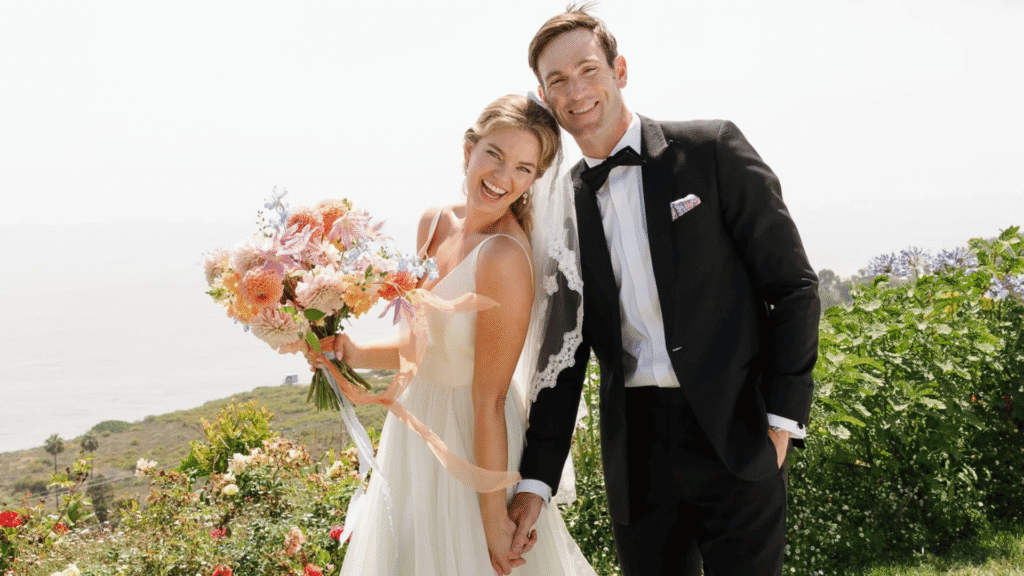
Summer weddings bring soft light, outdoor ceremonies, and naturally radiant photos. At the same time, heat and humidity change how skin behaves under makeup. This is why skin preparation becomes just as important as the makeup itself.
For bridal makeup to last through long hours, dancing, and warm weather conditions, the skin needs to be stable, balanced, and properly supported before the wedding day. Without that foundation, even high-quality makeup can struggle to hold.
Why Summer Changes Bridal Makeup Performance
Summer affects skin in very specific ways. Heat increases sebum production, humidity traps moisture on the surface, and sweating creates movement under makeup layers.
When oil production increases, foundation tends to break down faster around the T-zone. In humid weather, powders can start to separate instead of staying smooth, which leads to patchy areas in photos.
This is why bridal makeup for hot weather depends heavily on skin preparation. Product choice matters, but skin condition determines how long everything lasts.
What Brides Should Focus on 6–8 Weeks Before the Wedding
The 6–8 week period is where real skin improvement happens. The goal is not to experiment with aggressive treatments but to stabilize the skin.
During this stage, consistency matters more than intensity. The skin should be kept calm, hydrated, and balanced so it can respond well to makeup later.
Oily skin needs balance without stripping. Dry skin needs improved moisture retention so foundation does not cling to texture. Both skin types benefit from proper hydration, but the approach must match the skin’s condition.
This stage plays a major role in how to prep skin for bridal makeup because it sets the base for everything that follows.
Common Mistakes Before the Wedding Day
One of the biggest mistakes is introducing new skincare products too close to the wedding. Skin does not adapt instantly, and reactions often appear after a few days.
Over-exfoliation is another issue. When the skin barrier is weakened, foundation can cling unevenly and break apart faster, especially in heat. Instead of smooth skin, the result becomes patchy makeup that settles into dry areas.
Heavy layering of skincare before the wedding day also creates problems. Thick serums, multiple moisturizers, or oily primers can sit on the skin and prevent makeup from adhering properly, reducing bridal makeup longevity in summer.
Simple Wedding Skin Prep Routine That Actually Works
A wedding skin prep routine does not need complexity. It needs stability and repetition.
Cleansing should remove oil and buildup without stripping the skin barrier. When the skin feels tight after cleansing, it often produces more oil later, which affects makeup wear time.
Moisturizing must match skin type. Even oily skin requires hydration because dehydration can trigger excess oil production. Dry skin benefits from barrier-supporting moisturizers that reduce visible texture under foundation.
When the skin is balanced like this, glowing skin for wedding makeup becomes easier to achieve without heavy products.
Why Over-Exfoliating Makes Foundation Patchy
Exfoliation is often overused in bridal skincare routines. While it can smooth texture, too much of it damages the protective skin barrier.
Once the barrier is compromised, the skin loses its ability to hold moisture evenly. Foundation then sits inconsistently, clings to dry patches, and separates faster when exposed to heat or humidity.
Controlled exfoliation spaced properly before the wedding helps maintain smoothness without weakening the skin.
Hydration vs Overloading the Skin
Hydration supports makeup longevity, but too many skincare layers can have the opposite effect.
Well-hydrated skin allows foundation to blend evenly and stay flexible throughout the day. However, when multiple products sit underneath makeup, especially oils and heavy creams, the skin becomes unstable under summer conditions.
That instability often leads to sliding makeup or early breakdown, especially during outdoor ceremonies.
Why Sunscreen Matters for Bridal Makeup in Summer
Sunscreen is essential for wedding skin prep routines, especially for outdoor and summer ceremonies.
However, formula choice matters. Thick or greasy sunscreens can interfere with makeup adhesion, while lightweight formulas create protection without disrupting foundation layers.
The right sunscreen supports skin health without affecting makeup performance, especially under bright natural light and photography.
Why Skin Barrier Health Matters More Than Trends
Many skincare routines focus on trends, but bridal skin preparation depends on barrier health.
A strong skin barrier holds moisture better, reacts less to heat, and supports smoother makeup application. A weak barrier leads to uneven texture, sensitivity, and faster makeup breakdown.
This is why skincare stability is prioritized over experimental treatments before a wedding.
How Bridal Makeup Trials Connect to Skin Prep
A bridal makeup trial is not only about testing colors and styles. It also reveals how the skin behaves under makeup over time.
During a trial, skin response is observed under real conditions such as heat, product layering, and wear duration. This helps identify whether adjustments are needed in skincare or preparation before the wedding day.
This connection between trial and skin prep is essential for achieving reliable bridal makeup longevity in summer conditions.
Read: What Happens During a Bridal Makeup Trial? What Brides Should Expect
What Brides Often Get Wrong from Pinterest Skincare Routines
Pinterest skincare routines often look appealing but are not always realistic for wedding timelines.
A common issue is starting multiple active treatments too close to the wedding. This can overwhelm the skin and cause sensitivity or breakouts.
Another mistake is copying routines without considering skin type or climate. What works in cooler conditions may not hold up in summer humidity, especially under long-wear makeup.
Get a Personalized Bridal Makeup and Skin Prep Consultation
Successful bridal makeup starts with skin that is prepared, balanced, and stable. When the skin barrier is supported and the routine is consistent, makeup performs better throughout the entire wedding day.
At Brittany Brown Beauty, bridal makeup is planned around skin condition, weather, and photography needs rather than trends. Each bride’s skin is evaluated during the trial process to understand how it responds to products, heat, and wear time. This helps shape a tailored approach that supports long-lasting, photo-ready results.
Click the button below to schedule your consultation.
Frequently Asked Questions
The ideal time is 6 to 8 weeks before the wedding to allow the skin to adjust and stabilize properly.
Heat and humidity increase oil and sweat production, which weakens makeup layers and causes faster breakdown.
No. Exfoliation should be completed a few days earlier to avoid sensitivity and uneven texture.
No. Oily skin still needs hydration because dehydration can increase oil production and affect makeup wear.
A trial shows how makeup behaves over time on the skin, helping adjust skincare and application for better longevity.
Related Articles:
- How to Match Bridal Makeup to Your Skin Undertone
- Bridal Eye Makeup Styles: How to Choose the Right Look for Your Wedding
- Bridal Makeup Trends 2026 in Orange County
- How to Make Bridal Makeup Last All Day Without Touch-Ups
- Brittany Brown Bridal Makeup Routine: How It Lasts All Day
- Bridal Makeup for Mature Skin: What Works and What to Skip