

A new serum or a viral foundation can look tempting in the weeks before your wedding. Here is what happens if you try a new product too close to the big day, and how to test products without risking your wedding-day skin. In short, a new product can change how your skin looks, feels, and wears makeup, and the final weeks leave little time to adjust, so stick with products your skin already knows. This guide comes from Brittany Brown, a mobile bridal hair and makeup artist in Orange County with 11+ years of hands-on experience.
This guide is educational and focuses on appearance and comfort. It does not give medical advice. For questions about your skin’s health, talk with your doctor or dermatologist.
Brittany follows an “enhance, don’t mask” philosophy at Brittany Brown Beauty. She wants your skin to look like itself, but elevated, and a steady routine helps her get there.
Why New Products Are Riskiest in the Final Weeks
Your skin needs time to show you how it responds to anything new. In the final weeks, you have no time left to adjust. A product that surprises your skin leaves you and your artist with fewer options.
Brittany gives brides three simple guidelines:
- Start a consistent skincare routine at least four weeks before the wedding. A steady routine gives your skin time to settle before your trial and the wedding.
- Avoid new skincare products or treatments in the final 10 days. This window protects the skin you want to see on your wedding day.
- Stay hydrated in the week leading up to the event, especially in summer. Hydration supports a smooth, fresh look.
Your bridal makeup trial fits into this timeline too. Brittany strongly recommends a trial, where she tests your look and product formulas directly on your skin and works through any adjustments. She also asks every bride to share any skin sensitivities, reactions, or recent treatments. You can read more about what happens during a bridal makeup trial if you have never had one.
“New” covers more than a serum. A different moisturizer, sunscreen, cleanser, body lotion, or hair product can all count, so when in doubt, treat it as new and ask your artist. If you are thinking about active ingredients such as retinol or exfoliating products, her guide to the retinol and exfoliation timeline before your wedding day goes deeper on timing.
What Can Go Wrong
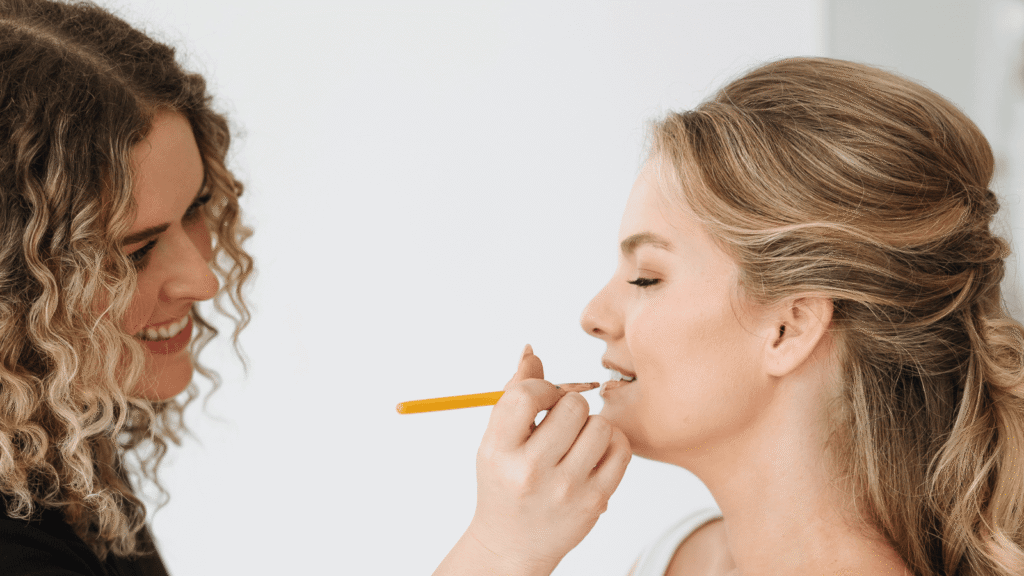
A new product can change how your skin looks, feels, and wears makeup. These are some of the surprises that can happen.
Unexpected Reactions or Breakouts
- Redness or irritation: Skin can look flushed or feel uncomfortable after a product it has never met. Redness shows up in photos, and it can change how foundation and blush look.
- A surprise breakout: Skin texture can change for many reasons, and a new product is one possible factor. A breakout close to the wedding adds stress you do not need, and a doctor or dermatologist is the right person to ask about what is causing it.
- Dryness or flaking: Some products leave skin feeling tight or dry. Dry patches can catch under foundation and look uneven.
- Skin that feels different than you expect: Even without a visible reaction, your skin may feel oilier, tighter, or more sensitive than usual.
If you notice a reaction that concerns you, stop using the product and ask your doctor or dermatologist. Seek urgent care right away for symptoms such as facial swelling or trouble breathing. Your makeup artist can plan around what you tell her, but she does not diagnose or treat skin conditions.
If you are working with scarring or uneven texture, a product change can make those areas harder to plan around, and her guide to bridal makeup for acne scarring and uneven texture explains how she approaches them.
Products That Don’t Wear the Same Under Makeup
- Pilling or balling: Some skincare layers may not sit well under primer or foundation. They can roll into small flakes as makeup goes on.
- A different finish: A new moisturizer or sunscreen may make skin look shinier or more matte than your usual products do. That changes how the base looks and wears.
- Makeup that shifts or settles: A product that works well alone can behave differently under makeup, especially in coastal Southern California conditions like humidity, sea air, and heat.
- Color that looks off: A new product may change how your foundation reads on your skin. A shade that matched in your trial could look different if your routine changes afterward. Her guide to choosing the right foundation shade for your wedding day explains how she approaches shade.
Brittany cannot promise an exact wear time for any look, because skin, weather, and products all play a part. She chooses her products and setting techniques with your skin and your venue in mind, and she provides every bride with a complimentary touch-up kit with lipstick, powder, and blotting sheets.
Realistic Recovery Time If Something Goes Wrong
- Recovery time varies: Every person’s skin responds differently, so no single number applies to everyone.
- Stop and ask the right person: If a product bothers your skin, stop using it and check with your doctor, dermatologist, or esthetician about what to do next.
- Tell your artist right away: Share the product name, the date you started using it, and how your skin looks and feels. This helps Brittany plan your prep and your look.
- Return to your steady routine: Go back to the products your skin already knows, and avoid adding anything else new.
- Plan around your trial: If a reaction happens before your trial, tell Brittany so she can adjust the plan or the timing.
The sooner you spot a problem, the more time you have to adjust. That is the strongest reason to finish your product experiments early.
If you have already bought something new and you are not sure when to start it, it is fine to hold off. Saving a product until after the wedding costs you very little, and your skin gets to stay in a routine it already knows.
The Safer Way to Test Something New
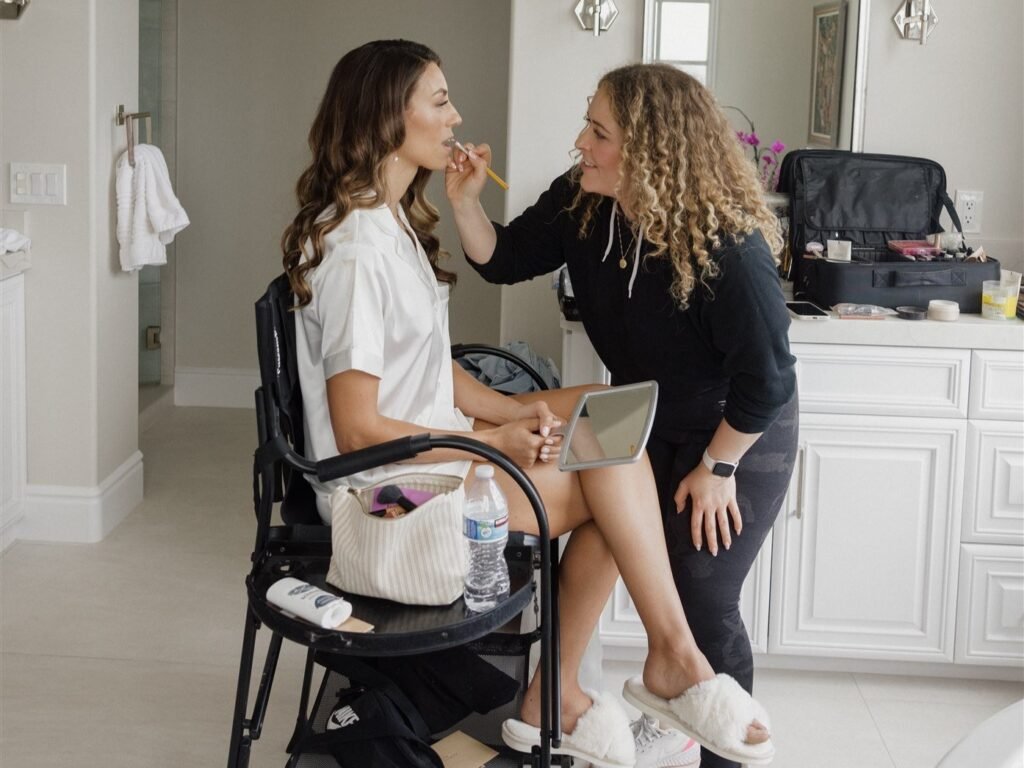
You can still try new products. The key is to test them early and test them in the right place.
- Test early: As a planning suggestion built on Brittany’s four-week guideline, try new skincare well before the four-week mark, so your routine settles before your trial and your wedding.
- Add one product at a time: One change at a time makes it easy to tell what your skin likes and what it does not.
- Share your history: Tell your artist about any products, fragrances, or textures that have bothered your skin before.
- Disclose recent treatments: Facials, peels, and other treatments change how skin looks and wears makeup. Brittany asks about them at your trial, and sharing them earlier gives her more time to plan.
- Use the trial to test makeup: For makeup, the trial is the best place to experiment. Brittany tests your look and product formulas on your skin, so you do not need to try many new makeup products on your own.
- Lock your routine in the final 10 days: Stick with products your skin already knows, and save any new purchases for after the wedding.
If you are curious about testing a skincare product on a small area first, that is a question for your dermatologist or esthetician, who can tell you how to do it for your skin and which products it makes sense for. Bring the product name and ingredient list to your appointment, and note any fragrances or ingredients that have caused trouble before.
Skin changes with age, too. Brittany has deep experience with mature skin and adjusts her technique, since formulas that look great on younger skin can settle into fine lines or look heavy on a more mature complexion. Her guide to bridal makeup for mature skin covers what works and what to skip. If you are a mother of the bride or a bridesmaid who wants the same care, share your skin details just as a bride would.
When you do meet for your trial, being able to describe what you like helps. Her tips on how to explain your vision to your makeup artist during a trial and her list of what to bring to your bridal makeup trial can help you get the most from the appointment.
Plan Your Bridal Makeup Trial
A trial gives you a calm, low-pressure way to see your wedding-day look before the wedding. Brittany tests your look and products on your skin, works through adjustments, and makes sure you walk into your wedding day knowing exactly what to expect. Her clients often describe the result as feeling like themselves, but elevated.
Brittany travels to your chosen location with a complete professional kit, including her own studio-quality lighting and seating, so your getting-ready party stays together and the timeline stays intact. Dates are secured with a signed contract and a deposit, so reach out as soon as your venue is confirmed.
Browse her portfolio to see her bridal work, or read about her background and training. When you are ready, contact Brittany to share your date, your venue, and anything you want her to know about your skin.
Frequently Asked Questions
Start as soon as you book your artist. Decide which products you want to try and test them early. Brittany recommends establishing a consistent skincare routine at least four weeks before the wedding. This gives your skin time to adjust and avoids last-minute experiments.
Avoid new skincare products and new treatments in the final 10 days before your wedding. Stay hydrated in the week leading up to the event, especially in summer. If you are unsure whether something counts as new, ask your artist, or check with your doctor, dermatologist, or esthetician.
Tell your artist the name of any new product, the date you started using it, and how your skin looked and felt afterward. Mention any sensitivities, reactions, or recent treatments, along with products that have bothered your skin before. Brittany asks about these details at your trial, and sharing them earlier gives her more time to plan.
Brittany advises avoiding new skincare products in the final 10 days before the wedding. She also suggests having a consistent routine in place at least four weeks out. To stay on the safe side, it makes sense to finish testing new products before the four-week mark.
Share the product name, when you started using it, and what changed. Describe how your skin looks and feels, such as redness, dryness, or a different texture. Stop using the product, and ask your doctor or dermatologist if you have concerns. Brittany can then adjust your prep and your look around what you tell her.