
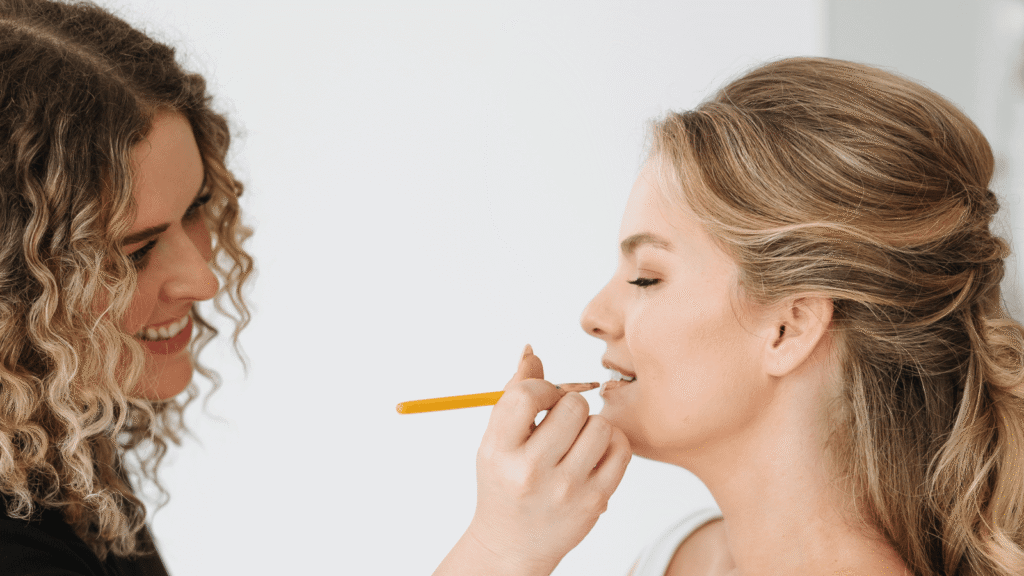
If your forehead, nose, and chin tend to look shiny by midday, your wedding-day makeup routine should account for that. Preparing an oily T-zone does not mean stripping your skin of moisture or trying to eliminate every trace of shine. It means building a consistent skincare routine, choosing products that work with your skin, and giving your makeup artist the information needed to create a balanced, long-lasting look.
At Brittany Brown Beauty, I help brides prepare for their wedding-day makeup with a personalized approach that focuses on enhancing natural beauty rather than masking it. With the right preparation, your skin can look fresh and radiant without appearing overly shiny in person or in photographs.
Whether you are getting married in Orange County or San Diego, the goal is to create a comfortable base that complements your skin and suits your wedding-day plans. Here is how to approach skin prep for oily T-zones before your wedding, from the weeks leading up to your celebration to the morning of your ceremony.
Why Your T-Zone Needs a Different Approach
The T-zone includes your forehead, nose, and chin. These areas can become oily faster than your cheeks, which may remain comfortable or even feel dry. As a result, using the same products and techniques across your entire face may not give you the finish you want.
Wedding days can also involve long hours, changing temperatures, outdoor photographs, and plenty of movement. Warm weather and humidity may make shine more noticeable, particularly when you are wearing complexion makeup for an extended period.
The solution is not necessarily a completely matte foundation or an aggressive oil-control routine. Your skin still needs moisture, and a natural glow can look beautiful. The aim is to manage excess surface shine while keeping the rest of your complexion comfortable and looking like you.
I approach makeup by enhancing your natural features, not covering them up. When your skincare routine is consistent and your artist understands how your skin behaves, it becomes easier to create a finish that feels appropriate for your preferences and wedding-day setting.
It is also worth remembering that oily skin does not always require the same treatment across every area of your face. Your artist can adjust the application of primer, foundation, and setting products according to where you tend to develop shine.
Build a Consistent Skincare Routine Before Your Wedding
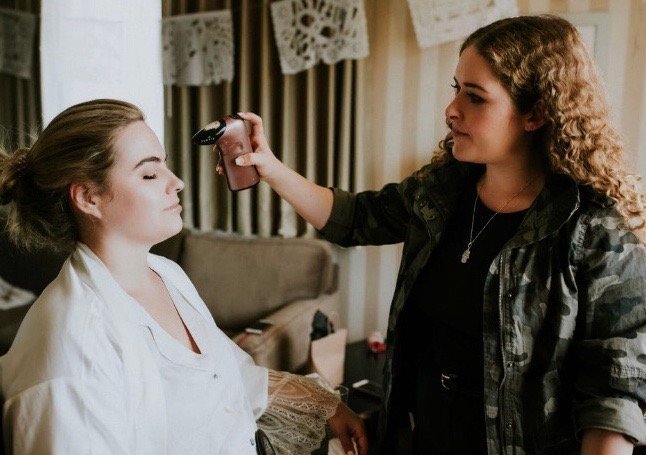
A simple routine that your skin already tolerates is often a better starting point than introducing several new products close to your wedding. Give yourself enough time to understand how your skin responds instead of trying to make a dramatic change at the last minute.
For a more complete preparation timeline, read my guide on how to prep your skin 30 days before your wedding.
As you prepare, keep these principles in mind:
- Cleanse gently rather than repeatedly washing your face to remove oil.
- Choose a lightweight moisturizer that keeps your skin comfortable.
- Wear sunscreen daily and stick with a formula your skin already tolerates.
- Avoid harsh scrubs or products that leave your skin feeling tight or irritated.
- Pay attention to how your skin responds to the products you use.
- Avoid introducing several new skincare products at once.
Trying to remove all the oil from your skin can leave it feeling uncomfortable and affect how your makeup sits. Consistency is more useful than chasing a perfectly matte finish that may not suit your skin.
This advice focuses on appearance and makeup preparation rather than treating a skin condition. If you have persistent irritation or other skincare concerns, speak with an appropriate skincare professional before making significant changes to your routine.
Four Weeks Before Your Wedding: Establish Your Routine
Start preparing your skin at least four weeks before your wedding. This gives you time to settle into a familiar routine and arrange your bridal makeup trial.
During this period:
- Keep your skincare routine simple and consistent.
- Continue using products that your skin already tolerates well.
- Use a gentle cleanser and a suitable moisturizer.
- Maintain your usual healthy habits, including drinking water and getting adequate rest.
- Notice when and where your skin becomes shiny throughout the day.
- Book your bridal makeup trial so you can discuss your desired finish and any concerns about oiliness.
Your makeup trial is an opportunity to evaluate how your complexion products look on your skin and discuss areas where you prefer a more natural finish or additional coverage.
Before the appointment, review what happens during a bridal makeup trial and what brides should expect. You can also read what to bring to your bridal makeup trial to help you arrive prepared.
Ten Days Before Your Wedding: Avoid Last-Minute Experiments
As your wedding approaches, resist the urge to overhaul your skincare routine simply because you notice more shine or a few unexpected blemishes.
Introducing unfamiliar products or treatments close to the event can make it harder to predict how your skin will look and feel on the day.
Instead:
- Avoid testing new skincare products and treatments during the final 10 days.
- Skip harsh exfoliation and products that leave your skin feeling sore or tight.
- Continue using your familiar skincare products.
- Avoid picking at breakouts or repeatedly treating shiny areas.
- Do not add extra oil-control steps just because your skin looks different on one particular day.
- Tell your makeup artist about recent facials, waxing, peels, or other treatments.
The final days before your wedding are about maintaining a routine that works for you. A familiar approach makes it easier to prepare your skin without introducing unnecessary uncertainty before your makeup appointment.
On Your Wedding Day: Prepare Your Skin and Communicate
Your wedding-morning skincare routine should be simple. Gently cleanse your face as usual, apply the skincare products your skin is accustomed to, and allow them time to settle before makeup application.
Avoid adding extra layers simply because you want your skin to feel more hydrated or matte. Your makeup artist can assess your skin and adjust the preparation based on its condition that morning.
It is equally important to share useful information before your artist begins. Let them know:
- Where your skin tends to become shiny first.
- Whether you have any known sensitivities or recent skin reactions.
- Which skincare products you have been using.
- How your makeup looked and wore during your trial.
- Whether your wedding will involve outdoor photographs or extended time in warm weather.
- If your skin feels unusually dry, tight, irritated, or oily that morning.
These details help your artist make informed decisions about preparation and product application. Your skin may not behave exactly as it did during your trial, so open communication gives your artist a better starting point.
How Makeup Products Affect an Oily T-Zone
Skincare is only one part of wedding-day makeup preparation. Primer placement, foundation application, setting products, and the amount of product used can all influence the finished appearance.
When working with an oily T-zone, I pay close attention to how the different layers sit on the skin. The goal is to manage shine where it tends to appear without making the entire complexion look flat or overly powdered.
For example, the areas around your nose and forehead may need a different approach from your cheeks. Applying the same amount of product everywhere is not always necessary. A personalized application allows the complexion to look balanced while respecting the differences in your skin.
I also consider the conditions surrounding your wedding. Southern California weddings can involve heat, humidity, and sea air, depending on the location and season. Understanding your venue and timeline helps me plan your makeup application around the day ahead.
Shade selection matters, too. If you have fair skin and are comparing complexion products, my bridal makeup guide for fair skin, including product and shade selection offers additional information to help you understand your options.
Ultimately, product choice is not just about finding a foundation that claims to control oil. It is about considering your skin, your preferred finish, and how the different products work together.
Why Your Bridal Makeup Trial Matters
A bridal makeup trial is more than a chance to choose a makeup style. It gives you and your artist time to discuss your preferences, assess the complexion products, and identify adjustments before the wedding day.
If your T-zone becomes shiny quickly, mention that during your trial. Explain how your makeup typically wears and whether you prefer a soft, radiant finish or a more controlled, matte appearance in specific areas.
You should also share your overall vision. Bringing reference images can help communicate the finish, coverage, and style you have in mind. My guide on how to explain your vision to your makeup artist during a trial can help you prepare for that conversation.
You may also find it useful to read these questions to ask during your bridal makeup trial before your appointment.
The more clearly you communicate your preferences and concerns, the easier it is to work toward a look that feels right for you.
Preparing for Your Wedding Without the Salon Commute
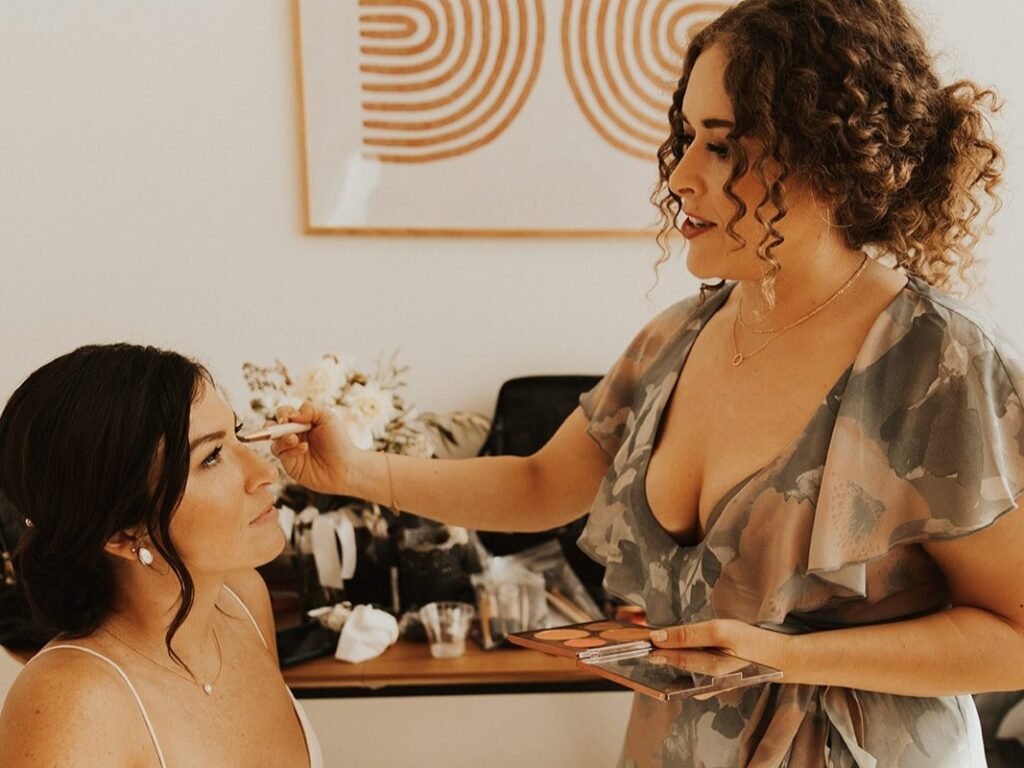
Your makeup experience should fit comfortably into your wedding-day schedule. Because I provide mobile bridal makeup services, I travel to you rather than requiring you to make a separate salon trip.
I bring a professional kit, along with studio-quality lighting and seating, so I can assess your complexion and make careful adjustments in your getting-ready space. This also allows your wedding party to stay together while preparations are underway.
You can explore my bridal hair and makeup services to learn more about the services available for your wedding. You can also browse my portfolio to see examples of the soft, natural looks I create.
After your makeup is complete, I provide every bride with a complimentary touch-up kit containing lipstick, powder, and blotting sheets. It offers a practical way to refresh your look throughout the day.
If your T-zone becomes shiny, start with blotting sheets to absorb surface oil before considering additional powder. Applying too much powder repeatedly can make the complexion look heavier, particularly in photographs. Small, targeted touch-ups can help you refresh the areas that need attention without disturbing the rest of your makeup.
Every bride’s skin and preferences are different. With more than 11 years of experience, I take an individual approach to helping each client prepare for their event. You can learn more about my background before deciding whether my services are right for you.
Plan Your Wedding-Day Beauty
Preparing your skin ahead of the wedding and scheduling a bridal makeup trial can help you feel more confident about your final look. Brittany can discuss your skin preparation, preferred makeup finish, and wedding-day timeline to help you plan your bridal beauty services. Schedule a free consultation to discuss your wedding plans, makeup preferences, and availability.
Frequently Asked Questions
Start building a consistent skincare routine at least four weeks before your wedding. This gives you time to become familiar with your products and arrange your bridal makeup trial. Use the appointment to discuss shine, product preferences, and how you want your complexion to look in photographs.
Avoid introducing unfamiliar products or treatments close to your wedding, particularly during the final 10 days. Be cautious with harsh exfoliants and anything that leaves your skin feeling tight or irritated. Stick with products your skin already tolerates well.
Explain which areas of your face become shiny, how your makeup usually wears, and whether you have noticed any sensitivities or reactions. Share information about recent treatments, your skincare routine, and your wedding venue. These details can help your artist plan the preparation and application.
Not necessarily. Oily skin can still need moisture. A lightweight moisturizer that your skin already tolerates may help keep it comfortable before makeup. Your artist can then adapt the primer and complexion products to suit your skin and preferred finish.
Blotting sheets can help absorb surface oil without immediately adding more powder. If your makeup needs further refreshing, use a small amount of powder where necessary rather than repeatedly layering it over your entire face. Your makeup artist can discuss touch-up techniques during your trial.