Posted on

Makeup for Menopausal Skin Changes on Your Wedding Day

makeup for menopausal skin changes on your wedding

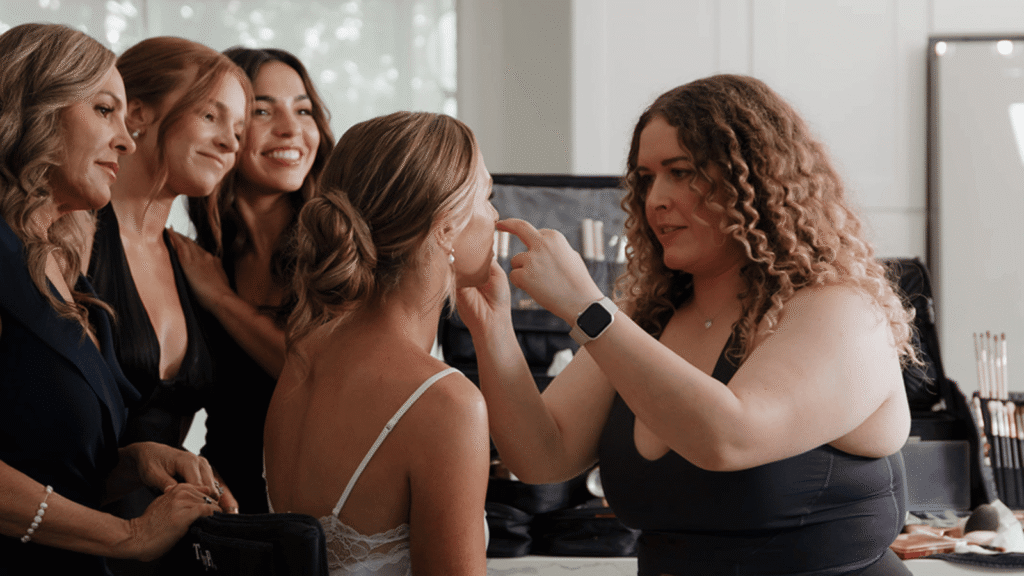
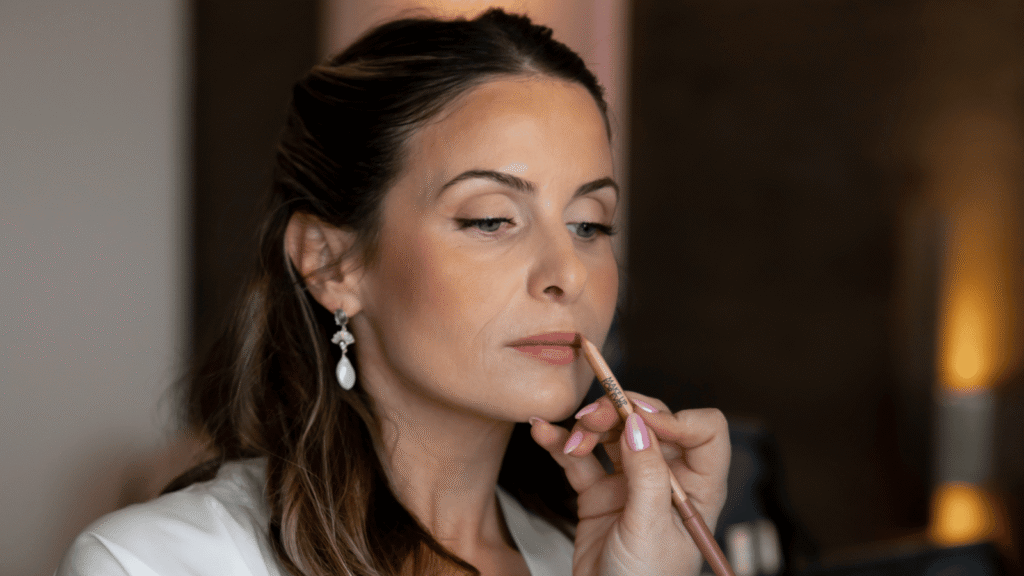
Getting married later in life is a joy, and so is standing beside a daughter or son as a mother of the bride or groom. Many women in this season also notice that their skin behaves differently than it used to. Makeup that looked effortless at thirty can look different now, and that is okay. It simply means the approach should change.

As a bridal makeup artist in Orange County, I love working with mature clients, and I approach each look with technique rather than guesswork. At Brittany Brown Beauty, the goal is always the same: you, but elevated.

This guide is educational and focuses on appearance and comfort. It is not medical advice. If you have concerns about changes in your skin or your health, speak with your doctor or a qualified skincare professional.

How Menopause Can Change Skin Texture and Behavior

Many women describe changes in how their skin looks and feels during and after menopause. Skin can feel drier or less plump, fine lines can appear more noticeable, and skin tone can look less even than before.

Some women also notice that their skin reacts differently to products that once worked well. These changes matter in a makeup chair because dryness, texture, and sensitivity can affect how products sit on the skin.

From a makeup standpoint, here is what I pay attention to:

  • Dryness: Skin that feels dry can make foundation look patchy or cling to flaky areas.
  • Fine lines: Some formulas settle into lines and look heavy, even when they appear beautiful on other skin types.
  • Tone and texture: Uneven areas can become more noticeable under strong lighting or in close-up photographs.
  • Sensitivity: Skin that feels more reactive deserves a slower, more careful approach.

I do not diagnose or treat skin conditions, and I do not make medical claims about what causes these changes. What I do is observe how your skin looks and behaves and choose products and techniques suited to it.

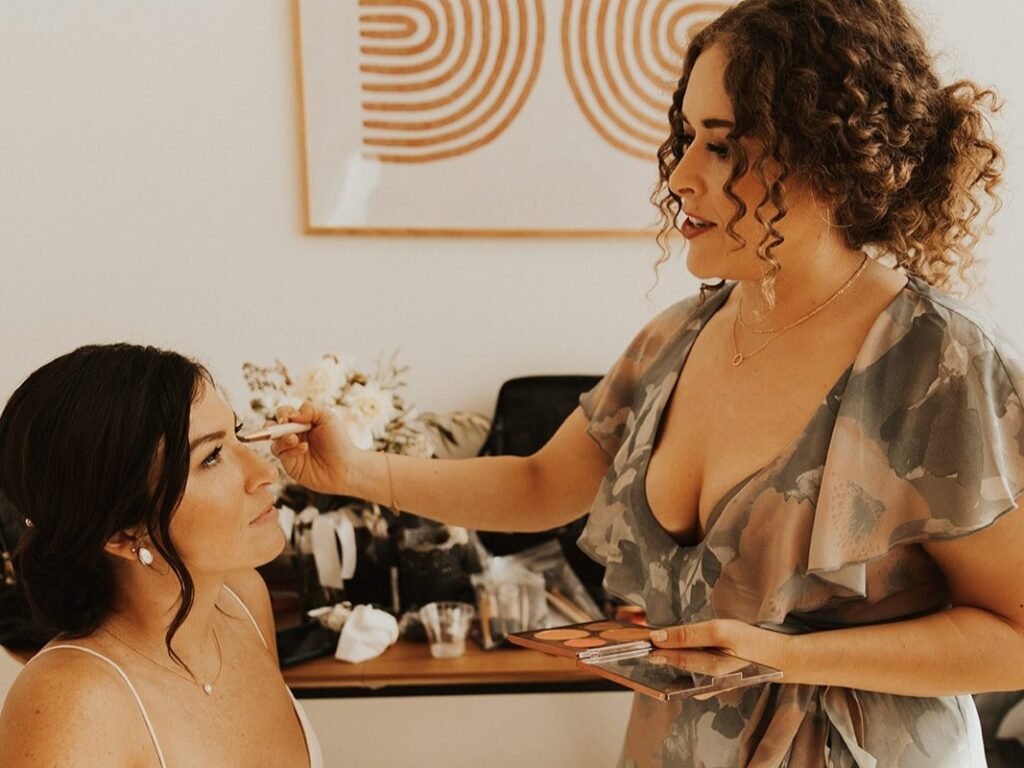
I love doing mature makeup. I love helping mothers, aunts, and grandmothers feel beautiful and special, and I take that responsibility seriously.

Adjusting Your Makeup Approach
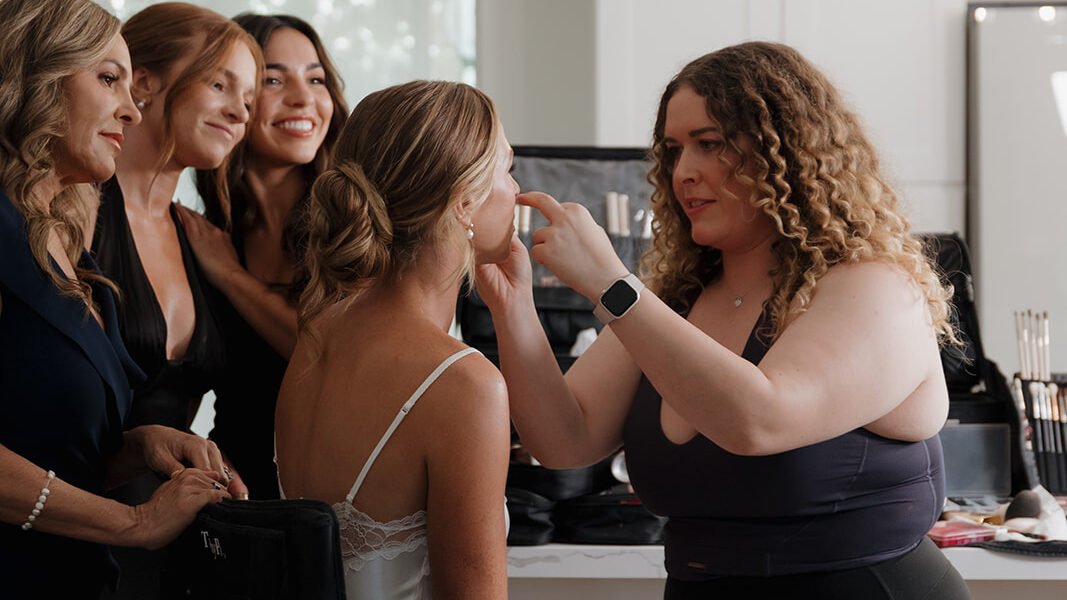
makeup for menopausal skin changes on your wedding

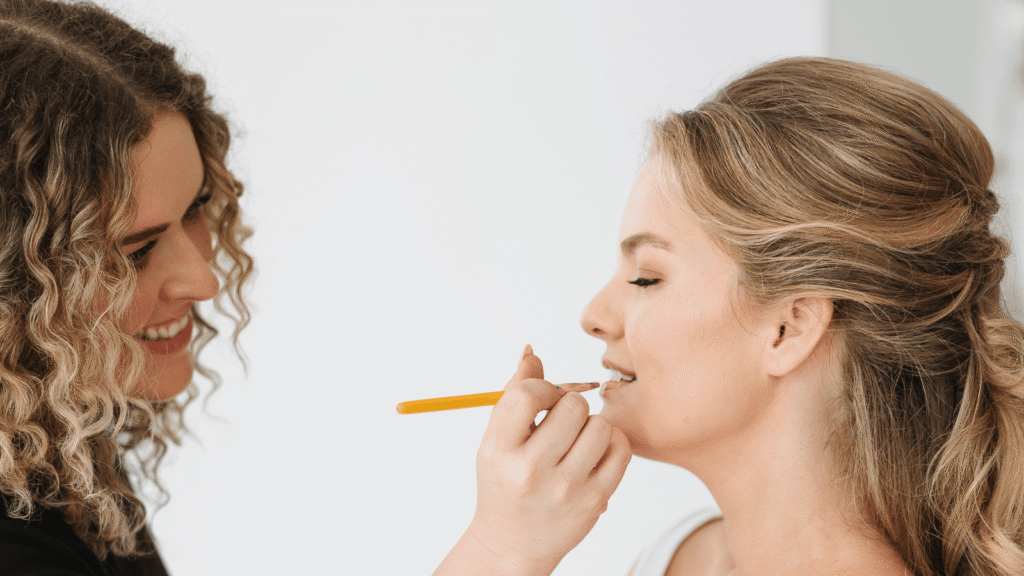
I believe in enhancing your natural beauty, not masking it. That philosophy matters with mature skin because heavy coverage can draw attention to the very texture you may want to soften. Instead, I build a look that lets your skin appear fresh and polished while still looking like skin.

My approach often includes a comfortable-looking base, softly defined eyes, subtle highlights, and carefully placed contour. The final look depends on your features, preferences, outfit, and the occasion.

Some women prefer barely-there makeup, while others feel most confident in a more defined look. My guide to bold bridal makeup vs. soft glam explores the differences and can help you identify the style that feels right for you.

Hydration-First Base Products

A smooth-looking base starts before any makeup goes on. On the morning of your event, I begin with skincare, primer, and base preparation, and I never rush this step.

For mature skin, I focus on products that support a comfortable, hydrated appearance rather than a dry or flat finish. I choose formulas to suit your skin instead of using one fixed routine for everyone.

If you are comparing foundation options, see my guide to the best foundations for mature skin in 2026.

Dry or flaky patches may need particular attention before foundation is applied. Adding more makeup over those areas can sometimes make the texture more noticeable. My guide to skin prep for dry or flaky patches before your wedding explains how preparation can help create a smoother-looking base.

You can also help prepare your skin in the weeks before your wedding:

  • Start a consistent skincare routine at least four weeks before your event.
  • Stay hydrated, especially in the week leading up to the day.
  • Avoid introducing new skincare products and treatments during the final 10 days.
  • Stick with products your skin already tolerates comfortably.

I do not promise that one product will suit every skin type, because everyone’s skin is different. That is why I assess your skin and test your makeup during a trial before the big day.

Adjusting Coverage for Changes in Texture

Coverage is where mature makeup can go wrong. A formula that looks flawless on one person can settle into fine lines or appear heavy on another complexion. I adjust my technique to avoid that, using lighter layers where the skin needs room to look natural and adding coverage only where it helps.

For a broader look at techniques and product considerations, read my guide to bridal makeup for mature skin.

Here is how I approach coverage:

  • Thin layers over thick ones: Building gradually gives me more control and helps keep the finish natural.
  • Glow, not glitter: A soft glow can create a fresh appearance, while strong shimmer may emphasize texture.
  • Strategic placement: Small adjustments in the right areas can make a difference without adding product everywhere.
  • Targeted correction: Corrective makeup can help soften the appearance of uneven tone, discoloration, or other areas you want to address without making the entire complexion look covered.

If you want to understand this approach in more detail, my article on corrective makeup, what it is and who it’s for explains how targeted makeup techniques can help create a more balanced-looking finish. You can also read my guide to corrective makeup for scarring and hyperpigmentation for more specific examples.

Lighting is another consideration. Makeup can appear different in natural light, studio lighting, and photographs, so I pay attention to how the shades and finishes work together. My guide to pigment control and keeping makeup colors true under studio lighting explains why lighting conditions matter when evaluating the final look.

After application, I use appropriate setting techniques to help your makeup wear well through the ceremony, photographs, and reception. I do not guarantee a specific number of hours of wear because skin, weather, and activity all play a part. Instead, I focus on a thoughtful application and product choices suited to your skin and the occasion.

Communicating Skin Changes at Your Makeup Trial

Your bridal makeup trial is the best place to talk about how your skin has changed. I strongly recommend one because it gives me time to test products on your skin, work through adjustments, and make sure you feel confident about your look.

Here are some useful things to discuss during your trial:

  • Any skin sensitivities, reactions, or recent treatments.
  • Areas where makeup has settled, looked patchy, or felt uncomfortable in the past.
  • Features you love and want to highlight.
  • Areas you prefer not to emphasize.
  • Photos of your outfit, hairstyle, and makeup looks you admire.

Honest feedback is important. If something feels heavy or does not look like you, tell me so we can adjust it together.

You may also find it helpful to prepare questions before the appointment. My guide to questions to ask during your bridal makeup trial can help you make the most of the time together, from discussing product choices to clarifying the look you want to achieve.

The more I understand your preferences and concerns, the easier it is to develop a makeup approach that feels comfortable and personal to you.

Why Experience With Mature Makeup Matters
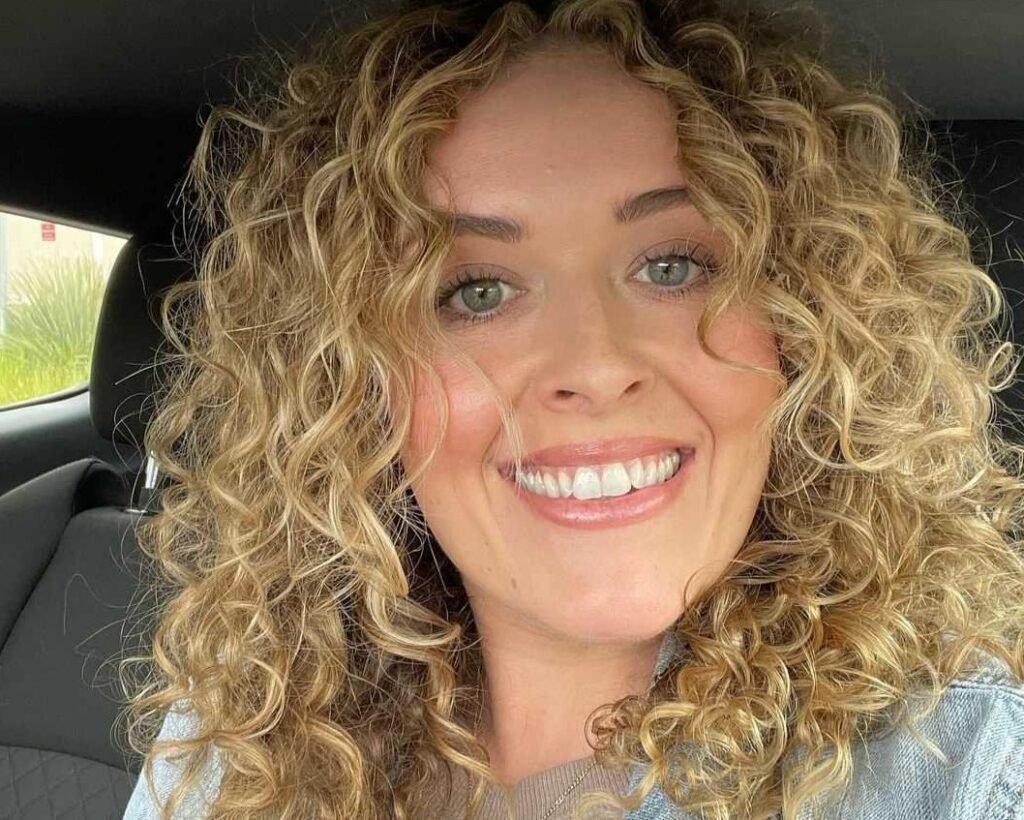
makeup for menopausal skin changes on your wedding

Mature makeup is a specialty I genuinely enjoy, not an afterthought. I have more than 11 years of professional experience, with work in corrective beauty makeup, bridal makeup, print makeup, and mature makeup.

I trained at Empire Academy of Makeup in Orange County, and my work has been featured in Voyage LA Magazine and SDVoyager. Experience matters because different skin types respond differently to products and techniques. Knowing how to adapt an application comes from understanding those differences and assessing each client individually.

Clients often tell me they feel like themselves after their makeup is finished. One bride described the feeling as looking like herself, but elevated. That is the feeling I want every client to have, whether she is the bride, the mother of the bride, the mother of the groom, or a guest of honor.

When choosing a makeup artist, you should feel comfortable asking about their approach to mature skin, their experience with your preferred style, and how they handle adjustments during a trial. My guide to questions to ask before hiring a bridal makeup artist can help you compare your options and decide what matters most to you.

Because I am fully mobile, I come to you. I arrive with a complete professional kit, including studio-quality lighting and seating, so I can assess your skin clearly even when the room’s lighting is not ideal.

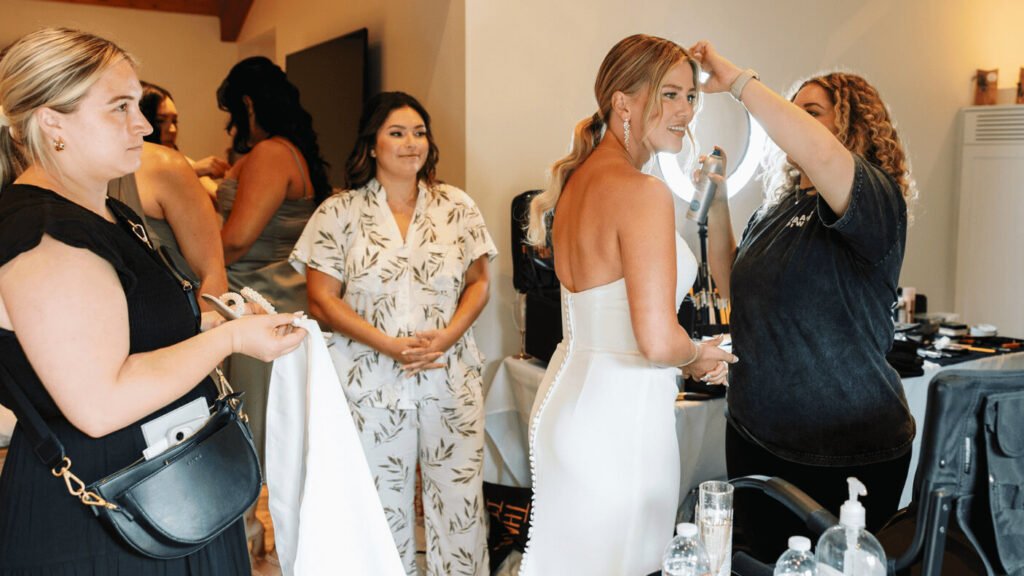
You avoid a salon commute, your getting-ready party can stay together, and your morning can follow the schedule you have planned. I also provide hair styling and coordinated services for bridesmaids and mothers of the bride and groom, helping everyone achieve a cohesive look. For larger parties, I can bring additional artists to help everyone get ready on schedule.

Every bride also receives a complimentary touch-up kit containing lipstick, powder, and blotting sheets.

You can see examples of my work in the Brittany Brown Beauty portfolio and learn more about my background.

Plan Your Mature Bridal Makeup

Whether you’re getting married later in life or attending your child’s wedding, your makeup should reflect your personal style and help you feel confident and comfortable.

Brittany can discuss your skin, preferred finish, and coverage needs to help you explore a look that suits you. If you have concerns about dryness, changes in skin texture, or how makeup sits on your skin, these can all be part of the conversation.

A bridal trial offers an opportunity to test your preferred look, make adjustments, and find an approach that feels right for you. You can also discuss whether soft glam or more defined makeup better suits your style and the occasion.

Contact Brittany Brown Beauty to discuss your event details and availability. Spring and fall dates in Orange County can book quickly, so reach out once your date and venue are confirmed. A signed contract and deposit secure your date.

Frequently Asked Questions

1. How does makeup for menopausal skin differ from standard bridal makeup?

Mature skin may respond differently to certain makeup formulas. I focus on careful skin preparation, lighter layers, and thoughtful product placement. Heavy coverage is not always necessary. Instead, I aim for a polished, natural finish that still feels like you.

2. What makeup products work best for menopausal skin changes?

The right products depend on your skin and preferred finish. I assess your skin before selecting suitable primers, foundations, and finishing products. During your bridal trial, we can test the makeup together. This allows time to make adjustments before your event.

3. When should I schedule a makeup trial for mature skin?

Contact me once your wedding date and venue are confirmed. This is especially important for busy spring and fall weekends. Booking early gives us time to discuss your preferences and test different products. We can also refine your look before the wedding. You’ll have time to maintain a consistent skincare routine in the weeks leading up to your event.

4. Can mothers of the bride and groom book mature makeup services?

Absolutely. I offer coordinated hair and makeup services for mothers of the bride and groom, bridesmaids, and other wedding party members. Mature makeup is one of my favorite services. My goal is to help every client feel beautiful and comfortable with her finished look.

5. Should I tell my makeup artist about skin sensitivities or recent treatments?

Yes, please share any skin sensitivities, previous reactions, or recent treatments during your consultation or trial. This information helps me select suitable products and plan the application carefully. Avoid trying new skincare products or treatments during the final 10 days before your event. If you have concerns about a skin condition, consult a qualified skincare professional.
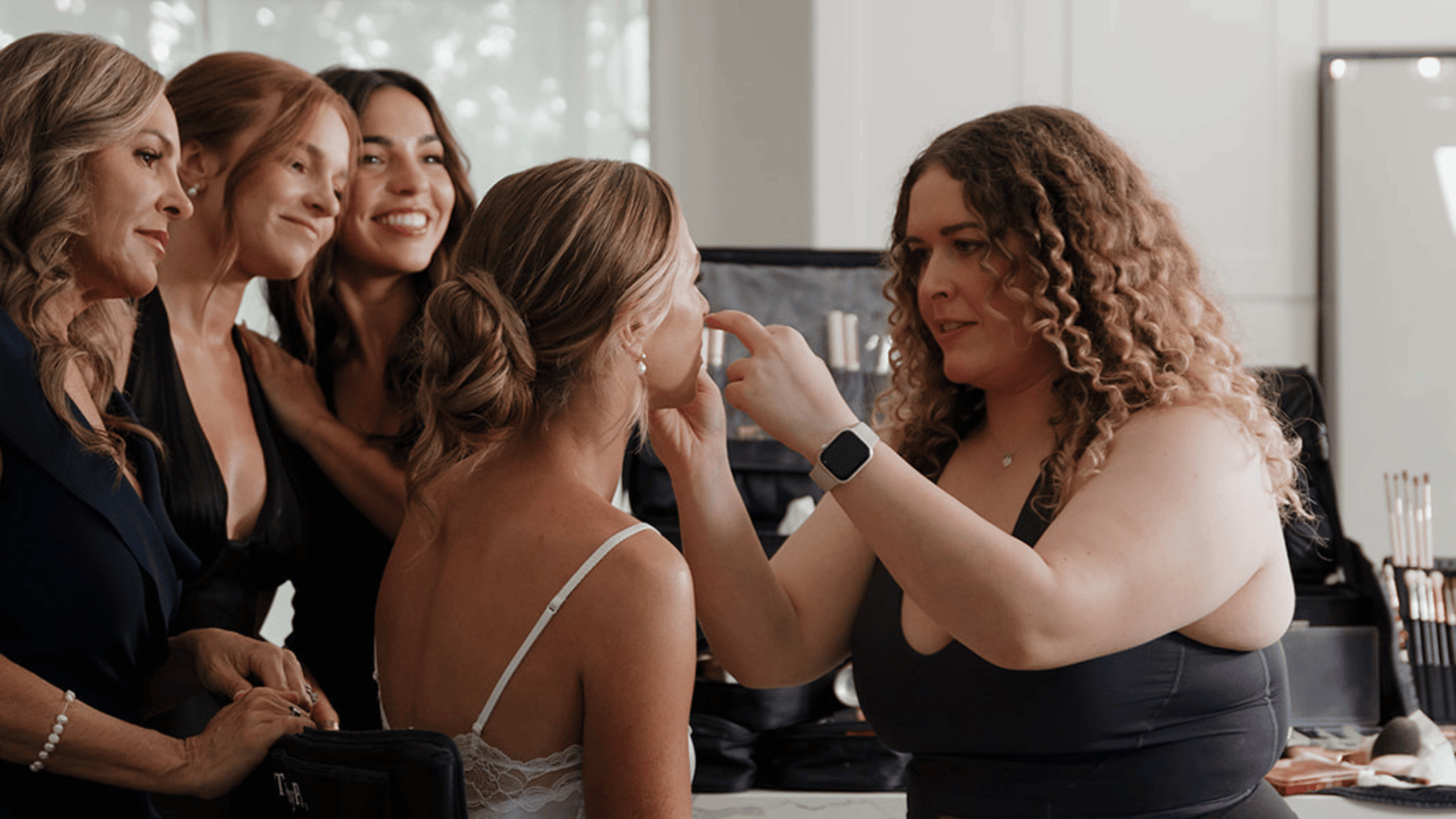
Posted on

Highlighter Placement Tips for Camera-Ready Bridal Skin

highlighter placement tips for camera-ready bridal skin

Glowing skin is one of the most requested looks in bridal makeup, and highlighter is a big part of how it happens. Placed well, it makes your skin look fresh, lit from within, and soft on camera. Placed poorly, it can look shiny, patchy, or distracting in photos. With more than 11 years of hands-on experience as a bridal makeup artist in Orange County, I have seen both outcomes, and the difference often comes down to where the product goes and how it is applied.

At Brittany Brown Beauty, I believe in enhancing your natural beauty rather than masking it, and highlighter is one of my favorite ways to do that.

This guide walks you through where the highlighter belongs, why placement matters in front of a camera, and how to avoid common problems that show up in photographs.

Why Highlighter Placement Matters More on Camera

Highlighters work by catching light. In person, that can look like a soft glow. In a photograph, especially with flash, bright sunlight, or a high-resolution camera, the same product can appear much stronger than it does in the mirror. A little too much product, or too much in the wrong place, can turn a glow into shine. If you want to understand why this happens, read why bridal makeup looks different in photos and how to get it right.

That is why I think about the camera from the very first conversation. Camera-ready skin means a look that holds up in the way your photographer will capture it, not only in the bathroom mirror on your wedding morning. Your day will include portraits, candid moments, and photographs in different lighting conditions, from shaded getting-ready rooms to open outdoor spaces.

The venue matters, too. Harbor-reflected light, direct sunlight, and studio lighting can affect how your skin and makeup appear. My guide to Balboa Island wedding makeup and preparing for harbor light explores how coastal light can influence a bridal look. For a more technical look at color accuracy under controlled lighting, you can also read pigment control: keeping makeup colors true under studio lighting.

Placement also shapes your face. Highlighter draws the eye to the area where it sits, so I use it to emphasize the features I want to bring forward. Used with care, it supports the no-makeup-makeup look, where your skin looks like skin, only polished. Many brides tell me they want to feel like themselves on their wedding day, and I always keep that in mind. The goal is a glow that looks like you, but elevated.

Here is a quick checklist of what good highlighter placement should achieve:

  • Look soft and blended, with no visible edges.
  • Sit on the high points of your face where light naturally falls.
  • Support your natural features instead of covering them.
  • Suit your skin, your dress, and your venue lighting.
  • Photograph as a glow, not as shine.

Where to Place Highlighter

balboa island wedding makeup

Every face is different, so I adjust placement for each bride. Still, a few areas work well for many looks. Treat the following as a guide for the conversation we will have at your bridal trial, where I can test the products and techniques directly on your skin.

Highlighter is only one part of a balanced base. If you have specific concerns such as redness, discoloration, or uneven skin tone, my guide to corrective makeup and who it is for explains how targeted techniques can help create a more even-looking complexion without applying unnecessary coverage everywhere.

Cheekbones and Brow Bone

The tops of the cheekbones are the classic spot for highlighter because this is where light naturally lands. I place it on the high point, just above where a warm, soft contour sits, and blend outward so there is no hard line. Warm, bronzed contour paired with a soft glow on the cheekbones gives your face dimension without heaviness.

The brow bone is a smaller area and deserves a lighter touch. A subtle amount just beneath the arch of the brow can open up the eye area and add polish. I use less here than many people expect because the brow bone sits close to the eye and can look shiny very quickly under bright light.

Here is what to keep in mind for both areas:

  • Apply highlighter to the high points only, not across the whole cheek.
  • Blend the edges until they disappear into the skin.
  • Use less product on the brow bone than on the cheekbones.
  • Check the look in natural light before deciding it is finished.

If your skin tends to get oily, especially across the forehead, I pay extra attention to where the glow sits. A glow on the cheekbones can look beautiful while excess shine across the forehead may be distracting in photos. I place each product with that difference in mind.

Your skin tone and undertone also influence how the finished look comes together. I consider those details when choosing complementary blush, contour, and highlight shades so the result looks balanced rather than overly warm, cool, or metallic.

Cupid’s Bow and Inner Eye Corner

These are small areas that can make a visible difference. A touch of highlighter on the cupid’s bow, the dip at the center of the upper lip, adds subtle dimension and helps define the lips in photographs. A small amount at the inner corner of the eye can brighten the eye area and make you look more rested.

Both spots need a light hand. The inner eye corner is delicate, and too much product can look stark in a close-up photograph. The cupid’s bow works best with a tiny amount that blends into the surrounding skin.

A few points to remember:

  • Use a small amount and build only if needed.
  • Use a small, precise brush or a fingertip for control.
  • Blend until the highlight looks like a natural reflection of light.
  • Skip the area entirely if it feels like too much for you. Your look should feel comfortable.

These subtle adjustments can make a difference without requiring a dramatic amount of product. I do not add them to every bride’s look. I decide based on your features, preferences, and the overall finish we build together.

Collarbone for Off-Shoulder Dresses

If your dress shows your collarbones, shoulders, or neckline, your highlighter plan may extend below your face. A soft glow on the collarbones can bring your face and skin tone together so everything looks cohesive in photographs. Without it, your face can look luminous while your neckline appears comparatively flat.

I use a light touch here, too. The skin on your neck and chest has a different texture from your face, and too much product can become noticeable quickly. I blend carefully and match the finish to what is happening on your face.

When your dress has an off-the-shoulder or open neckline, remember these points:

  • Bring a photo of your dress to your trial so we can plan your neckline and face together.
  • Match the glow on your collarbones to the finish on your face.
  • Keep the effect soft rather than glittery.
  • Consider how your necklace, veil, or hair will sit against the area.

Your bouquet and wedding color palette can also influence the overall makeup look. The goal is not to match every shade exactly, but to choose complementary tones that work with your complexion and wedding colors. For more guidance, read how to match your bridal makeup to your bouquet and color palette.

Avoiding Flashback in Photography

Flashback is the pale, white, or overly bright patch that can appear in photographs taken with flash. It can happen when certain products reflect light back toward the camera more strongly than the surrounding skin. Highlighter is one product that can contribute to an overly reflective finish, which is why I treat photography as part of the planning process from the start.

Here is how I approach it. I prepare your skin carefully, choose products and finishes suited to your skin and wedding setting, and apply highlighter with restraint. I then check the look in different kinds of light because a glow that looks perfect in one room can appear different in another.

For more guidance on light and makeup, see how wedding lighting affects your bridal makeup.

This is also where your photographer can help. If you tell me about your photographer’s style, portrait schedule, and whether flash will be part of the day, I can plan your glow around those details.

Here is a checklist to help reduce the risk of an overly reflective finish in photographs:

  • Ask your photographer whether they plan to use flash, and share the answer with me.
  • Bring inspiration photos that show the glow you love.
  • Take test photos at your trial, with and without flash, and review the results together.
  • Use less product in areas that reflect the most light.
  • Tell me about any concerns you have with shine in past photographs.

Studio lighting deserves attention, too. Different light sources can change how makeup colors appear, and a shade that looks balanced in one setting may read differently under another. My guide to pigment control and keeping makeup colors true under studio lighting covers the relationship between lighting, pigment, and the final image.

Your trial is the best way to reduce surprises. I strongly recommend one because it lets me test products on your skin, work through adjustments, and make sure you walk into your wedding day knowing what to expect.

It also gives you a chance to tell me about skin sensitivities, previous reactions, or recent treatments so I can plan around them. I do not make blanket claims about how every product will work on every skin type. Testing your actual skin and reviewing the finish under appropriate lighting help us determine what works best for you.

Prepare Your Skin Before the Wedding

Skin preparation supports everything above. I suggest starting a consistent skincare routine at least four weeks before your wedding, staying hydrated in the week before, and avoiding new skincare products or treatments during the final 10 days.

My guide on how to prep your skin 30 days before your wedding lays out the full timeline.

On the morning of your wedding, I begin with skincare, primer, and base preparation, and I take that step slowly on purpose. A prepared surface can help highlighter sit more smoothly and create a more natural-looking finish.

The products and techniques I choose depend on your skin, the makeup look you want, and the conditions you will encounter. If you have concerns about texture, uneven tone, or areas that need additional coverage, we can discuss those during your trial and adjust the application accordingly.

What to Expect From Your Bridal Makeup Artist

highlighter placement tips for camera-ready bridal skin

Because I am a fully mobile artist, I come to you. I arrive with a complete professional kit, including studio-quality lighting and seating, so I do not have to rely entirely on the room’s natural light. This setup lets me assess your skin clearly and place every product with care.

You also avoid a salon commute, your getting-ready party can stay together, and your timeline can follow the schedule you have planned. Setup typically takes about 15 to 20 minutes before we begin.

For a closer look at the available services, visit my bridal hair and makeup services page.

After your makeup is complete, I use setting techniques intended to help your look wear well throughout the day. Every bride also receives a complimentary touch-up kit with lipstick, powder, and blotting sheets, so a quick refresh is simple when needed.

The goal is to give you a look that photographs beautifully while still feeling comfortable and natural in person. I consider the details together, from your skin preparation and highlighter placement to the light at your venue and your photographer’s plans.

Plan Your Bridal Makeup Today

Your wedding makeup should look beautiful both in person and in photographs. Brittany can discuss your preferred finish, skin concerns, venue, and photography plans to help you plan a look that suits your style.

A bridal trial gives you an opportunity to test your makeup and make adjustments before the wedding day. If you’re traveling to Orange County or San Diego, read this guide to booking a bridal trial as an out-of-town bride. You can also learn how to explain your vision to your makeup artist during a trial to help communicate your preferences.

Browse Brittany’s bridal makeup portfolio for inspiration or learn more about her background and training. Spring and fall weekends in Orange County can book quickly, so reach out once your venue is confirmed. Contact Brittany Brown Beauty to discuss your wedding plans and availability.

Frequently Asked Questions

1. How should I prepare my skin for camera-ready bridal makeup?

Start a consistent skincare routine at least four weeks before your wedding. Stay hydrated, especially during the final week. Avoid trying new skincare products or treatments in the last 10 days. On your wedding morning, I begin with skincare and primer. These steps help create a smooth base for your makeup.

2. How long will my bridal highlighter last through the ceremony and reception?

Wear time depends on your skin, the weather, and your activity level. I cannot promise a set number of hours. Instead, I use suitable skin preparation, product choices, and finishing techniques to help your glow last. Every bride also receives a complimentary touch-up kit. It includes lipstick, powder, and blotting sheets for quick refreshes throughout the day.

3. Can highlighter placement be adjusted for my skin tone and type?

Absolutely. I adjust the placement, amount, and finish to suit each bride. Your features, complexion, skin type, and preferences all guide my approach. Rather than using one fixed look, I tailor the glow to you. During your bridal trial, we can test products and refine the placement before your wedding day.

4. Should I wear highlighter if I have oily skin?

Yes, you can still enjoy a beautiful glow with oily skin. The key is choosing the right products and placement. I focus on high points, such as the cheekbones, where light naturally falls. Areas prone to excess shine receive a lighter touch. Your trial helps us assess the finish on your skin and in photographs.

5. What should I bring to my bridal makeup trial to plan my highlighter placement?

Bring photos of your dress and inspiration images showing your preferred glow. Details about your photographer and venue can also help. Please mention any skin sensitivities, past reactions, or recent treatments. These details help me plan the placement around your features and neckline. I can also consider how your makeup may appear in photographs and match your preferred finish.

Posted on

Flower Crowns vs. Veils: Choosing Your Bridal Hair Accessory

flower crowns vs veils

Few wedding-day decisions feel as personal as the one on top of your head. A flower crown feels soft and romantic. A veil feels classic and timeless. Both can look beautiful, and the right choice depends on your dress, your venue, and the way you want to feel when you walk down the aisle.

As a mobile bridal hair and makeup artist based in Orange County, I help brides make this choice every season. At Brittany Brown Beauty, I believe a great hairstyle is more than a hairstyle. It expresses your personality and style, and the accessory you pick is a big part of that.

This guide compares flower crowns and veils so you can decide with confidence. It also explains how each option works with Southern California coastal conditions such as humidity, sea air, and wind.

What a Flower Crown Offers

A flower crown brings softness, color, and a relaxed mood to your look. It suits brides who want their hair to feel natural and a little whimsical. It also pairs well with outdoor settings, such as gardens, bluff-top ceremonies, and backyard estates, where greenery and open air already set the scene.

Here is what a flower crown does well:

  • It adds personality: You can echo your bouquet, color palette, or wedding season in a single accessory.
  • It frames your face: A crown draws attention upward and gives your portraits a soft, romantic border.
  • It works with many hairstyles: You can pair one with loose waves, a half-up style, a braid, or a low updo. If you like the half-up idea, see these half-up, half-down bridal hairstyles.
  • It feels relaxed: Brides who want a laid-back, effortless look often love how a crown complements their overall style.

A flower crown also asks you to consider a few practical details. Fresh flowers respond to heat, sun, and moisture, so talk with your florist about which blooms hold their shape in warm weather.

Artificial or dried options give you another choice, and many brides prefer them for their appearance and practicality. Whichever you choose, bring the crown or a clear photo of it to your bridal trial. Your crown affects how I build your hairstyle, so I like to plan around it from the start.

Weight and size matter, too. A larger crown needs a hairstyle that supports it, while a delicate crown can sit comfortably in many styles. For more inspiration, browse these braided bridal hairstyles for boho and classic weddings.

Your natural hair texture also influences how a crown sits and how the hairstyle is shaped around it. If you have curls or textured hair, my guide to styling curly and textured hair for your wedding day offers ideas for working with your natural texture rather than fighting against it.

When I know what you plan to wear, I can shape your hair to complement the accessory instead of trying to fit everything together on the morning of your wedding.

What a Veil Offers

A veil brings a sense of ceremony. It marks the moment clearly and gives your photographs movement and drama. For many brides, putting on the veil is the moment the wedding starts to feel real.

Here is what a veil does well:

  • It feels classic: A veil carries a timeless look that suits traditional, formal, and modern weddings alike.
  • It adds movement: A veil catches light and air, creating beautiful moments in photographs, especially during your walk down the aisle and your portraits.
  • It comes in many lengths and styles: From short and delicate to long and cathedral length, you can choose an option that suits your dress and venue.
  • It can come off: Many brides remove their veil after the ceremony and formal photographs, giving them more freedom to move around and dance at the reception.

A veil also deserves a plan for wind. Coastal Orange County weddings often include breezes off the water, and a long veil can move more than you expect. That movement looks lovely in photographs, but it also means placement matters. Where the veil attaches to your hairstyle affects how it sits, how it moves, and how comfortable it feels.

My veil placement guide for every bridal hairstyle walks through the options. I plan your hairstyle so the veil has a secure place to sit, and I like to see the veil itself before your wedding day.

Your choice of hairstyle matters just as much. An updo can provide a stable base for a veil, while wearing your hair down creates a softer look that may need a different attachment approach. My guide to updo vs. down hairstyles for windy coastal venues can help you compare the options and decide which suits your venue and preferred style.

Your dress matters here as well. A detailed back or an elaborate neckline may call for a simpler veil, while a clean, minimal gown gives a more dramatic veil room to shine. Bring a photo of your dress to your trial so we can consider the full look together.

Head-to-Head: Formality, Photos, and Practicality

fashion island area weddings

Both accessories can look stunning, so the real question is which one fits your wedding and feels most like you. Here is how I compare them with my brides.

Formality: A veil usually reads as more traditional and formal. A flower crown usually feels more romantic and relaxed. If your wedding is a black-tie evening at an oceanfront resort, a veil may feel like a natural fit. If you are planning a garden ceremony with a soft, organic mood, a crown may suit you better. Neither choice is wrong, and some brides combine styles in ways that work beautifully.

Photos: A flower crown frames your face and looks lovely in close portraits. A veil creates movement and a sense of occasion, adding drama to wider shots and aisle photographs. Talk with your photographer about the images you want most, since that can help guide your decision. If you love the idea of dramatic movement shots, a veil gives your photographer plenty to work with. If you picture soft, close portraits, a crown can be an equally beautiful choice.

Practicality: A veil can come off when you are ready to celebrate. A flower crown typically stays on for much of the day, so comfort matters.

Wear your preferred accessory for a while during your trial, if possible, to see how it feels after more than a few minutes. Think about hugs, dancing, and car rides, too, since these can affect how an accessory sits and feels.

Coastal conditions: Humidity, sea air, and wind can affect both hair and accessories. Fresh blooms respond to heat and moisture, while a long veil responds to wind.I consider these conditions when choosing a hairstyle that provides a secure foundation for your accessory. Weather and activity can affect how long a style holds, so I cannot guarantee it will remain exactly the same for a set number of hours. Careful planning helps your hair and accessories work together as beautifully as possible.

Your personal style: At the end of the day, you should feel like yourself, but elevated. If you picture yourself in a crown and feel excited, pay attention to that reaction. If you imagine walking down the aisle in a veil and it feels right, that matters, too. Your accessory should complement your personality rather than make you feel like someone else.

Can You Wear Both?

Yes, and many brides do. Wearing both takes a little planning, but it can look beautiful when you build the look with care.

One popular approach is to wear a veil for the ceremony and formal photos, then remove it and add a flower crown for the reception. That gives you two distinct looks in one day. Another approach is to place a small floral piece or a few flowers in an updo and attach a veil beneath it. This creates a softer floral detail alongside the traditional veil.

A few things help when you combine accessories:

  • Keep one as the star: When both a crown and a veil are large or detailed, they can compete. Let one lead and the other support it.
  • Plan the placement: The veil needs a secure attachment point, and the crown or floral pieces need room, too. A well-planned hairstyle helps both accessories sit comfortably.
  • Think about removal: If you plan to take the veil off after the ceremony, your hairstyle should still look finished without it.
  • Test the full look: Bring both accessories to your trial so we can try them together and make adjustments.

Hair length can also affect how you create your preferred look. If you want fuller waves, a longer braid, or more volume beneath a crown, extensions may be worth discussing. My guide to hair extensions for brides: when and how to use them explains some of the considerations before deciding whether extensions are right for you.

The flow of your wedding morning matters as well. As a fully mobile artist, I come to the place where you are getting ready, whether that is a private home, a hotel suite, or another location that works for your day. I arrive with a complete professional kit, including studio-quality lighting and seating, and setup usually takes about 15 to 20 minutes. Because I come to you, you avoid a salon commute, your getting-ready party can stay together, and your morning can follow the schedule you have planned.

I also offer coordinated hair styling and makeup services for bridesmaids and mothers of the bride and groom, helping your group achieve a cohesive look. You can explore my bridal hair and makeup services to learn more about the options available for your wedding party.

For larger bridal parties, I can bring additional artists to help everyone get ready on schedule while allowing sufficient time for the bride’s application.

Why a Bridal Hair and Makeup Trial Matters

flower crowns vs veils

I strongly recommend a bridal trial. It gives us time to test your look, work through adjustments, and make sure you walk into your wedding day knowing what to expect.

A trial is also the best time to try your crown or veil with your chosen hairstyle. We can check how the accessory sits, whether it feels comfortable, and how the hairstyle looks with and without it. If you plan to change accessories between the ceremony and reception, we can discuss how to make that transition work with your chosen style.

Communication is important here. Save inspiration photos that show the hairstyle, accessory placement, and overall finish you like. It also helps to explain what you want to avoid, whether that means too much volume, a hairstyle that feels overly structured, or loose pieces around your face.

For more guidance, read my article on how to explain your vision to your makeup artist during a trial. Although the guide focuses on communicating your makeup preferences, the same preparation can help you explain your overall bridal beauty vision.

Your hair’s condition and shape are worth discussing during this appointment, too. If you are considering a trim before the wedding, my guide to how often you should get a haircut or trim before your wedding can help you plan ahead without leaving a major hair change until the last minute.

You can also browse my portfolio to see examples of the soft, natural bridal styles I love to create, and learn more about my background, including my 11+ years of experience in the beauty industry.

Spring and fall weekends in Orange County book out well in advance, so I encourage you to reach out as soon as your venue is confirmed. Your date is secured with a signed contract and a deposit.

Plan Your Bridal Hair Today

Choosing between a flower crown and a veil depends on your hairstyle, dress, and overall wedding style. Brittany can discuss your preferences, hair length and texture, and accessory placement to help you find a look that brings everything together.

With more than 11 years of experience in the beauty industry, Brittany takes a personalized approach to bridal hair and makeup, focusing on enhancing your natural features while reflecting your style. A bridal trial can also help you see how your chosen accessories work with your hairstyle before the wedding day.

Contact Brittany Brown Beauty to discuss your wedding date, venue, getting-ready location, and preferred style.

Frequently Asked Questions

1. How much time should I allow for my bridal hairstyle and accessories?

Timing depends on your hairstyle, hair type, accessories, and wedding party size. I plan everything with you in advance. Setup typically takes 15 to 20 minutes after I arrive. I usually allow 60 to 90 minutes for the bride and 45 to 60 minutes per bridesmaid. The exact timing depends on the services needed. A crown or veil can also affect your hairstyle. We account for these details during your trial and wedding-morning planning.

2. Will flower crowns and veils hold up in Southern California humidity?

Coastal humidity, sea air, and wind can affect your hair and accessories. I plan your hairstyle around the conditions at your venue. Fresh flowers can react to heat and moisture. Ask your florist about blooms suited to your wedding conditions. Artificial or dried flowers are other options. Wind can also move a veil, so secure placement matters. I design your hairstyle to support your accessory, but no style can be guaranteed to stay exactly the same for a set number of hours.

3. What other accessories pair well with flower crowns and veils?

A flower crown pairs beautifully with simple earrings and a clean neckline. This keeps the focus on the crown and your face. A veil works well with delicate earrings, a hairpin, or a decorative comb. The best choice depends on your hairstyle. If you want both a crown and a veil, let one take the lead. Keep the other relatively simple. Bring your planned accessories to your trial so we can test the complete look together.

4. Which is better for a beach or coastal wedding, a flower crown or a veil?

Both can suit a coastal wedding. A flower crown creates a relaxed, romantic look. A veil adds movement and a sense of occasion. Wind is an important factor when choosing a veil. Heat and moisture can also affect fresh flowers. Consider your personal style, hairstyle, and venue conditions before deciding. We can test your chosen accessory with your hairstyle during your trial.

5. Should I bring my accessory to my bridal trial?

Yes, bring your veil or flower crown if you already have one. If you have not purchased it yet, bring photos of the styles you are considering. A photo of your dress can also help. During your trial, I can assess the accessory’s placement and adjust your hairstyle as needed. This helps you see how the complete look will come together on your wedding day.

Posted on

Makeup Tips for Weddings at Sherman Library and Gardens

makeup tips for weddings at sherman library

A garden wedding in Corona del Mar comes with its own beauty considerations. Soft light, greenery, sea air, and a long day of photos all affect how your makeup looks and feels. As a mobile bridal makeup artist based in Orange County, I plan every look around the setting, and Sherman Library and Gardens is a venue worth preparing for.

These makeup tips for weddings at Sherman Library and Gardens will help you build a look that feels like you, but elevated. At Brittany Brown Beauty, that is always the goal.

What Makes Sherman Gardens a Unique Backdrop

Sherman Library and Gardens sits in Corona del Mar, a coastal community known for its beautiful outdoor settings and oceanfront surroundings. The garden setting offers a natural backdrop for wedding portraits, with greenery and open-air spaces that can make photographs feel soft, romantic, and timeless. These surroundings also influence how your makeup should be designed.

Corona del Mar has a few conditions that I always consider when choosing products. Coastal humidity, sea air, and direct sunlight can all affect how makeup wears throughout a wedding day. A look that seems perfect indoors under a ring light can behave differently outdoors, so I consider the setting before deciding on the right formulas and finishes.

Garden weddings also tend to involve plenty of time outside. You may take portraits among the plants, greet guests in the open air, and move between shaded and sunny spots. Each of those moments brings different lighting conditions and can affect how your skin and makeup appear in photographs.

That is why I do not rely on a fixed look for every bride. I build your makeup around your skin, dress, personal style, and venue. A bride marrying in a garden needs a different beauty plan than a bride celebrating in a ballroom, and that plan should reflect her wedding from the start.

If you are planning your wedding in the area, you can also learn more about working with a bridal makeup artist in Corona del Mar, CA.

Building a Look for a Garden Setting

makeup tips for weddings at sherman library

A garden setting rewards a fresh, natural approach. I believe in enhancing your natural beauty rather than masking it, and that philosophy fits a venue like Sherman Library and Gardens perfectly. Here is how I approach the three main elements of a garden wedding look.

Soft, Natural Tones That Suit the Greenery

The surrounding greenery already brings color and life into your photographs, so your makeup does not need to compete with it. I focus on soft shadows, subtle highlights, and warm, bronzed contours that keep your skin looking healthy and polished. This natural approach is well suited to outdoor weddings, especially when you want your makeup to complement the setting rather than overpower it.

Here is what I consider when choosing tones for a garden bride:

  • Skin: I aim for a glowing, natural finish rather than unnecessarily heavy coverage. Your skin should look like skin, only polished. If you are deciding which finish suits you best, this guide to dewy vs. matte bridal makeup can help you understand the differences.
  • Eyes: Soft shadows add depth without looking harsh in daylight. I focus on defining the eyes in a way that complements your natural shape and overall look.
  • Cheeks and contour: A warm, subtle contour adds dimension while keeping the makeup soft and flattering in natural light.
  • Lips: I choose a shade that complements your skin tone, bouquet, and dress so everything looks cohesive in photographs.

Your dress and flowers matter here, too. Bring photos of both to your bridal trial, and we can discuss how the colors work together. A garden venue gives you the opportunity to carry a soft, romantic palette from your makeup to your bouquet and surroundings.

Many brides tell me they want to look like themselves on their wedding day. That is exactly what I aim for. You should feel comfortable in your makeup, recognize yourself in the mirror, and feel confident when the cameras come out.

To see examples of this style, browse the Brittany Brown Beauty portfolio.

Managing Outdoor Garden Conditions

Outdoor weddings ask more of your makeup than indoor celebrations do. In Corona del Mar, I plan for sea air, humidity, and sun exposure because they can all influence how products wear over time.

For more preparation advice, read my guide to outdoor wedding makeup tips that last in heat and humidity. If your ceremony or portraits will be exposed to coastal breezes, my article on bridal makeup for windy coastal ceremonies offers additional guidance.

My process starts with skin preparation. I take time with skincare, primer, and base preparation rather than rushing straight into foundation. A well-prepared base gives your makeup a better surface to sit on and supports the overall finish through the ceremony, portraits, and reception.

After application, I use appropriate setting techniques and finishing products to help your makeup stay in place. I do not promise a specific number of hours of flawless wear because skin, weather, and activity all play a part. What I focus on is careful product selection and a thoughtful plan built around your skin and wedding conditions.

A few simple habits can help you prepare, too:

  • Start a consistent skincare routine at least four weeks before your wedding.
  • Stay hydrated, especially in the week before your event.
  • Avoid introducing new skincare products and treatments during the final 10 days before your wedding.
  • Tell me about any skin sensitivities, previous reactions, or recent treatments during your trial.

I also provide every bride with a complimentary touch-up kit containing lipstick, powder, and blotting sheets. The goal is for you to enjoy your day without worrying about your makeup, while still having a convenient way to refresh when needed.

Coordinating With Garden Photography

Photography plays an important role in bridal makeup planning, and a garden venue gives your photographer plenty to work with. Natural light, open spaces, and green surroundings can create beautiful images, but the lighting conditions can also change throughout the day.

Your makeup should look as good in person as it does in your photographs. That means considering how colors, finishes, and facial definition appear in different lighting rather than choosing a look based solely on how it looks indoors.

I think about camera-ready skin from our first conversation. My guide to natural bridal makeup for outdoor photography explores how to approach makeup for outdoor portraits. You can also read why bridal makeup looks different in photos and how to get it right for more insight into the relationship between makeup, lighting, and photography.

Good communication with your photographer and planner helps, too. A few details can make a difference:

  • Share your photographer’s name and your portrait schedule with me early.
  • Let me know if you plan a first look, since that moment often happens before the ceremony.
  • Ask your photographer which garden areas they plan to use so we can consider the lighting conditions.
  • Bring inspirational photos that show the style you love, allowing us to agree on a direction before your wedding day.

Your wedding timeline matters here. I generally plan about 60 to 90 minutes for the bride and 45 to 60 minutes for each bridesmaid, adjusting the schedule according to the size of your group and the services required. When I know your photography schedule in advance, I can help plan your getting-ready time around it so you are not rushed before your portraits.

What to Expect at This Corona del Mar Venue

Because I am fully mobile, I come to you. I travel to your chosen getting-ready location, whether that is a private home, hotel suite, or another suitable space for your wedding day.

You avoid a salon commute, your getting-ready party can stay together, and your morning can follow the schedule you have planned. For a Sherman Library and Gardens wedding, I recommend confirming with your planner or the venue where your group will get ready and what access arrangements are available.

I arrive with a complete professional kit, including studio-quality lighting and seating, so I do not have to rely entirely on the room’s natural light. This allows me to assess your skin clearly and make careful adjustments, even in a space with poor lighting. Setup typically takes about 15 to 20 minutes before we begin.

Here is how your morning will flow:

  1. Arrival and setup: I prepare my station, lighting, and seating.
  2. Skin and base preparation: I start with skincare, primer, and the appropriate base products.
  3. Application: I create your chosen makeup look using professional products selected for your skin and the conditions you will encounter.
  4. Setting and finishing: I complete the look with setting techniques intended to support its wear throughout the day.

If your wedding party is large, I can bring additional artists so everyone can get ready according to the planned schedule without compromising the attention given to your application.

I also offer coordinated hair and makeup services for bridesmaids, mothers of the bride and groom, and other members of your wedding party. You can explore my bridal hair and makeup services to learn more about the options available for your group.

Why a Bridal Makeup Trial Matters

print and editorial makeup and how is it

I strongly recommend a bridal makeup trial. A trial gives us time to test products on your skin, work through adjustments, and make sure you feel confident about your look before the wedding day.

It is also the best opportunity to discuss your garden setting, dress, photography plans, and any concerns about your skin. We can explore different finishes, adjust the intensity of your eye makeup, and refine your lip color until the overall look feels right for you.

If you are still comparing artists or deciding what to discuss before booking, my guide to what to ask your bridal makeup artist before booking can help you prepare. Thinking through your expectations and asking the right questions early makes it easier to choose a makeup artist whose approach fits your plans.

Timing matters when arranging your Corona del Mar wedding. Spring and fall weekends in Orange County can book well in advance, so I encourage you to reach out as soon as your venue and date are confirmed. Your date is secured with a signed contract and a deposit.

Plan Your Bridal Makeup at Sherman Library and Gardens

Planning your wedding at Sherman Library and Gardens? Brittany can discuss your preferred makeup look and how it complements your venue, personal style, and photography plans.

Share your wedding date, getting-ready location, bridal party size, and makeup preferences to discuss the next steps, including whether to schedule a bridal trial. Your dress, bouquet, and overall wedding style can also help guide your final look.

With more than 11 years in the beauty industry and training at Empire Academy of Makeup in Orange County, Brittany takes a personalized approach to bridal makeup, focusing on enhancing your natural features while reflecting your style.

Contact Brittany Brown Beauty to discuss your wedding plans and availability, or learn more about Brittany and her approach to bridal beauty.

Frequently Asked Questions

1. How are makeup tips for weddings at Sherman Library and Gardens different from those for other Orange County venues?

A garden wedding in Corona del Mar brings together greenery, open air, and coastal conditions such as humidity, sea air, and direct sunlight. These factors can influence product selection and the way makeup wears throughout the day. A bride getting married in a garden can benefit from a soft, natural look that complements the surroundings and photographs well in natural light.

2. How far in advance should I book a bridal makeup artist for a Sherman Library and Gardens wedding?

Reach out as soon as your venue and wedding date are confirmed. Spring and fall wedding weekends in Orange County can book well in advance, so earlier is better. Your date is secured with a signed contract and a deposit. You can also discuss scheduling a bridal makeup trial before the wedding.

3. Does the venue affect my bridal makeup and hair plan?

Yes. The setting influences the products I choose, the finish I aim for, and the timeline I plan. For an outdoor garden wedding, I consider sun exposure, sea air, humidity, and the time you will spend outside. I also take your photography schedule into account so your hair and makeup suit the day you are planning.

4. Do I need a bridal makeup trial for a garden wedding?

A trial is strongly recommended for any wedding. It gives us time to test products on your skin, adjust your look, and discuss your venue, dress, and photography plans. It is also the right time to mention skin sensitivities, previous reactions, or recent treatments.

5. Can you provide hair and makeup for my bridesmaids and family?

Yes. I offer coordinated hair and makeup services for bridesmaids, mothers of the bride and groom, and other members of your wedding party. For larger groups, I can bring additional artists to help everyone get ready according to the planned schedule while allowing sufficient time for the bride’s application.

Posted on

Skin Prep for Oily T-Zones Before Your Wedding

skin prep for oily t-zones before your wedding

If your forehead, nose, and chin tend to look shiny by midday, your wedding-day makeup routine should account for that. Preparing an oily T-zone does not mean stripping your skin of moisture or trying to eliminate every trace of shine. It means building a consistent skincare routine, choosing products that work with your skin, and giving your makeup artist the information needed to create a balanced, long-lasting look.

At Brittany Brown Beauty, I help brides prepare for their wedding-day makeup with a personalized approach that focuses on enhancing natural beauty rather than masking it. With the right preparation, your skin can look fresh and radiant without appearing overly shiny in person or in photographs.

Whether you are getting married in Orange County or San Diego, the goal is to create a comfortable base that complements your skin and suits your wedding-day plans. Here is how to approach skin prep for oily T-zones before your wedding, from the weeks leading up to your celebration to the morning of your ceremony.

Why Your T-Zone Needs a Different Approach

The T-zone includes your forehead, nose, and chin. These areas can become oily faster than your cheeks, which may remain comfortable or even feel dry. As a result, using the same products and techniques across your entire face may not give you the finish you want.

Wedding days can also involve long hours, changing temperatures, outdoor photographs, and plenty of movement. Warm weather and humidity may make shine more noticeable, particularly when you are wearing complexion makeup for an extended period.

The solution is not necessarily a completely matte foundation or an aggressive oil-control routine. Your skin still needs moisture, and a natural glow can look beautiful. The aim is to manage excess surface shine while keeping the rest of your complexion comfortable and looking like you.

I approach makeup by enhancing your natural features, not covering them up. When your skincare routine is consistent and your artist understands how your skin behaves, it becomes easier to create a finish that feels appropriate for your preferences and wedding-day setting.

It is also worth remembering that oily skin does not always require the same treatment across every area of your face. Your artist can adjust the application of primer, foundation, and setting products according to where you tend to develop shine.

Build a Consistent Skincare Routine Before Your Wedding

skin prep for oily t-zones before your wedding

A simple routine that your skin already tolerates is often a better starting point than introducing several new products close to your wedding. Give yourself enough time to understand how your skin responds instead of trying to make a dramatic change at the last minute.

For a more complete preparation timeline, read my guide on how to prep your skin 30 days before your wedding.

As you prepare, keep these principles in mind:

  • Cleanse gently rather than repeatedly washing your face to remove oil.
  • Choose a lightweight moisturizer that keeps your skin comfortable.
  • Wear sunscreen daily and stick with a formula your skin already tolerates.
  • Avoid harsh scrubs or products that leave your skin feeling tight or irritated.
  • Pay attention to how your skin responds to the products you use.
  • Avoid introducing several new skincare products at once.

Trying to remove all the oil from your skin can leave it feeling uncomfortable and affect how your makeup sits. Consistency is more useful than chasing a perfectly matte finish that may not suit your skin.

This advice focuses on appearance and makeup preparation rather than treating a skin condition. If you have persistent irritation or other skincare concerns, speak with an appropriate skincare professional before making significant changes to your routine.

Four Weeks Before Your Wedding: Establish Your Routine

Start preparing your skin at least four weeks before your wedding. This gives you time to settle into a familiar routine and arrange your bridal makeup trial.

During this period:

  • Keep your skincare routine simple and consistent.
  • Continue using products that your skin already tolerates well.
  • Use a gentle cleanser and a suitable moisturizer.
  • Maintain your usual healthy habits, including drinking water and getting adequate rest.
  • Notice when and where your skin becomes shiny throughout the day.
  • Book your bridal makeup trial so you can discuss your desired finish and any concerns about oiliness.

Your makeup trial is an opportunity to evaluate how your complexion products look on your skin and discuss areas where you prefer a more natural finish or additional coverage.

Before the appointment, review what happens during a bridal makeup trial and what brides should expect. You can also read what to bring to your bridal makeup trial to help you arrive prepared.

Ten Days Before Your Wedding: Avoid Last-Minute Experiments

As your wedding approaches, resist the urge to overhaul your skincare routine simply because you notice more shine or a few unexpected blemishes.

Introducing unfamiliar products or treatments close to the event can make it harder to predict how your skin will look and feel on the day.

Instead:

  • Avoid testing new skincare products and treatments during the final 10 days.
  • Skip harsh exfoliation and products that leave your skin feeling sore or tight.
  • Continue using your familiar skincare products.
  • Avoid picking at breakouts or repeatedly treating shiny areas.
  • Do not add extra oil-control steps just because your skin looks different on one particular day.
  • Tell your makeup artist about recent facials, waxing, peels, or other treatments.

The final days before your wedding are about maintaining a routine that works for you. A familiar approach makes it easier to prepare your skin without introducing unnecessary uncertainty before your makeup appointment.

On Your Wedding Day: Prepare Your Skin and Communicate

Your wedding-morning skincare routine should be simple. Gently cleanse your face as usual, apply the skincare products your skin is accustomed to, and allow them time to settle before makeup application.

Avoid adding extra layers simply because you want your skin to feel more hydrated or matte. Your makeup artist can assess your skin and adjust the preparation based on its condition that morning.

It is equally important to share useful information before your artist begins. Let them know:

  • Where your skin tends to become shiny first.
  • Whether you have any known sensitivities or recent skin reactions.
  • Which skincare products you have been using.
  • How your makeup looked and wore during your trial.
  • Whether your wedding will involve outdoor photographs or extended time in warm weather.
  • If your skin feels unusually dry, tight, irritated, or oily that morning.

These details help your artist make informed decisions about preparation and product application. Your skin may not behave exactly as it did during your trial, so open communication gives your artist a better starting point.

How Makeup Products Affect an Oily T-Zone

Skincare is only one part of wedding-day makeup preparation. Primer placement, foundation application, setting products, and the amount of product used can all influence the finished appearance.

When working with an oily T-zone, I pay close attention to how the different layers sit on the skin. The goal is to manage shine where it tends to appear without making the entire complexion look flat or overly powdered.

For example, the areas around your nose and forehead may need a different approach from your cheeks. Applying the same amount of product everywhere is not always necessary. A personalized application allows the complexion to look balanced while respecting the differences in your skin.

I also consider the conditions surrounding your wedding. Southern California weddings can involve heat, humidity, and sea air, depending on the location and season. Understanding your venue and timeline helps me plan your makeup application around the day ahead.

Shade selection matters, too. If you have fair skin and are comparing complexion products, my bridal makeup guide for fair skin, including product and shade selection offers additional information to help you understand your options.

Ultimately, product choice is not just about finding a foundation that claims to control oil. It is about considering your skin, your preferred finish, and how the different products work together.

Why Your Bridal Makeup Trial Matters

A bridal makeup trial is more than a chance to choose a makeup style. It gives you and your artist time to discuss your preferences, assess the complexion products, and identify adjustments before the wedding day.

If your T-zone becomes shiny quickly, mention that during your trial. Explain how your makeup typically wears and whether you prefer a soft, radiant finish or a more controlled, matte appearance in specific areas.

You should also share your overall vision. Bringing reference images can help communicate the finish, coverage, and style you have in mind. My guide on how to explain your vision to your makeup artist during a trial can help you prepare for that conversation.

You may also find it useful to read these questions to ask during your bridal makeup trial before your appointment.

The more clearly you communicate your preferences and concerns, the easier it is to work toward a look that feels right for you.

Preparing for Your Wedding Without the Salon Commute

corrective makeup for scarring and hyperpigmentation

Your makeup experience should fit comfortably into your wedding-day schedule. Because I provide mobile bridal makeup services, I travel to you rather than requiring you to make a separate salon trip.

I bring a professional kit, along with studio-quality lighting and seating, so I can assess your complexion and make careful adjustments in your getting-ready space. This also allows your wedding party to stay together while preparations are underway.

You can explore my bridal hair and makeup services to learn more about the services available for your wedding. You can also browse my portfolio to see examples of the soft, natural looks I create.

After your makeup is complete, I provide every bride with a complimentary touch-up kit containing lipstick, powder, and blotting sheets. It offers a practical way to refresh your look throughout the day.

If your T-zone becomes shiny, start with blotting sheets to absorb surface oil before considering additional powder. Applying too much powder repeatedly can make the complexion look heavier, particularly in photographs. Small, targeted touch-ups can help you refresh the areas that need attention without disturbing the rest of your makeup.

Every bride’s skin and preferences are different. With more than 11 years of experience, I take an individual approach to helping each client prepare for their event. You can learn more about my background before deciding whether my services are right for you.

Plan Your Wedding-Day Beauty

Preparing your skin ahead of the wedding and scheduling a bridal makeup trial can help you feel more confident about your final look. Brittany can discuss your skin preparation, preferred makeup finish, and wedding-day timeline to help you plan your bridal beauty services. Schedule a free consultation to discuss your wedding plans, makeup preferences, and availability.

Frequently Asked Questions

1. When should I start preparing my oily T-zone before my wedding?

Start building a consistent skincare routine at least four weeks before your wedding. This gives you time to become familiar with your products and arrange your bridal makeup trial. Use the appointment to discuss shine, product preferences, and how you want your complexion to look in photographs.

2. What skincare products should I avoid before my wedding?

Avoid introducing unfamiliar products or treatments close to your wedding, particularly during the final 10 days. Be cautious with harsh exfoliants and anything that leaves your skin feeling tight or irritated. Stick with products your skin already tolerates well.

3. What should I tell my bridal makeup artist about oily skin?

Explain which areas of your face become shiny, how your makeup usually wears, and whether you have noticed any sensitivities or reactions. Share information about recent treatments, your skincare routine, and your wedding venue. These details can help your artist plan the preparation and application.

4. Should I skip moisturizer if I have an oily T-zone?

Not necessarily. Oily skin can still need moisture. A lightweight moisturizer that your skin already tolerates may help keep it comfortable before makeup. Your artist can then adapt the primer and complexion products to suit your skin and preferred finish.

5. How can I manage a shiny T-zone during my wedding?

Blotting sheets can help absorb surface oil without immediately adding more powder. If your makeup needs further refreshing, use a small amount of powder where necessary rather than repeatedly layering it over your entire face. Your makeup artist can discuss touch-up techniques during your trial.

Posted on

Bridal Makeup for Morning Ceremonies vs. Evening Receptions

bridal makeup for morning ceremonies vs evening receptions

Bridal makeup for morning ceremonies vs. evening receptions deserves a plan that follows the light through your whole day. A look that glows in soft morning sun can read differently under warm ballroom lighting hours later.

At Brittany Brown Beauty, Brittany Brown draws on more than 11 years in the makeup industry and her “enhance, don’t mask” approach. Whatever time your day begins and ends, the goal stays the same: you look like yourself, but elevated. For brides planning a Newport Beach wedding, Brittany also offers bridal makeup services in Newport Beach.

This comparison shows what can change from morning to night and how to plan for both.

How Light Changes From Morning to Night

bridal beauty for corona del mar flower streets

Morning light can be soft and even. Midday sun can be strong and direct, especially at outdoor Southern California venues. By evening, light can shift to golden-hour warmth, then to indoor or candlelit settings that are warmer and lower.

Each stage can affect how makeup appears. Direct sunlight can emphasize shine, while warm evening lighting can change how colors look. Brittany builds each bridal look around your skin, your dress, and your venue instead of a fixed package look, so your timeline becomes part of the plan.

  • Know your ceremony time: Morning, midday, and sunset ceremonies each call for a slightly different plan.
  • Know where you will be photographed: Outdoor, indoor, and waterfront spaces change how makeup reads.
  • Know how long your day runs: Your makeup needs to work from the first photo to the last dance.
  • Consider your color palette: Your flowers, dress, and wedding colors all appear in photos, so share them with Brittany. Her guide to matching bridal makeup to your bouquet and color palette can help you think through the overall look.

Morning Ceremony Makeup Considerations

A morning ceremony often means makeup is applied early and photographed in natural light.

  • Keep the base balanced: Thin, even layers can look natural in daylight. Brittany’s no-makeup-makeup style centers on glowing skin and warm, bronzed contour instead of heavy coverage.
  • Choose soft definition: Gentle shadows and subtle highlights add dimension without looking overdone.
  • Plan for the sun: If your ceremony moves outdoors as the day warms, share that with Brittany so she can plan for the conditions.
  • Prep for sea air: Brittany uses professional products suited to coastal Southern California conditions, including heat, humidity, and sea air, and to your skin type.
  • Start the morning unhurried: Skincare, primer, and base preparation come first and are done without rushing.
  • Check your foundation shade: Your foundation should suit your skin and look consistent in natural light and photographs. These tips for choosing the right foundation shade for your wedding day can help you understand what to consider.

If you are planning an outdoor ceremony, weather should be part of your makeup discussion. Heat and humidity can affect how products wear, so these outdoor wedding makeup tips for heat and humidity offer additional ideas for preparing your look.

Evening Reception Adjustments

By the evening, you may be several hours into your day, and the lighting around you can change. Sharing your reception setting and timeline helps Brittany plan the look for the whole day.

  • Share your reception details: Tell Brittany where the reception will be and how long your day runs.
  • Plan for a refresh: Keep your touch-up kit close for a quick refresh during the evening.
  • Think about formality: Share how formal your reception will be so you can talk through how much definition feels right.
  • Talk through the lighting: Ask Brittany how your evening setting may affect the look.
  • Choose a finish that suits you: Some brides prefer a dewy complexion, while others prefer a matte finish. Comparing dewy and matte bridal makeup can help you decide what suits your skin and the overall style of your wedding.

Brides receive a complimentary touch-up kit with lipstick, powder, and blotting sheets, so a quick refresh is easier. A bridesmaid or your planner can hold it during portraits and the reception.

Should You Change Your Look Midday?

bridal makeup for morning ceremonies vs evening receptions

Whether you change your look is a personal choice. A well-planned look can carry from the ceremony to the reception, and a simple refresh may be all you need.

  • Refresh instead of redoing your makeup: The touch-up kit provides lipstick, powder, and blotting sheets for a quick refresh.
  • Ask about a second look: If you are curious about changing your makeup for the evening, ask Brittany whether it is practical for your timeline.
  • Plan early: Raise any idea for a second look when you book so you can talk through the schedule.
  • Test the plan at your trial: Brittany strongly recommends a bridal trial. She tests the look and product formulas directly on your skin, works through adjustments, and helps you understand what to expect on your wedding day.
  • Keep it feeling like you: Brides have described Brittany’s work as natural and “you but elevated.”

Your venue also matters. A waterfront reception or outdoor portrait session may expose you to wind, while an indoor evening reception may have very different conditions. These tips for bridal makeup at windy coastal ceremonies can help you discuss weather-related considerations with Brittany.

Careful prep, professional products suited to Southern California conditions, and final setting techniques can help your makeup wear well through the ceremony, photography, and reception, although no one can promise exactly how any look will perform after a full day. Tell Brittany about any skin sensitivities, reactions, or recent treatments at your trial.

Start a consistent skincare routine at least four weeks before the wedding, skip new skincare products or treatments in the final 10 days, and stay hydrated in the week leading up to the event, especially in summer. If you have concerns about redness, discoloration, or uneven skin tone, you can also discuss whether corrective makeup techniques are appropriate for your needs.

Because Brittany is fully mobile, she comes to your home, hotel suite, resort room, or estate with a complete professional kit, including studio-quality lighting and seating. Setup takes about 15 to 20 minutes. You skip the salon commute, and your getting-ready party stays together. Her general guidance is roughly 60 to 90 minutes for the bride and 45 to 60 minutes per bridesmaid. For larger bridal parties, she brings additional artists so everyone finishes on schedule without cutting corners on the bride’s application.

Brittany offers bridal hair and makeup services and trained at Empire Academy of Makeup in Orange County. You can see examples of her bridal work in the portfolio and read more about her background on the About page.

Plan Your Wedding-Day Makeup

Your wedding makeup should complement your features, suit the ceremony lighting, and transition well into the reception. Brittany can discuss your skin, preferred finish, dress, venue, and wedding-day schedule to help you plan your look. If you have concerns about mature skin or makeup settling into fine lines, explore this guide to bridal makeup for mature skin for additional tips.

Spring and fall wedding dates in Orange County can book quickly, so reach out once your venue is confirmed. A signed contract and deposit secure your date. Schedule a free consultation to discuss your wedding-day makeup and availability.

Frequently Asked Questions

1. What’s the best way to prep my skin for morning and evening bridal makeup?

Start a consistent skincare routine at least four weeks before your wedding. Avoid new skincare products or treatments during the final 10 days. Stay hydrated during the week leading up to the event, especially in summer. At your trial, tell Brittany about any skin sensitivities, reactions, or recent treatments. Share your ceremony and reception times so she can plan your look around the day’s schedule.

2. How long will bridal makeup last from the morning ceremony through the evening reception?

Wear time depends on your skin, the weather, and the length of your wedding day. Exact results cannot be guaranteed. However, careful preparation, professional products suited to the conditions, and proper setting techniques can help your makeup wear well through the ceremony, photography, and reception. A trial lets you test the approach on your own skin. A touch-up kit also helps you refresh your look throughout the day.

3. Should my bridal makeup be different for a morning ceremony and an evening reception?

Not necessarily. Your makeup can remain consistent throughout the day, with small adjustments or touch-ups as needed. The best approach depends on your personal style, the lighting at each venue, and the weather. Your artist can also consider how long you’ll be wearing the makeup when planning the look.

4. Is a dewy or matte finish better for a wedding that runs from day to night?

Neither finish is automatically better for every bride. Your skin type, preferred look, venue, lighting, and weather all influence the choice. Discuss your preferences during the trial. This gives you a chance to see how your complexion looks under different lighting conditions before the wedding.

5. Should I book a second makeup application for the evening reception?

A second application is a personal choice, not a requirement. Many brides keep their original look and refresh their makeup as needed. Others prefer a more defined style for the evening reception. Discuss the timing, budget, and available options with your artist before the wedding. This helps you create a plan that fits your schedule.

Posted on

Red Lip Bridal Makeup: Is It Right for Your Wedding?

red lip bridal makeup

Red lip bridal makeup is a classic choice that can look striking in person and in photos. It is also a bold decision, so it helps to think it through before the wedding day.

At Brittany Brown Beauty, Brittany Brown draws on more than 11 years in the makeup industry and her “enhance, don’t mask” approach. Whether you choose red or something softer, the goal stays the same: you look like yourself, but elevated.

This guide covers what to consider so you can decide with confidence.

Why Red Lips Are Making a Bridal Comeback

A red lip gives a bridal look a clear focal point. It can pair with simple skin and eye makeup, and for brides who already love color, it can be a way to express personal style.

Brittany sees makeup as an art form and a way to express individual style, so a statement lip can be a beautiful choice. When the skin looks fresh and the eyes stay soft, the lip becomes the feature that stands out. Her signature no-makeup-makeup look is built on glowing skin and warm, bronzed contour instead of heavy coverage.

Brittany builds each bridal look around your skin, your dress, and your venue instead of a fixed package look. A red lip becomes one more detail in that plan. You can explore her bridal makeup and hair services to learn more about the options available for your wedding.

What to Consider Before Choosing Red

red lip bridal makeup

Three areas shape whether red feels right for you. Brittany strongly recommends a bridal trial. She tests the look and product formulas directly on your skin, works through adjustments, and helps you understand what to expect on your wedding day. A trial is a good place to talk through red shades and see how the look feels.

Skin Tone and Undertone Matching

Red comes in many shades, and the best one depends on your skin and how you want the look to feel. Understanding how to match bridal makeup to your skin undertone can help you compare shades and identify colors to try.

  • Talk through more than one shade: A color that looks right in the tube can look different on your lips.
  • Share what you love: Reference photos of red lips you like give Brittany a clear starting point.
  • Check the look in different lighting: Natural light and indoor light can show color differently.
  • Plan the shade with Brittany: She builds the look around your features, so the plan is chosen for you.
  • Share your skin details: Tell Brittany about any skin sensitivities, reactions, or recent treatments so she can plan around them.
  • Check your foundation too: A balanced complexion helps the lip color work with the rest of your look. These tips for choosing the right foundation shade for your wedding day can help you consider how your base will appear in person and in photos.

Balancing the Rest of the Face

A red lip works best when the rest of the face supports it instead of competing with it.

  • Keep the skin glowing and light: Thin, even layers let your natural skin show through.
  • Keep the eyes soft: Soft shadows and subtle highlights add definition without pulling attention from the lip.
  • Think about your dress: Your neckline and fabric color shape how a red lip reads, so bring photos of your gown. You can also explore ideas for bridal makeup that complements different wedding dresses.
  • Consider your flowers and palette: Your bouquet and wedding colors appear in the same photos, so share them with Brittany.
  • Think about your hair: Brittany offers hair styling as part of her bridal services, so talk through your hair plan with her.
  • Consider your overall coloring: Your hair color and preferred style can also influence how bold lipstick looks. For inspiration, see these bridal makeup ideas for brunettes in Orange County.

Your skin finish matters, too. Some brides prefer a dewy complexion, while others feel more comfortable with a matte finish. Comparing dewy versus matte bridal makeup can help you decide what works best for your skin and the rest of your look.

Longevity Through Eating, Drinking, and Kissing

A wedding day includes toasts, dinner, and plenty of kisses, so it helps to have a plan for your lip color.

  • Start with careful prep: Brittany begins with unrushed skincare and base preparation and uses professional products suited to Southern California conditions and your skin type.
  • Finish with setting techniques: Final setting techniques help the look wear through the ceremony, photography, and reception, though no one can promise exactly how any lip color will perform after a full day.
  • Keep your touch-up kit close: Brides receive a complimentary touch-up kit with lipstick, powder, and blotting sheets, so a quick refresh is easier.
  • Pass the kit to a helper: A bridesmaid or your planner can hold it during portraits and the reception.
  • Plan refreshes around big moments: Decide in advance when you may want a quick refresh, such as after dinner.

Weather can affect makeup wear, too. If you are having a summer wedding, these tips for bridal makeup at humid summer weddings in Orange County offer additional considerations when planning your look.

Alternatives if Red Feels Like Too Much

red lip bridal makeup

If you love the idea of red but feel unsure, you have options.

  • Ask about a softer red: Talk through how much intensity feels right for you.
  • Ask about other lip colors: A rosy, berry, or soft pink tone can add color while feeling gentler.
  • Consider a nude lip: A softer shade keeps the focus on glowing skin and defined eyes.
  • Talk through your whole look: Brittany can plan the lip together with your skin, eyes, dress, and overall wedding style.
  • Discuss options at your trial: Talking through choices makes the decision easier.

Brides have described Brittany’s work as natural and “you but elevated,” which is a helpful guide whether you pick red or something softer.

Prepare your skin on schedule, too. Start a consistent skincare routine at least four weeks before the wedding, skip new skincare products or treatments in the final 10 days, and stay hydrated in the week leading up to the event, especially in summer. If you have specific concerns about fine lines, dryness, or how makeup settles on your skin, discuss them during your trial. Brittany also shares guidance on bridal makeup for mature skin.

Because Brittany is fully mobile, she comes to your home, hotel suite, resort room, or estate with a complete professional kit, including studio-quality lighting and seating. Setup takes about 15 to 20 minutes. You skip the salon commute, and your getting-ready party stays together.

Her general guidance is roughly 60 to 90 minutes for the bride and 45 to 60 minutes per bridesmaid. For larger bridal parties, she brings additional artists so everyone finishes on schedule without cutting corners on the bride’s application.

Brittany trained at Empire Academy of Makeup in Orange County. You can see examples of her bridal work in the portfolio and read more about her background on the About page.

Plan Your Red Lip Bridal Look

Choosing a red lip for your wedding comes down to finding a shade that complements your complexion, dress, and overall bridal style. Brittany can discuss your makeup preferences and wedding plans to help you explore the right look. If you’re comparing artists, review these questions to ask before hiring a bridal makeup artist to prepare for your consultation.

Spring and fall wedding dates in Orange County can book quickly, so reach out once your venue is confirmed. A signed contract and deposit secure your date. Schedule a free consultation to discuss your bridal makeup and availability.

Frequently Asked Questions

1. What’s the best way to prep my skin for red lip bridal makeup?

Start a consistent skincare routine at least four weeks before your wedding. Avoid new skincare products or treatments during the final 10 days. Stay hydrated during the week leading up to the event, especially in summer. At your trial, tell Brittany about any skin sensitivities, reactions, or recent treatments. This helps her plan your makeup accordingly.

2. How long will red lip bridal makeup last through the ceremony and reception?

Wear time depends on your skin, the weather, and how much you eat, drink, and kiss. Exact results cannot be guaranteed. Careful preparation, professional products suited to the conditions, and proper setting techniques can help your look last through the ceremony, photography, and reception. A trial lets you test the approach on your own skin. Brittany also provides a complimentary touch-up kit with lipstick for quick refreshes.

3. Can red lip bridal makeup be adjusted for my skin tone or type?

Yes. Brittany builds each look around your skin, dress, and venue. She also adjusts her techniques for different ages and skin types, including mature skin. Some formulas can settle into fine lines or create a heavy finish. Your trial is a good time to compare red shades and choose a look that feels like you.

4. Does red lipstick work with a natural bridal makeup look?

Yes. Red lipstick can be the main statement in an otherwise natural look. Soft eye makeup and a balanced complexion help keep the overall result polished. Choosing a shade you feel comfortable wearing also helps. This approach lets your lips stand out without making every feature compete for attention.

5. What should I bring to a bridal makeup trial if I am considering a red lip?

Bring reference photos of red lipstick shades and makeup looks you like. Photos of your dress and wedding color palette are also helpful. Tell Brittany about your usual makeup preferences and any skin sensitivities. Trying different shades during your trial lets you see how they look in various lighting conditions. You can then decide between a bold red and a softer alternative.

Posted on

Signs You’ve Found the Right Bridal Makeup Artist

signs you've found the right bridal makeup artist

Knowing the signs you’ve found the right bridal makeup artist makes the vendor-selection phase feel much calmer. Skill matters, but so does how an artist communicates, plans, and makes you feel in her chair.

At Brittany Brown Beauty, Brittany Brown has more than 11 years of experience in the makeup industry and a simple goal for every bride: you look like yourself, but elevated. As a bridal makeup artist in Orange County, she creates looks around each bride’s features, preferences, and wedding plans.

Use this checklist as you meet and compare artists in Orange County and San Diego.

Why the Right Fit Matters as Much as Skill

A strong portfolio shows what an artist can do. It does not show how she listens, how she plans your morning, or whether you will feel comfortable on one of the most photographed days of your life. A technically skilled artist who does not fit your style or personality can still leave you feeling unsure.

Fit shows up in small details. Brittany builds each look around your skin, your dress, and your venue instead of relying on a fixed package look. Her “enhance, don’t mask” approach keeps the focus on your features. Brides have described the experience as helping them feel comfortable, confident, and like themselves.

  • You feel heard: Your ideas help shape the plan.
  • The process is clear: You know what happens before and on the wedding day.
  • The look matches your taste: The artist’s style fits the way you want to look.
  • The service fits your needs: Review the artist’s bridal hair and makeup services to understand what’s available and whether it fits your plans.

Signs to Look For

signs you've found the right bridal makeup artist

Clear, Responsive Communication

  • Replies are timely and clear: Brittany invites inquiries through her contact form and aims to respond as soon as possible.
  • Questions get direct answers: One bride describes Brittany as open, honest, and thorough in her communication.
  • Details are explained, not skipped: You should understand the timeline, the process, and what you need to prepare.
  • Booking is handled professionally: Brittany secures dates with a signed contract and a deposit. Ask to read the contract before signing, and request deposit and cancellation terms in writing.
  • She works well with your other vendors: One bride describes Brittany as someone who works extremely well with other vendors.

Before making a decision, prepare a few questions to ask your bridal makeup artist before booking. The answers can help you compare artists’ communication styles, booking processes, and approaches to creating your look.

A Trial That Reflects Your Actual Vision

  • A trial is recommended: Brittany strongly recommends a bridal trial. She tests the look and product formulas directly on your skin, works through adjustments, and helps you understand what to expect on your wedding day.
  • Your references are used: Reference photos, your dress, and your venue guide the plan.
  • Your skin comes up: A careful artist asks about skin sensitivities, reactions, and recent treatments.
  • The look feels like you: You should see yourself in the mirror, not a stranger.
  • Adjustments are welcome: You can explain what you love and what you would change.
  • Skin prep guidance is specific: Brittany recommends starting a consistent skincare routine at least four weeks before the wedding, skipping new skincare products or treatments in the final 10 days, and staying hydrated in the week leading up to the event, especially in summer.

A trial should give you time to discuss your preferences and test how the makeup looks on your skin. Read about what happens during a bridal makeup trial and what brides should expect so you know what to prepare and how to make the most of the appointment.

If you’re planning your wedding from out of town, scheduling may take extra coordination. Brittany’s guide to booking a bridal trial as an out-of-town bride covers considerations for brides who need to plan their appointments around travel. Brides marrying in the San Diego area can also review the details of a bridal hair and makeup trial in San Diego when planning their beauty schedule.

Verified Reviews That Echo Your Priorities

  • Reviews are verified: Brittany’s testimonials include Google reviews displayed through Trustindex, allowing you to read feedback from past clients.
  • Themes match what you want: Reviews of Brittany mention natural, elevated results, communication, comfort, and feeling like themselves.
  • Reviews describe the experience: One San Diego bride shared that her makeup stayed flawless all day, even through happy tears.
  • Reviews mention professionalism: Look for comments about kindness, communication, and teamwork with other vendors.

When comparing artists, consider more than a ranking or a single glowing review. Look for consistent feedback about the qualities that matter most to you, whether that’s a natural finish, clear communication, or a calm getting-ready experience. Brides researching the best makeup artist in San Diego can use those same priorities to evaluate which artist fits their wedding and personal style.

Trusting Your Gut After the Trial

After your trial, check in with how you feel. The right artist should leave you calm and excited, not rushed or unsure.

  • You feel comfortable: Conversation was easy and relaxed.
  • You liked the process: The steps made sense, and nothing felt hurried.
  • You trust the plan: Careful prep, professional products suited to Southern California conditions and your skin type, and final setting techniques can help the look wear well, although no one can promise exactly how makeup will look after a full day.
  • The logistics work: Brittany is fully mobile and comes to your home, hotel suite, resort room, or estate with a complete professional kit, including studio-quality lighting and seating. Setup takes about 15 to 20 minutes, so you can skip the salon commute.
  • Your party is covered: Brittany’s general guidance is roughly 60 to 90 minutes for the bride and 45 to 60 minutes per bridesmaid. For larger bridal parties, she brings additional artists so everyone finishes on schedule without cutting corners on the bride’s application.
  • You have a safety net: Brides receive a complimentary touch-up kit with lipstick, powder, and blotting sheets.

Brittany trained at Empire Academy of Makeup in Orange County and has been featured in Voyage LA Magazine and SDVoyager. You can see examples of her bridal work in the portfolio and read more about her background on the About page.

Find the Right Bridal Makeup Artist

Choosing your bridal makeup artist means finding someone who understands your style and makes you feel comfortable throughout the process. Brittany can discuss your wedding plans, makeup preferences, and bridal party needs to help you plan your wedding-day look.

Spring and fall wedding dates in Orange County can book quickly, so reach out once your venue is confirmed. A signed contract and deposit secure your date. Schedule a free consultation to discuss your wedding plans and availability.

Frequently Asked Questions

1. What should I look for when choosing a bridal makeup artist?

Look for an artist whose portfolio matches your preferred style. Clear communication about the process, timeline, pricing, and booking terms is also important. Reviews can help you understand past clients’ experiences. A trial lets you evaluate the artist’s technique and see how comfortable you feel working together.

2. How far in advance should I book my bridal makeup artist?

Reach out as soon as your venue and wedding date are confirmed. Spring and fall wedding weekends in Orange County can book well in advance. Popular wedding periods in San Diego can also fill up quickly. Booking several months ahead is a sensible approach. A signed contract and deposit secure your date.

3. What’s included once I sign a contract and pay a deposit?

A signed contract and deposit secure your date and document the working agreement. Brittany plans your timeline in advance during booking. Her mobile setup includes professional lighting and seating. Brides also receive a complimentary touch-up kit. Contact Brittany directly to confirm the specific contract terms and services included in your booking.

4. Is a bridal makeup trial necessary before making my final decision?

A trial is strongly recommended because it lets you see the makeup on your own skin. You can discuss adjustments and confirm that the finished look matches your preferences. It also gives you a chance to experience the artist’s communication style and approach before the wedding day.

5. What if I live outside Orange County but am getting married there?

Let the artist know where you live and when you’ll be in the area. You can discuss trial timing and coordinate it with your other wedding preparations. Sharing reference photos and details about your dress, venue, and preferred look also helps you prepare for the appointment.

Posted on

Smokey Eye Bridal Makeup: When It Works and When to Skip It

smokey eye bridal makeup

Smokey eye bridal makeup can look stunning, but it is not the right fit for every bride or every wedding. The choice depends on your features, your dress, your venue, and how you want to feel.

At Brittany Brown Beauty, Brittany Brown draws on more than 11 years in the makeup industry and her “enhance, don’t mask” approach. As a bridal makeup artist in Orange County, she creates looks that bring out each bride’s natural features instead of hiding them. Whatever style you choose, the goal stays the same: you look like yourself, but elevated.

Use this checklist to decide whether a smokey eye belongs in your wedding-day look.

What Makes a Smokey Eye Bridal-Appropriate

smokey eye bridal makeup

A bridal smokey eye can be softer than a dramatic night-out version. It focuses on soft blending and dimension instead of harsh edges or heavy darkness. Brittany specializes in enhancing natural features through soft shadows and subtle highlights, which fits a polished, wearable approach.

  • Soft blending: Edges look diffused, not sharp.
  • Dimension over darkness: Depth comes from layered shadow, not a single heavy shade.
  • Balance with the rest of the face: Glowing skin and a softer lip can keep the eyes from feeling heavy. Brittany’s no-makeup-makeup style centers on radiant skin and warm, bronzed contour instead of heavy coverage.
  • A finish that suits you: The overall look should still feel like you. Your preferred skin finish matters, too. Comparing dewy and matte bridal makeup can help you decide how you want your complexion to look alongside a more defined eye.

When a Smokey Eye Works Well

  • You wear dramatic eye makeup often: If a defined eye feels natural to you, it may feel comfortable on your wedding day.
  • Your dress and style are formal or evening-focused: A deeper eye can suit a black-tie or evening celebration. Consider the gown’s neckline and details, too, especially if you are wearing a strapless or off-the-shoulder dress.
  • You want a statement feature: Brittany sees makeup as an art form and a way to express your individual style, so a bolder eye can be a beautiful choice.
  • Your features suit it: Brittany shapes the look around your features, rather than using the same approach for every bride. For example, brides with darker hair can explore different ways to coordinate their eye makeup with their overall look in these bridal makeup ideas for brunettes.
  • You love it at your trial: Brittany strongly recommends a bridal trial. She tests the look and product formulas directly on your skin, works through adjustments, and makes sure you know what to expect on your wedding day.

When to Consider a Softer Alternative

  • You prefer a very natural look: If you rarely wear eye makeup, a softer approach may feel more like you.
  • Your venue has bright, direct light: Talk through how much depth suits an outdoor setting with Brittany. Weather matters, too, particularly for summer events. These bridal makeup tips for humid summer weddings in Orange County cover conditions worth considering when planning your look.
  • You expect many happy tears: One San Diego bride shared that her makeup stayed flawless all day, even through happy tears, but no one can promise how any look will wear.
  • Your dress is detailed or delicate: A softer eye can let the gown take center stage, especially when you want a balanced look with a strapless or off-the-shoulder neckline.
  • You wear glasses: Mention it to Brittany so she can plan the look with your frames in mind.
  • You want a timeless feel: A softer eye can suit brides who prefer a natural look.

A softer alternative can still add depth. Warm, blended shadows and subtle highlights give definition without the intensity of a full smokey eye. Some brides choose a softer middle ground between the two.

How to Test It at Your Trial

smokey eye bridal makeup
  • Bring reference photos: Images of smokey looks you love, and ones you do not, give Brittany a clear starting point.
  • Bring photos of your dress and venue: Your gown and setting shape how much depth works. If you’re considering a particular neckline, you can also review these ideas for bridal makeup with strapless and off-the-shoulder dresses.
  • Check the look in different lighting: Natural light and indoor light can show eye makeup differently.
  • Ask about wear: Careful prep, professional products suited to Southern California conditions and your skin type, and final setting techniques can help the look hold through the ceremony, photography, and reception, though no one can promise exactly how any makeup will wear after a full day.
  • Share your skin details: Tell Brittany about any skin sensitivities, reactions, or recent treatments. If you have specific concerns about redness, discoloration, or uneven skin tone, ask whether corrective makeup techniques may be appropriate for your needs.
  • Speak up about comfort: Adjustments are easiest at the trial, so say so if anything feels too heavy.
  • Check your foundation: The eye look is only one part of the final result. Finding a base that suits your skin and photographs naturally is also important, so review how to choose the right foundation shade for your wedding day.
  • Prepare your skin on schedule: Start a consistent skincare routine at least four weeks before the wedding, skip new skincare products or treatments in the final 10 days, and stay hydrated in the week leading up to the event, especially in summer.

If you are still deciding whether a dramatic eye suits you, a trial gives you space to compare a softer version with a more defined look. Read more about what happens during a bridal makeup trial and what to expect before your appointment. It can also help to prepare a few questions to ask before hiring a bridal makeup artist so you understand the artist’s process and approach.

Because Brittany is fully mobile, she comes to your home, hotel suite, resort room, or estate with a complete professional kit, including studio-quality lighting and seating. Setup takes about 15 to 20 minutes. You skip the salon commute, and your getting-ready party stays together.

Her general guidance is roughly 60 to 90 minutes for the bride and 45 to 60 minutes per bridesmaid. For larger bridal parties, she brings additional artists so everyone finishes on schedule without cutting corners on the bride’s application. Brides also receive a complimentary touch-up kit with lipstick, powder, and blotting sheets.

Brittany trained at Empire Academy of Makeup in Orange County. You can see examples of her bridal work in the portfolio and read more about her background on the About page.

Plan Your Wedding-Day Makeup

Choosing between a smokey eye and a softer bridal look depends on your personal style, features, and wedding setting. Brittany can discuss your makeup preferences, dress, and wedding plans to help you find a look that suits you. Spring and fall wedding dates in Orange County can book quickly, so reach out once your venue is confirmed. A signed contract and deposit secure your date. Schedule a free consultation to discuss your preferred look and availability.

Frequently Asked Questions

1. What’s the best way to prep my skin for smokey eye bridal makeup?

Start a consistent skincare routine at least four weeks before your wedding. Avoid new skincare products or treatments during the final 10 days. Stay hydrated during the week leading up to the event, especially in summer. At your trial, tell Brittany about any skin sensitivities, reactions, or recent treatments. This helps her plan your makeup accordingly.

2. How long will smokey eye bridal makeup last through the ceremony and reception?

Wear time depends on your skin, the weather, and how much time you spend outdoors. Exact results cannot be guaranteed. However, careful skin prep, professional products suited to the conditions, and proper setting techniques can help your look last through the ceremony, photography, and reception. A trial lets you test the approach on your own skin. Brittany also provides a complimentary touch-up kit for quick refreshes.

3. Can smokey eye bridal makeup be adjusted for my specific skin tone or type?

Yes. Brittany builds each look around your skin, dress, and venue. She adjusts her techniques for different ages and skin types, including mature skin. Some formulas can settle into fine lines or create a heavy finish. Your trial is the ideal time to test different shades and decide how soft or dramatic you want your look to be. This helps ensure the final result still feels like you.

4. Can I wear a smokey eye for an outdoor or daytime wedding?

Yes. A smokey eye can suit an outdoor or daytime wedding when the depth and blending complement your setting and personal style. A softer, more diffused look can feel more balanced in bright natural light. Your trial gives you time to compare options before choosing your final look.

5. Is a smokey eye suitable for mature skin?

Yes. The key is choosing shades, textures, and blending techniques that suit your skin and preferences. Heavy layers are not always necessary. Discuss your skin concerns with Brittany during your trial. Together, you can find a comfortable look that enhances your features.

Posted on

Lido Isle Bridal Makeup: Waterfront Weddings in Newport Beach

lido isle bridal makeup

Lido Isle bridal makeup works best when the plan starts with the setting. Waterfront estates, harbor views, and open air all shape how skin looks in person and on camera. Brittany Brown Beauty is a fully mobile bridal hair and makeup service based in Orange County, so Brittany Brown brings a complete professional setup to wherever you get ready in Newport Beach. Brides looking for a bridal makeup artist in Newport Beach can work with Brittany to create a natural, radiant look that enhances their features instead of masking them, so they still look like themselves, but elevated.

This guide covers what to plan for a waterfront wedding on Lido Isle.

What Makes Lido Isle a Distinct Waterfront Setting

Lido Isle sits in Newport Beach, where harbor-reflective light, yacht weddings, and waterfront estates are all part of the picture. Nearby wedding settings include Balboa Island, where waterfront conditions can shape your makeup preparation, as well as the Peninsula and Newport Coast. Lido Isle adds its own waterfront character to that mix. For couples considering nearby coastal locations, the guide to a bridal makeup artist in Newport Coast offers another local reference.

Water changes how light behaves. It reflects light back onto faces, so skin can look brighter and shine can show up faster. Sea air adds humidity, and open waterfront spaces can bring breezes. A look that seems soft in a shaded room can read differently on a dock or terrace. Planning for these conditions keeps your makeup looking polished from the first photo to the last.

  1. Know where portraits will happen: Dockside, patio, and indoor spots each call for a slightly different plan.
  2. Know your dress and venue: Brittany builds each look around your skin, your dress, and your venue instead of a fixed package look. For weddings with a mix of indoor and outdoor spaces, the guide to Fashion Island-area wedding makeup offers additional planning considerations.
  3. Bring reference photos: Images of looks you love give Brittany a clear starting point.

Building the Look

Three planning areas help your makeup work on the water. Brittany strongly recommends a bridal trial. She tests the look and product formulas directly on your skin, works through adjustments, and makes sure you know what to expect on your wedding day. If you are comparing artists, prepare a few questions to ask before hiring a bridal makeup artist so you understand their approach, experience, and services before booking.

Coastal Humidity Considerations

  1. Plan for sea air: Brittany uses professional products suited to coastal Southern California conditions, including heat, humidity, and sea air, and to your skin type. These considerations also matter for outdoor celebrations, where heat and humidity can affect how long wedding makeup lasts.
  2. Start with unrushed prep: Skincare, primer, and base preparation come first so every later layer sits on a steady surface.
  3. Keep the base light: Thin, even layers look natural, and Brittany’s no-makeup-makeup style centers on glowing skin and warm, bronzed contour instead of heavy coverage. Choosing a suitable base also means finding the right foundation shade for your wedding day, including how it looks in natural light and photographs.
  4. Finish with setting techniques: Final setting techniques help the look hold through the ceremony, photography, and reception, though no one can promise exactly how any look will wear after a full day.
  5. Prepare your skin early: Start a consistent skincare routine at least four weeks before the wedding, skip new skincare products or treatments in the final 10 days, and stay hydrated in the week leading up to the event, especially in summer.
  6. Share your skin details: Tell Brittany about any skin sensitivities, reactions, or recent treatments at your trial.

Yacht and Waterfront Photography Prep

  1. Ask your photographer about the photo plan: Knowing when and where portraits happen helps you plan the finish of your makeup.
  2. Expect reflected light: Water can brighten skin, so the goal is radiance without excess shine.
  3. Share the timeline with your planner: A clear schedule shows when hair and makeup finish and when portraits begin.
  4. Plan for boat or dock time: Waterfront photos can happen at set times, so build your getting-ready schedule around them.
  5. Choose a team that works well with vendors: One bride describes Brittany as someone who works extremely well with other vendors, which helps on a day with many moving parts.

Managing Wind Near the Water

  1. Keep your touch-up kit close: Brides receive a complimentary touch-up kit with lipstick, powder, and blotting sheets for a quick refresh.
  2. Pass the kit to a helper: A bridesmaid or your planner can hold it during portraits so a refresh takes only a minute.
  3. Think about hair too: Brittany offers hair styling as part of her bridal hair and makeup services. Wind can move loose styles, so talk through your hair plan with her. You can also explore bridal hairstyles designed to hold up in Southern California humidity when deciding which style works for your setting.
  4. Think about your veil: Veils can catch breezes, so consider how yours will sit with your style. For additional makeup considerations, see these tips for bridal makeup at windy coastal ceremonies.

What to Expect at a Lido Isle Wedding

lido isle bridal makeup

Brittany comes to you, so you skip the salon commute, your getting-ready party stays together, and the timeline stays intact.

  1. Setup: Brittany arrives at your home, hotel suite, resort room, or estate with a complete professional kit, including her own studio-quality lighting and seating. Setup takes about 15 to 20 minutes, so you do not need good natural light in the room.
  2. Skin prep: Skincare, primer, and base preparation come first and are done without rushing.
  3. Application: Brittany applies your chosen look with professional products suited to coastal conditions and your skin type.
  4. Setting: Final setting techniques help the look hold through the day.
  5. Timing: Brittany’s general guidance is roughly 60 to 90 minutes for the bride and 45 to 60 minutes per bridesmaid. She plans the schedule in advance during booking.
  6. Bridal party: For larger bridal parties, Brittany brings additional artists so everyone finishes on schedule without cutting corners on the bride’s application.
  7. Mature skin: Brittany adjusts technique for mature clients, since some formulas can settle into fine lines or look heavy.

Brittany has worked in the makeup industry for more than 11 years and trained at Empire Academy of Makeup in Orange County. You can see examples of her bridal work in the portfolio and read more about her background on the About page.

Plan Your Lido Isle Wedding Beauty

Your wedding beauty plans should complement Lido Isle’s waterfront setting, your personal style, and your getting-ready schedule. Spring and fall dates in Orange County and Newport Beach can book quickly, so reach out once your venue is confirmed. A signed contract and deposit secure your date. Schedule a free consultation to discuss your wedding plans, preferred services, and availability.

Frequently Asked Questions

1. What makes Lido Isle bridal makeup different from makeup for other Orange County venues?

Lido Isle is a waterfront setting in Newport Beach. Reflected harbor light, sea air, and waterfront photography can affect how makeup looks. Reflected light can brighten the skin and highlight shine. Brittany plans for a natural, radiant finish and selects products suited to coastal Southern California conditions. She also tests the look during your bridal trial.

2. How far in advance should I book a makeup artist for a Lido Isle wedding?

Contact Brittany as soon as your venue is confirmed. Peak spring and fall wedding weekends in Orange County and Newport-area markets can book well in advance. A signed contract and deposit secure your date. Reach out to check availability.

3. Does the venue affect my makeup or hair plan?

Yes. Your venue influences the lighting, weather conditions, and photo locations. These factors can affect product choices and finishing techniques. Brittany builds each look around your skin, dress, and venue. She also brings studio-quality lighting and seating, so her application does not depend on the lighting in your getting-ready space. A bridal trial lets you test the look and make adjustments before the wedding.

4. Should I have a bridal makeup trial before a waterfront wedding?

A trial is strongly recommended for a waterfront celebration. Natural light, humidity, and breezes can influence your wedding-day plans. A trial gives you and Brittany time to discuss your preferred look and test products on your skin. You can also make adjustments before the event.

5. What should I bring to my bridal makeup trial?

Bring reference photos of makeup looks you like, along with details about your dress and wedding setting. Share any skin sensitivities or recent treatments with Brittany. It also helps to discuss your photography plans and wedding-day schedule. This allows her to consider your makeup alongside the setting and timeline.