Posted on

Bridal Makeup for Fair Skin: Product and Shade Guide

Bridal Makeup for Fair Skin

Fair skin has a reputation for being “easy” to work with, but it’s actually one of the more precise tones to get right. Small shade mismatches show up fast. Warmth that’s slightly off reads as orange. Coolness that’s slightly off reads as gray or ashy. And because fair skin often shows undertones more visibly than deeper tones, there’s less room for a product to be “close enough.”

That precision matters even more on a wedding day, where photography, lighting changes throughout the day, and hours of wear all put makeup to the test. A shade that looks right in the mirror during a quick trial swatch can behave differently once it’s been on for six hours under a mix of natural and flash photography.

Brittany Brown has spent more than 11 years building bridal looks for a wide range of skin tones, including fair skin, and has seen firsthand how often shade-matching gets treated as an afterthought when it should be one of the first decisions made. Brittany’s approach stays the same regardless of skin tone: enhance, don’t mask. Here’s how that philosophy translates specifically for fair-skinned brides.

Why Fair Skin Needs a Specific Approach

Fair skin tends to show undertones more visibly than deeper skin tones, which means the difference between a great shade match and a slightly-off one is often more noticeable. A foundation with too much yellow or gold in it can look artificially warm. One with too much pink or blue can look washed out or cool in a way that doesn’t match the rest of the skin.

Fair skin can also be more prone to visible redness, whether from sun exposure, rosacea-prone skin, or simple flushing on wedding-day nerves. That means color-correcting and base work often matter more here than they would on a tone where redness is less visible to begin with.

None of this means fair skin is harder to work with in a bad way. It just means the margin for error is smaller, which makes shade-matching and undertone identification worth getting right from the very first trial.

Building the Base

Foundation and Concealer Shade-Matching

Getting the right shade starts with identifying undertone, not just depth. Two brides can have the exact same fairness of skin but need completely different foundation formulas if one leans pink and the other leans golden.

Testing shades along the jawline, in natural light, is still one of the most reliable ways to catch a mismatch before it becomes a wedding-day problem. This is exactly the kind of detail a trial is built to catch. Seeing a shade in the mirror under trial lighting and seeing it days or weeks later on skin that may have changed slightly with the season are two different things, which is part of why testing everything ahead of time matters.

Avoiding Ashy or Overly Warm Tones

Ashy and overly warm are the two most common shade-matching mistakes on fair skin, and they tend to happen for different reasons. Ashiness often comes from a foundation with too much cool or gray undertone, or from translucent powder that oxidizes strangely against fair skin. Overly warm tones usually come from a foundation that reads fine in the bottle but skews more golden than the actual skin once it’s blended and set.

Avoiding both comes down to testing in the right conditions. A shade that looks accurate under warm indoor lighting can look completely different under daylight or flash photography, which is why testing outdoors or near a window, not just under a bathroom light, tends to catch problems before they show up in wedding photos.

Setting Without Looking Cakey

Fair skin can be more prone to showing texture through a heavy or overly powdered finish, especially in photos. A setting approach that’s too heavy-handed can flatten the skin and make it look more matte and dense than it actually is in person.

A lighter, more targeted approach to setting, focusing on areas that need more control rather than applying an even heavy layer everywhere, tends to hold up better and look more natural through the day. This is another detail worth testing during a trial, since how skin responds to setting products can vary quite a bit from one bride to the next.

Blush, Bronzer, and Lip Shades That Work

Fair skin tends to pair well with softer, more rosy or peachy blush tones rather than deep or heavily pigmented shades, which can look harsh or overly stark against lighter skin. A light hand goes a long way here, building color gradually rather than applying it heavily from the start.

Bronzer is worth using carefully on fair skin. A shade that’s too warm or too dark relative to the natural skin tone can look muddy or create an obvious line of demarcation, especially in photos. A bronzer close to the skin’s natural depth, used mainly for warmth rather than dramatic contouring, tends to look more cohesive.

Lip color has a lot of range on fair skin, from soft rosy nudes to deeper berries, depending on the rest of the look and personal preference. What matters most is testing the actual shade against the skin in person, since lip colors can look different in a tube than they do once applied and blended.

Through all of it, the goal stays consistent: a look that still feels like the bride, just elevated. That’s the outcome most brides describe once their shade-matching and base work come together correctly, and it’s worth treating as the standard rather than the exception.

For examples of how this looks in practice, the portfolio includes bridal looks built for a range of skin tones, including fair skin. Brides ready to talk through their own coloring and vision can find the easiest next step by reaching out directly.

Frequently Asked Questions

1. What’s the best way to prep my skin for bridal makeup on fair skin?

A consistent skincare routine with moisturizer and SPF in the weeks before the wedding helps foundation apply smoothly and evenly. Brides should avoid major skincare changes close to the wedding date, since new products can affect how the skin looks and behaves. A trial gives the bride and artist the best opportunity to confirm that the skin responds well to the products they plan to use.

2. How long will bridal makeup for fair skin last through the ceremony and reception?

With the right prep, shade-matching, and setting technique, a well-built look can hold through a full day of ceremony, photos, and reception. Wear time can vary based on skin type and how prone the skin is to oil or dryness, which is exactly why testing products during a trial matters before the wedding day.

3. Can bridal makeup for fair skin be adjusted for my specific undertone or skin type?

Yes. Every recommendation here is a starting point, not a fixed formula. Undertone, coverage needs, and finish are all assessed and adjusted during the trial, so the final look fits the individual bride rather than a generic approach to fair skin.

Posted on

How to Choose Bridal Makeup That Matches Your Dress Neckline

Choose Bridal Makeup That Matches Your Dress Neckline

The dress usually gets chosen first. The shoes, the veil, the jewelry, all of it tends to build around that one decision. Makeup should follow the same logic, but it’s often the part that gets planned last, sometimes based on a single inspiration photo that has nothing to do with the dress itself.

That disconnect is worth avoiding. A neckline changes how much skin is visible, where the eye naturally lands, and how much visual “space” the face has to work with. A look that’s perfect for a strapless ballgown can feel unbalanced on a high-neck illusion gown, not because either look is wrong, but because they’re solving for different proportions.

Brittany Brown has spent more than 11 years building bridal looks around dresses of every silhouette, and the neckline is one of the first things she considers before a single product goes on the skin. Her approach comes back to the same idea regardless of dress style: enhance, don’t mask. Here’s how that plays out across different necklines, so the makeup and the dress work together instead of competing.

Why Neckline Should Inform Your Makeup Choices

A neckline determines how much skin is on display and, by extension, how much visual weight the face carries in the overall look. A strapless dress puts shoulders, collarbone, and neck fully on display, which spreads the eye across a wider area. A high collar removes all of that, which concentrates attention almost entirely on the face.

Neither is better than the other, but they call for different decisions. More exposed skin can support a bolder, more dramatic makeup moment, since there’s more of the body sharing visual focus. Less exposed skin means the face has to carry more of the look on its own, which usually calls for more intentional, but not necessarily heavier, choices near the eyes and lips.

This is part of why a single “bridal makeup look” doesn’t really exist as a universal formula. What works is understanding the dress first, then building the makeup to complement it.

Matching Makeup to Neckline Type

Strapless and Off-Shoulder

With shoulders, collarbone, and upper chest all visible, strapless and off-shoulder dresses give a look more room to breathe. This is where a slightly bolder lip or a more defined eye tends to feel balanced rather than overdone, since there’s more exposed skin elsewhere to offset it.

Bronzed, glowing skin often works especially well with this silhouette, since the shoulders and chest are part of the overall picture in photos. A cohesive glow from face to shoulders tends to photograph more seamlessly than makeup that stops abruptly at the jawline.

High-Neck and Illusion

High necklines cover the collarbone and often part of the neck, which shifts nearly all the visual focus to the face. Every choice near it, from brow shape to lip color, carries more weight than it would with a more open neckline.

This calls for a bit more intention in the details: a defined eye paired with a softer, luminous base, or an elevated lip shade with more depth than a barely-there nude. Soft glam tends to balance well against the formality of a structured collar or lace neckline, keeping the look polished without competing with all the detail already happening near the face.

Sweetheart and V-Neck

Sweetheart and V-neck styles sit in between the two extremes, showing some skin at the chest while still keeping the shoulders and neck relatively open. This middle ground gives some flexibility, supporting either a soft, romantic look or something with a bit more definition, depending on the rest of the dress and overall styling.

Because these necklines are so common, they’re also where personal preference tends to matter most. There’s rarely a single “correct” answer here, more a range of options that all work, with the final decision coming down to what feels most like the bride herself.

Bringing It Together With Your Dress and Venue

Neckline is one piece of the puzzle, but it doesn’t stand alone. Fabric texture, lace detailing, venue lighting, and even the time of day all factor into a finished look. A lace high-neck dress at an outdoor evening wedding calls for different considerations than a sleek strapless gown at a bright daytime venue, even though both might fall into similar makeup categories on paper.

This is exactly why a trial matters. It’s the opportunity to see how a look actually translates once it’s on, next to the real dress, under lighting similar to the wedding day. Skin can respond differently than expected, colors can read differently in person than in photos, and small adjustments made during a trial often make the biggest difference on the actual day.

The goal through all of it stays the same regardless of neckline: a bride who looks like herself, just elevated. That’s the outcome most brides describe after their makeup comes together the way it’s supposed to, and it’s the standard every look is built around.

For a closer look at how different necklines and silhouettes influence the finished look,explore Brittany Brown Beauty or browse the portfolio. If you’d like personalized guidance on choosing makeup that complements your wedding dress, contact to discuss your vision and wedding day plans.

Frequently Asked Questions

1. What’s the best way to prep my skin before choosing bridal makeup for my dress neckline?

A consistent routine with moisturizer and SPF in the weeks leading up to the wedding gives foundation a smooth, even base to work with, regardless of neckline style. Bigger skincare changes are best avoided close to the wedding date. A trial is the best time to confirm the skin is ready and responding well to the products being used.

2. How long will bridal makeup matched to my neckline last through the ceremony and reception?

With the right prep and setting technique, a well-built look can hold through a full day of ceremony, photos, and reception, regardless of dress style. Wear time can vary based on skin type, venue, and weather, which is part of why testing everything during a trial is worth the time before the wedding day arrives.

3. Can this be adjusted for my specific skin tone or type?

Yes. Every neckline recommendation here serves as a starting point, not a fixed formula. During the trial, the artist selects eye intensity, lip shade, and finish based on the individual bride so the final look complements her coloring and skin needs instead of following a generic template.

Posted on

The Best Bridal Makeup Looks for High-Neck Wedding Dresses

Best Bridal Makeup Looks

High-neck wedding dresses have a quiet kind of drama. Lace collars, illusion necklines, and structured mock-necks draw the eye upward before anything else. That means the makeup has to hold its own against a lot of visual detail happening near the face.

Getting this balance right takes more than picking a pretty look from an inspiration photo. It takes understanding how a high neckline changes the proportions of the whole bridal look, and choosing makeup that works with the dress instead of competing with it.

Brittany Brown has spent more than 11 years building bridal looks around dresses just like this. Her approach comes down to one idea: enhance, don’t mask. The goal is always a bride who looks like herself, just elevated. Here’s how that philosophy plays out specifically for high-neck styles.

Why High Necklines Shift the Makeup Focus Upward

A high neckline covers the collarbone and often part of the neck itself. That’s a lot of skin that would normally draw the eye downward on a strapless or sweetheart gown.

Once that area is covered, the face becomes the main focal point of the entire look. Every detail near it, from brow shape to skin finish to lip color, carries more visual weight than it would with a more open neckline.

This is why makeup for high-neck dresses often needs a slightly different balance than makeup built for other silhouettes. Nothing has to change dramatically. But small decisions, like how much shimmer goes on the eyes or how bold the lip is, matter more here because there’s less going on elsewhere in the frame.

Best Looks to Try

Statement Eyes With a Softer Base

Since the eyes sit closest to a high collar, they’re often the first place worth adding intention. A defined eye, whether that’s a soft smoky effect or a precise winged liner, gives the face a clear focal point that photographs well against the structure of the neckline.

Pairing that with a softer base keeps the whole look from feeling heavy. A luminous, natural-finish foundation lets the eyes stand out without the rest of the face competing for attention.

This combination tends to work especially well with lace or illusion necklines, where there’s already a lot of texture happening near the face. A stronger eye and a softer base keep the makeup from adding even more visual noise on top of that detail.

An Elevated Lip for a Polished Finish

A high neckline often calls for a lip color with a bit more presence than a barely-there nude. This doesn’t mean bold or dark. It means a shade with enough depth to feel intentional, like a rosy mauve, a soft berry, or a warm terracotta, depending on skin tone and overall styling.

The lip becomes a natural finishing point for the whole face when there’s less skin showing elsewhere. A well-chosen lip color pulls the look together and keeps it from feeling unfinished, especially in photos where the neckline is fully visible.

This is also where individual coloring matters most. What reads as elevated on one bride can look completely different on another, which is part of why lip color is one of the details tested and adjusted during a trial.

Balancing a Structured Neckline With Soft Glam

Structured necklines, like mock-necks or high collars with boning, have a formal, tailored quality. Pairing that structure with equally sharp, heavy makeup can feel like too much polish stacked on top of more polish.

Soft glam offers a better balance. Think diffused eyeshadow instead of hard lines, a soft-focus glow instead of full matte, and blush placed to warm the face rather than sculpt it aggressively.

The result feels intentional without fighting the formality of the dress. It’s a look that photographs as elevated, not overdone, which fits the “like yourself, but elevated” feeling most brides are actually looking for.

What to Avoid With High-Neck Styles

A few choices tend to work against high-neck dresses more than they work with them:

  • Heavy contour that competes with the collar. Sharp, sculpted lines near the jaw can feel visually busy next to a structured neckline. A softer contour keeps the focus on the whole face rather than one feature.
  • Overly matte skin under structured necklines. A flat matte finish can look harsh against the texture of lace or beading near the collar. A soft, natural glow tends to feel more cohesive.
  • Skipping a proper trial. High-neck dresses often come with more fabric and detail near the face, so there’s less room for a makeup misstep to go unnoticed. A trial is the time to test how a look holds up and how skin responds to the products used, well before the wedding day itself.

None of these are hard rules. They’re patterns worth being aware of, then adjusting based on the specific dress, skin, and bride.

How Brittany Brown Beauty Approaches This Look

Every high-neck look starts with the dress itself. Details like lace pattern, collar height, and fabric texture all inform decisions about eye intensity, lip color, and finish.

From there, the process leans on Brittany’s enhance, don’t mask philosophy. The goal isn’t to create a dramatically different face. It’s to bring out what’s already there, in a way that photographs beautifully against a more structured silhouette.

A trial appointment is where this comes together. It’s the opportunity to test the full look, check how it holds up over several hours, and make sure the skin responds well to everything used. Brides consistently describe the result the same way: familiar, but elevated. That feeling is the actual goal behind every decision made in the chair.

For anyone curious what this looks like in practice, the portfolio includes a range of bridal looks built around different neckline styles. And for brides ready to talk through their own dress and vision, reaching out directly is the easiest next step.

Frequently Asked Questions

1. What’s the best way to prep my skin for this kind of look? 

Skin prep matters more with high-neck dresses, since the face carries more visual focus. A consistent routine with moisturizer and SPF in the weeks before the wedding gives foundation a smooth, even base to work with. Bigger skincare changes, like a new treatment or product, are best avoided close to the wedding date. Testing everything during a trial helps confirm the skin is ready and responds well to the products chosen.

2. How long will this makeup last through the ceremony and reception?

With the right prep and setting technique, a well-built look can hold through a full day of ceremony, photos, and reception. Wear time depends on factors like skin type, weather, and how the look is set, which is exactly why a trial is so useful. It’s a chance to test the products under real conditions before the wedding day arrives.

3. Can this look be adjusted for my specific skin tone or type?

Yes. Every recommendation here is a starting point, not a fixed formula. Eye intensity, lip shade, and finish are all chosen based on the individual bride during the trial, so the final look fits her coloring and skin needs rather than a generic template.

Posted on

Bridal Makeup for Lace, Satin, and Modern Wedding Dresses

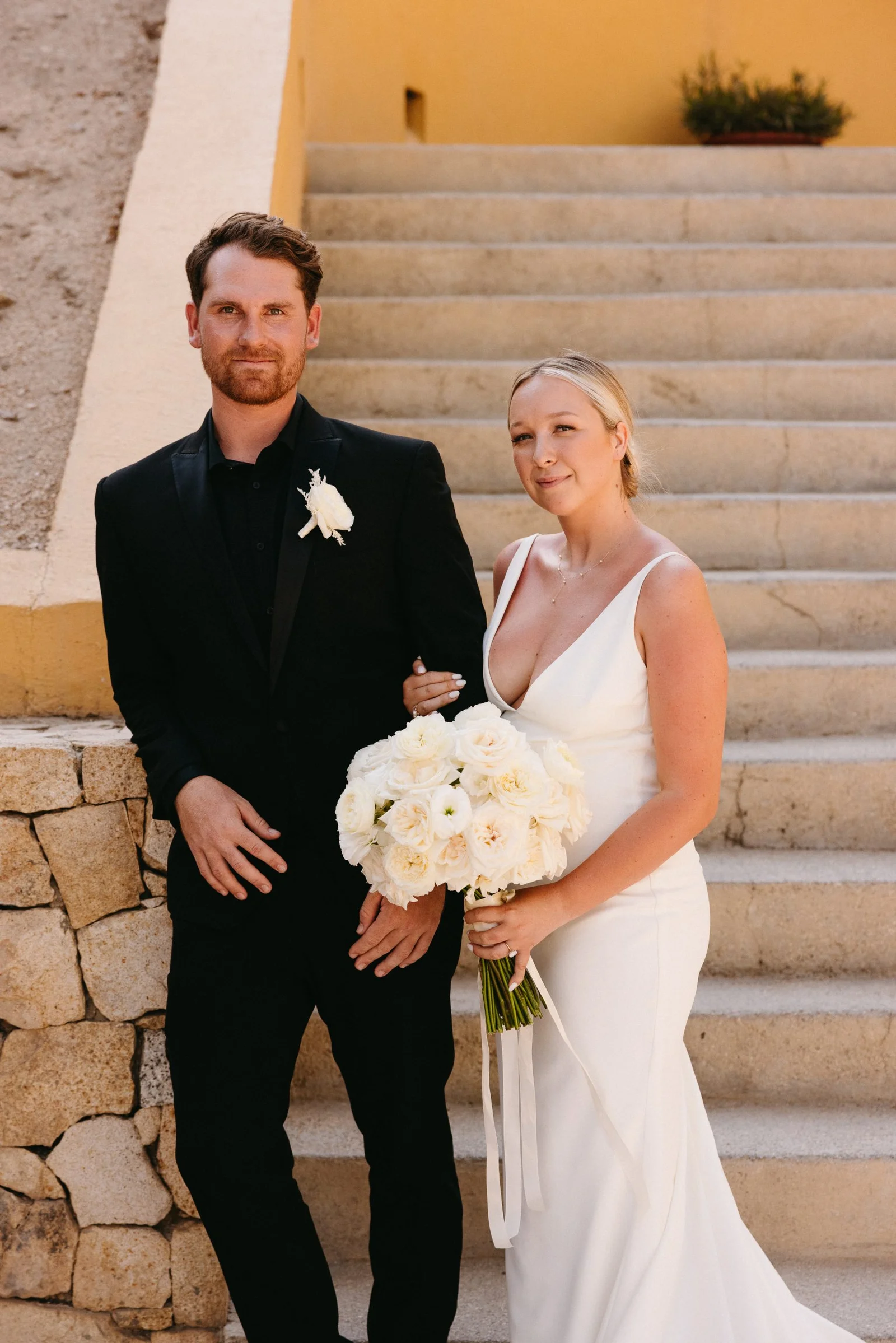
Bride wearing bridal makeup designed to complement lace, satin, and modern wedding dress styles

The right bridal makeup should complement the wedding dress without competing with it. Lace, satin, and modern wedding dresses each create a different visual effect, so the makeup should reflect the fabric, silhouette, neckline, accessories, venue, and overall wedding style.

A romantic lace gown may pair beautifully with softly blended eye makeup, fresh skin, and rose-toned lips. A smooth satin dress may support polished complexion makeup, defined eyes, and a refined lip color. A modern wedding dress may work with clean eyeliner, sculpted cheeks, natural skin, or a stronger statement lip.

Brittany Brown Beauty provides personalized bridal makeup services in Orange County based on the bride’s complexion, features, dress, wedding setting, photography, and preferred level of coverage.

Why the Wedding Dress Matters When Choosing Makeup

The wedding dress is one of the most visually important parts of the bridal look.

Its fabric, shape, detailing, color, and neckline can influence whether the makeup should feel:

  • Natural
  • Romantic
  • Classic
  • Soft glam
  • Full glam
  • Minimal
  • Vintage-inspired
  • Modern
  • Editorial
  • Dramatic

The goal is not to match the makeup to the dress literally. Instead, the makeup should support the same level of formality, softness, structure, and detail.

For example, extremely dramatic makeup may compete with a delicate lace gown. Very minimal makeup may feel less balanced beside a highly structured satin ball gown. A modern minimalist dress may work beautifully with either clean natural makeup or one stronger feature, such as graphic eyeliner or a red lip.

Begin With the Bride’s Personal Style

The wedding dress should guide the makeup, but the bride should still feel recognizable.

Before selecting the final look, consider:

  • How much makeup the bride normally wears
  • Which facial features she prefers to emphasize
  • Whether she likes matte or luminous skin
  • Whether she normally wears eyeliner
  • Her comfort level with false lashes
  • Her preferred foundation coverage
  • Her favorite lip colors
  • The formality of the wedding
  • The wedding photography style

A bride who normally wears minimal makeup may feel uncomfortable with heavy contouring or full smoky eyes. A bride who regularly wears defined makeup may feel unfinished with an extremely sheer application.

The most successful look connects the wedding dress with the bride’s everyday preferences.

Bridal Makeup for Lace Wedding Dresses

Lace wedding dresses often create a romantic, detailed, traditional, or vintage-inspired appearance.

Lace may be:

  • Soft and delicate
  • Bold and graphic
  • Floral
  • Beaded
  • Vintage-inspired
  • Sheer
  • Textured
  • Combined with tulle or chiffon

Because lace already contains visible texture and detail, the makeup should usually feel softly balanced rather than overly sharp.

Suitable makeup choices may include:

  • Natural or satin-finish foundation
  • Softly defined eyebrows
  • Taupe, champagne, rose, or mauve eyeshadow
  • Blended eyeliner
  • Individual or wispy lashes
  • Rose, peach, or dusty-pink blush
  • Soft bronzer
  • Controlled highlighter
  • Nude, rose, mauve, or berry lips

The exact style should also reflect the lace pattern, neckline, dress color, and wedding venue.

Romantic Makeup for Soft Lace Dresses

Soft floral lace often works well with romantic makeup.

A suitable look may include:

  • Lightweight or medium complexion coverage
  • Luminous or satin-finish skin
  • Soft brown eye definition
  • Champagne or rose-gold shimmer
  • Natural-looking lashes
  • Peach or rose blush
  • A rose, mauve, or pink-nude lip

The makeup should feel elegant and polished while allowing the texture of the lace to remain one of the main visual features.

Very harsh contouring, graphic liner, or extremely dark eyeshadow may compete with delicate floral detailing.

Makeup for Structured Lace Gowns

Some lace gowns are more dramatic and structured.

They may include:

  • Corset bodices
  • Fitted silhouettes
  • Defined patterns
  • Long trains
  • High necklines
  • Heavy embellishment

These dresses can support slightly stronger makeup, including:

  • Medium or full coverage
  • Defined brows
  • Soft smoky eyes
  • Fuller lashes
  • Sculpted cheekbones
  • A deeper rose, berry, or neutral lip

The makeup can have more structure while still maintaining soft blending.

Makeup for Vintage-Inspired Lace Dresses

Vintage-inspired lace dresses may suit makeup influenced by a particular period.

Possible choices include:

  • Soft matte or satin skin
  • Defined eyeliner
  • Individual lashes
  • Rose blush
  • Classic red lips
  • Berry lips
  • Champagne or soft brown eyeshadow
  • Carefully shaped brows

The final look should feel inspired by the dress rather than like a costume.

A 1920s-style lace gown may suit softly smoky eyes and a deeper lip, while a 1950s-inspired dress may pair with clean eyeliner and classic red or rose lipstick.

Makeup for Bohemian Lace Dresses

Bohemian lace dresses often feature relaxed silhouettes, flowing sleeves, crochet details, floral patterns, or lightweight fabrics.

A bohemian bridal makeup look may include:

  • Natural skin texture
  • Lightweight foundation
  • Freckles left visible
  • Warm neutral eyeshadow
  • Soft lashes
  • Peach or rose blush
  • Light bronzer
  • Nude, terracotta, peach, or rose lips

The makeup should feel fresh and intentional without becoming overly structured.

This style can work particularly well for beach, garden, estate, woodland, and destination weddings.

Bridal Makeup for Satin Wedding Dresses

Satin wedding dresses have a smooth, polished surface that reflects light.

They often create a classic, elegant, formal, or modern appearance.

Because satin has fewer visible textures than lace, the complexion and makeup details may become more noticeable.

Suitable choices may include:

  • Smooth medium coverage
  • Satin or softly matte foundation
  • Defined brows
  • Neutral or softly smoky eyes
  • Carefully blended contour
  • Polished lashes
  • Rose, mauve, nude, berry, or red lips

The makeup should look clean and refined without appearing overly powdered.

Why Complexion Finish Matters With Satin

Satin reflects light, so excessive facial shine may compete with the dress in photographs.

At the same time, a completely flat matte complexion may feel too severe beside the fabric’s natural sheen.

A satin-finish complexion often creates a balanced result because it provides:

  • Controlled radiance
  • Natural dimension
  • Moderate shine control
  • A polished photographic finish

Brides comparing foundation options can review the guide to dewy vs. matte bridal makeup.

Makeup for a Classic Satin Ball Gown

A satin ball gown often creates a formal and traditional appearance.

It may include:

  • A structured bodice
  • A full skirt
  • A long train
  • A corset
  • A cathedral veil
  • Minimal or detailed embellishment

A balanced makeup look may include:

  • Medium or full complexion coverage
  • Defined eyebrows
  • Neutral or softly smoky eyes
  • Individual or fuller lashes
  • Soft contouring
  • Rose or mauve blush
  • A polished nude, berry, rose, or red lip

The makeup should have enough definition to remain visible in full-length photographs and formal portraits.

Makeup for a Minimal Satin Dress

A simple satin dress may have clean lines, a slip silhouette, a square neckline, thin straps, or minimal embellishment.

Suitable makeup options include:

  • Fresh natural skin
  • Satin-finish complexion
  • Defined brows
  • Clean eyeliner
  • Soft neutral eyes
  • Individual lashes
  • A carefully placed blush
  • A nude, brown, berry, or red lip

A minimalist satin gown can support either understated makeup or one stronger feature.

For example, the bride may choose natural eyes and a red lip, or a nude lip with defined eyeliner.

Makeup for a Fitted Satin Dress

A fitted satin gown often feels sleek, polished, and dramatic.

The makeup may include:

  • Medium complexion coverage
  • Softly sculpted cheekbones
  • Defined eye makeup
  • Individual or wispy lashes
  • Satin or softly matte skin
  • A mauve, nude, berry, or classic red lip

The final look should match the dress’s structure without becoming too heavy.

Bridal Makeup for Modern Wedding Dresses

Modern wedding dresses may feature clean lines, architectural shapes, square necklines, one-shoulder designs, capes, jumpsuits, asymmetrical details, or unconventional silhouettes.

Modern bridal makeup can range from very natural to bold and editorial.

Possible directions include:

  • Clean natural skin
  • Soft-glam complexion
  • Defined eyebrows
  • Minimal neutral eyeshadow
  • Graphic or softly structured eyeliner
  • Sculpted cheeks
  • Individual lashes
  • A nude, brown, berry, or red lip

The makeup should feel deliberate and polished.

Makeup for a Minimalist Modern Dress

A minimalist modern dress may contain very few embellishments.

Because the design is simple, makeup details may become more noticeable.

A suitable look may include:

  • Even natural skin
  • Defined brows
  • Clean eyeliner
  • Natural lashes
  • Soft contour
  • A neutral lip
  • A classic red lip
  • Controlled highlighting

The goal is intentional simplicity rather than an unfinished appearance.

Makeup for an Architectural Wedding Dress

Architectural gowns may include sharp folds, structured shoulders, sculptural skirts, or geometric necklines.

These dresses may support stronger makeup structure, such as:

  • Defined brows
  • Clean eyeliner
  • Sculpted cheeks
  • A satin or matte complexion
  • A polished nude or statement lip

The makeup should reflect the clean design without feeling harsh.

Makeup for a Modern Bridal Jumpsuit

A bridal jumpsuit may create a clean, fashion-forward, or relaxed look.

Suitable makeup options include:

  • Fresh skin with clean eyeliner
  • Soft-glam makeup with a nude lip
  • Defined eyes with natural lashes
  • A sleek complexion with red lipstick
  • Soft contouring with a brown or mauve lip

The hairstyle should also support the outfit, whether the bride chooses a sleek ponytail, bun, waves, or short-hair styling.

Match Makeup to the Dress Neckline

The neckline affects how much attention is placed on the face, neck, shoulders, and chest.

Strapless Dresses

A strapless dress exposes the shoulders, collarbones, upper chest, and neck.

Foundation should blend naturally beyond the jawline when needed.

The look may include:

  • Balanced complexion coverage
  • Defined eyes
  • Visible blush
  • Soft contour
  • A polished lip color

Any body makeup or highlighting should match the face and photograph naturally.

High-Neck Dresses

A high neckline places more visual attention on the face.

The makeup may need slightly more definition through:

  • The eyes
  • Eyebrows
  • Cheeks
  • Lips

A polished complexion and defined eye makeup can help the face remain balanced beside fabric or lace near the neck.

Square-Neck Dresses

Square necklines often feel modern, structured, or vintage-inspired.

They may work well with:

  • Defined brows
  • Clean eyeliner
  • Neutral eyeshadow
  • Soft contouring
  • Satin-finish skin
  • A defined lip color

Off-the-Shoulder Dresses

Off-the-shoulder designs often create a romantic and elegant appearance.

They may pair with:

  • Glowing or satin-finish skin
  • Softly defined eyes
  • Rose, peach, or mauve blush
  • Natural lashes
  • Nude, berry, or rose lips

The face, neck, chest, and shoulders should appear balanced in color.

One-Shoulder Dresses

One-shoulder gowns create an asymmetrical and fashion-focused look.

The makeup may include:

  • Balanced complexion coverage
  • Defined eyes
  • Structured brows
  • Sculpted cheeks
  • A modern nude or statement lip

The hairstyle and makeup should work together to maintain visual balance.

Consider the Color of the Dress

Wedding dresses may be bright white, ivory, cream, champagne, blush, nude, silver, gold, or another color.

Bright White Dresses

Bright white can create strong contrast against the complexion.

Visible blush, accurate foundation matching, and a defined lip can prevent the face from appearing washed out.

Ivory and Cream Dresses

Ivory and cream have warmer undertones.

They may complement:

  • Peach
  • Rose
  • Bronze
  • Champagne
  • Warm brown
  • Soft gold
  • Warm nude lips

Champagne Dresses

Champagne gowns may work well with:

  • Bronze eyeshadow
  • Rose-gold tones
  • Warm blush
  • Soft brown eyeliner
  • Peach, rose, or warm nude lips

Blush Dresses

Blush wedding dresses may suit:

  • Mauve
  • Rose
  • Taupe
  • Champagne
  • Soft brown
  • Berry
  • Pink-nude lips

The makeup should complement the gown without matching its color too closely.

Match Makeup to Dress Embellishments

Dress embellishments can help guide the makeup colors and finish.

Pearl Details

Pearls may pair with:

  • Luminous or satin skin
  • Champagne eyeshadow
  • Soft pink or rose blush
  • Natural lashes
  • Rose or nude lips

Gold Details

Gold embroidery or accessories may complement:

  • Bronze eyeshadow
  • Warm brown
  • Peach blush
  • Terracotta
  • Rose-gold tones
  • Warm nude lips

Silver Details

Silver embellishments may work with:

  • Taupe
  • Mauve
  • Cool brown
  • Soft gray
  • Champagne
  • Rose or berry lips

Crystal or Sequin Details

Reflective embellishments should be balanced with controlled highlighter.

Too much shimmer on the eyes, cheeks, and dress may create competing reflective elements in photographs.

Choose Eye Makeup That Supports the Dress

The eye makeup should reflect the dress’s level of detail and structure.

Suitable bridal eye looks may include:

  • Soft neutral eyes
  • Champagne shimmer
  • Bronze eyeshadow
  • Rose-gold tones
  • Mauve eyeshadow
  • Soft smoky eyes
  • Defined eyeliner
  • Natural lashes
  • Fuller lashes

A simple modern dress may support stronger eyeliner or a softly smoky eye.

A detailed lace gown may feel more balanced with blended neutral eye makeup.

The guide to bridal eye makeup styles can help brides compare natural, soft-glam, and more defined options.

Choose the Right Foundation Coverage

The best foundation coverage depends on the bride’s skin, comfort level, photography, and wedding setting.

Light Coverage

Light coverage may suit brides who:

  • Prefer minimal makeup
  • Want freckles to remain visible
  • Have relatively even skin
  • Feel uncomfortable wearing heavier products

Medium Coverage

Medium coverage can create a polished and even complexion while maintaining a natural appearance.

Full Coverage

Full coverage may help balance visible discoloration, acne marks, or uneven areas.

For a natural result, it should be applied in thin layers rather than one heavy application.

Coordinate Makeup With the Hairstyle

The hairstyle and makeup should feel like parts of the same complete look.

Soft Waves

Soft waves may suit:

  • Romantic lace dresses
  • Natural makeup
  • Soft-glam makeup
  • Warm neutral eyes
  • Rose or nude lips

Sleek Bun

A sleek bun may work with:

  • Satin dresses
  • Modern gowns
  • Defined brows
  • Clean eyeliner
  • Sculpted cheeks
  • A statement lip

Textured Low Bun

A textured low bun may complement:

  • Lace gowns
  • Romantic makeup
  • Soft lashes
  • Satin-finish skin
  • Rose or mauve lips

Polished Ponytail

A polished ponytail may suit:

  • Modern dresses
  • Bridal jumpsuits
  • Square necklines
  • Defined eyes
  • Clean complexion makeup

Select a Lip Color

Lip color should balance the dress, eye makeup, complexion, and overall bridal style.

Popular options include:

  • Pink nude
  • Peach nude
  • Rose
  • Mauve
  • Soft berry
  • Warm brown
  • Muted coral
  • Classic red
  • Deep berry

A lace dress may pair well with rose, mauve, or berry shades.

A satin gown may support a polished nude, rose, berry, or red lip.

A modern dress may work with a neutral brown, muted nude, berry, or statement red.

Very pale lip colors may appear less visible in professional photographs.

Consider the Wedding Venue

The venue should influence both the dress and makeup plan.

Beach Weddings

Lightweight lace, chiffon, satin, and modern dresses may pair with waterproof eye products, controlled shine, and soft lip colors.

Garden Weddings

Romantic lace gowns may work with fresh skin, rose or peach blush, softly defined eyes, and natural lashes.

Hotel Weddings

Formal satin gowns may support soft glam, defined eyes, sculpted cheeks, and polished lips.

Estate Weddings

Lace, satin, and modern gowns can all work at estate venues. The makeup intensity should match the dress and event formality.

Courthouse Weddings

Modern dresses, jumpsuits, and short gowns may pair with clean skin, defined brows, eyeliner, and a modern lip color.

Consider Photography and Lighting

The makeup and dress will be photographed together in different environments.

Photography may include:

  • Natural window light
  • Direct outdoor sunlight
  • Shade
  • Golden-hour portraits
  • Indoor lighting
  • Professional flash
  • Evening reception lighting

Satin and embellished dresses may reflect more light than soft lace or matte fabrics.

The makeup should provide enough facial definition without appearing overly heavy in close-up photographs.

Schedule a Bridal Makeup Trial

A bridal makeup trial allows the bride to see how the makeup works with the dress before the wedding.

Bring:

  • Clear photographs of the dress
  • A close-up of the fabric
  • A picture of the neckline
  • Fabric samples when available
  • Jewelry
  • Veil
  • Hair accessories
  • Bouquet inspiration
  • Hairstyle photographs
  • Makeup inspiration
  • Venue photographs

During the trial, discuss:

  • Foundation coverage
  • Complexion finish
  • Eye makeup
  • Eyeliner
  • Lashes
  • Brow shape
  • Blush
  • Contour
  • Highlighter
  • Lip color
  • Dress fabric
  • Neckline
  • Photography conditions

The guide explaining what happens during a bridal makeup trial can help the bride prepare.

Test the Complete Look

When possible, review the trial makeup with important parts of the bridal look.

Consider how the makeup appears with:

  • The dress color
  • Dress fabric
  • Neckline
  • Jewelry
  • Veil
  • Hairstyle
  • Hair accessories
  • Natural light
  • Indoor lighting
  • Phone photographs
  • Flash photographs

A makeup style that looks attractive by itself may appear different when combined with the dress and accessories.

Common Mistakes to Avoid

Common mistakes may include:

  • Choosing makeup without considering the dress fabric
  • Selecting eye makeup that competes with detailed lace
  • Using excessive highlighter with satin or crystal embellishment
  • Wearing a lip color that disappears beside a bright white dress
  • Ignoring the neckline
  • Using a foundation shade that does not match the body
  • Choosing a trend that does not reflect the bride
  • Testing makeup without dress photographs
  • Skipping the bridal trial
  • Creating a look that does not suit the venue

The complete bridal look should feel coordinated rather than assembled from unrelated ideas.

Questions to Ask the Makeup Artist

Useful questions include:

  • Which makeup style works best with my dress?
  • Should the look be natural, soft glam, or full glam?
  • Which complexion finish suits the fabric?
  • How should the neckline affect the makeup?
  • Which lip colors complement the dress shade?
  • Should my eye makeup be stronger or softer?
  • Will the makeup photograph well with satin or lace?
  • Should the face, neck, and chest be blended?
  • Can I test multiple lip colors?
  • Should I bring my veil and jewelry?
  • Are false lashes included?
  • How long should the complete look last?

Frequently Asked Questions

What makeup works best with a lace wedding dress?

Softly blended eye makeup, natural or satin-finish skin, rose or mauve blush, defined lashes, and a polished neutral or berry lip can complement lace.

What makeup works with a satin wedding dress?

Smooth complexion makeup, defined brows, neutral eyes, controlled highlighting, and a polished nude, rose, berry, or red lip can work well with satin.

What makeup suits a modern wedding dress?

Fresh skin, clean eyeliner, structured brows, sculpted cheeks, individual lashes, and a neutral or statement lip can complement modern dresses.

Should bridal makeup match the dress color?

The makeup should complement the dress rather than copy its color exactly.

Does the neckline affect bridal makeup?

Yes. High necklines place more attention on the face, while strapless and low-neck dresses may require additional attention to blending the neck, chest, and shoulders.

Should makeup be stronger with a formal satin gown?

A formal satin gown may support more eye, cheek, or lip definition, but the final intensity should still reflect the bride’s comfort and preferences.

Should I bring my wedding dress photos to the trial?

Yes. Bring clear photographs of the full dress, neckline, fabric, color, and embellishments.

Can red lipstick work with lace or satin?

Yes. Red lipstick can complement vintage lace, classic satin, minimalist gowns, and modern dresses when it suits the bride’s style.

Book Bridal Makeup for Your Wedding Dress

Bridal makeup for a wedding dress should enhance the bride’s features while supporting the gown’s fabric, neckline, color, embellishments, venue, and photography.

Brittany Brown Beauty creates personalized bridal looks for lace, satin, modern, and other wedding-dress styles throughout Orange County.

Explore the bridal hair and makeup portfolio to view real bridal looks, or contact Brittany Brown Beauty to discuss the wedding date, dress style, venue, and preferred makeup look.