
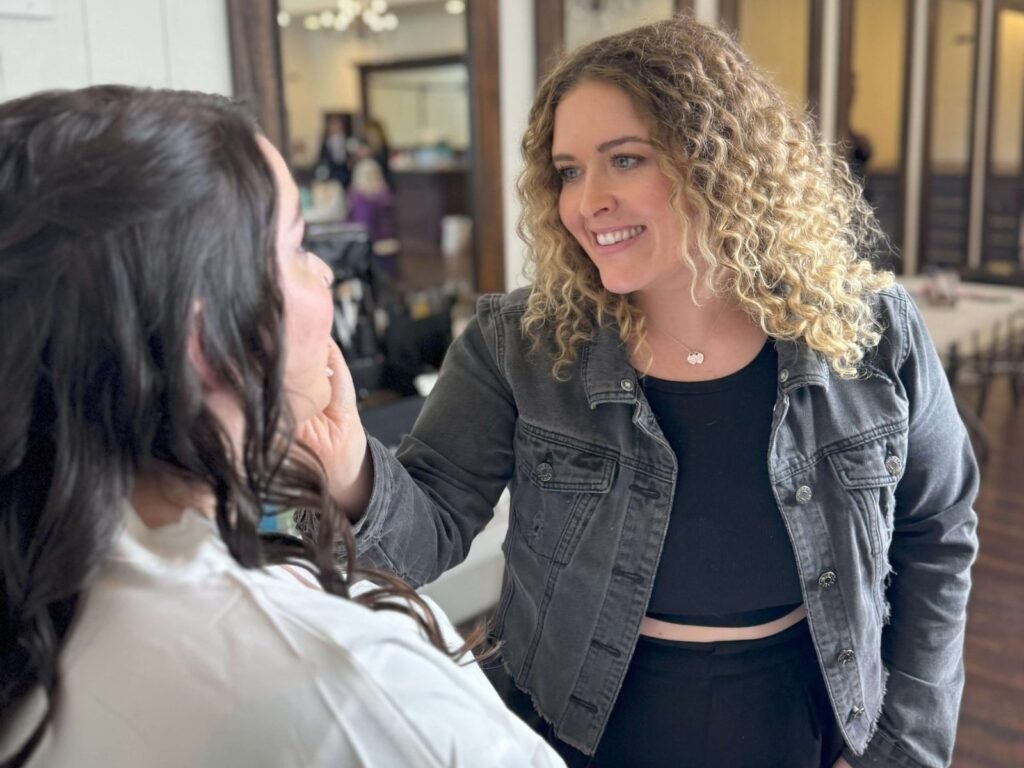
Getting married later in life is a joy, and so is standing beside a daughter or son as a mother of the bride or groom. Many women in this season also notice that their skin behaves differently than it used to. Makeup that looked effortless at thirty can look different now, and that is okay. It simply means the approach should change.
As a bridal makeup artist in Orange County, I love working with mature clients, and I approach each look with technique rather than guesswork. At Brittany Brown Beauty, the goal is always the same: you, but elevated.
This guide is educational and focuses on appearance and comfort. It is not medical advice. If you have concerns about changes in your skin or your health, speak with your doctor or a qualified skincare professional.
How Menopause Can Change Skin Texture and Behavior
Many women describe changes in how their skin looks and feels during and after menopause. Skin can feel drier or less plump, fine lines can appear more noticeable, and skin tone can look less even than before.
Some women also notice that their skin reacts differently to products that once worked well. These changes matter in a makeup chair because dryness, texture, and sensitivity can affect how products sit on the skin.
From a makeup standpoint, here is what I pay attention to:
- Dryness: Skin that feels dry can make foundation look patchy or cling to flaky areas.
- Fine lines: Some formulas settle into lines and look heavy, even when they appear beautiful on other skin types.
- Tone and texture: Uneven areas can become more noticeable under strong lighting or in close-up photographs.
- Sensitivity: Skin that feels more reactive deserves a slower, more careful approach.
I do not diagnose or treat skin conditions, and I do not make medical claims about what causes these changes. What I do is observe how your skin looks and behaves and choose products and techniques suited to it.
I love doing mature makeup. I love helping mothers, aunts, and grandmothers feel beautiful and special, and I take that responsibility seriously.
Adjusting Your Makeup Approach
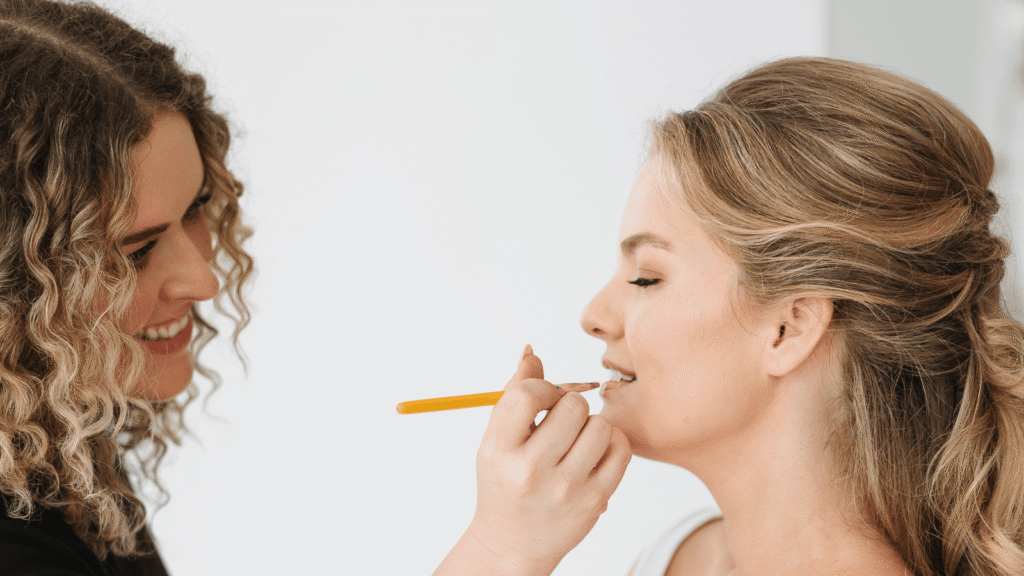
I believe in enhancing your natural beauty, not masking it. That philosophy matters with mature skin because heavy coverage can draw attention to the very texture you may want to soften. Instead, I build a look that lets your skin appear fresh and polished while still looking like skin.
My approach often includes a comfortable-looking base, softly defined eyes, subtle highlights, and carefully placed contour. The final look depends on your features, preferences, outfit, and the occasion.
Some women prefer barely-there makeup, while others feel most confident in a more defined look. My guide to bold bridal makeup vs. soft glam explores the differences and can help you identify the style that feels right for you.
Hydration-First Base Products
A smooth-looking base starts before any makeup goes on. On the morning of your event, I begin with skincare, primer, and base preparation, and I never rush this step.
For mature skin, I focus on products that support a comfortable, hydrated appearance rather than a dry or flat finish. I choose formulas to suit your skin instead of using one fixed routine for everyone.
If you are comparing foundation options, see my guide to the best foundations for mature skin in 2026.
Dry or flaky patches may need particular attention before foundation is applied. Adding more makeup over those areas can sometimes make the texture more noticeable. My guide to skin prep for dry or flaky patches before your wedding explains how preparation can help create a smoother-looking base.
You can also help prepare your skin in the weeks before your wedding:
- Start a consistent skincare routine at least four weeks before your event.
- Stay hydrated, especially in the week leading up to the day.
- Avoid introducing new skincare products and treatments during the final 10 days.
- Stick with products your skin already tolerates comfortably.
I do not promise that one product will suit every skin type, because everyone’s skin is different. That is why I assess your skin and test your makeup during a trial before the big day.
Adjusting Coverage for Changes in Texture
Coverage is where mature makeup can go wrong. A formula that looks flawless on one person can settle into fine lines or appear heavy on another complexion. I adjust my technique to avoid that, using lighter layers where the skin needs room to look natural and adding coverage only where it helps.
For a broader look at techniques and product considerations, read my guide to bridal makeup for mature skin.
Here is how I approach coverage:
- Thin layers over thick ones: Building gradually gives me more control and helps keep the finish natural.
- Glow, not glitter: A soft glow can create a fresh appearance, while strong shimmer may emphasize texture.
- Strategic placement: Small adjustments in the right areas can make a difference without adding product everywhere.
- Targeted correction: Corrective makeup can help soften the appearance of uneven tone, discoloration, or other areas you want to address without making the entire complexion look covered.
If you want to understand this approach in more detail, my article on corrective makeup, what it is and who it’s for explains how targeted makeup techniques can help create a more balanced-looking finish. You can also read my guide to corrective makeup for scarring and hyperpigmentation for more specific examples.
Lighting is another consideration. Makeup can appear different in natural light, studio lighting, and photographs, so I pay attention to how the shades and finishes work together. My guide to pigment control and keeping makeup colors true under studio lighting explains why lighting conditions matter when evaluating the final look.
After application, I use appropriate setting techniques to help your makeup wear well through the ceremony, photographs, and reception. I do not guarantee a specific number of hours of wear because skin, weather, and activity all play a part. Instead, I focus on a thoughtful application and product choices suited to your skin and the occasion.
Communicating Skin Changes at Your Makeup Trial
Your bridal makeup trial is the best place to talk about how your skin has changed. I strongly recommend one because it gives me time to test products on your skin, work through adjustments, and make sure you feel confident about your look.
Here are some useful things to discuss during your trial:
- Any skin sensitivities, reactions, or recent treatments.
- Areas where makeup has settled, looked patchy, or felt uncomfortable in the past.
- Features you love and want to highlight.
- Areas you prefer not to emphasize.
- Photos of your outfit, hairstyle, and makeup looks you admire.
Honest feedback is important. If something feels heavy or does not look like you, tell me so we can adjust it together.
You may also find it helpful to prepare questions before the appointment. My guide to questions to ask during your bridal makeup trial can help you make the most of the time together, from discussing product choices to clarifying the look you want to achieve.
The more I understand your preferences and concerns, the easier it is to develop a makeup approach that feels comfortable and personal to you.
Why Experience With Mature Makeup Matters
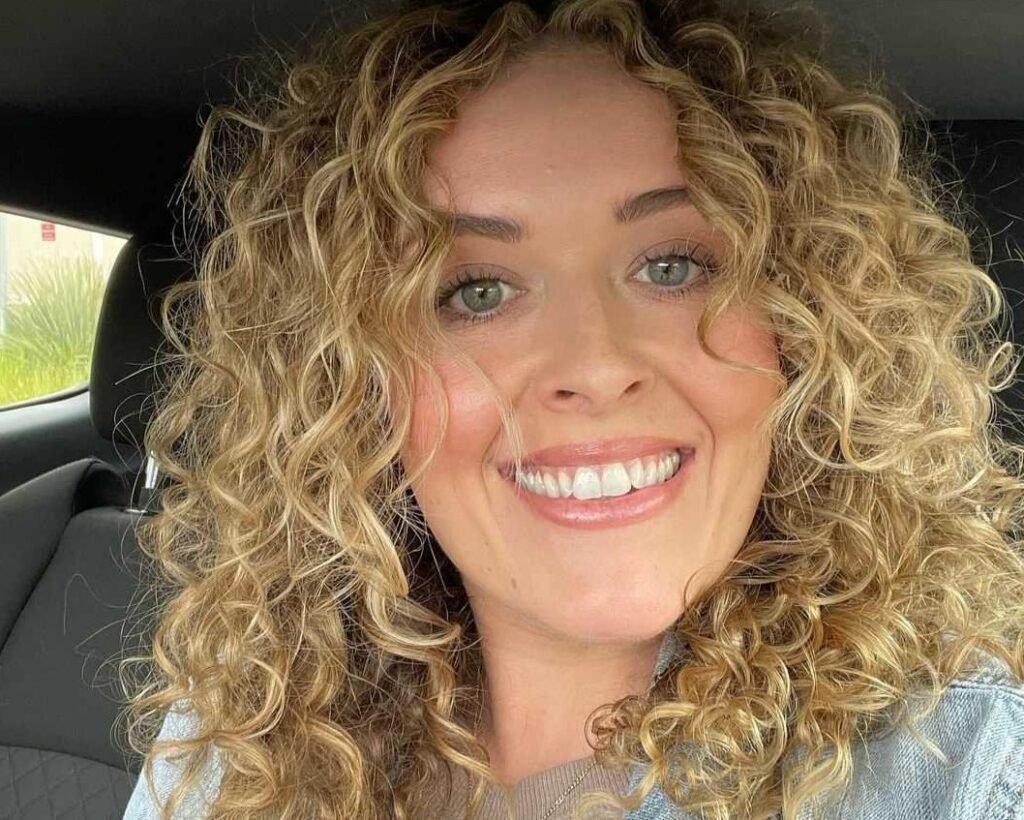
Mature makeup is a specialty I genuinely enjoy, not an afterthought. I have more than 11 years of professional experience, with work in corrective beauty makeup, bridal makeup, print makeup, and mature makeup.
I trained at Empire Academy of Makeup in Orange County, and my work has been featured in Voyage LA Magazine and SDVoyager. Experience matters because different skin types respond differently to products and techniques. Knowing how to adapt an application comes from understanding those differences and assessing each client individually.
Clients often tell me they feel like themselves after their makeup is finished. One bride described the feeling as looking like herself, but elevated. That is the feeling I want every client to have, whether she is the bride, the mother of the bride, the mother of the groom, or a guest of honor.
When choosing a makeup artist, you should feel comfortable asking about their approach to mature skin, their experience with your preferred style, and how they handle adjustments during a trial. My guide to questions to ask before hiring a bridal makeup artist can help you compare your options and decide what matters most to you.
Because I am fully mobile, I come to you. I arrive with a complete professional kit, including studio-quality lighting and seating, so I can assess your skin clearly even when the room’s lighting is not ideal.
You avoid a salon commute, your getting-ready party can stay together, and your morning can follow the schedule you have planned. I also provide hair styling and coordinated services for bridesmaids and mothers of the bride and groom, helping everyone achieve a cohesive look. For larger parties, I can bring additional artists to help everyone get ready on schedule.
Every bride also receives a complimentary touch-up kit containing lipstick, powder, and blotting sheets.
You can see examples of my work in the Brittany Brown Beauty portfolio and learn more about my background.
Plan Your Mature Bridal Makeup
Whether you’re getting married later in life or attending your child’s wedding, your makeup should reflect your personal style and help you feel confident and comfortable.
Brittany can discuss your skin, preferred finish, and coverage needs to help you explore a look that suits you. If you have concerns about dryness, changes in skin texture, or how makeup sits on your skin, these can all be part of the conversation.
A bridal trial offers an opportunity to test your preferred look, make adjustments, and find an approach that feels right for you. You can also discuss whether soft glam or more defined makeup better suits your style and the occasion.
Contact Brittany Brown Beauty to discuss your event details and availability. Spring and fall dates in Orange County can book quickly, so reach out once your date and venue are confirmed. A signed contract and deposit secure your date.
Frequently Asked Questions
Mature skin may respond differently to certain makeup formulas. I focus on careful skin preparation, lighter layers, and thoughtful product placement. Heavy coverage is not always necessary. Instead, I aim for a polished, natural finish that still feels like you.
The right products depend on your skin and preferred finish. I assess your skin before selecting suitable primers, foundations, and finishing products. During your bridal trial, we can test the makeup together. This allows time to make adjustments before your event.
Contact me once your wedding date and venue are confirmed. This is especially important for busy spring and fall weekends. Booking early gives us time to discuss your preferences and test different products. We can also refine your look before the wedding. You’ll have time to maintain a consistent skincare routine in the weeks leading up to your event.
Absolutely. I offer coordinated hair and makeup services for mothers of the bride and groom, bridesmaids, and other wedding party members. Mature makeup is one of my favorite services. My goal is to help every client feel beautiful and comfortable with her finished look.
Yes, please share any skin sensitivities, previous reactions, or recent treatments during your consultation or trial. This information helps me select suitable products and plan the application carefully. Avoid trying new skincare products or treatments during the final 10 days before your event. If you have concerns about a skin condition, consult a qualified skincare professional.