
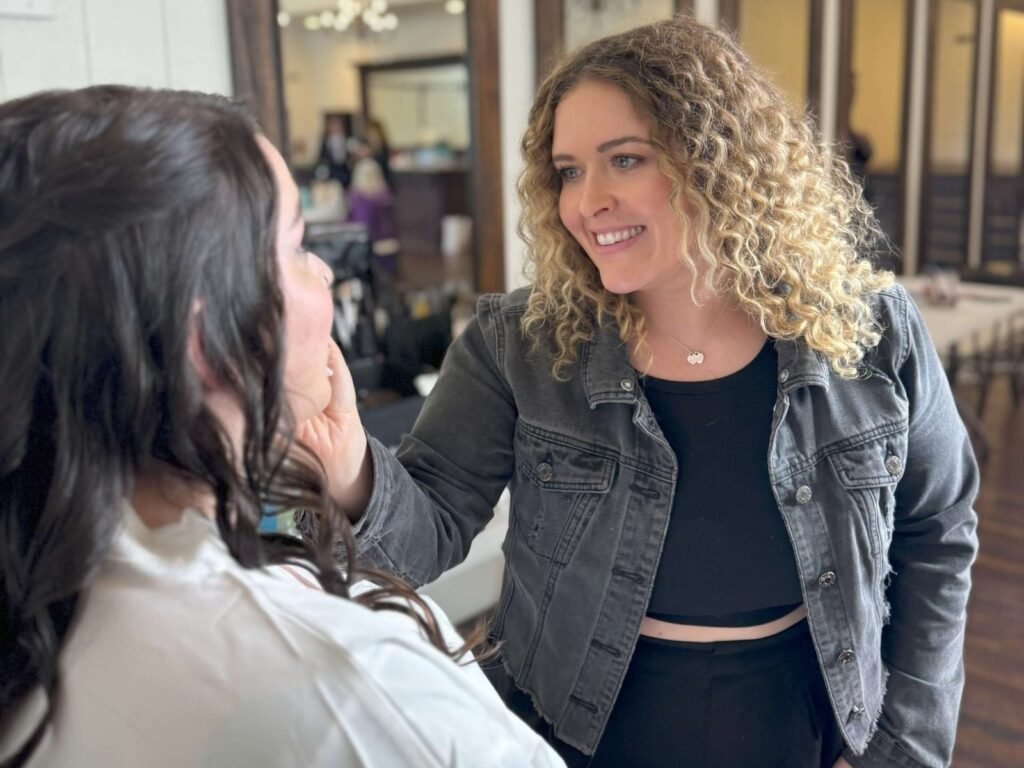
Makeup for brides over 40 does not come with a separate rulebook. A few techniques do change as skin matures. Your taste, your features and your vision for the day stay exactly where they were.
Foundation, concealer and powder can behave differently on mature skin. The usual answer is not less makeup. It is thinner layers, smarter placement and careful blending. That is the difference between a base that looks smooth in person and one that looks heavy in photographs.
Brittany Brown Beauty names mature makeup and corrective beauty as a particular focus. This article covers what an artist may adjust for mature skin bridal makeup. It also covers what stays your call and how to plan the look. Mothers of the bride or groom and clients who want corrective makeup will find it useful too.
What Genuinely Changes With Age
Not everyone over 40 sees the same changes. Genetics, sun exposure, climate and skin type all play a part. Some brides notice little difference in how makeup wears. Others notice a few specific things, and those are what an artist watches for.
Skin Texture and Base Coverage
Skin may feel drier over time, and fine lines can become more visible. Makeup does not create that texture, but heavy product can show it. Thick foundation tends to collect in lines and pores. Thin layers usually leave skin looking more like skin.
Placement matters as much as the formula. An artist might even out the nose and chin area, then sheer the product toward the temples and jaw. Coverage builds only where the face needs it. The edges at the hairline, jaw and ears get extra blending, so no line shows in photos.
A bride who wants full coverage can have it. The artist builds it in thin passes and lets each pass settle. The result looks fuller without looking heavy.
Concealer and Powder
Concealer can settle into lines when too much goes on, especially under the eyes. A small amount at the inner corner and darkest area, patted out, often works better than a full band. A flexible formula moves with the skin.
Powder follows the same logic. A full face of loose powder can emphasize dryness and sharpen fine lines. A small amount where shine or creasing appears keeps the rest of the skin natural. Pressing powder in with a puff, instead of sweeping it on with a brush, also helps. Oilier skin may need more powder, so the plan depends on you.
Eyes and Lashes
Eyelids can change shape over time. The visible lid space may look smaller, the skin may fold, and natural lashes may look thinner. Liner and shadow placement adjust to match.
Liner set close to the lash line defines the eye. A soft wing that follows the eye’s natural angle keeps it from pulling down. Our guide to eye makeup for hooded or mature eyes shows how placement shifts with lid shape. A bride who loves dark liner can keep it. The artist softens the edge with shadow instead of removing it.
Lashes can restore definition where natural lashes have thinned. The length and fullness depend on the look you want.
Cheeks and Lips
Blush and bronzer follow your bone structure, not a formula. A bride with high cheekbones may want blush along the bone. A bride with rounder cheeks may prefer it slightly higher and angled outward. Cream formulas blend into the skin and look soft, but a bride who prefers powder blush can have it.
Bronzer works best where sun would naturally touch, usually the outer edges of the face. A light hand keeps it from reading as contour. Lips may need more edge control, because lipstick can drift into fine lines around the mouth. A matching liner and a blotted first layer keep color where it belongs.
In Person Versus In Photographs
Makeup that looks balanced face to face can read differently on camera. Flash can bounce off powder and shimmer. Soft indoor light can flatten features. Outdoor sun shows texture clearly. A camera also brings the viewer closer, so edges and blending matter more. The artist adjusts powder, finish and definition with those conditions in mind.
What Stays Exactly the Same
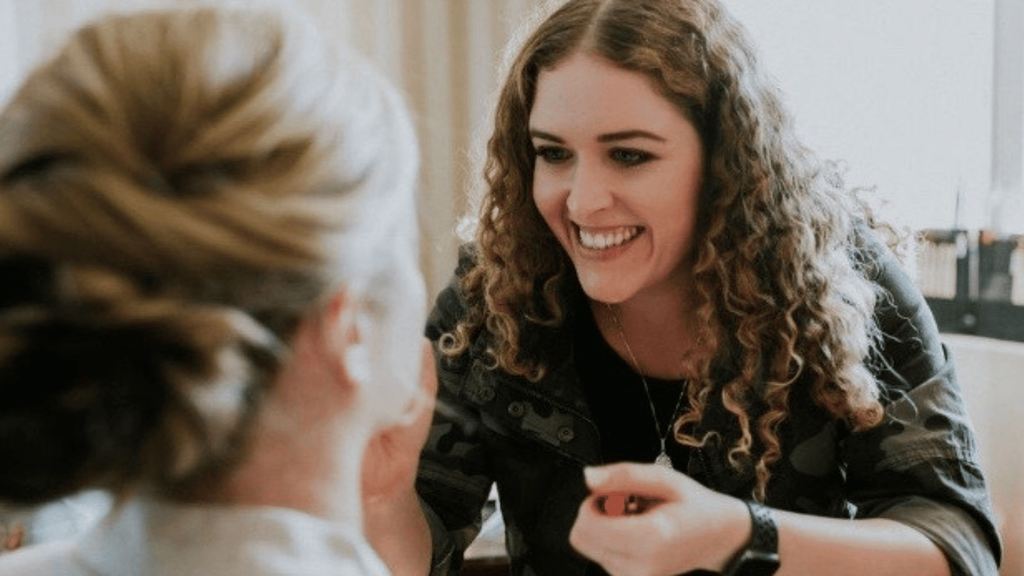
Your style is still the starting point. Many brides over 40 assume they have to go lighter and quieter. Nothing in the makeup requires that. A classic red lip, a defined eye or full coverage works at 25 and at 55. The technique changes, not the permission.
A bride may want any of these:
- A soft natural finish: This is a great choice when you choose it, not when it is assigned to you.
- Defined eyes or a smoky eye: The artist blends the edges and chooses finishes that suit your lids.
- A classic red lip: Lining the lips and blotting the first layer keep the color in place. The article on red lip bridal makeup helps you decide.
- Luminous skin: Glow goes where light naturally hits, such as the high points of the cheeks.
- Dramatic lashes or bold liner: The artist checks the fit against your lid shape and eye angle, then adjusts placement.
Choose by features and preferences, not by age. Start with what you wear and love. Then the artist adjusts how it goes on. A bride who wears a bold lip every day should see that lip on her wedding day. Taking it away would make her feel less like herself.
Recognizable matters in person and in photographs. Friends and family should see you, not a stranger. Photos of makeup you already wear help the artist match your usual style. The goal is you on your best day.
Location, light and weather still shape the finish. A coastal ceremony in afternoon sun asks for different decisions than an evening ballroom. Humidity, wind and heat affect how a finish wears. The photographer’s style matters too, especially if flash is expected.
Lighter makeup is not automatically better. Too little definition can leave features looking flat in photos. A bride over 40 can wear the same range of looks as any other bride. The artist simply chooses techniques that suit her skin.
Building a Look That Feels Like You
Planning starts with a conversation. The details below show how an artist might adapt a technique to a bride’s preferences. They are examples, not a script.
Skin Preparation
Keep your usual routine, as long as it suits your skin. Avoid introducing new products right before the wedding. A new product can change how makeup sits or cause a reaction. No routine can promise a specific makeup result. What helps is telling the artist what you use and how your skin feels that week.
If your skin tends to feel dry, the artist can allow time for moisturizer to settle before foundation. If it tends to be oily, the plan may include more targeted setting.
Foundation and Concealer
Coverage is a decision, not a default. Take a bride with redness around the nose who wants an even base. The artist might correct only that area, then use a sheer foundation elsewhere. Now take a bride planning a formal evening wedding who wants full coverage. The artist might build it in thin passes and check each pass in bright light.
Skin that shows texture on the cheeks may do better with little powder there and a cream blush. The artist keeps coverage where it is needed instead of defaulting to the lightest option.
Eyes
Bring examples of eye looks you wear. A bride who normally wears brown shadow without liner can keep that look. The artist might deepen the shade along the lash line so her eyes hold up in photos. A bride who rarely wears eye makeup might want soft definition. Warm matte shadow and a smudged lash line make eyes read in photos without looking made up.
Shadow finish is a choice too. Matte and satin finishes tend to blend easily. Shimmer can work in the center of the lid when the lid is smooth. Test it at the trial.
Color Choices for Cheeks and Lips
A bride who prefers a nude lip may want a shade slightly deeper than her natural lip color. That keeps her lips from fading in photos. Blush should suit her undertone and the dress color. Bring a favorite lipstick or blush so the artist can match what already feels like you.
Photography
Your makeup has to work in natural light and under the lighting expected at the venue. Daylight shows true color and texture. Warm ballroom lighting can shift colors and reduce contrast. Mixed lighting can affect how bridal makeup looks throughout the day. For example, a bright ceremony and a dim reception may call for a different balance of glow and matte finishes. To prepare, read how wedding lighting affects bridal makeup before your trial.
Tell the artist the ceremony time and the type of venue. Ask to see the look in different lighting conditions so the artist can make any necessary adjustments before the wedding day. Additionally, browse the portfolio and note what you like about each look, whether it’s the lip color, eye makeup or overall finish.
The Trial
A trial is the place to talk through your makeup habits. Share your usual routine and preferred finish. Name the areas you want to emphasize or soften. Add any product sensitivities and past makeup concerns. Brittany strongly recommends a trial, though it is not required.
The trial lets the artist assess the look and how it feels on your skin. It cannot guarantee that a reaction will never occur. If you have reacted to a product before, mention it early.
Why Experience Across Ages Matters Here
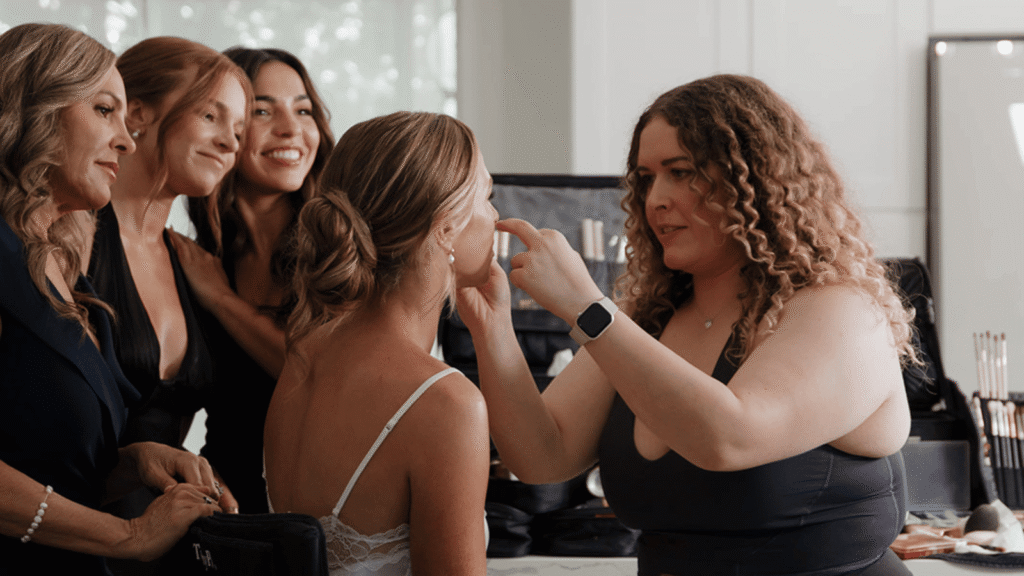
Technique comes from seeing how makeup behaves on many faces. An artist with experience working with different ages and skin textures can adapt when a product does not sit well. For example, she can adjust its placement or apply thinner layers rather than using the same formula and technique for everyone.
Brittany has more than a decade of experience in bridal and print makeup. Print work puts makeup under close photographic scrutiny, which is relevant to bridal photography. Her site lists mature makeup and corrective beauty among her named specialties.
As a corrective makeup artist in Orange County, Brittany uses targeted color correction, thin layers and careful blending. Heavy coverage is not the default. Her article on corrective makeup and who it is for explains the approach. Corrective makeup softens how a concern appears. It does not change the skin, so some texture may still show up close.
The About page describes consultations that offer alternatives for the look you want. It also describes working together to clarify your vision. Brittany travels to your getting-ready location across Orange County, San Diego and surrounding areas. Makeup for brides over 40 in Orange County happens where you are getting ready. Family members are welcome too.
Planning Your Bridal Makeup
Share your wedding date, venue, ceremony time, getting-ready location and preferred makeup style. These details help us check availability and plan the consultation. Mention any skin sensitivities or corrective concerns too. You can also send them through the contact page. Click the button below to schedule a consultation online.
Frequently Asked Questions
The goal is the same: makeup that looks like you and holds up in photos. The technique adjusts. Expect thinner layers, targeted coverage, selective powder and placement that follows your features. It is not a different style, and it does not mean a lighter palette.
It depends on your skin, so no single product suits everyone. Skin-like textures that blend easily often work well, and the artist tests them at the trial. Bring the products you already use. The guide to foundations for mature skin covers formula types in more detail.
A trial is typically scheduled 2 to 4 months before the wedding. That leaves time to adjust the look if something needs changing. Book the wedding date itself earlier, since dates fill. The article on how many bridal trials you need helps you plan.
There is no blanket list. Finish depends on your skin and the look you want. A very matte base on dry skin may emphasize texture, and chunky glitter can catch light unevenly. Both can still be worn if they suit you. Test any finish you are unsure about at the trial.
Keep some definition in the brows, eyes and lips, since cameras can flatten a face. Choose a powder you have tested with flash. Look at trial photos at full size, not only on a phone preview. Share the photographer’s style and the time of day, so the artist can plan the finish.