Posted on

Bridal Hair With a Veil: What Works With Every Veil Length

bridal hair with veil

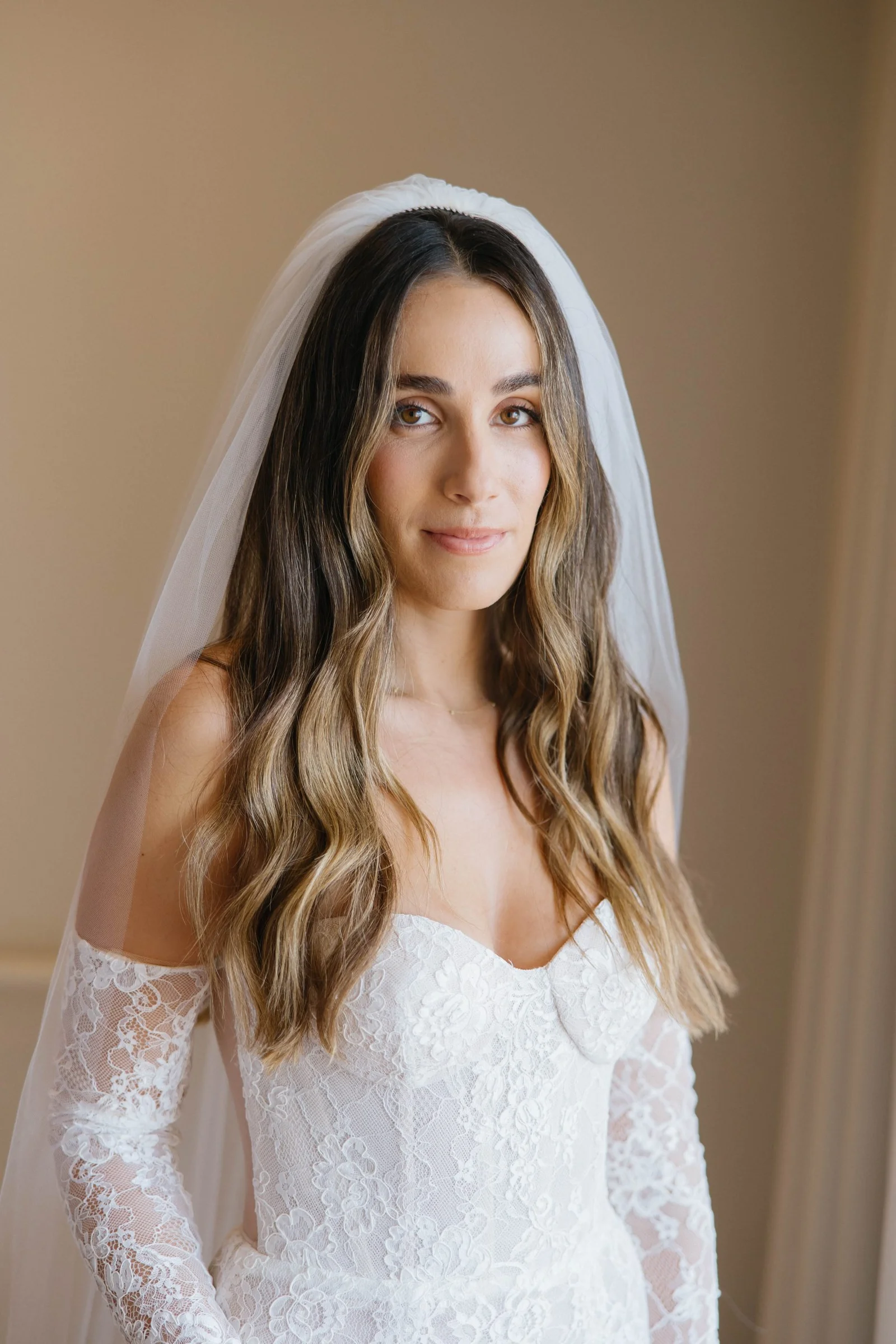
Brides often choose a veil before deciding on their hairstyle, then realize the two do not always work together under real wedding conditions. Weight, placement, humidity, wind, and photography all affect how the veil and hair perform throughout the day. This guide explains how Bridal Hair With a Veil should be planned around veil length, hairstyle structure, and the demands of an Orange County wedding environment.

At Brittany Brown Beauty, we approach Bridal Hair With a Veil by looking at the full environment rather than relying on trend-based styling. Veil weight, coastal weather, movement, hair texture, and photography conditions all influence how the hairstyle holds its shape throughout the ceremony, portraits, and reception.

Why Veil Placement Changes the Hairstyle

Many brides bring inspiration photos without noticing that the hairstyle was designed specifically for the veil placement. A low veil attached beneath a bun creates a different silhouette than a veil secured above the crown. Hair that looks balanced without a veil can appear compressed once fabric and combs are added. At Brittany Brown Beauty, we evaluate where the veil will sit before finalizing the structure of the hairstyle so the proportions remain consistent in person and on camera.

Another common mistake is assuming the veil can simply be inserted after the hairstyle is complete. Veils add weight and tension, especially cathedral lengths. Without reinforcement at the anchor point, curls loosen faster and volume collapses near the crown. Proper preparation matters more than decorative detail.

Bridal Hair With a Veil for Short Veils

Birdcage and shoulder-length veils usually work best with controlled hairstyles that keep facial structure visible. Loose hair can compete with the shorter veil shape, particularly during outdoor ceremonies with wind exposure. Soft waves with tucked sides, structured ponytails, and refined low buns tend to photograph more clearly.

Short veils also reveal more of the face in close photography, which means balance becomes important. Heavy contouring or oversized hair can overpower the proportions. One misconception is that natural makeup and simple hair require less structure. In reality, understated bridal styling still needs definition or features disappear under bright daylight and flash photography.

Mid-Length Veils and Balanced Hair Shapes

Fingertip and elbow-length veils are among the most flexible options because they work with both updos and partially pinned hairstyles. These lengths allow movement while still showing enough hair detail in photographs. Brides who want softness without constant maintenance often choose this combination for coastal Orange County weddings.

Half-up styles are common with mid-length veils, but placement matters. If the pinned section sits too low, the veil can flatten the entire shape from the back. If the crown is too elevated, the hairstyle may look disconnected once the veil is removed during the reception. At Brittany Brown Beauty, we adjust height and pin distribution based on the density of the hair and the weight of the veil rather than relying on standard placement patterns.

Bridal Hair With a Veil for Cathedral Lengths

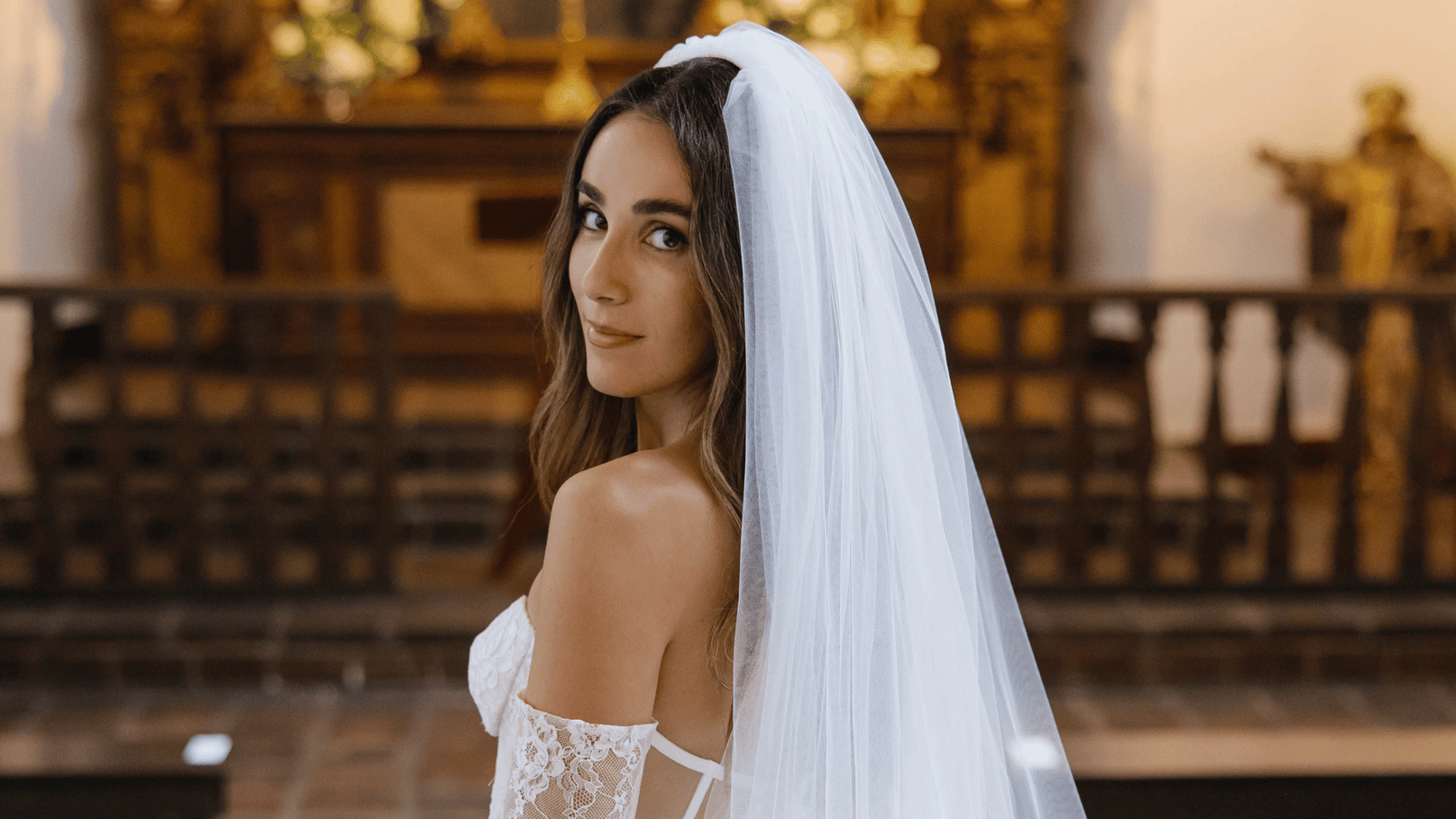
Cathedral veils create movement in photographs, but they also place the greatest stress on the hairstyle. Brides often focus on the dramatic effect during the ceremony without considering wear time across several hours. Long veils pull continuously against the anchor point, especially during outdoor walks, dancing, and repeated adjustments for photography.

Secure styling becomes essential here. Structured chignons, reinforced low buns, and controlled textured updos generally hold more reliably than loose curls worn completely down. Brides sometimes assume more pins automatically create stronger hold, but excessive pinning can weaken the foundation by forcing sections apart. Stability comes from strategic sectioning and weight distribution.

Hair extensions also require planning with cathedral veils. Extremely long extensions combined with heavy veiling can create tension headaches and reduce style longevity. We often recommend prioritizing density over excessive length so the hairstyle maintains shape throughout the wedding timeline.

Weather, Lighting, and Fabric Matter More Than Trends

Veil material changes how the hairstyle behaves. Lightweight tulle moves easily in coastal wind, while denser fabrics place more pressure on the attachment area. Satin edging and embellishments can also reflect flash photography differently than expected. Brides who copy social media inspiration without considering fabric behavior are often surprised during fittings.

Humidity affects both hair texture and veil control in Orange County, particularly near the coast. Overly soft curls may relax before the ceremony even begins. Over-sprayed hair creates stiffness that becomes more noticeable once the veil is removed at the reception. The goal is controlled flexibility rather than maximum hold.

Ready to Plan Your Bridal Look?

Bridal Hair With a Veil depends on proportion, reinforcement, and realistic styling decisions that account for photography, weather, and wear time. At Brittany Brown Beauty, we design bridal hair and makeup with the full wedding environment in mind so the final look remains balanced from the ceremony through the reception.

Ready to plan your bridal look? Schedule a consultation with Brittany Brown Beauty.

Frequently Asked Questions

1. How early should a bride choose her veil before the wedding?

The veil should ideally be selected before the hair trial so placement and weight can be tested accurately.

2. Do cathedral veils always require an updo?

No. Some brides wear long veils with partially pinned styles, but the hairstyle needs enough reinforcement to support the weight.

3. Should the veil stay in during the reception?

Many brides remove longer veils after formal photography and the ceremony for easier movement.

4. Why does my hairstyle look different once the veil is attached?

The veil changes the silhouette and can compress volume depending on where it is secured.

5. Can fine hair hold a veil securely?

Yes. Placement and preparation matter more than hair density alone.

Related Articles

Posted on

Airbrush Makeup vs Traditional: What Work Best

airbrush makeup vs traditional

Brides and commercial clients often assume the choice between airbrush and traditional makeup comes down to coverage alone. In practice, the better option depends on lighting conditions, skin texture, filming schedules, humidity, and how the makeup needs to perform over time. This article explains how airbrush makeup vs traditional makeup behaves under real working conditions so you can make a decision based on wear and camera performance rather than trend-driven advice.

At Brittany Brown Beauty, we evaluate skin preparation, venue conditions, and photography style before deciding which method makes the most sense. A beachfront ceremony in Orange County requires a different approach than a twelve-hour commercial shoot under studio lighting. The makeup process has to support movement, temperature changes, and close-range photography without separating or appearing overly textured.

Understanding the Difference Between Airbrush and Traditional Makeup

Airbrush makeup is applied through a compressor system that diffuses thin layers of product across the skin. Traditional makeup uses brushes, sponges, and manual layering techniques to build coverage and texture directly onto the face. Both methods can photograph well when the application matches the client’s skin condition and environment. Problems usually appear when clients choose a technique based on social media images instead of considering how the makeup will react to weather, flash photography, or long production timelines.

When Airbrush Makeup Performs Best

Airbrush makeup works well in controlled conditions where lightweight, even coverage is the priority. Brides with balanced skin texture often prefer the finish because it creates a refined surface that photographs cleanly in natural light. The thin layers can also hold up well in moderate heat when the skin has been properly prepared beforehand. However, airbrush makeup is not automatically more durable than traditional formulas, despite how it is often marketed.

One common mistake is assuming airbrush makeup can correct dry skin or heavy texture on its own. In reality, airbrush formulas tend to emphasize flaking when the skin barrier is dehydrated. Over-exfoliating during the week before the wedding frequently causes uneven absorption, which becomes visible once the makeup sets. We often adjust skin preparation timelines for Orange County brides dealing with coastal dryness and sun exposure because surface texture affects how finely the product diffuses across the skin.

Airbrush makeup can also become limiting when touch-ups are needed throughout the day. Spot correcting areas around the nose or chin requires careful blending to avoid disrupting the original finish. For large bridal parties or commercial productions with changing lighting setups, flexibility during maintenance matters as much as the initial application itself.

When Traditional Makeup Works Better

Traditional makeup gives artists more direct control over structure, coverage placement, and finish variation. This matters for hooded eyes, mature skin, acne scarring, and complex lighting conditions where dimension can disappear on camera. Natural makeup still needs contour balance, shadow placement, and controlled contrast or facial features flatten in photography. Many clients mistake minimal makeup for less product, when the real goal is strategic placement that remains believable in person and on camera.

Traditional formulas also adapt more easily during long schedules. Commercial clients often move between indoor lighting, exterior sun exposure, and high-definition filming in a single day. Cream and powder layering techniques allow adjustments without rebuilding the entire complexion. At Brittany Brown Beauty, we document product placement and finish changes during commercial work so continuity remains consistent across multiple shooting days.

Another misconception is that traditional makeup always looks heavier. Heavy makeup usually comes from excessive product buildup, not the application method itself. Thin, controlled layers applied with proper skin preparation often create a more natural finish than poorly matched airbrush formulas. The technique matters less than how the makeup interacts with texture, oil production, and lighting.

Choosing the Right Option for Your Event

The better choice depends on your environment and priorities rather than a universal standard. Airbrush makeup can perform beautifully for brides seeking lightweight longevity in stable weather conditions with minimal texture concerns. Traditional makeup often provides better adaptability for photography-heavy events, mature skin, or situations where touch-ups will be necessary throughout the day.

Trial appointments are where these differences become clear. Pinterest references rarely account for individual face shape, undertone variation, or the effect of professional photography equipment. During consultations, we test how products react under direct light, examine texture from multiple angles, and discuss how the makeup needs to wear over the full event timeline. The goal is not following a trend. The goal is choosing a method that performs reliably from the first photograph through the final hours of wear.

Why Technique Matters More Than Labels

Clients sometimes ask whether one method is more professional than the other. The reality is that poor color matching, rushed skin preparation, and incorrect layering create more visible problems than the choice between airbrush and traditional makeup alone. Experienced artists adjust formulas according to flash reflection, humidity levels, and how close cameras will be to the skin. A bridal ceremony at midday requires different product balance than editorial photography shot under controlled studio lighting. At Brittany Brown Beauty, we choose products and application methods according to performance rather than category labels. That process helps prevent oxidation, patchiness around movement areas, and makeup separation during long wear. Consistency matters more than marketing terminology when photographs will document the event permanently.

Careful testing before the event allows adjustments while there is still time to correct skin concerns.

Ready to Plan Your Bridal Look?

Long-lasting bridal makeup depends on preparation, layering, and choosing application techniques that match real lighting, weather, and photography conditions. At Brittany Brown Beauty, we create makeup looks designed to remain balanced, camera-ready, and consistent throughout the full wedding or production timeline.

Ready to plan your bridal look? Book a consultation at Brittany Brown Beauty.

1. Is airbrush makeup better for weddings in hot weather?

Airbrush makeup can perform well in moderate heat when skin preparation is balanced correctly. However, extreme heat and dehydration can still affect wear time and texture.

2. Does traditional makeup last as long as airbrush makeup?

Traditional makeup can last just as long when layering, skin prep, and setting techniques are handled properly.

3. Can airbrush makeup cover acne texture?

Airbrush makeup can even out discoloration, but raised texture may still remain visible under direct lighting and photography.

4. Why does natural makeup sometimes disappear in photos?

Natural makeup still requires structure and contrast. Without enough definition, facial features can appear flat on camera.

5. Should brides change skincare routines before the wedding?

Introducing new exfoliants or treatments too close to the event often creates irritation or uneven texture that affects makeup application.

Related Articles:

Posted on

Beach Wedding Makeup in Orange County, CA

Beach Wedding Makeup

Orange County beach weddings create a specific set of makeup challenges. Salt air, reflective sunlight, humidity, and long photography schedules can break down makeup faster than most brides expect. This article explains how Beach Wedding Makeup should be adjusted for coastal conditions so your makeup remains balanced, visible, and consistent throughout the day.

At Brittany Brown Beauty, we approach Beach Wedding Makeup by looking at the full environment rather than following trend-based looks. Coastal lighting, humidity, skin texture, and photography conditions all influence how softness, dimension, and shine appear throughout the day and in photos.

Why Beach Wedding Makeup Requires a Different Approach

Beach lighting behaves differently from indoor venue lighting. Direct sunlight removes depth from the face, while ocean reflection can exaggerate shine and uneven texture in photographs. Makeup that appears balanced in a hotel room mirror may disappear completely once you step onto the sand.

Long wear on the coast depends on skin preparation, product layering, and strategic texture control. Brides often assume heavier makeup lasts longer outdoors, but excess product usually separates faster in heat and humidity. Controlled layering creates better durability than thickness.

Orange County beaches create constant temperature changes throughout the day. Makeup needs flexibility so it wears evenly from cool marine air to direct afternoon sunlight without becoming dry or overly reflective.

Skin Preparation Matters More Than Coverage

Many long-wear problems begin before makeup application starts. Over-exfoliating during the week of the wedding often creates invisible irritation that causes foundation to separate around the nose, chin, and mouth. Brides sometimes introduce stronger skincare products too close to the event because they want smoother skin, but reactive texture becomes more visible under beach lighting.

Hydration matters, but overly rich skincare can shorten wear time near the coast. Heavy creams mixed with humidity and sunscreen frequently create slippage around the T-zone. We typically prepare skin with balanced hydration so makeup adheres properly without becoming overly emollient underneath.

SPF is another area where brides make mistakes. Some formulas leave flashback in photography or create excess shine under direct sunlight. Beach Wedding Makeup needs sunscreen compatibility tested before the wedding day rather than guessed during the event itself. Trial appointments help identify how products respond under natural light and camera exposure.

Eye Makeup Needs Structure to Stay Visible

Natural bridal makeup is often misunderstood in beach environments. Brides frequently reference minimal Pinterest looks that photograph well only under controlled studio lighting. In outdoor coastal light, makeup without structure can flatten the eyes and remove definition from the face entirely.

Hooded eyes need strategic placement above the crease so makeup remains visible when the eyes are open. Lighter washes of color placed too low disappear quickly in photographs. Lash definition also matters more outdoors because sunlight softens contrast around the eyes.

Many brides assume waterproof products alone solve wear issues. In reality, placement and blending determine whether makeup survives heat without becoming heavy or cracked. At Brittany Brown Beauty, we adjust eye makeup intensity according to ceremony timing and coastal weather conditions.

Complexion Makeup Should Resist Heat Without Looking Heavy

Beach brides often request full coverage because they are worried about redness, shine, or long photography timelines. In practice, excessive coverage usually becomes more visible as temperatures rise. Thick foundation tends to separate around movement areas first, especially near the mouth and sides of the nose.

Long-lasting complexion makeup depends more on thin, controlled layers than maximum coverage. Strategic correction allows the skin to maintain dimension while reducing unnecessary product buildup. This matters particularly during close-up photography, where heavy texture becomes more noticeable in natural daylight.

Cream and powder balance also affects longevity. Too much powder can age the complexion by evening, while insufficient setting creates excess reflection under flash photography later in the reception. Beach Wedding Makeup should transition smoothly from daytime ceremony lighting into nighttime photography without requiring complete reapplication.

For commercial productions and destination weddings, we document products and placement carefully so continuity remains consistent across long shooting days. That same process helps bridal clients maintain a polished look through changing coastal conditions.

Planning Makeup Around the Full Wedding Timeline

Beach ceremonies rarely happen in isolation. Brides move between preparation spaces, transportation, outdoor ceremonies, portraits, and receptions, often across several hours. Makeup decisions should support the entire schedule rather than only the ceremony itself.

Touch-up planning matters more than most brides expect. Wind, humidity, eating, and extended photography gradually affect even professionally applied makeup. Instead of carrying unnecessary products, brides benefit from targeted touch-up items selected for their specific skin behavior and event timeline.

Trial appointments are also where expectations become realistic. A makeup look that feels soft in indoor lighting may appear significantly lighter outside near the ocean. During bridal trials, we evaluate how makeup performs in natural light so adjustments happen before the wedding day rather than during it.

Weather forecasts also should not determine makeup decisions alone. Coastal conditions in Orange County can shift within hours, particularly during late spring and early summer mornings. Makeup designed only for heat may become overly matte once marine layers return. Beach Wedding Makeup performs best when it is balanced for both humidity and changing light instead of tailored to a temperature reading.

Ready to Plan Your Bridal Look?

Long-lasting Beach Wedding Makeup depends on preparation, layering, and makeup that is adjusted for real coastal conditions. At Brittany Brown Beauty, we create bridal looks designed to remain balanced, camera-ready, and consistent throughout the full wedding timeline.

Ready to plan your bridal look? Book a consultation at Brittany Brown Beauty.

1.How far in advance should I schedule my beach wedding makeup trial?

Most brides benefit from scheduling their trial two to four months before the wedding so adjustments can be made without last-minute changes.

2.Does beach humidity require heavier makeup?

No. Heavy makeup often separates faster in humid coastal conditions. Controlled layering typically performs better over long wear periods.

3.Will natural makeup disappear in beach photography?

It can if structure is missing. Outdoor sunlight reduces facial contrast, so definition around the eyes and complexion still matters.

4.Should I change my skincare routine before the wedding?

Avoid introducing aggressive exfoliants or unfamiliar treatments close to the wedding date. Irritation becomes more visible in direct sunlight and photography.

5.Can Beach Wedding Makeup last through both ceremony and reception?

Yes, when makeup is designed for the full timeline, including lighting transitions, humidity changes, and photography requirements.

Related Articles:

Posted on

Bridal Makeup Ideas for Brunettes in Orange County, CA

Bridal Makeup for Brunettes

Brides with brunette hair often find that makeup inspiration online either washes them out in photographs or pushes the look too dark for daylight ceremonies. Hair depth changes how foundation, blush, bronzer, and eye makeup register on camera, especially during outdoor weddings in Orange County where bright sun and reflective surfaces intensify contrast. This article explains how bridal makeup for brunettes can be adjusted for lighting, skin tone, and wear time so the final look remains balanced in person and in photographs.

At Brittany Brown Beauty, we approach brunette bridal makeup by looking at the full composition of the face rather than following trend-based looks. Hair color matters because it changes how softness, dimension, and contrast appear in photos.

Understanding Contrast in Bridal Makeup for Brunettes

Brunette hair naturally creates stronger facial contrast, which means makeup placement needs more structure than many brides expect. Soft makeup can still photograph beautifully, but it cannot disappear into the features under professional lighting. One common mistake is copying makeup designed for blondes or lighter contrast faces without adjusting depth around the eyes and cheeks. At Brittany Brown Beauty, we study how hair color, brow density, and skin undertone interact before finalizing a bridal look. This becomes especially important during outdoor ceremonies where direct California sunlight can flatten dimension across the face.

Skin Preparation Matters More Than Product Quantity

Brides often assume heavier makeup creates longer wear, but excess product usually separates faster in heat and humidity. Bridal makeup for brunettes benefits more from balanced skin preparation than additional coverage because darker hair already frames the face strongly. Over exfoliating during the week before the wedding is one of the most common causes of uneven foundation texture. Skin that is irritated reflects light unpredictably and can appear patchy in close photography. At Brittany Brown Beauty, we adjust prep based on oil production, dehydration levels, and ceremony timing rather than using the same routine for every bride.

Choosing Eye Makeup That Holds Definition

Natural Eye Makeup for Brunettes

Natural bridal makeup still requires visible structure around the eyes or the lash line disappears in professional images. Many brides believe neutral makeup means avoiding definition entirely, but cameras reduce depth significantly under soft lighting conditions. Hooded eyes also need shadow placement slightly above the crease so dimension remains visible when the eyes are open. Brown, taupe, and muted bronze tones usually photograph more naturally on brunettes than cool gray shadows. In Orange County venues with ocean reflection or bright open-air lighting, these warmer tones prevent the complexion from looking overly pale.

Soft Glam Without Excess Weight

Soft glam works well for brides who want more polish without the density associated with full editorial makeup. The mistake many brides make is adding shimmer across the entire lid, which can emphasize texture and reflect flash photography unevenly. Strategic satin finishes near the center of the eye usually create more controlled light balance. At Brittany Brown Beauty, we also test lash density carefully because overly dramatic lashes can cast shadows under the eyes during midday ceremonies. Brunettes often need slightly more separation and lift rather than additional thickness.

Full Glam for Evening Ceremonies

Evening weddings allow deeper contrast, but balance still matters. Very dark smoky eyes paired with strong contour can compete with brunette hair instead of complementing it. Brides sometimes assume nighttime makeup must automatically be heavier, though photography lighting often exaggerates saturation after sunset. Controlled depth near the lash line usually translates more cleanly than excessive black shadow. For ballroom receptions and formal venues, we focus on maintaining skin texture so the complexion still resembles real skin under high resolution photography.

Lip and Cheek Balance for Brunette Brides

Brunettes can typically carry richer lip and blush tones without overpowering the face, but undertone matching matters more than intensity alone. Cool brunette tones usually pair better with rose, berry, or neutral mauve shades, while warmer brunettes photograph well with muted terracotta or soft peach tones. One myth worth correcting is the idea that nude lipstick works universally for bridal makeup. Beige shades that are too pale can drain warmth from brunette features under flash photography. At Brittany Brown Beauty, we test lip color in both indoor and outdoor lighting before confirming the final combination for wedding day wear.

Brow Shape and Photography

Brows frame brunette features more prominently because darker hair naturally increases definition around the eyes. Brides often fill brows too heavily after seeing social media tutorials, but excessive density can harden facial expression in photography. Sparse application with shape usually reads more polished on camera than sharp outlines or overly dark pomades. Brow color should also relate to skin undertone rather than matching hair exactly. Cooler brunettes often need softer ash depth, while warmer brunettes benefit from brown tones that prevent redness. At Brittany Brown Beauty, we photograph brow adjustments during trials because asymmetry that looks minor in person becomes more noticeable in resolution images.

Why Trial Sessions Matter

Pinterest references rarely account for face shape, brow structure, or the way professional cameras interpret depth and texture. A bridal trial is less about recreating a single image and more about identifying what translates consistently across different conditions. During trials, we document placement, finish, and wear behavior so adjustments can be made before the wedding day. This process becomes especially valuable for destination weddings and long event timelines common throughout Orange County. Bridal makeup for brunettes works best when the final design is built around the individual bride rather than around trend images alone.

Ready to Plan Your Bridal Look?

Bridal makeup should hold up under real lighting, real photography, and real wear conditions. The most effective bridal makeup for brunettes is balanced, intentional, and customized to your features rather than copied from a trend board.

Ready to plan your bridal look? Schedule a consultation with Brittany Brown Beauty.

Frequently Asked Questions

1.How far in advance should bridal makeup trials be booked?

Most brides schedule trials two to four months before the wedding date so adjustments can be made without rushing decisions.

2.Does bridal makeup for brunettes need darker foundation or contour?

No. Hair depth affects facial contrast, but complexion products should still match natural skin tone and undertone accurately.

3.What makeup finishes photograph best outdoors in Orange County?

Soft satin finishes usually perform better than heavy shimmer because they reflect sunlight more evenly.

4.Can natural bridal makeup still show up in professional photos?

Yes. Natural makeup still needs structure and definition so features remain visible under photography lighting.

5.Should brides change skincare routines before the wedding?

Major skincare changes close to the wedding date often increase irritation, dryness, or unexpected texture issues.

Related Articles:

Posted on

Long-Wear Techniques Used in Commercial Makeup for Full-Day Productions

Long-Wear Techniques Used in Commercial Makeup

Full-day commercial shoots place constant demands on makeup. Lighting runs for hours, talent moves between sets, and cameras capture every small change in skin texture and tone. In this environment, long-wear performance is not optional. It is built into every step of the process.

At Brittany Brown Beauty, long-wear techniques are planned from the start rather than adjusted at the end. Each decision, from skin preparation to setting methods, is made with durability and camera performance in mind.

Starting With Skin Preparation That Supports Longevity

Long-wear makeup begins before foundation is applied. Skin preparation sets the foundation for everything that follows.

We start by balancing hydration. Well-prepped skin holds product more evenly and reduces patchiness during long hours under lighting. At the same time, we avoid overloading the skin with heavy products that can break down under heat.

Primers are selected based on skin type and shoot conditions. For example, oil-control primers help manage shine under strong studio lighting, while hydrating primers support dry or textured skin without creating buildup.

This step ensures the base sits properly from the first application and stays stable as the day progresses.

Building Thin Layers Instead of Heavy Coverage

In commercial makeup, longevity comes from layering, not thickness.

We apply foundation in thin, controlled layers and build coverage gradually. This approach allows the skin to stay flexible on camera instead of looking heavy or masked.

Each layer is checked under actual lighting conditions. This helps prevent over-application, which often becomes more visible as shoots continue and lighting shifts.

Concealer and corrective products follow the same approach. We place product only where needed and blend carefully to maintain skin texture.

Setting the Base for Stability, Not Weight

Setting techniques play a major role in long-wear performance. However, over-powdering can create a dry or flat finish under high-resolution cameras.

We apply powder selectively, focusing on areas that naturally produce shine such as the T-zone and under-eye area. Instead of covering the entire face, we build control where it is needed.

Between layers, we set lightly to lock product in place without changing the finish. This helps maintain balance while keeping the skin looking natural on camera.

Setting sprays are used as a final step to bring everything together. The goal is stability, not heaviness.

Managing Shine and Texture Throughout the Shoot

Long-wear makeup is not static. It needs small adjustments throughout the day.

On full-day productions, we monitor the skin continuously between setups. Shine is controlled early before it becomes visible in final frames. Instead of waiting for breakdown, we make small corrections as needed.

This often includes targeted powder application, gentle blotting, or refreshing specific areas without disturbing the rest of the makeup.

Texture changes can also occur under heat and lighting. We respond quickly to maintain consistency without rebuilding the entire base.

Adapting to Lighting Changes During the Day

Lighting shifts are common in commercial shoots. Even small adjustments can affect how makeup appears on camera.

When lighting becomes stronger, we often refine structure through contour and definition to maintain facial balance. Under softer setups, we reduce intensity to avoid over-shaping the face.

We also rely on test shots throughout the day. These images help confirm how the makeup translates under current conditions and guide small refinements in real time.

This ongoing adjustment keeps the makeup aligned with the visual direction of the shoot.

Maintaining Longevity Across Multiple Looks

Some campaigns require more than one look in a single day. This adds complexity, especially when time between changes is limited.

We prepare each look in advance and organise products so transitions happen smoothly. This reduces downtime and prevents disruption to the shooting schedule.

Between looks, skin is reset carefully to avoid product buildup. This allows each new application to perform at its best without interference from previous layers.

Keeping Makeup Consistent Over Long Hours

Consistency is just as important as longevity. Even if makeup lasts, it still needs to look the same across every frame.

We track product use, placement, and application technique throughout the shoot. This ensures that any touch-ups match the original application exactly.

When shoots extend into multiple days, documentation becomes essential. We record products, shades, and any adjustments made so the same result can be recreated without variation.

Final Touches Before Each Shooting Block

Before each new setup or lighting change, we review the full look under current conditions. This includes checking skin balance, shine levels, and colour consistency.

Small refinements are made to keep everything aligned with the camera. These adjustments are subtle but important for maintaining a polished final result.

Book a Commercial Makeup Consultation for Your Brand Shoot

Long-wear commercial makeup depends on preparation, layering, and continuous control throughout the shoot. Every step contributes to how the makeup performs under lighting, time pressure, and camera conditions.

At Brittany Brown Beauty, we build longevity into the process from the beginning. This approach ensures the makeup remains consistent, camera-ready, and reliable across full-day productions and multi-look campaigns.

For brands and creative teams planning upcoming shoots, we offer consultations to review briefs, timelines, and production needs. Click the button below to schedule a consultation.

Frequently Asked Questions

1. What makes commercial makeup long-wear for full-day productions?

Long-wear commercial makeup relies on controlled layering, proper skin preparation, and strategic setting. Instead of applying heavy product, each layer is built and secured so it holds under lighting, movement, and long shooting hours.

2. How do you keep makeup fresh during a full-day shoot?

We maintain makeup throughout the day with small, targeted adjustments between setups. This includes managing shine, refining coverage, and refreshing specific areas without disrupting the full look.

3. Why is skin preparation important for long-wear makeup?

Skin preparation creates a stable base for everything that follows. Proper hydration and priming help makeup apply evenly, sit better under lighting, and reduce the need for heavy product buildup during the shoot.

4. How does lighting affect long-wear commercial makeup?

Lighting changes how makeup appears on camera. Strong lighting can flatten structure, while softer setups can shift tone and texture. We adjust contour, highlight, and finish throughout the shoot to maintain balance in every frame.

5. Can the same makeup look be maintained across multiple shoot days?

Yes. We document the products, application steps, and placement details so we can recreate the look accurately. This helps keep multi-day productions consistent without variations in the final campaign images.

Related Articles:

  1. What Is Commercial Makeup? How It Differs From Bridal and Fashion Makeup
  2. Commercial Makeup for Photoshoots: Brittany Brown’s Approach
  3. How to Match Makeup to Brand Identity in Commercial Projects
Posted on

How to Match Makeup to Brand Identity in Commercial Projects

How to Match Makeup to Brand Identity in Commercial Projects

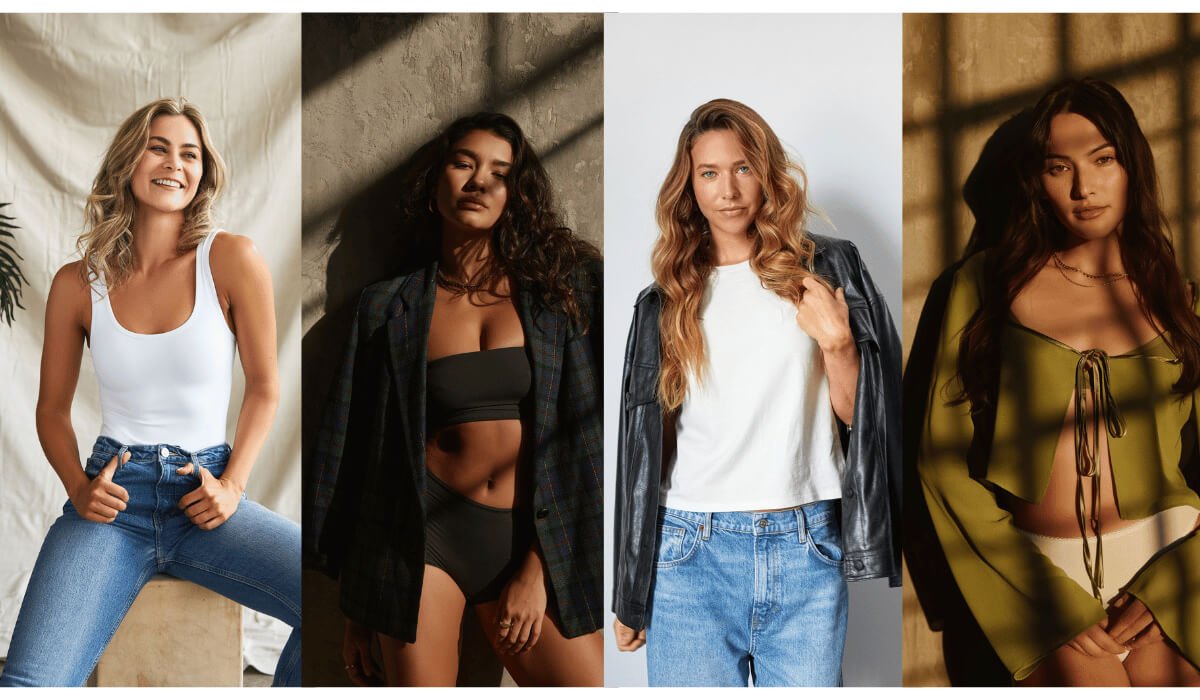
Commercial makeup for photoshoots is not just about technique. It is about translating a brand’s identity into a visual result that works under lighting, camera, and production conditions. When done well, the makeup supports the product story without overpowering it.

At Brittany Brown Brown, this process starts with understanding the brand before any product is applied. Every decision is shaped by how the final images will be used across campaigns, digital platforms, and print.

Understanding the Brand Before the Makeup Begins

Matching makeup to brand identity starts with research. We review the brand’s visual language, past campaigns, and target audience. This helps define the direction of the look before the shoot begins.

Some brands focus on minimal, skin-first visuals. Others lean into bold colour, structured features, or high-impact styling. In addition, product category plays a role. Skincare campaigns usually require a different approach compared to fashion or luxury beauty campaigns.

We also look at how the brand communicates tone. A clinical skincare brand needs a different finish compared to a lifestyle or luxury brand. These details shape everything from coverage level to colour choices.

Translating Brand Identity Into Makeup Decisions

Once the brief is clear, we translate brand identity into practical makeup choices.

Skin finish is one of the first decisions. For example, a clean beauty brand often requires a natural, breathable base that allows real skin texture to show. On the other hand, a fashion campaign may call for a more refined, polished finish with controlled highlights.

Colour selection also plays a key role. We choose tones that match the brand palette and product focus. This includes foundation undertones, blush placement, lip colour intensity, and eye definition.

However, the goal is not to copy branding directly. Instead, we interpret it in a way that feels natural on camera while staying consistent with the brand message.

Working With Lighting and Camera Requirements

Brand identity does not exist in isolation. It must work under studio lighting and camera conditions.

Lighting changes how makeup reads on screen. Strong lighting can flatten facial structure, while softer setups can shift colour balance. Because of this, we adjust application techniques based on how the final images will be captured.

For high-key lighting, we often build more structure into the face so features remain defined on camera. For softer lighting, we reduce intensity and focus on balance and skin texture.

In addition, we monitor test shots throughout the shoot. This helps ensure that the makeup aligns with both the creative direction and the brand identity in real time.

Maintaining Consistency Across a Campaign

Brand campaigns rarely rely on a single image. Instead, they involve multiple shots across different angles, setups, and sometimes locations.

Consistency becomes essential. Even small variations in foundation tone, highlight placement, or lip colour can affect how unified the campaign feels.

We maintain consistency through controlled application, structured layering, and detailed product tracking. When needed, we document exact products and steps so the look can be repeated across multiple shoot days.

As a result, the final campaign feels visually aligned from start to finish.

Adapting Without Losing the Brand Direction

Flexibility is important on set. Lighting, wardrobe changes, and creative direction updates often require adjustments during the shoot.

We respond to feedback from photographers and creative directors while keeping the core identity intact. For example, if a highlight reads too strong under camera lighting, we adjust the intensity without changing the overall structure of the look.

In addition, small refinements to tone or definition help maintain balance without shifting away from the brand’s original direction.

This approach keeps the makeup aligned with both creative intent and brand consistency.

Why Brand Identity Matters in Commercial Makeup

Commercial makeup supports more than just aesthetics. It supports brand recognition.

When makeup aligns with brand identity, the final images feel cohesive and intentional. This consistency builds trust with the audience and strengthens how the brand is perceived across platforms.

On the other hand, mismatched makeup can create visual inconsistency that weakens campaign impact. That is why alignment is a core part of the process from the beginning.

Collaboration With Creative Teams

Successful commercial makeup depends on collaboration. We work closely with photographers, creative directors, and stylists throughout the shoot.

Photographers provide real-time feedback based on how the makeup appears on camera. Creative directors guide the overall visual direction. We adjust based on both inputs while keeping the brand identity consistent.

This back-and-forth ensures the makeup supports the creative concept rather than sitting separately from it.

Bring Your Brand Identity to Life Through Makeup

Matching makeup to brand identity in commercial projects requires planning, technical skill, and strong visual understanding. Every detail, from skin prep to final adjustments, plays a role in how the brand is represented on camera.

At Brittany Brown Beauty, we work with brands and creative teams to translate brand identity into camera-ready makeup for commercial shoots and campaigns.

If you are planning a project, click the button below to schedule a consultation to discuss your brief, timeline, and requirements.

Frequently Asked Questions

1. What does it mean to match makeup to brand identity in commercial projects?

Matching makeup to brand identity means shaping the look to reflect how a brand presents itself visually. This includes skin finish, colour choices, and overall intensity, all adjusted to suit the brand’s tone and the purpose of the campaign images.

2. Why is brand identity important in commercial makeup?

Brand identity guides how the final images are perceived. When makeup aligns with the brand’s style, the campaign feels consistent and intentional. This helps strengthen recognition across print, digital, and social platforms.

3. How do you decide the right makeup style for a brand shoot?

We start by reviewing the brand’s visual direction, target audience, and previous campaigns. From there, we adjust coverage, colour tones, and finish to match the brief while ensuring the makeup performs well under camera lighting.

4. How does lighting affect makeup in commercial brand campaigns?

Lighting changes how makeup appears on camera. Strong lighting can flatten features, while softer lighting can shift colour and texture. We adjust techniques like contour, highlight, and base finish to ensure the makeup reads correctly in the final images.

5. Can makeup be adjusted during a commercial shoot if needed?

Yes. Adjustments are a normal part of the process. We refine shine, tone, or definition based on feedback from photographers and creative directors to ensure the final images stay aligned with the brand direction.

Related Articles:

  1. What Is Commercial Makeup? How It Differs From Bridal and Fashion Makeup
  2. Commercial Makeup for Photoshoots: Brittany Brown’s Approach
Posted on

Commercial Makeup for Photoshoots: Brittany Brown’s Approach

Commercial Makeup for Photoshoots

Commercial makeup for photoshoots requires a different level of precision compared to everyday beauty work. The environment is controlled, but the demands are high. Strong lighting setups, multiple camera angles, and long production days all influence how makeup appears on camera. What looks balanced in person can read very differently under studio conditions.

At Brittany Brown Beauty, we work within these conditions regularly, supporting brands, photographers, and creative teams on campaigns where consistency and camera performance are essential from the first frame to the last.

What Makes Commercial Makeup Different

Everyday and bridal makeup are designed for real-life wear and personal preference. Commercial makeup is designed for the camera.

Under high-resolution lenses, small details become more noticeable. Skin texture, product buildup, or uneven blending can appear more visible on screen than in person. At the same time, makeup that looks refined in a mirror can lose dimension under strong studio lighting.

We approach commercial makeup as a technical process. The goal is not just to enhance features but to create a finish that performs under specific lighting setups, camera settings, and production timing. That means understanding how products behave under heat, how they reflect light, and how they translate on a monitor.

Preparation Before the Shoot

Strong preparation sets the tone for the entire shoot day. Before we arrive on set, we review the lighting setup, mood boards, and direction from the photographer or creative director.

The brief plays a key role in shaping the approach. A skincare campaign often requires lightweight coverage and visible skin texture. A fashion shoot may call for stronger structure and more defined contrast. These details guide every product and technique choice.

We also review skin type, sensitivity, and any specific requirements for the talent in advance. For multi-day productions, where the same look must be repeated across different setups, we keep detailed notes on products, application order, and adjustments made during the shoot. This helps maintain consistency without relying on memory.

Building a Camera-Ready Base

The base is the most important part of commercial makeup. If it is not right, everything else is affected.

We start with skin preparation. Proper hydration and priming help makeup apply evenly, last longer, and perform better under studio lighting. It also reduces the need for heavy layering later in the process.

For foundation, we use lightweight, buildable formulas that allow control without adding unnecessary texture. We apply product in thin layers and assess it under actual lighting conditions rather than general room light.

Finishing products are chosen based on the lighting setup. Matte finishes often work best under strong, direct lighting where shine can become distracting. Softer lighting allows for a more natural glow. Even then, we apply powder carefully to avoid a flat or heavy result on camera.

Working With Lighting and Camera Conditions

Lighting is one of the most important factors in commercial makeup.

Strobe lighting can reduce facial dimension, which often requires more intentional structure in contour and highlight placement. Continuous lighting or natural light allows for a softer, more blended approach.

We adjust technique based on how the light interacts with the face, not just based on a standard routine. The goal is always balance on camera.

Color temperature also plays a major role. Artificial lighting can shift how foundation tones, blush, and lip colours appear on screen. Test shots are reviewed throughout the shoot so adjustments can be made early, before the look is finalised.

Long-Wear Makeup for Full Production Days

Commercial shoots often run for long hours, sometimes across multiple days. Makeup needs to hold up while staying manageable throughout the day.

Longevity starts with layering. Each step is set properly before the next is applied. This helps keep the makeup stable under heat and lighting.

Throughout the shoot, we make small adjustments between setups instead of waiting for visible breakdown. Shine control, coverage refinement, and lip touch-ups are handled as part of the workflow.

For multi-day productions, we document the full look in detail, including products, shades, and any custom mixes used. This allows the same result to be recreated accurately the next day.

Working With Photographers and Creative Teams

Commercial makeup is a collaborative process.

Photographers often notice details on the monitor that are not visible from the makeup chair. Small issues such as highlight intensity, colour shifts, or shine are quickly picked up through this feedback loop.

We take this input on board and make adjustments in real time. Most changes are subtle, but they play an important role in maintaining image quality.

Creative directors guide the overall visual direction of the shoot. Their feedback helps ensure the makeup stays aligned with the brand identity. The ability to adapt without losing the core structure of the look is essential in this environment.

Editorial vs Brand Shoot Makeup

Editorial and brand campaigns share similarities but serve different purposes.

With editorial work, there is more creative freedom, often focusing on mood, expression, and visual storytelling.

We adjust our approach based on the brief. Some campaigns call for clean, skin-focused finishes, while others require stronger definition or more stylised elements. The key is understanding the purpose of the final images before starting the application.

Why Consistency Matters in Campaign Work

A campaign is made up of multiple images, not a single shot. Those images need to feel visually consistent across print, digital, and social platforms.

Even small differences in makeup become noticeable when images are viewed side by side.

We maintain consistency through careful product selection, controlled application, and ongoing adjustments as lighting changes. We adapt the makeup to the environment while keeping the original look intact.

This approach helps ensure the final campaign feels cohesive from start to finish.

Planning a Brand Campaign or Photoshoot? Let’s Collaborate

Commercial makeup for photoshoots requires preparation, technical understanding, and adaptability. Every decision, from skin prep to final touch-ups, affects how the makeup performs on camera.

At Brittany Brown Beauty, we work with brands, photographers, and creative teams to deliver camera-ready makeup for commercial shoots and campaigns. If you are planning an upcoming project, click the button below to schedule a consultation to discuss your brief, timeline, and requirements in detail.

Frequently Asked Questions

1. What is commercial makeup for photoshoots?

Commercial makeup for photoshoots focuses on camera performance rather than everyday wear. It responds to studio lighting, high-resolution lenses, and long shooting conditions. The aim is to create a finish that stays consistent and clean across all campaign images.

2. How is commercial makeup different from bridal or everyday makeup?

Commercial makeup serves the camera, while bridal and everyday makeup focus on real-life viewing. On set, lighting and camera settings change how skin, texture, and colour appear. Because of this, artists use lighter layering, controlled finishes, and techniques that hold up under production conditions.

3. How do you make makeup last during long photoshoots?

Longevity starts with proper skin preparation, thin product layering, and setting each step correctly. During the shoot, artists make small touch-ups between setups to manage shine, coverage, and lip wear. For multi-day shoots, they document products and application steps to maintain consistency.

4. Why is lighting important in commercial makeup?

Lighting affects how makeup reads on camera. Strong lighting can flatten facial structure, while softer lighting changes how colour and texture appear. Artists adjust contour, highlight, and finish based on the lighting setup and test shots to ensure the makeup translates correctly on screen.

5. Can commercial makeup be adjusted during a shoot?

Adjustments are a normal part of the process. Photographers and creative directors often give feedback that helps refine the look in real time. Small changes to shine, tone, or definition help ensure the final images match the creative direction of the shoot.

Related Articles:

  1. What Is Commercial Makeup? How It Differs From Bridal and Fashion Makeup
Posted on

Best Bridal Hairstyles Based on Your Hair Type

Best Bridal Hairstyles Based on Your Hair Type

Your wedding hairstyle should do more than look good for the first hour. It needs to stay comfortable, photograph well, and hold through the ceremony, photos, weather, dancing, and a full day of movement. That is why hair type matters so much when choosing a bridal style.

A hairstyle that works beautifully on thick hair may fall apart on fine hair within a few hours. Likewise, a sleek style that looks polished on dense hair can make thin hair appear flatter in photos. The best bridal hairstyles are not chosen based on trends alone. They are chosen based on how your hair naturally behaves.

At Brittany Brown Beauty, bridal hair is planned around texture, density, weather conditions, dress details, and long-wear performance so the style still looks beautiful long after the ceremony ends.

Why Hair Type Changes Everything for Bridal Styling

Many wedding blogs tell brides to choose a hairstyle that “fits their vibe” or complements their face shape. While those things matter, they miss the technical side of bridal hair.

Hair type determines how a style holds throughout the day.

A hairstyle can look perfect during a morning trial and then slowly collapse by the reception because the structure was never suited to the bride’s actual hair texture or density. Experienced bridal hairstylists think beyond how the style looks at the start of the day. They also think about how it wears after hours of movement, heat, humidity, hugs, dancing, and outdoor photos.

That is why the planning process should always start with the hair itself.

Fine Hair vs. Thin Hair vs. Thick Hair: The Real Differences

These terms often get mixed together, but they describe very different things.

Fine hair refers to the thickness of each individual strand. Fine strands are smaller in diameter, which means they are softer, lighter, and usually less resistant to heat and humidity. Because the strands are so smooth and delicate, curls tend to loosen faster and pins can slide more easily.

Thin hair refers to density, meaning how much hair is actually growing on the scalp. Someone can have fine hair with high density or coarse hair with low density.

Thick hair describes high density. Thick hair usually has more weight and volume, which changes how hairstyles sit and hold throughout the day.

Dense hair simply means there is a large amount of hair overall, regardless of strand texture.

These differences matter because bridal hairstyles rely on structure. The weight, texture, and density of the hair affect how long curls last, how secure pins feel, and how the style photographs under different lighting conditions.

Best Bridal Hairstyles for Fine Hair

Fine hair is extremely common, especially among brides who struggle to keep curls from falling.

Why Fine Hair Loses Curl Faster

Fine strands do not have much internal structure, so curls naturally relax more quickly. Heat tools can create shape temporarily, but once the hair cools and encounters humidity, body heat, or movement, the curl starts dropping.

Outdoor weddings make this even more noticeable. Warm air and moisture soften the hold of styling products, which causes loose curls to relax much faster.

That does not mean fine hair cannot hold a bridal style. It simply means the style has to work with the hair instead of against it.

What Works Best for Fine Hair

Soft low buns and chignons work especially well because they rely on pins and structure rather than volume alone.

Half-up hairstyles can also create a fuller appearance, particularly when the crown is gently backcombed for support. Meanwhile, braided styles are excellent for fine hair because the braid itself creates structure and helps lock the strands into place.

Soft waves can still look beautiful on fine hair, but they usually hold better when the waves are pinned strategically throughout the style instead of left completely loose.

What to Avoid

Large, loose curls that depend on volume often lose shape quickly on fine hair. Very sleek styles can also make fine hair appear flatter in photos, especially in bright outdoor lighting.

Instead of forcing maximum volume, the goal should be creating movement and shape that lasts.

Best Bridal Hairstyles for Thin Hair

Thin hair brings a different challenge. In most cases, the main concern is scalp visibility rather than curl retention.

Why Thin Hair Behaves Differently

When hair density is low, tightly pulled styles can expose the scalp more than expected. This becomes especially noticeable under flash photography or direct sunlight.

Middle parts can also widen throughout the day as the hair relaxes, which may make the style appear less full by the reception.

What Works Best for Thin Hair

Volume-building techniques make a major difference for thin hair. Blowouts with root lift, gentle backcombing, and textured styling all help create the appearance of fuller hair.

Low buns work well because they gather the hair into one concentrated area rather than spreading it thinly across the head.

Side-swept hairstyles are another strong option. Since the hair overlaps itself, the style naturally creates more visual fullness in photos.

Loose braids can also look beautiful when the braid is softly expanded after styling to add width and softness.

Best Bridal Hairstyles for Thick and Dense Hair

Many brides assume thick hair is easier to style, but thick hair comes with its own challenges.

Why Thick Hair Can Become Heavy

Dense hair carries weight. Once that weight is pinned into an updo, gravity starts pulling against the style all day long.

As a result, tightly sculpted styles may begin expanding, shifting, or puffing throughout the event. This is not usually a product issue. It is simply the natural behavior of heavier hair.

What Works Best for Thick Hair

Textured buns, romantic waves, and braided styles tend to perform beautifully because they allow the hair to move naturally instead of forcing it into a rigid shape.

Half-up styles are also popular for thick hair because the weight stays distributed more evenly.

Layering makes a big difference as well. Proper layers remove bulk and help the hair move more softly in photos rather than appearing heavy or blocky.

Bridal Hairstyles for Curly and Naturally Textured Hair

Curly and textured hair should be styled in a way that respects the natural curl pattern instead of trying to erase it.

Why Natural Texture Often Holds Better

When stylists work with the curl pattern rather than against it, the style usually lasts longer and feels more comfortable.

Defined curls worn down or partially pinned back photograph beautifully because the hair already has natural movement and structure. Loose curly updos also create softness without needing excessive teasing or heat styling.

How Humidity Affects Curly Hair

Humidity affects textured hair differently than straight hair. Instead of falling flat, curls often expand as they absorb moisture from the air.

Sometimes this extra volume works beautifully. However, uneven moisture absorption can create frizz or inconsistent curl definition if the prep work was not done properly.

For that reason, bridal hairstyles for textured hair should be designed around the weather from the very beginning. Trying to force naturally curly hair completely straight in a humid environment usually creates more stress than necessary.

How Humidity and Weather Affect Bridal Hair

Even in relatively mild climates like Orange County, weather still affects bridal hair.

Outdoor ceremonies, crowded receptions, heat, and humidity all change how hair behaves over the course of the day.

Fine hair tends to lose volume and go limp in moisture. Meanwhile, coarse or textured hair often expands and frizzes. Because of this, long-lasting bridal hairstyles rely on more than hairspray alone.

A stylist should build internal structure into the hairstyle from the start using proper prep, sectioning, pin placement, and product layering.

The wedding setting matters too. A summer beach ceremony requires a different approach than an indoor ballroom reception with air conditioning.

Why Some Hairstyles Photograph Differently Based on Hair Density

Hair often looks different on camera than it does in person.

Bright outdoor light can make fine or thin hair appear more transparent, especially around the crown or part line. On the other hand, thick hair can appear much fuller in flash photography than the bride expected.

This is why bridal hairstylists should think about photography while designing the style. Lighting, flash, and camera angles all affect how the hairstyle appears in the final images.

The goal is not just to create a hairstyle that looks good in the mirror. It should also look balanced and polished in photos the bride will keep forever.

Hair Extensions: When They Help and When They Hurt

Hair extensions can completely transform some bridal styles, but they are not the right solution for everyone.

For brides with fine or thin hair, extensions can add fullness, length, and extra support for updos or waves. However, the extensions must match the natural hair closely in both color and texture.

If the natural hair is too sparse to cover the attachment points, the extensions may become visible in photos or outdoor lighting.

For brides with very thick hair, extensions are often unnecessary. In fact, adding extra weight can make styling harder and increase the chances of the hairstyle loosening throughout the day.

That is why extension planning should happen during the consultation, not at the last minute.

Why Hair Prep Before the Wedding Matters More Than Most Brides Think

Healthy hair simply styles better.

Hair that has been regularly trimmed, moisturized properly, and protected from excessive heat usually holds styles more reliably. Damaged hair, meanwhile, often struggles to grip pins and maintain shape.

At the same time, overly conditioned hair can become too slippery for styling. Most bridal hairstylists prefer hair that feels clean but not overly soft on the wedding day.

Timing also matters for color appointments and chemical treatments. Fresh color can behave unpredictably under heat styling, which is why most professionals recommend completing major color services at least one to two weeks before the wedding.

How Your Dress Neckline and Veil Affect Hairstyle Choice

Your hairstyle should work with your dress, not compete against it.

High necklines and detailed backs often pair beautifully with updos because the hairstyle keeps the dress visible. Meanwhile, off-the-shoulder gowns usually balance well with soft waves or half-up styles that frame the neckline.

Veils also affect the structure of the hairstyle. The stylist needs to plan exactly where the comb will sit and how the style will look once the veil is removed after the ceremony.

These details may seem small, but they make a major difference in the overall bridal look.

Why Bridal Hair Trials Are Non-Negotiable

A bridal hair trial is not just an extra appointment. It is one of the most important parts of the process.

Trials allow the stylist to test how the hair responds to heat, product, structure, and wear time. They also give the bride a chance to see how the hairstyle feels after several hours instead of just a few minutes in the salon chair.

Most importantly, trials reveal problems early.

The curls may drop faster than expected. The updo might feel heavier than planned. The veil placement could also need adjustment. It is much better to discover these things during the trial than on the wedding morning.

A consultation creates the direction. The trial refines it into a reliable plan.

Book Your Bridal Hair Consultation

Every bride deserves a hairstyle that feels comfortable, photographs beautifully, and lasts from the ceremony to the final dance of the night. At Brittany Brown Beauty, bridal hair is designed with long-lasting wear in mind from the very beginning.

Schedule your bridal hair consultation today and create a wedding hairstyle tailored to your hair type, wedding setting, and overall bridal look.

Frequently Asked Questions

1. How far in advance should I book my bridal hair consultation?

Most bridal hairstylists are booked six to twelve months in advance, especially during peak wedding season. Hair trials are usually scheduled about two to three months before the wedding date.

2. Can fine hair still hold a bridal hairstyle all day?

Yes. Fine hair can absolutely hold a bridal style when the hairstyle is designed properly. Styles with strong internal structure, braiding, pin support, and realistic volume usually perform best.

3. Should I wash my hair the morning of the wedding?

In many cases, washing your hair the night before works best because the hair has slightly more texture and grip by the next day. However, the ideal prep depends on your specific hair type and styling plan.

4. Does humidity affect bridal hairstyles in Orange County?

Yes. Heat and humidity affect every hair type differently. Fine hair often loses volume, while textured hair may expand or frizz. A bridal hairstyle should always be planned around the actual wedding environment.

5. What if I change my mind after the bridal hair trial?

That is completely normal. The trial exists to test ideas and make adjustments. If the first version does not feel right, the stylist can refine the look or explore a different direction before the wedding day.

Related Articles:

  1. When to Book Your Bridal Hair Stylist in Orange County
  2. Low Bun vs High Bun for Brides: What Works Best?
  3. Bridal Hairstyles for Different Face Shapes: What Flatters You Most
  4. How to Prep Your Hair Before Your Wedding Day
  5. Bridal Hair Trends 2026 in Orange County
  6. Trending Long Bridal Hairstyles in 2026
Posted on

Summer Bridal Makeup Prep: How to Get Your Skin Ready

Summer Bridal Makeup Prep

Summer weddings bring soft light, outdoor ceremonies, and naturally radiant photos. At the same time, heat and humidity change how skin behaves under makeup. This is why skin preparation becomes just as important as the makeup itself.

For bridal makeup to last through long hours, dancing, and warm weather conditions, the skin needs to be stable, balanced, and properly supported before the wedding day. Without that foundation, even high-quality makeup can struggle to hold.

Why Summer Changes Bridal Makeup Performance

Summer affects skin in very specific ways. Heat increases sebum production, humidity traps moisture on the surface, and sweating creates movement under makeup layers.

When oil production increases, foundation tends to break down faster around the T-zone. In humid weather, powders can start to separate instead of staying smooth, which leads to patchy areas in photos.

This is why bridal makeup for hot weather depends heavily on skin preparation. Product choice matters, but skin condition determines how long everything lasts.

What Brides Should Focus on 6–8 Weeks Before the Wedding

The 6–8 week period is where real skin improvement happens. The goal is not to experiment with aggressive treatments but to stabilize the skin.

During this stage, consistency matters more than intensity. The skin should be kept calm, hydrated, and balanced so it can respond well to makeup later.

Oily skin needs balance without stripping. Dry skin needs improved moisture retention so foundation does not cling to texture. Both skin types benefit from proper hydration, but the approach must match the skin’s condition.

This stage plays a major role in how to prep skin for bridal makeup because it sets the base for everything that follows.

Common Mistakes Before the Wedding Day

One of the biggest mistakes is introducing new skincare products too close to the wedding. Skin does not adapt instantly, and reactions often appear after a few days.

Over-exfoliation is another issue. When the skin barrier is weakened, foundation can cling unevenly and break apart faster, especially in heat. Instead of smooth skin, the result becomes patchy makeup that settles into dry areas.

Heavy layering of skincare before the wedding day also creates problems. Thick serums, multiple moisturizers, or oily primers can sit on the skin and prevent makeup from adhering properly, reducing bridal makeup longevity in summer.

Simple Wedding Skin Prep Routine That Actually Works

A wedding skin prep routine does not need complexity. It needs stability and repetition.

Cleansing should remove oil and buildup without stripping the skin barrier. When the skin feels tight after cleansing, it often produces more oil later, which affects makeup wear time.

Moisturizing must match skin type. Even oily skin requires hydration because dehydration can trigger excess oil production. Dry skin benefits from barrier-supporting moisturizers that reduce visible texture under foundation.

When the skin is balanced like this, glowing skin for wedding makeup becomes easier to achieve without heavy products.

Why Over-Exfoliating Makes Foundation Patchy

Exfoliation is often overused in bridal skincare routines. While it can smooth texture, too much of it damages the protective skin barrier.

Once the barrier is compromised, the skin loses its ability to hold moisture evenly. Foundation then sits inconsistently, clings to dry patches, and separates faster when exposed to heat or humidity.

Controlled exfoliation spaced properly before the wedding helps maintain smoothness without weakening the skin.

Hydration vs Overloading the Skin

Hydration supports makeup longevity, but too many skincare layers can have the opposite effect.

Well-hydrated skin allows foundation to blend evenly and stay flexible throughout the day. However, when multiple products sit underneath makeup, especially oils and heavy creams, the skin becomes unstable under summer conditions.

That instability often leads to sliding makeup or early breakdown, especially during outdoor ceremonies.

Why Sunscreen Matters for Bridal Makeup in Summer

Sunscreen is essential for wedding skin prep routines, especially for outdoor and summer ceremonies.

However, formula choice matters. Thick or greasy sunscreens can interfere with makeup adhesion, while lightweight formulas create protection without disrupting foundation layers.

The right sunscreen supports skin health without affecting makeup performance, especially under bright natural light and photography.

Why Skin Barrier Health Matters More Than Trends

Many skincare routines focus on trends, but bridal skin preparation depends on barrier health.

A strong skin barrier holds moisture better, reacts less to heat, and supports smoother makeup application. A weak barrier leads to uneven texture, sensitivity, and faster makeup breakdown.

This is why skincare stability is prioritized over experimental treatments before a wedding.

How Bridal Makeup Trials Connect to Skin Prep

A bridal makeup trial is not only about testing colors and styles. It also reveals how the skin behaves under makeup over time.

During a trial, skin response is observed under real conditions such as heat, product layering, and wear duration. This helps identify whether adjustments are needed in skincare or preparation before the wedding day.

This connection between trial and skin prep is essential for achieving reliable bridal makeup longevity in summer conditions.

Read: What Happens During a Bridal Makeup Trial? What Brides Should Expect

What Brides Often Get Wrong from Pinterest Skincare Routines

Pinterest skincare routines often look appealing but are not always realistic for wedding timelines.

A common issue is starting multiple active treatments too close to the wedding. This can overwhelm the skin and cause sensitivity or breakouts.

Another mistake is copying routines without considering skin type or climate. What works in cooler conditions may not hold up in summer humidity, especially under long-wear makeup.

Get a Personalized Bridal Makeup and Skin Prep Consultation

Successful bridal makeup starts with skin that is prepared, balanced, and stable. When the skin barrier is supported and the routine is consistent, makeup performs better throughout the entire wedding day.

At Brittany Brown Beauty, bridal makeup is planned around skin condition, weather, and photography needs rather than trends. Each bride’s skin is evaluated during the trial process to understand how it responds to products, heat, and wear time. This helps shape a tailored approach that supports long-lasting, photo-ready results.

Click the button below to schedule your consultation.

Frequently Asked Questions

1. When should bridal skin prep start before the wedding?

The ideal time is 6 to 8 weeks before the wedding to allow the skin to adjust and stabilize properly.

2. Why does makeup break down faster in summer?

Heat and humidity increase oil and sweat production, which weakens makeup layers and causes faster breakdown.

3. Should exfoliation be done right before the wedding?

No. Exfoliation should be completed a few days earlier to avoid sensitivity and uneven texture.

4. Can oily skin skip moisturizer before makeup?

No. Oily skin still needs hydration because dehydration can increase oil production and affect makeup wear.

5. How does a makeup trial improve wedding day results?

A trial shows how makeup behaves over time on the skin, helping adjust skincare and application for better longevity.

Related Articles:

  1. How to Match Bridal Makeup to Your Skin Undertone
  2. Bridal Eye Makeup Styles: How to Choose the Right Look for Your Wedding
  3. Bridal Makeup Trends 2026 in Orange County
  4. How to Make Bridal Makeup Last All Day Without Touch-Ups
  5. Brittany Brown Bridal Makeup Routine: How It Lasts All Day 
  6. Bridal Makeup for Mature Skin: What Works and What to Skip
Posted on

Bridal Eye Makeup Styles: How to Choose the Right Look for Your Wedding

Bridal Eye Makeup Styles

Weddings bring a lot of visual focus to the face, and the eyes carry most of that expression. They show emotion, softness, and detail in every photo and every close moment throughout the day. That is why bridal eye makeup styles need more than just a pretty color choice. They need balance, structure, and a clear understanding of how your features naturally look in different light.

The right eye makeup does not change who you are. It brings out your eyes in a way that feels natural in person and still holds definition in photographs. From soft glam bridal eye makeup to more defined bridal makeup for photography, each style creates a different effect depending on your eye shape, skin tone, and wedding setting.

Choosing the right look goes beyond following trends. The real focus sits on what feels comfortable on your face and still holds its shape from the first look to the final dance. That starts with understanding the main bridal eye makeup styles brides usually choose.

Why bridal eye makeup matters in your overall bridal look

Your eye makeup shapes how every other detail on your face reads. Even small changes in softness or definition can shift the entire expression, especially in wedding photos where every feature becomes more noticeable.

During a wedding day, the eyes stay in focus through close conversations, vows, and photography. Because of that, bridal eye makeup carries more weight than everyday makeup choices. Placement, balance, and blending all influence how your features translate in both real moments and camera work.

A well-planned wedding eye makeup look that lasts all day also protects consistency. It keeps the eyes from fading out in natural light or becoming too harsh under flash, so your expression stays steady from morning prep through the final dance.

Main bridal eye makeup styles every bride considers

Most bridal looks fall into three directions: natural, soft glam, and full glam. Each one creates a different mood, and the right choice depends on your features and wedding setting.

Natural bridal eye makeup

Natural bridal eye makeup focuses on soft tones, light blending, and minimal contrast. It enhances your features without changing them too much.

This works well if you want a fresh, effortless finish or if your dress already has strong details. However, “natural” still needs structure. Without definition, eyes can disappear in photos, especially under bright lighting.

A well-done natural look still includes soft definition at the lash line, gentle shading in the crease, and carefully placed lashes that do not overpower the face.

Soft glam bridal eye makeup

Soft glam bridal eye makeup is the most requested style for modern brides. It balances definition and softness, which makes it ideal for both photography and real-life viewing.

This style uses blended shadows, soft shimmer placement, and more structured lashes. It defines the eyes without looking heavy.

Soft glam bridal eye makeup also adapts well to different wedding themes, whether indoor receptions or outdoor ceremonies. It gives enough depth for camera-ready bridal eye makeup while still feeling romantic.

Full glam bridal eye makeup

Full glam focuses on stronger contrast, deeper shadows, and more defined eyeliner. It works well for evening weddings, dramatic dresses, or brides who prefer a bold presence.

However, placement matters a lot here. If eyeliner becomes too thick or shimmer is placed incorrectly, it can reduce eye size in photos instead of enhancing it.

That is why full glam needs careful adjustment based on eye shape and lighting conditions.

Read: Soft Glam vs Natural Bridal Makeup: What Actually Photographs Better?

How eye shape changes your bridal eye makeup

Bridal eye makeup for different eye shapes is never one-size-fits-all. The same eyeliner or shadow technique can completely change how your eyes look.

For example, almond eyes can carry most styles easily, so balance becomes the focus. Round eyes often benefit from elongated liner to add shape. Hooded eyes need strategic placement above the crease so makeup stays visible when the eye is open. Monolids rely heavily on lash styling and gradient shading to create depth.

When eyeliner sits too low or too thick on the lash line, it can make eyes appear smaller. On the other hand, lifting the outer corner slightly can create a more open and lifted effect.

Because of this, bridal eye makeup for different eye shapes always needs adjustment, not repetition of trends.

Eye color and how it subtly guides makeup choices

Eye color does not limit your look, but it can guide contrast and warmth.

Brides with brown eyes often carry deeper tones beautifully, especially bronze, gold, and warm neutrals. Blue eyes tend to stand out with soft browns, peach tones, and muted taupes. Green eyes respond well to warm plums, soft browns, and champagne shades.

Still, placement and blending matter more than color alone. A well-structured eye design always matters more than matching eye shadow to eye color.

Wedding lighting and its impact on eye makeup

Lighting changes everything.

Natural daylight shows every blend, edge, and texture clearly. Indoor lighting softens contrast, which can make eye makeup appear lighter than expected. Flash photography brings another layer, especially when shimmer is involved.

Heavy shimmer placed on mobile lids can reflect flash strongly and create uneven brightness in photos. That is why bridal makeup for photography needs careful shimmer placement, usually in the inner corners or slightly diffused across the lid.

At the same time, matte depth in the crease helps maintain structure when lighting flattens the face in photos.

Lash styles and how they change your final bridal look

Lashes define how your eyes read in photos. Light lashes create softness, while dense lashes add drama and intensity.

If lashes are too heavy, they can overpower natural features and close the eye area. If they are too light, the eyes may not stand out in photography.

For soft glam bridal eye makeup, medium-density lashes with varied lengths usually create the most balanced result. This allows the eyes to stay visible without losing softness.

Humidity and long wear also matter. Some lash styles hold shape better through heat, tears, and long hours of wear, which is essential for wedding day conditions.

Matching eye makeup with dress and hairstyle

Eye makeup should not sit in isolation. It needs to connect with your dress style and hairstyle.

A heavily embellished dress often pairs better with balanced eye makeup so the look does not feel overloaded. Minimal dresses allow more flexibility with eye definition or shimmer placement.

Hair also changes perception. Soft waves tend to support romantic eye looks, while tight buns or sleek styles often suit more structured eye definition.

Everything works together as one visual story, not separate parts.

Common mistakes brides make when choosing eye makeup

One common mistake is choosing looks only from photos without considering eye shape. What looks beautiful on one person can behave very differently on another face.

Another issue comes from expecting makeup to look identical in all lighting. Eye makeup changes throughout the day depending on sun, shade, and flash.

Some brides also choose overly heavy shimmer because it looks good in close-up photos, but it can become too reflective in real wedding lighting.

Finally, many brides underestimate how lash density affects softness. A small change in lash style can shift the entire mood of the makeup.

Why Pinterest inspiration does not always translate directly

Pinterest images often show controlled lighting, specific angles, and sometimes heavy editing. These images do not reflect real movement, real skin texture, or full-day wear.

A saved photo might look perfect, but the eye shape, bone structure, and even brow placement may be completely different from yours.

That is why copying a look directly rarely works. Instead, it helps to use inspiration as direction, not instruction.

Why bridal trials matter for eye makeup decisions

A bridal trial allows space to test placement, adjust intensity, and see how makeup behaves on your skin throughout the day.

Eye makeup often needs fine tuning. Small changes in eyeliner angle or lash choice can shift the entire expression of the face.

During a trial, you also see how makeup reacts to your natural skin oils and how it holds under different lighting. This step removes guesswork and builds confidence before the wedding day.

Book Your Bridal Makeup Consultation Today

Your bridal eye makeup should feel like an extension of your features, not a mask over them. When it is planned with your eye shape, lighting, and full bridal look in mind, it holds its place beautifully from the first photo to the last dance.

At Brittany Brown Beauty, bridal eye makeup is never built from a fixed formula. Each look is shaped around your eye structure, face balance, and overall wedding style, with a focus on long-lasting, photo-ready results.

If you are ready to design a bridal eye makeup look that fits your face, style, and wedding setting, you can book a bridal makeup consultation with us to begin planning your look with intention.

Frequently Asked Questions

1. What is the best bridal eye makeup style for most brides?

Soft glam usually works best because it balances definition and softness while staying camera-ready.

2. How do I know which eye makeup suits my eye shape?

Your eye shape determines eyeliner placement, shadow depth, and lash style. A makeup artist adjusts these based on whether your eyes are round, hooded, almond, or monolid.

3. Does bridal eye makeup look different in photos?

Yes, especially under flash and indoor lighting. That is why wedding eye makeup that lasts all day needs careful layering and placement.

4. Should I choose eye makeup based on my eye color?

Eye color can guide tones, but structure matters more than color matching. Placement and blending always make a bigger impact.

5. Why do I need a bridal trial for eye makeup?

A trial helps adjust intensity, test longevity, and refine placement so your final look feels consistent and comfortable on the wedding day.

Related Articles:

  1. What to Ask Your Bridal Makeup Artist Before Booking
  2. Soft Glam vs Natural Bridal Makeup: What Actually Photographs Better?
  3. Best Bridal Makeup for Oily, Dry, and Acne-Prone Skin
  4. Bridal Makeup Trends 2026 in Orange County: What Brides Are Choosing
  5. Bridal Makeup for Mature Skin: What Works and What to Skip
  6. How to Prep Your Skin 30 Days Before Your Wedding