
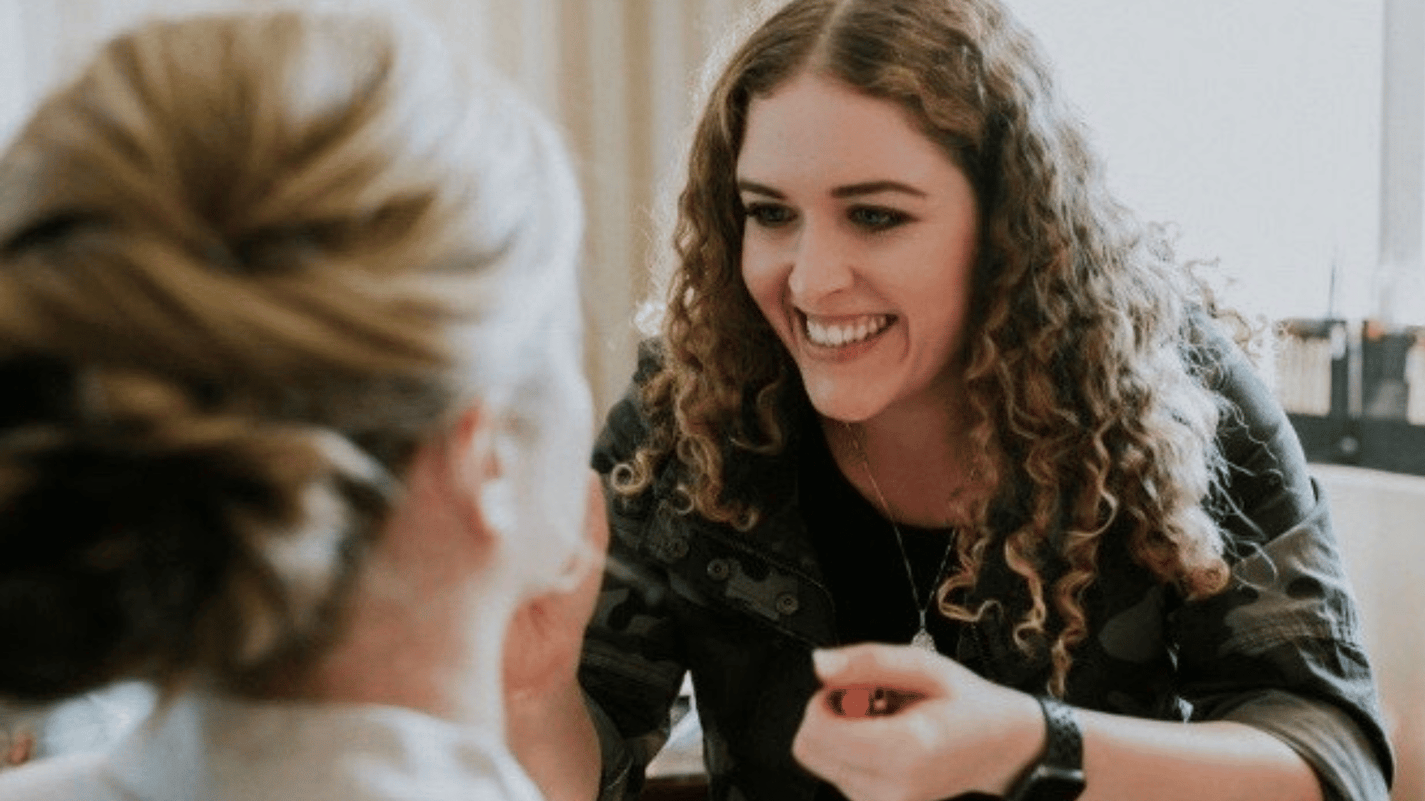
Mature skin is not a limitation to work around. It’s a category of makeup artistry with its own set of rules, and getting foundation right on mature skin is one of the areas Brittany Brown has built a genuine specialty in over more than a decade of bridal and print work. This isn’t an add-on service or an afterthought for older clients; it’s a technique-driven focus that comes from years of hands-on experience with skin that behaves differently than it did in a bride’s twenties.
For mature brides, mothers of the bride and groom, and clients seeking corrective makeup, foundation choice is the single biggest factor in whether the finished look feels polished or feels like too much product sitting on the surface of the skin. At Brittany Brown Beauty, every makeup application is tailored to the individual, with foundation selected to complement the client’s skin rather than simply following trends.
What Mature Skin Needs From a Foundation Formula
Skin changes over time in ways that directly affect how foundation behaves. It tends to hold less moisture on its own, so formulas that were built for oilier, younger skin can sit flat or cling to dry patches instead of blending smoothly. Texture also becomes more visible under certain finishes and lighting, which means the wrong formula can draw attention to exactly the areas a bride wants to look effortless in photos.
None of this is about “fixing” anything. It’s about understanding that mature skin has different needs at the surface level, hydration, movement, and how light reflects off it and choosing a formula that works with those needs instead of against them. A foundation that photographs beautifully on one skin type can photograph completely differently on another, and mature skin is often where that gap shows up the most.
This is where experience matters more than trends. Brittany Brown’s experience in bridal, print, and corrective makeup has shaped an approach that focuses on selecting products based on each client’s individual skin rather than what’s currently trending. A foundation that’s popular on social media isn’t automatically the right choice for every complexion or every decade of skin. The formula has to be selected for how it will actually sit, move, and hold up on the individual skin in front of the artist.
What to Look For
Hydrating, Non-Drying Formulas
The first thing a foundation needs to do on mature skin is stay hydrated through wear, not just look hydrated the moment it’s applied. Formulas that dry down too matte or too fast tend to settle into texture and expression lines as the day goes on, which makes the skin look less smooth by the afternoon than it did in the morning.
A well-chosen foundation for mature skin should feel like it’s sitting on a moisturized base rather than a bare one. That starts with skin prep, but it continues with a formula that doesn’t pull moisture out of the skin as it sets. The goal is a finish that still looks fresh eight or ten hours later, not one that needs to be blotted and reapplied throughout the day to compensate for a formula that dried the skin out from the start.
Buildable Coverage Without Heaviness
Full coverage doesn’t have to mean heavy coverage. One of the most common mistakes with mature skin is reaching for a single heavy layer to cover everything at once, which tends to sit unevenly and look thicker in photos than it does in person.
A buildable formula lets the artist layer coverage exactly where the skin needs it, adding more to areas with uneven tone and less everywhere else. That approach creates an even complexion instead of a mask that sits on top of the skin. On mature skin, corrective makeup works especially well because the artist applies coverage with intention to each area rather than relying on a one-size-fits-all solution.
The result should look like skin, not like foundation. That distinction becomes more important, not less, as coverage needs increase.
Finishes That Don’t Emphasize Texture
Finish is often the most overlooked factor, and it’s one of the most important for mature skin. A fully matte finish can flatten light in a way that draws attention to texture rather than smoothing it out, especially under flash photography or bright outdoor lighting. On the other end, an overly dewy or glowing finish can pool or emphasize movement in areas where skin has less bounce than it used to.
The finishes that tend to work best sit in between: a soft, natural luminosity that reflects light evenly without creating shine in the wrong places. This kind of finish photographs well because it mimics how healthy skin naturally reflects light, rather than trying to manufacture a glow or flatten everything into a single matte plane.
Choosing the right finish depends as much on the venue and lighting as it does on the skin itself. That’s why the artist evaluates those factors and selects the finish during an in-person consultation with the wedding day’s conditions in mind.
How Brittany Brown Beauty Chooses Foundation for Mature Clients
Choosing foundation for mature skin involves much more than matching shades and formulas. The artist evaluates each client’s skin in person and pays close attention to how it looks and behaves that day.
The process typically starts with an honest assessment of the skin’s hydration, texture, and tone before the artist applies any product. The artist then selects a formula and finish that complement those characteristics instead of relying on a one-size-fits-all approach. Next, the artist layers coverage only where the skin needs it and checks the finish under different lighting conditions, since a foundation that looks flawless indoors may appear different outdoors or under flash.
This is where more than a decade of hands-on bridal and print experience makes a real difference. Working with mature skin across hundreds of clients, in every lighting condition a wedding day can throw at a look, builds an instinct for which formulas actually hold up and which ones only look good in the mirror. That experience is the foundation, no pun intended, of why mature and corrective makeup has become a genuine specialty rather than a general service offering.
For mothers of the bride and groom especially, this same care applies. The goal is a look that feels elegant and true to who they are, not a version of bridal makeup scaled down or borrowed without adjustment for different skin needs. If you’re planning your wedding or a special event in Orange County or San Diego, learn more about Brittany Brown and her personalized approach to bridal and corrective makeup.
Ready to create a makeup look that enhances your natural beauty and lasts throughout your celebration? Contact Brittany Brown Beauty to schedule your makeup consultation or bridal trial.
Frequently Asked Questions
The core difference comes down to formula and technique, not a separate category of “bridal” makeup. Mature skin generally needs more hydration built into the base, a buildable approach to coverage rather than one heavy layer, and a finish that reflects light evenly instead of settling into texture. The application process accounts for how the skin will move and hold up over several hours, which can differ from the approach used on younger, oilier skin types.
The right product depends on the individual’s skin condition, tone, as well as the event’s lighting and venue. During an in-person consultation, the artist evaluates those factors before selecting the most suitable formula. In general, hydrating formulas with buildable coverage and a soft, natural finish perform best, especially when thoughtful skin prep supports the foundation instead of working against it.
Booking a trial several weeks before the event gives enough time to test the foundation choice under real conditions and make any adjustments before the day itself. This also allows time to address any skin prep recommendations that might improve how the foundation performs, without rushing decisions close to the wedding or event date.