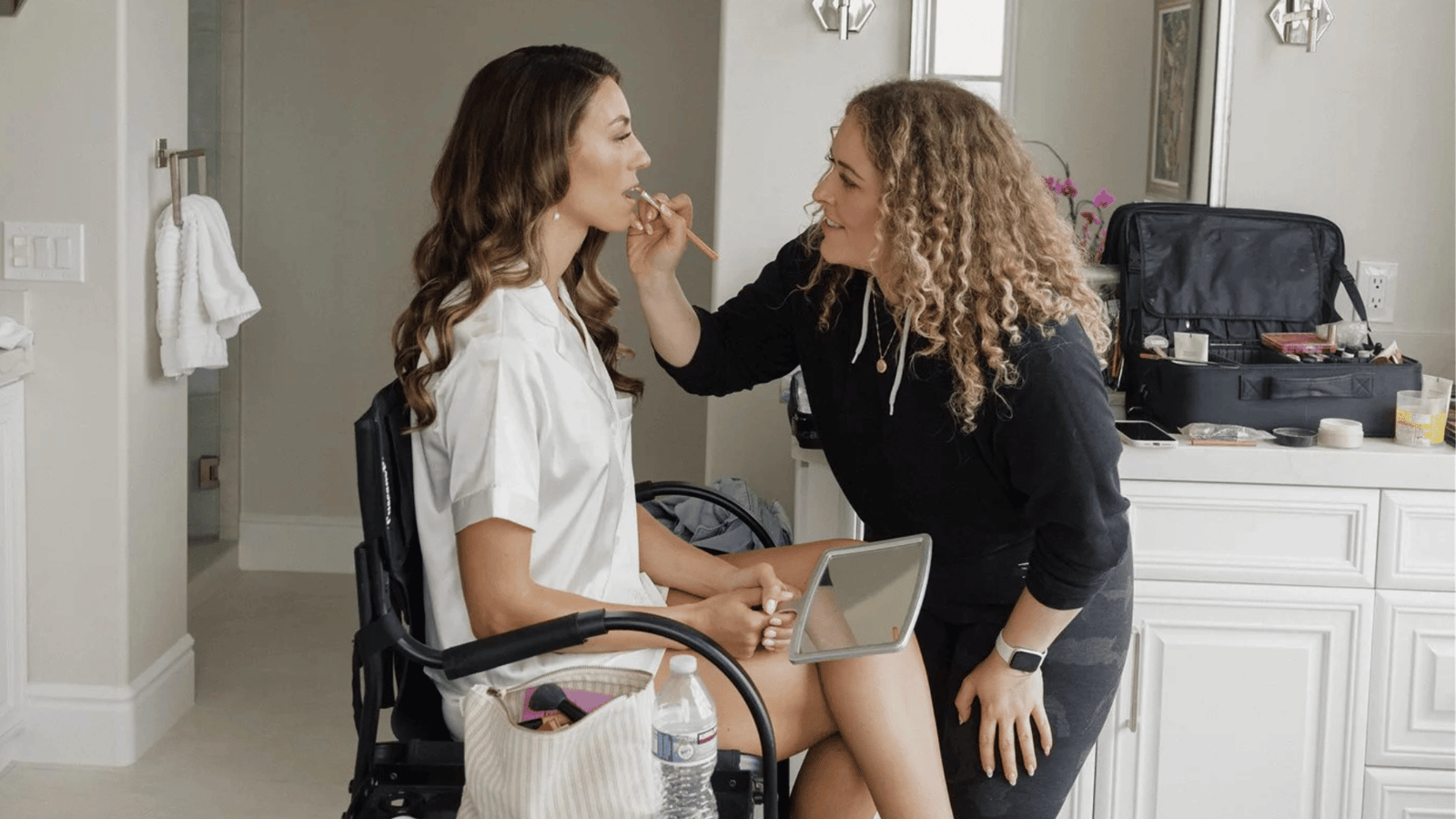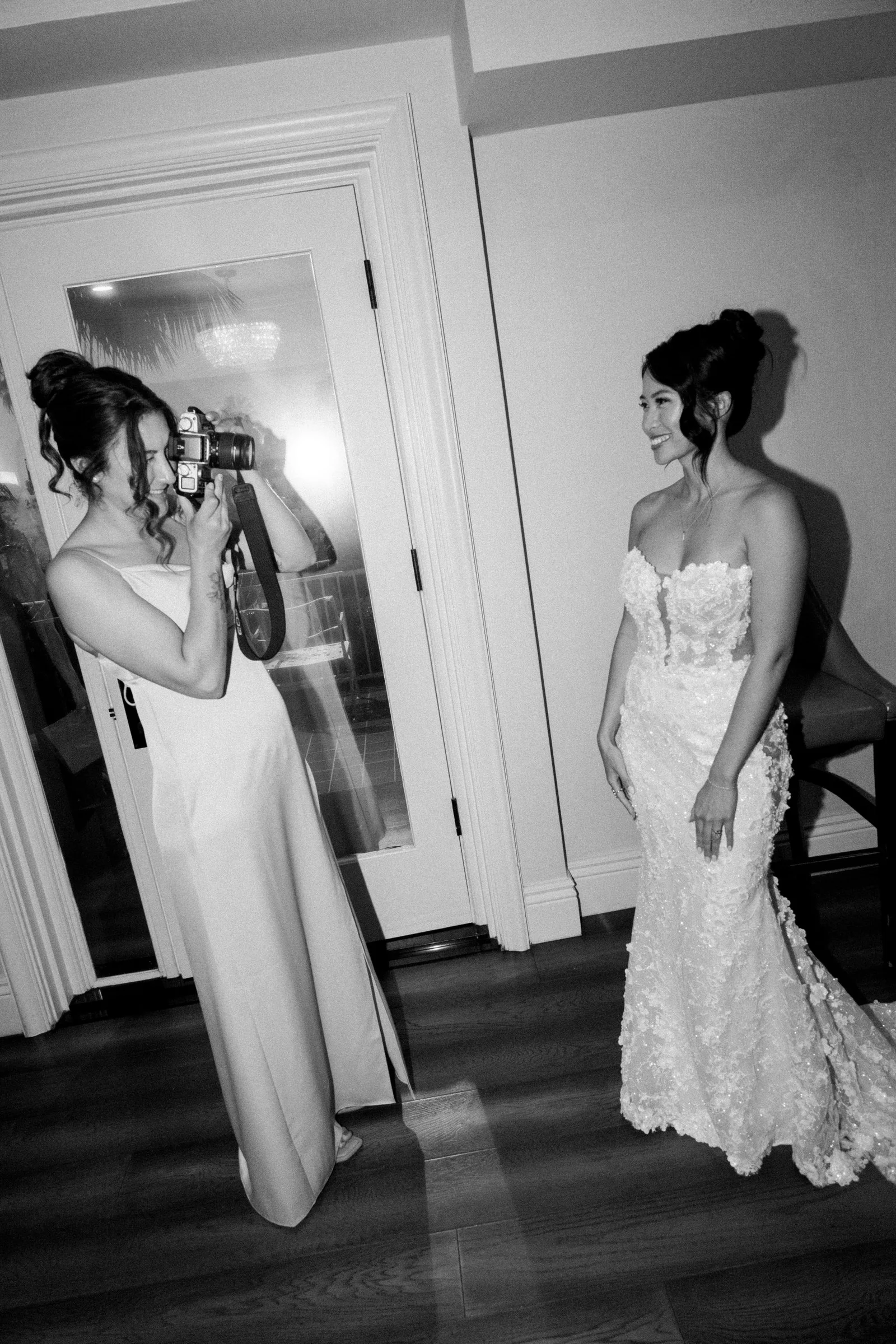
Posted on

Bridal Hair Accessories: Combs, Pins, and Tiaras Explained

Bridal Hair Accessories

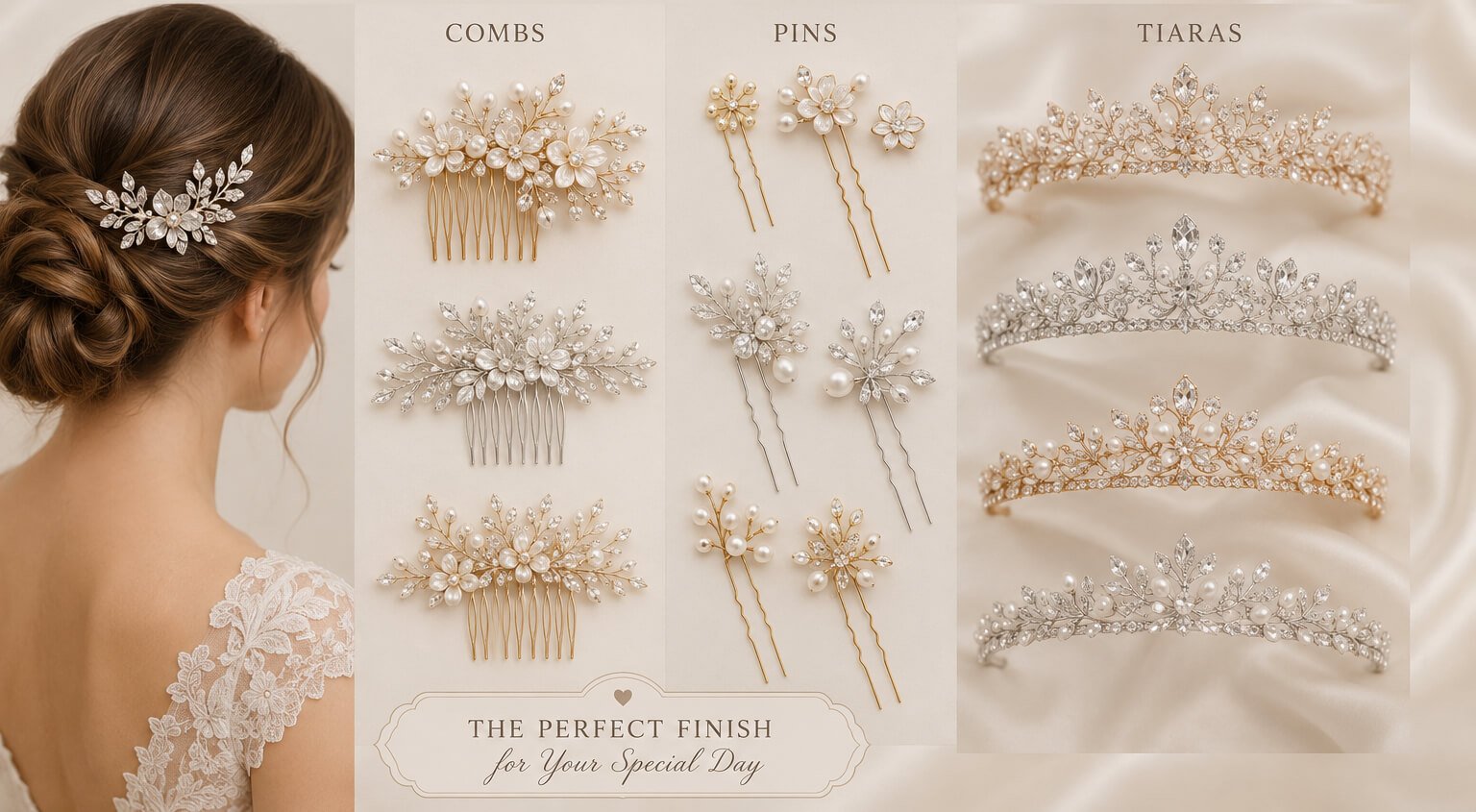
Bridal hair accessories do more than add sparkle. They shape how a hairstyle holds, how it photographs, and how it survives an entire wedding day. Choosing the right one starts with understanding what each type is actually built to do.

In Orange County and San Diego, that decision carries extra weight. Coastal humidity, sea air, and ocean breeze all affect how an accessory sits in the hair over several hours. An accessory that looks secure standing still in a quiet room can shift the moment a bride steps outside for photos or walks along the water.

At Brittany Brown Beauty, accessory selection is considered alongside the hairstyle itself, ensuring every comb, pin, or tiara complements the finished look and stays secure throughout the wedding day. 

Here’s how combs, pins, and tiaras each work, and which hairstyles they’re best suited for.

Why the Right Accessory Depends on Your Hairstyle

Every accessory needs something to hold onto. A comb needs enough hair volume to grip. A pin needs a defined section to anchor into. A tiara needs a base structure that keeps it level and secure.

That means the choice of accessory depends on more than personal style. The hairstyle underneath also determines what it can comfortably support. A delicate pin might disappear in a full, voluminous updo, while a large statement comb could overwhelm a soft half-up style.

For that reason, stylists usually discuss accessories at the beginning of the styling process rather than after they finish the hairstyle. Knowing which accessory a bride wants helps the stylist build the right foundation, decide which sections need extra teasing for hold, and place pins where they’ll stay hidden.

Brittany Brown’s experience in bridal hairstyling has shaped an approach that considers every detail of the hairstyle from the beginning, helping accessories look beautiful while staying secure throughout the celebration. 

Accessory Breakdown

Combs for Texture and Hold

Combs are one of the most versatile bridal hair accessories. They slide into the hair and use their own teeth to grip, which makes them a strong choice for styles with enough texture or volume to hold onto.

They work especially well tucked into buns, twists, or the base of a half-up style, where there’s a defined section of hair to slide into. A comb placed at the crown can also add a finished, intentional detail to loose, down styles, as long as the hair underneath is backcombed slightly for extra grip.

Because combs rely on friction rather than pins alone, they tend to hold up well through movement. That makes them a practical option for outdoor ceremonies where wind and sea air are part of the day.

Pins for Structure and Detail

Pins offer more precision than combs. Instead of gripping a whole section, they attach one small point at a time, which makes them ideal for adding scattered detail across an updo or along a hairline.

A single decorative pin can highlight one specific area, like the side of a bun or a section of braided hair, without adding bulk. Multiple pins, spaced intentionally, can create a fuller, more layered look across a larger style.

Pins generally need a secure base to hold into, which means they work best with hairstyles that already have some structure, like braids, twists, or gathered sections. On fully loose, down hairstyles, pins have less to anchor into and may need extra backcombing underneath to stay secure through the day.

Tiaras and Their Best Hairstyle Pairings

Tiaras add a clear focal point, and they tend to work best with hairstyles that offer a stable, level base across the crown. Updos and half-up styles are natural pairings, since the gathered section of hair gives the tiara something even to sit against.

With fully down hairstyles, a tiara can still work, but it usually needs a little more structure built in underneath, like a supportive base of pins or a light foundation of teased hair, so it doesn’t tilt or shift as the hair moves.

Because a tiara sits higher and more visibly than a comb or pin, it also tends to be more noticeable if it shifts out of place. That makes secure placement, tested ahead of time, especially important for this accessory.

Every hairstyle and accessory combination creates a different look, and seeing them on real brides can make choosing the right option much easier. Browse our portfolio to explore bridal hairstyles featuring combs, decorative pins, tiaras, and other carefully selected accessories. 

Securing Accessories for an All-Day Hold

Southern California weddings often come with conditions that test even a well-placed accessory. Humidity can loosen curls around a comb’s base. Wind off the coast can lift a lightweight pin. A full day of ceremony, photos, and dancing adds hours of movement on top of all that.

A few things help accessories hold up through those conditions:

  • A well-prepped base. Backcombing or teasing the section where an accessory will sit gives it something secure to grip, rather than smooth, slippery hair.
  • Enough supporting pins. Even combs and tiaras often benefit from a few hidden bobby pins nearby, placed to reinforce the accessory without being visible.
  • Testing placement before the big day. Trying the accessory during a hair trial shows how it holds up under real movement, not just how it looks standing still.

Accounting for these details during the styling and setting process, rather than after the hairstyle is finished, is what keeps an accessory looking as intentional at the reception as it did that morning.

Whether you’re envisioning a classic updo with a timeless tiara or soft waves accented with delicate pins, contact Brittany Brown Beauty to schedule your bridal hair consultation or trial and find the accessories that best complement your wedding hairstyle.

Frequently Asked Questions

1. How long does adding hair accessories typically take on a wedding morning? 

Placing accessories is usually one of the last steps in the styling process, often adding just ten to fifteen minutes once the hairstyle itself is complete. Most of the time goes into building a secure base underneath, so the accessory has something solid to anchor into before it’s ever added.

2. Will bridal hair accessories hold up in Southern California humidity? 

Yes, with the right prep. Coastal humidity and ocean breeze can affect how long a style holds, especially with looser hairstyles or lightweight accessories. Backcombing the base, using enough supporting pins, and choosing an accessory suited to the hairstyle all help it stay secure through ceremony, photos, and reception.

3. What accessories pair well with different bridal hairstyles? 

It depends on the style. Combs tend to pair best with buns, twists, and half-up looks that have enough volume to grip. Pins work well on braided or gathered styles where a defined base is already in place. Tiaras look most secure on updos and half-up styles, though they can work with down hairstyles when extra structure is built in underneath.


Posted on

The Best Bridal Makeup Looks for High-Neck Wedding Dresses

Best Bridal Makeup Looks

High-neck wedding dresses have a quiet kind of drama. Lace collars, illusion necklines, and structured mock-necks draw the eye upward before anything else. That means the makeup has to hold its own against a lot of visual detail happening near the face.

Getting this balance right takes more than picking a pretty look from an inspiration photo. It takes understanding how a high neckline changes the proportions of the whole bridal look, and choosing makeup that works with the dress instead of competing with it.

Brittany Brown has spent more than 11 years building bridal looks around dresses just like this. Her approach comes down to one idea: enhance, don’t mask. The goal is always a bride who looks like herself, just elevated. Here’s how that philosophy plays out specifically for high-neck styles.

Why High Necklines Shift the Makeup Focus Upward

A high neckline covers the collarbone and often part of the neck itself. That’s a lot of skin that would normally draw the eye downward on a strapless or sweetheart gown.

Once that area is covered, the face becomes the main focal point of the entire look. Every detail near it, from brow shape to skin finish to lip color, carries more visual weight than it would with a more open neckline.

This is why makeup for high-neck dresses often needs a slightly different balance than makeup built for other silhouettes. Nothing has to change dramatically. But small decisions, like how much shimmer goes on the eyes or how bold the lip is, matter more here because there’s less going on elsewhere in the frame.

Best Looks to Try

Statement Eyes With a Softer Base

Since the eyes sit closest to a high collar, they’re often the first place worth adding intention. A defined eye, whether that’s a soft smoky effect or a precise winged liner, gives the face a clear focal point that photographs well against the structure of the neckline.

Pairing that with a softer base keeps the whole look from feeling heavy. A luminous, natural-finish foundation lets the eyes stand out without the rest of the face competing for attention.

This combination tends to work especially well with lace or illusion necklines, where there’s already a lot of texture happening near the face. A stronger eye and a softer base keep the makeup from adding even more visual noise on top of that detail.

An Elevated Lip for a Polished Finish

A high neckline often calls for a lip color with a bit more presence than a barely-there nude. This doesn’t mean bold or dark. It means a shade with enough depth to feel intentional, like a rosy mauve, a soft berry, or a warm terracotta, depending on skin tone and overall styling.

The lip becomes a natural finishing point for the whole face when there’s less skin showing elsewhere. A well-chosen lip color pulls the look together and keeps it from feeling unfinished, especially in photos where the neckline is fully visible.

This is also where individual coloring matters most. What reads as elevated on one bride can look completely different on another, which is part of why lip color is one of the details tested and adjusted during a trial.

Balancing a Structured Neckline With Soft Glam

Structured necklines, like mock-necks or high collars with boning, have a formal, tailored quality. Pairing that structure with equally sharp, heavy makeup can feel like too much polish stacked on top of more polish.

Soft glam offers a better balance. Think diffused eyeshadow instead of hard lines, a soft-focus glow instead of full matte, and blush placed to warm the face rather than sculpt it aggressively.

The result feels intentional without fighting the formality of the dress. It’s a look that photographs as elevated, not overdone, which fits the “like yourself, but elevated” feeling most brides are actually looking for.

What to Avoid With High-Neck Styles

A few choices tend to work against high-neck dresses more than they work with them:

  • Heavy contour that competes with the collar. Sharp, sculpted lines near the jaw can feel visually busy next to a structured neckline. A softer contour keeps the focus on the whole face rather than one feature.
  • Overly matte skin under structured necklines. A flat matte finish can look harsh against the texture of lace or beading near the collar. A soft, natural glow tends to feel more cohesive.
  • Skipping a proper trial. High-neck dresses often come with more fabric and detail near the face, so there’s less room for a makeup misstep to go unnoticed. A trial is the time to test how a look holds up and how skin responds to the products used, well before the wedding day itself.

None of these are hard rules. They’re patterns worth being aware of, then adjusting based on the specific dress, skin, and bride.

How Brittany Brown Beauty Approaches This Look

Every high-neck look starts with the dress itself. Details like lace pattern, collar height, and fabric texture all inform decisions about eye intensity, lip color, and finish.

From there, the process leans on Brittany’s enhance, don’t mask philosophy. The goal isn’t to create a dramatically different face. It’s to bring out what’s already there, in a way that photographs beautifully against a more structured silhouette.

A trial appointment is where this comes together. It’s the opportunity to test the full look, check how it holds up over several hours, and make sure the skin responds well to everything used. Brides consistently describe the result the same way: familiar, but elevated. That feeling is the actual goal behind every decision made in the chair.

For anyone curious what this looks like in practice, the portfolio includes a range of bridal looks built around different neckline styles. And for brides ready to talk through their own dress and vision, reaching out directly is the easiest next step.

Frequently Asked Questions

1. What’s the best way to prep my skin for this kind of look? 

Skin prep matters more with high-neck dresses, since the face carries more visual focus. A consistent routine with moisturizer and SPF in the weeks before the wedding gives foundation a smooth, even base to work with. Bigger skincare changes, like a new treatment or product, are best avoided close to the wedding date. Testing everything during a trial helps confirm the skin is ready and responds well to the products chosen.

2. How long will this makeup last through the ceremony and reception?

With the right prep and setting technique, a well-built look can hold through a full day of ceremony, photos, and reception. Wear time depends on factors like skin type, weather, and how the look is set, which is exactly why a trial is so useful. It’s a chance to test the products under real conditions before the wedding day arrives.

3. Can this look be adjusted for my specific skin tone or type?

Yes. Every recommendation here is a starting point, not a fixed formula. Eye intensity, lip shade, and finish are all chosen based on the individual bride during the trial, so the final look fits her coloring and skin needs rather than a generic template.

Posted on

Bridal Makeup for Lace, Satin, and Modern Wedding Dresses

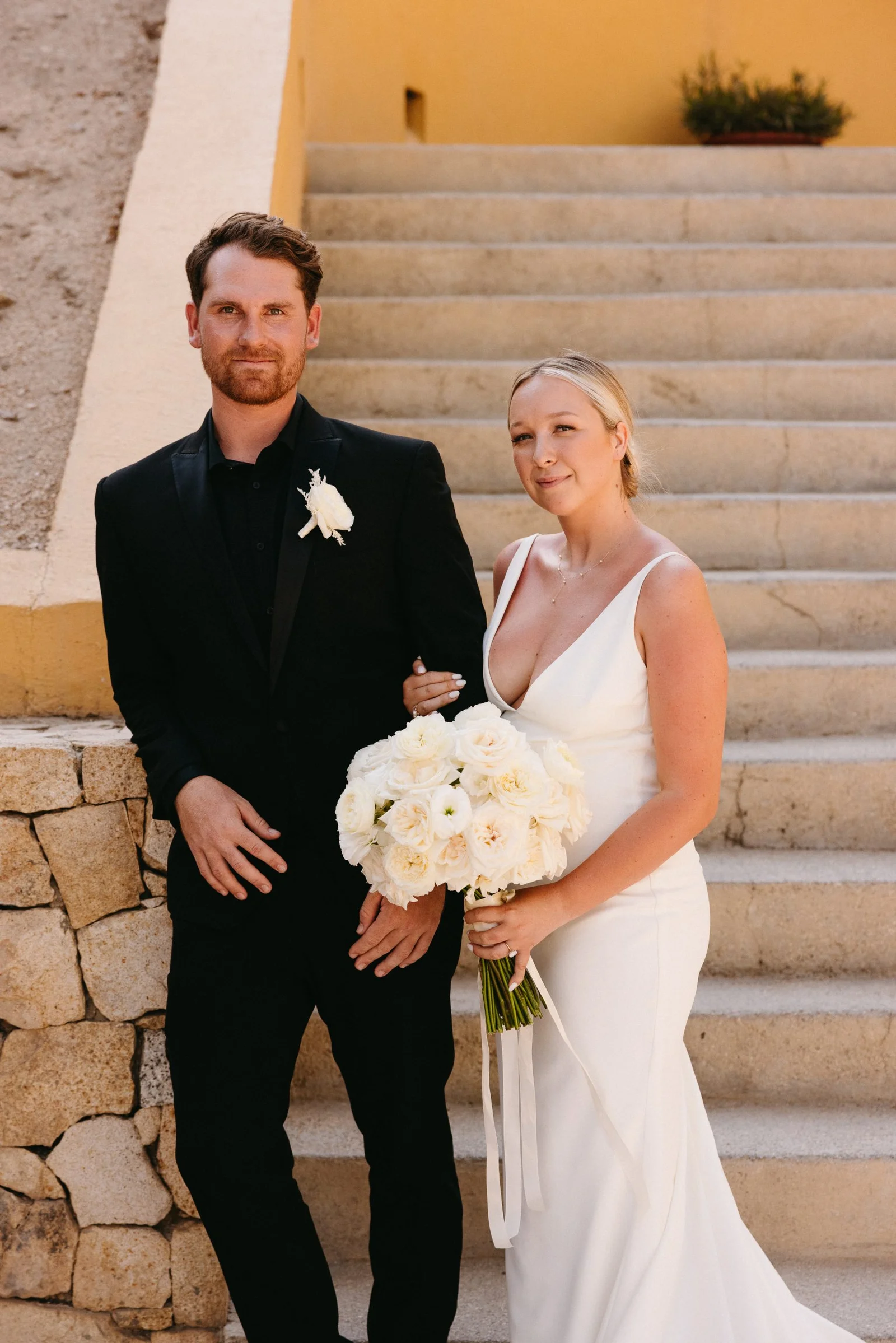
Bride wearing bridal makeup designed to complement lace, satin, and modern wedding dress styles

The right bridal makeup should complement the wedding dress without competing with it. Lace, satin, and modern wedding dresses each create a different visual effect, so the makeup should reflect the fabric, silhouette, neckline, accessories, venue, and overall wedding style.

A romantic lace gown may pair beautifully with softly blended eye makeup, fresh skin, and rose-toned lips. A smooth satin dress may support polished complexion makeup, defined eyes, and a refined lip color. A modern wedding dress may work with clean eyeliner, sculpted cheeks, natural skin, or a stronger statement lip.

Brittany Brown Beauty provides personalized bridal makeup services in Orange County based on the bride’s complexion, features, dress, wedding setting, photography, and preferred level of coverage.

Why the Wedding Dress Matters When Choosing Makeup

The wedding dress is one of the most visually important parts of the bridal look.

Its fabric, shape, detailing, color, and neckline can influence whether the makeup should feel:

  • Natural
  • Romantic
  • Classic
  • Soft glam
  • Full glam
  • Minimal
  • Vintage-inspired
  • Modern
  • Editorial
  • Dramatic

The goal is not to match the makeup to the dress literally. Instead, the makeup should support the same level of formality, softness, structure, and detail.

For example, extremely dramatic makeup may compete with a delicate lace gown. Very minimal makeup may feel less balanced beside a highly structured satin ball gown. A modern minimalist dress may work beautifully with either clean natural makeup or one stronger feature, such as graphic eyeliner or a red lip.

Begin With the Bride’s Personal Style

The wedding dress should guide the makeup, but the bride should still feel recognizable.

Before selecting the final look, consider:

  • How much makeup the bride normally wears
  • Which facial features she prefers to emphasize
  • Whether she likes matte or luminous skin
  • Whether she normally wears eyeliner
  • Her comfort level with false lashes
  • Her preferred foundation coverage
  • Her favorite lip colors
  • The formality of the wedding
  • The wedding photography style

A bride who normally wears minimal makeup may feel uncomfortable with heavy contouring or full smoky eyes. A bride who regularly wears defined makeup may feel unfinished with an extremely sheer application.

The most successful look connects the wedding dress with the bride’s everyday preferences.

Bridal Makeup for Lace Wedding Dresses

Lace wedding dresses often create a romantic, detailed, traditional, or vintage-inspired appearance.

Lace may be:

  • Soft and delicate
  • Bold and graphic
  • Floral
  • Beaded
  • Vintage-inspired
  • Sheer
  • Textured
  • Combined with tulle or chiffon

Because lace already contains visible texture and detail, the makeup should usually feel softly balanced rather than overly sharp.

Suitable makeup choices may include:

  • Natural or satin-finish foundation
  • Softly defined eyebrows
  • Taupe, champagne, rose, or mauve eyeshadow
  • Blended eyeliner
  • Individual or wispy lashes
  • Rose, peach, or dusty-pink blush
  • Soft bronzer
  • Controlled highlighter
  • Nude, rose, mauve, or berry lips

The exact style should also reflect the lace pattern, neckline, dress color, and wedding venue.

Romantic Makeup for Soft Lace Dresses

Soft floral lace often works well with romantic makeup.

A suitable look may include:

  • Lightweight or medium complexion coverage
  • Luminous or satin-finish skin
  • Soft brown eye definition
  • Champagne or rose-gold shimmer
  • Natural-looking lashes
  • Peach or rose blush
  • A rose, mauve, or pink-nude lip

The makeup should feel elegant and polished while allowing the texture of the lace to remain one of the main visual features.

Very harsh contouring, graphic liner, or extremely dark eyeshadow may compete with delicate floral detailing.

Makeup for Structured Lace Gowns

Some lace gowns are more dramatic and structured.

They may include:

  • Corset bodices
  • Fitted silhouettes
  • Defined patterns
  • Long trains
  • High necklines
  • Heavy embellishment

These dresses can support slightly stronger makeup, including:

  • Medium or full coverage
  • Defined brows
  • Soft smoky eyes
  • Fuller lashes
  • Sculpted cheekbones
  • A deeper rose, berry, or neutral lip

The makeup can have more structure while still maintaining soft blending.

Makeup for Vintage-Inspired Lace Dresses

Vintage-inspired lace dresses may suit makeup influenced by a particular period.

Possible choices include:

  • Soft matte or satin skin
  • Defined eyeliner
  • Individual lashes
  • Rose blush
  • Classic red lips
  • Berry lips
  • Champagne or soft brown eyeshadow
  • Carefully shaped brows

The final look should feel inspired by the dress rather than like a costume.

A 1920s-style lace gown may suit softly smoky eyes and a deeper lip, while a 1950s-inspired dress may pair with clean eyeliner and classic red or rose lipstick.

Makeup for Bohemian Lace Dresses

Bohemian lace dresses often feature relaxed silhouettes, flowing sleeves, crochet details, floral patterns, or lightweight fabrics.

A bohemian bridal makeup look may include:

  • Natural skin texture
  • Lightweight foundation
  • Freckles left visible
  • Warm neutral eyeshadow
  • Soft lashes
  • Peach or rose blush
  • Light bronzer
  • Nude, terracotta, peach, or rose lips

The makeup should feel fresh and intentional without becoming overly structured.

This style can work particularly well for beach, garden, estate, woodland, and destination weddings.

Bridal Makeup for Satin Wedding Dresses

Satin wedding dresses have a smooth, polished surface that reflects light.

They often create a classic, elegant, formal, or modern appearance.

Because satin has fewer visible textures than lace, the complexion and makeup details may become more noticeable.

Suitable choices may include:

  • Smooth medium coverage
  • Satin or softly matte foundation
  • Defined brows
  • Neutral or softly smoky eyes
  • Carefully blended contour
  • Polished lashes
  • Rose, mauve, nude, berry, or red lips

The makeup should look clean and refined without appearing overly powdered.

Why Complexion Finish Matters With Satin

Satin reflects light, so excessive facial shine may compete with the dress in photographs.

At the same time, a completely flat matte complexion may feel too severe beside the fabric’s natural sheen.

A satin-finish complexion often creates a balanced result because it provides:

  • Controlled radiance
  • Natural dimension
  • Moderate shine control
  • A polished photographic finish

Brides comparing foundation options can review the guide to dewy vs. matte bridal makeup.

Makeup for a Classic Satin Ball Gown

A satin ball gown often creates a formal and traditional appearance.

It may include:

  • A structured bodice
  • A full skirt
  • A long train
  • A corset
  • A cathedral veil
  • Minimal or detailed embellishment

A balanced makeup look may include:

  • Medium or full complexion coverage
  • Defined eyebrows
  • Neutral or softly smoky eyes
  • Individual or fuller lashes
  • Soft contouring
  • Rose or mauve blush
  • A polished nude, berry, rose, or red lip

The makeup should have enough definition to remain visible in full-length photographs and formal portraits.

Makeup for a Minimal Satin Dress

A simple satin dress may have clean lines, a slip silhouette, a square neckline, thin straps, or minimal embellishment.

Suitable makeup options include:

  • Fresh natural skin
  • Satin-finish complexion
  • Defined brows
  • Clean eyeliner
  • Soft neutral eyes
  • Individual lashes
  • A carefully placed blush
  • A nude, brown, berry, or red lip

A minimalist satin gown can support either understated makeup or one stronger feature.

For example, the bride may choose natural eyes and a red lip, or a nude lip with defined eyeliner.

Makeup for a Fitted Satin Dress

A fitted satin gown often feels sleek, polished, and dramatic.

The makeup may include:

  • Medium complexion coverage
  • Softly sculpted cheekbones
  • Defined eye makeup
  • Individual or wispy lashes
  • Satin or softly matte skin
  • A mauve, nude, berry, or classic red lip

The final look should match the dress’s structure without becoming too heavy.

Bridal Makeup for Modern Wedding Dresses

Modern wedding dresses may feature clean lines, architectural shapes, square necklines, one-shoulder designs, capes, jumpsuits, asymmetrical details, or unconventional silhouettes.

Modern bridal makeup can range from very natural to bold and editorial.

Possible directions include:

  • Clean natural skin
  • Soft-glam complexion
  • Defined eyebrows
  • Minimal neutral eyeshadow
  • Graphic or softly structured eyeliner
  • Sculpted cheeks
  • Individual lashes
  • A nude, brown, berry, or red lip

The makeup should feel deliberate and polished.

Makeup for a Minimalist Modern Dress

A minimalist modern dress may contain very few embellishments.

Because the design is simple, makeup details may become more noticeable.

A suitable look may include:

  • Even natural skin
  • Defined brows
  • Clean eyeliner
  • Natural lashes
  • Soft contour
  • A neutral lip
  • A classic red lip
  • Controlled highlighting

The goal is intentional simplicity rather than an unfinished appearance.

Makeup for an Architectural Wedding Dress

Architectural gowns may include sharp folds, structured shoulders, sculptural skirts, or geometric necklines.

These dresses may support stronger makeup structure, such as:

  • Defined brows
  • Clean eyeliner
  • Sculpted cheeks
  • A satin or matte complexion
  • A polished nude or statement lip

The makeup should reflect the clean design without feeling harsh.

Makeup for a Modern Bridal Jumpsuit

A bridal jumpsuit may create a clean, fashion-forward, or relaxed look.

Suitable makeup options include:

  • Fresh skin with clean eyeliner
  • Soft-glam makeup with a nude lip
  • Defined eyes with natural lashes
  • A sleek complexion with red lipstick
  • Soft contouring with a brown or mauve lip

The hairstyle should also support the outfit, whether the bride chooses a sleek ponytail, bun, waves, or short-hair styling.

Match Makeup to the Dress Neckline

The neckline affects how much attention is placed on the face, neck, shoulders, and chest.

Strapless Dresses

A strapless dress exposes the shoulders, collarbones, upper chest, and neck.

Foundation should blend naturally beyond the jawline when needed.

The look may include:

  • Balanced complexion coverage
  • Defined eyes
  • Visible blush
  • Soft contour
  • A polished lip color

Any body makeup or highlighting should match the face and photograph naturally.

High-Neck Dresses

A high neckline places more visual attention on the face.

The makeup may need slightly more definition through:

  • The eyes
  • Eyebrows
  • Cheeks
  • Lips

A polished complexion and defined eye makeup can help the face remain balanced beside fabric or lace near the neck.

Square-Neck Dresses

Square necklines often feel modern, structured, or vintage-inspired.

They may work well with:

  • Defined brows
  • Clean eyeliner
  • Neutral eyeshadow
  • Soft contouring
  • Satin-finish skin
  • A defined lip color

Off-the-Shoulder Dresses

Off-the-shoulder designs often create a romantic and elegant appearance.

They may pair with:

  • Glowing or satin-finish skin
  • Softly defined eyes
  • Rose, peach, or mauve blush
  • Natural lashes
  • Nude, berry, or rose lips

The face, neck, chest, and shoulders should appear balanced in color.

One-Shoulder Dresses

One-shoulder gowns create an asymmetrical and fashion-focused look.

The makeup may include:

  • Balanced complexion coverage
  • Defined eyes
  • Structured brows
  • Sculpted cheeks
  • A modern nude or statement lip

The hairstyle and makeup should work together to maintain visual balance.

Consider the Color of the Dress

Wedding dresses may be bright white, ivory, cream, champagne, blush, nude, silver, gold, or another color.

Bright White Dresses

Bright white can create strong contrast against the complexion.

Visible blush, accurate foundation matching, and a defined lip can prevent the face from appearing washed out.

Ivory and Cream Dresses

Ivory and cream have warmer undertones.

They may complement:

  • Peach
  • Rose
  • Bronze
  • Champagne
  • Warm brown
  • Soft gold
  • Warm nude lips

Champagne Dresses

Champagne gowns may work well with:

  • Bronze eyeshadow
  • Rose-gold tones
  • Warm blush
  • Soft brown eyeliner
  • Peach, rose, or warm nude lips

Blush Dresses

Blush wedding dresses may suit:

  • Mauve
  • Rose
  • Taupe
  • Champagne
  • Soft brown
  • Berry
  • Pink-nude lips

The makeup should complement the gown without matching its color too closely.

Match Makeup to Dress Embellishments

Dress embellishments can help guide the makeup colors and finish.

Pearl Details

Pearls may pair with:

  • Luminous or satin skin
  • Champagne eyeshadow
  • Soft pink or rose blush
  • Natural lashes
  • Rose or nude lips

Gold Details

Gold embroidery or accessories may complement:

  • Bronze eyeshadow
  • Warm brown
  • Peach blush
  • Terracotta
  • Rose-gold tones
  • Warm nude lips

Silver Details

Silver embellishments may work with:

  • Taupe
  • Mauve
  • Cool brown
  • Soft gray
  • Champagne
  • Rose or berry lips

Crystal or Sequin Details

Reflective embellishments should be balanced with controlled highlighter.

Too much shimmer on the eyes, cheeks, and dress may create competing reflective elements in photographs.

Choose Eye Makeup That Supports the Dress

The eye makeup should reflect the dress’s level of detail and structure.

Suitable bridal eye looks may include:

  • Soft neutral eyes
  • Champagne shimmer
  • Bronze eyeshadow
  • Rose-gold tones
  • Mauve eyeshadow
  • Soft smoky eyes
  • Defined eyeliner
  • Natural lashes
  • Fuller lashes

A simple modern dress may support stronger eyeliner or a softly smoky eye.

A detailed lace gown may feel more balanced with blended neutral eye makeup.

The guide to bridal eye makeup styles can help brides compare natural, soft-glam, and more defined options.

Choose the Right Foundation Coverage

The best foundation coverage depends on the bride’s skin, comfort level, photography, and wedding setting.

Light Coverage

Light coverage may suit brides who:

  • Prefer minimal makeup
  • Want freckles to remain visible
  • Have relatively even skin
  • Feel uncomfortable wearing heavier products

Medium Coverage

Medium coverage can create a polished and even complexion while maintaining a natural appearance.

Full Coverage

Full coverage may help balance visible discoloration, acne marks, or uneven areas.

For a natural result, it should be applied in thin layers rather than one heavy application.

Coordinate Makeup With the Hairstyle

The hairstyle and makeup should feel like parts of the same complete look.

Soft Waves

Soft waves may suit:

  • Romantic lace dresses
  • Natural makeup
  • Soft-glam makeup
  • Warm neutral eyes
  • Rose or nude lips

Sleek Bun

A sleek bun may work with:

  • Satin dresses
  • Modern gowns
  • Defined brows
  • Clean eyeliner
  • Sculpted cheeks
  • A statement lip

Textured Low Bun

A textured low bun may complement:

  • Lace gowns
  • Romantic makeup
  • Soft lashes
  • Satin-finish skin
  • Rose or mauve lips

Polished Ponytail

A polished ponytail may suit:

  • Modern dresses
  • Bridal jumpsuits
  • Square necklines
  • Defined eyes
  • Clean complexion makeup

Select a Lip Color

Lip color should balance the dress, eye makeup, complexion, and overall bridal style.

Popular options include:

  • Pink nude
  • Peach nude
  • Rose
  • Mauve
  • Soft berry
  • Warm brown
  • Muted coral
  • Classic red
  • Deep berry

A lace dress may pair well with rose, mauve, or berry shades.

A satin gown may support a polished nude, rose, berry, or red lip.

A modern dress may work with a neutral brown, muted nude, berry, or statement red.

Very pale lip colors may appear less visible in professional photographs.

Consider the Wedding Venue

The venue should influence both the dress and makeup plan.

Beach Weddings

Lightweight lace, chiffon, satin, and modern dresses may pair with waterproof eye products, controlled shine, and soft lip colors.

Garden Weddings

Romantic lace gowns may work with fresh skin, rose or peach blush, softly defined eyes, and natural lashes.

Hotel Weddings

Formal satin gowns may support soft glam, defined eyes, sculpted cheeks, and polished lips.

Estate Weddings

Lace, satin, and modern gowns can all work at estate venues. The makeup intensity should match the dress and event formality.

Courthouse Weddings

Modern dresses, jumpsuits, and short gowns may pair with clean skin, defined brows, eyeliner, and a modern lip color.

Consider Photography and Lighting

The makeup and dress will be photographed together in different environments.

Photography may include:

  • Natural window light
  • Direct outdoor sunlight
  • Shade
  • Golden-hour portraits
  • Indoor lighting
  • Professional flash
  • Evening reception lighting

Satin and embellished dresses may reflect more light than soft lace or matte fabrics.

The makeup should provide enough facial definition without appearing overly heavy in close-up photographs.

Schedule a Bridal Makeup Trial

A bridal makeup trial allows the bride to see how the makeup works with the dress before the wedding.

Bring:

  • Clear photographs of the dress
  • A close-up of the fabric
  • A picture of the neckline
  • Fabric samples when available
  • Jewelry
  • Veil
  • Hair accessories
  • Bouquet inspiration
  • Hairstyle photographs
  • Makeup inspiration
  • Venue photographs

During the trial, discuss:

  • Foundation coverage
  • Complexion finish
  • Eye makeup
  • Eyeliner
  • Lashes
  • Brow shape
  • Blush
  • Contour
  • Highlighter
  • Lip color
  • Dress fabric
  • Neckline
  • Photography conditions

The guide explaining what happens during a bridal makeup trial can help the bride prepare.

Test the Complete Look

When possible, review the trial makeup with important parts of the bridal look.

Consider how the makeup appears with:

  • The dress color
  • Dress fabric
  • Neckline
  • Jewelry
  • Veil
  • Hairstyle
  • Hair accessories
  • Natural light
  • Indoor lighting
  • Phone photographs
  • Flash photographs

A makeup style that looks attractive by itself may appear different when combined with the dress and accessories.

Common Mistakes to Avoid

Common mistakes may include:

  • Choosing makeup without considering the dress fabric
  • Selecting eye makeup that competes with detailed lace
  • Using excessive highlighter with satin or crystal embellishment
  • Wearing a lip color that disappears beside a bright white dress
  • Ignoring the neckline
  • Using a foundation shade that does not match the body
  • Choosing a trend that does not reflect the bride
  • Testing makeup without dress photographs
  • Skipping the bridal trial
  • Creating a look that does not suit the venue

The complete bridal look should feel coordinated rather than assembled from unrelated ideas.

Questions to Ask the Makeup Artist

Useful questions include:

  • Which makeup style works best with my dress?
  • Should the look be natural, soft glam, or full glam?
  • Which complexion finish suits the fabric?
  • How should the neckline affect the makeup?
  • Which lip colors complement the dress shade?
  • Should my eye makeup be stronger or softer?
  • Will the makeup photograph well with satin or lace?
  • Should the face, neck, and chest be blended?
  • Can I test multiple lip colors?
  • Should I bring my veil and jewelry?
  • Are false lashes included?
  • How long should the complete look last?

Frequently Asked Questions

What makeup works best with a lace wedding dress?

Softly blended eye makeup, natural or satin-finish skin, rose or mauve blush, defined lashes, and a polished neutral or berry lip can complement lace.

What makeup works with a satin wedding dress?

Smooth complexion makeup, defined brows, neutral eyes, controlled highlighting, and a polished nude, rose, berry, or red lip can work well with satin.

What makeup suits a modern wedding dress?

Fresh skin, clean eyeliner, structured brows, sculpted cheeks, individual lashes, and a neutral or statement lip can complement modern dresses.

Should bridal makeup match the dress color?

The makeup should complement the dress rather than copy its color exactly.

Does the neckline affect bridal makeup?

Yes. High necklines place more attention on the face, while strapless and low-neck dresses may require additional attention to blending the neck, chest, and shoulders.

Should makeup be stronger with a formal satin gown?

A formal satin gown may support more eye, cheek, or lip definition, but the final intensity should still reflect the bride’s comfort and preferences.

Should I bring my wedding dress photos to the trial?

Yes. Bring clear photographs of the full dress, neckline, fabric, color, and embellishments.

Can red lipstick work with lace or satin?

Yes. Red lipstick can complement vintage lace, classic satin, minimalist gowns, and modern dresses when it suits the bride’s style.

Book Bridal Makeup for Your Wedding Dress

Bridal makeup for a wedding dress should enhance the bride’s features while supporting the gown’s fabric, neckline, color, embellishments, venue, and photography.

Brittany Brown Beauty creates personalized bridal looks for lace, satin, modern, and other wedding-dress styles throughout Orange County.

Explore the bridal hair and makeup portfolio to view real bridal looks, or contact Brittany Brown Beauty to discuss the wedding date, dress style, venue, and preferred makeup look.

Posted on

How to Choose Bridal Makeup for Your Wedding Dress Style

Bride with elegant bridal makeup matched to her wedding dress style for a timeless wedding day look

Choosing bridal makeup is not only about selecting colors that look attractive. The makeup should complement the wedding dress, hairstyle, accessories, venue, photography, and the bride’s personal style.

A simple wedding dress may pair beautifully with natural or softly polished makeup, while a structured satin gown may support more defined eyes, sculpted cheeks, or a classic lip. A romantic lace dress may suit softer colors and glowing skin, while a modern minimalist gown may work with clean lines and carefully balanced makeup.

Brittany Brown Beauty provides personalized bridal makeup services in Orange County based on the bride’s features, skin type, dress, wedding setting, and preferred level of coverage.

Why the Wedding Dress Should Influence Bridal Makeup

The wedding dress creates the main visual direction for the complete bridal look.

Its fabric, neckline, structure, color, embellishment, and overall style can influence whether the makeup should feel:

  • Natural
  • Romantic
  • Classic
  • Modern
  • Soft glam
  • Full glam
  • Vintage-inspired
  • Minimal
  • Dramatic
  • Fashion-forward

The makeup should not compete with the dress. It should help create balance between the bride’s face, clothing, hairstyle, jewelry, and accessories.

Start With Your Personal Makeup Style

The wedding dress is important, but the bride should still feel recognizable.

A bride who normally wears minimal makeup may feel uncomfortable with heavy contouring, dark smoky eyes, or very full lashes. A bride who regularly wears defined makeup may feel unfinished with an extremely sheer application.

Before selecting the bridal look, consider:

  • How much makeup you normally wear
  • Which features you prefer to emphasize
  • Which colors you feel comfortable wearing
  • Whether you prefer matte or glowing skin
  • Whether you normally wear eyeliner
  • Whether you feel comfortable in false lashes
  • Your preferred lip colors
  • The level of coverage you usually enjoy

The final look should connect the wedding dress with the bride’s real style.

Match Makeup to a Classic Ball Gown

A ball gown often creates a formal and traditional bridal appearance.

These dresses may include:

  • Full skirts
  • Structured bodices
  • Corset details
  • Satin fabrics
  • Lace overlays
  • Beading
  • Long trains
  • Formal veils

A balanced makeup look may include:

  • Medium or full complexion coverage
  • Defined brows
  • Neutral or softly smoky eyes
  • Individual or wispy lashes
  • Soft contouring
  • Rose or mauve blush
  • A polished nude, rose, berry, or red lip

The makeup should feel refined enough to support the scale and formality of the dress.

A very minimal makeup look may appear less balanced beside a highly detailed or dramatic ball gown, especially in full-length photographs.

Bridal Makeup for an A-Line Wedding Dress

A-line dresses are versatile because they can feel classic, romantic, modern, or relaxed depending on the fabric and details.

Suitable makeup options may include:

  • Natural bridal makeup
  • Soft-glam makeup
  • Satin-finish skin
  • Soft brown or champagne eyeshadow
  • Defined lashes
  • Peach, rose, or mauve blush
  • Nude or softly colored lips

The makeup direction should also consider whether the dress is made from lace, satin, chiffon, tulle, or another material.

A clean satin A-line gown may support more polished makeup, while a soft chiffon design may pair well with lighter and more romantic colors.

Bridal Makeup for a Mermaid or Fitted Dress

Mermaid, trumpet, and fitted wedding dresses often create a more dramatic and structured silhouette.

These dresses may support:

  • Defined eye makeup
  • Soft smoky eyes
  • Fuller lashes
  • Sculpted cheekbones
  • Medium or full foundation coverage
  • A satin or softly matte finish
  • A more noticeable lip color

The makeup does not need to be heavy, but it should have enough structure to match the dress.

A softly defined eye with balanced contouring can create a polished look without overpowering the bride.

Bridal Makeup for a Minimalist Wedding Dress

Minimalist dresses often feature:

  • Clean lines
  • Smooth fabric
  • Limited embellishment
  • Simple necklines
  • Modern tailoring
  • Structured silhouettes

Because the dress contains fewer decorative details, every part of the beauty look may become more noticeable.

Suitable makeup directions include:

  • Fresh natural skin
  • Soft-glam complexion
  • Defined brows
  • Clean eyeliner
  • Individual lashes
  • Carefully placed blush
  • Neutral or statement lips

A minimalist gown can work with very natural makeup, but it can also support a bold lip or stronger eyeliner when the bride wants a modern editorial appearance.

The goal is intentional simplicity rather than an unfinished look.

Bridal Makeup for a Lace Wedding Dress

Lace dresses often feel romantic, detailed, traditional, or vintage-inspired.

Makeup that complements lace may include:

  • Soft satin or luminous skin
  • Rose, mauve, taupe, or champagne eyeshadow
  • Softly blended eyeliner
  • Natural or wispy lashes
  • Rose or dusty-pink blush
  • Neutral, rose, or berry lips

Very harsh contouring or extremely graphic eye makeup may compete with delicate lace details.

A softly blended look can support the texture and romance of the fabric.

Bridal Makeup for a Satin Wedding Dress

Satin creates a smooth, polished, and often formal appearance.

The fabric reflects light, which can make the overall bridal look feel elegant and structured.

Suitable makeup may include:

  • Satin or softly matte foundation
  • Defined brows
  • Neutral eyeshadow
  • Soft contouring
  • Polished lashes
  • Rose, nude, mauve, or classic red lips

Because satin has a clean surface, uneven foundation, excessive powder, or overly reflective highlighter may become more noticeable in photographs.

A carefully balanced complexion can complement the fabric’s smooth finish.

Bridal Makeup for a Chiffon or Flowing Dress

Chiffon dresses often feel soft, relaxed, romantic, and lightweight.

They may suit outdoor, beach, garden, destination, or informal weddings.

Makeup options may include:

  • Lightweight foundation
  • Natural or satin-finish skin
  • Soft brown or peach eye makeup
  • Individual lashes
  • Warm blush
  • Light bronzer
  • Nude, peach, rose, or coral lips

The makeup should feel polished while maintaining the softness and movement of the dress.

Bridal Makeup for a Beaded or Embellished Dress

Beaded gowns may include crystals, sequins, pearls, metallic embroidery, or detailed appliqué.

The makeup should support the dress without adding too many competing reflective elements.

A suitable look may include:

  • Even complexion coverage
  • Controlled highlighting
  • Neutral or softly metallic eyeshadow
  • Defined lashes
  • Balanced blush
  • A polished lip color

If the dress includes silver details, cool taupe, champagne, mauve, or soft gray tones may work well.

If the dress includes gold or warm embellishment, bronze, warm brown, peach, rose gold, or soft gold may provide balance.

Bridal Makeup for a Bohemian Wedding Dress

Bohemian wedding dresses may include:

  • Soft lace
  • Crochet details
  • Flowing sleeves
  • Lightweight fabrics
  • Floral elements
  • Relaxed silhouettes
  • Nature-inspired accessories

A bohemian bridal look may include:

  • Natural skin texture
  • Lightweight foundation
  • Warm neutral eyeshadow
  • Soft lashes
  • Peach or rose blush
  • Light bronzer
  • Freckles left visible
  • Nude, terracotta, rose, or peach lips

The makeup should feel relaxed and polished rather than overly structured.

Bridal Makeup for a Vintage-Inspired Dress

Vintage-inspired gowns may reference different periods, so the makeup should reflect the specific dress rather than using one general vintage look.

Possible directions include:

  • Soft matte skin
  • Defined eyeliner
  • Individual lashes
  • Rose blush
  • Classic red lips
  • Berry lips
  • Soft brown or champagne eyeshadow
  • Carefully shaped brows

A 1920s-inspired dress may suit a deeper lip and softly smoky eyes, while a 1950s-inspired gown may pair with clean eyeliner and a classic lip.

The look should be inspired by the era without feeling like a costume.

Bridal Makeup for a Modern Wedding Dress

Modern dresses may feature:

  • Architectural shapes
  • Structured shoulders
  • Square necklines
  • Clean fabrics
  • Asymmetrical details
  • Capes
  • Jumpsuits
  • Unusual silhouettes

Modern bridal makeup may include:

  • Clean, even skin
  • Defined brows
  • Graphic or softly structured eyeliner
  • Neutral eyes
  • Sculpted cheekbones
  • Individual lashes
  • A nude, brown, berry, or red lip

The exact look should depend on whether the bride wants a minimal, sophisticated, or fashion-focused result.

Match Makeup to the Wedding Dress Neckline

The neckline influences how much of the bride’s neck, shoulders, chest, and face will be visible.

Strapless Wedding Dress

A strapless dress exposes the shoulders, collarbones, neck, and upper chest.

Foundation and complexion products should blend naturally beyond the jawline when needed.

Makeup may include:

  • Balanced complexion coverage
  • Defined eyes
  • Visible blush
  • Soft contouring
  • A polished lip color

The bride may also choose subtle body makeup or highlighting, but it should match the face and photograph naturally.

Sweetheart Neckline

A sweetheart neckline creates a romantic and feminine shape.

It may pair well with:

  • Soft-glam makeup
  • Rose or peach blush
  • Defined lashes
  • Champagne or neutral eyeshadow
  • Nude, rose, or mauve lips

The curved neckline often works beautifully with a softly balanced makeup look.

High-Neck Wedding Dress

A high neckline places more visual attention on the face.

The makeup may need slightly more definition through the:

  • Eyes
  • Brows
  • Cheeks
  • Lips

A polished complexion and defined eye makeup can prevent the face from appearing lost beside detailed fabric near the neck.

V-Neck Wedding Dress

A V-neck creates a vertical line that draws attention toward the face and neckline.

Suitable makeup may include:

  • Defined cheekbones
  • Soft eye definition
  • Balanced blush
  • A polished lip
  • Natural highlighting

The complexion should blend smoothly into the neck and chest.

Off-the-Shoulder Wedding Dress

Off-the-shoulder dresses create a romantic and elegant appearance.

They may suit:

  • Glowing or satin-finish skin
  • Softly defined eyes
  • Rose, peach, or mauve blush
  • Natural lashes
  • Nude, berry, or rose lips

The makeup should support the exposed shoulders and neckline without creating an obvious color difference between the face and body.

Square-Neck Wedding Dress

Square necklines often feel structured, modern, or vintage-inspired.

They may work with:

  • Defined brows
  • Clean eyeliner
  • Neutral eyeshadow
  • Soft contouring
  • Polished skin
  • A defined lip color

The makeup can reflect the clean geometry of the neckline while remaining soft enough for a wedding.

One-Shoulder Wedding Dress

One-shoulder gowns create an asymmetrical and fashion-forward appearance.

The makeup may include:

  • Balanced complexion coverage
  • Defined eyes
  • Structured brows
  • Sculpted cheeks
  • A modern nude or statement lip

The hairstyle and makeup should work together so the complete look does not feel visually unbalanced.

Consider the Color of the Wedding Dress

Not every wedding dress is pure white.

Common shades include:

  • Bright white
  • Soft white
  • Ivory
  • Cream
  • Champagne
  • Blush
  • Nude
  • Silver
  • Gold
  • Pastel colors

The dress color can affect how makeup shades appear.

Bright White Dresses

Bright white may create stronger contrast against the skin.

Balanced foundation matching, visible blush, and a defined lip can prevent the complexion from appearing washed out.

Ivory and Cream Dresses

Ivory and cream fabrics have warmer undertones.

They may complement:

  • Peach
  • Rose
  • Bronze
  • Champagne
  • Warm brown
  • Soft gold
  • Warm nude lips

Champagne Wedding Dresses

Champagne dresses may pair well with:

  • Bronze eyeshadow
  • Rose-gold tones
  • Warm blush
  • Soft brown eyeliner
  • Peach, rose, or warm nude lips

Blush Wedding Dresses

Blush gowns may suit:

  • Mauve
  • Rose
  • Taupe
  • Champagne
  • Soft brown
  • Berry
  • Pink nude

The makeup should complement the dress without matching the pink tone too closely.

Match Makeup to Dress Embellishments

Dress details can help guide makeup colors.

Pearl Details

Pearl embellishments may pair well with:

  • Luminous skin
  • Champagne eyeshadow
  • Soft pink or rose blush
  • Natural lashes
  • Rose or nude lips

Gold Details

Gold embroidery or accessories may complement:

  • Bronze eyeshadow
  • Warm brown
  • Peach blush
  • Terracotta
  • Warm nude
  • Rose-gold tones

Silver Details

Silver embellishments may work with:

  • Taupe
  • Mauve
  • Cool brown
  • Soft gray
  • Champagne
  • Rose or berry lips

Floral Details

Floral appliqué may support:

  • Soft blush
  • Romantic eye makeup
  • Natural lashes
  • Fresh skin
  • Rose, peach, berry, or mauve lips

Coordinate Makeup With Bridal Accessories

The makeup should also work with the bride’s jewelry, veil, hair accessories, and bouquet.

Consider:

  • Gold or silver jewelry
  • Pearl earrings
  • Statement earrings
  • Hair combs
  • Crowns or tiaras
  • Floral accessories
  • Veil length
  • Bouquet colors
  • Shoes
  • Gloves
  • Capes

A highly embellished dress with statement jewelry may benefit from more balanced makeup.

A simple dress with minimal accessories may support a stronger lip or more defined eye look.

Match the Makeup to the Hairstyle

Hair and makeup should feel like parts of the same complete look.

Loose Waves

Loose waves may suit:

  • Natural makeup
  • Soft glam
  • Warm neutral eyes
  • Glowing skin
  • Rose or nude lips

Sleek Bun

A sleek bun may support:

  • Defined brows
  • Clean eyeliner
  • Sculpted cheeks
  • Polished skin
  • A stronger lip color

Textured Low Bun

A textured bun often pairs well with:

  • Romantic eye makeup
  • Soft lashes
  • Satin-finish skin
  • Rose or mauve blush
  • Neutral lips

Half-Up Hairstyle

A half-up style may work with natural, romantic, or soft-glam makeup.

High Bun

A high bun can create a more formal or fashion-focused appearance.

The guide comparing low buns and high buns for brides can help with hairstyle planning.

Choose Eye Makeup That Supports the Dress

The eyes carry much of the expression in wedding photographs.

Suitable eye-makeup directions may include:

  • Soft neutral eyes
  • Bronze eyeshadow
  • Champagne shimmer
  • Rose-gold tones
  • Mauve eyeshadow
  • Soft smoky eyes
  • Defined eyeliner
  • Natural lashes
  • Fuller lashes

A simple dress may support stronger eye definition.

A highly detailed dress may look more balanced with softly blended neutral eye makeup.

The guide to bridal eye makeup styles can help compare natural, soft-glam, and more defined options.

Select the Right Complexion Finish

The foundation finish should complement both the dress and the bride’s skin.

Dewy Finish

A dewy finish may suit:

  • Romantic dresses
  • Chiffon gowns
  • Garden weddings
  • Beach weddings
  • Brides with dry or normal skin

Satin Finish

A satin finish is versatile and may complement:

  • Lace dresses
  • Satin gowns
  • A-line dresses
  • Ball gowns
  • Modern dresses

Matte Finish

A matte finish may suit:

  • Structured gowns
  • Formal weddings
  • Warm-weather weddings
  • Brides with oily skin
  • Long wedding schedules

Brides can review dewy vs. matte bridal makeup when selecting the complexion finish.

Select a Lip Color That Complements the Dress

Lip color should balance the wedding dress, eye makeup, skin tone, and overall bridal style.

Popular options include:

  • Pink nude
  • Peach nude
  • Rose
  • Mauve
  • Soft berry
  • Warm brown
  • Muted coral
  • Classic red
  • Deep berry

A dramatic dress does not always require a bold lip.

Likewise, a simple dress can support a stronger lip when the bride wants one feature to stand out.

Very pale lip colors may appear less visible in professional photographs.

Consider the Wedding Venue

The dress and makeup should both suit the setting.

Beach Wedding

A lightweight dress may pair with natural makeup, waterproof eye products, controlled shine, and soft lip colors.

Garden Wedding

Romantic dresses may work with fresh skin, rose or peach blush, soft eyes, and natural lashes.

Hotel Wedding

Formal dresses may support soft glam, defined eyes, structured cheeks, and a polished lip.

Estate Wedding

Estate weddings may allow classic, romantic, natural, or full-glam makeup depending on the dress.

Courthouse Wedding

A minimalist dress, jumpsuit, or short gown may pair with clean skin, defined brows, eyeliner, and a modern lip.

Destination Wedding

Destination makeup should account for travel, weather, lighting, and the complete wedding schedule.

Consider Photography and Lighting

The dress and makeup will be photographed together in different environments.

Photography may include:

  • Natural window light
  • Direct outdoor sunlight
  • Shade
  • Golden-hour portraits
  • Indoor lighting
  • Professional flash
  • Evening reception lighting

A highly reflective dress may affect how light appears around the face.

The makeup should maintain enough definition without looking heavy in close-up photographs.

Schedule a Bridal Makeup Trial

A bridal trial allows the bride to see how the makeup works with the dress and accessories before the wedding.

Bring:

  • Photographs of the wedding dress
  • A picture of the neckline
  • Fabric samples when available
  • Jewelry
  • Hair accessories
  • Veil
  • Bouquet inspiration
  • Hairstyle photographs
  • Makeup inspiration
  • Venue photographs

During the trial, discuss:

  • Foundation coverage
  • Complexion finish
  • Eye makeup
  • Eyeliner
  • Lashes
  • Brow shape
  • Blush
  • Contour
  • Highlighter
  • Lip color
  • Dress style
  • Photography conditions

The guide explaining what happens during a bridal makeup trial can help with preparation.

Test the Complete Bridal Look

When possible, test the makeup with elements of the complete bridal style.

Review how the makeup looks with:

  • The dress color
  • Neckline
  • Jewelry
  • Veil
  • Hairstyle
  • Hair accessories
  • Natural light
  • Indoor light
  • Phone photographs
  • Flash photographs

A makeup style that looks attractive by itself may feel different when combined with the wedding dress and accessories.

Common Mistakes to Avoid

Common mistakes may include:

  • Choosing makeup without considering the dress
  • Copying inspiration that does not suit the bride
  • Using a foundation shade that does not match the body
  • Selecting a lip color that disappears beside the dress
  • Wearing eye makeup that competes with heavy embellishment
  • Using excessive highlighter with reflective fabric
  • Ignoring the neckline
  • Testing the makeup without dress photographs
  • Skipping the bridal trial
  • Following a trend that does not match the wedding style

The complete look should feel coordinated rather than assembled from unrelated ideas.

Questions to Ask the Makeup Artist

Useful questions include:

  • Which makeup style complements my dress?
  • Should the makeup be natural, soft glam, or full glam?
  • Which complexion finish suits the fabric and venue?
  • How should the neckline affect the makeup?
  • Which lip colors work with the dress color?
  • Should the eye makeup be stronger or softer?
  • Will the makeup photograph well with the dress?
  • Should the face, neck, and chest be blended?
  • Can I test multiple lip colors during the trial?
  • Should I bring my veil and jewelry?
  • Are false lashes included?
  • How long should the full look last?

Frequently Asked Questions

Should bridal makeup match the wedding dress exactly?

No. The makeup should complement the dress rather than copy its colors or details exactly.

What makeup works with a lace wedding dress?

Softly blended eyes, natural or satin-finish skin, rose or mauve blush, defined lashes, and a polished neutral or berry lip can complement lace.

What makeup works with a simple wedding dress?

Natural makeup, soft glam, clean eyeliner, or a stronger lip can all work. A simple dress allows the bride to keep the complete look minimal or make one beauty feature more noticeable.

Should makeup be stronger with a ball gown?

A formal ball gown may support more eye, cheek, or lip definition, but the final intensity should still suit the bride.

Does the neckline affect bridal makeup?

Yes. A high neckline places more focus on the face, while strapless and low-neck dresses may require more attention to blending the face, neck, chest, and shoulders.

What makeup works with an ivory wedding dress?

Warm rose, peach, champagne, bronze, soft brown, mauve, and warm nude tones may complement ivory fabric.

Should I bring a dress photo to the makeup trial?

Yes. Bring clear photographs of the dress, neckline, color, fabric, and details so the artist can understand the complete wedding style.

Can I wear red lipstick with a wedding dress?

Yes. A classic red lip can work with minimalist, vintage-inspired, satin, structured, or traditional dresses when it suits the bride’s preferences.

Book Bridal Makeup That Complements Your Wedding Dress

Bridal makeup for a wedding dress style should enhance the bride’s features while supporting the dress, neckline, accessories, venue, and photography.

Brittany Brown Beauty creates personalized bridal looks based on the bride’s complexion, preferences, wedding outfit, and complete celebration style.

Explore the bridal hair and makeup portfolio to view real bridal looks, or contact Brittany Brown Beauty to discuss the wedding dress, venue, date, and preferred makeup style.