Posted on

Lido Isle Bridal Makeup: Waterfront Weddings in Newport Beach

lido isle bridal makeup

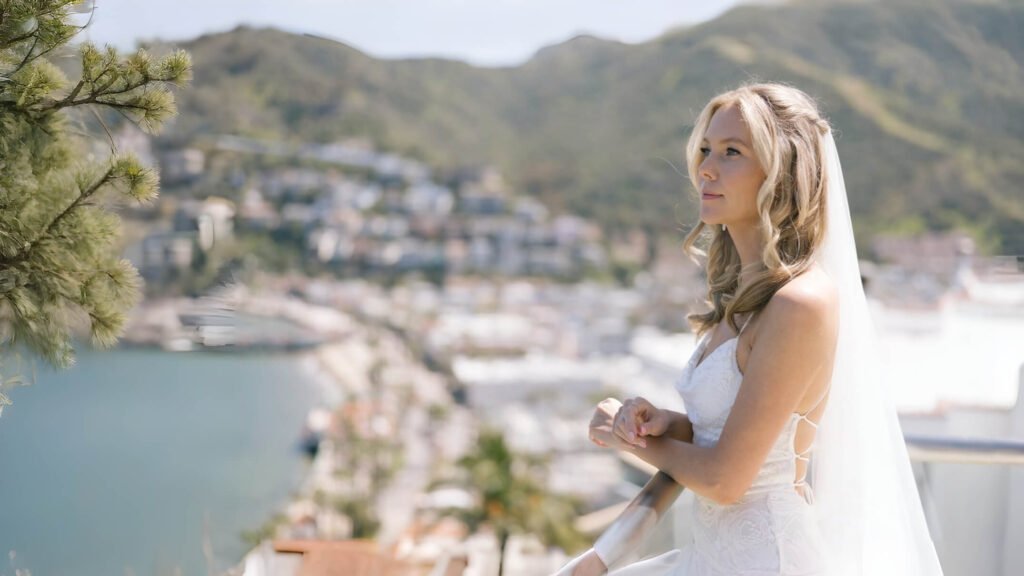
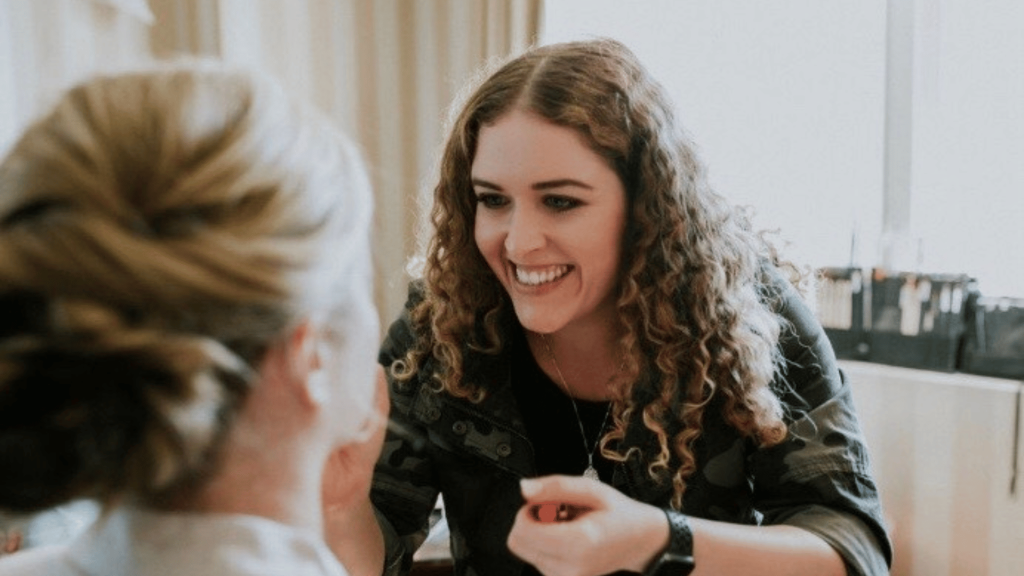
Lido Isle bridal makeup works best when the plan starts with the setting. Waterfront estates, harbor views, and open air all shape how skin looks in person and on camera. Brittany Brown Beauty is a fully mobile bridal hair and makeup service based in Orange County, so Brittany Brown brings a complete professional setup to wherever you get ready in Newport Beach. Brides looking for a bridal makeup artist in Newport Beach can work with Brittany to create a natural, radiant look that enhances their features instead of masking them, so they still look like themselves, but elevated.

This guide covers what to plan for a waterfront wedding on Lido Isle.

What Makes Lido Isle a Distinct Waterfront Setting

Lido Isle sits in Newport Beach, where harbor-reflective light, yacht weddings, and waterfront estates are all part of the picture. Nearby wedding settings include Balboa Island, where waterfront conditions can shape your makeup preparation, as well as the Peninsula and Newport Coast. Lido Isle adds its own waterfront character to that mix. For couples considering nearby coastal locations, the guide to a bridal makeup artist in Newport Coast offers another local reference.

Water changes how light behaves. It reflects light back onto faces, so skin can look brighter and shine can show up faster. Sea air adds humidity, and open waterfront spaces can bring breezes. A look that seems soft in a shaded room can read differently on a dock or terrace. Planning for these conditions keeps your makeup looking polished from the first photo to the last.

  1. Know where portraits will happen: Dockside, patio, and indoor spots each call for a slightly different plan.
  2. Know your dress and venue: Brittany builds each look around your skin, your dress, and your venue instead of a fixed package look. For weddings with a mix of indoor and outdoor spaces, the guide to Fashion Island-area wedding makeup offers additional planning considerations.
  3. Bring reference photos: Images of looks you love give Brittany a clear starting point.

Building the Look
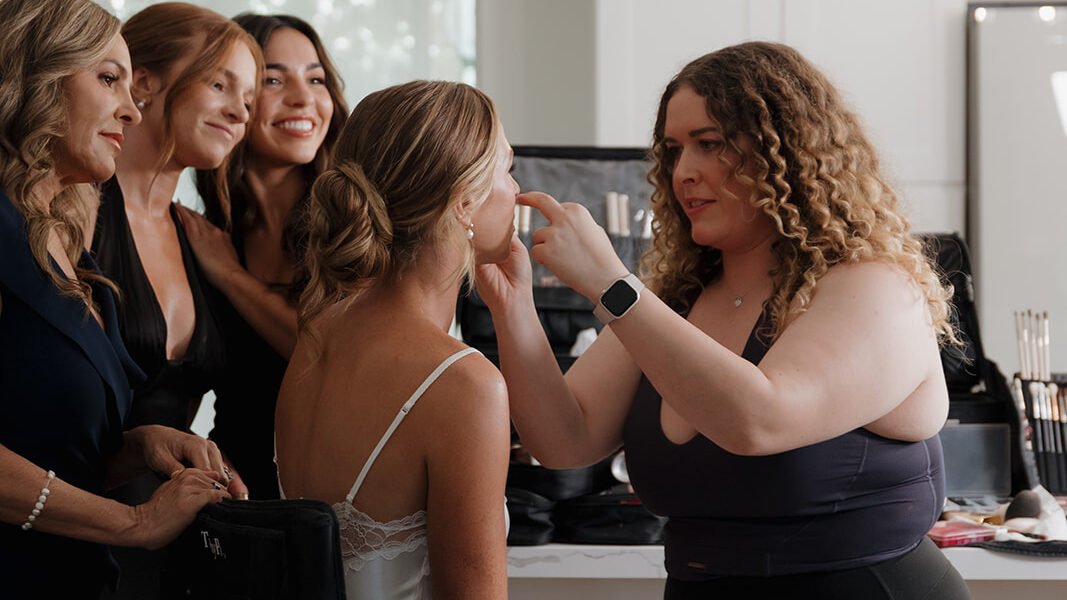
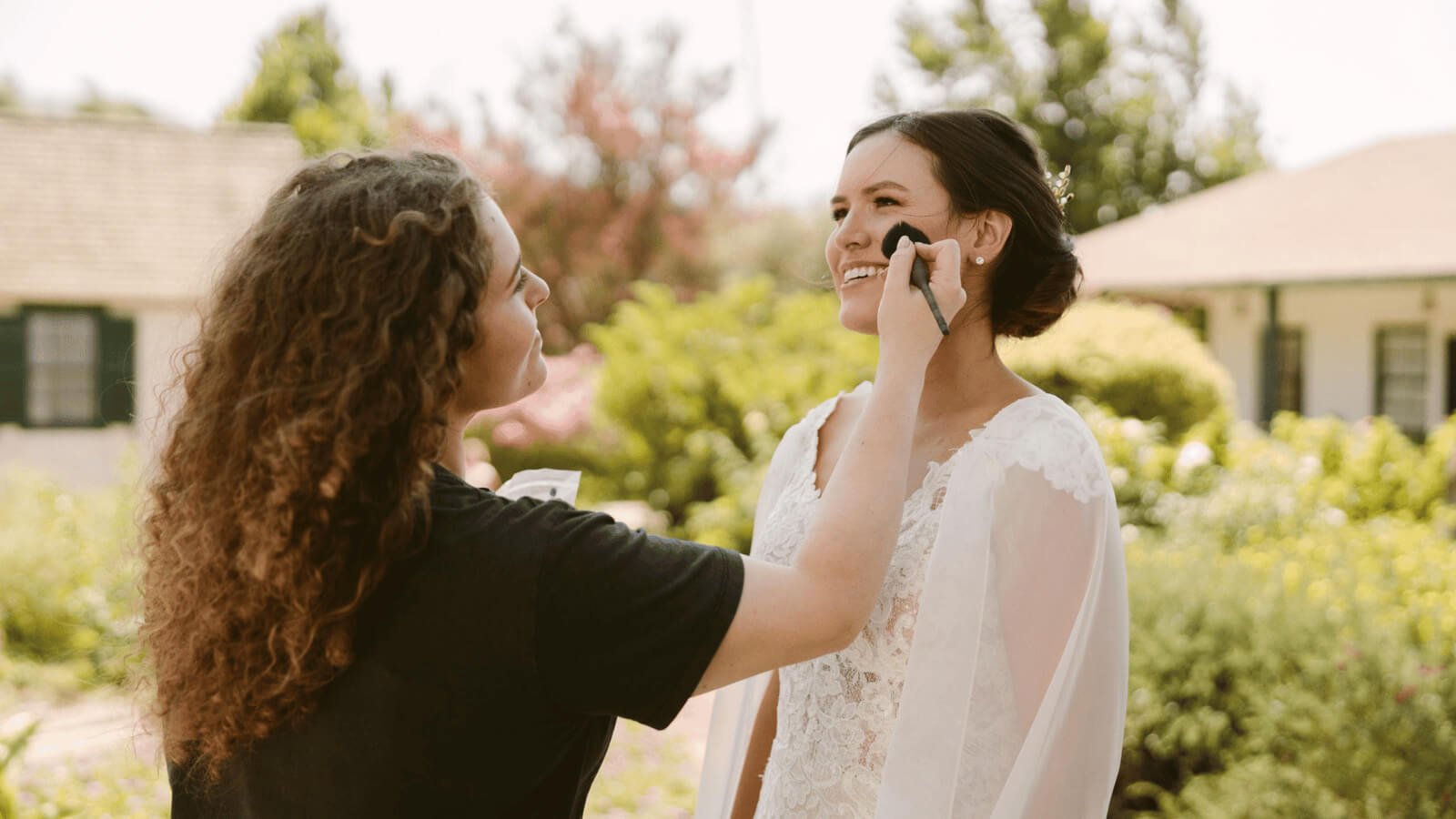
Three planning areas help your makeup work on the water. Brittany strongly recommends a bridal trial. She tests the look and product formulas directly on your skin, works through adjustments, and makes sure you know what to expect on your wedding day. If you are comparing artists, prepare a few questions to ask before hiring a bridal makeup artist so you understand their approach, experience, and services before booking.

Coastal Humidity Considerations

  1. Plan for sea air: Brittany uses professional products suited to coastal Southern California conditions, including heat, humidity, and sea air, and to your skin type. These considerations also matter for outdoor celebrations, where heat and humidity can affect how long wedding makeup lasts.
  2. Start with unrushed prep: Skincare, primer, and base preparation come first so every later layer sits on a steady surface.
  3. Keep the base light: Thin, even layers look natural, and Brittany’s no-makeup-makeup style centers on glowing skin and warm, bronzed contour instead of heavy coverage. Choosing a suitable base also means finding the right foundation shade for your wedding day, including how it looks in natural light and photographs.
  4. Finish with setting techniques: Final setting techniques help the look hold through the ceremony, photography, and reception, though no one can promise exactly how any look will wear after a full day.
  5. Prepare your skin early: Start a consistent skincare routine at least four weeks before the wedding, skip new skincare products or treatments in the final 10 days, and stay hydrated in the week leading up to the event, especially in summer.
  6. Share your skin details: Tell Brittany about any skin sensitivities, reactions, or recent treatments at your trial.

Yacht and Waterfront Photography Prep

  1. Ask your photographer about the photo plan: Knowing when and where portraits happen helps you plan the finish of your makeup.
  2. Expect reflected light: Water can brighten skin, so the goal is radiance without excess shine.
  3. Share the timeline with your planner: A clear schedule shows when hair and makeup finish and when portraits begin.
  4. Plan for boat or dock time: Waterfront photos can happen at set times, so build your getting-ready schedule around them.
  5. Choose a team that works well with vendors: One bride describes Brittany as someone who works extremely well with other vendors, which helps on a day with many moving parts.

Managing Wind Near the Water

  1. Keep your touch-up kit close: Brides receive a complimentary touch-up kit with lipstick, powder, and blotting sheets for a quick refresh.
  2. Pass the kit to a helper: A bridesmaid or your planner can hold it during portraits so a refresh takes only a minute.
  3. Think about hair too: Brittany offers hair styling as part of her bridal hair and makeup services. Wind can move loose styles, so talk through your hair plan with her. You can also explore bridal hairstyles designed to hold up in Southern California humidity when deciding which style works for your setting.
  4. Think about your veil: Veils can catch breezes, so consider how yours will sit with your style. For additional makeup considerations, see these tips for bridal makeup at windy coastal ceremonies.

What to Expect at a Lido Isle Wedding
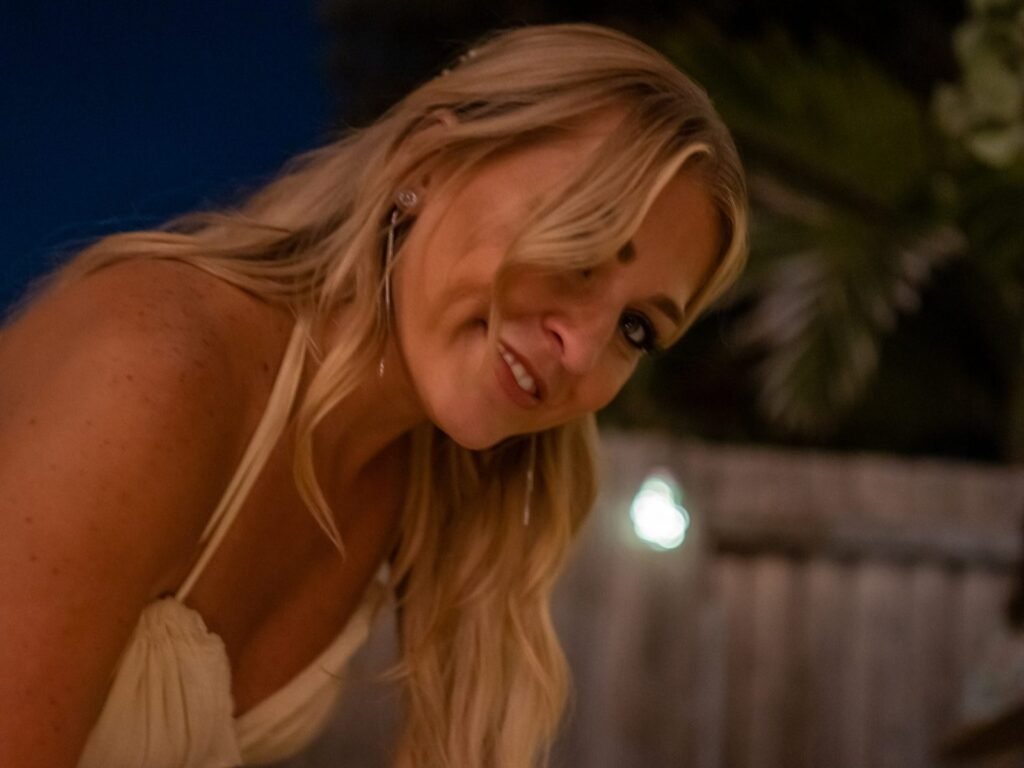
lido isle bridal makeup

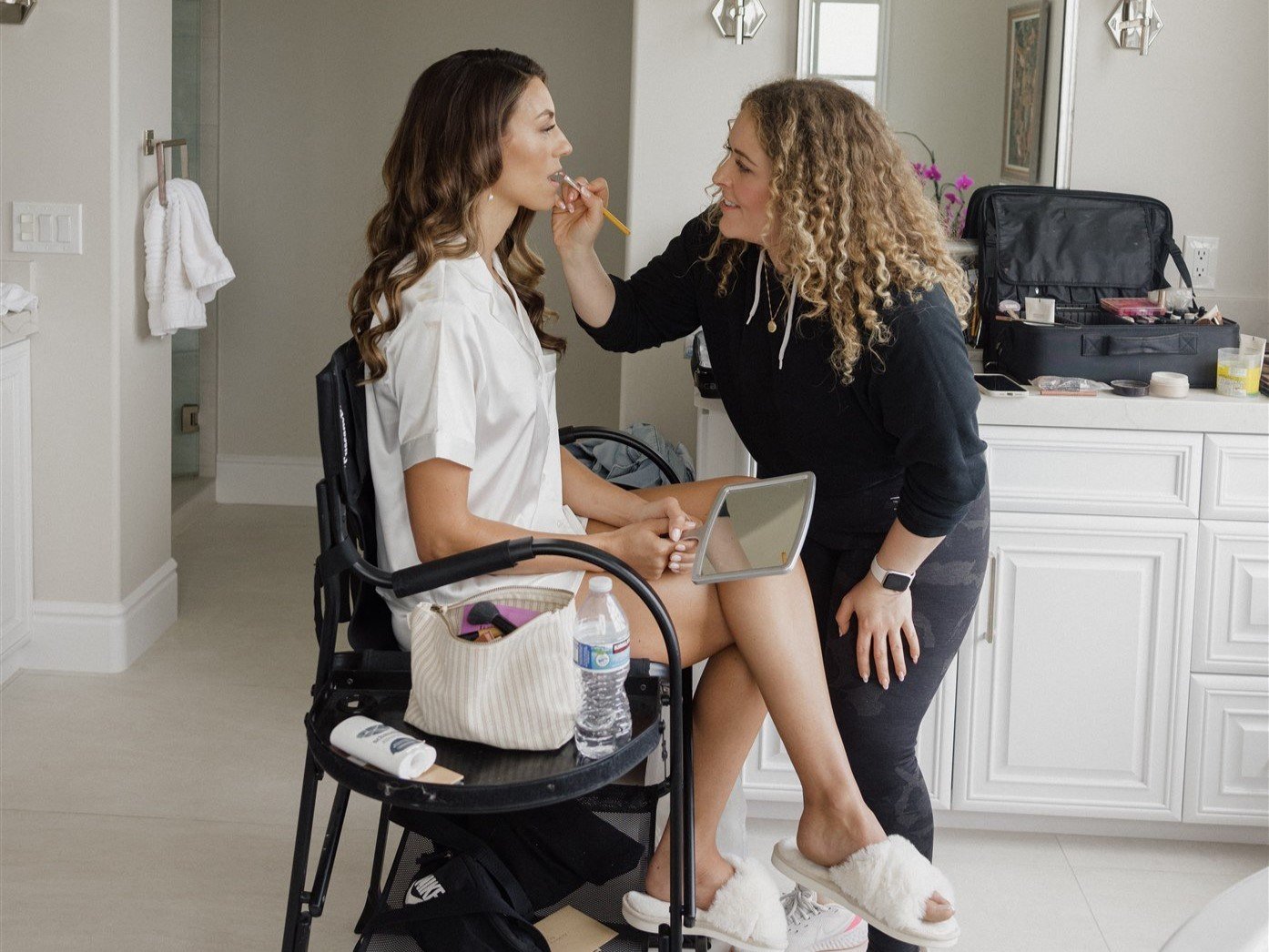
Brittany comes to you, so you skip the salon commute, your getting-ready party stays together, and the timeline stays intact.

  1. Setup: Brittany arrives at your home, hotel suite, resort room, or estate with a complete professional kit, including her own studio-quality lighting and seating. Setup takes about 15 to 20 minutes, so you do not need good natural light in the room.
  2. Skin prep: Skincare, primer, and base preparation come first and are done without rushing.
  3. Application: Brittany applies your chosen look with professional products suited to coastal conditions and your skin type.
  4. Setting: Final setting techniques help the look hold through the day.
  5. Timing: Brittany’s general guidance is roughly 60 to 90 minutes for the bride and 45 to 60 minutes per bridesmaid. She plans the schedule in advance during booking.
  6. Bridal party: For larger bridal parties, Brittany brings additional artists so everyone finishes on schedule without cutting corners on the bride’s application.
  7. Mature skin: Brittany adjusts technique for mature clients, since some formulas can settle into fine lines or look heavy.

Brittany has worked in the makeup industry for more than 11 years and trained at Empire Academy of Makeup in Orange County. You can see examples of her bridal work in the portfolio and read more about her background on the About page.

Plan Your Lido Isle Wedding Beauty

Your wedding beauty plans should complement Lido Isle’s waterfront setting, your personal style, and your getting-ready schedule. Spring and fall dates in Orange County and Newport Beach can book quickly, so reach out once your venue is confirmed. A signed contract and deposit secure your date. Schedule a free consultation to discuss your wedding plans, preferred services, and availability.

Frequently Asked Questions

1. What makes Lido Isle bridal makeup different from makeup for other Orange County venues?

Lido Isle is a waterfront setting in Newport Beach. Reflected harbor light, sea air, and waterfront photography can affect how makeup looks. Reflected light can brighten the skin and highlight shine. Brittany plans for a natural, radiant finish and selects products suited to coastal Southern California conditions. She also tests the look during your bridal trial.

2. How far in advance should I book a makeup artist for a Lido Isle wedding?

Contact Brittany as soon as your venue is confirmed. Peak spring and fall wedding weekends in Orange County and Newport-area markets can book well in advance. A signed contract and deposit secure your date. Reach out to check availability.

3. Does the venue affect my makeup or hair plan?

Yes. Your venue influences the lighting, weather conditions, and photo locations. These factors can affect product choices and finishing techniques. Brittany builds each look around your skin, dress, and venue. She also brings studio-quality lighting and seating, so her application does not depend on the lighting in your getting-ready space. A bridal trial lets you test the look and make adjustments before the wedding.

4. Should I have a bridal makeup trial before a waterfront wedding?

A trial is strongly recommended for a waterfront celebration. Natural light, humidity, and breezes can influence your wedding-day plans. A trial gives you and Brittany time to discuss your preferred look and test products on your skin. You can also make adjustments before the event.

5. What should I bring to my bridal makeup trial?

Bring reference photos of makeup looks you like, along with details about your dress and wedding setting. Share any skin sensitivities or recent treatments with Brittany. It also helps to discuss your photography plans and wedding-day schedule. This allows her to consider your makeup alongside the setting and timeline.
Posted on

What Is Print and Editorial Makeup, and How Is It Different

print and editorial makeup and how is it

Print and editorial makeup is makeup designed to be photographed, published, and viewed up close, often in magazines, campaigns, lookbooks, and brand imagery. The goals, the technique, and the working relationship differ from everyday and bridal makeup.

At Brittany Brown Beauty, Brittany Brown has worked in the makeup industry for more than 11 years, and print makeup is one of her named specialties alongside corrective beauty, bridal, and mature makeup.

This guide explains what print and editorial makeup involves and how it differs from the bridal and mature-skin work Brittany also offers.

Defining Print and Editorial Makeup

Print makeup is created for still images that appear in publications, advertising, and brand materials. Editorial makeup is created for fashion and beauty stories, where the look often supports a creative concept. Both are built around the camera, the lighting, and the vision of the creative team.

Brittany specializes in corrective beauty makeup, bridal makeup, print makeup, and mature makeup, with a focus on enhancing natural features through soft shadows, subtle highlights, and beautifully sculpted almond-shaped eyes. She also says, “Little subtle changes on the skin can be very powerful.” Her corrective makeup approach reflects this focus on enhancing features through thoughtful application rather than relying on heavy coverage.

How It Differs From Bridal Makeup

print and editorial makeup and how is it

Bridal makeup centers on a person and a day. The look suits the bride’s skin, her dress, and her venue, and it needs to feel right in person as well as in photos. Print and editorial makeup centers on the image. The creative director sets the direction, and the artist delivers a result that reads accurately on camera.

Brittany also offers bridal hair and makeup services, where the process is more personal and includes planning around the bride’s preferences. A trial gives the bride a chance to see the makeup on her own skin and discuss adjustments before the wedding. Understanding what happens during a bridal makeup trial helps explain how this differs from preparing for a print or editorial shoot.

Bridal makeup can also be coordinated with the dress, flowers, and overall wedding palette, while editorial makeup follows the creative concept of the shoot. Brides who are choosing their wedding-day look can explore how to match bridal makeup to a bouquet and color palette to see how these personal details guide makeup choices.

Before booking bridal services, it is useful to discuss the artist’s experience, trial process, and approach to your preferred look. These questions to ask before hiring a bridal makeup artist can help brides understand what to expect from that more personalized process.

Technical Precision for Camera

Camera work asks for a more technical approach. Brittany’s commercial and production work focuses on five points:

  • Light absorption: Neutralizing shine and redness so high-resolution stills look clean and retouching stays simple.
  • Light management: Keeping digital sensors from over-highlighting oily areas, which protects the final images.
  • Pigment control: Keeping colors accurate under the varying light temperatures of studio and natural light.
  • Texture smoothing: Creating a finish that stays invisible even in extreme close-up 4K video.
  • Sustained durability: Layering formulas so makeup helps prevent breakdown during long outdoor sessions.

Foundation choice and application also matter when the camera captures skin at close range. The right formula depends on the person’s skin and the finish the production requires. For mature skin in particular, these recommendations for the best foundations for mature skin provide useful context on choosing products that work with the skin rather than making it look unnecessarily heavy.

Creative Range and Bolder Choices

Brittany sees makeup as an art form and a way to express individual style, and she brings that approach to her creative work. The “enhance, don’t mask” philosophy still guides her, and she shapes each look around the person in front of her camera.

Print and editorial concepts may call for more noticeable colors, unusual shapes, or stronger definition than a typical bridal look. The key is to understand the intended image and make deliberate choices that support it.

Working With a Creative Team

On set, the artist works alongside a creative director, photographer, and crew. Brittany brings a complete professional station with lighting and seating. She coordinates with creative directors and reviews lighting plans and shot lists before applying makeup. During the shoot, she provides continuous touch-ups while monitoring playback for visual accuracy. At wrap, she handles talent cleanup and kit teardown efficiently so the crew can move on.

One client who hired Brittany for shoots and special events described her as a pro who has created many of her favorite hair and makeup looks. One bride also describes her as someone who works extremely well with other vendors.

Where Brittany Brown Beauty’s Print Experience Comes From

print and editorial makeup and how is it

Brittany’s path started when she visited her sister’s makeup school as a model and found herself fascinated by the craft. She then trained at Empire Academy of Makeup in Orange County. Her first professional test shoot took place in 2014, working alongside makeup artist Niki Cram, whom she calls her “work-wife.” Since then, her work has grown to include bridal, print, production, corrective, and mature makeup.

Independent publications have profiled her career, including Voyage LA Magazine and SDVoyager. Her range also includes mature makeup, which she loves. In her words, “I love to make moms, aunts, grandmas…etc feel beautiful and special as well.” She explains that formulas that look great on younger skin can settle into fine lines or look heavy on more mature complexions, so she adjusts her technique for each client.

That attention to skin texture matters in both mature bridal makeup and close-up photography. Her guidance on bridal makeup for mature skin explores how product choices and application can be adapted for mature complexions. Techniques for avoiding makeup that settles into fine lines are also relevant when creating a finish that looks natural under close scrutiny. For eye-focused work, these eye makeup techniques for hooded or mature eyes offer further insight into adapting application to different eye shapes and features.

Brittany also serves bridal clients throughout Orange County. Brides planning a wedding in the local area can learn more about working with a bridal makeup artist in Corona del Mar, CA.

You can see her range in the portfolio and read more about her training and background on the About page.

Discuss Your Project

Whether you’re planning a print shoot, editorial story, or wedding, Brittany can help you determine the right service for your needs. Share your creative references, production requirements, or wedding details to discuss your vision and the next steps. Schedule a consultation to discuss your project and availability.

Frequently Asked Questions

1. How is print and editorial makeup different from standard bridal makeup?

Print and editorial makeup focuses on the camera, lighting plan, and creative director’s vision. Techniques include managing light absorption, controlling pigment, smoothing texture, and maintaining durability. Touch-ups help keep the look consistent between setups. Bridal makeup focuses on the individual bride. The look is planned around her skin, dress, and venue. A trial is recommended before the wedding day.

2. What products work best for print and editorial makeup?

The best products depend on the skin, lighting plan, and desired look. Brittany selects formulas for each project. She layers products to support durability and control pigment for accurate color under different light temperatures. She also manages shine and redness by considering how the skin absorbs light. Playback helps her confirm how the makeup appears on screen.

3. How far in advance should I book a trial for print and editorial makeup?

Brittany strongly recommends a trial for bridal clients. This allows her to test products on the skin and make adjustments before the wedding. For print and editorial projects, she reviews the shot list and lighting plan before makeup begins. To discuss the best timing for your project, reach out to Brittany directly.

4. How does mature-skin makeup differ between editorial shoots and weddings?

Both require products and techniques suited to the person’s skin, but the intended result can differ. Bridal makeup generally aims for a flattering, personal look that works in person and in photographs throughout the day. Editorial makeup may require more specific adjustments based on close-up framing, lighting, and the creative direction. In both cases, careful application helps avoid a finish that looks unnecessarily heavy.

5. Can print and editorial makeup be adapted for different skin types and eye shapes?

Yes. Brittany adjusts product selection and application to suit each person’s skin type, texture, and features. She also considers the lighting and creative brief. Her work includes corrective beauty and mature makeup. This experience helps her address individual needs rather than apply the same techniques to every face.

Posted on

Should You Book Your Hair and Makeup Trial on the Same Day

should you book your hair and makeup trial

Deciding whether to book your hair and makeup trial on the same day is a common planning question. A trial lets you test the look, ask questions, and make adjustments while there is still time.

At Brittany Brown Beauty, Brittany Brown has 11+ years in the makeup industry, and she offers hair styling as part of her bridal hair and makeup services. Her “enhance, don’t mask” approach keeps the goal simple: you look like yourself, but elevated.

This guide walks through the considerations on each side so you can choose what fits your schedule and know what to ask your artist.

The Case for Combining Both Trials

Booking hair and makeup together can make planning simpler, especially when you want to see how the two looks work together before the wedding.

  • You see the complete picture: Hair shapes the face, and makeup finishes it, so planning both together shows how they balance.
  • It can save a trip: One appointment is easier to fit around work, travel, or a busy planning season.
  • You can plan your accessories together: Share photos of any veil, pins, combs, or clips so the whole look can be planned at once.
  • You can share your dress details: Photos of your neckline and fabric help Brittany plan both parts of the look.

The makeup portion also gives you a chance to see how products and finishes look on your skin. Understanding what happens during a bridal makeup trial and what brides should expect can help you prepare for the appointment and decide what you want to discuss.

The Case for Separating Them

bridal makeup for brides who wear glasses

Some brides may prefer two shorter visits. Splitting the appointments can give each part more attention.

  • Each look gets focus: You can spend a full appointment on one service without feeling rushed.
  • You can adjust between visits: If you want changes to your makeup, you have time to rethink before moving on to your hair.
  • Planning stays flexible: Hair and makeup choices sometimes shift as your dress or venue details come together.
  • You may feel more comfortable: A shorter session can be easier if you want to take your time with decisions.

The tradeoff is an extra appointment, so consider your schedule and how much time you want to spend deciding. For brides planning their trial in San Diego, this guide to a bridal hair and makeup trial in San Diego offers additional context for arranging the appointment.

What Most Brides Choose and Why

There is no single right answer. The best choice depends on your schedule, your questions, and how many ideas you want to test.

What matters most is that you have a trial at all. Brittany strongly recommends a bridal trial. She tests the look and product formulas directly on your skin, works through adjustments, and makes sure you walk into your wedding day knowing what to expect. Whether you combine or separate your hair and makeup planning, the trial is where you confirm the look feels like you.

You can also use the appointment to compare makeup finishes and foundation shades. For example, deciding between dewy and matte bridal makeup can help you communicate the finish you prefer, while choosing the right foundation shade for your wedding day is an opportunity to consider how the base looks on your skin.

Making the Decision for Your Own Timeline

Best Foundations

A few questions can help you decide:

  • How much time do you have? A packed calendar may favor one visit, while a flexible schedule leaves room for two.
  • How many ideas do you want to test? Several hair or makeup options may call for more time.
  • Are you traveling for the trial? A single trip is often easier if you live far from the area. If you are traveling to Orange County or San Diego for wedding preparations, these tips on booking a bridal trial as an out-of-town bride can help you plan your appointment around your trip.
  • How do you feel about decisions? If you like to take your time, separate visits may feel more relaxed.
  • What is your wedding timeline? Booking well before the wedding leaves room for adjustments. Brittany plans the schedule in advance during booking, so reach out early to talk through your options.

Whichever path you choose, prepare your skin on the same timeline. Start a consistent skincare routine at least four weeks before the wedding, skip new skincare products or treatments in the final 10 days, and stay hydrated in the week leading up to the event, especially in summer. This 30-day skin-prep guide before your wedding can help you organize your routine. If you have dry or flaky patches, these suggestions for skin prep before your wedding offer additional guidance.

Brittany is based in Orange County and serves brides across the region. If your wedding is in Corona del Mar, you can learn more about her local bridal makeup services. Couples planning a smaller celebration can also explore elopement hair and makeup in Orange County when deciding how to coordinate their getting-ready plans.

On your wedding day, Brittany brings her complete professional kit to your home, hotel suite, resort room, or estate. It includes studio-quality lighting and seating. Setup takes about 15 to 20 minutes. You can skip the salon commute and enjoy getting ready together with your bridal party.

Her general guidance is roughly 60 to 90 minutes for the bride and 45 to 60 minutes per bridesmaid. For larger bridal parties, she brings additional artists so everyone finishes on schedule without cutting corners on the bride’s application. Brides also receive a complimentary touch-up kit with lipstick, powder, and blotting sheets.

Brittany trained at Empire Academy of Makeup in Orange County, and one bride describes her as open, honest, and thorough in her communication. You can see examples of her bridal work in the portfolio and read more about her background on the About page.

Plan Your Bridal Hair and Makeup Trials

Deciding whether to book your hair and makeup trials together or separately depends on your schedule and the looks you want to try. Brittany can discuss your preferences, wedding plans, and appointment options to help you choose the best approach. Spring and fall wedding dates in Orange County can book quickly, so reach out once your venue is confirmed. A signed contract and deposit secure your date. Schedule a free consultation to discuss your trials and wedding-day arrangements.

Frequently Asked Questions

1. When should I start preparing for my hair and makeup trial?

Start thinking about your trial as soon as you book your artist. For your skin, begin a consistent skincare routine at least four weeks before the wedding. Gather reference photos of hair and makeup you love early, so you can talk through your vision when you meet.

2. What should I avoid in the days leading up to my wedding?

Avoid new skincare products or treatments in the final 10 days before the wedding. Stay hydrated in the week leading up to the event, especially in summer. If you have any skin sensitivities, reactions, or recent treatments, tell Brittany at your trial so she can plan around them.

3. What should I bring up with my artist when deciding whether to book both trials together?

Ask how hair and makeup are handled during the appointment, how much time to allow, and whether you can test different options. Bring reference photos for both hair and makeup, photos of your dress and accessories, and mention any skin sensitivities or recent treatments. Open communication helps Brittany plan a look that feels like you.

4. Can I try more than one hairstyle or makeup look during a combined trial?

That depends on the time available and the number of looks you want to compare. Tell Brittany your priorities before the appointment so you can decide which options to test first. Trying too many variations in one session may make it harder to evaluate each look properly, so focus on the styles you are most interested in.

5. How do I decide whether one longer appointment or two shorter trials will suit me better?

Consider your travel schedule, how many details you want to test, and whether you prefer to review hair and makeup together or separately. A combined trial offers a view of the complete look, while separate appointments provide more time to focus on each service. Discuss your schedule and preferences with Brittany before booking.

Posted on

Second-Look Bridal Hair Transformations for the Reception

second-look bridal hair transformations for the reception

Second-look bridal hair transformations for the reception give brides a way to move from a polished ceremony style to something more relaxed once the dancing starts. Picture a bride who walks down a bluff-top aisle with a secure updo and a veil, then lets her hair down for the reception. The idea is simple, but the plan behind it matters, especially at coastal venues where wind, humidity, and sea air shape how hair behaves.

At Brittany Brown Beauty, Brittany Brown plans hair styling around your hair, your dress, and your venue instead of a fixed package look. The goal is a style that feels like you, but elevated.

This guide shows how to plan a second look for a wedding in Orange County or San Diego.

Why Some Brides Choose a Second Hair Look

A wedding day asks hair to do several jobs. The ceremony often calls for a style that stays put in wind and holds a veil. The reception is in a different mood, with dinner, toasts, and dancing. A second look lets the style match each part of the day. If you’re still deciding which hairstyle best suits your wedding, how to choose the right bridal hairstyle for your wedding day offers a helpful starting point.

Brides may choose a change for a few reasons:

  • Comfort: Removing pins, a veil, or heavy accessories can feel like a relief after the ceremony and portraits.
  • Movement: A looser style suits dancing and a relaxed reception.
  • Variety in photos: A second look adds a different feel to the evening images.
  • Coastal conditions: A secure ceremony style helps in wind, and a softer reception style suits a more sheltered or indoor space.

Because Brittany plans each look around the individual, the best second look depends on your hair length, thickness, texture, and the style you start with.

Making the Transition Work

A good transformation starts with the first style. The ceremony look needs to hold up through photos and also come apart or adjust without leaving hair flat or tangled. Three planning areas help.

Simple Updo-to-Down Transformations

  • Start with a style that can release: Some updos and half-up styles take down more easily than others, so tell Brittany early that you want a second look.
  • Think about texture: Texture affects how a style transitions, so tell Brittany about your hair texture and thickness.
  • Consider a half-up first look: A half-up style keeps hair off the face for the ceremony while allowing the remaining length to move naturally. These half-up, half-down bridal hairstyles offer inspiration if you want a style that can be adapted for the reception.
  • Compare up and down options: If your ceremony is outdoors, consider how much control you need before deciding which style to start with. This comparison of updo vs. down hairstyles for windy coastal venues can help you weigh the trade-offs.
  • Bring photos of both looks: Images of the ceremony style and the reception style give Brittany a clear picture.
  • Ask about a bridal trial: Brittany strongly recommends a bridal trial. She tests the look directly on you, works through any adjustments, and makes sure you know what to expect on your wedding day. Mention your second-look idea so you can talk it through with her.

Removing Accessories for a Relaxed Reception Look

  • Choose accessories that are easy to remove: Pins, combs, and clips should come out without pulling or disturbing the style.
  • Plan your veil removal: Veils catch wind, so anchor placement matters for the ceremony and for taking it out afterward. This guide to bridal hair with a veil and what works with every veil length explains how veil placement can work with different hairstyles.
  • Keep a few accessories for the reception: A simple clip or pin can add polish to the second look.
  • Assign a helper: A bridesmaid or your planner can hold the pieces you remove so nothing gets lost.
  • Share your accessories with Brittany: Letting her know which pieces you plan to wear helps her plan the style around them.

Timing the Change Between Ceremony and Reception

  • Share the timeline with your planner and photographer: A clear schedule shows when portraits end and when the reception begins.
  • Build in a quiet window: Choose a time and place for the change, such as a getting-ready suite or a private room at the venue.
  • Decide who will help: Settle ahead of time who will make the change, and ask Brittany about her availability at the reception when you book.
  • Plan around the rest of the party: Brittany plans the schedule in advance during booking. Plan on roughly 60 to 90 minutes for the bride and 45 to 60 minutes per bridesmaid. For larger bridal parties, she brings additional artists so everyone finishes on schedule without cutting corners on the bride’s application.

Hair length and natural texture can affect how easily one style becomes another. Brides with longer hair may have more options for wearing their hair down, while extensions may help create extra length or fullness when needed. Explore hair extensions for brides and when and how to use them if you are considering them for either look.

hair style brittany brown beauty

Is a Second Look Worth the Extra Time?

A second look suits some brides more than others. Ask yourself a few questions:

  • Do you want a different feel at the reception? If you love your ceremony style all night, a second look may not be necessary.
  • Will you wear a veil or heavy accessories? Removing them already changes the look, and sometimes that is enough.
  • How much time does your day allow? A packed schedule may favor one style that works from start to finish.
  • How does your hair behave in humidity and wind? Sea air can soften a style on its own, so a single, well-planned style sometimes does the job. These suggestions for bridal hairstyles that hold up in Southern California humidity can help you consider which styles suit your venue.
  • What feels right to you? The best choice is the one that helps you feel relaxed and confident.

Your natural texture also matters when choosing a transformation. For curls and textured hair, the first style may need to preserve the curl pattern so it can look intentional when released. These ideas for styling curly and textured hair for your wedding day can help you plan around your hair’s natural behavior.

Fine or thin hair may need a different approach to create volume in both styles, particularly if the reception look involves loose waves. Consider these bridal hairstyles for fine or thin hair when discussing which options are realistic for your hair.

Braids can also provide a practical starting point for a second look. Depending on how the style is constructed, details can be retained for the reception or released for a softer finish. These braided bridal hairstyles for boho and classic weddings offer further inspiration.

Talk through the options with Brittany when you book.

Because Brittany is fully mobile, the process happens where you are getting ready. She arrives with a complete professional kit, including studio-quality lighting and seating, and sets up in about 15 to 20 minutes. You skip the salon commute, and your getting-ready party stays together. No one can promise how any style will wear after a full day at the coast.

Brittany has worked in the makeup industry for more than 11 years and trained at Empire Academy of Makeup in Orange County. You can see examples of her work in the portfolio and read more about her background on the About page.

Plan Your Ceremony and Reception Hairstyles

A second hairstyle can give your reception look a fresh feel while complementing your ceremony style. Brittany can discuss your hair type, veil, and reception plans to help you decide whether a hairstyle change is right for your wedding day. Spring and fall weekends in Orange County can book quickly, so reach out once your venue is confirmed. A signed contract and deposit secure your date. Schedule a free consultation to discuss your wedding hair plans and availability.

Frequently Asked Questions

1. How long does second-look bridal hair transformations for the reception typically take on a wedding morning?

Timing depends on the style, the length and thickness of your hair, and the size of the bridal party. Plan on roughly 60 to 90 minutes for the bride and 45 to 60 minutes per bridesmaid. Setup takes about 15 to 20 minutes. Brittany plans the schedule in advance during booking, and a trial helps confirm how long your chosen style needs.

2. Will second-look bridal hair transformations for the reception hold up in Southern California humidity?

A style planned for your hair and venue, plus a trial to see how your hair responds, gives you the best chance of a look that holds through the ceremony and photography. Humidity, sea air, and wind still affect every style, so no one can promise an exact result. Tell Brittany about your venue and hair type early so she can plan accordingly.

3. What accessories pair well with second-look bridal hair transformations for the reception?

Choose accessories that stay secure in the wind and come out easily when you change styles. Pins, combs, and clips can sit within an updo or hold back the sides of a half-up style. Veils work with most styles when anchored securely. Tell Brittany about your veil and any accessories you plan to wear so she can plan the style around them.

4. Can I change from an updo to loose waves without washing my hair between looks?

Sometimes. The result depends on how the updo is secured, your hair’s natural texture, and how long the style has been in place. Planning the transformation with your stylist beforehand helps determine whether the hair can be released and reshaped without washing it. A trial is a useful time to discuss what is achievable for your chosen styles.

5. Should I book a second hair look if I am wearing extensions?

Extensions can offer extra length or fullness for a reception style, but they also need to be considered when planning the initial hairstyle and the transition. Discuss the type of extensions you plan to wear and whether they will remain in place during the change. Your stylist can then help you decide whether a second look is practical for your hair and schedule.

Posted on

Bridal Makeup for Brides Who Wear Glasses

bridal makeup for brides who wear glasses

Bridal makeup for brides who wear glasses starts with one simple idea: your frames are part of your look, so your makeup should work with them. Lenses can change how eye makeup appears, and frames add lines around the eyes and brows that shape the whole face.

At Brittany Brown Beauty, Brittany Brown draws on 11+ years in the makeup industry and her “enhance, don’t mask” approach. The goal stays the same for every bride: you look like yourself, but elevated.

This guide explains how to plan your makeup if you wear glasses on your wedding day.

Why Glasses Change Your Eye Makeup Plan

Glasses sit directly in front of your eyes, so they affect how makeup reads in person and in photos. Lenses can make eyes look larger or smaller depending on the prescription. Frames can cover part of the eye area, rest on the cheeks or brow, and catch light in photos.

Because of this, an eye look planned without your glasses in mind may not look the way you expect once the frames are on. Brittany builds each bridal look around your skin, your dress, and your venue instead of a fixed package look, and your glasses are one more detail in that plan. Her approach centers on enhancing natural features through soft shadows and subtle highlights. Exploring different bridal eye makeup styles can help you decide how much definition will work with your frames.

Brittany’s signature no-makeup-makeup style centers on glowing skin and warm, bronzed contour instead of heavy coverage. That lighter approach lets your eyes and your frames work together. Brides who prefer a softer finish can also explore these natural bridal makeup looks for inspiration.

Natural Makeup

Adjusting Application for Frames and Lenses

Three areas deserve extra attention when you wear glasses.

Eyeshadow That Doesn’t Get Lost Behind Lenses

  1. Plan the look with your frames on: Wear your glasses at your trial so Brittany can see how the eye makeup reads behind the lenses.
  2. Use soft shadows and subtle highlights: These add dimension and definition without looking overdone behind glass.
  3. Choose the level of definition you want: Some brides like a soft, natural eye, while others prefer more depth. Share your preference at your trial.
  4. Check the look from a few angles: Lenses can change how the eye area looks, so review the makeup in a mirror and in photos.

Mascara and Lash Choices That Don’t Smudge Frames

  1. Mention how your lashes sit: Long lashes can touch the lens, so tell Brittany what feels comfortable with your glasses.
  2. Tell Brittany how your glasses fit: Where the lenses sit in relation to your lashes can shape the plan.
  3. Use the trial to test comfort: Brittany strongly recommends a bridal trial. She tests the look and product formulas directly on your skin, works through adjustments, and makes sure you know what to expect on your wedding day. Understanding what happens during a bridal makeup trial can help you prepare for the appointment.
  4. Share your skin and eye-area details: Tell Brittany about any skin sensitivities, reactions, or recent treatments so she can plan around them.
  5. Keep the finish natural: Brittany’s no-makeup-makeup approach centers on glowing skin instead of heavy coverage.

Brow Shaping With Frame Lines in Mind

  1. Notice where your frames sit: The top edge of your glasses relates to your brows, so the two should look balanced together.
  2. Bring photos of yourself in your glasses: Pictures of how you normally look help Brittany plan brows that suit your frames.
  3. Aim for a natural, polished brow: The brow should frame the eye and work with the frame, not compete with it.
  4. Make adjustments at the trial: Adjustments are easiest at this stage, so speak up if anything feels off.

What to Bring to Your Trial If You Wear Glasses

  1. Your wedding-day glasses: Bring the exact pair you plan to wear.
  2. A backup pair, if you have one: Some brides switch between pairs, so it helps to see both.
  3. Reference photos: Images of looks you love give Brittany a clear starting point.
  4. Photos of your dress and venue: Your gown and setting shape the finish. Your neckline matters, too, especially if your dress exposes your shoulders or collarbone. These ideas for bridal makeup with strapless and off-shoulder necklines can help you consider the overall balance.
  5. Photos of you in your glasses: Everyday photos show how you already wear your frames.
  6. Your skincare routine: Note what you currently use so you can share it with Brittany.

It also helps to prepare a few questions about your preferred style, product choices, and how your glasses affect the finished look. These suggestions on questions to ask during your bridal makeup trial can help you get more out of the appointment.

If you’re still comparing artists, consider asking about their experience with your preferred style, trial process, and wedding-day schedule. This guide to questions to ask before hiring a bridal makeup artist can help you prepare for the booking conversation.

Brides who live outside the area may need to fit the trial around a visit to Orange County or San Diego. If travel affects your planning, these tips on booking a bridal trial as an out-of-town bride can help you organize the appointment in advance.

Brides often describe Brittany’s work as natural and “you but elevated,” which fits the goal when your glasses are part of who you are.

On the wedding day, Brittany is fully mobile and comes to your home, hotel suite, resort room, or estate with a complete professional kit, including studio-quality lighting and seating. Setup takes about 15 to 20 minutes. You skip the salon commute, and your getting-ready party stays together.

Careful prep, professional products suited to Southern California conditions and your skin type, and final setting techniques help the look hold through the ceremony, photography, and reception, though no one can promise exactly how any look will wear after a full day. For outdoor celebrations, it’s worth considering how wind and moisture may affect your makeup. These tips on bridal makeup for windy coastal ceremonies and waterproof bridal makeup for beach and outdoor ceremonies offer additional guidance for planning around outdoor conditions.

Brides with mature skin may also want to discuss how foundation and eye makeup sit around fine lines. Brittany adjusts her application for different ages and skin types, and these tips on bridal makeup for mature skin offer more guidance on choosing a flattering finish.

Every bride also receives a complimentary touch-up kit with lipstick, powder, and blotting sheets.

Plan on roughly 60 to 90 minutes for the bride and 45 to 60 minutes per bridesmaid. For larger bridal parties, she brings additional artists so everyone finishes on schedule without cutting corners on the bride’s application.

Brittany trained at Empire Academy of Makeup in Orange County. You can see examples of her bridal work in the portfolio and read more about her background on the About page.

Plan Your Wedding-Day Makeup

Your glasses, preferred makeup style, dress, and venue all help shape your wedding-day look. Brittany can discuss your preferences and help you choose makeup that complements your features and works well with your frames. Spring and fall wedding dates in Orange County can book quickly, so reach out once your venue is confirmed. A signed contract and deposit secure your date. Schedule a free consultation to discuss your makeup ideas and availability.

Frequently Asked Questions

1. What’s the best way to prep my skin for bridal makeup for brides who wear glasses?

Start a consistent skincare routine at least four weeks before your wedding, skip new skincare products or treatments in the final 10 days, and stay hydrated in the week leading up to the event, especially in summer. At your trial, tell Brittany about any skin sensitivities, reactions, or recent treatments so she can plan around them. Bring your glasses so she can plan the look with them on.

2. How long will bridal makeup for brides who wear glasses last through the ceremony and reception?

Wear time depends on your skin, the weather, and how much time you spend outdoors, so no one can promise an exact result. Careful prep, professional products suited to the conditions, and final setting techniques all help the look hold through the ceremony, photography, and reception. A trial lets you test the plan on your own skin. Brittany also gives every bride a complimentary touch-up kit for quick refreshes.

3. Can bridal makeup for brides who wear glasses be adjusted for my specific skin tone or type?

Yes. Brittany tailors each look to your skin, dress, and venue. She also adjusts her techniques for different ages and skin types. For mature skin, some formulas may settle into fine lines or feel too heavy. Your trial lets you test products with your glasses on and make sure the look feels right for you.

4. Should I choose different eye makeup if my glasses have thick frames?

Your frames can influence how much eye definition is visible, but you do not necessarily need to change your preferred style. Try your usual glasses during the makeup trial and check how eyeshadow, liner, and brows look behind the lenses. Brittany can help adjust the level of definition to complement your frames and personal style.

5. How can I prevent my glasses from disturbing my bridal makeup?

Make sure your glasses fit comfortably and sit where they normally would before the makeup application is finalized. During the trial, check whether the frames touch your cheeks or lashes and whether they leave marks on your nose. These details help you and your artist identify any areas that may need adjustments before the wedding day.

Posted on

Matching Your Bridal Makeup to Your Bouquet and Color Palette

matching your bridal makeup to your bouquet and

Matching your bridal makeup to your bouquet and color palette helps your whole look feel connected, from the flowers in your hands to the colors on your face. It does not mean copying every shade. It means choosing tones that sit comfortably next to your wedding colors.

At Brittany Brown Beauty, Brittany Brown draws on 11+ years in the makeup industry and her “enhance, don’t mask” approach. Every look aims for the same result: you look like yourself, but elevated.

This list shows how to translate your wedding palette into makeup choices that feel natural and photo-ready.

Why Color-Coordinating Makeup Works

Your bouquet, dress, and decor all appear in the same photos as your face. When your makeup colors work with those tones, the whole image feels cohesive. When they clash, the eye goes to the clash instead of to you.

Coordination should stay subtle. Brittany builds each bridal look around your skin, your dress, and your venue instead of a fixed package look. Your palette becomes one more detail in that plan, alongside your features and your own sense of style.

  1. Start with your skin: The best shades suit your skin tone and undertone first. Understanding how to match bridal makeup to your skin undertone can help you choose colors that complement your complexion rather than simply matching your flowers.
  2. Look at your whole palette: Consider your bouquet, bridesmaid dresses, and decor together.
  3. Use color as a supporting detail: Makeup should complement your colors, not compete with them.
  4. Keep it feeling like you: Brittany’s no-makeup-makeup look centers on glowing skin and warm, bronzed contour instead of heavy coverage, so color accents stay soft.
  5. Consider your dress neckline: Your gown influences how makeup, skin, and accessories appear together in photographs. For strapless and off-shoulder dresses, these ideas for bridal makeup with strapless and off-shoulder necklines can help you coordinate the overall look.
What to Bring to Your Bridal Makeup Trial

Translating Bouquet Colors Into Makeup Choices

Share photos of your bouquet, your dress, and your color swatches at your trial. Brittany can then show you how each idea looks on your skin. Brittany strongly recommends a bridal trial. She tests the look and product formulas directly on your skin, works through adjustments, and makes sure you know what to expect on your wedding day. If you are unsure how to communicate the colors and finish you have in mind, understanding what happens during a bridal makeup trial and what brides should expect can help you prepare for the appointment.

Warm Palettes: Blush, Peach, Terracotta

  1. Echo the warmth in your lips: Soft pink, peachy, or rosy lip colors can sit naturally beside warm bouquets.
  2. Keep your eyes soft and warm: Gentle shadows and subtle highlights add definition without competing with your flowers.
  3. Ask about warm contour: Warm, bronzed contour is part of Brittany’s signature look, so talk with her about how it fits your palette.
  4. Test shades on your skin: A color that looks right on a swatch can look different on you, so check it at your trial.

Cool Palettes: Lavender, Sage, Dusty Blue

  1. Choose lip colors that suit your skin: Cool palettes pair well with soft, flattering lip shades, and the right one depends on your undertone.
  2. Keep the eyes refined: Soft shadows and subtle highlights keep the look polished next to cooler colors.
  3. Avoid matching too literally: A lavender bouquet does not require lavender makeup. Sometimes a neutral look lets the flowers stand out.
  4. Check the look in a different light: Natural light and indoor light can show cool and warm tones differently. If your wedding is likely to have overcast conditions, planning for bridal makeup on rainy or overcast wedding days can help you think about how softer light may affect your makeup and wedding photos.

Neutral and Monochrome Palettes

  1. Focus on skin and structure: With a simple palette, glowing skin and soft definition carry the look.
  2. Choose one feature to highlight: A soft lip or defined eye can add interest without crowding a minimalist palette.
  3. Think about your dress: Your gown color is part of the palette, so bring photos of it.
  4. Share how you want to feel: Calm, confident, glowing, and polished are all useful ways to describe the look you want.
Brittany Brown Bridal Makeup Routine

Keeping the Look Timeless, Not Trend-Locked

Color trends change, but wedding photos last. A look rooted in your own features is less tied to a single trend than one built around a popular color.

  1. Choose shades you would wear again: Colors that feel like you will still feel like you in future years.
  2. Keep the base natural: The no-makeup-makeup approach centers on glowing skin instead of heavy coverage.
  3. Let the glow lead: Brides often describe Brittany’s work as natural and “you but elevated,” a look rooted in your own features rather than a single trend.
  4. Choose a finish that suits your skin: A dewy finish can emphasize radiance, while a matte finish may help manage visible shine. Comparing dewy vs. matte bridal makeup and what works best for your skin can help you select a finish that complements both your complexion and your wedding palette.
  5. Consider your skin’s texture: Makeup should complement your skin rather than make fine lines or uneven texture more noticeable. Brides with mature skin can explore bridal makeup for mature skin and what works best, while these tips on avoiding makeup that settles into fine lines offer additional guidance on choosing a comfortable, flattering finish.
  6. Prep for the whole day: Brittany starts with unrushed skincare and base preparation and uses professional products suited to Southern California conditions and your skin type. Final setting techniques help the look hold through the ceremony, photography, and reception, though no one can promise exactly how any look will wear after a full day.
  7. Keep your touch-up kit close: Every bride receives a complimentary touch-up kit with lipstick, powder, and blotting sheets.
  8. Prepare your skin early: Start a consistent skincare routine at least four weeks before the wedding, skip new skincare products or treatments in the final 10 days, and stay hydrated in the week leading up to the event, especially in summer.

Because Brittany is fully mobile, she comes to your home, hotel suite, resort room, or estate with a complete professional kit, including studio-quality lighting and seating. Setup takes about 15 to 20 minutes. You skip the salon commute, your getting-ready party stays together, and the timeline stays intact.

Plan on roughly 60 to 90 minutes for the bride and 45 to 60 minutes per bridesmaid. For larger bridal parties, she brings additional artists so everyone finishes on schedule without cutting corners on the bride’s application.

If you are traveling to Orange County for your wedding, it helps to coordinate your trial with your other wedding appointments. This guide to booking a bridal trial as an out-of-town bride can help you plan ahead. Before booking, it is also useful to review these questions to ask before hiring a bridal makeup artist so you understand the artist’s process and what to expect.

Brittany trained at Empire Academy of Makeup in Orange County. You can see examples of her bridal work in the portfolio and read more about her background on the About page.

Plan Your Wedding-Day Makeup

Your bouquet, color palette, dress, and venue can all influence your wedding-day makeup. Brittany works with brides to discuss their preferences and create a look that complements their overall wedding style. Spring and fall dates in Orange County can book quickly, so it’s best to reach out once your venue is confirmed. A signed contract and deposit secure your date. Schedule a free consultation to discuss your makeup preferences and availability.

Frequently Asked Questions

1. How should I prepare my skin when matching bridal makeup to my bouquet and color palette?

Start a consistent skincare routine at least four weeks before your wedding. Avoid new skincare products or treatments during the final 10 days. Stay hydrated during the week before your wedding, especially in summer. At your trial, tell Brittany about any skin sensitivities, reactions, or recent treatments. Bring bouquet photos and color swatches to help guide your makeup choices.

2. How long will makeup coordinated with my bouquet and color palette last through the ceremony and reception?

Wear time depends on your skin, the weather, and time spent outdoors. Careful prep, suitable professional products, and setting techniques help makeup last through the ceremony, photos, and reception. A trial lets you test the look on your skin. Brittany also provides every bride with a complimentary touch-up kit for quick refreshes.

3. Can my bridal makeup be adjusted for my skin tone and type while complementing my wedding colors?

Yes. Brittany builds each look around your skin, your dress, and your venue, so shades and finishes change from bride to bride. Your bouquet can inspire the color choices, but the makeup should still complement your natural complexion and personal preferences. A trial is the best place to test the shades and confirm that the look feels like you.

4. Should my makeup exactly match the colors in my bridal bouquet?

No. Your makeup does not need to reproduce every shade in the bouquet. Instead, choose complementary tones that work with your skin, dress, and overall palette. For example, a bouquet with peach and blush flowers may pair well with warm rosy lips, while a lavender bouquet can work beautifully with neutral eye makeup and a flattering lip shade.

5. How can I make sure my makeup and bouquet look cohesive in wedding photos?

Bring photos of your bouquet, dress, and wedding color palette to your makeup trial. Discuss where your portraits will take place and whether the lighting will be natural, shaded, or indoors. Testing the makeup in different lighting can help you choose colors that complement the flowers without competing with them.

Posted on

Bridal Hairstyles for Beach Weddings

bridal hairstyles for beach weddings

Bridal hairstyles for beach weddings need a plan that accounts for wind, sea air, and a long day outdoors. A style that looks perfect in a hotel suite can behave very differently once you step onto the sand.

At Brittany Brown Beauty, Brittany Brown offers hair styling as part of her bridal services, planned around your hair, your dress, and your venue instead of a fixed package look. The goal is a style that feels like you, but elevated.

This list covers ideas and planning tips for brides in Orange County and San Diego.

Why Beach Venues Call for Specific Hair Choices

Beach and coastal venues bring wind, humidity, and sea air, and all three affect how hair looks from the ceremony through the reception. Loose strands can blow across the face, veils can catch the breeze, and moist air can soften a polished finish.

Your venue shapes the plan. Bluff-top, beachfront, and waterfront spaces, such as the bluff-top venues in Corona del Mar or the waterfront estates in Newport Beach, tend to see more wind than a sheltered garden or an indoor ballroom. Brittany plans each look around the setting, so the first step is telling her where you will be photographed.

  1. Know your ceremony location: Open sand, a bluff, and a covered patio each call for a different plan.
  2. Know your hair: Length, thickness, and texture all affect how a style holds. Exploring the best bridal hairstyles based on your hair type can help you narrow down options that work with your natural hair.
  3. Know your look: Bring photos of hair you love, along with photos of your dress and veil.
Skin Prep for Dry or Flaky Patches Before Your Wedding

Style Ideas for Sand and Sea Air

Three style groups work well for beach weddings. Each one is best tested at a trial.

Loose, Wind-Resistant Waves

  1. Choose soft, textured waves: Relaxed texture looks natural when wind moves it, so small movement reads as intentional.
  2. Consider a half-up style: A half-up look keeps hair off the face while the rest stays loose, which gives you the romantic feel with more control. You can explore different variations in these half-up, half-down bridal hairstyles.
  3. Plan for natural movement: Down styles move the most in the wind, so be comfortable with some movement in your photos. Comparing updo vs. down hairstyles for windy coastal venues can help you decide how much control you want.
  4. Test the style at your trial: Brittany strongly recommends a bridal trial. She tests the look directly on you, works through any adjustments, and makes sure you know what to expect on your wedding day.

Low Buns and Braids for Wind Control

  1. Consider a low bun or chignon: A secure style sits close to the head, so wind has less length to catch.
  2. Consider braided styles: Braids add structure and texture while keeping hair contained.
  3. Keep the face clear: Updos and braids keep hair off the face and neck, which helps in a breeze.
  4. Think about your veil: Veils catch wind, so anchor placement matters. Tell Brittany about your veil early so she can plan the style around it. This guide to bridal hair with a veil and what works with every veil length can help you consider how the attachment and length work with your chosen hairstyle.

Accessorizing Without Overdoing It

  1. Choose secure pieces: Pins, combs, and clips should hold firmly in the wind.
  2. Keep the look cohesive: Accessories should suit your dress, your veil, and the overall style.
  3. Share your accessories with Brittany: Letting her know which pieces you plan to wear helps her plan the style around them.
  4. Let the style lead: A simple accessory often looks more elegant than a crowded one.
Natural engagement photo makeup for an outdoor Orange County photoshoot

Managing Humidity and Salt Air

Humidity and sea air can soften curls, add frizz, and change how a style looks through the day. A little planning helps.

  1. Keep your natural texture in the plan: A style that works with your hair usually holds better than one that fights it. Brides with curls or textured hair can find more tailored suggestions in this guide to styling curly and textured hair for your wedding day.
  2. Rely on careful planning and a trial: Brittany plans the look around your hair, your venue, and the conditions, and a trial shows you how it responds before the wedding day. No one can promise how any style will wear after a full day at the coast.
  3. Share your hair details: Tell Brittany about your hair type and routine, along with any skin sensitivities, reactions, or recent treatments.
  4. Plan for the whole day: Wind and humidity keep working through the ceremony, photography, and reception, so choose a style you will be comfortable with from start to finish. These ideas for bridal hairstyles that hold up in Southern California humidity provide additional guidance for choosing a style suited to the local climate.

Hair is only one part of preparing for a coastal wedding. Makeup also needs to account for outdoor conditions, especially when wind and sea air are involved. These tips for bridal makeup for windy coastal ceremonies can help you plan a coordinated look, while advice on waterproof bridal makeup for beach and outdoor ceremonies covers additional considerations for makeup during an outdoor celebration.

Because Brittany is fully mobile, the process happens where you are getting ready. She arrives with a complete professional kit, including studio-quality lighting and seating, and sets up in about 15 to 20 minutes. You skip the salon commute, and your getting-ready party stays together.

Plan on roughly 60 to 90 minutes for the bride and 45 to 60 minutes per bridesmaid. For larger bridal parties, she brings additional artists so everyone finishes on schedule without cutting corners on the bride’s application.

Brides who want extra length or fullness can also discuss extensions during the planning process. The suitability depends on the desired style and the bride’s natural hair, so this guide to hair extensions for brides and when and how to use them can help you understand the options.

Brittany has worked in the makeup industry for more than 11 years and trained at Empire Academy of Makeup in Orange County. You can see examples of her work in the portfolio and read more about her background on the About page.

Plan Your Beach Wedding Hairstyle

Your beach wedding hairstyle should complement your dress, natural hair, and wedding venue. Brittany offers mobile bridal hairstyling throughout Orange County and San Diego, helping you choose a look suited to your preferences and coastal setting. Schedule a consultation to discuss your hairstyle ideas, wedding details, and availability.

Frequently Asked Questions

1. How long does bridal hairstyles for beach weddings typically take on a wedding morning?

Timing depends on the style, the length and thickness of your hair, and the size of the bridal party. Plan on roughly 60 to 90 minutes for the bride and 45 to 60 minutes per bridesmaid. Setup takes about 15 to 20 minutes. Brittany plans the schedule in advance during booking, and a trial helps confirm how long your chosen style needs.

2. Will bridal hairstyles for beach weddings hold up in Southern California humidity?

A style planned for your hair and venue, plus a trial to see how your hair responds, gives you the best chance of a look that holds through the ceremony, photography, and reception. Humidity, sea air, and wind still affect every style, so no one can promise an exact result. Tell Brittany about your venue and your hair type early so she can plan accordingly.

3. What accessories pair well with bridal hairstyles for beach weddings?

Accessories should add to the look and stay secure in the wind. Pins, combs, and clips can sit within an updo or hold back the sides of a half-up style. Veils work with most styles when anchored securely. Tell Brittany about your veil and any accessories you plan to wear so she can plan the style around them.

4. Should I wear my hair up or down for a beach wedding?

Both options work well. Updos and braids keep hair more secure in a breeze, while loose waves create a relaxed, romantic look. Consider how your hair reacts to humidity, your dress style, and your comfort with loose strands before choosing.

5. Can hair extensions help create my preferred beach wedding hairstyle?

Hair extensions can add length or fullness for certain updos, braids, and loose styles. The right option depends on your natural hair, the look you want, and how securely the extensions can be incorporated into the style. Discuss them with Brittany during planning so she can consider them as part of your overall hairstyle.

Posted on

Bridal Makeup for the Grandmother of the Bride

bridal makeup for the grandmother of the bride

Bridal makeup for the grandmother of the bride deserves real thought. She often joins the family portraits and appears in some of the most treasured photos of the day.

At Brittany Brown Beauty, Brittany Brown has 11+ years in the makeup industry, and mature makeup is a named specialty. She says, “I also love to do mature makeup,” and she loves helping moms, aunts, and grandmas feel beautiful and special.

This guide explains how to plan a look that feels elegant, comfortable, and like herself, but elevated.

Why This Look Deserves Its Own Consideration

Mature skin can have different needs than younger skin. Brittany explains that formulas that look great on younger skin can settle into fine lines or look heavy on more mature complexions. She adjusts her products and technique for each client instead of using one fixed approach.

Her “enhance, don’t mask” philosophy guides the work. The goal is never to cover who someone is. It is to bring out her features and let her natural radiance show. These recommendations for bridal makeup for mature skin, including what works and what to skip, offer additional guidance on choosing techniques that flatter mature complexions.

Brittany specializes in corrective beauty, bridal, print, and mature makeup. Her approach emphasizes soft shadows and subtle highlights. She believes small, subtle changes to the skin can make a powerful difference. This philosophy guides her approach to mature makeup. Learn more about corrective makeup and who it is for to explore your options.

Building a Look That Feels Special

Three planning areas shape the look.

Soft, Flattering Coverage

  1. Keep the base light: Since some formulas can look heavy on mature skin, thin, even layers are a natural place to start.
  2. Focus on glow: Brittany’s no-makeup-makeup style centers on glowing skin and warm, bronzed contour instead of heavy coverage.
  3. Use soft shadows and subtle highlights: These enhance natural features without making the look feel overdone.
  4. Start with unrushed prep: Brittany begins with skincare, primer, and base preparation so every later layer sits on a steady surface.

Foundation choice also matters. A formula that works well for one person may emphasize texture on another, so it helps to discuss your skin’s needs and preferred finish. Exploring the best foundations for mature skin in 2026 can give you a starting point for that conversation.

Age-Appropriate Color Choices

  1. Choose colors that suit your skin and outfit: Share photos of the dress or outfit you will wear so Brittany can plan colors that work together. Choosing a suitable base shade is important, too, and these tips on choosing the right foundation shade for your wedding day explain what to consider.
  2. Keep the palette soft and flattering: Gentle eye shades and a lip color you love add polish without looking heavy.
  3. Say what you love and what you would skip: Your preferences matter most, so tell Brittany which colors feel like you.
  4. Bring reference photos: Images of looks you like give Brittany a clear starting point.

Eye makeup deserves particular attention because eyelid shape and skin texture can affect how shadows and liner appear. For anyone with hooded or mature eyes, eye makeup techniques for hooded or mature eyes can provide ideas for creating definition while keeping the finish comfortable and flattering.

Comfort and Ease of Application

  1. Share your skin details: Tell Brittany about any skin sensitivities, reactions, or recent treatments.
  2. Ask about a trial: Brittany strongly recommends a bridal trial because it lets her test products on the skin and work through adjustments. Ask her whether you can include your own look.
  3. Prep your skin ahead of time: Start a consistent skincare routine at least four weeks before the wedding, skip new skincare products or treatments in the final 10 days, and stay hydrated in the week leading up to the event. If dry or flaky patches are a concern, this guide to skin prep for dry or flaky patches before your wedding offers additional preparation advice.
  4. Skip the salon commute: Brittany is fully mobile, so she comes to your home, hotel suite, resort room, or estate, and your getting-ready party stays together.

A trial is also a chance to explain your preferences clearly, especially if you have not worn professional makeup recently. Describing the colors, coverage, and finish you like can help your artist understand your expectations. These tips on how to explain your vision to your makeup artist during a trial can help you prepare for that conversation.

Coordinating With Family Photos

A grandmother of the bride often appears in group photos, so her look should feel cohesive with the rest of the wedding party.

  1. Coordinate with the wedding party: Brittany offers coordinated hair and makeup for bridesmaids, mothers of the bride and groom, and other members of the wedding party, so the looks feel cohesive. Families can also consider the approach to bridal makeup for the mother of the groom when planning makeup for several generations.
  2. Plan for a long day: Final setting techniques help the look hold through the ceremony, photography, and reception, though no one can promise exactly how any look will wear after a full day.
  3. Know the timing: Brittany plans the schedule in advance during booking. Her general guidance is roughly 60 to 90 minutes for the bride and 45 to 60 minutes per bridesmaid. For larger parties, she brings additional artists so everyone finishes on schedule without cutting corners on the bride’s application.
  4. Expect a professional setup: Brittany brings a complete kit with studio-quality lighting and seating and sets up in about 15 to 20 minutes.

Brittany trained at Empire Academy of Makeup in Orange County. One bride describes her as kind and communicative. Before booking, it can help to discuss experience with mature skin, the products used, and how the appointment will work. These questions to ask before hiring a bridal makeup artist can help you prepare.

You can see examples of her work in the portfolio and read more about her background on the About page.

Plan Makeup for Your Wedding Party

Every grandmother deserves to feel comfortable and confident in her wedding-day makeup. Discuss your preferred look, skin concerns, family photos, and getting-ready arrangements with Brittany to help plan for the day. Spring and fall dates in Orange County can book quickly, so it’s best to reach out once your venue is confirmed. A signed contract and deposit secure your date. Schedule a consultation to discuss your wedding party’s makeup needs and availability.

Frequently Asked Questions

1. How is bridal makeup for the grandmother of the bride different from standard bridal makeup?

The goals and techniques differ. A grandmother of the bride often wants to look polished, comfortable, and like herself in family photos. Brittany adjusts her products and application for mature skin, since some formulas can settle into fine lines or look heavy. She also coordinates the look with the rest of the wedding party so everyone looks cohesive.

2. What products work best for bridal makeup for the grandmother of the bride?

The best products depend on your skin, your outfit, and the setting, so Brittany chooses them for each client. She uses professional products suited to Southern California conditions and to your specific skin type, and she keeps the focus on your features. Tell Brittany about any skin sensitivities, reactions, or recent treatments so she can plan around them.

3. How far in advance should I book a trial for bridal makeup for the grandmother of the bride?

Reach out as soon as the wedding venue is confirmed, since Orange County wedding dates can book well in advance. Brittany strongly recommends a bridal trial before the wedding day so she can test the look and make adjustments. When you reach out, ask whether a trial can include the grandmother of the bride and when it should happen.

4. What makeup finish is best for mature skin at a wedding?

A natural, comfortable finish that complements your skin is a good starting point. Some people prefer a soft glow, while others feel more confident with less shine. Your skin type, outfit, lighting, and personal preferences all influence the choice, so discuss these details with your makeup artist before the wedding.

5. How can grandmother-of-the-bride makeup look good in both person and family photos?

Start with a well-prepared base and products suited to your skin. Consider how the makeup will look under your event’s lighting. Soft definition helps your features stand out in photos without a heavy finish. A trial lets you review the look, discuss adjustments, and feel confident before the event.

Posted on

Airbrush vs Traditional Bridal Foundation: What’s the Difference

Airbrush vs Traditional Bridal Foundation

Both airbrush and traditional foundation can create a polished bridal base. They apply differently, and they behave differently on the skin, so the comparison deserves more than a quick verdict.

Neither technique is simply better. The right approach depends on your skin, the finish you want, the coverage you need, how the makeup feels, and the conditions on your wedding day. Choosing between airbrush vs traditional bridal foundation works best as a conversation with your artist, ideally at a trial.

At Brittany Brown Beauty, we consider how each foundation method works with your skin, the finish you prefer, and the look you want in person and in photos. The aim is not to choose a technique because it is trending, but to find the one that suits your needs and feels comfortable to wear throughout your wedding day.

How Airbrush Foundation Works

Airbrush foundation for weddings is an application method, not one single type of foundation. The artist uses a small handheld airbrush tool, powered by a compressor, to spray a fine layer of product over the skin.

The fine application lets an artist build coverage gradually, one thin layer at a time. How the finish looks depends on the formula and the technique. Airbrush does not automatically mean heavier or lighter coverage. A light, skin-like layer and a fuller layer are both possible, depending on the formula and how the artist builds it.

Airbrush formulas also differ from one another, so one airbrush foundation does not behave exactly like another. Technique matters too, since the amount of product and the number of layers both change the result. Skin preparation and product selection still shape the outcome. Airbrush does not erase dryness, texture, or uneven areas on its own.

How Traditional Foundation Works

Traditional foundation for bridal makeup is applied with tools such as brushes, sponges, or other professional techniques. The artist works the product into the skin and can adjust the amount, the pressure, and the layering as the face changes from one area to the next.

That flexibility is the main strength of the approach. An artist can add coverage where it is needed, keep other areas lighter, and shift the finish as the application goes. Formula selection matters as much as the method. A matte, satin, or radiant formula changes the look more than the tool does.

Traditional does not mean basic or outdated. A skilled artist can create a very light, natural finish with traditional foundation, and a more polished or fuller finish when the look calls for it. Our article on the best foundation types for bridal makeup explains how different formulas and finishes compare.

Head-to-Head: Coverage, Durability, and Photos

The two approaches overlap more than many brides expect. This table gives a quick overview, and the sections below explain each category.

FactorAirbrush foundationTraditional foundation
ApplicationProduct is sprayed in a fine layer with an airbrush tool.Product is applied with brushes, sponges, or other professional techniques.
CoverageCan be built gradually in thin layers. The level depends on the formula and technique.Can be adjusted area by area. The level depends on the formula and technique.
FinishVaries with the formula and how it is applied.Varies with the formula and how it is applied.
Targeted adjustmentsCan take more planning once the layer is on.Often easier to make as the application goes.
WearDepends on skin, prep, formula, layering, setting, and conditions.Depends on the same factors.
Photos and videoCan photograph well when applied for the lighting and camera.Can also photograph well when applied for the lighting and camera.

Coverage

Both methods can deliver light, medium, or fuller coverage. The result comes from the formula and the technique, not from the method alone. Airbrush is not automatically lighter, and traditional foundation is not automatically heavier.

There are practical differences. Airbrush application can build coverage in thin layers. Traditional application can make targeted coverage adjustments easier in certain situations, such as around the nose, under the eyes, or over areas that look uneven.

Durability

Wear time depends on much more than the application method. Skin type, skin preparation, the formula, how the makeup is layered, and how it is set all play a part. So do the weather, how often the face is touched, and the length of the wedding day. Tears, hugs, heat, and activity all test makeup.

Some airbrush formulas are designed for wear resistance, and so are some traditional formulas. No method can promise a specific number of hours. A bridal makeup trial helps here, because you can wear the chosen approach for several hours and see how it behaves on your own skin.

Photos and Video

Both airbrush and traditional foundation can photograph well when they are applied for the lighting and the camera. Texture, coverage, and finish all show up differently depending on the light, the camera distance, and whether the day includes close-up photography or video. Flash, for example, can highlight shine or texture. Our article on why bridal makeup looks different in photos covers these factors in more detail.

Some SPF ingredients can cause a white cast in flash photos whichever method is used, so it helps to tell your artist about the products you wear and to share your photographer’s requirements.

Skin Type and Comfort

Skin type and skin condition shape the choice more than either technique does. Bridal makeup for different skin types starts with preparation and product selection, whichever method the artist uses. Neither foundation type automatically works, or fails to work, for a particular skin type.

  • Dry areas may need careful preparation and product selection.
  • Oily skin may need different preparation and setting.
  • Mature skin may benefit from controlled layering and careful texture management.
  • Acne-prone or uneven skin may need targeted coverage.
  • Sensitive skin should be discussed with your artist before the trial or the wedding.

Comfort matters as well. How makeup feels depends on the formula and the layering, not only the method. If something feels heavy or irritating at a trial, say so.

Which One Brittany Brown Beauty Recommends and Why

We do not treat airbrush or traditional foundation as a one-size-fits-all answer. The recommendation depends on your skin, the coverage and finish you want, and how you normally wear makeup. It also depends on the wedding location, the weather, your photography needs, your comfort, and the overall makeup look.

That is where the philosophy comes in. Enhance, don’t mask means building a base that looks like you rather than covering the skin more than necessary. For some brides, that points to a thin, buildable application. For others, it points to targeted coverage in specific areas. The goal is a finished look that feels like yourself, only more polished, and it should fit alongside the rest of your bridal makeup ideas.

A bridal makeup trial gives you and your artist a chance to compare the approaches on your actual skin. You can see how each looks in different lighting, how it feels, and how it settles over several hours. A trial cannot predict exactly how makeup will behave over an entire wedding day.

Choose the Right Foundation for Your Bridal Look

The best way to compare airbrush and traditional foundation is to talk through your skin, your preferred finish, your coverage needs, and your wedding conditions during a consultation or trial. Brittany Brown Beauty provides mobile bridal makeup in Orange County and adjusts the approach to each bride instead of applying the same foundation technique to everyone. Click the button below to schedule a consultation online.

Frequently Asked Questions

What’s the best way to prep my skin for airbrush or traditional bridal foundation?

The preparation is similar for both. Keep a consistent skincare routine for roughly four weeks before your trial, avoid new products during the final 10 days before the wedding, and tell your artist about any sensitivity or products that have caused irritation. On the day, arrive with clean, comfortable skin.

How long will airbrush or traditional bridal foundation last through the ceremony and reception?

No specific wear time can be promised for either method. Skin type, preparation, the formula, layering, setting, weather, and the day’s activity all affect how long makeup lasts. Wearing your look for several hours at a trial shows how it holds up on your skin.

Can airbrush or traditional bridal foundation be adjusted for my specific skin tone or type?

Yes. Shade, formula, coverage, and finish can all be tailored with either method, though the options depend on the specific products used. Share your skin type, your usual makeup routine, and any concerns with your artist, then compare the options at your trial.

Is airbrush foundation better for wedding photography?

It depends. Airbrush and traditional foundation can both photograph well when they are applied for the lighting and the camera. The better choice depends on your skin, the finish you want, and the photography and video planned for the day, and a trial lets you check the look in different light.

Should I choose airbrush or traditional foundation before my bridal makeup trial?

You do not need to decide ahead of time. Come with a sense of the finish and coverage you like, and share any photos that show how you want to look. Your artist can recommend an approach, and you can compare options on your skin at the trial.

Posted on

Booking a Bridal Trial as an Out-of-Town Bride

booking a bridal trial as an out-of-town bride

Booking a bridal trial as an out-of-town bride takes a little more planning, but it is a useful way to walk into your wedding day knowing what to expect. A trial lets you test the look, ask questions, and make adjustments while there is still time.

At Brittany Brown Beauty, Brittany Brown has 11+ years in the makeup industry and a focus on looks that feel natural and radiant. Her “enhance, don’t mask” approach keeps the goal simple: you look like yourself, but elevated.

This guide covers how to plan a trial when you live outside Orange County or San Diego.

Why Out-of-Town Brides Need a Different Trial Timeline

Brides traveling from elsewhere may need to plan their trial around their trip. Brittany strongly recommends a bridal trial. She tests products on your skin, refines the look, and makes adjustments to help you feel prepared for your wedding day. Learn what happens during a bridal makeup trial to prepare and make the most of your appointment.

That value matters even more when you will not see your artist again until the wedding morning. Waiting until the last minute can leave little room for changes, so start the conversation early. Brittany plans the schedule in advance during booking.

Before choosing an artist, it is also worth discussing experience, the trial process, booking terms, and communication. These questions to ask before hiring a bridal makeup artist can help you prepare for your first conversation and understand what to expect.

Brittany is based in Orange County and serves Orange County and San Diego, so a trip to the area for your wedding is also a good time to think about your trial.

Planning Around Travel

bridal makeup for newport ridge estate weddings

Three planning options help long-distance brides fit a trial into a busy schedule.

Combining Your Trial With a Venue Visit

  1. Pair the trial with a venue walkthrough or tasting: If you are already visiting Orange County or San Diego to see your venue, a trial may fit into the same trip.
  2. Tell Brittany about your venue: Brittany builds each look around your skin, your dress, and your venue, so the setting shapes the plan.
  3. Bring photos of your dress: Your neckline, fabric, and color help guide the finish.
  4. Bring reference photos: Images of looks you love give Brittany a clear starting point.

The location of your wedding may also help you organize your visit. Brittany serves brides across the area, including those planning weddings with a bridal makeup artist in Newport Coast, a bridal makeup artist in Laguna Beach, or a bridal makeup artist in Newport Beach. Knowing your venue and travel dates early makes it easier to discuss appointment availability.

Booking a Trial Close to a Wedding-Related Trip

  1. Look at your travel plans: A dress fitting, a family event, or a planning trip near the area can create a natural window for a trial.
  2. Reach out as soon as you have dates: Contact Brittany once your travel plans are set so the schedule can be planned in advance.
  3. Allow time for adjustments: Booking well before the wedding leaves room for adjustments.
  4. Disclose your skin details: Tell Brittany about any skin sensitivities, reactions, or recent treatments at your trial.
  5. Keep your skincare routine steady: Start a consistent skincare routine at least four weeks before the wedding, and avoid new skincare products or treatments in the final 10 days. A 30-day skin-prep plan before your wedding can help you organize your preparation well before the appointment.

What to Do If You Can’t Make It Out for a Trial

  1. Reach out early: If travel is difficult, tell Brittany about your situation as soon as you can.
  2. Share clear photos and descriptions: Reference images, your dress details, and a description of how you want to feel give her a strong starting point.
  3. Be open about your skin: Mention your usual routine and any sensitivities so she can plan around them.
  4. Ask what is possible: Ask Brittany how she would approach your situation.

If you cannot attend a trial in person, it is especially helpful to discuss how adjustments would be handled before the wedding. Understanding common bridal makeup trial mistakes that can change your final look can also help you avoid leaving important decisions until the wedding morning.

Your wedding-day conditions are worth considering at this stage, too. For outdoor weddings, prepare for changing weather and discuss how it could affect your makeup. Read bridal makeup for rainy or overcast wedding days to understand how lighting and weather can influence your final look.

What Brittany Brown Beauty Recommends for Long-Distance Brides

Bridal Makeup for Mature Skin

Brittany’s advice for long-distance brides comes down to a few simple steps:

  1. Reach out early: Contact Brittany as soon as your venue is confirmed. Wedding dates can book well in advance, especially spring and fall weekends in Orange County. San Diego’s peak seasons run March through June and September through November, when booking 6 to 12 months ahead is recommended.
  2. Secure your date: A signed contract and deposit secure your wedding date.
  3. Plan your skin prep: Start a consistent skincare routine at least four weeks before the wedding, skip new products or treatments in the final 10 days, and stay hydrated in the week leading up to the event, especially in summer.
  4. Share what you want: Bring reference photos and describe how you want to feel on your wedding day.
  5. Trust the on-location process: Brittany is fully mobile and comes to your hotel suite, resort room, home, or estate with a complete professional kit, including studio-quality lighting and seating. Setup takes about 15 to 20 minutes, so you skip the salon commute and your getting-ready party stays together.
  6. Plan the morning: Brittany’s general guidance is roughly 60 to 90 minutes for the bride and 45 to 60 minutes per bridesmaid. For larger bridal parties, she brings additional artists so everyone finishes on schedule without cutting corners on the bride’s application.
  7. Keep your touch-up kit close: Brides receive a complimentary touch-up kit with lipstick, powder, and blotting sheets.

Brittany trained at Empire Academy of Makeup in Orange County. One bride describes her communication as open, honest, and thorough, which can make planning from a distance easier. Explore her bridal work in the portfolio and learn more about her background on the About page.

Brides planning a wedding elsewhere in the county can also learn more about working with a bridal makeup artist in Orange County, CA.

Arrange Your Bridal Trial

Planning your bridal trial around your wedding schedule helps make the process easier. Share your wedding date, venue, travel plans, and preferred makeup style with Brittany to discuss appointment options and availability. Schedule a consultation to discuss your bridal trial and wedding plans.

Frequently Asked Questions

1. When should I start prepping for booking a bridal trial as an out-of-town bride?

Start thinking about your trial as soon as you book your artist and know your travel dates. For your skin, begin a consistent skincare routine at least four weeks before the wedding. Gather reference photos early so you can talk through your vision when you meet.

2. What should I avoid in the days leading up to my wedding?

Avoid new skincare products or treatments in the final 10 days before the wedding. Stay hydrated in the week leading up to the event, especially in summer. If you have any skin sensitivities, reactions, or recent treatments, tell Brittany at your trial so she can plan around them.

3. What should I bring up with my artist about booking a bridal trial as an out-of-town bride?

Bring up your travel dates, your venue, your dress, and the look you want. Share reference photos, any skin sensitivities or recent treatments, and your questions about timing. Open communication helps Brittany plan a look that feels like you.

4. How much time should I leave between my bridal trial and wedding day?

Leave enough time to review the look and discuss any adjustments before your wedding. Booking the trial during an earlier venue visit or planning trip can give you more flexibility if you want to refine your preferences. Your ideal timing depends on your travel schedule and the artist’s availability.

5. Can I have a successful bridal makeup trial if I have limited time in Orange County?

Yes, with advance planning. Share your travel dates, venue, reference photos, and priorities with Brittany before your appointment. This helps you make the most of your time. Bring your questions and a clear idea of your desired look to make the session more productive.