Posted on

Yacht Wedding Makeup: What Changes on the Water

yacht wedding makeup

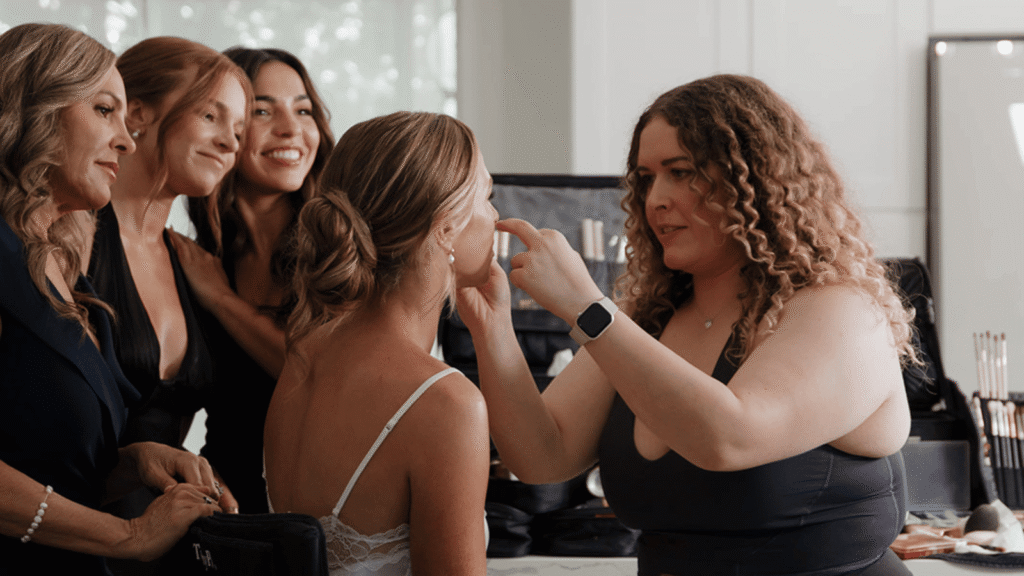
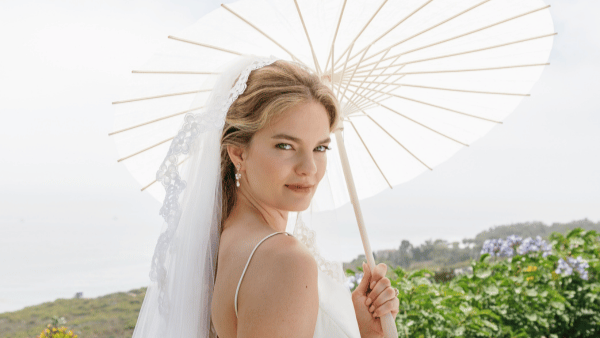
A yacht wedding looks effortless in photos: open water, soft light, and a bride stepping onto the deck in the dress she has pictured for years. Behind that picture, the setting asks far more from your makeup and hair than a ballroom or garden does. Wind moves constantly, sea air adds moisture, and sunlight bounces off the water in ways that change how skin looks on camera.

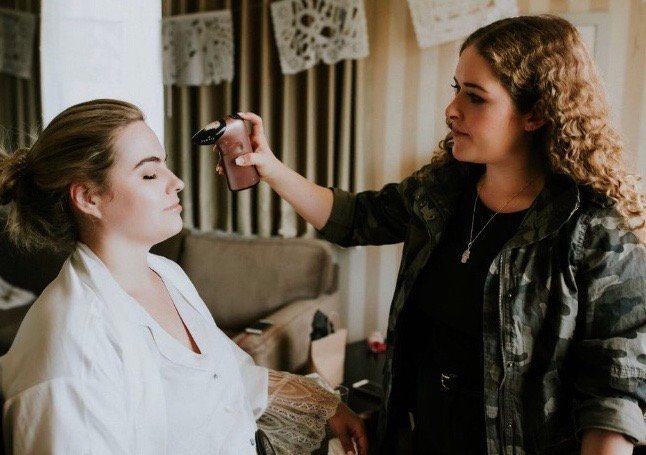
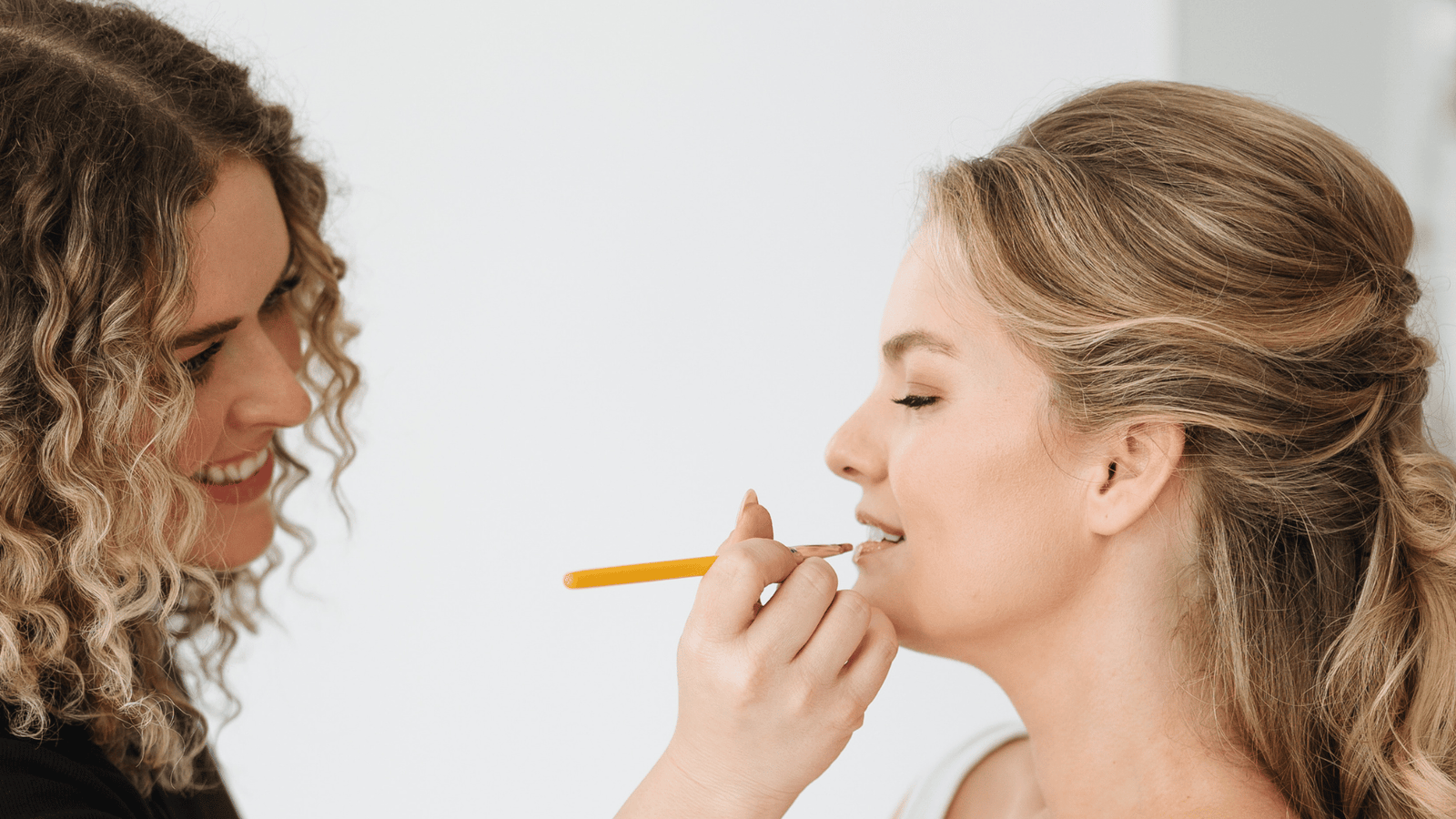
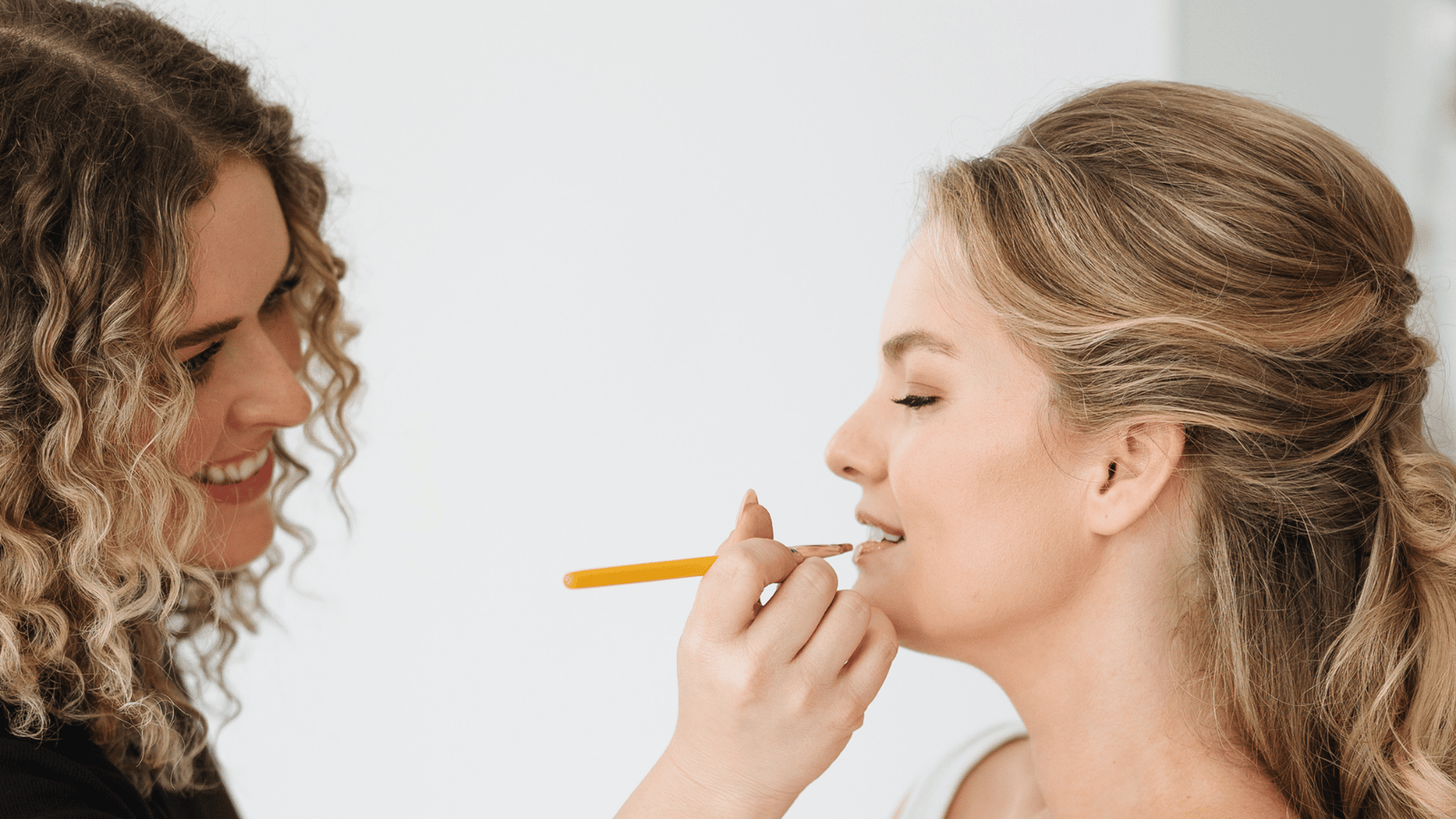
In short, yacht wedding makeup should be lighter, more secure, and planned around wind, reflected light, and a firm boarding time. As a mobile bridal makeup artist based in Orange County and serving San Diego, I build every look around the venue, the light, and your skin. This guide walks through what changes on the water, how I prepare for it, and what your wedding day will feel like, so you can focus on the vows instead of your lip color.

Why Yacht Weddings Present a Unique Environment

Most wedding venues give you walls, a roof, and a predictable light source. A yacht gives you none of those. You get open sky, moving air, and reflected light from every direction, and all three affect how makeup wears and how it photographs.

Newport Beach shows this clearly. The harbor sits at the center of the city’s wedding scene, and it surrounds areas like Balboa Island, the Peninsula, and Lido Isle. Couples choose yacht weddings and waterfront estates here for good reason, and harbor-reflective lighting becomes part of the look. Light bouncing off the water can brighten skin and highlight shine in places you do not expect. If you are planning a harbor celebration, my guide to a bridal makeup artist in Newport Beach covers the area in more detail. Farther down the coast, Corona del Mar brings its own mix of coastal humidity, sea air, and direct sun, and similar conditions apply to couples planning a celebration on the water in San Diego.

Four conditions shape every decision I make for a yacht wedding:

  • Wind: It moves hair across the face, pulls at lip color, and tests every pin.
  • Sea air and humidity: Moisture in the air can soften a finish that looks perfect indoors.
  • Direct sun and reflection: Light from above and from the water exposes shine and uneven color.
  • Limited space: A boat has little room for a full getting-ready setup, which changes where and when your hair and makeup happen.

That last point matters more than most couples expect. Many yacht weddings run on a firm boarding time, so the getting-ready portion often happens on land first, whether that is a hotel suite, a private home, or an estate near the marina. Because I travel to you with a complete professional kit, your getting-ready location stays flexible, and the timeline stays intact.

Building a Look for the Water
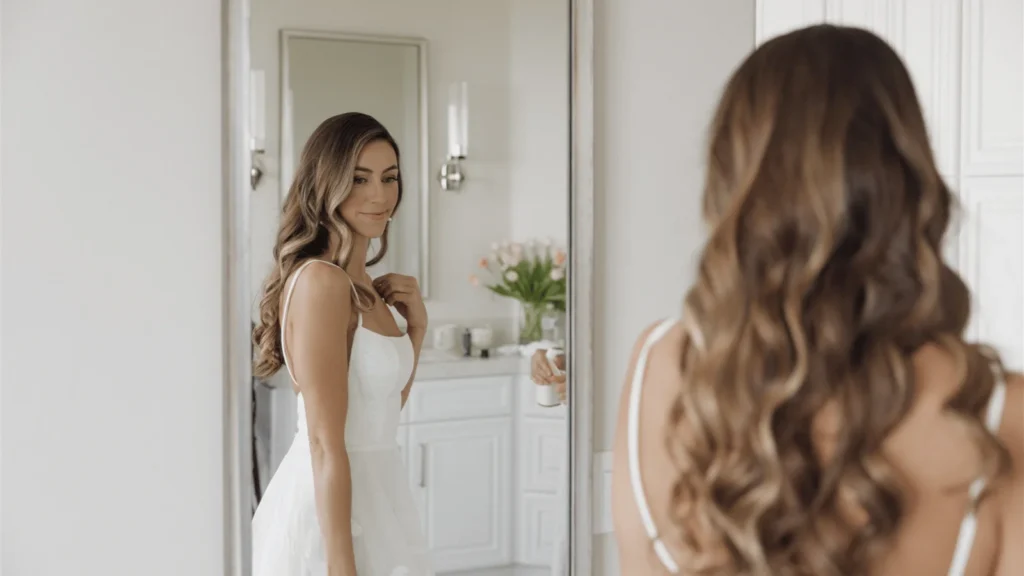
My approach to bridal beauty has always been to enhance, not mask. On the water, that philosophy does double duty. Heavy, layered coverage can look stiff in bright reflected light and can break up faster in humid air. A soft, natural-but-enhanced look built on glowing skin and warm, bronzed contour holds its shape better and still photographs beautifully. That is the no-makeup-makeup look, and it is the foundation of the work I do, helping you look like yourself, but elevated.

Before the wedding, I recommend a bridal makeup trial. We test products and formulas directly on your skin, make adjustments, and confirm everything works before the wedding morning. If you want to know how the appointment runs, what happens during a bridal makeup trial walks through it step by step. If you have any skin sensitivities, reactions, or recent treatments, tell me at the trial so we can plan around them. For a yacht wedding, the trial also gives us a chance to talk through the specifics of your day: your dress, your hair plan, how long you will spend outside, and what the light will do during your ceremony.

Your dress belongs in that conversation too. Neckline, fabric, and veil length all affect how your hair is styled and how your makeup is protected as you move, which is why I like to see the dress details early. My post on bridal makeup for wedding dresses explains how the two work together.

Wind and Motion Considerations

Wind is the biggest variable on the water, and it affects hair even more than makeup. A style that looks soft and romantic in a still room can fall apart on a deck within minutes. When I style hair for a yacht wedding, I think about how it will behave in moving air before I think about how it will look in a mirror. Many of the same principles apply to any exposed ceremony, and I cover them in bridal makeup for windy coastal ceremonies.

A few principles guide my planning:

  • Secure the structure first. Whether you choose an elegant updo or a softer half-up style, I build in anchoring so the shape holds when the breeze picks up.
  • Plan the face-framing pieces. Loose strands look lovely in photos, but wind can drag them across your lips and cheeks. We decide together how much to leave out and how to place it.
  • Consider your lip finish. Hair that blows across your face can catch on a glossy lip. A softer, more comfortable lip formula usually works better than a sticky one.
  • Think about your veil. Veils catch wind quickly. Talk with your planner and photographer about when you will wear it and how to anchor it.

I also ask brides to think about movement. Hugs, dancing, and walking along a deck all brush hair and fabric against your face, so I choose a base that stays comfortable and does not feel heavy as you move through the day. Hair is part of the same plan as makeup, and both are available together through my bridal hair and makeup services.

Waterproofing for Sea Spray

Sea spray, humid air, and happy tears all test your makeup. I do not promise that any look will last without a single touch-up, because no honest artist can promise that. What I can do is choose products suited to Southern California coastal conditions and match them to your skin type, prep your skin without rushing, and finish the look with setting and sealing techniques designed for durability through the ceremony, photos, and reception. For more on how that works outside, see my guide to waterproof bridal makeup for beach and outdoor ceremonies.

Heat adds to the challenge. A sunny deck can push skin toward shine faster than shade does, and my tips for outdoor wedding makeup that lasts in heat and humidity explain how I plan for that. If your wedding falls in the warmer months, bridal makeup for humid summer weddings in Orange County covers what to expect.

Longevity starts with preparation. Strong skin prep gives makeup a better surface to sit on, so I never skip that step or hurry through it. I also share a few simple habits with brides in the weeks before the wedding:

  • Start a consistent skincare routine at least four weeks before the wedding.
  • Avoid new skincare products or treatments in the final 10 days.
  • Drink plenty of water in the week leading up to the event, especially in summer.

These steps help your skin look and feel its best on the day. They are everyday care habits, not medical advice, so check with your own skincare professional if you have specific concerns about your skin.

Many of my clients cry, laugh, and hug their way through the day. San Diego bride Jessica R. wrote that her makeup “stayed flawless all day, even through the happy tears.” That is the kind of durability I design for. Every bride also receives a complimentary touch-up kit with lipstick, powder, and blotting sheets, so a quick refresh stays easy even after hours near the water.

Setting Up Your Mobile Station on a Boat

A mobile station can work for a yacht wedding, and the details depend on where your hair and makeup happen. I bring my own studio-quality lighting and seating to every appointment, so I never depend on the venue’s lighting. That is helpful on a boat, where natural light shifts with the clouds and the water and interior lighting may not suit makeup application.

Because space on a yacht is tight, I recommend deciding early between two options:

  1. Getting ready on land. This is the simplest option for most couples. I set up at your hotel suite, home, or estate near the marina. Setup takes about 15 to 20 minutes, and you board with your look complete.
  2. Getting ready on board. If your plans call for this, confirm access, timing, and space with your planner and the yacht team before the wedding. Share those details with me ahead of time so I can plan my station and my timing around them.

Either way, timing stays predictable. I plan roughly 60 to 90 minutes for the bride and 45 to 60 minutes per bridesmaid. For larger bridal parties, I bring additional artists so everyone finishes on schedule, without cutting corners on the bride’s application. That planning happens during booking, long before the wedding morning, so no one rushes on a day when the boat leaves at a set time.

What to Expect on Wedding Day at Sea
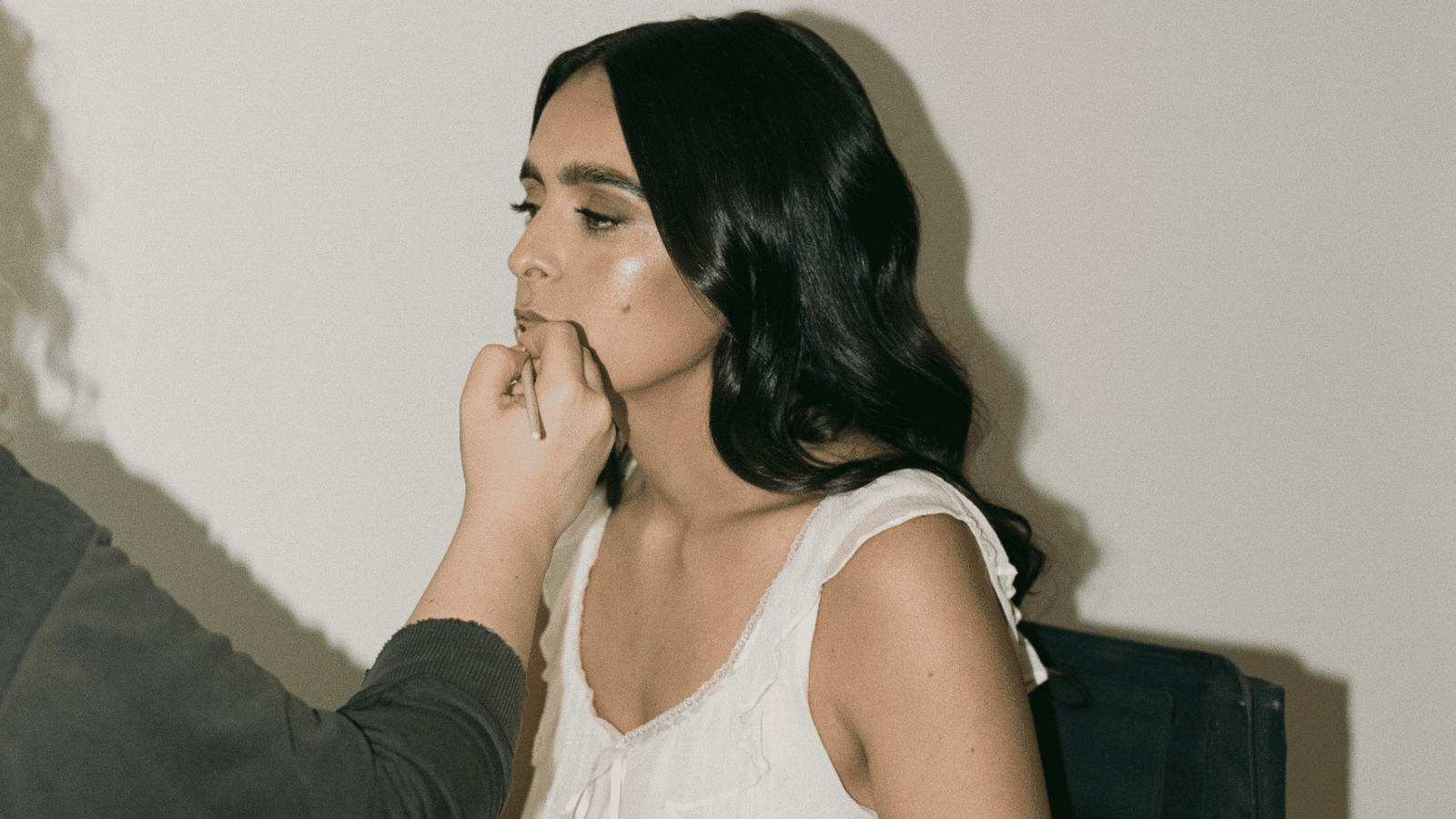
A yacht wedding runs on a tighter clock than most celebrations, so my goal is to make your morning feel calm and unhurried while we still move on schedule. Here is how the day typically unfolds.

Arrival and setup. I arrive at your chosen location with my complete kit, lighting, and seating. I set up in about 15 to 20 minutes while you relax with your bridal party.

Skin prep and base. We begin with skincare, primer, and base prep, taking the time it needs. This step builds the surface that carries your look through wind, humidity, and hours of photos.

Application. I apply your look with professional products chosen for coastal Southern California conditions and for your skin. We follow the plan we tested at your trial, so nothing surprises you.

Setting and sealing. Final setting techniques lock the look in place for the ceremony, the photos, and the reception.

Hair and finishing touches. I finish your hair with the wind plan we discussed, and I hand you your complimentary touch-up kit before you head to the dock.

Use this checklist to prepare for your morning:

  • Confirm your boarding time and your getting-ready location with your planner.
  • Share the full timeline with me, including photo times and any portraits on deck.
  • Book your bridal trial well before the wedding.
  • Wear a button-up or zip-front top so nothing drags across your finished makeup.
  • Bring inspiration photos for both hair and makeup.
  • Tell me about any skin sensitivities, reactions, or recent treatments.
  • Keep your touch-up kit with a bridesmaid or in your bag for easy access.
  • Drink water and eat something before the day gets busy.

Reflected light on the water can make skin look very different on camera than it does in a mirror, so it helps to see how a photograph looks before the day. If you want to see how I handle glowing, camera-ready skin, browse my portfolio for real examples of bridal work.

Book Your Yacht Wedding Makeup

Your yacht wedding makeup should complement your vision and suit your celebration on the water. Planning ahead gives us time to discuss your boarding schedule, getting-ready location, preferred makeup look, and bridal party size.

Brittany Brown Beauty offers mobile bridal makeup throughout Orange County and San Diego, with additional artists available for larger groups.

If you’re comparing artists, explore these questions to ask before hiring a bridal makeup artist. You can also learn about Brittany’s experience and training on the About page or explore services on the Brittany Brown Beauty homepage.

Ready to plan your yacht wedding look? Contact Brittany Brown Beauty with your wedding date, venue, and bridal party details to discuss your vision and check availability. Your date is secured with a signed contract and deposit.

Frequently Asked Questions

1. What makes yacht wedding makeup different from other Orange County venues?

The environment changes everything. A yacht exposes you to constant wind, sea air, direct sun, and light that reflects off the water, and a boat offers far less space than a hotel or estate. I adjust product choices, hair structure, and timing to match those conditions. I also plan around your boarding schedule, because a yacht wedding often leaves less room for delays than a land venue does.

2. How far in advance should I book for yacht wedding makeup?

Contact me as soon as your venue and date are confirmed. Spring and fall weekends in Orange County and Newport Beach book out well in advance, and San Diego’s peak seasons run from March through June and September through November. For those months, I recommend booking 6 to 12 months ahead. I secure your date with a signed contract and a deposit, then we schedule your trial and finalize your plan.

3. Does the venue affect my makeup or hair plan?

Yes, in several ways. The venue decides how much wind, humidity, and direct sun you face, where you can get ready, and how much time you have before the ceremony. A harbor setting in Newport Beach, a bluff-top venue in Corona del Mar, and a San Diego waterfront each call for slightly different choices. I use those details to select products, build a hair style that holds up, and plan your timeline.

4. How can I keep my bridal makeup looking polished in wind and sea air?

Start with careful skin prep and a consistent skincare routine. Ideally, begin at least four weeks before the wedding. Drink plenty of water during the week leading up to your day. I also use products suited to coastal conditions. I set and seal your makeup for lasting wear and secure your hairstyle against the breeze. Every bride receives a complimentary touch-up kit with lipstick, powder, and blotting sheets. This makes quick refreshes simple throughout the day.

5. Can my makeup artist set up a mobile station for a yacht wedding?

Yes. I travel with a complete professional kit, including studio-quality lighting and seating. This means I don’t have to rely on the venue’s lighting. Most yacht brides get ready on land before boarding. This may be at a hotel suite, home, or estate. Setup takes about 15 to 20 minutes. If you plan to get ready aboard, confirm the available space and access with your planner and yacht team first. Please share those details with me during booking.
Posted on

False Lashes for Brides: Strip vs Individual Lashes

False Lashes for Brides

False lashes for brides usually come in two types: strip lashes and individual lash clusters. Strip lashes sit along the lash line as one piece, while clusters let the artist add smaller groups where needed. Both can create a natural or more dramatic look, depending on the style and placement.

Brittany Brown Beauty offers mobile bridal hair and makeup across Orange County, San Diego, and surrounding areas. Brittany focuses on enhancing natural features, so your makeup still feels like you.

The right choice depends on the look you want, how the lashes feel on your eyes, and how they work with your natural lashes. Here’s what to consider before choosing strip lashes or individual clusters for your wedding day.

What Strip Lashes Offer

A strip lash is a single band of lashes made to sit along the natural lash line. The artist fits it to the eye, then attaches it with lash adhesive. Four details set the look: the band, the shape, the length and the density.

  • Band: A thin, flexible band tends to sit closer to the lash line. A thicker band can show, so liner or shadow often helps blend it.
  • Shape: Longer hairs toward the outer corner lengthen the eye. Even-length hairs open it more evenly.
  • Length: Shorter lashes read as natural. Longer lashes add drama.
  • Density: Sparse, wispy styles add definition. Dense styles give a fuller, glam finish.

That range runs from subtle definition to a fuller evening look. Lashes also help eyes read in photos taken from a distance, as soft glam versus natural bridal makeup explains.

One strip keeps application simple. The artist places a single piece, so the line stays even across the eye. The artist usually builds the eye makeup first, then places the lash and blends the band with liner or shadow. Expect light pressure along the lid while it sets. The shape you test at the trial is the shape you wear on the wedding day.

Strips have drawbacks too. A visible band can show on brides with short or sparse natural lashes. The outer or inner edges can lift. Some wearers feel the weight, especially with fuller styles.

Strip lashes may suit a bride who wants a fuller, defined look. She also needs enough natural lashes to hide the band. Another option is worth considering if the band shows, the edges keep lifting or the weight bothers her.

What Individual Lash Clusters Offer

Clusters are small groups of a few lashes. The artist applies them along the lash line one at a time. Placement, length and density can change across the eye, so the bride gets a more tailored result.

That control opens several finishes. Lightly spaced clusters can mimic natural lashes. Our look at natural bridal makeup trends describes the wispy, defined-but-not-dramatic style many brides want. Clusters concentrated at the outer corner add emphasis there. Denser, layered placement builds a more defined look.

Careful placement takes time. You will keep your eyes closed or looking down while the artist works close to the lash line. Clusters go in one by one, so the process takes longer than placing a single strip. Wear depends on the product, the adhesive, the application and the conditions on the day. Clusters do not always feel lighter than a strip, and they do not always last longer.

Clusters are also different from semi-permanent lash extensions. Extensions are individual lashes bonded to single natural lashes, and they stay on beyond the wedding day. A lash technician applies them in a separate appointment. This article compares strips and clusters applied as part of bridal makeup. Treat extensions as their own decision.

Comparing Comfort, Appearance, and Wear Time

The table below sets the two options side by side. Results vary with the product and the individual, so read it as a guide, not a ranking.

ComparisonStrip LashesIndividual Lash Clusters
Overall appearanceAn even, continuous line. Styles range from wispy to full. The band can show if it is not blended.A textured, varied finish. It can look soft and natural or build toward defined. Wide gaps can show.
CustomizationPick a style, then adjust the fit and length. The shape of the lash stays fixed.The artist varies placement, length and density along the lash line.
ApplicationOne piece placed along the lash line. Usually the quicker option.Many small placements. It takes more time and careful spacing.
ComfortSome wearers notice band stiffness or weight, especially with fuller styles.Often light when placed sparingly. Heavier placement or adhesive sensitivity can still cause discomfort.
Potential wear issuesEdges can lift at the corners. The band can shift with rubbing, tears or humidity.Single clusters can loosen or fall out, leaving gaps. Hold depends on the natural lashes and the adhesive.
RemovalLoosen the adhesive and peel the strip away gently. Then clean off residue.Each cluster is loosened and removed separately. This can take longer.
Best suited forA defined or fuller look in one application, with enough natural lashes to blend the band.A softer, customized finish, or emphasis in certain areas, with time allowed for placement.

No lash style is guaranteed to last through a full wedding day. These factors affect wear:

  • Tears: Happy tears can loosen adhesive and smudge liner. Dab gently instead of wiping.
  • Humidity: Warm, humid air can soften both adhesive and surrounding makeup. Coastal and outdoor weddings face this most.
  • Rubbing: Touching or rubbing the eyes can lift edges and shift clusters. Hugs and photos with close faces also test the lash line.
  • Eye sensitivity and adhesive tolerance: Redness, itching or watering can mean a reaction. Tolerance varies from person to person.
  • Application quality: Clean lashes, careful placement and the right amount of adhesive all matter.
  • A long schedule: A morning ceremony and late reception stretch wear over many hours.

For the rest of the eye area, see making bridal makeup last without touch-ups. Ask your artist what small fixes to expect during the day. A loose strip edge may be pressed back down, and a loose cluster may be reseated or removed.

Choosing the Right Lashes for Your Wedding Makeup

Several factors can help you decide between strip lashes and individual clusters. Start with the look you want, then consider your natural lashes, eye shape, and wedding plans. For brides in Orange County, the venue and season can also influence how much definition you want.

What to Consider Before Choosing

  • Preferred look: If you are collecting bridal makeup ideas, note how much lash definition you like in each photo.
  • Natural lashes: Short or sparse lashes may need more help to achieve fullness. Long, full lashes may need less added volume.
  • Eye shape: Placement can lengthen, open, or balance the eyes. Extra length at the outer corners can make round eyes appear longer. On hooded eyes, lashes that are too long may touch the lid fold. Monolids may benefit from careful lash placement for added definition. For more ideas, see bridal eye makeup styles.
  • Setting and photography: Outdoor light and distance shots can call for more definition, while an intimate indoor setting may suit a softer look.
  • Overall makeup: Full lashes can stand out against soft skin and a natural lip, while heavy lashes, dark shadow, and full coverage create a more dramatic finish.
  • Natural lash blending: A light coat of mascara may help blend your natural lashes with the added ones. Ask your artist which approach suits your lash style.

How Different Lash Styles Work With Your Look

A bride who prefers soft, natural makeup may like lightly placed clusters with extra emphasis at the outer corners. Someone who wants more definition may prefer a fuller strip lash. Both options can create different effects depending on the lash design and how the artist applies it.

Think about the eyes, skin finish, and lip color together. Full lashes can become the main feature when paired with fresh-looking skin and a natural lip. Add a bold eye shadow and a stronger lip, and the overall look becomes more dramatic.

Choose a Style That Still Feels Like You

Your lashes should complement your features, not make your eyes look like someone else’s. Brittany brings more than a decade of bridal makeup experience to her work. You can learn more on the About page.

Brittany does not treat one lash style as the right choice for every bride. The best fit depends on your preferences, natural lashes, eye shape, and wedding plans.

Why a Makeup Trial Matters

A trial is the right time to compare strips and clusters before committing. Ask to see both on your eyes if time allows. To see what to expect, read what happens during a bridal makeup trial.

Use the appointment to check four things:

  • Light and photos: Look at the lashes in natural light and in photographs.
  • Comfort: Wear the lashes for a few hours and notice weight, pulling or irritation.
  • Fit with the makeup: Confirm that the lash shape suits the shadow, liner and skin finish.
  • Tolerance: Spot any irritation or adhesive concerns well before the wedding.

Tell the artist about previous reactions, eye sensitivities and products you cannot tolerate. Mention contact lens use if it applies. A trial cannot rule out every future reaction, but it gives the artist time to adjust. The list of questions to ask during your bridal makeup trial can help. Browse the portfolio and bring photos of eye looks you like.

Planning Your Bridal Makeup?

Share your wedding date, venue, and preferred makeup style so Brittany can check availability and discuss your lash options. Please mention any sensitivities or past reactions when you get in touch.

Click the button below to contact Brittany Brown Beauty and discuss your bridal makeup plans.

Frequently Asked Questions

1. What’s the best way to prep my skin for false lashes for brides?

Keep a steady skin routine and avoid new products in the final ten days, including near the eyes. The 30-day skin prep guide lays out the timeline. On the day, arrive with clean, dry lids and lashes. Skip heavy eye cream beforehand, since oily products can interfere with adhesive. Tell the artist about any recent treatments.

2. How long will false lashes for brides last through the ceremony and reception?

No one can promise a set time. Wear depends on the product, adhesive, application, your natural lashes, humidity, tears and rubbing. A trial wear test shows how your lashes hold over several hours. Ask your artist what small touch-ups to expect between the ceremony and the reception.

3. Can false lashes for brides be adjusted for my specific skin tone or type?

Lash style adjusts to your eye shape, natural lashes and preferred look. Skin tone does not decide adhesive compatibility. Sensitivity and individual tolerance matter more. Skin type can affect wear, since oily lids may shift lashes sooner. Share both with your artist, and use the trial to test.

4. Are individual lash clusters the same as lash extensions?

No. Clusters are applied with your makeup for the event. Semi-permanent extensions are a separate service from a lash technician. Ask your artist which one is being discussed, so you compare like with like.

5. How are false lashes removed after the wedding?

Go slowly and never pull. Loosen the adhesive first, then ease strips away in one piece. Clusters come off one at a time, which takes longer. Clean off any residue gently. If your eyes feel irritated, stop wearing lashes and ask a professional for advice.

Posted on

Makeup for Redheads and Fair, Cool-Toned Complexions

makeup for redheads and fair cool-toned complexions

Makeup for redheads with fair, cool-toned skin depends more on skin undertone than hair color. Red hair can have warm copper, auburn, or deeper tones, while fair skin may lean pink, neutral, or warm.

Choosing foundation based on hair color alone can lead to a poor match. Blush that echoes copper hair may also look too strong against fair skin. Checking the skin’s undertone and testing shades in natural light can help you find more balanced colors.

Brittany Brown Beauty offers mobile bridal hair and makeup across Orange County, San Diego, and surrounding areas. Brittany specializes in mature makeup and corrective techniques, with an approach that keeps skin looking like skin. These tips can help redheaded brides, mature clients, and mothers of the bride or groom choose makeup that feels comfortable without relying on heavy coverage.

Why Red Hair and Fair Skin Need Individual Color Choices

Red hair describes the hair. Undertone describes the color beneath the skin’s surface. The two can agree or differ. A redhead can have cool, neutral or warm undertones, and each one changes which products look natural.

Undertone is also separate from skin depth. Depth is how light or deep the skin looks, and it shifts with sun and season. Undertone stays the same. Our guide to matching bridal makeup to your skin undertone explains the difference in more detail.

  • Cool undertones often read pink, rosy or blue-leaning.
  • Neutral undertones sit between the two, with no clear lean.
  • Warm undertones often read golden, peachy or yellow.

Treat these as starting points. Vein color, jewelry and sun reactions give hints, but none settles it alone. An artist compares shades on your skin in daylight.

Surface redness and freckles are not undertone either. Redness can come from sun, warmth, nerves or sensitivity, and it can sit on any undertone. Freckles are surface pigment and can appear over any undertone. Reading undertone means looking past both.

Here is how a mismatch can show up. A yellow-based foundation on pink-leaning skin may look disconnected, with a visible edge along the jaw. A very pink foundation may push natural redness forward. A warm coral blush may look soft on a neutral complexion and heavy on a cool one. None of this is guaranteed. It depends on the skin, the product and the light.

That is why we assess the complexion first and the hair second. Hair still matters for contrast, but it does not set the undertone.

Choosing Colors That Work With Your Complexion

Foundation sets the base, and every other color builds on it. Start there, then move to the cheeks and eyes.

Finding the Right Foundation Undertone

Shade testing takes a few minutes and saves a lot of guessing. Follow these steps:

  1. Swatch two or three close shades along the jawline, blending toward the neck.
  2. Wait at least ten minutes. Some formulas oxidize and drift orange as they settle.
  3. Check the swatches in natural light, near a window or outdoors. Bathroom lighting can mislead.
  4. Look at the face, neck and chest together. A shade matched to the neck alone can leave the face looking gray if the neck runs cooler.
  5. Take a phone photo in daylight and another with flash. Flash can show color differently.
  6. Choose the shade that seems to disappear into the skin.

Surface redness can complicate matching. If the cheeks and nose run pink, matching that redness can make the whole base look too pink. The calmer skin near the jaw often gives a better guide to undertone. Redness then gets handled separately. Fair skin leaves little room for an almost-right shade. The fair skin product and shade guide explains why.

Corrective makeup works in small, targeted areas. A little green-toned corrector can offset redness. Peach tones can offset bluish shadows under the eyes. A thin layer of foundation then blends outward from there. Redness can often be softened, though not always fully hidden. Heavy layers can stand out in photos. For the techniques, read corrective makeup and who it suits.

Not every variation needs correcting. Freckles, natural flush and small color changes are part of the face. Many clients want them left visible. Tell your artist what you want softened and what you want left alone.

Mature skin bridal makeup starts from the same questions. Hydrated skin, thin layers and precise placement usually look more natural than full coverage. Powder works best only where the base creases or shines. Texture and dryness vary at every age. The artist works from your skin on the day, not an assumption. For more, see bridal makeup for mature skin.

Eyeshadow and Blush for Red Hair

Red hair covers a range. Strawberry blonde, copper and deep auburn each set a different backdrop. The same eyeshadow can look soft against one and faint against another.

  • Strawberry blonde or light red hair: Soft palettes often keep the face balanced. Muted rose, light taupe and soft champagne are options. A deep shadow may look sharp.
  • Copper or bright red hair: The hair already carries strong warmth. Mauve, taupe and soft plum can add contrast. Warm browns also work for a more matching look.
  • Auburn or deep red hair: Berry, plum and chocolate brown often hold their own against rich color. Some clients like more definition here.

These are tendencies, not rules. Skin depth, natural hair color and personal taste can all change the result.

On fair, cool-toned skin, muted rose, soft berry and mauve blush often look natural. Soft peach or light apricot can suit golden undertones. Fair skin shows color quickly, so start small and build. Our article on choosing a blush shade for your skin tone lists more options.

Eye color shapes the palette too. Blue eyes often stand out next to copper and warm brown shadow, while soft taupe gives a quieter option. Green eyes may look brighter with mauve or plum. Brown and hazel eyes can carry bronze, soft brown or berry.

Outfit colors and intensity matter as well. A bright green dress beside a berry cheek can compete. A bold dress often suits soft cheeks and neutral eyes. A muted dress can take richer eyes. Daytime events usually suit a soft wash of color, while evening and long photo sessions can handle deeper definition.

If your lids have texture or creasing, matte or satin shadows blend more easily than heavy shimmer or large-particle glitter. Lip colors need the same care. Muted rose, soft berry and rosy nude suit many fair, cool-toned complexions. A true orange-red can look sharp on some and striking on others, so test it at the trial. Browse the portfolio to note which finished looks appeal to you.

Keeping Warm Tones From Looking Orange

Warmth is not the problem. Orange is. Warmth looks like soft color that belongs to the skin. Orange looks like a separate layer sitting on top. On fair skin, the gap between the two is small.

Orange usually comes from one of these sources:

  • Foundation: a yellow- or orange-leaning formula, or one that oxidizes as it settles.
  • Bronzer: a shade too deep, or one swept across the whole face.
  • Blush: an orange-based coral applied heavily on cool-toned cheeks.
  • Eyeshadow: copper shades that sit close to copper hair, so the face and hair read as one warm block.

Three adjustments help. First, change the undertone. Neutral or pink-leaning foundation and blush often replace orange ones. Second, lower the intensity. Start sheer and build only if needed. Third, move the placement. Keep bronzer close to your natural skin depth and apply it only where sun would touch. For highlighter, pearl, icy pink or rose gold often looks softer than heavy gold, which can turn brassy.

Warm shades are not off limits. A soft peach blush or golden-brown shadow can suit neutral and warm undertones. Some cool complexions can wear them at low intensity. Test small amounts instead of ruling them out.

Light changes the result. Warm indoor bulbs can push colors toward orange, while daylight and flash show them differently. A shade that looks balanced in the trial room may shift at the venue. Check swatches and photos in daylight, indoors and with flash. Read more on how wedding lighting affects bridal makeup.

The rest of the face affects color as well. A deeper lip can make a soft blush look paler. A pale lip can make the same blush look stronger. Judge cheek, lip and eye colors together, not one at a time.

What to Bring to Your Makeup Trial

A trial works best with a little preparation. This checklist shows what to gather and why each item helps. You do not need to buy new products or change your skincare routine to attend. For a longer list, see what to bring to a bridal makeup trial.

  • Photos of looks you like. Include examples with similar coloring when you have them. Coloring differs between faces, so note which part you like, such as the eyes, lips or finish.
  • Photos of your usual makeup, if you wear it. They show the colors and intensity you are comfortable with, and what you want changed.
  • Your outfit, accessories or photos of them. Fabric colors and necklines affect how bold the eyes and lips can be.
  • Event details. Share the venue, time of day, lighting and photography plan. Outdoor daylight, a candlelit room and flash can each shift color.
  • Products you prefer or found unsuitable. A shade that turned orange or a formula that settled into texture tells the artist what to avoid.
  • Skin sensitivities and concerns. Mention reactions, plus areas you want softened or left alone.
  • Your usual sunscreen, if you wear one. The artist can check how it behaves with the makeup and under flash.

Arrive with clean or lightly made-up skin when you can. It lets the artist see your natural color and texture clearly.

Brittany’s interest in mature makeup and her corrective strength both come into play at a trial. If you want a corrective makeup artist in Orange County, say so when you share your photos. You can learn more on the About page or send your details through the contact page.

Planning Your Makeup Trial?

Frequently Asked Questions

1. How is makeup for redheads and fair, cool-toned complexions different from standard bridal makeup?

The structure is the same, but the color choices are more individual. Fair skin has less room for a shade that is close but not quite right. The artist reads undertone first, then tests foundation, blush and eye colors against your hair and eyes. Corrective steps, such as softening redness, are used only where needed.

2. What products work best for makeup for redheads and fair, cool-toned complexions?

Product types matter more than names. Many clients do well with a light-to-medium, buildable foundation in a neutral or pink-leaning undertone, plus a lightweight concealer. A small amount of green-toned corrector can soften redness. Cream blush in soft rose or peach often looks natural. The right choice still depends on your skin, so the trial confirms it.

3. How far in advance should I book a trial for makeup for redheads and fair, cool-toned complexions?

Most brides schedule a trial two to four months before the wedding. Reserve the wedding date earlier, ideally six to twelve months ahead, and ask about trial timing then. A trial a few months out leaves room for a second look if a color needs adjusting. Other events can follow the same pattern.

4. How can I tell if a foundation is too yellow or too pink for my skin?

Check it along the jawline in daylight after ten minutes. A yellow-leaning shade may leave a visible edge and look flat beside the neck. A pink-leaning shade may push natural redness forward. A good match seems to disappear into the skin. If you are unsure, ask the artist to compare two shades side by side.

5. Will corrective makeup cover my freckles or redness?

Corrective makeup is selective. Freckles are part of your natural coloring, so they usually stay visible unless you ask for more coverage. Redness can often be softened, but results vary with the skin and the amount of redness. Tell the artist what you want softened and what you want left alone. A trial photo shows how far to go before the wedding.

Posted on

Monarch Beach Wedding Makeup: What Brides Should Know

Monarch Beach Wedding Makeup

Monarch Beach weddings can involve bright coastal sunlight, an ocean-view ceremony, and a ballroom reception with flash photography. Each setting affects how makeup looks in person and in photos.

Brittany Brown Beauty provides mobile bridal hair and makeup across Orange County, San Diego, and surrounding areas. The venue, lighting, coastal weather, and wedding schedule all influence how we plan your makeup and prepare at your chosen getting-ready location.

Why Couples Choose Monarch Beach for Their Wedding

Monarch Beach is a small coastal neighborhood in Dana Point, California, near the Laguna Niguel border. It includes two resorts with wedding spaces and a golf course, Monarch Beach Golf Links.

That mix explains the appeal. Among Orange County wedding venues, it stands out for its variety. The ceremony, cocktail hour and reception can sit in different settings on one property. Ocean views, landscaped grounds and indoor ballrooms are all close together.

Two Resorts With Ocean-View Wedding Spaces

The Waldorf Astoria Monarch Beach Resort & Club lists several outdoor ceremony spaces. The Grand Lawn has Pacific horizon views. The Pacific Lawn is a private, oval lawn with a gazebo. The Botanical Garden has ocean and golf course views and a marble gazebo. Botanical Lawn North overlooks Monarch Beach Golf Links.

Indoors, the resort’s Pacific Ballroom has chandeliers and natural light. The Pacific Promenade, a cocktail space inspired by a hall of mirrors, is described as a backdrop for wedding photos.

The Ritz-Carlton, Laguna Niguel is also in Dana Point. Its listed spaces include The Bluff, an oceanfront ceremony site. The Monarch Lawn is a private courtyard on a 150-foot bluff. The Pacific Promenade Lawn has panoramic ocean views.

Inside, the Pacific Promenade Ballroom has floor-to-ceiling windows. The Pavilion has crystal chandeliers, domed ceilings and a private terrace. Weddings in the area are not limited to these two properties. Spaces and rules can change, so confirm current options with your venue.

Outdoor Ceremony or Indoor Reception: How Preparation Differs

Many resort weddings include both. An outdoor ceremony exposes makeup to sun, breeze and long stretches on camera. An indoor reception brings steadier air and very different light. The table below shows how common settings change the plan.

SettingWhat changesHow the makeup plan adjusts
Oceanfront lawn or bluff ceremony, such as The Bluff or the Grand LawnOpen sun, reflected light and sea breezeThin, semi-matte base, soft contour and extra setting around the lips and eyes
Window-lined ballroom, such as the Pacific Promenade BallroomDaylight early, then warm lamps as evening arrivesA base that photographs well in both, with more eye definition after dark
Chandeliered ballroom, such as the Pacific Ballroom or The PavilionWarm artificial light and photographer flashWarm-toned blush and contour that stay visible, with flash-safe products
Terrace at dusk, such as the Monarch Bay Sunset TerraceLow, warm light that fades quicklySoft definition so features still read as the light drops

Most resort weddings pass through several of these settings in one day. Plan the base for the longest stretch, usually the ceremony and portraits. Then ask your artist how to adjust for the evening. Some brides add a little more eye definition for the reception.

Planning Your Makeup Around the Setting

Light, weather and timing each need their own plan. Start with the light, since it changes how every product looks.

Ocean Light, Shade and Flash Photos

An artist adjusts three things for each condition. Those are product placement, coverage and finish.

Direct sun. Midday sun shows texture and uneven blending. It can also wash out color, so blush needs enough pigment to show. A thin, semi-matte foundation looks even without looking heavy. Concealer sits only where it is needed, because extra product under the eyes can crease and catch light. Contour stays soft, since sun makes hard lines easy to see.

Open shade. Shade removes glare but cools the skin tone. Faces can look flatter than they do in person. Warmer blush and lip color bring life back. A satin finish keeps skin from looking dull.

Indoor resort lighting. Warm bulbs and chandeliers can mute cool-toned blush and contour. Warmer shades stay visible. Evening photos usually call for more definition around the eyes and a slightly deeper lip. A very pale look can disappear in a dim ballroom.

Flash. Flash exposes shine and anything that reflects light. Some sunscreens, shimmer and reflective concealers photograph white. Powder goes where shine builds, and highlighter stays small, on the highest points of the cheeks. Wear your usual sunscreen to the trial so the artist can test it with flash.

Picture a midday lawn ceremony followed by an evening ballroom reception. One look can serve both. It needs more definition than sun requires and less than a dark ballroom wants. Our guide to how wedding lighting affects bridal makeup walks through more settings. Our portfolio shows how finished looks read in photos.

Sea Air, Humidity and Wind

Coastal Southern California often has a marine layer in late spring and early summer. Clouds usually roll in overnight and thin out between mid-morning and early afternoon. A morning ceremony in those months may have soft, overcast light. Afternoon photos can be much brighter. Plan the makeup for both.

Moist air and warm skin soften makeup, and each finish reacts differently. A dewy base shows moisture sooner and can slide on oily areas. A fully matte base can look flat or cling to dry patches, especially in wind. Many brides do well with a semi-matte base and glow on the high points. Skin type and preferred finish decide the balance. For the full routine in humid weather, see bridal makeup for humid summer weddings in Orange County.

Wind dries lips and eyes, blows hair across fresh product and carries fine salt. Lips and eyes need extra hydration and sealing. Our guide to makeup for windy coastal ceremonies explains the layers.

Hair faces the same conditions. Humid air can relax curls and add frizz. Loose pieces blow across the face, while pinned styles stay put. Hair type matters here, since fine, straight hair and thick, wavy hair behave differently. Talk through the hairstyle at the trial so the hair and makeup plans work together.

Preparation starts weeks earlier. Keep a steady skin routine for at least 30 days and skip new products in the final ten days. Setting steps then go on in layers instead of one heavy coat. A week-by-week plan is in our 30-day skin prep guide.

Your skin, hair, preferences and expected conditions all shape the plan. Oily skin needs control in the T-zone. Dry skin needs hydration underneath. A bride who dislikes the feel of powder needs a different approach. No product can promise the same result in every wind or humidity level. A trial, plus a few hours of wear afterward, is the most reliable test.

Building the Morning Around Your Ceremony Time

Work backward from the ceremony. Add time for dressing, the photographer’s arrival, family portraits and a buffer. That sets when makeup should start.

A first look moves portraits before the ceremony. Makeup then has to be finished earlier and look right through hours of photos. Without a first look, the start time can run later.

Travel adds time. If the bride gets ready in one place and marries in another, count the drive, parking and walk. A suite and a lawn on the same resort still need a buffer.

Party size changes the plan most. The bride’s application takes about 90 minutes, and each bridesmaid takes 45 to 60 minutes. Five bridesmaids add about four to five hours for a single artist. Larger groups may need a second artist. The wedding day beauty timeline shows how makeup and hair fit around the rest of the morning.

Gather these details before you ask about availability or pricing:

  • Wedding date and ceremony start time
  • First look and portrait times, plus when the photographer arrives
  • How many people need makeup, including the bride, bridesmaids and family
  • The getting-ready address and the travel time to the ceremony
  • Hair services, if you want them as well
  • Skin type, concerns and any products you already use
  • Your planner’s contact details, if you have one

What to Know Before You Book Mobile Makeup

How a Mobile Appointment Works

As a mobile makeup artist in Orange County and San Diego, we come to your getting-ready location. We set up a station there. Appointments then run in order, one after another. A late start for one person moves everyone, so the schedule matters.

Allow time before the first appointment for setup, and confirm the arrival time when you book. Tell us how much open space the room has and where the windows are. That helps us plan the station before the day.

Why Professional Lighting Matters in a Hotel Room

A bright suite with a large window gives good light. That light changes as the sun moves and shifts in color through the day. A room with limited natural light may have only warm lamps and a bathroom mirror. Neither matches the light at the ceremony.

Makeup judged under one lamp can look heavier or lighter outdoors. We bring professional lighting and a complete makeup setup, so every appointment has the same steady light. Shade matching and blending then hold from the first bridesmaid to the bride. We still use window light as a final check when the room has it. Weighing this against a salon visit? Read our comparison of mobile and salon wedding makeup.

Booking Early for Peak Season

Peak wedding season is busy for makeup artists, as it is for every vendor. We suggest inquiring six to twelve months before the wedding. Send the date and venue as soon as they are set. Guest counts and the final timeline can follow.

We also recommend a trial. Brides unsure what to expect can read what happens during a bridal makeup trial. Brittany’s background is on the About page. Planners can send timelines through the contact page.

Planning Your Monarch Beach Wedding?

Share your wedding date, venue, ceremony time, and getting-ready location so we can check availability. If you’re a wedding planner, you can also share the day-of timeline to help us plan the makeup schedule.

Click the button below to schedule a consultation online.

Frequently Asked Questions

1. What makes Monarch Beach wedding makeup different from other Orange County venues?

The setting changes the conditions. The resorts sit along the Pacific coast, so ceremonies often face open sun, sea breeze and reflected light. Receptions then move indoors, where chandeliers and warm lamps change how makeup reads. The look has to work in both. An inland venue may skip the sea air but can have its own heat and lighting. The plan always starts with the venue.

2. How far in advance should I book for Monarch Beach wedding makeup?

Six to twelve months ahead is a good target, especially for peak-season weddings. You do not need a final schedule to inquire. The date and venue are enough to start.

3. Does the venue affect my makeup or hair plan?

Yes. The ceremony spot decides how much sun, shade and wind your look faces. A bluff ceremony needs more weather planning than a ballroom ceremony. The reception room decides the lighting. Share which spaces you will use, and the artist can adjust the base finish, setting steps and eye definition. Hair follows the same logic, since secured styles suit open, breezy spaces.

4. What if the room where I am getting ready has poor lighting?

Our own lighting covers this, so the room’s lamps matter much less. A small or dark room is still worth mentioning when you inquire. That lets us plan where the station goes.

5. How long before the ceremony should my makeup be finished?

Aim to finish at least 30 to 60 minutes before the first photos or departure. That buffer covers delays, travel and final touches. A first look moves the deadline earlier, so share the photographer’s schedule. Travel between locations adds more time.

Posted on

Planning a Bridal Party Makeup Timeline for Large Groups

a bridal party makeup timeline for large groups

A big bridal party makes a wedding morning joyful, and it also makes the schedule matter more. When six, eight, or ten people need hair and makeup, a clear plan keeps everyone calm and on time. In short, count your headcount early, work backward from your ceremony, protect the bride’s application, and ask for additional artists when the group is large. This checklist covers a bridal party makeup timeline for large groups and comes from Brittany Brown, a mobile bridal hair and makeup artist with 11+ years of hands-on experience in Orange County. Her goal is a look that feels like yourself, but elevated, for the bride and for everyone beside her.

Brittany follows an “enhance, don’t mask” philosophy at Brittany Brown Beauty. She applies it to the whole bridal party, so each person looks cohesive with the group and still looks like herself.

Why Large Bridal Parties Need a Real Timeline

Every extra person adds time. A bride’s application takes roughly 60 to 90 minutes, and each bridesmaid takes roughly 45 to 60 minutes. With a large group, those numbers add up fast. Without a plan, the last person in the chair may finish just before photos, and the bride’s own look can feel rushed.

A timeline protects the bride’s application first. Brittany’s bridal party service coordinates hair and makeup for bridesmaids, mothers of the bride and groom, and other members of the wedding party, so the whole group looks cohesive instead of treating each person in isolation. Planning ahead also keeps the getting-ready room calm, which helps everyone enjoy the morning.

Mobile service makes the plan easier to follow. Brittany comes to your home, hotel suite, resort room, or estate with a complete professional kit, including her own studio-quality lighting and seating. Your bridal party stays together, nobody commutes to a salon, and the timeline stays intact. If your wedding is in Irvine or nearby, you can read about working with a bridal makeup artist in Irvine, or see the broader page for a bridal makeup artist in Orange County.

Checklist for starting your plan:

  • Count everyone who wants hair, makeup, or both.
  • Confirm your ceremony time and photographer’s arrival time.
  • Choose a getting-ready space with room for seating and several stations.
  • Share your headcount with Brittany as early as you can.
  • Ask Brittany to build start times during booking.

Building the Schedule

A strong schedule works backward from the moment everyone needs to be ready. Each piece below gives you a decision to make with your artist before the wedding day.

Estimating Time Per Person

Start with the planning ranges Brittany uses: roughly 60 to 90 minutes for the bride and 45 to 60 minutes per bridesmaid. Setup takes about 15 to 20 minutes before the first application begins. These are planning ranges, and Brittany adjusts them for your group size, your looks, and your timeline when you book.

Several things change the estimate. Hair services add time. Mature skin may call for a more careful base, since formulas that look great on younger skin can settle into fine lines or look heavy on a more mature complexion. Brittany has deep experience with mature skin and adjusts her technique for it, and her guide to bridal makeup for mature skin explains what works and what to skip. Skin prep is never rushed, because skincare, primer, and base preparation come first and set up everything that follows.

Hair timing varies more than makeup timing, since it depends on the style each person chooses. A simple style and an intricate one will not take the same time, so it helps to settle on each person’s look early and tell Brittany which hair services you want when you book.

Checklist for estimating time:

  • List each person and the services she wants.
  • Mark anyone who wants hair and makeup together.
  • Flag mothers or other guests who may want extra time.
  • Add 15 to 20 minutes for setup.
  • Ask Brittany to confirm the total before you lock your schedule.

Deciding Application Order

Order shapes the whole morning. A common planning approach is to place the bride first or early, so her look is finished well before portraits and she has time to relax. Ask Brittany what order suits your group. Others can follow in a sequence that matches the photographer’s plan and each person’s needs.

Think about who needs to be ready first. A mother of the bride may want to greet guests. Bridesmaids who appear in getting-ready photos may need to be camera-ready early. Anyone with a long drive or a late arrival can take a later slot. Brittany plans the schedule with you in advance, during booking, so that everyone knows the plan.

It also helps to share the look you want with the whole group. If each person has a clear idea of the style, the application goes more smoothly, and her guide on how to explain your vision to your makeup artist during a trial offers useful ways to describe what you like. Bridesmaids can use the same ideas when they talk through their own looks.

Checklist for application order:

  • Decide when the bride’s look should be finished.
  • Ask your photographer which people need to be ready first.
  • Place anyone with a tight schedule earlier in the lineup.
  • Give each person her time slot in writing.
  • Ask Brittany how she would like each person to arrive, and share any inspirational photos ahead of time.

Building in Buffer Time

Large groups need a cushion. A late arrival, a hair change, or a moment of happy tears can push the schedule back. A buffer keeps those moments from reaching your ceremony.

Build one cushion between the last application and your first photos, and a second cushion before you leave for the ceremony. If someone does run late, tell Brittany and your coordinator as early as you can, so the order of services can shift without squeezing the bride’s application. Brittany also provides every bride with a complimentary touch-up kit with lipstick, powder, and blotting sheets, so a quick refresh stays easy after the morning ends. With proper prep and product choices, the goal is that you will not need to reach for it during the event, but it is a helpful safety net.

Long mornings and warm weather can add to the pressure. If your wedding falls in summer, her tips on bridal makeup for humid summer weddings in Orange County explain how she plans around heat and humidity, which can matter for everyone in the group.

Checklist for buffer time:

  • Add a cushion after the last application.
  • Add a second cushion before you leave for the ceremony.
  • Ask people to arrive on time and ready for their slot.
  • Keep water and snacks nearby.
  • Hand the touch-up kit to your maid of honor.

When to Bring in Additional Artists

For larger bridal parties, Brittany brings additional artists, so everyone is ready on schedule without cutting corners on the bride’s application. This is the practical answer to the question that large parties ask most: how do we get everyone done without losing quality?

As the headcount grows, the schedule stretches, and extra artists help keep the morning on track. It helps to share your headcount when you first reach out, so Brittany can recommend a team size and plan start times from the beginning. Because the right number depends on your group, your services, and your ceremony time, ask her directly instead of guessing.

Checklist for deciding on additional artists:

  • Share your final headcount, including mothers and other guests.
  • Share your ceremony time and photographer’s schedule.
  • Ask Brittany how many artists she recommends for your group.
  • Confirm the team size and arrival times with her.
  • Update Brittany if your headcount changes.

Brittany also recommends a bridal makeup trial, where she tests your look and product formulas directly on your skin, works through adjustments, and makes sure you know exactly what to expect. You can read more about what happens during a bridal makeup trial before you book. Tell her about any skin sensitivities, reactions, or recent treatments, and avoid new skincare products or treatments in the final 10 days before the wedding. Bridesmaids who want to share their own concerns can send them ahead of time, and if you wonder whether anyone beyond the bride can have a trial, ask Brittany when you book.

Plan Your Bridal Party Makeup

Your bridal party should feel like a team. Brittany brings the lighting, the kit, the experience, and the calm, and her brides often describe the result as feeling like themselves, but elevated. Clients describe her as someone who works well with other vendors, which helps your planner and photographer stay in sync. If you are still comparing artists, these questions to ask before hiring a bridal makeup artist can help you cover group size, timing, and logistics.

Dates are secured with a signed contract and a deposit, so reach out as soon as your venue is confirmed. Spring and fall weekends in Orange County book out well in advance. When you contact her, share your date, venue, headcount, and photographer’s schedule.

See her work in the portfolio, read about her background and training, or contact Brittany to start planning your group’s morning.

Frequently Asked Questions

1. What’s the best way to prep my skin for a bridal party makeup timeline for large groups?

Start a consistent skincare routine at least four weeks before the wedding, and stay hydrated in the week leading up to it, especially in summer. Avoid new skincare products or treatments in the final 10 days. Bridesmaids can ask Brittany whether the same guidance applies to them. Brittany handles skin and base prep first on the day, without rushing, for each person in the group.

2. How long will a bridal party makeup timeline for large groups last through the ceremony and reception?

The timeline covers your getting-ready morning, which usually runs for several hours, depending on your group size. How long makeup wears depends on each person’s skin, the products, the weather, and the day’s schedule. Brittany cannot promise an exact number of hours, so she provides every bride with a complimentary touch-up kit for a quick refresh.

3. Can a bridal party makeup timeline for large groups be adjusted for my specific skin tone or type?

Yes. Brittany tailors every look to the individual, including shade, formula, and technique, and she plans time for each person’s needs. Mature skin may call for a different approach, and she has deep experience with it. A trial is the best time to test options on your own skin, and you can share any sensitivities or recent treatments in advance.

4. How many makeup artists do I need for a large bridal party?

It depends on your headcount, the services you want, and your ceremony time. Brittany brings additional artists for larger bridal parties, so everyone is ready on schedule without cutting corners on the bride’s application. Share your headcount and schedule when you reach out, and she will recommend a team size.

5. When should the bride schedule her makeup in relation to the rest of the bridal party?

Many brides place their makeup first or early in the lineup, so the look is finished well before portraits and there is time to relax. Brittany plans the schedule with you in advance, during booking, based on your photographer’s schedule and your ceremony time. Plan roughly 60 to 90 minutes for the bride, and adjust the rest of the order around that window.

Posted on

Building Your Wedding Morning Timeline With Your Beauty Team

your wedding morning timeline with your beauty team

Your wedding morning sets the pace for the whole day. A clear plan for your wedding morning timeline with your beauty team keeps the getting-ready hours calm, so you arrive at the ceremony relaxed instead of rushed. In short, start from your ceremony time, work backward, share the plan with everyone involved, and leave a buffer. This checklist comes from Brittany Brown, a mobile bridal hair and makeup artist with 11+ years of hands-on experience serving Orange County and San Diego. Her goal is a look that feels like yourself, but elevated, and a morning that runs on time.

Brittany follows an “enhance, don’t mask” philosophy at Brittany Brown Beauty. She comes to your chosen location, so you skip the salon commute and your whole getting-ready party stays together.

Why the Morning Timeline Sets the Tone for the Day

Hair, makeup, photos, and family moments all happen in the same few hours. When the schedule is clear, each person knows where to be and when. When it is loose, small delays stack up and the stress lands on you.

A mobile service makes the morning simpler. Brittany arrives at your home, hotel suite, resort room, or estate with a complete professional kit, including her own studio-quality lighting and seating. You do not need natural window light or any venue equipment, and nobody has to travel to a salon on a packed wedding morning. Setup takes about 15 to 20 minutes, and the timeline stays intact.

A beauty timeline is one piece of your larger wedding-day schedule, and it works best when it connects to the rest. Her guide to a wedding day beauty timeline for bridal hair and makeup gives a wider look at how the day fits together, while this article focuses on building the morning with your team.

Checklist for a calm wedding morning:

  • Confirm your ceremony time and getting-ready location.
  • Decide who needs hair, makeup, or both.
  • Share your photographer’s schedule with your beauty team.
  • Choose one room with space for seating, and ask Brittany whether she needs anything specific from the space.
  • Plan a buffer before the first photos and before you leave for the ceremony.

Building the Schedule

A good schedule starts with the moment you need to be ready and works back from there. Each step below gives you something to settle with your beauty team before the wedding day.

Working Backward From Ceremony Time

Start with your ceremony time, then subtract travel, photos, and getting dressed. The time left over is your hair and makeup window. Brittany plans the schedule for your group with you in advance, during booking.

For planning, a typical bride’s application takes roughly 60 to 90 minutes, and each bridesmaid takes roughly 45 to 60 minutes. Brittany adjusts those estimates for your group size. Her prep is deliberately unrushed, with skincare, primer, and base preparation first, then application, then setting techniques for the day ahead.

Hair timing varies more than makeup timing, since it depends on the style you choose and the people in your group. A simple style and an intricate one will not take the same time, so settle on your look early. If you are still choosing a style, this guide to coordinating bridesmaid hairstyles for a cohesive look can help you plan hair for the whole group, which in turn makes the schedule easier to build.

Checklist for working backward:

  • Write down your ceremony start time.
  • Add your travel time from the getting-ready location.
  • Add time for getting into your dress and any first-look photos.
  • Count how many people need services and list them in order.
  • Share the full list with Brittany so she can build the schedule.

Coordinating Hair, Makeup, and Photography

Your beauty team and your photographer share the same morning, so their schedules need to match. Photographers often want getting-ready shots, detail photos, and candid moments. Those shots work best when the hair and makeup work is moving along and the room is calm.

Brittany works well with other vendors, and brides have mentioned that in their reviews. Share your photographer’s arrival time and shot plan when you book, and she will build the beauty schedule around them. Some brides like to have the bride’s look finished early enough for portraits, with bridesmaids and mothers finishing in a planned order. Ask Brittany what order makes sense for your group and your photographer’s plan.

Checklist for coordinating vendors:

  • Give your photographer your beauty start and finish times.
  • Ask your photographer when they want the bride’s hair and makeup completed.
  • Share your planner’s contact information with your beauty team.
  • Decide when you want getting-ready photos taken.
  • Confirm who will keep time on the morning of the wedding.

Building in Buffer Time

Even a well-planned morning needs breathing room. A late bridesmaid, a traffic delay, or an extra moment of emotion can push everything back. A buffer protects the rest of your day.

If the morning does start to run late, tell your beauty team and your coordinator as early as you can. An early heads-up gives everyone more room to adjust the order of services, and it is far easier to shift a plan that was built with a cushion than one that had none.

For larger bridal parties, Brittany brings additional artists, so everyone is ready on schedule without cutting corners on the bride’s application. She also provides every bride with a complimentary touch-up kit with lipstick, powder, and blotting sheets, which is useful for a quick refresh later in the day, after the morning is over.

Checklist for buffer time:

  • Add a cushion between the end of your application and your first photos.
  • Add a second cushion before you leave for the ceremony.
  • Put the touch-up kit with your maid of honor or in a small bag.
  • Keep snacks and water nearby during the morning.
  • Ask Brittany where she recommends adding extra time for your group.

Who Should Be Involved in Planning This

A few people shape your morning. The more of them see the plan, the fewer surprises appear on the day.

  • You and your partner: You set the ceremony time and the look you want.
  • Your beauty team: Brittany builds the hair and makeup schedule and plans the order of services.
  • Your photographer: They share when they arrive and which moments they want to capture.
  • Your wedding planner or day-of coordinator: They keep the full day’s schedule in one place.
  • Your bridal party and family: They confirm whether they want services and when they will arrive.

If you are still deciding who to hire, these questions to ask before hiring a bridal makeup artist and this list of what to ask your bridal makeup artist before booking can help you cover logistics like timing, travel, and group size. You may also like signs you have found the right bridal makeup artist.

Brittany recommends a bridal makeup trial, where she tests your look and products directly on your skin, works through adjustments, and confirms what to expect. Settling your look before the wedding day means fewer decisions to make on the morning itself. Tell her about any skin sensitivities, reactions, or recent treatments, and avoid new skincare products or treatments in the final 10 days before the wedding.

If you are a mother of the bride or a bridesmaid who wants the same care, mention it early. Brittany has deep experience with mature skin and adjusts her technique, since formulas that look great on younger skin can settle into fine lines or look heavy on a more mature complexion.

Plan Your Wedding Morning Beauty Timeline

Dates are secured with a signed contract and a deposit, so reach out as soon as your venue is confirmed. Spring and fall weekends in Orange County book out well in advance, and San Diego’s peak seasons run March through June and September through November. Early inquiries give you the best chance of securing your date.

If your wedding is along the coast, location can shape the morning too, from travel time to how your getting-ready space is set up. You can read about working with a bridal makeup artist in Newport Coast or a bridal makeup artist in Newport Beach to see how she plans around those venues. If cost is part of your planning, her guide to budgeting for bridal hair and makeup in Orange County is a helpful place to start.

Brittany’s brides leave verified Google reviews, shown on her site through Trustindex, and they often describe feeling like themselves but elevated. You can read them on the testimonials page, see her work in the portfolio, or read about her background and training.

When you are ready, contact Brittany with your date, venue, bridal party size, and photographer’s schedule, and she will help you build a morning timeline that works.

Frequently Asked Questions

1. What should I ask before booking your wedding morning timeline with your beauty team?

Ask how the artist handles travel to your location, what equipment she brings, and how she plans start times for a group of your size. Ask whether a trial is recommended, how larger bridal parties are handled, and how the booking process works. Brittany travels to you with her own lighting and seating, recommends a trial, brings additional artists for larger parties, and secures dates with a signed contract and deposit.

2. How far in advance should I secure your wedding morning timeline with your beauty team?

Reach out as soon as your venue is confirmed. Spring and fall weekends in Orange County book out well in advance, so earlier is better for those dates. Once your date is secured, Brittany plans your timeline with you during booking.

3. What’s included once I sign a contract and pay a deposit?

A signed contract and deposit secure your wedding date and set out the working agreement in writing. Brittany does not publish deposit amounts, refund windows, or cancellation terms online, so ask her directly about those details when you inquire. Her wedding-day service includes on-location hair and makeup, her own professional kit with studio-quality lighting and seating, and a complimentary touch-up kit for the bride with lipstick, powder, and blotting sheets.

4. How much time should I allow for bridal hair and makeup on my wedding morning?

Plan roughly 60 to 90 minutes for the bride’s makeup and 45 to 60 minutes for each bridesmaid, plus about 15 to 20 minutes for setup. Hair timing depends on your style and your group, so Brittany plans the full schedule with you in advance. Add a buffer before photos and before you leave for the ceremony.

5. How can I coordinate my beauty team’s schedule with my photographer’s arrival time?

Share your photographer’s arrival time and shot plan with Brittany when you book. Ask your photographer when they want the bride’s hair and makeup finished, and decide when you want getting-ready photos taken. Your planner or day-of coordinator can keep everyone working from the same schedule.

Posted on

Bridal Makeup Color Palettes by Wedding Season

bridal makeup color palettes by wedding season

The season you marry in shapes more than your flowers and your guest list. It changes the light, the temperature, and the mood of your photos, and your makeup should work with all of it. In short, spring leans soft and fresh, summer leans warm and bronzed, and fall and winter lean rich and deep. These bridal makeup color palettes by wedding season come from Brittany Brown, a mobile bridal hair and makeup artist with 11+ years of hands-on experience in Orange County. The goal is a look that feels like yourself, but elevated, whatever month you choose.

Brittany follows an “enhance, don’t mask” philosophy at Brittany Brown Beauty. Season gives her a starting point for color, but your features, your skin, and your style always lead the look.

Why Seasonal Palettes Matter for Bridal Makeup

Color reads differently in different light. Soft spring daylight, strong summer sun, and the low, warm glow of a fall evening each change how blush, lip color, and eyeshadow appear on camera. A shade that looks perfect in a spring garden can look flat or too cool at a candlelit winter reception.

Your wedding setting plays a part too. Brittany works with a wide range of venues across Orange County and San Diego, from coastal bluffs to resort suites to private estates. Sea air, humidity, and direct sun all affect how products wear, so she chooses formulas with those conditions in mind. In San Diego, peak wedding seasons run March through June and September through November, which is worth knowing as you think about timing and light.

Seasonal palettes are a guide, not a rulebook. Your skin tone, your dress, your flowers, and your personal taste matter as much as the calendar. Brittany uses the season to narrow the options, then tailors the final look to you. That approach keeps the result natural and radiant, which matches the no-makeup-makeup style many of her brides ask for.

Palette Guide by Season

Each season below includes a starting point for eyes, cheeks, and lips. Think of these as ideas to bring to your consultation, not fixed formulas.

Spring: Soft Pinks and Greens

Spring weddings often feel fresh and light, with soft daylight and garden-style florals. Palettes in this season lean gently and clean.

Eyes: Soft champagne, warm taupe, and light brown shades add definition without heaviness. If your florals include greens, a hint of soft olive or muted sage in the crease can echo them quietly.

Cheeks: A soft pink or peachy-pink blush adds a healthy flush that photographs well in natural light.

Lips: Rosy nudes and soft pinks keep the look fresh and wearable.

Spring light can be bright, and in that kind of light glowing, smooth skin often stands out more than heavy color. Brittany builds around glowing skin and keeps color soft so the look still feels like you. If you are unsure which finish suits your skin, this guide to dewy vs. matte bridal makeup is a helpful place to start.

Summer: Bronze and Coral

Summer weddings bring heat, strong sun, and long days outdoors. Warm, sunlit tones suit the season, and Brittany’s signature warm, bronzed contour fits naturally here.

Eyes: Golden bronze, warm copper, and soft brown shades catch the light beautifully. A touch of shimmer on the lid can work well in golden-hour photos.

Cheeks: Coral and warm peach blush echo a sun-kissed glow.

Lips: Coral, warm rose, and peachy nudes feel bright without looking overdone.

Summer also asks for more of your products. Heat and humidity affect how makeup wears, so Brittany pays close attention to prep, product choice, and setting techniques. Her guide to outdoor wedding makeup tips that last in heat and humidity goes deeper if your ceremony is outside. Staying hydrated in the week leading up to the wedding helps too, especially in summer. As a courtesy and safety net, Brittany provides every bride with a complimentary touch-up kit, with lipstick, powder, and blotting sheets, for a quick refresh during the day.

Fall and Winter: Berry and Neutral Tones

Cooler months call for richer color and a cozier mood. Evening ceremonies, candlelight, and deeper florals all support a slightly more dramatic palette.

Eyes: Warm browns, soft plum, muted bronze, and deep neutral tones add depth. Soft shadows and subtle highlights keep the eyes defined without feeling heavy.

Cheeks: Soft rose, dusty mauve, or a warm berry-tinted blush suits deeper seasonal light.

Lips: Berry, deep rose, and warm mauve shades look striking against fall and winter palettes. A neutral lip works well if you want the eyes to take the lead.

Fall is also a busy time for Orange County and San Diego weddings, so dates book out well in advance. Brittany suggests reaching out as soon as your venue is confirmed. If you are marrying near the water, a bridal makeup artist in Newport Beach can plan around the coastal light and conditions at your venue.

Keeping Any Palette Bridal-Appropriate

A seasonal palette should still look like a bridal look. A few simple guidelines help keep it timeless.

Choose one focal point: Let either the eyes or the lips lead, not both at once. A softer eye pairs well with a deeper berry lip, and a bolder eye pairs well with a neutral lip.

Think about your dress and flowers: Your gown color, your bouquet, and your venue all influence which tones look best. Bring photos or swatches to your consultation so Brittany can see the full picture. Jewelry and accessories can nudge the look too, since a warm gold piece and a cool silver one may call for slightly different tones. This guide to matching your bridal makeup to your bouquet and color palette shows how the pieces work together. Hair color can also guide your choices, and these bridal makeup ideas for brunettes in Orange County are a good example.

Consider the camera: Wedding photos and video catch details that you may not notice in the mirror. Brittany focuses on camera-ready, photography-ready skin, with soft shadows and subtle highlights that look natural in person and in photos.

Respect your skin tone and age: The same palette can look very different on different complexions. Your undertone is a big part of that, and this guide to matching bridal makeup to your skin undertone explains how to read it. Your base shade matters too, so see choosing the right foundation shade for your wedding day. Brittany adjusts shades, formulas, and techniques for each client, and she has deep experience with mature skin, where formulas that look lovely on younger skin can settle into fine lines or look heavy. Her guide to bridal makeup for mature skin covers what works and what to skip. If you are a mother of the bride or a bridesmaid who wants the same care, she tailors your look as well. For concerns like redness or uneven tone, she also specializes in corrective beauty makeup, explaining what corrective makeup is and who it’s for.

Test it at your trial: Brittany strongly recommends a bridal makeup trial. She tests your look and product formulas directly on your skin, works through adjustments, and makes sure you walk into your wedding day knowing exactly what to expect. This is the best time to test your seasonal palette and to mention any skin sensitivities, reactions, or recent treatments. It also helps to avoid new skincare products or treatments in the final 10 days before the wedding.

Plan Your Bridal Makeup Look

Your makeup palette and hairstyle should complement each other and suit your wedding style. Whether you’re planning a spring garden wedding, a summer beach celebration, or a fall evening event, Brittany Brown Beauty can help you choose a bridal makeup look that enhances your natural features.

As a mobile bridal makeup artist serving Orange County and San Diego, Brittany brings her professional kit and setup to your chosen location. Hair styling is also available, allowing you to coordinate your overall bridal look.

Explore Brittany’s portfolio to find inspiration, learn more about her experience, or get in touch to discuss your wedding date and bridal makeup vision. Brittany will get back to you as soon as she can and answer your questions along the way.

Frequently Asked Questions

1. What’s the best way to prep my skin for bridal makeup color palettes by wedding season?

Start a consistent skincare routine at least four weeks before your wedding, and stay hydrated in the final week, especially for summer dates. Avoid new skincare products or treatments in the last 10 days. Good prep gives any seasonal palette a smoother base, and Brittany handles skin and base prep first on the day, without rushing.

2. How long will bridal makeup color palettes by wedding season last through the ceremony and reception?

Wear time depends on your skin, the products, the weather, and your day’s schedule. Brittany chooses products and setting techniques suited to Southern California conditions, but she cannot promise an exact number of hours. Every bride receives a complimentary touch-up kit with lipstick, powder, and blotting sheets for a quick refresh.

3. Can bridal makeup color palettes by wedding season be adjusted for my specific skin tone or type?

Yes. Brittany tailors every look to the individual, including shade, formula, and technique. Seasonal palettes are a starting point, and your trial is the time to test them on your own skin. Share any sensitivities or recent treatments, and she will adjust her approach.

4. How can I choose a bridal makeup color palette that complements my wedding dress and accessories?

Start with your gown color, fabric, and neckline, then think about your jewelry and your bouquet. Bring photos or swatches of your dress and flowers to your consultation so Brittany can see the full picture. She then tailors shade and finish to your skin tone and your style. Your trial is the best time to see how the palette looks with your look as a whole.

5. Should I schedule a bridal makeup trial to test my seasonal color palette before the wedding?

Yes. Brittany strongly recommends a trial. She tests your look and product formulas directly on your skin, works through any adjustments, and makes sure you know what to expect on the day. Book it well before the final 10 days, when you should avoid new skincare products or treatments, and mention any sensitivities, reactions, or recent treatments at the appointment.

Posted on

Mobile vs Salon Bridal Beauty Services: Which Is Right for You?

mobile vs salon bridal beauty services

Somewhere between the photographer’s start time and the car leaving for the ceremony, a bride has to decide where hair and makeup will happen. She can travel to a salon, or she can have her beauty team come to the room where she is getting dressed.

Neither choice is automatically right. When comparing mobile vs salon bridal beauty services, the better fit depends on the wedding-day schedule, the getting-ready location, how many people need hair and makeup, transportation, available preparation space, and the kind of morning the bride wants. A salon can be the right choice for one wedding, while a mobile team makes more sense for another.

Brittany Brown Beauty provides mobile bridal hair and makeup, so its experience comes from the mobile side of the comparison. Both options deserve a fair look, though, because the best booking decision depends on the wedding’s logistics and the bride’s priorities, not just the type of service being offered.

What Mobile Service Offers

With mobile bridal hair and makeup, the artists come to the getting-ready location. That might be the bride’s home, a hotel, a private rental, or another suitable space. The bride and her party do not need to travel to a salon before the ceremony, and hair, makeup, dressing, photography, and departure can all be coordinated around one location.

Consider a photographer who arrives to capture the final stages of getting ready. When hair and makeup happen where the dress is hanging and the family is gathered, those moments can be photographed without anyone relocating first.

Mobile service does ask something of the location. Before booking, it helps to confirm a few practical points with the artist:

  • Space. Enough room for a chair, a workstation, and the number of people being styled.
  • Lighting. Suitable light to work in, which may mean setting up near a window or bringing in lighting.
  • Power. Accessible outlets, if the artists’ equipment requires them.
  • Access and parking. Entry instructions, a place to park, and any building rules for vendors.
  • Setup time. The time the artists need to arrive and set up before the first appointment begins.

An on-location artist can also plan the look around the wedding setting, the schedule, the dress, the veil, and the conditions the bride expects, such as an outdoor ceremony or a breezy coastal venue. Doing hair and makeup in the space where the day begins makes that planning more concrete.

Mobile artists do not all work the same way. Services, team size, equipment, travel radius, and booking arrangements vary, so each detail should be confirmed with the individual provider. For Brittany Brown Beauty, the team brings its own setup, including lighting, to the getting-ready location, although a space with good natural light and room to work still helps.

What Salon Service Offers

Salon bridal beauty means the bride, and sometimes her party, goes to the salon for hair and makeup. The services happen on the salon’s established premises, in a workspace built for beauty appointments, with the chairs, stations, and equipment already in place.

For many brides, that familiarity is the draw. A bride who already has a trusted relationship with a salon, or who simply prefers visiting a beauty business for her appointment, may feel most comfortable there. A salon can deliver excellent bridal work, and nothing about the setting makes the result any less skilled.

The main planning task is timing. A salon appointment has to fit around travel to the salon, travel back to the getting-ready location, the photographer’s arrival, dressing, and the departure for the ceremony. The farther the salon is from where the bride is getting ready, the more of the morning that travel takes.

Group size matters too. Before booking, brides should confirm whether the salon can accommodate the bridal party together or whether appointments will be staggered, and how that affects start times. Facilities, bridal expertise, appointment capacity, and group-booking options differ from one salon to the next, so each one needs to be asked.

Head-to-Head: Convenience, Timeline, and Quality Control

The comparison is easiest to see in the details of the day. These are the factors that tend to matter most.

Convenience and travel

Location shapes the whole morning. Mobile service can remove the need to travel before the ceremony, since the team comes to the bride. Salon service means planning transportation to and from the appointment, including who drives, when the bride leaves in her hair and makeup, and how she gets back to dress. Both are manageable, but each needs a plan.

Wedding-day timeline

Appointment times interact with almost everything else on the wedding day: the photographer’s arrival, first-look photographs, dressing, family photographs, and the ceremony departure. The right schedule depends on how many people are receiving services and on the provider’s confirmed timing requirements. A provider can estimate how long the full group will take, and that estimate should be built into the timeline before the day is set.

Preparation space and lighting

A salon may offer a familiar, purpose-built workspace. A mobile artist needs a suitable setup at the getting-ready location. Neither setting guarantees a better result. The artist’s skill, preparation, products, techniques, and working conditions are what shape the finished look, and a well-prepared artist can work well in either setting.

Bridal party coordination

The number of people receiving hair and makeup has a direct effect on scheduling. Brides should confirm team size, service capacity, start times, and whether additional artists would be needed for a larger group. That applies equally to a mobile team and to a salon.

Consistency and quality

Quality depends on the artist’s experience, technique, communication, and preparation, and on the ability to create a look that suits the client. Location alone does not determine it. The best way to judge is to look at finished work, so brides can browse each artist’s portfolio to see style, range, and how the work looks on different people.

Booking and vendor logistics

Hiring a bridal makeup artist or salon often means signing a booking contract. Brides should read the service agreement, understand the confirmed booking requirements, and clarify important details before paying. Useful questions cover what services are included, the timing, any travel or setup requirements, the deposit amount and due date, payment deadlines, cancellation terms, and refund conditions.

For Brittany Brown Beauty, a contract and deposit are part of the booking process. The deposit amount, payment deadlines, cancellation terms, refund conditions, and other contract-specific details come from the business directly, so ask before booking.

Which One Fits Your Wedding Morning

Mobile service may be especially practical when:

  • The bride wants to get ready at the wedding accommodation or another preferred location.
  • Several people need hair and makeup in the same place.
  • Minimizing travel before the ceremony is a priority.
  • Photography and dressing will happen at the same location.

Salon service may suit brides who:

  • Prefer visiting a salon for their appointments.
  • Have a convenient salon close to the getting-ready location.
  • Like a familiar, established beauty workspace.
  • Have confirmed that the salon can accommodate their schedule and party size.

These are considerations, not guarantees. Either option can work well when the provider, the schedule, and the logistics fit the wedding.

Brides weighing mobile vs salon bridal beauty services in Orange County who lean toward mobile can consider Brittany Brown Beauty, which provides mobile bridal hair and makeup in Orange County, San Diego, and surrounding areas. Whichever way a bride leans on Orange County wedding beauty, the same steps apply. Compare portfolios, ask specific questions, check verified reviews for any vendor under consideration, and confirm booking details in writing before deciding.

Discuss Your Wedding-Day Beauty Plans

Once the comparison is clear, the next question is whether mobile bridal hair and makeup fits your plans. Contact Brittany Brown Beauty to discuss your wedding location, the services you need, availability, and any booking questions. Click the button below to schedule a consultation online.

Frequently Asked Questions

1. What should brides ask before booking mobile or salon bridal beauty services?

Ask about services included, team size, how long the full group will take, and the start time needed. Ask where the services take place and what the setup or travel requirements are. Then confirm availability for the date and review the contract, deposit, payment deadlines, cancellation terms, and refund conditions.

2. How far in advance should brides book their bridal hair and makeup team?

Availability varies by provider, date, and wedding requirements, so there is no single deadline that applies everywhere. Inquiring early is a sensible habit, especially for a sought-after date or a larger group. The sooner the date and location are confirmed, the more options a bride is likely to have.

3. What’s included once a bride signs a contract and pays a deposit?

The terms depend on the provider’s agreement, so review the contract carefully before signing. It should outline the services, wedding date, time, location, and payment terms. Brittany Brown Beauty requires a contract and deposit to secure a booking. Contact the business to confirm the deposit amount, payment deadlines, cancellation policy, refund conditions, and services included. Visit the contact page to discuss the details.

4. Is mobile bridal hair and makeup better for a larger bridal party?

It can be practical, since everyone can be styled in one place and the group does not need to travel. It is not automatically better, though. What matters is whether the provider has the team size and capacity for the group, and a salon may also be able to accommodate a larger party. Either way, confirm capacity and start times in advance.

5. How can brides compare the quality of mobile and salon bridal makeup artists?

Look at finished work in each artist’s portfolio, and read verified reviews on platforms such as Google, paying attention to comments about communication, punctuality, and how the look suited the client. A makeup trial, where offered, shows how an artist works with your skin and preferences. The setting alone says little about quality.

Posted on

Contouring Dos and Don’ts for Brides: Photos and In Person

contouring dos and don'ts for brides

A contour that looks balanced in the mirror can look much stronger in a wedding photo. A shadow near the cheekbone may deepen under certain lighting, while a contour that seems barely visible during the getting-ready process can become more noticeable in close-up photos. That is why bridal contour needs a lighter touch than simply following a contouring trend or copying a placement chart.

Contouring for a wedding takes more than choosing where to place a darker shade. The amount, placement, and blending all affect how the face looks in person and on camera. At Brittany Brown Beauty, we consider the bride’s features, the overall makeup look, and the lighting when deciding how much definition to add.

The right amount of contour should work with the foundation, blush, bronzer, and eye makeup rather than compete with them. When the placement and blending are right, contour can add dimension without making the makeup look heavy up close.

Why Bridal Contour Is Different From Everyday Contour

Everyday contour is judged in a mirror, at a short distance, under one kind of light. Wedding makeup has to work in many more situations. Photographers shoot close-ups and wide shots. The light changes from the getting-ready room to the ceremony to the reception. Flash and natural light show makeup in different ways, and the camera angle shifts with every pose.

That is why heavy contour can look one way in person and another in photographs. Cameras can flatten the face, and some definition may read softer on camera than it does in the room. Stronger is not automatically better, though. Flash and close-up shots can make a heavy or poorly blended contour look harsh. Our article on why bridal makeup looks different in photos explains more about these factors.

Bridal makeup has to work both in person and in photographs. That calls for controlled blending and a result that still looks natural up close. No single contour technique suits every bride, so the approach depends on your features, your skin, and the setting.

Dos: What Works for Photos and In Person

These habits help natural bridal contour hold together in person and in wedding photos. They apply to wedding makeup contour of any intensity, from soft to more defined.

Do Match the Intensity to the Rest of the Makeup

Contour should make sense next to your foundation, blush, bronzer, eye makeup, and lip color. A soft, natural look usually calls for a lighter hand. A bolder eye or lip may support a bit more definition. Whatever the balance, the pieces should read as one look.

Do Build Gradually

Thin layers give the artist more control. It is often easier to add definition than to take it away, so building slowly leaves room to adjust intensity as the look comes together. This does not guarantee a particular result, but it makes adjustments easier. Skin condition matters too. Dry or textured areas may hold product differently than smooth areas, so preparation and formulas matter. Our guide to bridal makeup for different skin types covers how skin type can shape the application.

Do Blend Beyond the Initial Placement

Contour looks most natural when it fades softly into the surrounding complexion. Blending beyond the first placement softens the edges, so the contour reads as shadow instead of a line. The same goes for the areas around it, such as foundation and blush.

Do Consider Your Face Shape Without Following a Rigid Template

Face shape can influence where contour sits. There is no single contour map that every bride needs to follow, though. Your bone structure, your features, and the look you want all matter more than a template. A good artist adjusts placement to you.

Do Check the Makeup Under Different Lighting

Look at your makeup in the getting-ready environment, and where practical, under lighting that resembles your wedding setting. Window light, indoor light, and flash can each show contour differently. Photography is part of this check, which is one reason it belongs in the trial process.

Do Keep the Overall Look Balanced

Contour should support the rest of the makeup instead of becoming the main feature. If the eyes are the focus, contour can stay softer. Our article on bridal eye makeup styles shows how different eye looks change the balance of the whole face. It is also a good source of bridal makeup ideas.

Don’ts: Common Contouring Mistakes

These common mistakes can make contour look heavy, harsh, or out of place.

Don’t Copy a Contour Map Without Considering Your Features

Online diagrams are starting points, not universal instructions. They assume a certain face, and your features may not match. Copying one exactly can put contour where it does not suit you.

Don’t Use Too Much Product at Once

Too much product at once makes blending harder and makes contour more noticeable. A heavy first layer can be difficult to soften later. Start light and add only where the face needs it.

Don’t Leave Hard Lines

Hard edges can make contour look like makeup. In photographs, they may read as stripes. Soft transitions keep the result believable at close range.

Don’t Match Contour to Your Foundation Shade

Foundation and contour do different jobs. Foundation evens the complexion, while contour adds depth. Treating them as the same shade family can leave the result looking flat or muddy, depending on your skin and the formulas. Exact shade choices vary with complexion, undertone, and product, so it is better to test them than to follow a fixed rule.

Don’t Judge the Finished Look Only in One Mirror

One mirror shows one kind of light from one distance. Lighting, camera distance, and viewing angle can all change how contour appears. Step back, move to a window, and look at photos from the trial before you decide.

Don’t Chase a Completely Different Facial Shape

Contour cannot create a new face, and trying to do so can look unnatural. Our approach is enhance, don’t mask. The bride should still look like herself, with definition that supports her natural features. A few small, well-placed touches often do more than a dramatic change.

Testing Your Contour at the Trial

A bridal makeup trial is the best place to test contouring for bridal makeup. You and your artist can see the look in person, check how it photographs, and adjust it before the wedding. Topics worth talking through include:

  • How much definition you prefer, from soft to more defined.
  • Where the contour sits, and whether the placement feels natural on you.
  • How the contour looks in person and in photographs.
  • How it works with your foundation, blush, eyes, and lips.
  • How it looks under different lighting.
  • What you like and what you want changed.

A trial is also the place to see how the makeup wears and feels on your own skin over several hours. No one can promise how contour will last through an entire wedding day, so the trial is the best way to plan for it. If you have concerns about sensitivity, tell your artist before the trial.

Plan Your Bridal Makeup Trial

Your trial is the time to put these contouring dos and don’ts to work and to choose contour placement and intensity before the wedding. It gives your artist a chance to discuss your preferred level of definition, your overall makeup style, and how the look photographs. Brittany Brown Beauty provides mobile bridal hair and makeup in Orange County, San Diego, and surrounding areas. Click the button below to schedule a consultation online.

Frequently Asked Questions

1. How should brides prepare their skin before contouring?

Keep a consistent skincare routine well before the wedding, and avoid new skincare or makeup products during the final 10 days. Arrive with clean, comfortable skin. Tell your artist about any sensitivities so the products can be chosen with that in mind.

2. How long does bridal contour last?

No specific number of hours can be promised. Wear depends on skin type, preparation, the formulas used, layering, setting, weather, and how active the day is. Wearing your look for several hours at a trial gives you a better idea of how it holds up on your skin.

3. Can contour be adjusted for different skin tones and features?

Yes. Shade, formula, placement, and intensity can all be adjusted for the individual bride. The right choices depend on your complexion, your features, and the look you want. A trial lets you compare options on your own face.

4. How much contour is right for wedding photos?

It depends on your features, the lighting, and the camera distance. The aim is enough definition to add dimension while staying soft enough to look natural in person. The main contouring dos and don’ts for brides come down to blending, balance, and testing, and photos from your trial show whether the level feels right.

5. Should brides test contour at the bridal makeup trial?

Yes. The trial lets you see how the contour looks in person and in photographs, and how it works with the rest of your makeup. It also gives you a chance to say what you like and what you would change.

Posted on

Retinol and Exfoliation Timeline Before Your Wedding Day

retinol and exfoliation timeline before your wedding day

Makeup can show what a skincare routine is doing to the skin. Foundation, concealer, and powder all sit on the surface, so changes in texture or comfort can become noticeable once makeup goes on.

There is no single retinol and exfoliation timeline before your wedding day that works for every bride. Skin and skincare routines vary too much for that. What we can share is Brittany Brown Beauty’s bridal-prep approach: keep an established routine consistent, avoid new skincare and makeup products during the final 10 days, and tell your makeup artist what you use.

Brittany Brown Beauty is a mobile bridal hair and makeup service serving Orange County, San Diego, and surrounding areas. The business is led by Orange County bridal makeup artist Brittany Brown, who has more than 12 years of hands-on bridal and commercial makeup experience. Our philosophy is to enhance, not mask, and comfortable, well-prepared skin is part of that approach. We are makeup artists, not medical providers, so this timeline focuses on how skin looks and feels under makeup. If you use a prescribed product, follow guidance from your qualified healthcare professional before making changes to your routine.

Why Timing Retinol and Exfoliation Matters So Much

Retinol before a wedding and exfoliation before a wedding are common questions for a reason. Skin can feel different when a routine changes, and makeup can behave differently on areas that look dry, flaky, tight, or irritated. Foundation may catch, concealer may settle, and powder may make texture easier to see. None of this is certain for any one bride, and retinol or exfoliation will not cause these changes in everyone.

Last-minute product changes make it harder to know how skin will respond. A routine your skin already knows is predictable. A new routine, started close to the wedding, is not. That is why we focus on consistency rather than dramatic changes right before the wedding.

Your makeup artist also needs accurate information. Which products you use, how often, how long you have used them, and whether anything has changed all help us plan the application. The bridal makeup trial is where that conversation happens, and it lets us see how your skin behaves under makeup. In the final weeks, the aim is simple: keep a familiar routine and communicate clearly.

A Safe Timeline

Treat this bridal skincare timeline as a checklist built on our bridal-prep practices, not a medical schedule. Your own routine and any professional advice come first.

8+ Weeks Out: Fine to Continue as Usual

This is the stage when brides generally have the most time to see how their established routine affects their skin. If your routine is already comfortable, keep it consistent. Brides who are several months away can use our 90-day skin prep countdown to pace their planning.

If you are thinking about changing or adding an active skincare product, decide early. It is not something to experiment with right before a wedding. If a product is medically prescribed, follow your healthcare professional’s instructions.

A practical checklist for this stage:

  • Keep your current routine if it already works for you and feels comfortable.
  • Notice how your skin looks and feels from week to week.
  • If you want to try something new, decide early rather than close to the wedding.
  • Follow your healthcare professional’s guidance for anything prescribed.
  • Write down the products you use so you can share them with your artist.

2-3 Weeks Out: Scale Back Frequency

This heading is not a medical instruction. At this stage, the focus is on reviewing your routine, not overhauling it. If your routine is established, do not make major changes just because the wedding is near, unless a qualified professional advises it. Whether to reduce how often you use any product is a decision for you and your skincare professional. We do not set a retinol or exfoliation frequency for anyone.

A practical checklist for this stage:

  • Keep your routine familiar.
  • Watch how your skin feels and looks.
  • Avoid unnecessary product changes.
  • Tell your makeup artist about any sensitivities.
  • Plan ahead instead of trying to fix skin at the last minute.

Our guide on how to prep your skin 30 days before your wedding covers the final month in more detail.

Final 10 Days: Pause Active Ingredients

Brittany Brown Beauty recommends avoiding new skincare and makeup products during the final 10 days before the wedding. That is our bridal-prep guidance. It is not a universal rule about retinol or exfoliation, and it is not a reason to stop a treatment you already use.

If retinol or exfoliating products are part of an established routine, talk with the appropriate healthcare professional about any changes. Do not stop a prescribed treatment because of a beauty article. In this window, pausing means pausing experiments. The practical goal is predictable, comfortable skin before bridal makeup begins.

A concise checklist for the final 10 days:

  • Do not introduce new skincare or makeup products, including new active products.
  • Stay with the routine your skin already knows.
  • Check with your healthcare professional before changing any established or prescribed routine.
  • Tell your artist about any sensitivity or any product that has bothered your skin.

For a fuller list of what to share before your appointment, see what to bring to your bridal makeup trial.

What Happens If You Overdo It Too Close to the Date

Overworking the skin shortly before makeup can leave it looking or feeling less comfortable for application. Retinol and exfoliation do not inevitably cause this, and not every bride will notice any of it. When it does happen, the appearance-related effects can include:

  • Dryness.
  • Visible flaking.
  • Tight-looking skin.
  • Uneven makeup texture.
  • Makeup catching on rough areas.

Trying to correct skin right before the wedding often creates more uncertainty than benefit. A new product added in a hurry is hard to judge, which adds uncertainty.

If you notice a change, tell your artist early instead of adding another product. We can adjust prep, base products, and placement based on what your skin looks and feels like, though we cannot promise how makeup will look on any given day. If a concern stays with you, speak with a qualified healthcare professional.

Plan Your Bridal Makeup Trial

Your trial is the best time to talk through your skincare routine, including any retinol or exfoliation, your sensitivities, and your wedding-day skin preparation. That information helps your makeup artist plan the application appropriately. Brittany Brown Beauty provides mobile bridal hair and makeup services in Orange County, San Diego, and surrounding areas. Click the button below to schedule a consultation online.

Frequently Asked Questions

1. When should brides start planning skincare before the wedding?

Three to twelve months out is a good time to settle on a routine you are comfortable with. We suggest keeping that routine consistent for roughly four weeks before your trial. Many brides schedule a trial two to four months before the wedding, so that four-week window often starts earlier than expected.

2. What should brides avoid close to the wedding?

Avoid new skincare and makeup products during the final 10 days. Skip last-minute experiments and anything that has bothered your skin before. The goal is comfortable, well-prepared skin, not a sudden change.

3. What should you tell your makeup artist about retinol or exfoliation?

Share which products you use, how often, and how long you have used them. Mention any recent changes, any sensitivities, and anything that has irritated your skin in the past. Bring this to your bridal makeup trial so the application can be planned around it. Complete information is one of the most useful bridal makeup trial tips we can give.

4. Is there one retinol and exfoliation timeline before your wedding day that works for everyone?

No. Routines, skin, and any prescribed products differ from bride to bride. Our bridal-prep guidance is to stay consistent, avoid new products in the final 10 days, and communicate with your artist. For any change to an established or prescribed routine, ask a qualified healthcare professional.

5. What if skin looks dry or flaky close to the wedding?

Tell your artist as soon as you notice it. Keep to the gentle routine your skin already knows, and avoid adding new products to fix it. Your artist can adjust prep, primer, foundation, and powder placement around what the skin looks like that day.