Posted on

Smokey Eye Bridal Makeup: When It Works and When to Skip It

smokey eye bridal makeup

Smokey eye bridal makeup can look stunning, but it is not the right fit for every bride or every wedding. The choice depends on your features, your dress, your venue, and how you want to feel.

At Brittany Brown Beauty, Brittany Brown draws on more than 11 years in the makeup industry and her “enhance, don’t mask” approach. As a bridal makeup artist in Orange County, she creates looks that bring out each bride’s natural features instead of hiding them. Whatever style you choose, the goal stays the same: you look like yourself, but elevated.

Use this checklist to decide whether a smokey eye belongs in your wedding-day look.

What Makes a Smokey Eye Bridal-Appropriate
smokey eye bridal makeup

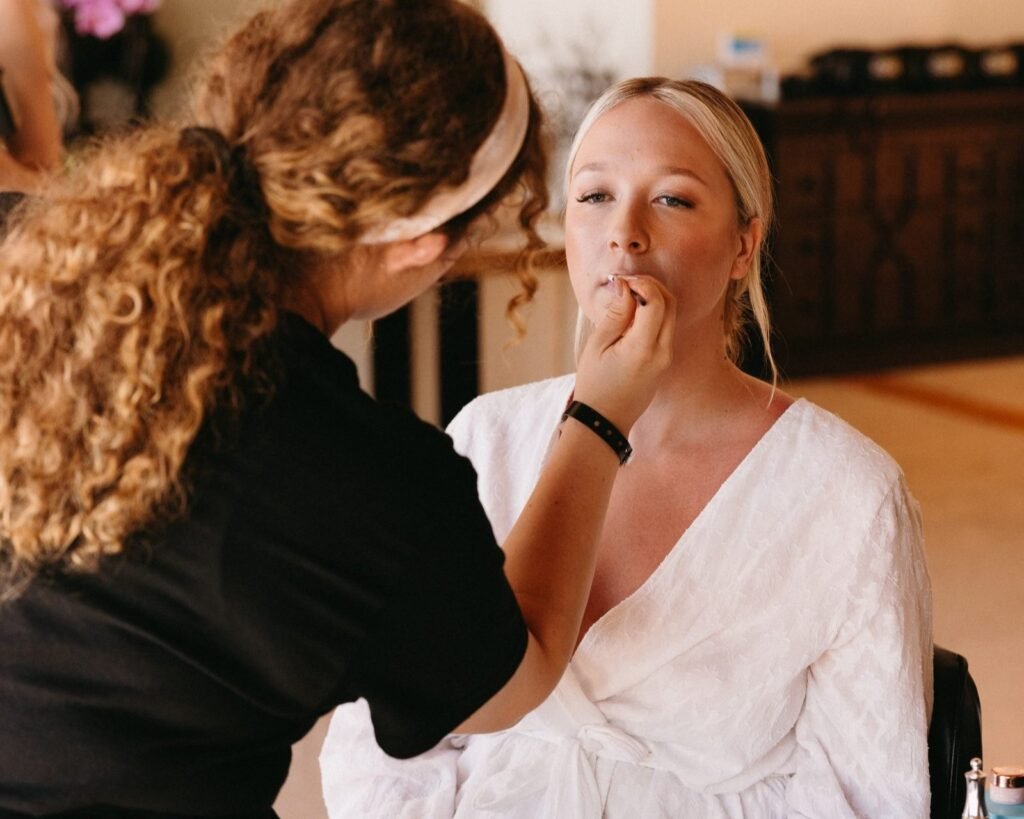
A bridal smokey eye can be softer than a dramatic night-out version. It focuses on soft blending and dimension instead of harsh edges or heavy darkness. Brittany specializes in enhancing natural features through soft shadows and subtle highlights, which fits a polished, wearable approach.

  • Soft blending: Edges look diffused, not sharp.
  • Dimension over darkness: Depth comes from layered shadow, not a single heavy shade.
  • Balance with the rest of the face: Glowing skin and a softer lip can keep the eyes from feeling heavy. Brittany’s no-makeup-makeup style centers on radiant skin and warm, bronzed contour instead of heavy coverage.
  • A finish that suits you: The overall look should still feel like you. Your preferred skin finish matters, too. Comparing dewy and matte bridal makeup can help you decide how you want your complexion to look alongside a more defined eye.

When a Smokey Eye Works Well

  • You wear dramatic eye makeup often: If a defined eye feels natural to you, it may feel comfortable on your wedding day.
  • Your dress and style are formal or evening-focused: A deeper eye can suit a black-tie or evening celebration. Consider the gown’s neckline and details, too, especially if you are wearing a strapless or off-the-shoulder dress.
  • You want a statement feature: Brittany sees makeup as an art form and a way to express your individual style, so a bolder eye can be a beautiful choice.
  • Your features suit it: Brittany shapes the look around your features, rather than using the same approach for every bride. For example, brides with darker hair can explore different ways to coordinate their eye makeup with their overall look in these bridal makeup ideas for brunettes.
  • You love it at your trial: Brittany strongly recommends a bridal trial. She tests the look and product formulas directly on your skin, works through adjustments, and makes sure you know what to expect on your wedding day.

When to Consider a Softer Alternative

  • You prefer a very natural look: If you rarely wear eye makeup, a softer approach may feel more like you.
  • Your venue has bright, direct light: Talk through how much depth suits an outdoor setting with Brittany. Weather matters, too, particularly for summer events. These bridal makeup tips for humid summer weddings in Orange County cover conditions worth considering when planning your look.
  • You expect many happy tears: One San Diego bride shared that her makeup stayed flawless all day, even through happy tears, but no one can promise how any look will wear.
  • Your dress is detailed or delicate: A softer eye can let the gown take center stage, especially when you want a balanced look with a strapless or off-the-shoulder neckline.
  • You wear glasses: Mention it to Brittany so she can plan the look with your frames in mind.
  • You want a timeless feel: A softer eye can suit brides who prefer a natural look.

A softer alternative can still add depth. Warm, blended shadows and subtle highlights give definition without the intensity of a full smokey eye. Some brides choose a softer middle ground between the two.

How to Test It at Your Trial
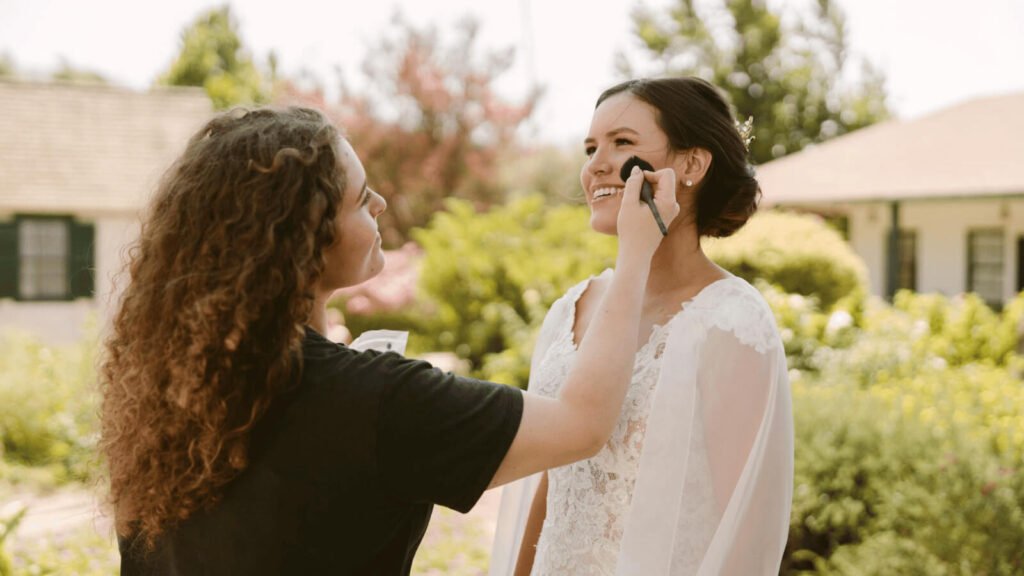
smokey eye bridal makeup
  • Bring reference photos: Images of smokey looks you love, and ones you do not, give Brittany a clear starting point.
  • Bring photos of your dress and venue: Your gown and setting shape how much depth works. If you’re considering a particular neckline, you can also review these ideas for bridal makeup with strapless and off-the-shoulder dresses.
  • Check the look in different lighting: Natural light and indoor light can show eye makeup differently.
  • Ask about wear: Careful prep, professional products suited to Southern California conditions and your skin type, and final setting techniques can help the look hold through the ceremony, photography, and reception, though no one can promise exactly how any makeup will wear after a full day.
  • Share your skin details: Tell Brittany about any skin sensitivities, reactions, or recent treatments. If you have specific concerns about redness, discoloration, or uneven skin tone, ask whether corrective makeup techniques may be appropriate for your needs.
  • Speak up about comfort: Adjustments are easiest at the trial, so say so if anything feels too heavy.
  • Check your foundation: The eye look is only one part of the final result. Finding a base that suits your skin and photographs naturally is also important, so review how to choose the right foundation shade for your wedding day.
  • Prepare your skin on schedule: Start a consistent skincare routine at least four weeks before the wedding, skip new skincare products or treatments in the final 10 days, and stay hydrated in the week leading up to the event, especially in summer.

If you are still deciding whether a dramatic eye suits you, a trial gives you space to compare a softer version with a more defined look. Read more about what happens during a bridal makeup trial and what to expect before your appointment. It can also help to prepare a few questions to ask before hiring a bridal makeup artist so you understand the artist’s process and approach.

Because Brittany is fully mobile, she comes to your home, hotel suite, resort room, or estate with a complete professional kit, including studio-quality lighting and seating. Setup takes about 15 to 20 minutes. You skip the salon commute, and your getting-ready party stays together.

Her general guidance is roughly 60 to 90 minutes for the bride and 45 to 60 minutes per bridesmaid. For larger bridal parties, she brings additional artists so everyone finishes on schedule without cutting corners on the bride’s application. Brides also receive a complimentary touch-up kit with lipstick, powder, and blotting sheets.

Brittany trained at Empire Academy of Makeup in Orange County. You can see examples of her bridal work in the portfolio and read more about her background on the About page.

Plan Your Wedding-Day Makeup

Choosing between a smokey eye and a softer bridal look depends on your personal style, features, and wedding setting. Brittany can discuss your makeup preferences, dress, and wedding plans to help you find a look that suits you. Spring and fall wedding dates in Orange County can book quickly, so reach out once your venue is confirmed. A signed contract and deposit secure your date. Schedule a free consultation to discuss your preferred look and availability.

Frequently Asked Questions

1. What’s the best way to prep my skin for smokey eye bridal makeup?

Start a consistent skincare routine at least four weeks before your wedding. Avoid new skincare products or treatments during the final 10 days. Stay hydrated during the week leading up to the event, especially in summer. At your trial, tell Brittany about any skin sensitivities, reactions, or recent treatments. This helps her plan your makeup accordingly.

2. How long will smokey eye bridal makeup last through the ceremony and reception?

Wear time depends on your skin, the weather, and how much time you spend outdoors. Exact results cannot be guaranteed. However, careful skin prep, professional products suited to the conditions, and proper setting techniques can help your look last through the ceremony, photography, and reception. A trial lets you test the approach on your own skin. Brittany also provides a complimentary touch-up kit for quick refreshes.

3. Can smokey eye bridal makeup be adjusted for my specific skin tone or type?

Yes. Brittany builds each look around your skin, dress, and venue. She adjusts her techniques for different ages and skin types, including mature skin. Some formulas can settle into fine lines or create a heavy finish. Your trial is the ideal time to test different shades and decide how soft or dramatic you want your look to be. This helps ensure the final result still feels like you.

4. Can I wear a smokey eye for an outdoor or daytime wedding?

Yes. A smokey eye can suit an outdoor or daytime wedding when the depth and blending complement your setting and personal style. A softer, more diffused look can feel more balanced in bright natural light. Your trial gives you time to compare options before choosing your final look.

5. Is a smokey eye suitable for mature skin?

Yes. The key is choosing shades, textures, and blending techniques that suit your skin and preferences. Heavy layers are not always necessary. Discuss your skin concerns with Brittany during your trial. Together, you can find a comfortable look that enhances your features.
Posted on

Bridal Makeup for Brides Who Wear Glasses

bridal makeup for brides who wear glasses

Bridal makeup for brides who wear glasses starts with one simple idea: your frames are part of your look, so your makeup should work with them. Lenses can change how eye makeup appears, and frames add lines around the eyes and brows that shape the whole face.

At Brittany Brown Beauty, Brittany Brown draws on 11+ years in the makeup industry and her “enhance, don’t mask” approach. The goal stays the same for every bride: you look like yourself, but elevated.

This guide explains how to plan your makeup if you wear glasses on your wedding day.

Why Glasses Change Your Eye Makeup Plan

Glasses sit directly in front of your eyes, so they affect how makeup reads in person and in photos. Lenses can make eyes look larger or smaller depending on the prescription. Frames can cover part of the eye area, rest on the cheeks or brow, and catch light in photos.

Because of this, an eye look planned without your glasses in mind may not look the way you expect once the frames are on. Brittany builds each bridal look around your skin, your dress, and your venue instead of a fixed package look, and your glasses are one more detail in that plan. Her approach centers on enhancing natural features through soft shadows and subtle highlights. Exploring different bridal eye makeup styles can help you decide how much definition will work with your frames.

Brittany’s signature no-makeup-makeup style centers on glowing skin and warm, bronzed contour instead of heavy coverage. That lighter approach lets your eyes and your frames work together. Brides who prefer a softer finish can also explore these natural bridal makeup looks for inspiration.

Natural Makeup

Adjusting Application for Frames and Lenses

Three areas deserve extra attention when you wear glasses.

Eyeshadow That Doesn’t Get Lost Behind Lenses

  1. Plan the look with your frames on: Wear your glasses at your trial so Brittany can see how the eye makeup reads behind the lenses.
  2. Use soft shadows and subtle highlights: These add dimension and definition without looking overdone behind glass.
  3. Choose the level of definition you want: Some brides like a soft, natural eye, while others prefer more depth. Share your preference at your trial.
  4. Check the look from a few angles: Lenses can change how the eye area looks, so review the makeup in a mirror and in photos.

Mascara and Lash Choices That Don’t Smudge Frames

  1. Mention how your lashes sit: Long lashes can touch the lens, so tell Brittany what feels comfortable with your glasses.
  2. Tell Brittany how your glasses fit: Where the lenses sit in relation to your lashes can shape the plan.
  3. Use the trial to test comfort: Brittany strongly recommends a bridal trial. She tests the look and product formulas directly on your skin, works through adjustments, and makes sure you know what to expect on your wedding day. Understanding what happens during a bridal makeup trial can help you prepare for the appointment.
  4. Share your skin and eye-area details: Tell Brittany about any skin sensitivities, reactions, or recent treatments so she can plan around them.
  5. Keep the finish natural: Brittany’s no-makeup-makeup approach centers on glowing skin instead of heavy coverage.

Brow Shaping With Frame Lines in Mind

  1. Notice where your frames sit: The top edge of your glasses relates to your brows, so the two should look balanced together.
  2. Bring photos of yourself in your glasses: Pictures of how you normally look help Brittany plan brows that suit your frames.
  3. Aim for a natural, polished brow: The brow should frame the eye and work with the frame, not compete with it.
  4. Make adjustments at the trial: Adjustments are easiest at this stage, so speak up if anything feels off.

What to Bring to Your Trial If You Wear Glasses

  1. Your wedding-day glasses: Bring the exact pair you plan to wear.
  2. A backup pair, if you have one: Some brides switch between pairs, so it helps to see both.
  3. Reference photos: Images of looks you love give Brittany a clear starting point.
  4. Photos of your dress and venue: Your gown and setting shape the finish. Your neckline matters, too, especially if your dress exposes your shoulders or collarbone. These ideas for bridal makeup with strapless and off-shoulder necklines can help you consider the overall balance.
  5. Photos of you in your glasses: Everyday photos show how you already wear your frames.
  6. Your skincare routine: Note what you currently use so you can share it with Brittany.

It also helps to prepare a few questions about your preferred style, product choices, and how your glasses affect the finished look. These suggestions on questions to ask during your bridal makeup trial can help you get more out of the appointment.

If you’re still comparing artists, consider asking about their experience with your preferred style, trial process, and wedding-day schedule. This guide to questions to ask before hiring a bridal makeup artist can help you prepare for the booking conversation.

Brides who live outside the area may need to fit the trial around a visit to Orange County or San Diego. If travel affects your planning, these tips on booking a bridal trial as an out-of-town bride can help you organize the appointment in advance.

Brides often describe Brittany’s work as natural and “you but elevated,” which fits the goal when your glasses are part of who you are.

On the wedding day, Brittany is fully mobile and comes to your home, hotel suite, resort room, or estate with a complete professional kit, including studio-quality lighting and seating. Setup takes about 15 to 20 minutes. You skip the salon commute, and your getting-ready party stays together.

Careful prep, professional products suited to Southern California conditions and your skin type, and final setting techniques help the look hold through the ceremony, photography, and reception, though no one can promise exactly how any look will wear after a full day. For outdoor celebrations, it’s worth considering how wind and moisture may affect your makeup. These tips on bridal makeup for windy coastal ceremonies and waterproof bridal makeup for beach and outdoor ceremonies offer additional guidance for planning around outdoor conditions.

Brides with mature skin may also want to discuss how foundation and eye makeup sit around fine lines. Brittany adjusts her application for different ages and skin types, and these tips on bridal makeup for mature skin offer more guidance on choosing a flattering finish.

Every bride also receives a complimentary touch-up kit with lipstick, powder, and blotting sheets.

Plan on roughly 60 to 90 minutes for the bride and 45 to 60 minutes per bridesmaid. For larger bridal parties, she brings additional artists so everyone finishes on schedule without cutting corners on the bride’s application.

Brittany trained at Empire Academy of Makeup in Orange County. You can see examples of her bridal work in the portfolio and read more about her background on the About page.

Plan Your Wedding-Day Makeup

Your glasses, preferred makeup style, dress, and venue all help shape your wedding-day look. Brittany can discuss your preferences and help you choose makeup that complements your features and works well with your frames. Spring and fall wedding dates in Orange County can book quickly, so reach out once your venue is confirmed. A signed contract and deposit secure your date. Schedule a free consultation to discuss your makeup ideas and availability.

Frequently Asked Questions

1. What’s the best way to prep my skin for bridal makeup for brides who wear glasses?

Start a consistent skincare routine at least four weeks before your wedding, skip new skincare products or treatments in the final 10 days, and stay hydrated in the week leading up to the event, especially in summer. At your trial, tell Brittany about any skin sensitivities, reactions, or recent treatments so she can plan around them. Bring your glasses so she can plan the look with them on.

2. How long will bridal makeup for brides who wear glasses last through the ceremony and reception?

Wear time depends on your skin, the weather, and how much time you spend outdoors, so no one can promise an exact result. Careful prep, professional products suited to the conditions, and final setting techniques all help the look hold through the ceremony, photography, and reception. A trial lets you test the plan on your own skin. Brittany also gives every bride a complimentary touch-up kit for quick refreshes.

3. Can bridal makeup for brides who wear glasses be adjusted for my specific skin tone or type?

Yes. Brittany tailors each look to your skin, dress, and venue. She also adjusts her techniques for different ages and skin types. For mature skin, some formulas may settle into fine lines or feel too heavy. Your trial lets you test products with your glasses on and make sure the look feels right for you.

4. Should I choose different eye makeup if my glasses have thick frames?

Your frames can influence how much eye definition is visible, but you do not necessarily need to change your preferred style. Try your usual glasses during the makeup trial and check how eyeshadow, liner, and brows look behind the lenses. Brittany can help adjust the level of definition to complement your frames and personal style.

5. How can I prevent my glasses from disturbing my bridal makeup?

Make sure your glasses fit comfortably and sit where they normally would before the makeup application is finalized. During the trial, check whether the frames touch your cheeks or lashes and whether they leave marks on your nose. These details help you and your artist identify any areas that may need adjustments before the wedding day.

Posted on

Matching Your Bridal Makeup to Your Bouquet and Color Palette

matching your bridal makeup to your bouquet and

Matching your bridal makeup to your bouquet and color palette helps your whole look feel connected, from the flowers in your hands to the colors on your face. It does not mean copying every shade. It means choosing tones that sit comfortably next to your wedding colors.

At Brittany Brown Beauty, Brittany Brown draws on 11+ years in the makeup industry and her “enhance, don’t mask” approach. Every look aims for the same result: you look like yourself, but elevated.

This list shows how to translate your wedding palette into makeup choices that feel natural and photo-ready.

Why Color-Coordinating Makeup Works

Your bouquet, dress, and decor all appear in the same photos as your face. When your makeup colors work with those tones, the whole image feels cohesive. When they clash, the eye goes to the clash instead of to you.

Coordination should stay subtle. Brittany builds each bridal look around your skin, your dress, and your venue instead of a fixed package look. Your palette becomes one more detail in that plan, alongside your features and your own sense of style.

  1. Start with your skin: The best shades suit your skin tone and undertone first. Understanding how to match bridal makeup to your skin undertone can help you choose colors that complement your complexion rather than simply matching your flowers.
  2. Look at your whole palette: Consider your bouquet, bridesmaid dresses, and decor together.
  3. Use color as a supporting detail: Makeup should complement your colors, not compete with them.
  4. Keep it feeling like you: Brittany’s no-makeup-makeup look centers on glowing skin and warm, bronzed contour instead of heavy coverage, so color accents stay soft.
  5. Consider your dress neckline: Your gown influences how makeup, skin, and accessories appear together in photographs. For strapless and off-shoulder dresses, these ideas for bridal makeup with strapless and off-shoulder necklines can help you coordinate the overall look.
What to Bring to Your Bridal Makeup Trial

Translating Bouquet Colors Into Makeup Choices

Share photos of your bouquet, your dress, and your color swatches at your trial. Brittany can then show you how each idea looks on your skin. Brittany strongly recommends a bridal trial. She tests the look and product formulas directly on your skin, works through adjustments, and makes sure you know what to expect on your wedding day. If you are unsure how to communicate the colors and finish you have in mind, understanding what happens during a bridal makeup trial and what brides should expect can help you prepare for the appointment.

Warm Palettes: Blush, Peach, Terracotta

  1. Echo the warmth in your lips: Soft pink, peachy, or rosy lip colors can sit naturally beside warm bouquets.
  2. Keep your eyes soft and warm: Gentle shadows and subtle highlights add definition without competing with your flowers.
  3. Ask about warm contour: Warm, bronzed contour is part of Brittany’s signature look, so talk with her about how it fits your palette.
  4. Test shades on your skin: A color that looks right on a swatch can look different on you, so check it at your trial.

Cool Palettes: Lavender, Sage, Dusty Blue

  1. Choose lip colors that suit your skin: Cool palettes pair well with soft, flattering lip shades, and the right one depends on your undertone.
  2. Keep the eyes refined: Soft shadows and subtle highlights keep the look polished next to cooler colors.
  3. Avoid matching too literally: A lavender bouquet does not require lavender makeup. Sometimes a neutral look lets the flowers stand out.
  4. Check the look in a different light: Natural light and indoor light can show cool and warm tones differently. If your wedding is likely to have overcast conditions, planning for bridal makeup on rainy or overcast wedding days can help you think about how softer light may affect your makeup and wedding photos.

Neutral and Monochrome Palettes

  1. Focus on skin and structure: With a simple palette, glowing skin and soft definition carry the look.
  2. Choose one feature to highlight: A soft lip or defined eye can add interest without crowding a minimalist palette.
  3. Think about your dress: Your gown color is part of the palette, so bring photos of it.
  4. Share how you want to feel: Calm, confident, glowing, and polished are all useful ways to describe the look you want.
Brittany Brown Bridal Makeup Routine

Keeping the Look Timeless, Not Trend-Locked

Color trends change, but wedding photos last. A look rooted in your own features is less tied to a single trend than one built around a popular color.

  1. Choose shades you would wear again: Colors that feel like you will still feel like you in future years.
  2. Keep the base natural: The no-makeup-makeup approach centers on glowing skin instead of heavy coverage.
  3. Let the glow lead: Brides often describe Brittany’s work as natural and “you but elevated,” a look rooted in your own features rather than a single trend.
  4. Choose a finish that suits your skin: A dewy finish can emphasize radiance, while a matte finish may help manage visible shine. Comparing dewy vs. matte bridal makeup and what works best for your skin can help you select a finish that complements both your complexion and your wedding palette.
  5. Consider your skin’s texture: Makeup should complement your skin rather than make fine lines or uneven texture more noticeable. Brides with mature skin can explore bridal makeup for mature skin and what works best, while these tips on avoiding makeup that settles into fine lines offer additional guidance on choosing a comfortable, flattering finish.
  6. Prep for the whole day: Brittany starts with unrushed skincare and base preparation and uses professional products suited to Southern California conditions and your skin type. Final setting techniques help the look hold through the ceremony, photography, and reception, though no one can promise exactly how any look will wear after a full day.
  7. Keep your touch-up kit close: Every bride receives a complimentary touch-up kit with lipstick, powder, and blotting sheets.
  8. Prepare your skin early: Start a consistent skincare routine at least four weeks before the wedding, skip new skincare products or treatments in the final 10 days, and stay hydrated in the week leading up to the event, especially in summer.

Because Brittany is fully mobile, she comes to your home, hotel suite, resort room, or estate with a complete professional kit, including studio-quality lighting and seating. Setup takes about 15 to 20 minutes. You skip the salon commute, your getting-ready party stays together, and the timeline stays intact.

Plan on roughly 60 to 90 minutes for the bride and 45 to 60 minutes per bridesmaid. For larger bridal parties, she brings additional artists so everyone finishes on schedule without cutting corners on the bride’s application.

If you are traveling to Orange County for your wedding, it helps to coordinate your trial with your other wedding appointments. This guide to booking a bridal trial as an out-of-town bride can help you plan ahead. Before booking, it is also useful to review these questions to ask before hiring a bridal makeup artist so you understand the artist’s process and what to expect.

Brittany trained at Empire Academy of Makeup in Orange County. You can see examples of her bridal work in the portfolio and read more about her background on the About page.

Plan Your Wedding-Day Makeup

Your bouquet, color palette, dress, and venue can all influence your wedding-day makeup. Brittany works with brides to discuss their preferences and create a look that complements their overall wedding style. Spring and fall dates in Orange County can book quickly, so it’s best to reach out once your venue is confirmed. A signed contract and deposit secure your date. Schedule a free consultation to discuss your makeup preferences and availability.

Frequently Asked Questions

1. How should I prepare my skin when matching bridal makeup to my bouquet and color palette?

Start a consistent skincare routine at least four weeks before your wedding. Avoid new skincare products or treatments during the final 10 days. Stay hydrated during the week before your wedding, especially in summer. At your trial, tell Brittany about any skin sensitivities, reactions, or recent treatments. Bring bouquet photos and color swatches to help guide your makeup choices.

2. How long will makeup coordinated with my bouquet and color palette last through the ceremony and reception?

Wear time depends on your skin, the weather, and time spent outdoors. Careful prep, suitable professional products, and setting techniques help makeup last through the ceremony, photos, and reception. A trial lets you test the look on your skin. Brittany also provides every bride with a complimentary touch-up kit for quick refreshes.

3. Can my bridal makeup be adjusted for my skin tone and type while complementing my wedding colors?

Yes. Brittany builds each look around your skin, your dress, and your venue, so shades and finishes change from bride to bride. Your bouquet can inspire the color choices, but the makeup should still complement your natural complexion and personal preferences. A trial is the best place to test the shades and confirm that the look feels like you.

4. Should my makeup exactly match the colors in my bridal bouquet?

No. Your makeup does not need to reproduce every shade in the bouquet. Instead, choose complementary tones that work with your skin, dress, and overall palette. For example, a bouquet with peach and blush flowers may pair well with warm rosy lips, while a lavender bouquet can work beautifully with neutral eye makeup and a flattering lip shade.

5. How can I make sure my makeup and bouquet look cohesive in wedding photos?

Bring photos of your bouquet, dress, and wedding color palette to your makeup trial. Discuss where your portraits will take place and whether the lighting will be natural, shaded, or indoors. Testing the makeup in different lighting can help you choose colors that complement the flowers without competing with them.

Posted on

Bronzy, Sun-Kissed Bridal Makeup for Tan Skin

bronzy sun-kissed bridal makeup for tan skin

Bronzy, sun-kissed bridal makeup for tan skin is about warmth that looks like it belongs to you. Tan skin often already has natural depth and glow, so the right plan builds on it instead of covering it.

At Brittany Brown Beauty, Brittany Brown draws on 11+ years in the makeup industry and her “enhance, don’t mask” approach. Her signature no-makeup-makeup look centers on glowing skin and warm, bronzed contour, so brides look like themselves, but elevated.

This guide explains how to plan a bronzy look that feels radiant and wedding-ready.

Why Tan Skin Calls for a Different Bronzer Approach

Tan skin does not need to be made darker. It needs warmth and dimension that match the skin you already have. Bronzers that are too deep, too orange, or too heavy can sit on top of the skin instead of blending into it, and they can look different in photos than they do in the mirror.

Light can change the result too. Sunlight, shade, and indoor lighting all show warmth differently, so a shade that looks right in one spot may read differently in another. Understanding how wedding lighting affects your bridal makeup can help you plan for a finish that looks balanced in different settings. That is why Brittany builds each bridal look around your skin, your dress, and your venue instead of a fixed package look.

Skin tone is only part of the picture. Your undertone, your natural glow, and the way you like to wear makeup all shape the plan. Learning how to match bridal makeup to your skin undertone can help you understand which shades complement your complexion. Brittany adjusts her technique for different skin types and ages, so the look is chosen for you.

Building the Sun-Kissed Look

Best Natural Bridal Makeup

Three planning areas shape a bronzy bridal look.

Bronzer Placement and Depth

Brittany’s approach to warm, bronzed contour focuses on enhancing your features with soft shadows and subtle highlights instead of heavy coverage. The foundation underneath also matters, since the right formula helps create an even base without hiding your natural skin. Exploring the best foundation types for bridal makeup can help you understand the options to discuss during your trial.

  • Keep the base light: Thin, even layers let your natural skin and glow show through.
  • Aim for warmth that adds shape: Soft warmth along the face can add dimension without looking heavy.
  • Build depth gradually: Adding color in light layers lets you stop at the level that feels right.
  • Choose the depth with Brittany at your trial: Brittany strongly recommends a bridal trial. She tests the look and formulas directly on your skin, works through adjustments, and makes sure you know what to expect on your wedding day.

Warm-Toned Eye and Lip Pairings

Eyes and lips shape how the bronzed skin reads in photos. The goal is a look that feels cohesive, not matched piece by piece. The right eye makeup can bring out the warmth in your complexion without overpowering the rest of the look. These bridal eye makeup styles and tips for choosing the right look can help you decide how much definition suits your style.

  • Consider soft, warm eye shades: Gentle shadows and subtle highlights add definition while keeping the look natural.
  • Choose lip colors that suit your skin and dress: Share photos of your dress and any lip colors you love.
  • Decide how much definition you want: Some brides prefer a soft, glowing finish, while others like a stronger feature.
  • Bring reference photos: Images of looks you love give Brittany a clear starting point for the conversation.

Hair color can also influence how the overall look comes together. Brides with darker hair who want to coordinate their complexion, eyes, and lip color can explore these bridal makeup ideas for brunettes in Orange County for additional inspiration.

Avoiding an Overly Orange Cast

An orange cast can come from a shade that is too intense or placed too heavily. Careful planning helps reduce the risk.

  • Test shades on your skin: A color that looks natural on one person can look different on another, so test it at your trial.
  • Check the look in a different light: Natural light and indoor light can show warmth differently.
  • Keep the application light: Soft layers blend more easily than heavy ones.
  • Speak up if anything feels too intense: Adjustments are easiest at the trial.
  • Share your skin details: Tell Brittany about any skin sensitivities, reactions, or recent treatments.

Skin prep supports the finish too. Start a consistent skincare routine at least four weeks before the wedding, skip new skincare products or treatments in the final 10 days, and stay hydrated in the week leading up to the event, especially in summer. Following a 30-day skin-prep plan before your wedding gives you time to establish a routine and discuss any concerns before the big day.

Keeping It Wedding-Appropriate, Not Vacation-Casual

Skin Prep for Dry or Flaky Patches Before Your Wedding

A bronzy bridal look should feel polished and photo-ready. It should look like you on your best day, not like a beach getaway.

  • Keep the finish refined: Glowing skin with soft definition looks elegant and natural.
  • Balance warmth across the face: Cheeks, eyes, and lips should feel cohesive.
  • Plan for the whole day: The look has to work for the ceremony, portraits, and reception.
  • Think about your dress and venue: Your gown color and setting shape how the warmth reads.
  • Choose the finish that suits you: Some brides prefer a fresh, dewy glow, while others want less visible shine. Comparing dewy vs. matte bridal makeup and what works best for your skin can help you decide which finish feels right for your complexion and wedding style.
  • Prep for coastal conditions: Brittany uses professional products suited to Southern California conditions, including heat, humidity, and sea air, and to your skin type. For an outdoor celebration, these outdoor wedding makeup tips for lasting wear in heat and humidity offer more guidance on preparing for changing conditions. Final setting techniques help the look hold through the ceremony, photography, and reception, though no one can promise how any look will wear after a full day.

Because Brittany is fully mobile, she comes to your home, hotel suite, resort room, or estate with a complete professional kit, including studio-quality lighting and seating. Setup takes about 15 to 20 minutes. You skip the salon commute, your getting-ready party stays together, and the timeline stays intact.

Her general guidance is roughly 60 to 90 minutes for the bride and 45 to 60 minutes per bridesmaid. For larger bridal parties, she brings additional artists so everyone finishes on schedule without cutting corners on the bride’s application. Brides also receive a complimentary touch-up kit with lipstick, powder, and blotting sheets.

Brides have described Brittany’s work as natural and “you but elevated.” She trained at Empire Academy of Makeup in Orange County. You can see examples of her bridal work in the portfolio and read more about her background on the About page.

Plan Your Bridal Trial

A bridal trial lets you see how your chosen makeup tones, foundation, and finish work with your complexion before the wedding day. Brittany offers bridal hair and makeup trials in San Diego, giving you time to share inspiration, try your preferred look, and make adjustments as needed. Schedule a consultation to discuss your style, wedding details, and availability.

Frequently Asked Questions

1. What’s the best way to prep my skin for bronzy sun-kissed bridal makeup for tan skin?

Start a consistent skincare routine at least four weeks before your wedding, skip new skincare products or treatments in the final 10 days, and stay hydrated in the week leading up to the event, especially in summer. At your trial, tell Brittany about any skin sensitivities, reactions, or recent treatments so she can plan around them.

2. How long will bronzy sun-kissed bridal makeup for tan skin last through the ceremony and reception?

Wear time depends on your skin, the weather, and how much time you spend outdoors, so no one can promise an exact result. Careful prep, professional products suited to the conditions, and final setting techniques all help the look hold through the ceremony, photography, and reception. A trial lets you test the plan on your own skin. Brittany also gives brides a complimentary touch-up kit for quick refreshes.

3. Can bronzy sun-kissed bridal makeup for tan skin be adjusted for my specific skin tone or type?

Brittany builds each look around your skin, your dress, and your venue, so the plan changes from bride to bride. She also adjusts technique for different ages and skin types, including mature skin, where some formulas can settle into fine lines or look heavy. Your trial is the best place to test products and confirm the look feels like you.

4. How do I keep bronzy bridal makeup from looking too dark in wedding photos?

Choose bronzer and contour shades that complement your natural complexion rather than trying to make your skin darker. Build the color gradually and check the finish under different lighting conditions. Your makeup artist can adjust the depth and placement during your trial so the result looks balanced in person and in photographs.

5. Should I choose a dewy or matte finish for bronzy bridal makeup on tan skin?

Both finishes can work well. A dewy finish enhances the skin’s natural radiance, while a more matte finish can help manage visible shine in warm weather. Your skin type, venue, and personal preferences should guide the choice. Testing your preferred finish during the trial helps you find a balance between warmth, glow, and comfort.

Posted on

Bold Bridal Makeup vs Soft Glam: Choosing Your Style

bold bridal makeup vs soft glam

Choosing between bold bridal makeup vs soft glam is a common style decision once the dress and venue are set. Both can look beautiful, and the right one depends on your features, your wedding, and how you want to feel.

At Brittany Brown Beauty, Brittany Brown draws on 11+ years in the makeup industry and her “enhance, don’t mask” approach. Every look she builds aims for the same result: you look like yourself, but elevated.

This guide compares both styles so you can walk into your trial with a clear idea of what you want.

What Defines Bold Bridal Makeup

Bold bridal makeup puts definition first. It usually means stronger color or contrast on the lips, eyes, or both, with a more noticeable finish. Think of a deep lip, a dramatic eye, or sharper contour that stays visible in photos and from across the room.

Bold does not have to mean heavy. Brittany sees makeup as an art form and a way to express your individual style, so a bolder look can still work with your features instead of covering them. A bold lip with soft, glowing skin, for example, keeps the focus on one feature and leaves the rest natural.

Brittany builds each bridal look around your skin, your dress, and your venue instead of a fixed package look. If you love a bolder style, tell her at your trial so you can test how much color and definition feels right.

What Defines Soft Glam

Soft Glam Makeup

Soft glam sits between natural and dramatic. It looks polished and photo-ready, with defined eyes, flattering color, and glowing skin, but nothing feels heavy or harsh. Brittany’s approach centers on enhancing natural features through soft shadows and subtle highlights, and her signature no-makeup-makeup look focuses on glowing skin and warm, bronzed contour instead of heavy coverage.

Soft glam suits brides who want to feel dressed up without feeling like they are wearing a lot of makeup. Brides have described Brittany’s work as natural and “you but elevated,” and that phrase captures what soft glam aims for. If you are also considering a more understated finish, comparing soft glam vs. natural bridal makeup and what actually photographs better can help you decide how much definition you prefer.

Head-to-Head: Photos, Durability, and Personality Fit

Bold bridal makeup is defined and statement-making. The focus is strong color or contrast on the lips or eyes, and it stands out in portraits and group shots. Soft glam is polished, glowing, and natural. The focus is skin, soft shadows, and subtle highlights, and it looks refined both up close and from a distance.

For personality fit, bold suits brides who love color and a dramatic moment. Soft glam suits brides who want to look like themselves, but elevated. At your trial, a bold look is a chance to test how much color feels right, and a soft glam look is a chance to test how much definition feels right.

Both styles hold up best with careful prep. Brittany starts with unrushed skincare and base preparation, applies professional products suited to Southern California conditions and your skin type, and finishes with setting techniques. If dryness or flaky patches are a concern, addressing them before the wedding can help your foundation sit more evenly. These tips on skin prep for dry or flaky patches before your wedding offer additional guidance.

No one can promise how any look will wear after a full day, which is why a trial matters for both styles.

Which One Is Right for You

Best Bridal Makeup for Oily, Dry, and Acne-Prone Skin

The best choice comes from a few simple questions:

  • How do you usually wear makeup? If you wear bold lips or dramatic eyes often, a bold bridal look may feel natural. If you prefer a lighter routine, soft glam is likely to feel more familiar.
  • What does your dress look like? A simple silhouette can carry a bold lip well, while a detailed gown may pair better with softer makeup. Consider the fabric, embellishments, and overall silhouette when choosing your finish. This guide to bridal makeup for different wedding dresses can help you coordinate your look with your gown. If you are wearing a strapless or off-shoulder design, the neckline also affects how your shoulders and collarbone frame the finished look, as explained in this guide to bridal makeup for strapless and off-shoulder necklines.
  • Where is your venue? Outdoor and coastal settings bring sunlight, humidity, and wind, so the plan should suit the setting. A ceremony in bright sunshine may call for different adjustments from one held under gray skies. For the latter, these tips on bridal makeup for rainy or overcast wedding days explain how softer light can affect your makeup choices. For coastal celebrations, working with a bridal makeup artist in Laguna Beach, CA can also help you plan around the local setting.
  • How do you want to feel? Pick the look that makes you feel confident and relaxed.
  • How do you want your photos to look years from now? Think about whether you want a timeless soft finish or a statement look.

The size and style of your celebration can also influence your getting-ready plans. Brides organizing a destination wedding with hair and makeup in Southern California may need to coordinate services with travel and venue logistics, while couples planning a smaller celebration can explore elopement hair and makeup in Orange County.

If you cannot decide, a trial helps. Brittany strongly recommends a bridal trial. She tests the look and product formulas directly on your skin, works through adjustments, and makes sure you know what to expect on your wedding day. Some brides choose a middle ground, such as a soft glam base with one bolder feature. Bring reference photos and tell Brittany about any skin sensitivities, reactions, or recent treatments.

Brittany is fully mobile, so she comes to your home, hotel suite, resort room, or estate with a complete professional kit, including studio-quality lighting and seating. Setup takes about 15 to 20 minutes. You skip the salon commute, your getting-ready party stays together, and the timeline stays intact. Her general guidance is roughly 60 to 90 minutes for the bride and 45 to 60 minutes per bridesmaid. For larger parties, she brings additional artists so everyone finishes on schedule without cutting corners on the bride’s application. Brides also receive a complimentary touch-up kit with lipstick, powder, and blotting sheets.

Book Your Bridal Makeup Consultation

Brittany offers mobile bridal makeup throughout Orange County, with each look tailored to your preferences and wedding style. Browse her bridal makeup portfolio for inspiration and learn more about Brittany and her approach to makeup. For more details, visit the bridal makeup artist in Orange County, CA service page.

Ready to choose between bold bridal makeup and soft glam? Schedule a consultation to discuss your preferred look, wedding details, and availability.

Frequently Asked Questions

1. What’s the best way to prep my skin for bold bridal makeup vs soft glam?

Both styles start the same way. Begin a consistent skincare routine at least four weeks before your wedding, skip new skincare products or treatments in the final 10 days, and stay hydrated in the week leading up to the event, especially in summer. At your trial, tell Brittany about any skin sensitivities, reactions, or recent treatments so she can plan around them.

2. How long will bold bridal makeup vs soft glam last through the ceremony and reception?

Wear time depends on your skin, the weather, and how much time you spend outdoors, so no one can promise an exact result. Careful prep, professional products suited to the conditions, and final setting techniques all help either style hold through the ceremony, photography, and reception. A trial lets you test the plan on your own skin. Brittany also gives brides a complimentary touch-up kit for quick refreshes.

3. Can bold bridal makeup vs soft glam be adjusted for my specific skin tone or type?

Brittany builds each look around your skin, your dress, and your venue, so the plan changes from bride to bride. She also adjusts technique for different ages and skin types, including mature skin, where some formulas can settle into fine lines or look heavy. Your trial is the best place to test products and confirm the look feels like you.

4. Can I combine bold bridal makeup with soft glam?

Yes. You can combine elements of both styles to create a look that suits your personality. For example, you might choose soft, glowing skin and subtle contour with a more dramatic eye or a deeper lip color. Discuss your preferred features during the trial so Brittany can balance the look without making it feel too heavy.

5. Does bold bridal makeup look better than soft glam in outdoor wedding photos?

Neither style is automatically better. Bold makeup can create stronger definition in portraits, while soft glam offers a more understated finish. The result depends on your features, the lighting, your skin, and the overall look you want. Testing your preferred style during a trial helps you see how it appears in different lighting before the wedding day.

Posted on

How to Choose the Right Blush Shade for Your Skin Tone

How to Choose the Right Blush Shade for Your Skin Tone

To choose the right blush shade for your skin, start with the color your cheeks turn naturally after a brisk walk. Look for a blush in that same color family, then consider your undertone, skin depth, and the rest of your wedding makeup. The goal is to recreate your natural flush with a little more definition.

Blush can look different depending on your complexion, the lighting, and the other shades in your makeup. At Brittany Brown Beauty, we consider these details when choosing a blush color and deciding how much to apply. A shade that complements your natural coloring can bring warmth and dimension to your face without overpowering the rest of your look.

The best blush shade should feel like a natural fit, working with your skin tone and tying your bridal makeup together.

Why Blush Shade Is Easy to Get Wrong

A blush that looks right in the pan can look completely different on your face. Natural coloring and undertone come first: the same blush can look rosy on one person and dull on another. The foundation underneath matters too, because a base that is slightly too light, too heavy, or too matte can mute the blush on top. Light changes the result again, since daylight, warm indoor bulbs, and camera flash each show color differently. Finally, the rest of the makeup and the way the blush is applied decide whether the color looks natural or out of place.

Most blush mistakes follow a few patterns:

  • Too gray. Muted mauves and browns with a gray cast can look flat or dusty on the cheeks.
  • Too bright. Very bright pinks and corals can sit on top of the skin instead of blending in, and they can stand out more under flash.
  • Too warm. A strongly orange shade can look like a patch of bronzer, and on a cool or pink undertone it can turn orange.
  • Too cool. Blue-leaning pinks can look chalky or ashy on some skin, especially with golden or olive undertones.
  • Too strong for the rest of the look. Heavy color on the cheeks pulls attention away from soft eyes and lips.

None of these shades is wrong on its own. The mistake is a mismatch with the person wearing it and the makeup around it.

Matching Blush to Undertone

Skin tone and undertone are different things. Skin tone is how light or deep your skin looks on the surface, and it can shift with the seasons or a little sun. Undertone is the subtle color beneath the surface, and it stays the same. Two brides with the same skin depth can have different undertones, which is why one blush can look natural on one and off on the other.

Undertones usually fall into three groups:

  • Warm: a golden, yellow, or peachy cast. Peach, coral, warm rose, and terracotta blushes often sit comfortably.
  • Cool: a pink, red, or bluish cast. Soft pink, rose, berry, and cooler mauve often look natural.
  • Neutral: a mix of the two. Neutral undertones often have a wide range, including dusty rose and soft peach-pink.

Undertone is a starting point, not a rule. Skin depth, the finish you want, your dress, the lighting at your venue, and your own taste all affect the final choice. If you are not sure which undertone you have, our article on matching bridal makeup to your skin undertone explains how to find out.

Overall coloring plays a part, too. Hair color, brow depth, and eye color change how much contrast the face carries, and that affects how much color the cheeks can hold before blush looks faint or heavy. Darker hair, for example, creates stronger contrast around the face, so a bride with dark brown hair may need a little more pigment on the cheeks to keep the look balanced. Undertone should still lead the choice. Brides with dark hair can find more ideas in our bridal makeup ideas for brunettes in Orange County.

Fair and Light Skin

Soft pinks, delicate peach, muted rose, and light apricot tend to look natural on fair and light skin because they add warmth without overpowering. Undertone helps narrow it down. A fair bride with a pink undertone may look best in soft rose, while one with a golden undertone may prefer peach or apricot.

Intensity matters more than the exact shade. Fair skin shows color quickly, so a highly pigmented blush usually needs a light hand. Start with a small amount, blend it outward, and add more only where the cheeks still look flat. Deeper or brighter shades can still work when they are sheer and well blended, but they take more care.

Medium and Olive Skin

Medium and olive complexions often look good in peach, warm rose, terracotta, soft coral, and mauve with a little warmth in it. These shades add color without turning gray or too pink against the skin. Medium skin with a cool undertone can still look lovely in rose and softer berry tones, since undertone still guides the choice.

Olive skin deserves a note. It often carries a subtle green or golden cast, so cool, blue-leaning pinks can look gray or muted instead of fresh. A warm rose or a terracotta-leaning peach often looks more natural. Swatch on the cheek rather than the hand, because the hand rarely matches the face.

Deep Skin Tones

Deeper skin tones often look best in blush with enough pigment and richness to show up without looking harsh. Light, chalky, or very frosted shades can sit on top of the skin and look gray, while a richly pigmented shade blends in and reads as color.

Berry, rich rose, coral, plum, deep peach, and terracotta are all good places to start. Undertone still matters. Warm undertones often suit coral and terracotta, while cool undertones may lean toward berry and plum.

This is about pigment, color balance, and placement, not about using more makeup. A small amount of well-pigmented blush, blended with soft edges, gives color without heaviness.

Placement Tips for a Natural Flush

Where blush sits changes the feel of the whole makeup look. On the apples of the cheeks, it looks fresh and soft. Swept a little higher toward the temples, it looks more lifted and defined.

Face shape can guide placement, but it is not a rule. On a longer face, blush placed a little more horizontally across the cheeks can add width. On a rounder face, angling it up toward the temples can add lift. Rounder, softer placement can also flatter more angular features.

How Much Blush to Use

Build blush in thin layers. Start with less than you think you need, blend the edges until no line shows, and stop when the cheeks look like a natural flush. Blush can look stronger up close than it does from a few feet away, so check it from a distance as you go.

Blush, Bronzer, and Highlighter Together

Each product has a separate job. Blush adds color, bronzer adds warmth and dimension around the edges of the face, and highlighter adds light to the high points. When all three land in the same spot, the color turns muddy. Keep the blush where the color should sit, the bronzer slightly lower and further out, and the highlighter on top of the cheekbone. Brides who skip bronzer or highlighter can let blush do more of the work.

Keeping Blush in Balance With the Rest of the Look

Blush should support the other products, not compete with them. A soft eye and a natural lip can handle a little more color on the cheeks. A bold lip or a dramatic eye usually calls for a softer cheek. If you are still weighing your options, our article on soft glam vs. natural bridal makeup shows how each style photographs, and it is a good source of bridal makeup ideas. Either way, the finished look should still feel like you, just more polished.

How Lighting and Photos Change Blush

Lighting changes how visible blush looks. Bright daylight at an outdoor ceremony can wash out a soft shade, while flash and warm reception lighting can make the same shade look stronger. That is why it helps to see your blush in daylight, indoors, and in photographs before the wedding.

Testing Your Blush at a Bridal Makeup Trial

A bridal makeup trial is a reliable way to settle a blush choice. It lets you and your artist see the shade on your actual skin, next to the rest of the makeup, and adjust before the wedding day. If you are planning a wedding in Orange County, a trial also helps you choose the right blush shade for your skin with your dress and overall look in mind.

Testing is especially useful when:

  • You are trying a new product.
  • You are choosing between noticeably different shades, such as a soft peach and a deeper rose.
  • You have concerns about skin sensitivity. Tell your artist about any sensitivities, reactions, or recent treatments so products can be chosen with that in mind.
  • You want to confirm how the color looks in photographs and different lighting.
  • Longevity matters because you have a long wedding day ahead.

No blush can be promised to look the same throughout the ceremony and reception. Wear depends on your skin type, the products used, the weather, and how active the day is. At a trial, you can wear the makeup for a few hours, see how the blush settles, and change the product or placement if needed. Our article on what to expect during a bridal makeup trial explains how the appointment works and what to bring.

Schedule a Consultation

Brittany Brown Beauty provides mobile bridal hair and makeup services for weddings and special events, with a strong presence in Orange County and surrounding areas. A consultation or bridal makeup trial is a good way to find the blush shade that suits your coloring, your dress, and your wedding-day look. Click the button below to schedule a consultation online.

Frequently Asked Questions

How should I prep my skin before choosing a blush shade?

Skin prep helps blush apply evenly and look its best. Keep your routine consistent before the wedding and avoid new products or treatments in the final 10 days. Arrive at your trial with minimal makeup so your artist can assess your natural skin and coloring.

How long will my blush last through the ceremony and reception?

There is no set wear time we can promise. How long blush lasts depends on your skin type, the products used, how they are applied, the weather, and how active your day is. Heat, humidity, hugs, and happy tears all play a part. A trial helps you see how the makeup approach holds up over several hours, so any adjustments can be made before the wedding day.

How will my blush look in wedding photos? 

Blush can appear softer or more noticeable depending on the lighting, camera, foundation, and overall makeup. A shade that looks subtle in person may photograph differently under bright outdoor light or flash. Testing the blush during your trial helps you see how the color works on your actual skin and alongside the rest of your makeup.

Should my blush match my lipstick and other wedding makeup?

Your blush does not need to exactly match your lipstick, but the colors should work together. A warm peach or coral blush can complement warm-toned lips, while rose, mauve, or berry shades may work well with cooler lip colors. The overall makeup should feel balanced rather than having one color compete with another.

Can my blush be matched to my specific skin tone and skin type? 

Yes. Blush selection can be adjusted for your skin tone, undertone, and skin type, along with the finish you prefer, your overall makeup, and your personal taste. A cream formula and a powder can behave differently on dry or oily skin, and a matte and a satin finish can change how defined the color looks. A trial lets you compare options on your own skin.

Posted on

Corrective Makeup: What It Is and Who It’s For

Corrective Makeup

Corrective makeup focuses on specific areas of the face that may need more coverage, balance, or color correction. Instead of applying heavy coverage everywhere, the goal is to use the right technique and product where it is actually needed. This can include adjusting discoloration, softening the appearance of scarring, balancing redness, or creating a more even base.

At Brittany Brown Beauty, corrective makeup is a named specialty. Brittany Brown has 12 years of experience in bridal and print makeup, with a particular focus on corrective beauty and mature makeup. Her approach is about working with the skin rather than covering the entire face with layers of makeup.

Corrective makeup can be especially useful for mature brides, mothers of the bride or groom, and anyone who wants a more even complexion while keeping the finished makeup looking natural.

Defining Corrective Makeup

Corrective makeup starts with observation. Before any product goes on, the artist looks closely at the skin in good light. The goal is to see which areas are already even and which need extra attention, such as redness around the nose, shadowing under the eyes, or uneven tone along the cheeks.

From there, five elements work together:

  • Color correction: A corrector in an opposing shade cancels out unwanted tones. A green-toned corrector can offset redness. A peach or orange-toned corrector can offset blue or purple tones, such as shadowing under the eyes. Deeper skin tones often call for deeper orange or red-toned correctors.
  • Coverage: Coverage goes where it is needed. Everything else stays light.
  • Blending: Soft, well-blended edges keep corrected areas from looking like patches.
  • Texture: Thin layers and careful skin prep help makeup sit smoothly instead of settling into lines.
  • Placement: Placing a small amount of product in the right spot does more than spreading a lot of it everywhere.

For example, a bride with redness around her nose and cheeks does not need a full-coverage foundation over her whole face. A small amount of corrector on the red areas, a thin layer of foundation over it, and light blending outward usually look more natural. The rest of her skin keeps its softness.

That is why corrective makeup does not mean heavy or cakey makeup. The aim is a balanced, even-looking complexion that still suits the client and the occasion. The finish should look like her skin on a very good day.

Who Benefits Most

Corrective makeup suits anyone who wants a more even-looking complexion without heavy coverage. That includes brides with scarring, discoloration, or redness, and mature clients such as mothers of the bride or groom. It does not belong to one age group. A bride in her twenties may want help with uneven tone. A mother of the groom may want a smooth, comfortable base that holds up in photographs. The common thread is a client who wants her skin to look even without looking made up.

Brides With Scarring or Discoloration

Makeup can visually soften the appearance of areas such as acne scarring, marks left behind after breakouts, or uneven pigmentation, often called hyperpigmentation. The key word is appearance. Makeup does not change the skin itself, and results vary from person to person.

A corrective approach layers color correction and concealing only over those areas, then blends the edges so the rest of the face stays natural. Texture is handled with restraint, because piling on product tends to draw more attention to it. Our article on how corrective makeup approaches scarring and hyperpigmentation walks through this in more detail.

Brides With Redness or Uneven Tone

Visible redness is one of the most common reasons clients ask about a corrective approach. The artist usually works in stages. First comes careful skin prep. Then a small amount of color corrector goes on the red areas, followed by a base chosen for the client’s undertone. A final light blend ties everything together.

Product choice matters here. A formula that is too thick can stand out on the face, especially in photos. Redness can usually be softened in appearance, but it cannot always be hidden completely. Some may still show through, and a natural finish matters more than total coverage. The goal is a calmer-looking, more even tone, not a flawless mask.

Anyone Wanting a More Even, Confident Base

Corrective makeup is not only for significant discoloration or visible scarring. Many clients simply want a more balanced base. They may notice a little shadowing, a few uneven patches, or areas where makeup tends to look patchy by midday.

Applying the same techniques on a smaller scale helps the makeup look refined on camera while staying natural in person. For clients who prefer a “no-makeup-makeup” finish, this precision is often what makes the look work.

How a Corrective Approach Differs From Heavy Coverage

Corrective makeup is about where and how products are applied, not about using more of them. Heavy coverage means putting more makeup across the whole face. A corrective approach means using the right product only where it is needed.

ApproachHeavy coverageCorrective approach
Product placementEven layer over the entire faceTargeted areas only
LayeringMany layers to hide concernsCoverage built gradually, in thin layers
Facial structureFlat, because dimension is coveredNatural highlights and shadows stay visible
FinishCan look cakey or mask-likeLooks like skin, only more even
In photosCan look heavy under flash and bright lightLooks balanced and natural

Heavy foundation can flatten the face. When the same product goes everywhere, the natural dimension of the cheekbones, forehead, and jawline disappears. Extra layers can also settle into fine lines and look heavier as the day goes on. This is especially true for mature skin, where formulas that look good on younger skin can sit differently.

A corrective approach works in the opposite order. The artist applies a light base first, then adds coverage only where it is needed. If an area still needs more, the artist builds it gradually. In coastal Orange County, humidity and sea air add another reason to work in thin layers, because the makeup has to hold up through a long day.

Choosing the right shade matters too. A base that is too light or too dark creates the very unevenness the makeup is meant to soften. Our article on choosing the right foundation shade for your wedding day explains how to check undertone and depth.

These principles are at the center of mature skin bridal makeup. We explain them further in Bridal Makeup for Mature Skin: What Works and What to Skip.

Planning Corrective Makeup for Your Wedding

Corrective makeup is best planned during a consultation or bridal trial, especially for clients with specific concerns about discoloration, scarring, redness, mature skin, or coverage. Seeing the makeup on real skin, in real light, allows Brittany to discuss the finish you want and determine the right approach before the wedding day.

Brittany Brown Beauty is a mobile bridal hair and makeup service based in Orange County and serving San Diego. For clients searching for a corrective makeup artist in Orange County, Brittany comes to your location, whether that is a home, hotel suite, or venue. To discuss your makeup needs and plan a trial, click the button below to schedule a consultation online.

Frequently Asked Questions

How is corrective makeup different from standard bridal makeup?

Bridal makeup at Brittany Brown Beauty is already built around the bride’s skin, dress, and venue. Bridal corrective makeup adds a closer assessment of specific areas, such as redness, discoloration, or shadowing, and treats them with targeted color correction before the base goes on. The finish still looks natural and suits the overall bridal look.

What products work best for corrective makeup?

A corrective makeup routine may include a color corrector, lightweight concealer, buildable foundation, and a light setting product. The best choices depend on your skin type and concerns. See our best foundations for mature skin in 2026 for ideas. A trial helps identify what works best for your skin.

How far in advance should I book a trial for corrective makeup?

Schedule your bridal makeup trial 2 to 4 months before the wedding, and contact Brittany Brown Beauty once your venue is confirmed. For corrective makeup, an earlier trial allows more time for adjustments. Share any skin sensitivities or recent treatments, and avoid new skincare products or treatments during the final 10 days. Read What Happens During a Bridal Makeup Trial and what to bring to your bridal makeup trial to prepare.

Can corrective makeup cover acne scars or hyperpigmentation?

Corrective makeup can visually soften the appearance of both, but it cannot erase them or change the skin underneath. For hyperpigmentation, color correction and careful blending can help even out the look of the area. For acne scarring, makeup can reduce how noticeable the color differences are, though raised or indented texture may still be visible up close. The result depends on the skin, the product choices, and the finish the client wants.

Is corrective makeup suitable for mature skin?

Yes. Mature skin often benefits from a corrective approach because it uses less product and places it with care. Lightweight formulas, thin layers, and precise placement help the makeup sit comfortably and stay natural-looking. Mature makeup is one of Brittany’s named specialties, and she works with brides, mothers of the bride, and mothers of the groom.

Posted on

Balboa Island Wedding Makeup: Prepping for Harbor Light

balboa island wedding makeup

Balboa Island wedding makeup works best when the plan starts with the setting. Harbor views, reflected water light, and coastal air all shape how skin looks in person and on camera. 

Brittany Brown Beauty is a fully mobile bridal hair and makeup service based in Orange County, so Brittany Brown brings a complete professional setup to wherever you get ready in Newport Beach. She builds natural, radiant looks that enhance your features instead of masking them, so you look like yourself, but elevated. Use this checklist to prepare for your Balboa Island wedding.

How Harbor-Reflective Light Affects Makeup

Many Newport Beach weddings take place around the harbor, including Balboa Island, the Peninsula, Lido Isle, and waterfront estates. Water reflects light back onto faces, so skin can look brighter and more luminous than it does in a shaded room. Yacht weddings and waterfront photos add even more reflected light.

That light affects the details. Shine can show up faster, and color can read differently from one spot to the next. A look that seems soft indoors can change once you step onto a dock or a patio by the water. Planning for these conditions ahead of time keeps your skin looking polished and natural in every photo.

Understanding how wedding lighting affects your bridal makeup can also help you prepare for the differences between indoor getting-ready photos, shaded portraits, and bright waterfront shots. Discussing the photography locations with your makeup artist helps you choose a finish that works across the day’s different lighting conditions.

Building the Look

Work through these three checklist areas as you plan your makeup.

Adjusting for Reflected Water Light

  • Ask your photographer where portraits will take place: Dockside, patio, and indoor portraits each call for a slightly different plan.
  • Choose a glow you love: Brittany’s no-makeup-makeup look focuses on glowing skin and warm, bronzed contour instead of heavy coverage. Reflected light can add to that glow, so the goal is radiance without excess shine.
  • Bring photos of looks you love: Reference images help Brittany plan the right finish for your skin and your venue.
  • Review the look at your trial: Brittany strongly recommends a bridal trial. She tests the look and product formulas on your skin, works through adjustments, and makes sure you know what to expect on your wedding day.

Managing Humidity Near the Harbor

  • Plan for sea air: Brittany chooses professional products suited to coastal Southern California conditions, including heat, humidity, and sea air, and to your specific skin type.
  • Start skincare early: Begin a consistent skincare routine at least four weeks before the wedding.
  • Avoid new products late: Skip new skincare products or treatments in the final 10 days before the wedding.
  • Stay hydrated: Drink plenty of water in the week leading up to the event, especially in summer.
  • Share skin sensitivities: Tell Brittany about any skin sensitivities, reactions, or recent treatments at your trial.
  • Keep your touch-up kit close: Brides receive a complimentary touch-up kit with lipstick, powder, and blotting sheets for a quick refresh during the day.

Warm weather and coastal moisture can make makeup longevity more challenging, especially during outdoor ceremonies. For more advice on choosing products and techniques for these conditions, read the guide to bridal makeup for humid summer weddings in Orange County. For exposed waterfront locations where steady breezes are another concern, these tips for bridal makeup for windy coastal ceremonies offer additional guidance on preparing for the setting.

Coordinating With Boat or Dock Photography

  • Share the timeline with your planner and photographer: A clear schedule helps everyone know when hair and makeup finish and when portraits begin.
  • Build in time for boat or dock portraits: Waterfront photos often happen at set times, so plan your getting-ready schedule around them.
  • Plan for quick refreshes between locations: Wind, sun, and happy moments can all call for a touch-up between photo locations.
  • Choose a team that works well with other vendors: One bride describes Brittany as someone who works extremely well with other vendors, which helps on a day with many moving parts.

What to Expect on Balboa Island

Brittany comes to you, so you skip the salon commute and your getting-ready party stays together. The timeline stays intact too.

  • Setup: Brittany arrives at your home, hotel suite, or estate with a complete professional kit, including her own studio-quality lighting and seating. Setup takes about 15 to 20 minutes, and you do not need good natural light in the room.
  • Skin prep: Skincare, primer, and base preparation come first and are done without rushing.
  • Application: Brittany applies your chosen look with professional products suited to coastal conditions and your skin type.
  • Setting: Final setting techniques help the look hold through the ceremony, photography, and reception.
  • Timing: Plan on roughly 60 to 90 minutes for the bride and 45 to 60 minutes per bridesmaid, depending on group size. Brittany plans the schedule in advance during booking.
  • Bridal party: For larger bridal parties, Brittany brings additional artists so everyone finishes on schedule without cutting corners on the bride’s application.
  • Mature skin: Brittany adjusts technique for mature clients, since some formulas can settle into fine lines or look heavy on mature skin.

If you’re getting ready near Corona del Mar, you can also learn more about booking a bridal makeup artist in Corona Del Mar, CA for your wedding day.

Brittany has worked in the makeup industry for more than 11 years and trained at Empire Academy of Makeup in Orange County. You can view her bridal work in the portfolio and read more about her background on the About page.

Wedding dates in Orange County and Newport-area markets book well in advance, especially on peak spring and fall weekends. Reach out as soon as your venue is confirmed. 

For help planning your timeline, read more about how far in advance you should book hair and makeup in Orange County. A signed contract and deposit secure your date. To start planning, Contact Brittany Brown to talk through your wedding.

Frequently Asked Questions

1. What makes balboa island wedding makeup different from other Orange County venues?

Balboa Island sits in Newport Beach, where harbor-reflective light, sea air, and waterfront photography all affect how makeup looks. Reflected light from the water can brighten skin and bring out shine, so the plan focuses on a natural, radiant finish. Brittany selects products suited to coastal Southern California conditions and tests the look at your trial.

2. How far in advance should I book for balboa island wedding makeup?

Contact Brittany as soon as your venue is confirmed. Peak spring and fall wedding weekends in Orange County and Newport-area markets book well in advance. A signed contract and deposit secure your date. Reach out to check availability.

3. Does the venue affect my makeup or hair plan?

Yes. Your venue shapes the lighting, the weather conditions, and the photo locations, which all influence product choices and finishing steps. Brittany builds each look around your skin, your dress, and your venue. She brings her own studio-quality lighting and seating, so the result does not depend on the lighting in your getting-ready space. A bridal trial lets you test the look and make adjustments before the wedding.

4. How can I keep my makeup looking fresh during waterfront wedding photos?

Start with well-prepared skin and products suited to your skin type and the weather conditions. Keep your complimentary touch-up kit nearby, using blotting sheets to absorb excess shine before applying a light layer of powder if needed. Planning short refresh breaks between dockside portraits and other photo locations can also help your makeup look consistent throughout the day.

5. Should I choose a dewy or matte makeup finish for a Balboa Island wedding?

The best finish depends on your skin type, personal preference, and the lighting at your venue. A dewy finish can create a fresh, radiant appearance, while a matte finish may help manage visible shine. Because reflected harbor light can make skin appear brighter, discuss your preferred finish with your makeup artist during the bridal trial and check how it looks in different lighting conditions.

Posted on

Bridal Makeup for Humid Summer Weddings in Orange County

bridal makeup for humid summer weddings in orange

Bridal makeup for humid summer weddings in Orange County takes more planning than a standard application. Warm air, sea breezes, and hours of photos all test how makeup behaves.

At Brittany Brown Beauty, Brittany Brown draws on 11+ years in the makeup industry to build looks that stay true to her “enhance, don’t mask” approach. The goal is skin that looks natural and radiant, so you look like yourself, but elevated, even when the weather works against you.

This guide walks through what matters most when you plan your makeup for a humid summer wedding.

Why Humidity Is the Biggest Threat to Summer Bridal Makeup

Humidity affects makeup in a few predictable ways. Heat and moisture in the air, along with natural oils, can soften foundation and make skin look shiny. Sea air near the coast adds another layer. Many Orange County weddings take place close enough to the coast for these conditions to matter.

Makeup that looks perfect indoors can break down quickly outdoors. A heavy, layered base can make it worse, because thick coverage tends to slide and crease. Brittany’s approach starts with lighter, well-prepped skin and uses the right products for coastal Southern California conditions. That choice protects the finished look and keeps your skin looking like skin.

Building a Humidity-Resistant Look

Three steps form the foundation of a humidity-ready bridal look. Each one builds on the one before it.

Mattifying Primers and Base

  1. Start with unrushed skin prep: Brittany begins with skincare and base preparation, and she takes her time. A well-prepped surface gives every later layer something steady to hold onto.
  2. Choose primer for your skin and the setting: Primers help control shine in warm, humid air. Brittany selects products based on your skin type and the conditions at your venue.
  3. Keep the base light: Thin, even layers look more natural in photos and sit better on skin than a heavy application. This fits the no-makeup-makeup look, which focuses on glowing skin and warm, bronzed contour instead of heavy coverage.

The right finish also depends on your skin type and the look you want. Some brides prefer a dewy finish, while others feel more comfortable with a matte look in humid conditions. This guide to dewy vs. matte bridal makeup and what works best for your skin can help you understand the differences before your trial.

Because every client’s skin is different, product choices change from bride to bride. That is one reason a trial matters so much.

Setting Techniques for Long Wear

  1. Set with intention: Final setting techniques and sealants help lock the look in place through the ceremony, photography, and reception.
  2. Match the setting to the day: An outdoor ceremony in direct sun needs a different plan than an indoor ballroom reception.
  3. Test the full plan at your trial: Brittany strongly recommends a bridal trial. She tests the chosen look and formulas on your real skin, works through adjustments, and makes sure you walk into your wedding day knowing what to expect.

No one can promise makeup will look the same after a full day in the heat. A trial reduces the guesswork and shows you how your skin handles the products before the wedding day. You can also learn more about Brittany Brown’s bridal makeup routine and how it lasts all day for additional insight into the preparation and techniques that support long-lasting bridal makeup.

Touch-Up Strategy During the Day

  1. Plan for a quick refresh: With proper prep and product choices, many brides need very little during the event. A small safety net still helps on a long day.
  2. Use your complimentary touch-up kit: Brittany gives brides a touch-up kit with lipstick, powder, and blotting sheets.
  3. Blot first, then add powder: Blotting sheets lift extra shine, and a light touch of powder finishes the refresh.
  4. Keep emotional moments in mind: One San Diego bride shared that her makeup stayed flawless all day, even through happy tears. Keeping the kit close lets you refresh quickly after the big moments.

What to Expect at an Orange County Summer Wedding

Because Brittany is a fully mobile artist, she comes to you. She arrives at your home, hotel suite, resort room, or estate with a complete professional kit that includes studio-quality lighting and seating. Setup takes about 15 to 20 minutes, so the result does not depend on natural light or what the venue provides. You skip the salon commute, and your getting-ready party stays together.

Plan on roughly 60 to 90 minutes for the bride and 45 to 60 minutes per bridesmaid. Brittany plans the timeline in advance during booking. For larger bridal parties, she brings additional artists so everyone is ready on schedule without cutting corners on the bride’s application.

A few steps on your side can also help your skin on the day. For more guidance on preparing your skin for warmer weather, see this summer bridal makeup prep guide.

  1. Start a consistent skincare routine at least four weeks before the wedding.
  2. Avoid new skincare products or treatments in the final 10 days.
  3. Stay hydrated in the week leading up to the wedding, especially in summer.
  4. Tell Brittany about any skin sensitivities, reactions, or recent treatments at your trial.

Brides often describe the experience as feeling comfortable, confident, and like themselves. That comfort starts with open communication, and Brittany makes it easy.

Wedding dates can book well in advance, especially spring and fall weekends in Orange County, so reach out as soon as your venue is confirmed. 

A signed contract and deposit secure your date. You can see examples of Brittany’s bridal work in the portfolio and learn more about her training and background on the About page. When you are ready to plan your look, Contact Brittany Brown to talk through your wedding.

Frequently Asked Questions

1. What’s the best way to prep my skin for bridal makeup for humid summer weddings in orange?

Start a consistent skincare routine at least four weeks before your wedding, and avoid new products or treatments during the final 10 days. Drink plenty of water in the week leading up to the event, especially in summer. At your trial, tell Brittany about any skin sensitivities, reactions, or recent treatments so she can plan around them.

2. How long will bridal makeup for humid summer weddings in orange last through the ceremony and reception?

Wear time depends on your skin, the weather, and how much time you spend outdoors, so no one can promise an exact result. Careful skin prep, products chosen for coastal conditions, and final setting techniques all help the look hold through the ceremony, photos, and reception. A trial lets you test the plan on your own skin. Brittany also gives every bride a complimentary touch-up kit with lipstick, powder, and blotting sheets for quick refreshes.

3. Can bridal makeup for humid summer weddings in orange be adjusted for my specific skin tone or type?

Yes. Brittany builds each look around your skin, your dress, and your venue instead of a fixed package look. She also adjusts technique for different ages and skin types, including mature skin, where some formulas can settle into fine lines or look heavy. Your trial is the best place to test products, make adjustments, and confirm the look feels like you.

4. How can I keep my bridal makeup from looking too shiny during a humid summer wedding?

Start with skin preparation suited to your skin type and choose a primer and foundation that work well for the weather. Lightweight layers can help prevent makeup from looking heavy, while blotting sheets can absorb excess oil during the day. A small amount of powder can then help refresh the finish without adding too much product.

5. Should I choose dewy or matte bridal makeup for an outdoor summer wedding?

The best finish depends on your skin type, personal preference, and the conditions at your venue. A dewy finish can create a fresh, radiant appearance, while a matte finish may help manage visible shine. Your bridal trial gives you a chance to compare finishes and find a look that feels comfortable and photographs well in your wedding setting.

Posted on

Bridal Makeup for Windy Coastal Ceremonies

Bluff-top venues, beachfront estates, and harbor-view ceremonies are some of the most beautiful settings Orange County and San Diego have to offer, but they come with a variable a lot of brides don’t think about until the day itself: wind. Between sea breeze, shifting temperatures, and salt air, a coastal ceremony asks more of your makeup than a sheltered indoor venue does. After 11+ years of hands-on bridal work along this coastline, planning around wind is simply part of how I approach any oceanfront wedding.

Quick answer: makeup for a windy coastal ceremony holds up best with proper setting and sealing layers, hair and makeup planned together rather than separately, and extra attention to lips and eyes, which sea air affects first. None of this changes the overall goal, a natural, glowing look that still feels like you. A trial is still the best way to see how it all performs together before the big day. Here’s how it comes together.

How Wind Affects Makeup Application and Wear

Wind does a few things to makeup that stillness doesn’t. It can dry out skin and lips faster, shift hair into the face and onto fresh products, and carry fine salt particles from sea air that interact with makeup over the course of a long day. None of this is dramatic on its own, but combined, it means a coastal ceremony calls for a more deliberate approach to application and setting than an indoor venue would.

This is also where experience with this specific coastline matters. Choosing formulas and techniques that hold up against Southern California’s coastal humidity, ocean air, and wind isn’t generic “long-lasting makeup” marketing, it’s a specific, repeatedly tested skill built from doing this kind of ceremony again and again.

Techniques That Hold Up

Here’s how I build a look that’s meant to handle wind and sea air, not just look good in a still photo.

Setting Spray and Sealing Layers

The final setting and sealing step is what locks a look in place for the day, and it matters even more at a windy coastal venue. Proper layering and sealing help the base, eyes, and lips resist the drying and shifting effects of wind, rather than relying on a single product to do all the work.

Hair-Makeup Coordination in Wind

Wind doesn’t just affect makeup, it affects how hair interacts with makeup throughout the day. If hair is expected to move in the breeze, that’s factored into where products are focused and how the finished look is set, so a few strands blowing across the face during photos doesn’t undo the whole application. Planning hair and makeup together, rather than as two separate services, makes a real difference at oceanfront venues.

Protecting Lips and Eyes From Sea Air

Lips and eyes tend to feel the effects of wind and salt air first, lips from drying out faster, eyes from wind-blown hair or fine particles in the air. Extra attention to hydration and sealing in these areas helps the whole look hold its shape and stay comfortable through a longer outdoor ceremony and reception.

What to Expect at a Coastal Venue

However dramatic the setting, the process on wedding morning stays the same. I arrive with a complete professional setup, including my own lighting and seating, so no venue limits the result, wind or otherwise. From there, it’s skin prep, application, and a setting process built specifically for coastal Southern California conditions rather than a generic approach borrowed from an inland venue.

No formula can promise identical performance for every skin type or every level of wind, which is exactly why a trial matters most for a coastal ceremony. A trial lets us test the look in advance, see how it holds, and adjust anything that needs it, so you’re not learning how your makeup handles wind for the first time on the wedding day itself. The result so many brides describe afterward is the same one I aim for every time, feeling like yourself, but elevated, even with the ocean breeze in your hair.

If you’d like to see real coastal and outdoor bridal looks from Brittany Brown Beauty, take a look at the portfolio, or read more about the experience behind it on the about page. When you’re ready to talk through your own coastal ceremony, reach out through the contact page.

Frequently Asked Questions

1. What’s the best way to prep my skin for bridal makeup for windy coastal ceremonies? 

Good prep starts before the wedding day. Avoiding new skincare products or treatments in the final 10 days before your wedding, keeping a consistent skincare routine for at least four weeks out, and staying well hydrated in the week leading up to the event all help create skin that holds up better against wind and sea air.

2. How long will bridal makeup for windy coastal ceremonies last through the ceremony and reception? 

Longevity depends on skin prep, formula choice, and setting technique working together, and wind is one more variable that’s factored into the plan. A trial is the most reliable way to see how a specific look performs in real coastal conditions before your wedding day.

3. Can bridal makeup for windy coastal ceremonies be adjusted for my specific skin tone or type?

Yes. I choose shade, formula, and technique based on your individual skin, including adjustments for mature skin or other specific concerns, rather than using a single approach for every bride. No formula works identically for all skin types, which is part of why the trial process exists.