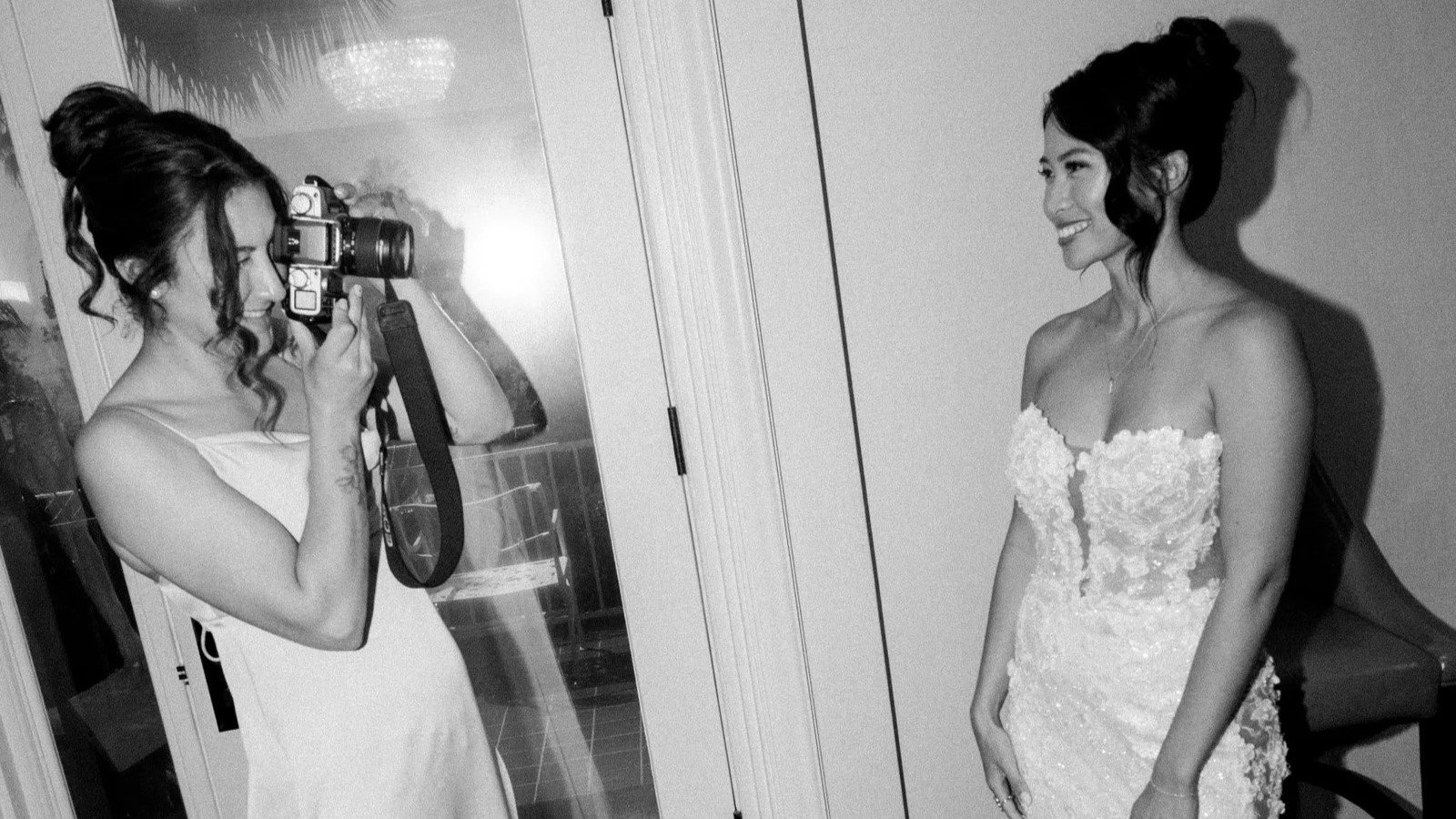
Posted on

Bridal Makeup That Photographs Well in Color and Black-and-White

bridal makeup that photographs well in color and

Your wedding photos will live far longer than your wedding day. You will print them, frame them, and share them for decades, and many photographers deliver a gallery in full color along with a set of black-and-white favorites. A makeup look that glows in color can read very differently once the color disappears, so it helps to plan for both from the start.

In short, makeup that works in both formats keeps a real dimension in the face, uses lip and cheek colors with different depths, and gets tested in both color and black-and-white before the wedding. I am Brittany Brown, a mobile bridal hair and makeup artist based in Orange County and serving San Diego. After 11 years of hands-on work with brides, I have seen how the same look can change from one frame to the next. This guide explains why makeup reads differently in black-and-white, how I build a look that works in both formats, and what to ask your photographer before the wedding.

Why Some Makeup Reads Differently in Black-and-White

Color photos show hue, which is the actual shade of your lip, cheek, and eye color. Black-and-white photos remove hue and keep only value, which is how light or dark each area appears. Two shades that look completely different in color can turn into almost the same gray tone once the color drops out. If you want a broader look at this, my post on why bridal makeup looks different in photos and how to get it right covers the topic beyond black-and-white.

That shift explains most of the surprises brides notice in their galleries. Here are the most common ones:

  • Blush and lip color can blend together. A soft pink cheek and a rosy lip may share a similar depth, so they can merge into one flat tone instead of reading as two distinct features.
  • Bronzers can look heavy. Warm color that looks like a gentle glow in color can read as a dark smudge when only value remains.
  • Shimmer can look uneven. Light-reflecting finishes catch the light and can show as bright patches in black-and-white, especially in direct sun.
  • Flat, matte coverage can lose dimension. Without enough variation in light and shadow, the face can look two-dimensional.

The setting adds another layer. Southern California light is bright, and coastal venues add reflected light, sea air, and breeze. Golden-hour light at Crystal Cove in Newport Coast, direct sun at a bluff-top venue in Corona del Mar, and harbor-reflective light in Newport Beach all change how skin and color appear on camera. The same conditions apply at San Diego waterfront venues. Because I bring my own studio-quality lighting and seating to every appointment, I apply your makeup in consistent, controlled light and then plan the look around the light your photographer will use.

Building a Look That Works in Both
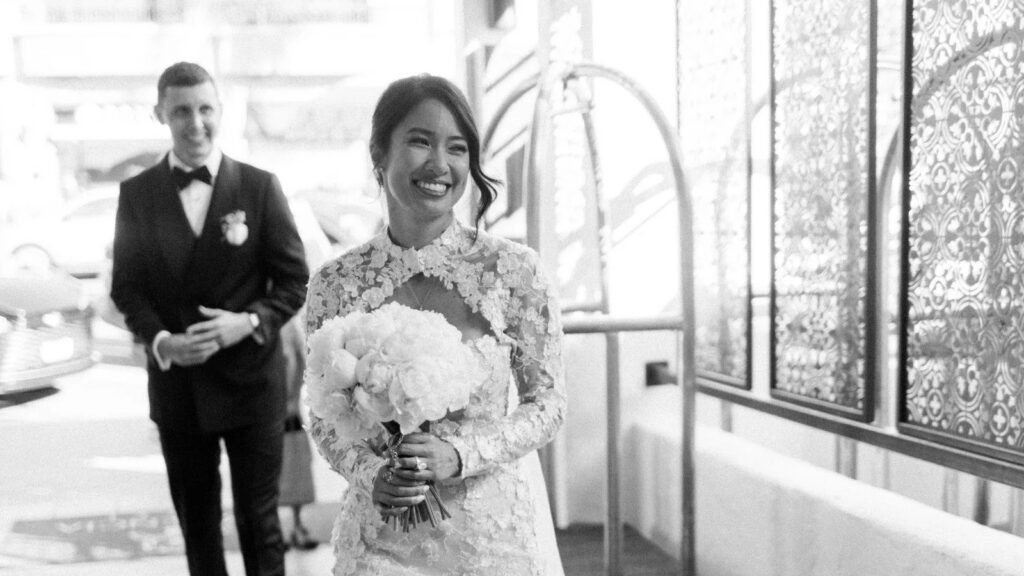
My approach to bridal beauty has always been to enhance, not mask. That philosophy helps most here. A soft, natural-but-enhanced look, with glowing skin and warm, bronzed contour in place of heavy coverage, tends to translate well because it keeps real dimension in your face. It is the no-makeup-makeup look, and it supports what my brides say most often: they look like themselves, but elevated. If you are weighing a more polished finish against a softer one, soft glam vs natural bridal makeup compares how each tends to photograph.

Each of the following ideas shapes my work on a bride who wants her photos to look beautiful in both formats.

Contrast and Depth Without Over-Contouring

Black-and-white photography depends on light and shadow, so a little depth helps. A face with no variation can look flat, and a face with too much can look harsh. I aim for the middle: soft shadows, subtle highlights, and gentle sculpting that follows your natural bone structure.

Here is how I approach depth:

  1. Start with skin that looks like skin. Glowing, even skin photographs well in both formats. I prep your skin without rushing, because a smooth surface helps every product that follows sit more naturally.
  2. Sculpt softly. Warm, blended contour adds shape without creating hard lines. Heavy contour can be photographed as a dark stripe in black-and-white, so I keep the edges diffused.
  3. Place highlights with care. A subtle highlight on the high points of the face adds dimension. I choose a finish that glows rather than glitters, since large flecks of shimmer can show as bright spots under strong light.
  4. Define the eyes with soft shadows. I specialize in enhancing natural features through soft shadows and subtle highlights, which gives the eyes depth without a heavy, dark frame.
  5. Balance the brows. Well-shaped brows add structure to the face in both color and black-and-white.

Strong sculpting that looks dramatic in a mirror can look severe on camera, so over-contouring is a mistake worth avoiding. Little subtle changes on the skin can be very powerful, and a lighter hand usually photographs better. My contouring dos and don’ts for brides goes into more detail.

Finish and texture play a part as well. Dewy skin catches more light and matte skin absorbs it, and both read differently once color is removed, so the right balance depends on your skin and your venue. I explain how to choose in dewy vs matte bridal makeup. Black-and-white can also make raised or uneven texture more noticeable, because it relies on light and shadow. If that is a concern for you, bridal makeup for acne scarring and uneven texture explains how I approach it.

Lip and Cheek Color Choices

Lip and cheek color deserve the most thought, because color turns into value in black-and-white. If your lip and cheek share a similar depth, they can look like one continuous tone. If your lip is very deep and your cheek is very pale, the lip can dominate the whole frame.

A few guidelines help me choose:

  • Pick a lip with clear depth. A lip shade that sits slightly deeper than your natural lip color gives the mouth definition in both formats. A shade that matches your skin too closely can disappear in black-and-white.
  • Choose a cheek color that supports the lip. I look for a cheek tone that adds a healthy flush without competing with the lip or blending into it.
  • Keep the finish comfortable. A lip that feels comfortable lets you eat, laugh, and hug without constant attention.
  • Match the look to the dress and the day. Your dress color, bouquet, and venue all influence which tones look best together.

Your skin tone and undertone matter too, which is why I plan color around the individual rather than a fixed palette. I build each look around your skin, your dress, and your venue, and the right shade for you depends on all three. Foundation shade is the starting point for all of it, and choosing the right foundation shade for your wedding day explains what to look for. If you have darker hair, bridal makeup ideas for brunettes in Orange County, CA offers color and finish ideas to consider.

Testing Your Look in Both Formats

A bridal makeup trial is the best way to see how your look behaves before the wedding. I strongly recommend one. A trial lets us test products on your skin, work through any adjustments, and make sure you walk into your wedding day knowing exactly what to expect. If you are not sure how to describe what you want, how to explain your vision to your makeup artist during a trial can help you prepare, and what happens during a bridal makeup trial walks through the appointment itself.

For a bride who wants strong black-and-white results, the trial does extra work:

  • Take photos in different lighting. Step near a window, move outdoors if possible, and photograph the look from several angles. Bring your phone.
  • Convert the photos to black-and-white. Most phones can do this in a few taps. Compare your color and black-and-white versions side by side to see how your lip, cheek, and eye color translate.
  • Adjust what you notice. If your lip blends with your cheek, or your contour looks too dark, we change it on the spot.
  • Check comfort and wear. Stay in the look for a couple of hours if you can, so we see how it feels and how it holds up.
  • Share any skin concerns. Tell me about any skin sensitivities, reactions, or recent treatments, so we plan around them. Testing products directly on your skin also gives us a chance to notice how your skin responds before the wedding day.

This kind of testing replaces guesswork with real information, and it is one of the simplest ways to feel calm on your wedding morning.

What to Ask Your Photographer in Advance
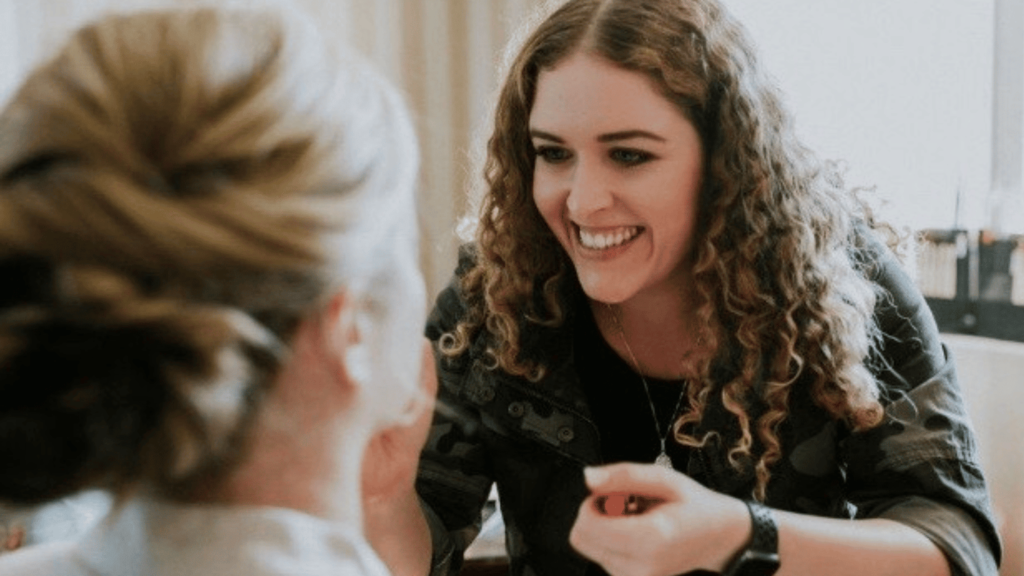
airbrush makeup vs traditional

Your photographer controls how your makeup appears in the final gallery, so a short conversation before the wedding pays off. Photographers have different editing styles, and some lean toward bright, airy tones while others prefer deep, moody contrast. Knowing their style helps me choose the right depth and finish for you.

Consider asking these questions:

  1. Can I see a sample gallery in both color and black-and-white? Look at how skin, lips, and shadows appear in each format.
  2. Do you use flash during portraits or the reception? Flash can bounce off certain finishes, so I plan the texture and set of your makeup around it.
  3. What is your editing style? A bright, high-key edit and a deep, high-contrast edit call for different amounts of depth in the makeup.
  4. When will you take portraits? Midday sun, golden hour, and indoor light all affect how makeup reads, so the portrait schedule helps me plan.
  5. Which images do you usually convert to black-and-white? Ask which moments they favor, such as close-up portraits or candid reception shots.
  6. Will you photograph the getting-ready sequence? Tell me if you want those moments captured, because that shapes the order of the morning.

Clear communication between your artist and photographer makes the day smoother. Clients often mention in their reviews that I work well alongside other wedding vendors, and I am happy to coordinate directly with your photographer or planner. Bring the answers to your trial, and we can adjust the plan together.

For production and editorial shoots, I rely on a similar set of skills: controlling shine, keeping color accurate under changing light, and keeping texture looking smooth even in close-up images. Those camera-first habits carry into my bridal work and help your skin look camera-ready in any format. You can see examples of my work in my portfolio, which shows how a natural, glowing look translates on camera.

Plan Your Bridal Makeup

Once your wedding date and venue are confirmed, reach out to discuss your bridal makeup plans and availability. Spring and fall weekends in Orange County and Newport book quickly, so early booking is recommended.

Brittany Brown Beauty offers mobile bridal makeup, with setup taking approximately 15 to 20 minutes. Bridal application typically takes 60 to 90 minutes, while each bridesmaid needs around 45 to 60 minutes. Every bride also receives a complimentary touch-up kit with lipstick, powder, and blotting sheets. You can coordinate your look with the bridal hair and makeup services.

Learn more about Brittany’s experience on the About page or explore additional services on the Brittany Brown Beauty homepage.

Ready to plan your wedding-day look? Contact Brittany Brown Beauty with your date, venue, and makeup preferences to discuss your vision and check availability. Your date is secured with a signed contract and deposit.

Frequently Asked Questions

1. What’s the best way to prep my skin for bridal makeup that photographs well in color and black-and-white?

Start a consistent skincare routine at least four weeks before the wedding. Avoid new skincare products or treatments during the final 10 days. Drink plenty of water in the week before, especially during summer. These are everyday care habits, not medical advice. Check with your skincare professional if you have specific concerns. On the wedding morning, I prep your skin without rushing. A smooth, well-prepared surface helps your makeup look natural in both color and black-and-white photos.

2. How long will bridal makeup that photographs well in color and black-and-white last through the ceremony and reception?

I cannot promise any look will last without a single touch-up. No honest artist can. What I can do is prepare your skin carefully and choose professional products suited to your skin and Southern California conditions. I finish with setting and sealing techniques designed for lasting wear through the ceremony, photos, and reception. Your trial lets us test how the look holds up before the wedding. Every bride also receives a complimentary touch-up kit with lipstick, powder, and blotting sheets for quick refreshes.

3. Can bridal makeup that photographs well in color and black-and-white be adjusted for my specific skin tone or type?

Yes. I build every look around your skin, dress, and venue rather than using a fixed package look. Different skin tones, undertones, ages, and skin types need different products and techniques. I adjust each look accordingly. This includes mature skin, where some formulas can settle into fine lines or feel heavy. I choose textures and techniques that suit mature complexions. Your trial lets us test the look on your skin and make any needed adjustments.

4. How can I make sure my bridal makeup looks balanced in both color and black-and-white photos?

Keep the look natural and enhanced rather than heavy. Soft contour, subtle highlights, and lip and cheek colors with different depths help maintain definition in black-and-white photos. Testing is equally important. At your trial, we photograph your makeup in different lighting and convert the images to black-and-white. This shows how your lip, cheek, and eye colors translate. It also helps to ask your photographer for sample galleries in both formats before the wedding.

5. Should I test my bridal makeup in both color and black-and-white photos during the trial?

Yes, I recommend it. Your trial already gives us time to test products and make adjustments. A black-and-white check takes only a few extra minutes. We photograph the look from several angles and in different lighting. Then we convert the images and compare them side by side. If your lip color blends into your cheek or your contour looks too dark, we can adjust it before the wedding day.
Posted on

Bridal Makeup for Lace, Satin, and Modern Wedding Dresses

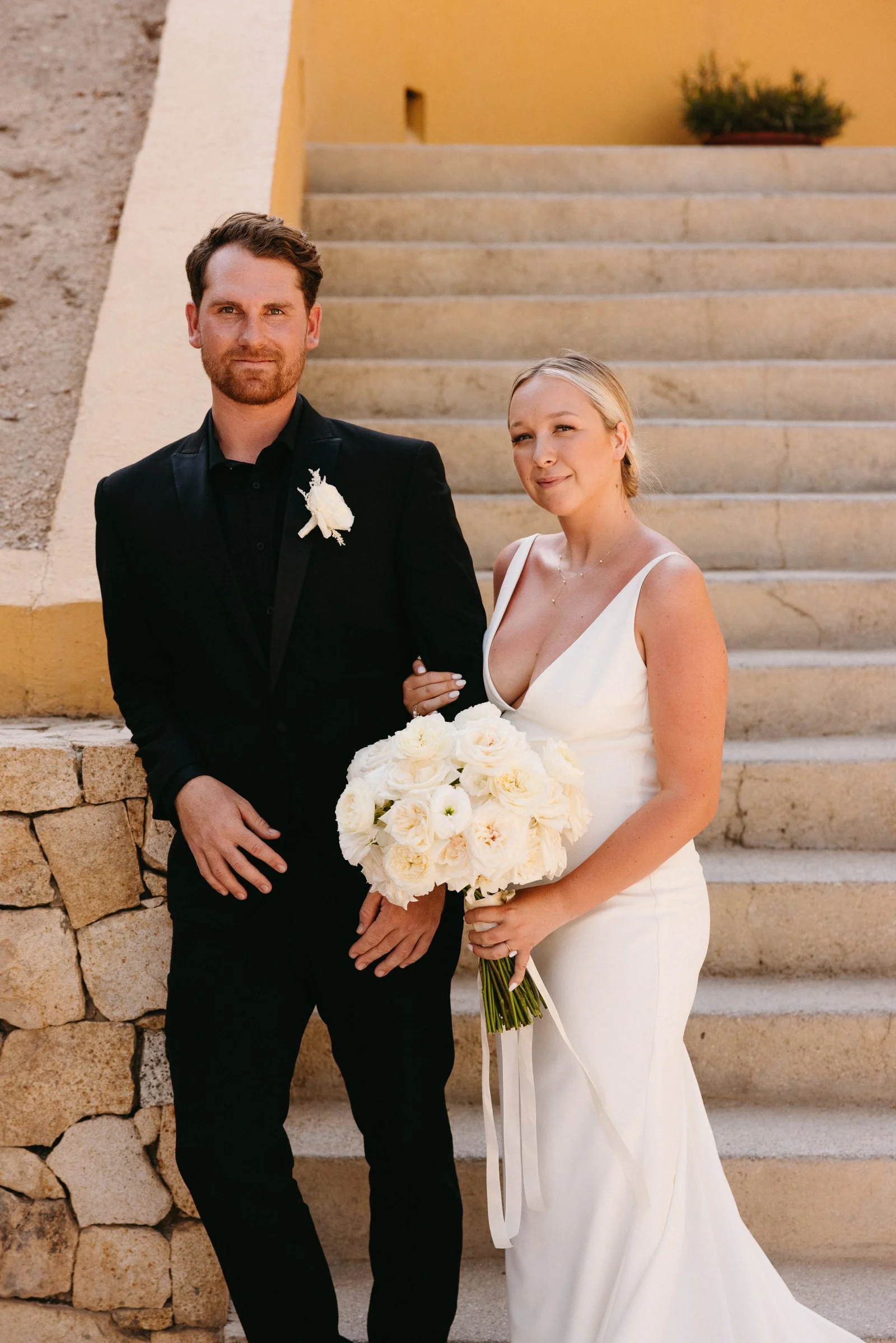
Bride wearing bridal makeup designed to complement lace, satin, and modern wedding dress styles

The right bridal makeup should complement the wedding dress without competing with it. Lace, satin, and modern wedding dresses each create a different visual effect, so the makeup should reflect the fabric, silhouette, neckline, accessories, venue, and overall wedding style.

A romantic lace gown may pair beautifully with softly blended eye makeup, fresh skin, and rose-toned lips. A smooth satin dress may support polished complexion makeup, defined eyes, and a refined lip color. A modern wedding dress may work with clean eyeliner, sculpted cheeks, natural skin, or a stronger statement lip.

Brittany Brown Beauty provides personalized bridal makeup services in Orange County based on the bride’s complexion, features, dress, wedding setting, photography, and preferred level of coverage.

Why the Wedding Dress Matters When Choosing Makeup

The wedding dress is one of the most visually important parts of the bridal look.

Its fabric, shape, detailing, color, and neckline can influence whether the makeup should feel:

  • Natural
  • Romantic
  • Classic
  • Soft glam
  • Full glam
  • Minimal
  • Vintage-inspired
  • Modern
  • Editorial
  • Dramatic

The goal is not to match the makeup to the dress literally. Instead, the makeup should support the same level of formality, softness, structure, and detail.

For example, extremely dramatic makeup may compete with a delicate lace gown. Very minimal makeup may feel less balanced beside a highly structured satin ball gown. A modern minimalist dress may work beautifully with either clean natural makeup or one stronger feature, such as graphic eyeliner or a red lip.

Begin With the Bride’s Personal Style

The wedding dress should guide the makeup, but the bride should still feel recognizable.

Before selecting the final look, consider:

  • How much makeup the bride normally wears
  • Which facial features she prefers to emphasize
  • Whether she likes matte or luminous skin
  • Whether she normally wears eyeliner
  • Her comfort level with false lashes
  • Her preferred foundation coverage
  • Her favorite lip colors
  • The formality of the wedding
  • The wedding photography style

A bride who normally wears minimal makeup may feel uncomfortable with heavy contouring or full smoky eyes. A bride who regularly wears defined makeup may feel unfinished with an extremely sheer application.

The most successful look connects the wedding dress with the bride’s everyday preferences.

Bridal Makeup for Lace Wedding Dresses

Lace wedding dresses often create a romantic, detailed, traditional, or vintage-inspired appearance.

Lace may be:

  • Soft and delicate
  • Bold and graphic
  • Floral
  • Beaded
  • Vintage-inspired
  • Sheer
  • Textured
  • Combined with tulle or chiffon

Because lace already contains visible texture and detail, the makeup should usually feel softly balanced rather than overly sharp.

Suitable makeup choices may include:

  • Natural or satin-finish foundation
  • Softly defined eyebrows
  • Taupe, champagne, rose, or mauve eyeshadow
  • Blended eyeliner
  • Individual or wispy lashes
  • Rose, peach, or dusty-pink blush
  • Soft bronzer
  • Controlled highlighter
  • Nude, rose, mauve, or berry lips

The exact style should also reflect the lace pattern, neckline, dress color, and wedding venue.

Romantic Makeup for Soft Lace Dresses

Soft floral lace often works well with romantic makeup.

A suitable look may include:

  • Lightweight or medium complexion coverage
  • Luminous or satin-finish skin
  • Soft brown eye definition
  • Champagne or rose-gold shimmer
  • Natural-looking lashes
  • Peach or rose blush
  • A rose, mauve, or pink-nude lip

The makeup should feel elegant and polished while allowing the texture of the lace to remain one of the main visual features.

Very harsh contouring, graphic liner, or extremely dark eyeshadow may compete with delicate floral detailing.

Makeup for Structured Lace Gowns

Some lace gowns are more dramatic and structured.

They may include:

  • Corset bodices
  • Fitted silhouettes
  • Defined patterns
  • Long trains
  • High necklines
  • Heavy embellishment

These dresses can support slightly stronger makeup, including:

  • Medium or full coverage
  • Defined brows
  • Soft smoky eyes
  • Fuller lashes
  • Sculpted cheekbones
  • A deeper rose, berry, or neutral lip

The makeup can have more structure while still maintaining soft blending.

Makeup for Vintage-Inspired Lace Dresses

Vintage-inspired lace dresses may suit makeup influenced by a particular period.

Possible choices include:

  • Soft matte or satin skin
  • Defined eyeliner
  • Individual lashes
  • Rose blush
  • Classic red lips
  • Berry lips
  • Champagne or soft brown eyeshadow
  • Carefully shaped brows

The final look should feel inspired by the dress rather than like a costume.

A 1920s-style lace gown may suit softly smoky eyes and a deeper lip, while a 1950s-inspired dress may pair with clean eyeliner and classic red or rose lipstick.

Makeup for Bohemian Lace Dresses

Bohemian lace dresses often feature relaxed silhouettes, flowing sleeves, crochet details, floral patterns, or lightweight fabrics.

A bohemian bridal makeup look may include:

  • Natural skin texture
  • Lightweight foundation
  • Freckles left visible
  • Warm neutral eyeshadow
  • Soft lashes
  • Peach or rose blush
  • Light bronzer
  • Nude, terracotta, peach, or rose lips

The makeup should feel fresh and intentional without becoming overly structured.

This style can work particularly well for beach, garden, estate, woodland, and destination weddings.

Bridal Makeup for Satin Wedding Dresses

Satin wedding dresses have a smooth, polished surface that reflects light.

They often create a classic, elegant, formal, or modern appearance.

Because satin has fewer visible textures than lace, the complexion and makeup details may become more noticeable.

Suitable choices may include:

  • Smooth medium coverage
  • Satin or softly matte foundation
  • Defined brows
  • Neutral or softly smoky eyes
  • Carefully blended contour
  • Polished lashes
  • Rose, mauve, nude, berry, or red lips

The makeup should look clean and refined without appearing overly powdered.

Why Complexion Finish Matters With Satin

Satin reflects light, so excessive facial shine may compete with the dress in photographs.

At the same time, a completely flat matte complexion may feel too severe beside the fabric’s natural sheen.

A satin-finish complexion often creates a balanced result because it provides:

  • Controlled radiance
  • Natural dimension
  • Moderate shine control
  • A polished photographic finish

Brides comparing foundation options can review the guide to dewy vs. matte bridal makeup.

Makeup for a Classic Satin Ball Gown

A satin ball gown often creates a formal and traditional appearance.

It may include:

  • A structured bodice
  • A full skirt
  • A long train
  • A corset
  • A cathedral veil
  • Minimal or detailed embellishment

A balanced makeup look may include:

  • Medium or full complexion coverage
  • Defined eyebrows
  • Neutral or softly smoky eyes
  • Individual or fuller lashes
  • Soft contouring
  • Rose or mauve blush
  • A polished nude, berry, rose, or red lip

The makeup should have enough definition to remain visible in full-length photographs and formal portraits.

Makeup for a Minimal Satin Dress

A simple satin dress may have clean lines, a slip silhouette, a square neckline, thin straps, or minimal embellishment.

Suitable makeup options include:

  • Fresh natural skin
  • Satin-finish complexion
  • Defined brows
  • Clean eyeliner
  • Soft neutral eyes
  • Individual lashes
  • A carefully placed blush
  • A nude, brown, berry, or red lip

A minimalist satin gown can support either understated makeup or one stronger feature.

For example, the bride may choose natural eyes and a red lip, or a nude lip with defined eyeliner.

Makeup for a Fitted Satin Dress

A fitted satin gown often feels sleek, polished, and dramatic.

The makeup may include:

  • Medium complexion coverage
  • Softly sculpted cheekbones
  • Defined eye makeup
  • Individual or wispy lashes
  • Satin or softly matte skin
  • A mauve, nude, berry, or classic red lip

The final look should match the dress’s structure without becoming too heavy.

Bridal Makeup for Modern Wedding Dresses

Modern wedding dresses may feature clean lines, architectural shapes, square necklines, one-shoulder designs, capes, jumpsuits, asymmetrical details, or unconventional silhouettes.

Modern bridal makeup can range from very natural to bold and editorial.

Possible directions include:

  • Clean natural skin
  • Soft-glam complexion
  • Defined eyebrows
  • Minimal neutral eyeshadow
  • Graphic or softly structured eyeliner
  • Sculpted cheeks
  • Individual lashes
  • A nude, brown, berry, or red lip

The makeup should feel deliberate and polished.

Makeup for a Minimalist Modern Dress

A minimalist modern dress may contain very few embellishments.

Because the design is simple, makeup details may become more noticeable.

A suitable look may include:

  • Even natural skin
  • Defined brows
  • Clean eyeliner
  • Natural lashes
  • Soft contour
  • A neutral lip
  • A classic red lip
  • Controlled highlighting

The goal is intentional simplicity rather than an unfinished appearance.

Makeup for an Architectural Wedding Dress

Architectural gowns may include sharp folds, structured shoulders, sculptural skirts, or geometric necklines.

These dresses may support stronger makeup structure, such as:

  • Defined brows
  • Clean eyeliner
  • Sculpted cheeks
  • A satin or matte complexion
  • A polished nude or statement lip

The makeup should reflect the clean design without feeling harsh.

Makeup for a Modern Bridal Jumpsuit

A bridal jumpsuit may create a clean, fashion-forward, or relaxed look.

Suitable makeup options include:

  • Fresh skin with clean eyeliner
  • Soft-glam makeup with a nude lip
  • Defined eyes with natural lashes
  • A sleek complexion with red lipstick
  • Soft contouring with a brown or mauve lip

The hairstyle should also support the outfit, whether the bride chooses a sleek ponytail, bun, waves, or short-hair styling.

Match Makeup to the Dress Neckline

The neckline affects how much attention is placed on the face, neck, shoulders, and chest.

Strapless Dresses

A strapless dress exposes the shoulders, collarbones, upper chest, and neck.

Foundation should blend naturally beyond the jawline when needed.

The look may include:

  • Balanced complexion coverage
  • Defined eyes
  • Visible blush
  • Soft contour
  • A polished lip color

Any body makeup or highlighting should match the face and photograph naturally.

High-Neck Dresses

A high neckline places more visual attention on the face.

The makeup may need slightly more definition through:

  • The eyes
  • Eyebrows
  • Cheeks
  • Lips

A polished complexion and defined eye makeup can help the face remain balanced beside fabric or lace near the neck.

Square-Neck Dresses

Square necklines often feel modern, structured, or vintage-inspired.

They may work well with:

  • Defined brows
  • Clean eyeliner
  • Neutral eyeshadow
  • Soft contouring
  • Satin-finish skin
  • A defined lip color

Off-the-Shoulder Dresses

Off-the-shoulder designs often create a romantic and elegant appearance.

They may pair with:

  • Glowing or satin-finish skin
  • Softly defined eyes
  • Rose, peach, or mauve blush
  • Natural lashes
  • Nude, berry, or rose lips

The face, neck, chest, and shoulders should appear balanced in color.

One-Shoulder Dresses

One-shoulder gowns create an asymmetrical and fashion-focused look.

The makeup may include:

  • Balanced complexion coverage
  • Defined eyes
  • Structured brows
  • Sculpted cheeks
  • A modern nude or statement lip

The hairstyle and makeup should work together to maintain visual balance.

Consider the Color of the Dress

Wedding dresses may be bright white, ivory, cream, champagne, blush, nude, silver, gold, or another color.

Bright White Dresses

Bright white can create strong contrast against the complexion.

Visible blush, accurate foundation matching, and a defined lip can prevent the face from appearing washed out.

Ivory and Cream Dresses

Ivory and cream have warmer undertones.

They may complement:

  • Peach
  • Rose
  • Bronze
  • Champagne
  • Warm brown
  • Soft gold
  • Warm nude lips

Champagne Dresses

Champagne gowns may work well with:

  • Bronze eyeshadow
  • Rose-gold tones
  • Warm blush
  • Soft brown eyeliner
  • Peach, rose, or warm nude lips

Blush Dresses

Blush wedding dresses may suit:

  • Mauve
  • Rose
  • Taupe
  • Champagne
  • Soft brown
  • Berry
  • Pink-nude lips

The makeup should complement the gown without matching its color too closely.

Match Makeup to Dress Embellishments

Dress embellishments can help guide the makeup colors and finish.

Pearl Details

Pearls may pair with:

  • Luminous or satin skin
  • Champagne eyeshadow
  • Soft pink or rose blush
  • Natural lashes
  • Rose or nude lips

Gold Details

Gold embroidery or accessories may complement:

  • Bronze eyeshadow
  • Warm brown
  • Peach blush
  • Terracotta
  • Rose-gold tones
  • Warm nude lips

Silver Details

Silver embellishments may work with:

  • Taupe
  • Mauve
  • Cool brown
  • Soft gray
  • Champagne
  • Rose or berry lips

Crystal or Sequin Details

Reflective embellishments should be balanced with controlled highlighter.

Too much shimmer on the eyes, cheeks, and dress may create competing reflective elements in photographs.

Choose Eye Makeup That Supports the Dress

The eye makeup should reflect the dress’s level of detail and structure.

Suitable bridal eye looks may include:

  • Soft neutral eyes
  • Champagne shimmer
  • Bronze eyeshadow
  • Rose-gold tones
  • Mauve eyeshadow
  • Soft smoky eyes
  • Defined eyeliner
  • Natural lashes
  • Fuller lashes

A simple modern dress may support stronger eyeliner or a softly smoky eye.

A detailed lace gown may feel more balanced with blended neutral eye makeup.

The guide to bridal eye makeup styles can help brides compare natural, soft-glam, and more defined options.

Choose the Right Foundation Coverage

The best foundation coverage depends on the bride’s skin, comfort level, photography, and wedding setting.

Light Coverage

Light coverage may suit brides who:

  • Prefer minimal makeup
  • Want freckles to remain visible
  • Have relatively even skin
  • Feel uncomfortable wearing heavier products

Medium Coverage

Medium coverage can create a polished and even complexion while maintaining a natural appearance.

Full Coverage

Full coverage may help balance visible discoloration, acne marks, or uneven areas.

For a natural result, it should be applied in thin layers rather than one heavy application.

Coordinate Makeup With the Hairstyle

The hairstyle and makeup should feel like parts of the same complete look.

Soft Waves

Soft waves may suit:

  • Romantic lace dresses
  • Natural makeup
  • Soft-glam makeup
  • Warm neutral eyes
  • Rose or nude lips

Sleek Bun

A sleek bun may work with:

  • Satin dresses
  • Modern gowns
  • Defined brows
  • Clean eyeliner
  • Sculpted cheeks
  • A statement lip

Textured Low Bun

A textured low bun may complement:

  • Lace gowns
  • Romantic makeup
  • Soft lashes
  • Satin-finish skin
  • Rose or mauve lips

Polished Ponytail

A polished ponytail may suit:

  • Modern dresses
  • Bridal jumpsuits
  • Square necklines
  • Defined eyes
  • Clean complexion makeup

Select a Lip Color

Lip color should balance the dress, eye makeup, complexion, and overall bridal style.

Popular options include:

  • Pink nude
  • Peach nude
  • Rose
  • Mauve
  • Soft berry
  • Warm brown
  • Muted coral
  • Classic red
  • Deep berry

A lace dress may pair well with rose, mauve, or berry shades.

A satin gown may support a polished nude, rose, berry, or red lip.

A modern dress may work with a neutral brown, muted nude, berry, or statement red.

Very pale lip colors may appear less visible in professional photographs.

Consider the Wedding Venue

The venue should influence both the dress and makeup plan.

Beach Weddings

Lightweight lace, chiffon, satin, and modern dresses may pair with waterproof eye products, controlled shine, and soft lip colors.

Garden Weddings

Romantic lace gowns may work with fresh skin, rose or peach blush, softly defined eyes, and natural lashes.

Hotel Weddings

Formal satin gowns may support soft glam, defined eyes, sculpted cheeks, and polished lips.

Estate Weddings

Lace, satin, and modern gowns can all work at estate venues. The makeup intensity should match the dress and event formality.

Courthouse Weddings

Modern dresses, jumpsuits, and short gowns may pair with clean skin, defined brows, eyeliner, and a modern lip color.

Consider Photography and Lighting

The makeup and dress will be photographed together in different environments.

Photography may include:

  • Natural window light
  • Direct outdoor sunlight
  • Shade
  • Golden-hour portraits
  • Indoor lighting
  • Professional flash
  • Evening reception lighting

Satin and embellished dresses may reflect more light than soft lace or matte fabrics.

The makeup should provide enough facial definition without appearing overly heavy in close-up photographs.

Schedule a Bridal Makeup Trial

A bridal makeup trial allows the bride to see how the makeup works with the dress before the wedding.

Bring:

  • Clear photographs of the dress
  • A close-up of the fabric
  • A picture of the neckline
  • Fabric samples when available
  • Jewelry
  • Veil
  • Hair accessories
  • Bouquet inspiration
  • Hairstyle photographs
  • Makeup inspiration
  • Venue photographs

During the trial, discuss:

  • Foundation coverage
  • Complexion finish
  • Eye makeup
  • Eyeliner
  • Lashes
  • Brow shape
  • Blush
  • Contour
  • Highlighter
  • Lip color
  • Dress fabric
  • Neckline
  • Photography conditions

The guide explaining what happens during a bridal makeup trial can help the bride prepare.

Test the Complete Look

When possible, review the trial makeup with important parts of the bridal look.

Consider how the makeup appears with:

  • The dress color
  • Dress fabric
  • Neckline
  • Jewelry
  • Veil
  • Hairstyle
  • Hair accessories
  • Natural light
  • Indoor lighting
  • Phone photographs
  • Flash photographs

A makeup style that looks attractive by itself may appear different when combined with the dress and accessories.

Common Mistakes to Avoid

Common mistakes may include:

  • Choosing makeup without considering the dress fabric
  • Selecting eye makeup that competes with detailed lace
  • Using excessive highlighter with satin or crystal embellishment
  • Wearing a lip color that disappears beside a bright white dress
  • Ignoring the neckline
  • Using a foundation shade that does not match the body
  • Choosing a trend that does not reflect the bride
  • Testing makeup without dress photographs
  • Skipping the bridal trial
  • Creating a look that does not suit the venue

The complete bridal look should feel coordinated rather than assembled from unrelated ideas.

Questions to Ask the Makeup Artist

Useful questions include:

  • Which makeup style works best with my dress?
  • Should the look be natural, soft glam, or full glam?
  • Which complexion finish suits the fabric?
  • How should the neckline affect the makeup?
  • Which lip colors complement the dress shade?
  • Should my eye makeup be stronger or softer?
  • Will the makeup photograph well with satin or lace?
  • Should the face, neck, and chest be blended?
  • Can I test multiple lip colors?
  • Should I bring my veil and jewelry?
  • Are false lashes included?
  • How long should the complete look last?

Frequently Asked Questions

What makeup works best with a lace wedding dress?

Softly blended eye makeup, natural or satin-finish skin, rose or mauve blush, defined lashes, and a polished neutral or berry lip can complement lace.

What makeup works with a satin wedding dress?

Smooth complexion makeup, defined brows, neutral eyes, controlled highlighting, and a polished nude, rose, berry, or red lip can work well with satin.

What makeup suits a modern wedding dress?

Fresh skin, clean eyeliner, structured brows, sculpted cheeks, individual lashes, and a neutral or statement lip can complement modern dresses.

Should bridal makeup match the dress color?

The makeup should complement the dress rather than copy its color exactly.

Does the neckline affect bridal makeup?

Yes. High necklines place more attention on the face, while strapless and low-neck dresses may require additional attention to blending the neck, chest, and shoulders.

Should makeup be stronger with a formal satin gown?

A formal satin gown may support more eye, cheek, or lip definition, but the final intensity should still reflect the bride’s comfort and preferences.

Should I bring my wedding dress photos to the trial?

Yes. Bring clear photographs of the full dress, neckline, fabric, color, and embellishments.

Can red lipstick work with lace or satin?

Yes. Red lipstick can complement vintage lace, classic satin, minimalist gowns, and modern dresses when it suits the bride’s style.

Book Bridal Makeup for Your Wedding Dress

Bridal makeup for a wedding dress should enhance the bride’s features while supporting the gown’s fabric, neckline, color, embellishments, venue, and photography.

Brittany Brown Beauty creates personalized bridal looks for lace, satin, modern, and other wedding-dress styles throughout Orange County.

Explore the bridal hair and makeup portfolio to view real bridal looks, or contact Brittany Brown Beauty to discuss the wedding date, dress style, venue, and preferred makeup look.