Posted on

Outdoor Wedding Makeup Tips That Last in Heat and Humidity

Outdoor Wedding Makeup Tips That Last in Heat and Humidity

Outdoor weddings bring a certain energy that indoor venues cannot match. Natural light, open spaces, and coastal backdrops create a beautiful setting. At the same time, heat and humidity change how makeup behaves on the skin.

Many brides notice that makeup which looks perfect indoors starts breaking down faster outdoors. Foundation shifts, shine appears earlier, and eye makeup can feel heavier over time if not applied correctly.

The goal is not just to create a pretty look. The goal is to build bridal makeup that stays steady, feels light, and still looks fresh after hours outside.

Why Heat and Humidity Change Bridal Makeup

Heat increases oil production in the skin. As the temperature rises, the skin naturally produces more sebum to cool itself down. That extra oil can break down foundation and reduce how long makeup stays in place.

Humidity adds another challenge. Moisture in the air affects how products set on the skin. Instead of locking in place, some formulas start to soften or shift slightly during the day.

When both heat and humidity combine, makeup needs to work harder to stay stable. This is why outdoor wedding makeup requires a different approach compared to indoor bridal looks.

Skin Prep Sets the Base for Everything

Good makeup always starts with balanced skin. This becomes even more important in warm weather.

Before applying makeup, the skin should feel clean and hydrated, but not heavy. Heavy skincare layers can mix with heat and create excess shine later in the day.

Lightweight hydration works better. The skin should feel comfortable, not coated. When skin prep stays simple, makeup has a better surface to hold onto.

Skipping skincare entirely also creates problems because dry skin can make foundation look uneven as the day goes on.

Balance matters more than intensity.

Primer Helps Control How Makeup Behaves

Primer plays a major role in outdoor bridal makeup. It creates a barrier between the skin and foundation, which helps control oil and improve longevity.

In humid weather, mattifying primers help reduce shine in areas like the T-zone. At the same time, hydrating primers can support dry areas so the skin does not look flat.

Many makeup artists use different primers on different parts of the face instead of applying one product everywhere. This helps create a more natural and stable finish.

Primer does not replace skincare. It supports it.

Lightweight Foundation Works Better Than Heavy Coverage

Many brides assume heavier foundation lasts longer. In reality, thick layers often break down faster in heat.

Lightweight, buildable foundation usually performs better in outdoor conditions. It allows the skin to breathe while still providing coverage where needed.

Applying foundation in thin layers also helps it settle into the skin instead of sitting on top. This reduces the chance of separation later in the day.

Blending matters just as much as product choice. A well-blended base stays more consistent under changing temperatures.

Powder Placement Makes a Big Difference

Powder helps control shine, but placement is more important than quantity.

Instead of covering the entire face, powder works best in targeted areas. The forehead, nose, and chin usually need the most control in humid conditions.

Too much powder can make the skin look dry or cakey, especially in outdoor lighting. A light hand keeps the skin looking natural while still managing oil.

The goal is control, not complete matte coverage.

Eye Makeup Needs Extra Stability Outdoors

Eye makeup often faces the first signs of wear during outdoor weddings. Heat and moisture can affect mascara, eyeliner, and even eyeshadow if not set properly.

Water-resistant products help reduce smudging. However, the real difference comes from layering and setting techniques.

Cream products often hold better when they are lightly set with powder. This helps prevent creasing while keeping the color soft and blended.

Lashes also play a role. Lightweight lashes tend to feel more comfortable and stay in place longer in warm conditions.

Lip Products Should Match the Wedding Environment

Lip color fades faster when brides eat, drink, or spend long hours outdoors.

Long-wear lip formulas work better for outdoor weddings. However, very dry matte formulas can feel uncomfortable in heat.

A balanced approach works best. Many bridal looks use soft matte or satin finishes that last without drying the lips completely.

Keeping a small touch-up option is helpful, but the base application should already hold well.

Setting Spray Helps Lock Everything Together

Setting spray acts like the final layer that brings everything together. It helps makeup settle into the skin and reduces powdery texture.

In humid conditions, setting spray also helps control movement caused by moisture in the air.

However, setting spray works best when the base is already strong. It supports the makeup, but it cannot fix weak layering or poor skin prep.

A light mist is enough. Overuse does not improve longevity.

Why Outdoor Lighting Changes How Makeup Looks

Natural light is very different from indoor lighting. It reveals texture, shine, and blending more clearly.

This means makeup that looks soft indoors may appear slightly different outside. That is why bridal makeup for outdoor weddings needs careful balance between glow and control.

Too much glow can reflect strongly in sunlight. Too little can make the skin look flat in photos.

The goal is to create dimension without excess shine.

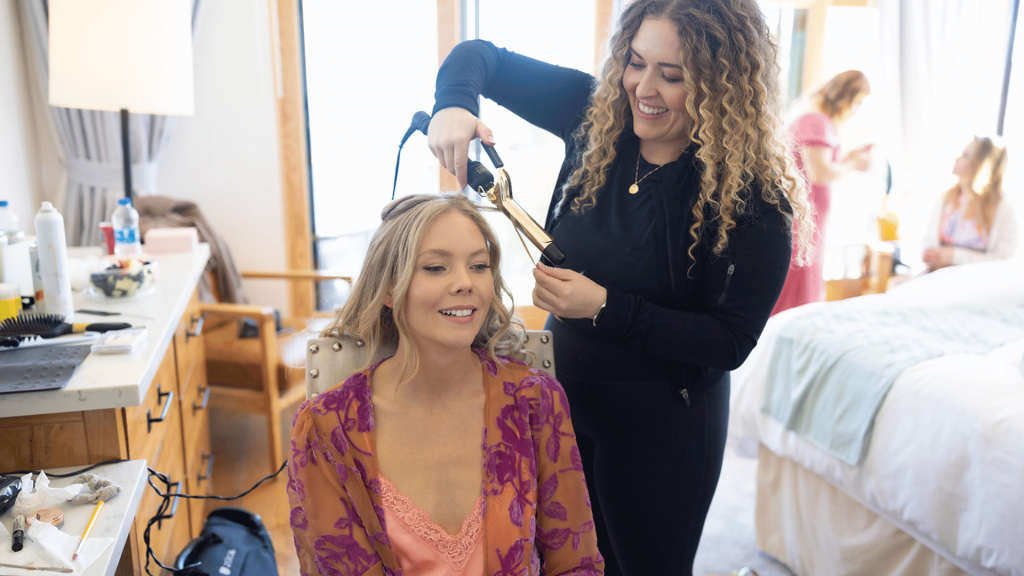
Hair and Makeup Work Together in Outdoor Settings

Bridal hair also affects how makeup holds. Heat can influence both at the same time.

For example, hair touching the face can transfer oil and affect foundation in certain areas. Wind can also change how makeup feels if the face is not fully set.

This is why bridal styling needs to consider the full look, not just separate parts.

When hair and makeup work together, the overall result feels more stable and cohesive.

Common Mistakes Brides Make for Outdoor Weddings

One common mistake is using too many heavy products at once. This often leads to faster breakdown instead of longer wear.

Another mistake is skipping primer because the skin already feels hydrated. Even balanced skin still needs a base layer for longevity.

Some brides also choose makeup styles based only on inspiration photos without considering weather conditions. What works for indoor lighting may not hold the same way outdoors.

Finally, skipping a trial can create surprises on the wedding day. Outdoor conditions are hard to predict without testing how makeup wears over time.

How to Keep Makeup Fresh Without Constant Touch-Ups

Instead of heavy touch-ups, small adjustments work better throughout the day.

Blotting papers help remove shine without disturbing makeup. A light mist of setting spray can refresh the skin between events. Lip color can be reapplied quickly when needed.

However, the main focus should always stay on building makeup that does not require constant fixing.

Read: How to Make Bridal Makeup Last All Day Without Touch-Ups

Plan Your Outdoor Bridal Look With Us

Outdoor wedding makeup is not about applying more products. It is about finding the right balance for heat, humidity, and long wear.

When skin prep is light, foundation is thin and buildable, and products are chosen based on the environment, makeup holds better throughout the day.

Many brides like to see real results before making a decision. You can view our testimonials here.

At Brittany Brown Beauty, bridal makeup for outdoor weddings focuses on comfort, durability, and a natural skin finish that works in real conditions, not just in photos.

Click the button below to schedule your bridal makeup consultation and create a look that lasts from morning to night.

Frequently Asked Questions

1. How do I make my bridal makeup last in hot weather?

Use lightweight skincare, a good primer, thin foundation layers, and setting spray to help makeup stay in place longer in heat.

2. Is matte or dewy makeup better for outdoor weddings?

Soft matte or balanced satin finishes usually work better because they control shine while still keeping the skin natural.

3. Should I avoid skincare before outdoor wedding makeup?

No, but keep it light. Heavy products can mix with heat and reduce makeup longevity.

4. Do I need waterproof makeup for outdoor weddings?

Water-resistant products for eyes and lips help improve durability in heat and humidity.

5. How can I reduce shine during my outdoor wedding?

Use targeted powder application and blotting papers instead of heavy full-face powdering.

Related Articles:

  1. What Happens During a Bridal Makeup Trial? What Brides Should Expect
  2. Bridal Makeup Trends 2026 in Orange County: What Brides Are Choosing
  3. How to Prep Your Skin 30 Days Before Your Wedding
  4. Why Bridal Makeup Looks Different in Photos and How to Get It Right
  5. Bridal Makeup for Mature Skin: What Works and What to Skip
  6. How to Prep Your Hair Before Your Wedding Day
  7. Bridal Hairstyles for Different Face Shapes: What Flatters You Most
Posted on

What Happens During a Bridal Makeup Trial? What Brides Should Expect

What Happens During a Bridal Makeup Trial

A bridal makeup trial is not just a quick makeup appointment before the wedding. It is the moment where your wedding look starts becoming real.

This is where you figure out what actually suits your face, skin, dress, lighting, and comfort level. It also helps you avoid surprises on the wedding day. Many brides walk into a trial thinking they only need to “pick a makeup look.” In reality, there is much more happening behind the scenes.

The trial helps your makeup artist understand how your skin behaves, how certain products wear over time, and what adjustments need to happen before the wedding.

When done properly, a bridal makeup trial removes uncertainty. You stop guessing how you will look and start feeling confident about the final result.

Why a Bridal Makeup Trial Matters So Much

Wedding makeup is very different from regular event makeup.

Your makeup needs to last through photos, lighting changes, heat, hugs, tears, and long hours without feeling uncomfortable. At the same time, it still needs to look natural in person.

That balance takes planning.

Without a trial, your wedding day becomes the testing day. That creates pressure for both the bride and the artist. A trial gives both sides time to adjust details calmly before the wedding arrives.

It also helps prevent common issues like:

  • foundation looking too heavy in photos
  • lashes feeling uncomfortable
  • makeup fading too quickly
  • colors not matching the dress or bridal style
  • the look feeling too dramatic or too soft

Small changes during the trial often make the biggest difference later.

What Brides Should Bring to the Makeup Trial

The more context your artist has, the better the final look will feel.

Bring inspiration photos, but choose them carefully. Instead of saving heavily filtered images, focus on looks that resemble your skin tone, eye shape, and overall features.

It also helps to bring:

  • photos of your wedding dress
  • veil or hair accessory ideas
  • hairstyle inspiration
  • examples of makeup you dislike
  • reference photos in natural lighting

If you already know your wedding colors or flower palette, share those too. Soft details like this help create a more cohesive bridal look.

What Happens at the Start of the Appointment

The first part of the trial usually involves conversation, not makeup.

Your artist will ask questions about your wedding venue, timeline, dress, photography style, and how you normally wear makeup. This step matters because bridal makeup should still feel like you.

For example, a bride who never wears heavy foundation may feel uncomfortable in full glam makeup, even if it looks good in photos.

Your skin type also gets evaluated during this stage. Oily, dry, textured, or acne-prone skin all require different product choices and application methods.

A good trial feels collaborative, not rushed.

Skin Prep Usually Happens First

Before makeup starts, the skin needs preparation.

This does not mean using dozens of products. In fact, too much skincare can create problems during makeup application. Your artist will usually prep the skin based on what it needs that day.

Dry skin may need hydration. Oily skin may need oil control. Sensitive skin may require lighter products.

Skin prep affects how foundation sits, how long it lasts, and how natural it looks throughout the day.

This is also why many artists ask brides to avoid trying new skincare products before the trial.

Read: Best Bridal Makeup for Oily, Dry, and Acne-Prone Skin

The Makeup Application Process Takes Longer Than Regular Makeup

A bridal makeup trial usually takes more time than a normal makeup appointment because adjustments happen throughout the process.

Your artist may test:

  • different foundation finishes
  • lash styles
  • lip tones
  • contour intensity
  • eye makeup depth
  • highlight placement

Sometimes a bride realizes halfway through that she prefers softer eyes or less coverage. The trial creates room for those changes.

This process is normal. Bridal makeup is rarely perfect on the very first attempt because every face, skin type, and comfort level is different.

Photos Matter More Than the Mirror

One of the biggest surprises during bridal trials is how differently makeup appears in photos.

Certain foundations may look beautiful in person but appear shiny under flash photography. Some soft makeup styles may disappear slightly on camera.

That is why your artist will often recommend checking the makeup in:

  • natural daylight
  • indoor lighting
  • phone photos
  • flash photography

Looking at the makeup from multiple angles also helps you see whether the balance feels right.

A bridal look should work both in real life and in photos.

Read: Why Bridal Makeup Looks Different in Photos

Honesty During the Trial Is Extremely Important

Many brides stay quiet during the trial because they do not want to seem difficult.

However, the trial is exactly where feedback should happen.

If the lashes feel heavy, say it. If the lip color feels too dark, mention it. If the skin looks too matte or too glowy, speak up early.

Small adjustments during the appointment prevent disappointment later.

A good makeup artist expects feedback and uses it to refine the look.

Wear the Makeup for Several Hours If Possible

The makeup may look perfect immediately after application, but the real test happens later.

Try wearing the makeup for several hours after the trial. This helps you see:

  • how the skin texture changes
  • whether oil breaks through
  • if the foundation separates
  • whether lashes remain comfortable
  • how the lip color fades

Some brides realize after a few hours that they want more glow, less powder, or lighter eye makeup.

This information helps finalize the wedding day plan properly.

Your Hair Trial Can Affect Makeup Decisions

Hair and makeup should work together.

Soft waves often pair differently with makeup than sleek buns or lifted updos. Dress style also changes the balance of the makeup.

For example, dramatic eye makeup with a detailed dress and statement hairstyle can sometimes feel overwhelming altogether.

This is why many brides schedule hair and makeup trials close together.

When everything works together, the bridal look feels complete instead of disconnected.

Read: How to Choose the Right Bridal Hairstyle for Your Wedding Day

Common Bridal Makeup Trial Mistakes

One common mistake is arriving without inspiration or direction. Your artist does not need a perfect plan, but some visual references help avoid confusion.

Another mistake is choosing makeup based only on trends. A look may appear beautiful online but feel completely wrong in person.

Some brides also judge the makeup too quickly before seeing it in proper lighting or after the full look comes together.

Lastly, many brides forget to test comfort. Bridal makeup should not only photograph well. You should also feel comfortable wearing it for an entire day.

What Happens After the Trial

After the appointment, your artist usually notes product choices, adjustments, timing, and final preferences for the wedding day.

This step matters because it creates consistency later. Instead of starting from scratch on the wedding morning, your artist already understands what works for your skin and style.

You should also take notes yourself. Pay attention to what you loved, what felt uncomfortable, and how the makeup wore over time.

The goal is refinement, not perfection on the first attempt.

Your Bridal Makeup Should Feel Like You, Just More Polished

The best bridal makeup does not make you look like someone else. It simply enhances your features in a way that lasts well, photographs beautifully, and still feels comfortable after hours of wear.

At Brittany Brown Beauty, we use bridal trials to build a look around your skin type, wedding setting, and personal style instead of copying trends that may not suit you.

Every adjustment during the trial helps create a wedding day look that feels balanced, natural, and confident.

Take a look at our bridal portfolio to see real brides, different makeup styles, and before-and-after transformations from actual wedding days.

Click the button below to schedule your bridal makeup consultation.

Frequently Asked Questions

1. How long does a bridal makeup trial usually take?

Most bridal makeup trials take between 1.5 to 3 hours depending on the complexity of the look and adjustments made during the appointment.

2. Should I wash my hair before a makeup trial?

Yes, especially if you are also doing a hair trial. Clean, dry hair usually works best unless your stylist gives different instructions.

3. How far before the wedding should I schedule my makeup trial?

Most brides schedule their trial around 2 to 4 months before the wedding.

4. Can I change my bridal makeup look after the trial?

Yes. Many brides make small adjustments after seeing the makeup in different lighting or after wearing it for several hours.

5. What should I wear to my bridal makeup trial?

Wear a light-colored top similar to your wedding dress tone if possible. This helps you visualize the final bridal look more accurately.

Related Articles:

  1. Dewy vs Matte Bridal Makeup: What Works Best for Your Skin
  2. What to Ask Your Bridal Makeup Artist Before Booking
  3. Bridal Makeup Trends 2026 in Orange County
  4. How to Prep Your Skin 30 Days Before Your Wedding
  5. Why Bridal Makeup Looks Different in Photos and How to Get It Right
  6. Bridal Makeup for Mature Skin: What Works and What to Skip
  7. How to Make Bridal Makeup Last All Day Without Touch-Ups
Posted on

Brittany Brown Bridal Makeup Routine: How It Lasts All Day

Brittany Brown Bridal Makeup Routine

The makeup a bride wears on her wedding day has to do far more than look good for an hour. It needs to hold up through changing temperatures, long photography sessions, emotional moments, ceremony lighting, dancing, and hours of wear without feeling heavy or uncomfortable.

That is why professional bridal makeup follows a very different approach from everyday makeup routines or short-form social media trends. A bridal look needs structure, balance, and longevity while still looking natural in person and polished in photographs.

At Brittany Brown Beauty, bridal makeup starts long before foundation touches the skin. Every step, from skincare preparation to product layering and setting techniques, plays a role in how the final makeup wears throughout the wedding day.

Why Bridal Makeup Requires a Different Routine

Wedding makeup has different expectations than standard event makeup. Brides are photographed continuously from multiple angles, under different lighting conditions, and often over the course of eight to twelve hours. Because of that, products and techniques that work for a quick night out may not perform well during a wedding.

Long-wear bridal makeup focuses on stability rather than excess product. Instead of relying on thick layers for coverage, professional artists build makeup gradually so the skin still looks like skin. This creates a finish that photographs cleanly while remaining comfortable throughout the day.

In addition, bridal makeup must account for several environmental factors. Outdoor ceremonies, humid weather, tears, flash photography, and indoor reception lighting all affect how makeup appears and wears over time. A professional bridal routine prepares for those variables in advance rather than reacting to them afterward.

Skin Preparation Before Makeup Application

Healthy skin creates the foundation for long-lasting bridal makeup. Even the best products struggle to perform properly when the skin is overly dry, textured, irritated, or dehydrated.

For that reason, skin preparation begins weeks before the wedding day. Consistent cleansing, hydration, and barrier support help makeup apply more evenly and last longer. Brides do not necessarily need complicated skincare routines, but they do need consistency.

On the wedding day itself, preparation focuses on balance. Makeup artists assess the skin carefully before deciding how much hydration or oil control the skin actually needs. Over-prepping the skin with excessive skincare products can cause foundation separation later in the day, especially under heat or humidity.

At Brittany Brown Beauty, skin prep is adjusted individually rather than repeated as a fixed routine for every client. Some brides need additional hydration around the eyes, while others require more oil control through the T-zone. Small adjustments during prep often make the biggest difference in how makeup wears several hours later.

Building a Long-Wear Bridal Base

Professional bridal foundation should look refined and natural while remaining stable throughout the day. Achieving that balance depends more on layering technique than heavy coverage.

Instead of applying thick amounts of product at once, professional artists build the complexion gradually using thin, controlled layers. This allows the makeup to move more naturally with the skin while reducing heaviness and creasing.

Primer selection also plays a major role in bridal makeup longevity. However, no single primer works for everyone. Dry skin may need smoothing and hydration, while oily skin often benefits from lightweight oil-control products focused only in specific areas.

Foundation formulas are selected based on both skin type and wedding conditions. For example, outdoor summer weddings often require different textures and finishes than indoor winter ceremonies. The goal is always the same: create makeup that remains balanced in person and in photography without looking overly matte or overly reflective.

Concealer, cream contour, blush, and powder placement are also adjusted carefully to maintain structure without creating unnecessary buildup. When artists apply complexion products strategically, the makeup lasts longer and photographs more naturally.

Eye Makeup Techniques That Last Through the Wedding Day

Bridal eye makeup needs to remain clean and defined for hours without smudging, fading, or creasing. Since the eye area moves constantly throughout the day, product placement and layering become especially important.

Professional artists usually begin by preparing the eyelid properly to prevent oil breakthrough and uneven texture. From there, they layer eye products gradually to create dimension without overwhelming the eye shape.

For weddings, softer transitions often photograph better than overly harsh lines. Even glam bridal looks typically maintain some softness so the makeup still feels timeless years later when couples look back at their photos.

Water-resistant liners, carefully layered mascara, and strategically placed lashes also help maintain structure throughout emotional moments and long wear. Instead of focusing only on intensity, bridal eye makeup focuses on balance, proportion, and durability.

At Brittany Brown Beauty, eye makeup is customized around each bride’s features, dress styling, lighting conditions, and comfort level. Some brides want a more natural definition, while others prefer fuller glam. The approach changes, but the goal stays the same: makeup that still looks beautiful from the first photo to the final dance.

Read: Bridal Eye Makeup Styles: How to Choose the Right Look for Your Wedding

Cream and Powder Layering Strategy

One of the most important parts of long-lasting bridal makeup is understanding how cream and powder products work together.

Cream products create dimension and help makeup maintain a more skin-like finish. However, without proper setting techniques, creams can shift or fade more quickly throughout the day. Powders help stabilize the makeup, but too much powder can create heaviness or dryness, especially in flash photography.

Professional bridal makeup balances both textures carefully. Artists often build soft dimension using cream products first, then selectively set areas that need additional longevity. Rather than covering the entire face in heavy powder, they focus on targeted placement.

This approach helps preserve natural skin movement while still improving wear time. As a result, the complexion appears smoother, lighter, and more refined both in person and on camera.

How Makeup Is Adjusted for Photography and Lighting

Wedding makeup does not exist only in real life. It also has to translate well through professional photography and video throughout the entire event.

Different lighting conditions can completely change how makeup appears. Outdoor ceremonies often soften makeup naturally, while indoor reception lighting can flatten facial dimension or create unwanted shine. Flash photography may also emphasize texture, dryness, or excessive powder if the makeup is not balanced properly.

Because of that, bridal makeup artists constantly consider lighting during the application process. Product finish, placement, and intensity are adjusted to maintain dimension without creating harshness.

At Brittany Brown Beauty, bridal makeup is designed to look polished both in person and through the camera lens. The goal is not overly filtered makeup or trend-based techniques that age quickly in photographs. Instead, the focus stays on timeless balance, skin realism, and clean structure.

Read: Why Bridal Makeup Looks Different in Photos and How to Get It Right

Setting and Touch-Up Techniques

Long-lasting bridal makeup depends just as much on setting techniques as it does on the initial application itself.

Professional artists use setting sprays, powder placement, and layering techniques strategically to lock the makeup into place without making the skin feel tight or dry. Rather than applying excessive product at the end, they build longevity gradually throughout the application process.

Touch-up planning also matters. Brides do not need large makeup bags filled with extra products throughout the wedding day. In most cases, a few essentials work best: blotting papers, the original lip color, and lightweight powder for shine control if necessary.

Simple touch-up routines help maintain the integrity of the original application instead of disturbing it with unnecessary layering later in the evening.

Brittany Brown’s Approach to Bridal Makeup

At Brittany Brown Beauty, bridal makeup focuses on creating looks that feel elevated, comfortable, and wearable rather than overly trend-driven.

Every bridal appointment starts with understanding the bride’s skin type, wedding environment, dress styling, and personal comfort level. Instead of forcing the same makeup style onto every client, the approach is adjusted carefully to suit the individual.

The process also places strong attention on wear time and photography performance. A bridal look may appear beautiful for the first hour, but professional artistry considers how it will look after several more hours of movement, emotion, weather changes, and camera exposure.

The testimonials from our past clients give an honest look into what working with Brittany Brown Beauty actually feels like, from the first consultation to the wedding morning itself.

Plan a Bridal Look That Lasts All Day

Bridal makeup that lasts all day is never accidental. It comes from careful preparation, precise technique, and a clear understanding of what the wedding day demands. Skin prep, layering, product choice, photography considerations, and setting methods all work together to shape how the makeup wears over time.

Confident brides do not rely on chance. Instead, they work with a professional who understands how lighting, weather, timing, and wear time affect the final result. This level of planning keeps the makeup balanced not just during the ceremony, but also through photos, movement, and hours of celebration.

A bridal consultation with Brittany Brown Beauty is often the best starting point when planning your wedding look. We focus on your skin, features, and the overall wedding setting to build a makeup approach that fits the day.

Book your bridal consultation with us to begin planning.

Frequently Asked Questions

1. How far in advance should a bride book a makeup trial?

Most brides should schedule their makeup trial three to six months before the wedding. This gives enough time to refine the look if adjustments are needed after the trial. It also helps secure availability before peak wedding season schedules fill up, especially during late spring through early fall.

2. What should a bride do to prepare her skin before the makeup trial or wedding day?

Consistent skincare matters far more than last-minute treatments. In the weeks leading up to the wedding, focus on gentle cleansing, regular moisturizing, and daily hydration. At the same time, avoid introducing strong new active ingredients too close to the event. Retinoids, harsh exfoliants, and strong acids can trigger irritation or peeling, which becomes difficult to manage right before the wedding day.

3. Does professional bridal makeup feel heavy or uncomfortable?

Professional bridal makeup should feel comfortable when the artist applies it correctly. Makeup artists build long-wear bridal looks through thin, controlled layers rather than heavy product application. As a result, the makeup feels balanced on the skin while still providing enough coverage and structure for photography and long wear. Most brides stop noticing it shortly after the application is complete.

4. How does makeup change for outdoor ceremonies versus indoor receptions?

Lighting affects how makeup appears both in person and on camera. Outdoor ceremonies usually have softer, more diffused lighting, while indoor receptions often include warmer or dimmer lighting that can flatten facial dimension. Because of that, makeup artists slightly adjust depth, contrast, and finish depending on the environment. A professional bridal makeup plan considers the entire wedding timeline rather than just one part of the day.

5. What should a bridal touch-up kit include?

A bridal touch-up kit should stay simple and practical. Most brides only need blotting papers or a lightweight pressed powder for shine control, the original lip product for reapplication, and a clean damp sponge to gently press makeup back into place if needed. Keeping the kit minimal helps preserve the original application instead of disrupting it with too many products.

Related Articles:

  1. Summer Bridal Makeup Prep: How to Get Your Skin Ready
  2. Bridal Eye Makeup Styles: How to Choose the Right Look for Your Wedding
  3. How to Match Bridal Makeup to Your Skin Undertone
  4. What Happens During a Bridal Makeup Trial? What Brides Should Expect
  5. Bridal Makeup for Mature Skin: What Works and What to Skip
  6. Bridal Makeup Trends 2026 in Orange County: What Brides Are Choosing
  7. What to Ask Your Bridal Makeup Artist Before Booking
Posted on

Trending Long Bridal Hairstyles in 2026 

Long Bridal Hairstyles

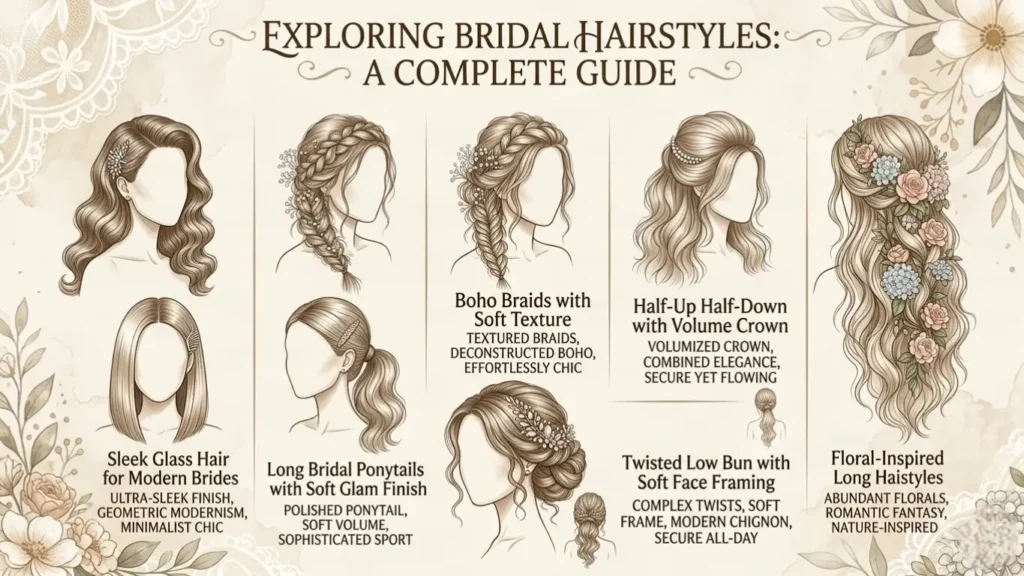
Trending long bridal hairstyles 2026 are all about soft elegance, natural movement and effortless beauty. In 2026, brides are changing away from formal and rigid styles and opting for something more lighthearted, romantic, and individualistic. The hair trend for the year 2026 is about trending long bridal hairstyles that complement your natural beauty without looking cluttered or unkempt on your wedding day.

Long hair offers a wealth of styling opportunities, and the long bridal hairstyles 2026 are demonstrating that the era of strict structure and the addition of softness is the new norm for brides.

1. Soft Hollywood Waves with Modern Movement

Soft Hollywood waves remain a bridal classic, but 2026 updates them with a more relaxed finish. Instead of tight, uniform curls, the waves are loose, flowing, and full of natural movement.

Stylists are focusing on softer partings and less structure at the roots, which gives the hair a more effortless feel. This style works beautifully for brides wearing strapless or off-shoulder gowns because it frames the neckline without overpowering it.

2. Boho Braids with Soft Texture

Boho braids are in vogue, though they’re grown more refined. In 2026, they are not as festival-oriented as earlier but more romantic and editorial.

The tendency is not towards the classic braided look per se, but rather more to small braids integrated into loose waves or a single accent braid.

This is a popular style to use in outdoor weddings and destination weddings.

3. Half-up half-down with volume crown

Half-up half-down is still a very popular bridal style. The emphasis of the 2026 version is on crown volume and soft structure.

The top is raised slightly (not flat or pinned) to provide dimension and balance. Twists or small braids are sometimes incorporated for a subtle detail.

This cut suits practically any face shape and is perfect for hair veils and accessories.

4. Sleek Glass Hair for Modern Brides

For brides who prefer a more minimalist aesthetic, sleek glass hair is a standout trend. This style is ultra-straight, glossy, and sharply finished.

It works best with structured gowns and clean silhouettes. The key is precision: every strand is controlled, and shine treatments are often used to create a reflective surface.

This look is bold but timeless when executed properly.

5. Long Bridal Ponytails with Soft Glam Finish

Bridal ponytails aren’t a thing of the past. In 2026, they are sleek, full and chic.

Hair is typically curled or waved prior to being pulled up into a ponytail or bun. The use of strands of hair wrapped around the base or to add pearl accents adds instant, high-end appeal.

Low ponytails with crown volume are particularly popular for receptions, as they do not get loose all night.

6. Floral-Inspired Long Hairstyles

Floral elements continue to be a staple for weddings, but the focus in 2026 is more on incorporating small pieces of floral design.

A natural and soft appearance is achieved by weaving small fresh flowers into braids or tucking them into waves. The flowers can also complement the bridal bouquet and give the bridal appearance a sense of unity.

This is the perfect style for a garden style wedding or a romantic wedding.

7. Twisted Low Bun with Soft Face Framing

The twisted low bun is one of the most elegant bridal hairstyles trending in 2026. It blends structure with softness, making it perfect for modern brides who want something timeless but not too rigid.

Instead of a tight bun, the hair is loosely twisted and pinned at the nape of the neck. Soft strands are left out to frame the face, adding a natural, flattering effect.

Stylists often incorporate small braids or pearl pins for added detail. It also works beautifully with veils because it provides a secure base without looking heavy.

This is one of the most versatile styles on the list, pairing well with both minimalist and detailed wedding dresses

Also Read: Low Bun vs High Bun for Brides: What Works Best?

Choosing the Right Bridal Hairstyle 

The best bridal makeup finish is the one that stays balanced, comfortable, and natural throughout your wedding day.

At Brittany Brown Beauty, we customize each bridal makeup look based on skin type, lighting, weather, and how you want to feel in your photos. During your consultation and trial, we help you decide what finish actually works for your skin instead of following trends that may not suit you.

Click the button below to schedule your bridal makeup consultation.

Posted on

Dewy vs Matte Bridal Makeup: What Works Best for Your Skin

Dewy vs Matte Bridal Makeup

One of the biggest bridal makeup decisions is choosing between a dewy finish and a matte finish. Many brides save inspiration photos without realizing that the finish changes how the makeup looks in person, in photos, and throughout the day.

A finish that looks beautiful on one person may feel too shiny, too flat, or too heavy on someone else. That is why the best choice depends less on trends and more on your skin type, wedding setting, and comfort level.

This article breaks down dewy vs matte bridal makeup, how each one behaves, and what actually works best for different skin types.

What Does Dewy Bridal Makeup Mean?

Dewy bridal makeup creates a fresh, hydrated skin finish. The skin reflects light softly and looks more radiant rather than fully matte.

This style usually focuses on healthy-looking skin instead of heavy coverage. Cream products, lightweight foundations, and subtle glow all help create this effect.

Many brides choose dewy makeup because it feels softer and more natural. It also photographs beautifully in softer lighting conditions.

However, dewy makeup should still look controlled. There is a difference between healthy glow and excess shine.

What Does Matte Bridal Makeup Mean?

Matte bridal makeup creates a smoother, shine-free finish. The skin appears more controlled and polished throughout the day.

This style often uses longer-wear products and more oil control. It works especially well for brides who want makeup that stays consistent for many hours.

A matte finish does not always mean heavy makeup. Modern matte bridal makeup can still look soft and skin-like when applied correctly.

The goal is balance, not dryness.

Dewy vs Matte Bridal Makeup: The Biggest Difference

The main difference comes down to how the skin reflects light.

Dewy makeup reflects more light, which creates brightness and glow. Matte makeup absorbs more light, which creates a smoother and more even appearance.

This changes how your skin looks in photos, especially in natural light, flash photography, and outdoor settings.

Dewy finishes usually feel fresher and softer. Matte finishes often look cleaner and more controlled over long hours.

Neither is automatically better. The right choice depends on how your skin naturally behaves.

Best Bridal Makeup Finish for Oily Skin

Brides with oily skin usually benefit more from a matte or soft matte finish.

A fully dewy finish on oily skin can become overly shiny after several hours, especially during outdoor weddings or warm weather. The extra oil production may also break down foundation faster.

This does not mean oily skin cannot have glow. The better approach is controlled radiance. Many makeup artists create this by keeping the center of the face more matte while adding subtle glow to the high points of the cheeks.

This gives balance without making the skin look greasy in photos.

Best Bridal Makeup Finish for Dry Skin

Dry skin usually responds better to dewy bridal makeup.

Matte products can sometimes emphasize dry patches, texture, or flaking. Dewy finishes help the skin look smoother and healthier because they reflect light more naturally.

Hydration also plays a major role here. Even the best dewy foundation will not sit properly on dehydrated skin.

For brides with dry skin, the goal is creating glow without making the makeup feel heavy or wet.

Best Bridal Makeup Finish for Combination Skin

Combination skin often needs a mix of both finishes.

For example, the forehead and nose may need oil control, while the cheeks benefit from hydration and softness.

In these cases, many bridal makeup artists combine matte and dewy techniques instead of choosing only one finish for the entire face.

This creates a more natural result that holds well throughout the wedding day.

How Wedding Lighting Changes Your Makeup Finish

Lighting changes everything.

Dewy makeup usually looks softer in natural daylight and golden-hour photos. It creates dimension and freshness when light hits the skin naturally.

Matte makeup often performs better under harsh lighting, flash photography, or long indoor events because it controls shine more effectively.

However, overly matte skin can sometimes appear flat in certain lighting conditions if there is no dimension added back into the makeup.

That is why balance matters more than extremes.

Weather Matters More Than Most Brides Expect

Your wedding environment affects how makeup wears.

For beach weddings or outdoor summer weddings, overly dewy makeup may become difficult to control after several hours. Heat and humidity can increase shine quickly.

Meanwhile, very matte makeup in dry climates can start looking tight or textured as the day goes on.

The best bridal makeup takes the weather into account instead of following trends blindly.

Why Many Brides Choose a Soft Matte or Natural Satin Finish

Many modern bridal looks actually sit between dewy and matte.

Instead of extremely glowing skin or completely flat skin, artists often create a soft satin finish. This gives the skin natural dimension while still controlling excess shine.

This approach photographs well, lasts longer, and works for more skin types.

That is why many bridal makeup looks today feel balanced instead of extreme.

How Makeup Finish Affects Wedding Photos

The camera sees makeup differently than the mirror.

Dewy finishes can create beautiful glow in photos, but too much shine may reflect strongly under flash photography.

Matte finishes reduce shine, but if the skin looks too flat, photos may lose depth and dimension.

This is why bridal makeup needs to be adjusted specifically for photography, not just real life.

The goal is skin that still looks like skin while remaining balanced in every lighting condition.

Read: Why Bridal Makeup Looks Different in Photos and How to Get It Right

Common Mistakes Brides Make When Choosing Makeup Finish

One common mistake is choosing a finish based only on trends.

Another mistake is forcing a dewy look on very oily skin or forcing a fully matte look on dry skin. This usually creates discomfort and shorter wear time.

Some brides also confuse glow with oiliness. Healthy-looking skin should still feel controlled and intentional.

Skipping a makeup trial is another issue. A trial helps you see how your makeup behaves after several hours, not just immediately after application.

How to Decide What Works Best for You

Start with your skin type first. Then think about your wedding environment, photography style, and personal comfort.

If your skin naturally becomes oily throughout the day, a matte or soft matte finish usually works better. If your skin feels dry or textured easily, dewy makeup may create a healthier appearance.

Also consider how you normally like your makeup to look. Your wedding makeup should still feel like you, just more refined and longer-lasting.

Find the Right Bridal Makeup Finish for Your Skin

The best bridal makeup finish is the one that stays balanced, comfortable, and natural throughout your wedding day.

At Brittany Brown Beauty, we customize each bridal makeup look based on skin type, lighting, weather, and how you want to feel in your photos. During your consultation and trial, we help you decide what finish actually works for your skin instead of following trends that may not suit you.

Click the button below to schedule your bridal makeup consultation.

Frequently Asked Questions

1. Is dewy or matte bridal makeup better for oily skin?

Matte or soft matte makeup usually works better for oily skin because it controls excess shine more effectively throughout the day.

2. Does dewy bridal makeup last as long as matte makeup?

It can, but the products and application need to match your skin type and wedding conditions properly.

3. Can dry skin wear matte bridal makeup?

Yes, but the skin needs proper hydration first. Otherwise, matte products may emphasize texture or dryness.

4. What makeup finish photographs best for weddings?

A balanced satin or soft matte finish usually photographs best because it controls shine while keeping natural skin dimension.

5. Should I decide my makeup finish during the bridal trial?

Yes. A trial helps you see how the finish looks in different lighting and how it wears over several hours.

Related Articles:

  1. What to Ask Your Bridal Makeup Artist Before Booking
  2. Bridal Makeup Trends 2026 in Orange County
  3. How to Prep Your Skin 30 Days Before Your Wedding
  4. Why Bridal Makeup Looks Different in Photos and How to Get It Right
  5. Bridal Makeup for Mature Skin: What Works and What to Skip
  6. How to Make Bridal Makeup Last All Day Without Touch-Ups
Posted on

How to Make Bridal Makeup Last All Day Without Touch-Ups

How to Make Bridal Makeup Last All Day Without Touch-Ups

Bridal makeup needs to survive a full day of photos, emotions, movement, and different lighting conditions. From morning prep to the final dance, there is barely time to pause, let alone fix makeup.

Most brides assume touch-ups are normal. In reality, the right prep, products, and application method can keep bridal makeup in place for hours without constant fixing.

This article explains how to make bridal makeup last all day without touch-ups, using practical steps that actually work in real wedding conditions.

Why Bridal Makeup Fades During the Day

Makeup does not fail randomly. It breaks down for clear reasons.

The most common cause is skin imbalance. If your skin produces too much oil or holds too much dryness, foundation does not stay stable. Sweat, humidity, and long hours also affect wear time.

Another issue comes from layering. When too many heavy products sit on top of each other, makeup can slide or separate instead of holding.

Finally, timing matters. Makeup applied on unprepared skin rarely lasts as long as makeup applied on properly prepped skin.

Skin Prep Is the Foundation of Long-Lasting Makeup

If you want your bridal makeup to last, skin prep matters more than anything else.

Clean, balanced skin helps foundation grip properly. This does not mean using strong or harsh products right before your wedding. It means keeping your routine simple and consistent in the days leading up to it.

Hydrated skin holds makeup better, but overly oily or overly dry skin causes problems. The goal is balance, not extremes.

A gentle moisturizer, light hydration, and avoiding new skincare products close to the wedding help prevent unexpected reactions.

The Night Before Matters More Than You Think

What you do the night before your wedding directly affects how your makeup sits the next day.

Avoid heavy treatments or experimental skincare. Your skin should feel calm, not stressed.

Also avoid sleeping with thick layers of products. This can create buildup that affects how foundation applies.

A simple cleanse and light moisturizer is usually enough. The goal is to let your skin reset, not overload it.

Primer Makes the Difference Between Fading and Staying

Primer acts as a base that helps makeup stay in place.

However, not all primers do the same job. Some control oil, while others focus on hydration or smoothing texture.

Choosing the right primer depends on your skin type. Oily skin benefits from mattifying primers that reduce shine. Dry skin needs hydrating primers that prevent patchiness. Combination skin often needs a mix of both in different areas.

Without primer, makeup tends to break down faster, especially in warm or humid conditions.

Foundation Choice Affects Longevity More Than Most Brides Realize

Long-lasting bridal makeup starts with the right foundation formula.

Thicker does not always mean better. Instead, stable, buildable formulas tend to last longer because they adapt to movement and skin changes throughout the day.

Applying foundation in thin layers also helps it stay in place. Heavy application increases the chance of creasing or sliding later.

Blending properly into the skin rather than layering on top creates a more natural and long-wearing finish.

Powder Helps Lock Everything in Place

Powder is often misunderstood. Many brides either skip it or use too much.

A light setting powder helps reduce shine and holds foundation in place. Focus on areas that naturally produce oil, such as the T-zone.

However, over-powdering can make skin look dry or cakey, especially in photos. The goal is control, not full coverage.

A balanced application keeps makeup stable without changing the skin’s natural finish.

Setting Spray Helps Everything Bond Together

Setting spray is the final step that helps everything stay in place.

It works by blending the layers of makeup together so they do not sit separately on the skin.

A good setting spray also helps reduce powderiness and improves longevity without adding heaviness.

The key is using it correctly. It should not replace proper prep or layering. It should support everything that comes before it.

Why Bridal Makeup Breaks Down in Heat and Emotion

Wedding days involve movement, heat, and emotional moments. These all affect makeup.

Heat increases oil production, which can break down foundation faster. Tears can affect eye makeup if products are not waterproof. Even constant touching of the face can reduce longevity.

This is why bridal makeup is not just about looking good at the start. It needs to be built for endurance.

Read: Best Bridal Makeup for Oily, Dry, and Acne-Prone Skin

Makeup Trial Helps Prevent Day-Of Issues

A bridal makeup trial is not just about choosing a look. It is also about testing how the makeup holds.

During the trial, you can see how your skin reacts to products and how the makeup wears over a few hours. This helps your artist adjust products and techniques before the wedding.

Skipping this step often leads to surprises on the wedding day that could have been avoided.

Common Mistakes That Make Bridal Makeup Wear Off Faster

One common mistake is over-moisturizing right before makeup. This can make the base too slippery.

Another mistake is using too many skincare products on the wedding morning. This can interfere with makeup adhesion.

Some brides also skip setting products because they want a more natural finish, but this often reduces longevity.

Touching the face too often during the day is another issue that slowly breaks down makeup.

How to Keep Makeup Looking Fresh Without Touch-Ups

Instead of full touch-ups, small adjustments can maintain freshness.

Blotting papers can control shine without removing makeup. A light mist of setting spray during breaks can refresh the skin. Lip color can be reapplied quickly if needed.

However, the goal should always be to build a base that does not require constant correction.

Get Bridal Makeup That Lasts Through the Entire Day

Long-lasting bridal makeup is not about one product or one trick. It comes from proper preparation, balanced application, and using the right products for your skin type.

When skin is prepped correctly and makeup is layered carefully, your look naturally lasts longer without constant touch-ups.

At Brittany Brown Beauty, we provide personalized guidance for every bride. Book your bridal makeup consultation today to create a look that stays fresh, photographs beautifully, and lasts throughout your wedding day.

Frequently Asked Questions

1. How can I make my bridal makeup last through the entire wedding day?

Long-lasting bridal makeup starts with proper skin prep. Clean, balanced skin helps makeup grip better and stay stable for hours. In addition, the right primer, lightweight layering, setting powder, and setting spray all help improve wear time throughout the day.

2. What skin type has the hardest time keeping makeup in place?

Oily skin usually struggles the most with makeup longevity because excess oil can break down foundation faster. However, dry skin can also cause problems if makeup starts separating or looking patchy. The key is using products that match your skin type instead of using the same routine for everyone.

3. Will bridal makeup still last during outdoor or summer weddings?

Yes, but the makeup needs to be built differently for heat and humidity. Long-wear products, waterproof formulas, and controlled layering help prevent melting, creasing, and excessive shine during outdoor weddings.

4. Should I avoid skincare products on my wedding morning?

You should avoid heavy or new skincare products before makeup application. Too many products can make the skin overly slippery and reduce how well foundation holds. A simple, balanced routine usually works best.

5. Why is a bridal makeup trial important for long-lasting results?

A trial helps test how your makeup wears over time. It allows your makeup artist to adjust products, layering, and finish based on your skin type and wedding conditions before the actual wedding day.

Related Articles:

  1. What to Ask Your Bridal Makeup Artist Before Booking
  2. Bridal Makeup Trends 2026 in Orange County
  3. How to Prep Your Skin 30 Days Before Your Wedding
  4. Why Bridal Makeup Looks Different in Photos and How to Get It Right
  5. Bridal Makeup for Mature Skin: What Works and What to Skip

Posted on

How to Choose the Right Bridal Hairstyle for Your Wedding Day

Choosing your bridal hairstyle sounds simple at first. Then you start looking at Pinterest, and suddenly everything looks good. That’s where most brides get stuck.

The problem is not a lack of ideas. It’s choosing a style that actually works for your face, your dress, your hair type, and your wedding setting.

This guide breaks it down in a practical way so you don’t end up with a hairstyle that looks good in photos but doesn’t hold up on your wedding day.

Start With Your Dress Neckline

Your hairstyle should support your dress, not compete with it. This is one of the biggest mistakes brides make.

If you wear a strapless or sweetheart neckline, you have more flexibility. Soft waves, loose curls, or even a relaxed updo can work well because your shoulders and neckline stay visible.

On the other hand, if your dress has a high neckline or long sleeves, hair down can make the top half look heavy. In this case, an updo or a pulled-back style keeps everything balanced and clean.

For off-shoulder dresses, balance matters. Half-up, half-down styles or soft waves usually work best because they don’t overwhelm the neckline.

If your hairstyle and dress fight for attention, your overall look feels off. When they work together, everything looks more polished without trying too hard.

Consider Your Face Shape

Face shape helps guide your decision, but it should not limit you.

If your face is round, adding height at the crown helps create length. Flat styles can make your face look wider, so avoid those.

If you have an oval face, most styles will suit you. Focus on balance instead of trying to fix anything.

For square faces, soft waves or loose styles work better because they soften strong angles. Tight, pulled-back looks can make those angles more noticeable.

If your face is heart-shaped, you want to balance the wider forehead. Adding volume around the lower half of your hair helps.

That said, don’t get stuck trying to “match rules.” A good stylist adjusts the hairstyle to your features naturally.

Work With Your Hair Type, Not Against It

This is where many brides go wrong. They choose a style based on photos, not their actual hair.

If you have fine or thin hair, very loose styles often fall flat within a few hours. You may need added volume or extensions to hold the shape.

If your hair is thick, it can hold styles well. However, it can also feel heavy if not structured properly. A good style will control volume without making your head feel weighed down.

If you have short hair, you still have options. You can create texture, add accessories, or slightly extend the style. You don’t need long hair to look bridal.

The key point is simple. Choose a hairstyle your natural hair can support. Otherwise, it may not last through the day.

Think About Your Wedding Setting

Your environment affects your hair more than you expect.

If you’re having a beach or outdoor wedding, wind and humidity will play a role. Very loose curls may not hold, and flyaways can become a problem. In this case, a more controlled style works better.

For indoor or ballroom weddings, you have more flexibility. Lighting and weather won’t interfere as much, so both sleek styles and soft waves can work.

If your wedding takes place in hot weather, updos usually hold better. They also keep you comfortable and reduce frizz from sweat and humidity.

So, instead of choosing based on looks alone, think about how your hairstyle will behave in your environment.

Decide Between Hair Down, Up, or Half-Up

Each option has its pros and limitations.

Hair down looks soft and romantic. However, it can lose shape over time, especially in heat or humidity. You may also find yourself adjusting it throughout the day.

Updos last longer. They stay secure, keep hair off your face, and handle weather better. If you want something low-maintenance during the event, this is a strong option.

Half-up, half-down styles give you a balance. You get the softness of wearing your hair down, with some structure to hold it in place. This works well for many dress styles and face shapes.

Instead of choosing what looks best in photos, think about what will still look good after several hours.

Consider Your Veil and Accessories Early

Your hairstyle affects how your veil or accessories sit.

If you plan to wear a heavy veil, your hairstyle needs a strong base to hold it. Loose styles may not support it well.

Hairpins, clips, or tiaras also change the look of your hairstyle. A simple style can look more detailed once you add the right accessory.

So, don’t leave this decision until the last minute. Your stylist needs to plan the hairstyle around it.

Think About Longevity and Comfort

A hairstyle that looks good for one hour is not enough.

You need to ask:

  • Will it stay in place during movement and dancing?
  • Will it feel tight or uncomfortable after a few hours?
  • Will it hold in your wedding conditions?

Many brides choose very soft styles, then spend the day fixing their hair. That takes away from your experience.

So, always balance looks with durability.

What to Test During Your Bridal Hair Trial

Your trial is not just about picking a style. It’s about testing it.

Try one or two styles, not five. Too many options will confuse you.

Once your hair is styled:

  • Move your head and see how it holds
  • Take photos from different angles
  • Wear it for a few hours if possible

This helps you understand how it will actually behave on your wedding day.

If something feels loose, heavy, or uncomfortable, adjust it during the trial. Small changes here can save you stress later.

Common Bridal Hairstyle Mistakes to Avoid

One of the biggest mistakes is choosing a hairstyle based only on photos. What looks good on someone else may not work for your hair or face.

Another mistake is ignoring the weather. A style that works indoors may not survive outdoor conditions.

Skipping the trial is also risky. Without testing, you won’t know how your hair reacts.

Lastly, trying to force your hair into a style it can’t hold usually leads to disappointment.

Simple Tips to Make the Right Choice

Keep your overall look balanced. Your hair, makeup, and dress should work together.

Choose a style that feels comfortable, not just one that looks good. You’ll be wearing it for hours.

Stay realistic about your hair type and conditions. That will help your style last longer.

And finally, listen to your stylist. They can see what will work and what won’t.

Not Sure Which Bridal Hairstyle Will Suit You?

If you feel unsure, that’s completely normal. There are a lot of factors to consider, and small details can change the final result.

At Brittany Brown Beauty, we help brides choose hairstyles that suit their face, dress, and wedding setting. During your trial, we guide you through different options and adjust everything based on how your hair naturally behaves.

Book your bridal hair consultation to find a style that looks good, feels comfortable, and lasts through your entire wedding day.

Frequently Asked Questions

1. How do I choose the best bridal hairstyle?

Start with your dress, hair type, and wedding setting. Then choose a style that balances all three.

2. Should I wear my hair up or down for my wedding?

It depends on your comfort, weather, and how long you need it to last. Updos last longer, while hair down looks softer.

3. What hairstyle lasts the longest?

Structured updos usually last the longest, especially in heat or outdoor settings.

4. Do I need a bridal hair trial?

Yes. A trial helps you test the style and avoid surprises on your wedding day.

5. How should I prepare my hair before the wedding?

Keep your hair clean, avoid heavy products, and follow your stylist’s advice before your appointment.

Related Articles:

  1. What to Ask Your Bridal Makeup Artist Before Booking
  2. Avoid Regret: How to Prep for Your Bridal Hair and Makeup Trial
Posted on

Bridal Makeup for Mature Skin: What Works and What to Skip

Bridal Makeup for Mature Skin

Bridal makeup should enhance your features, not cover them. However, many brides with mature skin worry about fine lines, dryness, or texture.

The truth is simple. The wrong technique can make these concerns more visible. On the other hand, the right approach can smooth, lift, and brighten your face without looking heavy.

This guide breaks down bridal makeup for mature skin in a clear, practical way. You’ll learn what actually works, what to avoid, and how to get a natural, polished look that photographs well.

How Mature Skin Changes the Way Makeup Sits

As skin matures, a few things change.

  • Fine lines become more visible
  • Skin can feel drier
  • Texture may show more under makeup

Because of this, heavy makeup does not sit the same way. It can settle into lines and highlight texture.

So, instead of adding more product, you need to adjust how you apply it. Technique matters more than coverage.

What Works for Bridal Makeup on Mature Skin

Skin Prep Comes First

Good makeup starts with good skin prep.

Hydrated skin looks smoother and softer. It also helps foundation blend better.

Before makeup:

  • Use a lightweight hydrating serum
  • Follow with a moisturizer that suits your skin
  • Let your skincare absorb fully before applying makeup

When your skin feels hydrated, you won’t need heavy foundation to even it out.

Lightweight, Buildable Coverage

Many brides think full coverage will hide everything. However, thick layers often do the opposite.

Instead:

  • Use light to medium coverage foundation
  • Apply thin layers
  • Add coverage only where needed

This keeps your skin looking natural while still evening out tone.

Cream Products Over Powder

Cream products work better for mature skin.

  • Cream blush blends into the skin
  • Cream bronzer adds soft warmth
  • Liquid highlighter gives a natural glow

Powder products can sit on top of the skin and make it look dry. So, use them carefully.

Soft Definition Instead of Harsh Lines

Strong contour or heavy eyeliner can look harsh.

Instead:

  • Use soft contour to shape your face
  • Choose neutral eyeshadow tones
  • Blend eyeliner for a softer look

This keeps your makeup balanced and flattering.

Lifting Techniques That Make a Difference

Small changes in placement can lift your face.

  • Apply blush slightly higher on the cheeks
  • Blend eyeshadow upward at the outer corners
  • Shape brows to open up your eyes

These steps create a subtle lifting effect without looking obvious.

Strategic Use of Powder

Powder still has a place, but you need to use it carefully.

  • Set only areas that crease or get oily
  • Avoid full-face powder

Too much powder can make skin look dry and flat. So, keep it minimal.

What to Skip for Mature Bridal Makeup

Heavy Full-Coverage Foundation

Thick foundation can settle into fine lines and make texture more visible.

Even if it looks smooth at first, it may not hold up well after a few hours.

Too Much Powder

Over-powdering removes natural glow. It can also make lines stand out more.

Harsh Contour and Dark Lines

Sharp contour or heavy eyeliner can make your features look heavier.

Soft blending works much better.

Glitter-Heavy Eyeshadow

Large glitter particles can highlight texture on the eyelids.

Instead, choose soft shimmer or satin finishes.

Very Matte or Very Shiny Finishes

  • Very matte makeup can look dry
  • Too much shine can highlight texture

Balance works best.

Bridal Makeup Tips for Mature Skin That Make a Real Difference

These small changes can improve your final look:

  • Apply products in thin layers
  • Blend everything well
  • Focus on hydration before makeup
  • Choose soft, neutral tones

Each step helps your makeup look smoother and more natural.

How to Make Mature Skin Look Good in Photos

Wedding photos capture a lot of detail. So, your makeup needs to handle that.

To get the best results:

  • Add soft definition so your features don’t look flat
  • Avoid heavy layers that show texture
  • Balance glow and matte areas

This helps your skin look fresh both in person and on camera.

What to Test During Your Bridal Makeup Trial

A trial helps you see how your makeup really looks.

During your trial:

  • Check how makeup sits after a few hours
  • Take photos in natural and indoor light
  • Adjust coverage, powder, and product types

If something feels too heavy or too dry, speak up. Small changes can make a big difference.

How to Choose the Right Makeup Artist for Mature Skin

Not every artist has experience with mature skin.

Look for:

  • Real clients with similar skin
  • Before-and-after photos without heavy filters
  • A focus on skin prep and blending

An experienced artist will adjust techniques based on your skin, not follow a one-size approach.

Find the Right Bridal Look for Your Skin

Choosing the right bridal makeup can feel overwhelming, especially if your skin has changed over time.

We help brides create a look that fits their skin, their features, and their wedding style. During your trial, we adjust everything based on how your skin responds, so you feel confident on your wedding day.

Book your bridal makeup consultation to create a look that feels natural, smooth, and photo-ready.

Frequently Asked Questions

1. What is the best foundation for mature skin?

Light to medium coverage foundations work best. They even out your skin without settling into fine lines.

2. Should mature brides avoid powder?

No, but use it only where needed. Too much powder can make skin look dry.

3. How can I reduce the look of fine lines with makeup?

Focus on hydration, use thin layers, and avoid heavy products. This helps keep your skin smooth.

4. What eye makeup works best for mature skin?

Soft, neutral tones with light definition work best. Avoid heavy liner and glitter.

5. Can mature skin still achieve a natural bridal look?

Yes. With the right prep and technique, you can get a soft, polished look that still feels natural.

Related Articles:

1. Soft Glam vs Natural Bridal Makeup: What Actually Photographs Better?

2. Best Bridal Makeup for Oily, Dry, and Acne-Prone Skin

3. What to Ask Your Bridal Makeup Artist Before Booking

4. Why Bridal Makeup Looks Different in Photos and How to Get It Right

5. Bridal Makeup Trends 2026 in Orange County: What Brides Are Choosing

6. What to Ask Your Bridal Makeup Artist Before Booking

Posted on

Why Bridal Makeup Looks Different in Photos and How to Get It Right

Why Bridal Makeup Looks Different in Photos

Many brides love their makeup when they look in the mirror. However, when they see their wedding photos, something feels off. The makeup looks lighter, flatter, or different than expected.

This happens more often than you think. The good news is, once you understand why it happens, you can fix it.

This guide explains why bridal makeup looks different in photos and what you can do to make sure your makeup looks just as good on camera as it does in real life.

Why Bridal Makeup Looks Different in Photos

Before fixing the issue, you need to understand what causes it.

1. Cameras Flatten Your Features

In real life, your face has natural depth. Your cheekbones, jawline, and eyes create shape.

However, cameras reduce that depth. As a result, your face can look flatter in photos.

If your makeup does not add enough definition, your features may not stand out.

2. Lighting Changes How Makeup Appears

Lighting plays a huge role in wedding makeup photography.

  • Bright outdoor light can wash out your makeup
  • Indoor lighting can create shadows
  • Flash can highlight shine or texture

For example, a beach wedding in Orange County will have strong natural light. That can make soft makeup look even lighter in photos.

3. High-Resolution Cameras Show More Detail

Modern cameras capture everything.

They show:

  • Skin texture
  • Dry patches
  • Uneven blending

So, if your makeup is too heavy, it can look cakey. At the same time, if it’s too light, it may not show at all.

4. Makeup Looks Lighter on Camera

This is one of the biggest surprises for brides.

Blush, contour, and eyeshadow often look softer in photos than in real life. So, a look that feels “perfect” in person may look too subtle on camera.

Common Bridal Makeup Mistakes That Show Up in Photos

Now that you know the reasons, let’s look at common mistakes.

Not Enough Coverage

Light coverage may look natural in person. However, in photos, uneven skin tone can still show.

Too Much Powder or Too Much Shine

Too much powder can make your skin look dry and flat. On the other hand, too much shine can reflect light and look greasy.

You need a balance.

Skipping Contour or Overdoing It

No contour can make your face look flat. Too much contour can look harsh.

Soft, blended contour works best for photos.

Weak Eye Definition

Without enough eye makeup:

  • Your eyes can look smaller
  • Your features may not stand out

This becomes more noticeable in group photos.

Wrong Foundation Shade

If your foundation doesn’t match your skin tone, it will show more in photos than in real life. Flash photography can make this even worse.

How to Get Bridal Makeup That Looks Good in Photos

Now let’s fix it step by step.

Build Coverage in Thin Layers

Instead of applying thick foundation, use thin layers.

  • Start with a light base
  • Add coverage only where needed

This keeps your skin looking smooth without looking heavy.

Add the Right Amount of Definition

You need slightly more definition than everyday makeup.

  • Use soft contour to shape your face
  • Add blush so your skin doesn’t look flat
  • Define your eyes with shadow and liner

This helps your features show clearly in photos.

Balance Matte and Glow

This step makes a big difference.

  • Keep your T-zone matte (forehead, nose, chin)
  • Add glow to cheekbones

This way, your skin looks fresh but not shiny in photos.

Choose Products That Work With Flash

Some products reflect light in a bad way.

For example, certain SPF products can cause a white cast. So, your makeup artist should choose products that are safe for flash photography.

Don’t Skip Lashes and Brows

Lashes and brows frame your face.

Even soft, natural lashes can:

  • Open up your eyes
  • Make your features stand out

Brows also need light definition to balance your face.

How Your Wedding Setting Affects Your Makeup

Your venue matters more than you think.

Outdoor Weddings (Beach or Garden)

  • Use lighter layers but add enough definition
  • Control shine without over-powdering

Bright light will soften your makeup, so you need a bit more depth.

Indoor or Evening Weddings

  • You can use slightly deeper tones
  • Lighting is more controlled

So, your makeup will hold its depth better in photos.

What to Test During Your Bridal Makeup Trial

A trial is where you make sure everything works.

During your trial:

  • Take photos in natural light
  • Take photos with flash
  • Check how your makeup looks after a few hours

This shows you how your bridal makeup for photos will actually turn out.

If something looks too light or too heavy, adjust it.

How to Work With Your Makeup Artist

Clear communication helps a lot.

  • Show reference photos
  • Explain what you like and don’t like
  • Be open to small adjustments

An experienced artist will tweak your makeup so it works for both real life and photos.

Not Sure How Your Makeup Will Look in Photos?

It’s normal to feel unsure. Many brides don’t know how their makeup will translate on camera until they test it.

We help you create a look that works in real life and in photos. During your trial, we check your makeup in different lighting and adjust it based on your skin and your wedding setting.

Book your bridal makeup consultation to make sure your look photographs exactly the way you want.

Frequently Asked Questions

1. Why does my bridal makeup look washed out in photos?

Cameras and lighting reduce contrast. So, your makeup may need slightly more definition to show up.

2. Should bridal makeup be heavier for photos?

Not heavier, but more structured. Thin layers with proper definition work better than thick makeup.

3. How do I avoid flashback in wedding photos?

Avoid products with ingredients that reflect light, like certain SPF formulas. Use photo-friendly makeup instead.

4. Does natural makeup work for wedding photos?

Yes, but it needs slight adjustments. Add light contour, blush, and eye definition so it doesn’t look too flat.

5. How can I test my makeup before my wedding?

Take photos in different lighting during your trial. This helps you see how your makeup will actually look.

Related Articles:

  1. Soft Glam vs Natural Bridal Makeup: What Actually Photographs Better?
  2. Best Bridal Makeup for Oily, Dry, and Acne-Prone Skin
  3. What to Ask Your Bridal Makeup Artist Before Booking
Posted on

How to Prep Your Skin 30 Days Before Your Wedding

How to Prep Your Skin 30 Days Before Your Wedding

Great bridal makeup starts with your skin. Even the best products won’t sit well if your skin feels dry, textured, or irritated.

Many brides wait until the last week to “fix” their skin. That usually leads to breakouts, dryness, or reactions. Instead, you need a simple, consistent plan.

This guide shows you exactly how to handle your skin prep before your wedding, step by step, so your makeup looks smooth and lasts all day.

Why 30 Days Is the Right Time to Start

Your skin renews itself over time. One quick facial or a new product won’t change everything overnight.

In 30 days, you can:

  • Improve hydration
  • Smooth out texture
  • Calm breakouts
  • Even out your skin tone

However, this only works if you stay consistent. If you keep switching products, your skin won’t settle.

Your 30-Day Bridal Skin Prep Timeline

Let’s break this down into simple phases so you know what to do each week.

30–21 Days Before the Wedding

Focus on Resetting Your Skin

Start by looking at your current routine.

  • Keep what already works
  • Remove anything that causes irritation
  • Avoid trying multiple new products at once

Next, add gentle exfoliation. Do this 1–2 times a week. This helps remove dead skin so your makeup sits better.

Also, focus on hydration:

  • Use a lightweight serum
  • Follow with a moisturizer that suits your skin

Important: Don’t over-exfoliate. Too much exfoliation damages your skin barrier. When that happens, your skin can become more oily, dry, or sensitive.

21–14 Days Before the Wedding

Focus on Fixing Specific Concerns

At this stage, your skin should feel more stable. Now you can address small issues.

  • If you have breakouts, use gentle acne treatments
  • If your skin feels dry, increase hydration
  • If your tone looks uneven, use mild brightening products

You can also consider a light facial. However, keep it simple. Avoid anything aggressive.

Avoid at this stage:

  • Strong chemical peels
  • New active ingredients you’ve never used
  • Harsh scrubs

Your goal is improvement, not risk.

14–7 Days Before the Wedding

Focus on Maintaining Results

Now, keep everything consistent.

  • Stick to the same skincare routine
  • Focus on hydration and skin repair
  • Avoid touching or picking your skin

At this point, your skin should look calmer and smoother.

Pro tip: Many brides overdo treatments here. That often leads to irritation right before the wedding. Keep it simple instead.

7–3 Days Before the Wedding

Focus on Hydration and Calm Skin

This is when you prep your skin for makeup.

  • Use hydrating masks if your skin needs it
  • Drink enough water
  • Get proper sleep

If needed, you can do very light exfoliation once. However, don’t try anything new.

Your goal is soft, balanced skin.

1–2 Days Before the Wedding

Keep Everything Simple

Now is not the time to experiment.

  • Cleanse your skin gently
  • Use your regular moisturizer
  • Avoid facials or extractions

Even if you notice a small breakout, don’t panic. Keep your routine steady. Your makeup artist can work around it.

Wedding Day Skin Prep

On the day of your wedding, less is more.

  • Start with clean skin
  • Use lightweight hydration
  • Avoid heavy oils or thick creams

Too many products can break down your makeup. So, keep your skin fresh and balanced.

Common Skincare Mistakes Brides Make

Many skin issues come from simple mistakes.

Trying New Products Too Late

New products can cause reactions. Stick to what your skin already knows.

Over-Exfoliating

Too much exfoliation weakens your skin barrier. This leads to dryness or excess oil.

Ignoring Hydration

Even oily skin needs hydration. Without it, your skin produces more oil.

Picking at Your Skin

This can cause redness, scarring, and texture. It also makes makeup harder to apply.

How to Adjust Your Routine Based on Your Skin Type

Your bridal skincare routine should match your skin type.

Oily Skin

  • Use lightweight, oil-free products
  • Focus on hydration, not just oil control
  • Avoid stripping your skin

Dry Skin

  • Layer hydration with serum and moisturizer
  • Avoid matte-heavy products
  • Use gentle exfoliation

Acne-Prone Skin

  • Keep your routine simple
  • Avoid harsh treatments close to your wedding
  • Focus on calming and healing

Do You Need Professional Treatments?

Professional treatments can help, but timing matters.

  • Book facials at least 2–3 weeks before your wedding
  • Choose gentle treatments only
  • Avoid anything aggressive close to your date

If you’re unsure, speak to your makeup artist first. They can guide you based on your skin.

How Skin Prep Affects Your Bridal Makeup

Good skin makes a big difference.

  • Foundation applies more smoothly
  • You need less coverage
  • Your makeup lasts longer
  • Your skin looks better in photos

So, instead of relying on heavy makeup, focus on your skin first.

Not Sure Where to Start With Your Skin Prep?

If you feel unsure, you don’t have to figure it out alone.

We help brides understand their skin and plan the right approach before the wedding. During your trial, we also check how your skin reacts to makeup and adjust everything to suit you.

Book your bridal makeup consultation to get a clear plan for your skin and your wedding day look.

Frequently Asked Questions

1. When should I start my bridal skincare routine?

Start at least 30 days before your wedding. This gives your skin enough time to improve.

2. Can I try new skincare products before my wedding?

You can, but only early in your timeline. Avoid new products in the final 1–2 weeks.

4. Do I need a facial before my wedding?

You can get a gentle facial 2–3 weeks before your wedding. Avoid anything aggressive.

3. What should I do if I get a breakout before my wedding?

Keep your routine simple. Don’t pick your skin. Use gentle treatments and let your makeup artist handle coverage.

5. How do I get glowing skin for my wedding?

Focus on hydration, consistency, and simple skincare. Avoid overdoing treatments.

Related Articles:

1. Soft Glam vs Natural Bridal Makeup: What Actually Photographs Better?

2. Best Bridal Makeup for Oily, Dry, and Acne-Prone Skin

3. What to Ask Your Bridal Makeup Artist Before Booking