Posted on

How to Make Bridal Makeup Last All Day Without Touch-Ups

How to Make Bridal Makeup Last All Day Without Touch-Ups

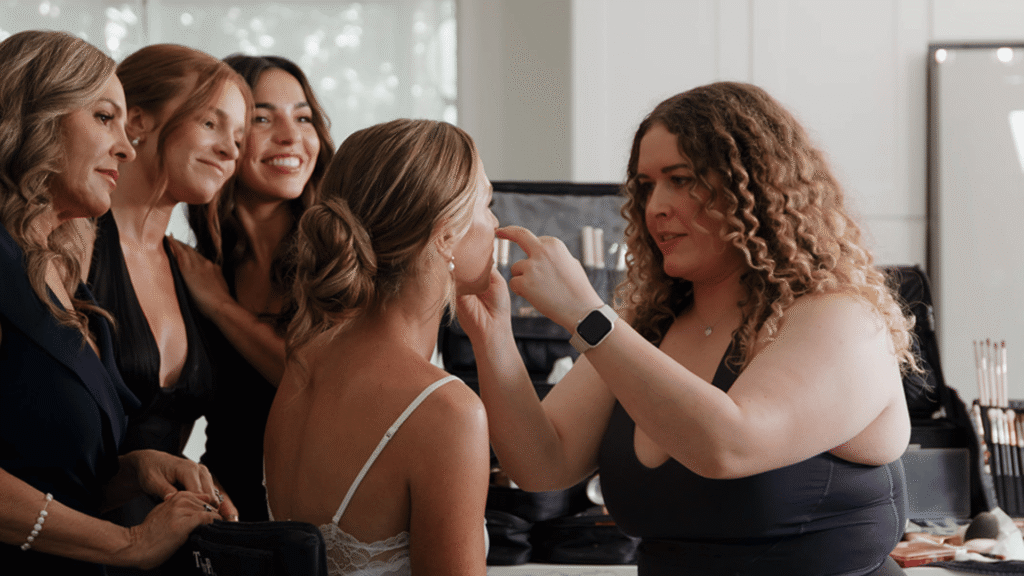
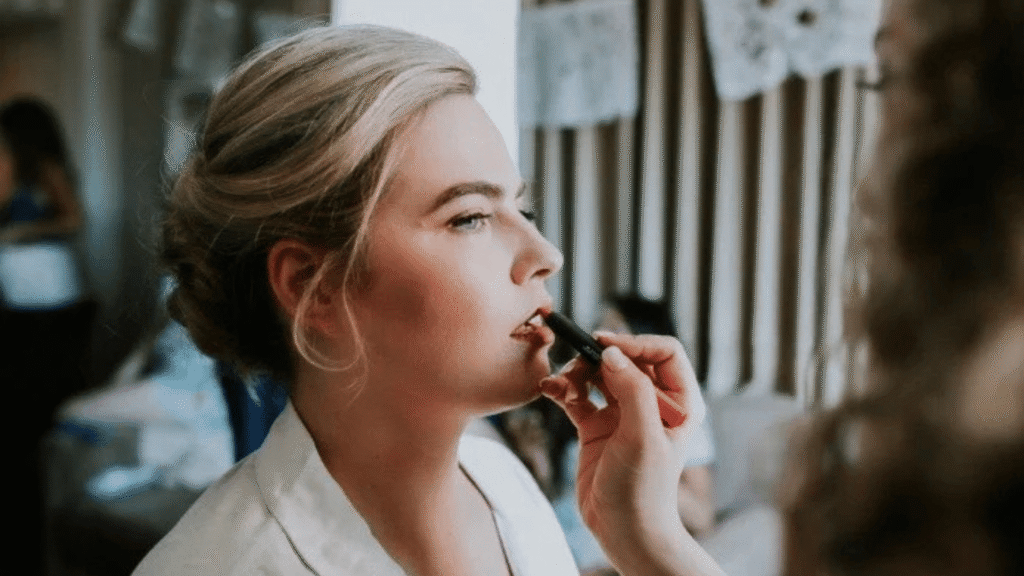
Bridal makeup needs to survive a full day of photos, emotions, movement, and different lighting conditions. From morning prep to the final dance, there is barely time to pause, let alone fix makeup.

Most brides assume touch-ups are normal. In reality, the right prep, products, and application method can keep bridal makeup in place for hours without constant fixing.

This article explains how to make bridal makeup last all day without touch-ups, using practical steps that actually work in real wedding conditions.

Why Bridal Makeup Fades During the Day

Makeup does not fail randomly. It breaks down for clear reasons.

The most common cause is skin imbalance. If your skin produces too much oil or holds too much dryness, foundation does not stay stable. Sweat, humidity, and long hours also affect wear time.

Another issue comes from layering. When too many heavy products sit on top of each other, makeup can slide or separate instead of holding.

Finally, timing matters. Makeup applied on unprepared skin rarely lasts as long as makeup applied on properly prepped skin.

Skin Prep Is the Foundation of Long-Lasting Makeup

If you want your bridal makeup to last, skin prep matters more than anything else.

Clean, balanced skin helps foundation grip properly. This does not mean using strong or harsh products right before your wedding. It means keeping your routine simple and consistent in the days leading up to it.

Hydrated skin holds makeup better, but overly oily or overly dry skin causes problems. The goal is balance, not extremes.

A gentle moisturizer, light hydration, and avoiding new skincare products close to the wedding help prevent unexpected reactions.

The Night Before Matters More Than You Think

What you do the night before your wedding directly affects how your makeup sits the next day.

Avoid heavy treatments or experimental skincare. Your skin should feel calm, not stressed.

Also avoid sleeping with thick layers of products. This can create buildup that affects how foundation applies.

A simple cleanse and light moisturizer is usually enough. The goal is to let your skin reset, not overload it.

Primer Makes the Difference Between Fading and Staying

Primer acts as a base that helps makeup stay in place.

However, not all primers do the same job. Some control oil, while others focus on hydration or smoothing texture.

Choosing the right primer depends on your skin type. Oily skin benefits from mattifying primers that reduce shine. Dry skin needs hydrating primers that prevent patchiness. Combination skin often needs a mix of both in different areas.

Without primer, makeup tends to break down faster, especially in warm or humid conditions.

Foundation Choice Affects Longevity More Than Most Brides Realize

Long-lasting bridal makeup starts with the right foundation formula.

Thicker does not always mean better. Instead, stable, buildable formulas tend to last longer because they adapt to movement and skin changes throughout the day.

Applying foundation in thin layers also helps it stay in place. Heavy application increases the chance of creasing or sliding later.

Blending properly into the skin rather than layering on top creates a more natural and long-wearing finish.

Powder Helps Lock Everything in Place

Powder is often misunderstood. Many brides either skip it or use too much.

A light setting powder helps reduce shine and holds foundation in place. Focus on areas that naturally produce oil, such as the T-zone.

However, over-powdering can make skin look dry or cakey, especially in photos. The goal is control, not full coverage.

A balanced application keeps makeup stable without changing the skin’s natural finish.

Setting Spray Helps Everything Bond Together

Setting spray is the final step that helps everything stay in place.

It works by blending the layers of makeup together so they do not sit separately on the skin.

A good setting spray also helps reduce powderiness and improves longevity without adding heaviness.

The key is using it correctly. It should not replace proper prep or layering. It should support everything that comes before it.

Why Bridal Makeup Breaks Down in Heat and Emotion

Wedding days involve movement, heat, and emotional moments. These all affect makeup.

Heat increases oil production, which can break down foundation faster. Tears can affect eye makeup if products are not waterproof. Even constant touching of the face can reduce longevity.

This is why bridal makeup is not just about looking good at the start. It needs to be built for endurance.

Read: Best Bridal Makeup for Oily, Dry, and Acne-Prone Skin

Makeup Trial Helps Prevent Day-Of Issues

A bridal makeup trial is not just about choosing a look. It is also about testing how the makeup holds.

During the trial, you can see how your skin reacts to products and how the makeup wears over a few hours. This helps your artist adjust products and techniques before the wedding.

Skipping this step often leads to surprises on the wedding day that could have been avoided.

Common Mistakes That Make Bridal Makeup Wear Off Faster

One common mistake is over-moisturizing right before makeup. This can make the base too slippery.

Another mistake is using too many skincare products on the wedding morning. This can interfere with makeup adhesion.

Some brides also skip setting products because they want a more natural finish, but this often reduces longevity.

Touching the face too often during the day is another issue that slowly breaks down makeup.

How to Keep Makeup Looking Fresh Without Touch-Ups

Instead of full touch-ups, small adjustments can maintain freshness.

Blotting papers can control shine without removing makeup. A light mist of setting spray during breaks can refresh the skin. Lip color can be reapplied quickly if needed.

However, the goal should always be to build a base that does not require constant correction.

Get Bridal Makeup That Lasts Through the Entire Day

Long-lasting bridal makeup is not about one product or one trick. It comes from proper preparation, balanced application, and using the right products for your skin type.

When skin is prepped correctly and makeup is layered carefully, your look naturally lasts longer without constant touch-ups.

At Brittany Brown Beauty, we provide personalized guidance for every bride. Book your bridal makeup consultation today to create a look that stays fresh, photographs beautifully, and lasts throughout your wedding day.

Frequently Asked Questions

1. How can I make my bridal makeup last through the entire wedding day?

Long-lasting bridal makeup starts with proper skin prep. Clean, balanced skin helps makeup grip better and stay stable for hours. In addition, the right primer, lightweight layering, setting powder, and setting spray all help improve wear time throughout the day.

2. What skin type has the hardest time keeping makeup in place?

Oily skin usually struggles the most with makeup longevity because excess oil can break down foundation faster. However, dry skin can also cause problems if makeup starts separating or looking patchy. The key is using products that match your skin type instead of using the same routine for everyone.

3. Will bridal makeup still last during outdoor or summer weddings?

Yes, but the makeup needs to be built differently for heat and humidity. Long-wear products, waterproof formulas, and controlled layering help prevent melting, creasing, and excessive shine during outdoor weddings.

4. Should I avoid skincare products on my wedding morning?

You should avoid heavy or new skincare products before makeup application. Too many products can make the skin overly slippery and reduce how well foundation holds. A simple, balanced routine usually works best.

5. Why is a bridal makeup trial important for long-lasting results?

A trial helps test how your makeup wears over time. It allows your makeup artist to adjust products, layering, and finish based on your skin type and wedding conditions before the actual wedding day.
Related Articles:

  1. What to Ask Your Bridal Makeup Artist Before Booking
  2. Bridal Makeup Trends 2026 in Orange County
  3. How to Prep Your Skin 30 Days Before Your Wedding
  4. Why Bridal Makeup Looks Different in Photos and How to Get It Right
  5. Bridal Makeup for Mature Skin: What Works and What to Skip

Posted on

How to Choose the Right Bridal Hairstyle for Your Wedding Day

Choosing your bridal hairstyle sounds simple at first. Then you start looking at Pinterest, and suddenly everything looks good. That’s where most brides get stuck.

The problem is not a lack of ideas. It’s choosing a style that actually works for your face, your dress, your hair type, and your wedding setting.

This guide breaks it down in a practical way so you don’t end up with a hairstyle that looks good in photos but doesn’t hold up on your wedding day.

Start With Your Dress Neckline

Your hairstyle should support your dress, not compete with it. This is one of the biggest mistakes brides make.

If you wear a strapless or sweetheart neckline, you have more flexibility. Soft waves, loose curls, or even a relaxed updo can work well because your shoulders and neckline stay visible.

On the other hand, if your dress has a high neckline or long sleeves, hair down can make the top half look heavy. In this case, an updo or a pulled-back style keeps everything balanced and clean.

For off-shoulder dresses, balance matters. Half-up, half-down styles or soft waves usually work best because they don’t overwhelm the neckline.

If your hairstyle and dress fight for attention, your overall look feels off. When they work together, everything looks more polished without trying too hard.

Consider Your Face Shape

Face shape helps guide your decision, but it should not limit you.

If your face is round, adding height at the crown helps create length. Flat styles can make your face look wider, so avoid those.

If you have an oval face, most styles will suit you. Focus on balance instead of trying to fix anything.

For square faces, soft waves or loose styles work better because they soften strong angles. Tight, pulled-back looks can make those angles more noticeable.

If your face is heart-shaped, you want to balance the wider forehead. Adding volume around the lower half of your hair helps.

That said, don’t get stuck trying to “match rules.” A good stylist adjusts the hairstyle to your features naturally.

Work With Your Hair Type, Not Against It

This is where many brides go wrong. They choose a style based on photos, not their actual hair.

If you have fine or thin hair, very loose styles often fall flat within a few hours. You may need added volume or extensions to hold the shape.

If your hair is thick, it can hold styles well. However, it can also feel heavy if not structured properly. A good style will control volume without making your head feel weighed down.

If you have short hair, you still have options. You can create texture, add accessories, or slightly extend the style. You don’t need long hair to look bridal.

The key point is simple. Choose a hairstyle your natural hair can support. Otherwise, it may not last through the day.

Think About Your Wedding Setting

Your environment affects your hair more than you expect.

If you’re having a beach or outdoor wedding, wind and humidity will play a role. Very loose curls may not hold, and flyaways can become a problem. In this case, a more controlled style works better.

For indoor or ballroom weddings, you have more flexibility. Lighting and weather won’t interfere as much, so both sleek styles and soft waves can work.

If your wedding takes place in hot weather, updos usually hold better. They also keep you comfortable and reduce frizz from sweat and humidity.

So, instead of choosing based on looks alone, think about how your hairstyle will behave in your environment.

Decide Between Hair Down, Up, or Half-Up

Each option has its pros and limitations.

Hair down looks soft and romantic. However, it can lose shape over time, especially in heat or humidity. You may also find yourself adjusting it throughout the day.

Updos last longer. They stay secure, keep hair off your face, and handle weather better. If you want something low-maintenance during the event, this is a strong option.

Half-up, half-down styles give you a balance. You get the softness of wearing your hair down, with some structure to hold it in place. This works well for many dress styles and face shapes.

Instead of choosing what looks best in photos, think about what will still look good after several hours.

Consider Your Veil and Accessories Early

Your hairstyle affects how your veil or accessories sit.

If you plan to wear a heavy veil, your hairstyle needs a strong base to hold it. Loose styles may not support it well.

Hairpins, clips, or tiaras also change the look of your hairstyle. A simple style can look more detailed once you add the right accessory.

So, don’t leave this decision until the last minute. Your stylist needs to plan the hairstyle around it.

Think About Longevity and Comfort

A hairstyle that looks good for one hour is not enough.

You need to ask:

  • Will it stay in place during movement and dancing?
  • Will it feel tight or uncomfortable after a few hours?
  • Will it hold in your wedding conditions?

Many brides choose very soft styles, then spend the day fixing their hair. That takes away from your experience.

So, always balance looks with durability.

What to Test During Your Bridal Hair Trial

Your trial is not just about picking a style. It’s about testing it.

Try one or two styles, not five. Too many options will confuse you.

Once your hair is styled:

  • Move your head and see how it holds
  • Take photos from different angles
  • Wear it for a few hours if possible

This helps you understand how it will actually behave on your wedding day.

If something feels loose, heavy, or uncomfortable, adjust it during the trial. Small changes here can save you stress later.

Common Bridal Hairstyle Mistakes to Avoid

One of the biggest mistakes is choosing a hairstyle based only on photos. What looks good on someone else may not work for your hair or face.

Another mistake is ignoring the weather. A style that works indoors may not survive outdoor conditions.

Skipping the trial is also risky. Without testing, you won’t know how your hair reacts.

Lastly, trying to force your hair into a style it can’t hold usually leads to disappointment.

Simple Tips to Make the Right Choice

Keep your overall look balanced. Your hair, makeup, and dress should work together.

Choose a style that feels comfortable, not just one that looks good. You’ll be wearing it for hours.

Stay realistic about your hair type and conditions. That will help your style last longer.

And finally, listen to your stylist. They can see what will work and what won’t.

Not Sure Which Bridal Hairstyle Will Suit You?

If you feel unsure, that’s completely normal. There are a lot of factors to consider, and small details can change the final result.

At Brittany Brown Beauty, we help brides choose hairstyles that suit their face, dress, and wedding setting. During your trial, we guide you through different options and adjust everything based on how your hair naturally behaves.

Book your bridal hair consultation to find a style that looks good, feels comfortable, and lasts through your entire wedding day.

Frequently Asked Questions

1. How do I choose the best bridal hairstyle?

Start with your dress, hair type, and wedding setting. Then choose a style that balances all three.

2. Should I wear my hair up or down for my wedding?

It depends on your comfort, weather, and how long you need it to last. Updos last longer, while hair down looks softer.

3. What hairstyle lasts the longest?

Structured updos usually last the longest, especially in heat or outdoor settings.

4. Do I need a bridal hair trial?

Yes. A trial helps you test the style and avoid surprises on your wedding day.

5. How should I prepare my hair before the wedding?

Keep your hair clean, avoid heavy products, and follow your stylist’s advice before your appointment.

Related Articles:

  1. What to Ask Your Bridal Makeup Artist Before Booking
  2. Avoid Regret: How to Prep for Your Bridal Hair and Makeup Trial
Posted on

Bridal Makeup for Mature Skin: What Works and What to Skip

Bridal Makeup for Mature Skin

Bridal makeup should enhance your features, not cover them. However, many brides with mature skin worry about fine lines, dryness, or texture.

The truth is simple. The wrong technique can make these concerns more visible. On the other hand, the right approach can smooth, lift, and brighten your face without looking heavy.

This guide breaks down bridal makeup for mature skin in a clear, practical way. You’ll learn what actually works, what to avoid, and how to get a natural, polished look that photographs well.

How Mature Skin Changes the Way Makeup Sits

As skin matures, a few things change.

  • Fine lines become more visible
  • Skin can feel drier
  • Texture may show more under makeup

Because of this, heavy makeup does not sit the same way. It can settle into lines and highlight texture.

So, instead of adding more product, you need to adjust how you apply it. Technique matters more than coverage.

What Works for Bridal Makeup on Mature Skin

Skin Prep Comes First

Good makeup starts with good skin prep.

Hydrated skin looks smoother and softer. It also helps foundation blend better.

Before makeup:

  • Use a lightweight hydrating serum
  • Follow with a moisturizer that suits your skin
  • Let your skincare absorb fully before applying makeup

When your skin feels hydrated, you won’t need heavy foundation to even it out.

Lightweight, Buildable Coverage

Many brides think full coverage will hide everything. However, thick layers often do the opposite.

Instead:

  • Use light to medium coverage foundation
  • Apply thin layers
  • Add coverage only where needed

This keeps your skin looking natural while still evening out tone.

Cream Products Over Powder

Cream products work better for mature skin.

  • Cream blush blends into the skin
  • Cream bronzer adds soft warmth
  • Liquid highlighter gives a natural glow

Powder products can sit on top of the skin and make it look dry. So, use them carefully.

Soft Definition Instead of Harsh Lines

Strong contour or heavy eyeliner can look harsh.

Instead:

  • Use soft contour to shape your face
  • Choose neutral eyeshadow tones
  • Blend eyeliner for a softer look

This keeps your makeup balanced and flattering.

Lifting Techniques That Make a Difference

Small changes in placement can lift your face.

  • Apply blush slightly higher on the cheeks
  • Blend eyeshadow upward at the outer corners
  • Shape brows to open up your eyes

These steps create a subtle lifting effect without looking obvious.

Strategic Use of Powder

Powder still has a place, but you need to use it carefully.

  • Set only areas that crease or get oily
  • Avoid full-face powder

Too much powder can make skin look dry and flat. So, keep it minimal.

What to Skip for Mature Bridal Makeup

Heavy Full-Coverage Foundation

Thick foundation can settle into fine lines and make texture more visible.

Even if it looks smooth at first, it may not hold up well after a few hours.

Too Much Powder

Over-powdering removes natural glow. It can also make lines stand out more.

Harsh Contour and Dark Lines

Sharp contour or heavy eyeliner can make your features look heavier.

Soft blending works much better.

Glitter-Heavy Eyeshadow

Large glitter particles can highlight texture on the eyelids.

Instead, choose soft shimmer or satin finishes.

Very Matte or Very Shiny Finishes

  • Very matte makeup can look dry
  • Too much shine can highlight texture

Balance works best.

Bridal Makeup Tips for Mature Skin That Make a Real Difference

These small changes can improve your final look:

  • Apply products in thin layers
  • Blend everything well
  • Focus on hydration before makeup
  • Choose soft, neutral tones

Each step helps your makeup look smoother and more natural.

How to Make Mature Skin Look Good in Photos

Wedding photos capture a lot of detail. So, your makeup needs to handle that.

To get the best results:

  • Add soft definition so your features don’t look flat
  • Avoid heavy layers that show texture
  • Balance glow and matte areas

This helps your skin look fresh both in person and on camera.

What to Test During Your Bridal Makeup Trial

A trial helps you see how your makeup really looks.

During your trial:

  • Check how makeup sits after a few hours
  • Take photos in natural and indoor light
  • Adjust coverage, powder, and product types

If something feels too heavy or too dry, speak up. Small changes can make a big difference.

How to Choose the Right Makeup Artist for Mature Skin

Not every artist has experience with mature skin.

Look for:

  • Real clients with similar skin
  • Before-and-after photos without heavy filters
  • A focus on skin prep and blending

An experienced artist will adjust techniques based on your skin, not follow a one-size approach.

Find the Right Bridal Look for Your Skin

Choosing the right bridal makeup can feel overwhelming, especially if your skin has changed over time.

We help brides create a look that fits their skin, their features, and their wedding style. During your trial, we adjust everything based on how your skin responds, so you feel confident on your wedding day.

Book your bridal makeup consultation to create a look that feels natural, smooth, and photo-ready.

Frequently Asked Questions

1. What is the best foundation for mature skin?

Light to medium coverage foundations work best. They even out your skin without settling into fine lines.

2. Should mature brides avoid powder?

No, but use it only where needed. Too much powder can make skin look dry.

3. How can I reduce the look of fine lines with makeup?

Focus on hydration, use thin layers, and avoid heavy products. This helps keep your skin smooth.

4. What eye makeup works best for mature skin?

Soft, neutral tones with light definition work best. Avoid heavy liner and glitter.

5. Can mature skin still achieve a natural bridal look?

Yes. With the right prep and technique, you can get a soft, polished look that still feels natural.

Related Articles:

1. Soft Glam vs Natural Bridal Makeup: What Actually Photographs Better?

2. Best Bridal Makeup for Oily, Dry, and Acne-Prone Skin

3. What to Ask Your Bridal Makeup Artist Before Booking

4. Why Bridal Makeup Looks Different in Photos and How to Get It Right

5. Bridal Makeup Trends 2026 in Orange County: What Brides Are Choosing

6. What to Ask Your Bridal Makeup Artist Before Booking

Posted on

Why Bridal Makeup Looks Different in Photos and How to Get It Right

Why Bridal Makeup Looks Different in Photos

Many brides love their makeup when they look in the mirror. However, when they see their wedding photos, something feels off. The makeup looks lighter, flatter, or different than expected.

This happens more often than you think. The good news is, once you understand why it happens, you can fix it.

This guide explains why bridal makeup looks different in photos and what you can do to make sure your makeup looks just as good on camera as it does in real life.

Why Bridal Makeup Looks Different in Photos

Before fixing the issue, you need to understand what causes it.

1. Cameras Flatten Your Features

In real life, your face has natural depth. Your cheekbones, jawline, and eyes create shape.

However, cameras reduce that depth. As a result, your face can look flatter in photos.

If your makeup does not add enough definition, your features may not stand out.

2. Lighting Changes How Makeup Appears

Lighting plays a huge role in wedding makeup photography.

  • Bright outdoor light can wash out your makeup
  • Indoor lighting can create shadows
  • Flash can highlight shine or texture

For example, a beach wedding in Orange County will have strong natural light. That can make soft makeup look even lighter in photos.

3. High-Resolution Cameras Show More Detail

Modern cameras capture everything.

They show:

  • Skin texture
  • Dry patches
  • Uneven blending

So, if your makeup is too heavy, it can look cakey. At the same time, if it’s too light, it may not show at all.

4. Makeup Looks Lighter on Camera

This is one of the biggest surprises for brides.

Blush, contour, and eyeshadow often look softer in photos than in real life. So, a look that feels “perfect” in person may look too subtle on camera.

Common Bridal Makeup Mistakes That Show Up in Photos

Now that you know the reasons, let’s look at common mistakes.

Not Enough Coverage

Light coverage may look natural in person. However, in photos, uneven skin tone can still show.

Too Much Powder or Too Much Shine

Too much powder can make your skin look dry and flat. On the other hand, too much shine can reflect light and look greasy.

You need a balance.

Skipping Contour or Overdoing It

No contour can make your face look flat. Too much contour can look harsh.

Soft, blended contour works best for photos.

Weak Eye Definition

Without enough eye makeup:

  • Your eyes can look smaller
  • Your features may not stand out

This becomes more noticeable in group photos.

Wrong Foundation Shade

If your foundation doesn’t match your skin tone, it will show more in photos than in real life. Flash photography can make this even worse.

How to Get Bridal Makeup That Looks Good in Photos

Now let’s fix it step by step.

Build Coverage in Thin Layers

Instead of applying thick foundation, use thin layers.

  • Start with a light base
  • Add coverage only where needed

This keeps your skin looking smooth without looking heavy.

Add the Right Amount of Definition

You need slightly more definition than everyday makeup.

  • Use soft contour to shape your face
  • Add blush so your skin doesn’t look flat
  • Define your eyes with shadow and liner

This helps your features show clearly in photos.

Balance Matte and Glow

This step makes a big difference.

  • Keep your T-zone matte (forehead, nose, chin)
  • Add glow to cheekbones

This way, your skin looks fresh but not shiny in photos.

Choose Products That Work With Flash

Some products reflect light in a bad way.

For example, certain SPF products can cause a white cast. So, your makeup artist should choose products that are safe for flash photography.

Don’t Skip Lashes and Brows

Lashes and brows frame your face.

Even soft, natural lashes can:

  • Open up your eyes
  • Make your features stand out

Brows also need light definition to balance your face.

How Your Wedding Setting Affects Your Makeup

Your venue matters more than you think.

Outdoor Weddings (Beach or Garden)

  • Use lighter layers but add enough definition
  • Control shine without over-powdering

Bright light will soften your makeup, so you need a bit more depth.

Indoor or Evening Weddings

  • You can use slightly deeper tones
  • Lighting is more controlled

So, your makeup will hold its depth better in photos.

What to Test During Your Bridal Makeup Trial

A trial is where you make sure everything works.

During your trial:

  • Take photos in natural light
  • Take photos with flash
  • Check how your makeup looks after a few hours

This shows you how your bridal makeup for photos will actually turn out.

If something looks too light or too heavy, adjust it.

How to Work With Your Makeup Artist

Clear communication helps a lot.

  • Show reference photos
  • Explain what you like and don’t like
  • Be open to small adjustments

An experienced artist will tweak your makeup so it works for both real life and photos.

Not Sure How Your Makeup Will Look in Photos?

It’s normal to feel unsure. Many brides don’t know how their makeup will translate on camera until they test it.

We help you create a look that works in real life and in photos. During your trial, we check your makeup in different lighting and adjust it based on your skin and your wedding setting.

Book your bridal makeup consultation to make sure your look photographs exactly the way you want.

Frequently Asked Questions

1. Why does my bridal makeup look washed out in photos?

Cameras and lighting reduce contrast. So, your makeup may need slightly more definition to show up.

2. Should bridal makeup be heavier for photos?

Not heavier, but more structured. Thin layers with proper definition work better than thick makeup.

3. How do I avoid flashback in wedding photos?

Avoid products with ingredients that reflect light, like certain SPF formulas. Use photo-friendly makeup instead.

4. Does natural makeup work for wedding photos?

Yes, but it needs slight adjustments. Add light contour, blush, and eye definition so it doesn’t look too flat.

5. How can I test my makeup before my wedding?

Take photos in different lighting during your trial. This helps you see how your makeup will actually look.

Related Articles:

  1. Soft Glam vs Natural Bridal Makeup: What Actually Photographs Better?
  2. Best Bridal Makeup for Oily, Dry, and Acne-Prone Skin
  3. What to Ask Your Bridal Makeup Artist Before Booking
Posted on

How to Prep Your Skin 30 Days Before Your Wedding

How to Prep Your Skin 30 Days Before Your Wedding

Great bridal makeup starts with your skin. Even the best products won’t sit well if your skin feels dry, textured, or irritated.

Many brides wait until the last week to “fix” their skin. That usually leads to breakouts, dryness, or reactions. Instead, you need a simple, consistent plan.

This guide shows you exactly how to handle your skin prep before your wedding, step by step, so your makeup looks smooth and lasts all day.

Why 30 Days Is the Right Time to Start

Your skin renews itself over time. One quick facial or a new product won’t change everything overnight.

In 30 days, you can:

  • Improve hydration
  • Smooth out texture
  • Calm breakouts
  • Even out your skin tone

However, this only works if you stay consistent. If you keep switching products, your skin won’t settle.

Your 30-Day Bridal Skin Prep Timeline

Let’s break this down into simple phases so you know what to do each week.

30–21 Days Before the Wedding

Focus on Resetting Your Skin

Start by looking at your current routine.

  • Keep what already works
  • Remove anything that causes irritation
  • Avoid trying multiple new products at once

Next, add gentle exfoliation. Do this 1–2 times a week. This helps remove dead skin so your makeup sits better.

Also, focus on hydration:

  • Use a lightweight serum
  • Follow with a moisturizer that suits your skin

Important: Don’t over-exfoliate. Too much exfoliation damages your skin barrier. When that happens, your skin can become more oily, dry, or sensitive.

21–14 Days Before the Wedding

Focus on Fixing Specific Concerns

At this stage, your skin should feel more stable. Now you can address small issues.

  • If you have breakouts, use gentle acne treatments
  • If your skin feels dry, increase hydration
  • If your tone looks uneven, use mild brightening products

You can also consider a light facial. However, keep it simple. Avoid anything aggressive.

Avoid at this stage:

  • Strong chemical peels
  • New active ingredients you’ve never used
  • Harsh scrubs

Your goal is improvement, not risk.

14–7 Days Before the Wedding

Focus on Maintaining Results

Now, keep everything consistent.

  • Stick to the same skincare routine
  • Focus on hydration and skin repair
  • Avoid touching or picking your skin

At this point, your skin should look calmer and smoother.

Pro tip: Many brides overdo treatments here. That often leads to irritation right before the wedding. Keep it simple instead.

7–3 Days Before the Wedding

Focus on Hydration and Calm Skin

This is when you prep your skin for makeup.

  • Use hydrating masks if your skin needs it
  • Drink enough water
  • Get proper sleep

If needed, you can do very light exfoliation once. However, don’t try anything new.

Your goal is soft, balanced skin.

1–2 Days Before the Wedding

Keep Everything Simple

Now is not the time to experiment.

  • Cleanse your skin gently
  • Use your regular moisturizer
  • Avoid facials or extractions

Even if you notice a small breakout, don’t panic. Keep your routine steady. Your makeup artist can work around it.

Wedding Day Skin Prep

On the day of your wedding, less is more.

  • Start with clean skin
  • Use lightweight hydration
  • Avoid heavy oils or thick creams

Too many products can break down your makeup. So, keep your skin fresh and balanced.

Common Skincare Mistakes Brides Make

Many skin issues come from simple mistakes.

Trying New Products Too Late

New products can cause reactions. Stick to what your skin already knows.

Over-Exfoliating

Too much exfoliation weakens your skin barrier. This leads to dryness or excess oil.

Ignoring Hydration

Even oily skin needs hydration. Without it, your skin produces more oil.

Picking at Your Skin

This can cause redness, scarring, and texture. It also makes makeup harder to apply.

How to Adjust Your Routine Based on Your Skin Type

Your bridal skincare routine should match your skin type.

Oily Skin

  • Use lightweight, oil-free products
  • Focus on hydration, not just oil control
  • Avoid stripping your skin

Dry Skin

  • Layer hydration with serum and moisturizer
  • Avoid matte-heavy products
  • Use gentle exfoliation

Acne-Prone Skin

  • Keep your routine simple
  • Avoid harsh treatments close to your wedding
  • Focus on calming and healing

Do You Need Professional Treatments?

Professional treatments can help, but timing matters.

  • Book facials at least 2–3 weeks before your wedding
  • Choose gentle treatments only
  • Avoid anything aggressive close to your date

If you’re unsure, speak to your makeup artist first. They can guide you based on your skin.

How Skin Prep Affects Your Bridal Makeup

Good skin makes a big difference.

  • Foundation applies more smoothly
  • You need less coverage
  • Your makeup lasts longer
  • Your skin looks better in photos

So, instead of relying on heavy makeup, focus on your skin first.

Not Sure Where to Start With Your Skin Prep?

If you feel unsure, you don’t have to figure it out alone.

We help brides understand their skin and plan the right approach before the wedding. During your trial, we also check how your skin reacts to makeup and adjust everything to suit you.

Book your bridal makeup consultation to get a clear plan for your skin and your wedding day look.

Frequently Asked Questions

1. When should I start my bridal skincare routine?

Start at least 30 days before your wedding. This gives your skin enough time to improve.

2. Can I try new skincare products before my wedding?

You can, but only early in your timeline. Avoid new products in the final 1–2 weeks.

4. Do I need a facial before my wedding?

You can get a gentle facial 2–3 weeks before your wedding. Avoid anything aggressive.

3. What should I do if I get a breakout before my wedding?

Keep your routine simple. Don’t pick your skin. Use gentle treatments and let your makeup artist handle coverage.

5. How do I get glowing skin for my wedding?

Focus on hydration, consistency, and simple skincare. Avoid overdoing treatments.

Related Articles:

1. Soft Glam vs Natural Bridal Makeup: What Actually Photographs Better?

2. Best Bridal Makeup for Oily, Dry, and Acne-Prone Skin

3. What to Ask Your Bridal Makeup Artist Before Booking

Posted on

Bridal Makeup Trends 2026 in Orange County: What Brides Are Choosing

Bridal makeup trends change every year. However, in 2026, the shift feels more personal. Brides in Orange County want makeup that looks good in photos, lasts all day, and still feels like them.

Instead of following heavy trends, most brides now choose looks that match their venue, lighting, and skin type. So, if you’re planning your wedding, these are the trends you’ll actually see, not just on social media, but on real brides.

Skin-First Makeup Is Leading the Way

In 2026, healthy-looking skin takes priority over everything else.

Brides no longer want thick, full-coverage makeup. Instead, they ask for:

  • Lightweight, buildable foundation
  • Skin that looks smooth but still natural
  • Coverage that evens tone without hiding texture

This trend works well for Orange County weddings because many are outdoors. Natural light picks up heavy makeup easily. So, a skin-first approach looks cleaner and more modern in photos.

What this means for you:
Focus on skin prep before your wedding. Hydration, gentle exfoliation, and consistent skincare will improve how your makeup sits.

Soft Glam Is Replacing Full Glam

Full glam is not completely gone. However, soft glam continues to dominate in 2026.

Brides prefer:

  • Soft contour instead of sharp lines
  • Neutral eyeshadow with depth
  • Wispy lashes instead of heavy strips
  • Defined features without looking overdone

This style works across different venues, from beach weddings to indoor receptions.

Why it’s trending:
Soft glam photographs well without looking too heavy in person. It also holds up better over long hours.

Cream Products Over Powder

Another clear shift. More artists now use cream-based products.

Brides choose:

  • Cream blush instead of powder blush
  • Cream bronzer for a natural finish
  • Liquid highlighter for soft glow

Why this matters:
Cream products blend into the skin. As a result, they look more natural in both photos and real life.

However, artists still use powder where needed. For example, to control shine in the T-zone.

Blush Is More Noticeable in 2026

Blush is no longer just a small detail. It plays a bigger role now.

Popular styles include:

  • Soft pink and peach tones
  • Blush placed slightly higher on the cheeks
  • A subtle “sun-kissed” effect

This adds warmth and life to the face. It also helps your makeup stand out in photos without looking heavy.

Defined but Natural Brows

Overly bold brows are fading out. At the same time, very thin brows are not coming back either.

Instead, brides choose:

  • Softly filled brows
  • Natural shape with light definition
  • Fluffy, brushed-up texture

This keeps the face balanced and avoids a harsh look in photos.

Eye Makeup That Enhances, Not Overpowers

In 2026, eye makeup focuses on enhancing your natural eye shape.

Common choices:

  • Neutral tones like brown, taupe, and soft bronze
  • Subtle shimmer instead of heavy glitter
  • Light eyeliner or tightlining

This approach works especially well for daytime weddings in Orange County.

Why it works:
It keeps your eyes defined without taking attention away from your overall look.

Bridal Makeup That Matches the Venue

One of the biggest shifts. Brides now choose makeup based on where they’re getting married.

For example:

  • Beach weddings: lighter coverage, soft glow, minimal powder
  • Garden weddings: fresh skin, soft blush, natural tones
  • Luxury indoor venues: slightly more definition and structure

This makes a big difference in how your makeup looks in photos.

Long-Wear, Weather-Resistant Makeup

Orange County weather can be warm, especially for outdoor weddings.

So, in 2026, brides ask for:

  • Sweat-resistant foundation
  • Lightweight layers instead of heavy coverage
  • Setting techniques that lock makeup in place

Artists now focus more on technique than just products.

Lip Colors Stay Soft and Wearable

Bold lips are less common for weddings now.

Most brides choose:

  • Nude tones
  • Soft pinks
  • Peach shades

These colors look natural and are easier to maintain throughout the day.

What These Trends Mean for You

Trends can help guide you. However, they should not control your final look.

Instead:

  • Choose a style that fits your face and skin type
  • Think about your venue and lighting
  • Test your look during a trial

That way, your makeup will feel right for you, not just trendy.

Not Sure Which Trend Fits Your Wedding?

Choosing the right bridal makeup can feel overwhelming, especially with so many options.

We help you narrow it down based on your skin, your venue, and your personal style. During your trial, you can test different looks and see how they photograph before your wedding day.

Book your bridal makeup consultation to create a look that fits your wedding and lasts all day.

Related Articles:

1. Soft Glam vs Natural Bridal Makeup: What Actually Photographs Better?

2. Best Bridal Makeup for Oily, Dry, and Acne-Prone Skin

3. What to Ask Your Bridal Makeup Artist Before Booking

Frequently Asked Questions

1. What is the most popular bridal makeup style in 2026?

Soft glam with a natural skin finish is the most popular choice.

2. Is full glam still in style for weddings?

Yes, but fewer brides choose it. Most prefer a softer, more natural look.

3. How do I choose the right bridal makeup trend?

Focus on your skin type, wedding venue, and personal comfort. A trial will help you decide.

4. Do trends matter for bridal makeup?

They can help guide your choices. However, your final look should match your style, not just trends.

5. How early should I book my bridal makeup artist in Orange County?

You should book at least 6 to 12 months in advance to secure your preferred date.

Posted on

What to Ask Your Bridal Makeup Artist Before Booking

What to Ask Your Bridal Makeup Artist Before Booking

Booking your bridal makeup artist is a big decision. Your makeup needs to last all day, look great in photos, and still feel like you.

Many brides focus on price or Instagram photos. However, that’s not enough. You need to ask the right questions before booking. That’s how you avoid stress, last-minute surprises, and makeup that doesn’t match your expectations.

This guide covers the exact questions you should ask. More importantly, it explains why each one matters.

Why Asking the Right Questions Matters

Not every makeup artist works the same way. Some focus on soft glam. Others prefer full glam. Some handle large bridal parties well, while others work best with smaller groups.

If you don’t ask the right questions:

  • Your makeup may not match your vision
  • Your timeline can fall apart on the wedding day
  • You may face extra costs later

So, instead of guessing, use your consultation to get clear answers.

1. Do You Have Experience With Bridal Makeup?

Start with the basics. Bridal makeup is different from regular makeup.

Ask:

  • How many weddings have you worked on?
  • Do you specialize in bridal makeup?

Why this matters. Wedding days move fast. An experienced bridal makeup artist knows how to manage time, handle pressure, and adjust makeup for long wear and photography.

2. Can I See Real Bridal Work (Not Just Edited Photos)?

Always ask to see real results.

Look for:

  • Before-and-after photos
  • Images in natural light
  • Photos without heavy filters

Why this matters. Edited photos can hide texture, coverage issues, and blending. Real images show how the makeup actually looks.

3. Have You Worked With My Skin Type and Tone?

This question is often skipped, but it’s very important.

Ask:

  • Have you worked with oily, dry, or acne-prone skin like mine?
  • Do you have experience with my skin tone?

Why this matters. Different skin types need different techniques. For example, oily skin needs oil control. Dry skin needs hydration. Acne-prone skin needs careful layering.

4. What Products Do You Use?

You don’t need a full product list. But you should understand their approach.

Ask:

  • Do you use long-wear products?
  • Are your products suitable for sensitive skin?

Why this matters. Your makeup needs to last 10–12 hours. Also, poor product choices can cause irritation or breakouts.

5. Do You Offer a Bridal Makeup Trial?

A trial is one of the most important steps.

Ask:

  • What’s included in the trial?
  • How long does it take?

Why this matters. A trial lets you test your look before the wedding. You can adjust coverage, colors, and style. It also helps you see how your makeup looks in photos.

6. How Do You Make Makeup Last All Day?

Every artist has a different technique.

Ask:

  • How do you prep the skin?
  • How do you set the makeup?

Why this matters. Long-lasting makeup depends on layering, product choice, and proper setting. This is especially important for outdoor weddings or warm weather.

7. How Do You Handle Different Lighting Conditions?

Your makeup should look good in every setting.

Ask:

  • Do you adjust makeup for indoor vs outdoor weddings?
  • Do you consider flash photography?

Why this matters. Bright light can wash out makeup. Flash can highlight shine or texture. A skilled artist adjusts your look to avoid these issues.

8. Can You Accommodate My Bridal Party?

If you have bridesmaids or family members, this is key.

Ask:

  • How many people can you handle?
  • Do you bring additional artists if needed?

Why this matters. A large bridal party needs proper planning. Without enough artists, your timeline may get delayed.

9. What Is the Wedding Day Timeline?

Timing affects everything.

Ask:

  • When will you arrive?
  • How long does each person take?

Why this matters. You need enough time for makeup without feeling rushed. A clear timeline keeps your morning stress-free.

10. What Is Included in Your Pricing?

Always clarify pricing before booking.

Ask:

  • Does the price include travel?
  • Are lashes included?
  • Is the trial separate?

Why this matters. Some artists charge extra for travel, early start times, or additional services. Clear pricing avoids surprises later.

11. What Is Your Booking and Cancellation Policy?

Before you confirm, understand the terms.

Ask:

  • How much is the deposit?
  • Is it refundable?
  • What happens if plans change?

Why this matters. Wedding plans can shift. You need to know where you stand financially.

12. What Do I Need to Prepare Before the Wedding?

Preparation affects your final look.

Ask:

  • Should I follow a skincare routine?
  • What should I avoid before the wedding?

Why this matters. Good skin prep helps your makeup sit better and last longer.

Red Flags to Watch For

While asking these questions, pay attention to how the artist responds.

Be cautious if:

  • They avoid showing real work
  • They give vague answers
  • They don’t ask about your skin or preferences
  • They rush the consultation

A good bridal makeup artist will take time to understand your needs.

Not Sure What to Ask or Where to Start?

If you feel unsure, you’re not alone. Many brides don’t know what to look for until they speak with a professional.

At Brittany Brown Beauty, we guide you through the entire process. From understanding your skin type to creating a look that fits your wedding style, we make sure everything feels clear and stress-free.

Book your bridal makeup consultation to discuss your vision and get a customized plan for your wedding day.

Related Articles:

  1. Soft Glam vs Natural Bridal Makeup: What Actually Photographs Better?
  2. Best Bridal Makeup for Oily, Dry, and Acne-Prone Skin

Frequently Asked Questions

1. When should I book my bridal makeup artist?

You should book 6 to 12 months in advance, especially during peak wedding season.

2. Is a bridal makeup trial necessary?

Yes. A trial helps you test your look and make adjustments before the wedding.

3. How long does bridal makeup take on the wedding day?

It usually takes 45 to 60 minutes per person, depending on the look.

4. Can I request a natural or soft glam look?

Yes. Always share reference photos so your artist understands your preference.

5. What should I avoid before my wedding makeup appointment?

Avoid trying new skincare products right before your wedding. Stick to your usual routine to prevent irritation.

Posted on

Best Bridal Makeup for Oily, Dry, and Acne-Prone Skin

Best Bridal Makeup for Oily, Dry, and Acne-Prone Skin

Your bridal makeup should last all day and look good in every photo. However, your skin type plays a big role in how your makeup sits, wears, and photographs.

Many brides focus on the look. Soft glam or natural. But the real issue starts underneath. If your skin prep and product choices don’t match your skin type, your makeup won’t hold up.

This guide breaks it down in a simple, honest way. So you know exactly what works for oily, dry, and acne-prone skin.

Why Your Skin Type Matters on Your Wedding Day

Wedding makeup is not the same as everyday makeup. You’ll wear it for 10 to 12 hours. You’ll also deal with heat, lights, photos, and a lot of movement.

Because of that:

  • Oily skin can break down makeup faster
  • Dry skin can make makeup look patchy
  • Acne-prone skin can show texture if handled wrong

So, the goal is not just to look good at the start. Your makeup needs to stay smooth, even, and fresh the whole day.

How to Know Your Skin Type Before Your Trial

Before you book your bridal makeup trial, take a close look at your skin.

  • Oily skin: Your face gets shiny within a few hours, especially around the T-zone
  • Dry skin: Your skin feels tight, flaky, or rough
  • Acne-prone skin: You deal with frequent breakouts or sensitive areas

A common mistake. Many brides think they have oily skin, but they are actually dehydrated. When your skin lacks water, it produces more oil. That changes how makeup behaves.

So, don’t guess. Check your skin in natural light and see how it reacts during the day.

Bridal Makeup for Oily Skin

What Usually Goes Wrong

Oily skin often struggles with:

  • Makeup melting by midday
  • Shine showing up in photos
  • Foundation separating around the nose and chin

What Actually Works

First, control oil without drying your skin too much.

  • Use a lightweight, oil-free moisturizer
  • Apply a mattifying primer only where needed (usually T-zone)
  • Choose long-wear, soft matte foundations instead of heavy matte formulas

Also, apply thin layers. Thick layers break down faster.

Pro Tips That Make a Difference

  • Don’t over-powder your face. It can trigger more oil production
  • Use blotting papers instead of adding more powder
  • Set your makeup in layers. Light powder, then setting spray, then a final set

This keeps your makeup in place without looking heavy.

Bridal Makeup for Dry Skin

What Usually Goes Wrong

Dry skin can cause:

  • Patchy or uneven foundation
  • Flakes showing in close-up photos
  • Makeup looking dull or flat

What Actually Works

Prep matters more than anything here. Start days before your wedding, not just the morning of.

  • Use gentle exfoliation a few days before
  • Layer hydration. Serum first, then moisturizer
  • Use a hydrating primer to smooth the skin

For foundation, go with a natural or dewy finish. Avoid very matte formulas. They can make dryness more visible.

Pro Tips That Help a Lot

  • Use cream products instead of powders where possible
  • Apply powder only where needed (under eyes, sides of nose)
  • Add glow in a controlled way. Focus on cheekbones, not the whole face

This keeps your skin looking fresh, not greasy.

Bridal Makeup for Acne-Prone Skin

What Usually Goes Wrong

Many brides try to fully cover acne with thick layers. That usually leads to:

  • Cakey makeup
  • Texture becoming more visible
  • Makeup breaking apart during the day

What Actually Works

Start with gentle skin prep.

  • Avoid harsh products before your wedding
  • Keep your routine simple and consistent

For makeup:

  • Use buildable foundation instead of full coverage in one layer
  • Spot conceal only where needed
  • Use color corrector for redness before foundation

This gives better coverage without adding weight.

Pro Tips Brides Don’t Hear Often

  • Thick foundation highlights texture more than it hides it
  • Spot concealing looks more natural than full heavy coverage
  • Clean tools matter. Your makeup artist should use sanitized brushes and products

This helps protect your skin and improves the final result.

How to Make Your Bridal Makeup Last All Day

No matter your skin type, long-lasting makeup comes down to technique.

  • Apply products in thin layers
  • Let each layer set before adding the next
  • Use both powder and setting spray in the right order

For touch-ups:

  • Oily skin. Use blotting papers first
  • Dry skin. Use a hydrating mist instead of powder
  • Acne-prone skin. Avoid touching your face too often

Small steps like these make a big difference over 10+ hours.

What to Test During Your Bridal Trial

Your trial is where you figure everything out. Don’t rush it.

Make sure to:

  • Wear the makeup for a full day
  • Take photos in daylight, indoor light, and flash
  • Check how your skin looks after a few hours

Also, speak up. If something feels too heavy or too light, say it. Your artist can adjust it.

How to Choose the Right Makeup Artist

Not every artist works well with every skin type.

Look for:

  • Real client photos, not just filtered images
  • Brides with similar skin to yours
  • Consistent results across different lighting

Also, ask questions during your consultation. A good artist will explain what they plan to do and why.

Not Sure What Works for Your Skin?

Choosing the right bridal makeup is not just about picking a look. It comes down to what actually works for your skin type.

The best way to know for sure is to see it on yourself. During a bridal trial, you can test different products, adjust coverage, and see how your makeup holds up throughout the day and in photos.

We work closely with each bride to create a look that fits your skin, your style, and your wedding setting. That way, you don’t have to second guess anything on your wedding day.

Book your bridal makeup consultation to get a customized look that lasts all day and photographs beautifully.

Related Articles:

  1. Soft Glam vs Natural Bridal Makeup: What Actually Photographs Better?

Frequently Asked Questions

1. What is the best foundation for oily skin brides?

Look for long-wear, oil-free foundations with a soft matte finish. Avoid very thick formulas.

2. How do I stop makeup from looking dry or patchy?

Focus on skin prep. Hydrate your skin well and avoid heavy powders.

3. Can acne-prone skin look natural with makeup?

Yes. Use light layers and spot concealing instead of full heavy coverage.

4. Should I change my skincare before my wedding?

Avoid big changes close to your wedding. Stick to what your skin already responds well to.

5. How early should I prep my skin before the wedding?

Start at least a few weeks before. This gives your skin time to adjust and improve.

Posted on

Soft Glam vs Natural Bridal Makeup: What Actually Photographs Better?

Soft Glam vs Natural Bridal Makeup

When you look in the mirror, both soft glam and natural makeup can look beautiful. However, cameras don’t see your face the same way people do. Lighting, distance, and editing all change how your makeup appears.

So, the real question is not just what looks good in person. It’s what translates well on camera.

Why Makeup Looks Different in Photos

Before comparing styles, you need to understand this part.

Cameras tend to:

  • Reduce contrast on your face
  • Flatten your features
  • Wash out color, especially in bright light
  • Pick up texture more in high resolution

Because of this, makeup that looks “perfect” in real life can look too light in photos.

For example:
A very natural foundation may look invisible in person. But in photos, it may not cover redness or uneven skin at all.

Soft Glam: Why It Works So Well in Photos

Soft glam is popular for weddings for a reason. It is designed to handle lighting, flash, and long hours.

1. Skin Looks Smoother and More Even

Soft glam uses medium to full coverage foundation. This doesn’t mean it looks heavy. A skilled artist blends it well so it still looks like skin.

In photos, this helps because:

  • Redness and blemishes don’t show
  • Skin tone looks even in every lighting condition
  • You don’t get patchy areas in close-up shots

2. Contour Adds Shape Back to Your Face

Lighting can make your face look flat. Especially in outdoor weddings or bright venues.

Soft contour and bronzer fix this by:

  • Defining your cheekbones
  • Adding warmth to your face
  • Creating dimension that shows up in photos

Without this step, your face may look rounder or less defined in pictures.

3. Eyes Stay Visible in Every Shot

Your eyes are one of the most important features in wedding photos.

Soft glam uses:

  • Slightly deeper eyeshadow shades
  • Eyeliner or tightlining
  • Lashes for lift and definition

Because of that, your eyes don’t disappear in photos. This matters a lot in group shots or photos taken from a distance.

Natural Makeup: Where It Can Fall Short

Natural makeup looks fresh and light. Many brides love it. However, it has limits when it comes to photography.

1. Coverage May Not Be Enough

Light foundation may not fully even out your skin. So, things like redness or dark spots can still show in photos.

In person, it may look fine. But high-quality cameras pick up more detail.

2. Features Can Look Flat

With little to no contour or eye definition:

  • Your cheekbones may not stand out
  • Your eyes may look smaller
  • Your overall look can appear less defined

This happens more in bright outdoor lighting.

3. Makeup Can “Disappear” Over Time

Weddings are long. Heat, sweat, and tears all affect your makeup.

Natural makeup has less structure. So, it can fade faster, especially without strong setting products.

When Natural Makeup Can Still Work Well

Natural makeup is not a bad choice. It just needs the right conditions.

It works better when:

  • Your wedding is indoors with controlled lighting
  • Your photographer uses softer editing styles
  • You already have clear, even skin
  • You still add small amounts of definition

In most cases, artists adjust “natural” makeup slightly. They may add a bit more contour or lashes than you expect. This helps it show up on camera.

The Middle Ground Most Brides Choose

Many brides say they want natural makeup. But what they really want is:

“Natural-looking, but still polished in photos.”

So, artists usually create a soft glam version of natural makeup.

This includes:

  • Light but buildable foundation
  • Very soft contour
  • Neutral eyeshadow with slight depth
  • Wispy lashes instead of bold ones

As a result, you look fresh in person. At the same time, your features show clearly in photos.

Simple Tips to Get the Best Results

No matter what style you choose, keep these in mind:

Add Slightly More Definition Than You Think

Even if you want natural makeup, allow your artist to enhance it a bit. It won’t look heavy. It will just photograph better.

Test Your Look in Photos

Take pictures in:

  • Natural daylight
  • Indoor lighting
  • With flash

This shows you how your makeup really looks.

Focus on Skin Prep

Good skin makes any makeup look better. Hydration and proper prep help foundation sit smoothly.

Book Your Bridal Makeup Consultation

Your bridal makeup should look beautiful in person and in every photo. The right balance makes all the difference.

If you’re deciding between soft glam and natural, the best step is to see it on yourself. A professional trial helps you test different styles, adjust the details, and feel confident in your final look.

At Brittany Brown Beauty, we work closely with each bride to create a look that fits your features, your wedding style, and your vision.

Book your bridal makeup consultation today to start planning your perfect wedding look.

Connect with us on Instagram: @brittanybrownbeauty

Check out our portfolio to see real before-and-after results

Related Articles:

  1. Best Bridal Makeup for Oily, Dry, and Acne-Prone Skin

Frequently Asked Questions

1. Which bridal makeup style lasts longer. Soft glam or natural?

Soft glam usually lasts longer. It uses more structured products like primer, setting powder, and setting spray. As a result, it holds up better through heat, humidity, and long wedding hours. Natural makeup can fade faster if you keep it very light.

2. Will soft glam makeup look too heavy in person?

No, not when done correctly. A professional artist blends everything well and matches the makeup to your skin. So, it looks polished but still natural in real life. It only looks heavy if it is overdone or not blended properly.

3. Can I still look natural and have makeup that photographs well?

Yes, you can. Most brides choose a soft, natural-looking glam. It adds light coverage, soft contour, and subtle eye definition. This way, your makeup looks fresh in person and still shows clearly in photos.

4. Is natural bridal makeup a bad choice for weddings?

Not at all. It works well if you prefer a minimal look. However, you may need small adjustments like a bit more coverage or light contour. This helps your features stand out in photos without changing your overall style.

5. Do I need false lashes for my wedding makeup?

Not always, but they help in photos. Lashes add depth and make your eyes stand out, especially in pictures taken from a distance. If you don’t like full lashes, you can choose wispy or individual lashes for a softer effect.

Posted on

The Secret to a Stress-Free Wedding Morning: Bridal Hair and Makeup in Orange County, CA

wedding hair and makeup orange county ca

The morning of your wedding shouldn’t feel like chaos, yet for so many brides, it does. Between tight timelines, last-minute touch-ups, and everyone asking where the lash glue went, it’s easy to lose sight of what the day is really about.

The difference between a stressful start and a serene one often comes down to your hair and makeup team and how well-prepared you are for the experience.

If you’re searching for bridal hair and makeup in Orange County, CA, this guide will walk you through everything you need to know to keep your morning calm, your glam flawless, and your confidence unshakable.

Your 7-Step Bridal Beauty Plan for a Calm Wedding Morning

Creating a peaceful wedding morning doesn’t happen by chance. It starts with choosing the right artist, knowing what to expect, and giving yourself time to enjoy the process.

1. Secure Your Bridal Hair and Makeup Artist Early

Once you’ve booked your venue, your next priority should be locking in your makeup artist in Orange County, CA. The best artists book up quickly, sometimes 6 to 12 months in advance, especially during spring and fall wedding seasons.

Look for a professional who:

  • Has a portfolio that matches your preferred aesthetic (from soft glam to classic elegance)
  • Has glowing testimonials from real brides
  • Communicates clearly about pricing, travel, and trial details

Early booking ensures your stylist can dedicate the time to curate your perfect look without last-minute stress.

2. Schedule a Bridal Preview Session

Your bridal preview (or trial) is where your vision starts to take shape. It’s a relaxed, creative session to test your full look before the big day.

What you can expect:

  • A full consultation to discuss your wedding style, dress, and venue lighting
  • Testing multiple shades, hairstyles, or finishes to see what lasts and photographs best
  • Feedback from your artist to perfect every detail

Most brides schedule this 1–3 months before their wedding. Bring your veil or accessories if you have them so your stylist can create a cohesive look.

💡 Pro Tip: Plan your engagement photos or bridal shower on the same day as your preview. You’ll look stunning and get professional photos out of it.

3. Build a Morning Beauty Timeline

The best way to prevent wedding morning stress is a structured beauty timeline. Your artist will usually help you create one that accounts for every service, photo moment, and touch-up.

A smooth schedule might look like:

  • 7:30 AM: Beauty team arrives and sets up
  • 8:00 AM: Bridesmaids and mothers begin
  • 11:00 AM: Bride’s hair and makeup
  • 1:00 PM: Final touch-ups and getting dressed
  • 2:00 PM: First look or ceremony prep

Add buffer time for unexpected delays so you can move through your morning without rushing.

4. Choose a Look That’s Timeless and True to You

Trends fade, but timeless beauty always photographs beautifully. Orange County brides often lean toward glowing skin, soft glam eyes, and hairstyles that move naturally with the breeze.

When planning your look, think about:

  • Lighting: Outdoor weddings need softer tones that won’t wash out in sunlight
  • Climate: Use humidity-resistant products for long wear
  • Comfort: Your look should enhance your features, not overpower them

From a classic low bun in Laguna Beach to effortless curls in Newport, your stylist will help you look like yourself, just elevated.

According to The Knot, nearly 90% of brides say their confidence on the big day came down to how they felt after seeing their final beauty look.

5. Include Your Bridal Party in the Schedule

Your bridesmaids, mom, and loved ones deserve to feel beautiful too. Most bridal hair and makeup packages include services for your bridal party, which helps everyone look cohesive in photos and feel included in the pampering.

Ask your artist for a group rate or package option so you can plan for everyone at once.

If you’re having a larger party, your artist may bring an assistant to keep the morning efficient and stress-free.

6. Plan for Touch-Ups and Longevity

Between tears, laughter, and endless hugs, even the best makeup can use a refresh. Some artists offer on-site touch-up services, staying for a few extra hours to help you look flawless from the ceremony to sunset portraits.

If you’re switching hairstyles or adding new accessories later in the day, your stylist can handle those transitions without you lifting a finger.

Your wedding is an all-day event, and your beauty should last just as long.

7. Treat the Experience Like Self-Care

Your wedding morning should feel calm, not chaotic. The right artist brings a sense of presence and peace into the room, helping you relax, breathe, and truly enjoy the process.

Every brushstroke, curl, and detail is part of something bigger: your transformation into a bride.

Choosing the right bridal hair and makeup artist in Orange County, CA isn’t just about looking beautiful. It’s about feeling beautiful, inside and out.

Final Touch: Your Orange County Bridal Beauty Awaits

If you want your wedding morning to feel peaceful, luxurious, and completely stress-free, your beauty team should make that possible.

✨ Brittany Brown Beauty specializes in soft glam, radiant skin, and timeless bridal styles across Orange County, CA.

From your first consultation to your final touch-up, Brittany and her team are there to ensure you look and feel your best when it matters most.

👉 Inquire for your wedding date availability here or book your bridal hair and makeup preview today.