Posted on

Bridal Hair Accessories: Combs, Pins, and Tiaras Explained

Bridal Hair Accessories

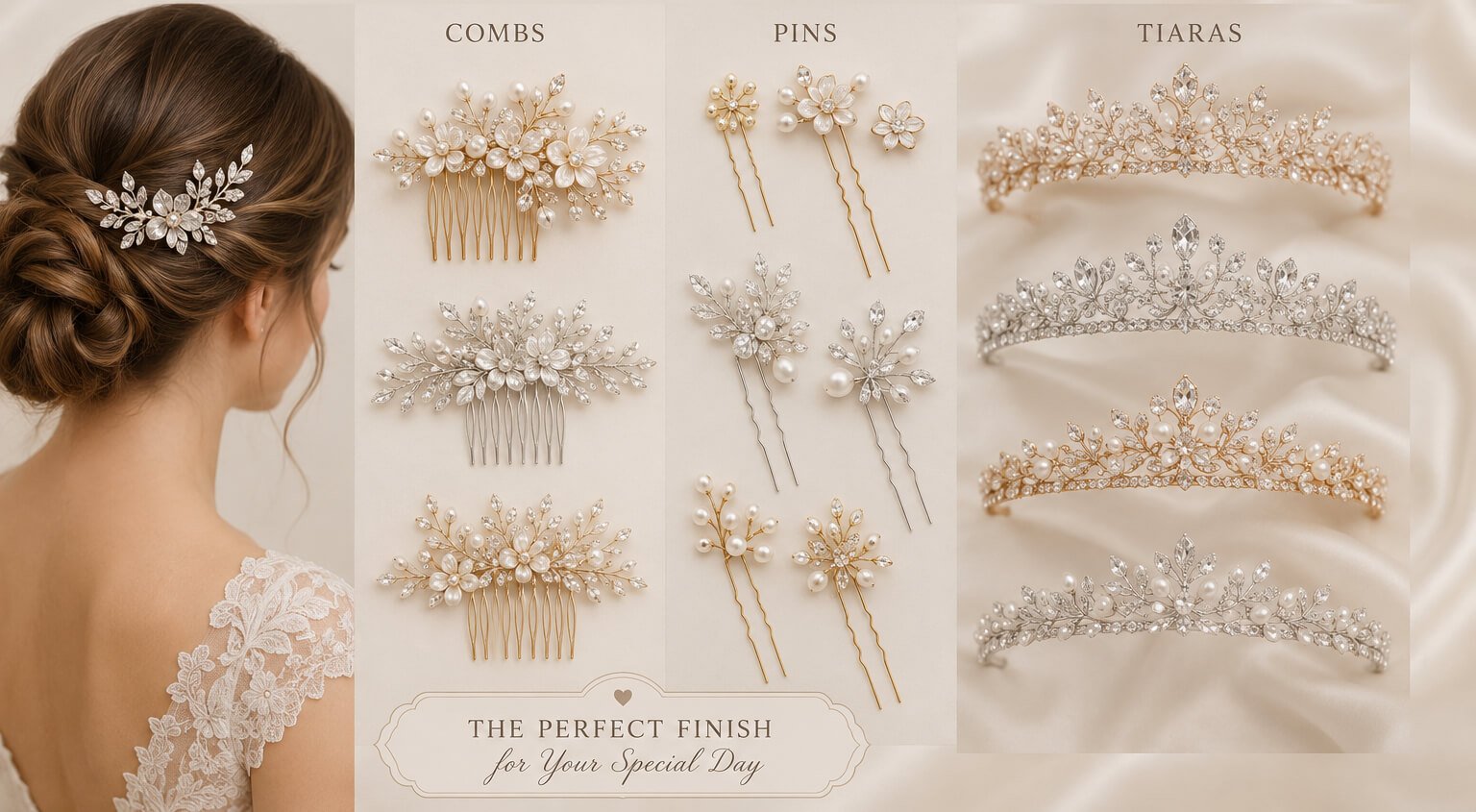
Bridal hair accessories do more than add sparkle. They shape how a hairstyle holds, how it photographs, and how it survives an entire wedding day. Choosing the right one starts with understanding what each type is actually built to do.

In Orange County and San Diego, that decision carries extra weight. Coastal humidity, sea air, and ocean breeze all affect how an accessory sits in the hair over several hours. An accessory that looks secure standing still in a quiet room can shift the moment a bride steps outside for photos or walks along the water.

At Brittany Brown Beauty, accessory selection is considered alongside the hairstyle itself, ensuring every comb, pin, or tiara complements the finished look and stays secure throughout the wedding day. 

Here’s how combs, pins, and tiaras each work, and which hairstyles they’re best suited for.

Why the Right Accessory Depends on Your Hairstyle

Every accessory needs something to hold onto. A comb needs enough hair volume to grip. A pin needs a defined section to anchor into. A tiara needs a base structure that keeps it level and secure.

That means the choice of accessory depends on more than personal style. The hairstyle underneath also determines what it can comfortably support. A delicate pin might disappear in a full, voluminous updo, while a large statement comb could overwhelm a soft half-up style.

For that reason, stylists usually discuss accessories at the beginning of the styling process rather than after they finish the hairstyle. Knowing which accessory a bride wants helps the stylist build the right foundation, decide which sections need extra teasing for hold, and place pins where they’ll stay hidden.

Brittany Brown’s experience in bridal hairstyling has shaped an approach that considers every detail of the hairstyle from the beginning, helping accessories look beautiful while staying secure throughout the celebration. 

Accessory Breakdown

Combs for Texture and Hold

Combs are one of the most versatile bridal hair accessories. They slide into the hair and use their own teeth to grip, which makes them a strong choice for styles with enough texture or volume to hold onto.

They work especially well tucked into buns, twists, or the base of a half-up style, where there’s a defined section of hair to slide into. A comb placed at the crown can also add a finished, intentional detail to loose, down styles, as long as the hair underneath is backcombed slightly for extra grip.

Because combs rely on friction rather than pins alone, they tend to hold up well through movement. That makes them a practical option for outdoor ceremonies where wind and sea air are part of the day.

Pins for Structure and Detail

Pins offer more precision than combs. Instead of gripping a whole section, they attach one small point at a time, which makes them ideal for adding scattered detail across an updo or along a hairline.

A single decorative pin can highlight one specific area, like the side of a bun or a section of braided hair, without adding bulk. Multiple pins, spaced intentionally, can create a fuller, more layered look across a larger style.

Pins generally need a secure base to hold into, which means they work best with hairstyles that already have some structure, like braids, twists, or gathered sections. On fully loose, down hairstyles, pins have less to anchor into and may need extra backcombing underneath to stay secure through the day.

Tiaras and Their Best Hairstyle Pairings

Tiaras add a clear focal point, and they tend to work best with hairstyles that offer a stable, level base across the crown. Updos and half-up styles are natural pairings, since the gathered section of hair gives the tiara something even to sit against.

With fully down hairstyles, a tiara can still work, but it usually needs a little more structure built in underneath, like a supportive base of pins or a light foundation of teased hair, so it doesn’t tilt or shift as the hair moves.

Because a tiara sits higher and more visibly than a comb or pin, it also tends to be more noticeable if it shifts out of place. That makes secure placement, tested ahead of time, especially important for this accessory.

Every hairstyle and accessory combination creates a different look, and seeing them on real brides can make choosing the right option much easier. Browse our portfolio to explore bridal hairstyles featuring combs, decorative pins, tiaras, and other carefully selected accessories. 

Securing Accessories for an All-Day Hold

Southern California weddings often come with conditions that test even a well-placed accessory. Humidity can loosen curls around a comb’s base. Wind off the coast can lift a lightweight pin. A full day of ceremony, photos, and dancing adds hours of movement on top of all that.

A few things help accessories hold up through those conditions:

  • A well-prepped base. Backcombing or teasing the section where an accessory will sit gives it something secure to grip, rather than smooth, slippery hair.
  • Enough supporting pins. Even combs and tiaras often benefit from a few hidden bobby pins nearby, placed to reinforce the accessory without being visible.
  • Testing placement before the big day. Trying the accessory during a hair trial shows how it holds up under real movement, not just how it looks standing still.

Accounting for these details during the styling and setting process, rather than after the hairstyle is finished, is what keeps an accessory looking as intentional at the reception as it did that morning.

Whether you’re envisioning a classic updo with a timeless tiara or soft waves accented with delicate pins, contact Brittany Brown Beauty to schedule your bridal hair consultation or trial and find the accessories that best complement your wedding hairstyle.

Frequently Asked Questions

1. How long does adding hair accessories typically take on a wedding morning? 

Placing accessories is usually one of the last steps in the styling process, often adding just ten to fifteen minutes once the hairstyle itself is complete. Most of the time goes into building a secure base underneath, so the accessory has something solid to anchor into before it’s ever added.

2. Will bridal hair accessories hold up in Southern California humidity? 

Yes, with the right prep. Coastal humidity and ocean breeze can affect how long a style holds, especially with looser hairstyles or lightweight accessories. Backcombing the base, using enough supporting pins, and choosing an accessory suited to the hairstyle all help it stay secure through ceremony, photos, and reception.

3. What accessories pair well with different bridal hairstyles? 

It depends on the style. Combs tend to pair best with buns, twists, and half-up looks that have enough volume to grip. Pins work well on braided or gathered styles where a defined base is already in place. Tiaras look most secure on updos and half-up styles, though they can work with down hairstyles when extra structure is built in underneath.


Posted on

The Best Bridal Makeup Looks for High-Neck Wedding Dresses

Best Bridal Makeup Looks

High-neck wedding dresses have a quiet kind of drama. Lace collars, illusion necklines, and structured mock-necks draw the eye upward before anything else. That means the makeup has to hold its own against a lot of visual detail happening near the face.

Getting this balance right takes more than picking a pretty look from an inspiration photo. It takes understanding how a high neckline changes the proportions of the whole bridal look, and choosing makeup that works with the dress instead of competing with it.

Brittany Brown has spent more than 11 years building bridal looks around dresses just like this. Her approach comes down to one idea: enhance, don’t mask. The goal is always a bride who looks like herself, just elevated. Here’s how that philosophy plays out specifically for high-neck styles.

Why High Necklines Shift the Makeup Focus Upward

A high neckline covers the collarbone and often part of the neck itself. That’s a lot of skin that would normally draw the eye downward on a strapless or sweetheart gown.

Once that area is covered, the face becomes the main focal point of the entire look. Every detail near it, from brow shape to skin finish to lip color, carries more visual weight than it would with a more open neckline.

This is why makeup for high-neck dresses often needs a slightly different balance than makeup built for other silhouettes. Nothing has to change dramatically. But small decisions, like how much shimmer goes on the eyes or how bold the lip is, matter more here because there’s less going on elsewhere in the frame.

Best Looks to Try

Statement Eyes With a Softer Base

Since the eyes sit closest to a high collar, they’re often the first place worth adding intention. A defined eye, whether that’s a soft smoky effect or a precise winged liner, gives the face a clear focal point that photographs well against the structure of the neckline.

Pairing that with a softer base keeps the whole look from feeling heavy. A luminous, natural-finish foundation lets the eyes stand out without the rest of the face competing for attention.

This combination tends to work especially well with lace or illusion necklines, where there’s already a lot of texture happening near the face. A stronger eye and a softer base keep the makeup from adding even more visual noise on top of that detail.

An Elevated Lip for a Polished Finish

A high neckline often calls for a lip color with a bit more presence than a barely-there nude. This doesn’t mean bold or dark. It means a shade with enough depth to feel intentional, like a rosy mauve, a soft berry, or a warm terracotta, depending on skin tone and overall styling.

The lip becomes a natural finishing point for the whole face when there’s less skin showing elsewhere. A well-chosen lip color pulls the look together and keeps it from feeling unfinished, especially in photos where the neckline is fully visible.

This is also where individual coloring matters most. What reads as elevated on one bride can look completely different on another, which is part of why lip color is one of the details tested and adjusted during a trial.

Balancing a Structured Neckline With Soft Glam

Structured necklines, like mock-necks or high collars with boning, have a formal, tailored quality. Pairing that structure with equally sharp, heavy makeup can feel like too much polish stacked on top of more polish.

Soft glam offers a better balance. Think diffused eyeshadow instead of hard lines, a soft-focus glow instead of full matte, and blush placed to warm the face rather than sculpt it aggressively.

The result feels intentional without fighting the formality of the dress. It’s a look that photographs as elevated, not overdone, which fits the “like yourself, but elevated” feeling most brides are actually looking for.

What to Avoid With High-Neck Styles

A few choices tend to work against high-neck dresses more than they work with them:

  • Heavy contour that competes with the collar. Sharp, sculpted lines near the jaw can feel visually busy next to a structured neckline. A softer contour keeps the focus on the whole face rather than one feature.
  • Overly matte skin under structured necklines. A flat matte finish can look harsh against the texture of lace or beading near the collar. A soft, natural glow tends to feel more cohesive.
  • Skipping a proper trial. High-neck dresses often come with more fabric and detail near the face, so there’s less room for a makeup misstep to go unnoticed. A trial is the time to test how a look holds up and how skin responds to the products used, well before the wedding day itself.

None of these are hard rules. They’re patterns worth being aware of, then adjusting based on the specific dress, skin, and bride.

How Brittany Brown Beauty Approaches This Look

Every high-neck look starts with the dress itself. Details like lace pattern, collar height, and fabric texture all inform decisions about eye intensity, lip color, and finish.

From there, the process leans on Brittany’s enhance, don’t mask philosophy. The goal isn’t to create a dramatically different face. It’s to bring out what’s already there, in a way that photographs beautifully against a more structured silhouette.

A trial appointment is where this comes together. It’s the opportunity to test the full look, check how it holds up over several hours, and make sure the skin responds well to everything used. Brides consistently describe the result the same way: familiar, but elevated. That feeling is the actual goal behind every decision made in the chair.

For anyone curious what this looks like in practice, the portfolio includes a range of bridal looks built around different neckline styles. And for brides ready to talk through their own dress and vision, reaching out directly is the easiest next step.

Frequently Asked Questions

1. What’s the best way to prep my skin for this kind of look? 

Skin prep matters more with high-neck dresses, since the face carries more visual focus. A consistent routine with moisturizer and SPF in the weeks before the wedding gives foundation a smooth, even base to work with. Bigger skincare changes, like a new treatment or product, are best avoided close to the wedding date. Testing everything during a trial helps confirm the skin is ready and responds well to the products chosen.

2. How long will this makeup last through the ceremony and reception?

With the right prep and setting technique, a well-built look can hold through a full day of ceremony, photos, and reception. Wear time depends on factors like skin type, weather, and how the look is set, which is exactly why a trial is so useful. It’s a chance to test the products under real conditions before the wedding day arrives.

3. Can this look be adjusted for my specific skin tone or type?

Yes. Every recommendation here is a starting point, not a fixed formula. Eye intensity, lip shade, and finish are all chosen based on the individual bride during the trial, so the final look fits her coloring and skin needs rather than a generic template.

Posted on

Veil Placement Guide for Every Bridal Hairstyle

Veil Placement Guide

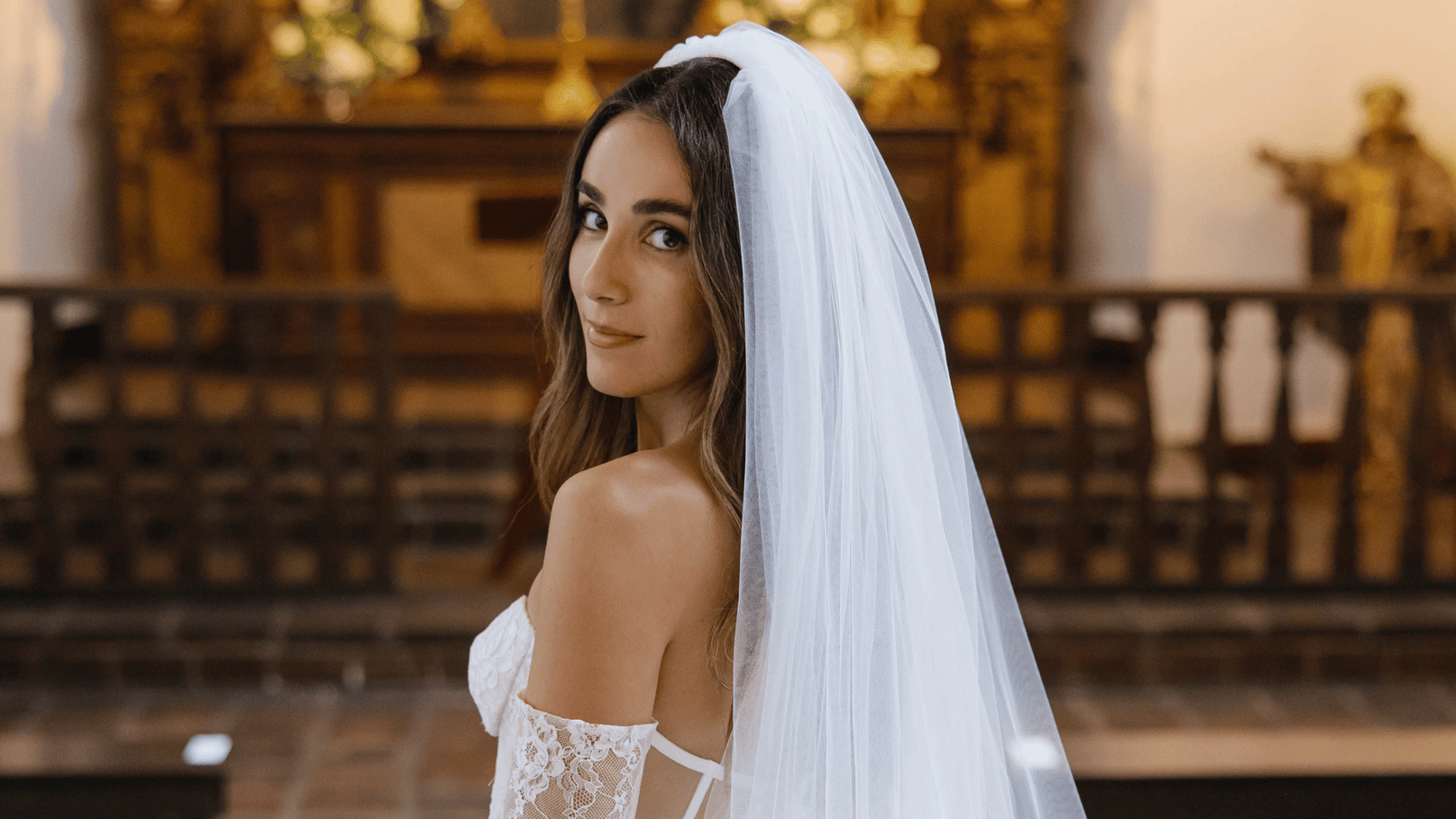
A veil can make or break how a bridal hairstyle photographs, moves, and holds up throughout the wedding day. Yet many stylists don’t decide on veil placement until the final minutes of styling, almost as an afterthought after completing the hairstyle. In Orange County and San Diego, where ceremonies take place on bluffs, beaches, and open-air terraces, that timing matters even more. Sea air, wind, and shifting humidity all affect how a veil sits, and its placement shapes how the entire hairstyle looks on camera.

This guide breaks down veil placement by hairstyle, so the veil supports the style instead of fighting it. At Brittany Brown Beauty, every bridal hairstyle is planned with veil placement in mind from the beginning, not as a last-minute addition.

Why Veil Placement Depends on Your Hairstyle

Veil placement is not one-size-fits-all. Where the comb sits, how many bobby pins anchor it, and how much volume surrounds the base all depend on the hairstyle underneath. A veil pinned into an updo behaves completely differently than one pinned into loose, down curls.

The base of the hairstyle needs to be built with the veil in mind from the very beginning, not added on top of a finished look. That means the stylist should know before the first pin goes in whether the veil will sit high on the crown, low at the nape, or somewhere in between, and how securely it needs to hold through wind, an ocean breeze, or a full evening of dancing.

Southern California adds its own variables. Coastal humidity can soften a style faster than inland heat does, and a breeze off the water can lift a veil that isn’t anchored correctly. A placement that looks perfect standing still indoors may shift the moment a bride steps outside for photos or walks down an oceanfront aisle. Getting the placement right at the start of the arrival and prep process means fewer adjustments later, when there’s no time for a redo.

Placement by Style

Updos and Buns

Updos and buns offer the most flexibility for veil placement because they provide a defined base for the stylist to anchor the veil. With a low bun or chignon, the stylist typically secures the veil just above the bun, combing it into the hair directly behind it so the comb stays hidden and the veil cascades naturally over the style. For a high bun or topknot, the stylist usually positions the veil slightly lower, at the crown or just behind it, so it doesn’t compete with the bun’s height.

Because stylists create updos with more structure and secure them with additional pins, they usually hold veils firmly through wind and movement. That makes them a practical choice for beach and bluff ceremonies along the coast. The stylist must place the veil comb carefully to avoid creating a visible bump or pulling on the updo’s smooth lines. That’s why testing the placement during a hair trial matters. A comb that feels secure in a quiet studio may shift once coastal wind and sea air come into play.

Half-Up Half-Down Styles

Half-up half-down styles are one of the most common bridal looks, and they call for a veil placed at the crown or just behind it, nestled into the pulled-back section of hair. This placement anchors the veil into the most secure part of the style, the gathered section, while still allowing the down portion of the hair to move freely underneath.

The balance here is between security and softness. If the veil sits too far back, it can feel disconnected from the pulled-up section and slip during the day. If it sits too far forward, it can flatten the volume at the crown that gives the half-up style its shape. A well-placed veil in this style should look like it’s part of the hair’s natural part and lift, not pinned on top of it.

Humidity along the coast tends to affect the down portion of a half-up style more than the anchored top section, so setting technique on the lower hair matters just as much as veil placement itself.

Down Styles and Loose Curls

Fully down styles and loose curls require the most secure anchoring, since there’s no bun or gathered section to pin into. The veil comb usually sits at the crown, woven into a small section of hair and backcombed slightly underneath for extra grip before the rest of the curls fall over it.

This is the style most affected by SoCal coastal conditions. Wind off the water can lift a loosely anchored veil away from the head, and humidity can cause curls to relax around the veil’s base, loosening the hold over several hours. A stronger setting approach at the crown, along with a few extra pins placed to disappear into the curl pattern, helps the veil stay put through the ceremony, photos, and a reception that may run late into the evening.

Down styles photograph beautifully with a veil layered through loose waves, but they benefit most from a stylist who accounts for wind and humidity during the setting process rather than after the veil starts to slip.

Every hairstyle is photographed differently depending on where the veil is secured. Browse our bridal portfolio to see how different veil placements complement updos, half-up styles, and loose curls.

Attaching and Removing the Veil for the Reception

Most brides don’t wear the veil for the full day, and planning that transition is part of getting veil placement right from the start. The veil is typically designed to be removed cleanly after the ceremony and formal photos, without disturbing the hairstyle underneath.

A few things make this transition smoother:

  • Removable combs over sewn-in attachments. A veil secured with combs, rather than sewn directly into the style, can be lifted out in seconds without pulling hair or loosening pins.
  • A plan for where pins go. Since removing a veil often means removing a few supporting pins as well, having a couple of matching pins on hand to close any gaps keeps the hairstyle looking finished for the reception.
  • A quick check in the mirror. Volume at the crown can compress slightly under a veil’s weight over several hours. A brief reshape after removal, especially for down styles and loose curls, restores lift before reception photos and dancing begin.

If you’re planning your wedding in Orange County or San Diego and want a hairstyle designed to work seamlessly with your veil, learn more about Brittany Brown and her personalized approach to bridal hairstyling, or contact Brittany Brown Beauty to schedule your bridal hair consultation or trial.

Frequently Asked Questions

1. How long does veil placement typically take on wedding morning? 

Veil placement is usually a quick final step, often taking less than fifteen minutes after the stylist completes the hairstyle. Most of the styling appointment focuses on creating a strong foundation so the veil has a secure, well-hidden anchor point. Brides who book Brittany Brown Beauty’s full bridal hair service can expect veil placement near the end of the appointment, with the stylist making final adjustments to ensure it looks beautiful and moves naturally before everyone heads to the ceremony.

2. Will veil placement hold up in Southern California humidity?

It can, with the right setting technique. Coastal humidity and ocean breezes are common at Orange County and San Diego weddings, and they affect down styles and loosely anchored veils more than secure updos. Backcombing at the base, using enough pins to distribute support, and choosing a placement that complements the hairstyle all help keep the veil secure throughout the ceremony, photos, and reception, even in sea air.

3. What accessories pair well with a veil, depending on placement?

Accessories work best when they complement the veil instead of competing with its anchor point. A hairpiece or comb at the crown pairs naturally with a veil positioned slightly behind it, while a low bun with a veil above it leaves space for a delicate pin or vine along the front hairline. The best combination depends on the veil’s position and how much of the hairstyle the bride wants guests to see after placing the veil.

Posted on

Destination Wedding Hair and Makeup in Southern California

Bride with natural glam destination wedding hair and makeup in Southern California outdoor wedding setting

A destination wedding in Southern California may include an oceanfront ceremony, private estate, luxury resort, vineyard, garden, hotel, or intimate outdoor venue. The location can create a beautiful setting, but it also introduces practical considerations involving travel, weather, photography, scheduling, and wedding-party preparation.

Professional destination wedding hair and makeup in Southern California should be planned around the bride’s features, hair texture, skin type, venue, wedding schedule, climate, and preferred beauty style.

Brittany Brown Beauty provides personalized on-location bridal beauty services for weddings across Orange County and surrounding Southern California destinations. Each look is designed to complement the bride while remaining polished throughout the ceremony, photographs, travel, and reception.

What Is Destination Wedding Hair and Makeup?

Destination wedding hair and makeup refers to professional beauty services provided at or near the wedding location when the bride, bridal party, or artist must travel.

The services may take place at:

  • A hotel room
  • A bridal suite
  • A private residence
  • A vacation rental
  • A resort
  • A coastal venue
  • A vineyard
  • A garden venue
  • A private estate
  • A wedding preparation suite

The booking may include only the bride or extend to bridesmaids, mothers, family members, and other wedding participants.

Why Destination Wedding Beauty Requires Extra Planning

Destination weddings often involve more logistics than local appointments.

The beauty plan may need to account for:

  • Artist travel time
  • Hotel or venue access
  • Parking
  • Early-morning starts
  • Multiple service locations
  • Bridal-party service counts
  • Weather conditions
  • Outdoor photography
  • Ceremony travel
  • Touch-up requirements
  • Additional artists
  • Accommodation or travel expenses

Confirming these details early helps create a realistic beauty schedule.

Choose an On-Location Hair and Makeup Artist

An on-location artist travels to the bride rather than requiring the wedding party to visit a salon.

This can help keep the preparation process organized by allowing the bride and bridal party to remain together at the hotel, venue, estate, or rental property.

On-location services may reduce:

  • Unnecessary travel
  • Transportation delays
  • Parking complications
  • Risk of damaging completed hair
  • Stress before the ceremony
  • Separation between bridal-party members

Review the Orange County bridal makeup services for more information about personalized on-location bridal beauty.

Select a Look That Matches the Destination

The wedding destination should influence the beauty direction.

A beach ceremony may require different products and hairstyling techniques than a formal hotel ballroom, vineyard, garden, or private estate.

The artist may consider:

  • Venue style
  • Ceremony setting
  • Dress design
  • Wedding colors
  • Photography style
  • Time of day
  • Expected weather
  • Hair accessories
  • Veil placement
  • Reception formality

The goal is to create a bridal look that feels connected to the location without becoming overly themed.

Natural Destination Wedding Makeup

Natural bridal makeup works well for coastal ceremonies, gardens, outdoor venues, and brides who prefer a softer appearance.

A natural look may include:

  • Lightweight or medium foundation
  • Softly defined brows
  • Neutral eyeshadow
  • Thin eyeliner
  • Natural-looking lashes
  • Warm blush
  • Light bronzer
  • Controlled highlighter
  • Nude, peach, rose, or mauve lips

Natural makeup should still include enough definition for professional photography.

Soft-Glam Destination Wedding Makeup

Soft glam creates a polished appearance while maintaining a refined and wearable finish.

This style may include:

  • Medium complexion coverage
  • Soft contouring
  • Defined brows
  • Blended neutral eyeshadow
  • Individual or wispy lashes
  • Balanced blush
  • Controlled highlighting
  • Rose, berry, mauve, or neutral lips

Soft glam can work well for resorts, hotels, estates, vineyards, garden venues, and evening receptions.

Full-Glam Destination Wedding Makeup

Some destination brides prefer a stronger beauty look.

A full-glam application may include:

  • Higher complexion coverage
  • Sculpted contouring
  • Detailed eye makeup
  • Metallic or smoky eyeshadow
  • Fuller lashes
  • Defined cheekbones
  • Strong blush
  • Bold or deeper lip color

The final intensity should reflect the bride’s personal style, outfit, venue, and photography.

Bridal Hairstyles for Destination Weddings

The hairstyle should suit the location, hair texture, weather, veil, and complete wedding schedule.

Popular destination wedding hairstyles include:

  • Soft waves
  • Hollywood waves
  • Half-up, half-down styles
  • Textured low buns
  • Sleek buns
  • Braided updos
  • Polished ponytails
  • Natural curls
  • Romantic loose updos
  • Short-hair styling

A secure hairstyle may be more suitable for coastal or windy venues, while softer waves may work well for protected indoor settings.

Browse the bridal hair and makeup portfolio for inspiration from real bridal looks.

Beach Destination Weddings

Southern California beach weddings may involve wind, ocean air, humidity, bright sunlight, sand, and outdoor photography.

A beach wedding beauty plan may include:

  • Waterproof eye makeup
  • Long-wear foundation
  • Controlled setting powder
  • Setting spray
  • Anti-humidity hair products
  • Secure pins
  • Flexible-hold hairspray
  • Carefully placed veil attachments
  • A small touch-up kit

Very loose curls may change in strong coastal wind, so the bride may prefer a half-up style, textured bun, or more controlled waves.

The guide to outdoor wedding makeup in heat and humidity provides additional information for outdoor celebrations.

Resort and Hotel Weddings

Hotels and resorts may provide a controlled indoor environment for preparation, but the wedding may still include outdoor ceremonies, balconies, gardens, pool areas, or coastal photographs.

The artist should confirm:

  • Hotel access
  • Room number
  • Valet or self-parking instructions
  • Artist arrival procedures
  • Available lighting
  • Electrical outlets
  • Table space
  • Required completion time
  • Travel between the hotel and venue

The preparation room should be organized before the artist arrives.

Garden and Estate Weddings

Garden and estate weddings often suit romantic beauty styles.

Possible makeup and hair combinations include:

  • Satin-finish skin with soft waves
  • Rose-toned makeup with a textured bun
  • Natural makeup with a half-up hairstyle
  • Soft-glam makeup with romantic curls
  • Neutral eyes with floral hair accessories
  • Polished skin with a low chignon

The hairstyle should remain secure enough for outdoor movement, photography, and the reception.

Vineyard and Countryside Weddings

Vineyard and countryside weddings may include warm temperatures, sunlight, uneven walking surfaces, and long outdoor photography sessions.

The beauty plan may include:

  • Lightweight complexion layers
  • Waterproof eye products
  • Long-wear lip color
  • Shine control
  • Secure curls or updos
  • Flexible-hold products
  • Touch-up powder
  • Lip products for reapplication

The bride should also consider how the beauty look will transition from daylight into evening reception lighting.

Foundation Matching for Destination Photography

Foundation should match both the bride’s skin depth and undertone.

A foundation that is too light may appear pale or gray in photographs. A shade that is too warm may appear orange, while a shade that is too cool may create a visible mismatch.

Foundation should blend naturally into the:

  • Jawline
  • Neck
  • Chest
  • Ears
  • Shoulders

Professional photographs, sunlight, and flash may make small shade differences more noticeable.

Choose the Right Coverage

The best foundation coverage depends on the bride’s skin, comfort level, venue, and preferred finish.

Light Coverage

Light coverage allows more natural skin texture to remain visible. It may suit brides who prefer minimal makeup.

Medium Coverage

Medium coverage creates a polished and even complexion while maintaining a natural appearance.

Full Coverage

Full coverage may help balance noticeable discoloration, acne marks, or uneven areas. It should be applied in lightweight layers to avoid a heavy result.

The artist can customize coverage across different areas of the face instead of applying the same amount everywhere.

Select the Best Complexion Finish

The complexion finish should be selected according to skin type and wedding conditions.

Dewy Finish

A dewy finish creates a luminous appearance. It may suit dry or normal skin but requires controlled application in warm or humid weather.

Satin Finish

A satin finish offers a balance between radiance and shine control. It often photographs naturally and works for many skin types.

Matte Finish

A matte finish can help control oil during outdoor ceremonies or warm-weather weddings. The skin should still maintain natural dimension.

Read the guide to dewy vs. matte bridal makeup when comparing foundation finishes.

Eye Makeup for Destination Weddings

Eye makeup should provide definition without feeling disconnected from the rest of the bridal look.

Popular shades include:

  • Soft brown
  • Taupe
  • Bronze
  • Champagne
  • Rose gold
  • Mauve
  • Plum
  • Soft gold
  • Warm neutral colors

Waterproof mascara, eyeliner, and lash adhesive may be helpful for warm weather, emotional moments, and long wedding schedules.

False Lashes

False lashes are optional, but they can help the eyes remain visible in professional photographs.

Options may include:

  • Individual lashes
  • Half lashes
  • Natural strip lashes
  • Wispy lashes
  • Graduated lashes
  • Fuller lashes

The lash style should be selected according to the bride’s eye shape, makeup intensity, and comfort.

Prepare for Southern California Weather

Southern California weather may vary according to the location, season, elevation, and proximity to the coast.

Possible conditions include:

  • Strong sunlight
  • Warm temperatures
  • Coastal humidity
  • Ocean wind
  • Dry inland heat
  • Cooler evenings
  • Sudden temperature changes

The beauty artist may adjust products and techniques based on the expected environment.

Schedule a Bridal Hair and Makeup Trial

A trial allows the bride to test her complete beauty look before the wedding.

During the trial, discuss:

  • Foundation coverage
  • Complexion finish
  • Eye makeup
  • Eyeliner
  • Lash style
  • Blush and contour
  • Lip color
  • Hairstyle
  • Hair texture
  • Extensions
  • Veil placement
  • Hair accessories
  • Product sensitivities
  • Weather conditions

Bring photographs of the dress, venue, hairstyle ideas, accessories, and makeup inspiration.

The guide explaining what happens during a bridal makeup trial can help the bride prepare.

Plan the Wedding-Day Timeline

Destination wedding beauty schedules should include more time than the application alone.

The timeline may need to account for:

  • Artist arrival and setup
  • Hair preparation
  • Makeup application
  • Bridal-party services
  • Getting dressed
  • Detail photographs
  • First-look photographs
  • Travel to the ceremony
  • Venue access
  • Touch-ups
  • Unexpected delays

The bride’s hair and makeup should be completed early enough for dressing and photography without creating unnecessary waiting time.

Confirm the Number of Services

The beauty team needs an accurate service count.

Confirm whether services are required for:

  • The bride
  • Bridesmaids
  • Maid or matron of honor
  • Mother of the bride
  • Mother of the groom
  • Sisters
  • Family members
  • Other wedding participants

A larger group may require additional artists or an earlier start time.

Bridal Party Hair and Makeup

Bridal-party services should complement the wedding style while allowing each person’s features, skin tone, and hair texture to guide the final result.

The bride may select:

  • One shared makeup direction
  • Several approved hairstyle options
  • Coordinated lip colors
  • Similar lash intensity
  • Matching accessories
  • A shared complexion finish

The bridal party does not need to look identical to appear coordinated.

Prepare the Getting-Ready Location

The artist needs a practical workspace.

The preparation area should include:

  • Natural or bright lighting
  • Tables or clear surfaces
  • Comfortable chairs
  • Electrical outlets
  • Mirrors
  • Ventilation
  • Access to water
  • Enough room for the service team
  • A clean floor and workspace

Food, drinks, clothing, and luggage should be kept away from the artist’s tools.

Prepare the Hair

Follow the hairstylist’s preparation instructions.

Depending on the selected style and hair type, the bride may be asked to arrive with:

  • Clean, dry hair
  • Hair washed the previous day
  • No heavy oils
  • No wet hair
  • Minimal styling products
  • Extensions prepared
  • Accessories labeled
  • Hair detangled

Inform the artist about extensions, recent chemical treatments, natural texture, or difficulty holding curls.

Prepare the Skin

A consistent skincare routine can help makeup apply more smoothly.

Before the wedding:

  • Use familiar skincare products
  • Keep the skin hydrated
  • Avoid aggressive treatments
  • Do not over-exfoliate
  • Avoid testing strong new products
  • Mention allergies or sensitivities
  • Follow the artist’s preparation instructions

Visit the bridal beauty resources for more wedding beauty guidance.

Travel and Artist Fees

Destination wedding bookings may involve costs beyond the standard hair and makeup services.

Possible charges may include:

  • Travel mileage
  • Parking
  • Valet fees
  • Toll charges
  • Early-start fees
  • Additional artist fees
  • Accommodation
  • Flights
  • Rental transportation
  • Service minimums

All travel and service details should be confirmed in writing before the booking is finalized.

Review the Booking Agreement

The booking agreement should identify:

  • Wedding date
  • Preparation location
  • Ceremony location
  • Number of services
  • Artist arrival time
  • Required completion time
  • Deposit
  • Final payment date
  • Travel expenses
  • Parking costs
  • Cancellation policy
  • Rescheduling policy
  • Service minimums
  • Additional artist requirements

Clear information helps prevent confusion as the wedding approaches.

Create a Destination Wedding Touch-Up Kit

A practical touch-up kit may include:

  • Lip color
  • Lip liner
  • Blotting papers
  • Pressed powder
  • Tissues
  • Cotton swabs
  • Lash adhesive
  • Bobby pins
  • Mini hairspray
  • Small mirror

Blotting excess shine before applying powder can help maintain a natural finish.

Consider Touch-Up Services

Some destination weddings include several locations, extended photography, outdoor ceremonies, or long receptions.

The bride may ask whether the artist offers:

  • Final touch-ups before departure
  • Veil placement
  • Hairstyle changes
  • Makeup changes
  • Ceremony touch-ups
  • Reception touch-ups
  • Extended artist attendance

Availability and pricing should be confirmed before booking.

Questions to Ask Before Booking

Useful questions include:

  • Do you provide on-location services?
  • Which Southern California areas do you serve?
  • Are travel fees required?
  • Is a service minimum required?
  • How many artists will be needed?
  • How early will services begin?
  • Are false lashes included?
  • Can you work with different skin tones?
  • Can you style different hair textures?
  • Are extensions supported?
  • Can the artist stay for touch-ups?
  • What workspace is required?
  • What happens if the location changes?
  • When is the final service count due?

Review the guide on questions to ask a bridal makeup artist for additional booking considerations.

Frequently Asked Questions

How far in advance should destination wedding hair and makeup be booked?

Destination services should be booked after the wedding date and preparation location are confirmed. Popular wedding dates and larger bridal parties may require earlier reservations.

Can the artist travel to a hotel, resort, or rental property?

On-location services may be available depending on the destination, schedule, service count, and booking terms. Confirm access, parking, room details, and workspace requirements.

Is a bridal trial necessary for a destination wedding?

A trial can help finalize the complete beauty look, test products, evaluate wear time, and confirm the hairstyle before travel.

How many artists are needed for a bridal party?

The number depends on the service count, required completion time, hairstyle complexity, and makeup schedule.

What hairstyle works best for a beach destination wedding?

Controlled waves, half-up styles, textured buns, and secure updos may perform well in coastal conditions. The best choice depends on hair texture and expected wind.

Will the makeup last through an outdoor ceremony?

Professional skin preparation, waterproof products, thin complexion layers, targeted powder, and setting spray can support longer wear in outdoor conditions.

Are travel expenses included in the service price?

Travel policies vary. Mileage, parking, accommodation, airfare, or other costs should be reviewed before the booking is confirmed.

Book Destination Wedding Hair and Makeup in Southern California

Destination wedding hair and makeup should complement the bride’s personal style, support the wedding setting, and remain polished throughout travel, photography, the ceremony, and the reception.

Brittany Brown Beauty provides personalized on-location bridal beauty services for weddings across Orange County and surrounding Southern California destinations. Each look is created around the bride’s features, skin type, hair texture, outfit, venue, and wedding schedule.

Explore the bridal hair and makeup portfolio or contact Brittany Brown Beauty to discuss the wedding destination, service count, preparation location, and preferred bridal look.

Posted on

Elopement Hair and Makeup in Orange County

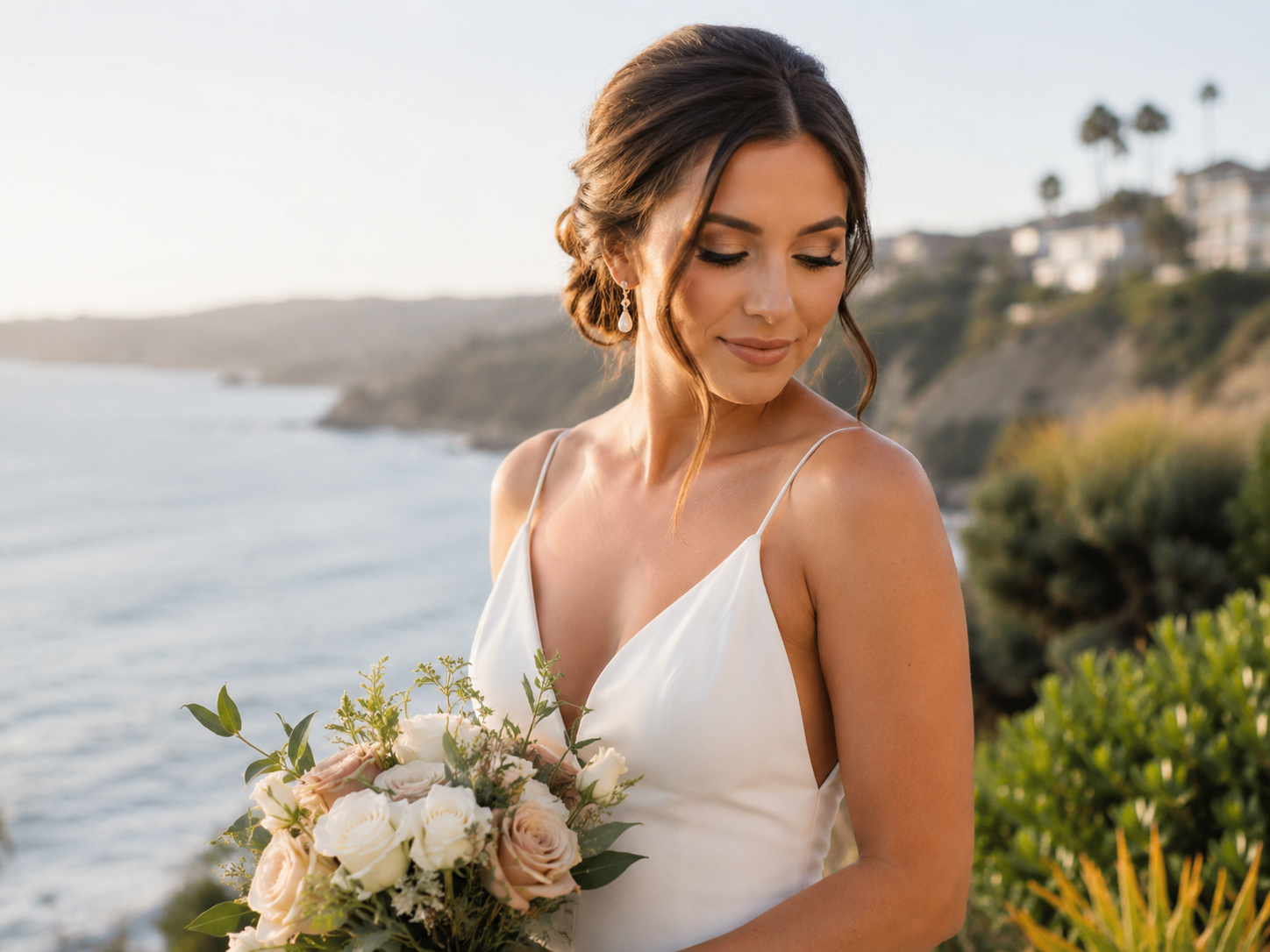
Bride with soft-glam makeup and an elegant low updo at a coastal Orange County elopement

Elopements offer a more intimate way to celebrate a wedding, but the smaller guest list does not make professional beauty preparation less important. The bride may still spend several hours taking photographs, traveling between locations, exchanging vows outdoors, and celebrating afterward.

Brittany Brown Beauty provides personalized elopement hair and makeup in Orange County. Each look is planned around the bride’s features, skin type, hair texture, wedding outfit, ceremony location, photography schedule, and preferred level of styling.

Personalized Beauty for an Intimate Wedding

An elopement look should feel appropriate for the bride and the setting rather than following one standard formula.

Some brides prefer a natural complexion and soft waves. Others choose a sleek bun, defined eyes, fuller lashes, or a more glamorous finish.

The beauty plan may consider:

  • Skin type and undertone
  • Hair length and texture
  • Wedding dress or outfit
  • Ceremony setting
  • Time of day
  • Weather conditions
  • Photography style
  • Travel between locations
  • Hair accessories
  • Personal beauty preferences

The goal is to create a polished look that feels comfortable, photographs well, and remains secure throughout the celebration.

Explore the Brittany Brown Beauty bridal portfolio for examples of personalized bridal hair and makeup.

Why Professional Hair and Makeup Can Be Helpful

Elopements often have smaller timelines and fewer vendors. That can make preparation feel simpler, but it can also leave less room for delays.

Professional hair and makeup can help by providing:

  • A clear getting-ready schedule
  • Products selected for photography
  • Long-wear makeup techniques
  • Hairstyling suited to the venue
  • Support for coastal or outdoor conditions
  • A polished appearance from multiple camera angles
  • Less pressure on the bride to style herself

A professional application can also allow the bride to relax before the ceremony instead of managing products, tools, and last-minute adjustments.

Natural Elopement Makeup

Natural makeup is a popular choice for intimate ceremonies because it looks fresh and personal.

A natural elopement look may include:

  • Lightweight or medium foundation
  • Softly defined brows
  • Neutral eyeshadow
  • Thin eyeliner
  • Natural-looking lashes
  • Warm blush
  • Light bronzer
  • Subtle highlighting
  • Nude, rose, peach, or mauve lips

Natural makeup should still provide enough definition for professional photographs. The eyes, cheeks, and lips need to remain visible in outdoor light and camera images.

Soft-Glam Elopement Makeup

Soft glam provides more definition while maintaining an elegant and wearable finish.

This look may include:

  • Medium complexion coverage
  • Soft contouring
  • Defined brows
  • Blended neutral eyeshadow
  • Controlled shimmer
  • Individual or wispy lashes
  • Defined blush
  • Rose, berry, mauve, or neutral lips

Soft glam works well for hotels, private estates, coastal resorts, garden ceremonies, and sunset photography.

Full-Glam Elopement Makeup

Some brides want a more dramatic look even for a small ceremony.

A full-glam application may include:

  • Higher complexion coverage
  • Sculpted contouring
  • Detailed eye makeup
  • Metallic or smoky eyeshadow
  • Fuller lashes
  • Highlighted cheekbones
  • Strong blush
  • Bold or deep lip color

The final intensity should match the dress, venue, and bride’s normal style.

Elopement Hairstyles

The hairstyle should suit the ceremony location, weather, hair texture, and planned photography.

Popular options include:

  • Soft waves
  • Hollywood waves
  • Half-up, half-down styles
  • Textured low buns
  • Sleek buns
  • Braided updos
  • Polished ponytails
  • Natural curls
  • Short-hair styling
  • Romantic loose updos

A coastal ceremony may benefit from a more secure style, while an indoor city elopement may support softer waves or a polished blowout.

Beach and Coastal Elopements

Orange County includes many coastal settings where wind, humidity, sunlight, and ocean air may affect the finished look.

For a beach elopement, the artist may use:

  • Waterproof eye products
  • Long-wear complexion products
  • Controlled setting powder
  • Setting spray
  • Anti-humidity hair products
  • Secure pins
  • Flexible hold products
  • Strategic veil placement

The guide to outdoor wedding makeup in heat and humidity includes additional preparation details for Southern California conditions.

Garden and Estate Elopements

Garden and private-estate ceremonies often suit romantic, softly polished beauty looks.

Possible options include:

  • Fresh or satin-finish skin
  • Soft brown or rose eye makeup
  • Natural lashes
  • Peach or rose blush
  • Loose curls
  • Half-up hairstyles
  • Textured buns
  • Floral or pearl accessories

The finished look should complement the surroundings without appearing overly casual.

Courthouse and City Elopements

Courthouse or city elopements may include photographs near government buildings, hotels, restaurants, or architectural locations.

A polished city look may include:

  • Satin or natural-finish foundation
  • Defined brows
  • Neutral or softly smoky eyes
  • A sleek bun or ponytail
  • Structured waves
  • A stronger lip color
  • Clean, modern styling

The beauty plan should account for walking, transportation, and possible outfit changes.

Match the Look to the Wedding Outfit

The neckline, fabric, accessories, and formality of the outfit can guide the hair and makeup choices.

Examples include:

  • A simple white dress with natural makeup and soft waves
  • A satin gown with polished hair and soft-glam makeup
  • A jumpsuit with a sleek ponytail and defined eyes
  • A lace dress with romantic curls and rose-toned makeup
  • A modern mini dress with a bun and classic lip color
  • A dramatic gown with fuller lashes and stronger contouring

The complete look should feel balanced rather than allowing one element to overpower the rest.

Foundation Matching for Photography

Foundation should match both the skin tone and undertone.

A shade that is too light may look pale or gray. A shade that is too warm may appear orange, while an overly cool shade may create a visible mismatch.

Foundation should blend naturally into the:

  • Jawline
  • Neck
  • Chest
  • Ears
  • Shoulders

Professional photographs may make small shade differences more visible, especially in direct sunlight or flash.

Choose the Right Coverage

The best coverage level depends on the bride’s skin, comfort, and preferred appearance.

Light Coverage

Light coverage allows more natural skin texture to remain visible. It may suit brides who rarely wear foundation or prefer a minimal look.

Medium Coverage

Medium coverage creates a polished finish while still allowing the skin to look natural. It is a common choice for elopement photography.

Full Coverage

Full coverage may help balance noticeable discoloration, acne marks, or uneven areas. It should be applied in thin layers so the result remains flexible.

Select the Right Complexion Finish

The finish should reflect the bride’s skin type and ceremony environment.

Dewy Finish

A dewy finish creates a fresh and luminous appearance. It may work well for dry or normal skin but requires careful shine control outdoors.

Satin Finish

A satin finish balances radiance and shine control. It often photographs naturally and works across many skin types.

Matte Finish

A matte finish can help control oil during warm weather or long outdoor sessions. It should still preserve natural dimension.

Brides can review dewy vs. matte bridal makeup before selecting a finish.

Eye Makeup for Elopement Photography

Eye makeup should create enough definition for the camera while remaining comfortable and appropriate for the bride.

Popular colors include:

  • Taupe
  • Soft brown
  • Bronze
  • Champagne
  • Rose gold
  • Mauve
  • Plum
  • Soft gold

The artist may adjust eyeshadow placement, eyeliner thickness, and lash style according to the bride’s eye shape.

False Lashes

False lashes are optional.

Suitable options may include:

  • Individual lashes
  • Half lashes
  • Natural strip lashes
  • Wispy lashes
  • Graduated lashes
  • Fuller lashes for a dramatic look

The style should enhance the eyes without feeling heavy or hiding the eye makeup.

Bridal Hair Accessories and Veils

Even a small ceremony may include a veil, comb, floral piece, headband, or decorative pins.

Bring all accessories to the appointment so the stylist can confirm:

  • Placement
  • Security
  • Balance
  • Compatibility with the hairstyle
  • Removal for later photographs
  • How the accessory works with the veil

The artist should know whether the veil will remain in place during travel or be added at the ceremony location.

Schedule a Hair and Makeup Preview

A preview allows the bride to test the complete look before the elopement.

During the appointment, discuss:

  • Foundation coverage
  • Complexion finish
  • Eye makeup
  • Eyeliner
  • Lashes
  • Lip color
  • Hairstyle
  • Hair texture
  • Accessories
  • Veil placement
  • Product sensitivities
  • Expected weather

The guide explaining what happens during a bridal makeup trial can help with preparation.

Plan the Elopement Timeline

A small wedding still needs a realistic beauty schedule.

The timeline should include:

  • Artist arrival and setup
  • Hair preparation
  • Makeup application
  • Dressing
  • Detail photographs
  • First-look photographs
  • Travel to the ceremony
  • Parking or venue access
  • Ceremony time
  • Portrait session
  • Celebration or dinner afterward

Build extra time into the schedule so travel, weather, or venue delays do not create unnecessary stress.

On-Location Hair and Makeup

On-location services allow the bride to prepare at a hotel, private residence, rental property, bridal suite, or venue.

Before the appointment, confirm:

  • Complete address
  • Parking instructions
  • Room access
  • Artist arrival time
  • Available lighting
  • Table or workspace
  • Electrical outlets
  • Required completion time
  • Travel to the ceremony

Brittany Brown Beauty provides on-location bridal services across Orange County, including support for special events and smaller weddings. Review the Orange County bridal makeup services for additional details.

Prepare the Hair

Follow the hairstylist’s instructions before the appointment.

Depending on the planned style and hair type, the bride may be asked to arrive with:

  • Clean, dry hair
  • Hair washed the previous day
  • No heavy oils
  • No wet hair
  • Minimal styling products
  • Extensions prepared
  • Accessories labeled

Tell the stylist about extensions, natural texture, recent chemical treatments, or difficulty holding curls.

Prepare the Skin

A consistent skincare routine can help makeup apply more smoothly.

Before the elopement:

  • Use familiar skincare products
  • Keep the skin hydrated
  • Avoid aggressive treatments
  • Do not over-exfoliate
  • Avoid trying strong new products
  • Mention allergies and sensitivities
  • Follow the artist’s preparation instructions

Visit the bridal beauty resources for more preparation guidance.

Long-Wear Makeup

Elopement makeup may need to last through travel, vows, photographs, outdoor conditions, dinner, and evening celebrations.

Professional long-wear techniques may include:

  • Skin-specific preparation
  • Thin foundation layers
  • Waterproof eye products
  • Long-wear lip products
  • Targeted setting powder
  • Setting spray
  • Small touch-up products

The makeup should remain comfortable and flexible rather than feeling heavy.

Touch-Up Kit

A simple touch-up kit may include:

  • Lip color
  • Lip liner
  • Blotting papers
  • Pressed powder
  • Tissues
  • Cotton swabs
  • Bobby pins
  • Mini hairspray
  • Small mirror

Blot excess shine before adding powder to avoid creating visible texture.

Can Family Members Book Services?

Some elopements include parents, siblings, witnesses, or a small group of close friends.

Hair and makeup services may also be arranged for:

  • Mother of the bride
  • Mother of the groom
  • Sisters
  • Witnesses
  • Close friends
  • Other family members

The service count should be confirmed early so the schedule remains realistic.

Review the Booking Details

Before confirming services, review:

  • Deposit requirements
  • Final payment date
  • Travel charges
  • Parking expenses
  • Early-start fees
  • Service minimums
  • Additional artist fees
  • Cancellation policy
  • Rescheduling terms
  • Start and completion times

The agreement should clearly identify the date, location, services, and schedule.

Frequently Asked Questions

Is professional hair and makeup worth booking for an elopement?

It can be valuable when the day includes professional photography, outdoor conditions, travel, or a long timeline. It also allows the bride to prepare without styling herself.

Should elopement makeup be natural?

Natural makeup is popular, but the correct style depends on the bride. Soft glam and full glam can also work beautifully for intimate weddings.

What hairstyle works best for a beach elopement?

Secure buns, half-up styles, controlled waves, and textured updos may perform well in coastal conditions. The best option depends on hair texture and wind.

Can the artist travel to a hotel or rental property?

On-location services may be available throughout Orange County. Confirm the address, parking, access, workspace, and travel details before booking.

Is a bridal trial necessary for an elopement?

A trial is useful for testing the complete look, products, hairstyle, accessories, and wear time. It can reduce uncertainty on the wedding day.

How long should elopement hair and makeup last?

Professional preparation and setting techniques can help the look remain polished through travel, the ceremony, portraits, and any celebration afterward.

Book Elopement Hair and Makeup in Orange County

Elopement hair and makeup should reflect the bride’s personal style, complement the ceremony setting, and remain polished throughout photographs and celebrations.

Brittany Brown Beauty provides personalized on-location bridal beauty services for intimate weddings and elopements across Orange County.

Explore the bridal hair and makeup portfolio or contact Brittany Brown Beauty to discuss the elopement date, location, schedule, and preferred look.

Posted on

Rehearsal Dinner Hair and Makeup: Should You Book a Separate Look?

Bride wearing polished rehearsal dinner hair and makeup

Rehearsal dinner hair and makeup can help the bride feel polished and confident at the beginning of the wedding weekend. It also creates an opportunity to wear a look that feels different from the wedding-day style without competing with it.

Brittany Brown Beauty provides personalized hair and makeup services for brides and wedding events throughout Orange County. Each look can be planned around the bride’s outfit, venue, photography schedule, skin type, hair texture, and preferred level of formality.

What Is Rehearsal Dinner Hair and Makeup?

Rehearsal dinner hair and makeup refers to professional beauty services booked specifically for the wedding rehearsal, welcome dinner, or pre-wedding celebration.

The event may be:

  • A formal dinner
  • A restaurant gathering
  • A private estate celebration
  • A hotel event
  • A beachside welcome party
  • A casual family gathering
  • A cocktail reception

The beauty look should suit the event rather than feel like a repeat of the wedding-day style.

Should You Book a Separate Look?

A separate look may be useful when the rehearsal dinner is an important part of the wedding weekend and will include professional photography, speeches, family gatherings, or a formal outfit.

Booking separate hair and makeup can help when:

  • The event has a formal dress code
  • Professional photos are planned
  • The bride wants a polished but different appearance
  • The rehearsal and dinner take place at separate venues
  • The event begins early and lasts several hours
  • The bride wants to test a softer or more modern style
  • The wedding weekend includes several high-profile events

A separate booking is not required for every bride. The decision depends on the schedule, budget, event style, and personal preferences.

How the Rehearsal Look Should Differ From the Wedding Look

The rehearsal dinner look should complement the wedding-day style without copying it exactly.

Possible differences include:

  • Softer foundation coverage
  • A different lip color
  • Less dramatic lashes
  • A more relaxed hairstyle
  • Stronger evening eye makeup
  • A sleek ponytail instead of an updo
  • Loose waves instead of structured curls
  • A natural glow instead of full bridal glam

The goal is to create variety across the wedding weekend while keeping the bride’s overall beauty style consistent.

Natural Rehearsal Dinner Makeup

Natural makeup works well for casual dinners, outdoor venues, and brides who prefer a softer appearance.

A natural look may include:

  • Lightweight foundation
  • Softly defined brows
  • Neutral eyeshadow
  • Thin eyeliner
  • Natural-looking lashes
  • Warm blush
  • Light bronzer
  • Rose, peach, nude, or mauve lips

The makeup should still provide enough definition for photographs, especially if the event includes evening lighting.

Soft-Glam Makeup

Soft glam is a popular choice for rehearsal dinners because it feels polished without looking too formal.

This style may include:

  • Medium complexion coverage
  • Soft contouring
  • Defined brows
  • Blended neutral eyeshadow
  • Controlled shimmer
  • Individual or wispy lashes
  • Defined blush
  • Rose, berry, mauve, or neutral lips

Soft glam works well for restaurants, hotels, estates, cocktail receptions, and formal family dinners.

Full-Glam Rehearsal Dinner Makeup

Some brides prefer a more dramatic look for the rehearsal dinner, especially when the wedding-day makeup will be soft and natural.

A full-glam look may include:

  • Higher complexion coverage
  • Sculpted contouring
  • Detailed eye makeup
  • Metallic or smoky eyeshadow
  • Fuller lashes
  • Highlighted cheekbones
  • Strong blush
  • Bold or deep lip color

The overall look should still suit the event, outfit, and venue.

Rehearsal Dinner Hairstyles

The hairstyle can help make the rehearsal look feel distinct from the wedding-day style.

Popular options include:

  • Soft waves
  • Hollywood waves
  • Sleek ponytail
  • Textured ponytail
  • Half-up, half-down style
  • Low bun
  • High bun
  • Braided updo
  • Polished blowout
  • Natural curls

A relaxed hairstyle may suit a beach or garden dinner, while a sleek ponytail or structured bun may work well for a formal restaurant or hotel event.

Consider the Outfit

The rehearsal dinner outfit should guide both the hair and makeup direction.

For example:

  • A white mini dress may pair well with soft waves and natural makeup
  • A satin gown may suit polished hair and soft-glam makeup
  • A jumpsuit may work with a sleek ponytail and defined eyes
  • A floral dress may complement fresh skin and romantic curls
  • A black dress may support classic makeup or a bold lip
  • A colorful outfit may work best with balanced, neutral makeup

The neckline, earrings, hair accessories, and overall formality should also be considered.

Match the Look to the Venue

The venue affects how the beauty look should be planned.

Beach or Coastal Venue

Use lightweight complexion products, waterproof eye makeup, anti-humidity hair products, and a secure but relaxed hairstyle.

Restaurant or Hotel

A polished blowout, waves, bun, or ponytail can work well with soft-glam or classic makeup.

Garden or Estate

Soft curls, half-up styles, fresh skin, warm blush, and romantic eye makeup may suit the setting.

Cocktail Reception

A sleek hairstyle, defined eyes, and a stronger lip color can create a modern evening look.

Consider Photography and Lighting

Rehearsal dinner photography may include:

  • Natural daylight
  • Indoor restaurant lighting
  • Sunset portraits
  • Flash photography
  • Candlelight
  • Evening reception lighting

Makeup should remain balanced in each condition.

The artist may adjust foundation finish, powder placement, blush intensity, eye definition, and lip color according to the expected lighting.

Choose the Right Foundation Finish

The best finish depends on the bride’s skin type and the venue.

Dewy Finish

A dewy finish creates a fresh, luminous appearance. It may suit dry or normal skin but should be controlled carefully in warm or humid conditions.

Satin Finish

A satin finish offers a balance between glow and shine control. It often photographs naturally and works across many skin types.

Matte Finish

A matte finish can help control oil during warm weather or long evening events. It should still preserve natural dimension in the skin.

Brides can review dewy vs. matte bridal makeup when comparing complexion finishes.

Schedule a Trial or Preview

A rehearsal dinner appointment may also help the bride explore colors and styles before the wedding day.

However, it should not automatically replace a full bridal trial.

During a dedicated bridal preview, the bride can test:

  • Foundation coverage
  • Complexion finish
  • Eye makeup
  • Lashes
  • Lip color
  • Hairstyle
  • Veil placement
  • Accessories
  • Wear time

The guide on what happens during a bridal makeup trial explains how a full preview works.

Plan the Timing Carefully

The rehearsal dinner beauty schedule should allow time for:

  • Hair preparation
  • Makeup application
  • Getting dressed
  • Travel to the rehearsal
  • Ceremony practice
  • Family photos
  • Travel to the dinner venue
  • Final touch-ups
  • Unexpected delays

If the rehearsal takes place before the dinner, the hairstyle and makeup should be designed to last through both events.

Prepare the Hair

Follow the hairstylist’s preparation instructions.

Depending on the planned style and hair type, the bride may be asked to arrive with:

  • Clean, dry hair
  • Hair washed the previous day
  • No heavy oils
  • No wet hair
  • Minimal styling products
  • Extensions prepared
  • Accessories available

Tell the stylist about hair texture, extensions, recent treatments, and any difficulty holding curls.

Prepare the Skin

A consistent skincare routine can help makeup apply smoothly.

Before the event:

  • Use familiar skincare products
  • Keep the skin hydrated
  • Avoid aggressive treatments
  • Do not over-exfoliate
  • Avoid trying strong new products
  • Mention allergies or sensitivities
  • Follow the artist’s preparation instructions

For more wedding preparation advice, browse the bridal beauty resources.

Long-Wear Makeup for the Rehearsal Dinner

The makeup may need to last through the rehearsal, dinner, photographs, speeches, and post-dinner celebrations.

Long-wear preparation may include:

  • Skin-specific primer
  • Thin foundation layers
  • Waterproof eye products
  • Long-wear lip products
  • Targeted setting powder
  • Setting spray
  • Small touch-up products

Professional preparation should support durability without making the makeup feel heavy.

Plan for Warm or Coastal Conditions

Orange County rehearsal dinners may take place near the beach, at outdoor restaurants, in gardens, or at private estates.

Conditions may include:

  • Warm temperatures
  • Coastal humidity
  • Ocean air
  • Wind
  • Direct sunlight
  • Long outdoor periods

For outdoor events, the artist may use waterproof products, anti-humidity hair products, controlled powder, and secure styling.

The article on outdoor wedding makeup in heat and humidity provides additional preparation guidance.

Keep Touch-Ups Simple

A small touch-up kit may include:

  • Lip color
  • Lip liner
  • Blotting papers
  • Pressed powder
  • Tissues
  • Cotton swabs
  • Bobby pins
  • Mini hairspray
  • Small mirror

Avoid repeatedly applying heavy powder. Blotting excess shine first usually creates a more natural result.

Should Bridesmaids or Mothers Book Services Too?

Some rehearsal dinners include professional hair and makeup for mothers, bridesmaids, or other family members.

This may be helpful when:

  • The dinner is formal
  • Professional family photos are planned
  • The event has a coordinated dress code
  • The bridal party is giving speeches
  • The celebration is part of a destination wedding weekend

The number of services should be confirmed early so enough time and artist support can be arranged.

Review the Booking Details

Before confirming the appointment, review:

  • Service pricing
  • Deposit requirements
  • Final payment date
  • Travel charges
  • Parking expenses
  • Early-start fees
  • Additional artist fees
  • Cancellation policy
  • Rescheduling terms
  • Start and completion times

The agreement should clearly identify the event date, location, number of services, and schedule.

Questions to Ask Before Booking

Useful questions include:

  • How long will hair and makeup take?
  • Can the look differ from my wedding-day style?
  • Can the artist travel to the hotel or venue?
  • Are lashes included?
  • Can extensions or accessories be added?
  • Which products are used for long wear?
  • Will I receive a touch-up lip color?
  • Can family members book services?
  • Are travel or parking fees required?
  • What time should the appointment begin?

The guide on questions to ask a bridal makeup artist can help with the booking process.

Frequently Asked Questions

Is professional hair and makeup necessary for a rehearsal dinner?

It is optional. A separate booking may be useful for formal dinners, professional photography, destination weddings, or brides who want a distinct wedding-weekend look.

Should the rehearsal dinner look be simpler than the wedding look?

It often is, but it does not have to be. Some brides choose natural rehearsal makeup and full bridal glam, while others reverse the approach.

Can the rehearsal dinner appointment replace a bridal trial?

It may help test certain colors or products, but it does not always replace a dedicated bridal preview where the complete wedding-day look is finalized.

How long should rehearsal dinner hair and makeup last?

Professional preparation and long-wear products can help the look remain polished through the rehearsal, photographs, dinner, and evening celebrations.

Can hair and makeup be done at the hotel?

On-location services may be available depending on the date, schedule, and booking terms. Confirm the address, room access, parking, and workspace in advance.

Should the bride wear the same hairstyle at both events?

A different hairstyle can make each event feel distinct. For example, the bride may wear waves at the rehearsal dinner and an updo on the wedding day.

Book Rehearsal Dinner Hair and Makeup

A separate rehearsal dinner look can help the bride feel polished while creating a distinct style for the beginning of the wedding weekend.

Brittany Brown Beauty provides personalized hair and makeup for weddings and pre-wedding events throughout Orange County. Each look is planned around the bride’s features, outfit, venue, photography, and preferred style.

Explore the bridal hair and makeup portfolio or contact Brittany Brown Beauty to discuss the rehearsal dinner date, location, schedule, and requested services.