
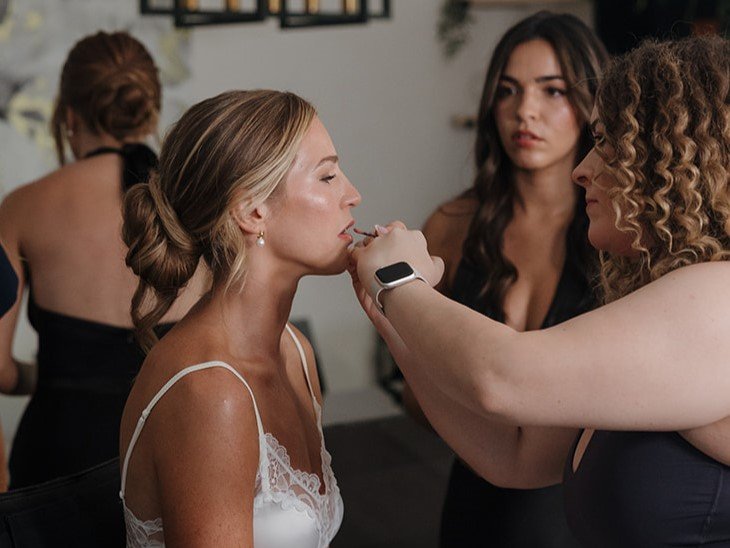
Your bridal makeup trial is one of the most useful appointments on your wedding timeline. It is also one that many brides walk into without much preparation. A little planning beforehand helps you get a clearer answer to the question that matters most: how will I look and feel on my wedding day?
Brittany Brown Beauty is a mobile bridal hair and makeup business based in Orange County, California, serving Orange County and San Diego. Brittany has worked in the makeup industry for more than 11 years and trained at Empire Academy of Makeup in Orange County. This guide shares what she wishes more brides knew before their trial, so the appointment goes smoothly and you leave with a look you feel confident about.
Why the Trial Works Best With Some Preparation
A trial is not a formality. Brittany strongly recommends it because it lets her test products on your skin, work through any adjustments, and make sure you walk into your wedding day knowing exactly what to expect. It is the step that replaces guesswork with real information.
That information is only as good as the conditions of the appointment. If your skin is in an unusual state, if you arrive without a clear picture of what you want, or if you hold back questions, the trial can only do part of its job. Preparation helps you get the full value.
The goal of the trial matches the goal of the wedding day look: natural, radiant, and elevated. Brittany’s philosophy is to enhance your features rather than mask them. Many of her brides describe the result as looking like themselves, but elevated. The trial is where you and Brittany find that balance together.
It helps to have your dress and venue details settled before the trial, since Brittany builds each look around them. If you would like a walk-through of the appointment itself, what happens during a bridal makeup trial covers what brides should expect. Here is what to know before you sit in the chair.
What Brittany Brown Beauty Wishes More Brides Knew
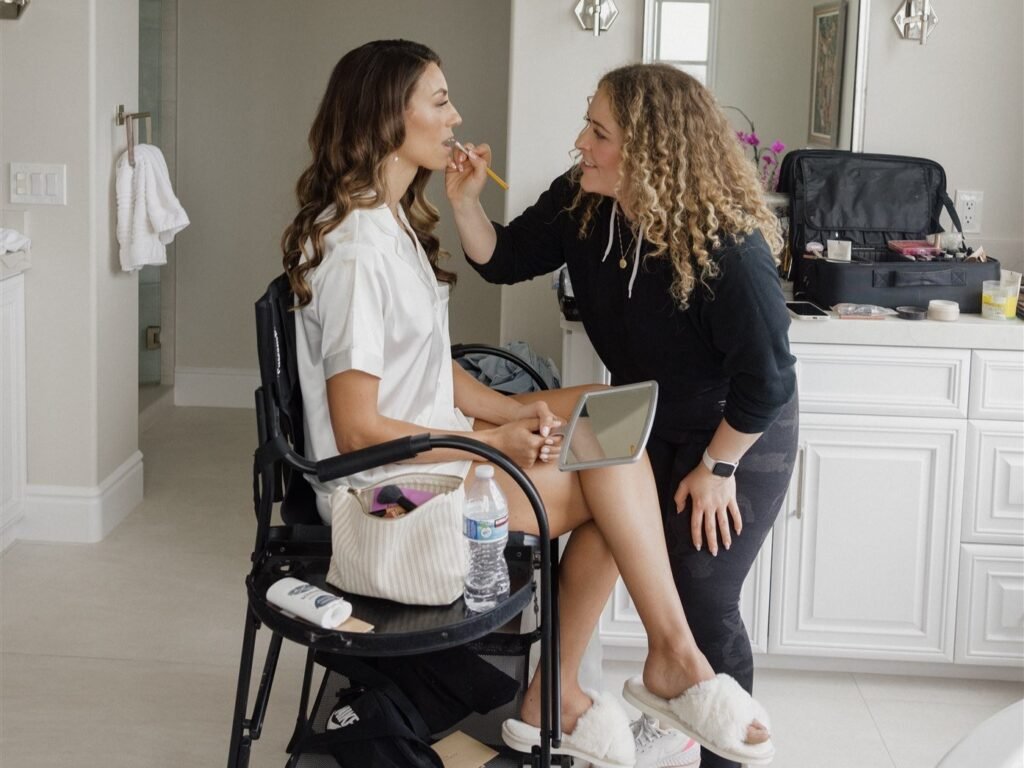
Bring Real Reference Photos, Not Just Ideas
Words like “natural,” “glowy,” and “soft” mean different things to different people. One bride’s natural look is another bride’s heavy makeup. Photos remove that gap.
Bring several images that show the look you love. A few tips for choosing them:
- Pick photos that look like you. Choose images of people with a similar eye shape, skin tone, and coloring when you can. A look that works on one face may read differently on another.
- Include what you do not like. A photo of a finish or color you want to avoid helps just as much as a favorite.
- Bring more than one angle. Close-ups show detail, and wider shots show how the whole look reads in a photo.
- Share photos of your dress and hair plan. Your neckline, hairstyle, and accessories all affect how the makeup comes across.
Reference images are a starting point, not a script. Brittany builds each look around your skin, your features, your dress, and your venue instead of applying a fixed look. Your photos help her understand your taste, and her experience helps her adapt it to you.
Photos are only one part of what to have with you. This guide on what to bring to your bridal makeup trial gives a fuller list. And if you find it hard to put your taste into words, how to explain your vision to your makeup artist during a trial can help you describe what you want.
Skin Prep Affects the Trial Result Too
Makeup sits on skin, so the condition of your skin affects how a look applies and wears. Brittany’s own prep guidance is practical and focused on appearance and comfort:
- Start a consistent skincare routine at least four weeks before the wedding. A steady routine gives your skin time to settle into a rhythm before the big day.
- Avoid new skincare products or treatments in the final 10 days before the wedding. Trying something new close to the event adds an unknown at the worst possible moment.
- Stay hydrated in the week leading up to the wedding. This matters most for summer weddings.
These habits also apply when you plan your trial. If you are testing makeup months ahead, a consistent routine means the skin the artist sees at your trial looks much like the skin she will work on at your wedding.
If you want a more detailed timeline, see how to prep your skin 30 days before your wedding. Late changes are a common temptation, so it is also worth reading what happens if you try a new product too close to your wedding. For two other frequent questions, there are guides on hydration and your wedding day skin and on scheduling facials before your wedding.
This is general prep advice about appearance and comfort, not medical guidance. If you have concerns about your skin, talk with a qualified professional.
The Trial Is a Conversation, Not a Final Exam
Some brides feel pressure to love everything instantly or to have every answer ready. The trial is built for the opposite. It is a working session where you can try, adjust, and speak up.
If something feels too heavy, too bright, or not quite like you, say so. Clients describe Brittany’s communication as open, honest, and thorough, and they often mention feeling comfortable from the first interaction. That comfort helps you give honest feedback, and honest feedback leads to a better result.
Specific comments help most. Instead of “I’m not sure,” try “I like the eyes, but I want the lips softer,” or “this base feels fuller than I expected.” The more precise you are, the faster you and Brittany reach a look you love.
How to Get the Most Out of Your Appointment
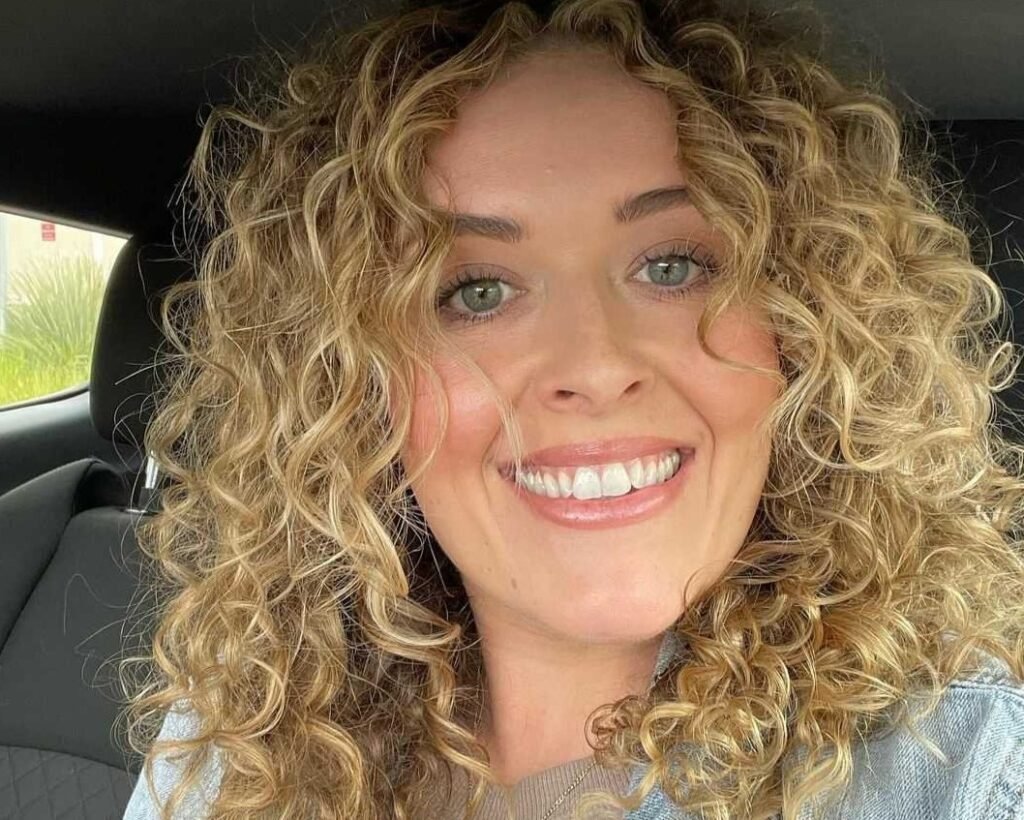
A few simple habits turn a good trial into a great one.
- Arrive with clean, moisturized skin. This gives the artist a comfortable starting point. If you wear makeup to the appointment, mention it.
- Share your skin sensitivities, reactions, and recent treatments. Brittany asks clients to disclose any skin sensitivities, reactions, or recent treatments at the trial. Eyes, lips, and facial skin can be delicate, so tell her about anything that matters. If you are unsure how to raise it, see how to talk to your makeup artist about skin sensitivities.
- Tell her about your current skincare routine. Knowing what you use helps her choose products that work well with your routine.
- Wear something close to your wedding-day neckline. This helps you judge the look in context.
- Check the look in different lighting. Look at yourself in natural light, indoors, and in a photo with flash. Take pictures to compare later.
- Pay attention to comfort over time. Notice how the products feel as the hours pass, and tell your artist if anything feels heavy or irritating.
- Take notes and photos. Record the products and the look you choose so you remember the details when the wedding approaches.
- Ask about your wedding-day timeline. Brittany typically plans about 60 to 90 minutes for the bride and 45 to 60 minutes per bridesmaid, and she plans for group size during booking.
- Ask about touch-ups. Brittany provides brides with a complimentary touch-up kit that includes lipstick, powder, and blotting sheets, so a quick refresh is possible during a long day.
No artist can promise that makeup will stay perfect through every tear, hug, and long afternoon. A trial is the best tool for reducing surprises, because it lets you test how the look behaves and adjust before the wedding.
If you want to see the range of looks Brittany creates before your appointment, the portfolio page is a good place to gather ideas. You can also read what past brides say on the testimonials page.
Prepare for Your Bridal Makeup Trial
Brittany Brown Beauty is a fully mobile service. Brittany travels to your chosen location with a complete professional kit, including studio-quality lighting and seating, so you can skip the salon commute while keeping your getting-ready schedule on track. She also offers coordinated hair and makeup services for bridesmaids, mothers of the bride and groom, and other members of the wedding party.
Wedding dates are secured with a signed contract and deposit, and popular dates can book well in advance, so reaching out once your venue is confirmed is recommended. If you’re still comparing artists, questions to ask before hiring a bridal makeup artist can help you make an informed decision. If you’re traveling from out of town, booking a bridal trial as an out-of-town bride offers helpful guidance for planning ahead.
Learn more about Brittany’s background and approach on the About page or explore her full range of services at Brittany Brown Beauty.
Click below to schedule an online consultation and start planning your bridal makeup trial.
Frequently Asked Questions
Start a consistent skincare routine at least four weeks before your wedding. Avoid new skincare products or treatments in the final 10 days before the wedding, and stay hydrated in the week leading up to it, especially in summer. For the trial itself, gather your reference photos and a list of questions ahead of time so you can make the most of the appointment.
Avoid introducing new skincare products or treatments in the final 10 days before the wedding. A new product close to the event adds an unknown, and the trial exists to remove unknowns. Stick with the routine you have been following, drink plenty of water, and share any recent treatments with your artist. This is general guidance about appearance and comfort, not medical advice.
Bring reference photos, a picture of your dress and hair plan, and a clear idea of what you like and do not like. Share your preferences openly, including finishes, colors, or products you want to avoid. Ask about timeline, touch-ups, and anything that worries you about the day. Speaking up at the trial gives your artist what she needs to build a look that feels like you, but elevated.
Begin a consistent skincare routine at least four weeks before the wedding, and keep it steady through your trial. If your trial comes earlier than that, start the routine before the trial so your artist sees your normal skin. Consistency matters more than adding new products. If you plan to try something new, do it well before the final 10 days, and mention it to your artist so she knows what your skin has been doing.
Tell her about any skin sensitivities, reactions, or recent treatments. Brittany asks clients to share these details at the trial so she can choose and test products with them in mind. Also describe your current skincare routine and any products you use regularly. Mention anything that has felt irritating in the past, including makeup products. Clear information helps her tailor the application, and the trial gives you a chance to confirm how the products feel on your skin.