
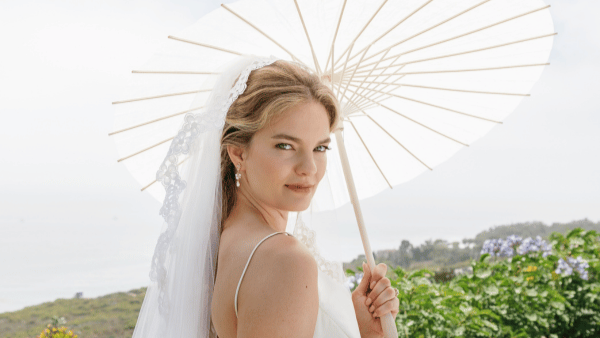
A long veil falls behind you and mostly interacts with the back of the hairstyle. A birdcage veil works differently. It sits near your face. It changes how the hair around your face looks, and the hair changes how the veil sits. Bridal hairstyles for birdcage veils depend on three things. Consider where the veil sits, the shape of the hair around it and the look you want.
Brittany Brown Beauty provides mobile bridal hair and makeup for Orange County and San Diego weddings. This article covers five hairstyle options, veil positioning for photos and trial preparation. Use it to build a list of wedding hair ideas before you talk to your stylist.
What Makes Birdcage Veils Distinct
A birdcage veil is short, structured netting that frames part of the face. Depending on the design, it may sit across the forehead, near the eyes or along the cheek. Unlike traditional veils, it does not fall down the back. Instead, it adds shape to the front of the head.
Several details affect how the veil works with your hairstyle:
- Length and shape: A veil that stops at the nose frames the face differently from one that reaches the chin.
- Netting pattern: Fine netting creates a softer look, while bolder patterns add more structure.
- Comb or attachment: Some veils use a comb, clip or band. Each attachment requires a suitable section of hair for a secure fit.
- Placement: A veil can sit high on the side or low across the brow, changing how much hair remains visible.
The hairstyle should complement the veil without competing with its shape. For example, a very full, high style can crowd a small veil, while a flat, tight style may make a bold veil look top-heavy. Instead, aim for a balanced look that keeps both elements in proportion.
The attachment should also feel secure without pulling at the hairline or temples. A stylist can position the comb or clip in a stable section and check its comfort as you move.
Bring your actual veil to the trial whenever possible. This allows the stylist to assess its weight, stiffness and attachment rather than relying on photos alone. Additionally, consider which parts of your hairstyle you want to keep visible. For instance, netting across the forehead may cover bangs, while a side-placed veil could hide a curl or hair accessory.at crosses the forehead may cover or flatten bangs. A veil near the cheek can hide a curl or a face-framing strand. A side-placed veil may cover a hair accessory or leave it in view. Decide what you want visible, then plan the veil around it.
Styles That Pair Well With Birdcage Veils
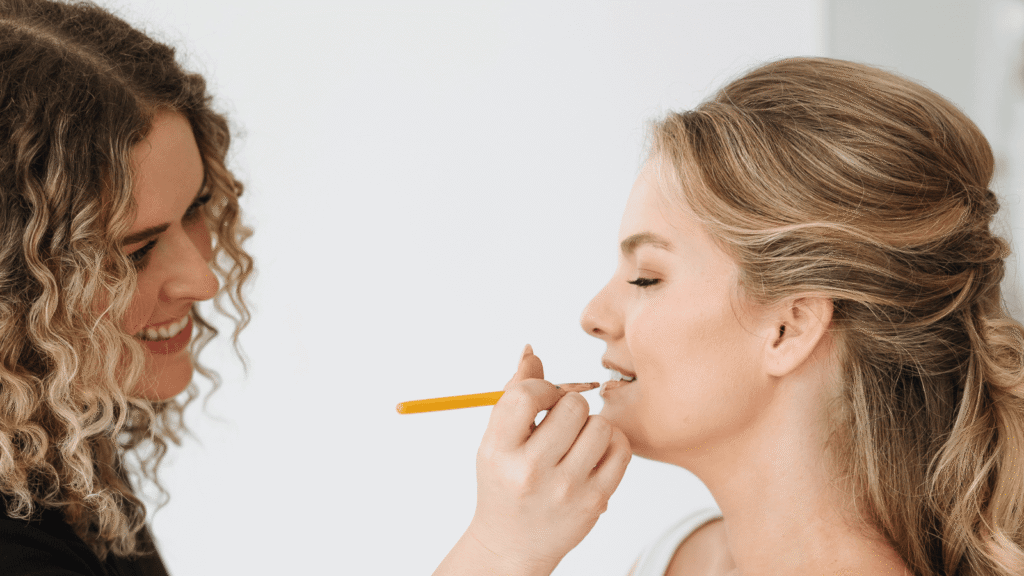
These five options cover the most common choices. Each one can be adjusted to your hair and your veil.
- Sleek updos, from low buns to smooth chignons.
- Side-swept waves with movement near the face.
- Vintage-inspired shapes, such as polished waves or a defined side part.
- Short hair and bob-length styles.
- Soft, textured styles with a relaxed finish.
1. Sleek Updos
A low bun, a smooth chignon or another structured updo gives a clean silhouette. That clean line balances the texture of the netting. It also gives the veil a defined area to sit against.
The smooth shape works well with a veil that has an interesting pattern. You can see both the netting and the shape of the style. A low bun leaves the crown open, which can suit a veil placed high at the side. A smooth chignon gives a more sculpted shape that can pair with a veil resting near the brow.
The attachment point depends on the veil and the style. A comb might sit at the side of the crown or just above the bun. It might also sit along the front, where hair is pulled back. No updo is automatically more secure. A stylist can build a firm section for the comb and test it with movement. The comparison of low buns and high buns explains how bun height changes the look.
Long, thick hair gives plenty of material for a structured updo. Fine hair can work too, with the base built for support. Shorter lengths may need a smaller shape.
2. Side-Swept Waves
Side-swept waves bring movement near the face. They suit the soft, slightly vintage character of a birdcage veil. The sweep of the hair can lead the eye toward the veil instead of hiding it.
The veil changes some decisions. The part decides which side the veil can sit on. Volume near the veil matters, since too much can push the netting away from the face. Curls near the attachment need room, so the stylist places them around the veil instead of under it.
Outdoor weddings add variables. A breeze can lift waves and move netting against the face. Humidity can soften waves over time. The stylist can set the curls and anchor the veil firmly. No one can say how long a wave will hold. The article on updos versus down styles at windy coastal venues helps you weigh the options.
3. Vintage-Inspired Styles
Polished waves, sculpted shapes and a softly defined side part all feel vintage. The birdcage veil already carries that mood. The hairstyle can echo it without turning the whole look into a costume.
Keep one or two details as the focus. A sculpted wave and a clean part can carry the style. The rest can stay relaxed. A softer finish keeps the look modern, even with a classic veil.
Earrings and accessories belong in the same conversation. A veil near the face can cover or crowd earrings. A drop earring may tangle with a side-placed veil, while a small stud stays out of the way. A hair clip can compete with the veil if both sit near the same spot. Choose accessories that fit your outfit, your veil and your taste. The explainer on combs, pins and tiaras shows how different pieces work with veils.
4. Short Hair and Bob-Length Styles
A birdcage veil can work well with short hair. Long hair is not necessary to wear one.
Subtle volume at the crown, a defined part and a smooth or lightly waved finish all frame the veil. A carefully placed accessory can add interest when there is less hair to style. The veil itself can act as the main accessory.
Attachment depends on the length of your hair, how the veil is built and the design of any accessory. A comb needs enough hair to grip. A clip or band may suit very short hair better. The stylist tests the options at the trial. The guide to bridal hairstyles for short hair covers more styling ideas.
5. Soft, Textured Styles
A relaxed bun, gentle texture and a less structured shape suit brides who want an undone look. The veil adds a finished detail without making the style stiff.
These styles need balance. Natural movement is part of the charm, but the veil still needs a firm place to attach. The stylist may build a stable base under the loose texture, then place the veil there. Loose pieces around the face stay free, while the anchor stays hidden.
Realistic expectations help. The goal is a style that suits you and supports the veil. It is not a style that cancels the effect of humidity or wind. Texture often handles a little frizz well, since relaxed lines expect some movement. Natural curls can fit this approach too. The article on styling curly and textured hair explains how texture shapes the plan.
Positioning the Birdcage for the Best Photos
Check veil placement from several angles before the wedding day. A veil that looks right in a mirror can look different in a photograph. Small changes in height or angle change how the netting frames your face.
- Front: Look at how the netting crosses the eyes, cheeks and forehead. Notice if it shadows your eyes.
- Side: See how the veil sits against the hairline and if the comb shows.
- Three-quarter: This angle often appears in portraits. Check how the netting meets your hair and neckline.
Netting can read differently depending on distance. In close-up portraits, it may look like a soft texture or a light shadow. In wider photographs, it may read as a simple line across the face. Light also matters. The same veil can look different in daylight and under reception lighting. No one can promise it will look identical everywhere.
Other elements affect the composition. Bangs, curls, earrings and hair accessories all share the space near the veil. The neckline matters too. A high neckline may meet the netting differently than a deep one. Check them together, not one at a time.
The photographer and stylist may need a brief conversation. The photographer may want the veil moved for certain shots, and the stylist can show how to adjust it. A short agreement on who handles it saves time. The veil placement guide offers more on positioning.
Test the veil with natural movement. Turn your head, nod, hug someone and walk. Confirm that the veil stays in place and feels comfortable. Take reference photos during the trial, so you can compare angles later.
Preparing for a Southern California Wedding
Weddings in Orange County and San Diego bring coastal conditions. Humidity can soften a hairstyle. Sea air can add moisture. Wind can lift netting and move hair. Indoor and outdoor settings differ too, and many weddings include both.
The stylist adapts to those conditions. The preparation, structure, veil placement and finishing steps may change with the hairstyle and the environment. A style for a bluff ceremony may need a firmer anchor than one for a shaded courtyard. The article on hairstyles that hold up in Southern California humidity covers the humidity side in more depth.
On the wedding day, Brittany arrives early to set up. She prepares the hair, styles to your vision and sets the finished look. The details adjust to the hair and the setting. No one can promise a fixed hold time.
Share useful details during your consultation. Mention the ceremony location, the getting-ready location, any outdoor photographs and the approximate schedule. These details help bridal hairstyles in Orange County fit the real conditions of your day.
What to Bring to Your Hair Trial
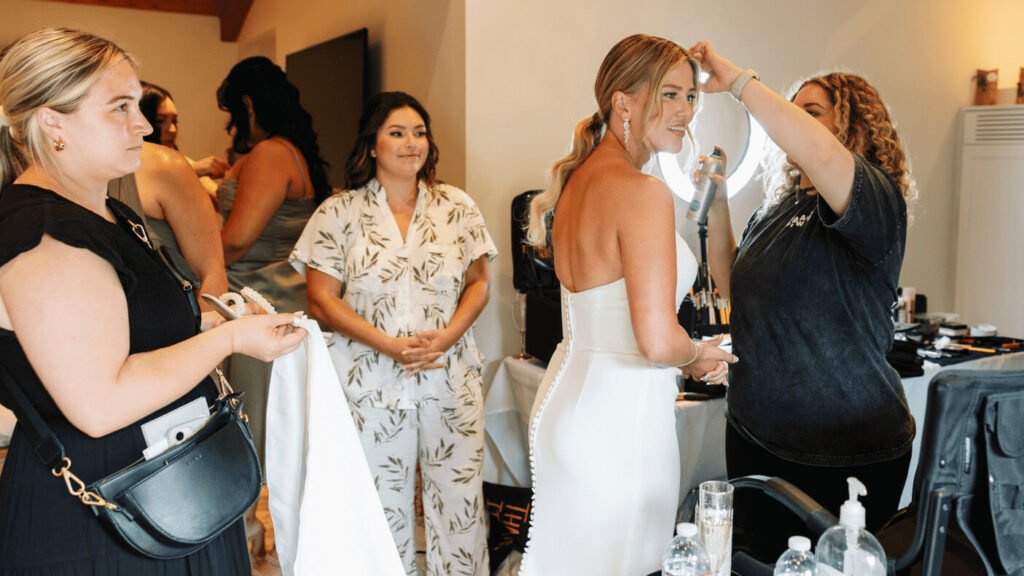
A trial lets the stylist test the veil, the style and your comfort together. Bring these items:
- The birdcage veil and its comb or attachment: The stylist needs to see how it attaches and hangs.
- Photos of hairstyles you like: Results depend on your hair and veil, so treat photos as direction, not a copy.
- Your outfit or neckline details: The neckline and any back details affect how the style and veil read together.
- Other accessories and references: Bring earrings, clips and any style references you have saved.
- Ceremony and timeline details: Share the setting, outdoor photography plans and the wedding-day schedule.
- Comfort notes: Mention scalp sensitivities, comfort concerns or past trouble keeping accessories in place.
The trial is the time to test placement, comfort and appearance from several angles. It is also the time to practice removing or repositioning the veil. A trial helps show how a look behaves, but it cannot predict every condition on the day.
Browse the portfolio for hairstyles you like and note what draws you to each one. Bring those notes to the trial.
Planning Your Wedding Hairstyle
Share your wedding date, venue, getting-ready location, ceremony time and preferred hairstyle when you inquire. These details help Brittany assess availability and understand what your day needs. Planning bridal hairstyles for birdcage veils in Orange County starts with that conversation. You can learn more about Brittany on the About page. Send questions through the contact page. Click the button below to schedule a consultation online.
Frequently Asked Questions
The bride’s appointment with Brittany typically runs about 90 minutes, and the hair portion depends on several factors. Length, density, texture and the chosen style all play a part. A structured updo may take longer than a simple wave. The veil goes in at the end of styling. Ask for your own estimate at the trial.
Many styles hold up with the right planning, though weather can still change them. Humidity can relax waves and raise frizz, mainly in coastal areas. A firm anchor for the veil and a structure that suits your hair help. Venue, time of day and hair type still affect the result.
Simple pieces tend to pair well. Small earrings, a slim pin or a delicate clip stay clear of the netting. Large pieces near the veil can crowd it. Test each accessory with the veil at the trial.
Yes, if it is available. The veil’s weight, netting and comb decide where it can sit. If it has not arrived, bring photos and the seller’s details, then plan a short follow-up check once it does.
Yes. Long hair is not necessary for this veil. Attachment depends on hair length, veil construction and accessory design. Combs, clips and bands each suit different lengths, so test them at the trial.