
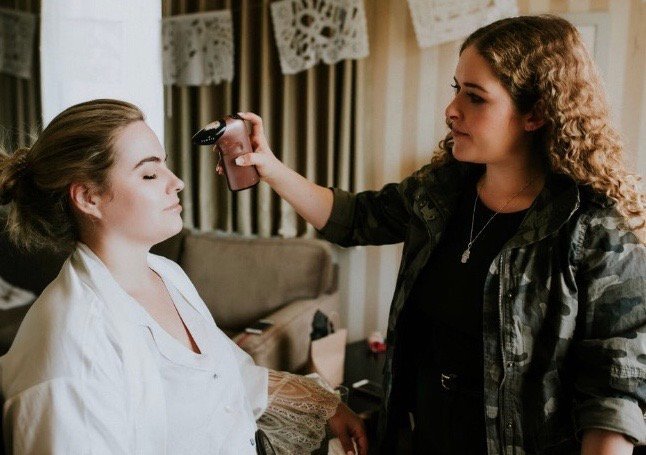
If your forehead gets shiny by noon while your cheeks feel tight by dinner, you already know what combination skin feels like. You may also wonder how that skin will behave on a wedding day that starts early, runs for many hours and happens in front of a camera.
This guide explains how to prep combination skin for long-wear bridal makeup in a simple, practical way. It follows the same prep habits Brittany Brown Beauty shares with brides, and it fits a timeline of three to twelve months before your wedding. Everything here focuses on appearance and comfort, so treat it as makeup-prep guidance and not medical advice.
Why Combination Skin Needs a Two-Zone Prep Strategy
Combination skin usually means different areas of your face behave differently. Many people notice more shine across the forehead, nose and chin, while the cheeks feel normal or dry. Your own pattern may look different, and that is fine.
That difference creates a real challenge for makeup. A single approach across the whole face rarely suits both zones. A rich, hydrating step may feel lovely on dry cheeks and then make the T-zone look slick by the time photos start. A mattifying step may control shine in one area and leave another area looking dull or textured.
A two-zone strategy solves this by treating each area on its own terms. Instead of choosing one product for the whole face, you think in sections: where skin needs more comfort and where it needs more balance. Your makeup artist does the same thing during application, so the prep you do at home sets up the work she does on the day.
Brittany Brown, the founder of Brittany Brown Beauty, has more than 11 years of experience in the makeup industry and trained at Empire Academy of Makeup in Orange County. Her signature approach is to enhance natural features and not mask them, which starts with the skin itself. When the skin looks fresh and even, the final look needs less product, and it feels more like you, but elevated. If you want to see how that approach plays out across a full wedding day, read Brittany Brown’s bridal makeup routine and how it lasts all day.
Southern California conditions add another layer. Many Orange County and San Diego weddings happen near the coast, where heat, humidity, sea air and direct sun can all change how skin looks over a long day. Brittany picks primers, foundations and setting products with those conditions in mind, and your prep gives her a better starting point.
Building the Routine

A good bridal skincare routine does not need to be complicated. It needs to be consistent. Brittany asks brides to start a steady routine at least four weeks before the wedding, and that timeline works well for combination skin because it gives you time to see how your skin responds to your habits. For a broader look at the final month, see how to prep your skin 30 days before your wedding.
Here is the simple framework to follow:
- Start at least four weeks out. Choose a routine you can repeat every morning and evening.
- Keep it steady. Skin looks calmer and more predictable when you do not change things constantly.
- Hydrate. Drink plenty of water in the week leading up to the wedding, especially in summer.
- Hold off on anything new in the final 10 days. New products and treatments close to the date can cause surprises.
If you are three to twelve months out, you have room to be patient. Use the early months to figure out what your skin likes, and use the final month to settle into a routine you trust. If you are considering a facial, facials before your wedding and when to schedule them can help you plan the timing around that 10-day window.
Balancing Oily and Dry Zones
The goal of a balanced routine is comfort in every zone. You want your cheeks to feel soft and your T-zone to feel fresh, with neither area fighting the other.
A few habits help:
- Cleanse gently. Harsh, stripping cleansers can leave skin feeling tight, and some skin responds by looking oilier afterward. A gentle approach keeps both zones more even.
- Moisturize every zone. Oily areas still benefit from lightweight hydration. Dry areas may want a little more. You can apply a lighter layer to the T-zone and a slightly richer layer to the cheeks if that feels right to you.
- Wear sun protection. If sunscreen is already part of your day, keep it there. It is a simple habit that fits any bridal timeline.
- Skip the experiments. A wedding countdown is not the time to try a dramatic new regimen. Steady and simple beats trendy and complicated.
Pay attention to how your skin feels during the day, not only in the mirror in the morning. Notice when your T-zone starts to shine, whether your cheeks feel tight by evening, and how your skin changes in warm weather. That information helps you and your artist later. If one zone is the bigger concern, these guides on prepping oily skin for wedding makeup that lasts all day and skin prep for dry or flaky patches before your wedding go deeper on each side of combination skin.
If you have specific skin concerns, talk with a qualified skincare professional about them. A makeup artist can adjust products and technique, but she does not diagnose or treat skin conditions.
Priming Differently by Area
Primer is where the two-zone idea shows up most clearly in makeup. Skin prep, primer and base preparation come first in Brittany’s process, and she does them without rushing. A well-prepared surface helps the rest of the look sit comfortably and wear well.
For combination skin, that often means choosing different support for different areas. A smoothing, shine-balancing step may suit the forehead, nose and chin, while a more comfortable, hydrating step may suit the cheeks. Your artist decides which products to use based on your skin on the day and what she learns at your trial, so the choice is guided by your skin and not by a one-size-fits-all formula. If you are curious how the base itself factors in, best foundation types for bridal makeup is a helpful read.
You do not need to buy primers ahead of time. In fact, it is better not to. New products close to the wedding add risk, and your artist already brings a professional kit with products chosen for coastal and outdoor Southern California conditions. Save your energy for the routine and bring your questions to the trial. If you are tempted to try something new late in the game, what happens if you try a new product too close to your wedding explains why waiting is the safer choice.
Brittany does not name specific brands in her bridal prep guidance, and you do not need to chase one. What matters most is that the products match your skin and that you test them before the wedding day.
What to Flag at Your Trial
A bridal makeup trial is the best place to turn your skin prep into a real plan. Brittany strongly recommends it. During the trial, she tests your look and products on your skin, works through adjustments and helps you know exactly what to expect on your wedding day. For a full walkthrough, see what happens during a bridal makeup trial.
For combination skin, the trial gives you a chance to see how the look behaves across both zones. Brittany asks brides to disclose any skin sensitivities, reactions or recent treatments, and this is the moment to be open about them. If you are unsure how to raise it, how to talk to your makeup artist about skin sensitivities offers some practical wording.
Consider sharing these points:
- Where you get shiny and how quickly. Tell her which areas look oily first and what time of day it usually happens.
- Where you feel dry or tight. Name the areas where makeup tends to cling, flake or settle.
- Your current routine. Share the steps you follow now so she can see what your skin already does.
- Sensitivities and reactions. Mention anything your skin has reacted to in the past.
- Recent treatments. Say so if you have had any, and mention any you plan to have before the wedding.
- Your wedding setting. Share whether you will be indoors, outdoors, near the water or in the sun.
- Your priorities. Tell her whether you want a soft glow, a more matte finish or something in between.
A trial also lets you notice how the look feels on your skin during the hours that follow. Many brides find it helpful to pay attention to how the makeup sits after an hour or two, and then to share what they notice. Brittany can use that feedback to adjust the plan. If your skin has visible texture, long-wear makeup techniques for textured skin explains what can help makeup sit more smoothly.
How This Prep Translates to Wedding-Day Longevity
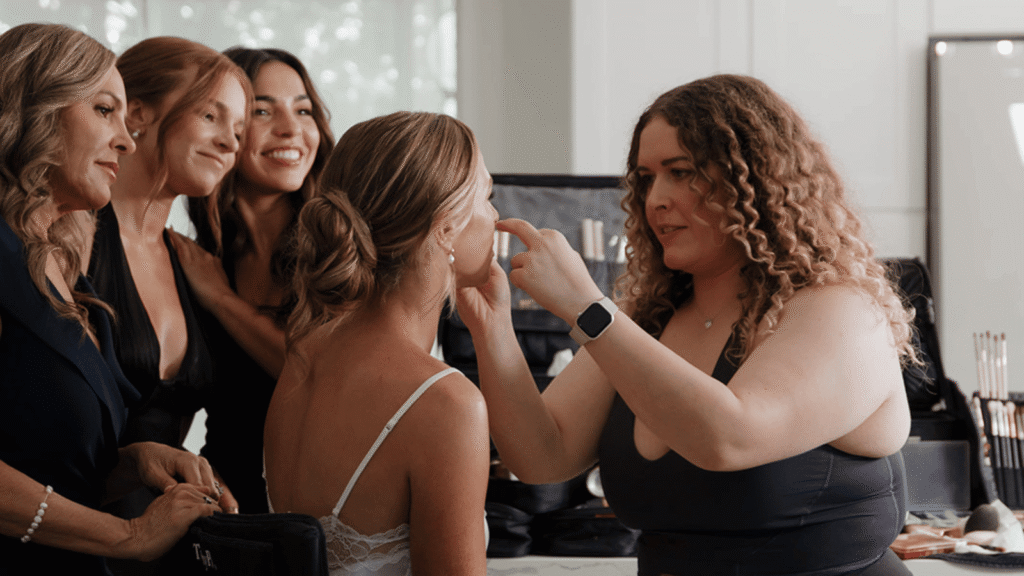
No honest artist can promise exactly how many hours makeup will last, because wear depends on your skin, the weather, the setting and the products. What good prep does is give your makeup the best possible chance to look fresh through the ceremony, the photos and the reception.
Here is how your preparation connects to the wedding day:
Steady skin looks more predictable. When you follow the same routine for weeks, your skin settles into a pattern. That predictability helps your artist plan which products and techniques to use where.
No new products means fewer surprises. By avoiding new skincare in the final 10 days, you reduce the chance of a reaction or an unexpected change in how your skin looks or feels.
Hydration supports comfort. Drinking water in the week before the wedding helps your skin feel its best, especially during warm months.
The trial removes guesswork. Because Brittany tests products on your real skin, you know how the look performs for you. That is better than assuming a product will work because it worked for someone else.
A calm morning protects the process. On the wedding day, Brittany starts with skin prep and base preparation, then applies her look using professional products suited to your skin and to Southern California conditions. She then uses final setting techniques to help the look hold through the day. She does not rush any of it, because a smooth, prepared surface sets up everything that follows.
Brides often tell Brittany that their makeup stayed put all day, even through happy tears. Those results come from careful prep, thoughtful product choices and a process built around the individual, and they do not come from a single trick.
Brittany also gives every bride a complimentary touch-up kit with lipstick, powder and blotting sheets. With good prep and product choices, the goal is that you will not need to think about your makeup during the event. If you want a quick refresh during a long day, though, the kit gives you an easy way to do it. Blotting sheets in particular suit combination skin, because they let you manage shine in the T-zone without disturbing the rest of your makeup.
Plan Your Bridal Makeup and Skin Prep
Your wedding makeup should start with a plan that considers your skin, preferred look, and wedding-day setting. Brittany Brown Beauty offers mobile, on-location services, with Brittany bringing her professional kit, studio-quality lighting, and seating to your hotel suite, private home, resort room, or estate. This allows her to prepare and apply your makeup in a well-lit space without requiring you to travel to a salon.
The process follows a clear order:
- Arrival and setup: Brittany sets up her station, which usually takes 15 to 20 minutes.
- Skin and base preparation: She prepares your skin with skincare, primer, and base products.
- Makeup application: She creates your chosen look using professional products suited to your skin and the wedding setting.
- Final setting: She uses setting techniques to help your makeup last through the ceremony, photos, and reception.
Bridal makeup typically takes 60 to 90 minutes, while each bridesmaid usually needs about 45 to 60 minutes. Timing depends on your bridal party size, and Brittany brings additional artists for larger groups so everyone can finish on schedule without rushing the bride’s application. On-location services also let your bridal party get ready together without a salon commute.
Once your venue and date are confirmed, reach out to discuss availability. Spring and fall weekends in Orange County and busy wedding seasons in San Diego can book quickly, so booking 6 to 12 months ahead is a good idea. Securing your date early also gives you time to arrange a trial and follow your skin preparation routine without feeling rushed. A signed contract and deposit secure your booking.
Browse the portfolio to see Brittany’s work, visit the About page to learn about her background and training at Empire Academy of Makeup, or explore the Brittany Brown Beauty for bridal hair, makeup, and event services.
When you’re ready to discuss your wedding makeup and preparation plans, contact Brittany Brown Beauty.
Frequently Asked Questions
Start a consistent skincare routine at least four weeks before your wedding. If you are three to twelve months out, you can use the extra time to learn how your skin behaves across a full day and to settle on habits you can keep. The key is to keep the routine steady, so your skin has time to settle before the big day.
Beyond the skincare routine, add a bridal makeup trial to your timeline, because Brittany strongly recommends it. Schedule it once your date and venue are set, so you can test the look on your own skin and adjust anything well before the wedding. Booking your artist early gives you the most flexibility for both the trial and the wedding day.
Avoid trying new skincare products or treatments in the final 10 days. New products close to the date can cause surprises, and you want your skin to feel familiar and comfortable. Also keep hydrating in the week leading up to the event, especially in summer. If you have a treatment on your calendar, share the timing with your artist at your trial.
Try not to add, swap or start anything new. That includes new products, replacements for products you already use and new treatments. Stick with the steady routine you built over the previous weeks. If you have a concern about your skin, speak with a qualified skincare professional instead of experimenting close to the wedding.
Let Brittany know where your skin gets oily, where it feels dry, and how it changes throughout the day. Share your current skincare routine, along with any sensitivities, reactions, or recent treatments.
Your wedding setting matters too. Mention whether you’ll be indoors, outdoors, near the water, or in direct sunlight. Also, let her know if you prefer a soft glow or a more matte finish. Brittany uses these details during your trial to test products and develop a plan suited to your skin and wedding conditions.